ABSTRACT
LI, YEN-WEI. Implementation of Association Analysis Methods for Less Constrained Sampling Strategies. (Under the direction of Dr. Yi-Ju Li.)
Association tests have served as an important tool to detect genetic variants associated
with qualitative or quantitative traits of interest. Association analysis aims to detect
markers that may be in strong or perfect linkage disequilibrium with variants that affect
the etiology or susceptibility of the disease, or modify the quantitative trait. In Chapter
One, we review the analytical background for the field of gene mapping in human
complex disease and the development of association methods. In order to gain sufficient
statistical power, efficient utilization of all data available is imperative. This thesis
presents our efforts in developing new association methods that can utilize different
combinations of family or population datasets, with the goal of relaxing the recruitment
criteria. In Chapter Two, we describe our work on the extension of the Monks and Kaplan
(MK) method and the development of a novel program that performs both allele- and
genotype-based association tests in general pedigree structures. The new genotype-based
MK method (EMK method) provides a test statistic for each genotype and a global test
for combined genotypes. In Chapter Three, we describe our work on developing a
family-based association test for pedigree including half-sib data (PHAST) to fully utilize
quantitative traits association study which can cope with family and unrelated data
simultaneously and control for population stratification through a smooth function. The
Implementation of Association Methods for Less Constrained Sampling Strategies
by Yen-Wei Li
A dissertation submitted to the Graduate Faculty of North Carolina State University
in partial fulfillment of the requirements for the degree of
Doctor of Philosophy
Statistics
Raleigh, North Carolina
2012
APPROVED BY:
_______________________________ ________________________________
Dr. Zhao-Bang Zeng Dr. Yi-Ju Li Chair of Advisory Committee
________________________________ ________________________________
DEDICATION
BIOGRAPHY
Yen-Wei Li was born on September 14, 1974, in Taiwan. He grew up and spent his earlier
school years in Taipei. He received a bachelor degree in Mathematics from National Cheng
Kung University (NCKU), Taiwan in June 1997. He enrolled in the Statistics Department in
National Central University at the same year and completed his master’s degree in 1999. He
was employed as a research assistant at the Institute of Statistical Science, Academia Sinica
after his two years military service. In August of 2003, he came to the United States to pursue
his Ph.D. degree in the Statistics Department of North Carolina State University. He did his
internship in Center for Human Genetics of Duke University and focused his PhD research
on developing statistic methods for complex disease gene mapping under the direction of Dr.
ACKNOWLEDGMENTS
I would like to thank my advisor and mentor, Dr. Yi-Ju Li, for her guidance, advice, and
enthusiasm throughout this research. Her encouragement and patience help me to overcome
all the difficulties during the entire course of this work.
I would like to thank my committee members; co-chair Dr. Zhao-Bang Zeng, Dr. Leonard
Stefanski, and Dr. Jung-Ying Tzeng, for their invaluable advice and comments throughout
the period of my doctoral studies. Their support and constant inspiration was my energy to
achieve my goal in this challenging journey.
I also appreciate all faculties and staffs at CHG for their suggestions and help to support my
study. I also want to thank all my classmates and friends for their friendship.
Finally, I would like to express my deeply appreciation to my family. Thanks to Mom and
Dad for their love, understanding, and tireless support throughout my life. Thanks to my
sisters for their constant encouragement and support. Last but not least, thanks to my little
TABLE OF CONTENTS
LIST OF TABLES ... vii
LIST OF FIGURES ... viii
CHAPTER 1. Statistical Methods and Study Designs in Human Genetics ... 1
1.1. INTRODUCTION ... 2
1.1.1. Characteristics of Complex Disease Gene Mapping ... 4
1.1.2. Genetic Association Studies ... 5
1.2. GENETIC CONCEPTS AND STUDY DESIGN ... 6
1.2.1. Linkage Disequilibrium ... 6
1.2.2. Study Design ... 9
1.3. ASSOCIATION METHODS ... 15
1.3.1. Family-Based Association Analysis ... 15
1.3.2. Population-Based Association Analysis ... 22
1.3.3. Population Stratification ... 23
1.4. SUMMARY ... 25
References ... 28
CHAPTER 2. EMK: A novel program for family‐based allelic and genotypic association tests on quantitative traits ... 35
Abstract ... 36
2.1. INTRODUCTION ... 38
2.2. METHODS ... 40
2.3. SIMULATION ... 45
2.4. RESULTS ... 47
2.5. DISUSSION ... 51
Acknowledgements ... 54
References ... 55
Appendix A ... 58
Appendix B ... 62
CHAPTER 3. A Family‐based Association Method for Pedigree Including Half‐Sib Data ... 72
Abstract ... 73
3.1. INTRODUCTION ... 75
3.2. METHODS ... 78
3.3. SIMULATION STUDIES ... 83
3.4. RESULTS ... 85
3.5. DISCUSSION ... 88
References ... 91
Appendix ... 93
CHAPTER 4. Association Test for Family and Unrelated Samples on Quantitative Traits: a semi‐parametric mixed model ... 106
Abstract ... 107
4.1. INTRODUCTION ... 108
4.2. METHOD ... 110
4.3. COMPUTER SIMULATION ... 112
4.4. SIMULATION RESULTS ... 114
4.5. DISCUSSION ... 115
Acknowledgements ... 117
References ... 118
Appendix ... 119
LIST OF TABLES
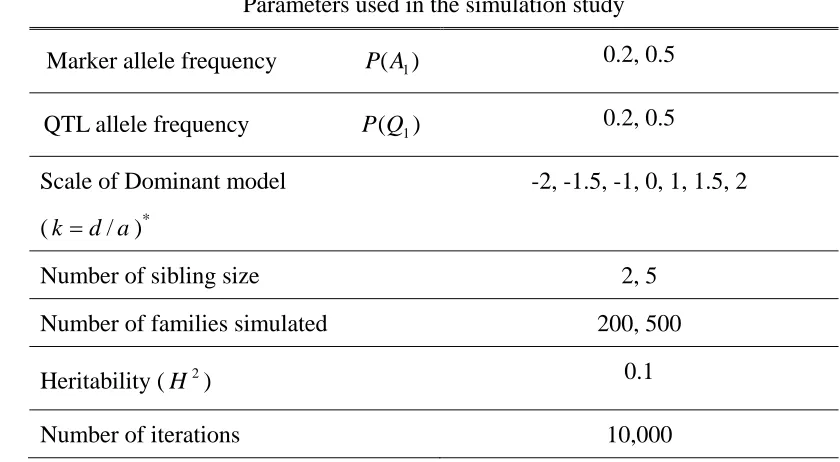
Table 1. Parameters used in the simulation study ... 64
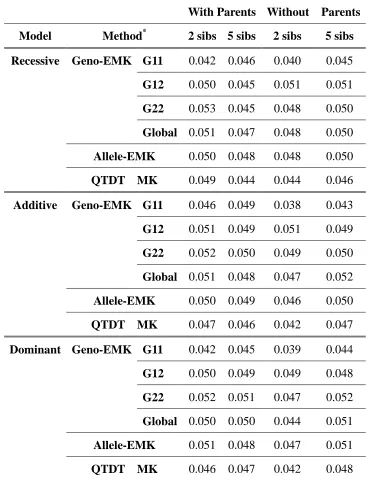
Table 2. Type I error rates for data simulated from 200 families under different genetic models and family structures ... 65
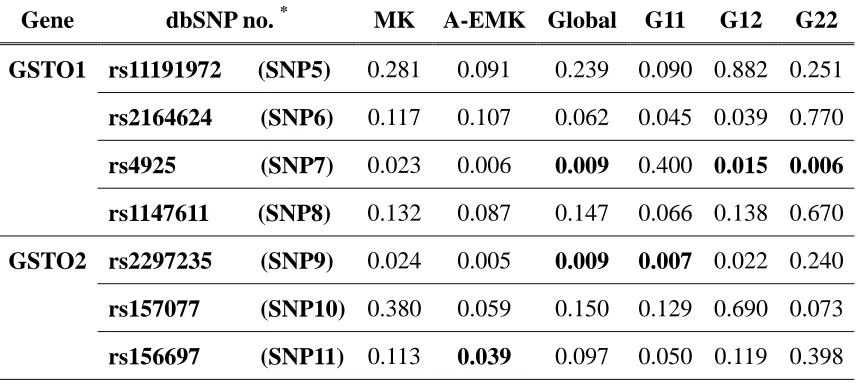
Table 3. QTDT MK (MK), allele-EMK (A-EMK) and geno-EMK (Global, G11, G12, and G22) test results for GSTO1 and GSTO2 in AD families ... 66
Table 4. X Statistic in ASP family ... 95
Table 5. X Statistic in the nuclear family with three affected siblings ... 97
Table 6. Parameters used in the simulation study ... 98
Table 7. Type I error rates for data simulated from 200 concordant half sibpair (HSP) families under different genetic models ... 99
Table 8. Type I error rates for data simulated from 200 concordant full (ASP) and discordant full sibpair (DSP) families under different genetic models ... 100
Table 9. Type I error rates for data simulated from 200 concordant half sibpair (HSP) families under different ratios of 1 IBD to 0 IBD families ... 101
Table 10. Parameters used in the simulation study ... 122
LIST OF FIGURES
Figure 1. General pedigrees used in simulations. ... 67
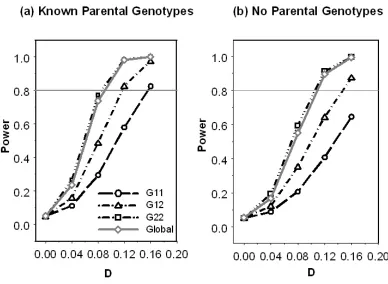
Figure 2. Power comparison among different genotypes under 500 two-sib nuclear families in additive model. Both marker and QTL allele frequencies were 0.2. The heritability was 0.1 and additive genetic effect a = 2. ... 68
Figure 3. Power comparison among QTDT MK (MK), allele-EMK (A-EMK), and
geno-EMK (G-EMK) global test under 500 two-sib nuclear families and 200 general pedigrees in additive model. Both marker and QTL allele frequencies were 0.2. The heritability was 0.1. ... 69
Figure 4. Power comparison among QTDT MK (MK), allele-EMK (A-EMK), and
geno-EMK (G-EMK) global test under 500 two-sib nuclear families in overdominant model ( k = -2). Both marker and QTL allele frequencies were 0.2. The heritability was 0.1. ... 70
Figure 5. Relationship of genotypic trait means for QTL genotype , , and , and population mean . The additive genetic effect a = 2. ... 71
Figure 6. Pedigree Structures ... 102
Figure 7. Power comparison among different association methods under different ratios of discordant full sibpairs (DSP) to discordant half sibpairs (DHSP) without parental data in both cases. ... 103
Figure 8. Power comparison among different association methods under different ratios of concordant full sibpairs (ASP) to concordant half sibpairs (HSP) without parental data in both cases. ... 104
Figure 10. Power comparison between SAMM and FBAT test under 200 trio families, 100 unrelated samples in population 1, and 100 unrelated samples in population 2 in additive model. The heritability was 0.1 and additive effect a = 2. ... 124
CHAPTER 1
1.1. INTRODUCTION
Linkage and association studies are two primary methods for human disease gene
mapping. Traditionally, the first step of gene mapping begins with a linkage study.
Genetic linkage assumes that certain chromosomal regions were linked in inheritance
through pedigree. This implies that some genes can be inherited together due to the lack
of recombination events occurred in between. Accordingly, a genome wide linkage study
is actually searching chromosomal regions that are linked (i.e. no recombination events)
and correlated to the traits of interests. This approach does not require a priori knowledge
about the location of potential susceptibility genes. Since the recombination rate is the
target parameter to be tested, familial data are required for the linkage study. In particular,
multiplex families (i.e. more than two affected siblings per families) are needed for a
qualitative trait. Therefore, many of early phase recruitments for linkage studies are
targeted for large extended pedigrees or nuclear families with affected sib pairs.
Linkage analysis can be grouped into two categories: parametric and non-parametric
linkage analysis. Parametric (model-based) linkage tests require the assumption of a
genetic model (e.g., dominant, additive, or recessive model) (Kruglyak, et al., 1996; Ott,
1999; Terwilliger and Ott, 1994), and is often evaluated by the logarithm of odds (LOD)
score (Morton, 1955). LOD is the logarithm (base 10) of odds of likelihood with the
recombination rate estimated from the observed data versus that with the null hypothesis
recombination rate 0.5. A LOD score greater than 3.0 is usually considered as the
is that the analysis can be sensitive to misspecification of the genetic model
(Clerget-Darpoux, et al., 1986) and may not have adequate power for complex diseases
(Weeks and Lathrop, 1995).
When the knowledge of genetic models is opaque, non-parametric (model-free)
linkage methods can do a better job. Non-parametric (parameter-free) linkage analysis
compares identity-by descent (IBD) between affected relatives (usually affected sib-pairs)
to see whether they are significantly different from Mendelian expectations (Kong and
Cox, 1997; Kruglyak, et al., 1996; Sengul, et al., 2001; Whittemore and Halpern, 1994).
If there is no linkage, the chances of an affected sib pair sharing 0, 1, and 2 alleles IBD
are 0.25, 0.5, and 0.25, respectively.
Linkage can be accomplished by two-point analysis, considering one marker and the
disease locus, or multipoint analysis, considering multiple markers with their relationship
to a putative disease locus position (Kruglyak, et al., 1996). Although computationally
intensive, multipoint analysis is more informative (Halpern and Whittemore, 2000).
Multipoint and two-point analyses for either parametric or nonparametric approaches
have been implemented in several software packages, such as, GENEHUNTER
(Kruglyak, et al., 1996), VITESSE (O'Connell and Weeks, 1995; O’Connell, 2001),
MENDLE (Lange, et al., 2001), SOLAR (Almasy and Blangero, 1998), and MERLIN
(Abecasis, et al., 2002).
Linkage is a powerful tool for rare variants. By tradition, linkage analysis was the
primary method for mapping simple Mendelian diseases such as Huntington’s disease
the most appropriate and promising method. Moreover, linkage analysis has the
disadvantage of low mapping resolution (which can narrow down the search for causal
variants to several megabases (Mb) in general) and could only determine roughly where
the putative susceptibility gene is (Roberts, et al., 1999).
1.1.1. Characteristics of Complex Disease Gene Mapping
Complex diseases are common disorders. Several late-onset-diseases and congenital
defects, including Alzheimer disease, Parkinson disease, scleroderma, asthma, diabetes,
and many more, fall into this category (Hunter, 2005). A common disease-common
variant (CD/CV) hypothesis (Collins, et al., 1997; Lander, 1996) assumes that “the
genetic risk for common diseases will often be due to disease-producing alleles found at
relatively high frequencies (>1%)”. These disorders are popular because the influencing
genes for these diseases are common. This CD/CV hypothesis also suggests that the
effect of each disease gene is generally small or moderate (Becker, 2004). These modest
genetic effects make it difficult to find the causative genes that underlie complex
diseases.
The search for common variants affecting the complex diseases usually uses
association studies. Rather than directly assessing allelic association between marker and
disease alleles, the tactic is looking for associations between marker alleles and disease
phenotype. However, linkage analysis still plays some roles for complex disease gene
massive results, linkage evidences can help to prioritize them. Furthermore, some studies
suffer insufficient sample sizes for a GWAS study. A linkage study can complement small
scale association studies (Ott, et al., 2011; Wang, et al., 2005).
1.1.2. Genetic Association Studies
Historically, the main usage of association studies is to examine functional candidate
genes (biologically associated to the trait of interest) or genes located in the linkage
regions detected by the genome wide linkage scan studies. With recent advances in
cost-effective high-throughput single nucleotide polymorphism (SNP) genotyping
technologies, the field of association studies has progressed to fine-mapping of linkage
regions and then GWAS using high density SNPs.
Association analysis aims to detect if there is an association between a trait and
occurrence of a certain allele at some markers. The principle of the association study is
looking for a significantly higher or lower frequency of a marker allele with a trait than
that would happen randomly if there is no association. If association is present, a
particular allele, genotype or haplotype of a polymorphism or polymorphism(s) will be
seen more often than expected by chance in individuals carrying the trait.
The validity of association between genotype and phenotype depends on genotyping
the direct biological functional polymorphisms (direct association) (e.g., the APOE-4
allele in Alzheimer’s disease (AD)), or nearby genetic markers that are in linkage
association arises because of some underlying stratification or admixture of the
population (confounded association) (Cordell and Clayton, 2005), this is called spurious
association which should be avoided by employing appropriate study design and analysis
methods.
Allelic association, also called linkage disequilibrium mapping, refers to the
dependence and correlation between marker allele and a disease trait. Such studies utilize
panels of SNPs (markers) and rely on the concept of linkage disequilibrium.
1.2. GENETIC CONCEPTS AND STUDY DESIGN
1.2.1. Linkage Disequilibrium
In population genetics, alleles at two loci in random association are said to be in a state of
linkage equilibrium (LE). In contrast, linkage disequilibrium (LD) is the non-random
association between alleles at two loci. In other words, LD reflects the phenomena that
some combinations of alleles between two loci (i.e. haplotype) happen more or less
frequently in a population than expected under random association.
There are several different measures of linkage disequilibrium. The basic measure is
disequilibrium coefficient, D, which measures the deviation of the haplotype frequency
from the expected value (the product of the marginal allele frequencies) (Lewontin and
is the frequency of haplotype carrying the A and B alleles, and and are the
marginal allele frequencies of allele A and B, respectively. If there is no allelic
association, the expectation of D would be zero. The maximum value of disequilibrium
coefficient depends on allele frequencies at the two loci. This undesirable property makes
D hard to interpret because comparison between pairs of alleles with different allele
frequencies is difficult.
Therefore, several alternative measures have been proposed that are less sensitive to
marginal allele frequencies and standardized to lie between 0 and 1 (or -1 and 1). Two
commonly used standardized measures are the Lewontin’s and correlation coefficient
( . Lewontin’s / ) is simply the disequilibrium coefficient standardized by
its maximum value , where min , 1 1 0 ,and
min 1 , 1 0 (Lewontin, 1964). If no allelic association, the
expectations of Lewontin’s (ranges from -1 to 1) would be zero. The case of
equaling to 1 (complete LD) should imply that there is evidence for no recombination
between the markers in the population. However, this conclusion is not always correct
because is sensitive to very rare alleles and could be problematic if they exist (Ardlie,
et al., 2002). Hill and Robertson (1968) proposed the correlation coefficient as
follows:
measure of the correlation between two loci, and is more useful in most situations.
equals 1 (perfect LD) only when the genotype at one locus perfectly predicts the
genotypes at a second locus and equals 0 when they are not in perfect equilibrium
(Lawrence, et al., 2005). These linkage disequilibrium measures can be used to measure
allelic associations between loci, no matter linked or not. They are not measures of
linkage.
Several mechanisms can cause LD, including genetic linkage, population
substructure, recent admixture, founder effects, along with a number of other factors such
as mutation, selection, random genetic drift, non-random mating, etc. After an original
event like mutation creates a LD, this association will begin to decay over generations.
The rate of decay largely depends on the recombination rate. Usually, the decay of
association will be slower if the two loci are more tightly linked. In general population,
LD is rarely found more than 1 Mb and often exists in much smaller distances. However,
LD at unlinked loci is possible by random, even though it often declines rapidly in the
evolutionary process. Therefore, in human disease gene mapping, there is an emphasis on
association methods to test both association (LD between disease locus and marker) and
linkage (physical association on the same chromosome) to the phenotype of interest
1.2.2. Study Design
There are two fundamental designs applied to association studies: family-based design
and population-based design. Family-based association study utilizes familial relationship
to characterize the allelic association to the trait of interest. Population-based design uses
related samples to make inference. With their respective advantages and limitations, both
methods provide helpful tools for identifying genetic variants in complex disorders. More
details and difference between these two study designs are presented in the following
sections.
Family-Based Design
Family-based association studies use families to detect association between genetic
markers and qualitative or quantitative traits. Early development of family-based
association methods took family triads (a proband and both parents) as the sampling unit.
Later on, many different nuclear families and extended pedigrees were also used for
testing association. Due to the diversity of family structures, various statistical methods
for family-based association have been developed (See Section 1.3.1).
Family-based association study was favorable for multiple reasons. First, unlike
effects due to population admixture and stratification, environment interaction, or
selection bias (Ewens and Spielman, 1995). Second, significant association can only be
detected in the presence of linkage when applying family-based association tests (Ott,
1989; Whittaker and Morris, 2001). It means that significant results will infer both
linkage and association at the same time. This property matches the intuitiveness that
truly associated markers should be physically near the causal genetic variant. Third,
family-based designs would be helpful for parent-of-origin studies (diagnosing
imprinting effects) (Weinberg, 1999a). It is almost impossible for population-based
designs to deal with such problem. Fourth, family-based designs could largely benefit
model building, multiple-hypothesis testing (Van Steen, et al., 2005). In addition, many
family data are already available for previous linkage studies. It is naturally following up
the family-based association design in such situations for fine-mapping.
The main drawbacks for family-based designs are mostly the practical issue of
recruitment and cost (Laird and Lange, 2006). Family-based association studies usually
require more time and funding for recruitment of probands and their relatives. In addition,
for the same sample size, family data is generally lower in statistical power than
Population-based Design
Population samples are in general easier to recruit. Since many human disease gene
mapping studies focus on binary phenotype such as disease status, the terminology of
case-control study is often used to refer to population-based design. However, the
population-based design also includes studies for quantitative phenotype (continuous
variables). In this case, there is no “case-control” per se in the samples. Population
association studies utilize unrelated individuals to identify risk alleles by studying
patterns of polymorphisms that vary systematically between case and control individuals
or increases the variation of quantitative phenotype. Because the genome is very
enormous, patterns considered to be a causal polymorphism could happen only by chance.
In order to distinguish causal from spurious signals, adequate statistical methods and high
standard statistical significance are required (Balding, 2006).
Case-control study designs are a classical epidemiological tool and now widely used
to study the genetic susceptibility in rare complex diseases. Basically, a case-control
study involves recruiting a number of the diseased subjects (cases), and then sampling a
comparable number of unaffected subjects (controls). To eliminate confounding effects,
case-control studies usually match case and control groups to have equal number of
samples and to keep homogenous on many other nuisance factors such as race, gender,
compares the observed allele or genotype frequencies in the cases and controls to the
expected values under the null hypothesis of no association where the frequencies are the
same in cases and controls (Risch, 2000). A significant difference in the frequency of an
allele or genotype between cases and controls reflects the potential of the increase or
decrease of the disease risk derived from the specific marker. The limitation of the
case-control study is that the presence of confounding effects in the samples could cause
association between unlinked loci (false positive) in the analysis (Devlin, et al., 2001;
Ewens and Spielman, 1995; Risch, 2000). Confounding is caused by the population
stratification (i.e., the existence of multiple population subgroups in a population) as well
as other factors which are associated with affection risk or marker–allele frequency
(Hennekens, et al., 1987). Therefore, it is essential to ensure that case and control
populations have identical ethnicity, because genotype and haplotype frequencies may
vary between ethnic or geographic populations.
Genome Wide Association
Candidate gene approaches and whole genome screens are two general methods to
explore the molecular genetics of complex diseases. In contrast to candidate gene
approaches which specifically examine functional related genes or genes located with a
genome by sampling 500,000 or more SNPs from each subject. A genome-wide
association study (GWAS) aims to unbiased identify associations between SNPs and a
trait. Because of the advance of genotyping technology, GWAS has offered an unbiased
way to search SNPs that are associated with the trait of interest.
In 2007, the Wellcome Trust Case-Control Consortium (WTCCC) implemented
GWAS with 2,000 individuals for each of seven complex human diseases (bipolar
disorder, coronary artery disease, Crohn’s disease, hypertension, rheumatoid arthritis,
type 1 diabetes, and type 2 diabetes) and 3000 shared controls. They had successfully
identified 24 independent association signals at above diseases (Burton, et al., 2007). To
June 2011, there have been 1,449 published GWAS getting significance results (p-value
5 10 ) for 237 traits (http://www.genome.gov). In spite of many advantages, there
are also some limitations in GWAS. For example, Maher (2008) indicated that the genes
detected by GWAS were unable to explain most of the heritability of many common
diseases. For some rare risk variants found by linkage, present GWAS has difficulty to
detect such variants through LD with common SNPs. This has made some recurrent
interest in using linkage methods to detect rare variants.
GWAS creates great demand for developing new approaches to identify genes that
underlie phenotypic variation. While the data preprocessing and computation are more
previously are generally relevant to both candidate gene studies and GWAS. However, in
order to get sufficient power in these large-genome scans, large sample size is required no
matter whether population- or family-based design is used (Hirschhorn and Daly, 2005).
Most published GWAS nowadays used population-based designs. This is reasonable
and inevitable because large samples for case–control studies are generally much easier
and economical to obtain than large numbers of suitable families. If no population
stratification, the case-control studies also have more power than the family-based design
(Risch and Teng, 1998; Veal, et al., 2002). However, family-based designs still possess
many irreplaceable functions which make these family studies competitive.
In theory, a combination of linkage and association methods could offer the most
powerful tool to identify the disease susceptibility variants (Ott, et al., 2011).
Family-based designs can offer a nature framework to this combined approach. Moreover,
many familial samples were collected during the era of whole genome linkage scans, and
these existing large collections of linkage data can be recycled and pave the way for the
family-based GWAS. These family datasets provide good resources for association
studies as either an initial investigation or a replication dataset for other association
findings. In addition, family-based designs can offer better quality control. Family data
are more robust not only for population stratification but also for detecting genotyping
accuracy in inferring haplotypes and confirming the role of rare variants to disease
susceptibility. In some cases, family-based design can carry out genetic analyses that
cannot be achieved using population-based design, such as testing imprinted genes (Kong,
et al., 2009; Paterson, et al., 1999). Finally, as the next-generation sequencing is
becoming an important approach to pinpoint the causal variant, familial samples have the
advantage for the first pass of sequencing effort to discover both common and rare
variants. Overall, familial-based designs will still remain important role in GWAS era.
1.3. ASSOCIATION METHODS
1.3.1. Family-Based Association Analysis
Qualitative Trait Association
TRANSMISSION/DISEQUILIBRIUM TEST
For qualitative (binary) traits, the transmission/disequilibrium test (TDT) (Spielman, et
al., 1993) is a pioneer method for family-based association studies. TDT was developed
to handle parents-offspring trio data, and is a non-parametric method which does not
require a specification disease model or the distribution assumption of the disease. Its
validity only depends on the assumption of Mendelian transmissions. The principle of
transmitted to the affected offspring will be only determined by Mendel’s laws. TDT
treats the un-transmitted allele as a control to the transmitted allele and compares the
differences between transmitted and un-transmitted alleles from parents to affected
offspring. Therefore, only trios with at least one heterozygous parent are informative for
the test. The statistical significance is determined by a Chi-square test. A significant result
implies that the marker tested and a susceptibility locus for a trait are linked and
associated.
At first, TDT was used to test for linkage in the presence of association. In order to
reject the null-hypothesis, however, both linkage and association have to be present.
Therefore, TDT is also a valid test for association in the presence of linkage (Ewens and
Spielman, 2005) and typically used as a test for association now. This dual-alternative
hypothesis makes TDT have the advantage to avoid false positive results due to
association without linkage, as might happen if there is population stratification or
admixture. Thanks to these benign properties, TDT opened the door for family-based
association study. However, TDT using only parents-offspring trio data is too restricted in
practical situations. Many extensions of TDT have thus been developed in order to
address other family structures, such as missing parental information, general pedigrees,
multiple affected siblings, and so on.
complex disease studies particularly the late-onset disorders. A number of methods have
been developed to extend the original TDT to handle this problem. The sib TDT (S-TDT)
(Spielman and Ewens, 1998) compared the difference of allele frequencies between
affected and unaffected siblings using discordant sib-pairs (unrelated nuclear families
with only one affected and one unaffected siblings). The SDT test (Horvath and Laird,
1998) generalized S-TDT to multiple affected siblings. Knapp (1999) proposed
“reconstruction combined TDT” (RC-TDT), which combined with TDT and S-TDT by
reconstructing missing parental genotypes based on siblings’ genotypes.
Since various family types may be recruited for a single study, ideally one would
like to have a testing method which can handle general pedigrees rather than only
parents-offspring trio or only discordant sibpairs. The pedigree disequilibrium test (PDT)
(Martin, et al., 2000) combines TDT and S-TDT into a test for general pedigree. PDT
treats general pedigrees as independent units and partitions a pedigree into several related
subunits of case–parent trios and discordant sib-pairs. The transmission score of each
pedigree is a sum of the transmission scores of all related subunits. A score statistic T
(asymptotically standard normal distribution) is therefore formed. Although PDT is a
valid test of linkage or association for more general pedigree structures, some subtypes of
pedigrees are still uninformative, for instance, the affected sib-pairs without parents.
TDT, S-TDT, and RC-TDT) that treat multiple offspring as independent are not valid if
linkage is present. The test for association in the presence of linkage (APL) (Martin, et al.,
2003) adjusted this problem by incorporating IBD relationships for affected siblings. The
APL can also infer missing parental genotypes in the linkage region by taking the IBD
information into consideration.
RRGRESSION AND LIKELIHOOD METHODS
Different from TDT-based methods, methods based on regression or likelihood functions
were proposed for family-based association studies. Regression methods possess several
attractive properties. For example, covariates like environmental factors or additional
marker variables can be easily fitted in the model to test for gene–environment (Schaid,
1999a) or gene–gene interactions. Allelic or genotypic relative risks can also be estimated
by regression parameters.
Logistic regression has been used to test for linkage disequilibrium (Schaid, 1996b;
Waldman, et al., 1999) in family triads or discordant sibpairs. Log-linear models are also
used to construct association tests in family triads (Weinberg, et al., 1998; Weinberg,
1999a) and allow for testing parent-of-origin effects.
The likelihood framework, either likelihood ratio or score tests, was also extended
When parental data are missing, a likelihood-ratio test is implemented by using the
expectation-maximization (EM) algorithm in incompletely genotyped triads (Weinberg,
1999b). Clayton (1999) proposed a likelihood ratio test for incomplete data in the
computer software TRANSMIT. The family-based association test (FBAT) (Horvath, et
al., 2001; Laird, et al., 2000; Rabinowitz and Laird, 2000) is a score test which treats the
offspring genotype as a random variable, conditioning on observed traits and parental
genotypes. If parental genotypes are missing, the FBAT is conditioned on sufficient
statistics. These strategies keep the FBAT away from making assumptions about the
parental allele frequencies, the trait distribution, and the marker allele frequencies.
Therefore, it is robust to population stratification and is applicable to many pedigree
structures. Several recent researches have been successfully applied by the FABT
approach (Smit, et al., 2008).
Quantitative trait association
Although many clinical phenotypes are dichotomized, directly using quantitative
measures if available is always encouraged for the sake of statistical power. There are
several recent findings which are based on family-based quantitative association studies,
such as the association between the nerve growth factor gene and autism spectrum
dependence (Wang, et al., 2011), and the association between the CHRM2 gene and
intelligence (Gosso, et al., 2006). Clearly, the development of family-based association
methods for quantitative traits was equally important. For unrelated individuals, if there is
population stratification, association tests for quantitative traits have the same potential
biases as case–control studies. Family-based tests can be applied to avoid such problems
and offered an additional test of linkage. There are several tests proposed for
family-based quantitative traits association tests. They can be generally categorized as
two types.
The first type is the model-free TDT extension methods. The key of these tests is to
examine whether there is a significant difference in a quantitative trait between children
who receive and who do not receive the marker allele from a heterozygous parent. For
family triads, Allison (1997) and Rabinowitz (1997) first introduced the extension of
TDT method for quantitative traits. Xiong et al. (1998) developed a more flexible
TDT-like method for quantitative traits if nuclear families with multiple siblings are
available. When there is missing parental data, Allison et al. (1999) modified his earlier
work to incorporate the absence of parental genotypes. Monks and Kaplan (2000) further
extended association tests for quantitative traits to general pedigree structure with or
without parental data.
model-based approaches for quantitative trait association tests require the additional
assumption of normality for the phenotypic distribution. Fulker et al. (1999) proposed a
likelihood-based association test for quantitative traits using sib-pairs data. They
partitioned association effects into two orthogonal components, the between-family and
the within-family association. Abecasis et al. (2000) further extended their approach for
nuclear families with multiple siblings (implemented in the QTDT software:
http://www.sph.umich.edu/csg/abecasis/QTDT/). The within-family association
parameter is robust to population stratification, and if there is a difference between the
between- and within-family association parameters, this can be taken as a sign for
stratification. This framework allows not only simultaneous testing linkage and
association, but also estimating the additive genetic effects of the marker alleles (Cardon
and Abecasis, 2000). The QTDT software is a widely used software that performs
association tests for quantitative traits and can implement five association methods,
including orthogonal model (OM) (Abecasis, et al., 2000), Monks and Kaplan (MK)
Model (Monks and Kaplan, 2000), Fulker Model (Fulker, et al., 1999), Allison's Linear
Model (TDTQ5) (Allison, 1997), and Rabinowitz Model (Rabinowitz, 1997).
Gauderman (2003) proposed a regression model which allows for detecting
gene-gene and gene-environment interactions. A potential problem with these regression
distribution is skewed or non-normal. FBAT (Horvath, et al., 2004; Lange, et al., 2001),
or its relatively new software tool PBAT, can also be used for quantitative trait
association test. In contrast to QTDT, the FBAT approach is a nonparametric method so
that no distributional assumptions for the trait are required.
1.3.2. Population-Based Association Analysis
For qualitative trait, the natural choice of a testing method for SNP genotypes is creating
a contingency table and tests for association by the Pearson Chi-squared statistic or
Fisher’s exact test. The genotypic Pearson and Fisher tests have generally reasonable
power over most risk models (recessive, dominant, or overdominant) except that the
genotype risks are additive. For human complex disease, it is widely accepted that
individual SNPs would contribute roughly additively to disease risk. One way to improve
power to detect additive risks is adopting the Cochran–Armitage test (Armitage test)
(Armitage, 1955). The Armitage test is more conservative and would sacrifice some
power if the genotypic risks are far from additive.
Regression-based analyses such as logistic regression can also be used in the
case-control test (Agresti, 2002). Logistic regression offers a more flexible test that can
there are some connections between the logistic regression models and the Pearson or
Armitage test described previously. Both Pearson and Armitage tests are special cases of
score tests that correspond to the logistic regression models with no other covariates.
For quantitative (or continuous) traits, linear regression and analysis of variance
(ANOVA) are two legitimate choices for testing association. In either test, it assumes the
normality of the trait for each genotype. If normality does not hold, either a
transformation of the original trait to approximate normality or other regression methods
(for example, nonlinear model) could be adopted for testing.
1.3.3. Population Stratification
Without proper processing, population structure can make false positive or spurious
association results in population-base analysis. Several statistical analytic strategies are
adopted to control such bias if such confounding effect exists.
Genomic Control (GC) (Devlin and Roeder, 1999; Reich and Goldstein, 2001) uses a set
of random unlinked SNPs to estimate the inflation in the Armitage test statistic, and then
applying this inflation factor to adjust the test statistic. Devlin et al. (2004) proposed a
less conservative version GCF procedure. The idea of GC methods is that under
and this inflation factor can be estimated using a set of markers unlinked to disease (null
SNPs). GC usually performs well when properly applied, but can be conservative in some
extreme settings (Setakis, et al., 2006). Moreover, little knowledge is available on the
suitable number of SNPs required for testing, and it can be anti-conservative if
insufficient null SNPs are used (Marchini, et al., 2004).
Structured association methods (Hoggart, et al., 2003; Pritchard, et al., 2000; Satten,
et al., 2001) are based on the idea of allocating an individual’s genome to hypothetical
subpopulations, and to test for association conditional on this subpopulation allocation.
The STRUCTURE program (Falush, et al., 2003; Pritchard and Rosenberg, 1999;
Pritchard, et al., 2000) was developed for subpopulation allocation. These approaches are
more complex than genomic control and computationally demanding, because the
number of subpopulations is difficult to select. The allocation of the subpopulation is a
theoretical construct and the real number of subpopulations cannot be fully answered.
Evanno et al. (2005)provided a criterion to determining the number subpopulations.
Patterson et al. (2006) developed an approach using principal components analysis
(PCA) to detect population structures and Price et al. (2006) proposed the Eigenstrat
method based on PCA. The Eigenstrat method computes principal components for SNPs
across the genome. A small number of significant principal components will be calculated
would be put in a regression model as covariates to correct for population stratification.
PCA provides an effective way to diagnose population structure when large-scale
genotype data of a sample of individuals are available. In the past, large numbers of null
SNPs have been considered as extra genotyping burden, but it becomes more feasible
now in whole genome era.
There are several regression based methods also used to address population structure.
Setakis et al. (2006) used logistic regression model for association studies which protects
against population structure by treating null SNPs as covariates. Yu et al. (2006) adopted
a mixed-model approach that accounts for subpopulation effect as a fixed effect. These
approaches can be easily extended to control other confounding such as environmental
factors.
1.4.SUMMARY
In this chapter, I have provided as much review as possible on the background of gene
mapping studies for human complex diseases and the available, if not all, association
tests. Association tests have served as a promising tool to detect genetic variants
associated with the qualitative or quantitative traits of interest. In order to gain sufficient
studies nowadays, such as GWAS, is a costly and time-consuming tendency for recruiting
samples. Therefore, efficient utilization of all data available is imperative. This thesis
consists with three independent projects, and presents our efforts in developing new
association methods that can utilize different combinations of family or population
datasets, with the goal of relaxing the recruitment criteria.
Most association methods for quantitative traits are all allelic-based tests and
applicable to nuclear families. Since genotype of a marker is a direct observation for an
individual, it is desirable to assess association at the genotypic level. Furthermore, some
methods are restricted to nuclear families only. For instance, the method proposed by
Monks and Kaplan (2000) (MK method) uses only partial information from the general
pedigree, which may result in the loss of statistical power. In Chapter Two, we describe
our work on the extension of the MK method and the development of a novel program
that could perform both allele- and genotype-based association tests in any pedigree
structures. The new genotype-based MK method (EMK method) provides test statistic for
each genotype and a global test for combined genotypes.
The current family-based association tests are mostly, if not all, based on pedigree
structures with parent-offspring triads, parents and multiple affected full siblings,
discordant full sibpairs of large size, or extended pedigrees including related nuclear
ascertainment in genetic research. In Chapter Three, we describe our work on developing
a family-based association test for pedigree including half-sib data (PHAST) to fully
utilize all possible information in the family data. This method will benefit understudied
populations, especially for late-onset diseases that recruitment is mostly difficult.
Both population-based and family-based designs have their pros and cons. Whether
there is an advantage of combining both family and population data in one single test is a
question of interest. In current practice, one would probably perform meta-analysis on the
p-values obtained from various datasets. However, this runs a risk of under-power in
individual dataset if sample sizes are limited to start with. In Chapter Four, we develop a
semiparametric additive mixed model (SAMM) for quantitative traits association study
which can cope with family and unrelated data simultaneously and control for population
stratification through a smooth function. Finally, in Chapter Five, we discuss future
References
Abecasis, G., Cardon, L. and Cookson, W. (2000) A general test of association for
quantitative traits in nuclear families, The American Journal of Human Genetics, 66,
279-292.
Abecasis, G.R., et al. (2002) Merlin-rapid analysis of dense genetic maps using sparse
gene flow trees, Nature Genetics, 30, 97-101.
Agresti, A. (2002) Categorical Data Analysis. Wiley New York.
Allison, D.B. (1997) Transmission-disequilibrium tests for quantitative traits, American
Journal of Human Genetics, 60, 676.
Allison, D.B., et al. (1999) Sibling-based tests of linkage and association for quantitative
traits, The American Journal of Human Genetics, 64, 1754-1764.
Almasy, L. and Blangero, J. (1998) Multipoint quantitative-trait linkage analysis in
general pedigrees, The American Journal of Human Genetics, 62, 1198-1211.
Ardlie, K.G., Kruglyak, L. and Seielstad, M. (2002) Patterns of linkage disequilibrium in
the human genome, Nature Reviews Genetics, 3, 299-309.
Armitage, P. (1955) Tests for linear trends in proportions and frequencies, Biometrics, 11, 375-386.
Balding, D.J. (2006) A tutorial on statistical methods for population association studies,
Nature Reviews Genetics, 7, 781-791.
Becker, K.G. (2004) The common variants/multiple disease hypothesis of common
complex genetic disorders, Medical hypotheses, 62, 309-317.
Burton, P.R., et al. (2007) Genome-wide association study of 14,000 cases of seven
common diseases and 3,000 shared controls, Nature, 447, 661-678.
Cardon, L.R. and Abecasis, G.R. (2000) Regression models for association studies of quantitative trait loci in humans, GeneScreen, 1, 55-57.
Clayton, D. (1999) A generalization of the transmission/disequilibrium test for
uncertain-haplotype transmission, The American Journal of Human Genetics, 65,
Clerget-Darpoux, F., Bonaïti-Pellié, C. and Hochez, J. (1986) Effects of misspecifying
genetic parameters in lod score analysis, Biometrics, 393-399.
Collins, F.S., Guyer, M.S. and Chakravarti, A. (1997) Variations on a theme: cataloging
human DNA sequence variation, Science, 278, 1580.
Cordell, H.J. and Clayton, D.G. (2005) Genetic association studies, The Lancet, 366,
1121-1131.
Devlin, B., Bacanu, S.A. and Roeder, K. (2004) Genomic control to the extreme, Nature
Genetics, 36, 1129-1130.
Devlin, B. and Roeder, K. (1999) Genomic control for association studies, Biometrics, 55,
997-1004.
Devlin, B., Roeder, K. and Bacanu, S.A. (2001) Unbiased methods for population‐based
association studies, Genetic Epidemiology, 21, 273-284.
Evanno, G., Regnaut, S. and Goudet, J. (2005) Detecting the number of clusters of
individuals using the software STRUCTURE: a simulation study, Molecular ecology, 14,
2611-2620.
Ewens, W.J. and Spielman, R.S. (1995) The transmission/disequilibrium test: history,
subdivision, and admixture, American Journal of Human Genetics, 57, 455.
Ewens, W.J. and Spielman, R.S. (2005) What is the significance of a significant TDT?,
Human heredity, 60, 206-210.
Falush, D., Stephens, M. and Pritchard, J.K. (2003) Inference of population structure
using multilocus genotype data: linked loci and correlated allele frequencies, Genetics,
164, 1567.
Fulker, D., et al. (1999) Combined linkage and association sib-pair analysis for
quantitative traits, The American Journal of Human Genetics, 64, 259-267.
Gauderman, W.J. (2003) Candidate gene association analysis for a quantitative trait, using parent‐offspring trios, Genetic Epidemiology, 25, 327-338.
Gosso, M., et al. (2006) Association between the CHRM2 gene and intelligence in a
sample of 304 Dutch families, Genes, Brain and Behavior, 5, 577-584.
Greenland, S. and Rothman, K.J. (1998) Modern epidemiology. Lippincott-Raven.
Halpern, J. and Whittemore, A.S. (2000) Multipoint linkage analysis, Human heredity, 49,
Hennekens, C.H., Buring, J.E. and Mayrent, S.L. (1987) Epidemiology in medicine. Lippincott Williams & Wilkins.
Hill, W. and Robertson, A. (1968) Linkage disequilibrium in finite populations, TAG
Theoretical and Applied Genetics, 38, 226-231.
Hirschhorn, J.N. and Daly, M.J. (2005) Genome-wide association studies for common diseases and complex traits, Nature Reviews Genetics, 6, 95-108.
Hoggart, C.J., et al. (2003) Control of confounding of genetic associations in stratified
populations, The American Journal of Human Genetics, 72, 1492-1504.
Horvath, S. and Laird, N.M. (1998) A discordant-sibship test for disequilibrium and
linkage: no need for parental data, The American Journal of Human Genetics, 63,
1886-1897.
Horvath, S., Xu, X. and Laird, N.M. (2001) The family based association test method:
strategies for studying general genotype--phenotype associations, European journal of
human genetics: EJHG, 9, 301.
Horvath, S., et al. (2004) Family‐based tests for associating haplotypes with general
phenotype data: application to asthma genetics, Genetic Epidemiology, 26, 61-69.
Hunter, D.J. (2005) Gene–environment interactions in human diseases, Nature Reviews
Genetics, 6, 287-298.
Knapp, M. (1999) The transmission/disequilibrium test and parental-genotype
reconstruction: the reconstruction-combined transmission/disequilibrium test, The
American Journal of Human Genetics, 64, 861-870.
Kong, A. and Cox, N.J. (1997) Allele-sharing models: LOD scores and accurate linkage
tests, The American Journal of Human Genetics, 61, 1179-1188.
Kong, A., et al. (2009) Parental origin of sequence variants associated with complex
diseases, Nature, 462, 868-874.
Kruglyak, L., et al. (1996) Parametric and nonparametric linkage analysis: a unified
multipoint approach, American Journal of Human Genetics, 58, 1347.
Laird, N.M., Horvath, S. and Xu, X. (2000) Implementing a unified approach to family‐
based tests of association, Genetic Epidemiology, 19, S36-S42.
Lander, E.S. (1996) The new genomics: global views of biology, Science, 274, 536.
Lange, K., et al. (2001) Mendel version 4.0: A complete package for the exact genetic
analysis of discrete traits in pedigree and population data sets, Am J Hum Genet, 69,
A1886.
Lawrence, R.W., Evans, D.M. and Cardon, L.R. (2005) Prospects and pitfalls in whole
genome association studies, Philosophical Transactions of the Royal Society B:
Biological Sciences, 360, 1589-1595.
Lewontin, R. (1964) The interaction of selection and linkage. I. General considerations; heterotic models, Genetics, 49, 49.
Lewontin, R. and Kojima, K. (1960) The evolutionary dynamics of complex
polymorphisms, Evolution, 458-472.
Lu, A.T.H., et al. (2011) QTL replication and targeted association highlight the nerve
growth factor gene for nonverbal communication deficits in autism spectrum disorders,
Molecular Psychiatry.
Maher, B. (2008) Personal genomes: The case of the missing heritability, Nature, 456, 18.
Marchini, J., et al. (2004) The effects of human population structure on large genetic
association studies, Nature Genetics, 36, 512-517.
Martin, E.R., et al. (2003) Accounting for linkage in family-based tests of association
with missing parental genotypes, The American Journal of Human Genetics, 73,
1016-1026.
Martin, E.R., et al. (2000) A test for linkage and association in general pedigrees: the
pedigree disequilibrium test, The American Journal of Human Genetics, 67, 146-154.
Monks, S. and Kaplan, N. (2000) Removing the sampling restrictions from family-based
tests of association for a quantitative-trait locus, The American Journal of Human
Genetics, 66, 576-592.
Morton, N.E. (1955) Sequential tests for the detection of linkage, American Journal of
Human Genetics, 7, 277.
O'Connell, J.R. and Weeks, D.E. (1995) The VITESSE algorithm for rapid exact
multilocus linkage analysis via genotype set–recoding and fuzzy inheritance, Nature
O’Connell, J.R. (2001) Rapid multipoint linkage analysis via inheritance vectors in the
Elston-Stewart algorithm, Human heredity, 51, 226-240.
Ott, J. (1989) Statistical properties of the haplotype relative risk, Genetic Epidemiology, 6, 127-130.
Ott, J. (1999) Analysis of human genetic linkage. Johns Hopkins Univ Pr.
Ott, J., Kamatani, Y. and Lathrop, M. (2011) Family-based designs for genome-wide association studies, Nature Reviews Genetics, 12, 465-474.
Paterson, A.D., Naimark, D.M.J. and Petronis, A. (1999) The analysis of parental origin
of alleles may detect susceptibility loci for complex disorders, Human heredity, 49,
197-204.
Patterson, N., Price, A.L. and Reich, D. (2006) Population structure and eigenanalysis,
PLoS genetics, 2, e190.
Price, A.L., et al. (2006) Principal components analysis corrects for stratification in
genome-wide association studies, Nature Genetics, 38, 904-909.
Pritchard, J.K. and Rosenberg, N.A. (1999) Use of unlinked genetic markers to detect
population stratification in association studies, The American Journal of Human Genetics,
65, 220-228.
Pritchard, J.K., et al. (2000) Association mapping in structured populations, The
American Journal of Human Genetics, 67, 170-181.
Rabinowitz, D. (1997) A transmission disequilibrium test for quantitative trait loci,
Human heredity, 47, 342-350.
Rabinowitz, D. and Laird, N. (2000) A unified approach to adjusting association tests for population admixture with arbitrary pedigree structure and arbitrary missing marker information, Human heredity, 50, 211-223.
Reich, D.E. and Goldstein, D.B. (2001) Detecting association in a case-control study while correcting for population stratification, Genetic Epidemiology, 20, 4-16.
Risch, N. and Teng, J. (1998) The relative power of family-based and case-control designs for linkage disequilibrium studies of complex human diseases I. DNA pooling,
Genome Research, 8, 1273-1288.
Risch, N.J. (2000) Searching for genetic determinants in the new millennium, Nature,
Roberts, S.B., et al. (1999) Replication of linkage studies of complex traits: an
examination of variation in location estimates, The American Journal of Human Genetics,
65, 876-884.
Satten, G.A., Flanders, W.D. and Yang, Q. (2001) Accounting for unmeasured population substructure in case-control studies of genetic association using a novel latent-class
model, The American Journal of Human Genetics, 68, 466-477.
Schaid, D.J. (1996b) General score tests for associations of genetic markers with disease
using cases and their parents, Genetic Epidemiology, 13, 423-449.
Schaid, D.J. (1999a) Case‐parents design for gene‐environment interaction, Genetic
Epidemiology, 16, 261-273.
Sengul, H., Weeks, D.E. and Feingold, E. (2001) A survey of affected-sibship statistics
for nonparametric linkage analysis, The American Journal of Human Genetics, 69,
179-190.
Setakis, E., Stirnadel, H. and Balding, D.J. (2006) Logistic regression protects against
population structure in genetic association studies, Genome Research, 16, 290-296.
Smit, L.A.M., et al. (2008) CD14 and toll-like receptor gene polymorphisms, country
living, and asthma in adults, American journal of respiratory and critical care medicine,
200810-201533OCv200811.
Spielman, R.S. and Ewens, W.J. (1996) The TDT and other family-based tests for linkage
disequilibrium and association, American Journal of Human Genetics, 59, 983.
Spielman, R.S. and Ewens, W.J. (1998) A sibship test for linkage in the presence of
association: the sib transmission/disequilibrium test, The American Journal of Human
Genetics, 62, 450-458.
Spielman, R.S., McGinnis, R.E. and Ewens, W.J. (1993) Transmission test for linkage disequilibrium: the insulin gene region and insulin-dependent diabetes mellitus (IDDM),
American Journal of Human Genetics, 52, 506.
Terwilliger, J.D. and Ott, J. (1994) Handbook of human genetic linkage. Johns Hopkins
Univ Pr.
Van Steen, K., et al. (2005) Genomic screening and replication using the same data set in
Veal, C.D., et al. (2002) Family-Based Analysis Using a Dense Single-Nucleotide Polymorphism–Based Map Defines Genetic Variation at PSORS1, the Major
Psoriasis-Susceptibility Locus, The American Journal of Human Genetics, 71, 554-564.
Waldman, I., Robinson, B. and Rowe, D. (1999) A logistic regression based extension of
the TDT for continuous and categorical traits, Annals of human genetics, 63, 329-340.
Wang, K.S., et al. (2011) Polymorphisms in ABLIM1 are Associated with Personality
Traits and Alcohol Dependence, Journal of Molecular Neuroscience, 1-7.
Wang, W.Y.S., et al. (2005) Genome-wide association studies: theoretical and practical
concerns, Nature Reviews Genetics, 6, 109-118.
Weeks, D.E. and Lathrop, G.M. (1995) Polygenic disease: methods for mapping complex disease traits, Trends in Genetics, 11, 513-519.
Weinberg, C. (1999b) Allowing for missing parents in genetic studies of case-parent
triads, The American Journal of Human Genetics, 64, 1186-1193.
Weinberg, C., Wilcox, A. and Lie, R. (1998) A log-linear approach to case-parent–triad data: assessing effects of disease genes that act either directly or through maternal effects
and that may be subject to parental imprinting, The American Journal of Human Genetics,
62, 969-978.
Weinberg, C.R. (1999a) Methods for detection of parent-of-origin effects in genetic
studies of case-parents triads, The American Journal of Human Genetics, 65, 229-235.
Whittaker, J. and Morris, A. (2001) Family‐based tests of association and/or linkage,
Annals of human genetics, 65, 407-419.
Whittemore, A.S. and Halpern, J. (1994) A class of tests for linkage using affected
pedigree members, Biometrics, 118-127.
Xiong, M., Krushkal, J. and Boerwinkle, E. (1998) TDT statistics for mapping quantitative trait loci, Annals of human genetics, 62, 431-452.
Yu, J., et al. (2006) A unified mixed-model method for association mapping that accounts
CHAPTER 2
EMK: A novel program for family-based allelic and genotypic
association tests on quantitative traits
Yen-Wei Li, Eden R. Martin, and Yi-Ju Li*
Abstract
The QTDT program is a widely-used program for analyzing quantitative trait data, but
the methods mainly test allelic association. Since the genotype of a marker is a direct
observation for an individual, it is of interest to assess association at the genotypic level.
In this study, we extended the allele-based association method developed by Monks and
Kaplan (MK method) to genotype-based association tests for quantitative traits. We
implemented a novel extended MK (EMK) program that can perform both allele- and
genotype- based association tests in any pedigree structure. To evaluate the performance
of EMK, we utilized simulated pedigree data and real data from Li, et al. 2003, who
studied GSTO1 and GSTO2 genes in Alzheimer disease (AD). Both allele- and
genotype-based EMK methods (allele-EMK and geno-EMK) showed correct type I error
for various pedigree structures and admixture populations. The geno-EMK method
showed comparable power to the allele-EMK test. By treating age-at-onset (AAO) as a
quantitative trait, the EMK program was able to detect significant associations for rs4925
in GSTO1 (P = 0.006 for allele-EMK and P = 0.009 for geno-EMK), and rs2297235 in
GSTO2 (P = 0.005 for allele-EMK and P = 0.009 for geno-EMK), which are consistent
2.1.INTRODUCTION
Since the development of the Transmission Disequilibrium Test (TDT) (Spielman, et al.,
1993), family-based association methods have played an important role in mapping genes
for complex human diseases. The original TDT was applicable only to parent-offspring
triads for qualitative traits. Since then, many extensions of TDT have been proposed to
incorporate various pedigree structures (Boehnke and Langefeld, 1998; Curtis, 1997;
Martin, et al., 1997; Martin, et al., 2000; Spielman and Ewens, 1998) as well as
quantitative traits (Allison, 1997; Rabinowitz, 1997; Schaid and Rowland, 1999).
To date, QTDT and FBAT are the two primary programs that perform association
tests for quantitative traits for family data. In particular, the QTDT implements five
association methods (Abecasis, et al., 2000; Allison, 1997; Fulker, et al., 1999; Monks
and Kaplan, 2000; Rabinowitz, 1997), in which the likelihood-based orthogonal model
(OM) (Abecasis, et al., 2000) and the TDT-based Monks and Kaplan (MK) method
(Monks and Kaplan, 2000) are feasible in wider pedigree structures than the other
methods. The OM method tests the additive genetic effect of the quantitative trait loci
(QTL) in general pedigrees with or without parental data. It requires normally distributed
quantitative trait data, which may not always reflect real data. On the other hand, the MK
restrictions on the trait distribution. The MK method also has the advantage of providing
information about the direction of the allelic effect- for instance, whether the allele
increases or decreases the trait’s value.
Most association methods for quantitative traits, including OM and MK, provide
evidence of association for an allele rather than a genotype at a marker locus. The
development of Genotype-PDT for qualitative traits (Martin, et al., 2003) has set an
example of the advantage of assessing the genotypic association. Testing for
genotype-based association has more power than testing for allele-based association in
some genetic models. For instance, Genotype-PDT was found to have higher power than
allele-based PDT under recessive and dominant models (Martin, et al., 2003). The results
of genotype association tests may help us understand the underlying genetic model of the
susceptibility gene or genetic modifier by evaluating genotype-specific effects.
Methods and programs for testing genotypic association between markers and
quantitative traits and for family-based association analysis of quantitative traits are
lacking. Nuclear family data are still the focus of the application for most methods. When
extended pedigrees are available, not all data within the extended pedigree is used, which
may result in some loss of statistical power. We built on the advantages of the MK
method by extending it to general pedigree data and to test for genotypic association.
the MK method (EMK methods). We also developed a computer program that
implements both allele-based and genotype-based EMK methods for real data analysis.
2.2.METHODS
The MK method utilizes the following two types of informative nuclear families: families
with known parental genotypes and at least one heterozygous parent; and families
without parental genotypes but with at least two siblings with different genotypes. Our
version of allele-based EMK (allele-EMK) and genotype-based EMK (geno-EMK)
methods are applicable to a general pedigree that contains the same type of informative
nuclear families. The test statistics described below are based on the extended general
pedigree. They can be simplified for nuclear families if needed.
Allele-based association test (allele-EMK)
Considering a marker locus with two alleles A1 andA2, we assume ti siblings in the ith
pedigree, where i = 1, …, F. We used the notation of Yij for the quantitative phenotype
of the jth individual in the ith pedigree and Yifor the mean trait value over all
non-founders in the ith pedigree.
Several genotypic scores were defined in Monks and Kaplan (Monks and Kaplan,