OCCUPATIONAL THERAPY
REPORTS: EXPLORING BEST
PRACTICE
JULIE JAY
A dissertation submitted to the Faculty of Health Sciences,
University of the Witwatersrand, in fulfilment of the requirements
for the degree of Master of Science in Occupational Therapy.
Johannesburg,
June 2017
ii
Declaration
I, Julie Mae Jay, declare that this dissertation is my own work. It is being submitted for the degree of Masters of Science at the University of the Witwatersrand, Johannesburg. It has not been submitted before for any degree or examination at this or any other University.
……….
iii
Dedication
I dedicate this project to the Department of Occupational Therapy at the University of the Witwatersrand. In my time of working there I was inspired by their passion to advance the profession of occupational therapy to meet the needs of the South African population, and the care and empathy they felt for the students in their charge.
iv
Abstract
Introduction: Communicating about patient assessment and intervention is accepted as an essential requirement of the health professional’s role. Current research indicates that this area of professional practice is the most routinely neglected. There is anecdotal evidence that reporting by occupational therapists, especially novice clinicians in South Africa, is of a poor standard, but as yet, there is limited research into this field. This study aimed to establish what occupational therapists view as current and best practice regarding report writing and the factors that influence their ability in writing profession specific reports.
Method: The study was completed in two phases. The first phase included six focus groups, carried out with occupational therapists in a variety of clinical and discipline specific contexts. The qualitative data were analysed to determine specific themes using an inductive approach. Several conflicts emerged leading to the second phase; a nominal group with subject matter experts where data were analysed using deductive content analysis.
Results: Three themes emerged. Generic occupational therapy reporting issues identified that therapists are subject to generic barriers that influence their report writing. The occupational therapy identity, highlighted that profession specific challenges, such as professional identity and the use of professional language are causing a disconnect in occupational therapists reporting on what they actually do. Thirdly, who is the audience, identified that the heterogeneous audience for occupational therapy reports can influence how findings are communicated. The disagreement as to how to overcome these challenges, lead to the subject matter experts in the second phase to provide recommendations to support best practice. Conclusion: Several recommendations surfaced, including creating a protocol and training to aid occupational therapists in complying with regulations. Ensuring reports are occupational in nature was deemed as important. Further research to establish a bank of explanations for occupational therapy language in South Africa to support the professions identity and to ensure service user involvement was recommended.
v
Acknowledgments
I would like to acknowledge the tireless support and work by my two supervisors Denise Franzsen and Matty van Niekerk, who assisted me in the completion of this project. I am forever grateful.
I need to acknowledge the constant support given by the head of department of Occupational Therapy at the University of the Witwatersrand, Associate Professor Pat De Witt. Thank you for your belief in me, and your encouragement to further my development as an academic and as a person.
I would also like to acknowledge Julianna Freeme, lecturer in the University of the Witwatersrand Occupational Therapy department, who sparked my interest into researching this idea.
vi
Table of Contents
Declaration ii Dedication iii Abstract iv Acknowledgments v Table of Contents vi List of Figures ix List of Tables x Definition of Terms xi Abbreviations xiii CHAPTER 1 INTRODUCTION 1 1.1 Introduction 11.2 Statement of the problem 2
1.3 Purpose of the study 3
1.4 Research question 3
1.5 Research Aim 3
1.6 Objectives 3
1.7 Justification of the study 4
1.8 Outline of the report 4
Chapter 2 Literature Review 6
2.1 Introduction 6
2.2 Importance of reporting in health care 6
2.3 Competency in health care reporting 7
2.4 Worldview – Report Writing 8
2.5 Worldview – Report writing in occupational therapy 10 2.6 Contextual challenges in report writing in occupational therapy in South
Africa 13
2.6.1 Completion and storage of reports 13
2.6.2 Lack of guidelines for report writing 14
2.6.3 Reports for multiple audiences 16
2.7 Challenges for the profession 18
2.7.1 Professional identity 18
2.7.2 Professional language 21
2.8 Essentials in occupational therapy reporting 23
2.9 Conclusion 25 CHAPTER 3 METHODOLOGY 27 3.1 Introduction 27 3.2 Phase 1 28 3.2.1. Study population 28 3.2.2 Sampling 28 3.2.3 Sample Size 29 3.2.4 Ethical considerations 29 3.2.5 Research procedure 30 3.2.6 Research instruments 31 3.2.6.1 Demographic Questionnaire 31 3.2.6.2 Topic guide 31 3.2.6.3 Pilot study 32 3.2.7 Data Collection 32
vii
3.2.8 Data management 33
3.2.9 Data analysis 34
3.2.10 Trustworthiness 36
3.2.10.1 Integrity or dependability of the data 36
3.2.10.2 Equilibrium between reflexivity and subjectivity 37 3.2.10.3 Clear communication and application of the findings 38
3.3 Phase 2 39 3.3.1 Study population 39 3.3.2 Inclusion criteria 40 3.3.3 Sampling 40 3.3.4 Ethical considerations 40 3.3.5 Research procedure 41 3.3.6 Research instruments 42 3.3.6.1 Demographic Questionnaire 42 3.3.6.2 Cue cards 42 3.3.7 Data Collection 43 3.3.8 Data analysis 45 3.3.9 Trustworthiness 47
3.3.9.1 Integrity of the data 48
3.3.9.2 A balance between reflexivity and subjectivity 48 3.3.9.3 Clear communication and application of the findings 48
CHAPTER 4 RESULTS 49
4.1 Introduction 49
4.2 Phase 1 49
4.2.1 Demographic data 49
4.3 Thematic analysis of focus groups 51
4.3.1 Theme 1: Generic occupational therapy reporting issues 51
4.3.1.1. Category 1 Ethics 52
4.3.1.2 Category 2 Barriers to report writing 58
4.3.1.3 Facilitators to report writing 66
4.3.2. Theme 2: The occupational therapy identity 71 4.3.2.1 There is a need for evidence-based practice 72
4.3.2.2 Occupational therapy patriotism 74
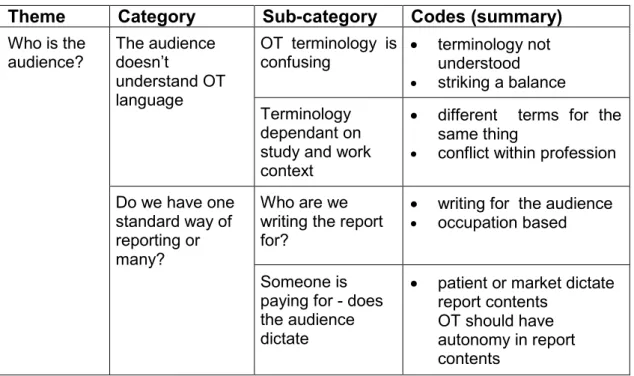
4.3.3 Theme 3: Who is the audience? 76
4.3.3.1 The audience doesn’t understand occupational therapy terminology 77 4.3.3.2 Do we have one standard way of reporting or many? 78
4.4 Conflicts identified in report writing 80
4.4.1 Conflict 1: Do occupational therapists write one report or a variety 80 4.4.2 Conflict 2: Occupational therapists are conflicted around using
occupational therapy terminology /jargon 81
4.4.3 Conflict 3: What must be included in terms of medical/clinical
information e.g. diagnosis etc. 82
4.5 Summary of results from phase 1 83
4.6 Phase 2 84
4.6.1 Demographics and years’ of experience 84
4.6.2 Deductive Matrix for conflicts addressed by the nominal group 85
4.6.3 Conflict 1: 86
4.6.4 Conflict 2: 90
4.6.5 Conflict 3: 94
viii
CHAPTER 5 DISCUSSION 98
5.1 Introduction 98
5.2 Demographics and context 98
5.2.1 Level of experience 98
5.2.2 Postgraduate training and membership of special interest groups 100 5.2.3 Effect of context on perceptions of report writing 101 5.3 Issues influencing the current practice of report writing for occupational
therapists within the South African context 103
5.3.1 Ethical issues 103
5.3.2 Barriers to report writing in clinical practice 106 5.3.3 Facilitators to report writing in clinical practice 111 5.4 The views of occupational therapists regarding the factors affecting best practice and the quality of profession-specific reports 114
5.4.1 The occupational therapy identity 114
5.4.2 Who is the audience? 116
5.5 To establish recommendations to improve best practice in occupational
therapy report writing 120
5.5.1 Conflict 1: Should occupational therapists write one report or a variety
- Depending on receiver and the specialty. 121
5.5.2 Conflict 2: Occupational therapists are conflicted around using
occupational therapy language /jargon 123
5.5.2 Conflict 3: What must be included in terms of medical/clinical
information e.g. diagnosis etc. 126
5.6 Conclusion 127
chapter 6 conclusion 129
6.1 Summary of research study carried out 129
6.2 Summary of findings 130
6.3 Clinical recommendations 132
6.4 Limitations 134
6.5 Recommendations for further research 135
REFERENCES 136
APPENDICES 144
Appendix A Ethical clearance certificate 145
Appendix B Motivation letter for focus groups for public context organisations 146
Appendix C Information sheet focus group 148
Appendix D Focus group consent form 150
Appendix E Consent form for audiotaping focus group discussions 151 Appendix F Demographic questionnaire focus groups 152
Appendix G Topic guide focus groups 154
Appendix H Informed consent Nominal group 156
Appendix I Informed consent to audiotape Nominal group 157 Appendix J Nominal group demographic information 159
Appendix K Nominal group cue card 160
ix
List of Figures
x
List of Tables
Table 4.1 Number of participants and number of focus groups for each setting
(n=47) 49
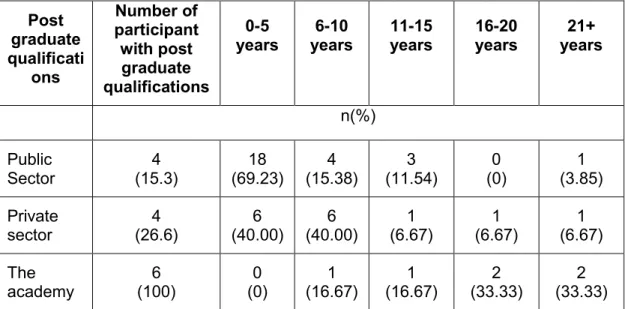
Table 4.2 Representation of participants’ post graduate qualifications and
participants’ years of experience in the three different practice settings 50 Table 4.3 Representation of participants’ memberships of special interest
groups 50
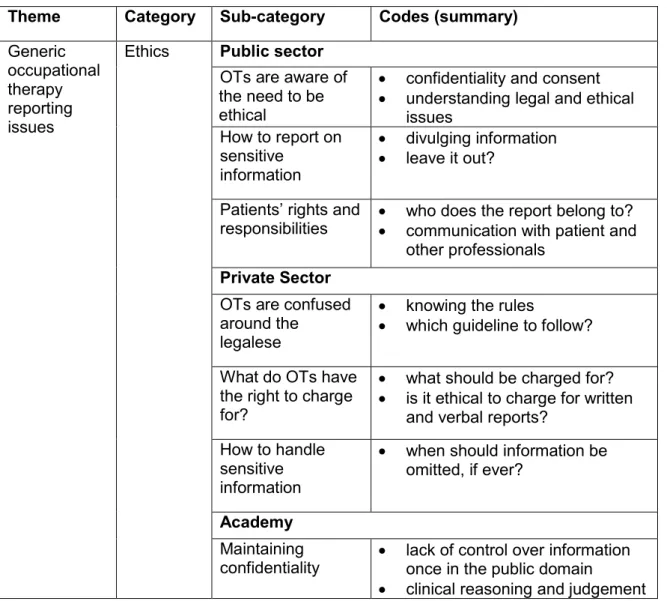
Table 4.4 Theme 1 Generic occupational therapy reporting issues: Ethics 52
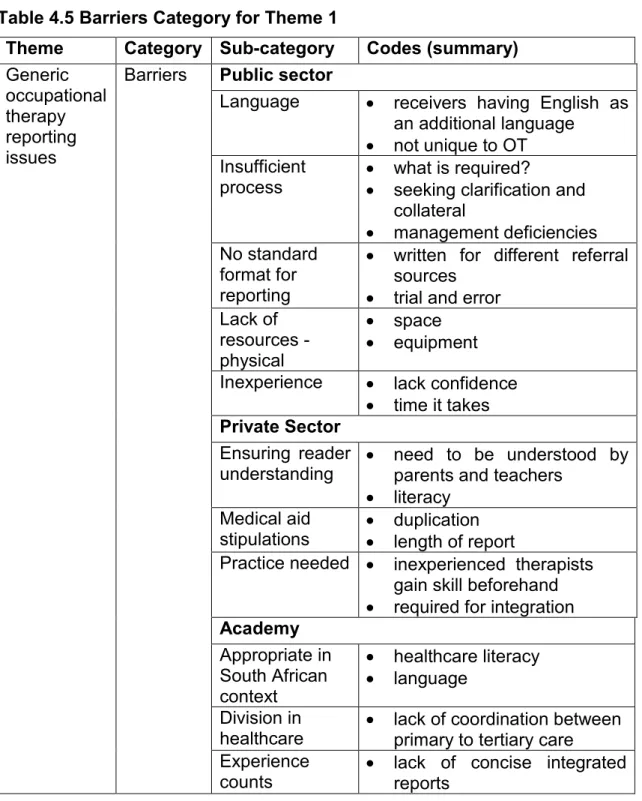
Table 4.5 Barriers Category for Theme 1 58
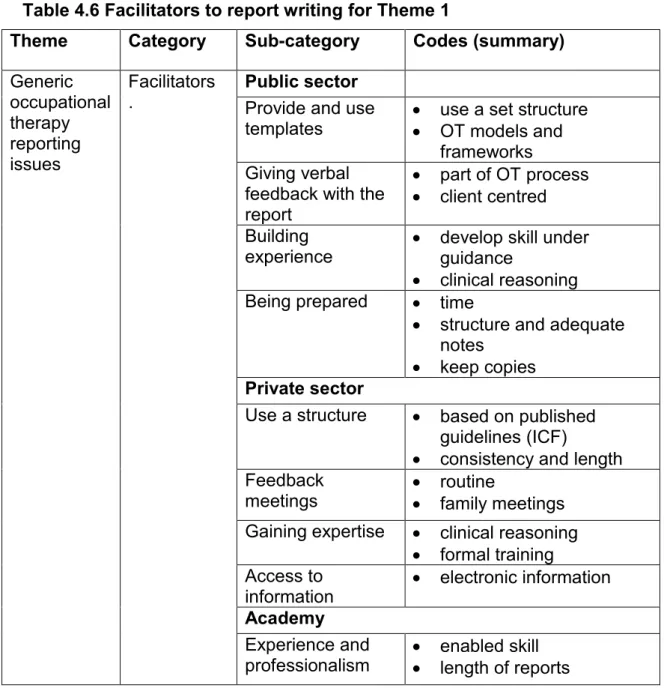
Table 4.6 Facilitators to report writing for Theme 1 66 Table 4.7 Categories, subcategories and codes for Theme 2: the occupational
therapy identity 72
Table 4.8 Categories, subcategories and codes for Theme 3: Who is the
audience? 76
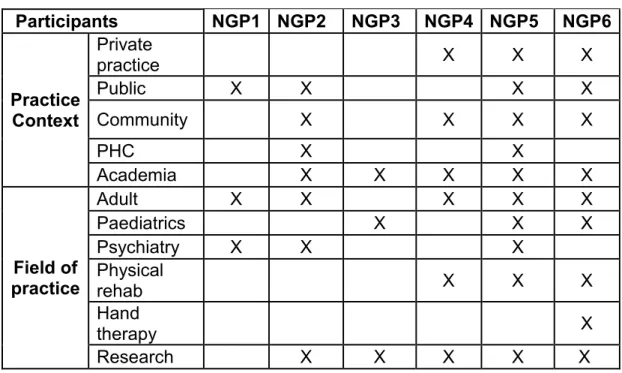
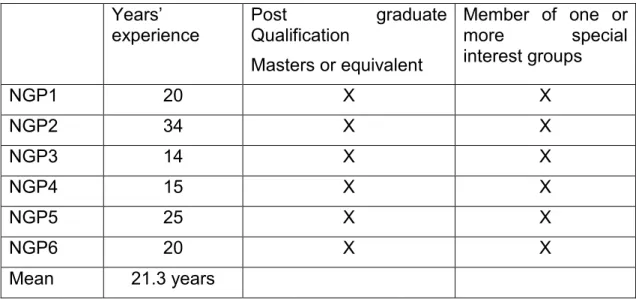
Table 4.9 Areas of expertise represented by the nominal group participants 84 Table 4.10 Years of expertise represented by the nominal group participants 85
Table 4.11 Conflicts and their aggregated scores 87
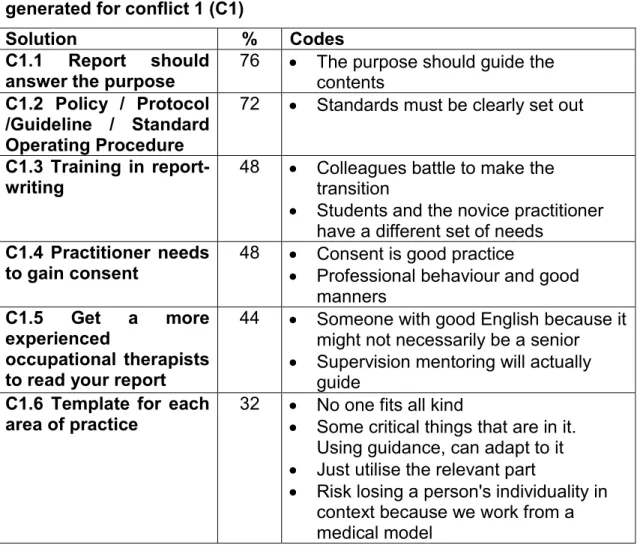
Table 4.12 Qualitative comments sorted according to solutions generated for
conflict 1 (C1) 86
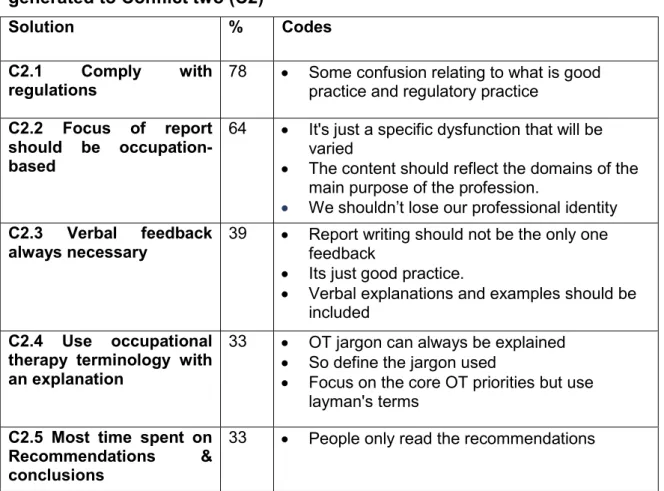
Table 4.13 Qualitative comments sorted according to solutions generated to
Conflict two (C2) 90
Table 4.14 Qualitative comments sorted according to solutions generated to
xi
Definition of Terms
Documentation (noun) – the oxford dictionary defines documentation as material that provides official information or evidence that serves as a record [Pearsall, 1999]. Within the health care sector, patient documentation is frequently referred to as medical records.
Medical records – The documents pertaining to a patient’s medical history, diagnoses and therapies, and status when last seen by health care providers. [McGraw-Hill, 2002]
For the purposes of this study, documentation will refer to all documents pertaining to a patient’s care.
Record keeping – The activity of organising and storing all the documents, files, invoices, etc. relating to a company's or organisation's activities.
For the purposes of this study record keeping refers to the retention of records deemed important to patient care. This goes hand in hand with records management, which is the process of creating and maintaining records including storing and archiving.
Report – An account given of a particular matter, especially in the form of an official document, after thorough investigation or consideration by an appointed person or body [Pearsall, 1999].
For the purposes of this study a report refers to a document that presents information in an organised format for a specific audience and purpose. Sames identifies two types of reports in occupational therapy including assessment and discharge reports/summary. These two types of reports include continuation
xii
reports (if appropriate), but will exclude all other types of documentation, such as progress notes and forensic or medico-legal reports [Sames, 2009].
Health literacy – can be defined as “The degree to which individuals have the capacity to obtain, process and understand basic health information and services needed to make appropriate health decisions” p31-32[Nielsen-Bohlman et al., 2004].
Current practice – the oxford dictionary defines current practice as belonging to the present time; happening or being used or done now [Pearsall, 1999]. This definition therefore applies to what was happening in terms of report writing at the time of the study.
Best practice – this is closely linked to evidence based in practice to support what should be done rather than what is being done. “Integrating the best research evidence with clinical expertise and patient values to achieve the best possible patient management” p3[Sackett et al., 2000].
Guideline - A guideline aims to streamline particular processes according to a set routine or sound practice. Information intended to advise people on how something should be done or what something should be.
xiii
Abbreviations
OT – Occupational Therapy
HPCSA – Health Professions Council of South Africa
OTASA – Occupational Therapy Association of South Africa AOTA – American Occupational Therapy Association
SME – Subject matter expert NGT – Nominal Group Technique MDT – Multi-disciplinary team
ICF – International Classification of Functioning CPD – Continual Professional Development
1
CHAPTER 1 INTRODUCTION
1.1 Introduction
Communicating about patient assessment and intervention is accepted as an essential requirement of the health professional’s role [Backman et al., 2008; Donaldson et al., 2004]. Occupational therapy practitioners compile reports to communicate with family members, other health professionals as well as to provide an accountable record of intervention. It is viewed as an essential skill, which is taught in most occupational therapy undergraduate courses in South Africa. Current research indicates that this area of professional practice is the most routinely neglected [Donaldson et al., 2004; Rischmuller and Franzsen, 2012; Sackley et al., 2004]. Many studies have aimed to understand the possible reasons for this neglect, however studies specific to occupational therapy practice are lacking [Buchanan et al., 2016; Rischmuller and Franzsen, 2012; Sackley et al., 2004].
Neglect of this area of practice can have far reaching ramifications to patient care, therapist’s accountability as well as institutional reputation. This is obvious when medical aid schemes demand reports, whereas there is no similar requirement by funders of public health services which means the writing of reports may not be seen as an essential component of care within the government health sector. Furthermore, the large ratio of patient to therapist contact within the public health care sector in South Africa can lead to the routine neglect of aspects of care such as report writing, because time as a resource is scarce. There is also a dichotomy of care between the private and public sectors, where an inequality in resources and finance often results in disparity in the provision of care to South African citizens [Coovadia et al., 2009; McIntyre et al., 2007 a]. Many South African citizens are also vulnerable to poverty and sub-standard education, which has a profound effect on their health literacy. This affects their ability to be active role-players in their health care, due to their inability to understand communication around the health care process [Kickbusch, 2001; Nutbeam, 2008].
2 International studies have indicated that the reading level required to understand health professional reports needs to be at a university reading level or higher, which may isolate occupational therapy service users in South Africa [Donaldson et al., 2004; Harvey, 2006]. In addition to this, some of these international studies have also highlighted that the profession faces specific challenges around the language used to communicate the philosophy and values of occupational therapy, which can further alienate the reader of occupational therapy reports [Donaldson et al., 2004; Makepeace and Zwicker, 2014; Wilding, 2008].
There is anecdotal evidence that reporting by occupational therapists, especially novice clinicians in South Africa, is of a poor standard, but as yet there is limited research into this field [Buchanan et al., 2016; van Biljon, 2013]. This, along with recognising the challenges faced by those who use occupational therapy services within the South African context, highlights the need to explore if occupational therapists are able to write reports that are responsive to the needs of the population and the profession.
This study aims to ascertain the views of occupational therapists regarding the best practice and quality of profession-specific reports in Gauteng and the barriers and facilitators that influence this. The aim is that exploration into this area of practice can motivate for the development of guidelines by professional bodies to support best practice within occupational therapy practice in South Africa.
1.2 Statement of the problem
Currently there are no specific guidelines in place to support occupational therapists in South Africa regarding the writing and compilation of general occupational therapy reports. In South Africa, accountability within private and public practice by the national health body or professional organisations in monitoring clinician documentation writing standards is vague [Health Professions Council of South Africa, 2008b; Occupational Therapy Association of South Africa, 2005]. Clinicians can refer to generic legal requirements, e.g. Promotion of Access to Information Act (PAI) and the Protection of Personal Information Act (POPI) [South African Government,
3 2000, 2013]. This lack of specificity may lead to poor adherence of legal requirements and limited means in the ability of the occupational therapy clinician to convey the necessary information regarding patient care.
1.3 Purpose of the study
Further research is needed to understand what occupational therapists’ views are into the current practice of writing profession-specific reports as well as the facilitators and barriers influencing this area of practice within South Africa. It is anticipated that the identification of best practice would aid compliant practitioners in reducing vulnerability to legal complication arising from sub-optimal and inadequate documentation and ultimately improve patient care.
1.4 Research question
What are occupational therapists views of the current and best practice of occupational therapy report writing in South Africa, and what are the influencing factors affecting their ability to write these reports?
1.5 Research Aim
To establish what occupational therapists view as current and best practice in profession specific report writing and the factors that influence their ability in writing occupational therapy reports.
1.6 Objectives
The study was carried out in two phases in order to answer the following objectives:
Phase 1
1. To explore issues influencing the current practice of report writing for occupational therapists within the South African context
2. To explore the views of occupational therapists regarding the factors affecting best practice and the quality of profession-specific reports
4 3. To establish recommendations to improve best practice in
occupational therapy report writing
1.7 Justification of the study
The absence of clear guidelines as to best practice in occupational therapy report writing can make therapists susceptible to legal complications arising from inadequate documentation as well as impact on the public’s perception of occupational therapy practice. It is anticipated that establishing best practice on the writing of occupational therapy reports would aid compliant practitioners in reducing vulnerability and support quality assurance in public and private occupational therapy settings. Further exploration into what is happening in current practice is needed to identify what occupational therapists perceive as being influential factors in their ability to write profession specific reports, and what they believe would constitute as best practice. This will then support the recommendation to establish guidelines for occupational therapy report writing that will be responsive to the needs of occupational therapists working within the South African context.
1.8 Outline of the report
Chapter 1: The first chapter aims to contextualise the need for the current study through presenting the problem, aim, objectives and justification for this study.
Chapter 2: The second chapter presents the current literature available around the issues affecting the practice of writing occupational therapy reports. Studies included are from international as well as local researchers. Current literature around contextual issues affecting the profession as well as therapists and service users within South Africa is also included.
Chapter 3: The third chapter presents the methodological approach used in the study. The study was carried out in two phases in order to answer the objectives of the study. Each phases’ methodology is presented separately and sequentially.
Chapter 4: The results chapter is presented in two separate phases. Phase one precedes phase two.
5 Chapter 5: The fifth chapter includes the discussion following the results analysed from the study. This discussion utilises the results from both phase 1 and phase 2 of the study. The discussion is organised under headings pertaining to the objectives of the study. Limitations of the study are included at the end of the chapter.
Chapter 6: The final chapter serves to summarise and conclude the findings of the study, as well as to include recommendations for clinical practice and for further studies.
6
CHAPTER 2 LITERATURE REVIEW
2.1 Introduction
Reporting on patient care is a critical component of the health professionals’ work role, and should be viewed as a systemic part of the job process [Donaldson et al., 2004; Sames, 2009]. The documenting of patient assessment and intervention is the primary means of communication between health professionals, funders and other key stakeholders in support of patient care [Donaldson et al., 2004]. While documentation of patient care is seemingly an essential part of the healthcare process, research has highlighted that report writing is one of the most neglected aspects of the health professional’s routine as it is seen as time consuming and without immediate benefit [Donaldson et al., 2004; Flynn and Parsons, 1994; Lundgren Pierre, 2001]. Implications of this neglect can be serious for the health care professional, service user and organisations alike. Poor reporting or misrepresentation of information can lead to litigation, economic loss as well as breakdown in relationships between healthcare provider and healthcare user [Bradshaw et al., 2014].
2.2 Importance of reporting in health care
Report writing and documentation (occasionally referred to as record keeping) is a chronological record of what has happened to the patient or healthcare user and this method of communication aims to ensure that assessment needs and continuity of care between various professions are met [Sames, 2009]. Professional reports have been described as:
“the tickets of safe passage for patients traveling to seek further care, and they are the visible currency of sanctioned co-operation among healthcare providers” p.174[Lingard et al., 2004].
Other than being a chronological record of care, documentation is legal proof of intervention. This legal requirement for many health professions is dictated by health profession regulating bodies who advise that every patient has the right to have sufficient evidence of their care process documented to ensure
7 the safety of the patient and to protect the clinician [Health Professions Council of South Africa, 2008b]. Documented patient records are the main defence for healthcare professionals should their actions be scrutinised [Ram et al., 2009]. Adequate record keeping can be seen as a means of providing evidence and information around risk assessment and so protecting the patient and the staff [Bradshaw et al., 2014].
Documentation of patient information and service provided is also seen as a source of data for clinical audit and research. High-quality record keeping supports quality assurance as adequate records allow for an in-depth assessment of care provided. They can be seen as an assessment of clinical competence of the health professional [Donaldson et al., 2004]. Patient records can also be used to support research and so progress the accountability of the profession [Pessian and Beckett, 2004]. As record keeping expresses the justification behind service provision, it can also be seen as a means for marketing the profession [Bradshaw et al., 2014; Ram et al., 2009].
2.3 Competency in health care reporting
One could argue that record keeping or reporting is part of the essential competences of being a health professional. In fact, demonstrating competence with both formal and informal written/verbal communication is an exit level requirement, set by the professional board for the training of occupational therapists in South Africa [Health Professions Council of South Africa Professional Board for Occupational Therapy Medical Orthotics/Prosthetics and Arts Therapy, 2010]. Regulatory bodies across the world aim to ensure the safety of the public through ensuring the competence of health professionals. Most regulatory bodies dictate that a general competency of all health professionals is that they can present and document their actions in a meaningful and inclusive way [Sottas, 2011].
Verma, Paterson and Mevdes in their study in 2005 aimed to understand the core competencies needed by medical, nursing, occupational therapy and physiotherapy professionals. They highlighted communication and collaboration between these healthcare professionals, individually and in
8 groups using verbal and written reports as a key competency area [Verma et al., 2005]. This is even more necessary in the current economic climate around the world where spiralling healthcare costs have incited a keen public interest into the effectiveness of all levels of care [Sottas, 2011]. In 2010, Frenk, Chen, Bhutta, Crisp, Evans, Fineberg, et al. argued that global dimensions of health, including leadership, management, policy analysis and communication skills, are not only essential but also neglected elements of the health curriculum to deliver such value for money [Frenk et al., 2010].
2.4 Worldview – Report Writing
Much of the research on documentation and report writing within the health professions has been done around medicine, nursing, dentistry and mental health. Most of these studies are specifically related to the writing, distribution and storing of patient records, and explore the validity of electronic health records, as well as the legal requirements for record keeping [Bradshaw et al., 2014; Ram et al., 2009]. Studies specifically on the writing of profession specific reports often refer to generic issues that affect report writing across all health professions.
These issues include reference to professional reports requiring high level of reading ability to understand them, which acts as an exclusionary factor for many, particularly for patients with no tertiary education [Donaldson et al., 2004]. Harvey highlighted in 2006, the challenges faced by many health professions when she researched profession specific psychology reports where a high level of reading ability was required. Various other issues, which affect the understanding of psychology reports, were also cited. These include insufficient training for novice clinicians and students resulting in inadequate or poorly worded reports, which affect understanding. More experienced clinicians also struggle to find the time required to write adequate reports and are prone to using jargon, as they feel that using simpler language reduces their credibility [Harvey, 2006]. Harvey (2006) identified that the need to provide a report which would be read by multiple audiences also influenced the understandability of these reports [Harvey, 2006].
9 Although Harvey’s study was related to psychology reports only, which would possibly influence the generalisability of the results, other studies into the perceptions of professional reports have found similar issues. A study by Ng in 2014 identified that parents and children using audiology services can be at risk of being excluded from the care process through written reports due to the language used. Of concern was the naivety from the clinicians regarding the importance placed on these reports by parents. Parents were using the reports in order to receive and establish more authority when advocating for their child [Ng, 2014]. A study of trainee and experienced physicians referral letters identified that physicians are aware that language can affect readers’ perception and understanding of professional reports, however less experienced clinicians are not aware of how to remediate this difficulty through appropriate language use [Lingard et al., 2004].
Mastoras Climie, McCrimmon and Schwean in 2011 acknowledged that psycho-educational reports generally have poor readability for service users and that there is often a poor link between the reason for referral and the recommendations made, as the reports primarily focus on weaknesses supported by generalised interpretations [Mastoras et al., 2011]. They suggest using the C.L.E.A.R framework when writing reports to ensure the reports are understandable and allow for a clear link between the reason for referral and corresponding answers. This approach advocates ensuring the report is client centred (C), that it links the reasons for referral to the assessment results (L) and that the report enables the readers understanding by providing concrete recommendations (E) whilst addressing strengths and weakness assessed (A). It is important that the report has an adequate level of readability (R) for the service user. Whilst this publication was not based on research, some useful recommendations on improving the readability and the efficacy of reports were provided. These recommendations can be generalised across health professions and have been highlighted in some the findings in other studies on report writing in occupational therapy as described below.
10
2.5 Worldview – Report writing in occupational therapy
Studies on report writing in occupational therapy have identified a lack of occupation-specific language, highlighting the conflict in representing the philosophy of occupational therapy within the traditional biomedical health context [Backman et al., 2008; Cederfeldt et al., 2003; Lundgren Pierre, 2001; Lundgren Pierre and Sonn, 1999]. It is apparent that the ability of occupational therapists to report on their practice has been challenging in various contexts. Lundgren Pierre and Sonn (1999) identified that it may be unclear as to what constitutes proper documentation amongst occupational therapists. Their study on eleven occupational therapists focused on the meanings attached to the concept of proper documentation. The study revealed that therapists are experiencing professional dilemmas regarding the use of everyday language and professional language, the different expectations from the various recipients of the reports and the difficulty expressing occupational therapy clinical reasoning in a medical context. The study, highlighted the importance of clarifying professional language [Lundgren Pierre and Sonn, 1999]. Lundgren Pierre in 2001 aimed to describe how occupational therapists record what they value in their daily work using document analysis and semi-structured interviews. Findings identified that, whilst documentation was completed in accordance with the occupational therapy process, the participants felt dissatisfied, as they were uncertain about naming some aspects of the professional process although they valued them highly [Lundgren Pierre, 2001].
The literature reveals the contradictory perceptions in occupational therapy
report writing as Cederfeldt, Lundgren and Saldo in 2003 reported somewhat different findings. They acknowledged that modern society has adopted the language of medicine as a framework for describing and organising health services, however this often does not fit with occupational therapy’s approach to occupational performance. Twenty occupational therapy records of stroke inpatients at a hospital in Sweden were analysed and revealed that occupational therapists regularly documented occupational performance areas [Cederfeldt et al., 2003]. Backman Kawe and Bjorklund reported similar
11 findings in their analysis of 100 occupational therapy case reports. The majority of the occupational therapy case reports reflected activity and holistic health notions; core philosophies of the occupational therapy process [Backman et al., 2008]. These studies analysed written documents but did not consider the occupational therapists perspectives and anxieties about their reports, which may have led to a limited view of the outcomes. Thus, whilst at face value, there appears to be compliance with reporting on the occupational therapy process, occupational therapists themselves may have had additional professional dilemmas and concerns that they were grappling with.
In 2004, Donaldson McDermott, Hollands, Copley, and Davidson explored parents’ and therapists’ perceptions of speech pathology and occupational therapy reports. The results acknowledged that these professional reports have multiple audiences and as a result, there is often a mismatch between the therapists’ intentions for the reports and parents’ expectations. The parents’ primary expectation of the report is that it should be a source of information with practical recommendations. The researchers noted that the inclusion of profession specific jargon, led to confusion and the parents felt excluded from the therapy process. Whist some therapists in the study reported that they used ‘simple’ language to enhance understanding, others felt the inclusion of profession specific terminology or jargon was important for educational purposes so that parents could speak meaningfully to each other and to professionals [Donaldson et al., 2004]. It is evident from this study that there is a mismatch between the expectations of healthcare service users and service providers. The language used was a source of indirect exclusion for some healthcare service users and lead to negative interpretation. This was found to be true when jargon was used and the report only focused on limitations, which were supported by impersonal statements. The sample in the study by Donaldson et al. was limited to 18 parent participants and 14 therapist participants, thus generalisability may be questioned. The study came up with practical suggestions to improve the readability of professional reports; namely that a clear explanation with no jargon should follow directly after professional words to assist all readers of the report. This can also be
12 accompanied by verbal feedback to enhance understanding. Most of the report should be focused on the recommendations that are practical.
Donaldson et al. used the Flesch readability scale when investigating the readability of occupational therapy and speech pathology reports. This scale is used to calculate the degree of reading difficulty of a document. It was discovered that the reports for both professions require a reading level equivalent to a university education or higher, indicating that the general population would find the reports difficult to comprehend [Donaldson et al., 2004].
Another qualitative study into teachers’ perceptions of occupational therapy reports by Vincent, Stewart and Harrison in 2007, established that participants in the study felt that occupational therapy reports were important. Participants placed high priority on these reports, as they were eager to seek specialist services to fill any gaps in their knowledge. Whilst they felt the reports were understandable, they felt the recommendations given were not always useful or practical. The teacher respondents stated they often sought further information and assistance by telephoning and speaking to the therapists and they were keenly aware of the lack of collaboration between the occupational therapists and the teachers. The sample of four respondents in this study was intentionally small, as the intention of the study was to gather rich in-depth data. Whilst generalisability of results is not appropriate, some useful suggestions for best practice were noted. This included the need for an occupational therapy report to be accompanied by verbal feedback. The authors highlighted that by not having a follow-up conversation with the report writer, the opportunity for increasing the awareness of the role of the therapist to the educator did not occur. The participants recommended having a follow-up procedure to the written report to ensure discussion about the assessment process and further collaboration regarding intervention [Vincent et al., 2008].
Makepeace and Zwicker explored parent perspectives of occupational therapy reports in the United Kingdom in 2014. Themes similar to those mentioned in
13 previous studies emerged from this qualitative study, namely that poor understanding of terminology and the tone, style and complexity of the report can affect the relevance of the findings for the audience. It was also reported that the main purposes of a report should be to answer the reason for referral or the referral question, act as an accurate record, and serve to provide relevant recommendations [Makepeace and Zwicker, 2014]. Their study also acknowledged the challenge of having heterogeneous audiences for occupational therapy reports. To overcome this challenge, the occupational therapist should strive to understand the audience they are writing for, possibly by identifying the primary and secondary audiences so their reports can be written accordingly. Other strategies, such as offering verbal feedback to the audience to support their understanding of the report, as well as offering occupational therapists templates for reports, may serve to improve the quality of their reports [Makepeace and Zwicker, 2014].
All these studies present a clear message in their findings; namely that the main principle of effective writing is the need to target the intended audience [Bell, 1995].
2.6 Contextual challenges in report writing in occupational
therapy in South Africa
Professional report writing within the South African context can be seen to carry some additional challenges. The South African health sector is struggling to conceptualise its African roots against a traditionally westernised health system, along with crippling resource, facility and administrative issues affecting the ability to meet the needs of its population following an oppressive apartheid regime [Coovadia et al., 2009]. Only four published studies investigating documentation in occupational therapy practice in South Africa were found.
2.6.1 Completion and storage of reports
Two of the studies specifically highlighted poor compliance in the completion and storage of occupational therapy records, but did not relate specifically to the writing and readability of occupational therapy reports [Mlambo et al.,
14 2004; Rischmuller and Franzsen, 2012]. The study by Mlambo and Amosun in 2004 considered occupational therapy records for stroke clients in one hospital in South Africa. This study aimed to explore the contents of the records including information on basic demographics and comprehensive occupational therapy assessment, intervention and evaluation. The study determined that the occupational therapy evaluation, planning and progress were poorly documented with little reference to outcomes on termination of therapy. Whilst this study was limited in scope as it only focused on one client group in one hospital, it identified the risk for the credibility of the profession and the patients receiving occupational therapy if the occupational therapy process is being poorly documented. The reasons cited for poor documentation standards included the poor attitude of staff, lack of resources as well as lack of standardisation for reporting and use of jargon and therapy terminology [Mlambo et al., 2004].
These findings were supported by Rischmuller and Franzsen in 2012, in an evaluation of occupational therapy record keeping at schools for learners with special needs in the Western Cape. This study was however small with only 4 of the 87 identified schools being included in the sample, thereby possibly affecting generalisability of results. The study found record content and record keeping to be of an inadequate standard, identifying that poor management and a lack of accountability may be hampering record keeping [Rischmuller and Franzsen, 2012]. This challenge is widely acknowledged in writings about the South African health care system [Coovadia et al., 2009].
2.6.2 Lack of guidelines for report writing
Fragmented services between the public, private and medico-legal sector in South Africa also leads to incongruence in documentation standards [Coovadia et al., 2009; McIntyre et al., 2003; McIntyre et al., 2008]. While guidance should be sought from the regulatory and professional bodies, clarity about reports within the Occupational Therapy Association for South Africa’s (OTASA) professional code of ethics is limited. The only specification to documentation is around providing…
15
“information to the patient in a form that will make it possible for information to be useful and understood” p. 2 [Occupational Therapy Association of South Africa, 2005]
…which could also relate to verbal communication [Occupational Therapy Association of South Africa, 2005].
Equally, in the Health Professionals Council of South Africa’s (HPCSA) guidelines on the keeping of patient records, all information relates to the recording of bio-psychosocial information with specific reference to clinical management, namely medication. Most emphasis in the HPCSA guidelines is on retention, storing and access to records with a small checklist at the end relating to good practice, the use of standardized formats and the alteration of documentation [Health Professions Council of South Africa, 2008b].
The South African government has recently established the Protection of Personal Information (POPI) act to ensure minimum requirements for the management of personal information. This act is mainly to provide guidance to ensure the rights of persons regarding their personal information are not violated [South African Government, 2013]. The act provides an overall code of conduct to which individuals must adhere to and relies on therapists in practice to interpret these correctly to ensure they are compliant when writing occupational therapy reports.
Two other South African studies on occupational therapy report writing focused on more specialist areas, such as communicating evidence-based practice in occupational therapy documentation [Buchanan et al., 2016] and the development of a report writing protocol for vocational rehabilitation services [van Biljon et al., 2015]. Both these studies focused on the practice of occupational therapy report writing and acknowledged that report writing is a competence-based skill requiring practice and guidance to ensure quality output. van Biljon, Casteleijn and Du Toit in 2015 and Buchanan, Jelsma and Siegfried in 2016 acknowledged that South African occupational therapists are at a disadvantage as there are no guidelines in place to assist with writing reports for specific circumstances neither are there specific postgraduate
16 training for the skill of report writing [Buchanan et al., 2016; van Biljon et al., 2015]. This was supported by the occupational therapists who took part in the study by Rischmuller and Franzsen who indicated that they would benefit from checklists and protocols to assist them in documenting occupational therapy interventions in a more standardised and understandable way, echoing the sentiments expressed from participants in the studies from Australia and the United Kingdom [Rischmuller and Franzsen, 2012].
Buchanan, Jelsma and Siegfried identified that an evidenced based approach to documentation is currently not used, and as a result data from records cannot be used to produce evidence. Whilst the researchers took a rigorous approach in data collection, including pilot testing their audit tool as well as rater testing and the use of grading rubrics to ensure accuracy, however data was limited to health facilities within one province of South Africa [Buchanan et al., 2016]. van Biljon, Casteleijn and Du Toit considered the practical creation of guidelines to assist therapists working within the public sector who have to write vocational rehabilitation reports [van Biljon et al., 2015]. The implementation of these guidelines had a consumer focus and aimed to assist therapists in presenting information effectively and to facilitate scientific thinking. This study took a rigorous research approach using a collaborative action research process to ensure that clinicians contributed to the creation of a guidelines protocol whilst evaluating its relevance in the field through reciprocal collaboration [van Biljon et al., 2015]. This study was however limited to the specialised area of vocational rehabilitation.
2.6.3 Reports for multiple audiences
Clinicians have an ethical responsibility to ensure the service users understand what is written about them, but also a moral responsibility to the profession to ensure they accurately carry out and portray the scope of the profession [Wilding, 2008]. These concerns have been addressed in research published in South Africa.
A large portion of the South African population has limited education and literacy skills [Coovadia et al., 2009; Spaull, 2015]. The General Household Survey 2015 identified that 15.4% of the South African population over the
17 age of 20 years are regarded as functionally illiterate (no schooling or who have not completed Grade 7) [Statistics South Africa, 2016]. This poses significant challenges for service users of occupational therapy to be able to read and understand occupational therapy reports. Individuals with limited literacy and education are likely to have poor health literacy, which has a direct correlation with poor health [Nutbeam, 2008]. Health literacy can be defined as
“The degree to which individuals have the capacity to obtain, process and understand basic health information and services needed to make appropriate health decisions” p31-32[Nielsen-Bohlman et al., 2004].
The literature around this topic has highlighted a longstanding concern between health and education. Having adequate health literacy enables individuals to read forms, labels and reports, to understand written and oral information and then to act upon the necessary directions. This leads to empowerment of the individual and has a direct impact on improving health outcomes [Kickbusch, 2001]. Research has shown that most health care providers are unaware of the poor health literacy levels of the populations they serve and that the service users are often too embarrassed to disclose that they do not understand [Kickbusch, 2001]. In a country like South Africa where the overall education level of the population is poor and many are living in a low socio-economic bracket, individuals and communities are at risk of adverse health effects [Nutbeam, 2008]. It can therefore be reasoned that occupational therapists need to take cognisance of the possible poor health literacy of the individuals they are treating and accommodate them accordingly when communicating with them. This can also be challenging when the majority of the population does not speak English as a home language, however most official communication and training of health care professionals occurs in English [Kickbusch, 2001; Statistics South Africa, 2016].
Rischmuller and Franzsen identified in their study that there is reduced understanding of documentation by persons who aren’t health care professionals; with only 30% of the records being deemed accessible to others such as parents and teachers [Rischmuller and Franzsen, 2012]. This
18 is supported by van Biljon who emphasised a consumer focus as necessary to assist with ensuring the client is an active participant in the healthcare process. She states that
“Reports should be concise and specific and written in a professional yet clear way free of medical jargon so that non-medical persons can also understand it” p.13 [van Biljon, 2014]
One could argue that healthcare service users do not routinely see patient records; hence the lack of focus on consumer related language, however there are written reports, which should be accessible to all [Nutbeam, 2008]. The reduction of medical paternalism that may exclude the client in terms of understanding their written report, was also suggested by van Biljon [van Biljon, 2014].
Along with limited guidance from the professional bodies, as well as the systemic and resource challenges within the South African context, the challenges for occupational therapists can be seen as complex when determining how best to communicate with service users. Practitioners are experiencing conflict in meeting the needs of service users in an inadequate health care system whilst maintaining professional integrity in a system that does not always encompass the morals and values of the profession.
2.7 Challenges for the profession
2.7.1 Professional identity
Regarding the literature around documentation, some principles, which apply to occupational therapy reports, could be extrapolated. Most barriers influencing health professionals in the completion of patient reports are applicable to occupational therapy, such as lack of time, poor training and lack of belief of the importance of report writing [Dimond, 2005; Donaldson et al., 2004; Pessian and Beckett, 2004]. Interestingly, studies specific to occupational therapy have highlighted a lack of professional identity, which also impacts on occupational therapists’ ability to effectively report on their observations and interventions [Lundgren Pierre, 2001; Lundgren Pierre and Sonn, 1999].
19 Role understanding and effective communication are seen as core competencies for collaborative practice and health care outcomes as determined by a Cochrane IPE review in 2009, which established that the need for good inter-professional communication and collaboration to help coordinate patient care in an effective manner is essential. Despite this need, research indicates that such communication and collaboration can be challenging, as effective collaboration can be undermined by a lack of understanding of other professionals’ roles and poor communication along with boundary encroachments [Suter et al., 2009]. This may be a common challenge within the occupational therapy profession, where the understanding and description of services may appear unclear to other professions.
Whyte and Hart (2003) have questioned whether a medical model is appropriate for describing any rehabilitation services since most rehabilitation interventions are not diagnostically, procedurally or pharmacologically based. Rather, rehabilitation can be seen as involving a set of structured experiences and teaching interactions between the clinician and client [Whyte and Hart, 2003]. Occupational therapy can be seen as struggling with this challenge as it exists within a variety of contexts but can be seen as having a social construct and a virtual reality. As activities, participation and action are at the centre of occupational therapy, this can lead to challenges in describing it [Creek, 1998; Lundgren Pierre and Sonn, 1999].
Turner (2011) highlights the historical challenges that occupational therapists have had with their professional identity suggesting that this is likely as a result of occupational therapists having a poor perception of themselves along with how they believe the profession is viewed by others. In her delivery of the Elizabeth Casson memorial lecture in 2011, Turner further describes the tension that exists between the aims of occupational therapy understood by therapists themselves and the realities of practice. As a result of this struggle, many occupational therapists who work in multi-professional teams, find it
20 difficult to assert their unique identity, which leads to a poor sense of professional self [Hayes et al., 2008].
Many attribute this to a perceived lack of understanding and respect for the profession by others [Turner, 2011]. Unfortunately, this struggle can be seen to have long historical roots, where occupational therapists’ lack of ability to promote themselves has also contributed to the perceived lack of respect felt by practitioners. This perception has been uncovered in other studies attempting to understand the identity crises faced by occupational therapists in different settings [Ashby et al., 2013; Hayes et al., 2008]. It can therefore be reasoned that in order to gain acceptance in the patriarchal world of healthcare, occupational therapists began to adopt the presence and values of illness and remediating impairment, rather than the development and maintenance of health and well-being. There has been a growing concern amongst prominent voices in occupational therapy around the growing incoherence between practice and philosophy [Yerxa, 1994]. In fact, without a sound framework to help describe the philosophy of the profession, therapists can become philosophically lost, which may lead practitioners to seeing themselves as merely filling a gap rather than being truly occupational. Developing the occupational therapy identity then is about adopting a paradigm and having the ability to articulate it [Fortune, 2000].
Buchanan et al. in their study in 2016 evaluated the quality of occupational therapy patient records as evidence for practice and highlighted the incongruence between what therapists document and the core philosophy of occupational therapy [Buchanan et al., 2016]. This study illustrated the focus of occupational therapy records being on impairment rather than activity and participation, which is key to occupational therapy. The authors highlighted the conundrum of occupational therapy practicing within the medical model, which does not always match the values and philosophy of the profession [Buchanan et al., 2016]. Hence the conflict that is faced by many occupational therapists regarding fitting the profession's ideals into the mould required by the medical model and the service user requirements.
21 Adjustments to other professions’ demands can entail a “colonisation” of the professional morals and identity for occupational therapists as stated by Lundgren Pierre and Sonn in 1999, for example, when occupational therapists write their reports in medical terminology/language. This can result in occupational performance deficits being construed as symptoms of illness with limited reference to occupation overall. This in turn can lead to an incongruity between professional convictions and what is documented, which can leave the occupational perspective unclear [Lundgren Pierre and Sonn, 1999]. Describing occupational therapy practice is therefore often problematic because it requires practitioners to draw on and communicate a range of knowledge from theoretical, factual, personal and service-user knowledge [Trevithick, 2008]. Ashby, Ryan, Gray and James in their 2013 study, determined that in finding effective ways to communicate the occupational perspective to other professionals, professional resilience was supported in occupational therapists.The study argued that a strong professional identity is essential in helping practitioners to resist the pressure to conform to knowledge and techniques borrowed from other disciplines [Ashby et al., 2013].
Studies have highlighted that one of the profession’s future challenges is in finding and using professional language to bring about the paradigm shift of defining occupational therapy from a medical and diagnostic perspective to an occupational perspective [Cederfeldt et al., 2003]. This needs to be further explored across cultures, as a common term for occupation is lacking, and there is insufficient understanding of the relationship between health and occupation at a holistic level. It could be understood that natural health and occupation may be one in the same, however this becomes blurred in the face of modern, medically based research [Wilcock, 2007].
2.7.2 Professional language
Notably, the complexity of occupational therapy language has been highlighted as one of the most important barriers to occupational therapy reporting [Creek, 1998]. The literature highlights an important conundrum in occupational therapy; in that what occupational therapists do, may appear easy but the knowledge and reasoning behind their actions is more complex.
22 Most occupational therapists battle to put what they do into words [Creek, 1998]. Even though reporting may be challenging, occupational therapy documentation should present occupational therapy as distinct from other services. This is important for the identity of the profession, for the patient care plan and because purchasers and policy makers also need to know what they are buying and what they can expect from occupational therapy, therefore an accurate description is essential [Lundgren Pierre and Sonn, 1999; Phillips et al., 2010].
An added complexity is that the use of “occupational therapy language” in the attempt to represent the profession could be seen as the use of jargon, which as stated above, is largely regarded as poor practice in professional circles [Donaldson et al., 2004; Harvey, 2006; Makepeace and Zwicker, 2014]. This may be because occupational therapy language does incorporate the use of everyday terms, which may have different meanings when used in the profession. A notable example could be the use of the word “occupation”, which for most members of the public could be defined as a job, a person’s regular work or principal activity [Pearsall, 1999]. Within occupational therapy practice the word “occupation” is used largely to describe “initiated, self-organized activity which is goaldirected … and contextualized in a specific environment over a span of time. It is energized by unique interests and expressed as skill, which enables people to be competent, participating, productive members of their culture; ‘in place’ by virtue of their capabilities, finding symbolic meaning through agency” p.91[Yerxa, 2000]
The ambiguity is apparent and can cause confusion when a member of the public is reading an occupational therapy report. It could be reasoned that it may be cumbersome to describe this terminology as opposed to using concepts when reporting, even though the use of definitions has been recommended by some studies [Donaldson et al., 2004]. This challenge can influence the understanding amongst occupational therapists as to when and how to use occupational therapy language in their reporting.
23 The question that arises is whether occupational therapists within the South African context understand the importance of representing their unique identity of their profession through occupational therapy reports. Whilst the profession itself is facing this conundrum of using occupational therapy language, occupational therapists within developing countries such as South Africa face further challenges in catering for a population of service users who have poor literacy as one of their greatest barriers to engaging with the care process [Kickbusch, 2001; Nutbeam, 2008]. If there is general ambiguity as to the interpretation and understating of occupational therapy language, this may lead to further alienation of service users who are at risk of having poor health literacy.
2.8 Essentials in occupational therapy reporting
It is important to have a clear understanding of what occupational therapy reports may entail. Sames, (2009), describes three types of documentation in occupational therapy practice: the service initiation, service continuation and service termination documentation. Service initiation documentation should include an evaluation/assessment report covering factual data collected and interpretation thereof, as well as a proposed treatment plans with functional time-limited goals for the client. It should also show the need for occupational therapy service, to support financing. The continuation of the occupational therapy service documentation includes progress notes relating to continuous record keeping, which are used by many health professionals. The termination of services documentation can include a discharge summary, which highlights occupational performance at initiation and at close of intervention, along with recommendations for follow up. Reports should follow a standardised format, which is determined by each department or facility (Sames 2009).
Whilst the professional organisations in South Africa such as the HPCSA and OTASA may only offer limited guidance in the best practice of reporting on services [Health Professions Council of South Africa, 2008b; Occupational Therapy Association of South Africa, 2005], it is useful to look internationally
24 to understand how other occupational therapy organisations advise their practitioners on best practice. The American Occupational Therapy Association (AOTA) published guidelines for the documentation of occupational therapy in 2008 based on the Occupational Therapy Practice Framework: Domain and Process 2nd ed. The framework stated that the purpose of documented communication is to portray information about the client from an occupational perspective, to articulate the rationale for the provision of services and to provide a chronological record of the clients’ status, the occupational therapy service provided as well as the outcomes and response to occupational therapy [Clark and Youngstrom, 2008].
The essentials of report writing, such as the use of profession-specific guidelines, should adopt a professional style, avoid jargon, be concise but complete and should stay within the author’s area of expertise, which is supported by other experts in the field [Backman et al., 2008; Lundgren Pierre and Sonn, 1999; Pessian and Beckett, 2004]. This directive approach could serve as an effective strategy to guide therapists on how to construct their written documentation. One must consider the need to adapt the documentation to individual needs, which can be achieved only by using clinical reasoning, which is highlighted as being one of the fundamentals of reporting. Clinical reasoning is an expert skill, which assists the practitioner in understanding what is relevant and what is not [Chapparo and Ranka, 2000; Rassafiani et al., 2009].
The other fundamentals of reporting as noted by the AOTA indicate that practitioners must comply with all laws, regulations, payer and employer requirements, and that acceptable terminology should be used as defined within the boundaries of setting [Clark and Youngstrom, 2008]. These fundamentals can be seen as quite broad, highlighting that the onus of setting up specific contextual guidelines still need to be achieved within different settings. Documentation in practice must be specific to occupational therapy, which echoes the other studies highlighted above [Buchanan et al., 2016; Donaldson et al., 2004; Lundgren Pierre and Sonn, 1999; Makepeace and Zwicker, 2014].
25
2.9 Conclusion
From the reviewed literature it is apparent that majority of health professionals face challenges in delivering effective reports that meet the needs of the service user, the organisation and the context, as well as the heterogeneous audiences that are the receivers of these professional reports [Bell, 1995; Donaldson et al., 2004; Harvey, 2006; Makepeace and Zwicker, 2014]. Generic issues, such as lack of resources, human and other, as well as systemic issues and ethical issues, often impact on the aim of health professional reports in meeting their true purpose of being an effective communication tool [Buchanan et al., 2016; Mlambo et al., 2004; Rischmuller and Franzsen, 2012]. These issues are obvious throughout the global context and across professions, however there are added challenges when observing this practice within the South African context. This context is plagued with additional complexities, such as limited health literacy of much of its population, a flailing health system that cannot meet the needs of the population and a population who is at risk of additional health burden through poverty [Coovadia et al., 2009; Kickbusch, 2001; McIntyre et al., 2003; McIntyre et al., 2008; Nutbeam, 2008]. Health professionals, such as occupational therapists, have a challenging time meeting the needs of the population they serve within the constraints of the organisations they work due to these challenges.
Additional to these challenges are upholding the values of the profession through how it is communicated [Wilding, 2008]. International studies have highlighted that one of the profession’s future challenges is finding and using their professional language to bring about the paradigm shift of defining occupational therapy from a medical and diagnostic perspective to an occupational perspective [Cederfeldt et al., 2003]. This requires further investigation for South African occupational therapists to enable them to communicate the occupational perspective to a population that has serious challenges with managing their health literacy [Kickbusch, 2001; Nutbeam, 2008]. The question that arises is whether occupational therapists within the South African context understand the importance of representing the identity
26 of their profession through occupational therapy reports and whether sufficient guidelines should be in place to support this area of professional practice.