University of Kentucky University of Kentucky
UKnowledge
UKnowledge
DNP Projects College of Nursing
2015
Development, Implementation, and Evaluation of Refugee Health
Development, Implementation, and Evaluation of Refugee Health
Literacy Program (R-HeLP)
Literacy Program (R-HeLP)
Cecilia A. BoatengUniversity of Kentucky
Follow this and additional works at: https://uknowledge.uky.edu/dnp_etds
Part of the Community Health and Preventive Medicine Commons, Family Practice Nursing Commons, Public Health and Community Nursing Commons, and the Public Health Education and Promotion
Commons
Right click to open a feedback form in a new tab to let us know how this document benefits you. Right click to open a feedback form in a new tab to let us know how this document benefits you. Recommended Citation
Recommended Citation
Boateng, Cecilia A., "Development, Implementation, and Evaluation of Refugee Health Literacy Program (R-HeLP)" (2015). DNP Projects. 54.
https://uknowledge.uky.edu/dnp_etds/54
This Practice Inquiry Project is brought to you for free and open access by the College of Nursing at UKnowledge. It has been accepted for inclusion in DNP Projects by an authorized administrator of UKnowledge. For more
STUDENT AGREEMENT: STUDENT AGREEMENT:
I represent that my DNP Project is my original work. Proper attribution has been given to all outside sources. I understand that I am solely responsible for obtaining any needed copyright permissions. I have obtained and attached hereto needed written permission statements(s) from the owner(s) of each third‐party copyrighted matter to be included in my work, allowing electronic distribution (if such use is not permitted by the fair use doctrine).
I hereby grant to The University of Kentucky and its agents a royalty-free, non-exclusive and irrevocable license to archive and make accessible my work in whole or in part in all forms of media, now or hereafter known. I agree that the document mentioned above may be made available immediately for worldwide access unless a preapproved embargo applies. I also authorize that the bibliographic information of the document be accessible for harvesting and reuse by third-party discovery tools such as search engines and indexing services in order to maximize the online discoverability of the document. I retain all other ownership rights to the copyright of my work. I also retain the right to use in future works (such as articles or books) all or part of my work. I understand that I am free to register the copyright to my work.
REVIEW, APPROVAL AND ACCEPTANCE REVIEW, APPROVAL AND ACCEPTANCE
The document mentioned above has been reviewed and accepted by the student’s advisor, on behalf of the advisory committee, and by the Assistant Dean for MSN and DNP Studies, on behalf of the program; we verify that this is the final, approved version of the student's DNP Project including all changes required by the advisory committee. The undersigned agree to abide by the statements above.
Cecilia A. Boateng, Student Dr. Elizabeth G. Tovar, Advisor
Practice Inquiry Project Report: Development, Implementation, and Evaluation of Refugee Health Literacy Program (R-HeLP)
Cecilia A. Boateng, BSN, RN, DNP Student University of Kentucky
College of Nursing
Elizabeth G. Tovar, PhD, APRN, Assistant Professor—Committee Chair
Chizimuzo (Zim) Okoli, PhD, MPH, MSN, Assistant Professor and Director—Committee Member
Dedication
To my Lord and Master Savior Jesus Christ, who has shown me grace and mercy and made me whom I am today.
iii
Acknowledgement
I would like to thank Dr. Elizabeth Tovar my faculty advisor and Practice Inquiry Project committee chair for her steady guidance, love, and immense support throughout my doctoral program. The three year journey has been a roller coaster yet she has been with me through thick and thin, and helped me rise above challenges at each mile stone. I would also like to thank Dr. Zim Okoli my second committee chair for his support and encouragement to pursue a doctoral program; I am so grateful for the guidance, patience and spiritual counsel he has offered during this three year period. A special thanks to my clinical mentor Karrisa Porter for her time, support, enduring my office visits, several phone calls and for working with me to make this complex project successful at the Kentucky Refugee Ministry (KRM). I am also grateful to all the staff at the KRM for their support and for opening their doors for me when I needed them most.
My very special thanks to Dr. Karen Stefaniak for her motherly affection, guidance, support, and always being there for me. She gave me a shoulder to lean on whenever I needed it and always knew what to say to me to put a smile on my face, to dry my tears, or to stimulate me to bring the best out of me. I would also like to thank Dr. Kristen Ashford, my undergrad
research mentor, you opened my eyes to another world of academia, and you stimulated me to want to seek more knowledge than I had, I am grateful for the opportunity you gave me; the little steps have opened bigger doors for me now.
I am indebted to the entire DNP and PhD faculty, all the staff at UKCON for their support and for never getting tired of seeing me around or answering my questions. This college of nursing has been my ‘alma mater’ for the past six years; I love this place and have made it my home. I am thankful for the world of knowledge I have been exposed to and the opportunities opened for
iv
me. Thank you my DNP and PhD class mates who have been of assistance to me in diverse ways.
My friends and all loved ones, what could I have done without your love and continual support for me during this grueling educational journey? I thank you mostly for your prayers, support, and encouragement in these three year period. Finally, I am ever grateful to my family for their sacrifices, forbearance, and enduring with me throughout my educational journey. Thank you for the unconditional love you bestowed to me even when my school demands competes for my time and attention from you. Your love means the world to me.
v
Table of Contents
Chapter 1 Introduction ... 1
Introduction ... 2
Chapter 2 Examining Cultural and Language Barriers to Care among Refugees ... 4
Abstract… ... 5
Background and Significance ... 6
Purpose ... 8
Methods ... 8
Results ... 9
Communication Barriers ... 10
Health outcomes and communication barriers ... 10
Interpreters and compliance ... 12
Extreme outcomes and communication barriers ... 13
Cultural Barriers ... 14
Misconception issues and cultural barriers ... ………...14
Literature Review Summary Table ... 17
Critique of the Reviewed Literature ... 21
Gaps in Research ... 22
Strategies to Eliminate Gaps/ Recommendations for Practice ... 23
Conclusions ... 24
Chapter 3 Policy on Refugee Resettlement/Integration Problems in the U.S. ... 26
Summary ... ………...27
Historical Context of the Refugee Resettlement Act of 1980 ... 29
The Issue: Post Resettlement Problems Confronting Refugees in U.S. ... 31
Comparisons: Successful Refugee Resettlement Programs in Other Countries ... 34
Policy Options & Recommendations: Refugee Assistance Programs & Language Lessons……….36
Conclusion and Discussions ... 40
Chapter 4 Development, Implementation, and Evaluation of Refugee Health Literacy ... 42
Abstract ... 43
Background and Significance ... 45
Methods ... 49
vi
Setting and Sample ... 51
Research Procedures ... 52
Data Analysis ... 53
Results ... 54
Sample Description ... 54
Changes in medicine use knowledge ... 54
Participant satisfaction with educational intervention ... 54
Discussion ………...55
Limitations ... 59
Feasibility of Developing and Implementing R-HeLP at KRM……….……….…60
Ease with which Program was developed………..………60
Cost and the ease with which program was delivered……….…….………….61
Evaluation Table for R-HeLP ... 63
Implications for Practice and Suggestions for Future Research ... 63
Conclusions ... 65
List of Table and figures ... 66
Chapter 5 Conclusion ... 72
Conclusion ... 73
Appendices ... 75
vii
Lists of Figures and tables
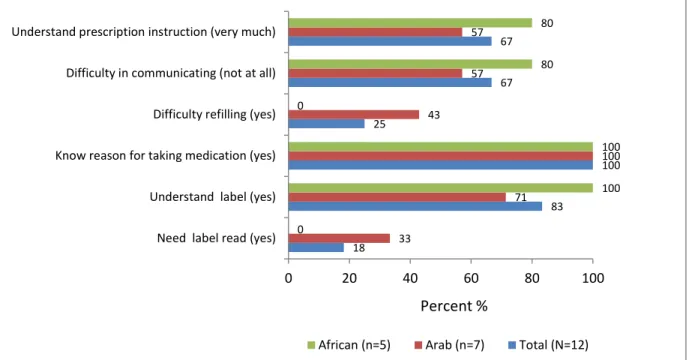
Figure 1-Barriers to medication use among participants by ethnicity ... 67
Table 1 - Literature Review Summary Table ... 17
Table 2- Evaluation Table for R-HeLP ... 63
Table 3-Sample Characteristics ... ………...68
Table 4- Changes in Medication Use Knowledge, Pre/Post- Educational Intervention ... 69
Table 5-Participants Satisfaction with Educational Program ... ………..70
1 Chapter 1
2 Introduction
The number of refugees worldwide has steadily increased since 2011 and was overwhelmingly above expectations in 2013(UNHCR, 2014). The United States is still the largest refugee resettling nation among the 10 developed traditional countries (which are Australia, Canada, Denmark, Finland, the Netherlands, New Zealand, Norway, Sweden, Switzerland; Ott, 2011; Migration Policy Institute 2004). Prior to resettlement into another country, refugees often live under severe and life threatening conditions such as war, torture or violence (Eckstein, 2011). These dangerous conditions in addition to their lengthy stays at some unsanitary refugee camps and prolonged absence of medical care prior to their arrival in the United States puts refugees at risk for developing communicable diseases and acute or chronic disease complications (Morris et al., 2009).
This Practice Inquiry Project comprises of three manuscripts which explore refugees’ health access barriers and resettlement challenges in the United States, as well as a development and implementation of a culturally appropriate Refugee Health Literacy Program(R-HeLP) to bridge some barriers to healthcare utilization among refugee populations. The first manuscript is a literature review examining cultural and language barriers to care among refugees. The second manuscript is a policy paper the Refugee Resettlement Act of 1980 with discussion of its impact on current refugees’ resettlement and integration process in the United States and how this policy could be improved on to enrich refugee resettlement/integration in the country. The third
manuscript, Refugee Health Literacy Program (R-HeLP) is a health literacy project designed to increase refugees’ knowledge about medication use; which is one of the biggest needs when refugees resettle into a developed country like the United States. This project was also designed
3
to decrease cultural and linguistic barriers in delivering a health literacy education to refugees or persons with Limited English Proficiency (LEP) skills to improve their health outcomes.
The specific aims of the practice inquiry project presented in chapter 4 were to: 1) Develop a medication adherence educational program which meets the health literacy requirements for refugees, 2) Assess changes in knowledge of medication use as a result of implementing the medication adherence educational program, and 3) Determine refugees’ satisfaction with the medication adherence educational program. Some research questions guiding this study were: Will the health literacy program (R-HeLP) enhance refugees’
medication use knowledge? How satisfied will participants be with the health literacy program? How feasible will be the R-HeLP development and implementation at the KRM?
The findings from the capstone project and the two other manuscripts will be reported to Kentucky Refugee Ministry (KRM) and healthcare professionals that provide care to refugees. Also, the health literacy program that was developed and the findings presented can be used to inform and guide practices to improve refugees’ access to care and adherence to prescribed medications which may ultimately lead to better health outcomes, improve health and quality of life which could also lead to socio-economic advancement as a result.
4 Chapter 2 Manuscript #1:
Examining Cultural and Language Barriers to Care among Refugees
5 Abstract
Purpose: The aim of this literature review is to examine cultural differences and language barriers that hinder healthcare access among refugees.
Background: In the past six years, the number of refugees in the United States has more than doubled. Refugees often flee from life-threatening conditions such as war, famine, and violence to seek shelter in the United States. The majority of refugees in the United States have low fluency in English and are not familiar with the American culture and healthcare system. As a result, they often have challenges utilizing the healthcare services in the new/host country. Methods: A database search of Pub Med, CINAHL, Google Scholar, ancestry search, and EBSCOHOST was conducted to identify potential articles relevant to the topic of the study. Only articles written between 2000 and 2014 were included in the study. The database search yielded 35 articles but only 10 met the study criteria
Results: Of these 10 retrieved studies, it was indicated that refugees do not have adequate access to care as a result of language and cultural barriers. It was also found that interpreters are not often used for refugee services during hospital visits.
Conclusions: Barriers to refugee health access are primarily a result of language and cultural barriers. Efforts to surmount these barriers should be a high priority for any healthcare
organizations that provide or could potentially provide care to a refugee population in the United States. Consequences of not addressing these barriers include negative health outcomes for the refugees as well as serious potential threats to public health. To ensure access to quality care for refugees in the United States, good communication channels (e.g. translation services, language and culturally appropriate education materials) must be provided.
6
Background and Significance
Every year, the United States admits an average of 75,000 refugees (Bruno, 2014). Since 1975, about three million refugees from 125 different countries have fled to the United States (Mirza, Luna Mathews, Hasnain, Hebert, Niebauer, & Mishra, 2014). Admissions are based on projected refugee annual admission ceilings of 70,000-80,000 set by the President of United States in consultation with the Congress (Bruno, 2014).
The experience from escaping and becoming a refugee to resettlement in a new host country is often very traumatic. Prior to resettlement (relocation) into another country, refugees often live under severe and life threatening conditions such as war, torture or violence (Eckstein, 2011). These dangerous conditions followed by lengthy stays at often unsanitary refugee camps and prolonged absence of medical care prior to their arrival in the United States puts refugees at high risk for developing communicable diseases and acute or chronic disease complications (Morris et al., 2009). The most notable health problems refugees’ encounter are tuberculosis, malaria, hepatitis, intestinal parasites, and nutritional deficiencies (Morris et al., 2009).
In addition to the traumatic and health related issues, linguistic and cultural barriers often prevent refugees from receiving appropriate care or utilize health services in the United States (Morris et al., 2011; Elwell, Junker, Silau, and Aagaard, 2014). For instance, due to language barriers and or low health literacy, many refugees do not comprehend the concept of medication refills. As such, when they finish taking a bottle of their long-term medication many will not go for refills because they believe they are cured or that they need to schedule an appointment with a provider to get more medications (Eckstein, 2011; Morris et al., 2011). In addition, as a result of cultural differences, refugees’ perceptions of the body, health, or illness may be different from the Western perception which can cause tension and cultural clash with host country
7
healthcare providers (Eckstein, 2011). Secondly, some refugees hold the view that providers should know what is wrong with them by looking at them without taking medical history, and they also expect medications to cure conditions irrespective of the disease nature (Eckstein, 2011). Mitigation of these linguistic and cultural barriers to care can enhance refugees’ access to the needed health services and improve their quality of life.
It is disturbing to note that after refugees resettle in the United States their health status is often not examined in the subsequent years. For example, the initial health assessment and communicable diseases screenings are done at the Health Department soon after refugees enter the country; however, in some of the resettlement sites little attention is given to chronic and mental health issues (Morris et al., 2009; Eckstein, 2011). The health sector’s focus is more often on refugees’ threat to the public health rather than a specific focus on the individual refugee’s health needs However, as a result of the pre-departure rigorous screening, when they arrive at the host country they are not carriers of many infectious diseases contrary to the popular notion (Morris et al., 2009). This is because after screening, refugees who do not meet the
requirements of the Centers for Disease Control and Prevention (CDC) overseas screening guidelines is disqualified from travelling to the United State. That is a refugee who has “class A or class B” physical or mental disorder (e.g. active tuberculosis, leprosy, cholera, diphtheria, syphilis, harmful mental behavior, and or substance dependence) is not allowed to travel to the United Sates. The only option for the persons with those health conditions to enter the United States is to be granted a waiver (CDC, 2012).
Even though the health sector does not focus more on refugee health issues after their domestic health assessment is completed (Morris et al., 2009), refugees tend to rate their health as their most important concern among all other issues that refugees typically face, as was found
8
in a survey by refugee providers in San Diego (Morris et al., 2009. It was reported in the survey that 56% of refugees rated their health or healthcare access as the most important issue among all the other issues refugees encounter during their first year in the United States (Morris et al., 2009). In addition, only 10% refugees in Colorado rated their health as excellent, in a survey (Elwell et al., 2014).
Because health care is likely to be the number one problem of about 56% of the 70,000-80,000 refugees resettled to the US every year (Morris et al., 2009; Bruno, 2014), it is important to get a better understanding of the barriers to healthcare access that these refugees may
encounter. Therefore, the purpose of this integrative review was to examine
communication/linguistic and cultural barriers to healthcare utilization among refugees in the United States. Another purpose of this review was to recommend steps that health professionals can take to address these barriers and enhance good health outcomes among refugees. Finally, the implementation of a culturally appropriate health literacy program to decrease care disparities among refugees in the United States will be recommended as an effective strategy to address these barriers.
Methods
A database search of PubMed, CINAHL, Google Scholar and EBSCOHOST was conducted using various combination of the following key words: access to care; health disparities; barriers to care; refugees; African migrants; asylees; Congolese; communication; writing; speaking; culture; life style; nurse practitioner; doctor; physician; medical
professionals; nurse.; Boolean operators were used to improve search results. Also, ancestry search was conducted to look for other articles in reference lists of various articles to support this review. To meet the inclusion criteria for this review, articles had to have been published in
9
English between 2000 and 2014, and they had to address refugee communication or cultural barriers and/or refugee health disparities. Reports and peer-reviewed research articles were included. Articles were excluded if they were not published in English, and/or if they did not pertain to refugees or immigrants.
For the purposes of this literature review, an immigrant is defined as a person who has moved from his or her country of residence to another country, to live there either permanently or for a period of time. It is an umbrella term that embodies all refugees and asylum seekers as well. However, refugee “is a person who is outside his or her country and who is unable or unwilling to return because of persecution or a well-founded fear of persecution on account of race, religion, nationality, membership in a particular social group, or political opinion” (Bruno, 2014). In other words, a refugee is a person who has been given a protection in another country (UNESCO, 2014). An asylum seeker is a person who has applied to seek refuge at a port of another country and is waiting on the final decision from that country’s immigration department concerning their status; when their applications are approved, asylees become refugees
(UNESCO, 2014). For the purposes of this paper, the term ‘refugee’ was used for both refugees and asylees.
Results
The literature search returned 35 articles, of which 10 met the inclusion criteria. Four articles were quantitative studies and two were qualitative studies. The studies reviewed for this paper were conducted in only two countries; the United States (n=7), Canada (n=2), and
Switzerland (n=1). The initial search was aimed to find articles addressing language and cultural barriers among African refugees’ access to care in United States. However, most studies reported other factors that hinder African refugees’ access to care, with little available evidence on
10
specific cultural and communication barriers to care. Most of those articles focused on Somali refugees’ problems to the neglect of the problems refugees from other African countries face in the United States. The search was therefore broadened to include disparities in care, and cultural and communication barriers amongst all refugees in United States. Only eight articles in the United States reported cultural and communication barriers to care among the refugee populations. A further database search led to the retrieval of two more studies conducted in Canada that discussed barriers to care among refugees in Canada. The final number of articles retrieved was 10 and the findings are summarized in the following sections. Of the 10 studies reviewed, the findings could be grouped into two themes: Communication barriers (interpreters and compliance, health outcomes in relation to communication barriers, extreme outcomes related to communication barriers), and cultural barriers (misconceptions related to cultural barriers.
Communication Barriers
Health outcomes and communication barriers
Each of the 10 studies reported that effective communication with healthcare
professionals was of high priority to refugee patients. Poor language skills and other barriers cause high unemployment rates among young adult refugees in Colorado; unemployment rates (among ages 25-34) were about 12 times higher (93%) than the state level unemployment levels (8.2%) for other individuals. The unemployment further limits refugees from obtaining health insurance through the employer (Elwell et al., 2014). Language barriers and miscommunications between healthcare professionals and refugees were the highest hindrance to healthcare for refugees (Morris et al., 2011; Asgary & Segar, 2011; Elwell et al., 2014; Mirza, Luna Mathews, Hasnain, Hebert, Niebauer, & Mishra, 2014). The absence of language barriers can improve
11
perceptions about and increase healthcare utilization for refugees, as demonstrated by Epstein et al. (2007) who conducted a study that explored Somali refugee women’s experiences about preventive health services in the US with regards to communication barriers. They found that Somali refugees will seek preventive care when they experience effective verbal and nonverbal communication, and a feeling of being valued and understood by healthcare providers at office visits (Epstein et al, 2007). Moreover, Merry et al. (2011) reported that communication
difficulties often hindered postpartum refugee women’s access to health services; and that
teaching about self- or baby care was poorly understood or not provided due to language barriers. Also, these postpartum refugees encountered challenges expressing their concerns at the hospital visits. This gap in communication between healthcare providers and patients often leads to poor understanding of important health information, inability to follow treatment plans, and poor health and disease outcomes (Merry et al., 2011; Elwell et al., 2014).
Poor comprehension of the English language makes it difficult for some refugees to attend doctors’ appointments, read or fill out admission paperwork/consent forms, and
understand their diagnosis, treatment options, or instructional materials concerning their disease (Morris et al., 2009; Elwell et al., 2014). For instance, in a qualitative study by Bischoff, Bovier, Isah, Francoise, Ariel & Louis (2003) of asylees Geneva, it was found that language barriers was associated with refugees underreporting of important symptoms and other health risk indicators at their clinic visits. In most cases, these patients are under treated for their medical conditions and missed importance referrals for other health providers due to the gaps in communication (Bischoff et al., 2003). On the other hand, good communication between the patients and providers lead to good history taking, clearer understanding of patient symptoms, and increased referral to the appropriate departments. Besides these, some refugees are unlikely to have formal
12
education, therefore they have limited vocabulary to express or describe their ailments even in their own language. This impediment often leads to misunderstanding of their diagnosis, inability to comprehend their treatment plan and/or adequately follow-up with their care (McKeray & Newbold 2010). Additionally, communication barriers prevent refugees from giving accurate medical history to providers, or reporting the correct medications they might be taking, and other health or cultural practices they might be engaging in to their providers. They are therefore prone to medical errors, misdiagnosis, non-adherence to treatment due to misunderstanding of
instructions, and misuse of medical services (Refugee Reports, 2004). Interpreters and compliance
Each of the studies that included evaluation of interpreter services reported that the use of available interpreters at physician visits and various medical appointments led to increased adherence to treatment, future appointments, and optimum health outcomes for refugees (McKeray & Newbold, 2010; Morris et al., 2011; Asgary & Segar, 2011; Wagner et al. 2013; Bischoff et al., 2003). Many refugees reported that they often had to rely on family members or friends in the neighborhood to interpret for them at their hospitals or clinic visits due to the lack of professional interpreters (McKeray & Newbold, 2010; Morris et al., 2011; Asgary & Segar, 2011; Bischoff et al., 2003). Using family members and friends does not necessarily enhance adequate care and may often lead to breaches in patient confidentiality. Due to the small and knitted nature of refugee communities, information spreads easily in the community; hence patient privacy is often invaded if a familiar person is used as the interpreter. Also, family members and friends often do not understand medical terminologies and, thus, may provide the patient with wrong information. In addition, family members may oversimplify a message or keep information from the patient due to the nature or sensitivity of the information. Therefore,
13
the use of lay persons for translation services can create gaps in diagnosis and treatment for refugees (McKeray & Newbold, 2010; Morris et al., 2011).
Wagner et al. (2013) found that the absence of interpreters at patients’ office visits was associated with lack of understanding between providers and refugees and often lead to poor general health outcomes, and increases in trauma symptoms among Vietnamese and Cambodian refugees. In this study, 64% of the participants indicated the need for interpreter services at healthcare visits, and 95% stated they worry about their communication with practitioners. Moreover, it was reported that some refugee women were more likely to seek preventive care if there were available interpreters at their hospital visits and their motivation to seek care is further enhanced if the medical interpreter is a female (Epstein et al., 2007). Similarly, the use of trained medical interpreters at refugee clinics and during hospital visits was highly associated with completion of preventive care among Somali refugees (p-value < 0.001-0.035) while communication difficulties during hospital visits led to avoidance of seeking medical care(Morrison et al., 2012; McKeray & Newbold 2010). As a result of those barriers, the Somalian refugees in the Morrison et al., (2012) study had the highest noncompliance rates for colorectal cancer screenings, mammography, pap smears, and influenza vaccinations compared to other populations.
Extreme outcomes and communication barriers
As a result of English language barriers, some patients are willing to put their health in danger rather than seek proper medical care. For example, some refugees will not use healthcare services at all or will only utilize them when they are critically ill (Morris et al., 2009; Asgary & Segar 2011). Another example is a confession by some Russian refugees that they sometimes chose an incompetent physician who speaks their language instead of a more competent
14
physician with whom they will not be able to communicate effectively (Morris et al., 2009). The most extreme example is the story of a Somali refugee woman who misunderstood instructions and thereby delivered her baby at a hospital entrance instead of using a different door to enter the hospital (Morris et al., 2009). In this instance, the mother, and baby’s health was compromised. This frightening incident could have been avoided with the availability of a professional
interpreter’s services or with clearer instructions in a language that the patient understood during her prenatal visits.
Cultural Barriers Misconception issues and cultural barriers
Aside from communication, culture is another attribute that affects human relationships; culture can enhance or hinder successful interactions between people from different cultural backgrounds. Refugees’ cultural ideology of health and the healthcare system may be different from the Western perception of these variables (Morris et al., 2011; Eckstein, 2011). For instance, “refugees’ expectation of Westernized medical care may be unrealistic; while waiting to come to America, many refugees develop an idealized image of a system that will take care of all their needs, spiritual and physical”( Refugee Reports, 2004, p.2). Therefore, health professionals’ failure to consider refugees’ expectations and cultural backgrounds in providing care could impede effective interaction and quality of care for these patients (Asgary & Segar 2011; McKeray & Newbold 2010). For example, some refugees commented that physicians and other providers do not often understand their culture or diseases that are common within their particular nationality or race because those diseases are not prevalent in the western world (Asgary & Segar 2011).
15
Some refugees also reported that because of cultural differences, some physicians are not able to relate to their chief complaints for the visit and as a result they become frustrated with the refugees. Out of their frustration, the providers tend to write prescriptions or order tests for these refugees just to get through the appointment without taking the time to get to the core of the medical condition (Asgary & Segar, 2011). Additionally, most refugees are not familiar with the western healthcare system and what diseases are cured or managed with medications. That is, their perception about chronic disease treatment differs; they do not understand that chronic conditions such as diabetes or hypertension need to be managed long-term, so after taking medications for a short period of time they may expect an outright cure (Asgary & Segar 2011; Morris et al., 2009; Epstein et al., 2007; McKeray & Newbold 2010). For example, some refugees hold the notion that physicians in the United States have the expertise to cure all their chronic diseases immediately; hence they get disappointed when their expectations are not met (Morris et al., 2009).
Aside from the above, some of the refugees’ cultural backgrounds demand that a same-sex practitioner examine them, and some even prefer same-same-sex interpreters when discussing sensitive issues (Epstein et al., 2007; Morris et al., 2009). Hence, when they go for appointments and the care providers are the opposite sex they may feel disappointed and may be hindered in discussing their medical conditions or feel violated after they have been examined.
Also, some of the studies found that most refugees’ cultures do not recognize mental health issues as a real concern; hence most of them do not seek treatment as a result of lack of knowledge, shame, or fear of stigmatization (Epstein et al., 2007; Merry et al., 2011; Morris et al., 2009). As a result of these factors, refugees underutilize mental health services even though they may be suffering psychologically. Due to the traumatic events most refugees experience
16
prior to their resettlement, they often suffer from depression and post-traumatic stress disorder (PSTD) or other mental health issues. Yet they may not be willing to seek treatment due to the perceived consequences in seeking mental health care (Asgary & Segar, 2011). For example, in a study by Asgary & Segar (2011), a provider reported that one of his refugee patients was
severely depressed and even attempted to commit suicide, yet was unwilling to accept offered mental health services due to the fear of being stigmatized in his community as a ‘crazy person’ Unfortunately, many refugees suffer silently from mental health issues and some have accepted this as a part of life and have no hope of getting out of it (Asgary & Segar, 2011).
17 Literature Review Summary-Table 1
(Asgary & Segar, 2011).
Barriers to health care access among refugee asylum seekers. J Health Care Poor Underserved, 22(2), 506-522. doi: 10.1353/hpu.2011.00 47. To evaluate barriers hindering asylum seekers access to care in N=45 men and women n=35 Asylum seekers n=15 expert providers & stakeholders Qualitative study (comprehensive interviews & focused groups)
Affordability of health services Limited health services
Inadequate interpretation services at clinics Use healthcare for emergent issues only Mistrust of healthcare due to cultural barriers
Bischoff, A., Bovier, P., A. Isah, R., Francoise, G., Ariel, E., Louis, L. (2003). Language barriers between nurses and asylum seekers: their impact on symptom reporting and referral
To examine how language barriers impacts asylum seekers symptom reporting during screening interviews, and how this affects their referral for further evaluation N=723 asylum seekers (men and women) attending the health facilities in the canton of Geneva, Switzerland. Systematic interview questionnaire Quantitative study
Participants who have language barriers were less likely to report their trauma or
psychological symptoms accurately during screening interviews and, hence missed the opportunity to be referred for further evaluation
The use of professional interpreters enhanced communication between asylees care
providers Title of articles
authors names
Research purpose Sample & setting
Methods and study design
18 Elwell, D, Junker, S,
Silau, S, & Aagaard, E. (2014). Refugees in denver and their perceptions of their health and health care. Journal of Health Care for the poor and underserved, 25(1): 128-141. DOI:10.1353/hpu.201 4.0032.
To assess the self- perceived health of and barriers to healthcare for refugees in the Denver metro area in order to better understand their needs N=120 refugees (in Denver) interviewed between June and December of 2009 A Quantitative study; A cross- sectional surveys (61-item questionnaire)
Most notable barriers to healthcare to refugees’ utilization of health services: Unemployment (91%),
Language (46%),
Lack of health insurance (41%) Lack of transportation (43%), Mistrust of doctors (22%). Epstein, R., Fiscella, K., Gipson, T., Volpe, E. & Jean-Pierre. (2007).
Caring for Somali woman: Implications for clinicians-patient communication. Patient care Education and Counseling 66(1)337-345 To explore African refugee’s women’s experiences about preventive health services in the US with regards communication barriers in order to understand the role of communications as a barrier to healthcare access. N=34 ( Somali refugee women) Qualitative study In-depth interviews
Things that encourage Somalia refugees women to seek care are:
Effective verbal and nonverbal communications with providers
Feeling of being valued and understood by providers
Absence of structural barriers to care, continuity of care with same providers, Patient centered communication at clinics Availability of female interpreters and clinicians
19 McKeary, M., &
Newbold, B. (2010). Barriers to Care: The Challenges for Canadian Refugees and their Health Care Providers. Journal of Refugee Studies, 23(4), 523-545. doi: Doi 10.1093/Jrs/Feq038. To explore the systematic barriers to health care access experienced by Canadian refugee populations N=14 key social and health care providers for refugees in Ontario, Canada. Qualitative study Semi-structured In-depth interviews(
Main barriers to refugees seeking care: language /interpretation barriers
low cultural competency skill of providers lack health care coverage
inadequate services availability
Others: isolation, poverty, and transportation barriers to care access.
Merry, Gagnon, Kalim, & Bouris, (2011).
Refugee claimant women and barriers to health and social services post-birth. Can J Public Health, 102(4), 286-290. To examine barriers that vulnerable migrant women encounter in accessing health and social services during postpartum period N=112 New postpartum refugee women in (Montreal, Toronto, and Vancouver) Canada Multi-site prospective cohort study Quantitative study In-home visits and telephone interviews. (Nurse experts reviewing data were blinded to study)
Communication difficulties hinder
postpartum refugee women access to health services.
Lack of interpreters made it impossible for refugee women express their concerns or understand teachings and information given. Teaching about self-care or baby care was poorly understood or not provided to the refugee due to language barrier.
Some refugee women were reluctant to call 911 in emergencies for fear of not being able to communicate.
20 Mirza, M.1., Luna R., Mathews. B, Hasnain. R., Hebert E, Niebauer, A, Mishra, U., D. (2014). Barriers to healthcare access among refugees with disabilities and chronic health conditions resettled in the US Midwest. J Immigr Minor Health,16 (4):733-42. doi: 10.1007/s10903-013-9906-5 To explore refugee immigrants, most of whom are disabled and chronically ill, and the barriers they face in accessing healthcare systems in the US. 18 (5 males and 13 females) Community-based participatory research approach (CBPR) Semi-structured key informant interviews
Data analysis revealed three key findings: (1) Inadequate health insurance resulting from 3-levels: systems, providers, and individual (these variables imped refugees access to health insurance, especially those with disabilities.
(2) Language and communication barriers were due to many linguistic differences among refugees and the inadequate financial resources and qualified personnel to offer language services to refugees
(3) A complex maze of service systems in U.S.
(Morris, Popper, Rodwell, Brodine, & Brouwer, 2009). Healthcare Barriers of Refugees Post-resettlement. Journal of Community Health, 34(6), 529-538. doi: DOI 10.1007/s10900-009-9175-3 To examine problems refugees encounter to access healthcare after government assistance has ended 40 informants, (refugees, employees of voluntary resettlement agencies, VOLAGAs), refugees n=16 VOLAGAs=14 MAAs n=10 Qualitative pilot study
Language and communication barriers affect refugees from the start of making medical appointment to filling of prescriptions Language and miscommunication between healthcare professionals and refugees were highest hindrance to care
Language barrier hinder access preventive care, limits patient ability to read and understand medical instructions, and prescriptions, which leads to drug errors
21 Morrison, B., T., Wieland, M., L., Cha, S., S., Rahman., A., S, & Chaudhry, R. (2012). Disparities in preventive health services among Somali immigrants and refugees. J Immigrants Minority Health. 14:968-974. DOI 10.1007/S10903-012-9632-4. To measure disparities in preventative healthcare services among Somali refugee patients in comparison to patients. Also, to examine the effect of medical interpreters, emergency department’s visits and completing of prevention care N= 810 Somali patients(men and women) Prospective cohort study
Somali patients had significantly low compliant rates for colorectal cancer
screenings, mammography, pap smears, and influenza vaccination than other populations. Also, Somalian patients who had trained medical interpreters during their hospital visits were more likely to seek preventive care
The use of interpreters was highly associated with completion of preventive care. (p-value <0.001-0.035).
Wagner, J., Burke, G., Kuoch, T., Armeli., S., & Rajan, T., V. (2013).Trauma, healthcare access, and health outcomes among southeast Asian refugees in Connecticut. J Immigrants. 15:1065– 1072. DOI 10.1007/s10903-012-9715-2. To study the association among trauma symptoms, self-reported outcomes, and barriers to healthcare among Cambodian and Vietnamese persons in Connecticut N=229 (49%Cambodia ns; 51% Vietnamese) A cross-sectional study design Quantitative study Telephone calls, face to face in home interviews
More Vietnamese reported lack physician understanding and need for interpreter compared with Cambodians.
Poor communication between physician and lack of interpreters were associated with poorer general health outcomes.
There was a high relationship among trauma symptoms, lack of understanding, the need for interpreters and medical costs.
22
Critique of the Reviewed Literature
In general, few studies have addressed refugees’ health issues (especially African refugees), with most public health reports about immigrants’ health focusing on infectious diseases, especially, HIV and TB. The reason for which the public health officials are quick in attending to some of the infectious diseases is to prevent the transmission to the general public, but after that, not much attention is paid to other ailments and health issues of the refugees. However, in addition to infectious diseases that refugees face, musculoskeletal and pain issues, mental and social health problems, and long term undiagnosed chronic health issues are the most troubling refugee health issues (Eckstein, 2011). Unfortunately, there are few studies or even any literature exploring the issue on post settlement refugee health conditions (Morris et al., 2009).
Gaps in Research
From the current literature review, there were only a handful of articles that examined barriers to refugees’ access to care. Of the ones that do exist, the focus is mainly on infectious diseases and only a few examined the impact of culture and language on access to care; only few of these were nursing studies. Of those that did examine communication and cultural barriers, significant barriers to healthcare they were identified. In addition, the majority of the literature conducted about African refugees’ health problems in the United States focused on refugees from one country, primarily Somalia; thus the evidence is somewhat obscured because it focuses more on Somali refugees and fails to look into the health disparities of other African refugees in the United States. Additionally, none of the reviewed literature looked into evidence-based programs that could decrease health disparities among refugees to enhance quality care. Therefore, additional research is needed to further explore evidence-based programs that are effective to address health post-resettlement health disparities among refugees.
23
Strategies to Eliminate Gaps/ Recommendations for Practice and Suggestions The goal of this integrative literature review was to examine communication and cultural barriers to healthcare utilization for refugees in the United States. Another purpose of this review was to recommend steps that health workers can take to address these barriers and enhance good health outcomes among refugees. Finally, the implementation of a culturally appropriate health literacy program to decrease care disparities among refugees in the United States is recommended.
Based on the results of the 10 included studies, it is clear that adequate access to care is a critical problem for refugees. Major hindrances to care are language barriers, cultural barriers and poor health literacy. The literature review also found that interpreters are not used frequently for refugee services during their clinic/hospital visits, and that clinics or hospitals that use
interpreter services sometimes use lay persons to the disadvantage of the patients. As a result, health providers and hospital policy makers should explore ways to provide refugees with interpreter services at all healthcare visits. Laws concerning discrimination of service based on language barriers (Title VI of civil rights Act) should be enforced in all government institutions to ensure adequate language services available for refugee hospital visits (Mirza etal., 2014).
Moreover, future studies in the United States should focus on barriers to refugees’ utilization of healthcare. Investigations should be conducted to find out the most immediate health needs of refugees when they first arrive in the country and regular intervals afterwards in order to tailor services that mirror refugee needs. Additionally, more studies should be conducted to explore the effects of gaps in communication and cultural differences in relationship to newly-arrived refugees’ health and healthcare utilization in the United States; and how those barriers can be effectively addressed.
24
language lessons should be made available for all refugees and the classes should be made flexible to suit refugees’ learning needs and other schedules. Also, the language lessons should be developed based on adult and health literacy principles and should be designed in a simple and user-friendly format to enhance understanding (UNHCR 2002).
In addition, a culturally appropriate health literacy programs that account for language barriers should be implemented. For example, available educational materials should be translated to the native/common languages of target refugees. Furthermore a health literacy education approach could revolve around the American healthcare culture by including basic steps to access care, such as how to make the hospital appointment, how to get prescriptions filled/refill and what is meant by taking medication “as needed vs scheduled”. Educational and Informational materials should contain pictures or graphics to illustrate instructions (National Institute of Health, 2010 ), with translations in various languages appropriate for refugees instead of just written instructions which are more appropriate for patients who can read and understand the language in which the materials are written.
Conclusions
In conclusion, refugees have many health needs that are often inadequately met after resettlement in the US. Healthcare providers need to know that refugees are different from the average immigrant; the circumstances leading to refugees’ present residence may have impacted their lives negatively and affected their perceptions of the world and health. As a result of that, providers should approach refugees’ care with sensitivity and with understanding of refugees’ backgrounds. Healthcare professionals should be tolerant and compassionate, and the treatment plan for refugees should be holistic and individualized to reflect their needs. In addition, it is important for all health workers to be aware of and acknowledge cultural differences of this
25
population and also to utilize cultural competency skills and resources to provide culturally appropriate care for patients who are refugees.
Treatment plans and educational materials should be designed in such a way to meet the health literacy requirements for people with low English proficiency and different cultural backgrounds to reflect the 2003 National Assessment of Adult Literacy recommendations ([NAAL] National Institute of Health, 2010). Moreover, because so many refugees have communication and/or low health literacy, providers should communicate with refugees at a level at which they can understand, they should use simple terminologies and they should base their communication on health literacy recommendations (National Institute of Health, 2010).
Accomplishing the above recommendations can assist refugees to better utilize healthcare services, communicate with providers, understand their diagnoses and treatment regimens, and improve adherence with the recommended treatment plan. Also, improvements in language and cultural barriers can motivate refugees to seek appropriate health services by obtaining preventive care, prompt treatment engagement, and maintenance of good health status. This can decrease costs associated with seeking late care (tertiary prevention) and the cost of unnecessary emergency services in the United States and also reduce costs associated with long term complications of uncontrolled chronic condition for the refugees. Ultimately, improving refugee health access benefits the refugee, health care system and society as a whole as their health and quality of life improve and they are better able to become active in their communities and productive citizens of United States.
26 Chapter 3 Manuscript #2:
27
Summary
Historically, the United States has given considerable support to refugee populations. The United States Refugee Admissions Program (USRAP) is a consortium of governmental and non-governmental agencies working together with other bodies both overseas and locally to ensure refugee resettlement (USCIS, 2013). Locally, USRAP’s roles comprise three main intergovernmental agencies: a) the Bureau of Population, Refugees, and Migration (BPRM) of the Department of States (in charge of funding refugees’ resettlement), b) the Office of Refugee Resettlement (ORR) (also in charge of funding refugees’ resettlement in conjunction with the BPRM) within the Department of Health and Human Services (HHS), and c) the Department of Homeland Security (DHS) within the United States Citizenship and Immigration Services (USCIS) for admission and resettlement of refugees (USCIS, 2013).
For the past 40 years, the United States has admitted more than twice the number of refugees than the other traditional countries of resettlement (which are Australia, Canada, Denmark, Finland, the Netherlands, New Zealand, Norway, Sweden, Switzerland) combined Ott, 2011; Migration Policy Institute 2004). For example, since 1980, the average number of worldwide refugees admitted to the United States is about 98,000 yearly (Church World Service [CWS], 2010). The highest number was 207,000 in 1980 and the lowest was 27,110 in 2012 (Refugee Council USA, 2014). Despite these large numbers, once the refugees are admitted and resettled, follow-up care and support systems in the United States is often not as effective as it could or should be (CWS, 2010). For example, the United States does not provide adequate long-term resources such as cash and medical assistance or language services necessary for refugees to successfully integrate into the United States (CWS, 2010).
Besides financial, health, and language barriers, many refugees also cope with
28
traumatic events in their home countries such as wars, religious and political persecutions, personal afflictions, and or natural disasters. Some of those situations that drove the refugees from their home countries in most cases do not resolve in a timely manner; hence they may be resettled permanently into other countries for protection (Ott, 2011). Once in the host country, refugees often encounter difficulties such as adjustment to an unfamiliar country, a different language and culture, a complex and unfamiliar healthcare system, and a different infrastructure (CWS, 2010). According to Elwell, Junker, Silau, and Aagaard, (2014), the prominent barriers refugees frequently face in accessing healthcare in Colorado are communication (46%) lack of health coverage (41%) due to unemployment (91%); transportation issues (46%), and distrust of providers (22%). For example, according to the same survey, only 55% newly-arrived refugees and 37% established refugees have health insurance (Elwell et al., 2014).
Most of the problems refugees encounter during the resettlement process in the United States stem from lack of proper policy on refugee integration into the country (CWS, 2010). Successful integration requires all the three main actors for refugee resettlement (the federal government, and the national and local voluntary agencies) to know their roles and coordinate their activities to avoid negligence of duties, duplication of roles, and mismanagement of resources for refugees (CWS, 2010). Currently, there is lack of coordination among these agencies. Therefore, since the United States is the largest recipient of refugees in the world, the refugee resettlement agencies has an important obligation to further lay out a structured and systematic framework that will enhance proper integration of the refugees into our communities and society. A structured framework and proper integration process such as good orientation courses to introduce refugees to the host nation’s culture and systems, flexible cash and health coverage programs, and well- organized language lessons that accommodate every refugee’s needs would greatly help to foster smooth transitions into the new environment.
29
While the refugee resettlement issue is complex and multifactorial, the purpose of this paper is to: 1) examine problems associated with refugee resettlement and integration into the United States post the Refugee Resettlement Act of 1980 and 2) offer suggestions for ways to structure refugee resettlement and integration to foster smoother transition into the United States. Specifically, this paper will address difficulties in healthcare access and language and cultural barriers refugees encounter as a result of an unstructured resettlement and integration framework in the United States (CWS, 2010).
These interconnected barriers can delay the refugees’ integration into the community and prevent them from becoming productive members of the United States. For example, language and cultural barriers affect the ability to secure and keep jobs; unemployment affect refugees’ ability to qualify for health insurance, which will eventually impact access to proper healthcare when needed (Elwell et al., 2014).
Historical Context of the Refugee Resettlement Act of 1980
The United States has been resettling refugees since 1946 (Zucker, 1983). The first refugees to be admitted into the United States were Hungarians, then Cubans, Indochinese, Soviet Union Jews, and Haitians. In March 1980, the US Congress passed a law on refugee resettlement in the United States--the Refugee Resettlement Act of 1980. The two goals of the 1980 Refugee Resettlement Act were to provide uniform criteria for refugee admissions and to authorize standardized federal assistance programs to resettle all refugees and promote their self-sufficiency (Bruno, 2014); this has become the basis for current refugee resettlement programs in United States (Zucker, 1983). The Act also defined the roles and responsibilities of the federal government and other actors responsible for refugee resettlement in the United States (CWS,
30
The Refugee Resettlement Act of 1980 replaced the 1962 Migration and Refugee
Assistance Act (Cuban Refugee program-CRP) and the 1975 Migration and Refugee Assistance Act (Indochinese Refugee Assistance Program [IRAP]; Zucker, 1983). The 1962 Migration and Refugee Assistance Act/ Cuban Refugee Program was the first refugee Act by the United States to enhance the integration of Cuban refugees into the country. Later on, Congress established the 1975 IRAP after the Vietnam War in order to absorb the overflow of Indochinese refugees (650,000; Zucker, 1983).
The IRAP and the Cuban Refugee programs were well-established to provide temporary assistance for refugees’ resettlement. Those two programs covered the costs of cash and medical assistance, language lessons, employment training, child welfare, and food stamps for the refugees (Zucker, 1983). Even though the two refugee resettlement programs were well established, the increased financial burdens and the overwhelming number of refugees that needed to be resettled within a short period of time fueled Congress to design a universal act for refugee resettlement, the Refugee Resettlement Act of 1980. For instance, within a year the federal government spent $1.4 billion on the Cuban Refugee program alone (Zucker, 1983). Around the same time, in 1979, the United States was also severely impacted by the arrival of 14,000 refugees from the Soviet Union per month (Zucker, 1983). Also, in 1975, the number of Cuban refugees alone admitted to the U.S was 750,000. Additionally, the Soviet Union Jewish refugees and other refugees around the world began trooping to the shores of the United States (Zucker, 1983). This cascade of events prompted the implementation of the Refugee
Resettlement Act of 1980 in order to plan ahead for the number of refugees that can be admitted into the United States each year (Annual Refugee Ceilings). The Act also set up structured
31
Department of Health and Human Services to enhance refugee resettlement and transition into the United States (Zucker, 1983).
Moreover, in 1946, the federal government signed a contract (called the Corporate Affidavit) with national voluntary agencies (VOLAGS) to help with refugee placement and resettlement into the United State localities. The corporate affidavit also gave authority to the VOLAGS to provide financial support for refugees to alleviate the local communities from bearing all the costs associated with resettling the refugees (Zucker, 1983). The federal
government absorbed all expenditures through the ORR; every dollar amount spent on refugees by the VOLAGS was matched by the government (Refugee Council USA, 2014). As of now, the ten federal voluntary agencies are still the main stakeholders responsible for placement and resettlement of refugees in the United States; they make the final decision as to which states the refugees are to be admitted before they get to the United States (Zucker, 1983; CWS, 2010; Bruno, 2014).
The Issue: Post Resettlement Problems Confronting Refugees in U.S.
The1980 Refugee Resettlement Act made provisions for cash and medical services for all newly-arrived refugees (the Refugee Cash Assistance [RCA] and Refugees Medical Assistance [MCA]). The Cash and Medical (health coverage dependent on the State’s Medicaid) assistance programs for refugees were temporary services that were intended to help refugees during the resettlement process until they became self-sufficient (Zucker, 1983). In the1980 Refugee Resettlement Act, the RCA and MCA were allocated for refugees up to 36 months after
admission to the United States. Over the years, however, the amount of cash assistance and the length of time refugees qualify for other assistance has decreased drastically. For example, the length of refugee cash and medical assistance has decreased from 36 months to 8 months since 1991(Bruno, 2014). This is in part due to the impact of the 1996 Welfare Reform Act on the
32
ORR, which works in conjunction with the BPRM to fund refugees’ resettlement and integration process in the United States (Bruno, 2014).
Before the Welfare Reform Act of 1996, all refugees who qualified for any form of federal or public assistance receives the assistance immediately on admission and they could receive the welfare assistance whenever necessary, just like American citizens. However, after the Welfare Reform Act, refugees were given time limits as to when they could apply for public assistance and to how long they could receive it (Bruno, 2014). For instance, after being
admitted into the country, refugees must wait five to seven years before they qualify for some public assistance services. The only public assistance refugees can benefit from like American citizens is food stamps; they can receive food stamps at any time based on their income needs (Bruno, 2014). Although helpful, food stamps alone are insufficient to meet refugees’ other vitals needs such as health insurance or financial assistance.
Additionally, since the 1996 Welfare Reform Act, refugees can only receive medical assistance for up to eight months, after which they are expected to be economically self-sufficient through employment and to be able to secure health insurance from their employers (Bruno, 2014). The reality is that not all refugees adapt so quickly to their host country and their new environment (CWS, 2010); this means they may not be able to secure jobs quickly and obtain insurance from their employers. Quick integration is dependent on the refugees’ culture, educational level, age and gender, among other things. For instance, young adults and refugees who have some higher formal education in their own language learn the language more easily at the new host environment, and as a result often find it somewhat easier to secure jobs in their host countries (CWS, 2010).
For refugees who are unable to secure jobs before losing their medical (Medicaid) benefits, they will be without free health coverage and most will no longer have access to care
33
they can afford. As such, they may not receive services they need and may utilize the emergency rooms for acute and chronic health issues which lead to unnecessary increase in healthcare costs and additional burdens to the local hospitals and communities. Those refugees who avoid seeking medical care for health conditions have increased risks of developing complications from these diseases, and therefore more likely to suffer poor health outcomes later. According to Bruno (2011), some of the major health issues related to inadequate healthcare coverage facing refugees during resettlement are unfulfilled health care needs, serious chronic illnesses and mental health issues.
In addition, new refugees’ often encounter language and cultural barriers which limit successful integration into the country. The U.S refugee resettlement program offers language services for up to 60 months (CWS, 2010); however, the scheduling of language classes are often inflexible and offered in a traditional classroom setting (CWS, 2010). Moreover, the organization and delivery of the ESL classes may not factor in the history of the refugees, such as their prior experience with classroom learning, psychological readiness to learn, and cultural backgrounds. All of these factors can impact refugee learning and timely language acquisition (CWS, 2010; UNHCR 2002). Sometimes the classes conflict with refugee work schedules and appointment times and there are no alternative scheduling options, or make-up classes.
Additionally, transportation difficulties, financial needs and lack of child care can hinder refugees’ use of available language services and thus can perpetuate the communication
difficulties (CWS, 2010). Communication barriers often contribute to the refugees’ inability to
obtain jobs and become economically self-sufficient (Sienkiewicza, Mauceria, Howell and Bibeau, 2013). As such, they often depend on the community for financial support which further creates pressure on scarce resources (CWS, 2010). In addition, the refugee’s inability to keep a
34
regular job affects their ability to afford health insurance and without health insurance they are less likely to seek adequate care when needed (Elwell et al.,2014).
In sum, the problems refugees encounter are complex and intertwined. For example, language and cultural barriers typically lead to unemployment and inability to afford health insurance (Sienkiewicza et al., 2013. The inability to afford health insurance leads to dependence upon emergency rooms for acute and chronic health issues, poor disease
management, complication of diseases, and ultimately poor health outcomes for the refugees (Ott, 2011). These cyclical issues complicate the refugees’ integration even more and make it very difficult, if not impossible to adjust to the host country (CWS, 2010). As Einstein famously stated, “A bundle of belongings isn’t the only thing a refugee brings to his new country…” (UNHCR, 2009); hence, refugees’ resettlement and integration problems should be handled from all angles and not narrowly focused on one problem at the expense of equally important obstacles that affect their integration in the host nation.
Comparisons: Successful Refugee Resettlement Programs in Other Countries The refugee resettlement programs in some countries are much more successful than the United States resettlement due to the models or frameworks they have laid out for resettlement process. For instance, Citizenship and Immigration Canada (CIC) has two programs that support the refugee resettlement process. These are the Government Assisted Refugee Program (GAR) and Privately Sponsored Refugees (PSR). The Government Assisted Refugee (GAR) program is in charge of oversees selection, screening and processing of applications (Citizenship and Immigration Canada, 2011). The GAR supports refugees through the Resettlement Assistance Program (RAP), that is, a federal program created to foster the resettlement and integration of refugees into the host communities (Citizenship and Immigration Canada, 2011). The RAP provides immediate services such as accommodation, orientation programs, income support,
35
language instruction and other resettlement services upon arrival in Canada. Refugees can utilize the services for up to a year; however, income support can be extended for another year (a total of two years) depending on refugee’s needs assessment (Citizenship and Immigration Canada, 2011).
According to the same agency, the RAP also works with the Internal Federal Health Program (IFHP), to cover services such as health and medical care for refugees, they can receive medical coverage up to a year or 24 months or until they qualify for provincial/territorial health care coverage. The GAR and RAP programs are well-organized and have enhanced faster and successful integration of refugees in Canada (Citizenship and Immigration Canada, 2011). Moreover, a research study completed in 2011 by the United Nations High Commissioner for Refugees (UNHCR) and the International Organization for Migration (IOM) concluded that the Canadian model Government Assisted Refugee Program (GAR) and the Resettlement Assistance Program (RAP) were ‘best practices’ and recommended other countries to adopt these models for refugee resettlement assistance. The UNHCR specifically recommended Japan and New Zealand to set up their resettlement programs to mirror Canada’s GAR to ensure success of their programs (Government of Canada, 2011). Therefore, since the Canadian Resettlement
Assistance Program (RAP) has been a success for refugee integration, the United States could emulate the Canadian RAP system where the refugees can receive health coverage and other domestic assistance services for about two years or until they are self-sufficient to provide those services on their own. The RAP frameworks could provide some guidance or strategies to improve the current resettlement model in the US.
Besides the RAP system, the language model that the Swedish use for their refugee resettlement process would be a good language framework for the refugees in the U. S. resettlement system. What makes the Swedish refugee language services unique is their