The Effect of Collaborative Learning on Enhancing Student Achievement A Meta-Analysis Ravinder Kumar A Thesis in The Department of Education
Presented in Partial Fulfilment of the Requirements for the Degree of Master of Arts (Educational Technology) at
Concordia University Montreal, Quebec, Canada
April 2017
CONCORDIA UNIVERSITY School of Graduate Studies
This is to certify that the thesis prepared By: Ravinder Kumar
Entitled: The Effect of Collaborative Learning on Enhancing Student Achievement A Meta- Analysis
and submitted in partial fulfillment of the requirements for the degree of Master of Arts (Educational Technology)
complies with the regulations of the University and meets the accepted standards with respect to originality and quality.
Signed by the final Examining Committee:
_______________________________ Chair
Chair’s name/ Dr. Saul Carliner
_______________________________ Examiner
Examiner’s name / Dr. Robert M. Bernard
_______________________________ Examiner
Examiner’s name / Dr. Claude Martel
_______________________________ Supervisor
Supervisor’s name / Dr. Richard F. Schmid
Approved by ___________________________________________________ Chair of Department or Graduate Program Director
_______________ _______________________________________________
iii Abstract
The Effect of Collaborative Learning on Enhancing Student Achievement: A Meta-Analysis Ravinder Kumar, M.A.
Concordia University, 2017
The purpose of this meta-analysis was to investigate the effect of collaborative learning on student achievement. The sample of the study consisted of 20 representative studies involving 2434 participants selected from an extensive literature search based on the use of collaborative activities in a formal education setting cutting across multiple grade levels and subject domains. Analysis of representative studies (k = 28) yielded a moderately weighted average effect size of 0.26. A mixed effects model was used for the analysis of the moderators of effect size. The research design was not significant across true and quasi- designs. Two groups – high
collaboration (Experimental condition) and no or less collaboration (control condition) – were compared to measure the effect of collaborative learning on the dependent variable of student achievement. The analyses of moderator variables were not significant or suffered from a lack of statistical power (i.e., grade levels). Implications for the use of the collaborative learning are discussed, and recommendations for future researchers are suggested along with the limitation and conclusions.
iv
Acknowledgements
As a graduate student, I experienced many memorable learning moments during the entire program. The thesis option provided me with a real task to synthesize my experiences as a capstone of all the learning. The journey was rigorous and challenging. However, the continuous support and guidance provided by some of the wonderful individuals in the department helped me complete this task successfully. I want to extend my immeasurable appreciation and deepest gratitude for the support offered by the following persons :
Foremost, Dr. Richard Schmid, my supervisor, chair, and professor, for his full support from the day one. He showed confidence in my abilities and helped me through his continuous advices, suggestions, feedback, comments, and support during the wrting process of the entire thesis. In addition, I am indebted to him for his official support to complete the departmental formalities for my thesis defense and submission. His commitment, patience, and sincerity were manifested during every meeting and/or communication with him which boosted my morale to stay in tune at every stage of this work. In addition, I thank him again for serving as my referee for various research grant projects and mentorship.
Dr. Robert Bernard, my professor and research committee member, and a specialist in meta-analysis, for his guidance during every stage of this project for all his advices on technical matters. I sincerely thank him for allowing to use the dataset for my study sample. In addition, he always showed his willingness to help me out whenever it was needed. His expertise has
v
Dr. Claude Martel, my second committee member and professor, for his emotional support and time-to-time help during the program. His expertise in applied research and educational
consultancy helped me devise better strategies for a successful planning of this project. I always found him a great person with his empathetic touch to uplift my morale and motivation.
Evgueni Borokhovski, another faculty member from Concordia University, for his regular support and motivation during the entire journey of this work. He has been exceptional to support me through all the phases of this work including coding, data analysis and reporting of the results. He always rendered his services to polish this work. He is such an appealing person that I befriended with him during my interactions with him.
Saul Carliner, another professor from the faculty of education technology, for offering his service to chair my defense committee. He has been a great influence on my learning, as his quality books on instructional design and resourceful peer-reviewed publications throughout his academic career.
Lastly, I would extend my thanks to all the other teaching community members for their support and teaching. In addition, I express my gratitude to all the administrative staff of the Department of Educational technology for their continuous support and care during the entire program. In particular, I would like to thank Mr. Sean Gordon, my program coordinator, for his amazing interactions and timely information during the my entire journay in this program.
vi
Dedicated to
With the incessant grace and blessings of the Almighty I dedicate this work with all my love and gratitude to Mrs.
Sunita, a departed soul and integral part of my family, for her continuous motivation and support throughout my
academic career,
to my parents and brother who always supported me,
to Anushaka and Aryan, my sweet buds for their affection,
and most importantly
to Anju, my beloved and everything, for her love, trust, and support throughout my life.
vii
Table of Contents
Chapter One : Introduction ... 1
Background of the Project ... 1
Statement of the Problem ... 2
Research Questions ... 2
Significance of the Study ... 3
Student interaction and collaboration ... 5
Technology and pedagogy. ... 6
Learning and achievement. ... 8
Chapter Two : Literature Review ... 9
Terms and Definitions ... 15
Ethical Considerations and Access to the Studies ... 16
Procedures ... 17
Formulating the problem/ research questions. ... 17
Meta-analysis as a methodology ... 17
Study design ... 18
Variables. ... 19
Searching the literature/ data sources ... 20
Criteria for inclusion and exclusion and review procedure. ... 20
Coding Study Features. ... 21
Calculating Effect Sizes. ... 21
Synthesis of the Effect Size (ES). ... 21
Chapter Four : Analysis and Results ... 23
Descriptors ... 23
General study information. ... 23
Substantive Characteristics. ... 25
Effect Size Extraction and Synthesis ... 29
Procedure for calculating ES ... 29
Synthesis of ES. ... 31
Results ... 32
viii
Inter-rater reliability ... 34
Achievement Outcomes. ... 34
Research design and methodological quality. ... 35
Publication Bias Analysis. ... 36
Sensitivity Analysis. ... 39
Chapter Five : Discussion ... 46
Limitations of the Study ... 50
Implications and Future Directions ... 51
Chapter Five : Conclusion ... 54
Appendix A ... 70
ix List of Figures
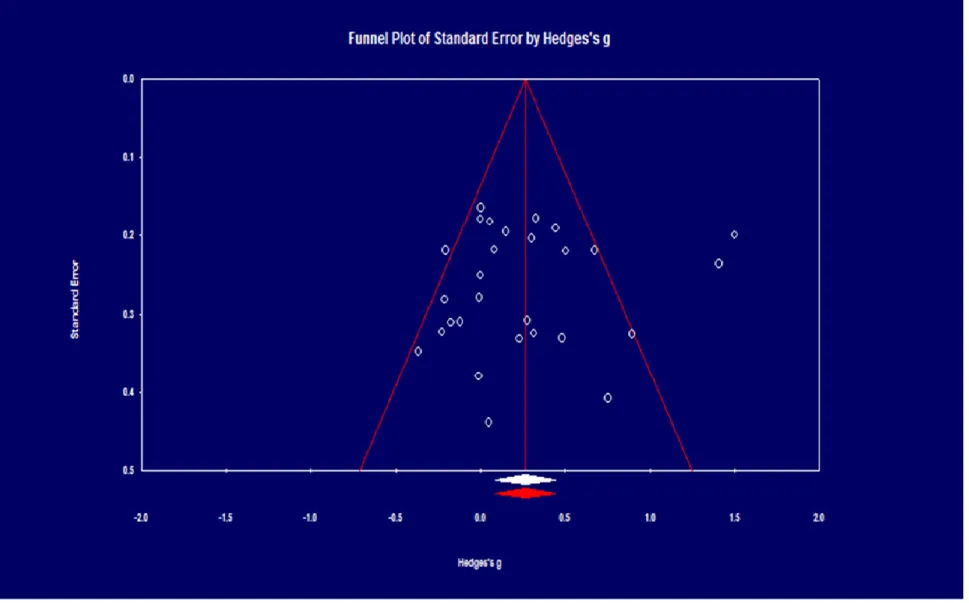
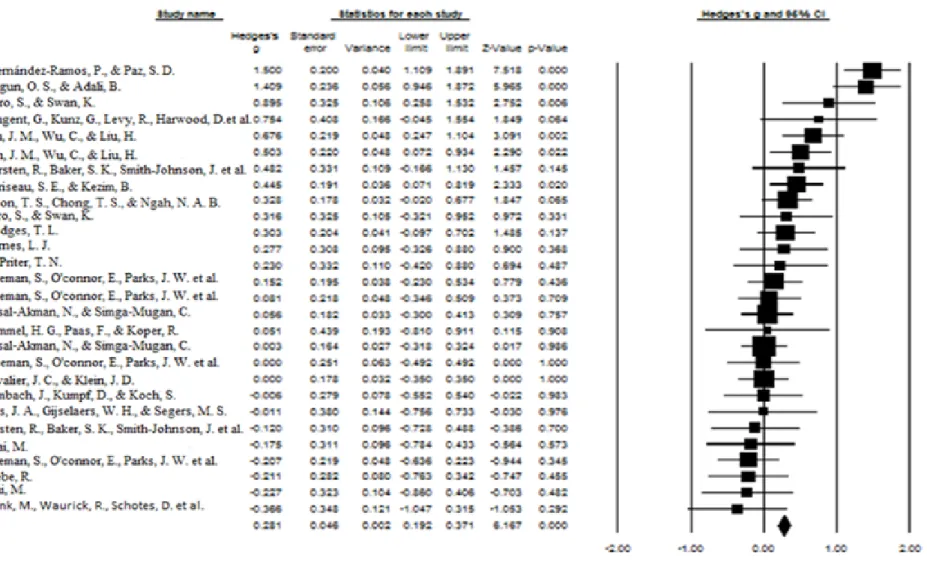
Figure 1. Funnel plot with effect size for using random model ... 38 Figure 2. Forest plot of 28 effect size from the distribution (k =20) and study-level statistics .... 40
x List of Tables
Table 1. Meta-analyses addressing the effects of cooperative/collaborative learning... 14
Table 2. Frequency distribution of the type of publication ... 23
Table 3. Frequency distribution of year of publication ... 24
Table 4. Frequency distribution of time frame of publication ... 24
Table 5. Shows the collaboration, use of technology and its principal purpose, and the link between collaboration & technology ... 26
Table 6. Frequency distribution of grade level addressed in the studies ... 28
Table 7. Frequency distribution of subject matter addressed in the studies ... 29
Table 8. Study- level statistics used in meta-analysis and explanations (adapted from Bernard et al. 2014) ... 30
Table 9. Studies included in the meta-analysis with titles ... 33
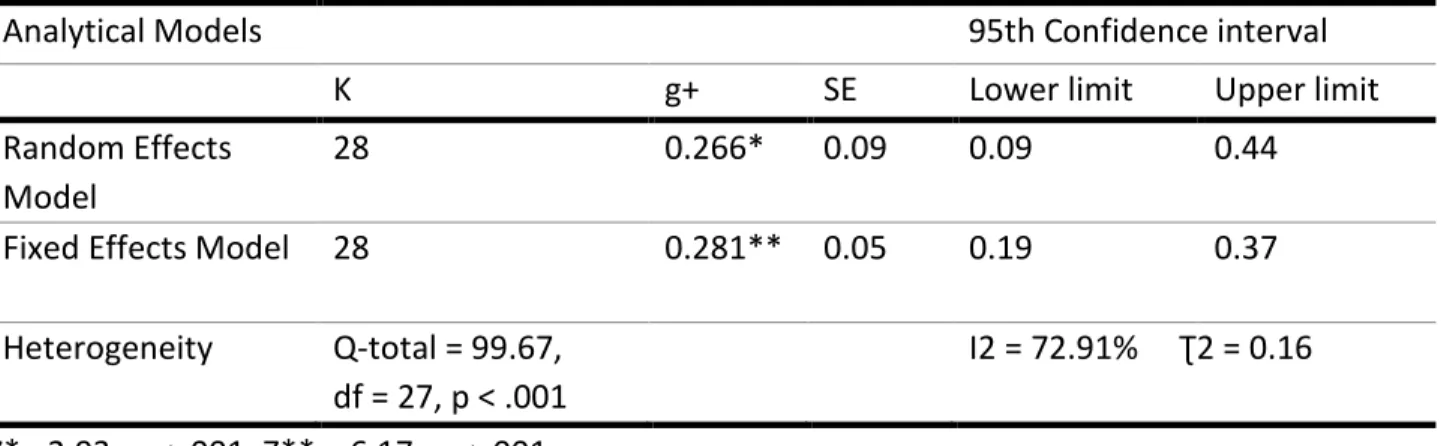
Table 10. Overall weighted average random effects and fixed effects sizes & heterogeneity ... 35
Table 11. Mixed-effects analysis of collaboration strength ... 41
Table 12. Mixed effects analysis by the instrumental value of technology ... 42
Table 13. Mixed-effects analysis of cognitive support for Distributed Cognition & Deep Learning ... 43
Table 14. Mixed effects analysis using technology for the cognitive support for deep learning . 43 Table 15. Mixed effects analysis by moderator variable subject matter ... 44
1
Chapter One : Introduction Background of the Project
Teaching and learning in a modern classroom is no longer an act of transferring knowledge. The act of teaching has become a multidiciplinary enterprize to develop critical thinking, interaction, and collaboration among learners (Nelson ,1994). Given these multidisciplinary changes in curriculum and its relative learning objectives, the need to collaborate in order to create learning environments has gained momnetum in this decade or so. Instead of teacher-centred approaches, the focus has shifted to learner-centred and learning-centred strategies. In the current educational landscape, learners are no more the empty vessels to be filled in, rather they need to be the co-creators of knowledge; they should be willing to take ownership of their learning and contribute to the development of knowledge.
Collaborative learning, according to Dillenbourg (1999), is “a situation in which two or
more people learn or attempt to learn something together,” and more specifically as joint
problem solving (p. 1). The use of collaborative approaches in pedagogies have gained currency in the last few decades. According to Wilczenski, Bontrager, Ventrone, & Correia, (2001), collaborative learning entails "students working together without immediate teacher supervision in groups small enough that all students can participate collectively in a task" (p. 270). Further, Roschelle and Teasley evaluate collaboration as the “mutual engagement of participants in a coordinated effort to solve a problem together” (as cited in Dillenbourg et al., 1996, p. 2). Thus collaboration can be termed as “coordinated, synchronous activity that is the result of a
continued attempt to construct and maintain a shared conception of a problem” (Roschelle & Teasley, 1995, p. 70). A collaboratively rich environment has been strongly recommended to
improve students’ cognitive performance, social relationships, and metacognition (Paris &
Winograd, 1990).Keeler & Anson (1995) also asserted that cooperative learning significantly improved learning performance and reduced attrition among students.
2
According to Lai (2011), research on collaboration has stemmed from three distinct strands: research comparing group performance to individual performance, identifying the conditions which favor or challenge collaboration as more or less effective, and research
exploring the characteristics of interactions that evaluate the impact of collaboration on learning and achievement including the moderators such as use of new technologies that facilitate
numerous interactions. For example, research have been conducted in this domain including designing interactive learning environments (Borokhovski, Tamim, Bernard, Abrami, & Sokolovskaya, 2012), technology integration in postsecondary education (Schmid, Bernard, Borokhovski, Tamim, Abrami, Surkes, Wade & Woods, 2014), and collaboration and its impact on student learning (Uribe, Klein, & Sullivan, 2003; Beldarrain, 2006; Williams, 2009; Tomcho, & Foels, 2012).
Statement of the Problem
In light of these issues, the purpose of this research is to undertake a meta-analysis to investigate the effect of collaborative learning on student achievement and the role of other associated moderators such as technology, subject domains, grade levels and duration to facilitate and/or support collaborative learning impacting student achievement.
Research Questions
The current study attempts to investigate the effect of collaborative learning on student achievement while comparing the two conditions – high collaboration (experimental condition) and less or no collaboration (control condition). In addition, the study is interested in exploring the moderator variables which affect student collaboration and achievement outcomes. The study also examines if the degree of collaboration has a varying effect at different grade levels, subject domains, and duration which in turn might influence student achievement outcomes. The
3
1) Does collaborative learning have any statistically significant effect on student achievement outcomes when compared learning without (or under lesser degree of) collaboration?
2) Do different types of technology have varying effects on student achievement when used to enhance/support /promote collaboration?
3) Do grade levels and subject domains have any moderating effects on student`s achievement?
Significance of the Study
The study is significant in that interaction and collaboration help develop and improve student performance and their achievement outcomes. Accroding to Van Boxtel, Van der Linden, and Kanselaar (2000), collaborative learning activities help learners to find explanations of their understanding that assists them elaborate and reorganize their knowledge. Various studies have found that collaboration among students has considerable impact on their achievement outcomes (Borokhovski, Bernard, Tamim, Schmid, & Sokolovskaya, 2016; Fjermestad, 2004; Schmid et al., 2014). Some meta-analyses which focussed on the use of technology in distance and/or online learning, have found a positive impact of technology on student collaboration and on learning outcomes (Abrami, Bernard, Bures, Borokhovski, & Tamim, 2011; Beldarrain, 2006). Another group of studies explored design-based cooperative /collaborative learning, and reported a significant impact of collaborative activities on student learning outcomes (Lou, Abrami, & Appolonia, 2001; Chou & Min, 2009; Lee, 2007; Puzio & Colby, 2013; Wright, Kandel-Cisco, Hodges, Metoyer, Boriack, Franco-Fuenmayor & Waxman, 2013). Other researchers who
investigated the pedagogical and theoretical aspects of technology integration (Arts, Gijselaers & Segers, 2002; Jehng, 1997; Kanuka & Anderson, 1999; Pedró, 2005; Lou, Bernard, & Abrami, 2006; Mantri, Dutt, Gupta & Chitkara, 2008), found mixed effects of technology intergration on student learning outcomes.
4
Furthermore, Bernard, Abrami, Borokhovski, Wade, Tamim, Surkes, and Bethel (2009) were interested in the relative effectiveness of the designed and contextual interaction treatments in distance education . They found a strong association between the strength of interaction treatments and achievement for asynchronous DE courses compared to courses containing mediated synchronous or face-to-face inter (p. 1243). Borokhovski et al. (2012) found that higher levels of collaboration and cooperation among students could be achived by employing technology to enable , support and facilitate discussions (p. 321). Schmid et al. (2014) explored the impact of technology-enhanced instruction in postsecondary education and reported that learning is best supported when students are engaged in active and meaningful exercises via technological tools that provide cognitive support. (p. 285). According to Baepler, Walker, and Driessen (2014), in an active learning classroom, student faculty contact could be reduced by two-thirds and students achieved learning outcomes that were at least as good, and in one comparison significantly better than, those in a traditional classroom (p. 227).
Borokhovski et al. (2016) tried to map out the added value of planned collaborative activities versus unplanned grouping of students in the context of postsecondary education. They reported that the designed-based treatments outperformed contextual treatments on measures of achievement and they strongly suggested the value of planning and instructional designing in technology integration in post-secondary education (p. 15). These studies have contributed to the literature on collaborative learning. Though Kyndt, Raes, Lismont, Timmers, Cascallar, and Dochy (2013) have explored the effects of face-to-face cooperative learning in this regard, no study has attempted to investigate the effect (s) of collaborative learning on student achievement in both online and and face-to -face modes collectively across varied levels of formal education and subject domains. Therefore, it would be interesting to investigate how the effect of
collaborative learning on student achievement varys, especially, amidst the different grade levels and subject domains in both online and face-to-face modes of instruction.The current meta-analysis will fill this gap by exploring the effect of collaborative learning on student achievement in the context of formal education settings cutting across all grades and subject domains. Indeed,
5
the findings of this study will contribute to the pool of existing body of knowledge on collaboration. Furthermore, while the outcomes of this meta-analysis may have limited generalizability, this study would serve as a springboard for the prospective studies in the domain.
Student interaction and collaboration. Interactions among student, student-teacher and student-content are vital to engage learners for collaboration (Schmid et al., 2014). Since interaction is a primary condition to collaborate, three types of interactions, as mentioned above, have been effective, particularly in various theoretical frameworks on distance and online education (Anderson, 2003; Beldarrain, 2006; Moore, 1989). Interactions among students trigger the learning process. In this connection, the understanding of collaborative and cooperative learning is a must (Decuyper, Dochy, & Van den Bossche, 2010). As collaboration is an umbrella term, it encompasses interactions between and/or among student-student, teacher-students and student-content (Anderson, 2003; Beldarrain, 2006; Moore, 1989). Roschelle and
Teasley define collaboration as a “mutual engagement of participants in a coordinated effort to
solve a problem together” (Dillenbourg et al., 1996, p. 2). The central assumption of
collaboration lies in the interaction between individuals or groups. It may take many forms – cooperative, collective, peers, group and/or team learning. According to some authors (Bruffee 1995; Eastmond, 1995; Webb & Palincsar, 1996), small-group learning strategies reside along a continuum from loosely structured (i.e. collaborative) to highly structured (i.e. cooperative).
Presumably, the aim of collaborative learning is the co-construction of knowledge through interaction. So collaborative learning refers to a variety of educational approaches that encourage students to work together, including cooperative learning; problem-based instruction; guided design; writing groups; peer teaching; workshops; discussion groups; and learning communities (Smith & McGregor, 1992). Vygotsky (1962) stressed the need for collaborative learning either between teacher-students or among students to assist students in advancing through their zone of proximal development (the gap between what can a student achieve alone and in collaboration with the group). Collaboration can be manifested in the face-to-face form
6
(in-class group project) and online technology-mediated formats (synchronous and asynchronous media–wikis, blogs, forums and any other forms of online communication). However, Kirschner and Erkens (2013) relate:
It has become clear that simply placing learners in a group and assigning them a task does not guarantee that they will work together … coordinate their activities … engage in effective collaborative learning processes… lead to positive learning outcomes (p. 1). Regardless of the environments in which collaborative learning is implemented, there is an agreement that simply grouping students does not promote higher achievement or more positive relationships among students (Johnson & Johnson, 1996). Collaborative learning means specific forms of interaction that have a purposive intent and a general set of structural elements to facilitate it (Harasim, Hiltz, Teles, & Turoff, 1995).
Concerning collaborative learning, the allied concept of cooperation is also important. In cooperative learning individuals work together to achieve shared goals; they collaborate to maximize their own and each other's learning (Johnson & Johnson, 1989). According to Johnson and Johnson (2009), five elements must be present in cooperative/collaborative learning: 1) positive interdependence, 2) individual accountability, 3) face-to-face promotive interaction, 4) social and interpersonal skills, and 5) group processing. However, in the current project, the focus is on the purposive cooperative/collaborative activities which enhance students’
achievement. Collaboration is understood as interaction between and/or among student-student (Bernard et al., 2009 ; Borokhovski et al., 2012), teacher-students and student-content
(Anderson, 2003; Beldarrain, 2006; Moore, 1989) which enhance student learning outcomes, excluding collaboration meant for non-academic intentions.
Technology and pedagogy. Technology has been revolutionizing the learning sciences significantly since the 1990s when the internet access with personal computers became widely available for educational purposes (Kozma, 1994), and computers provided more capacity for information processing and other advanced functions. The historical debate between Clark and
7
Kozma over the use of technology as a medium or more than a medium opened the floodgate for experimentation on and initiation of multiple instructional strategies in and out of the classroom, promising the significance of technology to support student learning and attitudes (Dede, 1996, 2004; Kozma, 1991, 1994; Mayer, 2008).
Since then, technology has become a buzz word in the parlance of the current educational practices. In the last fifteen years, the influx of technological innovations has bombarded the field of education immensely. Technology is not merely a set of hardware or software paraphernalia, but also is, as Ross, Morrison, and Lowther (2010) define, “a broad variety of modalities, tools, and strategies for learning, [whose] effectiveness, therefore, depends on how well [they] help teachers and students achieve the desired instructional goals” (p. 19).
Technology-mediated instruction has complimented education in enhancing teaching and learning both inside and outside the classroom. Uses of computer-assisted technology and cloud-based authoring technology have facilitated multiple forms of pedagogical and instructional strategies such as online learning/distance education (Bernard, Rojo de Rubalcava, & St-Pierre, 2000 ; Bernard, Abrami, Lou, Borokhovski, Wade, Wozney, 2004 ; Bernard et al., 2009), blended learning (Henrie, Halverson, & Graham, 2015 ; Schmid et al., 2014), and MOOCs (Margaryan, Bianco, & Littlejohn, 2015). In addition, technology has widened the access and scope of learning and offered options to collaborate worldwide.
The use and impact of technology on student learning, however, are two different things. This is so because the impact is directly decided by the manner and the purpose of the use of technology. Technology as a moderator variable in collaborative learning is interesting for many reasons. Given recent technologies such as cognitive tools, communication methods, search and retrieval strategies, and other presentational tools, it would be interesting to
investigate the use of technology in collaborative activities that impacts student achievement. A meta-analysis by Susman (1998) found that participants in collaborative, computer-based conditions showed a greater increase in elaboration, higher-order thinking, metacognitive processes, and divergent thinking than participants in individual computer-based instruction.
8
Given this perspective, it would be interesting to know how the use of technology in its varied manifestations facilitate collaboration which might affect student achievement. In other words, this study explores whether and how technology-supported collaborative activities help learners interact and collaborate leading to enhanced achievement outcomes.
Learning and achievement. Dillenbourg (1999) defines “learning” as a “biological
and/or cultural process” that takes place over several years; a “joint problem solving in which
learning is assumed to occur as a by-product of interactions” (p.4). Learning can be more
effective when students discuss their ideas, experiences, and perceptions with peers (Jonassen & Kwon, 2001; Kanuka & Anderson, 1998). In a face-to-face classroom setting, collaborative learning can affect learning outcomes, social skill development, and self-esteem positively (Johnson & Johnson, 1996; Slavin, 1990). Similarly, the use of collaborative learning strategies in computer-based instruction (CBI) is also supported by research (Cavalier & Klein, 1998; Dalton, Hannafin, & Hooper, 1989 ; Hooper 1992; Hooper & Hannafin, 1991; Klein & Doran, 1999; Kulik & Kulik, 1991; Sherman & Klein, 1995). In addition, theorists also have
propounded that computer-mediated collaboration can positively enhance learning, problem-solving, and other higher-order thinking (Adelskold, Alklett, Axelsson, & Blomgren, 1999 ; Johnson & Johnson, 1996 ; Jonassen, Prevish, Christy, & Stavulaki, 1999). In the context of the current study, the analysis is restricted to the collaborative activities which affect student achievement and how different moderator variables, including technology, grade levels, subject domains, and duration influence student collaboration.
Achievement, as a dependent variable, informs the academic performance by means of standardized and/or validated measures (Schmid et al. 2014). However, in the current study, the
term achievement is confined to students’ accomplishment, participation, success, and attainment
9
Chapter Two : Literature Review
Historically, according to Dillenbourg, Baker, Blaye, and O’Malley (1996), a great amount of research on collaborative and cooperative learning stemmed from the works of Piaget and Vygotsky. Piaget’s system of developmental stages describing children’s cognitive progress contributed to the development of socio-constructivists paradigm. Similarly, his concept of cognitive conflict provided a cognitive framework to understand learner’s experiences. In
addition, social interactions mediate cognitive conflict that allow learners to interact with peers at more advanced developmental levels.
On the contrary, regarding cognitive conflict Vygotsky stressed the value of social interaction itself for causing individual cognitive change, as opposed to being merely stimulated by it (Dillenbourg et al., 1996). Internalized social interaction causes conceptual changes in participants that help them negotiate meaning. A similar concept, the zone of proximal development, according to Vygotsky, is the distance between what a student can accomplish
individually and what he/she can accomplish with the help of a more capable “other.” While
Piaget suggests pairing children based on different developmental stages to facilitate cognitive conflict, Vygotsky, on the other hand, recommends pairing children with adults. Unlike Piaget and Vygotsky who maintain that cognitive conflict causes conceptual change, socio-culturalists privilege collaborative learning that takes place within the zone of proximal development (Dillenbourg et al., 1996).
According to Kreijns, Kirschner, and Jochems (2003), a new strand of research regarding collaborative learning emerged in the late 1990s that focused on new technologies for mediating, observing, and recording interactions during. On the whole, four strands came into existence out of the seminal works of Piaget, Vygotsky and their shared concept of cognition and research built on them – the “effect” paradigm, the “conditions” paradigm, the “interactions” paradigm,
and “computer-supported” paradigm respectively (Dillenbourg et al., 1996, pp. 8 -17 ). In the
10
The “effect” paradigm investigates outcomes of collaboration rather than the
collaborative process itself, and compares group performance with individual performance. This paradigm maintains that a collaborative classroom culture can have powerful effects on student learning and performance. Webb (1993) found that the students who worked in groups on computational math problems scored significantly higher than equivalent-ability students who worked individually.
The “conditions” paradigm tries to determine the conditions that moderate the effectiveness of collaboration on learning, for instance, individual characteristics of group members, group heterogeneity and size, and task features. Webb’s (1991) study reported significant differences in the collaborative learning experiences of boys and girls. Boys were more likely than girls to give and receive elaborated explanations, and their explanations were
more likely to be accepted by group mates than girls’ explanations (Dillenbourg et al., 1996).
To overcome the complexities of former paradigms, the “interactions” paradigm emerged to identify the intersecting systems between collaboration and learning outcomes. In a way, this paradigm tried to explain the characteristics and processes of interactions which measure the effect of collaboration on learning (Dillenbourg et al., 1996). In this regard, Webb (1991) reported that the effect of collaborative learning on student achievement depends on the quality of the interactions among them.
The fourth paradigm, the contemporary one, was developed to explore whether the
theoretical benefits of collaborative learning as harvested in face-to-face settings can be repeated in a computer-mediated or computer-assisted interactions given the asynchronous, text-based interactions. For example, Curtis and Lawson (2001) found that in online media there were fewer exchanges among student during collaboration given their unfamiliarity prior to online
interactions. Further, the “online medium was found effective only in planning activities and coordinating work than challenging ideas” (pp. 29-30). For the purpose of the current study, the author will rely upon the collective contributions of these approaches to investigate his research questions.
11
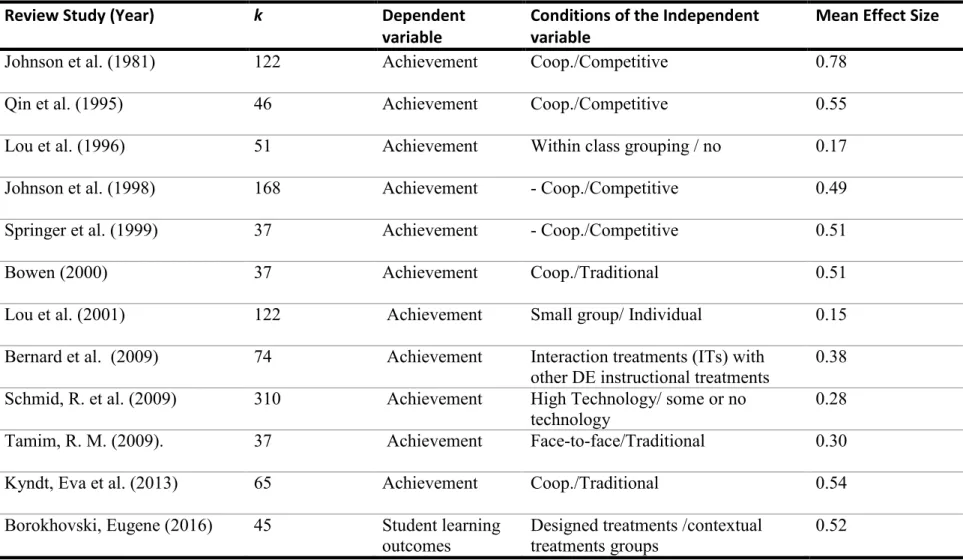
Over the past three and half decades numerous meta-analyses have been conducted to investigate the effects of collaborative and small-group instruction on student learning and achievement outcomes. Twelve meta-analyses spanning from 1981 to 2016 are discussed in the next section (See Table 1). Johnson, Maruyama, Johnson, Nelson, and Skon (1981) reported that cooperation both with and without intergroup competition is more effective than the
interpersonal competition and individual efforts. Similarly, Newmann and Thompson’s (1987) study which was conducted in the context of secondary education found 68% of the studies yielded positive effects in favor of the cooperative condition. Qin, Johnson, and Johnson (1995) investigated cooperative versus competitive efforts and problem solving. They found that studies with non-linguistic problems (for example the study domain of mathematics or exact sciences) showed slightly more positive effects than studies with linguistic problems. Lou, Abrami, Spence, Poulson, Chambers, and d’Apollonia, (1996) who explored the differences in
achievement and attitudes at all grade levels of education, concluded that “on average, students learning in small groups within classrooms achieved significantly more than students not learning in small groups” (p. 439).
On the other hand, Johnson, Johnson, and Smith (1998) focused their research on higher education settings and adults. They reported that cooperative learning results in positive effects on achievement in comparison with competitive or individualistic learning. Springer, Stanne, and
Donovan’s meta-analysis (1999) investigated the effects of cooperative learning on achievement,
attitudes and persistence in the context of undergraduate STEM courses. They reported that students who were learning in cooperative groups showed better achievement than students who
were not learning in cooperative groups. Bowen’s (2000) second meta-analysis, which focused
on high school and college level chemistry students, pointed out that “on average, using aspects of cooperative learning can enhance chemistry achievement for high school and college
students” (p. 119). He found that cooperative learning had a significant positive effect on student attitudes toward STEM courses.
12
Another meta-analysis conducted by Lou, Abrami, and D’Appolonia (2001) reported that, on average, small group learning had significantly more positive effects than individual learning on student individual achievement (mean ES = + 0.15) and on group task performance (mean ES = +0.31). Similarly, Lou et al. (2006) reported a significant correlation between student-student interaction and greater achievement success (g+ = 0.11, k = 30, p < .05) in the context of the undergraduate distance education courses. In the same vein, Bernard et al. (2009) were interested in three types of interaction treatments (i.e. student-student, student-teacher, and student-content). They found an explicit link between interaction and academic performance in distance education that improved student learning. The student-student interaction emerged as the most important group among the three ( g+ = 0.49, k = 10, p < .05). In addition, they found higher achievement effect size regarding the presence of technology which appeared to have facilitated or at least improved the effectiveness of interaction among students, as reflected in achievement learning outcomes.
Furthermore, Bernard et al. (2004) found a synergistic relationship between technology and pedagogy in distance education and speculated the same relationships in the context of other learning environments where the use of technology in designing environment might promote student collaboration and knowledge construction.Tamim, Bernard, Borokhovski, Abrami, and Schmid, (2011) also provided a useful insight about the use of technology in regular formal educational contexts. The authors (Tamim et al., 2011) found that technology had a positive impact on student achievement. In the same coin, Schmid and colleagues (2014) examined the effects of technology integration on students in postsecondary classroom settings. The degree of technology use was the defining characteristic for the effect size. The authors concluded that learning was best supported when students were engaged in active and meaningful exercises using technological tools that provided them cognitive support.Technological tools themselves do not make learning happen. In this connection, Abrami and colleagues (2011) rightly remarked :
13
[J]ust because opportunities for interactions were offered to students does not mean that students availed themselves of them, or if they did interact, that they did so effectively. The latter case is the more likely event, so the achievement effects resulting from well-implemented interaction conditions may be underestimated in our review (p. 86).
Borokhovski et al. (2012) observed that interactively designed activities are more
conducive to increase student learning than do the contextual instructional settings which are not intentionally designed to create collaborative learning environments. Recently, Borokhovski and colleagues (2016) found that designed treatments outperformed contextual treatments ( g+ = 0.52, k = 25 vs. g+ = 0.11, k = 20, Q-Between = 7.91, p < .02) on measures of achievement and emphasized the importance of planning and instructional design in the integration of technology at postsecondary levels. Similarly, Kyndt, Raes, Lismont, Timmers, Cascallar, and Dochy (2013) reported a positive effect of cooperative learning on student achievement and attitudes. In
addition, they reported that the study domain, the age group, and the students’ cultures also produce variations in effect size.
Having discussed these meta-analsyes, the cooperative / collaborative learning showed a positive effect on student achivevment. Though these studies have contributed to the literature on collaborative learning, however, there is a discernible gap informed by these studies. The gap is : How do the moderators such as technology, subject domain, and grade levels
collectively affect the student collaboration and in turn student achivement? The current meta-analysis will fill this gap.
14
Table 1. Meta-analyses addressing the effects of cooperative/collaborative learning
Review Study (Year) k Dependent
variable
Conditions of the Independent variable
Mean Effect Size
Johnson et al. (1981) 122 Achievement Coop./Competitive 0.78
Qin et al. (1995) 46 Achievement Coop./Competitive 0.55
Lou et al. (1996) 51 Achievement Within class grouping / no 0.17
Johnson et al. (1998) 168 Achievement - Coop./Competitive 0.49
Springer et al. (1999) 37
Achievement - Coop./Competitive 0.51
Bowen (2000) 37 Achievement Coop./Traditional 0.51
Lou et al. (2001) 122 Achievement Small group/ Individual 0.15
Bernard et al. (2009) 74 Achievement Interaction treatments (ITs) with other DE instructional treatments
0.38 Schmid, R. et al. (2009) 310 Achievement High Technology/ some or no
technology
0.28
Tamim, R. M. (2009). 37 Achievement Face-to-face/Traditional 0.30
Kyndt, Eva et al. (2013) 65 Achievement Coop./Traditional 0.54
Borokhovski, Eugene (2016) 45 Student learning
15
Chapter Three : Methodology
In this section, firstly, the author defines the major terms as the working definitions associated with the research problem and the research questions to be investigated in the current study. Secondly, he informs about the proceedures used for the ethical considerations meant for this meta-analysis. Thirdly, the author unpacks the methodology which includes : 1) the study design, variables, methods and instruments ; 2) literature search ; 3) the coding study features ; and 4) process of the calculation and synthesis of the effect sizes.
Terms and Definitions
Collaboration: According to Panitz (1996),is a philosophy of interaction and personal lifestyle whereas cooperation is a structure of interaction, a classroom technique, designed to facilitate the accomplishment of an end product or goal. Cooper, Prescott, Cook, Smith, and Mueck (1990) have defined, cooperative/collaborative learning as “an instructional technique that requires students to work together in small, fixed groups on a structured learning task”. The current study focuses on collaborative learning as “a situation in which two or more people learn or attempt to learn something together,” and more specifically as joint problem solving (Dillenbourg, 1999, p. 1).
Formal educational settings: According to Coombs and Ahmed (1974), a formal education setting is structured in a hierarchical manner that spans from primary school to university levels including general academic studies and a varied of specialized programs for full-time technical and professional training.
Pedagogical uses of technology : Based on the meta-analysis of Schmid et al. (2014), the current meta-analysis distinguishes among the following pedagogical uses (major purposes) of educational technology :
16
1) To promote communication and/or facilitate the exchange of information that includes technology which enables a higher level of interaction between individuals (i.e., two-way communications among learners and between learners and the teacher);
2) To provide cognitive support for learners which encompasses various technologies that enable, facilitate, and support learning by providing cognitive tools (e.g., concept maps, simulations, wikis, different forms of elaborate feedback, spreadsheets, word processing); 3) To facilitate information search and retrieval using technology to access to additional information (e.g., web links, search engines, electronic databases); and
4) To enable or enhance content presentation where technology is primarily used by teachers and/or students to present, illustrate and otherwise enrich the content of instruction for example PowerPoint presentations, graphical visualizations, computer tutorials with limited interactive features.
Achievement: According to Ollendick, & Schroeder (2003), ‘‘academic achievement is the knowledge and skills that an individual learns through direct instruction’’ (p. 1). For the current meta-analysis, the author uses any objective measure of academic performance (e.g., exams or test scores) including but not limited to standardized and validated measures to estimate student achievement.
Ethical Considerations and Access to the Studies
The current meta-analysis is a part of an on-going large meta-analysis conducted by Bernard et al. (2014). The selected studies included in the current meta-analysis is a part of Bernard et al. (2014) collection of studies. Consent has been granted from Bernard and colleagues to access and use these studies before the start of this meta-analysis.
17 Procedures
Formulating the problem/ research questions. The current project primarily attempts to explore the differential effects of high versus low/no level of collaboration on student
achievement. Of the additional interest is to decipher further the moderators which promote and /or hinder the effect of collaborative on student achievement. The author formulated three research questions to investigate the effect of collaborative learning on achievement:
1) Does collaborative learning have any statistically significant effect on student achievement outcomes when compared learning without (or under lesser degree of) collaboration?
2) Do different types of technology have varying effects on student achievement when used to enhance/support /promote collaboration?
3) Do grade levels and subject domains have any moderating effects on student`s achievement?
To answer these questions, a quantitative approach was used. More specifically, the author utilized a meta-analysis approach. Collaboration, as the independent treatment variable, used to measure its effect on student achievement. In addition, an analysis of moderator variables was conducted to examine whether moderators such as specific forms (purposes) of technology use, subject demographics, and grade levels could help or hinder collaboration that would affect student achievement outcomes.
Meta-analysis as a methodology. In general, a meta-analysis (quantitative synthesis) is a statistical analysis of the results from individual studies that address a common research
question, examine systematic sources of differences in results among these studies, and leading to a quantitative summary of the results (Porta, 2008). There are two widely used approaches to a meta-analysis in the research literature. First, the Hunter and Schmidt’s (1990) psychometric meta-analysis and the second is the classic or Glass’ meta-analysis. Accordind to Bangert-Drowns and Rudner (1991), Hunter and Schmidt's approach is a mix-bag of some of the best
18
characteristics of other approaches. In this approach, all studies related to a given problem are collected without any consideration to the qualities of studies. Then, the distribution of effect sizes is corrected for any variability among studies such as sampling error, measurement error, range restriction, and other systematic artifacts. Even if any variability affect the distribution of overall effect size, then, “the effect sizes are grouped into subsets according to preselected study features, and each subset is meta-analyzed separately” (p.3). Unfortunately, this technique is not very feasible for my project, for this requires substantial information from individual studies for accurate correction of effect sizes. In reality, however, such information are not always available in all the studies.
On the other hand, Glass' approach to meta-analysis is much more of conventional. This approach starts with defining questions to be examined, then, collecting studies, coding study features and outcomes, and finally, analyzing the relations between study features and outcomes. In addition, firstly, Glassian meta-analysis applies liberal inclusion criteria and stresses not to
disregard studies based on study quality a priori; a meta-analysis itself can determine if study quality is related to variance in reported treatment effect. Secondly, the unit of analysis is the study finding. A single study can report many comparisons between groups and subgroups on different criteria. Effect sizes are calculated for each comparison. Thirdly, meta-analysts using this approach may average effects from different dependent variables, even when these measure different constructs (Bangert-Drowns, & Rudner, 1991, p. 3).
For the current meta-analysis, I will use Glassian approach because it is quite robust for the critical re-analysis, its use of conventional statistical tests, and systematic in design.
Study design. The sample for this analysis was selected from an existing pool of studies which belonged to Bernard and colleagues’ (2014) onging larger meta-analysis. The current
19
meta-analysis included 20 studies representative of the main research question resulted for a review process involving abstracts and full study analysis of 78 potentially relevant studies. The study compared two groups – higher degree of collaboration (as the experimental condition) with low/no collaboration (the control condition). Additionally, the moderator analyses of the other associative variables such as type and major purpose of technology use, subject domains, duration, and grade levels also conducted to measure the relative influences of these factors on collaboration and for that matter on student achievement.
First, two reviewers coded five studies independently to decide whether the experimental condition of each study satisfy the inclusion criteria of been higher in collaboration than the control condition and featuring educational technology in experimental condition. In addition, twenty-four study features (methodological, substantive, and demographic) were coded for further use in the moderator variable analysis. The average pairwise agreement rate on the initial coding was 84.17% (Cohen’s kappa = 0.68). Disagreements were resolved either through
discussion between reviewers or by the involvement of a third party. Two studies (Terwel, Oers, Dijk, & Eden, 2009; Mastropieri, Scruggs, Norland, Berkeley, Mcduffie, Tornquist, & Connors, (2006) were excluded from the sample given the absence of technology in those studies. After establishing sufficient reliability, the author reviewed the rest of the original sample. A final sample of 20 included studies yielded 28 independent effect sizes with a total of 2434 participants.
Variables. The current study investigates the effect of collaborative learning on student achievement. As stated previously, a treatment variable collaboration is used (with high in experimental and low or no collaboration in control conditions) to measure its effect on the dependent variable of student achievement. Specifically, the meta-analysis aimed to estimate the weighted average effect size (i.e. how much better – positive effect, or worth – negative effect Experimental group compared to Control group in terms of their respective achievement outcomes). Among other variables, included in analyses as moderators, were technology type and major purpose of use, subject demographics, grade level, and treatment duration.
20
Searching the literature/ data sources. As mentioned earlier, the current representative sample is a part of the study collection authored by Bernard et al. (2014), comprised of numerous primary research studies identified through extensive systematic literature searches designed and conducted to identify and retrieve studies relevant to the research questions. The literature search involved more than ten electronic databases (e.g. ERIC, EdLib, Education Abstracts, Medline, ProQuest Digital Dissertations & Theses, PsycINFO, British Education Index) branching from previous relevant reviews and tables of content for major educational journals. In addition, the manual Google Internet searches and searches for various conference proceedings to form a pool of relevant studies were performed.
Criteria for inclusion and exclusion and review procedure. The representative sample was selected using several qualifying criteria before including the studies into the current meta-analysis. The criteria entailed, firstly, the studies should be conducted in formal educational settings with varying grade levels from elementary and secondary to higher education. Only empirical studies with collaboration /cooperation either in face-to-face and/or virtual
learning/online such as computer-based collaborative learning were included. A set of inclusion criteria, as discussed below, guided the study characteristics required to retain the studies for inclusion. Studies that did not meet the following criteria were excluded from the current meta-analysis.The inclusion of studies needed to have:
To be published no earlier than 1996; To be publically available (or archived);
Two main factors – collaboration and technology;
Address students’ achievements, as measured for example by final exams, cumulative
posttest scores;
Contain at least one between-group comparison where one group is considered the experimental condition (i.e., high level of collaboration) and the other group the control condition (i.e., lower/ no collaboration);
21
Coding Study Features. Coded moderator variables (i.e., study features) used to explore between-study variability in effect sizes. The study features used were mainly based on those employed by Bernard et al., 2009 (in studying distance education) and Schmid et al., 2014 (technology integration in postsecondary education). Major study features, in addition to effect-size defining difference in degree of collaboration, include type and purpose of technology uses, presence of technology, subject demographics, grade levels, treatment duration, etc. (See
Appendix A for the codebook).
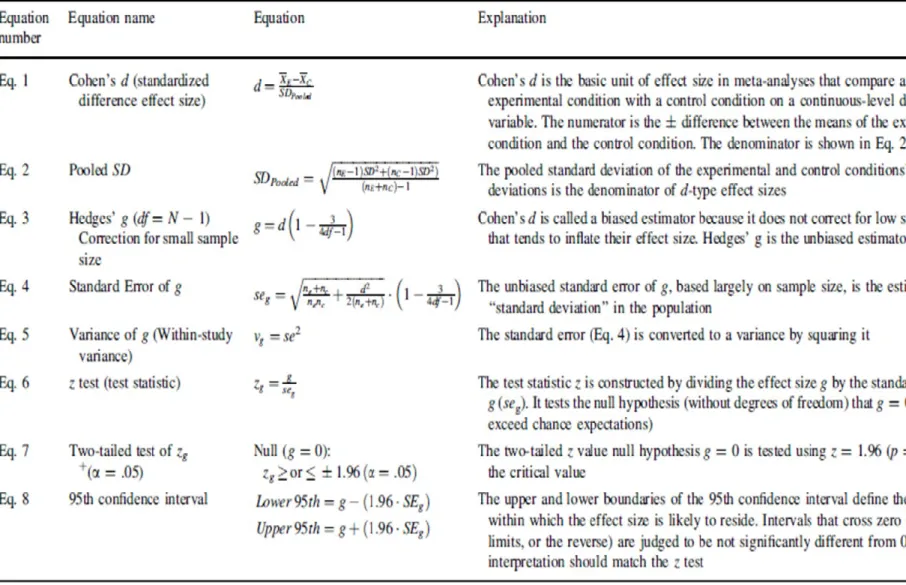
Calculating Effect Sizes. The estimation of effectiveness of collaborative learning was based on extracting relevant effect sizes from included primary studies. In particular, d-type standardized mean difference effect size used as the common metric (i.e., Cohen’s d). The equation for its extraction is expressed as d = 𝑋𝑒 − 𝑋𝑐ൗ𝑝𝑜𝑜𝑙𝑒𝑑 𝑆𝐷 . In case of non-availability of the descriptive statistics, effect sizes were extracted from inferential statistics, such as t-tests, F -tests, or exact p-values, using conversion equations from Glass, McGaw, & Smith (1981) and Hedges, Shymansky, & Woodworth (1989). To correct for small sample bias, ds wereconverted to the unbiased estimates of g (Hedges & Olkin, 1985).
Synthesis of the Effect Size (ES). The synthesis of the data conducted using the random effects model. Model selection is justified by relative non-uniformity of treatment conditions, rather limited, i.e., non-exhaustive nature of the collection of studies, and, thus, likely
heterogeneity of the distribution of effect sizes, confirmed in actual analyses (Borenstein, Hedges, Higgins, & Rothstein, 2009; Hedges & Olkin, 1985). The random effects model is used to aggregate and report average effect sizes (g +), standard errors (SE), confidence intervals (lower 95th and upper 95th) and z values with associated p-values, when systematic variation in the distribution of effect sizes is not assumed and error term (tau-squared) is randomly added to the weights of individual effects.
Furthermore, the analyses of the moderator variables was conducted to ascertain the relative effectiveness of the moderators on the dependent variable according to the so-called
22
mixed model. In this model, the average effect sizes for categories of the moderators were calculated using the random effects model. The variance component Q-Between calculated across categories using a fixed effect model (Borenstein et al., 2009). All analyses, including sensitivity and publication bias analysis, were performed in Comprehensive Meta-AnalysisTM 2.2.048 (Borenstein, Hedges, Higgins, & Rothstein, 2005). Eventually, a posthoc test
(Bonferroni correction) was conducted at the selected levels of the moderator variables.
23
Chapter Four : Analysis and Results
This chapter entails various stages of the analyses and reporting of the results including an overview of the selected studies, analyses aiming at the publication bias and sensitivity for any outlier effect, and explaining heterogeneity across the included studies using moderator variable analysis of methodological, substantive, and demographic study features.
Descriptors
This section consists of the descriptive data regarding general study information,
explanation of the Effect Size (ES) extraction procedures, as well as substantive, methodological and contextual/demographic features of the included studies. Microsoft Word and Excel software were used to classifiy these study features.
General study information. The general study information includes the type and the year of publication. The studies included in this meta-analysis were selected from journal publications, dissertations, and reports. The most frequent type was the journal publication consisting of 16 of the included studies representing 80% of the included sample .
Table 2. Frequency distribution of the type of publication
Type of Publication Frequency Relative %
Journal 16 80.00
Dissertation 2 9.09
Report 2 9.09
24
As for the year of publication, the included studies were published between the years 1997 and 2010. The years of 2006 and 2008 offered the larger number of studies comprised four and six published studies respectively. The frequency distribution is presented in Table 3.
Table 3. Frequency distribution of year of publication
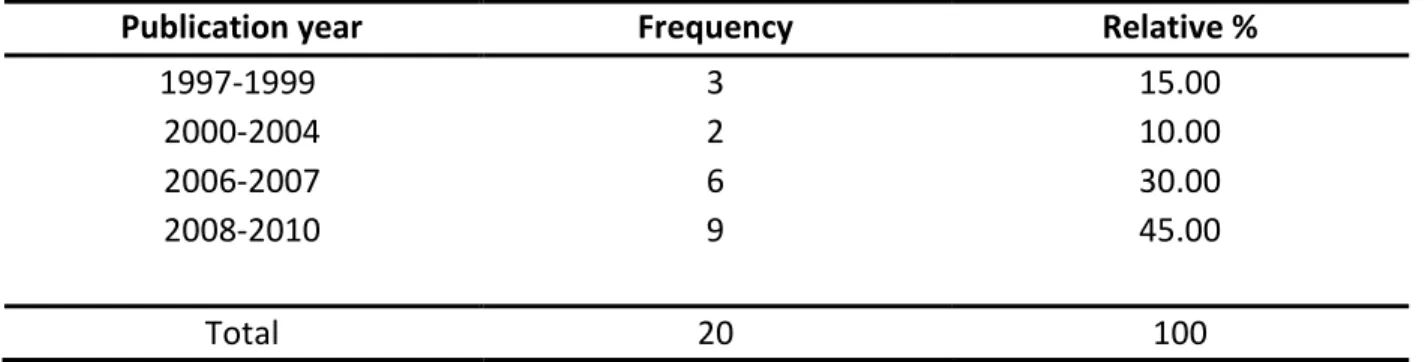
Then the publication dates were grouped into four units for a broader look. In the years between 2006 and 2010, fifteen studies (75%) published. The frequency distribution within respective time frames is presented in Table 4.
Table 4. Frequency distribution of time frame of publication
Publication year Frequency Relative %
1997 1 5.00 1999 2 10.00 2002 2004 1 1 5.00 5.00 2006 4 20.00 2007 2 10.00 2008 6 30.00 2009 1 5.00 2010 2 10.00 Total 20 100
Publication year Frequency Relative %
1997-1999 2000-2004 3 2 15.00 10.00 2006-2007 2008-2010 6 9 30.00 45.00 Total 20 100
25
Substantive Characteristics. The primary premise established for this meta-analysis was the investigation of the effect of collaborative learning on student achievement. The operational definition for the variable of collaboration is presented in the codebook. A higher level of collaboration was the necessary and sufficient criterion to distinguish the experimental conditions from control ones. Among the moderator variables, technology was the most important factor. The technology was further classified either as instrumental in
enabling/promoting/supporting collaboration among students or as just contextually present, without any apparent influence on student collaborative work. Given the criterion of high collaboration in the experimental condition, the moderator analysis was conducted to know the role of technology in supporting, scaffolding and/or enhancing collaboration and to determine what effect it has on student achievement. In the experimental condition, technology was
investigated via its types, purposes, and instrumental values when it was intentionally integrated into the collaborative activities.
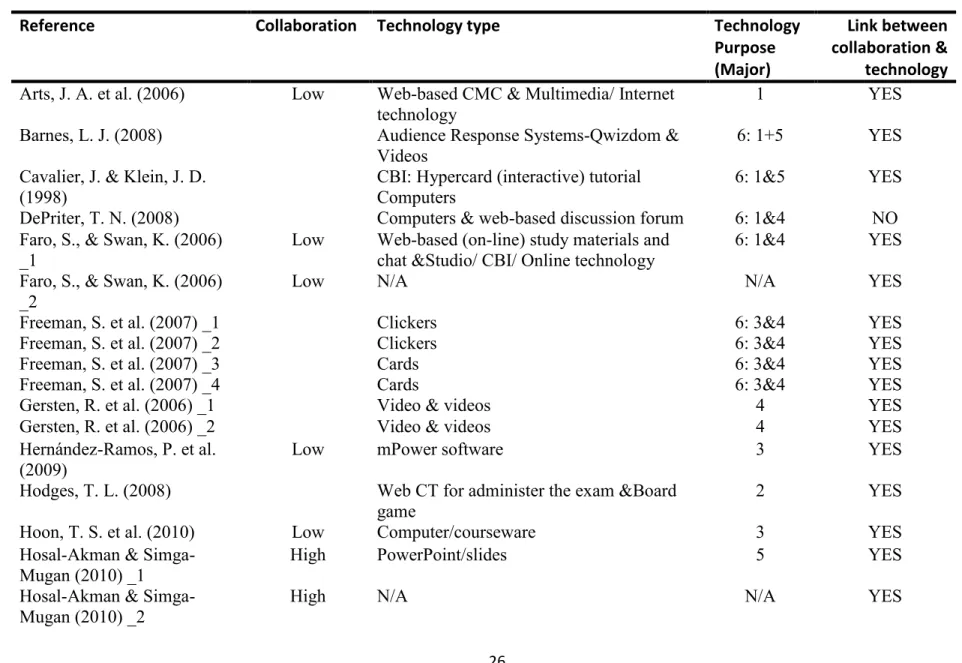
Table 5 in the next section maps out the types of technology included and their purposes of use. In eight studies (40%), technology was used in a mixed manner, i.e. used for more than one purpose. In five studies representing 25% of the total, technology was used for cognitive support II (i.e., deep learning, e.g., simulations) and in three studies, technology was utilized for the cognitive support I (i.e., distributed cognition, e.g., Excel) representing 15% of the total. Interestingly, out of the final 20 included studies for analysis, 16 studies found a link between collaboration and technology forming 80% of the collection. Only four studies were found with no connection. Among the major types of technology utilized were web-based computer-driven technology including ICT and other software applications followed by multimedia and videos.
26
Table 5. Shows the collaboration, use of technology and its principal purpose, and the link between collaboration & technology
Reference Collaboration Technology type Technology
Purpose (Major)
Link between collaboration & technology Arts, J. A. et al. (2006) Low Web-based CMC & Multimedia/ Internet
technology
1 YES
Barnes, L. J. (2008) Audience Response Systems-Qwizdom & Videos
6: 1+5 YES
Cavalier, J. & Klein, J. D. (1998)
CBI: Hypercard (interactive) tutorial Computers
6: 1&5 YES DePriter, T. N. (2008) Computers & web-based discussion forum 6: 1&4 NO Faro, S., & Swan, K. (2006)
_1
Low Web-based (on-line) study materials and chat &Studio/ CBI/ Online technology
6: 1&4 YES Faro, S., & Swan, K. (2006)
_2 Low N/A N/A YES
Freeman, S. et al. (2007) _1 Clickers 6: 3&4 YES
Freeman, S. et al. (2007) _2 Clickers 6: 3&4 YES
Freeman, S. et al. (2007) _3 Cards 6: 3&4 YES
Freeman, S. et al. (2007) _4 Cards 6: 3&4 YES
Gersten, R. et al. (2006) _1 Video & videos 4 YES
Gersten, R. et al. (2006) _2 Video & videos 4 YES
Hernández-Ramos, P. et al. (2009)
Low mPower software 3 YES
Hodges, T. L. (2008) Web CT for administer the exam &Board game
2 YES
Hoon, T. S. et al. (2010) Low Computer/courseware 3 YES
Hosal‐Akman & Simga
-Mugan (2010) _1
High PowerPoint/slides 5 YES
Hosal‐Akman & Simga
27
Hummel, H. G. et al. (2006) "Plea checker" computer program & Virtual Program/ emails
2 YES
Lin, J. M., Wu, C., & Liu, H.
(1999) _1 SimCPU software package for computer labSimCPU
(Computer software)
3 NO
Lin, J. M., Wu, C., & Liu, H.
(1999) _2 SimCPU software package for computer 3 NO
Nugent, G. et al. (2008) Mobile library, digital cameras & digital cameras
6: 3&4 YES Olgun, O. S., & Adali, B.
(2008)
Low Internet sites & Internet search tools 4 YES Pariseau, S. E. et al. (2007) Computer applications (e.g., Excel) &
Laptops 2 YES
Priebe, R. (1997) Burton Comprehension Instrument (BCI) & Propositional Logic Test (PLT)
3 NO
Tsai, M. (2002) _1 Computers & electronic Bulletin Board System (BBS)
6: 1&2 NO
Tsai, M. (2002) _2 Computers & (BBS) 6: 1&2 NO
Tsai, M. (2002) _3 Computers & (BBS) 6: 1&2 NO
Tsai, M. (2002) _4 Computers & (BBS) 6: 1&2 NO
Wenk, M. et al. (2008) Mannequin (Simulator) 3 YES
Zumbach, J. et al. (2004) Interactive MS PowerPoint & PPT 6: 3&5 YES
Legend: Technology use: 1 = Communication/interaction, 2 = Cognitive support (distributed cognition, e.g. Excel, Word, SPSS), 3 = Cognitive support (deep understanding - e.g., simulations, knowledge creation), 4 = Informational resources
5 = Presentation, 6 = A mixture of max two (should be really two major purposes where one cannot be singled out - e.g., 6: 2&5) N/A = 999 Missing information.
28
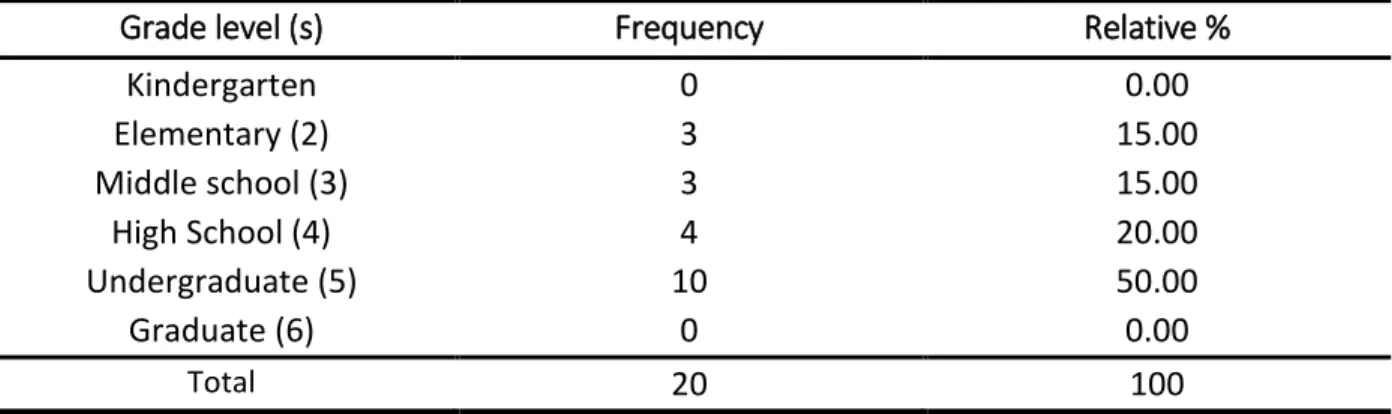
The moderator analyses of the grade level, subject domain, and treatment duration were conducted to investigate their impact on student achievement resulting from instructional interventions in question. As for grade level, the included studies targeted all the grade levels (from kindergarten to post-secondary). The undergraduate level was the most frequent with ten studies forming 50% of the total collection. The second highest was high school representing four studies (20%). It is worth noting that while calculating the individual grade levels, the entire collection of 20 studies was considered. Table 6 shows the grade level distribution.
Table 6. Frequency distribution of grade level addressed in the studies
Legend: Elementary = 2, Middle school = 3, High school = 4, Undergraduate = 5, Graduate = 6 Regarding the subject matter (Table 7), two categories were formd – STEM and Non-STEM, encompassing a large variability of individual disciplines. Twelve studies related to STEM represented 60% of the population. The Non-STEM category included eight studies forming 40% of the total collection. STEM included the subjects in the domains of science, math, technology, and engineering, while Non-STEM comprised subject categories related to humanities, social sciences, languages, and arts.
Grade level (s) Frequency Relative %
Kindergarten 0 0.00 Elementary (2) 3 15.00 Middle school (3) 3 15.00 High School (4) 4 20.00 Undergraduate (5) 10 50.00 Graduate (6) 0 0.00 Total 20 100
29
Table 7. Frequency distribution of subject matter addressed in the studies
STEM = Science, Technology, Engineering and Math, Non-STEM = Social sciences & Humanities etc. Effect Size Extraction and Synthesis Procedure for calculating ES
For the ES calculation, the author used the Cohen`s d metric (1988), based on the
division of the mean differences by the pooled standard deviations of both groups. The equations and formulas used for the calculation of ES can be found in Table 8. The information for ES calculation was gathered from means, precisely reported standard deviations, and sample sizes for the experimental and control conditions (Shymansky & Woodworth, 1989). To correct for small sample bias, d was converted to the unbiased estimator g (Hedges & Olkin, 1985). In the case of non-availability of the descriptive statistics, the ES was extracted from inferential statistics, such as t-tests, F-tests, or exact p-values, using conversion equations from Glass, McGaw & Smith (1981), and Hedges, Shymansky & Woodworth (1989).
Additionally, Cohen`s (1988) benchmark was used for the qualitative assessment of the magnitude of an ES. It states three types of magnitude of an ES: (a) d≥ 0.20≤ 0.50 = small effect; (b) d> 0.50 ≤ .080 = medium effect and (c) d > 0.80 is called a large effect. However, Valentine & Cooper (2003) warned against this type of fallacy saying that in the domain like education even smaller ES can be considered effective
Subject domain (s) Frequency Relative %
STEM 12 60.00
Non-STEM 8 40.00
30
31
Synthesis of ES. An analytical approach of the random effects model (Borenstein et al., 2009; Hedges & Olkin, 1985) was chosen for this meta-analysis. In the random effects model, effect sizes are weighted by the inverse of the sum of their within-study variance (Vi) and average between-study variance (tau-squared). This resulted in no between-study variance left unaccounted for after the analysis is performed. The random effects model was used to interpret and report average effect sizes (g+), standard errors (SE), confidence intervals (lower 95th and upper 95th) and z values with relative p-values. In addition, a fixed effect model was used to estimate total between-study variability (Q-Total) and test for heterogeneity. I2(i.e., the
percentage of heterogeneity in effect sizes exceeding chance sampling expectations, e.g. Higgins, Thompson, Deeks, & Altman, 2003). A total of 28 effect sizes were extracted from the twenty studies. Four studies, namely, Faro, & Swan (2006) ; Freeman, O'connor, Parks, Cunningham, Hurley & Haak et al. (2007) ; Gersten, Baker, Smith-Johnson, Dimino, and Peterson (2006) ; Lin, Wu & Liu (1999), and Tsai (2002) produced more than one independent effect size.
32 Results
Sample size. The current meta-analysis is a part of the ongoing larger meta-analysis conducting by Bernard et al. (2016). A collection of 78 studies was considered for the current project. Only empirical studies that address collaboration/cooperation either in face-to-face, real-life classroom and/or virtual learning/online such as computer-based collaborative learning are included. A set of inclusion criteria below presents the study characteristics used to retain the studies for the meta-analysis. The included studies needed to be published no earlier than 1996 and be publically available (or archived), and necessarily feature some form of student
collaborative work as the major instructional variable. Moreover, they must have contained at least one between-group comparison where one group is considered the experimental condition (i.e., higher level of collaboration) and the other group the control condition (i.e., lower/ no collaboration) and contains sufficient statistical information for effect size extraction.
The primary abstract reviews resulted in twenty-two eligible studies according to the set criterion (see criterion for inclusion/exclusion in the methods section). After this, reviews of the full-text was conducted of the selected studies to ensure compliance with all of the project inclusion criteria. A close analysis of the studies reported two studies (Mastropieri et al., (2006) and Terwel et al., (2009) as ineligible given missing data, and they were therefore removed from the collection of the final analysis. A total of twenty-eight effect sizes were extracted from twenty studies involving 2434 participants. Two groups – collaborative learning environment with high collaboration versus traditional instruction setting with less or no collaboration – were compared for the relative effect on student achievement. The twenty studies entailed a variety of collaborative activities to measure their impact on student learning outcomes. Table 9 presents the list of included studies in this meta-analysis with the title for each.
33 Table 9. Studies included in the meta-analysis with titles
Reference Title (s)
Arts, J. A. et al. (2006)
Enhancing problem-solving expertise by means of an authentic, collaborative, computer supported and problem-based course
Barnes, L. J. (2008) Lecture-Free High School Biology Using an AUDIENCE RESPONSE SYSTEM
Cavalier, J. & Klein, J. D. (1998)
Using Cooperative Learning and Objectives with Computer-Based Instruction
DePriter, T. N. (2008)
Individual or collaborative learning: An investigation of teaching strategy in the distance learning mathematics classroom
Faro, S., & Swan, K. (2006)
An investigation into the efficacy of the studio model at the high school level
Freeman, S. et al. (2007)
Prescribed Active Learning Increases Performance in Introductory Biology
Gersten, R. et al. (2006)
Eyes on the Prize: Teaching Complex Historical Content to Middle School Students with Learning Disabilities
Hernández-Ramos, P. et al. (2009)
Learning History in Middle School by Designing Multimedia in a Project-Based Learning Experience
Hodges, T. L. (2008)
Examination of gaming in nursing education and the effects on learning and retention
Hoon, T. S. et al. (2010)
Effect of an Interactive Courseware in the Learning of Matrices Hosal‐Akman &
Simga-Mugan (2010)
An assessment of the effects of teaching methods on academic performance of students’ in
accounting courses Hummel, H. G. et
al. (2006)
Effects of cueing and collaboration on the acquisition of complex legal skills
Lin, J. M., Wu, C., & Liu, H. (1999)
Using SimCPU in cooperative learning laboratories Nugent, G. et al.
(2008)
The Impact of a Field-Based, Inquiry-Focused Model of Instruction on Preservice Teachers’ Science Learning and Attitudes
Olgun, O. S., & Adali, B. (2008)