ScholarWorks @ Georgia State University
Educational Policy Studies Dissertations Department of Educational Policy Studies
Spring 5-9-2015
Addressing Gifted Identification Equity through
Alternatives: Assessing Creativity using an
Authentic Performance Task
Charles AlvarezFollow this and additional works at:https://scholarworks.gsu.edu/eps_diss
This Dissertation is brought to you for free and open access by the Department of Educational Policy Studies at ScholarWorks @ Georgia State University. It has been accepted for inclusion in Educational Policy Studies Dissertations by an authorized administrator of ScholarWorks @ Georgia State University. For more information, please [email protected].
Recommended Citation
Alvarez, Charles, "Addressing Gifted Identification Equity through Alternatives: Assessing Creativity using an Authentic Performance Task." Dissertation, Georgia State University, 2015.
This dissertation, Addressing Gifted Identification Equity through Alternatives: Assessing
Crea-tivity Using an Authentic Performance Task, by Charles Alex Alvarez, was prepared under the
direction of the candidate’s Dissertation Advisory Committee. It is accepted by the committee
members in partial fulfillment of the requirements for the degree, Doctor of Philosophy, in the
College of Education, Georgia State University.
The Dissertation Advisory Committee and the student’s Department Chairperson, as
representa-tives of the faculty, certify that this dissertation has met all standards of excellence and
scholar-ship as determined by the faculty. The Dean of the College of Education concurs.
________________________________ Janice B. Fournillier, Ph.D.
Committee Chair
_________________________________ _ ____________________________________ Hayward Richardson, Ed.D. David L. Cole, Ed.D.
Committee Member Committee Member
______________________________ Date
______________________________ William Curlette, Ph.D.
Chairperson, Department of Education Policy Studies
______________________________ Paul A. Alberto, Ph.D.
By presenting this dissertation as a partial fulfillment of the requirements for the advanced degree
from Georgia State University, I agree that the library of Georgia State University shall make it
available for inspection and circulation in accordance with its regulations governing materials of
this type. I agree that permission to quote, to copy from, or to publish this dissertation may be
granted by the professor under whose direction it was written, by the College of Education’s
Di-rector of Graduate Studies, or by me. Such quoting, copying, or publishing must be solely for
scholarly purposes and will not involve potential financial gain. It is understood that any copying
from or publication of this dissertation which involves potential financial gain will not be allowed
without my written permission.
All dissertations deposited in the Georgia State University library must be used in accordance
with the stipulations prescribed by the author in the preceding statement. The author of this
dis-sertation is:
Charles Alex Alvarez Education Policy Studies
College of Education Georgia State University
The director of this dissertation is:
Janice B. Fournillier, Ph.D. Department of Education Policy Studies
College of Education Georgia State University
Charles Alex Alvarez
ADDRESS: 1506 Williams Street Valdosta, GA 31602
EDUCATION:
PROFESSIONAL EXPERIENCE:
2013-present Teaching & Learning Coordinator
Valdosta City Schools
2011-2013
2010-2011
Academic Rigor Coordinator Rockdale County Schools
STEM Magnet Teacher
Rockdale County Magnet School
2008-2010 Magnet Teacher/ Research Lead
Cobb County Schools
2002-2008 High School Science Teacher Valdosta City Schools
PRESENTATIONS AND PUBLICATIONS:
Alvarez, C., A. (under review). The college readiness era: Next steps for student support. Journal of Cases in Educational Leadership.
Alvarez, C., A. (2015, March). Next Steps for Equitable Creativity Assessment. Presentation at the meeting of Georgia Association of Gifted Children State Conference,Athens, GA.
Alvarez, C., A. (2014, November).A&W Buttons Creativity Assessment. Presentation at the meeting of National Association for Gifted Children Conference, Baltimore, MD.
Ed.D. 2015 Georgia State University Education Policy Studies
Ed.S 2010 Valdosta State University
Teaching and Learning
MSEd. 2006 Valdosta State University
Secondary Education
BSEd. 2002 Valdosta State University
meeting of Georgia Science Teachers Association Annual Conference, Macon, GA.
Alvarez, C., A. (2013, November). How to Assess Creativity with an Authentic Performance Task. Presentation at the meeting of National Association for Gifted Children Confer-ence,Indianapolis, IN.
Alvarez, C., A. (2013, April). Addressing the Under-identification of Gifted Minority Students and the impact of Professional Learning. Presentation at the meeting of American Educa-tion Research AssociaEduca-tion NaEduca-tional Conference, San Francisco, CA.
Alvarez, C., A. (2013, March). How to use Creativity Authentic Performance Tasks for Gifted Identification. Presentation at the meeting of Georgia Association of Gifted Children State Conference,Athens, GA.
Alvarez, C., A. (2011, November). Addressing the Under-identification of Gifted Minority Stu-dents with School-based Professional Development for Educators. Presentation at the meeting of National Association for Gifted Children Conference,New Orleans, LA.
Alvarez, C. A. (2010, November). STEM Success among a Diverse Student Body. Presentation at the meeting of the National Consortium for Secondary Specialized Schools in Math Science and Technology Diversity SymposiumandNational Association for Gifted Chil-dren Conference, Atlanta, GA.
Alvarez, C. A., Harris, B., & Edwards, D. (2010). STEM specialty programs: A pathway for un-derrepresented students into STEM fields. National Consortium for Secondary Special-ized Schools in Math Science and Technology (NCSSSMST) Journal. 16(1), 27-29.
PROFESSIONAL SOCIETIES AND ORGANIZATIONS
2013- Current Pi Lambda Theta Education Honor Society
2013- Current Golden Key International Honor Society
2012-Current American Education Research Association
2011-Current Assoc. for Supervision and Curriculum Development
2010-Current National Association for Gifted Children
2010- Current Georgia Association for Gifted Children
2008- Current National Science Teacher Association
ASSESSING CREATIVITY USING AN AUTHENTIC PERFORMANCE TASK
by
Charles Alex Alvarez
Under the Direction of Janice B. Fournillier, Ph.D.
ABSTRACT
A great disparity exists between White and minority gifted student identification in states such as
Georgia (McBee, 2010). To address equity issues in gifted creativity identification, Georgia
teachers need a readily available, easy-to-use, and cost-effective creativity assessment alternative
that conforms to the 2012 Georgia Department of Education (GADoE) gifted identification rule.
The GADoE encouraged Georgia school districts in 2012 to include the use of products and/or
performance tasks as part of the multiple criteria gifted screening process for creativity (Georgia
Department of Education, 2014), but little guidance and no financial support was provided. The
purpose of this participatory mixed methods action research study (PMARS) was to determine
the effectiveness of a newly developed creativity performance task assessment in the gifted
screening process compared to the traditional structured creativity assessment titled Profiles of
on purposive sample of 20 elementary students who were recommended for gifted screening and
reflected the school district demographics. The students from one small urban school district
completed a new authentic creativity performance task, which the researcher and another gifted
specialist developed. The researcher trained gifted teachers from five elementary schools to
im-plement the A&W Buttons Creativity Performance Task with the 20 students. The data collected
included student observation and performance Pearson r correlation coefficients for the
compar-ison of student performance on the new A&W Buttons Creativity Performance Task, the Profile
of Creative Abilities assessment, and teacher perception interview data on the A&W Buttons
Creativity Performance Task. Sixty percent (60%) of the students met gifted creativity
charac-teristics with the A&W Buttons Creativity Performance Task compared to 35% with the PCA.
Insignificant zero to weak correlation coefficients were found for student performance on the
A&W Buttons Creativity Performance Task and PCA. Males collectively performed higher on
the A&W Buttons Creativity Performance Task and lower than females on the PCA; but neither
result was significant. All the teachers who participated in the interview held a positive
percep-tion of the A&W Buttons Creativity Performance Task.
ASSESSING CREATIVITY USING AN AUTHENTIC PERFORMANCE TASK
by
Charles Alex Alvarez
A Dissertation
Presented in Partial Fulfillment of Requirements for the
Degree of
Doctor of Education
in
Education Leadership
in
Education Policy Studies
in
the College of Education
Georgia State University
Copyright by Charles A. Alvarez
I dedicate this dissertation to my mother and wife for all of their support with my many
years of education. The many teachers and advisors who helped me along my journey are much
ACKNOWLEDGMENTS
I would like to thank the Education Leadership Department at Georgia State University for the
guidance and instruction provided in preparation for this research study. The support of my
dissertation chair Janice Fournillier and committee can never be forgotten. Finally, I
acknowledge my wife Jennifer for her daily support over the past several years as I worked
TABLE OF CONTENTS
LIST OF TABLES……… IV
LIST OF FIGURES……… V
LIST OF ABBREVIATIONS.………... VI
1 AN EXAMINATION OF GIFTED IDENTIFICATION AND CREATIVITY
ASSESSMENT ... 1
Guiding Questions ... 4
Review ... 5
References ... 15
2 ADDRESSING GIFTED IDENTIFICATION EQUITY THROUGH ALTERNATIVES: ASSESSING CREATIVITY USING AN AUTHENTIC PERFORMANCE TASK ... 20
Methodology ... 20
Results ... 30
Conclusions ... 70
References ... 77
LIST OF TABLES
LIST OF FIGURES
Figure 1 Student 1A product titled “Me and my mom going to Florida to see grandpa”. ... 37
Figure 2 Student 1B product titled “The flower under the rainbow” ... 38
Figure 3 Student 1D product titled “The cool tree”. ... 39
Figure 4Student 3C product titled “The picnic house”. ... 41
Figure 5 Student 3D product titled “The super cicle”... 42
Figure 6Student 3E product titled “Martin had a dream and it came true” ... 44
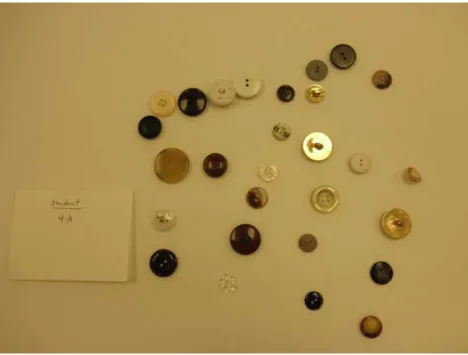
Figure 7 Student 4A product titled “The amazing bug beast” ... 45
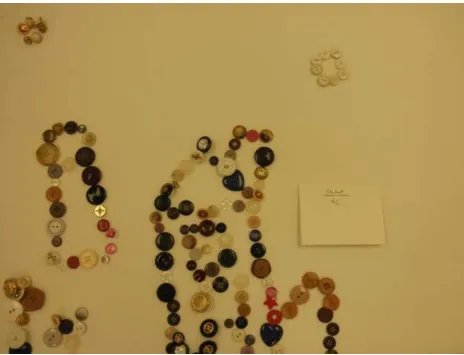
Figure 8 Student 4B product titled “I made a person” ... 47
Figure 9 Student 4C product “untitled”. ... 48
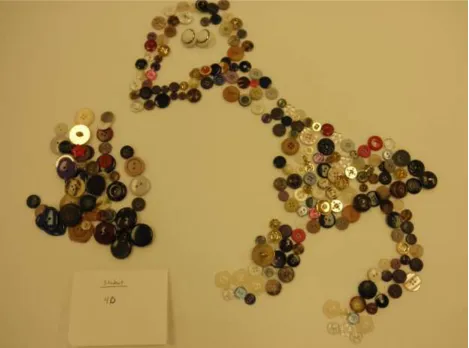
Figure 10 Student 4D product titled “The goose hand”. ... 49
Figure 11 Student 1C product titled “The old lady who wasn’t afraid of anything”. ... 51
Figure 12 Student 2A product titled “The gold thieve of thieves”. ... 53
Figure 13 Student 2B product titled “Button objects”. ... 54
Figure 14 Student 2C product titled “My life’s display”. ... 55
Figure 15 Student 2D product titled “A mining place”. ... 57
Figure 16 Student 3A product titled “World Mouth”. ... 58
Figure 17 Student 3B product titled “House Doll Girl”. ... 59
Figure 18 Student 5A product titled “The United States”. ... 61
Figure 19 Student 5B product titled “There was a lady who went to the jewelry shop”. ... 62
LIST OF ABBREVIATIONS
AYP Annual Yearly Progress
CogAT Cognitive Abilities Test
GADoE Georgia Department of Education
IQ Intelligence Quotient
ITBS Iowa Test of Basic Skills
MI Multiple Intelligences
NAGC National Association of Gifted Children
OCR Office of Civil Rights
PCA Profile of Creative Ability
PMARS Participatory Mixed Methods Action Research Study
AN EXAMINATION OF GIFTED IDENTIFICATION AND CREATIVITY ASSESSMENT
A great disparity exists between White and minority gifted student identification in states
such as Georgia (McBee, 2010). Education leaders should ask whether gifted students are
con-sistently and equitably identified in our schools. This is one of the most common questions in
gifted education today. In the absence of a federal mandate for gifted services, the National
As-sociation of Gifted Children (NAGC) (Robinson, Shore & Enersen, 2007) and Gubbins (2002)
questioned the lack of consensus exhibited by school districts on how to best identify and serve
the needs of gifted and talented students. The disparity that exists between and among school
dis-trict policies for gifted education can create barriers for equitable gifted identification, access to
gifted services, and student program recruitment and retention (McBee, 2010). There is a paucity
of research on the influence of district and state gifted policies and procedures on gifted
identifi-cation, despite the recognition that these policies can be used to address underrepresentation in
gifted and talented programs (McBee, Shaunessy, & Matthews, 2012). Identification, service,
communication, and funding are all components of gifted education policies that can influence
equity in gifted education.
Deficit thinking by teachers, a lack of gifted screening referrals for minority students, and
the use of only traditional IQ and achievement tests are considered primary factors for
un-derrepresentation of minority students in gifted education (Ford, Grantham, & Whiting, 2008).
Experts in giftedness believe that the idea that high IQ alone signifies giftedness is linked to
pre-sent underreprepre-sentation (Pfeiffer, 2012). Olszewski-Kubilius and Clarenback (2012) stated that
barri-ers for low-income, culturally and linguistically divbarri-erse high-ability learnbarri-ers. To address gifted
programming barriers the Georgia Department of Education (GADoE) introduced a multiple
cri-teria rule in the 1990’s. The rule change aims specifically to address the limiting use of
tradition-al IQ and achievement tests for gifted identification. The expanded gifted screening rule in
Georgia reflects research conducted in the 1980’s (Sternberg & Davidson, 1986) and 1990’s
(Wallace & Pierce, 1992) that described gifted students as varied and unique versus a
homoge-neous group with high Intelligent Quotient (IQ) and/or achievement scores.
The multiple criteria gifted screening rule in Georgia requires school districts to assess
students who are referred for gifted screening in four areas: mental ability, achievement ability,
creativity, and motivation. McBee, Peters, and Waterman (2014) stated, “Georgia’s multiple
cri-teria gifted rule represents a true multiple cricri-teria identification system because no student can
qualify on the basis of a single assessment” (p.81). Georgia students may qualify with a mental
ability score in the 96th (grades 3-12) or 99th (K-2nd grade) percentile or higher and a 90th
percen-tile or higher score on an achievement test under the traditional option A. They may also qualify
under option B with a qualifying mental ability or achievement score plus a 90th percentile score
on a creativity and motivation screener/assessment. The addition of creativity and motivation in
the gifted identification protocol has been debated as the process is outside the norm of many
states (McClain & Pfeiffer, 2012). However, Georgia school systems have demonstrated
pro-gress in equitable gifted identification (Ford, 2010). Despite the propro-gress, more can be done
be-yond the multiple criteria rule to ensure equitable student services.
The traditional creativity assessments utilized in the current study included the Torrance
Test of Creative Thinking (TTCT) and the Profile of Creative Abilities (PCA). Both assessments
assessment battery was developed for a much less diverse population (Brady, 2001). The
expan-sive time period between the foundational research on traditional creativity assessments and
to-day creates the need for new creativity assessment research and additional screening tools that
can help to ensure equity among today’s diverse student population. Shriki (2013) is of the view
that the development of a new authentic creativity performance task for students is needed to
provide an additional opportunity for the diverse student body of the 21st century to demonstrate
giftedness beyond the traditional gifted assessments that require students to complete a drawing
and possess an extensive vocabulary. Cramond and Wang (2012) and Johnsen (2005) stated that
assessments can have short shelf lives and should be evaluated and updated periodically. Frasier
and Passow (1994) and Van Tassel-Baska, Feng and Evans (2007) suggested that
underrepre-sented students could be better identified through the use of varied and authentic assessments and
performance tasks. An expansion of the traditional and decades-old creativity assessment battery
required for use by the GADoE is the key problem focused on in this research study.
Problem
The GADoE encouraged Georgia school districts in 2012 to limit the use of behavioral
checklists and increase the use of products and/or performance tasks as part of the gifted
screen-ing process for the areas of creativity and motivation. The GADoE claimed that products and/or
performance tasks would serve as an alternative to traditional assessments such as the TTCT,
PCA, and behavioral checklists. However, the GADoE provided little guidance and zero funding
for the school districts to meet the requirements of the revised gifted identification protocol for
creativity and motivation. As a gifted specialist, the lack of guidance was a concern in regard to
equitable gifted identification. I believe that to ensure equity in gifted identification, Georgia
task alternative that conforms to the revised GADoE gifted identification rule. The development
of a new authentic creativity performance task would provide an additional opportunity for a
di-verse student body to demonstrate giftedness beyond the traditional gifted assessments utilized in
Georgia.
Guiding Questions
The purpose of this participatory mixed methods action research study (PMARS) was to
determine the student effectiveness, validity, and perception of an easy-to-use and cost effective
authentic creativity performance task assessment titled the A&W Buttons Creativity Performance
Task, compared to a traditional structured creativity assessment. The researcher and another
gift-ed specialist developgift-ed the A&W Buttons Creativity Performance Task to serve as a possible
alternative to creativity assessments traditionally used in Georgia school districts. The
research-er compared the A&W Buttons Creativity Presearch-erformance Task to a traditional, structured creativity
assessment titled the Profile of Creative Abilities (PCA). The researcher questioned whether the
authentic A&W Buttons Creativity Performance Task assessment could serve as an additional
tool for Georgia school districts to utilize to ensure an equitable gifted screening process for all
students. The study was guided by the following research questions:
1. How does the use of an authentic performance task affect students’ abilities to
demon-strate creativity compared to the Profile of Creative Abilities (PCA)?
2. How do the A&W Buttons Creativity Performance Task Assessment performance rubric
scores correlate with student performance scores on the PCA?
3. How do teachers perceive the use of the A&W Buttons Creativity Performance Task
Review of the Literature
Equitable gifted student identification has been a topic of concern in the United States
(U.S.) for decades (Ford, Grantham, & Whiting, 2008). This concern influenced my research
fo-cus and analysis of many gifted education journal articles and publications. The topics reviewed
in the literature included gifted student underrepresentation, gifted identification, and gifted
as-sessments and screening tools. Literature commonalities and patterns related to each of the topics
provided a rationale for the expansion of creativity assessment research and the development of
an easy-to-use and cost-effective creativity performance task.
Gifted Underrepresentation
One of the major points raised in the literature is the lack of attention paid to the issue of
diversity as it relates to gifted education programs and the underrepresentation of some groups in
the society. This issue is of utmost importance because according to scholars like Nieto and Bode
(2008), diversity in the U.S. has dramatically increased over the past 40 years and the gifted
edu-cation programs have not adequately reflected this change. Ford (2010) reiterated in her work
that gifted education programs in Georgia and the greater U.S. have not reflected this increased
diversity. Unfortunately, the make-up of gifted and talented programs in the U.S. continues to
largely represent the majority White culture (Reis & McCoach, 2000). The state of Georgia is an
example of this feature. According to the GADoE (2010), across all grades in Georgia, 74.9% of
students identified as gifted are White (67.6%) and Asian (7.3%) ethnicities (Eger, 2010). Only
44% of the general school population is White and 3.3% is Asian in Georgia; this represents an
overrepresentation of both ethnicities within Georgia gifted education. In the general Georgia
school population, 37.3% is Black and 11.4 % is Hispanic, but both ethnicities are severely
Fi-nally, the 2.9% of the general population who are of two or more ethnicities make up the last
3.3% of the Georgia gifted population.
Researchers over the years have pointed to the disparity in terms of who participates in
gifted education. Over 75 years ago, Jenkins’ (1936) socio-psychological study on Black
chil-dren of superior intelligence pointed to the paucity of minority students who participate in gifted
education. Subsequently, the work of Ford (1998) reported that Black, Hispanic, and American
Indians have always been underrepresented based on two decades of research on
underrepresen-tation reports. Karnes, Troxclair, and Marquardt (1997) stated that complaints and claims of
dis-crimination in gifted education tend to fall under the categories: (a) program admission, (b)
communication protocols, (c) service placements, and (d) identification criteria. Identification
criteria and protocols should be a top priority for gifted education leaders to ensure equitable
gifted identification.
Gifted Identification
Dai, Swanson, and Cheng (2011) are among many scholars who noted gifted
identifica-tion is one of the top research priorities in gifted educaidentifica-tion. Ford et al. (2008) stated that a
prac-tice of gifted assessment based only on mental ability and achievement test scores is almost
one-dimensional across the United States, despite the consistent variance of definitions of giftedness
and types of giftedness served. McClain and Pfeiffer (2012) reported that gifted definitions have
changed substantially in the United States over the past decade and that definitions ofgiftedness
are crucial in the identification process. At least 41 states had formal definitions of giftedness in
2009, but only 29 of the 41 states require local leaders to apply the definition for gifted
identifi-cation (McBee, Peters, & Waterman, 2014). McClain and Pfeiffer stated that most gifted leaders
• IQ matters and measures of intellectual ability are good predictors of later
academic success and outstanding performance in one or more academic
domains.
• IQ alone only partially explains a student’s ultimate long-term
academic and real-world success; other factors such as domain-specific
skills, high motivation, passion for a subject matter, commitment, persistence,
self-confidence, and opportunity are important contributing factors
if one hopes to attain adult excellence or eminence in a field.
• The promotion of talent among students identified as gifted is a long-term,
developmental process.
• Assessment should be ongoing, given that talent development is an ongoing
process and that not every child identified as gifted at an early age follows the
same developmental trajectory (p.38).
Each of the above points reflects the progress that occurred in the past decade related to an
ex-panded definition and concept of giftedness by a majority of states and research on giftedness.
Common definitions that have influenced gifted education in the U.S. include the 1978
Renzulli and the 1993 U.S. Department of Education definitions of giftedness. The 1978
Ren-zulli three component gifted behavior definition states:
Gifted behavior consists of behaviors that reflect an interaction among three basic
clus-ters of human traits-above average ability, high levels of task commitment, and high
lev-els of creativity. Individuals capable of developing gifted behavior are those possessing
or capable of developing this composite set of traits and applying them to any potentially
an interaction among the three clusters require a wide variety of educational opportunities
and services that are not ordinarily provided through regular instructional programs
(Renzulli & Reis, 1997, p. 8).
The 1993 U.S. Department of Education definition of gifted is based on the 1972 Marland
Re-port to Congress that highlighted the needs of U.S. gifted and talented students. The U.S.
De-partment of Education definition that influences many state definitions is:
Children and youth with outstanding talent perform or show the potential for performing
at remarkably high levels of accomplishment when compared with others of their age,
experience, or environment. These children and youth exhibit high performance
capabil-ity in intellectual, creative, and/or artistic areas, possess an unusual leadership capaccapabil-ity,
or excel in specific academic fields. They require services or activities not ordinarily
pro-vided by the schools. Outstanding talents are present in children and youth from all
cul-tural groups, across all economic strata, and in all areas of human endeavor (U.S.
De-partment of Education, 1993, p. 26).
The GADoE defines a gifted student as:
A student who demonstrates a high degree of intellectual and/or creative ability(ies),
ex-hibits an exceptionally high degree of motivation, and/or excels in specific academic
fields, and who needs special instruction and/or special ancillary services to achieve at
levels commensurate with his or her ability(ies) (Georgia Department of Education, 2014,
n.p.).
The Georgia multiple criteria gifted definition is reflective of both the Renzulli 1978 and 1993
An emphasis on the collection of multiple sources of information for gifted identification
has been a focus of many in the gifted field since the first half of the 20th century (Klein, 2000).
Paul Torrance, a renowned gifted education expert, observed in the 1950’s and 1960’s that the
narrow approach of using only intelligence and achievement tests resulted in the lack of
identifi-cation of the majority of our most highly creative students (Van Tassel-Baska, 2008). Kim and
Cramond (2007) stated that 80% of the top 20% of creative students might be missed with gifted
identification practices that relied on intelligence and achievement tests alone. Overall, it seemed
as though the limited practices perpetuated the underdevelopment of creative talent in students.
Research related to the underrepresented gifted learner such as minorities, economically
disadvantaged, underachievers, and twice-exceptional students surged in the 1980’s (Reis &
McCoach, 2000). Research from the 1980’s influenced the Javits Gifted and Talented Students
Education Act of 1988 that distinctly stated, “Outstanding talents are present in children and
youth from all cultural groups, across all economic strata, and in all areas of human endeavor”
(U.S. Department of Education, 1993, p. 26). Siegler and Kotovsky (1986) stated that motivation
and creativity were key qualities of the expanded view of gifted in the late 1980’s. Sternberg and
Davidson (1986) found that expanded multiple conceptions of giftedness are interrelated. The
support by gifted education researchers for considering multiple characteristics and criteria for
gifted identification provided further support for the need of the GADoE to continuously
evalu-ate and revise gifted identification rules and protocols.
Georgia school districts now use a dual-option gifted identification approach in
accord-ance with Georgia State Rule 160-4-2-38. In the early 1990’s, Mary Frasier of the University of
Georgia piloted a multiple criteria option to include creativity and motivation as a part of the
assess-ments. Mental ability and achievement assessments had been the traditional method of gifted
identification in Georgia until the adoption of Frasier’s expanded model. Option A requires a
mental ability test score in or above the 99th percentile for grades K-2, or 96th percentile for
grades 3-12, and an achievement test score in or above the 90th percentile in total reading, total
math, or composite. Option B, or the Multiple Criteria option, requires students to meet three of
four assessment criteria, which may include qualifying scores for mental ability, achievement,
creativity, and motivation.
Researchers have found that the use of multiple criteria reduces the chance that a gifted
child with a history of underachievement will be ignored (Robinson et al., 2007). Lohman (2005)
recommended the use of comprehensive data for gifted identification versus strict cut-scores on
one or two norm-referenced assessments. Recommendations for alternatives include nonverbal
measures, performance tasks, and local norms (Erwin & Worrell, 2012). McClain and Pfeiffer
(2012) reported that 54% of states now consider multiple cutoffs, multiple scores, and averaging
as part of the state decision–making model for gifted identification. The comprehensive focus of
approximately 54% states in the U.S. was on the multitude of standardized assessments,
observa-tion scales, portfolios, and performance task protocols demonstrates the need for gifted
identifi-cation alternatives in the areas of mental ability, achievement, motivation, and creativity. In
addi-tion, there has been a focus on assessment itself and the tools used in the process.
Gifted Assessment and Screening Tools
The definitions of giftedness that were developed due to or influenced by the 1972
Mar-land Report required educators to rethink how to equitably assess and serve gifted and talented
students (Clark & Wilson, 1991). This shift has led states to implement more precise and
Geor-gia Board of Education Rule 160-4-2-.38 Education Program for Gifted Students includes the
following requirements:
Mental ability tests shall be the most current editions, or editions approved by GADoE, of
published tests that measure intelligence or cognitive ability, which have been reviewed
for bias and are normed on a nationally representative sample with respect to race,
reli-gion, national origin, sex, disability, and economic background within a 10-year period
prior to administration. Norm-referenced achievement tests shall be the most current
edi-tions of tests, or ediedi-tions approved by GADoE, that measure reading skills, including
comprehension, and shall yield a total reading score and/or a total mathematics score
based upon a combination of scores in mathematics concepts and applications. These
tests shall have been reviewed for bias and are normed on a nationally representative
sample with respect to race, religion, national origin, sex, disabilities, and economic
background within a 10-year period prior to administration (Georgia Department of
Edu-cation, 2014, n.p.).
The GADoE also provides an approved list of gifted assessments for each of the four areas
measured with the multiple criteria rule. Commonly used mental ability gifted assessments
uti-lized in Georgia include: the Cognitive Abilities Test (CogAT) – Forms 6 and 7, the Naglieri
Nonverbal Ability Test, and the Otis-Lennon School Ability Test. The TerraNova, the Iowa Test
of Basic Skills (ITBS), PSAT, and the Kaufman Test of Educational Achievement II are
com-monly used gifted assessments for achievement in Georgia. Other mental ability assessments are
available but require a licensed psychologist for administration. The shorter list of approved
mo-tivation assessments and scales commonly used in Georgia include: the GES, GRS, Scales for
(GPA). The use of a product, performance, or structured observation has not been common in
Georgia for either motivation or creativity gifted screening due to the common use of rating
scales for these gifted characteristics.
The 2012 GADoE rule revision now only allows the use of one rating scale for either
mo-tivation or creativity. The PCA creativity assessment, the Torrance Test of Creative Thinking
(TTCT), and the use of a product, performance, or structured observation became the only
crea-tivity gifted screening/assessment options for school districts if a rating scale is used for
motiva-tion after the one year phase-out of the Williams Creativity Assessment Packet (WCAP). The
WCAP was phased out by the GADoE because the assessment had surpassed the recommended
10 year re-norm procedure (Cramond & Wang, 2012). Baer (2008) stated that evidence for
measuring general creativity should be more expansive compared to the 50 years of research that
has occurred since Guilford’s initial work with divergent thinking. Guidance for the use of a
product, performance, or structured observation was and has been minimal for Georgia school
districts compared to the TTCT, WCAP, PCA, and rating scales.
The 1960’s TTCT figural test, WCAP, and newer PCA assessment are similar in that
each require students to draw and are based on the 1950’s divergent thinking research of
Guil-ford. Guilford included fluency, flexibility, originality, and elaboration as major characteristics
of divergent thinking (Guilford, 1977). The WCAP also includes fluency, flexibility, originality,
and elaboration, but added “abstractness of title” as an additional divergent thinking component.
The TTCT figural test may be used for ages five through adults. The TTCT figural test includes
two timed 30 minute forms to measure fluency, originality, abstractness of titles, elaboration, and
resistance to premature closure. Flexibility was the initially part of the TTCT, but was later
fluency and flexibility (Wang, 2006). Individuals complete three picture-based drawing exercises
in which titles are created for each drawing. Gail Ryser (2007), the author of PCA provided that
a moderate to strong correlation of .43-.60 exists between the TTCT and PCA. The PCA may be
utilized for students between the ages of five years and 14 years and 11 months. The PCA
in-cludes an untimed drawing subtest with eight stimuli assessed for new elements, orientation,
per-spective, and originality, a second subtest of timed categories of two matrices of 20 animal
pic-tures and 20 shapes, and a 36-item home and school rating scale with a 4-point Likert scale based
on student behavior in the areas of fluency, flexibility, originality, sensitivity of problems, and
redefinition. Many Georgia school districts purchased the PCA after the 2012 update of the
GA-DoE gifted rule due to the straightforward nature of the PCA.
The purchase of a new creativity assessment such as the PCA or TTCT may not be an
op-tion for school districts with heavily reduced budgets. The 2014 price for a 25 student PCA kit
was $174 and the cost to score a TTCT figural test was $7.10 per booklet. The extra expense
could be not be supported by many Georgia school districts with severe budget deficits. The lack
of a second measure for creativity or a well-developed product, performance, or structured
ob-servation protocol and instrument creates an equity issue for students in Georgia. A
well-developed, open-ended instrument to assess products and performances of student creativity
could be a cost-effective solution to allow teachers to gain greater insights into student
capabili-ties for Georgia school districts (VanTassel-Baska, 2014). Shriki (2013) stated “teachers’
diffi-culties in assessing their students’ creativity and its development are due to a lack of an available
simple tool” (p. 430). A focus on authentic creativity product development and performance can
be cost effective and supports the Renzulli (1986) notion that creative individuals tend to be
The comprehensive literature review supports the need for the development and
imple-mentation of a cost-effective research-based creativity performance task assessment different
from the traditional TTCT and PCA. A new cost-effective research-based creativity performance
task assessment could provide a more equitable approach to address the underrepresentation of
minority students in Georgia. Multiple criteria gifted identification in Georgia has been an
im-portant initial step to address underrepresentation in gifted identification, but the problem still
remains prevalent in Georgia school districts (McBee, 2010). Recognition of the need for
crea-tive students to have access to multiple creativity assessment designs for the demonstration of
creative knowledge, materials, and products is an important next step for Georgia school districts
References
Baer, J. (2008). Commentary: Divergent thinking tests have problems, but this is not the
solu-tion. Psychology of Aesthetics, Creativity, and The Arts, 2(2), 89-92.
doi:10.1037/1931-3896.2.2.89
Brady, D. (2001, August 14). Creative ideas. Retrieved from
http://www.creativeideasforyou.com/creativity_testing
Clark, G. A., & Wilson, T. (1991). Screening and identifying gifted/talented students in the
visu-al arts with Clark's Drawing.. Roeper Review, 13(2), 92.
Cramond, B., & Wang, L. (2012). The audacity of creativity assessment. In S.L. Hunsaker (Ed.)
Identification: The theory and practice of identifying student for gifted and talented
edu-cation services (pp. 337-354). Waco, TX: Prufrock Press
Dai, D. Y., Swanson, J. A. & Cheng, H. (2011). State of research on giftedness education: A
sur-vey of empirical studies published during 1998-2010 (April). Gifted Child Quarterly, 55,
126-138.
Eger, A. (2010, August 16). Georgia Department of Education. Personal Communication.
Ford, D., Y. (1998). The under-representation of minority students in gifted education: Problems
and promises in recruitment and retention. The Journal of Special Education, 32, 4-14.
Ford, D., Y. (2010). Underrepresentation of culturally different students in gifted education:
Re-flections about current problems and recommendations for the future. Gifted Child
To-day, 33(3), 31-35.
Ford, D. Y., Grantham, T. C., & Whiting, G. W. (2008). Culturally and linguistically diverse
students in gifted education: Recruitment and retention issues. Exceptional Children,
Frasier, M. M., & Passow, A. H. (1994). Towards a new paradigm for identifying talent potential
(Research Monograph 94112). Storrs, CT: University of Connecticut, The National
Re-search Center on the Gifted and Talented.
Georgia Department of Education. (2014). Georgia Department of Education gifted education.
Retrieved from
http://www.gadoe.org/Curriculum-Instruction-and-Assessment/Curriculum-and-Instruction/Pages/Gifted-Education.aspx
Gubbins, E., & National Research Center on the Gifted and Talented, S. T. (2002). National
Re-search Center on the Gifted and Talented Newsletter, 2002. National Research Center on
the Gifted and Talented Newsletter.
Guilford, J., P. (1977). Way beyond the IQ. Buffalo, NY: Creative Education Foundation.
James, E., A., Milenkiewicz, M., T., & Bucknam, A. (2008). Participatory action research for
educational leadership: Using data-driven decision making to improve schools.
Thou-sand Oaks, CA: Sage Publications.
Jenkins, M., D. (1936). A socio-psychological study of Negro children of superior intelligence.
Journal of Negro Education, 5, 175-190.
Johnsen, S. (2005).Identifying gifted students: A step-by-step guide. In F. A. Karnes & K. R.
Stephens (Eds.), The practical strategies series in gifted education. Waco, TX: Prufrock
Press, Inc.
Kim, K., H. & Cramond, B. (2007, April). The relationship between creativity and behavior
problems among Korean elementary and high school underachievers. Paper presented at
the Annual Meeting of the American Educational Research Association, Chicago.
Karnes, F. A., Troxclair, D. A., & Marquart, R. G. (1997). The Office of Civil Rights and the
Kingore, B. & Paton, S. (1993). Portfolios: Enriching and assessing all students, identifying the
gifted grades K-6. Des Moines, IA: Leadership Publishers
Klein, A. G. (2000). Fitting the school to the child: The mission of Leta Stetter Hollingworth,
founder of gifted education. Roeper Review, 23, 97-104.
Lohman, D., F. (2005). The role of nonverbal ability tests in identifying academically gifted
stu-dents: An aptitude perspective. Gifted Child Quarterly, 49(2), 111-138. doi:
10.1177/001698620504900203
Marland, S. P., Jr. (1972). Education of the gifted and talented: Report to the Congress of the
United States by the U.S. Commissioner of Education and background papers submitted
to the U.S. Office of Education, 2 vols. Washington, DC: U.S. Government Printing
Of-fice. (Government Documents Y4.L 11/2: G36).
McBee, M. (2010). Examining the probability of identification for gifted programs for students
in Georgia elementary schools: A multilevel path analysis study. Gifted Child Quarterly,
54(4), 283-297.
McBee, M. S., Peters, S. J. & Waterman, C. (2014). Combining scores in multiple-criteria
as-sessment systems: The impact of combination rule. Gifted Child Quarterly, 58(1), 69-89.
McBee, M. S., Shaunessy, E., & Matthews, M. S. (2012). Policy matters: An analysis of
district-level efforts to increase the identification of underrepresented learners. Journal Of
Ad-vanced Academics, 23(4), 326. doi:10.1177/1932202X12463511
McClain, M., & Pfeiffer, S. (2012). Identification of gifted students in the United States today: A
look at state definitions, policies, and practices. Journal Of Applied School Psychology,
Nieto, S., & Bode, P. (2008). Affirming diversity: The sociopolitical context of multicultural
edu-cation (5th ed.). Boston, MA: Pearson Education, Inc.
Olszewski-Kubilius, P. & Clarenback, J. (2012). Unlocking emergent talent: Supporting high
achievement of low-income, high-ability students. Washington, DC: National
Associa-tion of Gifted Children.
Pfeiffer, S. I. (2012). Current perspectives on the identification and assessment of gifted students.
Journal Of Psychoeducational Assessment, 30(1), 3-9.
Reis, S. M. & McCoach, D. B. (2000). The underachievement of gifted students: what do we
know and where do we go? Gifted Child Quarterly, 44, 152-170.
Renzulli, J. S. (1986). The three-ring conception of giftedness: A developmental model for
crea-tive productivity. In R. J. Sternberg & J. E. Davidson (Eds.), Conceptions of giftedness
(pp. 53-92). Cambridge, England: Cambridge University Press.
Renzulli, J. S., & Reis, S. M. (1997). The schoolwide enrichment model: A how-to guide for
edu-cational excellence (2nd ed.). Mansfield Center, CT: Creative Learning Press.
Robinson, A., Shore, B. & Enerson, D. (2007). Best practices in gifted education: An
evidence-based guide. Waco, TX: Prufrock Press Inc.
Ryser, G. (2007). Profile of creative ability. Austin, TX: PRO-ED Inc.
Shriki, A. (2013). A model for assessing the development of students' creativity in the context of
problem posing. Creative Education, 4(7), 430-439.
Siegler, R. S., & Kotovsky, K. (1986). Two levels of giftedness: Shall ever the twain meet? In R.
J. Sternberg & J. E. Davidson (Eds.), Conceptions of giftedness (pp. 417-435).
Sternberg, R. J., & Davidson, J. E. (1986). Conceptions of giftedness. Cambridge, England:
Cambridge University Press.
United States Department of Education, Office of Educational Research and Improvement
(1993). National excellence: A case for developing America's talent. Washington, DC:
U.S. Government Printing Office
VanTassel-Baska, J. (2014). Performance-based assessment. Gifted Child Today, 37(1), 41-47.
VanTassel-Baska, J., Feng, A., & Evans, B. L. (2007). Patterns of Identification and
Perfor-mance among Gifted Students Identified through PerforPerfor-mance Tasks: A Three-Year
Analysis. Gifted Child Quarterly, 51(3), 218-231.
Wallace, B., & Pierce, J. (1992). The changing nature of giftedness: An examination of various
strategies for provision. Gifted Education International, 8, 4-9.
Wang, K., H. (2006). Can we trust creativity tests? : A review of the Torrance Tests of Creative
ADDRESSING GIFTED IDENTIFICATION EQUITY THROUGH ALTERNATIVES: ASSESSING CREATIVITY USING AN AUTHENTIC
PERFORMANCE TASK
Methodology
The underrepresentation of minority students identified for gifted education in Georgia
has remained a concern, despite the addition of the 20-year-old multiple criteria rule for gifted
identification (McBee, 2010). McBee (2006) stated the addition of creativity and motivation to
previous mental ability and achievement gifted assessment criteria areas has been linked to
in-creased identification of gifted minority students, but I provide the assumption that improvement
is needed in the area of creativity assessment in Georgia. In designing the research study
meth-odology for inquiry with the creativity assumption, the researcher considered Schwandt’s (2001)
methodology definition: “An analysis of the assumptions, principles, and procedures in a
partic-ular approach to inquiry” (p. 61). The methodology and research paradigm were used to later
jus-tify the methods for gathering data with the researcher and colleague developed A&W Buttons
Creativity Performance Task.
Research Paradigm
The researcher used subjectivism as the research epistemology to frame the research
study. The subjectivist approach was chosen to allow meaning of the creativity assessment to be
imposed by the subjects of the study (Crotty, 1998). Subjectivism also was an appropriate
epis-temology because the knowledge and perceptions gained from the study are not necessarily
transferable. Personal discourse with the underrepresentation of minority students in gifted
edu-cation and the desire to challenge the status quo of gifted screening in the area of creativity in
enough to determine whether a student may or may not receive gifted services. The critical
in-quiry question led to the development of the A&W Buttons Creativity Performance Task.
A&W Creativity Performance Task. The A&W Buttons Creativity Performance Task
developed by the researcher and another gifted specialist requires students to develop themes,
stories, or displays using a collection of clothing buttons of various colors and sizes in 20-25
minutes. A creativity scoring rubric and administration guide based on the gifted student product
and portfolio assessment work of Kingore (1993), Guilford, the TTCT, the WCAP, and PCA
were developed to limit heavy training needs that are common with qualitative assessments
(Johnsen, 2005) and to evaluate creativity performance with the newly developed assessment
(Appendix A). The A&W Buttons Creativity Performance Task rubric includes divergent
think-ing measures in the areas of fluency, preparation/ organization, abstractness of title, originality,
and elaboration as do many other traditional creativity assessments. The preparation/organization
characteristic is less common, but is supported by the gifted education performance task rubric
work of Kingore (1993). The researcher defines fluency as in-depth knowledge/understanding of
subject and quickly generates ideas; preparation/organization as insightful planning,
organiza-tion, resourceful use of materials; abstractness of title as ability to capture the essence of the
in-formation involved, imaginative, symbolic; originality as unique, novel, imaginative, atypical for
student’s age group; and elaboration as extensive details that add clarity or effect to topic of
product.
The A&W Buttons Creativity Performance Task uses a four point scale rubric with a
high-level to a low-high-level score for each of the five characteristics measured as recommended by
Van-Tassel-Baska (2014) for performance-based assessments. A total score of 75 represents a 90th
with gifted expectations” rankings with the A&W Creativity Performance Task rubric. The
com-pensatory mean combination rule accommodates for high/low variation in student performance
with the five distinct and not perfectly correlated divergent thinking characteristics assessed with
the A&W Creativity Performance Task (McBee, Shaunessy, & Matthews, 2012). To address
construct validity, the A&W Buttons Creativity Performance Task, administration guide, and
ru-bric are based on an extensive review of 55 years of creativity research and assessments review
of gifted literature (Jarosewich, Pfeiffer, & Morris, 2002). Input data from gifted specialists and
feedback data from gifted teachers were collected for over a year during the development and
pilot of the A&W Buttons Creativity Performance Task, administration guide, and rubric. The
development of the creativity assessment, administration guide, and scoring rubric involved the
iterative and cyclical process of recognizing an issue, developing and implementing an action
plan, and making recommendations based on data (James, Milenkiewicz & Bucknam, 2008). The
review of A&W Buttons Creativity Performance Task instrument validity was also iterative.
In a preliminary review process to address instrument validity, a group of 65 gifted
edu-cators at the 2013 statewide Georgia Association for Gifted Children conference, performed and
scored the assessment after a brief training and provided feedback to address content validity
(Jarosewich, Pfeiffer, & Morris, 2002). The assessment was then piloted with two purposively
chosen second grade students previously referred for gifted screening. Results were mixed and
indicated that one student (2nd grade White male) who had not demonstrated high levels of
crea-tivity with the WCAP could do so through the use of the newly developed assessment task, while
the second student (2nd grade Black female) who demonstrated high levels of creativity on the
traditional WCAP creativity assessment, did not demonstrate higher levels of creativity on the
spe-cialists at the 2013 National Association for Gifted Children conference repeated the instrument
training performance, scoring, and review process. The 10 gifted specialists provided positive
comments such as “promising tool for assessment for creativity.” A majority of the participants
also stated they would consider use of the A&W Buttons Creativity Performance Task and rubric
for gifted identification with the current state of the instrument; which again supported content
validity. A concern with reliability and validity data was provided with regard to the new
instru-ment. All pilot data were considered prior to conducting the A&W Buttons Creativity
Perfor-mance Task training with teachers who participated in the participatory mixed methods action
research study.
The researcher chose a participatory mixed methods action research methodology to
al-low an iterative and collaborative research process that included the recognition of a problem,
development of an action plan with a group, data collection, and the group analysis of
implica-tions for school improvement prior to additional action (James et al., 2008). The mixed methods
approach included the use of interview, photo, and observation qualitative data collected from
the implementation of the A&W Buttons Creativity Performance Task. Quantitative data
includ-ed assessment data and correlation coefficients calculatinclud-ed with the Pearson correlation statistical
test. Student performance creativity index standard scores from the PCA creativity assessment
were compared with the A&W Buttons Creativity Performance Task total score to assess
criteri-on validity (James et al., 2008) and analyze student performance compariscriteri-ons with the PCA
creativity assessment through Pearson correlation coefficient values. Student and teacher data
Context
Research site. The research study was conducted in a small urban district with 8089
stu-dents. The district has five elementary schools, two middle schools, and one high school. The
data collection occurred at the five elementary schools with the assistance of the lead gifted
teachers from each elementary school. The district’s student body of 8089 was 50% male, 50%
female, 80% Black, 16.2% White, and 3.8% other. The 4053 elementary student body was
76.3% Black, 15.2% White, and 7.5% other. The district gifted student population was 50%
male, 50% female, 45% Black, 49% White, and 6% other. The 584 elementary gifted student
population was 45% Black, 51% White, and 4% other. Over 75% of the study body was eligible
for free/reduced lunch.
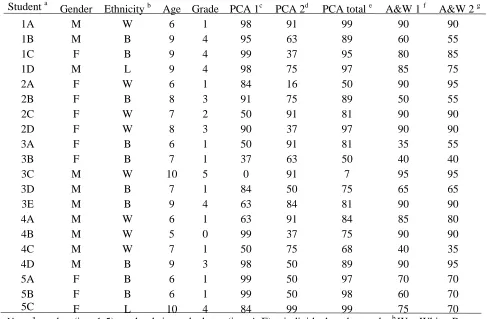
Students. As a central office gifted and talented coordinator in the school district research
site, I had access to student records and students who met the sample criterion. Student
partici-pants were chosen via criterion purposive sampling. The criterion purposive sample for the study
was limited to a total of 20 elementary students who demonstrated gifted characteristics from the
five district elementary schools. The 20 students had been referred for gifted identification due to
the demonstration of gifted characteristics on a district checklist for gifted screening. The 20
dents included 10 males and 10 females ages five to 10 years old. The grade range for the
stu-dents was kindergarten through fifth grade, which is the full district grade range for elementary
school. The ethnicity breakdown included 10 Black students, eight White students, and two
Lati-no/a students. The percentage of each gender and ethnicity was reflective of the student gifted
population of the school district. Each of the students had already been assessed with the PCA
or greater and 13 students had scored below the 90th percentile with the PCA according to the
gifted teacher specialists who participated in the research study.
Teachers. Gifted teachers from the five district elementary schools who already implement
the PCA were chosen to participate in the research study. The five teachers were White females
with advanced degrees and the gifted endorsement. The teachers administered the A&W Buttons
Creativity Performance Task after being trained by the researcher. The researcher reviewed
stu-dent gifted referrals and PCA scores for stustu-dents who were eligible for gifted services based on
the PCA (90th percentile or greater) and those who scored below the 90th percentile. The teachers
selected students who represented the district demographics for the research study after the
re-view of data and consent and assent was obtained.
Consent and Assent
Parents or guardians and gifted teachers were provided an informed consent form that
in-cluded an explanation of the study benefits and possible risks, a permission request to allow
par-ticipation, data collection strategies, and an explanation of the parties involved (Appendix F &
H). Student participants were asked for verbal assent by the gifted teacher prior to administration
of the A&W Buttons Creativity Performance Task (Appendix G). Participants and parents were
informed that collected data would be kept in a locked cabinet and office during the study and
following publication. Student and gifted teacher data were kept anonymous with numerical and
letter codes throughout data collection and publication. Strategic planning occurred in regard to
the schedule of creativity assessment implementation to limit the loss of classroom instruction.
Parents and students were notified of the scheduled assessment session by the gifted teacher and
researcher reviewed the parent information protocol as part of the teacher A&W Buttons
Creativ-ity Performance Task training.
A&W Buttons Creativity Performance Task Training
A two-hour training agenda was developed and scheduled for the five gifted teachers who
participated in the research study. The researcher scheduled the teacher training two weeks prior
to student administration to allow time for questions and for students to return parent consent
forms. (Appendix B). During the training, the researcher provided an overview of the
develop-ment of the A&W Creativity Performance Task and a history of instrudevelop-ment validity efforts. Each
of the gifted teachers scored the TTCT and PCA prior to the start of the research study and the
relationships between the two creativity assessments and the A&W Creativity Performance Task
were discussed during the training. Teachers were provided time to review the A&W Creativity
Performance Task administration guide, observation notes, and scoring rubric.
The researcher collected teacher feedback after the review and use of the A&W Creativity
Performance Task. Feedback indicated the need for an additional administration notes section for
observation data and for definitions of the creativity characteristics to be added to post
observa-tion notes form. The researcher accepted the feedback recommendaobserva-tions and adjusted the A&W
Creativity Performance Task administration guide prior to the administration with students
(Ap-pendix A). In order to gain experience, the teachers were asked to practice administration,
com-pletion, and scoring of the A&W Creativity Performance Task with partners. The researcher
worked with the fifth teacher to alleviate the odd number of participants. Two student samples
from the A&W Creativity Performance Task pilot were later provided for the whole group to
score independently to measure inter-rater reliability and build credibility (Appendix C&D).
five characteristics with each of the two samples (Stanford Center for Assessment, Learning, and
Equity, 2013). Inter-rater reliability was 93% across the two practice samples.
After the common sample scoring opportunities, the researcher reviewed the student assent,
parent consent, and teacher consent forms and procedures (Appendix F-G). A research timeline
was presented to the group for feedback. Student purposive sample criteria were compared to
current district elementary gifted student population demographics. The district elementary
gift-ed student population demographics includgift-ed 50% males, 50% females, 45% Black, 51% White,
and 4% other. Teachers were asked to review the current fall gifted referrals for possible student
participants. The training closed with a review of the fidelity checklist the researcher would use
during the A&W Creativity Performance Task administration with a non-participant observation
approach (Appendix E).
Non-Participant Observation
Theresearcher observed each gifted teacher with a non-participant observation approach
while implementing and completing the A&W Creativity Performance Task to ensure
assess-ment impleassess-mentation fidelity and to support credibility and transferability (Shenton, 2004). A
fidelity checklist was used for each student administration of the A&W Creativity Performance
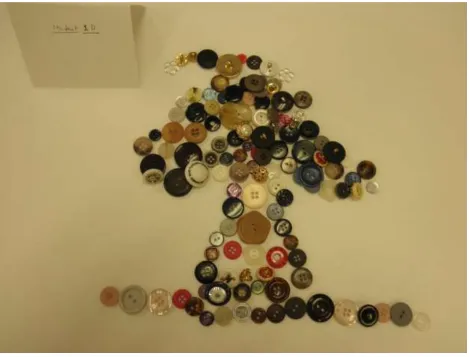
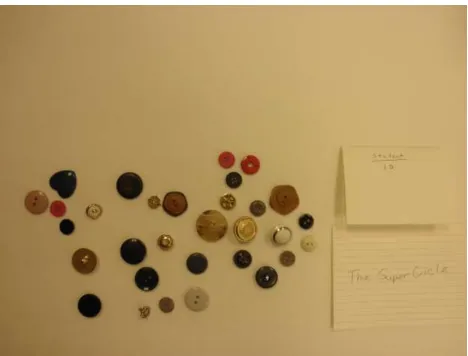
Task (Appendix E). A photo of the creativity product was collected for analysis by the gifted
teacher and to support field notes collected during product completion (Richards & Morse,
2013). Each of the 20 students used the same collection of buttons for the research study to
re-duce possible variables for performance. Notes from the student explanation of his or her product
were collected by the researcher and teacher along with the photo to better capture the student
performance data (Dana, 2009). Fields notes and photos were used to address data analysis
and discussed the evaluation of student products as part of inter-rater reliability. The researcher
informed the teachers that semi-structured interviews would be conducted with them after the
administration and scoring session.
Semi-structured Interviews
The action research interview questions were constructed based on the semi-structured
ac-tion research interview design to build rapport and solicit spontaneous responses (Rubin, 2005;
Teddlie & Tashakkori, 2009). The researcher developed a gifted teacher interview question set
that included five questions (Appendix I). The interview also served the purpose of allowing the
teacher participant continuous input as the action research study progressed (Fraenkel, Wallen, &
Hyun, 2012). The five question interview sets began with a broad open-ended question to build
rapport (Teddlie & Tashakkori, 2009) and became narrower with each question to focus on the
teacher perception of the A&W Creativity Performance Task assessment.
A 10-15 minute timeframe was allotted for each gifted teacher interview. A photo elicitation
interview approach was used to begin the interview. A photo of the student’s creativity products
was included to initiate a rich personal discussion with the gifted teachers (Fournillier, 2013).
The researcher conducted each gifted teacher interview immediately after the completion of the
student administrations of the A&W Creativity Performance Task at each school site.
Subsequent questions of “why” and “how” were used to probe for additional clarification and
gain a wider perspective for interpretive analysis (Teddlie & Tashakkori, 2009). Participant
re-sponses were analyzed for positive and negative themes related to the comparison of the
tradi-tional and new creativity assessment. A T-chart data display that included positive and negative
third research question related to student and gifted teacher perception. (Teddlie & Tashakkori,
2009). Student performance scores were also analyzed statistically.
Statistical analysis
Student performance scores on the A&W Creativity Performance Task and the PCA were
analyzed in SPSS to determine Pearson r correlations. The correlation coefficients were utilized
to address the second research question and to discuss criterion validity. PCA age standard
crea-tivity index scores were compared with A&W Creacrea-tivity Performance Task total and raw scores.
Finally, gender and ethnicity performance mean scores were compared and discussed for
possi-ble claims and themes.
Ethical considerations
The researcher received permission and feedback from the school system’s Internal Review
Boards (IRB) prior to the study. The researcher provided a piloted and scripted training session
on the A &W Buttons Creativity Performance Task for the involved gifted specialist teachers.
The training session included an overview of the creativity assessment developed by the
re-searcher and a practice session on the evaluation component of the assessment to limit biases and
subjectivity. Fidelity checklists were maintained for each student administration. Inter-rater
reli-ability was assessed to support credibility and trustworthiness of student performance among the
participants.
The researcher served as a district coordinator for the research sites during the study. The
re-searcher’s supervisor approved the PMARS approach to be utilized with district gifted teachers
prior to the study. The familiarity with the researcher supported rapport with the gifted teachers
at each site. Rapport, trust, and credibility could support the elicitation of interview information
Results
The researcher and each gifted teacher collected observation notes using the A&W
Crea-tivity Performance Task observation notes form in the A&W CreaCrea-tivity Performance Task
ad-ministration guide (Appendix A). Student explanations to each of the 10 question stems provided
with the A&W Creativity Performance Task post-performance student feedback questions were
recorded on the A&W Creativity Performance Task administration guide (Appendix A). A photo
of the student product and the A&W Creativity Performance Task observation and student
feed-back notes were used to complete the post-performance notes (Appendix A). The researcher and
gifted teacher scored each student product with the A&W Creativity Performance Task rubric
(Appendix A). Scores were discussed and compared to the rubric definitions and student
evi-dence for inter-rater reliability.
Inter-rater reliability
Across 20 of the 5-item A&W Buttons Creativity Assessment rubrics, inter-rater
reliabil-ity was 83%. Reliabilreliabil-ity was 100% for adjacent agreement, which refers to a difference of
1-point for indicators (Stanford Center for Assessment, Learning, and Equity, 2013). Adjacent
agreement is commonly used in performance assessments. The reliability across the five
creativi-ty characteristic indicators was 90% for originalicreativi-ty, 85% for preparation/organization, and 80%
for fluency, abstractness of titles, and elaboration. Inter-rater reliability was not available for the
comparison PCA scores. The same teacher did score both the PCA and A&W Creativity
As-sessment for each student. Fidelity of administration was also discussed with teachers during the
Fidelity
Fidelity results were 297 agreements out a total of 300 opportunities (20 administrations
of a 15-item yes/no checklist) for a total of 99%. Two teachers misquoted 25 minutes time versus
20 minutes time for three students who were in grades higher than K-2. The three students were
only provided the appropriate time allotment after the misquoted administration time instruction.
Each gifted teacher collected the required student performance data for each student participant
in the research study.
Student performance data
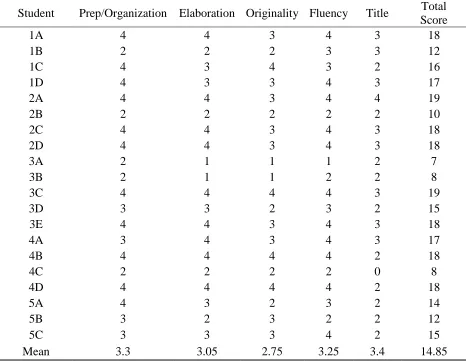
Individual teacher scores for the five creativity characteristics assessed with the A&W
Creativity Performance Task are provided in Table 1. The group mean scores for each A&W
Creativity Performance Task creativity characteristic and total raw score were as follows:
prepa-ration/organization (M=3.3), elaboration (M=3.05) , originality (M=2.75), fluency (M=3.25),
Abstractness of title (M=3.4), and total raw score (M=14.85). Detailed student performance and