Evaluating PRP - A case study of Thames Water,
Gregory Peter Kerr Thomson
PhD Thesis
UMI Number: U615849
All rights reserved
INFORMATION TO ALL USERS
The quality of this reproduction is dependent upon the quality of the copy submitted.
In the unlikely event that the author did not send a complete manuscript and there are missing pages, these will be noted. Also, if material had to be removed,
a note will indicate the deletion.
Dissertation Publishing
UMI U615849
Published by ProQuest LLC 2014. Copyright in the Dissertation held by the Author. Microform Edition © ProQuest LLC.
All rights reserved. This work is protected against unauthorized copying under Title 17, United States Code.
ProQuest LLC
789 East Eisenhower Parkway P.O. Box 1346
ABSTRACT
Performance Related Pay (PRP) explicitly links the level of pay an
employee receives to that employee's performance. Intuitively, it would
appear likely that employees would increase their work effort in order to
maximise their earnings from PRP. However, there is now a substantial
body of research evidence, which suggests that PRP is not particularly
effective in increasing employee motivation in practice. Despite this
research evidence, PRP continues to remain popular as a payment system
amongst firms.
This Thesis uses a case study of Thames Water, a large utility company,
to examine the paradox between the continuing popularity of PRP and its
apparent ineffectiveness as a tool for increasing employee motivation.
Evidence from an employee survey and interviews with key managers,
together with information from internal company documentation, is
brought together to explore five related questions:
• Why did Thames Water use PRP?
• How effective has PRP been in Thames Water as a motivator for
employees?
• Why was PRP not more effective as a motivator for employees?
• How effective was PRP in delivering the other objectives it was
originally intended to achieve?
• Why does Thames Water continue to use PRP?
The analytical approach adopted, using three theories of motivation as a
framework against which to examine the motivational effectiveness of
PRP, provides a new way of looking at the possible limitations on the
motivational effect of PRP. This thesis touches on the question of
whether and how PRP brings about cultural change; this in turn raises
complex questions of causation, which call into question the effectiveness
Contents
Tables & Figures pages 4-5
Acknowledgements page 6
Chapters
1 The Puzzle of Performance Related Pay. Pages 7-22
2 Why do firms use PRP? Pages 23-53
3 Three theories of motivation. pages 54-71
4 Goals and rewards. pages 72-97
5 The impact of the wider work group. pages 98-118
6 Thames Water and PRP. pages 119-140
7 Why Thames Water introduced PRP? pages 141-160
8 The effectiveness of PRP in Thames Water. pages 161-203
9 PRP and motivation in Thames Water. pages 204-256
10 The motivational effects of PRP explained? pages 256-295
11 Conclusions. pages 296-333
References pages 334-346
Appendix A.i Source Material pages 347-356
Appendix A.ii Survey Questionnaire pages 357-370
Appendix B Outcome Frequencies pages 371-375
Appendix C Process Frequencies pages 376-381
Appendix D Variable Definitions pages 382-389
Appendix E Variable Correlations 390
Tables & Figures
Table/Figure Title Page No.
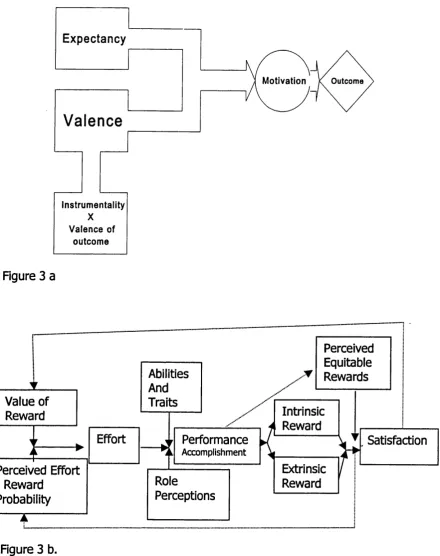
Figure 3 a Simple Expectancy Model 67
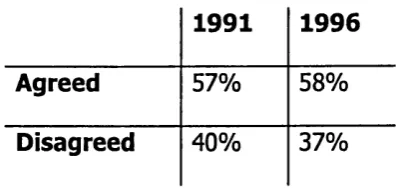
Figure 3 b Porter and Lawler Expectancy Model 67
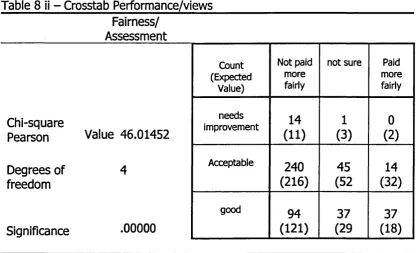
Table 8 i IRS PRP fair payment system 165
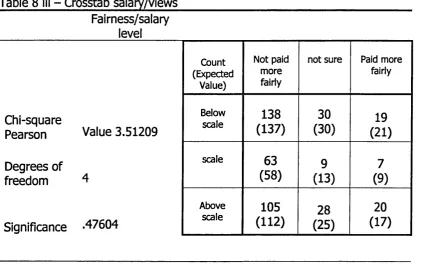
Table 8 ii Crosstab Performance/views 169
Table 8 iii Crosstab salary/views 171
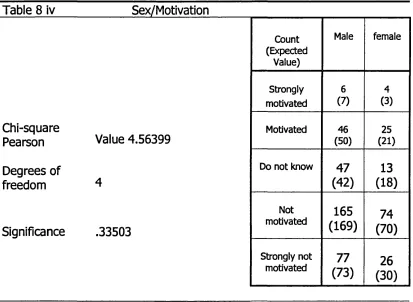
Table 8 iv Sex/Motivation 192
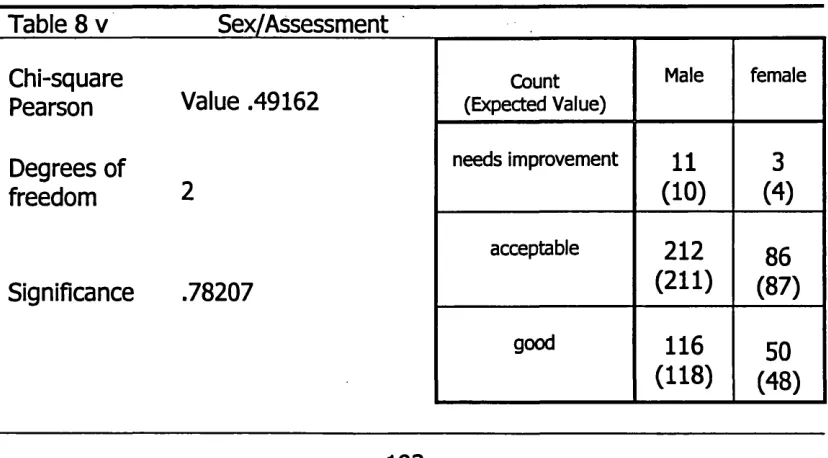
Table 8 v Sex/Assessment 193
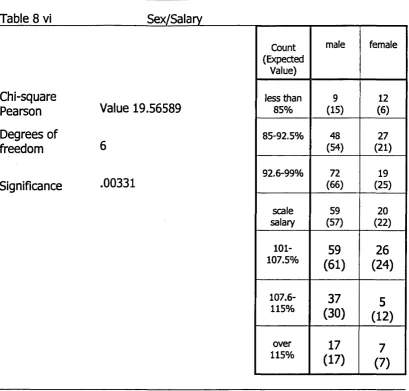
Table 8 vi Sex/Salary 196
Table 9 i Motivation/Number of SPR Interview 213
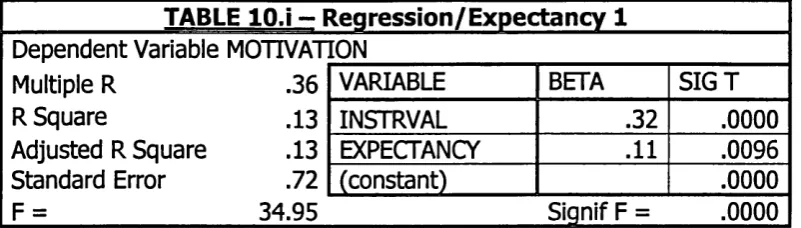
Table lO.i Regression/Expectancy 1 264
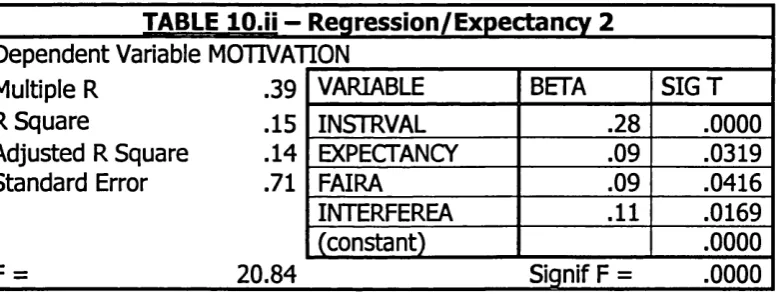
Table lO.ii Regression/Expectancy.2 266
Table 10 iii Regression/Expectancy 3 268
Table lO.iv Regression/Expectancy.4 269
Table lO.v Regression/Goal Setting 272
Table lO.vi Regression/Expectancy - Goal Setting 275
Table lO.vii Regression/Distributive Equity 278
Table lO.viii Regression/Procedural Equity 278
Table lO.ix Regression/Expectancy 5 279
Table 10.x Regression/Commitment 1 289
Table lO.xi Regression/Commitment 2 290
Table lO.xiii Regression/Culture 293
Appendix B Chapter 8 - Outcome Frequencies 371-375
Appendix C Chapter 9 - Process Frequencies 376-381
Appendix D Variable Definitions 382-389
Appendix E Correlation Table -Variables 390
ACKNOWLEDGEMENTS
I would like to thank my employers, UNISON, for sponsoring the early
stages of this thesis. Thanks are also due to the Thames Water Branch of
UNISON for the initial research access, and in particular to John Keep and
Jane Carless for their assistance with the survey. Once Thames Water
decided to cooperate with the research, all of the managers I approached
were generous with their assistance. The current European Director of
Human Resources, Julia Cherrett, was also kind enough to look over
some of the initial draft conclusions and let me have her comments. I am
grateful to numerous other people for their comments, especially Paul
Marks (one of the authors of Agenda for Change, the new NHS pay
system). I would particularly like to thank my supervisor, Dr Ray
Richardson, whose support and insights have been especially valuable.
Finally, thank you to my family, Clare, Adam and Alex, for consistently
Chapter 1
The Puzzle of Performance Related Pav.
Introduction.
'Performance-related pay in the UK is a puzzle. There is overwhelming scepticism about its effects on performance, yet its progress seems unstoppable/
The Financial Times (3/11/93)
Performance Related Pay (PRP) continues to be something of a puzzle.
On the face of it, relating pay to performance would seem to be an
effective way of motivating workers to work harder. Intuitively it might
be assumed that workers would increase their work effort in order to
increase their pay. ACAS (2003) in their guidance on pay systems put it
quite simply:
"... the prospect of higher pay for increased output/quality often provides an incentive and many (incentive pay) schemes are introduced in the clear expectation that performance will thereby be improved."
It is therefore natural that managers should introduce PRP with increased
employee motivation as a key objective (Kessler 1994, 2000 and
Thompson & Milsome 2001). From a theoretical perspective, expectancy
predicting employees will work harder to achieve an additional
performance payment in the right circumstances.
Research, however, has shown that PRP is often not particularly effective
at motivating workers (Thompson 1993, Marsden & Richardson 1994 and
Marsden & French 1997). Nevertheless, PRP continues to be a popular
mechanism for rewarding employees (Choat 1997 and Thompson &
Milsome 2001). So it would seem, paradoxically, that a system of reward
that at face value appears to be principally concerned with motivating
employees to work harder, often turns out to be fairly ineffective as a
motivator, and yet still remains generally popular with employers.
This thesis uses a case study of PRP in Thames Water to examine the
paradox of the continuing popularity in the face of the evidence that PRP
is not a particularly good motivator, by exploring five questions:
• Why did Thames Water introduce PRP?
• How effective has PRP been in Thames Water as a
motivator for employees?
• Why was PRP not more effective as a motivator for
employees?
• How effective was PRP in delivering the other objectives it
was originally intended to achieve?
• Why does Thames Water continue to use PRP?
both to motivate staff and achieve other objectives. These other issues
can be summarised as follows.
Whv did Thames Water introduce PRP?
Using qualitative evidence from structured interviews with those involved
with the decision to introduce PRP and contemporary documentation it is
possible to put together the original rationale for the introduction of PRP
by Thames Water. The literature on pay and PRP, in particular, has
highlighted three questions that may help shed some further light on the
introduction of PRP by Thames Water and help place it in a wider
context. Did PRP form part of some overall pay strategy? Was PRP part
of a Performance Management strategy? Finally, to what extent was PRP
part of a strategy for bringing about cultural change within Thames
Water?
There is a debate in the literature about pay as to whether or not there is
a new approach to pay emerging, sometimes termed 'new pay'; this is
not about the introduction of a new pay system, but is concerned with
the way in which pay fits with business strategy and organisational
change (Kessler 2000). This thesis looks at how far the introduction of
PRP fitted into Thames Water's other strategic and organisational goals.
Thames Water undoubtedly had a number of objectives that they hoped
objectives were articulated when PRP was introduced and the consistency
and degree to which those objectives fit together and support each other,
as well as the wider business strategy, is also clearly important to
understanding how far the introduction of PRP in Thames Water can be
said to be part of a strategic approach to pay or 'new pay'.
Performance Management has also played a part in respect of both the
introduction and continued use of PRP in Thames Water. Performance
Management can be viewed as an attempt to align individual
performance objectives with wider organisational objectives, although the
concept still maintains a degree of ambiguity (Bach 2000). PRP is not
essential to Performance Management. Hendry et al. (2000) have
criticised the use of PRP in Performance Management, terming it the
'dark side' of Performance Management, because it emphasises the
controlling rather than the developmental aspects of Performance
Management. Nevertheless, the ability to cascade organisational
objectives and reward their achievement, through PRP, has in practice
meant that PRP is widely associated with Performance Management.
Looked at from the perspective of PRP, it is Performance Management
that ensures that PRP engages with the wider organisational issues
necessary for PRP to bring about greater employee commitment and
cultural change. In Thames Water PRP was intended to ensure
performance by getting them to focus on issues of performance
management through the performance appraisal system. The question
then is was the use of PRP in Performance Management part of an overall
strategy or simply just another justification for adopting PRP? It is
hypothesised that PRP will have been an essential part of the move of
Thames Water from the public sector, as a nationalised industry, into the
more commercially focused private sector, as suggested by Kessler and
Purcell (1992).
How effective has PRP in Thames Water as a motivator for employees?
PRP explicitly focuses on performance it therefore seems pertinent to ask
how far PRP can be said to improve performance. The evidence, as
already noted, is that while managers by and large think that PRP acts as
a motivator for employees, when you ask employees, they report not
being motivated by PRP. Indeed the apparent ineffectiveness of PRP as a
motivator has often been used as a point of departure for a critical
analysis of PRP (Bevan and Thompson 1991, Thompson 1993, Marsden
and Richardson 1994, and Marsden and French 1997). Kessler (2000)
has observed that much of the evidence about the motivational
ineffectiveness of PRP comes from the public sector where there are
constraints regarding the nature of the workforce and the nature of the
organisation which make it less likely that PRP will be an effective
motivational effectiveness of PRP in a newly privatised company where
many of the constraints that apply to the public sector do not apply.
Irrespective of any constraints, the explicit link between pay and
performance in PRP begs the question of whether that link has a causal
effect on performance, or whether pay is simply being distributed
contingent on levels of performance that would have been achieved
irrespective of the use of performance payments.
It could be argued that if PRP is used to achieve a number of different
organisational objectives it is not particularly important to know whether
or not PRP increases employee motivation. Nevertheless, whether or not
PRP is introduced with the objective, wholly or in part, of increasing
employee motivation, the extent to which PRP is motivating employees is
still an important issue in terms of the overall performance of the firm. If
PRP is not motivating employees, then there is a danger that it may
actually be de-motivating employees (Marsden and Richardson 1994). It
is also argued in this thesis that PRP is more likely to be an effective
mechanism for bringing about a positive change in organisational culture
and as a tool for Performance Management, where it is successful in its
own terms, that is to say where it motivates employees.
An attitude survey of the white-collar employees of Thames Water in
receipt of PRP was conducted in 1995. On the face of it this survey
employees are prepared to make in return for the prospect of obtaining a
performance payment. The problem with measuring actual performance
in order to gauge motivation in a field setting is that performance is
dependent on numerous other variables such as ability and
environmental factors. Equally the employer's assessment of individual
effort may be tainted by prior commitment (Brody, Frank & Kowalzyk
2001) or other considerations (Harris 2001). Therefore the simplest and
most direct way of assessing motivation is to ask those whose motivation
is being assessed. To put it another way:
'It is the fish who decide what is bait not the fisherman. We need to ask the fish what they would prefer to nibble on/
(Derek Robinson quoted at p. 55 in Hendry et al 2000)
The results of that survey have been used to assess the motivational
effectiveness of the Thames Water PRP scheme and also to explore why
the Thames Water PRP scheme was not more effective in motivating
employees.
Why was PRP not more effective as a motivator for employees?
If much of the criticism of PRP relates to its lack of motivational
effectiveness, one has to ask why PRP fails to motivate employees to
work harder. Common sense would suggest that workers should improve
their performance if that will lead to an increase in their earnings.
Consequently, it is not immediately apparent why research has shown
it is simply a question of implementation and that if PRP were
implemented in the correct way then it would be an effective motivator.
Lawler (1981) says that for PRP to work the rewards must be important,
capable of being varied in line with validly measured performance, where
there are high levels of trust between employees and managers and
employees accept the PRP scheme. Kessler (1994) has identified three
elements in PRP which present problems of implementation; establishing
performance criteria, assessing whether those criteria have been met or
not, and the linkage between the criteria and the pay award.
However it may not simply be a case of changing the scheme to match
the prescription for improvement. Marsden and Richardson (1994) found
that there were deficiencies in the implementation of the Inland Revenue
PRP scheme that tended to undermine its potential effectiveness. The
Revenue changed the scheme in certain important respects following this
research, but research by Marsden and French (1997) after the new
scheme was implemented found that employees were still not motivated
by PRP, the researchers suggested that the essential problem was the
workers' lack of trust in both the scheme and the way that it was
managed.
The revised Revenue PRP scheme built in a number of features, which
reflected the principal theories of work motivation, namely expectancy
This thesis is based on the general hypothesis that by applying theories
of work motivation to a particular PRP scheme it should be possible to get
a better understanding of why that PRP scheme is failing to act as a
motivator for employees. This gives a framework within which to
examine issues such as employee trust, which it is suggested is a critical
element in PRP, both from the point of motivational effectiveness of PRP
and also because PRP may actively undermine trust.
One of the first steps has been to identity those theories of motivation
that seem most likely to explain the motivational effectiveness of PRP.
Looking at the literature the three theories that have been identified as
most relevant to PRP, are those Marsden and French (1997) refer to,
namely expectancy theory, goal setting theory, and equity theory. Some
commentators (Kanfer and Ackerman 1989, and Kanfer 1990) have
attempted to build an overall theory of motivation, which encompasses all
three theories. However that approach has been rejected, as it is argued
in this thesis that goal setting theory and expectancy theory are
essentially measuring different motivational drivers.
Looked at individually, each of the three theories of motivation highlights
a different aspect of PRP. So that while goal setting theory and
expectancy theory both emphasise the importance of the goal setting
process, in goal setting theory the emphasis is on the specificity and
nature of the reward and the link between goal achievement and reward.
Potentially, this distinction between goal setting and expectancy theory
offers the intriguing prospect that it is the goal setting process that is
motivating employees rather than ability to earn a performance payment.
If the performance payment really makes no difference to the
motivational effectiveness of PRP, then PRP really needs to be judged on
its other supposed benefits.
Equity theory on the other hand is concerned with the impact of the
wider group on motivation, and this highlights issues such as procedural
and distributive fairness. Equity theory predicts that individuals will take
action to balance any perceived imbalance in their effort reward ratio
compared to the effort reward ratio of comparitor groups, but without
specifying how the individual will bring about a re-balancing. Individuals
may respond to perceived inequity through a range of reactions including
increased or decreased motivation and cognitive dissonance.
Consequently while equity theory may help to explain improved
motivation in some cases, in others where employees feel hard done by
and unfairly treated, it suggests that they may become disillusioned with
the firm or even reduce their efforts at work. Thus by using these three
theories of motivation as a framework of analysis against which to
examine the motivational effectiveness of the Thames Water PRP scheme
it is possible to highlight those areas of the scheme that are most
How effective was PRP in delivering the other objectives it was originally
intended to achieve?
PRP outcomes are assessed against the original rationale for introducing
PRP and the rationale for its continued use. PRP is like any other
business tool; its value depends on its cost ratio benefit. Consequently it
is perfectly feasible that PRP can fail to motivate employees and yet at
the same time present a real benefit to the business. Looking at Thames
Water, if for instance PRP is intended to motivate employees and bring
about a change in organisational culture, then Thames Water may still
feel that it is a worthwhile investment even it fails to motivate most
employees, provided it brings about the desired change in organisational
culture. Nevertheless cost benefit may be difficult to measure without
knowing precisely what value Thames Water puts on the benefits they
derive from PRP. Even though Thames Water have used employee
surveys to ask about employee views on PRP and have recently
undertaken a review of their reward structure, the continued use of PRP
has been taken as a given and there is no evidence of a complete review
of its effectiveness. Most employers do not review the effectiveness of
their PRP schemes (Cannell & Wood 1992).
Therefore it seems appropriate to ask not just about the benefits of PRP
those outcomes that can be seen as negative from the organisations
point of view. Likewise the consistency of the original objectives and the
extent to which those objectives are undermined by any unintended
outcomes from PRP are important factors in weighing the success of PRP
within Thames Water.
Whv does Thames Water continue to use PRP?
Finally why does Thames Water continue to use PRP? This question goes
to the centre of the paradox about the continued use of PRP despite
evidence that it is not particularly effective. The original reasons for the
introduction of PRP may no longer be relevant or time may have proved
them less compelling. How would Thames Water justify PRP some years
after its original introduction? As already noted a current review of the
Thames Water reward strategy contains no proposals to do away with
PRP. What is the continuing attraction of PRP for Thames Water? Is PRP
seen as the least bad option in terms of pay? Does it have iconic value,
marking the company as a commercially focused organisation? Or does
the payment of PRP to all employees help to justify larger much more
substantial performance bonuses higher up the organisation? These
issues have been explored through a structured interview with the
A case study approach.
Thames Water has been used as a case study partly because of Its size; it
is the largest water company in the UK and has introduced PRP for a
substantial part of its workforce. At the time it introduced PRP Thames
Water was publicly quoted on the stock exchange (it was subsequently
purchased by the German RWE Group), which meant that there was a
substantial amount of information about the company in the public
domain. Also as a Water and Sewerage Company, it had been in public
ownership until 1989, when the then Conservative government led by
Margaret Thatcher privatised it. Water and Sewerage Companies are
concerned with maintaining a secure and safe water supply and
sewerage system. Privatisation posed a new challenge for the
Companies to become commercially focused, so that they could meet
their obligations to their shareholders and raise money in the market at
advantageous rates. Thames Water under the Chairmanship of Roy
Watts was in the forefront of water privatisation, anticipating the new
freedom of operating in the private sector by, for instance, being the first
water company to withdraw from national pay bargaining. Consequently
Thames Water seemed to be an interesting case study, not only because
of its size and the availability of information, but also because it was
undergoing a process of change not unlike that being experienced by a
number of Nationalised Industries which were privatised by the Thatcher
desirable (Kessler & Purcell 1992).
Ideally, qualitative research would have been conducted with Thames
Water in order to identify the key issues before any quantitative research
was undertaken. However, there were problems over access for research,
which may well initially have been exacerbated because the author is a
full time trade union official. A number of different companies were
approached all of them in the private sector, because the original
intention was to examine a private sector company that was free of the
sort of political constraints that apply in the public sector. After all, if the
reason for introducing PRP is simply political, and there are political
pressures in the public sector to use PRP, any discussion about the
motivational effectiveness or overall cost benefit becomes otiose or at
best less pertinent. At least one of the private companies approached,
London Electricity, specifically said that they would not want to give
access to a trade union official. In the end, research access to Thames
Water employees was gained with the assistance of UNISON at the
beginning of 1995, Thames Water initially refused to cooperate with the
research. This necessarily limited the qualitative research that it was
possible to carry out, to a trade union view of why Thames Water had
introduced PRP, and a few published documents. From the point of view
of quantitative research a survey of UNISON white-collar worker
members employed by Thames Water in its utility business was
\
for this thesis. Subsequently, in 1999 Thames Water agreed to co
operate with the research paradoxically after the author became the
principal trade union negotiator for the trade unions in Thames Water.
This allowed greater access to material about the PRP scheme and the
reasons for its introduction. The author was able to conduct qualitative
research with some of the key players from the company's side regarding
the processes which the company went through in deciding to introduce
PRP and reasons for its introduction. However, the problems over getting
access for qualitative research have imposed limitations on the quality of
the quantitative evidence that it has been possible to gather, most
notably in terms of the ability to give appropriate weight to the various
elements of the rationale given by Thames Water for the introduction of
PRP. In particular, with the benefit of hindsight Performance
Management and changing organisational culture should have been given
more emphasis.
Structure.
The next chapter defines PRP, looks at its coverage, and explores some
of the reasons put forward for the popularity of PRP and some of the
criticisms of PRP by way of general context. The rest of the thesis breaks
down into four parts. The following three chapters explain the theoretical
framework used to explore the motivational effectiveness of Thames
and 7 describe the qualitative research evidence and describe the
research instrument used to gather the quantitative data. The
quantitative data is then reported and analysed in Chapters 8-10. Finally,
Chapter 11 brings together the research evidence in an attempt to
Chapter 2
Why do firms use PRP?
Introduction
In order to understand why Thames Water adopted and continues to use
PRP it is important to look at the factors that may have influenced that
decision including the approach that has been adopted by other firms.
First of all it is important to be clear about what is meant by PRP and look
at what distinguishes PRP from other performance based pay systems. It
is also helpful to understand how far PRP has spread and why. There are
a number of different surveys that give some idea of the extent to which
the use of PRP by firms has grown. Firms have adopted PRP for a variety
of reasons and a number of the benefits that firms commonly hope to
achieve by using PRP can be identified from the literature and surveys. It
is also important to consider the criticisms of PRP, that is to say the
potentially negative factors that firms might take into account when
deciding whether or not to adopt PRP. Finally there is the question of why
PRP continues to be popular with employers? Taken together these
different aspects of the extent and rationale for the use of PRP by firms in
general give a background against which Thames Water's decision to
PRP Defined
PRP is one of a range of performance pay systems, that is payment
arrangements where the amount being paid to employees depends upon
specified outcomes being achieved (Performance Pay Trends in the UK,
IPD Survey Report 1999). These outcomes can be in the form of inputs
or outputs. In this context, inputs are how the employees perform their
work or the level of competence or skill that they bring to their work.
Outputs are a measure of the performance of employees, either
individually or as a team or group, or of the workforce as a whole. The
key feature of all such schemes is that pay is contingent on outcome.
Thompson and Milsome (p25, 2001) define PRP in the following terms:
'Individual performance-related pay links financial rewards for individual employees to the results achieved by that employee, usually through assessment of performance, summed up in an appraisal rating based on agreed objectives/
The IPD Survey in 1999 defined individual PRP as covering merit pay or
bonuses determined by agreed individual objectives (Performance Pay
Trends in the UK, IPD Survey Report 1999). Armstrong and Murlis (p262
Reward Management 1994) define PRP as linking pay progression to a
performance and or competence rating carried out at a performance
review. They distinguish between schemes where the manager makes
an assessment of the performance from those schemes where the
the form of a lump sum or bonus. For the IPD survey bonuses are
included as PRP, yet Armstrong and Murlis say that bonuses are not part
of PRP. There Is a lack of consistency in the definitions but for the
purposes of this thesis the question of whether bonuses are included or
not makes no real difference.
The key issues are captured by defining PRP as a payment scheme
where:
• The individual employee's pay is at least in part contingent on
performance.
• And the employee's manager assesses performance for the
purposes of determining contingent pay against predetermined
criteria.
The two points that are highlighted are that individual pay is linked to
individual performance and that the manager assesses performance
against predetermined criteria. A number of performance payment
schemes are excluded by this definition. It does not cover group PRP
schemes or payment by results (PBR) schemes or bonus schemes where
the bonus is entirely discretionary, without any laid down criteria for
payment.
This thesis is concerned with the paradox between the continuing
general popularity of PRP and the evidence that it often turns out to be
to individual PRP schemes. Individual PRP Schemes appear to focus on
the issue of motivation more acutely than group schemes do. This is
because the link between the individuals, their performance and their
pay, in individual PRP schemes, more closely reflects the key elements in
the three theories of motivation in individual PRP than it does in group
PRP.
PRP and payment bv results
The growth of PRP can be contrasted with the use of Payment by Results
(PBR), which it appears is either static (Mason and Terry 1990, and
Millward et al. 1992) or may even be in decline (Cannell and Wood 1992).
The essential difference between the two payment systems is that in a
PBR system the level of payment is determined objectively by
predetermined and measurable output, while in a PRP system the level of
payment is determined by a subjective assessment of performance
against predetermined measures, which may include both output and
input. A further important distinction between the two systems is that in
PBR schemes performance payments are not generally incorporated into
salary for future years, while PRP schemes frequently consolidate pay
increases earned through performance in one year into salary for future
years (Heneman 1994). One of the attractions for employers of PRP over
PBR appears to be the ability to use the subjective nature of the
quantifiable or tangible areas of performance, such as the quality of work
done and customer service (Heneman 1994). Another reason why PRP is
perhaps more attractive to employers than PBR is the well-established
tendency of PBR systems to degenerate in their effectiveness as workers
learn to play the system and regulate their own output (Roy 1952,
Lupton 1963, Brown 1962, and Cannell & Wood 1992). It has been
argued that PBR is particularly suited to large establishments with short
tenure employees where essentially it is used as a substitute for
supervision (Heywood, Siebert & Xiandong Wei 1997)
However, it is worth noting that much of the evidence on the
motivational effectiveness of pay for performance schemes relates to PBR
and bonus schemes, rather than PRP. Lawler and Jenkins (1990)
reported that pay for performance schemes are producing productivity
gains of between 1- 35%, but they found that PRP schemes were failing
to establish a clear link between pay and performance and consequently
failing to produce positive motivational results. Kahn and Sherer (1990)
found in a longitudinal study of a company using both bonus pay and
PRP, that, while the bonus scheme was motivating employees, the PRP
scheme was not acting as an effective motivator for employees. Fernie
and Metcalf's (1999) study of the performance effects of contingent pay
over a fixed fee arrangement in horse racing is essentially measuring the
The growth of Performance Related Pay.
"Reports of the death of IPRP [Individual Performance Related
Pay] appear to have been greatly exaggerated"
(p. 280, Kessler 2000)
The evidence from surveys suggests that a large and increasing number
of employers are using individual performance related pay (PRP), or merit
pay as it is sometimes called, to pay workers. Annual statistics on pay,
such as those in the New Earnings Survey, do not distinguish PRP from
payment by results (PBR), consequently it is difficult to use annual
statistics to gauge the use of PRP (Cannell and Wood 1992), although a
recent attempt to use annual statistics to gauge the spread of PRP
supported the notion that PRP is continuing to spread and suggested it
may be forming a larger part of employees' salaries (Choat 1997).
However, more precise evidence about the use of PRP comes from
survey results. The 1990 Workplace Industrial Relations Survey (WIRS)
showed that 34% of all employees covered by the survey received PRP;
Millward et al (1992) suggest that this figure under-reports the use of
PRP. By 1998, WIRS figures had not changed to any significant extent
and Millward et al (2000) were suggesting that there may even have
been a slight reduction in the use of PRP. However three things were
clear from the 1998 WIRS; there was more use of PRP in the private
sector than in the public sector, PRP was more common in manufacturing
Cannell and Wood (1992) found that 40% of the PRP schemes for non-
manual employees reported in an IPM/NEDO survey had been Introduced
in the preceding ten years, with 27% of the schemes being introduced in
the preceding five years. The IPM/NEDO survey showed hardly any
evidence of PRP schemes being withdrawn (1% of schemes for non-
manual employees), while 11% of the schemes had been extended and
20% had been revised in the preceding five years. The IPD surveyed
some 5,000 firms in respect of performance pay trends in the UK
(Performance Pay Trends in the UK, IPD Survey Report 1999) and got
response rate of 23% covering some 1.5 million employees. They found
that 40% of respondents had individual PRP, although it tended to be
used more frequently for managers than non-management employees.
Comparing the rate at which firms reported that they were abandoning
PRP, with the rate at which firms were introducing PRP, the report
concludes that the use of individual PRP is still increasing. Thompson
and Milsome (2001) reviewing the survey evidence conclude that PRP is
far from in its death throes, even though its advance is less rapid, and
that it continues to be a prime and extending feature of the pay
landscape for the majority of UK and US employees and it is increasingly
in evidence in continental Europe. These survey findings support the view
Reasons for the use of PRP.
There are a number of different reasons why firms have introduced PRP,
and the reasons can be divided between those that produce immediate
benefits, which will be termed 'hard', and those reasons that reflect a
wider perspective in the firm's reward strategy, which will be termed
'soft'. Increased employee motivation, improved recruitment and
retention, and better wage cost control are the hard immediate benefits
of PRP. While using PRP because of the message it sends, or as a
strategic approach to pay, or as part of Performance Management, or to
bring about cultural change are the soft benefits of PRP. Looking at
employers' perceptions of the hard benefits of PRP first, the most obvious
benefit is the link between performance and pay.
fl Motivation
There continues to be substantial support for the idea that incentive pay
schemes will improve performance amongst employees.
"the prospect of higher pay for increased output/quality often provides an incentive and many (incentive pay) schemes are introduced in the clear expectation that performance will thereby be improved."
ACAS 2003
One of the key objectives firms have in mind when introducing PRP is to
enhance employee motivation and productivity (Kessler 1994). Intuitively,
encourage employees to work harder and, indeed, expectancy theory
(Vroom 1965) would seem to support this conjecture, subject to certain
conditions being satisfied. Employers and commentators have long
believed that this link will motivate employees to work harder. F. W.
Taylor (1911) put it this way:
'it is impossible through any long period of time, to get workmen to work much harder than the average men around them unless they are assured a large and permanent increase in their pay/
The motivational effect of PRP is claimed as one of its principal benefits in
a number of the works on reward systems (Smith 1991, Armstrong 1993,
Heneman 1994, and Armstrong and Murlis 1994). From the firm's point
of view, increased employee motivation would, on the face of it, provide
a straightforward economic justification for using PRP, as increased
motivation should improve the employees' performance. Indeed it is the
motivational effectiveness of PRP, which has often been used as a point
of departure for a critical analysis of PRP (Bevan, Thompson & Hirsch
1991, Thompson 1993, Marsden and Richardson 1994, and Marsden and
French 1998). The motivational effectiveness of PRP is also one of the
central issues examined in this thesis.
ifl Recruitment and retention and downsizing and costs
PRP is also seen as a mechanism for retaining good employees and losing
as performing well, will be better rewarded through PRP and thus
encouraged to stay. Bad employees, that is to say those who are
assessed to be performing badly, will either improve their performance or
leave because they are receiving lesser rewards. Bodies like the Top Pay
Research Group have argued (Top Pay Research Group 2003) that it is
essential to pay those at the very top of organisations contingent pay in
order to retain them. If the decision makers in organisations are being
given rewards contingent on their performance, as a retention
mechanism, they may well be attracted to the idea of cascading down
similar mechanisms through the organisation.
Paying more to more productive employees and less to the less
productive employees might also be thought to have the additional
advantage of helping to control wage costs (Smith 1991). Increases in
productivity help to fund the additional pay for the good performers, and
poor performers no longer enjoy an automatic increase in pay through
the incremental system or annual wage round.
Many firms have been downsizing since the 1980s by delayering, that is
to say by getting rid of layers of management, which in turn reduces the
promotion prospects for remaining employees. PRP may help to control
wage costs and yet maintain employee morale amongst those employees
who are judged to be better performers. It is argued that PRP became
employees, whose traditional promotion routes had disappeared, by
offering them the opportunity to increase earnings through performance
(Baker 1990). Meanwhile poor performers would leave as they became
dissatisfied with the level of PRP that they received, or so it was said
(Dreher 1987).
iifl PRP gives a message about the firm
Employers have also turned to PRP for longer term, more strategic, less
immediate reasons, which have been termed soft benefits. PRP is
sometimes said by employers to be a fairer system of rewarding
employees, than incremental systems, in which pay increases as a result
of length of service. PRP is said to be:
'A conscious move...to reflect a new perception of equity based on the developing view that it is fairer to reward in relation to personal contribution than for length of service in a jo b / (page 18 Armstrong & Murlis 1994).
From the employer's point of view using what they perceive as a fairer
system that relates reward to contribution, may be seen as sending some
powerful messages about their organisational values.
In the 1980s PRP was promoted as part of the Thatcher revolution (ACAS
1993, and Kessler & Purcell 1995), firms saw the adoption of PRP as a
PRP was officially promoted for the public sector in the Citizen's Charter
(1991), which stated:
'Pay systems in the public sector need to make a regular and direct link between a person's contribution to the standards of the service provided and his or her reward/
The plans for the public sector under the Labour Government continue to
emphasise performance and the use of PRP as a mechanism for achieving
improved performance, with a strong emphasis on benchmarking
performance and the linking of teachers' pay progression to appraisal
(Treasury 1998). The logic seems to be that if firms want to compete
then they have to be performance driven and one way this can be
demonstrated is by adopting a payment system that links the level of pay
to the employee's performance. This became apparent in the newly
privatised former nationalised industries (Kessler and Purcell 1992).
Across both the public and private sectors in Britain PRP was also
promoted, as part of the Thatcher agenda, as a move away from the
collective to a more individualistic approach to the employment
relationship (Kessler and Purcell 1995).
The use of PRP in the public sector in Britain reflected a wider move to
use PRP in the public sector across many countries in the OECD, which
Wood (1993) attributes to the cross-fertilisation of 'new managerialism'
from the private to the public sector, as public sector agencies have
moved away from simply using budgetary control, as their principal
their effectiveness. The argument here seems to be that as controls
become more output-orientated performance becomes more critical,
which in turn makes a pay system that links pay to performance more
attractive.
State promotion of PRP continues in Britain and the United States, and
has spread to the rest of Europe (Milkovich 1991, Elliot & Bender 1997,
and Marsden et al. 2000), despite research evidence that PRP has not
been particularly effective at motivating employees in the public sector
(Marsden & Richardson 1994, Marsden & Frenchl997, and Kellough &
Nigro 2002). Indeed, Kessler (2000) has commented that much of the
criticism of PRP is based on evidence from the public sector where as he
says the character of the workforce and the financial and political
constraints were always likely to make PRP more difficult to implement
successfully.
iv) Pav strategy
The introduction of PRP may also be a response to arguments about the
best type of reward structure for the organisation, in other words a
strategic approach to pay, what has been termed 'new pay' (Kessler
2000). Some authors (Lawler and Jenkins 1990, and Armstrong and
Murlis 1994) argue that the correct payment system for an organisation is
history, people, human resource strategy, culture, market and regulatory
environment (Armstrong and Murlis 1994). What matters in order to get
the best from the payment system is that there is fit between the pay
system and organisation. Lawler and Jenkins (1990) comment that there
is little or no evidence to support this assertion, but that it has face
validity. However, firms may introduce PRP because they feel that PRP
fits with other parts of their business strategy, so for example Cannell
and Wood (1992) found that some firms in their survey felt that PRP
helped to emphasise that they were results driven or performance
orientated organisations.
The development of human resources management (HRM) has focused
attention on the reward strategies used by employers (Tichy, Forbrun
and Devenna 1982). Adopting a HRM approach includes ensuring that
the reward system reflects the organisation's goals and engages line
management in the reward process (Kessler 2000). PRP emphasises
performance, which is a key organisational goal for many employers, and
engages line managers in the reward system through the appraisal
process, so that it is a natural choice as part of HRM.
v) Performance Management
Performance Management is perhaps one particular approach to pay
and because it is sometimes seen by employers as linking pay into
employee commitment and cultural change (Bach 2000). 'Performance
Management has become massively popular in recent years' (at p. 52
Hendry et al 2000), yet there is a degree of ambiguity about what is
meant by Performance Management. In essence Performance
Management is about ensuring that the individuals' objectives at work are
aligned with those of the organisation, in a measured and managed way.
Performance appraisal is clearly a key part of Performance Management,
but PRP is not an essential ingredient of Performance Management, and
Hendry et al (2000) argue that PRP takes away from the developmental
side of Performance Management and focuses too much on the 'dark
side' or controlling element. While Performance Management clearly owes
some of its growing popularity to an interest in the structured approach it
offers to employee development as exemplified by Investors in People
award scheme, PRP also fits into Performance Management by directly
linking individual performance into overall organisational objectives.
Indeed the growth in the use of Performance Management may help to
explain some of the continuing popularity of PRP.
The use of PRP for Performance Management can be viewed on two
levels. At one level PRP can simply be seen as a way of ensuring that
performance appraisals get done, as Cannell and Wood (1992) found in
their survey. At a less prosaic level, PRP reinforces the organisational
this reinforcement may be particularly important if Performance
Management is being used to increase employee commitment or bring
about cultural change within the organisation (Bach 2000).
vO Changing Organizational Culture
PRP can also be used, not because it fits the organisation, but because it
fits the type of organisation that the firm would like to become. In other
words PRP becomes a mechanism for achieving change in the
organisational culture. Some employers have used PRP as a mechanism
for achieving cultural change within their organisation (Kessler & Purcell
1992). It is not clear precisely how PRP acts as a mechanism for
achieving cultural change in an organisation. Lawler and Jenkins (1990)
assert that all pay systems influence organisational culture, but argue
that PRP does this more dramatically than other pay systems, because it
communicates norms of performance in the organisation. PRP can also
be used to communicate organisational goals by cascading the goals
down through the organisation, as those goals are translated into
individual targets for each level within the organisation. However, while
changing the pay system may be an important reinforcer of cultural
change, the process of cultural change within an organisation is far more
Whether PRP is used because of the message it sends, or because it
reflects the type of organisation the firm is, or wants to become, it is
being used for longer term, perhaps less tangible benefits, which have
been termed soft benefits. It will be argued in this thesis that these soft
benefits are perhaps even more important to some firms than the hard
benefits.
Criticism of PRP
Criticism of PRP can be divided between general criticism of its impact on
organisational effectiveness and specific criticism of its failure to motivate
employees in practice.
fl Conservatism
Critics of the impact of PRP on organisational effectiveness argue that
PRP is inherently conservative in its effect on the organisation. Demming
(1982) says:
'Merit Pay rewards people that do well in the system. It does not reward attempts to improve the system'
Kanter (1989) also describes the system as conservative. The problem,
for both Demming and Kanter, is that they see PRP as suppressing
initiative and risk taking, by rewarding the achievement of predetermined
get a performance payment, creates what has been called a pseudo
contract (Pearce 1987) in the employment relationship. Lacking the
advantages of a fully contracted out relationship, the pseudo contract
nevertheless inhibits the organisation's ability to gain all the flexibility
from employees that should flow from an employment relationship.
Essentially the argument is that the employee focuses on achieving those
targets or behaviours that have been identified as the targets or
behaviours against which their performance will be assessed in order to
determine the level of performance payment that they receive, at the
expense of flexibility. For instance, a longitudinal study of PRP for U.S.
Federal employees by Pearce and Perry (1983) found what they called
'gaming', whereby broader organisational goals were displaced as
employees became narrowly focussed on achieving their PRP targets.
Potentially the flexibility of many PRP schemes allows employers to
specify quite general criteria against which employee performance will be
judged, so that for instance the Thames Water PRP scheme includes
performance traits amongst the criteria against which employee
performance is judged. On the face of it this should allow employers to
specify performance for PRP purposes in such away as to avoid any
undue rigidity. There is however a danger that the level of flexibility in
the scheme depends upon the way in which individual managers operate
Thames Water PRP scheme is that the quality of management of the
scheme was highly variable.
ifl Adverse impact on internal relationships
Much of the criticism of PRP has focussed on the effect PRP has on the
internal relationships within an organisation. Firstly, it is suggested that
instead of being an aid to good management, PRP becomes a substitute
for management. Rather than managers managing employees'
performance, so that employees work hard at their jobs, it is said that
managers rely on PRP to ensure adequate levels of performance from
employees. Smith (1991) asserts that in many organisations PRP is the
only effective control for the management of human resources and Kohn
(1993) says that:
'In many workplaces, incentive plans are used as a substitute for management: pay is contingent on performance and everything else is left to take care of itself.'
At least some support can be found for this contention in the report of
the IPM/NEDO survey (Cannell and Wood 1992), which found that
paradoxically one of the reasons given by employers for using PRP was to
ensure that assessments get done. In other words, some employers
were saying that without PRP managers would not discuss performance
with those employees that they managed. The criticism is that if
performance targets and assess performance, then they are abrogating
their responsibility to manage the employees' performance, and relying
instead on PRP.
The difficulty with this argument is that it reduces management to a
question of managing employee performance. While this is no doubt an
important part of the managers' role, it is only one part of a complex role.
In any event, managing employee performance is not simply a question
of talking to employees about their performance. Leadership and role
modelling may be just as important in getting the best performance out
of employees. On the other hand it may be that PRP is a very useful
trigger for ensuring that managers take responsibility for managing
employee performance. After all, if PRP is a trigger for good
management rather than a substitute for it, PRP is fulfilling a useful
function. However, the evidence from Thames Water is that the
management of PRP is very variable in quality. It may be that good
managers find PRP a helpful tool, and poor managers fail to use it
effectively.
Secondly, it is argued (Kanter 1989, Kohnl993 and Pfeffer 1998) that the
assessor role may undermine the relationship of trust which a manager
needs with those employees they have to manage; as manager and
employee focus on the assessment of prescribed tasks and targets, rather
the Thames Water PRP scheme, work on the basis that the appraisal will
be an opportunity for the manager and employee to discuss problems.
The Thames Water PRP scheme specifically provides for more than one
appraisal a year to take account of changing circumstances and provide
an opportunity to discuss problems.
The relationship between the manager and the employee may also be
tainted by the financial element of PRP. If the employee's earnings are
going to be determined by the employer's assessment of their
performance, then the employee might quite rationally want to be seen
as a very competent performer. The employee may be less likely to
admit to any shortcomings if they believe that this may adversely affect
their earnings. Put another way, an employee, who has customer care as
a PRP target, seems less likely to admit to problems over delivering
customer care, than an employee for whom such an admission would
have no impact on their earnings. Effectively PRP may damage the trust
between the employee and manager. Some commentators have said
that trust between the employee and manager is a precondition to the
effective operation of PRP (Lawler 1981, Siegall & Worth 2001). If trust
is a precondition to the effective operation of PRP then PRP may have an
inherent tendency to undermine its own effectiveness. As the PRP
process erodes trust between the employee and manager so PRP
well be important to the motivational effectiveness of PRP, both from the
point of view of expectancy and equity.
A further widespread criticism (Demming 1982, Kanter 1989, and Kohn
1993, Pfeffer 1998) is that PRP damages teamwork between employees
as they focus on their individual PRP targets at the expense of co
operative teamwork. The argument here being that if individuals are
focussed on achieving their own individual performance targets, which
carry a potential financial benefit, they will put the achievement of those
targets before co-operation with other members of the workforce, which
has no financial benefit for them. A number of PRP schemes try to tackle
this last point by including team working as a PRP target, so that
individual employees will know that their performance assessment will
include an element to reflect the extent to which they have worked as
part of a team.
Finally it is said that PRP schemes can demotivate employees who receive
a poor appraisal or performance payment (Demming 1982, Kanter 1989,
and Kohn 1993). Marsden and Richardson (1994) concluded from a
survey of Revenue staff that the PRP may on balance have been
demotivating employees. Clearly, if some employees are demotivated,
then there is a danger that the demotivating effect of the PRP may
outweigh its benefits as a motivator for other employees. Support for the
theory (Adams 1965), which says that individuals will compare their ratio
of inputs to outcomes with others and adjust their level of input to match
what they perceive to be appropriate comparitor ratios. This means that
someone who thinks they are underpaid for the work they do compared
to others may simply work less hard or leave, although poor performers
leaving may be what the employer wants. Clearly the employer is left
with a problem if the poor performers respond to low levels of
performance payment by reducing their level of performance further.
Some employers specify that consistently poor performers will be dealt
with under the capability procedure and may have their employment
terminated.
M Fails to motivate
There is a considerable body of survey evidence that PRP is not effective
as a motivator for individual employees. Heneman (1994) examined U.S.
survey results and concluded:
The results to date on the relationship between merit pay and subsequent motivation and performance are not encouraging/
Armstrong and Murlis (1994) examined the survey evidence from Britain,
including large-scale surveys by Bevan, Thompson & Hirsch (1991) and
Thompson (1993), and found that none of the surveys showed that PRP
works as a motivator for employees. Indeed, according to Cannell and
surveyed, were themselves unclear about whether PRP had any
motivational effect. Harris (2001) also found scepticism about the
motivational effects of PRP in a survey of middle managers. More
recently the Industrial Society found that fewer than half the personnel
and human resources managers in a survey believed that their own PRP
schemes were rewarding performance (Hague 1996). Kessler (2000) has
said that much of the survey evidence regarding PRP's lack of
motivational effectiveness comes from the public sector where the nature
of the workforce, as well as the distinctive financial and political features
of the sector are more likely to make PRP problematic.
The Inland Revenue perhaps best illustrates the problems over the
motivational effectiveness of PRP. Marsden and Richardson (1994)
surveyed Inland Revenue employees who were in receipt of PRP and
concluded that, instead of improving employee motivation, the scheme
might actually on balance have been demotivating employees.
Subsequently, the Inland Revenue revised their PRP scheme. A further
study of Inland Revenue employees was conducted by Marsden and
French (1998), three years after the introduction of the new scheme; the
survey found that there was little change in the motivational
effectiveness of PRP in the Inland Revenue, despite the introduction of a
Evidence that PRP has any motivational effect is much more limited. An
OECD study (Wood 1993) on the use of PRP in the public sector
concluded that there was limited evidence to support the use of PRP. A
number of other studies, which on the face of it show that PRP may have
some motivational effect, have looked at incentive pay generally rather
than just PRP (Guzzo and Katzell 1987, and Fernie and Metcalf 1995,
1996). However, as noted above, there are important differences
between PRP and other forms of incentive pay, such as PBR, and there is
evidence that PRP schemes are less effective than other incentive
payment schemes (Lawler and Jenkins 1990, and Khan and Sherer 1990).
Consequently the results of these studies, although concerned with
incentive or, as they are sometimes termed, contingent pay schemes
cannot simply be applied to PRP, which needs to be treated as a separate
and distinct form of incentive pay.
Whv does PRP retain its popularity?
At first glance it seems somewhat paradoxical that a pay scheme which
attracts so much criticism should be so popular with employers. There
may be a number of explanations for this. Employers may not believe
that the criticism of PRP is entirely valid, perhaps because it does not fit
in with the employer's view of the world or it may be at odds with their
own experience. It may be that the employer believes that the perceived
the employer sees PRP as the least bad alternative compared to other
pay schemes. Each of these scenarios raises the question of how far the
employer's assessment Is based on an analysis of PRP and in particular of
their own PRP scheme.
The survey evidence (Cannell & Wood 1992) suggests that any
assessment of the effectiveness of PRP within individual firms seems to
rely, more often than not, on the subjective views of managers and
anecdotal evidence. Cannell and Wood (1992) found that many of the
managers who had been surveyed were unsure about how a proper
evaluation could be done. Without a proper evaluation, it is not difficult
to imagine managers concluding from their own informal assessment that
their PRP scheme is working satisfactorily or at least not wanting to rock
the boat by suggesting that there may be problems.
Employers may also be sceptical, about the criticisms of PRP as a
motivator for employees, because a number of texts suggest that PRP
schemes will work as a motivator provided they comply with specific
prescriptive rules. In other words, the suggestion is that the problem
over motivation does not lie with PRP per se, but rather with the design
and implementation of the PRP scheme. Armstrong and Murlis (1994),
for example, say that there are five basic rules that have to be observed,
if a PRP scheme is going to be an effective motivator for employees: