Original citation:
Bourne, Mike, Franco-Santos, Monica, Micheli, Pietro and Pavlov, Andrey. (2018) Performance measurement and management : a system of systems perspective. International Journal of Production Research. pp. 1-12.
Permanent WRAP URL:
http://wrap.warwick.ac.uk/95220
Copyright and reuse:
The Warwick Research Archive Portal (WRAP) makes this work by researchers of the University of Warwick available open access under the following conditions. Copyright © and all moral rights to the version of the paper presented here belong to the individual author(s) and/or other copyright owners. To the extent reasonable and practicable the material made available in WRAP has been checked for eligibility before being made available.
Copies of full items can be used for personal research or study, educational, or not-for profit purposes without prior permission or charge. Provided that the authors, title and full bibliographic details are credited, a hyperlink and/or URL is given for the original metadata page and the content is not changed in any way.
Publisher’s statement:
“This is an Accepted Manuscript of an article published by Taylor & Francis in International Journal of Production Research on 20/11/2017 available online:
http://dx.doi.org/10.1080/00207543.2017.1404159
A note on versions:
The version presented here may differ from the published version or, version of record, if you wish to cite this item you are advised to consult the publisher’s version. Please see the ‘permanent WRAP URL’ above for details on accessing the published version and note that access may require a subscription.
Performance measurement and management: A system of
systems perspective
Mike Bourne*
School of Management, Cranfield University, Cranfield, Bedfordshire MK430AL, UK
T: +44 (0)1234 754514; E: [email protected]
Monica Franco-Santos
School of Management, Cranfield University, Cranfield, Bedfordshire MK430AL, UK
T: +44 (0)1234 751122; E: [email protected]
Pietro Micheli
Warwick Business School, University of Warwick, Coventry, CV4 7AL, UK T: +44 (0)24 7615 0882; E: [email protected]
Andrey Pavlov
School of Management, Cranfield University, Cranfield, Bedfordshire MK430AL, UK T: +44 (0)1234 751122; E: [email protected]
Performance measurement and management: A system of
systems perspective
Abstract
Despite changes in tools and practices, the conceptual foundations of performance
measurement and management (PMM) are still predominantly rooted in control
systems research. While PMM approaches have delivered significant organizational
benefits, including creating alignment, supporting monitoring and control, and
enabling prediction and optimization of resource allocation, this paper argues that this
paradigm is not capable of responding to increasingly complex and highly uncertain
organizational environments. Drawing on ideas emerging in the literature on systems
engineering and complex systems, we propose a novel perspective that considers
PMM from a ‘system of systems’ (SoS) point of view, whose essential characteristics
are autonomy, belonging, connectivity, diversity, and emergence. After identifying
the assumptions underpinning existing PMM approaches, we outline a SoS-based
paradigm to PMM and conclude by articulating the main implications for the practice
of PMM and setting out a research agenda.
Keywords: Performance management, performance measurement, control systems,
1. Introduction
Since the rise of modern corporations, performance measurement and management
(PMM) has been used to help organizations achieve their goals and deliver their
mission. PMM systems have been introduced to facilitate the implementation of
business strategies (Bititci et al. 2015), to provide alignment within and between
organizations (Danese and Romano 2012; Liang 2015; Maestrini et al. 2017), to
optimize resource allocation and support decision-making (Berrah, Mauris, and
Vernadat 2004), and to improve performance (Franco-Santos, Lucianetti, and Bourne
2012; Neely 2005). However, despite considerable progress, managing performance
effectively continues to be a major organizational challenge (Cappelli and Tavis 2016;
Micheli and Mura 2017).
While PMM theory and practice have developed and evolved significantly over
the years, various authors have started to question whether the dominant PMM
paradigm, rooted in the control systems literature, is suitable in increasingly volatile
and uncertain contexts. PMM is currently regarded as a collection of management
processes supported and enacted through the use of tools and techniques such as
scorecards, measures, targets, performance reviews and incentives that are developed
centrally and cascaded throughout the organization (Franco-Santos et al. 2007; Malmi
and Brown 2008). This approach to PMM reflects the view of organizations as
‘monolithic’ systems, which consist of different parts that are interconnected to
achieve a particular purpose not attainable by each part on its own (Rechtin 1991).
This perspective is appropriate when problems can be clearly defined, phenomena can
be reduced using parsimonious models and theories, and the prediction of optimal
Current evidence, however, shows that the reality of most organizations is rather
different and PMM scholars have highlighted the potential inadequacy of existing
approaches. For example, Melnyk et al. (2014) identified instances of misalignment
between organizational strategy and PMM systems, and suggested that the
relationship between the two should be reframed. Similarly, Bititci et al. (2012) raised
several questions about PMM’s readiness for an emerging context characterized by
disruptive and transformational change. However, despite calls to review and rethink
PMM, little has been done to offer viable paradigms that either complement or
replace the existing one.
This paper suggests that novel and practically relevant PMM research can be
developed by employing a ‘system of systems’ (SoS) perspective (Ackoff 1971),
which has been debated in recent systems engineering and complex systems literature
(Sauser, Boardman, and Verma 2010). A SoS has been defined as “a metasystem,
comprised of multiple embedded and interrelated autonomous complex subsystems
that can be diverse in technology, context, operation, geography, and conceptual
frame. These complex subsystems must function as an integrated metasystem to
produce desirable results in performance to achieve a higher-level mission subject to
constraints” (Keating, Padilla, and Adams 2008, 24). The adoption of a SoS approach
in PMM could offer a suitable alternative to the challenges posed by the dominant
paradigm, particularly in complex and uncertain environments. For example, a SoS
approach explicitly favours learning and adaptation, rather than control and
alignment, which are critical capabilities for operating in high uncertainty contexts
(Otley and Soin 2015). Similarly, its main aim is neither prediction nor optimization
enhance understanding and learning about the problem at hand, so that progress
towards the intended goals is achieved) (DeLaurentis and Callaway 2004).
To discuss the distinctiveness and proposed advantages of a SoS perspective in
PMM, this paper starts by reviewing the current dominant paradigm in PMM,
founded in the control systems literature. Subsequently, the literature on systems of
systems is examined and an alternative conceptualization of PMM is proposed. The
paper concludes by providing several examples of using PMM according to the SoS
paradigm, articulating a research agenda to guide the development of further studies
in this area, and identifying salient practical implications.
2. Performance measurement and management: The dominant paradigm
Conceptualizations of PMM have developed over the years across different
organizational forms (Franco-Santos et al. 2007). In the early 1900s, performance
measures were introduced as control mechanisms, which could support budgeting and
planning processes in large corporations such as du Pont and General Motors
(Chandler 1977). According to Johnson (1981), these performance measures played a
fundamental role in supporting the development of these new organizational
processes. In the late 1980s and early 1990s, dissatisfaction with purely
accounting-based measures (Johnson and Kaplan 1987) led to the development of a series of
multi-dimensional PMM frameworks (Keegan, Eiler, and Jones 1989; Cross and
Lynch 1989; Fitzgerald et al. 1991). One of the most widely used PMM framework
has been the Balanced Scorecard (Kaplan and Norton 1996) due to its capacity to
connect strategic objectives with performance measures and action plans (Bourne et
al. 2000; Bourne et al. 2002) and to link financial and non-financial indicators (Ittner,
These developments in PMM have led to what can be described as the current
dominant approach, which is mainly based on a control systems perspective. Indeed,
many authors have claimed that PMM systems are important means for monitoring
and controlling resources (Franco-Santos, Lucianetti, and Bourne 2012) and are
“ultimately responsible for maintaining alignment and coordination” (Melnyk et al.
2014, 213) (see also Ittner and Larcker 2003; Hanson, Melnyk, and Calantone 2011).
For example, Dossi and Patelli’s (2010) study of multinational firms found that PMM
systems enabled corporate control of subsidiaries. The importance attributed to PMM
in creating strategic alignment has led to a number of studies focused on the design of
performance measures and targets which are consistent with strategic objectives
(Kaplan and Norton 2008; Hoque 2014; Micheli and Mura 2017).
Another fundamental tenet in the current PMM paradigm is that the design of
PMM tools should progressively cascade from the corporate level to business units,
teams and individuals (Micheli and Neely 2010). In so doing, PMM is not just a way
to ensure alignment, but also to create centralization of decisions over resource
allocation and a mechanism for top management to exert influence (Kaplan and
Norton 2008). Consequently, performance reviews should be undertaken in a
consistent fashion and pace, so as to feed information back to the corporate centre
(Bourne et al. 2000; Martinez, Pavlov, and Bourne 2010).
The cascading and review processes therefore attempt to ensure that units, teams
and individuals respond and contribute to the same corporate objectives and that a
sufficient level of accountability is attained (Kolehmainen 2010). To do so, the same
performance measures and targets are often designed and implemented across the
organization, and the performance of different units and individuals is often assessed
requires that a ‘golden thread’ is established across organizational levels and this
leads to a tight coupling between units.
In both academic studies and practical implementations, PMM systems have been
associated with the optimization of an organization’s resource allocation and value
chain (Srimai, Wright, and Radford 2013; Yang and Modell 2015). This has been
partly attributed to PMM’s task to ascertain the ‘truth’ about organizational resources
and processes (Micheli and Mari 2014), and partly to its capacity, through tools such
as strategy maps and success maps (Kaplan and Norton 2000; Neely, Adams, and
Kennerly 2002), “to be predictive, as [they] aspire to show how decisions made in the
present could impact future results” (Buytendijk, Hatch, and Micheli 2010, 338). In
sum, by creating alignment, ensuring that resources are managed appropriately, and
enacting feedback loops across the organization, PMM has often been regarded as an
important means to improve performance (Neely 2005; Koufteros, Verghese, and
Lucianetti 2014).
3. Limitations of the dominant paradigm
While PMM systems have been showed to play a mainly positive role in
organizations (Franco-Santos, Lucianetti, and Bourne 2012), concerns are being
raised regarding the appropriateness of the current paradigm for increasingly
complex, volatile and uncertain environments. For example, Melnyk et al. (2014)
have challenged PMM’s capacity to provide direction when the environment is so
turbulent that it would take too long to preserve consistency between strategy and
PMM. Similarly, in complex settings such as public administration, where central and
local policies and goals often differ, “it is questionable whether the establishment of a
2010, 598). Some scholars have also shown that PMM - understood as a monitoring
and control device - can be detrimental for highly dynamic and fast-moving
organizations as it can stifle learning and critical thinking which are of paramount
importance for their survival (Neely and Al Najjar 2006). Furthermore, the idea of
PMM as a predictive means that can help organizations anticipate outcomes and
prepare for them is often questioned in environments which are constantly changing
(Otley and Soin 2015). Due to these limitations, it can be argued that a new way of
seeing and understanding PMM that can be applied to complex and highly uncertain
environments is required.
In recent years, systems engineering and complex systems scholars have also been
debating novel approaches to dealing with complexity and uncertainty (Gorod et al.
2015). One of the most promising proposals has been to focus on what is
conceptualised as a ‘system of systems’ perspective (DeLaurentis and Callaway 2004;
Keating et al. 2003; Keating, Padilla, and Adams 2008; Boardman and Sauser 2006;
Sauser, Boardman, and Verma 2010). This perspective is based on the idea that
complex and uncertain issues cannot be addressed following a unitary, “monolithic”
system approach (i.e., a way of thinking that assumes that a central system can be
designed to ‘solve’ the problem). Instead, this perspective implies that these issues
require a more holistic approach and assumes that a set of independent systems can be
bundled together to produce a multitude of responses that can help decision makers
navigate through the complexity and make progress (Boardman and Sauser 2006;
Sauser, Boardman, and Verma 2010). The types of issues the SoS perspective is
aiming to address resonate with the ones faced by the dominant PMM paradigm.
Because of this similarity, the SoS concept is now explored in greater detail and it is
4. An overview of system of systems research
The concept of SoS emerged in response to the challenges posed by the complexity,
ambiguity, and scale of modern problems (Sauser, Boardman, and Verma 2010). In
line with previous research, SoS scholars define a system as “a collection of parts and
their relationships assembled together to form a whole with new properties,
behaviours, and purposes” (Sauser, Boardman, and Verma 2010, 803). In certain
cases, however, the constituent parts of the system are complex dynamic systems in
their own right, making up an overarching structure whose properties are significantly
different from those of single systems. This structure – a system of systems – has
been defined as “an arrangement of independent and interdependent systems that
collectively exhibits unique capabilities” (Baldwin, Boardman, and Sauser 2013, 65).
The multiple systems within a SoS are “disparate, diverse, autonomous and
asynchronized entities [that] work together without losing their individual sense of
purpose and without loss of idiosyncratic capability, in order to realize some
higher-level and otherwise unattainable purpose” (Sauser, Boardman, and Verma 2010, 805).
For example, NATO uses a SoS approach to describe the way it currently views
and operates in the ‘theatre of war’ (Mahmood 2016). Historically, engaging in a war
was considered as a mechanistic and monolithic task. Countries understood their
defence system as unitary and their enemy as ‘a constant’, whose power could be
diminished through the use of information, technology and an appropriate strategy
(Mahmood 2016). However, many modern wars - from the ones in Vietnam and
Afghanistan to the current ‘war on terror’ - cannot be framed according to this linear
and closed system approach. These are highly complex and emergent conflicts where
‘lost’. The potential for conflict is constant; addressing it demands more than just
information, technology and an appropriate strategy. It requires multiple independent,
but connected systems that go beyond the Army, the Air Force and the Navy to
include Governments, NGOs and civilians. Other examples of SoSs discussed in the
literature stretch from other military and intelligence systems (Svendsen 2015) to the
Yellow Cab system in New York City (Gorod et al. 2008) and air transportation
systems (DeLaurentis and Ayyalasomayajula 2009).
In the corporate sector, supply chains are used as examples of SoSs (Tsan-Ming
2016), as they consist of a number of autonomous and interdependent complex
systems - in this case companies and business units (Chan 2011). The success of a
supply chain does not result from the aggregation of the individual operations and
performance of each company. Success depends on the integrated and adaptive
activities as well as the relationships among the companies. In the past, supply chain
problems have commonly been addressed through a centralized approach focused on
information sharing and contractual and measurable responsibilities (Chanand and
Chan 2009; Akyuz et al. 2010). However, more recent work has questioned this
approach in favour of a more open and holistic one that draws on the principles of
SoS research (Chan 2011; Tsan-Ming 2016).
4.1 Main characteristics of system of systems
Although the term itself has a long history (Ackoff 1971), research in SoS gained
momentum in the late 1980s, driven by the application of SoS thinking in the U.S.
military (Sauser and Boardman 2008). The systems engineering and complex systems
literature acknowledges the existence of different types of systems (e.g., monolithic,
characteristics or ‘traits’ (Mostafavi et al. 2011; Zhu and Mostafavi 2014). Although
what constitutes a SoS may differ depending on context, Boardman and Saucer (2006)
provide a succinct set of characteristics that can help understand what a SoS is and
what it is not. These have become widely adopted in the literature (Baldwin,
Boardman, and Sauser 2013; DeLaurentis and Ayyalasomayajula 2009; Gorod et al.
2008; Sauser, Boardman, and Verma 2010) and include autonomy, belonging,
connectivity, diversity, and emergence:
Autonomy refers to the ability of constituent parts or sub-systems within a SoS to
set and pursue its own goals, not requiring external control (Baldwin, Boardman,
and Sauser 2013) and being managerially and operationally independent (Gorod et
al. 2008). This is necessary because the ability of the overall SoS to attain its
purpose depends on the constituent parts maintaining their full functionality and
the freedom to learn and adapt (Sauser, Boardman, and Verma 2010).
The constituent parts of a SoS are fully functional systems in their own right,
which means that they can join different SoSs or indeed operate on their own. The
relationship between the constituent parts and the SoS as a whole is thus one of
belonging, where individual systems choose freely to associate themselves with a
large SoS (Sauser, Boardman, and Verma 2010). This choice reflects the needs
and purposes of both the individual system and the overall SoS (Baldwin,
Boardman, and Sauser 2013; Gorod et al. 2008).
Connectivity refers to the kind of relationships that exists between the constituent
parts of the SoS. As a SoS is a loose structure that evolves as individual
autonomous systems choose to belong to it or to leave it, the relationships
between these systems cannot be designed in advance (Sauser, Boardman, and
Boardman, and Sauser 2013) and the connections between the parts of a SoS can
be described as network-centric (Gorod et al. 2008) and loosely coupled (Weick
1976; Lo et al. 2014; Glassman 1973).
Diversity refers to the heterogeneity of constituent parts within a SoS (Gorod et al.
2008) and is a necessary condition for making the overall SoS resilient. Sauser et
al. (2010, 807–8) note that “diversity through a variety of viewpoints, processes,
technologies, and functionalities ensures richness, and the SoS must be able to
leverage this in an unencumbered fashion”.
Finally, as any complex dynamic system, a SoS is characterized by emergence,
which means that the SoS produces properties and functions that cannot be traced
back causally to its constituent parts (Baldwin, Boardman, and Sauser 2013). Such
properties and functions are qualitatively novel, and their characteristics cannot be
explained solely by the nature of the parts that generated them (Bunge 2014).
The above characteristics make SoS capable of addressing problems that are outside
the scope of more traditional monolithic systems. Furthermore, SoS are assumed to
deal with more effectively with ‘wicked’ rather than ‘tame’ problems (Rittel and
Webber 1973) that require a multiple and integrated complex response (Keating,
Padilla, and Adams 2008). They take into consideration the technical and the social
aspects of the phenomena they deal with, and their purpose is to help decision makers
navigate under uncertainty and respond to the needs of multiple stakeholders
(DeLaurentis and Ayyalasomayajula 2009; DeLaurentis and Callaway 2004). In other
words, SoS thinking enables decision-makers to act when the goal “is not prediction
(which remains notoriously difficult to do over the long run), but instead is an
appears only at this elevated perspective” (DeLaurentis and Callaway 2004, 803). It is
because of this capability that SoS has been used in many research studies that
examine ambiguity, complexity, and change (Gorod et al. 2008).
5. Performance measurement and management: A system of systems paradigm
Applying the five characteristics of the SoS perspective (Sauser, Boardman, and
Verma 2010) to PMM helps both to evaluate the limitations of the dominant paradigm
and to develop an alternative new paradigm for PMM. These characteristics and their
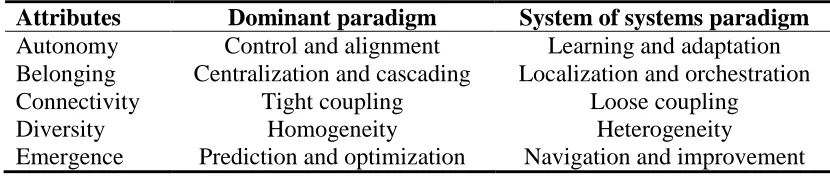
[image:14.595.88.503.376.464.2]implications are summarised in Table 1 and explained in detail in sections below.
Table 1. The dominant and the SoS paradigms in PMM.
Attributes Dominant paradigm System of systems paradigm
Autonomy Control and alignment Learning and adaptation
Belonging Centralization and cascading Localization and orchestration
Connectivity Tight coupling Loose coupling
Diversity Homogeneity Heterogeneity
Emergence Prediction and optimization Navigation and improvement
5.1Autonomy
In the dominant paradigm, PMM practices are characterized by alignment and control.
Although such a view has traditionally provided a basis for efficient resource
allocation, in environments that are characterized by rapid pace of change and high
degree of uncertainty, this view could hinder adaptability which is necessary for
maintaining competitive advantage (McGrath 2013). However, the focus on
integration and alignment prevalent in the PMM literature (Melnyk, Stewart, and
Swink 2004; Hoque 2014) suggests that the dominant PMM paradigm tends to view
In contrast, a SoS perspective would advocate allowing the constituent parts of the
system to have independent purposes and functions. Such configuration would be
based on greater devolvement and autonomy and would prioritize learning and
adaptation over top-down alignment of objectives and behaviours. The corresponding
PMM practices might include allowing different units to identify and manage their
own stakeholders, develop their own performance appraisals and design appropriate
indicators, and set their own compensation and reward policies. For example, in large
conglomerates with various subsidiaries, each unit could develop local indicators and
targets, and performance information may or may not be reported centrally. Within a
supply chain, businesses could decide to develop joint objectives and related
performance indicators, but different performance measurement frameworks could be
utilized internally.
5.2Belonging
In the dominant paradigm, the different components of the system are interrelated and
the organizational structure is highly centralized. For example, key performance
indicators and targets are often designed at the corporate level and then cascaded
down to the business unit, team and individual levels. This integration enables
centralized decision making and the cascading of those priorities to be established at
the top, and assumes that there is an optimal way of assessing performance that is
valid regardless of context. The dominant paradigm thus assumes that the
sub-systems, whether subsidiaries or partners in a network, have limited choice regarding
whether to belong to the overall system.
In a SoS, however, the different sub-systems are meant to address specific
they may not necessarily need to be fully integrated. In a SoS, belonging to the system
that facilitates the emergence of the ‘whole’ is a choice. Depending on the nature of
the performance problem, decisions would need to be made about whether and to
what extent different sub-systems join the larger system. The presence of choice in
turn suggests that leaders may need to focus on orchestrating the functioning of the
SoS through stimulating and coordinating the interactions between the sub-systems
rather than attempting to impose a designed solution by means of central control and
alignment.
While this characteristic of SoS may have limited application within unitary
organizations, it becomes increasingly relevant in settings that bring together
independent units or firms, for example, partnerships, supply chains, or organizational
ecologies. In these contexts, PMM practices may take the form of stakeholder
consultations, organizing joint workshops, and collaborative development of PMM
systems. Such work may be undertaken for specific activities or programmes, for
example performance indicators could be developed jointly by different partners, but
only in relation to a certain project.
5.3Connectivity
The dominant view of PMM assumes that the connections between the different parts
of the system must be designed simultaneously with the design of the parts
themselves. This in turn implies that various sub-systems should be tightly coupled at
all hierarchical levels (Lo et al. 2014). For example, performance measures selected at
the level of the SoS would need to be fully translatable into performance measures at
the level of sub-systems, which would enable efficient cascading throughout levels of
A SoS perspective, instead, would advocate loosely coupled connections among
sub-systems. As sub-systems within a SoS operate within their own environment
which ensures their effectiveness, these sub-systems may need indicators and
scorecards that could be misaligned with those of other sub-systems and with the
overall SoS (Melnyk et al. 2014; Pongatichat and Johnston 2008). PMM practices
may therefore need to focus on establishing a continuous dialogue about performance
within the SoS and using performance information to support this dialogue, rather
than require that performance measures and scorecards of all constituent sub-systems
be tightly integrated and aligned. This approach would be particularly suitable in
networks of organizations with distributed authority, such as airports where various
partners contribute to a diverse set of operations, but pursue divergent objectives.
Here, some common objectives and targets may be introduced, but the majority would
be independent and different.
5.4Diversity
The dominant PMM paradigm favours homogeneity and consistency. From a PMM
viewpoint, performance measures and targets are derived from strategic priorities,
which are defined in advance in the strategic planning process (Melnyk, Stewart, and
Swink 2004; Dror and Barad 2011). While this approach may work in stable and
relatively closed contexts, it also implies that performance information is collected
deductively, i.e., to provide evidence over aspects that are recognised to be important.
In a more dynamic and complex environment, relevant aspects of performance
may not be known in advance, and therefore PMM systems should be able to capture
a wider range of phenomena. For example, different sources of data could be utilized
than to prove hypotheses. Furthermore, a SoS perspective suggests the importance of
managing and evaluating the performance of the whole system taking synergies into
account (e.g., the organization or network of organizations), rather than focusing on
separate units or individuals. Even in presence of common corporate objectives to be
cascaded throughout an organization, heterogeneity should be ensured, as business
units may contribute to the objectives differently. For example, the organization may
have cost reduction as a key priority, but some units may contribute to that more
effectively by increasing customer satisfaction, as it would eventually reduce cost by
diminishing expenditure in advertising and business development. Similarly,
performance indicators may need to be introduced specifically to look for information
that is not immediately relevant but that may represent important weak signals in the
environment (Gimbert, Bisbe, and Mendoza 2010), for example changing trends in
customer preferences or adoption of new technology.
5.5Emergence
The dominant view of PMM has prediction and optimization as ultimate goals. These
goals derive from a planning-based approach to managing performance and require a
substantial degree of foresight on the part of the organization’s leaders. Indeed, tools
such as budgets, forecasts, strategy maps, and ERP systems are based on the belief
that the determinants of success can be known in advance and that management
systems can be optimized to deliver it. On the contrary, the SoS perspective
emphasizes the fact that the system’s functionality and performance are an outcome
of a continuously evolving complex configuration of its constituent parts (Baldwin,
Boardman, and Sauser 2013). Moreover, the precise contribution of these constituent
optimized through the use of control-based PMM practices. In fact, deploying such
practices may produce the opposite results, which is widely documented in the
literature on the unintended consequences of PMM (Kerr 1995; Dahler-Larsen 2014;
Ridgway 1956).
Instead, a PMM view that is congruent with the SoS perspective would provide
managers with the appropriate information at the appropriate times, enabling them to
‘navigate’ (DeLaurentis and Callaway 2004) their way through the multiplicity of
options that they constantly face. The corresponding PMM practices may include
encouraging and evaluating small-scale experimentation and rapid prototyping in
order to observe the system’s response; collecting a wide range of performance data
and actively searching for weak signals in the environment; employing simulation
modelling in order to evaluate probable scenarios; creating an architecture for
performance information that connects key decision makers; and providing training
that is focused on reducing bias and improving the quality of decision making. In
other words, a PMM approach that reflects the emergent nature of a SoS would need
to enable managers to navigate the current situation and make improvements in the
present rather than to predict and optimize a future state.
5.6PMM in practice
This section presents two examples to highlight the differences between a traditional
PMM approach and a SoS-based one.
A typical process for designing a PMM system in a large private firm begins with
the elaboration of a strategy map – usually by the senior management team - that is
linked to the organization’s main priorities and that helps clarify and communicate
number of Key Performance Indicators (KPIs) and targets is created to support the
implementation of the strategy and to help gather relevant information to understand
whether strategic objectives are being achieved. Normally, KPIs included in the
scorecard are cascaded throughout the organization so that the different departments
and functions are aligned with the overarching strategy. These KPIs are then used in
the organization to review and reward performance. From this point of view, PMM is
perceived to be a single, unitary system, whose role is to perform a unique function
not performable by the elements alone (Rechtin 1991). This approach requires
base-level abstraction (e.g., only a few dimensions of performance are meant to capture the
overall work of units, teams and individuals) and multi-level aggregation (i.e., the
sum of the measured performance of all units, teams and individuals equals the whole
organizational performance).
A SoS approach to PMM, however, would call for a different way of developing
and using a PMM system. We illustrate this approach with a set of PMM practices in
an organization that we have studied for over a decade (Neely, Micheli, and Martinez
2006; Bourne and Bourne 2011). This organization is one of the ‘Big Six’ energy
suppliers in the UK and has developed a way of managing performance that parallels
the SoS approach. While the starting point of developing a PMM system in this
organization would still be a corporate level strategy map, the senior management
team would engage a range of stakeholders in order to understand their different
expectations and aims. This exercise led to the creation of a tentative strategy map;
however, its deployment was different. Instead of identifying and cascading a set of
KPIs following a linear and unitary system perspective, the organization focused on
communicating and negotiating the objectives and relationships included in the map
without overly constraining the sub-systems tasked with satisfying the multiple and
diverse stakeholders’ expectations. In this way, the company’s overarching objectives
were agreed and detailed with the three regional businesses. Each regional business
then created its own strategy map integrating the task of supporting the strategic intent
of the company with that of serving the needs of the local stakeholders. Devolved
decisions over how to design and implement business-level strategy maps thus
reflected the autonomy of regional businesses. Many individual indicators were not
routinely reported at corporate level, yet performance information could be collated
across units for specific purposes (e.g., when comparing performance across common
criteria or when implementing standardized processes), thus supporting the
connectivity of the individual business units within the system. Diversity was fostered
by allowing the introduction of different types of KPIs depending on the specific
context the business units were operating in. Finally, despite differences across sites
and operations, the organization reviewed and rewarded performance mainly on the
basis of corporate level results, recognising that performance was an emergent
property generated through the complex interaction of multiple elements within the
system, rather than a simple aggregation of the performance of individuals, teams and
business units.
Supply chains provide another context where the five main attributes of SoS could
also transform the way in which PMM is understood and practiced. Firstly,
organizations within a supply chain could develop a common set of KPIs, but they
could also autonomously create their own indicators to capture their local contexts
and drivers of performance more accurately. On the basis of specific contracts or
projects, the firms could decide whether it would be appropriate and relevant for them
joint effort of managing performance. Depending on the changes in the business
environments or within the organizations, connectivity between the various firms
within a supply chain, and therefore between their PMM systems, could become
looser or tighter. Heterogeneity and diversity in PMM would be very important
aspects, as they would enable individual organizations within the supply chain to test
practices locally and to gather data in various ways. For example, firms closest to the
consumer may choose to concentrate on exploring hidden or potential customer needs
as well as serving the espoused ones. Finally, the performance of the firms within the
supply chain is an emergent property that is inseparable from the operation of the
supply chain as a whole, which means that it has to be assessed and managed
holistically, rather than by focusing on the detail of specific achievements or
functional results.
6. Discussion and Conclusions
This paper has applied the SoS perspective to the dominant paradigm in PMM
research and practice to outline an alternative approach, which regards complexity
and uncertainty as normal features of organizational environments rather than
exceptions to otherwise stable and predictable contexts. Although this new approach
entails significant changes to the way PMM is understood and enacted in
organizations, it has the potential to address many of the limitations of the dominant
paradigm. This section outlines the implications of a SoS-based PMM paradigm and
suggests a number of directions for future research that could clarify its modes of
6.1Implications for practice
A SoS-based paradigm to PMM would have substantial implications for practice. This
paradigm would question the role of PMM systems as primarily monitoring and
controlling mechanisms and favour one which promotes learning and adaptation.
Organizations adopting a PMM approach that does not meet the characteristics of the
dominant paradigm (e.g., with practices that are loosely coupled and measures that do
not appear to be fully aligned across the organization) may actually represent
potential new ways to create flexibility and new knowledge using a more devolved
approach that is better suited to respond to environmental turbulence. Therefore, from
a SoS perspective, assessing the effectiveness of an organization’s PMM system by
traditional implementation criteria (e.g., close links among PMM practices and
alignment between corporate and business unit measures and targets) may be
misleading.
A SoS view of PMM could also have significant implications for top management
teams. Senior managers have traditionally contributed to the design of corporate
PMM system to create consistency and exert power throughout the organization. If
their role is to become more one of orchestrators and coordinators, this may require a
different set of capabilities and a greater involvement in the day-to-day operations. In
other words, as a SoS is dynamic and constantly evolving, managers cannot remove
themselves from operations and, by implication, from PMM itself. Their key
objectives would be to improve performance continuously (rather than maximise it)
and to navigate the complexity of their environments and fine-tune the composition
and functioning of the PMM system. Performance management interventions may
therefore need to take the shape of iterative trial-and-error approaches, pilots, and
implemented large scale initiatives. Moreover, the balance of effort should shift from
the design of PMM systems to their review (Bourne et al. 2002).
The nature of SoS would require information and reporting flows to change. A set
of loosely coupled sub-systems and a diverse range of PMM approaches within a SoS
are likely to bring substantial benefits in terms of variety and richness of information.
However, this presupposes the capacity to reconcile different PMM tools and
processes as well as diverse pieces of information. This will require relinquishing the
focus on uniform standards and measures and instead developing and implementing
processes that would allow heterogeneous insights to be examined and evaluated
meaningfully in relation to each other. Interoperability, which in the dominant PMM
paradigm has often been equated with the ‘single version of the truth’, in a SoS
paradigm would require new decision-making processes that take into consideration
varied and sometimes equivocal information in order to make progress and call for
new tools and techniques that focus on dialogue and sensemaking.
A SoS-based view of PMM may require new ways of evaluating performance and
incentivising behaviours that are congruent with top-level purpose. The emergent
nature of SoS means that performance cannot be attributed to a single cause, person,
or unit. This requires new models for defining and evaluating performance. For
example, compensation and reward practices in SoS may need to be linked more
closely with the performance of the overall system rather than the performance of
constituent sub-systems. This in turn means that individual incentive schemes may
need to give way to profit sharing schemes and similar mechanisms that recognise the
6.2Implications for research: A new research agenda
Adopting a SoS perspective of PMM also has fundamental implications for research
and could establish the basis for a new research agenda. Firstly, the alternative
paradigm calls into question the necessity of designing and implementing effective
PMM systems and managers’ ability to do so. If both the organization and the
environment are complex and rapidly changing, what does ‘design’ or ‘implement’ a
PMM system mean? How will managers be able to design PMM tools when
sub-systems are autonomous and their configuration is constantly evolving? Who may
need to be involved in the process?
Secondly, further research will need to identify and explain the characteristics of
the independent systems that are likely to form a SoS. Most importantly, new research
will be required to extend our knowledge of how these systems are interrelated to
enable the measurement and management of performance (especially in
cross-functional processes and inter-organizational contexts such as supply chains), and
how the different systems are configured to ensure the alignment between strategic
and operational levels1. Recent work on the technical and social controls of PMM
(Smith and Bititci 2017) or previous research on the components of management
control systems (Bedford, Malmi, and Sandelin 2016; Malmi and Brown 2008;
Ferreira and Otley 2009) could form the foundations for these investigations.
Thirdly, given the crucial role of autonomy of the constituent sub-systems within
a SoS, scholars will need to investigate what affects the capacity and functionality of
these systems. Autonomy assumes that the constituent sub-systems learn and adapt,
which means that they cannot be viewed simply as providing additional capacity or
specific functional support. Rather, they can evolve in a way that may either support
or damage the overall SoS. Therefore, it may be useful to examine the role of
sub-systems through analytical lenses provided by the work on capabilities (Foss et al.
2012), which would allow scholars to examine the origin, functionality, and evolution
of individual sub-systems, or absorptive capacity (Zahra and George 2002), which
may enable researchers to understand and estimate a sub-system’s potential to learn.
Fourthly, while SoS are described by five main characteristics, it would be useful
to investigate empirically whether all attributes should be present at the same time or
whether they could vary depending on context. For example, in a unitary
organization, heterogeneity of constituent parts may be appropriate, yet choice
regarding whether to belong to the organization may not be possible. What might be
the implications of selective application of SoS characteristics? Variations in these
characteristics are likely to be associated with different forms of SoS as some
researchers are already proposing (Sauser, Boardman, and Verma 2010; Vaneman and
Jaskot 2013).
Fifthly, empirical research could be expressly conducted in organizations that
operate in highly turbulent contexts and that have developed PMM systems that do
not align with the current dominant paradigm. Which features have they intentionally
changed (e.g., strategic objectives and measures may have become loosely coupled)?
Which PMM practices have been discarded (e.g., annual performance appraisals)
(Cappelli and Tavis 2016)? And how do their PMM systems compare with the one
that would be postulated by the SoS paradigm?
Finally, a SoS-based view of PMM may require alternative or revised research
methods. The use of simulation and modelling, for example, may need do become
the entire system in one direction or another and how the system as a whole may
respond to different initial conditions, rather than trying to discover specific causes of
organizational performance.
7. References
Ackoff, R. 1971. ‘Towards a System of Systems Concepts’. Management Science 17 (11): 661–71.
Akyuz, G.A., T.E. Erkan, G. Arzu Akyuz, and T. Erman Erkan. 2010. ‘Supply Chain Performance Measurement: A Literature Review’. International Journal of
Production Research 48 (17): 5137–55.
Baldwin, C.W., J.T. Boardman, and B.J. Sauser. 2013. ‘Expanding a System of Systems Model with the Schelling Segregation Model’. Systems Research and
Behavioral Science 30: 65–75.
Bedford, D.S., T. Malmi, and M. Sandelin. 2016. ‘Management Control Effectiveness and Strategy: An Empirical Analysis of Packages and Systems’. Accounting,
Organizations & Society 51: 12–28.
Berrah, L., G. Mauris, and F. Vernadat. 2004. ‘Information Aggregation in Industrial Performance Measurement Rationales, Issues and Definitions’. International
Journal of Production Research 42 (20): 4271–93.
Bititci, U., P. Garengo, V. Dörfler, and S. Nudurupati. 2012. ‘Performance
Measurement: Challenges for Tomorrow’. International Journal of Management
Reviews 14 (3): 305–27.
Bititci, U.S, P. Garengo, A. Ates, and S.S Nudurupati. 2015. ‘Value of Maturity Models in Performance Measurement’. International Journal of Production
Research 53 (10): 3062.
Boardman, J., and B. Sauser. 2006. ‘System of Systems - the Meaning of of’. In
IEEE/SMC International Conference on System of Systems Engineering, 1–6.
Bourne, M, and P. Bourne. 2011. Handbook of Corporate Performance Management.
Chichester, UK: Wiley.
Bourne, M., J. Mills, M Wilcox, A. Neely, and K. Platts. 2000. ‘Designing,
Implementing and Updating Performance Measurement Systems’. International
Journal of Operations and Production Management 20 (7): 754–71.
Bourne, M., A. Neely, K. Platts, and J. Mills. 2002. ‘The Success and Failure of Performance Measurement Initiatives: Perceptions of Participating Managers’.
International Journal of Operations and Production Management 22 (11): 1288–
1310.
Bunge, M. 2014. Emergence and Convergence: Qualitative Novelty and the Unity of
Knowledge. Toronto: University of Toronto Press.
Business Horizons 4: 335–47.
Cappelli, P., and A. Tavis. 2016. ‘The Performance Management Revolution’.
Harvard Business Review, no. October.
Chan, H.K. 2011. ‘Supply Chain Systems — Recent Trend in Research and Applications’. IEEE Systems Journal 5 (1): 2–5.
Chanand, H.K., and F.T.S. Chan. 2009. ‘Effect of Informationsharing in Supply Chains with Flexibility’. International Journal of Production Research 47 (1): 213–32.
Chandler, A. 1977. The Visible Hand. Cambridge, Mass: The Belknap Press of Harvard University Press.
Cross, K.F., and R.L. Lynch. 1989. ‘The SMART Way to Define and Sustain Success’. National Productivity Review 9 (1): 23–33.
Dahler-Larsen, P. 2014. ‘Constitutive Effects of Performance Indicators: Getting
beyond Unintended Consequences’. Public Management Review 16 (7): 969–86.
Danese, P., and P. Romano. 2012. ‘Relationship between Downstream Integration, Performance Measurement Systems and Supply Network Efficiency’.
International Journal of Production Research 50 (7): 2002.
DeLaurentis, D.A., and S. Ayyalasomayajula. 2009. ‘Exploring the Synergy between Industrial Ecology and System of Systems to Understand Complexity a Case Study in Air Transportation’. Journal of Industrial Ecology 13 (2): 247–63. DeLaurentis, D.A., and R. Callaway. 2004. ‘A System-of-Systems Perspective for
Public Policy Decisions’. Review of Policy Research 21 (6): 829–38.
Dossi, A., and L. Patelli. 2010. ‘You Learn from What You Measure: Financial and
Non-Financial Performance Measures in Multinational Companies’. Long Range
Planning 43 (4): 498–526.
Dror, S., and M. Barad. 2011. ‘House of Strategy (HOS): From Strategic Objectives to Competitive Priorities’. International Journal of Production Research 44 (18– 19): 3879–95.
Ferreira, A., and D.T. Otley. 2009. ‘The Design and Use of Performance Management
Systems: An Extended Framework for Analysis’. Management Accounting
Research 20 (4): 263–82.
Fitzgerald, L., R. Johnston, S. Brignall, R. Silvestro, and C. Voss. 1991. ‘Performance Measurement in Service Businesses’. London, UK.
Foss, N. J., K.H. Heimeriks, S. Winter, and M. Zollo. 2012. ‘A Hegelian Dialogue on the Micro-Foundations of Organizational Routines and Capabilities’. European
Management Review 9: 173–197.
Franco-Santos, M., M. Kennerley, P. Micheli, V. Martinez, S. Mason, B. Marr, Dina Gray, and Andrew Neely. 2007. ‘Towards a Definition of a Business
Performance Measurement System’. International Journal of Operations &
Production Management 27 (8): 784–801.
Gimbert, X., J. Bisbe, and X. Mendoza. 2010. 'The role of performance measurement systems in strategy formulation processes', Long Range Planning 43(4): 477-497.
Glassman, R.B. 1973. ‘Persistence and Loose Coupling in Living Systems’. Systems
Research and Behavioral Science 18: 83–98.
Gorod, A., S.J. Gandhi, B. Sauser, and J. Boardman. 2008. ‘Flexibility of System of Systems’. Global Journal of Flexible Systems Management 9 (4): 21–31. Hanson, J.D., S. Melnyk, and R. Calantone. 2011. ‘Defining and Measuring
Alignment in Performance Management’. International Journal of Operations
and Production Management 31 (10): 1089–1114.
Hoque, Z. 2014. ‘20 Years of Studies on the Balanced Scorecard: Trends, Accomplishments, Gaps and Opportunities for Future Research’. British
Accounting Review 46 (1): 33–59.
Ittner, C.D., and D.F. Larcker. 2003. ‘Coming up Short on Nonfinancial Performance Measurement’. Harvard Business Review 81 (11): 88–95.
Ittner, C.D., D.F. Larcker, and T. Randall. 2003. ‘Performance Implications of Strategic Performance Measurement in Financial Services Firms’. Accounting,
Organizations and Society 28 (7–8): 715–41.
Johnson, H.T. 1981. ‘Toward a New Understanding of Nineteenth-Century Cost Accounting’. The Accounting Review 56 (3): 510–18.
Johnson, H.T., and R.S. Kaplan. 1987. Relevance Lost – The Rise and Fall of
Management Accounting. Boston, MA: Harvard Business School Press.
Kaplan, R.S., and D.P. Norton. 2000. ‘Having Trouble with Your Strategy? Then Map It.’ Harvard Business Review 78 (5): 167–76, 202.
———. 2008. The Execution Premium. Boston, MA: Harvard Business School Press.
Kaplan, R.S., and P.D. Norton. 1996. ‘Linking the Balanced Scorecard to Strategy’.
California Management Review 39 (1): 53–79.
Keating, C., J. Padilla, and K. Adams. 2008. ‘System of Systems Engineering
Requirements: Challenges and Guidelines’. Engineering Management Journal
20 (4): 24–31.
Keating, C., R. Rogers, R. Unal, D. Dryer, A. Sousa-poza, R. Safford, W. Peterson, and G. Rabadi. n.d. ‘System of Systems Engineering’.
Keegan, D.P., R.G. Eiler, and C.R. Jones. 1989. ‘Are Your Performance Measures Obsolete?’ Management Accounting 70 (12): 45–50.
Kerr, S. 1995. ‘On the Folly of Rewarding A, While Hoping for B’. Academy of
Management Executive 9 (1): 7–14.
Kolehmainen, K. 2010. ‘Dynamic Strategic Performance Measurement Systems:
Balancing Empowerment and Alignment’. Long Range Planning 43 (4): 527–54.
Koufteros, X., A. Verghese, and L. Lucianetti. 2014. ‘The Effect of Performance Measurement Systems on Firm Performance: A Cross-Sectional and a Longitudinal Study’. Journal of Operations Management 32 (6): 313–36.
Systems in the Supply Chain'. International Journal of Production Research 53(18): 5484-5499.
Lo, C.K.Y., M. Pagell, D. Fan, F. Wiengarten, and A.C.L. Yeung. 2014. ‘OHSAS 18001 Certification and Operating Performance: The Role of Complexity and Coupling’. Journal of Operations Management 32 (5): 268–80.
Maestrini, V., D. Luzzini, P. Maccarrone, and F. Caniato. 2017. 'Supply Chain Performance Measurement Systems: A Systematic Review and Research Agenda'. International Journal of Production Economics 183: 299-315 Mahmood, A. 2016. ‘“SoS Call” at the Other Edge of Chaos’. Journal of Systems
Science and Complexity 29 (1): 133–50.
Maier, Mark W. 1998. ‘Architecting Principles for Systems-of-Systems’. Systems
Engineering 1 (4): 267–84.
Malmi, T., and D.A. Brown. 2008. ‘Management Control Systems as a Package-Opportunities, Challenges and Research Directions’. Management Accounting
Research 19 (4): 287–300.
Martinez, V., A. Pavlov, and M. Bourne. 2010. ‘Reviewing Performance: An
Analysis of the Structure and Functions of Performance Management Reviews’.
Production Planning & Control 21 (1): 70–83.
McGrath, R. 2013. ‘Transient Advantage’. Harvard Business Review 91 (6): 62–70.
Melnyk, S.A., U. Bititci, K. Platts, J. Tobias, and B. Andersen. 2014. ‘Is Performance
Measurement and Management Fit for the Future?’ Management Accounting
Research 25 (2). Elsevier Ltd: 173–86.
Melnyk, S.A., D.M. Stewart, and M. Swink. 2004. ‘Metrics and Performance Measurement in Operations Management: Dealing with the Metrics Maze’.
Journal of Operations Management 22 (3): 209–18.
Micheli, P., and L. Mari. 2014. ‘The Theory and Practice of Performance
Measurement’. Management Accounting Research 25 (2). Elsevier Ltd: 147–56. Micheli, P., and M. Mura. 2017. ‘Executing Strategy through Comprehensive
Performance Measurement Systems’. International Journal of Operations and
Production Management.
Micheli, P., and A. Neely. 2010. ‘Performance Measurement in the Public Sector in England: Searching for the Golden Thread’. Public Administration Review 70 (4): 591–600.
Mostafavi, A., D.M. Abraham, D.A. DeLaurentis, and J. Sinfield. 2011. ‘Exploring the Dimensions of Systems of Innovation Analysis: A System of Systems Framework’. IEEE Systems Journal 5 (2): 256–65.
Neely, A. 2005. ‘The Evolution of Performance Measurement Research: Developments in the Last Decade and Research Agenda for the next’.
International Journal of Operations & Production Management 25 (12): 1264–
77.
Neely, A., C. Adams, and M. Kennerly. 2002. The Performance Prism: The
Scorecard for Measuring and Managing Business Success. London, UK: FT
Neely, A., and M. Al Najjar. 2006. ‘Management Learning Not Management Control:
The True Role of Performance Management?’ California Management Review
48 (3): 101–14.
Neely, A., P. Micheli, and V. Martinez. 2006. Acting on Information: Performance
Management for the Public Sector. London, UK: Advanced Institute of
Management Research
Otley, D.T., and A.J. Berry. 1980. ‘Control, Organisation and Accounting’.
Accounting, Organizations and Society 5 (2): 231–44.
Otley, D.T., and K. Soin. 2015. Management Control and Uncertainty. Basingstoke: Palgrave Macmillan.
Pongatichat, P., and R. Johnston. 2008. ‘Exploring Strategy‐misaligned Performance Measurement’. International Journal of Productivity and Performance
Management 57 (3): 207–22.
Rechtin, E. 1991. System Architecting: Creating and Building Complex Systems. Englewood Cliffs, NJ.: Prentice-Hall.
Ridgway, V.F. 1956. ‘Dysfunctional Consequences of Performance Measurements’.
Administrative Science Quarterly 1 (2): 240–47.
Rittel, H.W.J., and M.M. Webber. 1973. ‘Dilemmas in a General Theory of Planning’. Policy Sciences 4 (2): 155–69.
Sauser, B., and J. Boardman. 2008. ‘System of Systems Management’. Engineering
Management Journal 20 (4): 191–217.
Sauser, B., J. Boardman, and D. Verma. 2010. ‘Systomics: Toward a Biology of System of Systems’. IEEE Transactions on Systems, Man, and Cybernetics Part
A:Systems and Humans 40 (4): 803–14.
Smith, M., and U. Bititci. 2017. ‘Interplay between Performance Measurement and
Management, Employee Engagement and Performance’. International Journal of
Operations and Production Management.
Srimai, S., C. Wright, and J. Radford. 2013. ‘A Speculation of the Presence of Overlap and Niches in Organizational Performance Management Systems’.
International Journal of Productivity and Performance Management 62 (4):
364–86.
Svendsen, A.D.M. 2015. ‘Advancing “Defence-in-Depth”: Intelligence and Systems Dynamics’. Defense & Security Analysis 31 (1): 58–73.
Tsan-Ming, C. 2016. Service Supply Chain Systems: A Systems Engineering
Approach. London, UK.: Taylor & Francis Ltd.
Vaneman, W.K., and R.D. Jaskot. 2013. ‘A Criteria-Based Framework for
Establishing System of Systems Governance’. SysCon 2013 - 7th Annual IEEE
International Systems Conference, Proceedings, 491–96.
Weick, Karl E. 1976. ‘Educational Organizations as Loosely Coupled Systems’.
Administrative Science Quarterly 21 (1): 1–19. doi:10.2307/2391875.
Zahra, S.A., and G. George. 2002. ‘Absorptive Capacity: A Review,
Reconceptualization, and Extensio’. Academy of Management Review 27 (2): 185–203.
Zhu, J., and A. Mostafavi. 2014. ‘A System-of-Systems Framework for Performance Assessment in Complex Construction Projects’. Organization, Technology &