DOI: 10.22059/poll.2019.271649.552
Print ISSN: 2383-451X Online ISSN: 2383-4501 Web Page: https://jpoll.ut.ac.ir, Email: [email protected]
Modeling and
Optimization of the Coagulation–Flocculation
Process in Turbidity Removal from Aqueous Solutions Using Rice
Starch
Usefi, S. andAsadi-Ghalhari, M.*
Research Center for Environmental Pollutants, Qom University of Medical Sciences, Qom, Iran
Received: 16.12.2018 Accepted: 29.03.2019
ABSTRACT: Natural coagulants have received much attention for turbidity removal, thanks to their environmental friendliness. The present study investigates potential application of rice starch for removal of turbidity from aqueous solutions. It considers the effects of four main factors, namely settling time (40-140 min), pH (2-8), slow stirring speed (20-60 rpm), and rice starch dosage (0-200 mg/L), each at five levels, by means of central composite design. Results show that a quadratic model can adequately describe turbidity removal in case of non-autoclaved rice starch with statistics of R2= 0.95, R2adj.=
0.91, R2pred.= 0.77, AP = 23.75, and CV = 4.77. It has also been found that the
performance of non-autoclaved rice starch is superior to the autoclaved variety, in terms of removal efficiency and floc size. In the optimal point, predicted by the model, a removal efficiency equal to 98.4% can be attained, using non-autoclaved rice starch, which is higher than that of the autoclaved rice starch (71.29%). The significant effective parameters have proven to be settling time along with pH. Overall, rice starch can be considered a promising high potential coagulant for removal of turbidity from water or wastewater.
Keywords: Rice starch, high turbidity aqueous, response surface methodology.
INTRODUCTION
In addition to the aesthetic problems, turbidity can carry and/or protect water polluting agents such as microorganisms and heavy metals, thus it plays a significant role in overall pollution of water bodies and environmental risks. That is why it has received a great deal of interest to remove these stable material from drinking waters (Jafari Dastanaie et al., 2007; Nasrabadi et al., 2018; Nasrabadi, Ruegner, Sirdari, Schwientek, & Grathwohl, 2016). Coagulation-flocculation is a critical step in water and industrial wastewater
* Corresponding Author Email: [email protected]
sludge volumes, significant impact on pH of treated water, and detrimental effects on human health and environment. To counteract the mentioned drawbacks, it is desirable to replace these chemical coagulants with plant-based ones (Antov, Šćiban, & Prodanović, 2012; Dhivya, Ramesh, Gandhimathi, & Nidheesh, 2017). Nowadays, the degradable coagulant or flocculants, based on recycled materials, are an appropriate alternative to prevent the secondary damages of chemical coagulants on humans and the environment (S. Y. Choy, Prasad, Wu, Raghunandan, & Ramanan, 2014; Genest, Petzold, & Schwarz, 2015). Therefore, recent years have witnessed much attention paid to the feasibility of using natural and eco-friendly flocculating agents to reduce toxicity and treatment costs (Khiari, Dridi-Dhaouadi, Aguir, & Mhenni, 2010).
Natural coagulants have attracted more attention, thanks to their inherent advantages like broad availability, low cost,
non-corrosiveness, environmental
compatibility and degradability, high reactivity, and low sludge production (Huang, Liu, Li, & Yang, 2017; Huang et al., 2016a; Oladoja, 2015; Subramonian, Wu, & Chai, 2014; Wu, Liu, Yang, & Li, 2016; Zia, Zia, Zuber, Kamal, & Aslam, 2015). Cellulose, chitosan, and starch are three main reported natural coagulants used in coagulation processed, either as coagulant or flocculent. The high cost of chitosan and low water solubility of cellulose limit their usage in the treatment process (Du, Wei, Li, & Yang, 2017; Z. Liu, Huang, Li, & Yang, 2017). Starch is an abundant and inexpensive natural polymer in the world, the application of which as a coagulant has received a great deal of interest in turbidity removal from industrial wastewater. Its crystalline structure is disrupted when contacting hot water, which causes irreversible swelling of granules, followed by an increase in the viscosity. This is considered a potential favorite
feature in the process of coagulation and flocculation of highly turbid effluents of industries (S. Y. Choy, K. N. Prasad, T. Y. Wu, M. E. Raghunandan, & R. N. Ramanan, 2016a). On the other hand, rice starch has more advantages than other starches due to its high stability, high acid resistance, and wide range of amylase to amylopectin ratios.
In recent years, many studies have reported the feasibility of applying natural coagulants for turbidity removal; however, the focus in most of these has been on investigation with one-variable-at-a-time (OVAT) methodology (Kukić, Šćiban, Prodanović, Tepić, & Vasić, 2015; Wu et al., 2016), in which the effect of main influential parameters are presented individually with the combined effects of two or more factors not getting investigated at all (Jiang, Joens, Dionysiou, & O'Shea, 2013). For these reasons, multivariate statistical strategies are more preferable to their traditional counterparts, as it identifies a combination of factors as well as the interactions among them, not to mention the cost- and time-effectiveness of such approaches. Moreover, it introduces a mathematical model to forecast the response, check the model adequacy, and determine the optimal settings for a specified response (Bingöl, Hercan, Elevli, & Kılıç, 2012; Foroughi et al., 2017; Shokoohi et al., 2017). Central Composite Design (CCD) may be considered the most appropriate subgroup of RSM. This strategy is able to estimate the parameters of quadratic model, construct sequential designs, recognize lack of fit, and use the blocks (Samarghandi, Khiadani, Foroughi, & Nasab, 2016). Thus, it has received a wide application for assessment of critical experimental conditions even in water and wastewater treatment (Folens, Huysman, Van Hulle, & Du Laing, 2017; Mourabet et al., 2012).
Pollution, 5(3): 623-636, Summer 2019
starch has been employed in two forms (non-autoclaved and (non-autoclaved) for coagulation of highly turbid water. Afterwards, the governed behavior of the process, contributing to the main effective parameters has been modeled and optimized via CCD approach.
MATERIAL AND METHODS
All the chemicals used in this work were of analytical grade. Kaolin powder (Sigma-Aldrich, USA) was employed to simulate turbidity in the studied samples, with rice starch (Sigma Aldrich, USA) utilized as the natural coagulant in both autoclaved and non-autoclaved forms. The pH of samples was adjusted at 1 M HCl or NaOH solutions (Merck, Germany) and monitored with a SevenEasy pH meter (Mettler Toledo, Germany). Turbidity of the samples was measured, using a turbidimeter (AL250T-IR, Aqualytic, Germany). Scanning electron microscopy (FE-SEM, Hitachi S-4160, Japan) was employed to achieve detailed information on rice starch morphology before and after treatment of the turbidity-containing solution.
To evaluate the effect of gelatinization, starch was used in non-autoclaved and autoclaved forms so that the coagulant solutions could be obtained at a concentration of 3%. Non-autoclaved starch solution (NSS) was used directly (without any pre-processing) at the mentioned concentration. Autoclaved starch solution (ASS) was prepared by starch sterilization at 121 ℃ and 21.7 bar for 15 min. In order to prevent the solutions’ hydration along with any other adverse interventions in the results, they were prepared freshly for each set of experimentations.
Turbidity-containing wastewater was prepared using kaolin powder (Sigma-Aldrich) as stated in detail elsewhere (Foroughi, Chavoshi, Bagheri, Yetilmezsoy, and Samadi, 2018). To put it briefly, 10 g of the powder was dehydrated at 105ºC over a 3-hour period, then to get dissolved in 50 mL
of deionized water and stay at room temperature for 24 h. The suspension volume then reached 1 L, got completely agitated for 20 min, and was allowed to settle for an additional 4 h. Ultimately, almost 1 L of the supernatant was decanted as turbidity stock solution, stored in refrigerator for further experiments.
The study then examined the impacts of main effective parameters on removal of turbidity from aqueous solutions, using rice starch as a natural coagulant. Flocculation-coagulation process was modeled and optimized by considering four main effective parameters, i.e. rice starch dosage (mg/L), pH, time (min), and speed (rpm), each measured at five levels, using a central composite design (CCD). In general, CCD contains three main points, including a two-level factorial design as lower and upper bounds (coded ± 1), axial or star points (coded ± α), and several replications of the central point (coded 0) (Witek-Krowiak, Chojnacka, Podstawczyk, Dawiec, & Pokomeda, 2014). The α-value is the radius of the circumscribed sphere, which depends on the number of factors. In this study, it was 2, as calculated by Equation 1. The central points helped estimating the pure error as well as checking the model adequacy (Dong, Bortner, & Roman, 2016; Nair & Ahammed, 2015). The number of experiments in CCD approach got calculated according to Equation 2:
14
α Nf (1)
f
0
N2 2f C (2)
where Nf indicates on the number of factors, and k and C0 stand for the factorial and replicate number of the central point, respectively, (Said & Amin, 2016).
USA) used to design of the experiments and analyze the data. Table. 1 gives the variables and their levels in both coded and actual terms. The quadratic polynomial model (Equation. 3) was employed to correlate the response and operational factors.
1 2 0
1 1 1 1
Y
k i i
k ii i
k k i i ji i i j i
b b X b X βb X X ε (3)
where Y is the predicted response from the model (turbidity removal (%)); Xi and Xj,
the independent parameters; 0, the constant coefficient; and i, ii, and ij; the linear, quadratic, and interactions coefficients of the model, respectively. Also ε refers to the prediction error and k
indicates the number of factors.
Models' adequacy and input parameters' effect on the responses was checked through analysis of variance (ANOVA) via statistical evaluation of p-value and F-value of the regression coefficients at 95 % confidence interval. Moreover, the fitness quality of the developed model was assessed by the coefficient of determination (R2), adjusted coefficient of determination (R2adj), adequate
precision (AP), and coefficient variation (CV). The interaction between independent factors and their respective effect on the response was visualized by three-dimensional response surface plots.
Table 1. Coded and actual values of numeric factors for NSS and ASS
Original factors Coded levels
- α -1 0 +1 +α
(A) Time, min 40 45 90 95 140
(B) pH 2 3.5 5 6.5 8
(C) Speed, rpm 20 30 40 50 60
(D) Starch dosage, mg/L 0 50 100 150 200
The coagulation and flocculation experiments were carried out, using a six-beaker jar-test apparatus (Aqualytic). For all jar-test studies, the procedure sequence was comprised of 60 s for rapid mixing at 120 rpm, 120 s for slow mixing at various speeds (viz. 20, 30, 40, 50, and 60 rpm),
and different settling periods (viz. 40, 45, 90, 95, and 140 min) with no disturbance. In different tests, rice starch dosage (mg/L), pH, time (min), and speed (rpm) varied at different levels with Table 1 listing the values. Thirty-three tests were performed, based on CCD matrix for either autoclaved or non-autoclaved starch coagulants. For each experiment, as much as 500 mL of wastewater with a fixed turbidity of 170 NTU was introduced to each beaker, adjusted for pH, then to get mixed rapidly once a desired dosage of rice starch was added to it, so that it could be flocculated at a given time. After each test, about 20 mL of the supernatant was taken from 5 cm below the sample surface and measured for final turbidity concentration without more preparation process (e.g., filtration or centrifugation). The performance of each run was described by removal efficiency, calculated via Equation 4 (Rahmani, Foroughi, Noorimotlagh, and Adabi, 2016). All the experiments were conducted at the laboratory temperature.
fi
Tur
% 1 100
Tur
RE (4)
where, RE is the removal efficiency (%) and Turi and Turf are the initial and final
turbidity concentrations (NTU),
respectively.
RESULTS AND DISCUSSION
Pollution, 5(3): 623-636, Summer 2019
Table 2.CCD matrix and observed and predicted responses for NSS and ASS
Run no. Time (min) pH Speed (rpm) Dose (mg/L)
ASS NSS
Observed values (%) Predict values (%)
Observed values
(%)
Predict values
(%)
1 115 3.5 30 150 69.27 70.17 77.72 78.70
2 65 6.5 30 150 57 57.20 48.1 50.85
3 90 5 40 100 68.39 69.10 72.17 72.23
4 65 3.5 30 50 68.39 68.05 78.14 77.14
5 90 8 40 100 61.88 63.56 56.27 54.33
6 65 6.5 50 50 70.37 67.89 53.74 54.82
7 90 5 40 0 63.29 65.83 62.27 67.87
8 90 5 40 100 69.47 69.10 68.37 72.23
9 115 6.5 30 150 65.27 65.54 55.64 56.83
10 90 5 40 100 71.29 69.10 71.52 72.23
11 65 6.5 30 50 61.43 61.72 65.15 61.74
12 90 5 60 100 69.29 71.46 67.37 68.90
13 90 5 40 100 69.39 69.10 73.62 72.23
13 90 5 40 100 68.62 69.10 70.37 72.23
14 40 5 40 100 64.9 65.20 59.61 61.05
15 90 5 40 100 69.92 69.10 75.8 72.23
16 65 3.5 50 50 71.23 71.03 78.45 76.49
17 90 5 40 200 63.52 62.76 68.86 65.58
18 115 6.5 30 50 69.02 67.26 60.68 64.96
19 115 6.5 50 50 69.85 69.83 71.37 69.17
20 90 5 40 100 67.25 69.10 68.62 72.23
21 90 5 40 100 67.31 69.10 70.24 72.23
22 115 3.5 30 50 68.9 68.84 73.61 70.89
23 65 3.5 50 150 69.51 69.68 84.58 82.34
24 115 3.5 50 150 69.9 69.67 87.35 89.97
25 90 5 20 100 66.21 65.80 63.84 64.54
26 90 5 40 100 69.88 69.10 74.41 72.23
27 115 6.5 50 150 69.47 68.22 58.8 61.84
28 90 2 40 100 71.25 71.34 93.7 97.87
30 65 3.5 30 150 66.49 66.58 80.76 82.20
31 65 6.5 50 150 63.37 63.48 42.8 44.73
32 140 5 40 100 69.25 70.74 70.78 71.90
33 115 3.5 50 50 70 68.22 82.05 81.37
YNSS = +71.68 + 4.82 A -21.77 B +2.20 C - 1.19 D +9.47 AB + 11.12 AC + 2.76 AD
- 6.26 BC -15.94 BD +0.82 CD -5.92 A2 + 3.87 B2 - 5.51 C2 - 5.55 D2 (5)
YASS = + 69.06 + 2.72 A - 3.89 B + 2.84 C - 1.54 D + 4.75 AB - 3.60 AC + 2.80 AD
+ 3.19 BC - 3.05 BD + 0.13 CD - 1.14 A2 - 1.65 B2 - 0.46 C2 - 4.81 D2 (6)
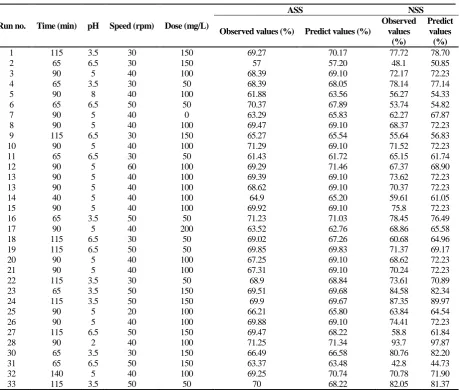
Table 3 summarizes the results of ANOVA test for the two coagulants. The F-test and p-value were applied in order to measure the significance of the regression coefficients of each model and their corresponding terms were considered more significant in larger absolute F-value and smaller p-value. With a Fisher’s F-value equal to 24.49 and 8.66 for NSS and ASS, respectively, along with p-value < 0.0001 for both, the models found to be significant. Besides, Lack of fit (LOF) was
The models’ prediction efficiency was evaluated by the correlation coefficient (R2) that were fairly high (0.95 and 0.87 for NSS and ASS, respectively) to ensure a good correlation between the models’ predicted and obtained values. On the one hand, close agreement of R2 with R2adj. values (0.91 and 0.77, for NSS and ASS, respectively) indicated little chance of including insignificant terms in the models. On the other hand, R2pred. was in reasonable agreement with R2adj. only for NSS model (0.77) but not for ASS one (0.42). Adequate Precision (AP) indicates range of the forecasted values to their average standard deviation and in an appropriate model should stay above 4 (Foroughi, Chavoshi, et al., 2018). AP values of 23.75 and 13.25 for NSS and ASS, respectively, ensured that the models could be employed for navigation within the design space. Precision and repeatability of the models were checked by the coefficient of variance (CV), which as a matter of fact represents the ratio of the standard deviation to the average (Nair & Ahammed, 2015). For a reproducible model, the CV should be below 10%. Here, CV values were 4.77
and 2.37 for NSS and ASS models, respectively, indicative of their reproducibility.
The models’ adequacy was also evaluated by means of residuals-based diagnostic plots. In fact, residuals are different between the observed and forecasted responses and should be applied to navigate a model adequacy along with ANOVA (Foroughi, Rahmani, et al., 2018). Accordingly, distribution of the data was evaluated by normal probability plots (Fig. 1a), which in a minor deviation of the data from the straight line indicated their normality. The residuals versus predicted response plots (Fig. 1b) showed that the points experienced neither an ascending nor a descending trend, which supports the assumption of constant variance. The plots of internally studentized residuals versus
experimental runs demonstrated
independency of the residuals from experimental run order (Fig. 1c). All the presented plots in Fig. 1, revealed that both models were adequate to describe the turbidity removal through response surface methodology.
Table 3.ANOVA results of regression coefficients for turbidity removal by NSS and ASS
Source Sum of Squares df Mean Square F Value
p-value
Prob > F Status
NSS ASS NSS ASS NSS ASS NSS ASS NSS ASS
Model 3742.45 309.14 14 14 267.32 22.08 24.49 8.66 < 0.0001 < 0.0001 significant A-Time 139.39 44.25 1 1 139.39 44.25 12.77 17.35 0.0022 0.0006
B-pH 2843.60 90.68 1 1 2843.60 90.68 260.55 35.56 < 0.0001 < 0.0001 C-Speed 29.04 48.42 1 1 29.04 48.42 2.66 18.99 0.1202 0.0004
D-Dose 8.47 14.18 1 1 8.47 14.18 0.78 5.56 0.3899 0.0299 AB 89.78 22.54 1 1 89.78 22.54 8.23 8.84 0.0102 0.0082 AC 123.77 12.98 1 1 123.77 12.98 11.34 5.09 0.0034 0.0368 AD 7.62 7.83 1 1 7.62 7.83 0.70 3.07 0.4144 0.0968 BC 39.25 10.16 1 1 39.25 10.16 3.60 3.98 0.0741 0.0613 BD 254.08 9.32 1 1 254.08 9.32 23.28 3.65 0.0001 0.0720 CD 0.67 0.02 1 1 0.67 0.02 0.06 0.01 0.8068 0.9372 A^2 66.42 2.45 1 1 66.42 2.45 6.09 0.96 0.0239 0.3399 B^2 28.37 5.14 1 1 28.37 5.14 2.60 2.02 0.1243 0.1727 C^2 57.54 0.41 1 1 57.54 0.41 5.27 0.16 0.0339 0.6949 D^2 58.38 43.79 1 1 58.38 43.79 5.35 17.17 0.0328 0.0006 Residual 196.45 45.90 18 18 10.91 2.55
Lack of Fit 143.88 32.26 10 10 14.39 3.23 2.19 1.89 0.1396 0.1891 not significant Pure Error 52.57 13.64 8 8 6.57 1.71
Cor Total 3938.90 355.04 32 32
R2 = 0.95; 0.87, R2adjusted = 0.91; 0.77, R 2
Pollution, 5(3): 623-636, Summer 2019
(a)
(b)
(c)
Fig. 1. Residual plots: a) normal probability, b) residuals versus predicted, and c) residuals versus runs for removal of turbidity using NSS (left) and ASS (right)
Design-Expert® Software NSS
Color points by value of NSS:
93.7
42.8
Externally Studentized Residuals
N o rm a l % P ro b a b ili ty
Normal Plot of Residuals
-3.00 -2.00 -1.00 0.00 1.00 2.00 1 5 10 20 30 50 70 80 90 95 99 Design-Expert® Software ASS
Color points by value of ASS:
71.29
57
Externally Studentized Residuals
N o rm a l % P ro b a b ili ty
Normal Plot of Residuals
-3.00 -2.00 -1.00 0.00 1.00 2.00 3.00 1 5 10 20 30 50 70 80 90 95 99 Design-Expert® Software NSS
Color points by value of NSS: 93.7 42.8 Predicted E xt e rn a lly S tu d e n tize d R e si d u a ls
Residuals vs. Predicted
-4.00 -2.00 0.00 2.00 4.00
40 50 60 70 80 90 100
3.77363
-3.77363 0
Design-Expert® Software ASS
Color points by value of ASS: 71.29 57 Predicted E xt e rn a lly S tu d e n tize d R e si d u a ls
Residuals vs. Predicted
-4.00 -2.00 0.00 2.00 4.00
55 60 65 70 75
3.77363
-3.77363 0
Design-Expert® Software NSS
Color points by value of NSS: 93.7 42.8 Run Number E xt er na lly S tu de nt ize d R esi du al s
Residuals vs. Run
-4.00 -2.00 0.00 2.00 4.00
1 5 9 13 17 21 25 29 33
3.77363
-3.77363 0
Design-Expert® Software ASS
Color points by value of ASS: 71.29 57 Run Number E xt e rn a lly S tu d e n tize d R e si d u a ls
Residuals vs. Run
-4.00 -2.00 0.00 2.00 4.00
1 5 9 13 17 21 25 29 33 3.77363
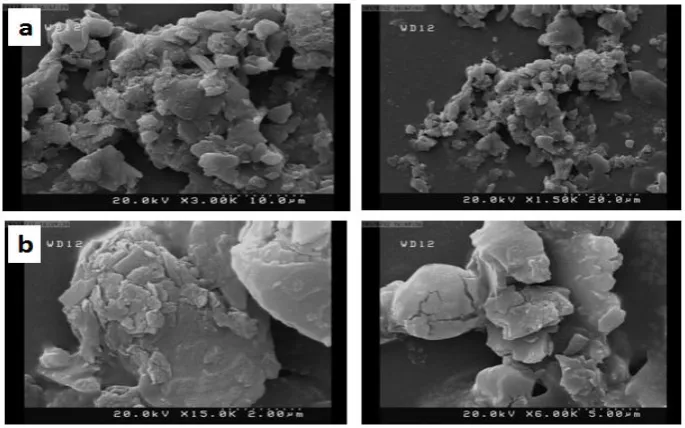
Fig. 2 illustrates SEM photographs of ASS and NSS stocks. Figs. 2a and 2b show that autoclaved starch molecules swelled as a result of water absorption, leading to an increase in their viscosity. In contrast, NSS showed a smooth, non-porous surface. As evident in Fig. 2c, the non-autoclaved starch was insoluble in water; its particles, getting deposited after a while.
Fig. 3 demonstrates the settled flocs of NSS and ASS. Comparison of two coagulants types in terms of floc formation shows that although the performance of both was excellent at similar conditions, the flocs of NSS were larger and better
than ASS, supporting better efficiency of NSS for removal of the initial turbidity from wastewater (Fig. 3b). This uniformity and larger surface area of the flocs led to more collisions with turbidity particles and, therefore, better performance of NSS. SEM images did not show any significant change in the structure of either non-autoclaved or non-autoclaved starch solutions; only the latter was slightly crystallized due to water absorption. It seems that the adhesive properties of starch were much more important to eliminate the initial turbidity than its crystallization (S. Y. Choy et al., 2016a).
Fig. 2. SEM images of (a and b) ASS and (c) NSS
Pollution, 5(3): 623-636, Summer 2019
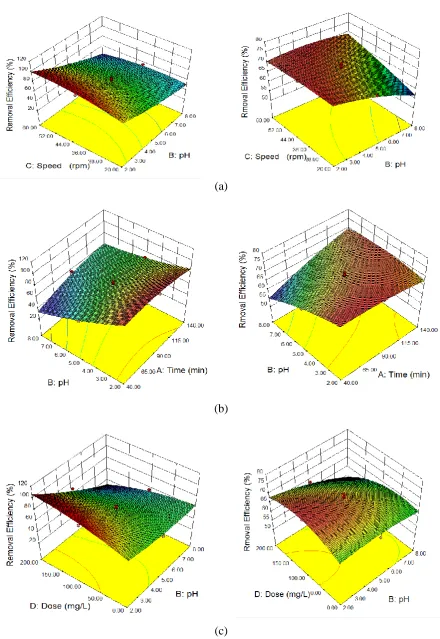
Figure 4 shows the relation between the studied variables and turbidity removal by NSS and ASS. As can be seen from this figure, turbidity removal got improved by decreasing pH, and increasing time, speed, and the coagulant dose for both forms of the used coagulants. It should be noted that more satisfied statistics and no need for pre-processing of the coagulant, turned NSS to an interesting option, compared to ASS. Therefore, the rest of this paper will discuss the results of NSS coagulant.
In general, coagulation is a highly pH-dependent process among different units employed in water/wastewater treatment. In this study, the use of rice starch as coagulant at low pHs resulted in maximum turbidity reduction (Fig. 4a), which can be contributed to pH effect on surface charges of both coagulant and pollutant. It seems that neutralization of the negatively-charged turbidity particles improved significantly at acidic pHs, leading to improvement of their destabilization and flocculation. On the other hand, negatively-charged groups on the coagulant were also protonated and neutralized in acidic pHs (Shamsnejati, Chaibakhsh, Pendashteh, & Hayeripour, 2015).
Depending on the type of coagulant, an effective coagulation can result from one of the following mechanisms or their combination: charge neutralization, adsorption, entrapment/sweep flocculation, and/or bridging. The latter plays the main role in coagulation when natural polymers and organic colloids are used as coagulant or coagulant aid, specifically in acidic environments. In fact, an inter-particle bridging mechanism is expected through the adsorption of polymer onto surface sites on the particle via hydrogen bonding. In this welcomed phenomenon, bridges also entrap bind multiple colloids together. The high molecular weight of polymers and their long chain length is favorite for bridging or attachment to a greater number of particles. Therefore, an effective
depended on overall coagulant dose instead of coagulation condition. This would be due to a constant turbidity value in this study. Since bridging mechanism can be improved at high concentrations of turbidity (Association & Edzwald, 2010), while in fixed values the reactions cannot show any dramatic change. No significant effect of slow mixing rate (p-value = 0.12) indicates that the process can be performed at lower levels of the speed range that is important from operational, economic, and retention time perspectives.
- By defining all parameters within their studied ranges as well as turbidity removal (%) at the maximum value, the optimum condition for NSS was introduced, using desirability function (DF) approach as follows: settling time = 60 min, pH = 2.37, slow stirring speed = 37 rpm, and dosage = 113
(mg/L). At that optimal point, turbidity removal was predicted 94.8%, being much higher than the turbidity removal efficiency of 50% reported by Yan Choy et. al. (S. Y. Choy et al., 2016a) who used autoclaved rice starch with the conventional method. However, in real situations where the natural pH values are dramatically far from the one, introduced above (pH of 2.37), this may not be applicable. That is why the optimal points were redefined while considering pH at the normal range of 5-8. Hence, the optimum conditions were found to be as follow: settling time = 130 min, pH = 5.00, slow stirring speed = 56 rpm, and dosage = 110 mg/L with a desirability of about 0.8, which can achieve a removal efficiency of 70.17%.
Table 4. Comparison of the obtined results and other plant-based reported coagulants on turbidity removal from water *
Plant-based
coagulants Operating conditions
Coagulant dose
Initial turbidity concentration
Removal
efficiency (%) Reference
Rice, wheat, corn, and potato starches
pH = 4 – 10, 2 min for coagulation process at 100 rpm, 20 min for flocculation at 40 rpm, and 30 min
for sedimentation
0 – 600
mg/L 165 ± 5 NTU 86.07
(S. Y. Choy, K. N. Prasad, T. Y. Wu, M. E. Raghunandan, & R. N. J. E. E.
Ramanan, 2016b)
Dual-function starch-based flocculants
pH = 2 – 11 , 5 min for coagulation process at 200 rpm, 15 min for flocculation at 50 rpm, and 60 min
for sedimentation
0 – 8 mg/L (optimum value = 5
mg/L)
given as kaolin
(0.1 wt%) 99.1
(Huang et al., 2016b)
seed extracts horse chestnut and common
oak acorn
pH = 3 – 10, 1 min for coagulation process at 200 rpm, 30 min for flocculation at 80 rpm, and 1 h for
sedimentation
0 – 3
mL/L 17.5 – 70 NTU 70 and 80
(Šćiban, Klašnja, Antov,
& Škrbić, 2009)
common bean: Phaseolus vulgaris
pH = 7 – 9, 2 min for coagulation process at 200 rpm, 30 min for flocculation at 80 rpm, and 1 h for
sedimentation
0.5 – 2
mL/L 35 NTU 72.3
(M. G. Antov, M. B. Šćiban, & N. J. J. B. t. Petrović, 2010)
Non-autoclaved starch
pH = 2 – 8,
1 min for coagulation process at 120 rpm, 20 min for flocculation at
20-60 rpm, and 40-140 min for sedimentation.
0-200
mg/L 170 NTU
94.8 for pH =2.37,
70.17 for pH =5
This study
*
Pollution, 5(3): 623-636, Summer 2019
Fig. 4. 3D-surface plots on relation between contributed factors and turbidity removal by (a) NNS (left side) and (b) ASS (right side)
(a)
(b)
CONCLUSION
The present study dealt with the performance of autoclaved and non-autoclaved forms of rice starch as coagulant for highly turbid solutions. The Central Composite Design (CCD) was applied to evaluate the effect of the coagulants’ dosage, pH, settling time, and slow mixing speed on the effectiveness of coagulation and flocculation process. The main conclusions of this study can be categorized as follow:
- Non-autoclaved rice starch could effectively coagulate highly turbid waters. In optimum conditions (i.e., settling time = 60 min, pH = 2.37, slow stirring speed = 37 rpm, and dosage = 113 mg/L), more than 94% of turbidity could be removed. By adjusting pH within the range of 5-8 (as the normal range in water bodies) at the optimization process of the model, the values will be as follows: settling time = 130 min, pH = 5.00, slow stirring speed = 56 rpm, and dosage = 110 mg/L, with a desirability of about 0.8, which can achieve a removal efficiency of 70.17%.
- The used coagulant does not need to get pre-processed, meaning no more cost, time, and energy consumption. Non-autoclaved form of rice starch showed a similar pattern of effectiveness and even better performance, compared with its autoclaved counterpart in terms of efficiency, statistics, floc size, and consistency;
- The behavior of the process when NSS was applied fit well with the quadratic model, the statistics of which was R2= 0.95, R2adj.= 0.91, R2pred.= 0.77, AP = 23.75, and CV = 4.77, showing that the response surface method can successfully be used to model and optimize the coagulation and flocculation process
by means of rice starch as a coagulant.
All in all, rice starch can be take into account as an environmentally friend, cost effective, natural, and accessible material for (waste)water treatment purposes, especially when applied in coagulation. However, more studies are needed to pay on the real turbidity-containing samples, at both low and high concentrations, the latter being mainly imposed by seasonal overflows. Moreover, the effect of some crucial parameters such as natural organic matters (in forms of humic and fulvic acids), which pose very controversial challenges to water treatment plants especially in fall seasons, should be investigated before scaling up the results. The process also needs to be analyzed economically and compared with the traditional coagulants (e.g. PAC, Alum, etc.) from cost-effectiveness perspective in addition to technical points.
ACKNOWLEDGEMENT
This work was financially supported by Qom University of Medical Sciences (Grant No. 96824).
REFERENCE
Antov, M. G., Šćiban, M. B. and Petrović, N. J. J. B. t. (2010). Proteins from common bean (Phaseolus vulgaris) seed as a natural coagulant for potential application in water turbidity removal. 101(7), 2167-2172.
Antov, M. G., Šćiban, M. B. and Prodanović, J. M. (2012). Evaluation of the efficiency of natural coagulant obtained by ultrafiltration of common bean seed extract in water turbidity removal. Ecological Engineering, 49, 48-52.
Association, A. W. W. and Edzwald, J. K. (2010). Water Quality & Treatment: A Handbook on Drinking Water: McGraw-Hill Education.
Bingöl, D., Hercan, M., Elevli, S. and Kılıç, E. (2012). Comparison of the results of response surface methodology and artificial neural network for the biosorption of lead using black cumin. Bioresource Technology, 112, 111-115.
Pollution, 5(3): 623-636, Summer 2019
Choy, S., Prasad, K., Wu, T. and Ramanan, R. (2015). A review on common vegetables and legumes as promising plant-based natural coagulants in water clarification. International Journal of Environmental Science and Technology, 12(1), 367-390.
Choy, S. Y., Prasad, K. M. N., Wu, T. Y., Raghunandan, M. E. and Ramanan, R. N. (2014). Utilization of plant-based natural coagulants as future alternatives towards sustainable water clarification. Journal of environmental sciences, 26(11), 2178-2189. Choy, S. Y., Prasad, K. N., Wu, T. Y., Raghunandan, M. E. and Ramanan, R. N. (2016). Performance of conventional starches as natural coagulants for turbidity removal. Ecological Engineering, 94, 352-364.
Dhivya, S., Ramesh, S. T., Gandhimathi, R and Nidheesh, P. V. (2017). Performance of Natural Coagulant Extracted from Plantago ovata Seed for the Treatment of Turbid Water. Water, Air, & Soil Pollution, 228(11), 423.
Dong, S., Bortner, M. J and Roman, M. (2016). Analysis of the sulfuric acid hydrolysis of wood pulp for cellulose nanocrystal production: A central composite design study. Industrial Crops and Products, 93, 76-87.
Du, Q., Wei, H., Li, A and Yang, H. (2017). Evaluation of the starch-based flocculants on flocculation of hairwork wastewater. The Science of the total environment, 601, 1628.
Folens, K., Huysman, S., Van Hulle, S and Du Laing, G. (2017). Chemical and economic optimization of the coagulation-flocculation process for silver removal and recovery from industrial wastewater. Separation and Purification Technology, 179, 145-151.
Foroughi, M., Arezoomand, H. R. S., Rahmani, A. R., Asgari, G., Nematollahi, D., Yetilmezsoy, K. and Samarghandi, M. R. (2017). Electrodegradation of tetracycline using stainless steel net electrodes: Screening of main effective parameters and interactions by means of a two-level factorial design. Korean Journal of Chemical Engineering, 34(11), 2999-3008.
Foroughi, M., Chavoshi, S., Bagheri, M., Yetilmezsoy, K. and Samadi, M. T. (2018). Alum-based sludge (AbS) recycling for turbidity removal in drinking water treatment: an insight into statistical, technical and health-related standpoints. Journal of Material Cycles and Waste Management, 1-19.
Foroughi, M., Rahmani, A. R., Asgari, G., Nematollahi, D., Yetilmezsoy, K. and Samarghandi, M. R. (2018). Optimization of a three-dimensional electrochemical system for tetracycline degradation
using box-behnken design. FRESENIUS
ENVIRONMENTAL BULLETIN, 27(3), 1914-1922. Genest, S., Petzold, G. and Schwarz, S. (2015). Removal of micro-stickies from model wastewaters of the paper industry by amphiphilic starch derivatives. Colloids and Surfaces A: Physicochemical and Engineering Aspects, 484, 231-241.
Huang, M., Liu, Z., Li, A. and Yang, H. (2017). Dual functionality of a graft starch flocculant: Flocculation and antibacterial performance. Journal of Environmental Management, 196, 63-71. Huang, M., Wang, Y., Cai, J., Bai, J., Yang, H. and Li, A. (2016a). Preparation of dual-function starch-based flocculants for the simultaneous removal of turbidity and inhibition of Escherichia coli in water. Water research, 98, 128-137.
Huang, M., Wang, Y., Cai, J., Bai, J., Yang, H. and Li, A. J. W. r. (2016b). Preparation of dual-function starch-based flocculants for the simultaneous removal of turbidity and inhibition of Escherichia coli in water. 98, 128-137.
Jafari Dastanaie, A., Nabi Bidhendi, G. R., Nasrabadi, T., Habibi, R., Hoveidi, H. J. I. J. o. E. S. and Technology. (2007). Use of horizontal flow roughing filtration in drinking water treatment. 4(3), 379-382.
Jiang, W., Joens, J. A., Dionysiou, D. D. and O'Shea, K. E. (2013). Optimization of photocatalytic performance of TiO2 coated glass microspheres using response surface methodology and the application for degradation of dimethyl phthalate. Journal of Photochemistry and Photobiology A: Chemistry, 262, 7-13.
Khiari, R., Dridi-Dhaouadi, S., Aguir, C. and Mhenni, M. F. (2010). Experimental evaluation of eco-friendly flocculants prepared from date palm rachis. Journal of environmental sciences, 22(10), 1539-1543.
Kukić, D. V., Šćiban, M. B., Prodanović, J. M., Tepić, A. N. and Vasić, M. A. (2015). Extracts of fava bean (Vicia faba L.) seeds as natural coagulants. Ecological Engineering, 84, 229-232. Liu, T., Chen, Z.-l., Yu, W.-z., Shen, J.-m. and Gregory, J. (2011). Effect of two-stage coagulant addition on coagulation-ultrafiltration process for treatment of humic-rich water. Water research, 45(14), 4260-4268.
Pollution is licensed under a "Creative Commons Attribution 4.0 International (CC-BY 4.0)" (2012). Removal of fluoride from aqueous solution
by adsorption on Apatitic tricalcium phosphate using Box–Behnken design and desirability function. Applied Surface Science, 258(10), 4402-4410.
Nair, A. T. and Ahammed, M. M. (2015). The reuse of water treatment sludge as a coagulant for post-treatment of UASB reactor treating urban wastewater. Journal of Cleaner Production, 96, 272-281.
Nasrabadi, T., Ruegner, H., Schwientek, M., Bennett, J., Valipour, S. F. and Grathwohl, P. J. P. o. (2018). Bulk metal concentrations versus total suspended solids in rivers: Time-invariant & catchment-specific relationships. 13(1), e0191314. Nasrabadi, T., Ruegner, H., Sirdari, Z. Z., Schwientek, M. and Grathwohl, P. J. A. G. (2016). Using total suspended solids (TSS) and turbidity as proxies for evaluation of metal transport in river water. 68, 1-9.
Oladoja, N. A. (2015). Headway on natural polymeric coagulants in water and wastewater treatment operations. Journal of Water Process Engineering, 6, 174-192.
Rahmani, A. R., Foroughi, M., Noorimotlagh, Z. and Adabi, S. (2016). Hexavalent Chromium Adsorption onto Fire Clay. Avicenna Journal of Environmental Health Engineering, 3(1).
Said, K. A. M. and Amin, M. A. M. (2016). Overview on the Response Surface Methodology (RSM) in Extraction Processes. Journal of Applied Science & Process Engineering, 2(1).
Samarghandi, M. R., Khiadani, M., Foroughi, M. and Nasab, H. Z. (2016). Defluoridation of water using activated alumina in presence of natural organic matter via response surface methodology. Environmental Science and Pollution Research, 23(1), 887-897.
Šćiban, M., Klašnja, M., Antov, M. and Škrbić, B. J. B. T. (2009). Removal of water turbidity by natural coagulants obtained from chestnut and acorn. 100(24), 6639-6643.
Shak, K. P. Y. and Wu, T. Y. (2014). Coagulation– flocculation treatment of high-strength agro-industrial wastewater using natural Cassia obtusifolia seed gum: treatment efficiencies and flocs characterization. Chemical Engineering Journal, 256, 293-305.
Shamsnejati, S., Chaibakhsh, N., Pendashteh, A. R. and Hayeripour, S. (2015). Mucilaginous seed of Ocimum basilicum as a natural coagulant for textile wastewater treatment. Industrial Crops and Products, 69, 40-47.
Shokoohi, R., Asgari, G., Leili, M., Khiadani, M., Foroughi, M. and Hemmat, M. S. (2017). Modelling of moving bed biofilm reactor (MBBR) efficiency on hospital wastewater (HW) treatment: a comprehensive analysis on BOD and COD removal. International Journal of Environmental Science and Technology, 14(4), 841-852.
Subramonian, W., Wu, T. Y. and Chai, S.-P. (2014). A comprehensive study on coagulant performance and floc characterization of natural Cassia obtusifolia seed gum in treatment of raw pulp and paper mill effluent. Industrial Crops and Products, 61, 317-324.
Teh, C. Y., Wu, T. Y. and Juan, J. C. (2014). Optimization of agro-industrial wastewater treatment using unmodified rice starch as a natural coagulant. Industrial Crops and Products, 56, 17-26. Witek-Krowiak, A., Chojnacka, K., Podstawczyk, D., Dawiec, A. and Pokomeda, K. (2014). Application of response surface methodology and artificial neural network methods in modelling and optimization of biosorption process. Bioresource Technology, 160, 150-160.
Wu, H., Liu, Z., Yang, H. and Li, A. (2016). Evaluation of chain architectures and charge properties of various starch-based flocculants for flocculation of humic acid from water. Water research, 96, 126-135.
Xiao, F., Simcik, M. F. and Gulliver, J. S. (2013). Mechanisms for removal of perfluorooctane sulfonate (PFOS) and perfluorooctanoate (PFOA) from drinking water by conventional and enhanced coagulation. Water research, 47(1), 49-56.
Yang, R., Li, H., Huang, M., Yang, H. and Li, A. (2016). A review on chitosan-based flocculants and their applications in water treatment. Water research, 95, 59-89.