PDF hosted at the Radboud Repository of the Radboud University
Nijmegen
The following full text is a publisher's version.
For additional information about this publication click this link.
http://hdl.handle.net/2066/150171
Please be advised that this information was generated on 2017-12-05 and may be subject to
change.
IMMUNOMODULATION
IMMUNOMODULATION IN
SEVERE INFECTIONS
Een wetenschappelijke proeve op het gebied van de Medische Wetenschappen
Proefschrift
ter verkrijging van de graad van doctor aan de Radboud Universiteit Nijmegen
op gezag van de rector magnificus, volgens besluit van het college van decanen in het openbaar te verdedigen op vrijdag 8 januari 2016
om 12.30 uur precies door Jenneke Leentjens Geboren op 23 februari 1983 te Kerkrade
IMMUNOMODULATION IN
SEVERE INFECTIONS
ColofonImmunomodulation in severe infections ISBN: 978-94-6259-975-8
The work described in this thesis was performed at the Departments of Intensive Care Medicine and Medicine, Radboud University Medical Centre, Nijmegen, the Netherlands.
Cover design and artwork: Nick Domhof Layout: Nick Domhof
Printed by Ipskamp drukkers © 2015, Jenneke Leentjens, Heesch
All rights reserved. No part of this thesis may be reproduced or transmitted in any form or by any means, electronical or mechanical, including photocopy, recording or otherwise without written permission of the author.
An academic essay in Medical Science
Doctoral Thesis
to obtain the degree of doctor from Radboud University Nijmegen on the authority of the Rector Magnificus, according to the decision of the Counsil of Deans to be defended in public on Friday, January 8, 2016
at 12.30 hours
by
Jenneke Leentjens
Born on February 23, 1983 in Kerkrade (the Netherlands)
IMMUNOMODULATION IN
SEVERE INFECTIONS
Promotoren Prof. dr. P. Pickkers Prof. dr. M.G. Netea Copromotor Dr. M. Kox Manuscriptcommissie Prof. dr. L.B. HilbrandsProf. dr. C.A. Dinarello
And above all, watch with glittering eyes the whole world around you because the greatest secrets are always hidden in the most unlikely places.
- Roald Dahl Supervisors Prof. dr. P. Pickkers Prof. dr. M.G. Netea Co-supervisor Dr. M. Kox
Doctoral Thesis Committee Prof. dr. L.B. Hilbrands
Prof. dr. C.A. Dinarello
Part Three New immunomodulatory approaches
Chapter 7 Gamma-irradiated bacille Calmette-Guerin vaccination does not modulate the innate immune response during experimental human endotoxemia in adult males.
J Immunol Res. 2015; 261864
137
Chapter 8 BCG vaccination enhances the immunogenicity of subsequent influenza vaccination in healthy volunteers: a randomized placebo-controlled pilot study.
J Infect Dis. 2015; Epub 2015/06/12
157
Chapter 9 The effects of orally administered Beta-glucan on innate immune responses in humans, a randomized open-label intervention pilot-study.
PloS one. 2014;9(9):e108794
183
Chapter 10 Summary 203
Chapter 11 General discussion and future perspectives 211
Chapter 12 Nederlandse samenvatting 229
Dankwoord List of Publications Curriculum Vitae
Chapter 1 General introduction, aim and outline of this thesis 13
Part One Immunomodulation as adjunctive treatment for sepsis Chapter 2 Immunotherapy for the adjunctive treatment of sepsis:
from immunosuppression to immunostimulation. Time for a paradigm change?
Am J Respir Crit Care Med. 2013;187(12):1287-93; Partly published in Ned tijdschr geneeskd. 2014;158:A6859
27
Chapter 3 Reversal of immunoparalysis in humans in vivo: A double-blind, placebo-controlled, randomized pilot study.
Am J Respir Crit Care Med. 2012;186(9):838-45
53
Part Two Immunomodulation as adjunctive treatment for opportunistic infections
Chapter 4 Interferon-gamma as adjunctive immunotherapy for invasive fungal infections: a case series.
BMC Infect Dis. 2014;14:166
83
Chapter 5 Interferon-gamma immunotherapy in a patient with refractory disseminated candidiasis.
J Ped Infect Dis. 2015; Epub 2015/09/15
109
Chapter 6 Interferon-gamma immunotherapy in a patient with progressive cerebral Nocardia abscesses.
Submitted
123
IL-1ra IL-1 receptor antagonist
IQR Interquartile range
LPS Lipopolysaccharide
mAB Monoclonal antibodies MAP Mean arterial blood pressure MEB Dutch medicines evaluation board
MFI Mean fluorescent intensity
mHLA-DR HLA-DR expression on monocytes
MOI Multiplicity of infection
MRI Magnetic resonance imaging
mRNA Messenger RNA
MTB Mycobacterium Tuberculosis NK cell Natural killer cell
NLR Nucleotide oligomerization domain-like receptors PAF Platelet activating factor
PAMP Pathogen-associated molecular patterns PBMCs Peripheral blood mononuclear cells
PCR Polymerase chain reaction
PET-CT Positron emission tomography-computed tomography
PD-1 Programmed death-1
PD-L Programmed death-ligand
PHA Phytohaemaglutinnin
PRR Pattern recognition receptors PUFAs Polyunsaturated fatty acids
RCT Randomized controlled trial rhIL-7 Recombinant human IL-7
rIFN-γ Recombinant Interferon-gamma
RNA Ribonucleic acid
sCD163 Soluble haemoglobin scavenger receptor sFas Human soluble Fas
SNP Single nucleotide polymorphism
spp Species
TGF Transforming growth factor
Th-17 T-helper 17
TMP-SMX Cotrimoxazole TNF Tumor necrosis factor TLR Toll-like receptors
TREM-1 Triggering receptor expressed on myeloid cells 1
Tregs T regulatory cells
AUC Area under the curve
AU Arbitrary units
BAL Broncho alveolar lavage BCG Bacille Calmette-Guérin
BG Beta-glucan #300
BMI Body mass index
bpm Beats per minute.
BTLA B and T lymphocyte attenuator
cALL Common acute lymphoblastic leukaemia
cAMP Cyclic adenosine monophosphate
CGD Chronic granulomatous disease
CI Confidence interval
CLR C-type lectin receptors
CSF Cerebrospinal fluid
CTLA Cytotoxic t-lymphocyte antigen
CTMM Center for translational molecular medicine
CMV Cyto megalo virus
CVC Central venous catheter
DAMP Damage-associated molecular patterns EBV Epstein Barr virus
EDTA Ethylenediaminetetraacetic acid
FasL Fas ligand
FasFP Fas-receptor fusion protein FDA Food and drug administration FLT-3L Fms-Like tyrosine kinase-3 ligand
G-CSF Granulocyte-colony stimulating factor
GM-CSF Granulocyte macrophage-colony stimulating factor
GRAS Generally recognized as safe
GWAS Genome-wide association study
H1N1pdm09 Pandemic H1N1
H3-K4me3 H3K4 trimethylation
HIV Human immunodeficiency virus
HLA Human leukocyte antigen
HMGB-1 High-mobility group protein B1
HR Heart rate
ICD Implantable cardioverter-defribillator ICU Intensive care unit
IFN Interferon
IL Interleukin
CHAPTER
1
General introduction,
aim and outline of this thesis
1
GENERAL INTRODUCTION
When invading microorganisms have passed the first hurdle represented by the physical barriers of the host, the innate immune system is responsible for the initial recognition of, and defense against pathogenic microorganisms. In past decades it has become clear that innate immune activation occurs through recognition of recurring structural patterns of microbial components, the so-called pathogen-associated molecular patterns (PAMPs), or through recognition of host molecules released from the extracellular matrix or from damaged or stressed cells, the so-called damage-associated molecular patterns (DAMPs) (1). Examples of PAMPs include endotoxin (lipopolysaccharide [LPS]), lipoproteins, flagellin, fimbriae, peptidoglycans, peptidoglycan-associated lipoproteins, lipoteichoic acid, and bacterial/viral DNA or RNA fragments. Examples of DAMPs include heat-shock proteins, hyaluronic acid, uric acid, HMGB1, and mitochondrial DNA fragments(1). PAMPs and DAMPs are recognized by specific pattern recognition receptors (PRRs) present on innate immune cells such as macrophages, monocytes, and dendritic cells. Binding of a PAMP/DAMP to a PRR results in activation of intracellular signaling cascades that subsequently leads to activation of the innate immune system. In case of infection, a pro-inflammatory response is mounted, which activates and potentiates phagocytosis and/or killing of the pathogen. In case that innate immune defenses do not eliminate the pathogen, a second line of defense is activated. This second line of defense is the adaptive immune response, which becomes prominent after several days and usually leads to strong immunological memory.
Simultaneously with this pro-inflammatory response, an anti-inflammatory response is mounted as well. This response is generally regarded to represent a compensatory mechanism woth two aims: firstly, to prevent the proinflammatory response from derailing uncontrollably and causing extensive tissue damage, and secondly, to restore homeostasis (2). Depending on a number of factors, including pathogen load, pathogen virulence, host comorbidities, and host genetic factors, the magnitude of both responses varies (Figure 1). An adequate pro- and anti-inflammatory immune response will eradicate all pathogens without causing serious harm to the host. However, when an inadequate immune response is
1
suffering from opportunistic infections display a more or less impaired immune system, adjunctive immunotherapy to improve host defence is an attractive strategy to improve patient’s outcome.
Secondary infections in sepsis patients
A recently discovered particular cause of secondary immunodeficiency is sepsis. Sepsis is defined as systemic inflammation caused by an infection. In combination with hypoperfusion or dysfunction of at least one organ system, a diagnosis of severe sepsis is made (6). If hypotension or signs of hypoperfusion occur and persists despite adequate fluid therapy, the patient is in septic shock (6). Conservative estimates of the incidence of sepsis are 20 million cases per year worldwide, accounting for more casualties than breast cancer, lung can cer, and prostate
cancer combined (7). Especially septic shock is associated with high mortality rates, not only in immune compromised patients, but also in previously healthy patients with an adequate immune system. It was thought for decades that septic patients succumb to an uncontrolled pro-inflammatory immune response to invading microorganisms, resulting in multi-organ failure and death induced by hyperinflammation. However, in recent years it has become clear that the vast majority of septic patients do not die from the initial pro-inflammatory hit, but at a later time point in an immunocompromised state which reduces the patient’s ability to eradicate the initial infection, and/or renders them more vulnerable to secondary infections (8, 9). This is probably the main reason behind the fact that all clinical trials that investigated anti-inflammatory strategies in patients with sepsis have failed to achieve a significant reduction in important endpoints such as mortality, hospital length of stay, or occurrence of secondary infections. Therefore, adjunctive immunotherapy to improve host defense appears to represent a valid and promising strategy to improve outcome of septic patients.
Primary infections in otherwise healthy subjects
In addition to the described opportunistic infections in immune compromised patients, no antimicrobial therapy is currently available for some pathogens (especially viruses: e.g. influenza virus), and in these patients life-threatening infections can develop even with an adequate immune response. For instance, mounted (e.g. due to a suppressed immune system) serious infections may occur.
For example, sepsis patients were thought to succumb to an overwhelming pro-inflammatory response. However, numerous trials have failed to improve outcome by dampening the pro-inflammatory immune response in these patients, and recently subsequent suppression of the immune system was identified to be the overriding immune dysfunction. In these cases, increasing the effectiveness of the immune response is a promising approach to prevent or combat life-threatening secondary infections.
This thesis describes the effects of several immune stimulatory compounds on the immune response of humans following severe bacterial, fungal or viral infections in pre-clinical and clinical studies. In the remainder of this introduction the pathophysiology of infectious disease-specific immune dysfunction will be discussed. Furthermore, the rationale of the administered immune stimulatory compounds is detailed.
IMMUNE DYSFUNCTION IN INFECTIOUS DISEASES
Opportunistic infections in patients with a suppressed immune system
Some patients have genetic defects in their immune system (so-called “primary or inherited immunodeficiency”), but most in most cases, immunodeficiency is acquired and caused, among others, by administration of immunosuppressive agents, chemotherapy, and bone marrow diseases (so-called “secondary immunodeficiency’s”). Many patients with immunodeficiency’s (either primary or secondary) are particularly vulnerable to pathogens that usually do not cause infections in patients with a healthy immune system (so-called “opportunistic infections”) (3, 4). The incidence of opportunistic infections is steadily increasing due to more frequent use of invasive medical procedures and immunosuppressive treatment modalities. Furthermore, despite development of new classes of antimicrobial agents, opportunistic infections remain associated with unacceptable high mortality rates (5). As such, new treatment modalities to treat or prevent opportunistic infections are highly warranted. Because all patients
1
influenza virus infection is a global problem which annually affects an estimated 5%–10% of adults and 20%–30% of children. The influenza epidemics are estimated to result in about 3 to 5 million cases of severe illness worldwide, and account for approximately 500.000 deaths annually (10). The magnitude and quality of the vaccination-induced antigen-specific antibody titers is considered to be the primary correlate of protection against influenza infection (11, 12), although protective antibody titers are often not reached, especially not in the elderly (13). Moreover, various studies suggest that cellular immunity is likely to play a significant role in pathogen clearance as well, directly and through indirect effects on antibody responses (14, 15). Also in these cases, potentiating the immune response is an attractive strategy to improve outcome, which could have enormous socio-economic impact because very large patient groups could benefit.
IMMUNOMODULATORY COMPOUNDS
In spite of the clear rationale, immunostimulatory treatment in infectious diseases is still in its infancy. To date, only a few small studies have investigated the administration of immunostimulatory compounds in patients suffering from life-threatening infectious diseases, but large randomized placebo-controlled clinical trials are lacking. The immunostimulatory compound that has been studied most extensively in the context of opportunistic infections is Interferon-gamma (IFN-γ), which protects against these infections in patients with chronic granulomatous disease (CGD) (16), Human Immunodeficiency Virus (HIV) (17), leukemia (18), and organ transplants (18, 19). In sepsis patients, IFN-γ and Granulocyte Macrophage-Colony Stimulating Factor (GM-CSF) are the most extensively studied immunostimulatory compounds (20-22). Both of these treatments have been demonstrated to enhance the function of immune cells in vitro, in vivo in animals, and ex vivo in humans (20-22). However, effects of these compounds on the immune response in vivo in humans have never been studied. Nevertheless, IFN-γ is a registered treatment for prevention of infections in patients with CGD and osteopetrosis, while GM-CSF is registered for prevention of infections in patients with neutropenia following chemotherapy. However, the severity of
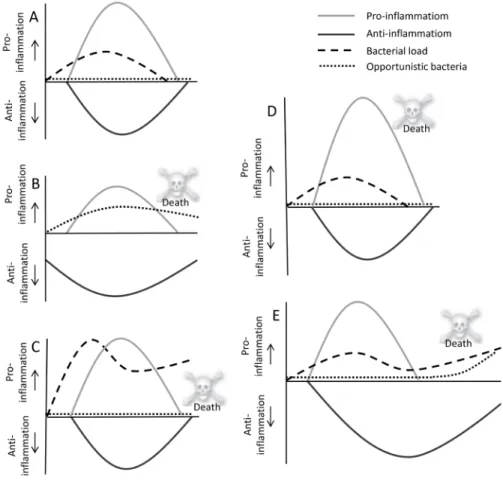
Figure 1. Global representation of possible immunological responses in patients; Depending on a number of factors,
including bacterial load, pathogen virulence, host comorbidities, and host genetic factors, the magnitude of this response may vary. Panel A. An adequate pro-inflammatory response (grey line) to eradicate all bacteria (dashed line) combined with an adequate non-sustained anti-inflammatory response (black line) to prevent tissue damage due to excessive pro-inflammation (for example a healthy young adult who fully recovers from erysipelas with, except for antibiotics, no need for any supporting therapy); Panel B. Preexistent impaired immune functions (grey and black lines) resulting in opportunistic infections (for example a patient on high dose steroid therapy who develops cerebral Nocardiosis); Panel C. A normal pro-inflammatory immune response in a healthy individual which nevertheless does not result in eradication of overwhelming amounts of pathogens and/or highly virulent pathogens (for example a previously healthy patient with dengue infections, or an infection with a highly virulent influenza strain); Panel D. An overwhelming pro-inflammatory response (grey line) in combination with an adequate anti-inflammatory response (black line) likely eradicates all bacteria (dashed line), but will also cause pronounced tissue damage and ultimately multi-organ failure (for example a previously healthy young adult with meningococcemia); Panel E. An appropriate pro-inflammatory response (grey line) combined with a pronounced and/or sustained anti-inflammatory state (black line), resulting in immunoparalysis with ongoing bacterial infection (dashed line) or secondary (opportunistic) infections (dotted line) (for example a patient who develops candidemia following postoperative
1
AIM AND OUTLINE OF THIS THESIS
The aim of this thesis was to perform translational, clinically relevant studies regarding immunomodulatory therapies for the adjunctive treatment of infectious diseases.
In the first part of this thesis, immunotherapy for the adjunctive treatment of sepsis is assessed. The rationale for immunostimulatory therapy as adjunctive treatment for sepsis is presented in a review in chapter 2. In
chapter 3, the effects of the immunostimulatory compounds IFN-γ and GM-CSF on immunoparalysis are studied in a randomized, placebo-controlled manner using the human endotoxemia model, a model for sepsis-induced immunoparalysis in humans in vivo.
The second part of this thesis focuses on the effects of immunotherapy for the adjunctive treatment of opportunistic infections. In chapter 4, the immunostimulatory effects of adjunctive IFN-γ therapy are investigated in patients suffering from invasive fungal infections. Chapters 5 and 6 are case studies describing the effects of adjunctive IFN-γ therapy in a pediatric patient with progressive invasive Candida infection and in an adult patient with progressive cerebral nocardiosis.
In the third part of this thesis new immunomodulatory modalities are investigated.
Chapter 7 describes the non-specific effects of live attenuated BCG vaccination on cellular and antibody responses induced by a subsequent influenza vaccination in
vivo in humans. In chapter 8, the potential immunostimulatory effects of
gamma-irradiated BCG on the innate immune response in vivo in humans are studied using the human endotoxemia model. Chapter 9 describes the effects of orally administered Beta-Glucan on ex vivo innate immune responses in humans. Finally this thesis is concluded with a summary in chapter 10 and a general discussion of the findings and future perspectives in chapter 11.
potential side-effects and the substantial costs of these compounds (e.g. one dose of GM-CSF costs €1500) highlights the need for development of novel immunostimulatory treatment modalities. Thereto, new immunomodulatory approaches emerge because in recent years there has been a tremendous progress in the understanding of immune mechanisms.
One of these completely new immunomodulatory approaches is based on the recently discovered concept of “trained innate immunity”. For example, recent studies have shown that production of pro-inflammatory cytokines, such as IFN-γ, TNF-α, and IL-1β by monocytes upon ex vivo stimulation with non-related pathogens was enhanced after vaccination with the live attenuated BCG vaccine, even months after vaccination. These effects were based on “training” of the innate immune system, as they were independent of B- and T-cells (23, 24). Therefore, compounds that can induce trained immunity could enhance human host defences against unrelated pathogens, possible with profound therapeutic or prophylactic implications. Next to BCG, Beta-glucan has also been identified as a compound that induces trained innate immunity (25). Beta-glucans are ubiquitous naturally occurring carbohydrates that are already used for centuries in alternative medicine all over the world for their presumed immune enhancing effects, and it is widely offered on the internet as a dietary supplement for humans. Due to the fact that it is inexpensive and well tolerated, oral Beta-glucan might represent a promising candidate to enhance the immune response, although its efficacy has not yet been established in humans.
In this thesis, we investigated whether well-known immunostimulatory compounds can reverse sepsis-induced immunoparalysis, and whether they are also able to enhance immune responses in patients with invasive opportunistic infections. In addition, we investigated whether the innate immune system can be trained in vivo in humans by live attenuated BCG, inactivated BCG and orally administered commercially available Beta-glucan.
1
19. Armstrong-James D, Teo IA, Shrivastava S, Petrou MA, Taube D, Dorling A, et al. Exogenous interferon-gamma immunotherapy for invasive fungal infections in kidney transplant patients. American journal of transplantation : official journal of the American Society of Transplantation and the American Society of
Transplant Surgeons. 2010;10(8):1796-803. Epub 2010/04/01.
20. Docke WD, Randow F, Syrbe U, Krausch D, Asadullah K, Reinke P, et al. Monocyte deactivation in septic patients: restoration by IFN-gamma treatment. Nat Med. 1997;3(6):678-81. Epub 1997/06/01.
21. Meisel C, Schefold JC, Pschowski R, Baumann T, Hetzger K, Gregor J, et al. Granulocyte-macrophage colony-stimulating factor to reverse sepsis-associated immunosuppression: a double-blind, randomized, placebo-controlled multicenter trial. Am J Respir Crit Care Med. 2009;180(7):640-8. Epub 2009/07/11.
22. Hutchins NA, Unsinger J, Hotchkiss RS, Ayala A. The new normal: immunomodulatory agents against
sepsis immune suppression. Trends in molecular medicine. 2014;20(4):224-33. Epub 2014/02/04. 23. Kleinnijenhuis J, Quintin J, Preijers F, Benn CS, Joosten LA, Jacobs C, et al. Long-lasting effects of BCG
vaccination on both heterologous Th1/Th17 responses and innate trained immunity. Journal of innate immunity. 2014;6(2):152-8. Epub 2013/11/07.
24. Kleinnijenhuis J, Quintin J, Preijers F, Joosten LA, Ifrim DC, Saeed S, et al. Bacille Calmette-Guerin induces NOD2-dependent nonspecific protection from reinfection via epigenetic reprogramming of monocytes. Proceedings of the National Academy of Sciences of the United States of America. 2012;109(43):17537-42.
Epub 2012/09/19.
REFERENCES
1. Bianchi ME. DAMPs, PAMPs and alarmins: all we need to know about danger. Journal of leukocyte biology.
2007;81(1):1-5. Epub 2006/10/13.
2. Cohen J. The immunopathogenesis of sepsis. Nature. 2002;420(6917):885-91. Epub 2002/12/20.
3. Notarangelo L, Casanova JL, Fischer A, Puck J, Rosen F, Seger R, et al. Primary immunodeficiency diseases: an update. The Journal of allergy and clinical immunology. 2004;114(3):677-87. Epub 2004/09/10.
4. Parvaneh N, Casanova JL, Notarangelo LD, Conley ME. Primary immunodeficiencies: a rapidly evolving story. The Journal of allergy and clinical immunology. 2013;131(2):314-23. Epub 2013/02/05.
5. Segal BH, Steinbach WJ. Combination antifungals: an update. Expert review of anti-infective therapy.
2007;5(5):883-92. Epub 2007/10/05.
6. Levy MM, Fink MP, Marshall JC, Abraham E, Angus D, Cook D, et al. 2001 SCCM/ESICM/ACCP/ATS/SIS International Sepsis Definitions Conference. Intensive care medicine. 2003;29(4):530-8. Epub 2003/03/29.
7. Angus DC, van der Poll T. Severe sepsis and septic shock. The New England journal of medicine.
2013;369(21):2063. Epub 2013/11/22.
8. Hotchkiss RS, Karl IE. The pathophysiology and treatment of sepsis. N Engl J Med. 2003;348(2):138-50.
Epub 2003/01/10.
9. Torgersen C, Moser P, Luckner G, Mayr V, Jochberger S, Hasibeder WR, et al. Macroscopic postmortem findings in 235 surgical intensive care patients with sepsis. Anesth Analg. 2009;108(6):1841-7. Epub
2009/05/19.
10. Stohr K. Influenza--WHO cares. The Lancet infectious diseases. 2002;2(9):517. Epub 2002/09/11.
11. Dowdle WR. Editorial: Inactivated influenza vaccines. The New England journal of medicine.
1973;289(24):1309-10. Epub 1973/12/13.
12. Mostow SR, Schoenbaum SC, Dowdle WR, Coleman MT, Kaye HS. Inactivated vaccines. 1. Volunteer studies with very high doses of influenza vaccine purified by zonal ultracentrifugation. Postgraduate
medical journal. 1973;49(569):152-8. Epub 1973/03/01.
13. Haq K, McElhaney JE. Immunosenescence: Influenza vaccination and the elderly. Current opinion in immunology. 2014;29:38-42. Epub 2014/04/29.
14. McElhaney JE. The unmet need in the elderly: designing new influenza vaccines for older adults. Vaccine.
2005;23 Suppl 1:S10-25. Epub 2005/05/24.
15. Yoo JK, Kim TS, Hufford MM, Braciale TJ. Viral infection of the lung: host response and sequelae. The Journal of allergy and clinical immunology. 2013;132(6):1263-76; quiz 77. Epub 2013/08/07.
16. A controlled trial of interferon gamma to prevent infection in chronic granulomatous disease. The
International Chronic Granulomatous Disease Cooperative Study Group. The New England journal of
medicine. 1991;324(8):509-16. Epub 1991/02/21.
17. Riddell LA, Pinching AJ, Hill S, Ng TT, Arbe E, Lapham GP, et al. A phase III study of recombinant human interferon gamma to prevent opportunistic infections in advanced HIV disease. AIDS research and human
retroviruses. 2001;17(9):789-97. Epub 2001/06/29.
18. Dignani MC, Rex JH, Chan KW, Dow G, deMagalhaes-Silverman M, Maddox A, et al. Immunomodulation with interferon-gamma and colony-stimulating factors for refractory fungal infections in patients with
Immunomodu
lation
as adjunctive treatment for sepsis
Immunomodulation
as adjunctive treatment for sepsis
ONE
ONE
Am J Respir Crit Care Med. 2013;187(12):1287-93; Partly published in Ned tijdschr geneeskd. 2014;158:A6859
CHAPTER
2
Immunotherapy for the
adjunctive treatment of sepsis:
from immunosuppression to
immunostimulation.
Time for a paradigm change?
Jenneke Leentjens Matthijs Kox Johannes G. van der Hoeven Mihai G. Netea Peter Pickkers
2
INTRODUCTION
Sepsis is one of the leading causes of death among hospitalized patients, and a frequent cause of admission to intensive care units (ICUs) (2). Despite advances in medical care, mortality rates of sepsis remain high. In addition, the incidence of sepsis in the United States has increased annually from 1975 to 2000 by approximately 9%, to 240 cases per 100.000 persons (2). Because the incidence is likely to increase even further due to several reasons (increasing age, immunosuppressive therapies, invasive procedures), and due to the high mortality rate, reaching 30-40% in severe sepsis, new therapeutic perspectives are highly warranted.
The classical type of therapeutical immunomodulation assessed repeatedly during the last decades was based on inhibition of inflammatory mediators such as cytokines. This approach has been investigated because of the beneficial effects of cytokine blockade in animal models of sepsis (3). However, the traditional approach of suppressing the immune system as an adjunctive treatment of sepsis has proven to be unsuccessful in numerous clinical trials (see supplementary Table 1 in the online supplement)). An important reason for this might be that the vast majority of septic patients do not die due to complications resulting from an overwhelming proinflammatory immune response, but due to secondary/opportunistic infections resulting from a severely suppressed immune response (4). In this Critical Care Perspective we will translate new insights in the pathophysiology of sepsis into a better understanding of the current treatment of septic shock, and possible future therapeutical immunomodulating approaches.
PATHOPHYSIOLOGY OF SEPSIS AND DETERMINANTS OF OUTCOME
GENERAL
A simplified overview of the innate immune response in sepsis is depicted in Figure 1.When invading microorganisms have overtaken the first hurdle represented by the physical barriers of the host, the nonspecific or “innate” immune
ABSTRACT
Sepsis is the leading cause of death in the ICU, and ranks in the top 10 causes of death in general worldwide. Proinflammatory mediators are related to symptoms observed early in sepsis patients such as fever and hemodynamic instability. However, in recent years it has become clear that most septic patients do not die from an overwhelming proinflammatory immune response, but in an immunosuppressive state, which can last for days or even weeks, that results in increased susceptibility to secondary (opportunistic) infections. Although infection control and supportive therapies will remain the cornerstone of treatment, especially in the early phase of sepsis, the identification of this so-called “immunoparalysis” is currently causing a paradigm shift in the adjunctive treatment of sepsis from therapies that suppress the immune system towards immunostimulation. In this Critical Care Perspective we will give an overview of the pathophysiology of sepsis with a focus on immunosuppressive mechanisms that play an important role in outcome. In addition, we will present an appraisal of the recent advances in immunotherapy as an adjunctive treatment for sepsis.
2
receptors (TLRs), Nucleotide Oligomerization Domain-like receptors (NLRs), C-type lectin receptors (CLRs) and RigI-helicases (5). Binding of a PAMP to a PRR results in activation of intracellular signaling cascades that subsequently leads to activation of the innate immune system. Depending on a number of factors, including bacterial load, pathogen virulence, host comorbidities, and host genetic factors, the magnitude of this response may vary, and can ultimately lead to systemic inflammation and the subsequent signs and symptoms that define the sepsis syndrome as an entity (6).
PRO-INFLAMMATION
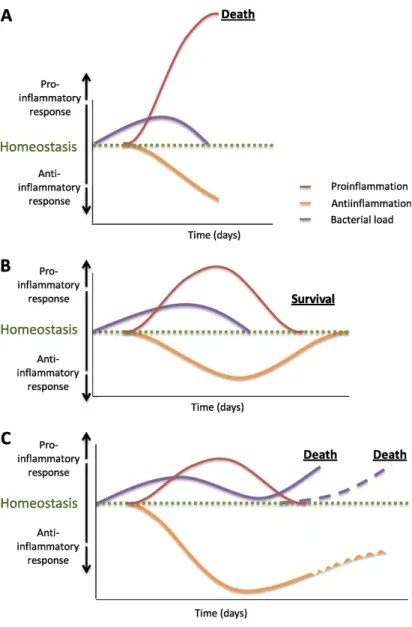
While highly variable between patients, the proinflammatory response often predominates in the early phase of an infection. This is commonly regarded as the hyperinflammatory phase of sepsis. The ultimate goal of this proinflammatory reaction is the eradication of pathogens. This phase is characterized by production of proinflammatory cytokines such as TNF-α, IL-1β, IL-6, and IFN-γ, and chemokines, including neutrophil and macrophage chemotactic factors such as CCL2 (MCP-1), CCL3 (MIP-1α), CCL6 (C10), and CXCL8 (IL-8) (7). The proinflammatory cytokines stimulate the effector functions of neutrophils, macrophages, and Th1-cells, exacerbating cellular immunity. These responses are induced in a context in which the complement system and the coagulation cascade are also strongly activated, and this can ultimately result in the typical septic shock symptoms, such as hemodynamic instability, coagulation abnormalities and end-organ dysfunction (7). If patients succumb to sepsis in the first few days, it is therefore most likely attributable to an overwhelming proinflammatory cytokine response. For instance, in certain forms of sepsis such as meningococcemia (Figure 2, panel A), circulating proinflammatory cytokine levels are high and correlate with (early) mortality (8).
However, in sepsis patients in general, circulating levels of proinflammatory cytokines are much lower (9), and signs of immune suppression are often observed from very early on. For example, lymphocyte apoptosis is already observed upon patient admission in the hospital (10), and similar early effects have been observed regarding monocyte deactivation (11). In this respect it is interesting to
Figure 1. Simplified representation of the innate immune response in sepsis. Depicted in red are the immunostimulatory compounds that are/have been studied to reverse immunoparalysis. CTLA = cytotoxic T-lymphocyte antigen; FasFP = Fas-receptor fusion protein; FLT-3L = Fms-like tyrosine kinase-3 ligand; GM-CSF = granulocyte macrophage-colony–stimulating factor; HLA = human leukocyte antigen; PAMP = pathogen associated molecular pattern; PD-L = programmed
death-ligand; PRR = pattern recognition receptor; rhIL-7 = recombinant human IL-7; TGF = transforming growth factor.
system is responsible for the initial recognition of, and defense against pathogenic microorganisms. In past decades it has become clear that innate immune activation occurs through recognition of recurring structural patterns of microbial components, the so-called pathogen-associated molecular patterns (PAMPs). These PAMPs may be surface molecules of microorganisms (such as endotoxin (lipopolysaccharide [LPS]), lipoprotein, flagellin, fimbriae, peptidoglycans, peptidoglycan-associated lipoprotein and lipoteichoic acid), but also intracellular patterns that are released by lysis of bacteria (such as heat-shock proteins, and DNA or RNA fragments) (5). PAMPs are recognized by specific pattern recognition receptors (PRRs) present on, among others, macrophages, monocytes and dendritic cells. Four families of PRRs have been described to date: Toll-Like
2
cytomegalovirus, herpes simplex virus, and Candida spp. (14, 17-19). Furthermore, it has been reported that reduced expression of HLA-DR on monocytes (mHLA-DR), a marker currently used to identify patients with immunoparalysis, is associated with reduced survival in patients with sepsis in most (20-22), though not all (23), studies. Likewise, attenuated TNF-α production by ex vivo LPS-stimulated monocytes, another mean of identifying immunoparalysis, has been associated with impaired survival (24). Finally, the lack of positive effects of anti-inflammatory therapies on sepsis outcome has played an important role in the current paradigm shift towards more attention for the immunosuppressive phase of sepsis (6). Hence, we can conclude that immunoparalysis is an important cause of the persistent adverse outcome of sepsis patient in the post-acute phase, even if the primary infection has been completely eradicated. As a result, secondary hospital acquired infections can develop despite aggressive source control, broad spectrum antibiotics, and the best available supportive care (Figure 2, panel C). Importantly, with some pro-inflammatory mediators such as HMGB-1, sTREM-HMGB-1, or C5a increasing in the subacute phase of sepsis, it has become clear that the pro- and antiinflammatory phase of sepsis are not distinct, but may occur simultaneously with a more pronounced role for anti-inflammation in the later phases (25).
Several mechanisms appear to be involved in the development of sepsis-induced immunoparalysis (see supplementary Table 2 in the online supplement for a schematic overview and relevant references). A number of functional defects in leukocytes isolated from sepsis patients have been characterized. These defects include impaired neutrophil (chemotactic) responses (26), diminished expression of important cell surface antigens like HLA-DR on monocytes causing alterations in antigen-presenting ability, and enhanced apoptosis, which has also been implicated to contribute to leukocyte deactivation by rendering specific leukocyte subpopulations unable to react and perform their normal cellular functions. Moreover, recent studies suggest that expression of inhibitory receptors like programmed death-1 (PD-1), cytotoxic T lymphocyte antigen-4 (CTLA-4), and B and T lymphocyte attenuator (BTLA) play a role in the exhaustion of lymphocytes. Furthermore, several lymphocyte subpopulations such as CD4+CD25+ observe that therapies aimed to suppress proinflammatory mediators in sepsis
failed to achieve a significant reduction in important endpoints such as mortality and hospital length of stay. Some interventions even led to an increased mortality (supplementary Table 1 in the online supplement), that could be attributed to increased susceptibility towards secondary infections (12). The necessity of adequate levels of proinflammatory mediators like TNF-α in combating infection has been underscored further by the finding that sepsis and other infectious complications are more likely to develop in patients with rheumatoid arthritis who are treated with TNF antagonists (13).
ANTI-INFLAMMATION AND ASSOCIATED IMMUNOPARALYSIS
As mentioned earlier, simultaneous with the proinflammatory response upon infection, an anti-inflammatory reaction is mounted, presumably to curtail inflammation and thereby prevent collateral tissue damage (Figure 2, panel B). However, a too pronounced or sustained anti-inflammatory response can lead to generalized and long-term impairment of the host’s immune function, known as “immunoparalysis”(6). This profound state of immunosuppression, that can last days to weeks after the initial infectious hit, results in increased vulnerability towards secondary (opportunistic) infections (14). There is increasing evidence that immunoparalysis worsens outcome in the later phase of sepsis, with multiple studies suggesting that not the presence of immunosuppressive processes “per se”, but the lack of sufficient recovery of the immune response is the main contributor to late mortality (10, 15). To date, there is no evidence that early anti-inflammatory immune responses in sepsis are responsible for an impaired early outcome. Recently, it was found that, compared with patients who died of non-sepsis etiologies, isolated splenic and pulmonary immune cells from deceased sepsis patients exhibit clear signs of severe immunosuppression (4); In another autopsy study of patients who died from sepsis or septic shock, a continuous septic focus was observed in 63 of the 71 patients (88.7%) who were treated for more than 7 days, suggesting that the “paralyzed” immune system is unable to eradicate the invading microorganisms (16). The clinical relevance of immunoparalysis is also apparent from the frequent occurrence of infections and reactivation of relatively less virulent bacteria, viruses or fungi, including Acinetobacter, Enterococcus,
2
T regulatory (Treg) cells, NK-T cells, and CD8+ T cells that are known to actively suppress the adaptive immune response may also play an important role in septic immune dysfunction. Others have found that a subset of mature human neutrophils, capable of suppressing human T cell proliferation, could be involved. In a murine model of sepsis, it was demonstrated that dysfunctional dendritic cells also play an important role in the development of sepsis-induced immunoparalysis (at least intrapulmonary) (27, 28). Immunoparalysis is also characterized by a dysregulated cytokine production, favoring the expression of antiinflammatory cytokines (e.g IL-10, IL-4, IL-13, transforming growth factor-β (TGF-β), and interleukin 1 receptor antagonist) relative to the production of proinflammatory cytokines.
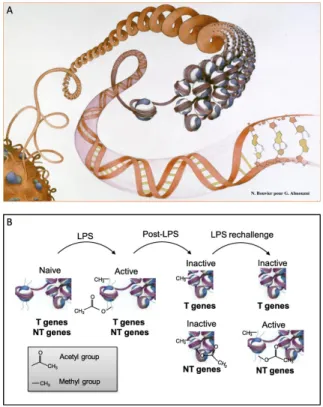
At the intracellular level, recent studies have indicated that long-term cellular inhibition is due to epigenetic changes, leading to the suppression of proinflammatory gene transcription (extensively reviewed in (29)). In short, epigenetic regulation of gene transcription occurs through numerous mechanisms, but can be generally regarded as the regulated organization of gene loci into transcriptionally active or silent states. Transcriptionally active chromatin (euchromatin) is accessible to transcription factors and polymerases, while transcriptionally silent chromatin (heterochromatin) is sequestered form these factors. It has now become clear that TLR-induced chromatin modifications are responsible for transient silencing of tolerizable (T) genes (including those encoding proinflammatory mediators), and for priming of non-tolerizable (NT) genes (including those encoding antimicrobial peptides). The T genes are transiently inactivated to prevent pathology associated with excessive inflammation, while the NT genes remain inducible to provide continuous protection from infection and tissue repair (Figure 3). For example, it was demonstrated that selective histone deacetylation contributes to the silencing of class T genes (e.g. IL-6) in endotoxin-tolerance in macrophages (a LPS-induced refractory state towards a subsequent LPS challenge, bearing resemblance to sepsis-induced immunoparalysis).
Figure 2. Global representation of possible immunological responses in patients with sepsis. Depending on a
number of factors, including bacterial load, pathogen virulence, host comorbidities, and host genetic factors, the magnitude of this response may vary. (A) An antiinflammatory response (orange line) in combination with an overwhelming proinflammatory response (red line), which is likely to eradicate all bacteria (purple line) but will also lead to pronounced tissue damage and ultimately multiorgan failure (for example, a previously healthy young adult with meningococcemia). (B) An adequate proinflammatory response (red line) to eradicate all bacteria (purple line) combined with an adequate nonsustained antiinflammatory response (orange line) to prevent tissue damage due to excessive proinflammation (for example, a healthy young adult who fully recovers from erysipelas without the need of any supporting therapy but antibiotics). (C) A proinflammatory response (red line) combined with a pronounced and/or sustained antiinflammatory state (orange line) resulting in immunoparalysis with ongoing bacterial infection (purple line) or secondary (opportunistic) infections (purple dotted line) (for example, a patient who develops candidemia after postoperative abdominal sepsis). Adapted by permission from Reference 5.
2
observed after recovery of mice from caecal ligation and puncture, when mice are highly susceptible to secondary infections. Recent studies have demonstrated that epigenetic regulation of inflammatory genes, with reciprocal changes in histone 3 lysine 4 (H3K4) trimethylation and H3K27 dimethylation underlies post-sepsis immunosuppression (30, 31). In addition, it was recently demonstrated that negative TLR regulators such as IRAK-M and SHIP-1, might also participate in the development of immunoparalysis (32). For example, IRAK-M, a protein that negatively regulates LPS-induced inflammatory responses, is upregulated in monocytes isolated from septic patients (33). Moreover, chromatin remodeling and epigenetic gene silencing by IRAK-M has been shown to be mediated by reduced acetylation (AcH4) and methylation (H3K4) of specific histones in lung macrophages (34).
SUITABILITY OF MARKERS OF IMMUNOPARALYSIS TO GUIDE IMMUNOSTIMULATORY TREATMENT
The apparent detrimental effects associated with the immunoparalytic phase of sepsis suggests that immunostimulation may be an attractive new treatment strategy (discussed in the next paragraph). However, caution should be taken that this approach is not applied when proinflammation predominates. Although there is no clinical evidence to date to support this notion, immunostimulation during proinflammatory predominance could theoretically result in an augmented proinflammatory response leading to more collateral tissue damage. As mentioned earlier, up till now, mHLA-DR expression and the production of cytokines by leukocytes that are ex vivo stimulated with Toll-like receptor agonists, two parameters that are highly correlated (29, 35), are mostly used to identify immunoparalysis. It was demonstrated that sepsis patients with reduced expression of HLA-DR on monocytes or reduced production of TNF-α by ex vivo
stimulated leukocytes are significantly more likely to develop secondary infections (22). Interestingly, recent studies indicate that, instead of a single value at a given time point, the slope of recovery of mHLA-DR may better reflect susceptibility towards secondary infections and therefore may more accurately predict Others have found that in endotoxin tolerance, macrophages exhibit increased
levels of repressive histone modifications at the promoter regions of both IL-1β and TNF-α, mediated by dimethylation , and that DNA methylation of the TNF-α promoter region can silences transcription even further. These in vitro studies have been complemented by experimental models of immunosuppression such as that
Figure 3. Epigenetic modifications. (A) In the DNA helix, inactive DNA is wrapped around histones, so that
genes are inaccessible for transcription. After uncoupling of the histone (A, middle), genes become accessible. Transcriptionally active chromatin (euchromatin) is accessible to transcription factors and polymerases, whereas transcriptionally silent chromatin (heterochromatin) is sequestered from these factors. Histones are proteins responsible for packaging and organizing the lengthy DNA strand(s) into organized chromatin. Modifications
to the protein tails of histone core components can direct the winding or unwinding of the associated DNA. The
activating or repressing nature of these histone tail modifications is dependent on both the chemical nature of the modification and the location of the modification on the histone tail. For example, as depicted in B, acetylation of histone tails at specific amino acid residues are believed to act as an activation histone mark. In contrast, methylation of histone tails can be an activation or repressing transcriptional mark, depending on both the type and the location of the modification. It was demonstrated that in endotoxin tolerance, toll-like receptor– induced chromatin modifications are responsible for transient silencing of tolerizable (T) genes (including those encoding proinflammatory mediators) and for priming of nontolerizable (NT) genes (including those encoding antimicrobial peptides). The T genes are transiently inactivated to prevent pathology associated with excessive inflammation, whereas the NT genes remain inducible to provide continuous protection from infection (58). Panel A reprinted with permission from G. Almouzni, Institut Curie-CNRS; watercolor by Nicolas Bouvier.
2
taken into account as immunosuppressive mechanisms can vary between these (41). In the meantime, the use of surrogate markers to determine whether a patient has passed the proinflammatory phase, such as recovery of hemodynamic stability indicated by decreased inotropic requirements, might be considered.
THERAPY
CURRENT APPROACH
In patients who meet the criteria for septic shock, the first approach is focused on careful monitoring, hemodynamic and organ function support, in addition to source control. The swift (if necessary surgical) removal of infected tissues in combination with antibiotics is the key to success in the treatment of sepsis (42). Prospective cohort studies showed a 4- to 8-fold higher mortality when inadequate initial antibiotics were administered (43, 44), and a more recent observational study showed that in septic shock patients, the risk of death increases by about 8% with each hour passing without antibiotics (42). It is beyond the scope of this review to describe other potential supportive measures like vasopressor therapy, glycemic regulation, renal replacement therapy, or ventilation modes; these are extensively reviewed elsewhere (45).
NEW INSIGHTS
Although infection control and supportive therapies, especially in the early phase of sepsis, will remain the cornerstone of sepsis treatment, new adjuvant treatments are warranted to prevent or treat the infaust effects of the immunoparalytic phase of sepsis. Various immune stimulants have shown favorable results in vitro, ex vivo
(such as effects on monocyte HLA-DR expression and/or TNF-alpha production),
and in vivo in animals. The therapies studied and their mechanisms of action
are depicted in Figure 1 (for a schematic overview and relevant references see supplementary Table 4 in the online supplement), and include the anti-apoptotic and immune stimulatory cytokine IL-15, the anti-apoptotic Fas-receptor fusion protein (FasFP) (46), caspase inhibitors, the anti-apoptotic and negative regulatory molecule blocking anti-PD-L1 antibody, the dendritic cell growth outcome (15). Nevertheless, the potential value of mHLA-DR expression and/or
ex vivo cytokine production as indicators of a patient’s “immune status” remains
to be demonstrated because sepsis patients often show evidence of immune suppression on admission, indicating that initiation of immunostimulatory therapy based on these markers may be questionable. Furthermore, these markers only reflect the status of the blood/leukocyte compartment and not the
in vivo immune status of the patient, which is predominantly mediated by
tissue-resident macrophages. This was illustrated by a murine model of immunoparalysis showing that impaired bacterial clearance was largely attributable to impaired function of tissue-resident macrophages (36), and findings of elevated cytokine levels in LPS-challenged mice that lack circulating immune cells (37). Moreover, the difference in duration of ex vivo and in vivo endotoxin tolerance and a lack of correlation between ex vivo (including HLA-DR expression) and in vivo responses to endotoxin in humans (38-40) suggest that tissue macrophages rather than circulating cytokines are the main effector cells in sepsis. An important argument to support an immunoparalytic status of tissue macrophages has been provided by a recent autopsy study who demonstrated defective cytokine production capacity of tissue macrophages in patients deceased due to sepsis compared with matched control patients that died of non-septic etiologies (4).
Other potentially suitable biomarkers that have been linked to patients’ immune status include plasma IL-10 levels and TNF-α/IL-10 ratio, markers of anti-inflammatory macrophages (Soluble haemoglobin scavenger receptor [sCD163]), markers of lymphocyte apoptosis (human soluble Fas (sFas), Fas ligand (FasL), and sFas/FasL ratio), and markers of T-cell exhaustion (programmed cell death 1 [PD-1], and PD ligand 1) (see supplementary Table 4 in the online supplement
for a schematic overview and relevant references). However, it remains to be determined whether these markers are truly representative of a patient’s in vivo immune status and thus if they are suitable to guide immunostimulatory treatment. With regard to the heterogeneity of the immune response in sepsis, combination of several biomarkers (in panels) may prove to be of additional value towards a more individualized, goal-directed therapy. Possibly, the type of underlying infection (infected tissue), or causative microorganism(s) should be
2
meta-analysis of 4 randomized, placebo-controlled clinical trials in septic patients (total n=195; GM-CSF treated n=75) showed an increase in clearance of infection (57). However, no beneficial effect of GM-CSF on 28-day mortality could be demonstrated. This was probably because of limited power, but one has to be also aware that other factors besides immunoparalysis may account for patient mortality. One of these randomized clinical trials used mHLA-DR expression to guide treatment of septic patients with GM-CSF (58). In this study, all 19 patients treated with GM-CSF showed normalization of mHLA-DR expression, while this was only the case in 3 of the 19 placebo-treated patients. Moreover, in GM-CSF-treated patients, time-on-ventilator was reduced, as was ICU and hospital length of stay (58). In addition, one study has shown that immunostimulatory therapies can actually reverse immunoparalysis determined not only in vitro, but also in vivo in humans. Repeated administration of endotoxin to healthy volunteers (experimental human endotoxemia) was used as a model to mimic sepsis-induced immunoparalysis. A second endotoxin administration within a relatively short time-frame results in a greatly suppressed innate immune response compared to the response after the first endotoxin administration. Using this model it was demonstrated that, compared with placebo, treatment with IFN-γ in between endotoxin administrations (separated by one week) not only increased mHLA-DR expression, but also restored in vivo production of the proinflammatory cytokine TNF-α, while further attenuating the production of the anti-inflammatory cytokine IL-10 upon the second endotoxin administration. Similar, but less pronounced effects were found in subjects treated with GM-CSF (40).
Recent in vitro studies have shed light on the mode of action by which IFN-γ reverses immunoparalysis. It was shown that IFN-γ is able to bypass the effects of negative regulators of the LPS signaling pathway contributing to immunoparalysis at the mRNA level (54). Others have found that IFN-γ does not alter proximal LPS signaling defects in tolerized monocytes, but reverses tolerance-associated epigenetic modifications that suppress TNF-α and IL-6 transcription (51). However, although promising, treatment with immune-stimulatory agents in sepsis is still in the experimental phase. New clinical trials are currently underway to confirm the promising results of IFN-γ (NCT01649921) and GM-CSF (NCT01653665).
factor Fms-like tyrosine kinase-3 ligand (Flt-3L), the glucocorticoid receptor antagonist mifepristone (RU486), the IL-10 synthesis inhibitor ammonium trichloro(dioxoethylene-o,o’)tellurate (AS101), the regulatory T-cell and anti-IL-10 monoclonal antibodies, the anti-transforming growth factor-β monoclonal antibodies, T-cell anti-CD25 antibodies, the negative regulatory molecule blocking anti-CTLA4, myeloid cell function augmenting Granulocyte-Colony stimulating factor (G-CSF), and immuno-modulating diets (such as diets containing high concentrations of omega-3 polyunsaturated fatty acids (PUFAs) derived from fish oil, or health food supplements such as the proinflammatory cytokine enhancing supplement Beta-glucan). However, clinical application of these therapies still requires extensive clinical studies to test their clinical safety and efficacy.
A promising candidate to reverse sepsis-induced immunoparalysis that is already available for human use and has an excellent safety profile is IL-7. IL-7 is a potent anti-apoptotic cytokine that enhances immune effector cell function and is essential for lymphocyte survival (47), and IL-7 has been shown to improve survival in murine models of sepsis (48). Furthermore, it was recently demonstrated that lymphocyte function of septic patients was restored by ex vivo stimulation with IL-7 (49). Interestingly, subcutaneous IL-7 administration in HIV patients reversed signs of immune dysfunction similar to those observed in immunoparalyzed septic patients (50). In these patients, IL-7 increased circulating lymphocyte numbers and restored their function, reflected by increased cytokine production upon ex vivo stimulation (50). Of note, IL-7 robustly enhances IFN-γ production, which might play an important role in its immunostimulatory effects (further discussed below) (49, 50). The two most studied therapies to reverse immunoparalysis to date are interferon-gamma (IFN-γ) (51-56), and Granulocyte-Macrophage Colony Stimulating Factor (GM-CSF) (52, 53, 55, 56). These agents also represent the only two immune stimulants that have already been tested in clinical trials in septic patients. A one-armed intervention study showed that subcutaneous administration of IFN-γ for an average of 6 days to patients with septic shock increased mHLA-DR expression and the production of TNF-α by leukocytes stimulated ex-vivo. Furthermore, 8 out of the 9 patients recovered from severe sepsis (35). In case of GM-CSF, a
2
REFERENCES
1. Foster SL, Hargreaves DC, Medzhitov R. Gene-specific control of inflammation by TLR-induced chromatin modifications. Nature. 2007;447(7147):972-8.
2. Martin GS, Mannino DM, Eaton S, Moss M. The epidemiology of sepsis in the United States from 1979 through 2000. N Engl J Med. 2003;348(16):1546-54.
3. Tracey KJ, Fong Y, Hesse DG, Manogue KR, Lee AT, Kuo GC, et al. Anti-cachectin/TNF monoclonal
antibodies prevent septic shock during lethal bacteraemia. Nature. 1987;330(6149):662-4.
4. Boomer JS, To K, Chang KC, Takasu O, Osborne DF, Walton AH, et al. Immunosuppression in patients who die of sepsis and multiple organ failure. JAMA. 2011;306(23):2594-605.
5. Kumar H, Kawai T, Akira S. Pathogen recognition by the innate immune system. Int Rev Immunol.
2011;30(1):16-34.
6. Hotchkiss RS, Karl IE. The pathophysiology and treatment of sepsis. N Engl J Med. 2003;348(2):138-50.
7. Chong DL, Sriskandan S. Pro-inflammatory mechanisms in sepsis. Contrib Microbiol. 2011;17:86-107.
8. Girardin E, Grau GE, Dayer JM, Roux-Lombard P, Lambert PH. Tumor necrosis factor and interleukin-1 in the serum of children with severe infectious purpura. N Engl J Med. 1988;319(7):397-400.
9. Oberholzer A, Oberholzer C, Moldawer LL. Cytokine signaling--regulation of the immune response in normal and critically ill states. Crit Care Med. 2000;28(4 Suppl):N3-12.
10. Le Tulzo Y, Pangault C, Gacouin A, Guilloux V, Tribut O, Amiot L, et al. Early circulating lymphocyte
apoptosis in human septic shock is associated with poor outcome. Shock. 2002;18(6):487-94.
11. Le Tulzo Y, Pangault C, Amiot L, Guilloux V, Tribut O, Arvieux C, et al. Monocyte human leukocyte antigen-DR transcriptional downregulation by cortisol during septic shock. Am J Respir Crit Care Med.
2004;169(10):1144-51.
12. Sprung CL, Annane D, Keh D, Moreno R, Singer M, Freivogel K, et al. Hydrocortisone therapy for patients with septic shock. N Engl J Med. 2008;358(2):111-24.
13. Nunez-Cornejo C, Borras-Blasco J, Gracia-Perez A, Rosique-Robles JD, Lopez-Camps V, Castera E, et al. Septic shock and community-acquired pneumonia associated with etanercept therapy. Int J Clin
Pharmacol Ther. 2008;46(4):193-7.
14. Otto GP, Sossdorf M, Claus RA, Rodel J, Menge K, Reinhart K, et al. The late phase of sepsis is characterized by an increased microbiological burden and death rate. Crit Care. 2011;15(4):R183.
15. Monneret G, Lepape A, Venet F. A dynamic view of mHLA-DR expression in management of severe septic
patients. Crit Care. 2011;15(5):198.
16. Torgersen C, Moser P, Luckner G, Mayr V, Jochberger S, Hasibeder WR, et al. Macroscopic postmortem findings in 235 surgical intensive care patients with sepsis. Anesth Analg. 2009;108(6):1841-7.
17. Limaye AP, Kirby KA, Rubenfeld GD, Leisenring WM, Bulger EM, Neff MJ, et al. Cytomegalovirus reactivation in critically ill immunocompetent patients. JAMA. 2008;300(4):413-22.
18. Kollef KE, Schramm GE, Wills AR, Reichley RM, Micek ST, Kollef MH. Predictors of 30-day mortality and hospital costs in patients with ventilator-associated pneumonia attributed to potentially
antibiotic-resistant gram-negative bacteria. Chest. 2008;134(2):281-7.
19. Luyt CE, Combes A, Deback C, Aubriot-Lorton MH, Nieszkowska A, Trouillet JL, et al. Herpes simplex virus lung infection in patients undergoing prolonged mechanical ventilation. Am J Respir Crit Care Med.
2007;175(9):935-42.
CONCLUSION
In recent years, it has become increasingly clear that immunoparalysis plays an important detrimental role in the morbidity and mortality of sepsis. Although infection control and supportive therapies will remain the cornerstone of sepsis treatment, especially in the initial phase of sepsis, the future of adjunctive treatment of sepsis may prove to be stimulation, rather than suppression, of the immune system in selected patients. Promising immune stimulants such as IFN-γ and GM-CSF are currently under investigation in clinical trials. However, with a wide range of possible immune responses between patients, and the interaction of proinflammatory processes and immune defects, both at the onset of infection and in a later phase, adequate stratification of sepsis patients is of primordial importance. When clear signs of immunoparalysis are present, and if positive effects of immune stimulatory therapy are demonstrated on clinically relevant endpoints, adjunctive tailor-made immunotherapy may finally come to age for sepsis patients. Nevertheless, immunointerventions need to be cautiously analyzed in order to prevent the same errors that were made in the past using anti-inflammatory treatments.
2
39. Dorresteijn MJ, Draisma A, van der Hoeven JG, Pickkers P. Lipopolysaccharide-stimulated whole blood cytokine production does not predict the inflammatory response in human endotoxemia. Innate
immunity. 2010;16(4):248-53.
40. Leentjens J, Kox M, Koch RM, Preijers F, Joosten LA, van der Hoeven JG, et al. Reversal of
Immunoparalysis in Humans in vivo: A Double-blind Placebo-controlled Randomized Pilot-Study. Am J Respir Crit Care Med. 2012.
41. Gogos C, Kotsaki A, Pelekanou A, Giannikopoulos G, Vaki I, Maravitsa P, et al. Early alterations of the innate and adaptive immune statuses in sepsis according to the type of underlying infection. Crit Care.
2010;14(3):R96.
42. Kumar A, Roberts D, Wood KE, Light B, Parrillo JE, Sharma S, et al. Duration of hypotension before initiation of effective antimicrobial therapy is the critical determinant of survival in human septic shock.
Crit Care Med. 2006;34(6):1589-96.
43. Garnacho-Montero J, Garcia-Garmendia JL, Barrero-Almodovar A, Jimenez-Jimenez FJ, Perez-Paredes C, Ortiz-Leyba C. Impact of adequate empirical antibiotic therapy on the outcome of patients admitted to
the intensive care unit with sepsis. Crit Care Med. 2003;31(12):2742-51.
44. MacArthur RD, Miller M, Albertson T, Panacek E, Johnson D, Teoh L, et al. Adequacy of early empiric
antibiotic treatment and survival in severe sepsis: experience from the MONARCS trial. Clin Infect Dis. 2004;38(2):284-8.
45. Annane D, Bellissant E, Cavaillon JM. Septic shock. Lancet. 2005;365(9453):63-78.
46. Chung CS, Song GY, Lomas J, Simms HH, Chaudry IH, Ayala A. Inhibition of Fas/Fas ligand signaling improves septic survival: differential effects on macrophage apoptotic and functional capacity. J Leukoc
Biol. 2003;74(3):344-51.
47. Mackall CL, Fry TJ, Gress RE. Harnessing the biology of IL-7 for therapeutic application. Nat Rev Immunol.
2011;11(5):330-42.
48. Unsinger J, Burnham CA, McDonough J, Morre M, Prakash PS, Caldwell CC, et al. Interleukin-7 ameliorates immune dysfunction and improves survival in a 2-hit model of fungal sepsis. J Infect Dis.
2012;206(4):606-16.
49. Venet F, Foray AP, Villars-Mechin A, Malcus C, Poitevin-Later F, Lepape A, et al. IL-7 Restores Lymphocyte Functions in Septic Patients. J Immunol. 2012.
50. Levy Y, Lacabaratz C, Weiss L, Viard JP, Goujard C, Lelievre JD, et al. Enhanced T cell recovery in HIV-1-infected adults through IL-7 treatment. J Clin Invest. 2009;119(4):997-1007.
51. Chen J, Ivashkiv LB. IFN-gamma abrogates endotoxin tolerance by facilitating Toll-like receptor-induced
chromatin remodeling. Proc Natl Acad Sci U S A. 2010;107(45):19438-43.
52. Randow F, Docke WD, Bundschuh DS, Hartung T, Wendel A, Volk HD. In vitro prevention and reversal of lipopolysaccharide desensitization by IFN-gamma, IL-12, and granulocyte-macrophage colony-stimulating factor. J Immunol. 1997;158(6):2911-8.
53. Flohe SB, Agrawal H, Flohe S, Rani M, Bangen JM, Schade FU. Diversity of interferon gamma and granulocyte-macrophage colony-stimulating factor in restoring immune dysfunction of dendritic cells and macrophages during polymicrobial sepsis. Mol Med. 2008;14(5-6):247-56.
54. Turrel-Davin F, Venet F, Monnin C, Barbalat V, Cerrato E, Pachot A, et al. mRNA-based approach to
monitor recombinant gamma-interferon restoration of LPS-induced endotoxin tolerance. Crit Care. 2011;15(5):R252.
20. Hynninen M, Pettila V, Takkunen O, Orko R, Jansson SE, Kuusela P, et al. Predictive value of monocyte histocompatibility leukocyte antigen-DR expression and plasma interleukin-4 and -10 levels in critically ill
patients with sepsis. Shock. 2003;20(1):1-4.
21. Saenz JJ, Izura JJ, Manrique A, Sala F, Gaminde I. Early prognosis in severe sepsis via analyzing the monocyte immunophenotype. Intensive Care Med. 2001;27(6):970-7.
22. Landelle C, Lepape A, Voirin N, Tognet E, Venet F, Bohe J, et al. Low monocyte human leukocyte antigen-DR is independently associated with nosocomial infections after septic shock. Intensive Care Med.
2010;36(11):1859-66.
23. Trimmel H, Luschin U, Kohrer K, Anzur C, Vevera D, Spittler A. Clinical outcome of critically ill patients cannot be defined by cutoff values of monocyte human leukocyte antigen-DR expression. Shock.
2012;37(2):140-4.
24. Appoloni O, Vincent JL, Duchateau J. Response of tumour necrosis factor-alpha to delayed in vitro monocyte stimulation in patients with septic shock is related to outcome. Clin Sci (Lond).
2002;102(3):315-20.
25. Bosmann M, Ward PA. The inflammatory response in sepsis. Trends in immunology. 2012.
26. Kovach MA, Standiford TJ. The function of neutrophils in sepsis. Current opinion in infectious diseases.
2012;25(3):321-7.
27. Benjamim CF, Lundy SK, Lukacs NW, Hogaboam CM, Kunkel SL. Reversal of long-term sepsis-induced immunosuppression by dendritic cells. Blood. 2005;105(9):3588-95.
28. Pene F, Zuber B, Courtine E, Rousseau C, Ouaaz F, Toubiana J, et al. Dendritic cells modulate lung response to Pseudomonas aeruginosa in a murine model of sepsis-induced immune dysfunction. J Immunol.
2008;181(12):8513-20.
29. Carson WF, Cavassani KA, Dou Y, Kunkel SL. Epigenetic regulation of immune cell functions during
post-septic immunosuppression. Epigenetics. 2011;6(3):273-83.
30. Wen H, Dou Y, Hogaboam CM, Kunkel SL. Epigenetic regulation of dendritic cell-derived interleukin-12
facilitates immunosuppression after a severe innate immune response. Blood. 2008;111(4):1797-804. 31. Wen H, Schaller MA, Dou Y, Hogaboam CM, Kunkel SL. Dendritic cells at the interface of innate and
acquired immunity: the role for epigenetic changes. J Leukoc Biol. 2008;83(3):439-46.
32. Xiong Y, Medvedev AE. Induction of endotoxin tolerance in vivo inhibits activation of IRAK4 and increases negative regulators IRAK-M, SHIP-1, and A20. J Leukoc Biol. 2011;90(6):1141-8.
33. Escoll P, del Fresno C, Garcia L, Valles G, Lendinez MJ, Arnalich F, et al. Rapid up-regulation of IRAK-M
expression following a second endotoxin challenge in human monocytes and in monocytes isolated from septic patients. Biochemical and biophysical research communications. 2003;311(2):465-72.
34. Lyn-Kew K, Rich E, Zeng X, Wen H, Kunkel SL, Newstead MW, et al. IRAK-M regulates chromatin
remodeling in lung macrophages during experimental sepsis. PLoS One. 2010;5(6):e11145.
35. Docke WD, Randow F, Syrbe U, Krausch D, Asadullah K, Reinke P, et al. Monocyte deactivation in septic patients: restoration by IFN-gamma treatment. Nat Med. 1997;3(6):678-81.
36. Steinhauser ML, Hogaboam CM, Kunkel SL, Lukacs NW, Strieter RM, Standiford TJ. IL-10 is a major
mediator of sepsis-induced impairment in lung antibacterial host defense. J Immunol. 1999;162(1):392-9.
37. Netea MG, Kullberg BJ, Blok WL, Netea RT, van der Meer JW. The role of hyperuricemia in the increased cytokine production after lipopolysaccharide challenge in neutropenic mice. Blood. 1997;89(2):577-82. 38. Kox M, de Kleijn S, Pompe JC, Ramakers BP, Netea MG, van der Hoeven JG, et al. Differential ex vivo and
2
Supplementary Table 2. Potential mechanisms involved in the development of sepsis-induced
immunoparalysis.
Mechanism Mode of action
Diminished expression of important cell surface
antigens like HLA-DR on monocytes [7]
Alterations in antigen-presenting ability
Enhanced apoptosis of leukocytes [8] Rendering specific leukocyte subpopulations unable
to react and perform their normal cellular functions
Expression of inhibitory receptors [9] Rendering specific leukocyte subpopulations unable
to react and perform their normal cellular functions
Appearance of immune suppressive lymphocyte/ neutrophil subpopulations [10, 11]
Active suppression of the immune response
Dysregulated cytokine production [13] Favoring the expression of antiinflammatory cytokines relative to the production of proinflammatory cytokines
HLA, Human Leukocyte Antigen.
Supplementary Table 3. Potentially suitable biomarkers that have been linked to patients’
immune status.
Marker Mode of action
IL-10 levels [14-17] Marker of anti-inflammatory cytokine response TNF-α/IL-10 ratio [18, 19] Marker of anti-inflammatory cytokine balance sCD163 [20] Marker of anti-inflammatory macrophages sFas, FasL, and sFas/FasL ratio) [21] Markers of lymphocyte apoptosis PD-1, and PD ligand 1 [22, 23] Markers of T-cell exhaustion
Reduced expression of HLA-DR on monocytes [24-26]
Marker of reduced antigen presenting capacity of monocytes
Attenuated TNF-α production by ex vivo LPS-stimulated monocytes [27]
Marker of reduced capacity of proinflammatory cytokine production
IL, Interleukin; TNF, tumor necrosis factor; sCD163, Soluble haemoglobin scavenger receptor; sFas, Human soluble Fas; FasL, Fas ligand; PD-1, Programmed cell death 1; HLA, Human Leukocyte Antigen; LPS, lipopolysaccharide.
55. Smith RP, Baltch AL, Ritz WJ, Michelsen PB, Bopp LH. IFN-gamma enhances killing of methicillin-resistant Staphylococcus aureus by human monocytes more effectively than GM-CSF in the presence of daptomycin and other antibiotics. Cytokine. 2010;51(3):274-7.
56. Bundschuh DS, Barsig J, Hartung T, Randow F, Docke WD, Volk HD, et al. Granulocyte-macrophage colony-stimulating factor and IFN-gamma restore the systemic TNF-alpha response to endotoxin in lipopolysaccharide-desensitized mice. J Immunol. 1997;158(6):2862-71.
57. Bo L, Wang F, Zhu J, Li J, Deng X. Granulocyte-colony stimulating factor (G-CSF) and granulocyte-macrophage colony stimulating factor (GM-CSF) for sepsis: a meta-analysis. Crit Care. 2011;15(1):R58.
58. Meisel C, Schefold JC, Pschowski R, Baumann T, Hetzger K, Gregor J, et al. Granulocyte-macrophage colony-stimulating factor to reverse sepsis-associated immunosuppression: a double-blind, randomized, placebo-controlled multicenter trial. Am J Respir Crit Care Med. 2009;180(7):640-8.
ONLINE SUPPLEMENT
Supplementary table 1. Overview of anti-inflammatory strategies.
Drug category Mechanisms of action Numberof RCT’s Odds ratio survival(95% CI)
Corticosteroids [1]
High dose
Low dose
Anti-inflammatory effects and reversal of relative adrenal cortical insufficiency
5 9 0.91 (0.31-1.25) 0.80 (0.40-1.37) Mediator-specific anti- inflammatory [2] Anti-TNF mAb PAF antagonists Soluble TNF