Scholarship@Western
Scholarship@Western
Electronic Thesis and Dissertation Repository
12-12-2011 12:00 AM
Planning, implementation, and formative evaluation of a food
Planning, implementation, and formative evaluation of a food
literacy program
literacy program
Heather M. Thomas
The University of Western Ontario Supervisor
Dr. Jennifer D. Irwin
The University of Western Ontario
Graduate Program in Health and Rehabilitation Sciences
A thesis submitted in partial fulfillment of the requirements for the degree in Doctor of Philosophy
© Heather M. Thomas 2011
Follow this and additional works at: https://ir.lib.uwo.ca/etd
Part of the Other Nutrition Commons, and the Public Health Commons
Recommended Citation Recommended Citation
Thomas, Heather M., "Planning, implementation, and formative evaluation of a food literacy program" (2011). Electronic Thesis and Dissertation Repository. 367.
https://ir.lib.uwo.ca/etd/367
(Spine title: The planning, implementation, and formative evaluation of a community-based food literacy program for youth)
(Thesis format: Integrated-Article)
by
Heather M. Clarke Thomas
Graduate Program in Health & Rehabilitation Sciences
A thesis submitted in partial fulfillment of the requirements for the degree of
Doctor of Philosophy
School of Graduate and Postdoctoral Studies The University of Western Ontario
London, Ontario, Canada
THE UNIVERSITY OF WESTERN ONTARIO School of Graduate and Postdoctoral Studies
CERTIFICATE OF EXAMINATION
Supervisor
______________________________ Dr. Jennifer D. Irwin
Supervisory Committee
______________________________ Dr. Craig Hall
______________________________ Dr. Angela Mandich
Examiners
______________________________ Dr. Angela Mandich
______________________________ Dr. Shauna Burke
______________________________ Dr. Colleen Gobert
______________________________ Dr. Meizi He
The thesis by
Heather M. Clarke Thomas
entitled:
The planning, implementation, and formative evaluation of a
community-based food literacy program for youth
is accepted in partial fulfillment of the requirements for the degree of
Doctor of Philosophy
Date__________________________ _______________________________
Abstract
The overall purpose of this dissertation was to examine the planning,
implementation, and formative evaluation of a community-based food literacy program
for youth. Article 1 provided a summary of the community-based cooking program for
at-risk youth. Objectives included the provision of applied food literacy and cooking skills
education augmented with fieldtrips to local farms. Eight at-risk youth (five girls and
three boys, mean age = 14.6) completed the intervention. Post intervention, five of eight
participants completed in-depth interviews about their experiences.
Article 2 was a formative evaluation of the cooking program focused on gaining
an understanding of participants’ (i.e., at-risk youth, community partners, and
parents/guardians) experiences (n=25). While Article 2 did not lend itself to a
quantitative analysis, it was important to understand the program’s impact on
participants’ food literacy and self-efficacy. A simple, self-reported tool (pre-post) to
assess food literacy and self-efficacy among at-risk youth participants was implemented.
Findings identified that the intervention provided a unique, hands-on learning opportunity
for participants to gain essential food literacy and cooking skills which enhanced their
self-reported confidence and self-efficacy. Recommendations included expanding this
program and offering it in a centrally located location.
The purpose of Article 3 was to qualitatively assess, through Photovoice
methodology, the barriers and facilitators at-risk youth participants experienced to
applying cooking skills in environments external to the intervention. Four major themes
emerged as facilitators: aptitude; food literacy; local and fresh; and connectedness. Youth
community-based cooking program for at-risk youth provided an opportunity to apply
basic cooking techniques to ensure healthy, economical, home-made meals for youth
while building confidence and self-efficacy.
The intervention was a unique initiative that might provide a useful template to
enhance existing food literacy programs or create similarly structured programs for
relevant vulnerable populations. There is need for applied food literacy programming and
research to reverse the erosion of cooking skills in Canadian society. An evaluated
intervention can assist in providing evidence in support of the provision of food literacy
for diverse participants.
Keywords: Community cooking program, food literacy, at-risk youth, formative
Co-Authorship
The material presented in this dissertation is my original work. I would, however,
like to acknowledge the important contributions and collaborations of Dr. Jennifer D.
Irwin. As my advisor, Jen has provided me with ongoing direction, mentorship,
encouragement, and insight for all aspects of the studies included in this dissertation. Her
assistance in the research is most appreciated. I would also like to thank Dr. Danielle
Acknowledgements
I would like to take this opportunity to thank significant people in my life who
provided support and guidance to help me achieve the successful completion of this
dissertation. First and foremost, I would like to thank my Masters and Doctoral advisor,
Dr. Jennifer Irwin. Thank you Jen for your constant encouragement, guidance,
mentorship, and grounding you have provided me over the past several years.
Academically, professionally and personally, you have walked beside me in this journey
and boy, what a journey! I am so honoured to have you by my side throughout the entire
process. Thank you!
I would also like to thank the professors who served on my doctoral thesis
examining board (Dr. Angie Mandich, Dr. Shauna Burke, Dr. Colleen Gobert, and Dr.
Meizi He) and on my advisory and comprehensive examination committees over the past
three years (Dr. Craig Hall, Dr. Angie Mandich and Dr. Alicia Garcia). I appreciate your
experience, expertise, direction, and leadership all with the purpose of seeing me achieve
this goal. Thank you for your time, feedback, patience, and wisdom.
I would also like to acknowledge the Ontario Agri-Food Education Inc., Healthy
Living Partnership Middlesex-London, Middlesex-London Health Unit, Ontario Pork,
and Ontario Bean Producers Marketing Board for funding the wonderful Cook It Up!
project upon which this dissertation is based. Linda Davies, Executive Director of the
London Community Resource Centre, the host agency for Cook It Up!, is a cherished
colleague and friend who saw the opportunity for this initiative and trusted in me to see
the project through from start to finish. Thank you Linda for your support, leadership, and
cannot take any credit for the program without immediately mentioning the hard work
you put into it as well. Thank you!
To my colleagues and friends from Western, work, and my social life who have
been the best cheerleaders anyone could ask for: Helen Kearns-Ofner, Kaylene
McKinnon, Traci Chambers, Andrea Ray Robinson, Kim Simpson, Nadine Cruickshank,
Dr. Trish Tucker, Dr. Don Morrow; and so many of my lifelong friends with whom I
have reconnected over the past few years – thank you so much for your encouragement.
Your interest in my journey and success has not been overlooked. Your friendship is
meaningful and special to me and I truly appreciate each and every one of you.
A special note of thanks goes to my Mom and Dad. Thank you for being the most
consistent, amazing champions anyone could ask for. Your incredible confidence in my
capabilities to achieve this goal amazes me. You both gave me the encouragement I
needed when I needed it most and reminded me to take care of myself as well. I have
learned so much from both of you and hope to pass along this knowledge, support, love,
and caring to Patrick and Michael throughout their lives, as you have throughout mine. I
love you and thank you so much!
To Patrick and Michael – my two shining stars! You both have been so patient
with me as I have worked away at my computer night after night. I hope you will learn to
appreciate the importance of education and how it can take you to places you may have
never imagined. Remember that you can accomplish absolutely anything you put your
mind to. You both deserve so much happiness and love and I hope I have been able to
provide all that you have needed over the past several years. You are amazing kids and I
To Bob – my rock, my sounding board, my friend, my love, my husband. Your
ongoing love and support of my return to school has been incredible. Your understated
dedication to me is so appreciated. I don’t think you know how much I love you and
appreciate you. I could not have achieved this milestone without you by my side. Now
let’s go to Disney!
I’d like to dedicate this dissertation to my Grandma, Margaret Maria McNevin.
She taught me how to cook and bake and I have very fond memories of working beside
her in the kitchen. She made everything with love and I hope I have made her proud.
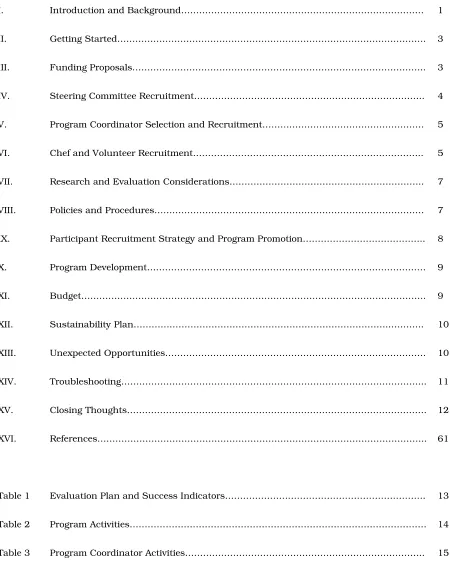
TABLE OF CONTENTS
Page
Certificate of Examination ... ii
Abstract ... iii
Co-Authorship ... v
Acknowledgements ... vi
Table of Contents ... ix
List of Tables ……… ... xiv
List of Figures ... xvi
List of Appendices ... xvii
CHAPTER I Purpose and Introduction ... 1
Background: Literature Overview ... 3
Nutrition, Health, and Obesity Among At-Risk Youth ... 3
At-Risk Youth ... 5
Defining Food Literacy and Cooking Skills ... 6
Food Literacy Among At-Risk Youth ... 7
Importance of Food Literacy and Cooking Skills ... 9
Efficacious Cooking Program Components for Youth ... 11
Using Photovoice (PV) in Health Promotion Planning, Implementation, and Evaluation ... 17
Suitability and Application of the GMPP ... 30
Three Fs of Program Planning ... 32
Participatory Action Research (PAR) ... 35
PAR and its Relationship to Establishing Learning Objectives ... 39
The Application of Self-Efficacy to the Cook It Up! Program ... 40
Summary of Purpose and Introduction ... 43
References ... 45
CHAPTER II Article 1 – Cook It Up! A Community-Based Cooking Program for At-Risk Youth: An Overview of a Food Literacy Intervention ... 59
Purpose ... 61
Planning Framework and Theoretical Foundation ... 61
Overall Program Description of Cook It Up! ... 64
Steering Committee Selection ... 67
Program Coordinator Selection ... 68
Recruitment Principles for Selecting Chefs and Volunteers ... 69
Participant Recruitment and Selection ... 72
Rationale for Pilot Program Size ... 73
Program Cost ... 74
Cooking Component ... 74
Fieldtrip Component ... 76
Formative Evaluation Design ... 78
Discussion ... 80
Acknowledgements and Funding ... 82
References ... 86
CHAPTER III Article 2 – A Formative Evaluation of a Community-Based Cooking Program For At-Risk Youth in London, Ontario ... 95
Program Description ... 98
Purpose ... 98
Methodology ... 99
Specific Process of the Formative Evaluation ... 104
Data Analysis Procedure ... 105
Findings ... 108
Food Literacy ... 108
Connections ... 112
Confidence ... 113
Youth Engagement ... 114
Relevance to Others ... 115
At-Risk Youth Behaviour ... 115
Location ... 117
Discussion ... 118
Conclusion ... 124
References ... 126
CHAPTER IV Article 3 – Exposing Negatives into Positives: Using Photovoice with At-Risk Youth Participating in a Community-Based Cooking Program ... 133
Purpose ... 135
Methods ... 135
Findings ... 139
Facilitators to the application of cooking skills peripheral to Cook It Up! ... ... 140
Aptitude ... 140
Food Literacy ... 141
Local and Fresh ... 143
Connectedness ... 144
Barrier to the application of cooking skills peripheral to Cook It Up! .. . 145
Access to Unhealthy Foods ... 146
Advocacy ... 146
Discussion ... 146
Limitations ... 149
Relevance to Practice ... 151
CHAPTER V
Summary, Implications, and Future Directions ... 160
References ... 165
Appendices ... 166
List of Tables
Page
CHAPTER I
Table 1 Cooking Skills Checklist ……….…. 25
Table 2 Fieldtrip Opportunities During Cook It Up! Program …... 26
Table 3 Canada’s Guidelines to Healthy Eating ……... 27
Table 4 Principles of Fully Participatory and Genuinely
Collaborative Inquiry .……… 36
CHAPTER II
Table 1 Ethical Issues Related to Photovoice and the Rights and
Responsibilities of Photovoice Participants ………. 84
CHAPTER III
Table 1 Demographic Characteristics of At-Risk Youth in Cook It
Up! ………... 100
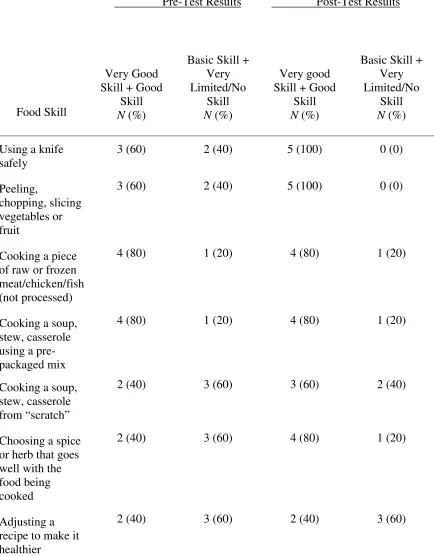
Table 2 Self-Reported Food Skills Rating for Pre- and Post-Test
Questionnaire ………... 101
Table 3 Self-Reported Self-Efficacy with Respect to Food
Literacy and Cooking Skills ……… 103
Table 4 Example Questions from Semi-Structured Interview
Guides for At-Risk Youth, Community Partners, and
Parents/Guardians ……… 106
Table 5 Methods to Facilitate Data Trustworthiness as Outlined
CHAPTER IV
Table 1 Methods to Facilitate Data Trustworthiness as Outlined
List of Figures
Page
CHAPTER I
Figure 1 The Generalized Model for Program Planning .. 44
CHAPTER IV
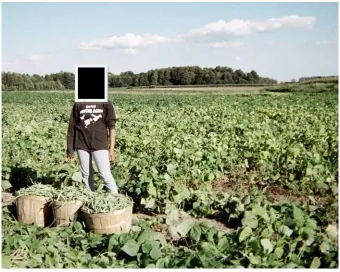
Figure 1 Photograph “Chicken – Before and After” ... 143
Figure 2 Photograph “Field of Beans” ... 144
List of Appendices
Page
Appendix A How-To Manual for Cook It Up! ….………….. 166
Appendix B Letter of Information for Formative Evaluation –
Article ……….
261
Appendix C Copyright Release ……… 265
Appendix D Ethical Approval for Formative Evaluation –
Article 2………...
267
Appendix E Demographic Survey and Self-Reported Cooking
Skills Assessment …...
269
Appendix F Semi-Structured Interview Guide for Formative
Evaluation – Article 2 …...
277
Appendix G Letter of Information for Photovoice Study –
Article 3 ...……….
281
Appendix H Ethical Approval for Photovoice Study –
Article 3 ………..
287
The Planning, Implementation, and Formative Evaluation of a Community-Based Food
Literacy Program for Youth
CHAPTER I
Purpose and Introduction
The overall purpose of this dissertation was to examine the planning,
implementation, and formative evaluation of a food literacy and cooking skills program
grounded in the Generalized Model for Program Planning (GMPP; McKenzie, Neiger, &
Thackeray, 2009), Participatory Action Research (PAR; Kidd & Kral, 2005), and
self-efficacy (Bandura, 1994). To fulfill this purpose, three distinct yet related articles were
written. First, the multi-step process of developing an 18-month community-based
cooking program (Cook It Up!) for at-risk youth was described (Article1); Article 1
provided the foundation for of the other articles in this dissertation. Article 2 outlined the
formative evaluation of Cook It Up! which qualitatively assessed participants’ (i.e.,
youths, community partners, and parents/guardians) experiences with Cook It Up!. Also,
we wanted to gain some idea of the program’s impact on youth participants’ food literacy
and self-efficacy, and therefore implemented a simple, quantitative self-reported tool
(pre-post) to assess each. The primary purpose of Article 3 was to qualitatively assess,
through Photovoice (PV) methodology, the barriers and facilitators at-risk youth
participants experienced with respect to applying cooking skills in environments external
to the Cook It Up! program. Article 3 demonstrated how the community-based cooking
program for at-risk youth might be effective in engaging many youth to learn about food
may provide information to help key educational stakeholders and community members
to understand, from the perspective of the youth participants, why it is essential to create
opportunities to teach fundamental life skills, such as cooking and food literacy, which
serve to help keep youth healthy now and into the future.
The current dissertation was written using the integrated-article format, in which
each chapter represents a separate manuscript focusing on the planning, implementation,
and formative evaluation of a food literacy and cooking skills program, using the
constructs of the GMPP (Figure 1) (McKenzie et al., 2009) and informed by PAR (Kidd
& Kral, 2005) and self-efficacy (Bandura, 1994). As a result, some of the information
presented in this dissertation will be repeated in subsequent chapters.
This introductory chapter includes a discussion about nutrition and health,
particularly as it pertains to at-risk youth; the importance of food literacy and cooking
skills for this vulnerable population; what is known about efficacious cooking program
components for youth; how cooking skills can contribute to increases in self-confidence
and self-efficacy; and the utilization of Photovoice (PV) in health promotion programs.
Then, the GMPP and the “Three Fs” of Program Planning will be introduced with
specific focus on how these principles were applied within the planning, implementation,
and formative evaluation of Cook It Up!. A brief overview of PAR and self-efficacy are
also provided within the context of creating a theoretically-informed approach to the
overall delivery of Cook It Up!. This introductory chapter is intended to provide a fairly
comprehensive description of the background literature that formed the basis for this
research program, and the application of said literature to the program itself is presented
Background: Literature Overview
The reality is that we are in the midst of one of the worst food-related epidemics
that this country has seen. And I can assure you it’s not through lack of food this
time, but because we’re consuming far too much of the wrong stuff. According to
the Institute of Food Technologists, Americans spent more money on fast food in
2007 than they did on education. We’re not talking about gourmet French cheeses
and expensive cuts of meat here…we’re talking about French fries, pizzas,
burgers, and other food that is absolute garbage…The state of our health and our
cooking is a subject that’s been close to my heart for many years now. I live and
breathe it, it bothers me, and I think about how to do my bit every day, so this is
just a small rant…Anyone can eat good food on any budget as long as they know
how to cook (Oliver, 2009, p. 14).
The link among healthy eating, cooking skills, and health seems to be an obvious
one; however, the erosion of cooking skills disconnects the opportunity to ensure healthy
outcomes for individuals (Larson, Perry, Story, & Neumark-Sztainer, 2006a). As popular
food revolutionist Jamie Oliver stated in 2009, the ability to cook facilitates one’s ability
to enjoy healthy foods while ensuring food choices and behaviours are conducive to
improved health. The following section provides an overview of the literature relevant to
food literacy and cooking skills and their impact on at-risk youth. For the purposes of this
dissertation, youth are considered to be people between the ages of 13-18 years old.
Nutrition, health and obesity among at-risk youth. Long-term advantages of
healthy eating relate to reduced risk for a variety of chronic diseases including certain
(O’Loughlin & Tarasuk, 2003; Taylor, Evers, & McKenna, 2005; Veugelers, Fitzgerald,
& Johnson, 2005). Each year in Canada, two-thirds of deaths are from chronic diseases
that have at least some correlation to modifiable behaviours (e.g., dietary intake and
physical activity) (The Secretariat for the Intersectoral Healthy Living Network, 2005). In
addition to the various chronic illnesses associated with poor diet and physical inactivity,
these behaviours have also impacted the well-documented rise in child and youth obesity
in Canada, where more than 26% of children and youth aged 2 to 17 years are considered
overweight and 8% are obese (Tjepkema & Shields, 2004).
The prevalence of overweight and obesity is disproportionally higher among
minority and lower income youth (Freedman, Dietz, Srinivasan, & Berenson, 1999;
Ogden, Carroll, & Flegal, 2008, Oliver & Haye, 2008). As Villarruel and Birch (2010)
underscored, obesity, which has been labeled a chronic condition recently, demands
improved health promotion programming focused on physical activity and healthy eating
targeted specifically at at-risk youth to effectively reduce health disparities among this
group. Although both physical activity and dietary intake need to be addressed, it is the
dietary intake that will be the focus of improved efforts to enhance healthy eating
opportunities among all youth groups are necessary because research shows that typical
adolescents’ diets consist of low fruit and vegetable consumption and high intakes of
dietary fat, saturated fat, sweetened beverages, and fast foods (Nielsen & Popkin, 2004;
Troiano, Briefel, Carroll, & Bialostosky, 2000). In the United States, most youth do not
meet the recommended dietary guidelines for a healthy lifestyle (U.S. Department of
Health and Human Services, 2000) and racial and economic disparities in this population
childhood obesity negatively affects growth and development while contributing to
physical and mental health problems (Basrur, 2004). In a 1998 report on the health of
Canadian youth, researchers found that 21 to 28% of youth in grades six, eight, and 10
ate candy or chocolate bars every day, and approximately 22% of boys and 15% of girls
in grade six ate potato chips daily (Public Health Agency of Canada, 2010). The
frequency of consumption of unhealthy foods by youth underscores the need for
enhancing food literacy programming for this unique target group.
At-risk youth. “At-risk youth” are those considered vulnerable due to
characteristics such as having a racial background; negative influences from family,
environment or peers; social factors that restrict healthy mental and social growth; limited
financial resources; difficulty achieving optimal education; and behavioural issues. This
unique group is a priority population requiring attention in terms of health promotion
programming and service delivery (Dobizl, 2002; Mohajer & Earnest, 2010; Moore,
2006; Sussman et al., 2010). Adolescents (aged 13-18 years) are a very diverse group that
is not homogeneous due to their varying social, economic, and cultural contexts
(Wechsler, 2010). At-risk youth may be marginalized for a plethora of reasons including
but not limited to homelessness, unemployment, First Nations heritage, addictions,
adolescent parenthood, unstable home life, and economic instability (Mohajer & Earnest,
2010). Additionally, this vulnerable population might benefit most from health promotion
programming; however, they tend to have less access to health promotion and health
education programs, and health services (Mohajer & Earnest, 2010). For health
promotion programs targeting at-risk youth to be useful, they must meet the unique needs
family environment – some of their social determinants of health (Mohajer & Earnest,
2010). As is discussed in-depth in the next chapter of this dissertation, within the Cook It
Up! program, program planners targeted at-risk youth who possessed characteristics
identifying them as more vulnerable, including difficult family environments, depressed
economic situations, behavioural issues, education challenges, and/or social isolation.
Defining food literacy and cooking skills. To date, there is no explicit definition
for the concept of food literacy that is agreed upon nor adopted in the literature. Some
authors utilize terms such as “cooking” (Caraher, Dixon, Lang, & Carr-Hill, 1999; Short,
2003) and others discuss “food preparation” (Lai Yeung, 2007; Larson et al, 2006a;
Larson, Story, Eisenberg, & Neumark-Sztainer, 2006b). Perhaps the most complete
definition of food/cooking skills which also relates to food literacy was crafted by Short
(2003), who provided a systematic framework for consideration of domestic cooking,
grounded in the definition of “cooking skills.” She found that there was a complex
interrelationship among domestic cooking practices and abilities, cooking skills, and
approaches to cooking, “incorporating more than just practical, technical ability” (p. 17).
Short recognized that domestic cooking skills are contextual and dependent upon the
individual undertaking the assignment of cooking. She included in her definition the
ability to use both raw and pre-prepared foods and also appreciated the contribution that
cooking equipment plays in how cooking is accomplished (e.g., the use of microwave
ovens). The art and science of cooking and the development of cooking skills is
multidimensional and demands special attention when applied to unique population such
as at-risk youth. For the purpose of this paper, an adaptation of Short’s definition was
skills that are necessary to provide and prepare safe, nutritious, and culturally-acceptable
meals for all members of one’s household (Region of Waterloo Public Health, 2009).
Enhancing food literacy among at-risk youth through cooking skills instruction and
introduction to the agri-food industry was the overarching goal of the Cook It Up!
program; this overarching goal was considered at each step of the program planning, as
advised by the GMPP (McKenzie et al., 2009), and as will be discussed in the next
chapter of this dissertation.
Food literacy among at-risk youth.Healthy eating habits established in
childhood and adolescence can contribute to healthy lifestyle patterns into adulthood and
potentially reduce the incidence of chronic disease overall (Biro & Wien, 2010; Due et
al., 2011). Poor dietary habits during adolescence can have negative impacts on several
health and wellness indicators including day-to-day wellbeing and functioning,
achievement and maintenance of healthy weights, proper growth and development
patterns, and dental health (Nappo-Dattoma, 2010; Ng, Young, & Corey, 2010; Riediger,
Shooshtari, & Moghadasian, 2007). Researchers have found that when youth are involved
in preparing food for meals, they are more likely to eat more nutrient-rich foods including
higher intakes of fruits and vegetables, higher intakes of key nutrients, and lower intakes
of fat (Anderson, Bell, Adamson, & Moynihan, 2002; Aumann et al., 1999; Brown &
Hermann, 2005; Larson et al., 2006a; Thonney & Bisogni, 2006; Wrieden et al., 2007).
However, these studies assume youth have access to food on a regular basis and live in a
family-style environment. While youth involvement in food literacy-related tasks such as
food shopping and preparation (Hebert & Jacobson, 1991; Skinner, Salvetti, & Penfield,
not tend to be at-risk youth in transition from the family home, foster care, or a group
home environment to independent living.
Disadvantaged, at-risk youth tend to have poorer social determinants of health
such as lower socio-economic status (SES) (Mohajer & Earnest, 2010). Combined with
and facilitated by unstable home lives, these youth are at a higher risk of consuming an
unhealthy diet (Anderson et al., 2001), and face other challenges such as addiction and
homelessness (Hadland, Kerr, Li, Montaner, & Wood, 2009; Rachlis, Wood, Zhang,
Montaner, & Kerr, 2009). There is a cyclical impact on health and social outcomes faced
by at-risk youth. These adolescents have SES and/or living arrangements that put them at
increased risk for a variety of physical and psycho-social issues including poor nutrition.
As a result, their poor nutrition contributes to a cycle of exacerbated physical and
psycho-social issues (Mohajer & Earnest, 2010). It can be a challenging situation in which at-risk
youth often find themselves, resulting in the ongoing need for programming which can
provide skills to improve the impact of nutrition on their health and wellbeing.
One potential solution to the above-noted nutritional and health challenges
affecting youth may be the development and implementation of a cooking program
highlighting food literacy and cooking skills, using a process that engages youth in an
empowering manner. The provision of a hands-on, practical life skills cooking program
targeting at-risk youth (in service of building self-efficacy, knowledge, confidence, and
potential enhancement of some of their social determinants of health) has been deemed a
necessary intervention (Region of Waterloo Public Health, 2009). Therefore, a structured
health promotion programming approach (i.e., the GMPP; McKenzie et al., 2009) was
outlined above (i.e., an empowering cooking program for at-risk youth to facilitate
increase in food literacy and cooking skills).The full details of this design are found in
chapter two of this document.
Importance of food literacy and cooking skills.Food and cooking skills are
important for several reasons with respect to health, knowledge, empowerment,
engagement, culture, food security, and fun (Anderson, 2007; Lang & Caraher, 2001;
Lang, Caraher, Dixon, & Carr-Hill, 1999; McLaughlin, Tarasuk, & Krieger, 2003).
However, domestic cooking skills are becoming eroded, or at the very least, are in
transition, such that the foods people cook, the food preparation skills they use, and
where they cook are influenced by social, economic, and cultural contexts (Lang &
Caraher, 2001; Lang et al., 1999; Short, 2003). For example, there has been an ongoing
social change of cooking since the late 19th century with the entrance of women into the
workforce and out of the family kitchen (Lang & Caraher, 2001). Lang and Caraher
(2001) indicated that family meals ignite the debate about food literacy and cooking
skills. In the economic context, the increased accessibility, variety, and consumption of
pre-prepared foods flood the market and make cooking from “scratch” a food literacy
practice in transition (Short, 2003). While technological advances in kitchen and cooking
equipment can facilitate an individual’s ability to prepare foods (Short, 2003), advanced
technology and its impact on cooking can also eclipse the cultural and traditional role
home economics once played by removing the skill required to put ingredients together to
make a meal from “scratch” (Lang & Caraher, 2001). As such, the link between the
erosion of essential life skills (i.e., food literacy and cooking skills) and its impact on
Today, a greater proportion of Canadians’ food is being consumed away from
home. In fact, according to the Canadian Council of Food and Nutrition report, Tracking
Nutrition Trends - VII (2008), many Canadians reported eating non-home-prepared meals
two or three times weekly either at restaurants and/or via take-out food. In concert with
these statistics, the amount of time spent to prepare meals has been declining significantly
since the early 1900s (Bowers, 2000; Canadian Grocer, 2000). For example, in 1900, the
average time spent daily for meal preparation was over six hours and one century later,
the time reserved for this essential task has declined drastically to an average of only 45
minutes daily (Bowers, 2000; Canadian Grocer, 2000). Although many modern
conveniences, such as microwave ovens, have helped to reduce food preparation times
over the last 100 years, the predominant change in eating and meal preparation culture
has been identified as due to most adults in a family working outside the home,
participation in busier lifestyles, and an increased number of hours spent at work during
the week. In the same time-frame, Canadians have also experienced, in general, a much
reduced cooking skill set (Canadian Grocer, 2000). In most provinces in Canada, cooking
skills are not taught in the majority of elementary schools and taught much less in
households today compared to the past (Canadian Foundation for Dietetic Research,
1997; Harnack, Story, Martinson, Newmark-Sztainer, & Stang, 1998). Some researchers
contend that domestic food preparation may have resulted in a “deskilling” in cooking as
a result of a lack of introduction and opportunity to acquire cooking skills from parents,
grandparents, or school environments (Caraher & Lang, 1999; Lang & Caraher, 2001;
Lai Yeung, 2007; Short, 2003). Lang and Caraher (2001) proposed that the limited
harvested lead to barriers related to consuming a healthy diet and ultimately achieving
and maintaining a healthy weight.
Researchers have found that cooking education has a very positive impact on
behaviours and attitudes toward cooking and healthy eating, such as increased
consumption of fruits and vegetables, improved food safety behaviours, higher frequency
of cooking, increased nutrition knowledge, higher self-efficacy, and less money spent on
food (Aumann et al., 1999; Brown & Hermann, 2005; Crawford, Ball, Mishra, Salmon, &
Timperio, 2005; Cullen, Watson, Zakeri, Baranowski, & Baranowski, 2007; Lai Leung,
2007; Lang et al., 1999; Larson et al., 2006a; Larson et al., 2006b; Meehan, Yeh, &
Spark, 2008; Shankar & Klassen, 2001; Stitt, 1996; Stockley, 2009). Although it is
well-accepted that nutritional intake during the adolescent years impacts physical health, risk
of future disease, and bodyweight (e.g., Larson et al., 2006a), there are few studies
examining the food preparation and cooking skills of youth, especially at-risk youth.
There are also few studies examining youths’ understanding of food literacy in the
context of local farms and farmers’ markets including how it relates to their ability to
select, prepare, cook, store, and enjoy foods prepared from ‘scratch.’ The limited
evidence related to the context of at-risk youth, cooking skills, and food literacy provided
the impetus for the planning, implementation, and formative evaluation of the Cook It
Up! program.
Efficacious cooking program components for youth.Relatively few studies
have focused on identifying efficacious components of cooking programs targeted at
youth. As such, the practical lessons taken from the literature come from a small number
the range of focus for this dissertation (but whose focus was deemed useful nonetheless).
A particularly helpful article was written by Larson and colleagues (2006a) who studied
adolescents (11-18 years of age) in middle and high school in Minnesota. They described
adolescents’ involvement in food preparation and shopping and examined the extent to
which involvement was related to diet quality. Though the study did not provide specific
details of a program, the researchers concluded that adolescents should be supported to
assist with meal preparation to improve the quality of their diets (Larson et al., 2006a).
Furthermore, the authors indicated that programs focusing on cooking skills and food
selection knowledge and awareness (i.e., food literacy) would be beneficial to this unique
population in terms of improving their self-efficacy toward food preparation and diet
quality and they recommended community-based programs to facilitate this goal (Larson
et al., 2006a).
Larson and colleagues (2006b) conducted a study focusing on food preparation
behaviours, cooking skills, resources for food preparation, and diet quality among young
adults aged 18 to 23 years. Results from this study demonstrated that young adults who
were able to prepare foods more frequently also consumed less fast food and were better
able to meet nutritional requirements for fat, calcium, fruit, vegetables, and whole grains
(Larson et al., 2006b). Again, these authors concluded that interventions targeting young
adults should teach skills for preparing fast, nutritious meals (Larson et al., 2006b).
Although Levy and Auld’s (2004) studied a slightly older group than is the focus
of this dissertation, their investigation provided useful insights for targeting younger
people who tend to struggle with nutrition. They studied second year university students
cooking classes. The main focus of this study was to measure changes in attitudes,
knowledge and behaviours regarding cooking. Recognizing that food demonstration
classes could reach larger groups of people in different settings, the researchers noted that
providing cooking classes would have a greater impact in terms of attitudes,
cooking-related knowledge, skills, and behaviours (Levy & Auld, 2004). The positive shift in
self-efficacy was higher (and statistically significant) in the cooking classes group compared
to the food demonstration group (Levy & Auld, 2004).
As underscored above, the importance of hands-on experiences with food
preparation was also realized in a study by Liquori, Koch, Contento, and Castle (1998) in
a sample of much younger ‘youth’. Their study involved a nutrition education
intervention for children in grades Kindergarten to six, called the “Cookshop Program.”
The program was designed to increase preferences for and consumption of whole grains
and vegetables through cooking these foods in the classroom, providing numerous
opportunities to try the same foods in the cafeteria, and including parent involvement
(Liquori et al., 1998). Results from this study suggest that real cooking experiences,
eating food with peers, and accompanying educational components specific to nutrition
and healthy eating are effective approaches for children (Liquori et al., 1998).
Aumann and colleagues (1999) focused their attention on program staff rather
than children or youth. In their program “Cuisine for Kids,” instructing school and child
care staff about nutrition concepts and culinary skills was facilitated by chefs and
nutritionists. While the goal of the program was that child nutrition program staff would
be able to prepare healthy, tasty, and culturally diverse foods that appeal to young
confidence, and collaboration with teachers, parents, and others in the school community.
Participants also commented on the positive benefits to learning through hands-on food
preparation (Aumann et al., 1999).
In a study by Beets, Swanger, Wilcox, and Cardinal (2007), cooking classes were
also identified as the preferred method of delivering nutrition education programs. In a
summer camp program focusing on cooking with young adolescents, “Culinary Camp”
provided youth with the opportunity to modify their cooking behaviours and attitudes
toward cooking. The researchers noted that the hands-on format of the camp brought
forth receptiveness from the campers including allowing the participants to engage in the
cooking component which generates enthusiasm and greater positive connection to the
program and its content (Beets et al., 2007).
Providing hands-on experiences during which participants in a cooking program
apply skills and learn to create foods from scratch fosters a fun learning opportunity
(Dougherty & Silver, 2007). Dougherty and Silver (2007) described a cooking education
series in which chefs and nutrition professionals facilitated an educational program
targeting children aged 8 to 12 years. The role-modeling provided by each chef-nutrition
professional team was significant in terms of using cooking to teach nutrition via
practical and enjoyable methods (Dougherty & Silver, 2007). A program introducing
chefs to participants is a unique way to captivate the attention of the participants to foster
their interest in contributing to both in-class sessions and take-home activities.
Increases in confidence and self-efficacy were anecdotally identified in a study by
Hunton (1994). This author described a program for school-aged children (aged 10-11
emphasis on fun. While not formally evaluated, this program was well-received by
participants and teachers alike. Teachers anecdotally reported the children developed
greater self-efficacy and confidence as a result of participating in the cooking classes.
Another program, “Youth Cooking School” (Winter, Stanton, & Boushey, 1999),
discovered that cooking curriculum was successful in achieving significant knowledge
related to nutrition and food safety curriculum. This program included hands-on activities
and food preparation methods to a target audience of children, aged 8 to 12 years.
Incorporating food preparation methods into the curriculum to ensure participants
accurately learn nutrition and food safety information was deemed a useful way of
engaging children and youth while facilitating increases in their confidence about their
abilities to select and prepare nutritious food for themselves and their families (Winter et
al., 1999).
Byrd-Bredbenner (2004) demonstrated that overall food preparation knowledge of
young adults was low. Interestingly, in this study, participants indicated they may be
open to learning about food preparation skills because they realize it would assist their
knowledge level about nutrition (Byrd-Bredbenner, 2004). Cooking classes are promising
in terms of augmenting food preparation knowledge, attitudes, and self-efficacy (Levy &
Auld, 2003).
In terms of family involvement in the studies reviewed, one key study focused on
a nutrition-related health promotion initiative offered in an after-school program (Hyland,
Stacy, Adamson, & Moynihan, 2006). Children participating in an after-school program
were able to engage in food preparation was correlated with enhanced skill development
that a number of the children became more involved in cooking at home and making
some recommendations about the foods chosen by the family; however, there was
insufficient data to suggest the children were able to influence the family’s food
consumption overtly (Hyland et al., 2006).
These studies, while contributing to the limited body of evidence about cooking
and food literacy skills in general, provide a foundation upon which Cook It Up! and
other food literacy and cooking skills interventions for youth can be planned,
implemented and evaluated. Through a review of the literature focused on efficacious
components of youth-related cooking programs, it seems that it is particularly important
to include fun, hands-on experiences, opportunities for nutrition education, including how
to utilize healthy food ingredients and the principles of food safety, and to offer the
program in a community setting. Additionally, it was important for Cook It Up! program
planners to include an assessment of cooking skills before and after the intervention, to
enhance cooking skills and food literacy, and to seek ongoing feedback and input from
at-risk youth participants to shape the intervention. Each of these elements was
incorporated within the Cook It Up! program, as well be outlined in the second chpater
(Article 1).
Throughout the above-noted review of previously implemented cooking programs
for youth, the importance of youth involvement and engagement was clear. Because this
dissertation represents a research project, attempts were made to include youth
participants in as many aspects of the full project as possible, including its research
labeled a health promotion program in and of itself, was utilized to enhance youth
involvement in the project while obtaining research findings about its appropriateness.
Using photovoice (PV) in health promotion program planning,
implementation, and evaluation.Photovoice (PV) is a qualitative approach in which
still picture cameras are used to document participants’ health and community realities
(Wang & Redwood-Jones, 2001). This unique approach combines grassroots social
action with the creative expression of photographs (Wang, Yi, Tao, & Carovano, 1998) to
respond to the research question and for discussing photographs taken as a means of
inspiring personal and community change (Wilson, Minkler, Dasho, Wallerstein, &
Martin, 2008). Sharing theoretical perspectives with health promotion, PV may be
perceived as a practical and functional method to employ when considering health
promotion strategies, particularly for vulnerable populations, which is the typical target
for Photovoice, especially when reviewing how “empowerment” corresponds with the
definition of health promotion (Wang et al., 1998). According to the World Health
Organization (1998), health promotion represents a process, through participation and
community mobilization, of enabling individuals to strengthen their skills thus enhancing
their control over the determinants of health.
Action for health promotion is a comprehensive and political process aiming to
alter social, environmental, and economic conditions while improving health (World
Health Organization, 1998). Central to this notion is the importance of empowerment as a
health-enhancing strategy that can promote community engagement which can facilitate
the achievement of identified goal including enhanced overall quality of life (Wallerstein,
using an insider’s approach along with an outsider’s perspective (Gittlesohn et al., 1999).
Photovoice is a method that can represent one step in health promotion planning by
showcasing the insider’s perspective (the vulnerable population participating in PV) and
the outsider’s view (the key stakeholders to whom the photos are shown) with the
purpose of informing and advancing healthy public policy. Therefore, PV can be an
effective approach to assist priority populations with advocating for health issues
identified as priorities to them.
This dissertation draws upon PV to advance the understanding, from the
perspective of at-risk youth, of the barriers and facilitators to the application of food
literacy and cooking skills among youth participants external to their involvement in the
Cook It Up! program following its conclusion. The at-risk youth participants in the PV
study were asked what they perceived as the facilitators and barriers to the application of
their acquired cooking skills outside the Cook It Up! program (Article 3). Having an
appreciation of how the program provided participants with necessary life skills was
important but the PV research project also served as a conduit to key educational
stakeholders to demonstrate the value of implementing community-based cooking
programs outside the traditional classroom setting, with credit awarded to participants in
such a program. The PV research project results can provide evidence to key stakeholders
to consider allowing for non-traditional curriculum provision to meet the needs of
vulnerable youth both within and outside the school system. The lead investigator will be
taking forward the results of the Cook It Up! formative evaluation (Article 2) and the PV
study (Article 3) to advocate for this proposed opportunity with relevant school board
study to share their photographs with school board representatives and to be provided a
voice to demonstrate, through pictures and words, the value of the Cook It Up! program.
Generalized model for program planning (GMPP). When planning health
promotion programs and services, the Generalized Model for Program Planning (GMPP;
Figure 1) provides a useful and essential tool for health professionals, according to
McKenzie et al. (2009). This model outlines common phases of program planning
including “assessing needs, setting goals and objectives, developing an intervention,
implementing the intervention, and evaluating the results” (McKenzie et al., 2009, p. 17).
Each step and sub-step of the model are introduced below, and to contextualize each step
with examples, specific albeit brief references to their use for the Cook-it-Up! program
are provided. The full details about the program components as they have been applied to
the Cook-it-Up! program are located in the next chapter of this dissertation.
Step one: Assessing the needs of the population.The purpose of the GMPP is to
assist the planner in adapting to planning opportunities while incorporating the guiding or
planning principles provided in the model (McKenzie et al., 2009). The sequence of the
steps in this model is logical and progressive, with each step building upon the previous
step (McKenzie et al., 2009). The first step in this model is to assess the needs of the
population (McKenzie et al., 2009). In this step, program planners work to identify the
needs of the priority population and establish the extent to which their needs are or are
not being met (McKenzie, et al., 2009). For Cook It Up!, the needs assessment was
conducted informally with key stakeholders (working directly with at-risk youth) who
had the direct knowledge and understanding of the needs of those in this particular
agencies working with at-risk youth (i.e., Middlesex-London Health Unit, Youth
Opportunities Unlimited, Children’s Aid Society, Boys and Girls Club of London) was
invited to dialogue with the lead agency (London Community Resource Centre) about
their opinions regarding the need to implement an intervention for at-risk youth focusing
on food literacy and hands-on cooking skills. The possibility of taking at-risk youth on
fieldtrips to local farms and farmers’ markets was also explored with these key
stakeholders to determine the potential need and impact this kind of fieldtrip may have
with this unique population. The connection with staff directly involved with youth was
invaluable because it provided the lead agency with insight into the overall need for
community-based programming for this population. Specifically, the lead agency was
able to glean the opinions of key stakeholders with respect to the proposed concept of a
community-based cooking program for at-risk youth focusing on hands-on skill
development and food literacy opportunities. As advised by McKenzie et al (2009), these
key informants were be assumed to be respected by others in the community because of
their direct link to the population and inside understanding of the youths’ specific needs
as well as gaps in youth-focused services.
McKenzie et al (2009) purport that in addition to using information from key
stakeholders, a needs assessment can be particularly strengthened by seeking additional
information from participants themselves using succinct written questionnaires. However,
the at-risk population with whom we were working presented with challenges with
literacy. Therefore, written pre- and post-test food skills questionnaires were
administered orally and with individual at-risk youth (one-on-one) by a member of the
Step two: Setting goals and objectives.The second step in the GMPP is setting
goals and objectives (McKenzie et al., 2009). Goals are defined as simple, concise
statements of all aspects of the program with the purpose of providing overall direction to
the long-range outcomes of the intervention (Jacobsen, Eggen, & Kauchak, 1989).
Objectives are more precise statements which express the specific steps required to
achieve the program goals (McKenzie et al., 2009). There were a number of overall goals
of the Cook It Up! program which focused on food literacy enhancement and cooking
skills development. Overall, these goals involved providing hands-on cooking instruction
to at-risk youth with skills facilitated by local chefs and enhancing food literacy through
the introduction of at-risk youth participants to local farms and farmers’ markets to
facilitate their understanding of where their food comes from, how it is grown and
harvested, and how it can be incorporated into recipes using the cooking skills explored.
Objectives for the Cook It Up! program were more defined and included: the specific
development of food literacy curriculum (i.e., precise cooking skills required to create
recipes featuring local and seasonal agri-food industry products; Table 1); specific
fieldtrip opportunities to establish and enhance the education and awareness of local
agriculture and agri-food industry (Table 2); principles of healthy eating (Table 3); and
food purchasing skills including label reading during a grocery store tour (Health Canada,
2010).
Step three: Developing an intervention. The third step in the GMPP is
developing an intervention (McKenzie, et al., 2009). This step requires program planners
to convert plans, goals, and objectives into intended actions and outcomes (Timmreck,
tangible components of the program plan such as but not limited to: the formal reporting
structures for the Steering Committee and Program Coordinator; specific management
activities; policies and procedures for the implementation of the cooking and field trip
sessions; documentation of emergency procedures (i.e., first aid, safety procedures,
medical concerns, behaviour management); and consent forms for fieldtrips and
participation in the program and research involved in the program. During the process of
developing the Cook It Up! program, a number of considerations needed to be made by
the Steering Committee. As outlined by McKenzie et al. (2009), safety and medical
concerns, ethical issues, legal concerns, program registration and fee collection,
procedures for record keeping, procedural manual, training, dealing with problems, and
reporting and documenting were all considered and planned by the host agency and
Steering Committee for Cook It Up! prior to implementation. The Steering Committee
drafted safety procedures to be followed in case there were any preventable injuries in the
kitchen or on a fieldtrip. A medical information form was created and completed by each
participant in the program.In terms of legal concerns, consent and permission forms were
created and distributed for signatures from parents/guardians and participants in the
program. There was no fee required for participants to become involved in the program;
any operational costs for the program were supported by received funding. Formal record
keeping was completed by all members involved in the program including the Steering
Committee (minutes from meetings), the Program Coordinator (activity reports),
volunteers (incident reports), and participants themselves (food and fieldtrip journals). A
procedural manual was developed to keep the program on track and to ensure the best
members and volunteers received sensitivity training related to working with at-risk
youth. There were expectations related to reporting that were outlined to the Program
Coordinator. Furthermore, the host agency was required to complete reports about the
progression of the Cook It Up! program at specific times throughout the funding period.
It was evident that significant time and energy was taken to ensure these vital
components of program planning were in place to facilitate an efficient implementation
of the program. The “How-to Manual” (Appendix A) and Article 1 highlight many of
these implementation documents, procedures, and processes. Ethical approval for all
aspects of the Cook-it-Up! design was received by the University of Western Ontario’s
Office of Research Ethics (Appendix D).
Step four: Implementation of the intervention.As previously mentioned, the
implementation of the intervention involves operationalizing the plans, goals, and
objectives developed for the program (Timmreck, 1997). The process of implementation
involves a number of phases of program implementation, as described by McKenzie and
colleagues (2009). Each phase is described below.
Phase one: Adoption of the program. Phase one is identified as the adoption of
the program (McKenzie et al., 2009) in which appropriate marketing of the program must
be considered. For Cook It Up!, a number of strategies were used to promote the program
to potential participants. For instance, Facebook® and YouTube® promotions occurred
in concert with website promotions on credible local health and social service agency
websites (e.g., the websites for the Middlesex-London Health Unit, Healthy Living
Partnership of Middlesex-London which is a health promotion coalition, and the London
Community Television, A Channel/ATV, a subsidiary television company of CTV
Television Network) was used to promote the program. Perhaps the best method of
recruitment and program promotion was through word-of-mouth via our key stakeholders
(e.g., staff working with at-risk youth in local social service agencies such as Youth
Opportunities Unlimited and the Boys and Girls Club of London) who had direct contact
with at-risk youth. Youth workers were provided a description of “at-risk” in the context
of this dissertation and subsequently identified suitable youth for the program.
These key stakeholders were trusted by at-risk youth interested in participating in
the program and they had previously established rapport with the at-risk you which
served to encourage them to apply to the Cook It Up! program. Efforts also were taken, as
suggested by McKenzie et al. (2009), to determine that the priority populations targeted
by the Steering Committee actually would want to be a part of the intervention. For
example, at-risk youth were consulted about the intervention prior to its implementation.
At an informal community meeting, the lead agency proposed the idea of the program to
at-risk youth to gauge their interest and seek feedback regarding their participation in it.
This feedback shaped the program development.
Phase two: Identification and prioritization of tasks to be completed. Phase two of
program implementation involves the identification and prioritization of the tasks to be
completed (McKenzie et al., 2009). The role of the Program Coordinator of Cook It Up!
was to complete this phase of program implementation. As advised by McKenzie and
colleagues (2009), the Program Coordinator, under the guidance of the Steering
Table 1
Cooking Skills Checklist
Getting Ready to Cook: Reviewing the recipe Adjusting the recipe
Reviewing ingredients available and required
Assessing available equipment Following prescribed directions
Kitchen Safety:
Food safety principles (safe food handling)
Clean-up tasks
Meal Planning: Menus Setting a table Dining etiquette
Food Label Reading: Net weight
Food label information Ingredient label
Health claims information Unit cost
Origin of food (local vs. imported)
Mixing Methods: Muffin method Biscuit method Drop cookie method Rolled cookie method Shaped cookie method Cake method
Rapid mix yeast dough method Straight dough method
Cool-rise method
Cooking Techniques and Terms: Shelling an egg
Separating an egg Sift
Blend/whisk Cream Cut-in Knead
Ferment, raise, rest, punch Fold-in
Peel
Slice, dice, grate Roll out Divide dough Simmer Boil Bake Broil Measuring Skills: Kitchen Measurements Teaspoons Tablespoons Cups Scales Dry ingredients Liquid ingredients
Shortening, butter, and margarine measurements
Brown sugar measurements Other
Harvesting Skills:
Harvesting ripe produce from the field
Table 2
Fieldtrip Opportunities during Cook it Up! Program
Dolway Organic Garden
Dwarf Tree Orchards
Kinsmen Sugar Bush
Sleger’s Greenhouses
Fanshawe College Culinary Management Program
O’Shea’s Farm
Western Fair Farmers’ Market
Covent Garden Market
Grocery Store Tour
National Youth Week – Catering event
Table 3
Canada’s Guidelines to Healthy Eating
Emphasize cereals, breads, other grain products, vegetables and fruits.
Choose lower-fat dairy products, leaner meats and foods prepared with little or no fat.
Achieve and maintain a healthy body weight by enjoying regular physical activity and healthy eating.
Limit salt, alcohol and caffeine.
key activities to take place including an estimation of the dates when these activities
would occur, and the time allocated to each task. The purpose of the activity charts was to
keep both the Steering Committee and Program Coordinator on task in conjunction with
the deadlines established by the funding agency.
Phase three: Establishing a system of management. The third phase of program
implementation focused on establishing a system of management (McKenzie et al.,
2009). Essentially, this phase ensured that proper management of the program would help
lead to its success (McKenzie et al., 2009). The Cook It Up! program was managed by
the Steering Committee which was comprised of a diverse group of individuals
representing various sectors within the community (e.g., health, social service, business,
research, academia, agri-food, foodservice, and general community) in service of
promoting health and well-being for at-risk youth. It was the Steering Committee’s
responsibility to ensure the Program Coordinator was completing his assigned tasks in a
timely manner while meeting the goal of having the community-based cooking and food
literacy program for at-risk youth that was both well-received in the community and
executed with diplomacy and professionalism.
Phase four: Putting plans into action. Phase four of program implementation
involved putting the plans into action (McKenzie et al., 2009). The Cook It Up! program
opted for a pilot testing model in which challenges associated with the implemented
program could be identified and managed before the program was expanded to a larger
sector of the target population (McKenzie et al., 2009). The pilot project for Cook It Up!,
as recommended by McKenzie et al. (2009), included verification that the intervention
adequate resources were available to implement the intervention, and participants in the
intervention had the opportunity to contribute to its evaluation (as outlined in Articles 2
and 3).
Phase five: Deciding to conclude or sustain the program. Finally, phase five of
program implementation focuses on whether or not the program should conclude or be
sustained (McKenzie et al., 2009). For the purpose of Cook It Up!, while there was great
interest in continuing the program, the funding for the intervention was time-limited (18
months) and ceased when the intervention was completed. However, modifications to
some of the program’s components have since been made to help sustain many of its
components. Agencies involved in Cook It Up! have partnered with other community
groups and organizations sharing similar missions and a willingness to allocate resources
and responsibilities for continuing the program in some capacity (McKenzie et al., 2009).
The food skills and food literacy aspects of Cook It Up! have been identified as very
important components of this program and have resulted in advocacy for
community-based cooking programs such as Cook It Up!, at the provincial level, to be implemented
these skills through similar programming. Advocacy is a key element of the Ottawa
Charter of Health (1986) and is also a key technique to sustainable programming
(McKenzie et al. 2009). Furthermore, other agencies in London, Ontario (e.g., The
Children’s Aid Society, Youth Opportunities Unlimited, Cross Cultural Learners Centre,
North Bay and District Health Unit) have adopted the program in their communities thus
creating the need to review the program’s goals and objectives to determine its utility in
their communities, another way in which the program can be sustained (McKenzie et al.,
Step five: Evaluating results.The last step of the GMPP pertains to evaluating
the results, and specifically serves to assess and improve the quality of the intervention
and to determine its effectiveness (McKenzie et al., 2009). The GMPP (McKenzie et al.,
2009) provided guidance for the development of an evaluation plan for Cook It Up!. This
evaluation plan involved completing a formative evaluation to assess the program’s value
from the perspective of the collective participants (e.g., Steering Committee members,
Program Coordinator, volunteers, guest chefs, fieldtrip operators, at-risk youth
participants, parents/guardians), and what could be done to make it as useful as possible.
According to Green and Kreuter (2005), the formative evaluation serves to “assess the
relevance, comprehension, and acceptability of activities, materials, methods” employed
throughout the intervention (p.207). Employing in-depth interviews with many of the
people involved in Cook It Up! (e.g., Steering Committee members, Program
Coordinator, volunteers, guest chefs, fieldtrip operators, at-risk youth, and
parents/guardians), the lead investigator was able to garner rich, contextual data
highlighting the successes and challenges experienced throughout the program (Article
2).
Suitability and application of the GMPP.While the GMPP may seem linear
(see Figure 1), there was the opportunity for program planners to move from step to step
and back again, thus facilitating a “guiding paradigm” that would keep the program on
track while providing a solid foundation for health promotion planning (as was suggested
by McKenzie et al., 2009, p. 18). Program planners are encouraged to turn to this