PHELISTA MARURA MUSILI C82/21113/2010
A THESIS SUBMITTED TO THE SCHOOL OF HUMANITIES AND SOCIAL SCIENCES IN PARTIAL FULFILMENT OF THE REQUIREMENTS FOR
THE AWARD OF THE DEGREE OF DOCTOR OF PHILOSOPHY (COUNSELLING PSYCHOLOGY) OF KENYATfA UNIVERSITY
DECLARATION
This Thesis is my original work and has not been presented for a degree in any other University or for any other award.
Signature: ~: Date: ~./ ..~..{.~ ..t ~
Phelista Marura Musili (C8212111312010) Department of Psychology
SUPERVISORS
We confirm that the work reported inthis thesis was carried out bythe student under our supervision as University Supervisors.
Signature:
JiI
r
!
..
~
.
.H.
Date:?
L
~
.
..I.?-
.
(
)
.(
.
.
f,
Dr. Beatrice KathunguDepartment of Psychology Kenyatta University
Signature: ...~.~.. .... Date: ..
3
.
/iJ.'?&
.
(C
Dr. Ann Merecia SireraDEDICATION
ACKNOWLEDGEMENT
I give glory to Almighty God for the grace and favour He showered upon me and my family throughout this long journey. My deep gratitude goes to my supervisors Dr. Beatrice Kathungu and Dr. Ann Sirera for their continued intellectual guidance in refining this thesis as well as their moral support throughout the program.
I wish to thank Kenyatta University for granting me the opportunity to pursue my PhD degree through the staff development program as well as awarding me the research grant through the Dean Graduate School.My appreciation goes to Dr.Oteyo for his invaluable assistance especially in data analysis and for the words of encouragement. Special thanks to my colleagues in the Department of Psychology for the encouragement that they gave me and for holding my hand throughout this journey. I also acknowledge the special support offeredby the non-teaching staff. Risper thank you so much for your support. God bless you all.
Mydeep appreciation goes to my husband Elijah Musili: your love and support from the time I began the program to the writing of this thesis has been instrumental and invaluable. Thank you for your unceasing prayers, patience, moral and financial support which I will forever cherish.I will forever be grateful to my children Brian, Ivy and Beverly who stood by me throughout this journey. Thank you for bearing with my absence while I was striving to complete this thesis and for the encouragement even when I felt like throwing in the towel.
My deep gratitude to my colleague and friend Caroline Ouma: your unceasing support from the time I began this journey cannot be quantified. You helped me rise up again in times when I was feeling like giving up. I also appreciate and acknowledge the prayers and encouragement from family members and friends. Mom, thank you for the sacrifices you made for me. To my loving sisters Diana and Christine: your prayers were not in vain. Florence, Alison, Dennis and Betty you have been wonderful prayer partners and supportive neighbours.
TABLE OF CONTENTS
DECLARA TION ii
DEDICATION iii
AC~OWLEDGEMENT •••.•.••••.•.••••.••.•.••.•.••.•.•••••..••••••.•..•.•••.••••.•.•.••.•...•.•....•....iv
TABLE OF COmEmS _ _ v
LIST OF TABLES ix
LIST OF FIGURES xi
OPERA.TIONAL DEF'IN'ITIONS OF TE'RM.S xii
ABBREVIATIONS AND ACRONYMS xv
ABSTRA.CT xvi
C.HA.nER ONE ...•...._... 1
'IN'TRODUCTION 1
1.1 Background to the Study 1
1.2 Statement of the Problem 7
1.3 Purpose of the Study 8
1.4 Objectives of the Study 8
1.5 Research Questions 8
].6 Research Hypotheses 9
1.7 Justification and Significance of the Study 9
1.8 Scope and Limitations of the Study 11
1.9 Assumptions of the Study 11
CHAPTER ]Wo 12
LITERA.TURE RE VIEW 12
2.1 Introduction : 12
2.2 Theoretical Framework 12
2.2.1 The Constructivist Self-Development Theory 12
2.3 Review of Related Studies 14
2.3.1 Symptoms and Prevalence of Vicarious Trauma 14
2.3.3 Personal Attributes as Risk Factors for Vicarious Trawna ~ 19 2.3.4. Demographic Variables and Vicarious Trauma 19 2.3.5 Personal Trauma History and Vicarious Trauma 23
2.3.6 Empathy and Vicarious Trauma 26
2.4 Summary ofReJated Studies 27
2.5 Conceptual Framework 28
CHAPTER T"HREE 30
.RESEARCH METHODOLOGy 30
3.1 Introduction 30
3.2 Research Design 30
3.3 Study Variables 30
3.4 Location of the Study 31
3.5 Target Population 31
3.6 Sampling and Sample Size 33
3.7 Research Instruments 34
3.8 Pilot Study 37
3.9 Validity and Reliability of the Instrument.. 38
3.]0 Data CoJJection Procedures 39
3.11 Data Analysis and Presentation 40
3.12 Data Management and Ethical Considerations 41
CHA.PTER FOUR 42
P.RESENTATION OF FmDIN"GS , 42
4.1 Introduction 42
4.2 Demographic Characteristics of the Sample 42
4.3 Prevalence of Vicarious Trauma among hospice staff.. 45 4.3.1 Vicarious Trauma Scores among Respondents 45 4.3.2 Prevalence of Vicarious Trauma among Respondents 47 4.4 Relationship between Demographic Variables and Occurrence ofVT 49
4.4.2 Age and Vicarious Trauma 52
4.4.3 Level of Education and Vicarious Trauma 54
4.4.4 Occupation and Vicarious Trauma 55
4.4.5 Years of Professional Experience and Vicarious Trauma 57 4.5 Relationship between Personal Trauma History and Occurrence of Vicarious
Trauma 59
4.5.1 Descriptive Statistics of Personal Trauma History of Respondents 59 4.5.2 Relationship between Personal Trauma History and Overall VT 61 4.6 Relationship between Level of Empathy and Occurrence of Vicarious Trauma
among Hospice Staff 62
4.6.1 General Level of Empathy 63
4.6.2 Relationship between Empathy Level and Occurrence ofVT 65 4.6.3 Relationship between Perspective Taking and Occurrence ofVT 66 4.6.4 Empathic Concern and Occurrence of Vicarious Trauma 67 4.6.5 Personal Distress and Occurrence of Vicarious Trauma 68 4.7 Strategies to Reduce the Risk:of Vicarious Trauma 69
4.7.1 Strategies to cope with Nature of Hospice Work 70
4.7.2 Strategies by the organization to help reduce the Risk of negative effects of
work 72
4.8 Summary ofthe Findings 75
CHAPTER FIVE 77
DISCUSSIONS, CONCLUSIONS AND RECOMMENDATIONS ••••••••.••••••••••••77
5.1 Introduction 77
5.2 Discussions 77
5.2.6.2 Strategies by the organization to help reduce the risk of negative effects of
work 128
5.3 Conclusions 134
5.4 Recommendations 136
5.4.1 Recommendations for Policy Makers (Ministry of Health. KEHPCA) 136 5.4.2 Recommendations for Managers and Administrators of Hospices 137
5.4.3 Recommendations for Further Research 138
REFERENCES __ 140
APPENDICES 161
Appendix At: Introduction Letter and Consent Form 161
Appendix A2: Research Instruments 163
Appendix A3: Ethical Review Board Clearance 171
LIST OF TABLES
Table 3.1 Population of Hospice Staff inKenya 32
Table 3.2 Sample Size of the Study 34
Table 3.3 Reliability Coefficient of the Instrument 39
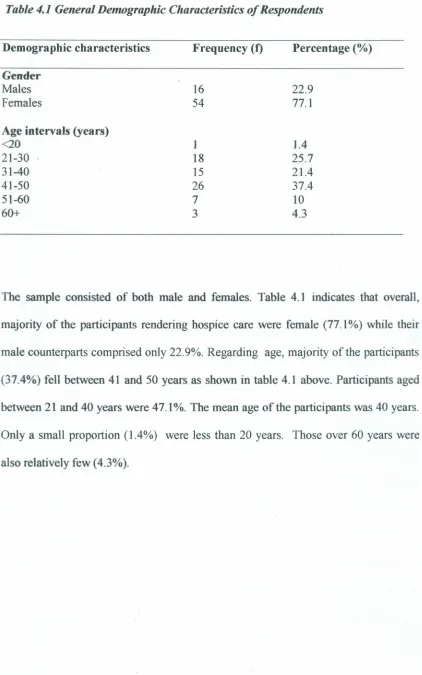
Table 4. 1General Demographic Characteristics of Respondents 43 Table 4.2 Socio-economic Demographic Characteristics of Respondents 44
Table 4.3 Descriptive Statistics for Vicarious Trauma Scores 46
Table 4.4 Levels of Vicarious Trauma among Respondents 49
Table 4.5 Occurrence of Vicarious Trauma across Gender. 50
Table 4.6 Relationship between Gender and Occurrence of Vicarious Trauma 51
Table 4.7 Cross Tabulations between Age and Occurrence of Vicarious Trauma 52
Table 4.8 Correlation between Age and Occurrence of Vicarious Trauma 53
Table 4.9 Cross Tabulations between Level of Education and Occurrence of Vicarious
Trauma 54
Table 4.10 Level of Education and Occurrence of Vicarious Trauma : 55
Table 4.11 Cross Tabulations between Occupation and Occurrence of VT 56
Table 4.12 Relationship between Occupation and occurrence ofVT 56
Table 4.13 Cross Tabulations between Years of Professional Experience and Occurrence of
Table 4.14 Correlation between Years of Professional Experience and Occurrence of
Vicarious Trauma 58
Table 4.15 Description Statistics on Personal Trauma History among Respondents 60
Table 4.16 Correlation between Personal Trauma History and Occurrence ofVT 62
Table 4.17 Descriptive Statistics of General Empathy Scores 64
Table 4.18 Correlation between General Empathy Level and Occurrence ofVT 66
Table 4.19 Correlation between Perspective Taking and Occurrence ofVT 67
Table 4.20 Correlation between Empathic Concern and Occurrence of Vicarious Trauma .... 68
Table 4.21 Relationship between Personal Distress and Occurrence of Vicarious Trauma ....69
Table 4.22 Strategies to Cope with Nature of Work 70
LIST OF FIGURES
Figure 2.1 Conceptual framework showing relationship between personal attributes and VT .
... 29
Figure 4.1 Distribution of Vicarious Tramna Scores '" .47
Figure 4.2 Prevalence of Vicarious Trauma among Respondents .48
Figure 4.3 Distribution of Personal Trauma History scores 61
OPERATIONAL DEFINITIONS OF TERMS
Caregiver: A person or worker who offers care for patients m
hospices
Cognitive schema: A caregiver's worldview, beliefs, expectations and
assumptions. It includes mental images or pictures that
a person may form as a result of exposure to trauma
Compassion Fatigue: Emotional exhaustion or diminished capacity for
compassion in the caregiver to engage empathically
with the clients they work with.
Client: The hospice patient and his or her significant others
including:family members, relatives or friends.
Direct exposure to trauma: Being exposed to/ or witnessing firsthand trauma and
pain suffered by patients as well as their families
Empathy: The response of a caregiver to the observed traumatic
experiences of clients. It is the caregiver's ability to get
into the client's world temporarily in order to
understand the client's issues.
Free Standing Hospice: An autonomous unit owned and operated by a hospice
management or company staffed with hospice trained
personnel providing palliative care.
Faith Based Organization: Hospices that offer palliative care services as faith or
community based organizations.
Hospice: An institution that offers specialized care for the
chronically arid terminally ill patients as well as their
Indirect exposure to trauma: Secondary exposure to trauma; when the caregivers listen to the painful stories from patients and their
families.
Palliative Care: Type of care that focuses on prevention/relief of
suffering of patients and their families facing challenges
associated with life threatening illnesses (WHO,2002).
Personal attributes: The characteristics specific to the individual hospice
staff that could pose as risk for the onset of vicarious
trauma. They include: age, gender, occupation, work experience,education level,empathy level and personal trauma history.
Personal trauma history: The individual traumatic experiences of the caregiver
consisting of life-threatening events such as: accidents,
chronic or tenninaJ iJInesses of self or significant others
and death of loved ones. It involves witnessing
threatening events or experiences in their lifetime.
Risk factors: The features or aspects that make an individual more
vulnerable to the onset of VT
Secondary Traumatic Stress: The distress one suffers when exposed to the trauma
of other persons with major indicators similar to those
of post-traumatic stress disorder.
Self-care: Capacity of an individual to use appropriate skills and
strategies to care for self in a way that minimizes
adverse effects of one's work.
Therapist: A practitioner such as a psychologist, counsellor or
psychotherapist, that offers psychological therapy to
Vicarious Trauma: Adverse changes that occur in a caregiver's inner experience due to indirect exposure to clients' suffering
by constant witnessing or through empathic
engagement with patients. Indicators are: intrusive
imagery, avoidance, arousal. disruptions in worldview,
AIDS: APCA: CF: CSDT: EC: FBOs: HIV: IRI: KEHPCA: MOH: NACOSTI: NHPCO: PD: PT: PTG: SA: SPSS: STS: USA: VT: VTS: WHO: ABBREVlATIONSANDACRONYMS
Acquired Immune Deficiency Syndrome
African Palliative Care Association
Compassion Fatigue
Constructivist Self-Development Theory
Empathic Concern
Faith Based Organizations
Human Immunodeficiency Virus
Interpersonal Reactivity Index
Kenya Hospice and Palliative Care Association
Ministry of Health
National Commission for Science, Technology and Innovation
National Hospice and Palliative Care Organization
Personal Distress
Perspective Taking
Post Traumatic Growth
South Africa
Statistical Package for Social Sciences
Secondary Traumatic Stress
United States of America
Vicarious Trauma
Vicarious Trauma Scale
ABSTRACT
Vicarious trauma is increasingly recognized as a global phenomenon which affects populations that are directly involved with suffering patients as is the case with staff in hospice settings.Hospice caregivers are constantly exposed to agonizing stories of trauma from patients and their families. This can trigger reactions in the caregiver similar to those experienced by the clients.Research findings indicate that there is a variation in the way caregivers react to vicarious trauma (VT). However, the few studies that have attempted to look at personal attributes that can put hospice caregivers at risk of developing VT have yielded equivocal results. Furthermore, some studies focused entirely on medics leaving out the other staff members who also
could be at risk for VT. The current study therefore, aimed to determine the
relationship between selected personal attributes namely: age, level of education, work experience, gender, personal trauma history, level of empathy; and occurrence
of VT among hospice workers. Constructivist Self Development Theory (CSDT)
guided the study. The study utilized a correlational research design. The study targeted all the 120 members of staff in the 21 hospices in Kenya. Random stratified sampling was used to select a total of ten hospices. The study sample comprised 70 members of staff (male and female) in the sampled hospices.Data was collected using four structured self-report tools namely: Brief Trauma History Tool, Vicarious Trauma Scale,Interpersonal Reactivity Index as well as an open-ended instrument.A demographic questionnaire was also included. Data was then analyzed using descriptive and inferential statistics. Correlations between selected personal attributes and occurrence of VT were done. Pearson's correlation coefficient was used to analyze parametric data while chi square was used to test non-parametric data. The study findings revealed a prevalence rate of 67% of VT among hospice workers. Some of the personal attributes namely age,level of empathy and personal historyof trauma bad a significant positive relationship with the occurrence of VT [age:1'(70)
CHAPTER ONE
INTRODUCTION
1.1Background to the Study
Global statistics indicate that there is an increasing number of persons living with
chronic and terminal illnesses. These are life threatening conditions that may require
specialized care offered in institutions known as hospices. The staff in hospices focus
on relieving the pain and suffering of patients and their families facing difficulties
associated with life threatening illnesses (World Health Organization [WHO], 2011).
It is estimated that over 70% of people with advanced cancer or Acquired
Immunodeficiency Syndrome (AIDS) are in need of this kind of care (WHO, 2010).
In the Sub Saharan Africa (SSA) it is expected that by 2050 cancer risk will rise by
about 60% (Parkin, Sitas, Chirenje, Stein, Abratt & Wabinga, 2008). This implies that
there is a great need for hospice care universally. Hospices use a multidisciplinary
approach involving among others, doctors, nurses, nutritionists, social workers,
counselors and chaplains.
Existing literature on traumatology suggests that, persons caring for clients suffering
trauma associated with hospice care are at risk for vicarioustraumatization(VT). These
clients experience existential distress as well as hopelessness which may vicariously
affect the hospice workers. A number of factors including individual attributes could
make hospice staff prone to VT. McCann and Pearlman (1990) first used the construct
vicarious trauma to depict the changes in a caregiver's inner experience resulting from
The term vicarious trauma was used in this study to refer to the adverse psychosocial changes that could occur in hospice staff due to indirect exposure to trauma through
constant witnessing of; or empathic engagement with suffering patients. Symptoms of
VT included:intrusive imagery,avoidance, arousal and changes in cognitive schemas
(Bride &Figley, 2007).Various authors have used the terms: VT, compassion fatigue
(CP) and secondary traumatic stress (STS) interchangeably (Bride, Radey & Figley,
cited in Graaf, 2010). Subsequently, in this study, VT was considered as a broad
construct encompassing STS and CF.The term VT was preferred since it related more
to trauma work which is common in hospice care settings.
Life threatening illnesses cause agony to patients in that, they not only affect the
physical aspects of the patient, but permeate all other psychosocial and spiritual
aspects of the individual.This heavily weighs them down.Physically, patients suffer a
myriad of symptoms including among others: intense pain, weight loss, fevers and
breathlessness (Bond, Lavy and Wooldrodge, 2008). As the disease progresses, the
patient's body may develop gaunt appearances and multiple disabilities. Worden
(2009) affirms that witnessing the progression of AIDS can be traumatic for
caregivers as the physical wasting alters the former appearance of patient.
Additionally, some patients present with fungating wounds or heavy discharges. Some
hospice staff who may not be well prepared for such patient conditions could get
traumatized when these changes occur. Hospice staff members offer pain and
symptom management (Tetrault, 2012). In institutions with inpatients, the hospice
the toilet as well as change diapers. Caring for these patients could cause staff to
develop increased fears regarding their safety and that of significant others rendering
them susceptible to vicarious trauma.
Terminally ill patients are psychologically and emotionally vulnerable. Many suffer
chronic stress and depression. For some, a diagnosis of a terminal illness means a
death sentence which may result in an existential crisis (Onyeka,2010). They grieve as they count their losses and worry about their families.Their disfigured bodies may
evoke shame, guilt or helplessness in patients as well as caregivers, which could
easily generate into psychological trauma Some patients suffer mental disturbances.
For example,Bodibe,(2010) noted that in South Africa (SA) 43.7% of AIDS patients
suffered mental disorders. The patients' personality gets affected making it hard for
caregivers to manage them.Thus,the staff could be traumatized,especially if they are ill equipped to deal with such complex disorders.
Literature shows that in the developed world, healthcare is generally advanced.
Patients' conditions are diagnosed early and hospice care is well organized, with
complete multidisciplinary teams whose roles are well-defined. In contrast, hospice
care is fairly new in SSA. In addition, approximately 80% of patients present with advanced disease (WHO, 2012). Most African countries (Kenya included) lack the
developed model with a full hospice team (Cameron, Viola, Lynch & Polornano,
2008, cited in Majuta, 2010). Nonetheless, caregivers across nations face emotional
distress. For instance, a study by Abendroth & Flannery (2006) in USA found that
Another study in USA revealed that 12% of palliative care physicians reported
depressive symptoms, anxiety and sleep disturbances (Vachon & Mueller, 2009).
Similarly, nurses providing HIV care in Uganda showed that their ability for
compassionate care ebbed as their personal reserves diminished (Harrowing, 2011).
Although these statistics implied that many caregivers got adversely affected, some
were not affected. The current study sought to determine whether there was a
relationship between caregivers' personal attributes and VT occurrence.
Hospice care in Kenya began in 1990 (Kenya Hospice and Palliative Care Association
[KEHPCA], 2012) with the opening of the Nairobi Hospice. Subsequently, other
hospices were opened up in other parts of the country. Usually,the staff visit patients
in hospitals, homes (for the bedridden) and offer daycare services where patients
converge to share their experiences. The few available members of staff perform
multiple roles. Nurses serve as clinicians, pharmacists, social workers, counsellors
and play other roles where practitioners are unavailable (Kinyanjui, 2006, Nyakundi,
2013). Many caregivers are ill prepared for these diverse roles which require empathic
engagement with the client. Consequently, members of staff are more exposed to the risk of developing VT particularly when they are unable to maintain empathic
boundary or if their competence is threatened.
Death is common in hospices. In fact the approach in hospices is such that it allows
patients to prepare for death (Tetrault,2012).The workers watch their patients as they
deteriorate untilthey die.They witness parents grieving the death of their children and
experience a sense of futility. Sometimes workers may avoid seeing their patients to
escape these distressing feelings.National Cancer Institute (NCI, 2012) asserts that
clinicians avoid discussing death with their patients for fear that it may signify loss of
hope. Avoidance could be a sign ofVT.
Hospice non-medical members of staff play a crucial role in the smooth running of
hospices (Swinney, Lee, Rubin, & Anderson, 2007). Their jobs involve
administration, psychosocial support,personal care for patients and their cleanliness.
They too develop substantial interactions with dying patients. Since nearly 77% are
involved in direct patient care (National Hospice and Palliative Care Organization
[NHPCO], 2007), the staff are likely to experience some negative effects. This is
especially so because at the heart of hospice care is staff-client relationship, which
makes empathetic engagement critical.It is against this background that hospice staff
form close relationships with their clients.This could pose a risk of developing VT
especially if they were unable to maintain healthy empathic boundaries.
Vicarious trauma could adversely affect the members of staff, the hospice and
ultimately the clients if it is not adequately addressed. A study in Botswana found that
workers caring for cancer patients had elevated levels of disruption in trust,
self-control, safety and intimacy (Majuta, 2010; Vachon & Mueller, 2009). All staff in
hospices are exposed to similar work environment and therefore it can be argued that,
they are exposed to trauma at nearly equal rates. However, some of them suffer VT
while others do not. The study therefore aimed to establish whether individual
The Constructivist Self Development Theory (CSDT), on which VT is based,
identifies two major risk factors for VT:the nature of the work and factors inherent to
the helper (Pearlman & Saakvitne, 1995a).This means that in trauma experience,the
trawnatic event and individual attributes play a vital role. This study focused on
selected personal attributes of staff working in hospices. These were: age, education
level, occupation, work experience, gender, personal trauma history and level of
empathy.These were selected because they were the commonly cited in literature and
were considered as moderators of stress reactions. For example, a study of AIDS
caregivers in South Africa (SA) cited risks for VT as: gender; perceived efficacy and
personal historyof HIV (Graaf, 2011).
Caregivers with trauma history were thought to be more prone to VT,especially when
they encountered client trauma similar to their own.Pearlman & McIan (1995)found
that helpers with trauma histories experienced more difficulties handling client
materiaL Additionally, it was found that, empathy which was a great asset in caring,
.could also be a point of real vulnerability to vicarious trauma (Pearlman & Saakvitne,
1995). A major challenge was how caregivers could use empathy to help others
without getting adversely affected. Similarly,young age, lower education levels and
being female were highlighted in literature as risk factors for vicarious trauma yet
some studies produced contrary results. The researcher thus, sought to find out
whether these attributes had a bearing on the occurrence of vicarious trauma among
1.2 Statement of the Problem
Hospice staff are directly and indirectly exposed to the trauma experienced by the
clients they constantly interact with. Their continuous emotional engagements with
terminally ill patients plus repeated exposure to numerous losses including loss of
lives of some of the patients they serve, renders them vulnerable to VT. However, although all are susceptible to VT some hospice members of staff succumb, while
others display a remarkable capacity for resilience and are not adversely affected. The
problem underpinning this study is that, although it is well documented that there is a
variation in the way hospice staff respond to exposure to traumatic experiences, many
previous studies yielded equivocal results. For instance, Graaf (2011) and Osofsky et
al., (2008) in their study on VT among nurses and therapists reported that personal
trauma history and empathy related to VT onset. Whereas, Majuta (2010), VanDeusen & Way (2006) and Chouliara, Hutchison & Karatzias, (2009) found no correlations between VT and personal factors such as: age, trauma history or empathy.
Moreover, most of these studies tended to focus almost exclusively on one group of
staff such as medics and therapists leaving out the non-medical staff who are also
directly involved with traumatized clientele and are therefore exposed to VT. In addition, many of the studies available were conducted outside Africa and Kenya
which have a different context. Hence, there was a need to further explore the
personal attributes that could put some staff members at greater risk for VT compared
to others across all cadres of staff in hospice settings in Kenya. The present study
therefore, sought to find out the relationship between selected personal attributes and
1.3 Purpose of the Study
The purpose of this study was to determine the relationship between selected personal
attributes of staff and the occurrence of vicarious trauma among staff in hospices in
Kenya
1.4 Objectives of the Study
The objectives of the study were to:
1. Find out the prevalence of vicarious trauma among hospice staff in Kenya.
2. Establish the relationship between demographic variables namely: age,
occupation, work experience, education level, gender; and occurrence of VT
among staff in hospices in Kenya
3. Determine the relationship between personal trauma history and occurrence of
VT among hospice staff in Kenya.
4. Find out the relationship between level of empathy and occurrence of VT among
hospice staff in Kenya.
5. Determine strategies that can be put in place to reduce the risk of VT occurrence
in hospice caregivers in their work.
1.5 Research Questions
The research questions of the study were:
1. What is the prevalence of vicarious trauma among hospice staff in Kenya?
2. What strategies can be put in place to reduce the risk of VT occurrence in
1.6 Research Hypotheses
Based on the objectives the following hypotheses were tested:
1. Hal: There is a statistically significant relationship between occurrence of VT
among hospice staff in Kenya and demographic variables namely:
1. Age
n. Gender
Ill. Level of education
IV. Occupation
v. Years of experience
2. Ha£ There is a statistically significant relationship between level of empathy
and occurrence ofVT among hospice staff in Kenya.
3. I1aJ: There is a statistically significant relationship between personal trauma
history and occurrence of VT among hospice staff in Kenya.
1.7Justification and Significance of the Study
Hospice care entails dealing with the terminally ill patients and has a high risk of
exposing the caregivers to the development of VT. Determining the prevalence of VT
in hospice workers is essential in creating awareness of the existence of this condition
among members of staff and other stakeholders involved in hospice care. In essence, a
caregiver who has developed VT is incapable of taking care of the patient. Personal attributes play a key role in mediating the development of VT among caregivers.
Therefore, identifying the attributes that place workers at risk for, or protect them
against VT provides information on how to sustain these professionals in the field;
Moreover, determining the influence of individual attributes was essential for further
development of theory and the subsequent advancement of intervention strategies that
were sensitive to individual uniqueness. It was for this reason that the researcher
found the study justified.
The results of the study would in effect provide the workers and the stake holders
(partners, KEHPCA,Ministry of Health) with critical information on issues regarding
caregivers' personal attributes considered as risk factors for VT. This could assist in
esta~lishing measures that could address the risk factors and enhance the protective
factors to enable the caregivers guard themselves against them. The findings could
also lead to developing a line of further research for the Kenyan health sector in
related fields among healthcare providers. The findings would also help in developing
innovative ways to support staff members; and in creating a conducive environment
which recognizes what is required to appropriately sustain work in this very
challenging field.
The study also examined the extent to which VT was experienced across different
professions in hospices. The findings of the study therefore, would aid the
stakeholders in developing organizational competencies in the workplace and ensure
appropriate practitioner support. The results would be useful in developing
comprehensive policies and laying of strategies by hospice management boards, the
1.8 Scope and Limitations of the Study
The study aimed at establishing the relationship between personal attributes of
hospice staff, as risk factors and occurrence of VT. Although there were many risk
factors for vicarious trauma, the study only focused on the following: demographic
variables (age, gender, occupation, work experience and education level), level of
empathy (which included empathic components such as: empathic concern, personal
distress and perspective-taking) and personal history of trauma among hospice staff in
Kenya". This was because these attributes were commonly cited in literature and
studies done on individual aspects. The study was carried out only in hospices across
Kenya. This could have implications for the generalizability of the study results to
other palliative care settings such as the hospital units. The study employed
.correlational design since it sought to explore the nature of relationships between
variables. However this design was limited in that it could not show how one variable
caused a change in another variable.
1.9 Assumptions of the Study
This study was carried out with the following assumptions:
1. That some hospice workers in Kenya experienced vicarious trauma
II. That there were personal attributes within hospice staff that made them
vulnerable to vicarious trauma.
Ill. That some hospice staff possessed personal attributes that protected them
againstvicarious trauma.
IV. That the participants were available within the duration of the study and would
CHAPTER TWO
LITERATURE REVIEW
2.1 Introduction
This chapter presents a review of literature on this study. It begins with a description
of the theoretical framework, followed by a review of related studies and ends with a summary of literature review and a conceptual framework.
2.2 Theoretical Framework
The theoretical perspective The theoretical perspective that influenced the study was
the Constructivist Self-Development Theory (CSDT).
2.2.1 The Constructivist Self-Development Theory
Constructivist Self-Development Theory propounded by McCann & Pearlman, (1990)
was chosen to guide this study. The theory underscores personal attributes in both
development and healing of the vicarious trauma. CSDT combines Self-Psychology,
Object Relations, Social Learning and Cognitive Theories (Kohut, 1977; Mahler, Pine
& Bergman, 1975; Rotter, 1954; Mahoney, 1981; Piaget, 1971 in McCann &
Pearlman, 1990). The major assumption of the CSDT includes the understanding that the self is the center of a person's identity and inner life and it has four interrelated
features: self-capacities which promote the development and maintenance of positive self-esteem; the ego resources that aid in relating with others; psychological needs
that motivate behaviour and the cognitive schemas that are the cognitive
manifestations of the psychological needs (McCann & Pearlman, 1990). All these
self-capacities, needs or schemas depending on the strengths of an individual which are
influenced by the personality characteristics and life experiences. According to
McCann and Pearlman (1990), adaptation to trauma shows that there is an interaction
between life experiences and the self.
Hospice workers whose psychological resources are weak may find themselves
emotionally overwhelmed by issues that would not normally impact on them. A
caregiver whose ego resources have been impacted negatively, may lack the ability to
activate the self-protective skills thus placing him or her at risk for VT. CSDT posits that the psychological needs are mostly impacted by repeated exposure to clients'
trauma material. Since each caregiver is unique,the need areas affected differ.
The CSDT assumes that the meaning of trauma is subjective to the survivor in that,
individuals are capable of constructing their own perceptions of reality and to alter
these perceptions if need arises (McCann and Pearlman, 1990). Individuals differ in
the way they give meanings to traumatic events because it depends on how each
experiences a particular event.In the context of this study, every hospice member of staff is unique and each one constructs personal realities and meanings as he or she
interacts with distressed patients daily.As a result therefore, hospice members of staff
who are generally in the same work environment may be affected differently
depending on the meanings they ascribe to these stressors and strengths of their
personal capacities. Those who view these as threats are bound to get adversely
affected while others who make positive meanings out of the situations are less likely
level and the personal histories(pearlman & Saakvitne, 1995). The theory thus guided
the researcher in identifying the personal attributes that could influence the way one
adapts to the trauma symptoms or recovery and was thus seen as appropriate in
informing this study.
2.3 Review of Related Studies
This section contains a review of literature relating to the occurrence of vicarious
trauma in caregivers working in hospices. Literature was reviewed with regard to
prevalence of vicarious trauma as well as the personal attributes as risk factors for
vicarious trauma among hospice workers.
2.3.1 Symptoms and Prevalence of Vicarious Trauma
Research indicates that persons caring for suffering patients tend to exhibit similar
symptoms as those of their clients. The patients' agony, fears or distrust infect the
caregiver resulting in changes in their worldview as well as profound disruptions of
their cognitive schemas. McCann and Pearlman (1990) used the phrase vicarious
trauma to explain this condition. VT concept is associated with constructs such as:
secondary traumatic stress (STS) and compassion fatigue (CF), although there are
noteworthy differences depending on context (Newell & MacNeil, 2010). The term
vicarious trauma has been used in the current study as a broad concept encompassing
the two terms, yet, it is crucial to highlight some differences that exist in literature.
Figley (2002) defined CF as the behavioral and emotional effects that result from a
traumatizing event experienced by a significant other or from caring for a distressed
Some authors argue that CF and STS can occur from a single client while VT is
cumulative and probably more devastating.
There is need to recognize and address VT due to its deleterious consequences.
Symptoms include: invasive imagery such as flashbacks or nightmares, avoidance,
increased arousal, irritability and disruptions of cognitive schemas including
diminished capacity for intimacy and trust (Bride & Figley, 2007; McCann &
Pearlman, 1990a).These effects can be short or long term, or permanent. VT is an
occupational risk as it permeates the personhood of the caregiver impairing the quality
of their personal and professional lives.The caregivers' job performance is affected in
that they may deliver sub-quality services to clients. Traumatized hospice staff may
disassociate from the client, hence, ruin the relationship which is the heart of their
service.
VT continues to be prevalent among caregivers although the rates vary. Findings of
studies reviewed by the researcher showed rates between 26% and 90%.Dunkley and
Whelan (2006) conducted a study in Australia among telephone Behavioural Health
Clinicians. The findings indicated a VT prevalence rate of 26%. Similarly, a study in
USA on the effect of therapist work and supportive factors on VT in community
mental health agencies revealed that 64.1% suffered moderate to high vicarious
trauma (Williams, 2010). Although these studies highlighted some personal aspects
(such as: gender, age, work experience, childhood trauma) that could lead to VT
onset, the focus was only on therapists not other personnel working in the same
In addition, Middleton carried out a study in USA among child welfare professionals on the relationship between VT and job retention. Results indicated that about 26%
-35% of participants experienced core aspects of VT (Middleton, 2011). Similarly
Komachi, Kamibeppu, Nishi, Matsuoka (2012) conducted a study on STS and related factors among nurses in Japanese hospitals. Results indicated a secondary trauma
prevalence of 90.3%. These studies showed variations in trauma prevalence rates
among caregivers, thus for comparison purposes the current study aimed at
establishing the trauma prevalence rate among hospice staff in Kenya.
Moreover, Majuta, (2010) conducted a study in Botswana on the relationship between VT, quality of life and purpose in life among 83 caregivers of cancer patients. Notable
in this study were the high levels of disruptions in the caregivers' trust, control, safety
and intimacy. This underscores the present study's concern about the levels of VT
among caregivers in hospice settings in Kenya whose main clientele are cancer
patients. It informs the present study on the individual aspects that playa key role in
VT occurrence as well as the subjectivity of the experience. Secondly, the study
focused mainly on caregivers' quality of life not specifically on their personal
attributes as risk factors for VT, a void that the current study aims to fill. The extent to
which hospice staff in Kenya exhibit VT symptoms and how their personal attributes
relate to their experiences were of key interest in this study.
2.3.2 Hospice Staff and Vicarious Trauma
Hospice work involves caring to improve both the physical and psychological
emotionally charged (Way, 2010). McCann and Pearlman (1990) posit that, even
when caregivers are extensively trained, they may not be fully prepared for the agonizing images or emotions that can be elicited in the course of interacting with
suffering clients. A hospice staff may get distressed just by witnessing clients'
difficult experiences or due to the empathic bonding with them.
The physical wasting and gaunt images associated with advanced cancer or AIDS
leave most patients weak or disabled. Many of them depend heavily on the caregivers
for assistance in activities of daily living like:bathing, dressing, taking medications,
tube feeding or ventilator care.A study in South Africa found that 16-17% of AIDS
patients could not control their bladders or bowels and needed help to the toilet and in
bathing (Steinberg, Johnson, Schierhout & Ndegwa, 2002). Dealing with patients'
incontinence, bed sores and dressing of cancerous wounds can be challenging even
for the trained medics. Depending on their personal constructs, some may find this
type of caring fulfilling while others may not; thus rendering them vulnerable for
negative outcomes. Therefore, a caregiver who has excessive empathy may not
maintain emotional boundary, which may result in vulnerability to VT.
In addition, caregivers experience numerous losses through multiple deaths of patients
in a short time.Consequently, they may get emotionally drained. This was affirmed in
a study on health personnel caring for HIV/AIDS patients in SA and Zambia, which
showed that they felt emotional stress and inability to handle death of patients
particularly if their individual attributes make them vulnerable. Hospice caregivers
thus suffer cumulative effects of constantly empathizing with mothers of dying
children, anguishing patients and watching family members' pain as they struggle to
cope with the looming loss of a loved one. This could cause an emotional drain if
one's ego resources are inadequate. Consequently, there is need for caregivers to be
made aware of personal attributes that could, augment vulnerability to VT.
There are numerous challenges facing hospice staff in Africa, Kenya included
(Marete, 2010). These range from scarce resources to handling a large clientele with
advanced disease. This is aggravated by the fact that, most hospices maintain limited
numbers of professional staff. As a result therefore, staff play multiple roles, some of
which they may not be competent in. This could create a positive feeling for some
care givers who may use their creativity to help the terminally ill, hence having a
sense of fulfillment.But it can also create a sense of lack of control, helplessness and
futility in some caregivers which can easily generate into VT.
While it is true that some caregivers cope well with these conditions, others may not
possess the strong personal traits to keep up with this work. Given the empathetic
engagement that exists with these clients,it is likely that caregivers who are unable to
maintain an emotional boundary, may become vulnerable to VT. In addition,
caregivers who employ maladaptive coping styles are more prone to VT. This may
2.3.3 Personal Attributes as Risk Factors for Vicarious Trauma
The development of VT is complex as both personal and professional dynamics pose
as risk as well as protective factors (McCann & Pearlman, 1990a; Osofsky, Putman,
& Lederman, 2008). Various studies have identified predictive factors for VT in
caregivers as: exposure to trauma clients; the nature of work, the caregiver's level of
empathy, gender, age, years of experience and personal trauma history (Devilly,
Wright & Varker, 2009; Sabo, 2008; Adams, Figley, &Boscarino, 2008; Kadambi &
Truscott, 2008, cited in VanDeusen &Way, 2006).
Another related study was carried out in South Africa by Graaf (2011) on associations
between personal attributes and CF among AIDS caregivers. The study found
significant effects on personal attributes such as; gender, personal history of
mv
orAIDS and self-care. Nevertheless, personal attributes such as gender and social support may have a variety of effects depending on the cultural context of the
individual. Culture defines a sense of self (Neukrug, 2007), hence there is a possibility that hospice personnel in Kenya could respond differently. This led the researcher to
hypothesize that there could be an association between specific individual attributes
and the occurrence of VT. The following sections will discuss the selected personal attributes that could relate to the onset of VT.
2.3.4. Demographic Variables and Vicarious Trauma
Demographic factors playa vital role in the development of VT in caregivers. These
include among others: age, gender, education level, occupation and work experience.
occurrence of VT.Various researchers have found that young workers or those with
less professional experience are more at risk of experiencing VT (Baird & Jenkins,
2003;Bride & Figley, 2009;Ghahramanlou & Brodbeck, as cited in Kaladow,2010).
Similarly,Mairean &Turliuc, (2013) conducted a study in USA on predictors of VT
beliefs among medical staff in the context of treating human pain. The researchers
concluded that increased age and years of service correlated with decreased disruption
in beliefs.
An earlier study on VT among self-identified trauma therapists by Pearlman and Mac
Ian cited in Canfield (2008), found that those therapists that were new in the
workplace experienced more emotional difficulties.This could probably be due to the
fact that they are just beginning to integrate the stresses within their work settings.
However, other related studies conducted among oncology nurses have found no
significant relationship between age or years of experience and trauma (Potter,
Deshields. Divanbeigi, Berger, Cipriano, Norris & Olsen, 2010). The findings of
these studies were inconsistent.It is worth noting that these studies were done mainly
among therapists and nurses leaving out other staff members. Additionally the studies
were conducted in the developed countries in the West. It is important therefore to
examine if there is a relationship between the age and years of experience and
occurrence of VT among hospice staff in a developing country.
Lower level of education has been found to be a risk for VT onset in some cases.
Baird and Jenkins, cited in Kaladow, (2010) found that counselors with higher
levels. Various other studies in the West have given similar results. Very little has
been done to establish the same among hospice workers in Kenya. According to the
Human Rights Watch interview (2010), palliative care is scantily addressed in
medical schools in Kenya leaving a majority of Kenyan medics with insufficient skill
in this area. (KEHPCA, cited in Human Rights Watch, 2010). The education levels
could probably have an effect on how hospice caregivers in Kenya respond to trauma
exposure. On the contrary,some studies have found that demographics such as age or
education level are not associated with VT onset, (Chouliara,Hutchison & Karatzias,
2009). This study intends to establish whether a relationship exists between age,
education level, work experience of the caregiver and occurrence of VT in Kenyan
hospices.
Gender is also a common demographic variable in trauma related studies. Many
researchers concur that gender may moderate the effects of trauma even when the
sources and levels are uniform; one gender may be more vulnerable to negative
outcomes than the other (Davis, Burleson & Kruszewski, 2011 cited in Ben-Zur &
Zeidner, 2012). Although findings of various studies on gender and VT incidence
have been inconsistent, some showed that being female is a risk factor for VT (Bride,
2004; Dunkley and Whelan, 2006; Osofsky et al, 2008; Knight, 2010; cited in
Branson,2011). Other researchers argue that although females are generally exposed
to fewer traumatic events compared to males,· females exhibit high levels of
symptoms (Matud, 2004; Zur, et al., 2012). A study was done in Israel by
vicarious stress in students. The researchers concluded that gender,and mastery played
a vital role in how one responds to life-threatening events.
Researchers have differed in their views regarding vulnerability among men and
women. Literature indicates that women tend to admit issues of vulnerability more
than men who are more guarded for fear of appearing weak or incompetent.
Socialization and culturally-based learning experiences could probably explain this
trend (Ben-Zur et al, 2012). Gender role socialization theories have been used in an
attempt to clarify issues relating to gender and trauma. Depending on the
socio-cultural context within which the individuals find themselves, men and women may
differ in their expressions of emotions, probably due to their societal roles. In some
cultures where females are socialized to adopt less effective coping techniques such as
avoidance (Rosario. Shinn. Morch & Huckabee, 2006). they may become more
vulnerable to VT.
On the other hand, males are taught to assert their independence and masculinity
making them more resilient. Although male and female personnel in hospices may
respond differently, both may have traits which can cushion or expose them to VT at
equal levels depending on their socialization process. This study thus. seeks to
establish whether gender differences relate to the experience of VT among staff
members in hospices within the Kenyan context. Susceptibility to VT in females
could possibly be attributed to their ability to be more empathetic (Baron-Cohen &
Wheelwright, 2004; Rueckert & Naybar, cited in Rueckert, Branch, & Doan, 2011).
difficulties than males. This implies that men could be experiencing.similar effects
but since they do not voice them out,it is assumed that they are resilient.This study
seeks to determine how hospice staff members' gender relates to the occurrence of
VTinKenya.
2.3.5 Personal Trauma History and Vicarious Trauma
Hospice staff may have experienced traumas in their own lives that may influence the
way they do their jobs. For example, they may over generalize their experiences or
coping strategies to the clients (Figley, 1995). Personal trauma history entails the
distinctive individual traumatic experiences of the caregivers (Pearlman & Saakvitne
1995a).In the current study, personal trauma history consists of threatening events
experienced by hospice staff as individuals or awareness of traumatic experiences of
significant others such as family of origin or friends. The experience may include
childhood trauma, serious injuries or chronic and terminal conditions of self or loved
ones (Jordan, 2010, as cited in Gerding, 2012). Some researchers have found a
history trauma to be a risk factor of VT.
A study on 188 trauma therapists was conducted by Pearlman and Mac Ian (1995).
The study found that 60% of the trauma therapists had experienced personal trauma in
their lives, and these reported greater VT than did those without a personal trauma
history. Additionally, Kassam-Adams (1995) conducted a study on the association
between exposure to traumatized clients and STS in therapists in USA. History of
trauma was found to be an indicator of trauma symptoms.Another study in Australia
trauma history to be a risk factor for VT among the BHCs'. Other studies also found
similar results (Adams & Riggs, 2008; Radey & Figley, 2007; cited in Branson,
2011). This was of key interest to the current study in that, it informed the researcher
on specific individual attributes that could relate to the onset of VT.Notably,all these
studies were conducted outside Kenya in the Western countries. In addition majority
were carried out mainly among clinicians in health settings other than hospices.
Consistent with the above research is another study on child welfare which gave
similar results. In their study, Bride, Jones, and McMaster, (2007) surveyed 187
workers in child welfare services in USA regarding personal history of trauma,social
support,work experience and size of caseload.Results of the study indicated that 92%
welfare respondents reported experiencing STS symptoms. Significant relationship
was established between secondary traumatic stress levels and personal trauma history
(Bride et al., 2007;cited in Middleton, 2011). Similarly,a study in USA revealed that
genetic counselors with a trauma history had higher levels of VT, particularly when
handling clients with similar trauma (Benoit,Veach & LeRoy, 2007).Again,all these
studies were done in the West among therapists unlike the current study which
focused on all categories of staff in the hospice settings.
There has been very little vicanous trauma research documented in Africa,
particularly in Kenya. Muli-Karugu (2006) conducted a study on the prevalence of
VT among caretakers in Kakuma refugee camp in Kenya. It is important to note that
in this study 73% were non-medical participants. Results indicated extremely high
had a history of personal trauma. This possibly implies that caregivers with past
unresolved traumas tend to have a deeper empathic response which may cause the
traumas to be easily triggered and re-lived. These findings mainly concentrated on
VT prevalence, while the present study further sought to establish whether there was a
relationship between personal trauma and VT among staff. Unlike the previous study
which mainly focused on caregivers in a refugee camp, the present study was based
on hospice settings in Kenya
Having a history of personal trauma, however,may not necessarily be a disadvantage
to the caregiver.Linley and Joseph, (2007), as cited in Chaverri (2012), observed that
it is also very possible that a therapist's personal trauma history can be a factor in his
or her personal growth potentially leading to an increased well-being.VanDeusen and
Way, (2006) conducted a study in USA to examine vicarious trauma effects in
clinicians working with sexual abuse survivors. The study found no association
between history of childhood abuse and VT outcomes. Other studies showed similar
results (Knight, 2010; cited in Branson, 2011).
Accordingly, if those caregivers with personal trauma histories have undergone
therapy and recovered from their trauma, then they may be in a better position to
initiate self-care techniques that prevent adverse effects such as VT. The results of
these studies regarding personal trauma were contradictory and therefore not
conclusive. This formed the basis for one of the objectives in the present study. Many
of the existing studies regarding past trauma and VT have evidently been carried out
Kenya. Most of this research has focused typically on physical or sexual abuse,
combat and crises. Furthermore, the implication in the reviewed studies is that the
research findings on effects of personal history on occurrence of VT is not
unequivocal,hence the need for further research in this area.
2.3.6 Empathy and Vicarious Trauma
Empathy is the capacity to gain insight into another individual's inner experiences and
to view the world from their perspective (Hojat, Mangione, Nasca, Gonnella, &
Magee,2005).The ability to empathize leads one to respond empathically as he or she
gains insight of the other person's feelings and thoughts. Literature reveals that there
is a difference between cognitive and affective empathy. Pearlman and Saakvitne
(1995a) clarify that cognitive empathy is the way one experiences life-threatening
event as narrated by the traumatized client.It allows one to maintain an understanding
of the patient's situation without the risk of developing VT,while affective empathy
is how one experiences the client's anguish which may pose a risk for VT onset.
Therefore, a caregiver who is overly empathic may be at risk of developing VT.
In assessing level of empathy, Davis (1983), points out that empathy is made up of
various components which include among others: perspective-taking, empathetic
concern and personal distress. Perspective-taking relates to what Pearlman and
Saakvitne (1990) call cognitive empathy in which a person is able to understand the
point of view of others.Empathic concern also known as affective empathy refers to
the concern and sympathy for others, while personal distress involves feelings of
Empathy has been described as a 'double-edged sword' (Kaladow, 2010),it is a vital tool in hospice care, yet a point of real vulnerability as it may transfer trauma from
one person to the next (Figley, 1995).The caregiver may become too over-involved
with particular clients in their journey of terminal illness.A study in USA found that
caregivers had higher VT scores with risk factors being empathy and compassion
(Rose, 2008).
In the context of this study, it appears likely that some hospice staff, could get
entangled with patients making it particularly challenging to disengage resulting in
staff vulnerability to VT. Jordan (1997) however, argues that vulnerability due to
empathy can also become an opportunity for personal growth rather than risk. She argues that safety resides in connectedness with others. Thus, although empathy
makes caregivers vulnerable to VT it can also be a protective factor for others. This
implies that it is not clear what levels of empathy may be productive or unproductive
which is a concern of this study.
i.4 Summary of Related Studies
This chapter reviewed literature in order to gain an understanding of how personal
attributes relate to the onset of VT among caregivers. The theory (CSDT) guiding the
study was highlighted. The concept of VT was explored in detail with reference to
CSDT. Literature revealed that factors that place individuals at risk for VT revolve around work environment, personal and cultural aspects. There has been limited
research on how VT relates to individual's age, experience, education level, gender,
findings. The studies also tend to focus mostly on professionals working with
populations traumatized by interpersonal violence or crisis workers.This has tended
to leave out the people working with the terminally ill.Hospice staff are likely to be
prone to VT depending on factors intrinsic to the individual. There is limited local
research on VT to guide our understanding and intervention of this phenomenon with
regard to hospice workers.It is yet to be conclusively demonstrated that hospice staff
acr?ss various disciplines within hospices exhibit significant levels of VT,a gap that
this study intends to fill. However,the theoretical framework and literature reviewed
provide adequate information upon which the conceptual framework is based.
2.5 Conceptual Framework
The conceptual framework is derived from the theoretical framework and literature
review. The key variables shown include: personal attributes (age, gender, work
experience, education level, occupation, level of empathy and trauma history); and
vicarious trauma. In view of literature, it was presumed that individual attributes were
predictors of vicarious trauma. The experience of vicarious trauma by a hospice
member of staff could be influenced by their personal attributes. A member of staff
who has brief work experience,low education level,unresolved trauma,high empathy
as well asyounger in age may be more likely to experience vicarious trauma as shown
Staffin Hospices:
Exposure to Traumatic
Experiences of . Patients/Families
Source: Musili 2015
Personal Attributes:
-Brief work experience
-low Education level
-Younger Age
-High empathy
-Presence of Past
I
personal trauma )
-Being Female .
High risk of Experiencing Vicarious Trauma
Personal Attributes:
-long work experience
-High Educational level
-Older Age
-low Empathy
-Absence of Past personal trauma
-Being Maie ,,
low risk of Experiencing
-
1
--
-
'
*
VicariousTrauma
Figure 2.1 Conceptual framework showing relationship between personal
CHAPTER THREE
RESEARCH METHODOLOGY
3.1 Introduction
This chapter discusses the methodology of the study on the relationship between
personal attributes and the occurrence of VT among hospice workers in Kenya. The
chapter presents the research design, population, sampling process, research tools,
pilot study, data collection procedures and analysis as well as ethical considerations.
3.2 Research Design
The study adopted a correlational approach. Correlational designs are used to examine
the relationship between two or more variables (Orodho, 2003; Heppner, Wampold &
Kivlighan, 2008). This design was chosen because the nature of the study was such that it sought to establish any relationships among variables. It also sought to explain
the nature of relationships between selected hospice workers' personal attributes (age,
gender, level of education, years of experience, occupation, personal trauma history, and level of empathy) and the onset ofVT.
3.3 Study Variables
In the present study, the independent variables or predictors which were seen as
responsible for bringing about change in VT included the personal attributes namely:
age, gender, education level, work experience, personal trauma history and level of
empathy of the hospice staff. The dependent variable was the occurrence of VT. The indicators of VT as described by Pearlman and Saakvitne (1990), in their theory
in the cognitive schema (trust, safety, intimacy, power and control), intrusive imagery,
avoidance and arousaL
3.4 Location of the Study
The study was carried out in selected hospices across Kenya. There were a total of 21
hospices within the country at the time the study was conducted. The hospices were
not evenly distributed throughout the country and were found only in a few counties
including Nairobi, Mombasa, Kiambu, Murang'a, Nyeri, Meru, Embu, Nakuru and
Uasin Gishu counties. Out of these, eighteen operated as free standing facilities
owned and operated by hospice management boards, while three were Faith based
Organizations (FBOs) found among communities in the rural settings (KEHPCA,
2013). The study included members of staff working in both free standing and FBO
units.
3.5 Target Population
The target population of the study comprised all the staff members employed within
the hospices in Kenya. The total number of staff members employed in hospices
during the study was 120 according to the statistics obtained from the Kenya
Palliative and Hospice Care Association (KEHPCA, 2015). During the time of the
study there were a total of twenty one hospices in Kenya The job designations of
hospice staff included: physicians, nurses, social workers, administrators, chaplains,
3.1Population of Hospice Staff in Kenya
No of Staff
Physicians Nurses Social Physio- Admin- Chaplain Counsellors Support Total /Clinical workers therapists istrators s staff
Officers (Drivers,
cleaners, cooks etc)
0 1 0 0 1 0 1 1 4
2 0 0 1 0 2 5
1 1 1 1 0 0 4
2 1 0 1 0 2 6
3 1 0 1 0 2 7
r 2 1 0 1 0 2 7
1 3 1 0 2 0 4 11
0 2 1 0 1 0 2 6
1 2 1 0 1 0 2 7
nile's 0 1 0 0 0 0 0 0 1
0 0 1 0 4
0 0 0 0 0 0 0 1
1 0 0 0 0 0 0 2
0 0 0 1 0 0 1 3
2 0 0 0 0 3
2 0 1 0 1 5
2 0 1 0 2 7
1 0 1 0 1 4
3 1 2 0 5 13
2 1 2 0 5 13
2 0 0 0 2 7
3.6 Sampling and Sample Size
The sample was drawn from the twenty one hospices across Kenya. The researcher
utilized two sampling techniques: stratified random sampling as well as purposive
sampling.To ensure representativeness proportionate stratified samplingwas used to
select ten hospices. This guaranteed that participants from each subgroup were
included in the final sample. The hospices were first stratified based on ownership
criterion into two strata: free standing units which were owned by companies; and
faith-based or community-based organizations (FBOs) owned by faith or community
based organization and which are mainly found in rural settings. The free standing
units comprised eighteen hospices forming 85.7% of the total number of hospices;
.while faith or community-based ones consisted of three units which formed 14.3% of
the hospices in Kenya.A total of eight hospices were selected from the stratum of free
::l standing units and two hospices from the stratum of FBO facilities yielding a total of ~
u :
-~ ten hospices.This was obtained by dividing the proportion of units in each stratum by ~
-the total number of -the institutions and multiplying it by -the desired sample size.
Since the hospices maintained a small workforce, the study included all the staff
members comprising male and female personnel in the sampled institutions. Thus a
total sample size of 77 staff members from the ten (10) hospices was included in the
study.This sample represented 64.2% of the total number of hospice staff in Kenya.
This was more than 30% of the total number of the targeted population.According to
Table3.2Sample Size of the Study
Hospices (Ownership) Professionals Non- Total
Professionals
Free-Standing Hospices 36 15 51
Faith-Based Organization 16 10 26
Total 52 25 77
3.7 Research Instruments
The current study employed four structured self-report tools to measure the variables
as guided by the objectives. They included: a brief questionnaire on demographic
information devised by the researcher, a brief Trauma History Questionnaire adapted
from Green, (1996), Vicarious Traumatization Scale (VTS) by Middleton (2010) and
the Interpersonal Reactivity index (IRI) by Davis (1980) which measured the level of
empathy. These scales were considered to be a beneficial method of data collection
for three reasons. First they enabled the researcher to obtain a level of standardization.
Secondly, the instruments had previously been used with trauma workers, and thirdly,
they were relatively short and easy to use as self-administered tools. Each of these
tools is described in details below.
3.7.1 Brief Trauma History Questionnaire
Personal trauma history was measured using a scale comprising 12 items selected
from the Trauma History Questionnaire (Green, 1996) to form a brief trauma history
tool. The scale was modified to suit the context of the participants. Only items that
were considered to be relevant to the hospice work like life threatening experiences