Journal of Place Management and Development
The view, brew & loo: perceptions of botanic gardens?
Journal: Journal of Place Management and Development Manuscript ID JPMD-12-2017-0127.R2
Manuscript Type: Academic Paper
Keywords: Botanic Gardens (BGs), Leximancer, Online reviews, Perceptions, Place management, Sustainability
Journal of Place Management and Development
Abstract
Purpose – This is an exploratory and qualitative study to consider approaches to capture, analyse and monitor perceptions from big data, to inform and contribute to place management research and practice of Botanic Gardens (BGs). This research aims to address the ongoing significant threat to BGs due to funding being cut and the need to inform and develop sustainable revenue streams for their survival.
Design/methodology/approach – Guiding research questions and objectives for this study were: ‘What are the perceived strengths and areas for development for 2 BGs, via a Leximancer’ Automatic Content Analysis (ACA) of TripAdvisor online reviews; and do they match BGs purpose of scientific research, conservation, display and education?’ A content analysis of 582 online reviews from 2007 to 2017 follows qualitative methodology techniques utilising a combination of manual and automatic text analysis (Leximancer text mining software). These approaches enabled a comparison of online TripAdvisor reviews with Likert-type or rating scale items of 1 to 5 star.
Findings – Insights revealed the use of Leximancer and TripAdvisor (or similar innovations) as tools for potential place management, place marketing communications and monitoring purposes. Predominant perceptions extracted from reviews are not concerned with documented collections of living plants for the purposes of scientific discovery, conservation, display and education. Reviews clearly focus more upon aesthetics, facilities and services, which support previous studies. Overall reviews highlighted positive sentiments toward the BGs.
Research limitations/implications – Limitations link to limited data across 2 BGs, synthesis and meaning of complex perceptions, matters of subjectivity, and time needed to interpret information. Implications enable insights into BG ‘place’ gleaned from big data in the form of User Generated Content (UGC) and electronic Word-Of-Mouth (eWOM) using Leximancer; viewed as a measure alongside management action plans. Future studies could strengthen debate and action regarding the use of Leximancer, and also public perception of BGs’ core functions, importance and value. The research supports potential to monitor and transform perceptions, values and beliefs. Outcomes could eventually inform policy and generate a much needed shift in funds and resources for BGs by highlighting their relevance and value to society.
Originality/value – An empirical and methodological contribution via peer reviewed studies of visitor perceptions via online reviews of Britain’s BGs ‘place’ and ‘space’ analysed with Leximancer have never been published. This study critically explores potential visitor and place management needs of BGs. Managers can make better use of big data from social media platforms/digital channels, using a novel type of data analytical software like Leximancer for strategic planning; with more informed approaches to place management, innovation and development. A key contribution of this study is this ACA methodological approach for place management.
Keywords: Botanic Gardens (BGs), Leximancer, Online reviews, Perceptions, Place
management, Sustainability.
Introduction
Botanic Gardens (BGs) are under a great deal of threat due to funding being cut, among other factors that threaten their existence (PlantNetwork, 1994; BGCI, 2009; Kimberley, 2009; Tighe, 2012; Everett, 2013; Michaels, 2013); two leading factors being the need to become more commercial (Sample, 2015), and that poor decision-making has been due to a lack of
Page 1 of 25 Journal of Place Management and Development 1 2 3 4 5 6 7 8 9 10 11 12 13 14 15 16 17 18 19 20 21 22 23 24 25 26 27 28 29 30 31 32 33 34 35 36 37 38 39 40 41 42 43 44 45 46 47 48 49 50 51 52 53 54 55 56 57
Journal of Place Management and Development
knowledge of strengths and weaknesses (Richardson, 2015). Garrod, Pickering and Willis (1993) highlighted the exponential decline of BGs documented since the 1960s, the need for BGs to review their changing functions, and for BGs to consider the range of value people have of these places. Connell and Meyer (2004) states that competition remains a significant issue with the need for gardens to be well-informed via planning and management issues for their future direction. Understanding visitors at gardens is also essential for the long-term viability of these places (Fox and Edwards, 2008), despite BGs being among the most visited touristic places, little is known about garden visitation and its consequences (Benfield, 2013). It also seems that BGs’ futures are far from being sustainable due to a lack of revenue (ibid). BGs have been developing as places to visit over a number of years, however the evidence across extant literature on BGs reveal gaps in research on: management, marketing, provision, revenue streams studies, BGs as resilient organisations and the need for their sustainable development (Garrod, Pickering and Willis, 1993; Connell and Meyer 2004; Connell, 2005; Fox and Edwards, 2008; Benfield, 2013; Leask, 2016; Hengky and Kikvidze, 2018); thus providing the initial context and rationale for this study.
BGs were once the preserve of the elite, and mainly for medicinal studies, recreating the ‘Garden of Eden’, botanical research and colonial government’s economic agendas (Garrod, Pickering and Willis, 1993). Roles of BGs are changing (Dodd and Jones, 2010; Jones, 2010; Drea, 2011; Nex, 2012) and BGs are in need of more effective, informed decision-making, innovation, entrepreneurship and diversification (Miller et al., 2004; Ballantyne, Packer and Hughes, 2008; Catahan and Woodruffe-Burton, 2017a, 2017b; Hengky and Kikvidze, 2018). There is an opportunity for the application of place management and development practice (Parker, 2008; Roberts, Parker and Steadman, 2017; IPM, 2018) to BGs, in response to considerable changes that threaten BG’ existence (Kimberley, 2009; Tighe, 2012; Everett, 2013; Benfield, 2013; Michaels, 2013).
BG provision involves a variety of facilities and services, including a range of community and education programmes to enhance visitor experiences. However visitors are mostly made up of older, white, wealthy, educated, middle-class visitors (Dodd and Jones, 2010; Ward, Parker and Shackleton, 2010; Wassenberg, Goldenberg and Soule, 2015; Vergou and Willison, 2016). There are many BGs that are not a destination for many individuals or groups, and many do not visit BGs, perceiving them as elite and exclusive (Vergou and Willison, 2016). There are a range of complex, organisational-centric influences on BGs (e.g. accessibility, funding, management, ownership, provision, and roles) and socially constructed place making via individuals and groups of BGs (e.g. academics, artists, botanists, business
Page 2 of 25 Journal of Place Management and Development
1 2 3 4 5 6 7 8 9 10 11 12 13 14 15 16 17 18 19 20 21 22 23 24 25 26 27 28 29 30 31 32 33 34 35 36 37 38 39 40 41 42 43 44 45 46 47 48 49 50 51 52 53 54 55 56 57
Journal of Place Management and Development
people, children, educators, elderly, event managers, families, friends associations, garden lovers, health professionals, horticulturalists, marketers, middle-aged people, patients, photographers, picnickers, residents, scholars, and volunteers) (see for e.g. Urry and Larsen, 2011, ‘Places’, p. 119; and ‘how place is perceived and constructed’, Kavaratzis and Kalandides, 2015, p. 1369). This study therefore considers key concepts regarding place management and development (Parker, 2008; IPM, 2018), placemaking (Roberts, Parker and Steadman, 2017), place marketing (Kavaratzis and Ashworth, 2008; Warnaby and Medway, 2013), sustainable development of places (Maheshwari, Vandewalle and Bamber, 2011), the use of digital technology, social media and associated User Generated Content (UGC), connecting people and place (Sevin, 2013), and long-term consumer insight work into place (Swanson, 2017).
In regard to the wealth and opportunities, and outcomes of the digital world, this study also focuses on methodological techniques and approaches for place management of BGs. For instance, the use of Automatic Content Analysis (ACA) and Leximancer (text mining software), alongside digital sources of data, such as TripAdvisor, related User Generated Content (UGC) (Lu and Stepchencova, 2015) and electronic Word-Of-Mouth (eWOM) (Breazeale, 2009). Benfield (2013) states that the Internet, social media and word of mouth are significant and important to most gardens. Such aspects linked to BGs of Britain have not been fully explored. There are no peer reviewed, published research which highlights Leximancer’ ACA of perceptions taken from TripAdvisor or any online sources for the BG sector in Britain; which also acts as context and rationale for this study.
Therefore this study aims to explore what visitors of BGs value via their online reviews, whilst considering how managers could capture, analyse and monitor perceptions, with a view to more effective management practice of these places.
Perceptions of 2 BGs frame the context of this exploratory, qualitative study, by scoping and considering the depth and breadth of perceptions, to inform both place management and development. This study highlights strengths, areas for development, possible new approaches and income streams with a view to enhance prospects. BGs are under threat of decline due to funding being cut and the need to develop sustainable income streams for their survival (Garrod, Pickering and Willis, 1993; Kimberley, 2009); these two BGs are in need of more support and funding.
TripAdvisor reviews of 2 BGs in Britain are analysed using Leximancer software. Guiding research questions and objectives for this study were: ‘What are the perceived strengths and areas for development for 2 BGs, via a Leximancer’ ACA of TripAdvisor
Page 3 of 25 Journal of Place Management and Development 1 2 3 4 5 6 7 8 9 10 11 12 13 14 15 16 17 18 19 20 21 22 23 24 25 26 27 28 29 30 31 32 33 34 35 36 37 38 39 40 41 42 43 44 45 46 47 48 49 50 51 52 53 54 55 56 57
Journal of Place Management and Development
online reviews; and do they match BGs purpose of scientific research, conservation, display and education?’ This study intended to question and explore perceptions of BGs via big data taken from online reviews related to purpose of BGs; research which has never been explored in the BG and online context. It also considered approaches to analysing big data and raise questions about making use of text analytics software such as Leximancer, and online social media review sites like TripAdvisor to monitor perceptions and associated value.
This study has resulted in three important contributions, first, the use of TripAdvisor and Leximancer as tools for such insights, measurement and change, and as an important methodological contribution to place management; secondly, insights into ongoing, unchanged, predominant perceptions of BGs; and thirdly, the potential and opportunities for transformational change of such perceptions.
Many of the online reviews relay ‘the tourist gaze’ (Urry and Larsen, 2011) and determinants of perceptions such as accessibility, aesthetics, facilities and customer services, rather than core aims and functions of BGs (i.e. scientific discovery, conservation, display and education); unsurprising and not dissimilar to findings across non-internet based studies of BG perceptions (Garrod, Pickering and Willis, 1993; Connell and Meyer 2004; Fox and Edwards, 2008; Hengky and Kikvidze, 2018). It is clear from these studies that perceptions have not changed regarding purpose and value of these important places over decades. Which leads to question approaches to transform and monitor public perception; and consider ways to develop more mindful visitors (Moscardo, 1996, 2008) with informed perceptions, values and beliefs about BGs (Miller et al., 2004; Ballantyne, Packer and Hughes, 2008; Catahan, 2018). Other key findings as a result of this study revealed that place management practitioners and scholars could use Leximancer and TripAdvisor (or similar innovations) for more effective, place management, marketing and monitoring purposes linked to core aims and functions; as educational service innovations and methodological contributions. Ultimately, place management implications are for BG practitioners to consider and develop the use of such novel ACA methodologies to highlight BG value and importance. This approach may bring with it the funding and support the sector so desperately needs; potentially informing policy and practice for BGs’ place management and highlighting their relevance and value to society. Making better use of big data in the form of UGC and eWOM, and related resources to obtain and monitor information are important aspects for the sustainability of BGs. Although focused on BGs, the insights from this study could also be applied to a range of other visitor attractions, places and spaces.
Page 4 of 25 Journal of Place Management and Development
1 2 3 4 5 6 7 8 9 10 11 12 13 14 15 16 17 18 19 20 21 22 23 24 25 26 27 28 29 30 31 32 33 34 35 36 37 38 39 40 41 42 43 44 45 46 47 48 49 50 51 52 53 54 55 56 57
Journal of Place Management and Development
Literature Review
There is a dearth of literature on Britain and Ireland’s Botanic Gardens’ (BGs) visitor economies, associated value (Garrod, Pickering and Willis, 1993; Connell and Meyer, 2004; Connell, 2005; Benfield, 2013), management, and development (Fox and Edwards, 2008; Leask, 2010; Connell and Page, 2014); highlighting a considerable gap in academic study despite the popularity and phenomenon of garden tourism across the world (Benfield, 2013). Research on visitor attraction management and place management of BGs is limited with no published research focusing on TripAdvisor reviews of Britain’s BGs or more novel methodological approaches to analysing perceptions of BGs. Therefore this study addresses these gaps in particular, and enables stakeholders to develop further interest and future studies for the BG sector.
BGs are important ‘places’ and ‘spaces’ for a range of environmental (Ballantyne, Packer and Hughes, 2008; Osmond and Chen, 2016), sociocultural (Connell and Meyer 2004; Connell, 2005; Ward, Parker and Shackleton, 2010) and economic aspects (Garrod, Pickering and Willis, 1993; Fox and Edwards, 2008; Connell and Page, 2014; Benfield, 2013; Flôres Limberger et al., 2014). However Ballantyne, Packer and Hughes (2008) state that BG visitors have low levels of awareness, interest and motives with regard to environmental awareness. Miller et al. (2004), and Hengky and Kikvidze (2018) also highlight the need for an active approach to reinforce values and beliefs regarding conservation and education. Mounce, Smith and Brockington (2017) among others argue that BGs are of utmost importance in the future conservation of biodiversity and preventing extinction via integrated conservation action. Williams et al. (2015) highlight the value and importance of BGs as catalysts to positively influence visitors’ environmental attitudes. Arts, health, well-being (Dodd and Jones, 2010; Vergou and Willison, 2016) and education are clearly significant aspects of BGs (Brown and Williams, 2009; Moscardo and Ballantyne, 2008; Moskwa and Crilley, 2012; Catahan, 2018). Vergou and Willison (2016) highlight the need for BGs to evolve, to redefine their purpose to meet new challenges and expand on roles, responsibilities and opportunities to diversify; especially with regard to BG value and importance linked to local communities, social inclusion, health and well-being, and environmental issues. Therefore a focus on the sustainability of these important and valuable places is paramount. However BGs face a range of challenges that threaten their survival due to funding cuts, changing roles and the need for a strategic approach to marketing and management (Jones, 2010; Tighe, 2012; Lean, 2015; Misstear, 2015, 2016). Professor Stephen Blackmore (Royal Botanic Edinburgh 1999-2013), Stephen Hopper (Royal Botanic Gardens, Kew, 2006-2012),
Page 5 of 25 Journal of Place Management and Development 1 2 3 4 5 6 7 8 9 10 11 12 13 14 15 16 17 18 19 20 21 22 23 24 25 26 27 28 29 30 31 32 33 34 35 36 37 38 39 40 41 42 43 44 45 46 47 48 49 50 51 52 53 54 55 56 57
Journal of Place Management and Development
Kevin Lamb (National Botanic Garden of Wales, 2007-2009) and Dr Peter Wyse-Jackson (National Botanic Gardens, Glasnevin, Dublin, 2005-2010), former directors of four of the largest BGs in Britain and Ireland stated that public perception, funding issues and climate change are the key topics; during an in-depth exchange in 2009 regarding the future of BGs, and whether BGs are fit for purpose (BGCI, 2009; Kimberley, 2009). Blackmore raised the challenges of ongoing financial pressures of BGs, and areas of University BG land being deemed prime for development. Wyse-Jackson raised the issue that the public do not understand BG core provision, going on to highlight feedback from a school group who believed BGs were places for people to have wedding photographs taken. Likewise Hopper also stated that BGs are often seen as places for picnics. It is clear across these statements reported by Kimberley (2009) that perceptions are not in line with the core importance or value of BGs, and that changing perceptions are high up on the agenda of discussion points for BGs.
Standing down from her post, Dr. Rosie Plummer, Director of National BGs Wales stated: ‘the gardens have to be more commercial’ (Sample, 2015). Dr. Paul Smith, Secretary General of the BGCI states: ‘the lack of knowledge of strengths and weaknesses leads to poor
decision making’; making reference to Kew’s BGs (Richardson, 2015). As a consequence
many BGs are suffering by not making enough monies to balance outgoings, maintenance and all those other all-important elements of sustainable businesses; budgets, staffing and resources have been cut and therefore such BG heritage is under threat (Jones, 2010; Nex, 2012; Michaels, 2013).
BGs are in need of deeper studies and strategic, effective management and development for potential sustainability (Hengky and Kikvidze, 2018). BGs need to adapt to an ever-increasing and demanding visitor experience economy, yet at the same time communicating their importance and value (PlantNetwork, 1994; BGCI, 2009). Most BGs now rely on attracting visitors and membership in order to survive, therefore it is important to analyse perceptions. Many have ceased to run as effective commercial ventures and have suffered as a result of not diversifying and strategically managing core and potential visitor experience economies (Garrod, Pickering and Willis, 1993). BGs need to improve revenue streams, efficacy, communicating key vision, mission, aims and objectives, by developing innovative models of good practice especially for those BGs lacking capacity, provision and resources (Garrod, Pickering and Willis, 1993; PlantNetwork, 1994; Connell and Meyer 2004; Connell, 2005; Fox and Edwards, 2008; Moskwa and Crilley, 2012; Nex, 2012; Benfield, 2013; Hengky and Kikvidze, 2018).
Page 6 of 25 Journal of Place Management and Development
1 2 3 4 5 6 7 8 9 10 11 12 13 14 15 16 17 18 19 20 21 22 23 24 25 26 27 28 29 30 31 32 33 34 35 36 37 38 39 40 41 42 43 44 45 46 47 48 49 50 51 52 53 54 55 56 57
Journal of Place Management and Development
Alongside an array of challenges highlighted, BGs are also faced with mass sharing of positive and negative comments via various social media communication channels, in the form of User Generated Content (UGC) (Breazeale, 2009; Bronner and de Hoog, 2010; Lu and Stepchencova, 2015) and electronic Word-Of-Mouth (eWOM) (Hennig-Thurau et al., 2004; Chen and Xie, 2008; Breazeale, 2009), which can aid or hinder success. TripAdvisor is one source of a growing 570 million reviews and opinions, via 455 million monthly average unique visitors to 7 million accommodations, restaurants and attractions worldwide (TripAdvisor, 2018). TripAdvisor among other social media platforms offer valuable insights into customers (Leung et al., 2013). Social media platforms and digital channels are changing the way places are perceived and businesses are managed, as consumers generate reviews with ratings of 1 (terrible) to 5 (excellent), negative and positive, elaborating through comments on places and businesses (Tsang and Prendergast, 2009; Flôres Limberger et al., 2014). Online reviews are an important, rich source of feedback and information for consumers, managers and marketers (Dellarocas et al., 2007; Zhu and Zhang, 2010; Flôres Limberger et al., 2014; Pearce and Wu, 2015; Filieri, 2015; Fang et al., 2016). As UGC, eWOM and big data are becoming more commonplace (Vásquez, 2011), managers can benefit from text analytical tools (such as Leximancer) and related Automatic Content Analyses (ACA) (Krippendorff, 2013; Neuendorf, 2016) which can be useful in their strategic planning and management efforts offering a more critical, informed approach (Smith and Humphries, 2006; Sotiriadous, Brouwers and Le, 2014; Leximancer, 2018a, 2018b). Therefore an exploratory study of perceptions via content analyses utilising text analytical software and big data in the form of online reviews of BGs is a worthy academic endeavour. It is also expected to stimulate discussions and deeper studies about analysing, informing, changing and monitoring perceptions using such novel methodological approaches; in particular with respect for place management and development (Parker, 2008; IPM, 2018), place marketing (Kavaratzis and Ashworth, 2008; Warnaby and Medway, 2013) and placemaking (Roberts, Parker and Steadman, 2017). It is envisaged that place management managers and scholars may find such modus operandi useful when dealing with big data on the places they study and/or manage.
Methodology
This is an exploratory and qualitative study which embraces the precepts and principles of interpretivism and constructivism (Bryman and Bell, 2015; Creswell, 2015). These are used as lenses to discover perceptions via online reviews on 2 Botanic Gardens (BGs) and to
Page 7 of 25 Journal of Place Management and Development 1 2 3 4 5 6 7 8 9 10 11 12 13 14 15 16 17 18 19 20 21 22 23 24 25 26 27 28 29 30 31 32 33 34 35 36 37 38 39 40 41 42 43 44 45 46 47 48 49 50 51 52 53 54 55 56 57
Journal of Place Management and Development
consider the use of Automated Content Analysis (ACA) and Leximancer text analytic software as techniques to draw out themes and concepts from these reviews (Lu and Stepchencova, 2015). Reviews are taken from TripAdvisor, an online source of big data (TripAdvisor, 2018). TripAdvisor is a platform which adopts User Generated Content (UGC) (Lu and Stepchencova, 2015) and electronic Word-Of-Mouth (eWOM) (Breazeale, 2009) to offer visitors and tourists the provision to share a range of leisure, travel and tourism related reviews and experiences; conveying thoughts, feelings, emotions, sentiments and suchlike.
ACA of TripAdvisor online reviews of 2 similar sized BGs (BG1 and BG2) were used as the foci of this study. Awareness of the study was generated via an online newsletter sent out by PlantNetwork (the national network of botanic gardens, arboreta and other documented plant collections in Britain and Ireland) to their members highlighting interests into collaborative research into BGs ‘place and ‘space’. As a result, two similar sized and demographically located British BGs with the same issues were the first to respond. Email, VoIP and site visits ensued, and a dialogue was formed linked to a discussion on perceived strengths and areas for development. The following table highlights some context and differences of these BGs.
Location Number of Botanic Gardens Ownership
Britain/Ireland 104 Botanic Gardens Public, Private & Voluntary BG1
Location Size Ownership Visitor
numbers Issue(s) TripAdvisor reviews Britain Small 20 staff 160 volunteers University Average 55000 Under funded / Lack of funds 352 BG2 Britain Small 10 staff 120 volunteers Friends, University and Local Council Average 35000 Under funded / Lack of funds 230 (BGCI, 2018; BG Annual Reports, 2018; TripAdvisor 2018)
Analysis of 352 reviews for BG1 and 230 for BG2, overall, 582 online TripAdvisor, English language reviews from 2007 to 2017 follows qualitative methodology techniques, utilising a combination of manual and automatic text analysis (Hine and Carson, 2007; Angus, Rintel and Wiles, 2013; Silverman, 2013; Sotiriadou, Browers and Le, 2014; Bryman and Bell, 2015; Creswell, 2015; Leximancer, 2018a, 2018b). Reviews highlight perceived strengths and areas for development. Such qualitative approach captures non-linear, spontaneous content (antenarrative) (Boje, 2001; Giorgi, Lockwood and Glynn, 2015; Skinner, 2016), a
Page 8 of 25 Journal of Place Management and Development
1 2 3 4 5 6 7 8 9 10 11 12 13 14 15 16 17 18 19 20 21 22 23 24 25 26 27 28 29 30 31 32 33 34 35 36 37 38 39 40 41 42 43 44 45 46 47 48 49 50 51 52 53 54 55 56 57
Journal of Place Management and Development
range of views and varying opinions which respondents are free to produce, linking spontaneous ideas and own agendas (Branthwaite and Patterson, 2011; Patino, Pitta and Quinones, 2012); including complex, subjective elements of reviews (Edwards, 2005; Vásquez, 2011).
Reviews of the 2 BGs were manually studied then automatically coded by text analytical software, Leximancer, offering validity, reliability and integrity of findings (Smith and Humphries, 2006; Krippendorff, 2013; Sotiriadous, Brouwers and Le, 2014; Neuendorf, 2016; Leximancer, 2018a, 2018b). Reviews were left unedited/uncorrected for any errors and manually inputted into tabular format using MS Excel, drawing on content within Likert-type or rating scale items of 1 to 5 star (1 terrible, 2 poor, 3 average, 4 very good and 5 excellent). Content from each item was captured in separate spreadsheets for each rating and saved as CSV files. These were automatically coded via Leximancer to identify high level concepts and links between concepts and generation of themes. Themes are clusters of concepts that represent the most semantically connected groups of concepts, where the theme title is the most prominent concept in the cluster (Sotiriadou, Browers and Le, 2014; Smith and Humphries, 2006; Osmond and Chen, 2016). Each star rating was then manually coded based on similar themes and concepts across perceptions, focusing on perceived strengths (positive statements) and areas for development (negative statements). All manually coded strength-related concepts and themes were then analysed as a whole using Leximancer (e.g. all perceived strengths across the 1-5 star rating reviews). Likewise all the perceived ‘areas for development’ were grouped together and analysed as a whole in the same way. In order to ensure how semantically clean the themes and concepts are, each quote from reviewers needed to be manually examined. Some concepts and themes have been deleted to make concept maps clearer to read, less cluttered or to ensure anonymity (e.g. the same word appearing many times which overlap and obscure other detail, geographical location, and names of BGs).
Leximancer enables the content of these reviews to be critically analysed, and extracted content displayed by means of conceptual mapping (Smith and Humphries, 2006; Krippendorff, 2013; Sotiriadous, Brouwers and Le, 2014; Neuendorf, 2016; Leximancer, 2018a). Leximancer measures the presence of concepts in the text and how they interrelate, producing a range of valid and reliable statistical resources including representative concept maps (Leximancer, 2018b). Concept maps can be read in colour or monochrome in the software. Each of the figures in the findings section are in monochrome and illustrate overall semantic and relational linkages between ranked themes (if viewing in the software these are
Page 9 of 25 Journal of Place Management and Development 1 2 3 4 5 6 7 8 9 10 11 12 13 14 15 16 17 18 19 20 21 22 23 24 25 26 27 28 29 30 31 32 33 34 35 36 37 38 39 40 41 42 43 44 45 46 47 48 49 50 51 52 53 54 55 56 57
Journal of Place Management and Development
in colour and slightly larger font) and concepts (in black, slightly smaller font). Size of circles have no significance although colours highlight prevalence and importance of themes, meaning hot colours (red, orange) are the most important themes and cold colours (blue, green) are less important. However in monochrome (as used in this paper for accessibility), colour significance and heat-mapping is represented as lists of the concepts and themes, and samples of reviews associated with concepts and themes illustrated in the concept maps. Concepts (larger coloured or shaded circles) are based on both presence in the reviews, and how they coocur or interrelate. Themes (smaller shaded nodes) are the most frequent words stated in reviews. Examples of the most significant concepts and themes are presented with supporting examples of these via representative narrative extracted from reviews.
This process revealed the use of Leximancer and TripAdvisor (or similar innovations) as tools for potential place management, place marketing communications and monitoring purposes. It also led to the findings of perceived strengths and areas for development for 2 BGs in Britain; highlighting what the reviewers seemingly value least or most, in contrast to actual BG purpose and value.
Findings
352 reviews for Botanic Garden 1 (BG1) and 230 for Botanic Garden 2 (BG2), overall, 582 reviews of 2 similar BGs were analysed. 502 of the reviews were initially associated with strengths (via Likert-type scale 5 to 4 star: Excellent; Very Good - 296 for BG1 and 206 for BG2) and 80 associated with areas for development (1 to 3 star: Terrible; Poor; Average – 56 for BG1 and 24 for BG2). However a mix of both strengths and areas for development became apparent across the scale of items; with positive sentiments and more unfavourable terms as part of individual 1 to 5 star reviews. Examples of these were found across reviews, which were identified during manual inputting for tabular analysis before automatic analyses using Leximancer; and ongoing manual analysis of how semantically clean themes and concepts were after being extracted by Leximancer. On the whole there are positive sentiments toward the BGs.
The following detail introduces key concepts and themes from the findings which capture the essence of significant reviewer’ perceptions. It also highlights the lack of references to the defining key words associated with all Botanic Gardens: ‘scientific discovery’, ‘conservation’, ‘education’ and ‘display’. Implications for place management are also explored including operational and place marketing aspects. The novel methodological contributions of using text mining software akin to Leximancer is a key finding. Findings
Page 10 of 25 Journal of Place Management and Development
1 2 3 4 5 6 7 8 9 10 11 12 13 14 15 16 17 18 19 20 21 22 23 24 25 26 27 28 29 30 31 32 33 34 35 36 37 38 39 40 41 42 43 44 45 46 47 48 49 50 51 52 53 54 55 56 57
Journal of Place Management and Development
also raise questions regarding the usefulness, value and importance of the data-rich, online reviews and how these social media platforms/digital channels could be used to the advantage of place managers.
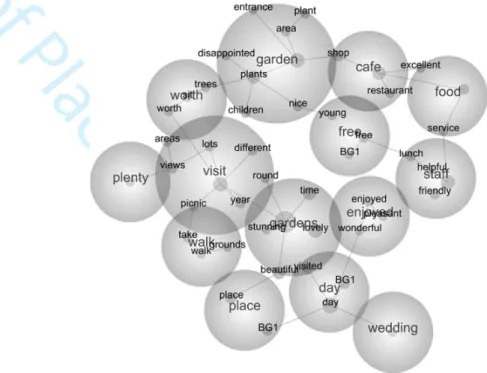
Figure 1. Overall concept map for Botanic Garden 1 (BG1)
14 themes and 47 concepts extracted from 352 reviews offer insights into BG ‘place’ and what consumers value. These are mainly linked to the gardens (but also factors relating to visits and days out, staff, café, and aesthetics in terms of loveliness, beauty, a place for photography, and themed events like for example, ‘Mother’s day’ were prevalent.
The first theme, unsurprisingly ‘gardens’, included concepts such as ‘gardens’, ‘lovely’, ‘time’, ‘beautiful’, ‘stunning’ and ‘visited’. Example review from this data set are as follows:
‘The gardens are beautiful and provide a lovely walk , whatever time of year or weather. We saw lots of birds and butterflies and it was not ridiculously busy either - take insect repellent if it's warm.’
The second theme, ‘visit’, included concepts such as ‘visit’, ‘year’, ‘views’, ‘areas’, ‘different’. Example review:
‘I think the hype surrounding [BG1] maybe inflated my expectations
unrealistically. Quite a few areas are being reconstructed, so maybe a visit next year
will improve my opinion. The gardens at [BG1] have something to offer at all times of
the year and there is always something different to see. A slight disappointment was the fact that we could not get a table at the cafe without a long wait but that did not Page 11 of 25 Journal of Place Management and Development
1 2 3 4 5 6 7 8 9 10 11 12 13 14 15 16 17 18 19 20 21 22 23 24 25 26 27 28 29 30 31 32 33 34 35 36 37 38 39 40 41 42 43 44 45 46 47 48 49 50 51 52 53 54 55 56 57
Journal of Place Management and Development
detract from a thoroughly enjoyable visit. To explore and discover the different partsof the garden or to pack a picnic and enjoy the outdoors, it is a little gem. We were so impressed that we joined as members and intend to visit again over the next year to
see how the seasons change the face of the gardens.’
The third theme, ‘day’, included concepts such as ‘day’, ‘BG1’ and ‘visit’. Example reviews:
‘Despite being local this was our first trip to [BG1]. We went on Mother's Day when
they offered free admission to Mum's which I thought was a good idea.’
‘We visited [BG1] on a lovely September day. The gardens are very well laid out and
the varying autumnal colours were just beginning to come through..’
‘I have just come back from spending a great Mother's day at [BG1]
Gardens. (Mothers were allowed in free of charge on the day!)’
The fourth theme, ‘garden’, included concepts such as ‘garden’, ‘plants’, ‘area’, ‘nice’. Example review:
‘The plant centre was full of the usual garden centre plants with no examples of
plants found in the garden, for example Primula […] or Geranium […]. Part of the
reception area was littered with wrapping plastic, presumably from a delivery as a "front of house" for customers, this was poor. You don't have to pay to go into the gardens to use the cafe.Lovely views in garden and a nice play area for kids but you can't take dogs in with you.’
The following were perceived as key strengths: food, the BG as a good day visit, a positive visitor experience and the visitor centre, aspects, gardens, and children. These are the most significant themes, with ‘food’ linked to the cafe being the most important theme coming out from the text, linking across a majority of perceived strengths. It is clear from the results that food and related provision, including service, pricing, comfort and cleanliness are all prevalent concepts drawn from reviews.
The main theme, ‘food’, included concepts such as ‘food’, ‘service’, ‘money’, ‘walks’. Example reviews:
‘and the food was blooming amazing ... really amazing!’
‘The catering company provided a huge selection of food options and everything we
ate was fantastic quality, served by a great Teamwho couldn't do enough for us. [BG1] makes an incredible back-drop for photos!’
‘Service was amazing as was the food.’
‘We were more than pleasantly surprised. Everything from the visitor centre, shop
and cafe to the planting and walks is professional, enjoyable and engaging.’
Page 12 of 25 Journal of Place Management and Development
1 2 3 4 5 6 7 8 9 10 11 12 13 14 15 16 17 18 19 20 21 22 23 24 25 26 27 28 29 30 31 32 33 34 35 36 37 38 39 40 41 42 43 44 45 46 47 48 49 50 51 52 53 54 55 56 57
Journal of Place Management and Development
‘plus 10% off in the cafe when your a [BG1] member. Also purchased a membership
as a gift for my parents.’
‘Lots of good walking to be done and great views across
the [BG1]. Excellent cafe/tea-room, gift shop and plant centre.’
‘The cafe and shop were bright and attractive and the food was good quality and
reasonably priced. A map was provided to help visitors to find their way round.’
‘The Visitor Centre is well equipped and spacious with toilet facilities, a shop and
cafe. This was an excellent venue for a wedding reception - fantastic catering.’
Despite some obvious mixed reviews and negativity in part, overall feedback highlighted strengths, and positive and favourable sentiments toward BG1. However it is clear that any significant mention of core purpose and value of BGs are missing from the content analysed. This certainly raises questions for this BGs’ prime function which is seemingly food related from the perspectives of reviewers.
The most significant perceived areas for development are mainly regarding maintenance and displays, customer services, food, pricing across seasons and events; and that the gardens, facilities, services were lacking in some way; maintenance needs and expectations, and construction work in various areas across the gardens were prevalent issues; as well as the consistency of customer services across the different offers of BG1.
The main theme, ‘maintenance’, included concepts such as ‘maintenance’, ‘need’, ‘areas’, ‘gardens’, ‘attention’, ‘lacking’. Example reviews:
‘[…]We spread out around the garden, but again, I was extremely disappointed with
a number of areas. I found many, many places where extensive patches of willow herb
and thistles three feet high were seeding all over the gardens. […] I have been here in
the past in the days of […] and […] and can also say that I enjoyed many wonderful
plants in the garden, but the visit was definitely coloured by the lack of maintenance.
I'm sure there's a reason, but this is something that visitors don't know about.’
‘[…]Minuses - maintenance. A few areas were pristine, but most seemed in need of attention, with perennial weeds like bindweed and mares' tails infesting some areas. The general feel was that there was insufficicent maintenance - sad for a garden open to the public. Generally I had a feeling of neglect - perhaps it is a funding issue but the result is visible.’
Despite these issues regarding areas for development, positive and more favourable sentiments were clearly highlighted as more significant and important across all of the reviews examined.
Page 13 of 25 Journal of Place Management and Development 1 2 3 4 5 6 7 8 9 10 11 12 13 14 15 16 17 18 19 20 21 22 23 24 25 26 27 28 29 30 31 32 33 34 35 36 37 38 39 40 41 42 43 44 45 46 47 48 49 50 51 52 53 54 55 56 57
Journal of Place Management and Development
Again, it is clear that there are key factors, issues and concerns which can be highlighted across the broad range of perceptions, which can assist in a more informed approach to management planning; although it is more the potential for developing campaigns utilising such social media platforms/digital channels and using text analytical software for monitoring impact that are key.
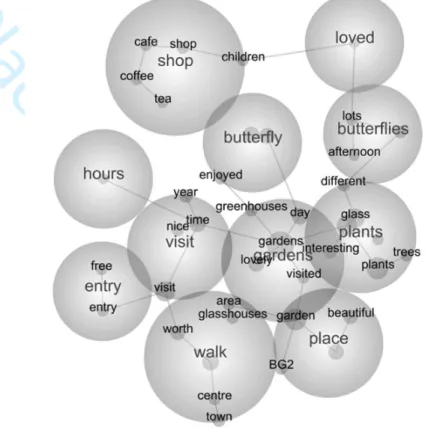
Figure 2. Overall concept map for Botanic Garden 2 (BG2)
11 themes and 40 concepts are found across 230 reviews with the most significant of these focused upon the gardens, plants, visitation, walks, and place, in the sense of loveliness, peacefullness, rest, for children, and for nature.
The most significant theme, ‘plants’, included concepts such as ‘plants’, ‘houses’, ‘glass’, ‘day’, and ‘interesting’. Example reviews:
‘Stunning display of plant life, definitely worth a visit. Free entry for students which is
an added bonus.’
‘Accidentally found the Botanic gardens which turns out to be a little gem and value
for money. Lovely grounds, shop and cafe plus excellent glass houses incorporating a huge range of plants. The staff obviously know their stuff and are very helpful. If you
have the time I recommend visiting any time of year.’
‘Unfortunately the day was rainy and we weren't able to enjoy the magnificent flora,
but we were given one of the winter houses to avoid getting wet; even this
Page 14 of 25 Journal of Place Management and Development
1 2 3 4 5 6 7 8 9 10 11 12 13 14 15 16 17 18 19 20 21 22 23 24 25 26 27 28 29 30 31 32 33 34 35 36 37 38 39 40 41 42 43 44 45 46 47 48 49 50 51 52 53 54 55 56 57
Journal of Place Management and Development
environment with pretty plants was delightful!Whatever the reason, don't miss visitinga splendid place to enjoy flora and fauna!’
The second theme, ‘gardens’, included concepts such as ‘gardens’, ‘lovely’, and ‘greenhouses’. Example reviews:
‘Visited on a sunny day with some showers. Excellent gardens and greenhouses.’
‘The gardens are ever changing so try to visit a few times a year and spend as much
time as possible wandering around the ever changing gardens. New butterfly greenhouse that I have yet to visit but plan to soon. Little coffee shop was nice, especially for warming up at this time of year.They also have a lot of lovely things starting in December, so we will definitely visit then. The only thing that did look a bit worse for wear was the herb garden but maybe we just came at the wrong time of year. Overall a really nice visit, I think the signage in general could do with being a bit better and maybe if you are paying 5 per head then you could provide a nice booklet with a map and highlighting some of the more interesting specimens with
some information as it seems a bit steep otherwise.’
The third theme, ‘garden’, included concepts such as ‘garden’, ‘place’, ‘beautiful’, and ‘BG2’. Example reviews:
‘It's hard to believe that this lovely garden is so close to […] centre. It's a real oasis of calm and beauty, and 2 entry charge is ridiculously low for a place with so much to offer.’
‘This is not a huge botanical garden but it is lovely and has multiple green houses and a small butterfly enclosure a large array of different butterflies. The pond with the open green beyond is an inviting place to lay in the grass and read a book. Great
place to spend an afternoon.’
‘Stunning place - definite for a family day out. The butterfly house is particularly amazing. You could easily spend half a day here, exploring the specific houses and the gardens themselves. It is not far from town making it easily accessible for families and tourists.’
Across reviews for BG2, there are similar accounts made regarding leisure, recreation and facilities. Yet, again there are no clearly defining references to core purpose and value of BGs.
The following were found to be the most perceived strengths, although the most significant and important of these are ‘food’ and ‘café’ related, but also the garden, facilities, and activities. Indoor, outdoor facilities, clean facilities, children-centred facilities, toilets, accessibility, interesting and useful interpretation, and customer services are prevalent references referred to across reviews.
It is clear that perceptions link to leisure, recreation, products and services which do not highlight the core mission of Botanic Gardens. This research may enable managers to
Page 15 of 25 Journal of Place Management and Development 1 2 3 4 5 6 7 8 9 10 11 12 13 14 15 16 17 18 19 20 21 22 23 24 25 26 27 28 29 30 31 32 33 34 35 36 37 38 39 40 41 42 43 44 45 46 47 48 49 50 51 52 53 54 55 56 57
Journal of Place Management and Development
cross reference aims and objectives within management plans and operations to findings such as these.
Information on perceived areas for development for BG2 are limited and negligible, with 3 key themes and 8 concepts based on ‘entrance’, ‘activities’ and ‘prices’. Concerns extracted from reviews highlight entry prices and times, expense of entry, and pricing strategies for certain groups, times and events. Children’s activities are also highlighted as areas for development across reviews. Despite these points raised the majority of reviews were found to be strengths.
Although data was limited it is still of interest to managers’ attention. Awareness of this type of information enables discussion, debate, monitoring, and ensures a strategic approach to planning, checking for issues or concerns raised, or for opportunities to innovate. In summary, these findings are in line with other studies on perceptions of BGs; hence the aptly named title ‘The view, brew & loo: perceptions of botanic gardens?’
Leximancer software and resultant data can be useful to inform and direct place managers on various positive and negative aspects. ACA of big data and related UGC clearly identifies key factors to assist with decision making and management planning. Practitioners and scholars can utilise these ideas, tools and approaches to strategically transform and monitor perceptions of BGs; linking more activities and resources to their core functions, communicating importance and value whilst meeting those predominant needs and expectations outlined across these reviews.
Discussion
It is clear across extant literature there are no peer reviewed, published research which highlights perceptions taken from TripAdvisor or any online sources for the Botanic Garden (BG) sector in Britain; or using Leximancer to analyse such perceptions. Therefore guiding research questions for this study were ‘What are the perceived strengths and areas for development for 2 BGs, via a Leximancer’ Automatic Content Analysis (ACA) of TripAdvisor online reviews; and do they match BGs purpose of scientific research, conservation, display and education?’
Therefore this study serves as a starting point to critically review BG gaze, place, and space via online reviews, big data, related User Generated Content (UGC) (Breazeale, 2009; Bronner and de Hoog, 2010; Lu and Stepchencova, 2015) and electronic Word-Of-Mouth (eWOM) (Hennig-Thurau et al., 2004; Chen and Xie, 2008; Breazeale, 2009).
Page 16 of 25 Journal of Place Management and Development
1 2 3 4 5 6 7 8 9 10 11 12 13 14 15 16 17 18 19 20 21 22 23 24 25 26 27 28 29 30 31 32 33 34 35 36 37 38 39 40 41 42 43 44 45 46 47 48 49 50 51 52 53 54 55 56 57
Journal of Place Management and Development
This study has researched perspectives of 2 BGs in need of sustainable development. Key findings are similar to other studies on BG perceptions. Findings of this study for example contribute to the work of Connell and Page (2014) and Leask (2016) amongst others (Garrod, Pickering and Willis, 1993; Connell and Meyer 2004; Connell, 2005; Fox and Edwards, 2008; Hengky and Kikvidze, 2018), highlighting perceptions relating to aesthetics, facilities and services alongside recreational, leisure, travel and tourism value and satisfaction. Motivation, behaviour, needs and expectations identified across these studies are also apparent across research into perceptions gleaned from studies using TripAdvisor (Tsang and Prendergast, 2009; Leung et al., 2013; Flôres Limberger et al., 2014). There is however a lack in all-important perceptions of core functions, purpose, value and importance of BGs and the sector as a whole.
Past studies on Britain’s BGs have not reviewed online sources of big data. Therefore there is a need for deeper studies of these places and related big data, to gain better understanding of predominant perceptions of such place and space. Knowledge of BGs from the perspectives of online reviews and using novel, qualitative, automated text mining software such as Leximancer form the basis for further longitudinal studies; especially with an added strategic approach using social media platforms/digital channels alongside analytical software to monitor impacts.
Lu and Stepchencova (2015) among others (Morris and Stenberg, 1991; Carson and Coviello, 1996; Brown, 1996; Mcauley, 2007; Sevin, 2013) highlight a diversity of approaches to qualitative research in unlocking interesting features of organisations and marketing via the iterative process; going on to state that research using qualitative approaches enables interpretation of core issues and free flowing thought. Therefore it is clear that Leximancer is one such way in capturing such features, and making connections to characteristics across perceptions. Leximancer has assisted in revealing reviews linking visitors’ experiences and their perceptions for this study of 2 BGs.
Developing place management and marketing strategies (Kavaratzis and Ashworth, 2008; Parker, 2008; Maheshwari, Vandewalle and Bamber, 2011; Sevin, 2013; Warnaby and Medway, 2013; Roberts, Parker and Steadman, 2017; Swanson, 2017; IPM, 2018), making better use of social media (Patino, Pitta and Quinones, 2012; Benfield, 2013; Leung et al., 2013) and text analytical software (Smith and Humphries, 2006; Krippendorff, 2013; Sotiriadous, Brouwers and Le, 2014; Neuendorf, 2016; Leximancer, 2018) are valuable approaches to supporting key functions, vision, mission, aims and objectives of BGs (i.e. the
Page 17 of 25 Journal of Place Management and Development 1 2 3 4 5 6 7 8 9 10 11 12 13 14 15 16 17 18 19 20 21 22 23 24 25 26 27 28 29 30 31 32 33 34 35 36 37 38 39 40 41 42 43 44 45 46 47 48 49 50 51 52 53 54 55 56 57
Journal of Place Management and Development
value and importance of scientific discovery, conservation, display and education); and their sustainable development.
Big data generators such as online review websites like TripAdvisor, and software like Leximancer are excellent tools with opportunities and capabilities to develop and measure perceived value, importance and hopefully, in turn, more meaningful and mindful visitor experiences, gazes and reviews of BG ‘place’ and ‘space’. Findings highlight such modus operandi useful for place managers and developers of BGs, and other visitor attractions, places and spaces to apply and practice.
Conclusions and recommendations
This study has considered approaches to capture, analyse and monitor perceptions from big data, to inform and contribute to place management practice of BGs. Research objectives attempted to explore the perceived strengths and areas for development for 2 Botanic Gardens (BGs), and to consider a Leximancer’ Automatic Content Analysis (ACA) of respective TripAdvisor online reviews; to interpret whether they match BGs purpose of scientific research, conservation, display and education. Therefore as a result of these objectives, this study has made three important contributions, first, methodological in regard to ACA and using Leximancer as resources for measurement of perceptions drawn from big data on BGs; secondly, highlighting unchanged, predominant perceptions of BGs linked to aesthetics, facilities and services, which support previous studies; and thirdly the potential of using both TripAdvisor and Leximancer, and consideration of applying place management practice, as opportunities for transformational change of predominant perceptions, values and beliefs. Outcomes of this study could eventually inform policy and generate a much needed shift in funds and resources for BGs by highlighting their relevance and value to society.
An outcome of this study has highlighted strengths and areas for development of 2 BGs in need of funding and support. It was found that perceptions are the same as they have been for decades (Garrod, Pickering and Willis, 1993). The tourist gaze (Urry and Larsen, 2011) is somewhat lacklustre as a representation of the importance and value of BGs’ core function and purpose. A majority of reviews focus on an overarching perception of BGs based upon aesthetics, facilities and services.
This research has highlighted an unchanging trend in perceptions of BGs, a novel approach in analysing big data attached to BGs and the potential for place management practice of BGs. BG perceptions and how they could be developed is certainly a place management issue which should be of interest to both practitioners and scholars. Having beautiful BGs with
Page 18 of 25 Journal of Place Management and Development
1 2 3 4 5 6 7 8 9 10 11 12 13 14 15 16 17 18 19 20 21 22 23 24 25 26 27 28 29 30 31 32 33 34 35 36 37 38 39 40 41 42 43 44 45 46 47 48 49 50 51 52 53 54 55 56 57
Journal of Place Management and Development
lovely vistas, famous for the food and refreshments in their cafés and restaurants, alongside outstanding customer services, well-maintained toilets and other good facilities are certainly valuable and important. However much more could be achieved to make greater links to core purpose, functions, value, importance and cause related narratives of BGs (Catahan, 2018). It is therefore anticipated that BG managers can make better use of big data for place management and development. There is potential to utilising TripAdvisor among other means (social media platforms/digital channels in particular), to develop and transform perceptions; incorporating all-important messages and related cause marketing ideas to wider audiences (e.g. about sustainable development, scientific discovery, conservation, display, education, alongside other important aspects such as heritage, social inclusion, health and wellbeing, to name a few) (Moscardo, 1996; Moscardo and Ballantyne, 2008; Rakow and Lee, 2011; Sevin, 2013; Catahan, 2018). These are ways forward rather than current management practices where TripAdvisor for example acts as a feedback forum for complaints or reviews of praise (Vásquez, 2011). Leximancer and similar software can also lessen the burden of analysing, monitoring and making sense of vast amounts of big data, in particular UGC from consumers and other stakeholders (Breazeale, 2009; Bronner and de Hoog, 2010; Lu and Stepchencova, 2015). This research introduces a novel methodological approach offering place management and development scholars, and practitioners, a way to explore perceived value of the places and locations they want to investigate and improve.
Therefore this study serves as a starting point to begin to discuss, inform and aid development of marketing and operational management policies, directives and outputs of 2 BGs; to ensure more active core missions of BGs are met, shaping future perceptions with the hope that the importance and value of BGs are better understood. Likewise managing BG’ information both online and in situ can also be addressed via ideas, methods and approaches presented in this paper. BG partners linked to this study have a range of qualitative and quantitative resources to work with as a result of this study. Data related to perceptions and interlinked themes and concepts have been enlightening for such stakeholders. However there is a need to explore the broader range of perceptions linked to BGs, and to consider the vast work that is achieved to highlight their environmental, sociocultural and economic value to potential supporters and funders. There is also some discussion and networking to be developed regarding changing perceptions, making better use of resources available to BGs, including place management and marketing practices (Kavaratzis and Ashworth, 2008; Parker, 2008; Warnaby and Medway, 2013; Roberts, Parker and Steadman, 2017; IPM, 2018). It is anticipated that more partners will find such research of interest with useful, practical
Page 19 of 25 Journal of Place Management and Development 1 2 3 4 5 6 7 8 9 10 11 12 13 14 15 16 17 18 19 20 21 22 23 24 25 26 27 28 29 30 31 32 33 34 35 36 37 38 39 40 41 42 43 44 45 46 47 48 49 50 51 52 53 54 55 56 57
Journal of Place Management and Development
application and as a result, more effective management and marketing of BGs to aid survival during uncertain times; and make BGs better.
Recommendations for future studies would be to focus on transforming and monitoring perceptions, testing the ideas, approaches and tools in this research. Alongside this, developing this research as a longitudinal study across other BGs, and to triangulate studies across other online content would be worthwhile. Capturing BG consumption and tourism gaze via images visitors upload would also be an insight worthy of analysis. In particular, continued exploration into BGs relevance and value to society, and an investigation into revenue streams and ongoing future sustainability objectives are key to the survival of BGs (PlantNetwork, 1994; BGCI, 2009; Kimberley, 2009; Catahan, 2018).
Although this study has focused on Botanic Gardens, it could also be applied to a range of other places and spaces people visit, to inform their place management and development.
Reference list
Angus, D., Rintel, S. and Wiles, J. (2013), “Making sense of big text: A visual-first approach for analysing text data using Leximancer and Discursis”, International Journal of
Social Research Methodology, Vol. 16 No. 3, pp. 261-267.
Ballantyne, R., Packer, J. and Hughes, K. (2008), “Environmental awareness, interests and motives of botanic gardens visitors: Implications for interpretive practice”, Tourism
management, Vol. 29 No. 3, pp. 439-444.
Benfield, R. (2013), Garden Tourism, CABI, Wallingford.
BGCI - Botanic Garden Conservation International (2009), “Are botanic gardens fit for purpose?” BGCI News, 24 February, available at:
http://www.bgci.org/news-and-events/news/0573/?sec=resources&option=com_news&id=0573 (accessed 29 June
2018).
BGCI - Botanic Garden Conservation International (2018), “Advanced Garden Search”
BGCI>About Us?Garden Search>Advanced Garden Search, available at:
https://www.bgci.org/garden_advanced_search.php (accessed 29 June 2018).
Boje, D.M. (2001), Narrative Methods for Organizational and Communication Research, Sage Publications, London.
Branthwaite, A. and Patterson, S. (2011), “The power of qualitative research in the era of social media”, Qualitative Market Research: An International Journal, Vol. 14 No. 4, pp. 430-440.
Breazeale, M. (2009), “Word of mouse: An assessment of electronic word-of-mouth research”. International Journal of Market Research, Vol. 51 No. 3, pp. 297-318. Bronner, A. E., and De Hoog, R. (2010), “Consumer-generated versus marketer-generated
websites in consumer decision making”, International Journal of Market Research, Vol. 52, pp. 231-248.
Brown, S. (1996), “Art or science? Fifty years of marketing debate”, Journal of Marketing
Management, Vol. 1 No. 4, pp. 243–68.
Page 20 of 25 Journal of Place Management and Development
1 2 3 4 5 6 7 8 9 10 11 12 13 14 15 16 17 18 19 20 21 22 23 24 25 26 27 28 29 30 31 32 33 34 35 36 37 38 39 40 41 42 43 44 45 46 47 48 49 50 51 52 53 54 55 56 57
Journal of Place Management and Development
Brown, N. and Williams, S. (2009), “Treborth Botanic Garden – saving a university botanic garden and making it count in education”, BGCI, available at:
https://www.bgci.org/resources/article/0629/ (accessed 29 June 2018).
Bryman, A. and Bell, E. (2015), Business research methods, 4th ed., OUP, Oxford. Carson, D. and N. Coviello (1996), “Qualitative research issues at the
marketing/entrepreneurship interface”, Marketing Intelligence and Planning, Vol. 14 No.6, pp. 51–58.
Catahan, N. and Woodruffe-Burton, H. (2017a), The botanic garden tourism gaze:
perceptions & (re)presentations, 4th Corfu Symposium on Managing & Marketing
Places, 24th – 27th April 2017, Institute of Place Management, Mon Repos Palace Art Hotel, Corfu, Greece, pp. 144-149.
Catahan, N. and Woodruffe-Burton, H. (2017b), Strategically Managing Sustainable and Innovative Business Development in Uncertain Times: An Exploratory Study of
Botanic Gardens, The 50th Academy of Marketing Conference, Freedom Through
Marketing: Looking Back, Going Forward, 3rd July 2017 - 6th July 2017, Hull University Business School, p. 62.
Catahan, N. (2018), Marketing Heaven & Hell: Botanic Garden’ Cause-Related Narratives, 5th Corfu Symposium on Managing & Marketing Places, 16th - 19th April 2018, Institute of Place Management, Mon Repos Palace Art Hotel, Corfu, Greece, pp.140-144.
Chen, Y. and Xie, J. (2008), “Online Consumer Review: Word-of-Mouth as a New Element of Marketing Communication Mix”, Management Science, Vol. 54 No.3, pp. 477-491.
Connell, J. and Page, S.J. (2014), “Chapter 8 Visitor Attractions”, in Page, S.J. (Ed.)(2014),
Tourism Management, 5th ed., Butterworth-Heinemann, Oxford, pp. 271-304.
Connell, J. (2005), “Managing gardens for visitors in Great Britain: A story of continuity and change”, Tourism Management, Vol. 26 No. 2, pp. 185-201.
Connell, J. and Meyer, D. (2004), “Modelling the Visitor Experience in the Gardens of Great Britain”, Current Issues in Tourism, Vol. 7 No. 3, pp. 183-216.
Creswell, J.W. (2015), Educational Research. Planning, Conducting, and Evaluating
Quantitative and Qualitative Research, 5th ed., Pearson, London.
Dellarocas, C., Zhang, X. and Awad, N.F. (2007), “Exploring the value of online product reviews in forecasting sales: The case of motion pictures”, Journal of Interactive
Marketing, Vol. 21 No. 4, pp. 23-45.
Dodd, J. and Jones, C. (2010), “Redefining the Role of Botanic Gardens – Towards a New
Social Purpose”, Research Centre for Museum and Galleries (RCMG), Leicester and
BGCI.
Drea, S. (2011), “The End of the Botany Degree in the UK”, Bioscience Education, Vol. 17 No. 2, pp. 1-7.
Edwards, D. (2005), “Moaning, whinging and laughing: the subjective side of complaints”,
Discourse Studies, Vol. 7 No. 1, pp. 5–29.
Everett, B. (2013), “Plants at risk as Moorbank botanic gardens change hands”, The
Guardian, 6 November, available at:
https://www.theguardian.com/lifeandstyle/gardening-
blog/2013/nov/06/moorbank-botanic-garden (accessed 29 June 2018).
Fang, B., Ye, Q., Kucukusta, D. and Law, R. (2016), “Analysis of the perceived value of online tourism reviews: Influence of readability and reviewer characteristics.”
Tourism Management, Vol. 52, pp. 498-506.
Page 21 of 25 Journal of Place Management and Development 1 2 3 4 5 6 7 8 9 10 11 12 13 14 15 16 17 18 19 20 21 22 23 24 25 26 27 28 29 30 31 32 33 34 35 36 37 38 39 40 41 42 43 44 45 46 47 48 49 50 51 52 53 54 55 56 57
Journal of Place Management and Development
Filieri, R. (2015), “What makes online reviews helpful? A diagnosticity-adoption framework to explain informational and normative influences in e-WOM”, Tourism
Management, Vol. 68 No. 6, pp. 1261-1270.
Flôres Limberger, P., dos Anjos, F. A., de Souza Meira, J. V. and Gadotti dos Anjos, S. J. (2014), “Satisfaction in hospitality on TripAdvisor.com: An analysis of the correlation between evaluation criteria and overall satisfaction”, Tourism & Management Studies, Vol. 10 No. 1, pp. 59-65.
Fox, D. and Edwards, J. (2008), “Chapter 13 Managing Gardens” in Fyall, A., Garrod, B., Leask A. and Wanhill, S. (Eds.) (2008), Managing visitor attractions, 2nd Ed., Butterworth and Heinemann, Oxford, pp. 216-236.
Garrod, B., Pickering, A. and Willis, K. (1993), “The economic value of botanic gardens: A recreational perspective”, Geoforum, Vol. 24 No. 2, pp. 215–224.
Giorgi, S., Lockwood, C. and Glynn, M.A. (2015), “The Many Faces of Culture: Making Sense of 30 Years of Research on Culture in Organization Studies”, The Academy of
Management Annals, Vol. 9 No. 1, pp. 1-54.
Hennig-Thurau, T., Gwinner, K.P., Walsh, G. and Gremler, D.D. (2004), “Electronic word-of-mouth via consumer-opinion platforms: What motivates consumers to articulate themselves on the Internet?”, Journal of Interactive marketing, Vol. 18 No. 1, pp. 38-52.
Hine, D. and Carson, D. (2007), Innovative Methodologies in Enterprise Research, Edward Elgar Publishing Ltd., Cheltenham.
IPM - Institute of Place Management (2018) “What is Place Management?”, available at:
http://www.placemanagement.org/ (accessed 29 June 2018).
Jones, S. (2010), “Where have all the British botanists gone, just when we need them?” The
Telegraph, 14 September, Available from:
http://www.telegraph.co.uk/science/steve-
jones/8001565/Where-have-all-the-British-botanists-gone-just-when-we-need-them.html (accessed 29 June 2018).
Kavaratzis, M. and Ashworth, G.J. (2008), “Place marketing: how did we get here and where are we going?”, Journal of Place Management and Development, Vol. 1 No. 2, pp. 150-165.
Kavaratzis, M. and Kalandides, A. (2015), “Rethinking the place brand, The interactional formation of place brands and the role of participatory place branding”, Environment
and Planning A, Vol. 47, pp. 1368-1382.
Kimberley, M. (2009), “What is the future of botanic gardens?” Horticulture Week, 6 March, available at:
http://www.hortweek.com/future-botanic-gardens/ornamentals/article/887002 (accessed 29 June 2018).
Krippendorff, K.H. (2013), Content Analysis: An Introduction to Its Methodology, 4th ed., Sage publications Ltd., London.
Lean, G. (2015), “Why cuts might force Kew Gardens to shut”, The Telegraph, 4 March, available at:
http://www.telegraph.co.uk/news/earth/environment/11448627/Why-cuts-might-force-Kew-Gardens-to-shut.html (accessed 29 June 2018).
Leask, A. (2010), “Progress in visitor attraction research: Towards more effective management”, Tourism Management, Vol. 31 No. 2, pp. 155-166.
Leask, A. (2016), “Visitor attraction management: A critical review of research 2009-2014”, Tourism Management, Vol. 57, pp. 334-361.
Leung, D., Law, R., van Hoof, H. and Buhalis, D. (2013), “Social media in tourism and hospitality: A literature review”, Journal of Travel & Tourism Marketing, Vol. 30, pp. 3-22.
Leximancer (2018a), “Home”, available at: https://info.leximancer.com/ (accessed 29 June 2018).
Page 22 of 25 Journal of Place Management and Development
1 2 3 4 5 6 7 8 9 10 11 12 13 14 15 16 17 18 19 20 21 22 23 24 25 26 27 28 29 30 31 32 33 34 35 36 37 38 39 40 41 42 43 44 45 46 47 48 49 50 51 52 53 54 55 56 57