RULE- VERSUS INSTANCE-BASED LEARNING IN SPEECH-LIKE BEHAVIOR:
AN EVALUATION OF TRANSFER AND MOTOR CLASS EFFECTS
by
Kimberly M. Meigh, M.A. CCC-SLP B.A., Michigan State University, 2002
M.A., University of Pittsburgh, 2004
Submitted to the Graduate Faculty of
School of Health and Rehabilitation Sciences in partial fulfillment of the requirements for the degree of
Doctor of Philosophy
UNIVERSITY OF PITTSBURGH
SCHOOL OF HEALTH AND REAHBILITATION SCIENCES
This dissertation was presented
by
Kimberly M. Meigh, M.A. CCC-SLP
It was defended on July 14, 2014 and approved by
Susan Shaiman, PhD, Associate Professor, Communication Science and Disorders Connie Tompkins, PhD, Professor, Communication Science and Disorders Katherine Verdolini Abbott, PhD, Professor, Communication Science and Disorders
Timothy Nokes-Malach, PhD, Associate Professor, Psychology Dissertation Advisor: Susan Shaiman, PhD, Associate Professor,
Copyright © by Kimberly M. Meigh 2014
RULE- VERSUS INSTANCE-BASED LEARNING IN SPEECH-LIKE BEHAVIOR:
AN EVALUATION OF TRANSFER AND MOTOR CLASS EFFECTS
Kimberly M. Meigh, PhD, CCC-SLP
University of Pittsburgh, 2014
Two information-processing theories of motor control have been postulated for motor learning. Rule-based learning theory predicts transfer when new, untrained stimuli or behaviors share the same set of rules. Instance-based learning theory predicts transfer when new, untrained stimuli are similar in a specific way to the trained stimuli. The purpose of this study was to provide insight into the learning theory operating during nonword acquisition and transfer by evaluating reaction times during an old-new judgment task. Nonword stimuli were constructed to bias familiarity judgments by systematically varying two parameters associated with each theory: phonetic similarity (instance-based) and syllable stress pattern (rule-based).
Twenty-four participants (18-35 years of age) with normal hearing and speech production participated in a syllable stress training task and an old-new judgment task. During training,
participants articulated a series of nonword stimuli while producing a specific syllable stress pattern. Syllable stress accuracy was monitored by the examiner via perceptual judgments and custom software evaluating acoustic intensity of the articulated stressed syllable. Accurate articulation of nonwords was monitored with recognition probes throughout training. Participants
met pre-established accuracy criteria for syllable stress and phonetic production of each experimental nonword. Once criterion was met, participants were assumed to have a highly-accurate baseline memory representation of the trained items that was judged against a variety of untrained transfer stimuli varying in phonetic similarity and syllable stress pattern. Following training, an old-new judgment task was administered in which participants made familiarity judgments upon hearing a trained or untrained nonword; reaction times were collected via a response box.
Reaction time results indicated participants responded faster to untrained nonwords with different phonemes than to untrained nonwords with similar phonemes. Syllable stress pattern did not affect reaction time. These results are consistent with instance-based learning. However, the direction of the similarity effect was in the opposite direction as originally predicted for this theory, i.e., positive transfer occurred when stimuli were dissimilar to one another. Future studies should evaluate what parameters need to be manipulated along a similarity index, and how the variable of dissimilarity may affect overall transfer patterns.
TABLE OF CONTENTS 1.0 INTRODUCTION ... 1 2.0 RULE-BASED LEARNING ... 3 2.1 INTRODUCTION ... 3 2.2 HISTORICAL OVERVIEW ... 4 2.2.1 Categorization ... 4 2.2.2 Artificial Grammar ... 6 2.3 REPRESENTATIONAL FORMS ... 7 2.3.1 Cognitive Forms ... 7 2.3.2 Motor Forms ... 9 2.3.3 Speech production ... 12 2.4 TRANSFER ... 15 2.4.1 Cognitive Tasks ... 15 2.4.2 Motor Tasks ... 17 2.5 FUNDAMENTAL FLAWS ... 21 2.5.1 Abstraction ... 21 2.5.2 Defining Rules ... 22 2.6 SUMMARY ... 23 3.0 INSTANCE-BASED LEARNING ... 25
3.1 INTRODUCTION ... 25 3.2 HISTORICAL OVERVIEW ... 26 3.2.1 Frequency ... 26 3.2.2 Categorization ... 27 3.3 REPRESENTATIONAL FORM ... 29 3.3.1 Cognitive ... 29 3.3.2 General Motor ... 32 3.3.3 Speech Production ... 35 3.4 TRANSFER ... 38 3.5 FUNDAMENTAL FLAWS ... 42 3.5.1 Storage ... 42 3.5.2 Forgetting ... 43 3.6 SUMMARY ... 44
4.0 COMPARISONS OF LEARNING THEORIESS IN MOTOR BEHAVIOR ... 46
4.1 INTRODUCTION ... 46
4.2 EVALUATING THE REPRESENTATION ... 47
4.2.1 Models of motor performance ... 47
4.2.2 Assessing the representation ... 52
4.3 DIRECT COMPARISONS IN MOTOR BEHAVIOR ... 56
4.3.1 Transfer Predictions ... 56
4.3.2 Experiments ... 58
4.3.2.1 Chamberlin and Magill, 1992b ... 58
4.3.3 Critical Review ... 60
4.3.3.1 Assessing Memory Representation ... 61
4.3.3.2 Assessing Different Models of Learning ... 65
4.4 SUMMARY ... 66
5.0 OVERALL SUMMARY AND DISCUSSION ... 68
6.0 SPECIFIC AIMS AND RESEARCH QUESTIONS ... 73
7.0 METHOD ... 84
7.1 STIMULI VALIDATION STUDY ... 84
7.1.1 Participant Criterion ... 87
7.1.2 Participant Recruitment ... 90
7.1.3 Participant Sample Size ... 90
7.1.4 Participant Characteristics ... 91
7.1.5 Experimental Procedure ... 91
7.1.5.1 Training Block ... 92
7.1.5.2 Experimental Blocks ... 93
7.1.6 Stimuli ... 94
7.1.6.1 Kendall et al. (2005) Nonword Stimuli ... 94
7.1.6.2 Kendall et al. (2005) Real Word Stimuli ... 95
7.1.6.3 Different-Phonemes-Different-Motor-Class (DPDC) Stimuli ... 96
7.1.6.4 Stimuli Preparation ... 97
7.2 RULE VERSUS INSTANCE-BASED LEARNING... 99
7.2.1 Participant Criterion ... 101
7.2.3 Participant Recruitment ... 103
7.2.4 Participant Characteristics ... 103
7.2.5 Experimental Procedures and Equipment Configuration ... 104
7.2.5.1 Procedures ... 104
7.2.5.2 Equipment Configuration ... 106
7.2.6 Task Descriptions ... 107
7.2.6.1 Syllable Stress Training: General Overview ... 107
7.2.6.2 Training Task: Perception-Production Training ... 110
7.2.6.3 Training Task: Syllable Stress Training ... 111
7.2.6.4 Old-New Judgment Task: Rationale ... 118
7.2.6.5 Old-New Judgment Task: General ... 119
7.2.6.6 Old-New Judgment Task: Instructions ... 121
7.2.7 Stimuli ... 123
7.2.7.1 Trained Stimuli: Experimental ... 123
7.2.7.2 Trained Stimuli: Filler ... 125
7.2.7.3 Untrained Stimuli: General Overview ... 126
7.2.7.4 Untrained Stimuli: SPSC Stimuli ... 127
7.2.7.5 Untrained Stimuli: DPSC Stimuli ... 128
7.2.7.6 Untrained Stimuli: DPDC Stimuli ... 129
7.2.8 Stimuli Preparation ... 131
8.0 RESULTS ... 132
8.1 STIMULI VALIDATION ... 132
8.1.1.1 Accuracy Analyses ... 133
8.1.1.2 Reaction Time Data ... 134
8.1.2 PRIMARY OUTCOMES... 135
8.1.2.1 Research Question 1 (RQ1): Nonword Frequency ... 135
8.1.2.2 Research Question 2 (RQ2): Real Word Frequency ... 137
8.1.2.3 Research Question 3 (RQ3): Stimuli Type ... 137
8.2 RULE- VERSUS INSTANCE-BASED LEARNING ... 138
8.2.1 Data Preparation ... 139
8.2.1.1 Accuracy Data: Overview of d’ Statistic Calculations ... 140
8.2.1.2 Accuracy: d’ Statistic and Error Analyses ... 141
8.2.2 PRIMARY OUTCOMES... 144
8.2.2.1 Research Question 4 (RQ4): Phonetic Similarity ... 145
8.2.2.2 Research Question 5 (RQ5): Motor Class ... 146
8.2.3 SECONDARY OUTCOMES ... 147
8.2.3.1 Effect of Response Button Position ... 147
8.2.3.2 Effect of Training Amounts ... 149
8.2.3.3 Effect of Stimuli Type ... 152
9.0 DISCUSSION ... 160
9.1 STIMULI VALIDATION STUDY ... 160
9.1.1 RQ1: Nonword Frequency ... 160
9.1.2 RQ2: Real Word Frequency ... 160
9.1.3 RQ3: Stimuli Type ... 161
9.2 RULE- VERSUS INSTANCE-BASED LEARNING STUDY ... 162
9.2.1 Primary Outcomes ... 162
9.2.2 RQ4: Phonetic Similarity ... 164
9.2.3 RQ5: Motor Class ... 166
9.2.4 Secondary Outcomes ... 168
9.2.4.1 Response Button Position ... 168
9.2.4.2 Training Amount ... 168
9.2.4.3 Stimuli Item Analysis ... 169
9.2.5 Summary ... 179
9.3 LIMITATIONS ... 181
9.3.1 Construction of the Stimuli: Syllable versus adjacent phonemes ... 181
9.3.2 Instructional Bias ... 182
9.3.3 Measuring Implicit Memory with an Explicit Task ... 184
9.3.4 Measuring Syllable Stress During Training ... 186
9.3.5 Training Program Stimulate ... 188
9.4 FUTURE DIRECTIONS ... 189
APPENDIX A: MODELS OF MOTOR PERFORMANCE ... 193
APPENDIX B: LANGUAGE SCREENING SCRIPT ... 196
APPENDIX C: SCREENING FORM STIMULI VALIDATION STUDY ... 198
APPENDIX D: SCREENING FORM MAIN STUDY ... 202
APPENDIX E: DATA FOR PREDICTED ACCURACY RESULTS ... 205
APPENDIX F: POST HOC ANALYSIS OF PRIMARY OUTCOMES ... 207
LIST OF TABLES
Table 1: Shared characteristics between GMPs and Stressed Syllables ... 15
Table 2: Rule- and instance-based learning contrasts ... 69
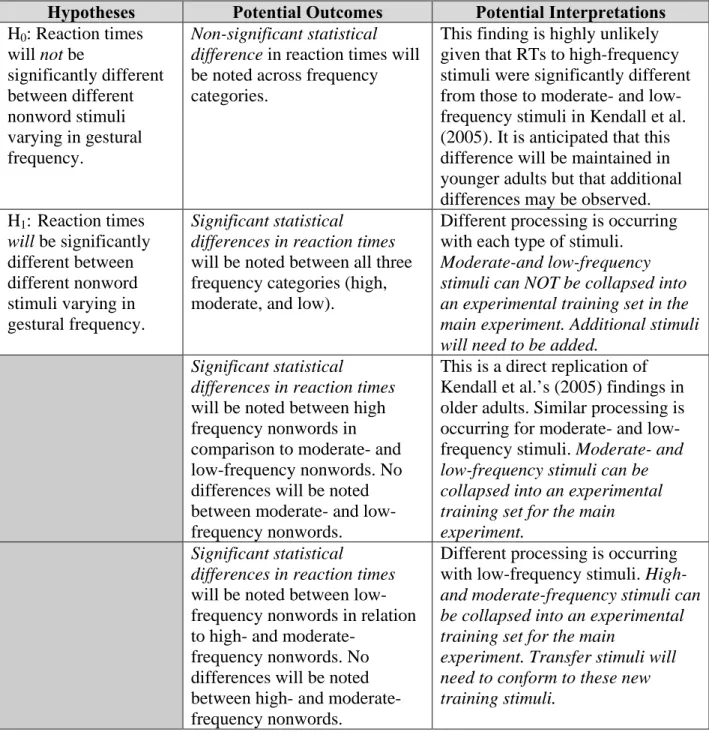
Table 3: Predictions for high vs. moderate vs. low frequency nonword stimuli ... 75
Table 4: Predictions for high vs. low frequency real words ... 76
Table 5: Predictions for Kendall et al. (2005) stimuli vs. DPDC stimuli ... 77
Table 6: Predictions for transfer pattern based on similarity ... 80
Table 7: Predictions for motor class when similarity is held constant ... 83
Table 8: Parameters controlled for in Kendall et al.'s (2005) nonword stimuli ... 86
Table 9: Training Block Stimuli ... 93
Table 10: Kendall et al. (2005) nonword stimuli ... 95
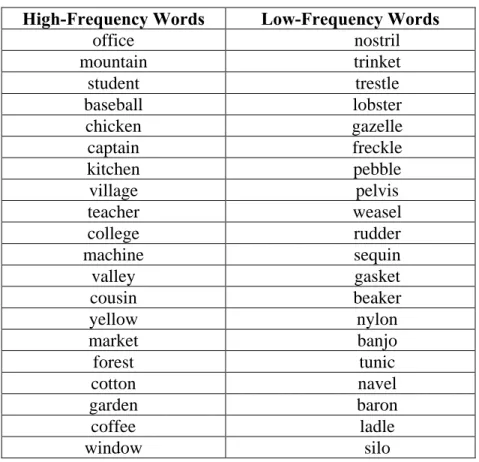
Table 11: Kendall et al. (2005) real word stimuli ... 96
Table 12: DPDC Stimuli ... 97
Table 13: Means and SDs for re-recorded Kendall et al. (2005) stimuli ... 99
Table 14: Overview of the experimental tasks, stimuli, and learning theories ... 101
Table 15: Training blocks required for accuracy criterion to be met ... 112
Table 16: Syllable stress makers produced by participants ... 115
Table 18: Filler stimuli... 125
Table 19: SPSC Stimuli ... 127
Table 20: DPSC Stimuli... 128
Table 21: Syllable stress proportions of Trained and DPSC stimuli ... 128
Table 22: Intergestural phonemic constraints for DPDC stimuli ... 130
Table 23: DPDC Stimuli ... 130
Table 24: Error analysis for real words (across participants) ... 133
Table 25: Error analysis for nonwords (across participants) ... 133
Table 26: Total number and percentage of No Responses and Breath Triggers for real word stimuli ... 134
Table 27: Total number and percentage of No Responses and Breath Triggers for nonword stimuli ... 135
Table 28: Test of normality of nonword gestural frequency for each frequency category ... 135
Table 29: Mean and SD for nonword gestural frequency categories ... 136
Table 30: Transfer variables associated with each learning theory ... 139
Table 31: Total number of No Responses and Outliers greater than >3SD from the median .... 139
Table 32: Anticipated and summarized data to calculate d' statistic ... 140
Table 33: H, F, d' and Br statistics for all participants ... 142
Table 34: Error analysis by stimuli type (across participants) ... 143
Table 35: Br statistics in relation to F rates and accuracy scores on SPSC stimuli ... 143
Table 36: Test of normality across stimuli type ... 144
Table 37: Mean and SD for stimuli with varying phonetic similarity ... 146
Table 39: Test of normality of stimuli type by button group ... 148
Table 40: Mean and SDs for stimuli type by button push group ... 149
Table 41: Test of equality of error variances by stimuli type ... 150
Table 42: Test of normality of stimuli type by training amount ... 151
Table 43: Mean and SDs for stimuli type by training amount ... 152
Table 44: Significant pairwise comparison results for SPSC stimuli ... 153
Table 45: Median reaction times of SPSC stimuli items ... 155
Table 46: Significant pairwise comparison results for DPSC stimuli comparisons ... 156
Table 47: Median reaction times of DPSC stimuli items ... 158
Table 48: Median reaction times of DPDC stimuli ... 159
Table 49: Mean and SDs of reaction time across stimuli type ... 167
Table 50: Fastest versus slowest SPSC stimuli ... 170
Table 51: Fastest versus slowest DPSC stimuli ... 176
Table 52: Median reaction times of DPDC stimuli ... 179
Table 53: High hit rate ... 206
Table 54: Low hit rate ... 206
LIST OF FIGURES
Figure 1: Prototype and similarity ... 5
Figure 2: Example of uniform pattern of generalization in a GMP study ... 19
Figure 3: Effect of motor class on different theories of learning ... 20
Figure 4: Instance representation ... 31
Figure 5:Visual depiction of an instance-based explanation of Keetch et al.’s (2005 ) data ... 34
Figure 6: Instance- versus- rule based learning in hypothetical stimuli ... 39
Figure 7: Potential response alternatives ... 49
Figure 8: Overview of response time ... 53
Figure 9: Rule-based learning predictions for transfer based on phonetic similarity ... 78
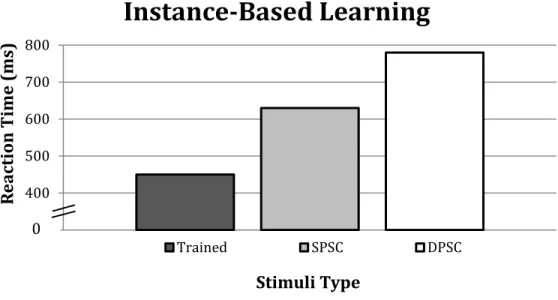
Figure 10: Instance-based learning predictions for transfer based on phonetic similarity ... 79
Figure 11: Rule-based learning motor class predictions ... 81
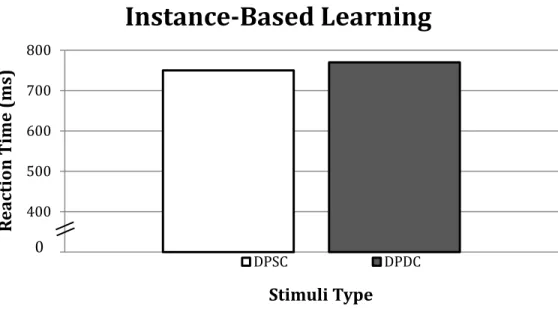
Figure 12: Instance-based learning motor class predictions ... 82
Figure 13: Experimental Protocol ... 106
Figure 14: Visual display of a model depicting first syllable stress ... 108
Figure 15: Stimulate feedback displays ... 110
Figure 16: Recognition Probe Schedule ... 118
Figure 17: Response box display ... 121
Figure 19: Mean reaction times (ms) and standard errors of interphonemic transitional gestural
frequency categories. ... 136
Figure 20: Mean reaction times (ms) and standard errors of real word stimuli across frequency categories ... 137
Figure 21: Mean reaction times (ms) and standard error of nonword stimuli type ... 138
Figure 22: Mean reaction times (ms) and standard errors of stimuli varying by phonetic similarity ... 145
Figure 23: Mean reaction times (ms) and standard errors of stimuli varying by motor class .... 146
Figure 24: Mean reaction times (ms) and standard errors of stimuli type across button position groups (2 = OLD, 4 = OLD) ... 149
Figure 25: Mean reaction times (ms) and standard errors of stimuli type across training block groups (1 training block, 2+ training blocks) ... 152
Figure 26: Mean reaction times (ms) and standard errors of individual SPSC stimuli. ... 154
Figure 27: Mean reaction time (ms) and standard error of individual DPSC stimuli. ... 157
Figure 28: Mean reaction times (ms) and standard errors of individual DPDC stimuli ... 159
Figure 29: Transfer predictions for each learning theory ... 163
Figure 30: Information-processing model of general motor behavior ... 194
Figure 31: Information-processing model of speech production ... 195
Figure 32: Mean reaction times (ms) and standard errors of Trained, SPSC, and DPSC stimuli (inaccurate responses removed) ... 208
PREFACE
This study was supported in part through funding received from the SHRS Research Development Fund, School of Health and Rehabilitation Sciences, University of Pittsburgh, as well as the Audrey Holland Endowed Research Award, Department of Communication Sciences and Disorders, University of Pittsburgh.
1.0 INTRODUCTION
Investigators in skill acquisition evaluate learning patterns to extrapolate the underlying memory representations directing skilled behavior (Chamberlin & Magill, 1992a; Crump & Logan, 2010; Kantak & Winstein, 2012; Neal & Hesketh, 1997; Shanks, 1995). Transfer, or generalization of the trained skill, is important as it describes how acquired knowledge can be applied in novel contexts (Nokes, 2004, 2009; Schmidt & Wrisberg, 2004), which may suggest how stored knowledge is represented in memory (Chamberlin & Magill, 1992a; Shanks, 1995). Currently, there are two main forms of learning proposed for cognitive and motor behaviors: rule- and instance-based learning (Mathews et al., 1989; Neal & Hesketh, 1997; Shanks, 1995).
Rule-based learning abstracts relevant information during skill training (Dopkins & Gleason, 1997; Neal & Hesketh, 1997; Posner & Keele, 1970; Shanks, 1995). The resultant representation is a context-limited set of rules, which are refined with practice (Doody & Zelaznik, 1988; Neal & Hesketh, 1997; Shanks, 1995). Transfer occurs when trained behaviors share the same set of rules as untrained behaviors (Medin & Ross, 1989; Neal & Hesketh, 1997; Shanks, 1995). Instance-based learning, conversely, encodes all information (relevant and irrelevant) into an exemplar representation during skill acquisition (Hintzman, 1976; Jacoby & Brooks, 1984; Shanks, 1995). Instead of relying on rules to direct transfer effects, generalization is based on similarity of the stored, trained exemplars to untrained behaviors (Brooks, 1978; Hintzman, 1986; Palmeri, 1997; Shanks, 1995).
While both forms of learning are addressed in motor control theory, the application of rule-based learning is historically more prevalent. However, transfer results are not always consistent with rule-based transfer (Beek, 2000; Logan, 1985; Magill, 2001; Rosenbaum, Carlson, & Gilmore, 2001). Inconsistencies in rule-based learning are also evident in the speech production literature (e.g., Austermann-Hula, Robin, Maas, Ballard, & Schmidt, 2008; Ballard, Maas, & Robin, 2007; Knock, Ballard, Robin, & Schmidt, 2000), and instance-based learning has never been empirically evaluated as a possible alternative explanation. Thus, it is unclear if instance-based learning would provide a more accurate description of speech production acquisition and transfer effects.
The main goal of the proposed investigation is to evaluate the pattern of learning occurring in a novel speech task. Specifically, the current examination will evaluate transfer performance to determine if the pattern of results is more consistent with rule- or instance-based learning. In the following text, a detailed background will be developed of both learning paradigms. A summary and discussion of the literature review will be provided, which leads to the specific aims, research questions, and proposed methods for this dissertation. Finally, the results and discussion will be presented.
2.0 RULE-BASED LEARNING
2.1 INTRODUCTION
Rule-based learning is based on the concept of abstraction, a process in which central information about a stimulus is summarized into an averaged representation (Dopkins & Gleason, 1997; Neal & Hesketh, 1997; Posner & Keele, 1970; Shanks, 1995). This provides a “compact, efficient representation” to direct behaviors that “transcends the training stimuli” from which the rule-based representation was generated (Shanks, 1995, p. 167). The summarized representation then promotes generalization to untrained stimuli sharing similar underlying characteristics (Medin & Ross, 1989; Neal & Hesketh, 1997; Shanks, 1995).
Rule-based learning has dominated theories of general motor control since the late 19th century (e.g., James, 1890; see J. A. Adams, 1987 for a historical review), and continues to be the most prevalent learning theory in describing speech acquisition and transfer effects. An operational definition of “rule” is needed to better understand the variety of rule-based systems in cognitive and motor theory, and the type of knowledge representation transferred during learning. There is considerable debate as to what constitutes a rule in cognitive psychology; however, as mental operations are not visible, rule-based learning and representation must be inferred from behaviors (Shanks, 1995). For this dissertation, the following definition will be adopted: “…behaviour is based on a rule if no difference is observable between performance to trained (old) and untrained (new) stimuli that fall into the same category” (Shanks, 1995, p. 153;
also: Herrnstein, 1990; E. E. Smith, Langston, & Nisbett, 1992). This definition is used both directly (e.g., Chamberlin & Magill, 1992a) and indirectly (e.g., Schmidt, 1975) in theories of motor learning and transfer. This chapter will provide a historical review of rule-based behavior, representational form, transfer and generalization effects, and flaws in this theory.
2.2 HISTORICAL OVERVIEW
2.2.1 Categorization
Rule-based learning is inferred from studies of visual categorization. Studies are designed so an implicit rule, i.e., one not overtly obvious to the participant, is learned through repeated exposures to stimuli (Ward & Churchill, 1998). When presented with novel test items following training, participants would pick the item which instantiated the rule over items in which the rule did not apply (Bright & Burton, 1994; Ward & Churchill, 1998). This effect is also noted in recognition paradigms in which stimuli are categorized as “old” or “new” (Nosofsky, Clark, & Shin, 1989; Shanks, 1995), and novel stimuli sharing the same underlying rule are considered “old” despite never being encountered in training (Nosofsky et al., 1989; Shanks, 1995).
Prototype memory representations are postulated to account for the variability and similarity of stimuli that are easily categorized (Shanks, 1995). These two issues are intimately linked as repeated encounters with a stimulus, e.g., a robin, will lead to multiple, similar memory representations being encoded into memory. However, each encounter with the stimulus may be slightly different from a previous encounter (e.g., different robins have unique features), which causes variability in the overall sum of the exposures. Prototype theory suggests abstraction of
the relevant features of a stimulus creates a mean representation (a prototype) that other exposures can be compared to and then categorized (Ashby & Maddox, 2005; Dopkins & Gleason, 1997; Homa, Sterling, & Trepel, 1981; Olsson, Wennerholm, & Lyxzèn, 2004; Rosch, Simpson, & Miller, 1976; Shanks & St. John, 1994; Shanks, 1995). The closer in similarity a stimulus is to a prototype the more quickly the novel stimulus is categorized based on response time, see Figure 1 (Chamberlin & Magill, 1992a; Jacoby & Brooks, 1984; Medin & Ross, 1989; Rosch et al., 1976; Shanks, 1995).
Figure 1: Prototype and similarity
Note: Adapted from The Psychology of Learning and Motivation: Advances in Research Theory, Vol. 18, Jacoby & Brooks, Nonanalytic cognition: Memory, perception, and concept learning. p.25, 1984, with permission from Elsevier.
This effect is justified by different rules directing categorization of the prototype. Narrow rules are limited to shared features between the stimuli, whereas broad rules apply to less similar features (Altmann, Dienes, & Goode, 1995; Shanks & St. John, 1994; Shanks, 1995; Shepard,
Least Similar Stimulus Less Similar Stimulus Most Similar Stimulus Prototype Slow Fast Reaction Time
Hovland, & Jenkins, 1961). This variety of rules, and their abstraction process, will be evaluated in Section 2.4 in regard to transfer effects.
Empirical results demonstrating accurate and rapid prototype classification is consistent with rule-based learning, even when the prototype is not encountered in training (Homa et al., 1981; Posner & Keele, 1968, 1970; Shanks, 1995). Homa et al. (1981) reported prototypes were classified more accurately than trained items following a one week follow up. Evidence consistent with prototype theory has also been reported in research using complex stimuli, as well as in categories in which within-category variability is large (Minda & Smith, 2001; Olsson et al., 2004; Shanks & St. John, 1994; Shepard et al., 1961; J. D. Smith & Minda, 1998).
2.2.2 Artificial Grammar
Artificial grammar learning is traditionally explained by rule-based learning. Participants are trained on strings of letters representing specific syntactic rules for how the novel strings are combined (McAndrews & Moscovitch, 1985). Like natural languages, artificial languages can have rule violations in syntactic sequencing, e.g., nongrammatical “sentences,” that can be learned with training (McAndrews & Moscovitch, 1985). The rules of the artificial grammar may not be explicitly obvious to the participants (Reber, 1967, 1989); however, after training, participants can classify grammatical strings more accurately and rapidly than ungrammatical strings (McAndrews & Moscovitch, 1985; Reber, 1967, 1989). Narrow and broad transfer effects are also noted in artificial grammar studies though these are often referred to as learning the “surface” (narrow transfer) versus “deep” (broad transfer) structures (Altmann et al., 1995; Brooks & Vokey, 1991; Shanks, 1995; Witt & Vinter, 2012). Altmann et al.’s (1995) transfer
transfer, in which training on either rule-based grammar strings or tone sequences yielded transfer to both types of novel stimuli sharing the same underlying rules.
2.3 REPRESENTATIONAL FORMS
Rule-based learning representations take many forms. The specific form is determined by the amount of abstraction occurring during encounters with stimuli (Ashby & Maddox, 2005; Shanks, 1995). Abstraction of prototype representations consists of the summary features of a group of similar stimuli (e.g., wings, feathers, and a beak may be the features associated with the category “bird”). These features may be abstracted in a single, brief encounter with a stimulus. Abstraction of other information, such as a list of rules or production statements (J. R. Anderson, 1993), may only occur over several exposures to a stimulus as noted in learning or training paradigms. A variety of representational rule-based forms will be described in the following section; however, the main emphasis will be placed on schema theory in cognitive and motor research.
2.3.1 Cognitive Forms
Regardless of the form, all rule-based learning representations characterize the mean, or summary representation, of information gathered during an encounter (or several encounters) with a stimulus (Dopkins & Gleason, 1997; Neal & Hesketh, 1997; Posner & Keele, 1970; Shanks, 1995). These summary representations maintain only the relevant features of the encounter – all other information is considered irrelevant to the representation and discarded
(Neal & Hesketh, 1997; Ohlsson, 1993; Shanks, 1995). Feature relevancy is determined by the rule-based learning system, but often includes salient or prominent features associated with a given type of stimuli (Shanks, 1995). For example, the salient features of wings, beak, and song production may be encoded to form a prototype representation for “bird.” Less relevant features, such as size, type of feet, etc. would be discarded and not used to build the prototype representation for “bird.” As each encounter encodes only partial information, earlier encounters with a stimulus are more significant in determining the rule-based representation than later exposures to a stimulus (Crump & Logan, 2010; Posner & Keele, 1970; Ross, Taylor, Middleton, & Nokes, 2008).
Rule-based learning is an umbrella term in cognitive psychology that covers a heterogeneous set of theories and representations, with applications including (but not limited to) analogies (e.g., D. Gentner, 1983; Holyoak & Thagard, 1989; Nokes & Ohlsson, 2001), rule training strategies (e.g., Fong, Krantz, & Nisbett, 1986; Larrick, Morgan, & Nisbett, 1990; Singley & Anderson, 1989), declarative to procedural transfer rules (e.g., J. R. Anderson, 1987, 1993; Ohlsson, 1996), algorithms (e.g., Domingos, 1996), reasoning rules (e.g., E. E. Smith et al., 1992), phonological rules (e.g., Chomsky & Halle, 1968; Chomsky, 1963; Levelt, Roelofs, & Meyers, 1999), judgment heuristics (e.g., Kahneman, Slovic, & Tversky, 1982; Tversky & Kahneman, 1974), and inferencing strategies (e.g., Persson & Rieskamp, 2009). Neural network models also describe and replicate rule-based behaviors (e.g., Li & Nara, 2012; Sweegers, Takashima, Fernández, & Talamini, 2013; Yap, Lim, & Au, 2011). Patterns of neural activation may be likened to other rule-based representations (e.g., prototypes); however, the feedback received by the neural network may only allow for narrow transfer effects (Shanks, 1995).
Schemas are a popular rule-based representation within cognitive psychology, and have been adopted from this literature into motor theory. Whereas prototypes can be considered a collection of features directing categorization, schemas are a collection of features linked together in a useful way to direct complex behavior (Marshall, 1995; Rumelhart & Ortony, 1977). Schema representations are often denoted in higher-order, top-down processing cognitive activities, such as text comprehension (e.g., R. C. Anderson & Pearson, 1984; Bartlett, 1932; Kintsch, 1998), problem solving (e.g., Marshall, 1995), mathematics (Skemp, 1987), and general theoretical knowledge not represented by particular environmental exemplars (e.g., the span of the universe; Ohlsson, 1993). Despite the wide usage of schema theory, the origins and development of schema representations are often poorly described (Marshall, 1995; Nokes & Ohlsson, 2001). Further specification of schema representations in motor behavior will be provided below.
2.3.2 Motor Forms
Rule-based learning is prevalent in limb and speech motor control theories. Complex motor acts rely on multiple levels of processing (Cooper & Shallice, 2000; Norman & Shallice, 1986). Higher levels of control, such as scripts (Schank & Abelson, 1977), direct well-learned, goal-oriented motor activities (e.g., driving to work). These scripts are composed of sequenced schemas that break down the larger script into smaller, component parts (e.g., separate schemas for applying pressure to the gas pedal versus braking). The schemas direct the lowest level of motor control, the biomechanical gestures, required for the movement (Cooper & Shallice, 2000; Rosenbaum, Inhoff, & Gordon, 1984). For the purposes of this dissertation, focus will be placed
on the intermediary level of motor control, i.e., schema theory, which is the most published and empirically studied rule-based theory of motor control.
Schema theories provide explanations for two problems in motor control: 1.) How do smooth, rapid transitions occur in ballistic movements? 2.) What mechanism explains motor equivalence (Bernstein, 1967) in which a given skilled movement can be achieved through a variety of different muscle configurations? Schema representations provide a programming mechanism (or set of rules) which controls the deployment and timing of movements (Schmidt & Wrisberg, 2004). Programming also provides goal-directed guidelines for what motor transitions need to occur, given particular environmental constraints (Hall, 1989; Lee & Swinnen, 1993; Magill, 2001). Thus, the schema directs specification of the movement based on the overall task goal.
Schema theory takes the form of a motor program in which practice refines the program by some secondary mechanism until the desired performance outcome is realized over time (Coker, 2004; Keele, 1968; Lee & Swinnen, 1993; Schmidt, 1975). Refinement can be equated to the abstraction process in which a centralized set of features or rules is derived over the course of practice (Hall, 1989; Magill, 2001). What is left following refinement, i.e., what the motor program consists of, is dependent upon the motor program theory. Rosenbaum (1980) proposed “the information in a motor program can be assumed to consist of prescriptions for the values that a forthcoming movement should have on dimensions that are under the program’s control” (p. 446).
Schmidt (1975) specified “values” and “dimensions” in his generalized motor program (GMP) theory by distinguishing invariant from variant features of movement. Invariant features, symbolized in a motor program, are generalized so that flexible parameters can direct a range of
movements within a given class of behaviors (Coker, 2004; Lee & Swinnen, 1993; Magill, 2001; Schmidt & Wrisberg, 2004). Invariant features include the relative timing structure between component parts, sequencing of parts, and relative force in performing the action (Coker, 2004; Lee & Swinnen, 1993; Magill, 2001; Schmidt & Wrisberg, 2004; Schmidt, 1975, 1983). Variant features, i.e., parameters of the GMP, customize the movement by directing the general dimensions of the movement. Parameters include overall time (duration), force, and muscle selection (Coker, 2004; Hall, 1989; Magill, 2001; Schmidt, 1975).
During exposure to a stimulus, information about the initial conditions of the environment, the parameters modulating the program, the outcome of the action, and the sensory feedback are abstracted to refine and update the recall and recognition schema (the motor program; Hall, 1989; Schmidt, 1975). The recall schema abstracts information about the parameters and their associated outcomes, which directs future selection of parameters in similar circumstances (Hall, 1989; Schmidt, 1975). The recognition schema utilizes information about the initial conditions, outcomes, and feedback to provide an estimate of what sensory consequences should be expected in subsequent trials (i.e., generates an error signal; Hall, 1989; Schmidt, 1975). Motor learning occurs when the recognition schema aids the recall schema in selecting parameters that will reduce the overall error between the expected outcome and the actual outcome (Coker, 2004; Cummings & Caprarola, 1986; Schmidt, 1975).
Historically, response latency studies in motor behavior have yielded evidence consistent with motor programs. Typical results indicate a relationship between increased response latency and increased complexity of movement, which is attributed to an increase in the number of motor programs sequenced together (Henry & Rogers, 1960; Rosenbaum, 1980; Schmidt & Wrisberg, 2004; Sternberg, Knoll, Monsell, & Wright, 1988; Sternberg, Monsell, Knoll, & Wright, 1978).
Anticipatory errors in movement productions (e.g., spoonerisms; Fromkin, 1980; Garrett, 1982; Norman, 1981) and anticipated pre-motor responses during obstruction of movement patterns (Wadman, Denier van der Gon, Geuze, & Mol, 1979) yield additional evidence consistent with motor program theory. Schmidt (1975) noted, “The most impressive kind of evidence that could be generated in support of the schema is that subjects can produce movements of a given class that they had, strictly speaking, never performed previously” (p. 245). This transfer is attributed to the variability-of-practice hypothesis, which claims the more variable the practice conditions in refining the schema, the stronger the representation (Chamberlin & Magill, 1992b; Lee & Swinnen, 1993). This hypothesis is based on how the two schemas (recall and recognition) interact with one another. Variable practice conditions allow for a wide array of parameters and associated outcomes to be generated, which provides a more flexible rule to apply in novel transfer situations (Lee & Swinnen, 1993; Schmidt & Wrisberg, 2004). However, overall evidence consistent with the variability-of-practice hypothesis is equivocal (cf. reviews by Shapiro & Schmidt, 1982; van Rossum, 1987).
2.3.3 Speech production
There are many parallels between information-processing models of general motor behavior and speech production. Speech is a complex act involving hierarchal control and programming of multiple components in a time-sensitive manner (Sternberg et al., 1978). There are multiple levels of processing occurring: programming and sequencing at a variety of linguistic levels (e.g., syntax, lemma), mapping the message onto phonetic targets, and further mapping onto the systems of the vocal tract (D. E. Meyer & Gordon, 1985; Munhall, 1993; Van der Merwe, 1997).
specific acoustic goals. These factors supported the adoption of generalized motor program theory (Schmidt, 1975) in the motor speech research community.
The application of GMP theory (Schmidt, 1975) in speech production requires identification of invariant features (i.e., motor programs). Both invariant timing structures (e.g., Ballard et al., 2007; Caruso, Abbs, & Gracco, 1988; Gracco & Abbs, 1986; Martin, 1972; Sternberg et al., 1988) and force parameters (e.g., Gracco & Abbs, 1986; Knock et al., 2000; Meigh & Shaiman, 2010; Shaiman, McNeil, Szuminsky, Meigh, & Kotler, 2006) have been reported for speech production. Irrespective of this evidence, the motor program unit of speech has been difficult to determine as invariant structures of timing and force are distributed across multiple programming levels during speech production (Gracco, 1994; Martin, 1972). Many units have been proposed, including phonemes (e.g., Ballard, Robin, Knock, & Schmidt, 1999; Goffman & Smith, 1999; Gracco, 1990, 1991; Guenther, 1994), syllables (e.g., Aichert & Ziegler, 2004; Cholin, Levelt, & Schiller, 2006; Cholin & Levelt, 2009; Levelt et al., 1999; Sevald, Dell, & Cole, 1995), words (e.g., Klapp, 2003), and phrases (e.g., A. Smith, Goffman, Zelaznik, Ying, & McGillem, 1995; Varley, Whiteside, Windsor, & Fisher, 2006; Youmans, Youmans, & Hancock, 2011).
Smaller units, e.g., the phoneme, have been proposed as viable motor programs for treatment in apraxia of speech (AOS; e.g., Austermann-Hula et al., 2008; Ballard et al., 2007, 1999; Knock et al., 2000). These studies manipulated practice (Ballard et al., 2007, 1999; Knock et al., 2000) and feedback (Austermann-Hula et al., 2008) conditions, which are variables associated with enhanced motor program development. All of the studies investigated the place and manner of articulation (parameters) of specific phoneme units (motor programs). Positive acquisition and transfer of treatment targets varied depending on the complexity of the phoneme
and severity of the apraxia. Method issues (e.g., counterbalancing of treatments, small sample sizes) limit the generalization of these results. It is unclear from these studies if the motor program, i.e., the targeted phonemes, was the incorrect motor program to target in treatment.
As noted earlier, other investigators have postulated larger motor program units, e.g., syllable, for speech production. Syllable stress placement in words and nonwords is dependent on a variety of factors, including syllable weight (i.e., vowel length and number of coda consonants; e.g., Chomsky & Halle, 1968; Guion, Clark, Harada, & Wayland, 2003; Hayes, 1982), linguistic foot structure (e.g., Guion et al., 2003), and frequency of occurrence (i.e., high- versus low-frequency; Aichert & Ziegler, 2004; Cholin et al., 2006; Cholin & Levelt, 2009; Laganaro, 2005, 2008). These variables provide a predictable set of patterns (or rules) for placement of syllable stress in English words (Chomsky & Halle, 1968; Guion et al., 2003; Hayes, 1982), which has provided some evidence of the syllable unit as a motor program (Aichert & Ziegler, 2004; Cholin et al., 2006; Levelt et al., 1999; Maas & Mailend, 2012). Additional comparisons between Schmidt’s (1975) GMP theory and the perceptual characteristics of syllable stress are also consistent with the hypothesis of stressed syllables as motor programs, see Table 1. Levelt (1999) postulated a similar relationship where stored syllable programs could vary along free parameters (e.g., force, duration, pitch) to meet the variety of articulatory needs during motor programming (as reviewed in Cholin et al., 2006).
Table 1: Shared characteristics between GMPs and Stressed Syllables Schmidt’s (1975) motor program
invariant features Characteristics of Stressed Syllables
Relative timing Increase in duration
Relative force Increase in pitch and intensity
Motor program is the proposed
programming unit in complex, sequential actions
Proposed programming unit by some speech investigators (e.g., Aichert & Ziegler, 2004; Cholin et al., 2006; Levelt et al., 1999; Sevald et al., 1995)
Other rule-based theories outside of GMP theory (Schmidt, 1975) may also provide an explanation of normal and disordered speech production. Speech production theories applying a more comprehensive view of schema, i.e., not limiting the rule-based behavior to parameters and motor programs, have also been proposed in normal speech motor control theory (e.g., Cholin & Levelt, 2009; Guenther, Ghosh, & Tourville, 2006; Sevald et al., 1995; A. Smith et al., 1995). These theories depend on a unit of analysis, such as a syllable, to denote the schema being trained; however, there is little agreement about the rules, unit size, or representational form of these schemes. Thus, currently there is no unifying framework for rule-based learning in the speech motor control literature.
2.4 TRANSFER
2.4.1 Cognitive Tasks
The generalized transfer effect noted with rule-based learning is explained by the abstraction process: the resultant centralized representation is context-limited, which allows it to generalize
to a wide array of new stimuli sharing the same abstracted features (Doody & Zelaznik, 1988; Logan, 1988; Medin & Ross, 1989; Neal & Hesketh, 1997; Nokes & Ohlsson, 2003; Shanks, 1995). However, transfer effects vary depending on how similar the abstracted features are between two tasks (Shanks, 1995). As discussed in section 2.2.1, narrow transfer effects are observed with novel items very similar to the prototype, whereas broader transfer effects are observed with novel items less similar to the prototype. The variability of transfer effects observed may be due to the task and its influence on abstraction. As stated previously, rule-based learning is an umbrella theory representing a variety of memory forms and describing a variety cognitive and motor tasks. For each type of rule-based representation, the level of abstraction will influence the degree of transfer (Shanks, 1995). Consider the brief encounters required for abstraction of a prototype – transfer is often very narrow in scope. However, abstraction occurring over multiple exposures may produce production rules that generalize to a broader, or diverse, set of experiences. This variety in transfer effects is noted in the work of Nokes and Ohlsson (2003), who advocate for a continuum of transfer spanning near (within-domain) to far (cross-domain) tasks. These authors advocate there may be several strategies for transfer, and it is the match between the different processes and task demands directing the generalization to novel items across this continuum (Nokes, 2005, 2004, 2009; Nokes & Ohlsson, 2003).
For this dissertation, a more restricted view of transfer effects will be adopted, which is consistent with transfer predictions in motor theory. Motor control theorists using general schema models (e.g., Chamberlin & Magill, 1992a, 1992b; Crump & Logan, 2010) have adopted the definition of “rule” posed in the introduction. This definition proposes generalization will be the same, or uniform, across a class of behaviors in which all novel behaviors are governed by the same abstracted schema (Chamberlin & Magill, 1992a, 1992b; Crump & Logan, 2010;
Logan, 1988; Shanks, 1995). The class of behaviors is determined by the underlying invariant features of the motor program (e.g., relative timing and force parameters, sequencing of movements; Magill, 2001; Schmidt, 1975; C. H. Shea & Wulf, 2005; Gabriele Wulf & Schmidt, 1988). As long as two motor behaviors share the same invariant features, i.e., motor program, transfer will occur in the same uniform pattern (Chamberlin & Magill, 1992a, 1992b). Motor class assignment is important to rule-based theory as it details when generalization will occur (i.e., across within-class behaviors) and when it will cease (i.e., for any outside-class behaviors; Gabriele Wulf & Schmidt, 1988). Uniform transfer patterns and class effects in rule-based learning provide a theoretical divergence between rule- and instance-based learning theories. As will be described in Chapter 3, instance-based learning predicts transfer between trained and untrained stimuli sharing “relevant” and “irrelevant” features. Transfer predicated by similarity between trained and untrained stimuli is difficult in rule-based learning due to the abstraction process. The relevant features, or “rules,” may not have enough individualized detail for a comparison to novel behaviors based on similarity alone (Chamberlin & Magill, 1992b; Shanks, 1995; E. E. Smith et al., 1992).
2.4.2 Motor Tasks
The topic of transfer in motor theory is often constrained to the direction of transfer, i.e., positive (facilitation of a skill from training) or negative (decrement in skill; Kleinman, 1983; Magill, 2001). This description does not dictate how or why the direction of transfer may be occurring. Often investigators attribute transfer effects to Thorndike’s (1903) theory of identical elements (e.g., J. A. Adams, 1987; Coker, 2004; Kleinman, 1983; Magill, 2001). However, there is little consensus what elements need to be identical between trained and untrained motor behaviors for
transfer to occur (Rosalie & Muller, 2012). Theories of transfer-appropriate processing (C. D. Morris, Bransford, & Franks, 1977) provide an alternate explanation of transfer in motor behavior (e.g. Coker, 2004; Lee, 1988; Magill, 2001); however, identifying which cognitive processes are shared between trained and untrained motor behaviors is also problematic (Rosalie & Muller, 2012).
The pattern of transfer described in general schema theory (Chamberlin & Magill, 1992a, 1992b; Crump & Logan, 2010) is not explicitly described in Schmidt’s (1975) GMP theory. The original studies investigating GMPs, and much of the validating investigations following, focused on dissociating the parameters from the program (e.g., Lai, Shea, Wulf, & Wright, 2000; Lai & Shea, 1999; Whitacre & Shea, 2000; D. L. Wright & Shea, 2001; G. Wulf, Schmidt, & Deubel, 1993; G. Wulf et al., 1993; G. Wulf & Schmidt, 1989). However, further inspection of this literature reveals uniform transfer patterns are observed with invariant features of the motor program, see Figure 2 (adapted from D. L. Wright & Shea, 2001, fig. 1).
Wright and Shea trained participants on a speeded sequential key-press task with three invariant timing structures in either a blocked or random training session. Participants’ performance was evaluated using a retention and transfer task following a 24-hour period. As noted in Figure 2, the relative timing errors associated with the trained motor program (i.e., AE prop) are uniform in their direction with minimal variability during retention and transfer phases of the experiment. Invariant timing data in other motor tasks have similar patterns of uniform transfer (e.g., Lai et al., 2000; Magnuson & Wright, 2004; G. Wulf et al., 1993; G. Wulf & Schmidt, 1989).
Figure 2: Example of uniform pattern of generalization in a GMP study Note: 1 Reprinted from Research Quarterly for Exercise & Sport, 72(1), D. L. Wright & Shea, Manipulating generalized motor program difficulty during blocked and random practice does not affect parameter learning, p. 35, 2001, with permission from Taylor and Francis.
Schmidt (1975) and Chamberlin and Magill (1992a) postulated all untrained behaviors within a motor class are directed by the same underlying abstracted rules (or invariant features) of the trained GMP. Uniform transfer would not be anticipated with outside class motor behaviors as these behaviors do not share the same invariant features as the trained GMP. Thus, motor class provides a boundary for when transfer effects are no longer predicted to occur for a trained movement (Chamberlin & Magill, 1992b; Gabriele Wulf & Schmidt, 1988).
Class effects are unique to rule-based learning as instance-based learning relies on similarity (not rules) to predict transfer. Although motor behaviors within a class may be similar to one another (Palmeri, 1997), the variables of motor class and similarity may be dissociated, see Fig. 3. In instance-based learning, decreases in similarity between trained and untrained behaviors results in poor transfer regardless of motor class. However, rule-based learning maintains transfer effects as long as the class boundary is maintained. This divergence in transfer pattern is noted when similarity of the untrained behavior decreases within the same motor class.
Figure 3: Effect of motor class on different theories of learning Note: 2 RB = rule-based; IB = instance-based
RB Learning IB Learning 100% Similarity; Within Class 50% Similarity; Within Class 50% Similarity; Outside Class
2.5 FUNDAMENTAL FLAWS
There are several flaws with rule-based learning that need to be addressed despite its popularity in cognitive psychology and motor learning theory. Given the breadth of interpretations in rule-based learning theory, it is not possible to provide a detailed description of the flaws and inconsistent results associated with specific rule-based models. Instead, a general overview of flaws inherent to all rule-based theories will be described.
2.5.1 Abstraction
The role of abstraction has been described in depth in this chapter as it signifies the main difference between rule- and instance-based learning theories. Abstraction is the process of identifying and refining the relevant features of a stimulus (or behavior) during a learning encounter. Incoming sensory information is either preserved, forming a summarized representation, or discarded from memory. However, evidence from categorization studies suggests information is not lost and irrelevant features can be recalled (e.g., Jacoby & Brooks, 1984; Jacoby, 1978; Medin & Ross, 1989; Medin, 1986; Neal & Hesketh, 1997; Ross, 1984, 1987; Shanks, 1995; Witt & Vinter, 2012). This finding has also been reported in perceptual categorization in which perception of non-native language contrasts can be perceived in adults with various retrieval cues (e.g., Best, McRoberts, & Sithole, 1988; Werker & Logan, 1985; Werker & Tees, 1984b). This is in contrast to well-documented, replicated research in rule-based perception in infants, in which language contrasts are summarized into categorical boundaries by the end of the first year of life (Best et al., 1988; Werker, Gilbert, Humphrey, & Tees, 1981; Werker & Lalonde, 1988; Werker & Tees, 1984a). These exceptions may not mean that the
process of abstraction is invalid but theories utilizing this construct need to specify what is abstracted, as well as the cues enabling retrieval of relevant (“maintained”) and irrelevant (“discarded”) information.
2.5.2 Defining Rules
A consistent argument against rule-based learning is the difficulty in defining the set of rules for a given class of behaviors (Shanks & St. John, 1994). GMP theory provides some specification of the invariant features inherent in a motor program; yet, how much variability is allowed with the invariant features has been contested (Lee & Swinnen, 1993). Coarticulation, motor equivalence, and general motor dynamics in speech production impose variable mapping conditions between an articulatory gesture and an acoustic goal. Thus, even with invariant features, such as timing and force, there must be a continuum of movement patterns to allow for these variable conditions. In line with this difficulty is the challenge of defining the class of actions or behaviors delineating the limits of generalization (Hall, 1989; Lee & Swinnen, 1993; Zelaznik, 1977). The class of actions should all share the same GMP, or invariant features; however, without a firm description of the invariant features it becomes even more difficult to discern the class of actions shared by a program. The problem of under-specification and lack of detail in defining the representations in rule-based behavior is not unique to this form of learning. Instance-based learning, too, must provide detailed information about what features are encoded in an instance representation. Further specification of the features inherent in any representation will only strengthen that theory of learning.
2.6 SUMMARY
This chapter provided an overview of the history of rule-based learning in cognitive psychology and motor learning theory. Schema theories, in particular Schmidt’s (1975) GMP theory, were highlighted in the representation and transfer sections. Expectations about learning (via abstraction) and transfer effects were also outlined and contrasted with those from instance-based learning. Chapter 3 emphasizes additional contrasts between these theories in terms of representational form and transfer effects.
Rule-based learning is inferred from a wide variety of experimental tasks in cognitive psychology and motor theory. Extrapolation of rule-based learning outside the laboratory has been reported in cognitive psychology (e.g., Fong et al., 1986; Larrick et al., 1990; Nisbett, Fong, Lehman, & Cheng, 1987). Many research participants, when asked to describe how they learned a specific experimental task, respond with rules they generated during the research experiment (E. E. Smith et al., 1992). These accounts do not seem surprising as the idea of rule-learning and storage is cognitively “economical.” Less cognitive space and/or capacity should be needed for smaller, more finite content compared to retaining entire sensory packets of information about a stimulus encounter (Shanks, 1995). Indeed, it is this parsimonious account of processing and memory representation that has made rule-based learning so attractive to motor theorists.
Despite its popularity and wide-spread application, however, the rule-based learning approach has serious flaws. Speech production theories lack evidence for GMPs and struggle to define motor programs. Other representational forms of rule-based learning may fare better in speech production theory (e.g., neural networks); however, defining the underlying rules for these models is also likely to be an issue. The overt flaws of rule-based learning, in speech
production and in general, are most obvious when contrasted with instance-based learning, which will be highlighted in the next chapter.
3.0 INSTANCE-BASED LEARNING
3.1 INTRODUCTION
Instance-based theories of memory came into vogue in the late 1970s and early 1980s as an alternative to rule-based abstraction theories (Jacoby & Brooks, 1984; Shanks & St. John, 1994). As noted in Chapter 2, rule-based learning predicts abstraction of relevant features will occur during an encounter with a stimulus, which results in a summarized, context-limited memory representation (Jacoby & Brooks, 1984). In contrast, instance-based theories (also known as episodic trace or exemplar memory theories) predict all features of a stimulus will be encoded, resulting in a context-specific memory representation (Hintzman, 1976, 1986; Jacoby & Brooks, 1984; Jacoby, Marriot, & Collins, 1990; Neal & Hesketh, 1997; Shanks, 1995). Multiple encounters with the same stimulus result in multiple memory traces being encoded (Hintzman, 1976, 1986; Jacoby & Brooks, 1984).
Advocates of instance-based theory differ in their opinion about the permanence of the memory trace. Proponents of permanent trace models assume all memory traces are encoded as permanent records that are never revised. When new, but similar, instances are encountered they are encoded along with the original memory trace (Barsalou, 1990; Hintzman, 1986; Medin & Schaffer, 1978). Others advocate for a revisable trace model in which original traces are modified, or updated, as new similar instances are encoded (Barsalou, 1990). Revisable trace
theories are difficult to distinguish from rule-based theories as revising a memory trace appears similar to the process of abstraction (Barsalou, 1990; Logan, 1988). This may be why motor theories do not describe instance-based learning using revisable trace theory, but instead rely on other rule-based terminology, e.g., schema. Due to the difficulty in distinguishing rule-based learning from revisable trace theory, and the exclusive application of permanent trace models in motor control theory, only permanent trace models will be reviewed. This chapter will provide a historical review of instance-based behavior, representational form, transfer and generalization effects, and flaws of instance based theories.
3.2 HISTORICAL OVERVIEW
3.2.1 Frequency
Frequency judgments during memory tests are not easily explained by rule-based learning, and instead were attributed to early accounts of instance-based learning. During these tasks, participants are asked to estimate how many times a stimulus is presented during training (Hintzman, 1976). Rule-based theories (and revisable trace theories) predict a single memory trace is strengthened with an increase in stimuli presentation frequency. The information not encoded in the strengthened trace is lost and no longer accessible from memory (Barsalou, 1990; Hintzman, 1976). Permanent trace (or instance-based learning) theories predict each encounter with a stimulus is encoded separately even if a similar, or exact, encounter has been previously encoded (Barsalou, 1990; Hintzman, 1986, 1988; Jacoby & Brooks, 1984). Loss of information within a permanent trace theory can only occur if an entire instance, or exemplar, degenerates
(Barsalou, 1990). Evidence in frequency judgment experiments suggests information about frequency is not lost following exposure to the stimuli. For example, subjects in frequency judgment experiments can report the time stamp of when a particular stimulus occurred relative to other presentations of the same stimulus (Flexser & Bower, 1974; Hintzman & Block, 1971; Hintzman, 1976). Revised trace theories would predict a convergence of time-stamp (or other item-specific) information over the course of exposures, rendering the subject unable to specify presentation, or stimulus-specific, information at the end of the experiment (Hintzman & Block, 1971; Hintzman, 1976; Wells, 1974).
3.2.2 Categorization
In Chapter 2, prototype development in categorization was described. During analytic generalization relevant stimulus features are encoded and irrelevant features are discarded (Jacoby & Brooks, 1984; see Medin & Ross, 1989 for similar proposal). In contrast, instance-based theories rely on nonanalytic generalization, in which all of the features (relevant and irrelevant) are encoded together (cf. Jacoby & Brooks, 1984; Mathews et al., 1989). Retrieval of any feature associated with the memory recalls the entire instance representation; thus, categorization requires a level of specificity and experience (Jacoby & Brooks, 1984; Medin & Ross, 1989; Medin, 1986). Both specificity and experience are operationally defined within instance-based theories. Specificity is the encoding and retrieval of all features of the stimulus into an exemplar representation. Experience is the accumulation of exemplars over time into a knowledge base (Barsalou, 1990; Logan, 1988; Medin & Ross, 1989). Both specificity and experience work together to generate categorization effects. New, unidentified stimuli are encoded and similar instances are retrieved directing categorization of the item. With each
stimulus encounter the exemplar knowledge base expands making it easier, and faster, to categorize the stimulus (Ashby & Maddox, 2005; Dopkins & Gleason, 1997; Masson, 1986; Mathews et al., 1989; Shanks, 1995). Categorization may occur by comparing similarity between stimuli (Brooks, 1978; Cock, Berry, & Gaffan, 1994; Masson, 1986; Medin, Altom, Edelson, & Freko, 1982; Witt & Vinter, 2012) or dissimilarity between stimuli (Ward & Churchill, 1998; R. L. Wright & Burton, 1995); however, it is the variable of similarity of the new stimulus to a stored representation driving categorization (not the application of a rule; Ashby & Maddox, 2005; Masson, 1986; Shanks, 1995; Ward & Churchill, 1998; Witt & Vinter, 2012).
As noted in Chapter 2, empirical evidence in categorization suggests participants can retrieve relevant and irrelevant features pertaining to a stimulus (e.g., Jacoby & Brooks, 1984; Jacoby, 1978; Medin & Ross, 1989; Medin, 1986; Neal & Hesketh, 1997; Ross, 1984, 1987; Shanks, 1995; Witt & Vinter, 2012). This finding is inconsistent with rule-based categorization because irrelevant information would have been discarded during analytic generalization. Instance-based learning in categorization also has ecological validity as individuals tend to look for examples within their environment that are similar to the new stimuli they are encountering (Brooks, 1978, 1987; Medin & Ross, 1989). Finally, instance-based categorization is simplified from prototype categorization in which the relevant features must first be gleaned, then compared to a stored prototype, and then classified (Chamberlin & Magill, 1992a; Jacoby & Brooks, 1984; Medin & Ross, 1989; Medin & Schaffer, 1978).
3.3 REPRESENTATIONAL FORM
Defining an instance (or exemplar) varies depending on a variety of factors: task demands (e.g., perceptual learning, categorization, motor learning), level of modeling (e.g., computational, networking, theoretical), as well as the permanence of the instance representation. The majority of instance-based representations have been formulated in cognitive psychology, with limited extrapolation to motor theory. The next section will introduce the various instance-based learning forms in cognitive psychology first, followed by those formulated in motor theory.
3.3.1 Cognitive
Contrasted with prototypes, schemas, or other rule-based learning representations, instance representations are comprehensive in their depiction of an encounter with a stimulus. Information is not lost through the process of abstraction. Instead, information is directly encoded as a whole instance unit, which is stored in memory with similar other comprehensive instances (Jacoby & Brooks, 1984; Logan, 1988; Medin & Ross, 1989; Shanks, 1995). During encoding, similar instance representations are encoded close to one another and dissimilar instances are encoded farther apart in memory (Nosofsky, Little, Donkin, & Fific, 2011; Nosofsky, 1986, 1992; Shanks, 1995). Two variables, attention processing and environmental context, determine what is encoded into an instance representation (Jacoby et al., 1990; Shanks, 1995). Attention directs memory encoding and retrieval processes, which determine what co-occurrences or events will make up an instance representation (Boronat & Logan, 1997; Logan & Etherton, 1994; Neal & Hesketh, 1997). Environmental context provides further specification of the instance by directing attention processing to specific task demands or “irrelevant”
features.1 Instance representation encoding has been likened to taking a picture with a camera in which the representation of the memory is a “snapshot” of the encounter with the stimulus (Shanks, 1995). In this metaphor, both attention and environmental context interact with one another to create a comprehensive and highly specific memory representation.
Logan (1988) referred to instance representations as processing episodes, which “consist of the goal the subject was trying to attain, the stimuli encountered in pursuit of that goal, the [subject’s] interpretation [of] the stimuli with respect to the goal, and the response made to the stimulus” (p. 495). Structural features (i.e., physical attributes), environmental conditions, and mental operations occurring at the time of the stimulus encounter are encoded in a instance representation (Gonzalez, 2012; Medin & Schaffer, 1978; Neal & Hesketh, 1997; Shanks, 1995; Whittlesea & Dorken, 1993). As will be described in Section 3.4, transfer effects are determined by the similarity between these varying components of the instance representation and the novel transfer stimuli (Neal & Hesketh, 1997; Shanks, 1995). See Figure 4 for a depiction of the potential co-occurrences that may be encoded or retrieved for a given instance.
1 “Irrelevant” features are those features discarded in rule-based learning that provide specification to
Figure 4: Instance representation
Note: Adapted from Psychological Review, 85(3), Medin & Schaffer, Context theory of classification learning, p. 211, 1978, with permission from American Psychology Association.
Instance representations within cognitive psychology have been conceptualized as theoretical memory units (e.g., Brooks & Vokey, 1991; Dopkins & Gleason, 1997; Hintzman, 1984; Neal & Hesketh, 1997), neural networks2 (e.g., McClelland & Rumelhart, 1985; Nosofsky, Kruschke, & McKinley, 1992; Rodrigues & Murre, 2007; Sakamoto, Matsuka, & Love, 2004; Shanks, 1991), production rules or propositions (e.g., Gonzalez & Dutt, 2011; Gonzalez, Lerch, & Lebiere, 2003; Logan, 2005), as well as algorithms (e.g., Aha, Kibler, & Albert, 1991; Aha, 1997; Cost &
2 McClelland & Rumelhart (1985) reproduced the instance-based results of Whittlesea (1987) using a
neural network model. However, their simulations were also consistent with activated prototype
representations. McClelland and Rumelhart argued that connectionist models were not simply a realization of rule- or instance-based representations but a separate entity entirely (cf.,Broadbent, 1985; reviewed in Shanks, 1995).
Instance
Goal
Stimuli Interpretation
Salzberg, 1993; Domingos, 1996; Nosofsky, 1988). All of these varied representations, however, incorporate the same idea: the memory representation is comprehensive. All memory representations encode the context and environmental cues, general goals, features, and interpretations associated with the stimuli.
3.3.2 General Motor
Chamberlin and Magill (1992a) noted instance-based models of motor control are attractive in their explanation of item-specific transfer effects, their focus on environmental and contextual influences affecting motor performance, and their efficient computation. Yet, instance-based learning in motor theory is limited to models of arm reaching (Chamberlin & Magill, 1992b; Rosenbaum, Loukopoulos, Meulenbroek, Vaughan, & Engelbrecht, 1995; Rosenbaum, Meulenbroek, Vaughan, & Jansen, 2001) and typing (Crump & Logan, 2010). Item-specific transfer effects are common in the motor control literature, but are rarely attributed to instance-based learning. This may be due to the popularity of schema theory proliferating the motor learning literature and influencing the interpretation of experimental results (e.g., Keetch, Schmidt, Lee, & Young, 2005).
Keetch et al. (2005) evaluated experienced basketball players’ ability to perform set shots versus jump shots from a variety of distances on the basketball court. Schema theory predicts variable practice will enhance the motor program being trained (e.g., basketball shots; Doody & Zelaznik, 1988), and predicts uniform transfer for behaviors within the same motor class (e.g., set and jump shots). This predicted pattern of transfer was observed with jump shots, where practice at a variety of distances on the basketball court resulted in uniform performance