AN IMPACT EVALUATION OF SPECIALIZED
SEX OFFENDER PROBATION PROGRAMS IN
COLES, VERMILION, AND MADISON COUNTIES
Prepared for the
Illinois Criminal Justice Information Authority
By
Barbara Hayler, Ph.D.
P. Lynn Pardie, Ph.D.
Beverly Rivera, Ph.D.
Center for Legal Studies Institute for Public Affairs University of Illinois at Springfield
TABLE OF CONTENTS
EXECUTIVE SUMMARY ... ...i
CHAPTER 1: STUDY BACKGROUND ... ..1
Legal Status of Sex Offenses in Illinois... ..4
CHAPTER 2: METHODOLOGY... ..7
Data Collection Strategies ... ..8
Evaluation of Treatment-Related Variables. ... 13
Phase 2 Evaluation of Treatment Impact ... 14
Participation in Treatment ... 16
Dynamic Targets of Treatment... 20
Dynamic Variables ... 22
Offender Status on Treatment-related Behavioral Objectives ... 23
Self-Report Measures ... 24
Static Variables ... 27
Hypotheses ... 32
Data Collection Procedures ... 33
CHAPTER 3: PROGRAM IMPLEMENTATION... 37
Implementation of the Coles County Intensive Specialized Sex Offender Supervision Program (ISSOS) ... 37
ISSOS Implementation and Evolution... 38
Organizational Structure ... 39
ISSOS Program Operation ... 41
Intake and Caseload ... 41
Offender Profiles ... 42
Offender Demographics ... 45
Victim Characteristics... 46
Offender Characteristics ... 48
Supervision and Surveillance... 51
Implementation of the Vermilion County Sex Offender Probation Program (SOP) . 56 SOP Implementation and Evolution ... 58
Organizational Structure ... 59
SOP Program Operation ... 60
Intake and Caseload. ...60
Offender Profiles ... 62
Offender Demographics. ... 65
Victim Characteristics... 66
Offender Characteristics ... 68
Supervision and Surveillance... 68
Implementation of the Madison County Juvenile Sex Offender Program (JSOP) ... 71
JSOP Implementation and Evolution ... 72
Organizational Structure ... 75
Intake and Caseload. ... 76
Offender Profiles ... 78
Offender Demographics. ... 81
Victim Characteristics... 83
Offender Characteristics ... 85
Supervision and Surveillance... 87
CHAPTER 4: PROGRAM IMPACT... 91
Coles County ISSOS Program... 91
Goals and Objectives ... 91
ISSOS Project Activities... 97
Screening and Referral ... 97
Effectiveness of Prosecutorial and Enforcement Processes ... 100
Contact Between ISSOS Staff and Probationers ... 101
Contact Between ISSOS Staff and Treatment Providers ... 102
Probation Violations and Disciplinary Sanctions ... 103
Successful Completion of Probation ... 106
Vermilion County SOP Program ... 106
Goals and Objectives... 106
SOP Project Activities ...110
Screening and Referral ... 110
Effectiveness of Prosecutorial and Enforcement Processes ... 112
Contact Between SOP Staff and Probationers... 113
Contact Between SOP Staff and Treatment Providers ... 113
Probation Violations and Disciplinary Sanctions ... 115
Successful Completion of Probation ... 116
Madison County JSOP Program ... 117
Goals and Objectives... 117
JSOP Project Activities ...121
Screening and Referral ... 121
Effectiveness of Prosecutorial and Enforcement Processes ... 122
Contact Between JSOP Staff and Probationers... 123
Contact Between JSOP Staff and Treatment Providers... 124
Probation Violations and Disciplinary Sanctions ... 125
Successful Completion of Probation ... 127
CHAPTER 5: TREATMENT IMPACT ... 129
Impact Evaluation Research Design ...129
Limitations of Quantitative Research ... 129
Data Analysis & Interpretative Cautions... 130
Coles County Sex Offender-Specific Treatment Program... 133
Overview of Treatment Program ... 133
Treatment Structure and Therapeutic Orientation... 134
Pre-Treatment Assessment ... 135
Treatment Progress Reviews and Records... 136
Evaluation of Treatment Impact ... 137
Offender Participation in the Program Evaluation ... 137
Static Indicators of Recidivism Risk ... 138
Offender Levels of Participation in Treatment ... 139
Offender Status on Treatment-Related Dimensions ... 140
Relationship Between Static Predictors & Treatment-Related Variables ... 142
Offender Self-Report Measures ... 143
Cognitive Distortions ... 144
Hostility ... 145
Victim Empathy & Remorse ... 145
Self-esteem... 145
Relationships Among Variables ... 146
Relationships Between Static Risk Predictors & Offender Self-Report Variables ...148
Relationships Between Treatment-Related & Offender Self-Report Variables ...149
Offender Views of Treatment ... 149
Summary of Findings Related to Treatment... 150
Recommendations for Follow-Up... 152
Vermilion County Sex Offender-Specific Treatment Program ... 153
Overview of Treatment Program ... 153
Treatment Structure and Therapeutic Orientation... 153
Pre-Treatment Assessment ... 155
Treatment Progress Reviews and Records... 155
Communication between Probation Officers and Treatment Providers... 155
Evaluation of Treatment Impact ... 156
Offender Participation in the Program Evaluation ... 156
Static Indicators of Recidivism Risk ... 157
Offender Levels of Participation in Treatment ... 157
Offender Status on Treatment-Related Dimensions ... 158
Relationship Between Static Predictors & Treatment-Related Variables ... 160
Offender Self-Report Measures ... 161
Cognitive Distortions ... 162
Hostility ... 162
Victim Empathy & Remorse ... 162
Self-esteem... 163
Relationships Among Variables ... 164
Relationships Between Static Risk Predictors & Offender Self-Report Variables ...164
Relationships Between Treatment-Related & Offender Self-Report Variables ...166
Offender Views of Treatment ... 166
Summary of Findings Related to Treatment... 167
Recommendations for Follow-Up... 169
REFERENCES ...165 APPENDICES
Appendix A: Phase 2 Interview Protocol for Treatment Providers Appendix B: Therapist Ratings of Treatment Participation
Appendix C: Therapist Ratings of Offender Status
Appendix D: Offender Views of Treatment Questionnaire Appendix E. Institutional Review Board Approval
Appendix F. Model Informed Consent Forms
Appendix G: Model Probation Order and Conditions of Probation, Coles County Appendix H: Special Conditions of Probation, Vermilion County
LIST OF TABLES
CHAPTER 3: PROGRAM IMPLEMENTATION
Table 3.1: Current Conviction Offenses of Adult ISSOS Offenders ... 43
Table 3.2: Length of Probation in Months by Offense, ISSOS Offenders ... 45
Table 3.3: Age of Adult ISSOS Offenders at Conviction ... 46
Table 3.4: Victim Gender for ISSOS Offenders ... 47
Table 3.5: Victim Age for ISSOS Offenders ... 47
Table 3.6: Relationship Between ISSOS Offender and Victim ... 48
Table 3.7: Convictions of ISSOS Probationers by Age of Offender ... 49
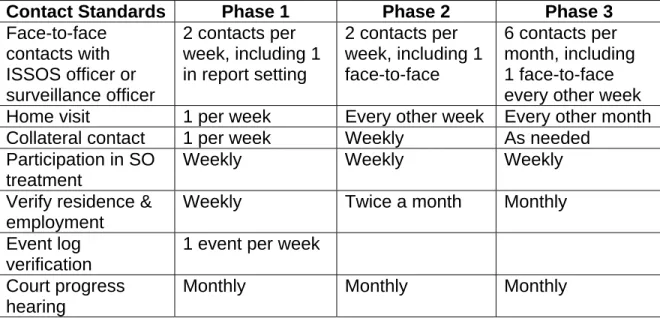
Table 3.8: ISSOS Supervision Standards by Phase ... 53
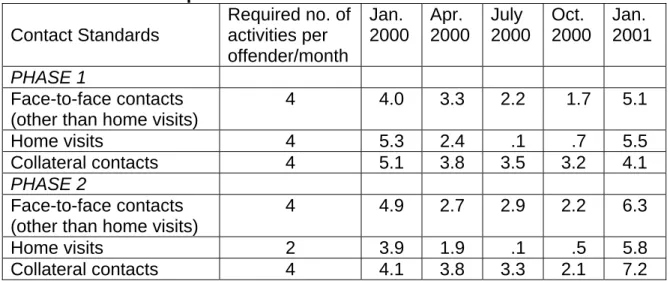
Table 3.9: ISSOS Supervision Standards and Performance... 55
Table 3.10: Current Conviction Offenses of Adult SOP Offenders... 63
Table 3.11: Length of Probation in Months by Offense, SOP Offenders... 64
Table 3.12: Age of SOP Adult Offenders at Conviction... 65
Table 3.13: Victim Age for SOP Offenders ... 66
Table 3.14: Relationship between SOP Offender and Victim... 67
Table 3.15: Convictions of SOP Probationers by Age of Offender ... 68
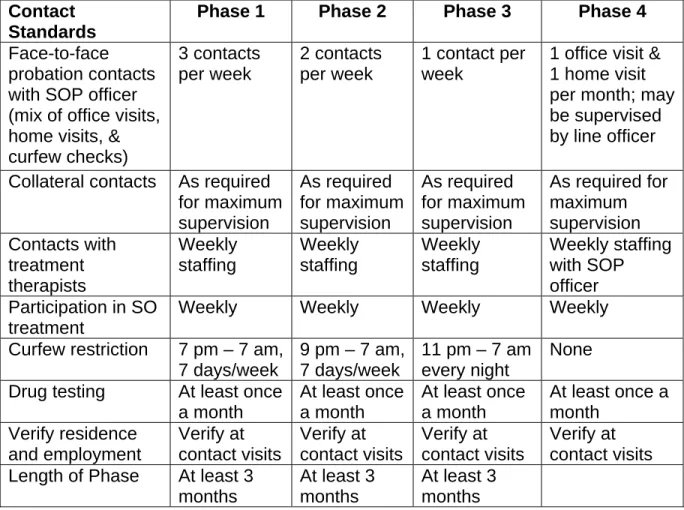
Table 3.16: SOP Supervision Standards by Phase ... 69
Table 3.17: Office Visits per Month by SOP Offenders ... 70
Table 3.18: Current Adjudication Charges for JSOP Probationers ... 79
Table 3.19: Length of Probation in Months by Type of Probation Sentence, JSOP Offenders ... 80
Table 3.20: Length of JSOP Probation in Months by Adjudicated Offense ... 80
Table 3.21: Age of JSOP Offenders at Time of Adjudication ... 81
Table 3.22: Gender of Victim(s) of JSOP Offenders ... 83
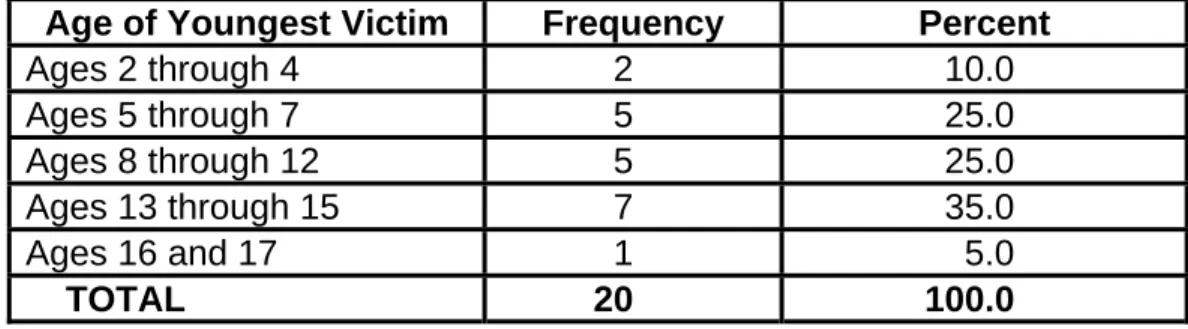
Table 3.23: Age of Youngest Victim in Current JSOP Offense ... 84
Table 3.24: Relationship Between JSOP Offenders and Victims ... 85
Table 3.25: Current Adjudications of JSOP Probationers by Age of Offender ... 86
Table 3.26: Adjudication Charges and Probation Terms for JSOP Offenders ... 87
CHAPTER 4: PROGRAM IMPACT Table 4.1: Static-99 Assessments of ISSOS Offenders ... 99
Table 4.2: MnSOST-R Assessments of ISSOS Offenders... 100
Table 4.3: Static-99 Assessments of SOP Offenders ... 111
Table 4.4: MnSOST-R Assessments of SOP Offenders. ... 112
CHAPTER 5: TREATMENT IMPACT Table 5.1: Group Status on Treatment Targets & Participation (Coles County)... 141
Table 5.2: Correlations Among Treatment-Specific Ratings (Coles County) ... 142
Table 5.3: Spearman Correlations Between Static Risk Predictors and Treatment-Specific Ratings (Coles County) ... 143
Table 5.4: Offender Self-Reported Psychological Characteristics (Coles County) ... 144
Table 5.5: Offender Self-Reported Remorse and Victim Empathy
(Coles County) ... 146 Table 5.6: Offender Levels of Self-Esteem (Coles County) ... 147 Table 5.7: Spearman Correlations Among Offender Self-Report Measures
(Coles County) ... 147 Table 5.8: Offender Views of Treatment (Coles County) ... 150 Table 5.9: Offender Perceptions of Overall Treatment Quality (Coles County)... 151 Table 5.10: Group Status on Treatment Targets & Participation
(Vermilion County) ... 159 Table 5.11: Correlations Among Treatment-Specific Ratings
(Vermilion County) ... 160 Table 5.12: Offender Self-Reported Psychological Characteristics
(Vermilion County) ... 161 Table 5.13: Offender Self-Reported Remorse and Victim Empathy
(Vermilion County) ... 163 Table 5.14: Offender Levels of Self-Esteem (Vermilion County)... 164 Table 5.15: Spearman Correlations Among Offender Self-Report Measures
(Vermilion County) ... 165 Table 5.16: Offender Views of Treatment (Vermilion County)... 166 Table 5.17: Offender Perceptions of Overall Treatment Quality
(Vermilion County) ... 168
LIST OF FIGURES
CHAPTER 4: PROGRAM IMPACT
Figure 4.1: Coles County ISSOS Goals and Objectives ... 92 Figure 4.2: Vermilion County SOP Goals and Objectives ... 107 Figure 4.3: Madison County JSOP Goals and Objectives... 118 CHAPTER 5: TREATMENT IMPACT
CHAPTER 1: STUDY BACKGROUND
Although the majority of adults convicted of sexual offenses are sentenced to a term of imprisonment, a significant number of sex offenders are not
incarcerated. In 1993 the Administrative Office of the Illinois Courts (AOIC) conducted a statewide survey of probation administrators and probation officers to determine how many sex offenders were currently on probation caseloads. Based on the results of that survey, the AOIC estimated that there were then more than 3,000 offenders sentenced to probation for sex offense charges in Illinois (AOIC, 1994). This was less than 5% of the total Illinois probation caseload. In 1997 a national study reported that as many as 265,000 adult sex offenders were under correctional supervision in the United States, and
estimated that close to 60% percent were under some form of community supervision, primarily through probation or parole (CSOM, 2000).
In 1996 the AOIC promulgated guidelines for probation supervision of adult and juvenile sex offenders, created to assist probation managers and line staff in designing specialized programs regarding sex offenders and in
supervising sex offenders on probation. Topics addressed in the manual
included development of policy, selection and training of staff, recommendations regarding victim assistance and resources for victims, coordination with law enforcement and service providers, treatment options and selection of treatment providers, risk assessment, supervision and case management, and other issues. The manual also included interview, evaluation, and other forms related to designing and implementing specialized sex offender probation programs.
Since that time a number of other organizations have developed and disseminated information on recommended practices for the supervision and treatment of sex offenders. At the national level the Center for Sex Offender Management (CSOM), established in 1997, has focused on the management of sex offenders and the risks they pose to the communities where they reside (CSOM, 2002a). The Association for the Treatment of Sex Abusers (ATSA) has identified best practices within the treatment community, and has made
recommendations regarding the assessment, evaluation and treatment of sex offenders (ATSA, 2001).
In the 1990’s specialized adult sex offender probation projects were established in a number of Illinois counties, including Coles and Vermilion. In Madison County a juvenile sex offender probation project was developed with the goal of combining specialized probation supervision and in-house treatment. Many of these programs were supported in part by limited term funding from the Illinois Criminal Justice Information Authority (ICJIA). In 1998 ICJIA issued a request for proposals to conduct an implementation and impact evaluation of six different specialized sex offender probation projects (RFP, 1998). A one-year grant was awarded to the Center for Legal Studies (CLES) at the University of Illinois at Springfield (UIS) to conduct an implementation evaluation of
specialized sex offender probation projects in three Downstate Illinois counties. This project was part of a larger, six-county evaluation project. A research team from Loyola College in Chicago evaluated the probation projects in the three northern counties. The final report for this project was submitted in 1999 and
revised in accordance with ICJIA recommendations later that year (Hayler, Schmitz, Pardie, Addison-Lamb, & Smith, 2000).
Each of the three Downstate county programs evaluated by the research team consisted of a dedicated sex offender probation officer who supervised a case load that ranged from 23 to approximately 40 convicted sex offenders. Each probation officer worked closely with at least one specialized sex offender treatment program. Although the decision to sentence an offender to probation resided with the judiciary and the prosecutor, sometimes with only limited input from probation, each of the programs developed a set of special conditions that were recommended for offenders assigned to the specialized supervision program.
All three of the Downstate programs were still in the early stages of their development and operation during the period covered by the implementation evaluation study. Program implementation extended beyond the evaluation study period as individual programs continued to evolve and incorporate changes within the framework of their original proposals. Because of the relatively small number of probationers assigned to the Downstate programs, and because of the on-going nature of program implementation, it was difficult to draw conclusions about the impact of these programs on probationer behavior.
In 1999 ICJIA invited CLES to submit a follow-up proposal for Phase 2 of this evaluation project, to include an impact evaluation of the sex offender
probation projects in Coles, Madison and Vermilion counties. The Phase 2 grant was awarded to CLES in 2000, and was scheduled to be conducted over a total
of 17 months. In its Request for Follow-up Proposal (RFP) ICJIA stated that the main purpose of the impact evaluation study was to supply information that could improve the project and help project staff in seeking local funds to continue its support. The research team was also directed to give particular attention to each project’s ability to meet the goals and objectives that were outlined in the initial project descriptions, and to determine how the projects were affecting their target populations (RFP, 1999).
LEGAL STATUS OF SEX OFFENSES IN ILLINOIS
The Illinois Criminal Sexual Assault Act defines five separate acts of criminal sexual assault and abuse, only some of which are eligible for probation (ICASA, 1998). All criminal sexual assault crimes by definition involve an act of “sexual penetration” (as defined in 720 ILCS 5/12-12), and may carry mandatory prison sentences. Crimes of criminal sexual abuse involve acts of “sexual conduct” (touching or fondling) rather than penetration, and are more likely to include probation as a possible sentence.
Aggravated Criminal Sexual Assault and Predatory Criminal Sexual Assault are Class X felonies punishable by mandatory prison sentences. Criminal Sexual Assault is a Class 1 felony normally punishable by a prison sentence, although family member offenders who have not been convicted of a Class 2 or greater felony within ten years may be eligible for a sentence of
probation. Special conditions of probation are specified by statute (730 ILCS 5/5-5-3). These include: removal from the household, restricted contact with the
victim and restitution to the victim, as well as participation in a court approved counseling program for at least two years.
Aggravated Criminal Sexual Abuse is a Class 2 felony for which probation is an option. However, as with Criminal Sexual Assault, family member offenders are subject to special conditions of probation. Criminal Sexual Abuse is a Class A misdemeanor for which offenders may be sentenced to jail for up to a year or to probation for up to two years. Sexual Exploitation of a Child (720 ILCS 5/11-9.1), which involves having a child view sexual acts, is a Class A misdemeanor. Like Criminal Sexual Abuse, the charge may be upgraded to a felony for a second or subsequent violation. Adult offenders convicted of any of these offenses are required to register as sex offenders (730 ILCS 150/3). Failure to properly register as a convicted sex offender is a Class 4 felony (the lowest felony category in Illinois), and carries a possible prison sentence of up to three years.
In Illinois, most adults convicted of any form of criminal sexual assault are not eligible to be sentenced to probation. Only family member offenders may receive a probation sentence, and only under specified conditions mentioned earlier. In contrast, probation is a possible sentence in both felony and misdemeanor criminal sexual abuse offenses. These sentencing differences reflect community and legislative judgments about the seriousness of these offenses and about the potential risk of further offending by those who have been convicted of these crimes.
The operation of the criminal justice system also has an impact on how sex offenders are sentenced. Defendants who are initially charged with a sex offense that carries a mandatory prison sentence may plead guilty to a lesser offense for which probation may be imposed. Since the final conviction offense does not always accurately convey the actions which led to prosecution, it is essential that probation obtain complete information about the nature of these offenses. Probation department are also beginning to experience a change in their probation caseload as convicted sex offenders who fail meet the
requirements of the registration statute are sentenced to probation. Although the registration offense is only a Class 4 felony, the actual recidivism re-offense risk posed by these offenders may be considerably higher.
REPORT FORMAT
This report, divided into five chapters, presents the evaluation of the three Downstate Illinois projects conducted by researchers at the Center for Legal Studies at the University of Illinois at Springfield. Chapter Two reviews the study’s methodology, with particular attention to the way in information was gathered through sex offender treatment programs. Chapter Three updates the program information presented in the Phase 1 implementation evaluation (Hayler et al., 2000). Chapter Four presents information from the impact evaluation conducted for each of the three county projects, focusing on the nature and effectiveness of the probation programs and including the extent to which the projects met the goals and objectives outlined in the initial project descriptions.
Chapter Five examines the impact of the treatment programs in Coles and Vermilion counties, where most adult offenders participated in a single sex
offender treatment program. After consultation with ICJIA a decision was
reached not to conduct a similar evaluation of the in-house treatment program for juvenile offenders in Madison County. The treatment provider confirmed that information on participation in treatment and treatment progress was being collected on a regular basis and shared with the Probation and Court Services Department.
CHAPTER 2: METHODOLOGY
This project involved the evaluation of three specialized sex offender probation programs (SSOPPs) in three different Downstate Illinois counties: Coles, Vermilion, and Madison counties. The programs had similar goals and objectives, but operated in different institutional and geographic contexts and were intended to work with somewhat different offender populations. As a result, this report includes separate evaluations of each program.
The purpose of the project was to report on the implementation and
continued development of each program, and to assess the program’s impact on the sex offenders participating in it and its attainment of specified goals and objectives. This report covers a four-year period during which funded programs operated in these counties, drawing on an earlier report that assessed the implementation process and short-term impact during the first two years (Hayler et al, 2000). The Coles County Court Services Department began supervising offenders under the Intensive Specialized Sex Offender Supervision Program (ISSOS) in August 1997, when it transferred 29 existing sex offender probation cases from the general probation caseload into ISSOS. The Vermilion County Sex Offender Probation Program (SOP) began in November 1997 and grew slowly, assigning only newly-sentenced sex offenders to SOP supervision. The Madison County Juvenile Sex Offender Program (JSOP) began accepting juvenile offenders in March 1998. Data were collected in each program for a multi-year period, beginning with the start of the program’s operation and continuing into 2001.
DATA COLLECTION STRATEGIES
A variety of data collection strategies were used to obtain the information needed to evaluate the operation and impact of each program. Information about the specific goals and objectives of each program was gathered from program documents maintained by ICJIA and from interviews with program staff and associated personnel. Program documents obtained from ICJIA included grant applications and associated materials, as well as monthly and annual reports prepared by the programs.
Additional information about the operations of the specialized sex offender probation and treatment programs was obtained from interviews with program staff, probation administrators, members of the local justice system, and treatment providers who interact with the programs. Interview subjects were identified during the Phase 1 evaluation, and follow-up interviews were
conducted at several different points during this research period. On-site visits to probation departments were made in all three counties, and treatment providers were re-interviewed in Coles and Vermilion counties. In Madison County
information on the various treatment programs to which offenders were assigned was gathered primarily through interviews with the JSOP probation officer, who observed one treatment program on a regular basis and spoke regularly with the other providers.
The data reports provided by each program to ICJIA included information about the number of cases supervised within the program, the number of new cases entering the program each month, the number of cases exiting the
program successfully or unsuccessfully each month, and the number of
probationers assigned to each treatment phase status or probation supervision level. These reports were used to document the aggregate number and type of supervision and surveillance contacts as well as violations of probation
conditions that prompted formal action by the probation officer.
Because the reports submitted to ICJIA provided only monthly totals for each category, it was necessary to develop procedures to collect information on individual offenders and to document supervision activities on an individual level. The research team developed a data collection instrument that could be used to consistently record accurate information about the probationer and the
probationer’s offense, the victim, and the probation officer’s supervisory activities. Information was then gathered from individual probationer files and from
computerized probation records.
Drawing on their experiences with the data collection process used during Phase 1, the research team designed a revised instrument that focused on information that was routinely collected and therefore readily available in almost every probation file. This data collection instrument varied in several ways from the one that was used during Phase 1 of the project (Hayler et al., 2000,
Appendix H). For example, the Phase 1 code sheet included a section headed “Family and Sexual History” that required researchers to code information about certain specified behaviors (use of pornography, patronizing prostitutes), the extent to which the offender accepted responsibility for his offense, any disclosure by the offender of childhood physical or sexual abuse, and current
sexual orientation and activity. The research team found that this information was sometimes available in files where sex offender-specific assessments had been conducted in the past or as part of the sentencing process, but was often missing. The combination of selective collection of information in some cases and no information in others made it impossible to draw any conclusions from the small number of cases where the desired information was available and could be coded.
The Phase 1 instrument also included sections for recording the results of specific tests of sexual preference and sexual dangerousness. The
implementation evaluation conducted by this research team found that no single assessment instrument was consistently administered in any of the three
Downstate counties, and that many of the specific measures identified in the data collection code sheet were not in fact used in any of the counties. The
assessments that were carried out were usually done as part of the treatment process, and were considered part of the offender’s treatment file rather than the probation file. Because no useful information could be collected from the
probation files, these sections were eliminated before Phase 2 data collection began.
Instead, the research team coded each probationer using the Static-99 and the Minnesota Sex Offender Screening Tool-Revised (MnSOST-R). Each of these assessment tools was designed to estimate the likelihood that an adult male offender convicted of a sex offense will commit additional sexual or violent offenses in the future. Both of them are actuarial instruments that can be
probation files, and neither requires an interview with the offender or a detailed psychological assessment. Both the Static-99 and the MnSOST-R have been validated as reliable predictors of future risk levels for adult offenders (Hanson, 1999; Epperson, Kaul, Huot, Alexander & Goldman, 2000). The research team included these assessment instruments in the data collection process in order to gather objective information about the potential risks posed by offenders
assigned to the various specialized probation programs.
The data collection instrument, after being tested and refined, was used to record data on adult sex offender probationers in Coles and Vermilion counties. The research team was not given access to the files maintained on the small number of juvenile sex offender probationers in Vermilion County due to confidentiality concerns. Minor revisions were made to the data collection instrument in order to accommodate the juvenile sex offender probation
population in the Madison County JSOP. These changes allowed the research team to collect additional information, primarily related to school and family circumstances, which was not collected for adult offenders.
With the exception of the juvenile cases in Vermilion County previously mentioned, all currently active cases were reviewed in all three counties; 26 files were reviewed in Coles County, 24 files in Vermilion County, and 47 files in Madison County. Basic demographic information collected on all probationers included such variables as race, gender, marital status, education, and age at time of conviction. Since all probationers in Madison County were juveniles at the time of their conviction, more specific school and family information was
included in their files and subsequently recorded as part of the data collection process.
In order to assess probationer progress and compliance, data was also collected on office, outside, and public safety building visits in Coles and Vermilion counties. Visits were coded according to whether the visit was completed (contact made with the offender), canceled, or whether the offender missed a scheduled visit. Madison County procedures differed slightly in that the juveniles were not expected to make periodic office visits. Instead, the JSOP officer and other intensive probation supervision officers made visits to the probationer’s treatment program and to the probationer’s home. In addition to these contacts, any violations and the result of the violations were recorded.
At all three study locations the same two researchers collected data. The team leader was an experienced faculty researcher with a doctoral degree who had participated in multiple data collection projects over more than ten years, and was assisted by a student with a bachelor’s degree in criminal justice and training in field research methods. The same two-person research team was used at each site to help assure inter-rater reliability. Inter-rater reliability addresses any concerns that different researchers may code or classify data differently even though they use the same data collection instrument. The first three files in each county were reviewed and coded independently by both field researchers, and the coded data were compared for accuracy and consistency in coding. The researchers consulted on any unanticipated coding issues that arose, and developed coding rubrics to resolve these issues.
EVALUATION OF TREATMENT-RELATED VARIABLES
A somewhat different process was developed to evaluate the impact of the treatment services provided to sex offenders in the three different programs. During Phase 1, this evaluation process included data collection about the organizational structure and operation of the treatment provider, and structured observation of the treatment process. The treatment-related review process was grounded in a preliminary review of relevant literature (including current AOIC guidelines), as well as in semi-structured interviews with treatment providers. This allowed significant program-specific elements to be included in the overall observational plan. While an attempt was made to keep the observational format as open as possible, some general consistencies in treatment process and focus were expected across programs.
An initial interview was conducted with treatment directors for the Coles County and Vermilion County programs during the month of April, 2001, to gather follow-up information about current assessment and treatment practices. The Phase 2 interview protocol (Appendix A) essentially paralleled the form
previously developed for Phase 1, with a few modifications based on actual Phase 1 findings for each SSOPP-affiliated treatment facility. The primary treatment providers were Coles County Mental Health Center (CCMHC) and Crosspoint Human Services (Vermilion County). Both the Coles County and Vermilion County treatment programs consist of focused group treatment.
Interview questions were designed to determine whether any significant changes had occurred since Phase 1 in the areas of treatment program structure and
exchange between treatment providers and probation officers. During the Phase 2 interviews, potential treatment-related measures and data collection strategies were also discussed with treatment directors. The Phase 2 evaluation
methodology, described in the following section, was approved by treatment directors in Coles and Vermilion counties before data collection began.
(1) Phase 2 Evaluation of Treatment Impact The problem of assessing treatment impact becomes complicated when treatment has been court-ordered, small numbers of probationers are the focus of the research, and offenders enter treatment at varying times. For example, ethical considerations regarding the use of probationers in treatment as
participants in program evaluation research make it necessary to exercise care to protect individual privacy, a right to informed consent, and the integrity of the underlying therapeutic relationship. The fact that small sample sizes seriously reduce the statistical power to detect significant effects and limit the
generalizability of specific findings constitutes another research obstacle. Conditions for the present program evaluation provide a clear example of such limitations, since treatment providers had not collected comparable measures of offender status on treatment targets for all offenders at baseline or at regular follow-up periods. Moreover, current clinical caseloads were less than the minimum number needed to use parametric statistical tests with confidence. In other words, it became apparent that no direct evaluation of treatment effects was possible for Phase 2.
Thus, the development of a methodological strategy was shifted from a focus on evaluating the impact of the open admission, SSOPP-affiliated
treatment programs for adult sex offenders to one of gathering treatment-related information on potentially important predictive variables and on psychological characteristics specifically highlighted in the ICJIA Request for Proposals (RFP, 1999). As a result, the following data collection and analytic procedures were used.
• Measures of offender behavior were specifically selected or developed for research purposes because existing clinical case file information varied across offenders.
• Treatment involvement was assessed in terms of the psychological and
behavioral dimensions specifically targeted in treatment, as well as in terms of the specific dimensions suggested in the ICJIA Phase 2 Request for
Proposals.
• Given the nature of the treatment process, offender self-report and therapist perspectives were both selected as important sources of information
regarding treatment involvement and potential impact.
• Quantitative data were analyzed at group levels only in order to best assess overall treatment program impact and to protect offenders’ rights as research participants.
• Quantitative analyses were focused on detecting associations among variables because the Phase 2 evaluation time frame did not allow for pre/post evaluations of treatment-related change over time.
• The potential relationship between treatment and outcome was explored in terms of associations with static predictors of recidivism risk, as well as with dynamic targets of treatment.
Research measures, related to sex offender treatment targets (as identified in the Phase 1 implementation evaluation) and consistent with the recommendations outlined in ICJIA evaluation guidelines, were selected from the existing research literature or were developed specifically for this project to provide comparable data for all offenders. In addition, measures of treatment participation and offender views of treatment were also developed to provide information on levels of offender involvement in and perceptions of treatment. Nevertheless, it is important to reiterate that these measures, at most, yield correlative information about treatment-related or treatment-sensitive variables that may show promise for future investigations of treatment effects. Each of the selected treatment-related variables and its corresponding measure is described in the following paragraphs.
Participation in Treatment
Before any changes in offenders’ behavior or psychological status can be reasonably attributed to the effects of treatment, it must be determined that offenders have actually participated in the therapeutic process. According to Hanson (1998):
The most changeable (dynamic) risk factor [for sexual offense recidivism] was cooperation with treatment. Offenders who rejected treatment were at
higher risk, but it is possible that such offenders might be able to reduce their level of risk by cooperating with a treatment program. (p. 58) Although simple attendance records can serve as measure of treatment
exposure, other indicators of actual in-session behavior are likely to be better indicators of treatment involvement. Thus, treatment participation, as well as treatment exposure, were assessed during the Phase 2 evaluation.
Twenty-nine items to assess offender participation and progress in treatment were written specifically for this research project and constitute the therapist-based Treatment Participation Ratings form (Appendix B). Items were rationally developed based upon current sex offender-specific treatment and assessment guidelines, as well as the
observational reviews of treatment completed during Phase 1 of the Implementation evaluation (see Hayler et al., 2000). For example, nine basic process elements were identified in the initial Phase 1 review as being particularly representative of a sex offender-specific treatment focus within group treatment sessions. These elements reflected therapeutically desirable behavior by the offenders, or therapist-offender interactions directed toward achieving a relevant target of behavioral change. These elements were:
(1) appropriate self-disclosure by offenders of information either directly or indirectly related to sex offending;
(2) confrontation of denial or minimization either directly or indirectly related to sex offending;
(3) acceptance of personal responsibility for one’s offense or for other forms of current maladaptive behavior, including
noncompliance with treatment;
(4) developmental work toward an experience of accurate empathy with victims;
(5) foundational learning about the sexual offense cycle generally; (6) foundational learning about risk factors related to sex offending;
(7) identification of personal risk factors for sexual offending; (8) analysis of current experience in the service of relapse
anticipation; and
(9) problem-solving in direct support of relapse prevention. Since these session elements proved to be meaningful operational
indicators of treatment components during the observations conducted for Phase 1, they served as a blueprint for the development of the first 28 items on the Treatment Participation Ratings form. Fourteen of the 28 items are negatively stated and must be reverse-scored; such items are typically used to prevent all-positive or all-negative rating tendencies or to allow detection of carelessness in responding. The last item (# 29) on the scale was included so that therapists could indicate how typical or representative each offender’s in-session behavior was of his general level of treatment participation; however, this item was not included in total score calculations.
Therapists were asked to complete the Treatment Participation Ratings form for each participating offender, on a weekly basis, for three consecutive weeks.1 Corrected item-to-total analyses were conducted on each of the three weekly ratings in order to maximize scale reliability and determine its usefulness for subsequent analyses. Although there were some item-to-total fluctuations across weeks, no consistently weak items were found, so all 28 items were retained on the Treatment Participation Scale. The resulting internal consistency
1
The program evaluators extend sincere appreciation to the therapists who so carefully completed weekly research measures on treatment participation and an additional measure of treatment-related status for each offender in their treatment groups. Their willingness to assist with the data collection process, despite the
statistic (Coefficient alpha) ranged from .87 to .98 across raters and weeks, which indicates scale reliability.
A total treatment participation score was first derived for each offender by summing item ratings, with higher scores indicating more positive or productive participation in the therapy sessions, as judged by the group therapist. Individuals’ in-session behavior was expected to vary
somewhat from week to week for situational reasons, so the measure targeted a wide variety of micro-level in-session behaviors, and therapists were permitted to endorse “no basis for judgment” as a response option for any of the 28 items. As expected, a varying number of “no basis for judgment” responses were obtained across cases and weeks, so each offender’s weekly total score was converted to an average participation score. Weekly average raw scores on the Treatment Participation Rating Scale could range from 0 to 5, with higher scores indicating more positive participation in the therapy session. In order to minimize the impact of differential variability between raters and weeks on average participation scores for each offender, individual therapist ratings of weekly participation were
subsequently converted to T scores before they were further combined across co-therapist pairs and across weeks.
Inter-rater reliabilities for the average treatment participation T scores ranged from .73 to .96, with three out of four greater than .80. Given the rating fluctuations and the fact that weekly participation ratings are, by nature, more likely to be influenced by micro-level variation in session experiences for both therapists and clients, a grand average participation score was calculated, based upon ratings from all three weeks, and used to represent overall level of
participation in subsequent analyses. Finally, data were also collected from records to allow researchers to determine total length of time in treatment, which was used as a measure of treatment exposure.
Dynamic Targets of Treatment
significant increase in workload that it represented, clearly made a very valuable contribution to this
In the case of sex offender-specific treatment, there are instrumental (also sometimes called proximate) as well as ultimate treatment goals. Although the overriding or ultimate goal of treatment is to eliminate recidivism, therapeutic interventions are instrumentally designed to eliminate specific maladaptive behaviors and to remediate psychological deficits that co-vary with recidivism, since these may contribute to ongoing risk. In other words, some of the attitudes, beliefs, and behaviors targeted in sex offender treatment are considered dynamic risk factors because they are (a) potentially significant predictors of sex offending and (b) amenable to positive change through focused treatment efforts. Dynamic risk factors can be contrasted with static or fixed indicators of risk, such as age, employment status, or number of prior offenses.
Current professional perspectives (e.g., Barbaree & Cortoni, 1993; Becker & Kaplan, 1993; Gray & Pithers, 1993; Hall, 1996; Maletzky, 1991; Marshall, 1996; McGrath, Hoke, & Vojtisek, 1998; Ryan & Lane, 1997) and AOIC guidelines indicate that treatment should include the following therapeutic elements and instrumental goals:
(1) behavioral monitoring and cognitive-behavioral analysis to increase self-awareness;
(2) confrontation of resistance, denial, and minimization to facilitate the treatment process and increase accountability;
(3) cognitive and emotional work to restructure distorted thinking, enhance self-control, and promote empathy for others; and
(4) normative as well as values-based education to facilitate the development of healthy sexual and social relationships and to remediate deficits in basic living skills.
Thus, positive changes in awareness, accountability, distorted thinking, self-control, empathy for others, healthy sexual and social relationships, and basic living skills could all be used as legitimate proximate indicators of treatment impact, since current recommendations cite these as requisite targets of treatment.
Although there may be a significant causal relationship between the instrumental and ultimate goals of sex offender treatment, to date, definitive evidence of such a relationship is equivocal at best (see Crolley, Roys, Thyer, & Bordnick, 1998; Furby, Weinrott, & Blackshaw, 1989; Gendreau, Little, & Goggin, 1996; Hall, 1995; Heilbrun, Nezu, Keeney, Chung, & Wasserman, 1998;
Marques, Day, Nelson, & West, 1994; Marshall, 1993; Marshall, Jones, Ward, Johnston, & Barbaree, 1991; Marshall & Pithers, 1994; Quinsey, Harris, Rice, & Lalumiere, 1993). Nevertheless, in terms of evaluating treatment effects,
criterion measures should reflect the dynamic variables directly targeted by treatment. To the extent that offenders participate in treatment and subsequently show measurable levels of positive change in targeted dynamic variables, but show no significant reduction in rates of recidivism, the design of treatment or the selection of instrumental treatment goals, rather than treatment process or
treatment goals may need to be expanded or refined to include heretofore-unidentified behavioral targets.
For Phase 2 of the present evaluation, measures of offender attitudes and behaviors were administered to assess current levels of functioning and to
explore, in a preliminary fashion, associations with treatment-related variables. No direct assessment of change over time was attempted due to the lack of baseline (beginning of treatment) data and the relatively short data collection period of Phase 2.
Dynamic Variables
Many relevant areas of functioning could have been selected for
assessment (Becker & Murphy, 1998); however, choices were limited to some extent by practical measurement options. Although a variety of clinical
instruments have been used to assess sex offenders, few represent well-validated measures of dynamic variables specifically designed for use with sex offenders (see Prentky & Edmunds, 1997). Thus, clinical researchers are confronted with the need to select impact variables for which valid instruments exist or to develop new ones specific to research needs. For the present project, a two-fold approach to assessment was adopted, and both existing and pilot measures were used. The final selection of measures was based on ICJIA guidelines for the Phase 2 project, which suggested that measures of dynamic variables such as self-esteem, acceptance of responsibility for offending, and victim empathy might be important treatment-sensitive variables, as well as on the availability of research measures and of research evidence to support the
potential predictive usefulness of specific variables. This led to the development or selection of seven paper-and-pencil instruments for this portion of the research project; one measure involved therapist ratings of offender status on treatment-specific behavioral objectives, and the remainder involved offender self-report. Offender Status on Treatment-related Behavioral Objectives
Therapists were asked to complete one 18-item Current Status Scale (see Appendix C) for each offender who gave consent. The items on this scale were written specifically for the Phase 2 project and were designed to systematically gather therapists’ clinical judgments of offenders’ current standing on treatment goals. Corrected item-to-total analyses were conducted on the scale in order to maximize scale reliability and determine its usefulness before proceeding with further statistical comparisons. Items with item-to-total correlations of .40 or higher were retained on the scale. Of the original 18 items, one item (item #12) was dropped for poor performance based on the initial item review, and
subsequent analyses were conducted using the 17-item version. Four of the 17 items are negatively stated and must be reverse-scored.
Total raw scores on the Current Status Scale were calculated by summing values across the 17 scale items, resulting in a possible score range of 0 to 85. Higher status scores represent more realistic and adaptive functioning in relation to treatment goals, as evaluated by therapists. The resulting internal consistency statistic (Coefficient alpha) ranged from .89 to .97 across raters. Inter-rater reliability coefficients ranged from .93 to .95, which indicates a high degree of consistency between co-therapists in their ratings of offenders. In order to
maximize score stability, total scores on the Current Status Scale were averaged across raters whenever co-therapist ratings were available.
Adult offenders were asked to complete several self-report measures, each of which has been directly or indirectly related to sex offending.
Instruments were selected for use on the basis of their relevance to focal targets of treatment, psychometric adequacy, reading level, and length. In order to maximize offender participation, instruments were chosen to minimize total completion time. The measures covered cognitive distortions related to rape and child molestation (Bumby Cognitive Distortions Scales), hostility (Buss-Durkee Hostility Inventory), victim empathy (Carich-Adkerson Victim Empathy and Remorse Self-Report Inventory), self-esteem (Rosenberg Self-Esteem Inventory), and views of treatment. The Views of Treatment rating form
(Appendix D) was specifically developed for this research. All other offender self-report measures were drawn from the existing research literature and permission was obtained (i.e., from copyright holders or authors) to use them in this
research.
Cognitive distortions. Cognitive distortions were assessed using the Bumby (1996) RAPE and MOLEST Scales, which consist of statements
indicative of offense-related justifications, minimization of negative impact, and other distorted beliefs about rape and child molestation. The reading level of the Bumby scales was estimated to be at a 4.3 grade level (using a computer-based Flesch-Kincaid analysis). Raw scores on the Bumby MOLEST scale can range from 38 to 152. Raw scores on the RAPE scale can range from 36 to 144. For both scales, higher raw scores indicate stronger agreement with statements supportive of offense-related behavior.
Hostility. The Buss-Durkee Hostility Scale (Buss & Durkee, 1957) was designed to yield a total hostility score, as well as eight subscale scores
representing various forms of hostility. The reading level of the scale was
estimated to be a 4.2 grade level. Only the total hostility score was calculated for this evaluation. Because it is based on all the scale items, it is likely to be the most reliable estimate, and has been used in previous research on sex
offenders. Quinsey, Khanna, and Malcolm (1998) found that the pre-treatment total score on the Buss-Durkee Inventory was a significant predictor of sexual offense recidivism, and was also sensitive to treatment. Raw scores on the Buss-Durkee scale can range from 0 to 75, with higher scores indicating greater levels of hostility.
Victim empathy & remorse. Raw scores on the Carich-Adkerson Sex Offender Remorse & Victim Empathy Inventory (Carich & Adkerson, 1995) can range from 0 to 75, with higher scores indicating greater self-reported remorse and empathy. The estimated reading difficulty of the Carich-Adkerson Inventory falls at the 5.0 grade level.
Self-esteem. The Rosenberg Self-Esteem Inventory (Rosenberg, 1989) was used to assess global levels of self-esteem. Using the Flesch-Kincaid estimation, items on the Rosenberg Inventory fall at the 3.2 grade level of
reading difficulty. Two separate scoring systems for the Rosenberg Self-Esteem Inventory are found in the research literature—a Guttman scale approach, in which sets of items have meaning, and a modified Likert scale approach, in which each item response has meaning and is assigned a numeric value. In order to maximize the usefulness of the information obtained for the present evaluation, self-esteem results are reported using both scoring systems. Under
the modified Likert scale system, points are assigned to response options indicating positive self-esteem; thus, scores could range from 0 to a maximum value of 10, with higher scores indicating higher self-esteem. In contrast, under Rosenberg’s original 7-point Guttman scale system, points are assigned to selected item and response options indicating lower self-esteem; thus, scores could range from 0 to 6, with higher scores reflecting lower self-esteem.
Offender views of treatment. Nine items were written to gather offenders’ views about various aspects of their group treatment, including perceptions of therapist helpfulness, strictness, and understanding, as well as of homework and overall treatment quality. The items were estimated to be at a 5.7 grade level in terms of reading difficulty. All items were rated using a four-point response scale, and descriptive results will be presented for individual items.
Static Variables
Actuarial methods of predicting sexual offense recidivism have been developed by identifying fixed demographic or offense-related variables that significantly differentiated recidivist from non-recidivist groups of sex offenders in follow-up research. Although some of the most reliably predictive variables identified to date (e.g., age of offender, employment history, number of prior sexual offenses, victim characteristics) are generally associated with only small group differences in recidivism rates (see Hanson & Bussiere, 1998), actuarial scales that combine static variables can approximate and sometimes exceed the predictive accuracy of other clinical approaches to risk assessment (Hanson, 2000). Although actuarial scales have been developed and refined using
incarcerated populations, the present impact evaluation provided an opportunity to determine whether there were important relationships between these static predictors of recidivism risk and subsequent dynamic (or treatment-sensitive) factors, such as cognitive distortions, hostility, self-esteem, and engagement with the treatment process, among adult offenders in the specialized probation
programs.
It should be noted that there is an important difference between the evaluation of relative predictive accuracy at group levels and prediction at the individual level. Actuarial scales yield risk scores or categories that are based on the frequencies of recidivism among offenders having similar scores in existing research samples. While they provide helpful information about the statistical probability of sexual re-offense among sex offenders having similar scores, the applicability of that estimate for any particular offender is uncertain. The sex offender samples represented across studies can vary on a number of important dimensions, including offense characteristics, participation in treatment, post-incarceration supervision, length of follow-up, and base rates for recidivism. Such variation can make it difficult to determine how appropriate risk estimates are for an individual sex offender who does not match the reference sample characteristics. Moreover, even within reference samples, actuarial prediction at the individual level is never perfectly accurate because unique and chance factors contribute to behavior. Ultimately, no matter what method of prediction is used, anyone evaluating risk of recidivism at the individual level must weigh the relative costs involved in making one of two possible errors in prediction:
incorrectly predicting that an offender is not likely to re-offend sexually (“false negative”), or incorrectly predicting that an offender is likely to re-offend sexually (“false positive”).
For the present evaluation, two promising actuarial measures of recidivism risk were selected to determine, in an exploratory fashion, their potential
predictive associations with treatment involvement and with offender self-report characteristics at group levels. The Static-99 and the Minnesota Sex Offender Screening Tool – Revised Edition (MnSOST-R) scales were selected based on their item content and support for their potential usefulness. The demographic and offense-related data needed to generate scores for both measures were collected from existing probation records. Although there is some general overlap in item content across the two actuarial scales, there are also important
differences in coding guidelines.
Both coding systems directly target parameters related to the offender’s sexual offenses. The Static-99 was developed by adding together items from the earlier Rapid Risk Assessment for Sex Offense Recidivism (RRASOR) scale (Hanson, 1997) and Thornton’s Structured Anchored Clinical Judgement (SACJ) assessment instrument (Hanson & Thornton, 2000), and contains only historical or static variables. The MnSOST-R contains many of the same static variables, but also includes questions about patterns of antisocial behavior, substance abuse, employment history, and behavior during incarceration. Hanson (2000) takes the position that these are the two most promising scales currently in use for assessing the risk of sexual recidivism.
Total possible scores on the Static-99 range from zero to 12 and can be collapsed into one of four risk categories: low risk, low risk, medium-high risk, and medium-high risk (Hanson & Thornton, 1999). Total scores on the MnSOST-R range from –14 to +31, with scores < 3 indicative of low risk of recidivism and scores of 8 or greater indicative of high-to-very high risk of recidivism in the validation samples (Epperson, Kaul, & Hesselton, 1998; Epperson, Kaul, Huot, Hesselton, Alexander, & Goldman, 2000).
Hanson and Thornton (1999) reported that scores on the Static-99 scale were significantly associated with sex offender recidivism following incarceration, with or without treatment. Scores on the MnSOST-R have also been found to be very promising predictors of extra-familial sexual reoffense over a six-year follow-up period (Epperson, Kaul, & Hesselton, 1998). However, MnSOST-R scores have not been as effective in predicting recidivism when the prior offense involved incest.
Barbaree, Seto, Langton, and Peacock (2001) recently summarized the literature on five different empirically developed measures of sexual offense recidivism, including the Static-99 and the MnSOST-R, and reported that several independent research investigations found scores on the Static-99 and the MnSOST-R were significantly correlated with sexual offense recidivism.
Barbaree and his associates also conducted their own comparative evaluation of the five measures. Their results confirmed the predictive ability of the Static-99, with regard to sexual offense recidivism, but their results for the MnSOST-R were weaker. The investigators speculated that the MnSOST-R’s predictive validity
may have been diminished by the items requiring historical information about each offender’s behavior during the period of incarceration. However, Epperson notes that the static (or historical) variables can be used by themselves, without the institutional variables, to identify four relatively distinct risk categories. Total scores on the 12 static items in the MnSOST-R range from –10 to +22, with scores < 2 indicative of low risk of recidivism and scores of 10 or greater indicative of high-to-very high risk of recidivism in the validation samples (Epperson, 2000).
Both the Static-99 and the MnSOST-R assessment instruments were developed and tested using samples of adult males who had been convicted of sex offenses and sentenced to prison. Intrafamilial sex offenders were
specifically excluded from the MnSOST and MnSOST-R samples unless their offenses were behaviorally similar to rape (Epperson, 2000). The Static-99 was also tested on at least two samples of adult male sex offenders who had been ordered to maximum security psychiatric facilities for mandatory assessment or treatment (Hanson & Thornton, 2000).
An instrument specifically designed to assess re-offense risks in sex offenders who have not been sentenced to prison has not yet been developed or validated, although Epperson and his colleagues are exploring modifications of the MnSOST-R that might address this population. The sex offenders in the SSOPPs in Coles and Vermilion counties were evaluated using the Static-99 and the MnSOST-R, even though they had not been incarcerated as a result of their convictions, in order to gather information on documented factors related to risk
and dangerousness. While the scores cannot be used to make reliable
predictions about recidivism, they could provide a basis for analyzing the pattern of risk factors found in the probation population.
In using the MnSOST-R to evaluate adult sex offenders sentenced to probation, the four dynamic variables were scored for the period of probation rather than incarceration. The prison discipline history item was coded based on the probationer’s history of petitions to revoke probation. Analysis was
conducted using both the MnSOST-R total score and the Historical/Static subtotal score.
Hypotheses
Although it has been suggested that some offender-specific dynamic variables, such as cognitive distortions and attitudes related to deviant sexual behavior, may be better predictors of recidivism risk than more acute and
nonspecific symptoms of psychological disturbance, such as high hostility or low self-esteem (Hanson, 1998), no attempt was made to differentiate stable versus acute dynamic variables in formulating hypotheses for the present project. It was generally expected (a) that higher risk of recidivism and fewer months in treatment would be associated with poorer status on treatment-related goals and lower levels of treatment participation; (b) that better status on treatment-related goals would be associated with more positive participation in treatment sessions; (c) that higher risk of recidivism and fewer months in treatment would be
associated with higher current levels of cognitive distortions and hostility, but with lower levels of self-esteem and victim empathy; and (d) that higher current levels
of treatment participation and better standing on treatment-related goals would be associated with lower levels of cognitive distortions and hostility, but with higher levels of self-esteem and victim empathy.
b)
Data Collection Procedures
The treatment-related data collection procedures employed for the Phase 2 evaluation project were reviewed by the University of Illinois at Springfield’s Institutional Review Board for the Protection of Human Subjects of Research, and received approval (Appendix E). Data collection procedures were also discussed with and approved by the respective treatment directors for the Coles County and Vermilion County programs. The potential research-related risks to sex offenders in this project involved (a) the possibility of negative consequences from probation officers or treatment providers based on an offender’s refusal to participate, (b) any inappropriate use of research measures for clinical purposes, and (c) stigmatization resulting from any disclosure of confidential treatment-related information by research personnel. The following procedures were used to minimize these risks.
Probation officers assigned to the Specialized Sex Offender Probation Programs in Coles and Vermilion Counties were asked to provide the names of all adult sex offenders currently in their specialized case loads and
attending the designated treatment program. A unique research identification code number was assigned to each name, and all
treatment-related data were subsequently identified by research code numbers only.
Treatment-related data were collected only for those adult offenders who
consented to participate in this research. Thus, offenders were aware that they were the focus of this research and that data would be collected from therapists only for offenders who consented, as well as directly from offenders who chose to voluntarily complete research questionnaires. They were informed that their participation was
voluntary and that they could refuse to participate without any negative treatment- or probation-related consequences. A model consent form (Appendix F), asking offenders’ permission for group therapists to provide ratings of treatment participation and current status, was given to the treatment providers. Although treatment providers could elect to develop their own agency-specific consent forms (in lieu of the model provided to them), they were informed that they would be required to provide the research team with a blank copy of the actual consent form used. Agencies retained the signed copies of these consent forms. A second consent form (also included in Appendix F) was given to offenders
when they were invited to complete their own packet of questionnaires. In order to protect offenders who volunteered to participate from
unnecessary disclosure, they were not asked to sign the UIS consent form. Independently coded, blank questionnaires for offenders were placed in an unmarked security envelope, and the offender’s name was paper-clipped to the front of the envelope so that therapists could
distribute the coded materials appropriately. Therapists were instructed to remove the names as the packets were distributed. All sex offenders were instructed to seal the questionnaires, whether they had completed them or not, in the security envelope before returning the packet to the treatment provider.
Thus, the potential risk for sex offenders to feel pressure to participate was addressed by explicitly describing the voluntary nature of participation, by providing written research-related and consent information, and by asking all offenders to return questionnaires in a sealed packet, so that therapists did not know who participated and who did not. The security envelopes were designed with a special seal that clearly indicated whether they had been opened after sealing. Since the questionnaires were administered and collected in an unmarked envelope and
completion of the questionnaires was voluntary, completed
questionnaires were taken as an indication of a choice to participate. It was further hoped that these procedures might enhance the validity of the self-report information provided by offender volunteers.
Treatment providers were instructed to store the unopened envelopes (as well as the therapist rating forms) in a separate and secure research file until they could be retrieved, in person, by a researcher. Research data were not placed in the treatment providers’ clinical case files. All confidential treatment-related data were subsequently handled only by UIS personnel who were fully aware of the need to maintain and protect confidentiality. Code lists were destroyed following the verification of data entry. At UIS, all data were kept in locked filing cabinets and offices, and the master code lists of names and case numbers were stored separately from all data files containing actual treatment-related and probation data. Hard copies of rating scales and questionnaires were shredded after data entry was verified and data analyses for Phase 2 had been completed. The electronic data set containing the clinical data described in this protocol was kept separate from the larger probation-related data set, and any probation-related linkage variables required for data analysis were removed before the data sets were given to ICJIA. Results of statistical analyses are reported at group levels only, by county.
CHAPTER 3: PROGRAM IMPLEMENTATION
IMPLEMENTATION OF THE COLES COUNTY INTENSIVE SPECIALIZED SEX OFFENDER SUPERVISION PROGRAM (ISSOS)
The Coles County Intensive Specialized Sex Offender Supervision
Program (ISSOS) was designed to improve the probation department's ability to supervise sex offenders by assigning a specialized sex offender caseload to one officer and adding a specialized surveillance officer to provide expanded
supervision in the community. The ISSOS target population consisted of all sex offenders sentenced to probation. This included both juveniles and adults, whether they had been placed on probation for a felony or a misdemeanor charge. The probation department began supervising offenders under ISSOS in August 1997. At that time there were 28 adult sex offenders and 11 juvenile sex offenders serving terms of probation, all but one of them male. These cases were transferred from existing probation caseloads into the ISSOS program.
ISSOS established a three-phase supervision regimen for offenders admitted into the program, to allow a gradual decrease in supervision as offenders demonstrated the ability to comply with the conditions of their probation. In addition to the phase requirements, all offenders sentenced to ISSOS were required to comply with several sex offender-specific conditions. These included successful completion of sex offender-specific treatment through the Coles County Mental Health Center (CCMHC), no contact with any victim of their crime or with anyone 17 years old or younger without court permission, and submission to any testing and assessment as directed by CCMHC or by