
Mango (Mangifera indica L.), plant
produces an exotic fruits on stem.
Venkatesan Govindan
11
PG and Research Department of Botany Mannai Rajagopalaswami
Government Arts College, Mannargudi 614 001, Thiruvarur - District, Tamil Nadu. India.
Abstract- Mangifera indica L. belonging to family Anacardiaceae. It is commonly used food, herb in ayurvedic medicine. The mango plant produces abundance fruits on stem. Historically, mango tree cultivations have been widely planted in tropical areas of India, Africa, Asia and Central America. This paper provides thorough nutrient, phytochemical, hormones regulation were studied. The Stem cuttings of several favorite plants are quite easy to root, much branches. Usually, fruits grow at the end of a long, string like stem, with sometimes more than one fruit to a stem. Mango latex allergy, especially with raw, unripe mangoes is common in sensitized individuals. Immediate reactions may include itchiness at the angle of the mouth, lips, and tip of the tongue. This reaction develops because of the anacardic acid present in raw, unripe mangoes. Mango fruits are a highly nutritious fruit. Mangoes are an excellent source of vitamin A, vitamin C, mineral copper, magnesium, potassium, water and are a good source of fiber. These studies are informative and those who are more extensively studying to confirm these results and to reveal agriculture revolution. Keywords - Mangifera indica, Fruits, Phytochemistry, Hormone regulation.
I. INTRODUCTION
Mango (Mangifera indica L), sometimes called “The king of fruits”, is by volume the second largest tropical fruit crop in the world after bananas. It is ranked fourth in total fruit behind bananas, citrus and apples. It is India‟s national fruit. Cultivation of mango has occurred for more than 4000 years and the tree has great cultural and religious significance in some countries. The mango has been known to Indians since very early times. Scientific fossil evidence indicates that the mango made its first appearance even earlier 25 -30 million years ago in northeast India, Myanmar and Bangladesh, from were it travelled down to southern India. The earliest name given to the mango was Amra- Phal. It is also referred to in early Vedic literature as Rasala and Sahakara, and is written about in the Brinhadaranyaka Upanishad and the Puranas, which condemn the felling of mango trees. On reaching South India, the name translated to Aam-kaay in Tamil, which gradually became Maamkaay due to differences in pronunciation.
II. MATERIALS AND METHODS
Mangifera indica L fruits has grown abundance blooming became fruits on the stem. The mangoes were collected from cultivated at a home garden in Mannargudi and taluk, Thiruvarur district and state of Tamil Nadu during 2018. These plant main trunk are cylindrical, straight, more than 20 feet in height, branches arise “V” shaped above 12 feet [Fig.3 A]. Unfortunately one branch has cut (Pruned) at before flowering season. Remaining branches are normal flowering, low yielding, but nearby cutter site abnormal, abundant bloom are grew throughout fruits [fig. 3B] The plant‟s branch produce exotic fruits on stem appearing more than hundred fruits in around three feet‟s in particular area [Fig.3C]. Each fruit measures 5 to 10 cm in length and about 4 to 7 cm in width, and has typical “mango” shape are oval. Its weight ranges from 150 kg to around 210 kg. Outer skin is smooth and is green in un-ripe mangoes but turns into golden yellow, orange-red. The mature plant was a few sample were collected from the mango tree at the home Garden. This change the tree‟s stem barks and fruit stalk was approximately 2 inches was collected from different site. These samples were studied for phytochemical test and food nutrient.
2.1. Phytochemistry
Phytochemicals (from the Greek Word Phyto, meanings plant) are biologically active, naturally occurring chemical compounds found in plants, which provide health benefits for human further than those attributed to micronutrients and macronutrients. Phytochemicals are the chemicals that present naturally in plants. Nowadays these phytochemicals become more popular due to their countless medicinal uses. Phytochemicals play a vital role against number of diseases such as asthma, arthritis, cancer etc. unlike pharmaceutical chemicals these phytochemicals do not have any side effects. The study therefore focused on phytochemicals and nutritional screening of mango tree. There has been a marvelous strain on medicinal plants for their extensive utilization as sources of raw materials for the pharmaceutical industries. Demands for medicinal plants are rapidly increasing not only in developing countries but also in the developed ones. The medicinal plants used in folklore remedies in the treatment of microbial infections have attracted the attention of many scientists on possible alternatives to the existing drugs to which many infections microorganisms have become resistant [1]. The increasing cost of important chemicals also causes serious drains on the economy of most developing countries. Some medicinal plant,whose parts were pharmacologically proved to possess bioactive compounds, effective for disease control [22].
2.2. Extraction of plant materials
The required plant parts was collected from the region of Mannarudi taluk, Thiruvarur district and state of Tamil Nadu.The plant extract are exactly 10g of the powered stem peel petiole were soaked separately in mixture of methanol and sterile distilled water in ratio 3:2 and having soaked for 24 hours were heated to 100° c for 30 minutes in a hot organic solvent extraction [3].
2.2.1. Phytochemical Analysis
Preliminary Qualitative screening for phytochemical of all these plant parts was carried out with the following methods.
2.2.2. Test for alkaloids (Mayer’s test)
About 2 ml of extract was treated with 2 drops of Mayer‟s reagent added orange red presence of white creamy precipitate indicates the presence of alkaloids.
2.2.3. Test for tannins (Braymer’s test)
2 ml of extract was allowed to react with 10 % alcoholic ferric chloride solution formation of blue or greenish colour of the solution observed. This was the indication of the presence of the tannins.
2.2.4. Test for steroids (Liebermann bur chard test)
2ml of extract was dissolved in 10 ml chloroform to this mixture equal volume of concentrated sulfuric acid was added by sides of the test tube. The upper layer becomes red while lower layer of sulfuric acid turns yellow in colour with green fluorescence indicating the presence of steroids.
2.2.5. Test for terpenoids (Salkowshi test)
2.2.6. Test for reducing sugar
The extracts shaken with distilled water and filtered. The filtrate was boiled with Fehling‟s solution A and B. An orange and red precipitate indicates the presence of reducing sugar.
2.2.7. Test for saponins (Foam Test)
About 0.2g of the extracts were shaken with 5ml of distilled water and then heated to bill frothing (appearance of creamy mix of small bubbles) shows the presence of saponins.
2.2.8. Test for flavonoids (Alkaline reagent test)
2ml of extract was treated with few drops of 1N sodium hydroxide (NaOH) and hydrochloric acid (Hcl) was added then yellow solution turns colourless indicates the presence of flavonoids.
2.2.9. Test for glycosides (Borntrager’s test)
To 2 ml of filtered hydrolysate, 3 ml of chloroform is added and shaken, chloroform layer is separated and 10% ammonia solution is added to it. Pink colour indicates presence of glycosides.
2.2.10. Test for Protein
The extract (100 mg) is dissolved in 10 ml of distilled water and filtered through Whatmann No. 1 filter paper and the filtrate is subjected to test for proteins.
2.2.11. Test for Carbohydrates (Molish’s test)
To 2 ml of plant sample extract, two drops of alcoholic solution of α- naphthol are added. The mixture is shaken well and few drops of concentrated sulphuric acid is added slowly along the sides of test tube. A violet ring indicates the presence of carbohydrates.
2.2.12. Test for gum and Mucilages
The extract (100 mg) is dissolved in 10 ml of distilled water and to this 2 ml of absolute alcohol is added with constant stirring. White or cloudy precipitate indicates the presence of Gums and Mucilage.
III. EXPERIMENT AND RESULTS
The Mango is a tropical tree cultivated in many regions of India, and now its farming distributed wide across the world in many countries. Food provides not only essential nutrients needed for life but also other bioactive compounds for health promotion and disease prevention. Consumption of fruit and vegetables, as well as grains, has been strongly associated with reduced risk of cardiovascular disease, cancer, diabetes, Alzheimer disease, cataracts, and age-related functional decline [18 – 21]. In its 1982 report on diet and cancer, the National Academy of Sciences included guidelines emphasizing the importance of fruit and vegetables in the diet [19]. The value of adding citrus fruit, carotene-rich fruit and vegetables, and cruciferous vegetables to the diet for reducing the risk of cancer was specifically highlighted. The importance of a diet rich in polyphones has long been sponsored and underlined because of their radical scavenging action as well as anti- carcinogenetic [12]. Fruits and vegetables were rich sources of many different bioactive phytocompounds, including phenolic compounds, anthocyanins, caroteoids, vitamin E and vitamin which exhibit good antioxidant properties. Some regarded as an unquestionable component that should be present in every one‟s diet [12]. The hypothesis that dietary antioxidants lower the risk of chronic disease has been developed from epidemiologic studies that consistently show that consumption of whole foods, such as fruit and vegetables, is strongly associated with reduced risk of chronic diseases. Therefore, it is reasonable for scientists to identify the bioactive compounds responsible and hope to find the “magic bullet” to prevent those chronic diseases.
glycosides in the treatment of congestive heart failure was reported by [23]. While tannins and steroids were found to be used in the treatment of inflamed or ulcerated tissues. The present investigation of mango phytochemical analysis of alkaloids, tannins, steroids, and terpenoids, reducing sugar, saponins, flavonoids, resin, gum and glycosides and protein showed that there is a rebuff dissimilar result. Natural phytochemicals at the low levels present in fruit and vegetables offer health benefits, but these compounds may not be effective or safe when consumed at higher doses, even in a pure dietary supplement form. Generally speaking, taking higher doses increases the risk of toxicity.
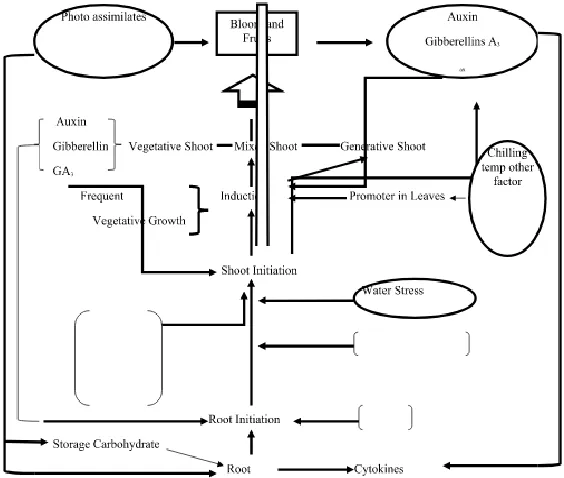
Many studies, performed in order to analyze in details the chemical profiles and the mechanistic action of Mangifera indica fruit components, provided evidence that many of their anti-scavenging properties can be ascribed to mangiferin. The Mangiferin is a plant natural polyphenol of xanthenes‟ Structure with C-glucosyl linkage and four aromatic hydroxyl groups that have been considered crucial for its antiradical and antioxidant effect as well as for its pharmacological activity. The growth of the tree causes a process called carbon sequestration or carbon uptake. The tree absorbs carbon dioxide from the environment, using it to form the trunk, branches, leaves and fruit of the mango tree. Early flowering clearly resulted in early fruit maturity. Fruit trees are generally pruned to remove dead or diseased wood, allow more light to penetrate into the leaf canopy and to control the overall tree height to improve harvesting. But, remove that plant was slight vertical branches in favor of horizontal branches. The branch is uptake less energy to grow and more to bloom and fruits, effectively reducing its vegetative growth. Mango flowering is essential to efficiently utilize management systems that extend the flowering and crop production seasons [4 -11]. Flower induction in mango is the temporary commitment of buds to evoke a particular development pathway which can be a vegetative shoot, generative shoot or mixed shoot when growth is initiated. Initiation of plant flowering refers to the onset of floral bud growth in actively growing vegetative shoots after the floral inductive event [8 - 9]. Mango stems undergo varying periods of rest between episodes of growth, depending on tree age and environmental influence, resting buds must, therefore, respond to two distinctly different signals for shoots to occur. The first signal initial growth of the shoots and the second determines if it will be vegetative or reproductive [Fig.1 and 2]. The signals regulate initiate of shoot growth in resting bud differ from the inductive signals that regulate shoot type. Initiation is the onset of shoot development, regardless of the type of shoot evoked. It involves cell division and elongation of cell in leaf primordial (vegetation shoots) lateral meristem (generative shoots) or both mixed shoots in the nodes of the resting buds, and is followed by cell division in the apical meristems to form more nodes shoots initiation is stimulated by pruning, defoliation and irrigation during dry conditions or transition from dry to wet season in the tropics. The elevated carbohydrate status in buds together with a floral stimulus results in floral induction. Vigorously growing juvenile plant has low starch reserves [20] and a diversion of soluble assimilates from stem apices results in floral inhibition [Fig. 1 and 2]. The growths hormones regulate promote vegetative growth i.e. high temperature, moisture, gibberellins and N, also lead to floral inhibition.
Extensive work on movement of the putative floral stimulate across grafts from donor to receptor stems (kulkarni, 1986) and the inhibitory influence of fruit on subsequent flowering (Kulkarni and Rameshwar, 1989). Mango tree are slash site of branched cover with resin and gum on stem. Therefore, hormones regulation was flow from root through stem to all branches. The stem cut side may be locked the vascular bundle in the position [Fig.2]. However, hormone regulations turn to beside the branch occurring chemical substances and hormones. Computational models have been used to study the intensive action and dynamics of the hormone regulatory module that bring about patterning of the Mangifera inflorescence undifferentiated cell and requirement of the primordial cell types during early stages of flower development. These signals for shoots to occur will be grown as reproductive and initiate become exotic fruits.
IV. CONCLUSION
In this study, it is obvious that the stem bark and fruit stalk of Mangifera indica has phytochemical activity. Phytochemical, food nutrients and hormones regulate be showed of these plants revealed that the crude extracts contained alkaloids, tannins, steroids, terpenoids, reducing sugar, saponins, flavonoids, glycosides and possess many medicinal values. Mango fruit have also reported many researchers in Nutrient value in healthy food. Plant physiological and environment adaptation was change the abnormal fruit blooms. This study reveals that may be providing an agriculture revolution.
V. ACKOWLEDGEMENTS
VI. REFERENCES
[1] M. F. Adegboye, D. A. Akinpelu, and A.I, Okoh, A.I, “The bioactive and phytochemical Properties of Garcinia kola seed extract on some pathogens.”African Journal of Biotechnology (21):3934 -3938, 2008.
[2] R.R.N. Alves, and I.L. Rosa, “Biodiversity, traditional medicine and public health.” J. Ethnobiol. Ethnomed. 3(14):1-9, 2007.
[3] N.V. Chiejina, “Antifungal properties of leaf extracts of Carica papaya on three fungal pathogens of tomato.” Nigerian Journal of plant protection.22:172-179, 2005.
[4] T.L. Davenport, “Reproductive physiology.” „In R. E. Litz (Ed.), The Mango: Botany, Production and Uses‟ (2nd ed., pp. 97-169). CAB International, Wallingford,UK, 2009.
[5] FAO, “FAO Stat. „Food and Agricultural Organization of the United Nation”, 1995.
[6] J.B. Harbourne, “Phytochemical methods”. „A Guide to modernTechnique of plant Analysis.‟ Chapman and Hall, London, 1983.
[7] P. Hodek, P. Tretil, and A. Stiborova, “Flavonoids- potent and versatile biologically active compounds interacting with cytochrome”„p.450.‟Chemico-Biological interactions 139:1-21, 2002.
[8] E. Huala, and I.M, Susse, “Determination and cell interactions in reproductive meristems.”Plant Cell, 5, 1157-1165, 1993. [9] J.M. Kinet, “Environmental, chemical, and genetic control of flowering.” Hortic. Rev., 15, 279-334, 1993.
[10] A.J.Kostermans, and J.M. Bompard, “The Mangoes,” „Their Botany, Nomenclature, Horticulture and Utilization.‟ Academic Press: London, UK, 1993.
[11] V.J.Kulkarni, “The tri-factor hypothesis of flowering in mango.” Acta Hort., 645, 61-70, 2004.
[12] R.H.Liu, “Health benefits of fruit and vegetables are from additive and synergistic combinations of photochemical.”Am. J. Clin. Nutr. 78, 517S–520S, 2003.
[13] S.K. Mukherjee, S.K. (1951). “Origin of mango”. Indian J.Genet. Pl. Breed. 11: 49-55, 1951.
[14] S.K. Mukherjee, “Origin, distribution and phylogenetic affinities of the species of Mangifera indica L”. J.Linn.Soc.Bot., 55, 65–83, 1953. [15] A.J. Nunez Selles, H.T. Vélez Castro, J. Agüero-Agüero, J. Gonzalez-Gonzalez, F.Naddeo, and F.De Simone. “Isolation and quantitative
analysis of phenolic antioxidants, free sugars, and polyols from Mango (Mangifera Indica L.) Stem bark aqueous decoction used in Cuba as a nutritional supplement.” J Agric Food Chem. 50: 762–6, 2002.
[16] D. Shankarnarayanan, C. Gopalakrishnan, L. Kameswaran, and S. Arumugum. “The effect of mangostin, mangostin-3, 6-di-O-glucoside and Mangiferin in carbon tetrachloride liver injury.” Mediscope. 22: 65, 1979.
[17] A. Shibahara, K. Yamamoto, K. Shinkai, T. Nakayama, and G. Kajimoto. “G. Cis-9, cis-15-octadecadienoic acid: a novel fatty acid found in higher plants.” Biochimi Biophy Acta. 1170: 245–52, 1993.
[18] N.J. Temple, (2000). “Antioxidants and disease: more questions than answers” Nutr. Res, 20; 449-59, 2000.
[19] D.C. Washington. “National Academy of Sciences, Committee on Diet and Health, National Research Council Diet and health: implications for reducing chronic disease risk” National Academy Press.1989.
[20] A.W. Whiley, C. Searle, B. Schaffer, and B.N. Wolstenholme. “ Cool orchard temperature on growing trees in containers can inhibit leaf gas exchange of Avocado and mango.” Journal of the American Society for Horticultural Science, 124, 46-51, 1999.
[21] R.L Whistler, and J.N. Be Miller. Industrial Gums; Polysaccharides and their Derivatives, Academic Press, London.1993. [22] W.C. Willett, “Diet, nutrition, and avoidable cancer.” Environ Health Perspect, 103(8):165 70.1995.
[23] R.C. Wokocha, and V.C. Okereke, “Fungitoxic activities of extracts of some medicinal plants on Sclerotium rolfsii,causal organism of the Basal stem rot Diseases of Tomato”. Nigerian Journal of plant production. 22:106-110.2005
[24] I. Yakari, F. Youichi, N. Ikuko, N, and Y. Itsuru Quantitative Analysis of cardiac glycosides in Digitals Purpurea leaves. Journal of Natural Products. 58(60): 897-901, 1995.
Figure 2. Diagram wide-ranging imaginary theoretical [G.Venkatesan, 2018]. Hormone-Regulated flowering Model.
Figures. 3. [A]. A view of pruning branches in mango tree., [B]. A view of normal other branches in mango tree., [C]. Photo showing exotic fruits on stem of mango tree.
![Figure 2. Diagram wide-ranging imaginary theoretical [G.Venkatesan, 2018]. Hormone-Regulated flowering Model](https://thumb-us.123doks.com/thumbv2/123dok_us/1417304.1654820/6.612.142.529.364.687/figure-diagram-imaginary-theoretical-venkatesan-hormone-regulated-flowering.webp)