University of Pennsylvania
ScholarlyCommons
Publicly Accessible Penn Dissertations
2017
Engineering Chimeric Antigen Receptors For
Durable Control Over Hiv-1 Replication
Rachel Leibman
University of Pennsylvania, [email protected]
Follow this and additional works at:https://repository.upenn.edu/edissertations
Part of theAllergy and Immunology Commons,Immunology and Infectious Disease Commons, Medical Immunology Commons, and theVirology Commons
This paper is posted at ScholarlyCommons.https://repository.upenn.edu/edissertations/2419 For more information, please [email protected].
Recommended Citation
Leibman, Rachel, "Engineering Chimeric Antigen Receptors For Durable Control Over Hiv-1 Replication" (2017).Publicly Accessible Penn Dissertations. 2419.
Engineering Chimeric Antigen Receptors For Durable Control Over
Hiv-1 Replication
Abstract
This thesis project aimed to develop chimeric antigen receptors (CARs) capable of durably suppressing the Human Immunodeficiency Virus Type 1 (HIV) replication, by building upon a previous CD4-based CAR that was employed in several clinical trials. We applied lessons learned from cancer-targeting CARs to optimize the CAR vector backbone, promoter, HIV targeting moiety, and transmembrane and signaling domains, in an effort to determine which components augmented the ability of CD8 T cells to control HIV replication. CD8 T cells expressing the optimized CARs were at least 50-fold more potent in vitro at controlling HIV replication than the original CD4 CAR or TCR-based approaches and substantially better than broadly neutralizing antibody-based CARs. We then utilized a humanized mouse model of HIV infection to demonstrate superior control over HIV replication, better protection of CD4 T cells, and greater CAR T cell expansion with the optimized vectors compared to the original clinical trial vector. Compared to
optimized CD4 CARs containing the CD28 costimulatory domain, CARs containing 4-1BB expanded better in vivo in the absence of antigen and resulted in greater control over HIV replication. We found that the CD4 CAR promoted infection of transduced CD8 T cells and employed CCR5 zinc finger nucleases (ZFNs) or a GP41-based fusion inhibitor to protect the CAR T cells. We employed ZFN-pretreated, CAR-transduced CD8 T cells in our mouse models and saw an enrichment of the disrupted alleles in HIV-infected mice compared to mock controls. In humans, a functional cure will require CAR T cells to prevent the spread of HIV following virus reactivation from the latent reservoir. We modeled this scenario in vitro using ART patient T cells and latency reversing agents (LRAs). Preliminary data suggest that CD4 CAR T cells can respond to low levels of antigen produced by resting ART patient cells in the presence of LRAs. Together, these data indicate that potent HIV-specific T cells can be generated using improved CAR design and provide optimism that CAR T cells could help achieve a functional cure.
Degree Type
Dissertation
Degree Name
Doctor of Philosophy (PhD)
Graduate Group
Cell & Molecular Biology
First Advisor
James L. Riley
Keywords
adoptive T cell therapy, chimeric antigen receptor, HIV-1
Subject Categories
Allergy and Immunology | Immunology and Infectious Disease | Medical Immunology | Microbiology | Virology
ENGINEERING CHIMERIC ANTIGEN RECEPTORS FOR DURABLE
CONTROL OVER HIV-1 REPLICATION
Rachel Shira Leibman
A DISSERTATION
in Cell and Molecular Biology
Presented to the Faculties of the University of Pennsylvania
In Partial Fulfillment of the Requirements for the
Degree of Doctor of Philosophy
2017
Supervisor of Dissertation
_________________________________
James L. Riley, Ph.D.
Research Associate Professor of Microbiology
Graduate Group Chairperson
____________________________________ Daniel S. Kessler, Ph.D.
Associate Professor of Cell and Developmental Biology
Dissertation Committee
Rahul M. Kohli (Chair), M.D., Ph.D., Assistant Professor of Medicine
E. John Wherry, Ph.D., Richard and Barbara Schiffrin President's Distinguished Professor
James A. Hoxie, M.D., Ph.D., Professor of Medicine
ii
ACKNOWLEDGMENTS
First and foremost, I would like to thank my advisor Jim. His intelligence
and breadth of knowledge constantly amaze me. His creativity and experimental
acuity has helped foster a laboratory environment filled with many exciting
projects. I could not have been this successful in my thesis work without such a
helpful and supportive mentor, and I have become a stronger and more
passionate scientist because of Jim’s training.
Additionally I would like to thank all of the Riley lab members, both present
and past, for their important contributions to my project and my well-being while
in the lab. In addition to experimental advice and assistance, the lab is filled with
amazing people who make the long work days enjoyable. I respect and admire
each one of you very much. Colby Maldini was a life-saver and helped me with
an extra set of hands for experiments, data discussions, and FlowJo assistance
on many occasions. A nicer, more helpful labmate does not exist! I have Chris
Ecker to thank for understanding (the tip of the iceberg of) metabolism. Your
light-hearted personality brightens up the lab and makes people laugh, and I
have enjoyed our rock-climbing and skiing adventures. Gavin Ellis, Jan Pawlicki,
and Kevin Tosh are all wonderful, dedicated, and helpful post-docs who are each
instrumental in making the Riley lab an exciting and fun place to work. Max
Richardson is invaluable for his breadth of knowledge and ability to read data
(and between the lines of other peoples’ data!). Max’s help was critical to this
iii is always able to solve lab issues. Andrew Medvec was a wonderful and patient
mentor, Julie Jadlowsky helped teach me to work with HIV-1, and Sarah Gwyn
was an amazing labmate and friend. Chui Lau and Emily Winters were
extremely helpful getting fresh donor cells each week as well.
I would like to thank my committee members: Dr. Rahul Kohli, Dr. John
Wherry, Dr. Jim Hoxie, and Dr. Bob Vonderheide for their valuable feedback and
project guidance over the past few years. Your dedication to high quality science
is what makes Penn one of the top research universities in the country.
I would also like to thank Dr. Una O’Doherty for her collaboration on
reservoir studies including members of her lab Erin Graf, Matt Pace, and Jake
VanBelzen; Dr. Aimee Payne and Dr. Christoph Ellebrecht for their guidance and
help on the scFv CAR experiments; and all of the labs, cores (HIC, CFAR,
SCXC, etc.), administrative staff, and industry collaborators that have helped
make this project, and my entire graduate school experience, possible.
I would be remiss to not mention Bob Doms for his amazing mentorship
and guidance, specifically during the first two years of my graduate degree.
Similar thanks to the PHCP certificate mentors, Brian Keith, JA Grisso, and
Hillary Nelson who developed a wonderful program to broaden the public health
viewpoints of biomedical PhD candidates. I am very appreciative of my early
science mentorship from Dr. Brett Couch, Dr. Gary Dunny, Dr. Aaron Barnes, Dr.
Kristi Frank, Erin Satterwhite, Dr. Jesse Miller, and Dr. Jeremy Yarwood. I would
iv graduate school friends from the Penn community, for all of their social and
scientific support over the years.
Lastly, I would like to thank my family for all their support and
encouragement over the years, and for fostering my appreciation for learning and
solving problems. I have them to thank for my hard work ethic. My mom, dad,
brothers, grandparents, cousin Elaine, and aunt Janice and Uncle Jerry have
v
ABSTRACT
ENGINEERING CHIMERIC ANTIGEN RECEPTORS FOR DURABLE
CONTROL OVER HIV-1 REPLICATION
Rachel S. Leibman
James L. Riley
This thesis project aimed to develop chimeric antigen receptors
(CARs) capable of durably suppressing the Human Immunodeficiency Virus Type
1 (HIV) replication, by building upon a previous CD4-based CAR that was
employed in several clinical trials. We applied lessons learned from
cancer-targeting CARs to optimize the CAR vector backbone, promoter, HIV cancer-targeting
moiety, and transmembrane and signaling domains, in an effort to determine
which components augmented the ability of CD8 T cells to control HIV
replication. CD8 T cells expressing the optimized CARs were at least 50-fold
more potent in vitro at controlling HIV replication than the original CD4 CAR or
TCR-based approaches and substantially better than broadly neutralizing
antibody-based CARs. We then utilized a humanized mouse model of HIV
infection to demonstrate superior control over HIV replication, better protection of
CD4 T cells, and greater CAR T cell expansion with the optimized vectors
compared to the original clinical trial vector. Compared to optimized CD4 CARs
containing the CD28 costimulatory domain, CARs containing 4-1BB expanded
better in vivo in the absence of antigen and resulted in greater control over HIV
vi We found that the CD4 CAR promoted infection of transduced CD8 T cells
and employed CCR5 zinc finger nucleases (ZFNs) or a GP41-based fusion
inhibitor to protect the CAR T cells. We employed ZFN-pretreated,
CAR-transduced CD8 T cells in our mouse models and saw an enrichment of the
disrupted alleles in HIV-infected mice compared to mock controls.
In humans, a functional cure will require CAR T cells to prevent the spread
of HIV following virus reactivation from the latent reservoir. We modeled this
scenario in vitro using ART patient T cells and latency reversing agents (LRAs).
Preliminary data suggest that CD4 CAR T cells can respond to low levels of
antigen produced by resting ART patient cells in the presence of LRAs.
Together, these data indicate that potent HIV-specific T cells can be generated
using improved CAR design and provide optimism that CAR T cells could help
vii
Table of Contents
ACKNOWLEDGEMENTS... ii
ABSTRACT ... v
LIST OF TABLES ... viii
LIST OF FIGURES ... ix
CHAPTER 1. Introduction: Engineering T cells to functionally cure HIV-1 infection ... 1
Overview ... 1
Infusing more HIV-1 specific T cells fails to control HIV-1 infection ... 2
A case for gene therapy to treat HIV-1 infection ... 3
Redirecting polyclonal T cells to target HIV-1 ... 4
Affinity enhanced TCRs for adoptive T cell therapy ... 5
Chimeric antigen receptors for adoptive T cell therapy ... 7
Dissertation research ... 9
Figures ... 11
CHAPTER 2. Supraphysiologic control over HIV replication mediated by CD8 T cells expressing a re-engineered CD4-based chimeric antigen receptor ... 13
Abstract ... 13
Introduction ... 14
Results ... 18
Discussion ... 31
Materials and methods ... 36
Figures ... 45
Tables ... 81
CHAPTER 3. Protecting CAR-transduced CD8 T cells from HIV infection ... 82
Introduction ... 82
Results ... 96
Discussion ... 104
Materials and methods ... 109
Figures ... 115
CHAPTER 4. Modeling CAR T cell killing of the latent reservoir ... 123
Introduction ... 123
Results ... 127
Discussion ... 133
Materials and methods ... 135
Figures ... 139
CHAPTER 5. Summary, discussion, and future directions ... 145
viii
LIST OF TABLES
Table 2-1. Copies of HIV RNA per μl plasma normalized to CD4 T cell counts while on
ix
LIST OF FIGURES
CHAPTER 1. Introduction: Engineering T cells to functionally cure HIV-1 infection
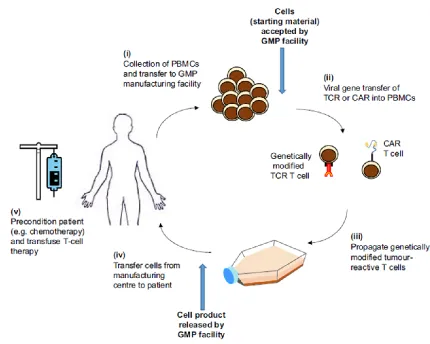
Figure 1-1. Overview of adoptive T cell therapy.
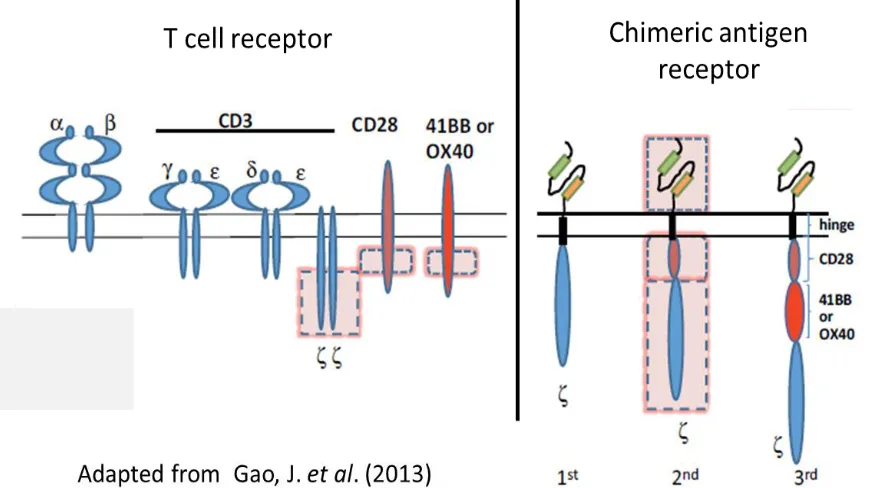
Figure 1-2. Comparison of T cell receptor (TCR) and chimeric antigen receptor (CAR) structure.
CHAPTER 2. Supraphysiologic control over HIV replication mediated by CD8 T cells expressing a re-engineered CD4-based chimeric antigen receptor
Figure 2-1. Lentiviral backbone augments CAR expression and control over HIV replication.
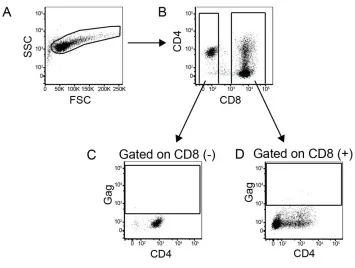
Figure 2-2. Gating strategy to separate the CD8 T cells from the CD4 T cells.
Figure 2-3. CD4 CAR Transduced CD8 T cells are not infected by cell-free HIV.
Figure 2-4. EF1α promoter and CD8α transmembrane domains improve CAR
expression and control over HIV.
Figure 2-5. Supernatant HIV Gag p24 ELISA results correlate with intracellular HIV Gag p24 staining and flow cytometry.
Figure 2-6. Gag staining in CAR CD8 T cells is not an artifact of gating on a small number of CD8 T cells.
Figure 2-7. KF11 TCR-transduced CD8 T cells recognize Gag peptides presented by CD4 T cells.
Figure 2-8. Re-directed T cells expressing a CD4 CAR are 100-fold more potent than re-directed T cells specific for B57-KF11.
Figure 2-9. CD4-based CARs control HIV more effectively than broadly neutralizing antibody-based CARs.
Figure 2-10. ScFv-based HIV specific CARs produce cytokines as well as CD4-based CAR do not control HIV replication as well as the CD4 CAR and succumb to infection.
Figure 2-11. ICOS, CD27, and 4-1BB costimulation impair control of HIV replication in vitro.
Figure 2-12. HLA-DR expression histogram.
Figure 2-13. CD4 CARs respond to Env+ cells and not MHC class II+ cells.
Figure 2-14. Optimized CAR T cells control HIV-1 replication better and expand to greater levels in vivo than first generation CAR T cells.
Fig 2-15. HIV treatment model timeline.
Figure 2-16. CAR T cells containing 4-1BB outperform CAR T cells containing CD28 in a humanized mouse HIV-treatment model.
Fig 2-17. CD4 and CD8 T cell counts for mock infected NSG mice used in the HIV treatment model.
Fig 2-18. Measures of HIV p24 Gag protein levels in plasma as detected by ultrasensitive p24 ELISA.
Fig 2-19. Summary of improvements made to original clinical trial vector.
Fig 2-20. Annotated Sequence Files for Optimized CD4 CARs and Antibody Based CARs.
x
Figure 2-22. Triplicate experiments demonstrating that the EF1α promoter and CD8α
transmembrane domains improve CAR expression and control over HIV-1.
Fig 2-23. Triplicate experiments demonstrating that the CD4 CAR is over 100-fold more potent than HIV-specific elite controller TCR in vitro.
Fig 2-24. Triplicate experiments demonstrating that the CD4 CAR controls HIV-1 more effectively than broadly neutralizing antibody based CARs.
Fig 2-25. Triplicate experiments demonstrating that CD28 and 4-1BB costimulation have opposing effects on the control of HIV-1 replication in vitro.
CHAPTER 3. Protecting CAR-Transduced CD8 T Cells from HIV Infection
Figure 3-1. Δ32 CD8 T cells delay HIV infection via the CD4 CAR compared to WT
CD8 T cells.
Figure 3-2. Inefficient CCR5 ZFN disruption precludes detecting a benefit against HIV
in vitro.
Figure 3-3. CCR5-ZFN modified CD4 CAR CD8 T cells are enriched in a humanized mouse model of HIV infection.
Figure 3-4. Lack of antiviral benefit of CCR5 ZFNs in an HIV treatment model.
Figure 3-5. The C34-CXCR4 HIV fusion inhibitor augments control over HIV replication
in vitro by the CD4 zeta CAR.
Figure 3-6. Bicistronic C34-2A-CAR vector reduces CD4 CAR MFI and result in poorer control over HIV.
CHAPTER 4. Modeling CAR T cell killing of the latent reservoir
Figure 4-1. CD4 CAR CD8 T cells reduce HIV Gag in a spinoculation model of HIV latency.
Figure 4-2. Intracellular Gag staining is not sensitive enough to detect CAR T cell reduction of HIV in ART patient CD4 T cells.
Figure 4-3. Integrated HIV DNA is more readily detected in ART patient cells.
Figure 4-4. Panobinostat increases HIV p24 Gag compared to DMSO.
Figure 4-5. Panobinostat activates robust HIV p24 Gag production in the presence of CAR CD8 T cell.
1
CHAPTER 1 – Introduction: Engineering T cells to Functionally Cure HIV-1 Infection
Parts of this chapter were previously published in:
R. S. Leibman, J. L. Riley, Engineering T Cells to Functionally Cure HIV-1 Infection. Molecular therapy : the journal of the American Society of Gene
Therapy23, 1149-1159 (2015).
Overview
Despite the ability of antiretroviral therapy (ART) to minimize Human
Immunodeficiency Virus Type 1 (HIV) replication and increase the duration and
quality of patients’ lives, the health consequences and financial burden
associated with the lifelong treatment regimen render a permanent cure highly
attractive. Although T cells play an important role in controlling virus replication,
HIV is adept at avoiding, destroying, and debilitating the naturally generated T
cell responses (1-3). Therefore, there is a need to develop HIV-specific T cells
with greater potency for use in HIV cure strategies.
Direct genetic manipulation of T cells for adoptive cellular therapies (ACT)
could facilitate a functional cure by generating HIV-1-resitant cells, re-directing
HIV-1-specific immune responses, or a combination of the two strategies (4). In
contrast to a vaccine approach, which relies on the production and priming of
HIV-1-specific lymphocytes within a patient’s own body, adoptive T cell therapy
provides an opportunity to customize the therapeutic T cells prior to
2 the HIV cure and T cell immunotherapy arenas, it remains unclear how to best
engineer T cells so that sustained control over HIV-1 replication can be achieved
in the absence of antiretroviral therapy.
Infusing more HIV-1 specific T cells fails to control HIV-1 infection
Attempts to manufacture T cells as therapeutic agents to treat HIV have
been ongoing for over two decades. After discovering the critical role that
cytotoxic T cells (CTLs) play in controlling HIV replication in vivo, researchers
sought to augment the activity of natural CTLs (5-8). When reinfusion of a single
expanded Nef-specific CTL clone led to virus escape, it became clear that
approaches that limited HIV escape would have to be employed, including more
broadly targeted CTL populations (9). Along these lines, Lieberman et al.
expanded polyclonal HIV-specific CD8 T cells from patients by using autologous
B-LCL lines pulsed with a mixture of Env, Gag, and Nef peptides prior to
reinfusion. However, the decreases in plasma and cell associated virus were
minimal and not statistically significant at 24 weeks post infusion (10). Similarly,
Tan and colleagues infused two CTL clones that were rapidly eliminated upon
reinfusion, possibly due to an over-stimulated and overly-mature Fas+/CD28
-phenotype, exacerbated by the lack of CD4 T cell help (11). Toxicity concerns
then led to the incorporation of the hygromycin phosphotransferase–thymidine
kinase (HyTK) suicide gene, which would lead to cell death in the presence of
3 retrovirally-delivered HyTK suicide vector; however, this evoked a CTL response
against the modified gene itself and elimination of infused CTLs (12). To track
homing and persistence, Brodie et al. retrovirally modified Gag-specific CTLs to
express the neomycin phosphotransferase (neo) gene (13). Although a transient
decrease in productively infected cells in the lymph node was observed and
neo-marked CTLs were co-localized with HIV RNA+ cells in the lymph nodes, CTL
persistence declined rapidly. Together, these early studies highlight the difficulty
of engineering effective, safe, and sustained HIV-specific T cell therapies.
A case for gene therapy to treat HIV-1 infection
With 20 plus years of additional wisdom, it is interesting to consider why
these initial clinical trials failed to show durable control of HIV replication. For
one, the technology to expand T cells for adoptive T cell therapy was still in its
nascent stage and has subsequently improved significantly, accelerated by
success in cancer adoptive immunotherapy (14). Initial efforts to expand single
cells in the presence of high IL-2 levels over a period of months have evolved
into procedures that manufacture equivalent or higher numbers of cells over a
period of 10 days, with better engraftment potential and more robust effector
activity. Technological advances in vector design have optimized transgene
expression by incorporating strong promoters, enhancer elements, nuclear
translocation signals, and post-transcriptional regulatory elements (15-17).
4 challenges surrounding adoptive therapy for HIV. It is now known that the
immune system makes a robust response to HIV infection, and HIV-specific CD8
and CD4 T cells can be readily identified in untreated, HIV-positive individuals
(18). However, HIV has largely figured out how to evade the natural
cell-mediated immune response (1, 19, 20). Thus, the rationale to infuse more
HIV-specific T cells is not as sound as the rationale to infuse better HIV-HIV-specific T
cells. Specifically, T cells that persist in vivo, maintain cytolytic activity, and
target epitopes required for virus replication so that escape would be
accompanied by a decrease in viral fitness. Moreover, infusing billions of
HIV-specific CD8 T cells without HIV-HIV-specific CD4 T cell help is akin to deploying
soldiers without the necessary supplies to sustain the fight. There might be
some short-term benefit, but it is difficult to imagine how a war might be won with
this strategy. Unfortunately, rapid infection and depletion of these HIV-specific
CD4 T cells negates and complicates the benefits of infusing CD4 T cells to
support CD8 cytolytic effector functions (3).
Redirecting polyclonal T cells to target HIV-1
Once the propensity for CTL-induced virus escape was established in the
early adoptive therapy trials, researchers next sought to improve upon the natural
cell-mediated cytotoxic responses by engineering artificial antigen receptors.
Conceptually, these receptors have advantages over traditional TCRs in that they
5 to bind intact, non-processed viral proteins, similarly broadening the scope of
HIV-specific CTL antigens. Importantly, these receptors need to be designed to
target sequences from which escape leads to a significant loss of viral fitness.
Affinity enhanced TCRs for adoptive T cell therapy
Joseph and co-workers demonstrated that polyclonal CD8 T cells could be
redirected to target HIV-infected cells upon transduction with a lentivirus
expressing the HIV Gag-specific SL9 TCR, which recognizes an HLA-A*02
restricted Gag epitope SLYNTVATL (A2-SL9) and is associated with lower
plasma virus levels during chronic HIV infection (21). These cells lysed
A2-SL9-expressing target cells and were able to greatly reduce HIV infection in a SCID
mouse model of HIV infection.
The low inherent affinity of TCRs for their peptide-MHC binding partners,
in the general range of 1-100µM, led researches to hypothesize that enhanced
TCR binding affinity could lead to more powerful and sustained CTL responses
(22). Affinity enhancement was invoked successfully to modify the HLA-A*01
restricted TCR specific for the NY-ESO-1 testes-specific tumor antigen. In early
clinical trials, 5/11 melanoma patients and 4/6 synovial cell sarcoma patients
experienced complete or partial responses to NY-ESO-1 TCR-transduced T cell
infusions (23). Varela-Rohena et al. reported a similar method to enhance the
6 could control both CCR5- and CXCR4-utilizing strains of HIV better than the
wild-type (WT) A2-SL9 TCR (24). Furthermore, the enhanced affinity TCR produced
higher levels of the cytokines IL-2, MIP-1β, and IFNγ in response to
A2-SL9-expressing K562 artificial antigen presenting cells (aAPCs) and could control
common SL9 escape variants not recognized by WT SL9 TCR. A clinical trial
(NCT00991224) was initiated to examine the effects of infusing WT or affinity
enhanced SL9 TCR-transduced T cells in HIV-infected patients.
Unfortunately, off-target toxicity that resulted in the death of two
participants in a different trial with an affinity-enhanced HLA-A*01 restricted
MAGE-A3-specific TCR for myeloma and melanoma patients caused concern
over the ability of investigators to predict and model the target specificity of
affinity enhanced TCRs (25). In the MAGE-A3 trial, the high affinity TCRs gained
the capacity to bind an epitope from the unrelated protein titin, expressed on
contracting cardiac tissue, and resulted in cardiac toxicity(26). As this protein is
only expressed on beating cardiomyocytes and not traditionally cultured cardiac
myocytes, this off-target killing capacity was not identified in preclinical toxicity
tests. The results of this trial underscored the need for thorough pre-clinical
bioinformatics screening to identify all proteins containing the minimal amino acid
sequences required for TCR recognition (26), combined with sophisticated cell
culture techniques to identify off-target CTL reactivity to these proteins. After
careful discussions with the NIH, FDA, and IRB, NCT00991224 was closed
7 TCR. The use of T cells expressing high affinity TCRs to target HIV, and
particularly the HIV reservoir, is still an attractive concept, predicated upon a
better understanding of the safety and specificity of these approaches.
Chimeric antigen receptors for adoptive therapy
Chimeric antigen receptors (CARs) are hybrid antigen receptors in which
an extracellular antigen binding domain is linked to intracellular T cell activation
domains, most commonly the CD3 zeta chain (27-29). More recently, second-
and third-generation CARs have been developed by including additional
costimulatory domains such as 4-1BB and/or CD28 to increase proliferation and
survival of modified cells (16, 30, 31). Unlike a TCR, where antigen binding is
physically uncoupled from signal transduction, CARs accomplish both of these
functions from a single protein (Fig 1-2). While this limits the repertoire of
potential targets to surface expressed proteins, it allows T cells to bind targets in
a high affinity, TCR-independent, MHC-unrestricted manner. Unlike TCRs,
CARs avoid the potential danger of mispairing with endogenous alpha and beta
chains to generate off-target specificities and do not compete with TCRs for
limited levels of endogenous CD3 complexes (27). CARs have been employed
successfully for cancer adoptive therapy, mediating remission in approximately
80% of acute lymphocytic leukemia patients (32-34), and development for use in
8 CARs that bind the HIV Envelope (Env) glycoprotein, which is expressed
on the surface of virions and infected cells, have been created using
HIV-specific antibody single-chain variable fragments or the host protein CD4 as the
antigen binding moieties (37-39). Pre-clinical experiments determined that
CAR-transduced CD8 T cells specifically lysed Env-expressing cells in vitro, and a
gammaretroviral vector incorporating the CD4-based CAR entered four clinical
trials (40-43). Despite the possibility that surface expression of CD4 from the
CD4 CAR could render transduced CD8 T cells susceptible to infection, the
persistence of CAR T cells was striking, with the modified cells detectable in 98%
of samples tested up to 11 years post infusion (43). Linear mixed-effects
modeling predicted a decay rate of over 16 years, with gene expression in 11/13
patients. This persistence was speculated to be the result of culture methods
that resulted in a high proportion of central memory cells, combined with
expression of a non-immunogenic transgene that may have been intermittently
stimulated in vivo through low affinity interactions with MHC class II molecules or
HIV Env due to bursts in virus replication (43). The low affinity of CD4 for MHC
class II likely prevented modified cells from attacking normal host cells (44).
Although CAR-transduced cells could not be sorted in the post-infusion patient
samples due to the inability to distinguish the CAR CD4 from endogenous CD4,
patient PBMCs were stimulated with anti-CD4 loaded K562 aAPCs and zeta
chain copy number was found to increase, suggesting the ability of CAR T cells
to proliferate in response to antigen (43). While none of the clinical trials led to
9 lack of related serious adverse events, indicating the safety of utilizing
gammaretroviral vectors for T cell directed gene therapy approaches. Moreover,
the prolonged persistence of the transduced cells is promising, as earlier T cell
infusion trials led to much more rapid decay rates. Thus, we hypothesized that
with the proper technological advances, CAR T cell expansion and functionality
could be improved to facilitate sustained control over HIV replication.
Dissertation research
Considering that almost all of the major advances in ACT with CARs have
been made for cancer-targeting CARs, it is interesting that the first CAR to reach
the clinic was an HIV-targeting CAR. Over the past 15 years, major technical
advances in ACT have been realized, both in T cell growth and transduction
procedures, and improved CAR design (14, 45). We therefore sought to apply
lessons learned from key oncology CAR studies to enhance HIV-targeting CARs
in a systematic approach.
This thesis was designed to determine what components of CARs are
critical for control over HIV replication in vitro and in vivo. We maintained the
hypothesis that a redesigned CAR which exhibited a greater cytotoxicity profile in
vitro could be revisited as a critical component of an ACT-based HIV cure
strategy. We took a stepwise approach to optimize the CAR expression levels as
well as the structural and functional features of the CD4 CAR. We asked
10 humanized mice. This research will be discussed in Chapter 2. During these
experiments, it became apparent that the CD4 CAR rendered T cells expressing
this construct susceptible to HIV infection, regardless of being a CD4 or a CD8 T
cell. Chapter 3 explored the outcome of protecting these T cells from HIV
infection and is an ongoing area of research in the lab. Finally, we asked
whether we could model the latent reservoir to gain insight into the possibility of
CARs facilitating a functional cure in HIV patients. This research will be
11
Figure 1-1. Overview of adoptive T cell therapy. Adoptive T cell therapy (ACT) is the process of removing patients’ peripheral blood mononuclear cells (PBMCs), isolating the T cells, and modifying them for therapeutic purposes prior to returning to the patient. The T cells are typically activated and expanded to augment their functionality prior to reinfusion. Additionally, antigen-specific cells (which respond to cancer or target peptides) can be selected for. More recently, T cells have been modified to express T cell receptors (TCRs) or chimeric antigen receptors (CARs) to redirect polyclonal T cells to target a specific antigen. Schematic taken from Sharpe, M. and Mount, N. 2008.
12
13
CHAPTER 2 – Supraphysiologic control over HIV replication mediated by CD8 T cells expressing a re-engineered CD4-based chimeric antigen
receptor
Abstract
HIV is adept at avoiding naturally generated T cell responses; therefore,
there is a need to develop HIV-specific T cells with greater potency for HIV cure
strategies. Starting with a CD4-based chimeric antigen receptor (CAR) that was
previously used safely in humans, we optimized the vector backbone, promoter,
HIV targeting moiety, and transmembrane and signaling domains to determine
which components augmented the ability of T cells to control HIV replication.
This re-engineered CAR was at least 50-fold more potent in vitro at controlling
HIV replication than the original CD4 CAR, or a TCR-based approach, and
substantially better than broadly neutralizing antibody-based CARs. A
humanized mouse model of HIV infection demonstrated that T cells expressing
optimized CARs were superior at promoting CAR T cell expansion, protecting
CD4 T cells, and reducing viral loads compared to the original, clinical trial CAR.
Moreover, in a humanized mouse model of HIV treatment, CD4 CAR T cells
containing the 4-1BB costimulatory domain controlled HIV spread after ART
removal better than analogous CAR T cells containing the CD28 costimulatory
domain. Together, these data indicate that potent HIV-specific T cells can be
generated using improved CAR design and that CAR T cells could be important
14
Introduction
It is well established that T cells play an important role in controlling HIV-1
(HIV) replication, and that HIV-infected individuals develop robust HIV-specific T
cell responses (6, 18). However, HIV evades the endogenous T cell-mediated
immune response by altering key residues required for T cell recognition and
downregulating class I major histocompatibility complexes (MHC) (1, 2).
Additionally, HIV-mediated depletion of HIV-specific CD4 T helper cells and the
chronic persistence of the virus functionally impair HIV-specific CD8 T cells so
that, in most individuals, T cells are unable to control HIV replication (3).
Although antiretroviral therapy (ART) can suppress HIV replication by many
orders of magnitude, it fails to eliminate the virus, forcing HIV-infected individuals
to be treated by ART regimens for the rest of their lives. ART also reduces the
number of HIV-specific T cells present, due to a massive reduction in HIV
antigen, and the T cells that remain often have functional defects (46, 47). Thus,
at the time of ART removal when the number of HIV producing cells is minimal,
the resident HIV-specific T cell immune response is ill-equipped to control the
re-emerging infection and uniformly fails, with viral loads returning to patient-specific
set point within weeks after ART removal (48). As a result, we and others have
postulated that instead of relying on the endogenous immune response to control
HIV replication as part of an HIV cure strategy, the introduction of a potent
engineered immune response designed to overcome HIV’s escape mechanisms
15 Previous ACT trials have demonstrated that simply reinfusing expanded
patient T cells does not result in durable control over HIV replication (49). Thus,
both the quality and quantity of infused HIV-specific T cells must be enhanced for
a sustained therapeutic benefit. Attempts to manufacture better T cells for ACT
have recently been made through antiviral transgenes, coreceptor editing, and
redirecting T cells with HIV-specific T cell receptors (TCRs) or chimeric antigen
receptors (CARs) (4, 49). CARs consist of an extracellular antigen binding
domain fused to intracellular T cell activation domains (52). These synthetic
receptors can redirect T cells to recognize viral proteins independent of antigen
processing, TCR, and MHC. CARs targeting CD19 have revolutionized the
treatment of leukemia and lymphomas through their ability to persist and
maintain durable anti-tumor effects in vivo (53, 54). Of note, the first CAR to
enter human trials redirected T cells to target the GP120 region of the HIV
Envelope (Env) glycoprotein (40-42). This was achieved by fusing the
extracellular and transmembrane domains of CD4, the cellular receptor for HIV,
to the CD3-zeta cytoplasmic region (CD4-zeta). HIV-specific cytotoxicity was
established in vitro, and safety was demonstrated in vivo, with transient
reductions in HIV RNA, DNA, and quantitative HIV outgrowth assays (37, 39, 41,
42, 55). A long-term follow up study determined the half-life of the CAR-modified
cells to be over 16 years, with CAR expression up to 10 years post infusion and
no serious adverse events (43). However, the CD4-zeta CAR did not lead to
sustained reductions in viral loads or the viral reservoir, and the clinical data were
16 Subsequent to the HIV CAR clinical trials, a number of advances have
been made in CAR design for optimal antitumor responses. Xenograft models
and clinical trials have established that costimulation augments function,
proliferation, and survival in vivo (16, 56, 57). In addition, CAR structural and
signaling domains have been found to greatly impact T cell function and
susceptibility to exhaustion (58, 59). For example, it was recently demonstrated
that CAR costimulatory domains influence T cell metabolic and phenotypic
profiles, with 4-1BB promoting a central memory phenotype and CD28 promoting
an effector memory phenotype (60). While there has recently been a renewed
interest in utilizing CARs to control HIV, including efforts to increase CAR T cell
function and survival, a systematic optimization of CAR T cell cytotoxicity was
lacking (61, 62). We sought to apply the lessons learned from engineering CARs
for hematologic malignancies to optimize the CD4 CAR for superior control over
HIV replication. We demonstrate here that changing the CAR expression vector,
promoter, transmembrane, and costimulatory domains improved control over HIV
in vitro by over 50-fold. In vivo, humanized mice engrafted with T cells
expressing these optimized vectors had significantly higher CD4 T cell counts,
greater CAR+ CD8 T cell proliferation after HIV infection, and 90% less HIV RNA,
compared to mice that received T cells transduced with the clinical trial CD4-zeta
CAR. An HIV treatment model demonstrated superior control over HIV
replication by 4-1BB containing CARs, compared to equivalent CARs containing
17 revisit human clinical trials with CD4 CARs that have been optimized for control
18
Results
Lentiviral backbone augments CAR expression and control over HIV
replication. Preclinical studies testing the original CD4-zeta CAR showed that T
cells expressing this construct had equivalent antiviral activity to naturally
generated HIV-specific T cells (55). We hypothesized that the reason these
clinical trials failed to demonstrate durable clinical responses was that the T cells
used in these trials were no more potent than the endogenous HIV-specific T cell
response. Therefore, we soughtto optimize the CD4-zeta CAR based on
lessons learned from cancer-specific CARs to augment control over HIV
replication (14). To do this, we optimized each component of the CAR in a
step-by-step manner. We first addressed to what extent the vector backbone
contributes to the ability of CAR+ CD8 T cells to control HIV. The original
CD4-zeta CAR was expressed by a murine retroviral vector (MMLV-based). Since
MMLV-based vectors target promoter regions and lentiviral vectors (HIV-based)
integrate preferentially into open reading frames, we reasoned that lentiviral
vectors would result in higher expression than MMLV-based vectors (63). We
generated the MMLV clinical trial construct and an analogous lentiviral vector,
both with the PGK promoter, and transduced primary human CD8 T cells.
Lentiviral transduction consistently resulted in a ~10-fold higher median
fluorescence intensity (MFI) of CAR expression compared to MMLV retrovirus
(Fig 2-1 A-D). To determine whether the higher transgene expression was the
19 copy number in the different T cell populations using a previously established
assay (43). We found that the MMLV-based vector had almost twice the number
of integrations compared to the HIV-based vector (Fig 2-1 E), indicating that the
higher transgene expression of the HIV-based vector is due to its intrinsic
properties.
A co-culture assay was used to compare the different CARs in terms of
their ability to control HIV replication (Fig 2-1 F). In this assay, HIV-infected CD4
T cells were cultured with either nontransduced (NTD) CD8 T cells or CAR
transduced CD8 T cells, and the ability of the effector CD8 T cells to control HIV
spread was measured over 7-14 days. To distinguish between HIV spread
throughout the CD4 T cells and infection of the CD4 CAR+ CD8 T cells, we gated
separately on the CD8 negative and the CD8 positive T cells, and then analyzed
intracellular p24 (Gag) in CD4 T cells and CD8 T cells, respectively (see gating
strategy in Fig 2-2). High levels of HIV replication were observed in CD4 T cells
co-cultured with NTD CD8s (Fig 2-1 G). In contrast, CD8 T cells transduced with
either a MMLV-based or HIV-based CAR vector were able to control HIV
replication at a 1:1 E:T ratio, similar to what was observed in previous studies of
this strategy (37, 39, 55). However, upon diluting the CAR transduced CD8 T
cells to lower E:T ratios, T cells transduced with the HIV-based vector were
superior at controlling HIV replication over time (Fig. 2-1 G-J). Ultimately, neither
population of transduced CD4 CAR CD8 T cells could control HIV spread at a
20 In contrast to recent reports that CD4 CAR transduced CD8 T cells are
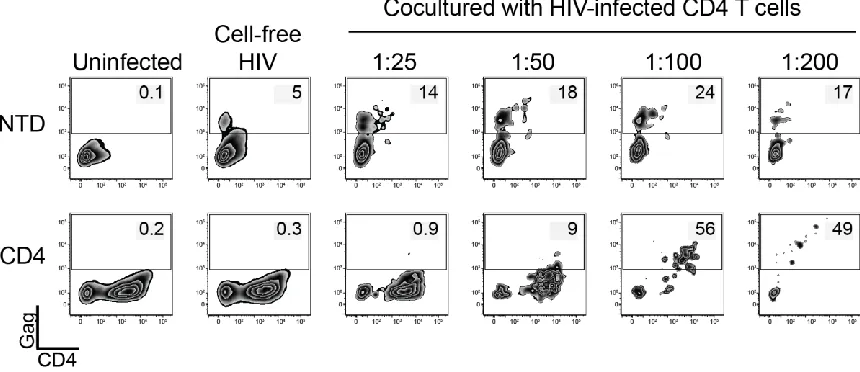
susceptible to infection by cell-free virus (61, 62), we were only able detect
intracellular Gag in CAR+ CD8 T cells after diluting to low E:T ratios with
HIV-infected CD4 T cells (Fig 2-1 H, Fig 2-3). Of note, there was a small proportion
of nontransduced CD8 T cells that stained positively for Gag, regardless of the
E:T ratio. This was likely the result of the ability of CD8 T cells to transiently
express CD4 after activation (64-67). This data highlights the complex
relationship between CD4 CAR expression and susceptibility to HIV infection. At
high E:T ratios the CAR+ CD8 T cells are able to fully suppress HIV replication,
and thus they and the co-cultured CD4 T cells are protected from HIV infection.
However, at low E:T ratios, the CAR+ CD8 T cells are no longer able to suppress
HIV replication, and the virus is able to spread throughout both populations of
cells (Fig 2-1 H).
EF1α promoter and CD8α transmembrane domains improve CAR
expression and control over HIV. Transgene expression in T cells wanes
when driven by the PGK promoter as T cells rest down. In contrast, the EF1α
promoter induces higher expression that is better sustained as T cells return to
quiescence (16). We hypothesized that the EF1α promoter might be beneficial in
our system, since greater CAR MFI expression correlated with better control over
HIV (Fig 2-1). Under the EF1α promoter, CAR expression MFI increased
~10-fold compared to the PGK promoter (Fig 2-4 A and B). Next, we substituted the
21 CAR dimerization, remove CD4 TM motifs targeted by HIV Vpu for
downregulation, decrease homology to the HIV cellular receptor, and ultimately
augment cytotoxicity (68-71). Greater control over HIV replication was achieved
by both modifications individually, and a combination of the two modifications led
to complete control over HIV replication down to a 1:50 E:T ratio (Fig 2-4 C and
E). Substitution of the CD8α TM domain decreased infection of CAR CD8 T cells
regardless of the promoter used at the 1:25 and 1:50 E:T ratios (Fig 2-4 D). We
observed similar results when examining the culture supernatants for p24 Gag
(Fig 2-5). However, as seen in Fig 2-1 and Fig 2-3, the CAR+ CD8 T cells could
be diluted to the point where they no longer controlled HIV infection and
succumbed to infection themselves (Fig 2-4D). To ensure this was not an
artifact of gating on a few CD8 T cells, we performed a larger scale experiment
where at least 1x10⁴ CD8 T cells were collected per condition and the infection
pattern was the same (Fig 2-6). Thus, altering the viral vector, promoter, and
transmembrane domains afforded a 50-fold increase in potency over the clinical
trial MMLV-based retrovirus, resulting in complete control over HIV replication at
a 1:50 E:T ratio in vitro (Fig 2-4 E and F).
Re-directed T cells expressing a CD4 CAR are 100-fold more potent than
re-directed T cells specific for B57-KF11. Elite controllers are rare individuals
who control HIV replication in the absence of ART. Certain HLA alleles, such as
HLA-B57, are overrepresented in these cohorts, suggesting that T cell responses
22 whether T cells expressing a re-engineered CD4 CAR (with the EF1α promoter
and CD8α TM) could control HIV replication better than T cells expressing a
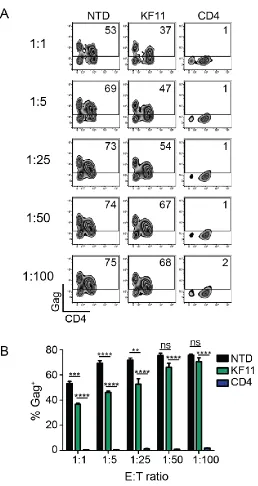
HLA-B57 restricted TCR that is associated with better control over HIV
replication. To do this, we generated an analogous lentiviral vector that
expressed the TCRα and TCRβ chain under the EF1α promoter to confer
specificity for B57-KF11 epitope (HIV p24 Gag epitope KAFSPEVIPMF) (Fig 2-7
A). To confirm these cells recognized Gag-expressing cells, we incubated them
with target CD4 T cells from HLA-B57+ individuals that were transfected with Gag
RNA, or Pol RNA as a negative control, and detected a robust Gag-specific
cytokine response (Fig 2-7 B). Next, we compared the ability of KF11 TCR
versus CD4 CAR transduced CD8 T cells to limit HIV spread in HLA-B57 CD4 T
cells. While KF11 TCR-transduced CD8 T cells reduced HIV replication down to
a 1:25 E:T ratio, complete control over HIV replication was never achieved (Fig
2-8). In contrast, the re-engineered CD4 CAR controlled HIV almost completely
down to a 1:100 E:T ratio. These data suggest that the synthetic CD4 CAR
approach is more potent than the natural TCR based approach and that the CD4
CAR approach will likely be more effective as a cellular therapy tool compared to
T cells transduced with a patient-derived, natural TCR.
CD4-based CARs control HIV more effectively than broadly neutralizing
antibody-based CARs. The most commonly used CAR ectodomains are
antibody-derived single chain variable fragments (scFvs) (52). Over the past
23 or neutralize HIV with high affinity and/or target a wide breadth of viruses (73).
We tested whether the use of scFvs to redirect T cells to HIV was superior to the
use of CD4. In addition, we wanted to test whether CD8 T cells expressing
scFv-based CARs were less susceptible to HIV infection than CD4-scFv-based CARs. A
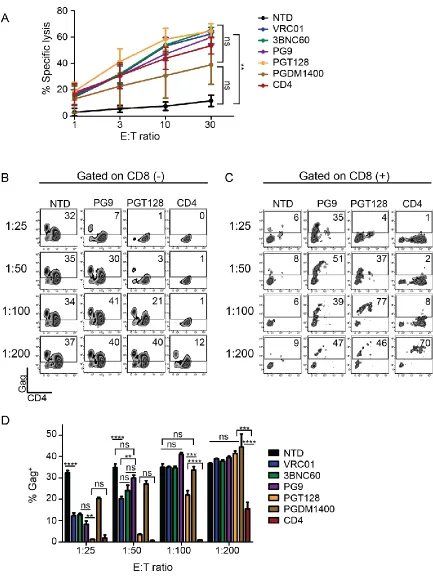
panel of scFvs derived from the VRC01, 3BNC60, PG9, PGT128, or PGDM1400
parental antibodies were generated due to their neutralization breadth and/or
potency against HIV and cloned into the most effective CAR design identified in
Fig 2-4, with the EF1α promoter and the CD8α TM domain (74, 75). To
determine that each scFv CAR had folded properly, could interact with Env, and
promote CD8 T cell lysis, we measured specific lysis of chromium labeled K562
target cells expressing the Env protein from the HIV YU2 strain. All CARs were
capable of lysing Env-expressing targets to a similar degree, indicating that these
CARs recognized HIV Env (Fig 2-9 A). Many of the scFv CARs consistently
produced higher levels of intracellular cytokines in response to Env-expressing
targets when compared to the CD4 CAR (Fig 2-10 A). However, when
co-cultured with HIV-infected CD4 T cells, the CD4 CAR controlled HIV better than
all of the scFv-based CARs (Fig 2-9 B and D, and Fig 2-10 B). Interestingly, the
PGT128 CAR repeatedly controlled HIV better than the other scFvs tested,
despite being less broad and less potent in neutralization studies than
PGDM1400 (75). Surprisingly, at low E:T ratios we detected high levels of
intracellular Gag in the scFv CD8 T cells, similar to CD4 CAR+ T cells diluted to a
1:200 E:T (Fig 2-9 C). This was not a byproduct of lentiviral transduction or
24 CAR-transduced cells (Fig 2-10 C) and thus appears to depend on HIV binding
ability, possibly concentrating the virus near the CAR-transduced cell membrane.
Based on the in vitro superiority of the CD4 CAR against this limited scFv subset,
and the inherent difficulty of HIV escaping from CD4 binding, we chose to pursue
development of CD4-based CARs for in vivo testing.
ICOS, CD27, and 4-1BB costimulation impair control of HIV replication in
vitro. T cells require costimulatory signals for proliferation, effector function, and long-term survival (76). Costimulatory domains, such as CD28 and 4-1BB, have
been incorporated into recent CAR designs for durable CAR T cell responses in
vivo (56). In chronic HIV infection, T cell dysfunction and exhaustion have been
well documented, and decreased CD28 and 4-1BB signaling impair cytolytic and
effector function (47, 77, 78). Therefore, we generated a panel of CD4 CARs
that incorporated a variety of costimulatory domains in conjunction with the
CD3-zeta domain, including CD28, 4-1BB, CD28+4-1BB, OX40, ICOS, or CD27 and
tested their ability to control HIV infection in vitro. CD8 T cells expressing CARs
that contained 4-1BB, CD27, or ICOS costimulation domains did not control HIV
as effectively as T cells expressing CARs that expressed the other costimulatory
domains, suggesting that these costimulatory pathways interfered with control of
HIV replication (Fig 2-11). Regardless of the costimulatory domain, the control
seen with these CD4 CARs was superior to the control seen with an HIV-specific
TCR (Fig 2-8) or with scFv based CARs (Fig 2-9). While CD28 promoted better
25 and in vivo activity of cancer-specific CARs containing 4-1BB had been reported
(58, 60). Thus, we were curious if this held true for HIV-specific CARs, and
decided to further characterize the safety profile and in vivo efficacy of CD4
CARs expressing either CD28 or 4-1BB.
CD4 CARs respond to Env+ cells and not MHC class II+ cells. Preclinical data
demonstrated that T cells expressing the clinical trial CD4-zeta CAR did not kill
Raji cells, which express high levels of MHC class II, the low affinity ligand of
CD4 (39). However, we were concerned that our optimized, highly expressed
CD4 CAR might recognize MHC class II expressing cells. To test this, we
measured CAR+ CD8 T cell responses against K562 cells stably expressing high
levels of the HLA-DR*0401 allele (Fig 2-12). CD8 T cells were transduced with
optimized CD4 CARs containing CD3-zeta alone or with the 4-1BB and CD28
costimulatory domains and cultured with unmodified K562 target cells,
HLA-DR*0401+ K562 cells, or HIV YU2 Env+ K562 cells. CAR transduced CD8 T cells
produced IL-2, CD107a, IFN-γ, and MIP-1β in response to HIV Env+
targets but
not in response to HLA-DR+ or parental K562s, with the most robust production
by CD28-containing CAR T cells (Fig 2-13 A). A small MIP-1β signal was
observed for all CARs mixed with parental or HLA-DR expressing targets that
was not observed with NTD controls, likely due to some constitutive signaling
observed in CAR T cells (79). It has been shown that autocrine production of
beta chemokines by CMV-specific T cells decreases CCR5 expression and
26 help protect the CAR+ CD8 T cells in vivo (80). Importantly, no difference in
cytokine or CD107a production was detected by CAR T cells cultured with
parental versus MHC class II expressing cells, suggesting that our optimized
CD4 CARs do not facilitate off-target recognition of MHC class II. Coculturing the
optimized CD28-containing CAR with HLA-DR+ K562 cells over an extended
period further confirmed the lack of off-target responses. We mixed HLA-DR+
K562 cells 1:1 with HLA-A2+ K562 control cells and did not see a change in the
ratio of the two K562 populations over time (Fig 2-13 B and C), suggesting that
the re-engineered CAR will exhibit a similar safety profile in humans as the
original CD4 CAR.
Optimized CAR T cells control HIV replication better and expand to greater
levels in vivo than first generation CAR T cells. CD19-specific CARs containing the CD28 signaling domain had superior in vitro activity than those
containing the 4-1BB signaling domain, but the 4-1BB containing CARs proved
superior in humanized mouse models and in patients (16, 54, 81). We wished to
determine whether the same was true for HIV-targeting CARs. In addition, we
wanted to determine if our optimized CD4 CARs could control HIV better in vivo
then the original CD4-zeta CAR that was tested in the clinic. To do this, we
utilized a NSG humanized T cell (NSG hu-T cell) mouse model. In this model,
detectable T cell engraftment (>10 cells per µl of blood) takes 2-3 weeks, and
over the next 2-3 months T cell engraftment slowly rises until the mice become
27 cell expansion and, paradoxically, makes the animals healthier. Thus, evidence
of GVHD and high levels of CD4 T cell engraftment are strong evidence that
anti-viral agents, such as CAR T cells in this case, are effective. Four groups of mice
were compared with different CD8 effector cell populations: nontransduced
(NTD), transduced with the optimized lentiviral vector containing either 4-1BB
(BBz) or CD28 (28z) costimulatory domains, or transduced with the clinical trial
MMLV-based vector (MMLV-CD4z). Pre-infection, baseline CD4 T cell counts
did not differ significantly between the NTD, BBz, or 28z groups, and were
significantly higher for the MMLV-CD4z treated mice (Fig 2-14 A). After HIV
infection, we observed that mice infused with T cells expressing the BBz or 28z
construct had a 17-fold and 177-fold expansion of the number of human CD4 T
cells, respectively (Fig 2-14 B). In contrast, endpoint CD4 counts were depleted
in NTD or MMLV-CD4z mice (Fig 2-14 B). Examination of the number of CAR+
CD8 T cells in the different mouse cohorts revealed 389-fold, 587-fold, and 2-fold
expansions in the BBz, 28z, and MMLV-CD4z T cells, respectively (Fig 2-14 C
and D), suggesting there is a correlation between the ability of CAR T cells to
expand and the ability to protect CD4 T cells from HIV-mediated destruction.
We also examined viral loads. Since HIV replication is highly dependent
on the number of CD4 T cells present in this model, we normalize viral load to
the number of CD4 T cells present at a given timepoint to fairly compare different
treatment groups. Seven days following HIV infection, BBz CAR T cells exhibited
the greatest control over virus replication, with many mice showing undetectable
28 contained approximately 1 normalized copy of HIV RNA per µl (Fig 2-14 E).
Eighteen days post infection, the median copy number of HIV RNA was reduced
by more than 10-fold in both BBz and 28z treatment groups, compared to the
mice that were treated with NTD T cells (Fig 2-14 F). However, MMLV-CD4z
treated mice has similar HIV RNA loads as NTD treated mice. Thus, the
optimized CARs are superior at protecting CD4 T cells, promoting CD8 T cell
expansion, and controlling HIV replication in vivo, with BBz CARs superior in
preventing the early spread of HIV.
CAR T cells containing 4-1BB outperform CAR T cells containing CD28 in
an HIV-treatment model. After establishing that optimized CARs can function in
humanized mice to control HIV replication, we next wanted to model CAR
treatment of pre-established HIV infections and further examine whether 4-1BB
or CD28 costimulation promoted better in vivo control. To mimic how CARs
would be applied in a clinical trial, we injected CAR T cells into NSG mice with a
previously established pool of HIV-infected T cells in the presence of ART and
monitored virus rebound after ART was stopped (Supplementary Fig 2-15).
After three days of HIV infection in the presence of ART, the peripheral
blood CD4 T cell counts were similar for all groups (Fig 2-16 A). However, at 18
days post ART removal CD4 T cell depletion was apparent in NTD and 28z CAR
treated mice, with significantly higher CD4 T cell counts in the BBz treatment
group (Fig 2-16 B). By the endpoint bleed, the 28z CARs demonstrated
29 lower CD4 T cell counts (Fig 2-16 C). In contrast, mock infected mice
maintained similar CD4 T cell counts in all treatment groups at all timepoints
(Supplementary Fig 2-16 A-C). Interestingly, endpoint CD4 T cell counts were
similar in this experiment for both BBz and 28z CAR treatment groups (Fig 2-16
B and C), as opposed to Fig 2-14 where CD4 counts were significantly higher in
28z treated mice. Ten days post ART removal, the CAR treated mice had higher
peripheral blood CD8 T cell counts compared to NTD mice (Fig 2-16 D). This
effect was HIV-specific, as all mock treated mice had similar CD8 T cell counts
(Fig 2-17 D). However, by 18 days post ART removal the CD8 T cell counts
were significantly higher in mice that received BBz CARs compared to NTD or
28z CAR-treated mice (Fig 2-16 E and F). This BBz CAR proliferation effect was
partially antigen independent, as greater BBz CAR expansion was also seen in
mock treated mice (Fig 2-17 E and F), consistent with the notion that 4-1BB
signaling in tumor-specific CARs promotes T cell survival (16, 58, 84)
Prior to CD8 T cell injection, while the animals were on ART, most mice
had undetectable viremia and 3/20 had very low levels of plasma HIV RNA (<1
copy per ul, Table 2-1). Ten days post ART removal, all NTD mice had
detectable plasma RNA, whereas all CAR treated mice had very low or
undetectable HIV, as measured by plasma HIV RNA (Fig 2-16 G). Similar
patterns of control were detected via measuring plasma HIV p24 Gag protein
using an ultrasentive assay (Fig 2-18). However, after 18 days post ART
removal, 28z treated mice experienced an increase in HIV replication and had
30 significantly better control (Fig 2-16 H, I and Fig 2-18 B). Together, these data
suggest that a CD4 CAR containing the 4-1BB zeta signaling domain will be most
effective in HIV cure strategies because 1) its ability to act rapidly to prevent HIV
spread (Fig 2-14 E and F), 2) its ability to durably prevent viral rebound (Fig 2-16
H and I), and 3) its ability to promote T cell survival in the absence of antigen
31
Discussion
T cell control over virus replication is enabled through potent effector
mechanisms that ensure rapid killing and prevent dissemination of progeny
viruses (85). However, HIV employs multiple strategies to evade T cell
recognition and control. For instance, the HIV Nef protein modulates expression
of MHC class I, CD28, and other proteins involved in immune recognition to
evade cytotoxic T lymphocytes (CTL) (2, 86). Additionally, the phenomenal
capacity of HIV to modify its MHC class I restricted peptide antigens promotes
escape from CTL responses (1). Moreover, due to chronic HIV persistence,
CTLs become exhausted and progressively lose their effector functions (47). For
these reasons, there is a strong rationale to develop HIV-specific T cells with
enhanced, supraphysiologic ability to control HIV replication for therapeutic
studies aimed to establish long-term control, or a “functional cure,” in the
absence of antiretroviral treatment.
We hypothesized that we could re-engineer the original CD4 CAR that
was tested in the clinic and determined to be safe and long lived, but lacked
potent antiviral activity, to develop T cells that were far more effective in
controlling HIV infection (40-42). We found that switching from a MMLV-based
gammaretroviral vector to an HIV-based lentiviral vector resulted in much higher
CAR surface expression, and expression was further augmented upon
substituting the EF1α promoter for than the PGK promoter, consistent with
previous cancer-targeting CAR studies (16). Higher CD4 CAR expression in
32 However, this was not a perfect correlation, as incorporating the CD8α TM
domain rather than CD4 TM domain resulted in lower CAR expression but
improved control over HIV replication. We favor two non-mutually exclusive
explanations of this finding: the CD8α TM domain facilitates less HIV fusion than
the CD4 TM domain, making cells less susceptible to CD4 CAR-mediated
infection; and the CD8α TM domain promotes dimerization, which may potentiate
signaling (16, 68, 70). Indeed, improved control over HIV replication by CD4
CARs inversely correlated with the susceptibility of CAR+ CD8 T cells to become
infected, suggesting that HIV infection limits CAR effector activity.
We found that, despite similar levels of specific lysis and stronger cytokine
production in response to Env+ K562 cells, scFv-based CARs could not control
HIV replication as well as CD4-based CARs in vitro, suggesting that CD4 may
recognize HIV Env expressed on the cell surface faster than the scFvs we
examined. Although it is certainly possible that additional scFv CARs could have
superior activity than those described here, we favor the use of T cells
expressing the CD4 CAR due to its extensive clinical safety profile, lack of
immunogenicity, and the dependence HIV shows for using CD4 as an entry
factor (43). While escape from antibody targeting is common in HIV, the reliance
on CD4-mediated entry suggests that escape from CD4 binding will impose
significant, if not lethal, fitness costs. As safety and efficacy of this re-engineered
CAR are demonstrated in HIV-infected individuals, combinatorial approaches
with scFv based CARs may further augment control of HIV replication in the
33 The improved control exhibited by the re-engineered CD4 CAR is
impressive, with at least a 50-fold augmentation in control over HIV replication
(Fig 2-19). Many studies have used similar methods to study the ability of
previous CD4 CAR designs and HIV-specific T cells to limit HIV replication in
vitro and an E:T ratio of 1:1 was generally required to obtain complete control, in
line with what we observed with these constructs (37, 39, 55). The superiority of
CARs compared to a TCR-based approach may be due to antigen-binding
affinity, target cell-binding avidity, T cell activation kinetics, or bypassing the
detrimental effects HIV Nef (2). Overall, the potent control achieved by the
re-engineered CARs provides optimism for clinical utility and achieving a functional
cure.
We opted to use a NSG hu-T cell mouse model in which human T cells
isolated from human donors would be manufactured in an analogous manner as
a clinical trial. While there are certainly drawbacks to this model, such as GVHD
and the inability to replace CD4 T cells once they are depleted by HIV infection,
this model has been successfully used in preclinical, FDA mandated biotoxicity
and efficacy studies (83, 87) and has mirrored the outcome of several clinical
trials exploring gene therapy approaches to treat HIV infection (82, 83). Our in
vivo results demonstrated that the re-engineered CD4 CARs had potent antiviral
activity, vastly superior to the original CD4-zeta CAR construct. Interestingly, we
saw superior control by the 4-1BB containing CARs both early in infection within
the HIV prevention model and more durable control at late timepoints within the
34 contrast to the mouse data, our in vitro studies show that CD28 costimulation
promoted higher cytokine production and better control over HIV replication,
relative to a CD4 CAR containing 4-1BB costimulation.
One way to reconcile the difference between our in vitro and in vivo finding
is to consider CAR T cell expansion kinetics. We showed in vitro that if the CAR+
CD8 T cells are in sufficient numbers, they can prevent the spread of infection in
all cells; however, if they fall below a critical level, then both the CD4 T cells as
well as the CAR+ CD8 T cells are infected and HIV begins to spread. In our HIV
treatment model, effective early control results in an expansion of more CD4 T
cell targets. If the CAR+ CD8 T cells fail to expand in proportion to the CD4 T
cells or are depleted by HIV, then they may fall below the critical threshold
required to control HIV replication. Differences in the relative expansions of BBz
and 28z CARs in vivo, which may partially be due to better antigen-independent
expansion of BBz, may underlie the differences in HIV control observed between
Fig 2-11 and Fig 2-16. In support of this hypothesis, we observed less 28z CD8
T cell expansion relative to BBz and this correlated to less viral control (Fig
2-16). Moreover, by the end of the HIV-prevention model, shown in Fig 2-14,
similar control by either CAR resulted when the 28z CARs expanded to a similar
degree as the BBz CARs.
In any case, one would predict using CCR5 ZFNs (88), C34 based fusion
inhibitors (87), or other methods to protect CD4 CAR expressing cells from HIV
infection would further potentiate the therapeutic potential of CD4 CAR T cells.
35 functional cure in which durable T cell control may need to last for decades.
Together, our data suggests that CD4 CARs containing the 4-1BB costimulation
domain may be the most effective way to deliver T cell control of HIV replication.
Unfortunately, there is no animal model that faithfully mirrors HIV infection in
humans, and issues of trafficking, immune privilege, and durability are difficult to
fully model in humanized mice. Nonetheless, these data provide the rationale to
re-visit the clinical utility of CD4 CAR in HIV-infected individuals and provide
optimism for CAR T cells to achieving durable control over HIV in the in the