
The Applicability of Technology Acceptance Model 3 in
an Education Management Information System in the
Kingdom of Saudi Arabia
By
Abdullah Altowayan
A Doctoral thesis
submitted in partial fulfilment of the requirements
for the award of
Doctor of Philosophy of Loughborough University
August 2017
I
This study aims to explore the applicability of Technology Acceptance Model 3 in the Kingdom of Saudi Arabia in an educational context. Therefore, this study investigates the antecedents, moderators, and socio-demographic variables relating to Technology Acceptance Model 3, and what their effect is on technological acceptance.
The Kingdom of Saudi Arabia has witnessed rapid growth with the adoption of information systems that have enhanced its services. The Noor system is considered to be one of the largest adopted information systems in the Middle East (Abu-Ghazaleh, 2012). It is an education management information system that manages information and educational data; it also serves 65 stakeholders and more than ten million users. Information systems have previously been investigated in terms of their success, satisfaction, acceptance, and system usage. Some literature suggests that understanding individual acceptance and use of information technology is among the most mature streams of information systems research (Benbasat and Barki, 2007; Hirschheim, 2007; Mardiana et al., 2015; Rondan-Cataluña et al., 2015). Thus, studying the Noor system using Technology Acceptance Model 3 should promote usage and explore factors that hinder its usage. It is nevertheless clear that the implementation process presented its own challenges.
The study was based in the Kingdom of Saudi Arabia. A total of 730,180 emails were sent, and 10,711 responses were received. Therefore, the overall response rate was 1.47 percent. The sample comprised both male and female users from three groups: 1,655 teachers (15.5%); 3,666 students (34.2%); and 5,390 parents (50.3%). A comprehensive online questionnaire was designed to suit the study using Technology Acceptance Model 3 literature. This were pre-tested, validated, and then uploaded to the Smart Survey online database for data collection. Technology Acceptance Model 3 was adopted to identify factors that determine the use of the Noor system. Previous literature reviews concerning Technology Acceptance Model 3 were used to formulate the hypotheses that governed the relationships between constructs.
II
questionnaires had 16 main hypotheses, alongside three extra hypotheses (investigating the effect of socio-demographic variables, and the beta estimates and their effect on H2 and H3), thus bringing the total number of hypotheses for the entire study to 19. The survey was designed to capture information from both Saudi and non-Saudi users of the Noor system. The main data analysis was conducted using structural equation modelling in AMOS: specifically, the maximum likelihood estimate method, and moderation testing.
Technology Acceptance Model 3 was found to be appropriate for studying the Noor system in the Kingdom of Saudi Arabia. It was found to be applicable to the Kingdom of Saudi Arabia when studying the Noor system under both the mandatory and voluntary conditions. Likewise, it was found to be applicable to the non-Saudi from other Middle Eastern countries who used Arabic as their main teaching language. The study also found that Technology Acceptance Model 3 should not only be limited to its traditional moderators, but rather that researchers should explore the possibility of testing and incorporating additional socio-demographics as moderators. Likewise, a Saudi cultural background was found to have a strong effect on Behavioural Intention in using the Noor system, as well as Perceived Usefulness when compared to the non-Saudi from other Middle Eastern countries. Lastly, the study noted the importance of measuring Use Behaviour in Technology Acceptance Model 3 and not ignoring this factor, especially with self-reported usage.
The study offers numerous contributions to the literature on Technology Acceptance Model 3, regarding both main relationships and socio-demographic variables. It can thus be concluded that this study should have some impact beyond the borders of the Kingdom of Saudi Arabia, especially in the Middle East. The findings and recommendations of this study lay a strong groundwork for enacting policy measures, alongside implementation by the government of the Kingdom of Saudi Arabia, to ensure that the Noor system is a success within and beyond the borders of Saudi Arabia.
III
I would like to express my deepest gratitude to Allah for His various graces that have been bestowed upon me, of which the completion of my PhD degree is one of the greatest. I am very grateful to my initial supervisors, the late Prof. Mark Hepworth and Wendy Olphert.
I am extremely grateful to my supervisors, Dr Jonathan Seaton and Prof. Louise Cooke, for the valuable feedback, advice and encouragement. I am grateful to them for providing useful comments and suggestions on an early draft of this PhD. I am grateful to Dr Gillian Ragsdell. I am very grateful to my colleagues in the Centre for Information Management for their valuable comments and suggestions. I also would like to thank my sponsor, the Ministry of Education (MOE) in the Kingdom of Saudi Arabia, for their help in collecting the data for this thesis and for the scholarship they awarded me. Likewise, I am grateful to the cultural attaché in London for their help and support. I am particularly grateful to the people who participated in the data collection survey.
I am very grateful to my wife Raniyah who takes care of my two sons and daughter. Thanks once again for her encouragement, service and care of me. I am also grateful to my father and mother who have been very encouraging and have wished me success. Lastly, I am very grateful to my two sons, Abdulrahman and Muhammad, and to my daughter Ghena for their support and patience.
IV
Abstract ... I Acknowledgements ... III Table of Contents ... IV List of Tables ...XIV List of Figures ... XX Glossary of Abbreviations ... XXII
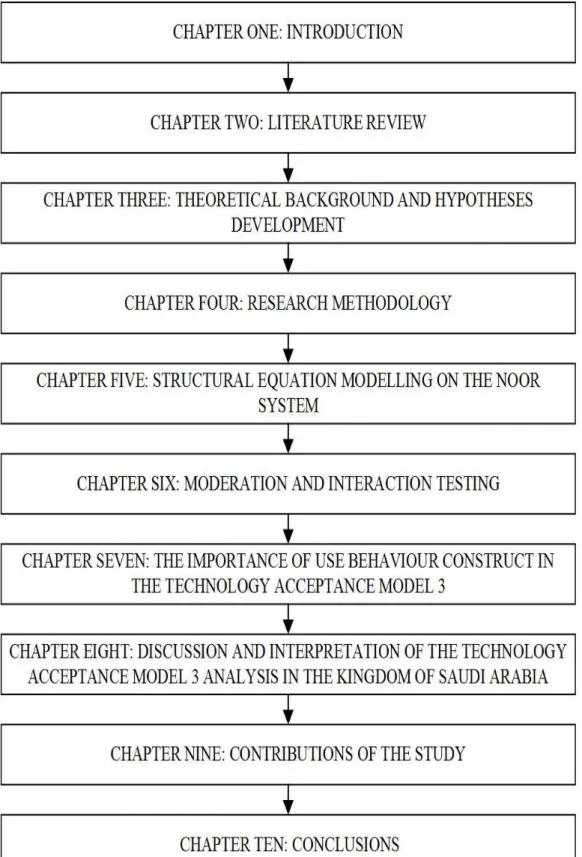
1 CHAPTER ONE: INTRODUCTION ... 1
1.1. Introduction ... 1
1.2. Noor System ... 1
1.3. Background on Information Technology in the Kingdom of Saudi Arabia ... 4
e-Government ... 6
e-Commerce (shopping) ... 9
e-Finance (banking) ... 12
e-Health ... 12
e-Education (learning) ... 13
1.4. Motivation for this Research ... 18
1.5. Scope of the Research ... 19
1.6. Research Aim and Objectives ... 20
1.7. Significance of the Research ... 21
1.8. Structure of the Thesis ... 22
1.9. Conclusion ... 26
2 CHAPTER TWO: LITERATURE REVIEW ... 27
2.1. Introduction ... 27
Information Technology Acceptance ... 29
The Models and Theories of Individual Acceptance ... 30
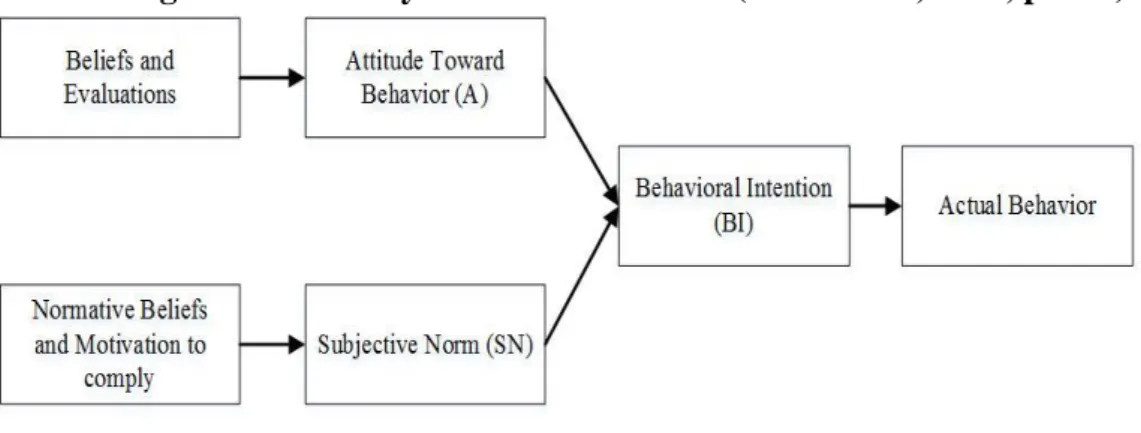
2.1.2.1. Theory of Reasoned Action ... 30
2.1.2.2. Technology Acceptance Model (TAM) ... 33
2.1.2.3. The Extension of the Technology Acceptance Model (TAM 2) ... 37
2.1.2.4. The Development of Technology Acceptance Model 3 ... 42
2.1.2.5. Motivational Model (MM) ... 48
V
2.1.2.8. Model of PC Utilisation (MPCU) ... 52
2.1.2.9. Diffusion of Innovation Theory (DOI) ... 52
2.1.2.10. Social Cognitive Theory (SCT) ... 52
2.1.2.11. Unified Theory of Acceptance and Use of Technology (UTAUT) ... 53
2.2. The Technology Acceptance Model in Relation to Other Approaches to Evaluating Technology Acceptance ... 53
2.3. A Review of Technology Acceptance Model Studies Conducted in the Middle Eastern Countries ... 57
2.4. The Evolution and Application of Technology Acceptance Models in the Middle East ... 61
The Application of Technology Acceptance Model Studies in the Middle East ... 61
The Application of Technology Acceptance Model Studies in the Kingdom of Saudi Arabia ... 62
The Application of Technology Acceptance Model 2 Studies in the Middle East ... 63
The Application of Technology Acceptance Model 2 Studies in the Kingdom of Saudi Arabia ... 63
The Application of Technology Acceptance Model 3 Studies in the Middle East ... 64
2.5. Technology Acceptance Model 3 Studies Outside the Middle East ... 64
Introduction ... 64
Technology Acceptance Model 3 Studies Search Criteria ... 65
Technology Acceptance Model 3 Studies Outside the Middle East ... 66
Technology Acceptance Model 3 Studies Without the Adjustments (Perceived Enjoyment and Objective Usability) ... 67
Technology Acceptance Model 3 Studies with Intention to Use (Technology Acceptance Model 2) and Attitude. ... 70
2.6. The Role of Social Influence in Information Systems ... 76
2.7. The Effect of Retaining or Discarding Use Behaviour as the Main Dependent Variable in Technology Acceptance Model 3 Under a Self-Reported System Usage 78 2.8. Conclusion ... 80
3 CHAPTER THREE: THEORETICAL BACKGROUND AND HYPOTHESES DEVELOPMENT ... 81
VI
3.3. The Effect of Perceived Usefulness on Behavioural Intention in Technology
Acceptance Model 3 ... 83
3.4. The Effect of Perceived Ease of Use on Behavioural Intention ... 85
3.5. The Effect of Perceived Ease of Use on Perceived Usefulness ... 86
3.6. The Effect of Subjective Norm on Behavioural Intention ... 87
3.7. The Effect of Subjective Norm on Perceived Usefulness ... 88
3.8. The Effect of Subjective Norm on Image ... 89
3.9. The Effect of Image on Perceived Usefulness ... 89
3.10. The Effect of Job Relevance on Perceived Usefulness ... 89
3.11. The Effect of Results Demonstrability on Perceived Usefulness ... 90
3.12. The Effect of Computer Self-Efficacy on Perceived Ease of Use ... 91
3.13. The Effect of Perceptions of External Control on Perceived Ease of Use ... 91
3.14. The Effect of Computer Anxiety on Perceived Ease of Use ... 92
3.15. The Effect of Computer Playfulness on Perceived Ease of Use ... 92
3.16. The Effect of Perceived Enjoyment on Perceived Ease of Use ... 93
3.17. The Effect of Objective Usability on Perceived Ease of Use ... 93
3.18. The Effect of Additional Moderators of Perceived Ease of Use and Perceived Usefulness for the Noor System Users ... 94
3.19. The Effect of Perceived Ease of Use and Perceived Usefulness on Behavioural Intention upon Removing Use Behaviour from Technology Acceptance Model 3 .... 96
3.20. The Effect of Removing Use Behaviour on the Explained Variance in Behavioural Intention, Perceived Ease of Use, and Perceived Usefulness ... 98
3.21. Conclusion ... 99
4 CHAPTER FOUR: RESEARCH METHODOLOGY ... 101
4.1. Introduction ... 101
Research Philosophy/Epistemology ... 102
Positivism and Interpretivism Paradigms ... 102
4.1.2.1. Positivism ... 102
4.1.2.2. Interpretivism ... 103
4.2. Research Approach and Design ... 103
Research Approach ... 103
Research Design ... 104
VII
Sampling Technique ... 105
4.4. Reliability and Validity of the Questionnaires ... 107
4.5. Questionnaire Design ... 108
4.6. Translations ... 108
4.7. Pilot Survey ... 109
4.8. Development of the Questionnaire ... 110
4.9. The Distribution of the Questionnaires ... 113
4.10. Data Screening ... 114
Outliers ... 115
Handling Missing Data ... 115
Normality Test ... 115
4.10.3.1. Joint Multivariate Kurtosis ... 116
4.10.3.2. Multicollinearity Test ... 117
Descriptive and Preliminary Statistics ... 118
Composite Reliability Testing (CR) ... 121
Construct Validity ... 122
4.10.6.1. Convergent Validity Testing ... 123
4.10.6.2. Divergent Validity Testing ... 124
4.11. SEM ... 127
Measurement Model Assessment ... 132
Overall Measurement Model Fit ... 133
Model Improvement ... 137
Comparative Fit Indices Measures for MLE and ADF Estimates ... 138
The Adjusted Fit Indices, the Bollen-Stine p Value, and RMSEA ... 139
MLE ... 141
4.12. Conclusion ... 143
5 CHAPTER FIVE: STRUCTURAL EQUATION MODELLING ON THE NOOR SYSTEM ... 145
5.1. Introduction ... 145
5.2. General Hypotheses Testing ... 146
Teachers’ Data... 147
Parents’ Data ... 149
VIII
6 CHAPTER SIX: MODERATION AND INTERACTION TESTING ... 157
6.1. Introduction ... 157
6.2. Group Moderation ... 157
Teachers and Students ... 157
6.2.1.1. Teachers and Parents ... 158
Students and Parents ... 159
6.3. Nationality (Saudi and non-Saudis) ... 161
6.4. Noor System Experience... 162
Experience of Less Than 6 Months and 6-12 Months ... 163
Experience 6-12 Months and 1-2 Years ... 164
Experience 1-2 Years and 2-3 Years ... 165
Experience 2-3 Years and 3-4 Years ... 166
Experience 3-4 Years and over 4 Years ... 167
6.5. Gender ... 169
6.6. Internet Proficiency ... 170
Internet Proficiency between Very Low (1) and Low (2) ... 170
Internet Proficiency between Low (2) and Satisfactory (3) ... 171
Internet Proficiency between Satisfactory (3) and Good (4) ... 172
Internet Proficiency between Good (4) and Very Good (5) ... 173
Internet Proficiency between Very Good (5) and Excellent (6)... 174
6.7. Internet Access at Work ... 175
6.8. Internet Access at Home ... 177
6.9. Internet Experience ... 179
Internet Experience between less than 6 months and 6 months-12 months 180 Internet Experience between 6 months-12months and 1-2 years ... 181
Internet Experience between 1-2 years and 2-3 years ... 181
Internet Experience between 2-3 years and 3-4 years ... 182
Internet Experience between 3-4 years and 4-8 years ... 183
Internet Experience between 4-8 years and 8-12 years ... 184
Internet Experience between 8-12 years and more than 12 years ... 185
6.10. Age ... 187
Age between less than 15 years and 15-16 years ... 187
IX
Age between 25-35 years and 35-45 years ... 191
Age between 35-45 years and 45-55 years ... 192
Age between 45-55 years, and more than 55 years ... 193
6.11. Educational Level ... 195
Education Level between intermediate school and secondary school ... 195
Education Level between secondary school and diploma degree ... 196
Education Level between diploma degree and bachelor degree ... 197
Education Level between master’s degree and PhD ... 198
Education Level between PhD and Other ... 199
6.12. Moderation Interaction... 201
6.13. Conclusion ... 202
7 CHAPTER SEVEN: THE IMPORTANCE OF THE USE BEHAVIOUR CONSTRUCT IN THE TECHNOLOGY ACCEPTANCE MODEL 3 ... 204
7.1. Introduction ... 204
7.2. The Comparative fit Indices... 205
7.3. Comparative Investigation of H2, and H3 Using the Technology Acceptance Model 3 without the Use Behaviour Construct ... 207
Teachers’ Data... 208
The Path Diagram on the Teachers’ Model Without the Use Behaviour Construct ... 208
Parents’ Data ... 211
Path Diagram of the Parents’ Model Without the Use Behaviour Construct ... 211
Students’ Data ... 214
Path Diagram on the Students’ Model Without the Use Behaviour Construct ... 214
7.4. Comparative R-squared Values for Groups Upon the Removal of the Construct Use Behaviour ... 217
7.5. Conclusion ... 218
8 CHAPTER EIGHT: DISCUSSION AND INTERPRETATION OF THE TECHNOLOGY ACCEPTANCE MODEL 3: ANALYSIS IN THE KINGDOM OF SAUDI ARABIA ... 220
8.1. Introduction ... 220
8.2. Testing the Appropriateness of the Noor System in the Kingdom of Saudi Arabia Using the Technology Acceptance Model 3 ... 220
X
Users (Voluntary) in the Kingdom of Saudi Arabia ... 222
H1: Use Behaviour <---Behavioural Intention ... 222
H2: Behavioural Intention <---Perceived Usefulness ... 223
H3: Behavioural Intention <---Perceived Ease of Use ... 224
8.3.3.1. H3a: Behavioural Intention <---Perceived Ease of Use X Experience 225 H4: Perceived Usefulness <---Perceived Ease of Use ... 227
8.3.4.1. H4a: Perceived Usefulness <---Perceived Ease of Use X Experience . 228 H5: Behavioural Intention <---Subjective Norm ... 229
8.3.5.1. H5a: Behavioural Intention<---Subjective Norm X Experience ... 230
8.3.5.2. H5b: Behavioural Intention<---Subjective Norm X Voluntariness ... 231
8.3.5.3. H5d: Behavioural Intention<---Subjective Norm X Voluntariness X Experience (Mandatory Setting) ... 233
8.3.5.4. H5f: Behavioural Intention<---Subjective Norm X Voluntariness X Experience (Voluntary Setting) ... 234
H6: Perceived Usefulness <---Subjective Norm ... 235
8.3.6.1. H6a: Perceived Usefulness <---Subjective Norm X Experience ... 236
H7: Image <---Subjective Norm ... 237
H8: Perceived Usefulness <---Image ... 238
H9: Perceived Usefulness <---Job Relevance ... 238
8.3.9.1. H9a: Perceived Usefulness <---Job Relevance X Output Quality ... 239
H10: Perceived Usefulness <---Results Demonstrability ... 240
H11: Perceived Ease of Use <--- Computer Self-Efficacy ... 240
H12: Perceived Ease of Use <---Perceptions of External Control ... 241
H13: Perceived Ease of Use <---Computer Anxiety ... 242
8.3.13.1. H13a: Perceived Ease of Use <---Computer Anxiety X Experience.. 243
H15: Perceived Ease of Use <---Perceived Enjoyment ... 244
8.3.14.1. H15a: Perceived Ease of Use <---Perceived Enjoyment X Experience ... 244
H14: Perceived Ease of Use <---Computer Playfulness and H16: Perceived Ease of Use <---Objective Usability ... 245
8.4. Exploring the Role that the Demographics Moderators can Play in the Acceptance of The Noor System by Testing the Technology Acceptance Model 3 246 Subjective Norm (H5) versus Demographic Variables ... 249
XI
8.4.2.1. Teachers ... 256
8.4.2.2. Parents ... 257
Teachers: Subjective Norm X Experience X Voluntariness ... 257
Parents: Subjective Norm X Experience X Voluntariness ... 257
Group/ Nationality/ Gender/ Experience using Noor (Behavioural Intention Subjective Norm X Experience X Voluntariness) ... 258
The Effect Size of Perceived Usefulness on Behavioural Intention (H2) ... 258
8.4.6.1. Gender ... 258
8.4.6.2. Age ... 259
8.4.6.3. Education Level ... 259
8.4.6.4. Experience Using the Noor System ... 259
8.4.6.5. Internet Proficiency ... 260
8.4.6.6. Internet Experience ... 260
The Effect Size of Perceived Ease of Use on Behavioural Intention (H3) . 260 8.4.7.1. Gender ... 260
8.4.7.2. Age ... 261
8.4.7.3. Education Level ... 261
8.4.7.4. Experience Using the Noor System ... 262
8.4.7.5. Internet Proficiency ... 262
8.4.7.6. Internet Experience ... 263
8.5. Investigating the Influence of Saudi Culture (Subjective Norm) on Behavioural Intention and Perceived Usefulness of the Noor System. ... 263
8.6. Investigating the Effect of Retention or Deletion of Use Behaviour as the Main Dependent Variable in the Technology Acceptance Model 3 Under a Self-Reported System Usage ... 264
8.7. Conclusion ... 266
9 CHAPTER NINE: CONTRIBUTIONS OF THE STUDY ... 269
9.1. Introduction ... 269
9.2. Contributions of the Study in Relation to the main Constructs and Determinants in the Technology Acceptance Model 3 ... 269
9.3. Contributions Based on the Proposed Socio-Demographic Variables and Subjective Norm ... 281
9.4. Contributions Based on the Importance of Retaining Use Behaviour as the main Dependent Variable in the Technology Acceptance Model 3 Under the Self-reported Usage ... 284
XII
10 CHAPTER TEN: CONCLUSIONS ... 287
10.1. Introduction ... 287
10.2. Main Findings ... 287
Testing the Appropriateness of Noor System in the Kingdom of Saudi Arabia Using the Technology Acceptance Model 3 ... 287
Comparing the Applicability of the Technology Acceptance Model 3 on the Noor System Among the Organisational Users (Mandatory) and Public/Non-Organisational Users (Voluntary) In the Kingdom of Saudi Arabia ... 288
Exploring the Role that the Demographics Moderators Can Play on the Acceptance of the Noor System by Testing the Technology Acceptance Model 3 ... 289
Investigating the Influence that Saudi Culture has on the Behavioural Intention and Perceived Usefulness to Use the Noor system ... 289
Investigating the Effect of Retention or Deletion of Use Behaviour as the Main Dependent Variable in the Technology Acceptance Model 3 Under a Self-Reported System Usage ... 290
10.3. Questionnaire Design ... 291
10.4. Limitations of the Study ... 291
10.5. Recommendations, and Suggestions on Further Research ... 293
10.6. Concluding Remarks ... 294 References ... 295 11 Appendices ... 312 Appendix A ... 312 Appendix B ... 315 Appendix C ... 348 Appendix D ... 349 Appendix E ... 355 Appendix F ... 360 Appendix G ... 366 Appendix H ... 378 Appendix I ... 394 Appendix J ... 400 Appendix K ... 406 Appendix L ... 408
XIII
XIV
Table 4.1: The Pilot Study Sample (Source: MOE Noor Administrator, 2014) ... 110
Table 4.2: The Source for the TAM 3 Constructs ... 111
Table 4.3: The Socio-Demographics Used in the Noor System Study ... 112
Table 4.4: Multicollinearity test ... 118
Table 4.5: The System Usage Setting ... 118
Table 4.6: Average Variance Extracted (AVE), and Construct Reliability (CR) of the 14 constructs in the final model. ... 124
Table 4.7: Discriminant Validity Test. ... 126
Table 4.8: Variables and the number of items measured in the TAM 3 ... 132
Table 4.9: The MLE fit indices measures (model 1). ... 137
Table 4.10: The MLE fit indices measures (model 2). ... 138
Table 4.11: The ADF fit indices measures (final model). ... 139
Table 4.12: The chi statistics in the model. ... 140
Table 5.1: Standardised Regression Weights for the overall model. ... 147
Table 5.2: Teachers’ Standardised Regression Weights. ... 149
Table 5.3: Parents’ Standardised Regression Weights. ... 151
Table 5.4: Students’ Standardised Regression Weights. ... 153
Table 5.5: Comparative Group Standardised Regression Weights. ... 154
Table 5.6: Comparative R-Squared Values on Groups. ... 154
Table 6.1: The fit indices measures; Group model. ... 157
Table 6.2: Moderation testing between Teachers and Students. ... 158
Table 6.3: Moderation testing between Teachers and Parents. ... 159
Table 6.4: Moderation testing between Students’ and Parents’. ... 160
Table 6.5: The fit indices measures; Nationality model. ... 161
Table 6.6: Moderation testing between Saudis and non-Saudis. ... 162
Table 6.7: The Fit Indices Measures; Noor System Experience Model. ... 163
Table 6.8: Moderation testing on Experience between < 6 months and 6-12 months. 164 Table 6.9: Moderation testing on Experience between 6-12 months and 1-2 years. .... 165
Table 6.10: Moderation testing on Experience between 1-2 years and 2-3 years. ... 166
Table 6.11: Moderation testing on Experience between 2-3 years and 3-4 years. ... 167
Table 6.12: Moderation testing on Experience between 3-4 years and over 4 years. .. 168
Table 6.13: The fit indices measures; Gender model. ... 169
Table 6.14: Moderation testing on Experience between males and females. ... 169
Table 6.15: The fit indices measures; Internet proficiency. ... 170
Table 6.16: Moderation testing on Internet proficiency between very low and low. ... 171
Table 6.17: Moderation testing on Internet proficiency between low and satisfactory. ... 172
Table 6.18: Moderation testing on Internet proficiency between satisfactory and good. ... 173 Table 6.19: Moderation testing on Internet proficiency between good and very good. 174
XV
Table 6.21: The fit indices measures; Internet access at work model. ... 176
Table 6.22: Moderation testing on Internet access at work. ... 177
Table 6.23: The fit indices measures; Internet access at home model. ... 178
Table 6.24: Moderation testing on Internet access at home. ... 179
Table 6.25: The fit indices measures; Internet Experience model ... 179
Table 6.26: Internet Experience between less than 6 months and 6 months-12 months ... 180
Table 6.27: Internet Experience between 6 months-12months and 1-2 years ... 181
Table 6.28: Internet Experience between 1-2 years and 2-3 years ... 182
Table 6.29: Internet Experience between 2-3 years and 3-4 years ... 183
Table 6.30: Internet Experience between 3-4 years and 4-8 years ... 184
Table 6.31: Internet Experience between 4-8 years and 8-12 years ... 185
Table 6.32: Internet Experience between 8-12 years and more than 12 years ... 186
Table 6.33: Fit indices measures on Age ... 187
Table 6.34: Age between less than 15 years and 15-16 years ... 188
Table 6.35: Age between 15-16 years and 16-17 years ... 189
Table 6.36: Age between 16-17 years and 17-18 years ... 190
Table 6.37: Age between 18-25 years and 25-35 years ... 191
Table 6.38: Age between 25-35 years and 35-45 years ... 192
Table 6.39: Age between 35-45 years and 45-55 years ... 193
Table 6.40: Age between 45-55 years, and more than 55 years ... 194
Table 6.41: Fit indices measures on Educational Level model ... 195
Table 6.42: Education Level between intermediate school, and secondary school ... 196
Table 6.43: Education Level between secondary school, and diploma degree ... 197
Table 6.44: Education Level between diploma degree, and bachelor degree ... 198
Table 6.45: Education Level between master degree, and PhD ... 199
Table 6.46: Education Level between PhD, and Other ... 200
Table 7.1: The comparative fit indices measures (final model without Use Behaviour). ... 207
Table 7.2: Teachers’ Standardised Regression Weights without Use Behaviour. ... 208
Table 7.3: Parents’ Standardised Regression Weights without Use Behaviour. ... 211
Table 7.4: Students’ Standardised Regression Weights without Use Behaviour. ... 214
Table 7.5: Comparative R-Squared Values on Groups. ... 218
Table 11.1: Overall comparative analysis based on the pooled data inclusive of moderation interactions, and one time cross-sectional events (T1). ... 312
Table 11.2: Univariate test of Behavioural Intention on Use Behaviour; tests of Between-Subjects Effects ... 315
Table 11.3: Univariate test of Perceived Usefulness on Behavioural Intention; tests of Between-Subjects Effects ... 315
Table 11.4: Univariate test of Perceived Ease of Use on Behavioural Intention; tests of Between-Subjects Effects. ... 315
XVI
Table 11.6: Univariate test of Perceived Ease of Use * Experience on Behavioural Intention; tests of Between-Subjects Effects. ... 317 Table 11.7: Univariate test of Perceived Ease of Use on Perceived Usefulness; tests of Between-Subjects Effects. ... 317 Table 11.8: Univariate test on Perceived Ease of Use X Experience on Perceived
Usefulness; tests of Between-Subjects Effects. ... 317 Table 11.9: Univariate test of Perceived Ease of Use * Experience on Perceived
Usefulness; tests of Between-Subjects Effects. ... 318 Table 11.10: Univariate test of Subjective Norm on Behavioural Intention; tests of Between-Subjects Effects. ... 319 Table 11.11: Univariate test of Subject Norm * Experience on Behavioural Intention; tests of Between-Subjects Effects... 319 Table 11.12: Univariate test on Subjective Norm and Experience on Behavioural
Intention; tests of Between-Subjects Effects. ... 319 Table 11.13: Univariate test on Voluntariness * Subject Norm on Behavioural Intention; tests of Between-Subjects Effects... 321 Table 11.14: Univariate test on Voluntariness * Subject Norm on Behavioural Intention; tests of Between-Subjects Effects... 321 Table 11.15: Univariate test on Voluntariness * Subject Norm on Behavioural Intention; tests of Between-Subjects Effects... 322 Table 11.16: Univariate test on Voluntariness * Subject Norm * Experience on
Behavioural Intention; tests of Between-Subjects Effects. ... 322 Table 11.17 Univariate test on Voluntariness * Subject Norm * Experience on
Behavioural Intention; tests of Between-Subjects Effects. ... 323 Table 11.18: Univariate test on Voluntariness * Subject Norm * Experience on
Behavioural Intention; tests of Between-Subjects Effects. ... 325 Table 11.19: Univariate test on Subject Norm on Perceived Usefulness; tests of
Between-Subjects Effects. ... 325 Table 11.20: Univariate test on Experience * Subject Norm on Perceived Usefulness; tests of Between-Subjects Effects... 326 Table 11.21: Univariate test of Subject Norm on Image; tests of Between-Subjects Effects. ... 327 Table 11.22: Univariate test of Image on Perceived Usefulness; tests of
Between-Subjects Effects. ... 327 Table 11.23: Univariate test of Job Relevance on Perceived Usefulness; tests of
Between-Subjects Effects. ... 327 Table 11.24: Univariate test of Job Relevance * Output Quality on Perceived
Usefulness; tests of Between-Subjects Effects. ... 328 Table 11.25: Univariate test of Results Demonstrability on Perceived Usefulness; tests of Between-Subjects Effects. ... 328 Table 11.26: Univariate test of Computer Self-Efficacy on Perceived Ease of Use; tests of Between-Subjects Effects. ... 328
XVII
Table 11.28: Univariate test of Computer Anxiety on Perceived Ease of Use; tests of Between-Subjects Effects. ... 329 Table 11.29: Univariate test of Computer Anxiety * Experience on Perceived Ease of Use; tests of Between-Subjects Effects. ... 329 Table 11.30: Univariate test of Perceived Enjoyment on Perceived Ease of Use; tests of Between-Subjects Effects. ... 330 Table 11.31: Univariate test of Experience * Enjoyment on Perceived Ease of Use; tests of Between-Subjects Effects. ... 330 Table 11.32: Univariate test (Age): Subjective Norm on Behavioural Intention; tests of Between-Subjects Effects. ... 331 Table 11.33: Univariate test (Gender): Subjective Norm on Behavioural Intention; tests of Between-Subjects Effects. ... 332 Table 11.34: Univariate test (Used Noor system help and support): Subjective Norm on Behavioural Intention; tests of Between-Subjects Effects. ... 332 Table 11.35: Univariate test (Internet access at home): Subjective Norm on Behavioural Intention; tests of Between-Subjects Effects. ... 333 Table 11.36: Univariate test (Internet experience): Subjective Norm on Behavioural Intention; tests of Between-Subjects Effects. ... 333 Table 11.37: Univariate test (Internet proficiency): Subjective Norm on Behavioural Intention; tests of Between-Subjects Effects. ... 334 Table 11.38: Univariate test (Average time for using the internet): Subjective Norm on Behavioural Intention; tests of Between-Subjects Effects. ... 335 Table 11.39: Univariate test (Education level): Subjective Norm on Behavioural
Intention; tests of Between-Subjects Effects. ... 338 Table 11.40Univariate test (Monthly income): Subjective Norm on Behavioural
Intention; tests of Between-Subjects Effects. ... 340 Table 11.41: Univariate test (Job region): Subjective Norm on Behavioural Intention; tests of Between-Subjects Effects... 341 Table 11.42: Univariate test (Internet access at work): Subjective Norm on Behavioural Intention; tests of Between-Subjects Effects. ... 342 Table 11.43: Univariate test (Attending training): Subjective Norm on Behavioural Intention; tests of Between-Subjects Effects. ... 342 Table 11.44: Univariate test (Receiving support with Noor system account): Subjective Norm on Behavioural Intention; tests of Between-Subjects Effects. ... 343 Table 11.45; Teachers’ Univariate test (Group * Nationality * Gender * Education level): Subjective Norm * Experience on Behavioural Intention; tests of Between-Subjects Effects. ... 343 Table 11.46: Parents’ Univariate test (Group X Nationality X Gender X Education level): Subjective Norm * Experience on Behavioural Intention; tests of Between-Subjects Effects. ... 344
XVIII
Between-Subjects Effects. ... 345
Table 11.48: Parents’ Univariate test (Group X Nationality X Gender X Education level): Subjective Norm * Experience on Behavioural Intention; tests of Between-Subjects Effects. ... 346
Table 11.49: Univariate test (Nationality X Gender X Experience using Noor system): Subjective Norm * Experience * Voluntariness on Behavioural Intention; tests of Between-Subjects Effects. ... 347
Table 11.50: Items for the original TAM 3 Constructs. Source (Venkatesh and Bala, 2008, p. 313 & 314). ... 348
Table 11.51: Questionnaire Summary Statistics; 10 Guttmann Scale ... 366
Table 11.52: Questionnaire 6 Point Likert scale ... 367
Table 11.53: Questionnaire 5 Point Likert scale ... 367
Table 11.54: Questionnaire Summary Statistics; 7 Point Likert Scale... 368
Table 11.55: Questionnaire Descriptive Statistics ... 372
Table 11.56: Univariate test of Perceived Usefulness on Behavioural Intention; tests of Between-Subjects Effects ... 394
Table 11.57: Univariate test of Perceived Usefulness on Behavioural Intention; tests of Between-Subjects Effects ... 394
Table 11.58: Univariate test of Perceived Usefulness on Behavioural Intention; tests of Between-Subjects Effects. ... 395
Table 11.59: Univariate test of Perceived Usefulness on Behavioural Intention; tests of Between-Subjects Effects ... 396
Table 11.60: Univariate test of Perceived Usefulness on Behavioural Intention; tests of Between-Subjects Effects ... 397
Table 11.61: Univariate test of Perceived Usefulness on Behavioural Intention; tests of Between-Subjects Effects. ... 398
Table 11.62: Univariate test of Perceived Ease of Use on Behavioural Intention; tests of Between-Subjects Effects ... 400
Table 11.63: Univariate test of Perceived Ease of Use on Behavioural Intention; tests of Between-Subjects Effects ... 400
Table 11.64: Univariate test of Perceived Ease of Use on Behavioural Intention; tests of Between-Subjects Effects ... 401
Table 11.65: Univariate test of Perceived Ease of Use on Behavioural Intention; tests of Between-Subjects Effects ... 402
Table 11.66: Univariate test of Perceived Ease of Use on Behavioural Intention; tests of Between-Subjects Effects ... 403
Table 11.67: Univariate test of Perceived Ease of Use on Behavioural Intention; tests of Between-Subjects Effects ... 404
Table 11.68: Summative table on the three groups ... 406
Table 11.69: The adjusted fit indices... 408
Table 11.70: Original Model with Items and Construct Reliabilities... 409
XX
Figure 1-1: Noor System login website ... 1
Figure 1-2: The Teachers’ Main Page on the Noor System. ... 3
Figure 1-3: The Students’ Main Page on the Noor System. ... 3
Figure 1-4: The Parents’ Main Page on the Noor System. ... 4
Figure 1-5: Research Outline ... 25
Figure 2-1: Theory of Reasoned Action (Davis et al., 1989, p. 984). ... 31
Figure 2-2: The Technology Acceptance Model Literature Review Outline ... 34
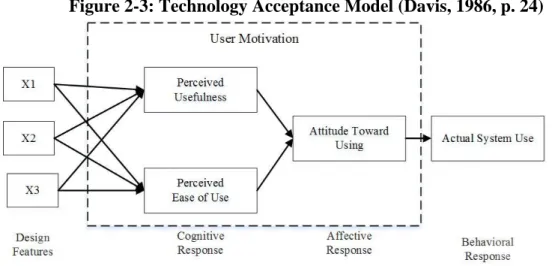
Figure 2-3: Technology Acceptance Model (Davis, 1986, p. 24) ... 35
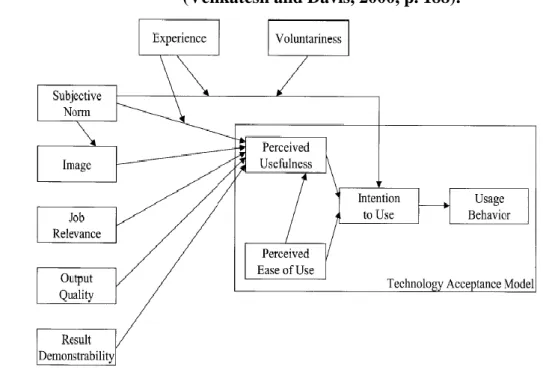
Figure 2-4: The Extension of The Technology Acceptance Model (TAM 2) (Venkatesh and Davis, 2000, p. 188). ... 38
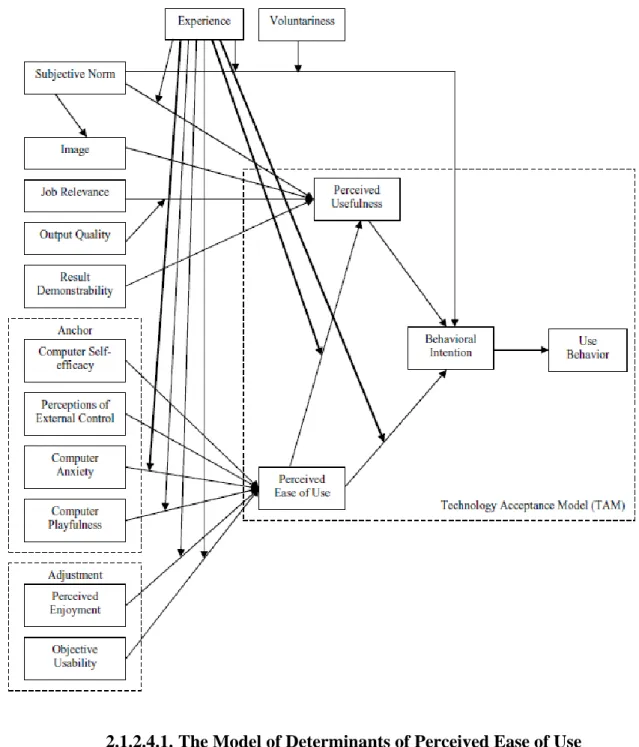
Figure 2-5: Technology Acceptance Model (TAM 3) (Venkatesh and Bala, 2008, p. 280). ... 43
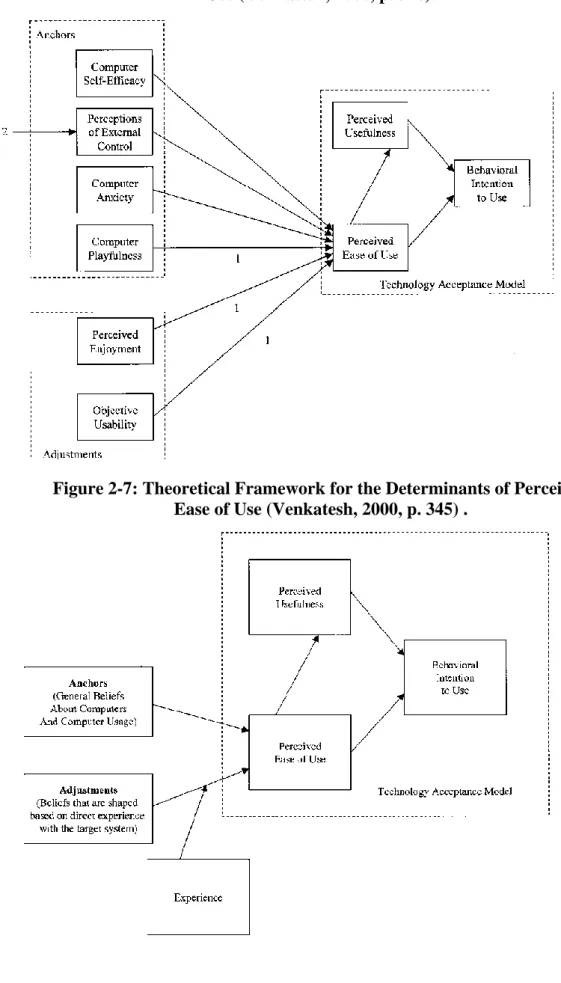
Figure 2-6: Theoretical Model of the Determinants of Perceived Ease of Use (Venkatesh, 2000, p. 346). ... 44
Figure 2-7: Theoretical Framework for the Determinants of Perceived Ease of Use (Venkatesh, 2000, p. 345) . ... 44
Figure 3-1: A Diagram Representing the Hypotheses ... 82
Figure 4-1: The path diagram with all the constructs before the deletion of some items ... 131
Figure 4-2:MLE Noor System Model. ... 142
Figure 5-1: MLE Teachers’ model. ... 148
Figure 5-2:MLE Parents’ model. ... 150
Figure 5-3: MLE Students’ model. ... 152
Figure 7-1: Path Diagram on Teachers without Use Behaviour ... 209
Figure 7-2: Path Diagram on Teachers with Use Behaviour ... 210
Figure 7-3:Path Diagram on Parents without Use Behaviour ... 212
Figure 7-4: Path Diagram on Parents with Use Behaviour ... 213
Figure 7-5: Path Diagram on Students without Use Behaviour ... 215
Figure 7-6: Path Diagram on Students with Use Behaviour ... 216
Figure 11-1 : Interaction effect between Perceived Ease of Use and Experience using Noor on Behavioural Intention among the Saudis Parents’. ... 316
Figure 11-2: Interaction effect of Perceived Ease of Use and Experience using Noor on Perceived Usefulness among Saudis Teachers’... 318
Figure 11-3: The effect size of Subjective Norm and Experience on Behavioural Intention on Teachers’. ... 320
Figure 11-4: The effect size of Subjective Norm and Experience on Behavioural Intention on Students’. ... 320
Figure 11-5: The effect size of Subjective Norm and Experience on Behavioural Intention on Parents’. ... 321
Figure 11-6: The interactive effect of Subjective Norm* Voluntariness* Experience using Noor system on Behavioural Intention among the non-Saudi Teachers’. ... 323
XXI
Figure 11-8: The interactive effect of Subjective Norm* Voluntariness* Experience using Noor system on Behavioural Intention among the Saudis Students’ under the voluntary setting. ... 324 Figure 11-9: The interaction effect of Subjective Norm* Experience using Noor system on Perceived Usefulness among the non-Saudis Teachers’. ... 325 Figure 11-10: The interaction effect of Subjective Norm* Experience using Noor system on Perceived Usefulness among the Saudis Teachers’... 326 Figure 11-11: The effect size of age on the relationship between Subjective Norm and Behavioural Intention among the non-Saudis Teachers’. ... 331 Figure 11-12: The effect of internet proficiency on the relationship between Subjective Norm and Behavioural Intention among the non-Saudis Students’. ... 334 Figure 11-13: The effect of average time for using the internet on the relationship between Subjective Norm and Behavioural Intention among the Saudis Teachers’. ... 335 Figure 11-14: The effect of educational level on the relationship between Subjective Norm and Behavioural Intention among non-Saudis Teachers’. ... 336 Figure 11-15: The effect of education level on the relationship between Subjective Norm and Behavioural Intention among Saudis Parents’. ... 336 Figure 11-16: The effect of education level on the relationship between Subjective Norm and Behavioural Intention among Saudis Teachers’. ... 337 Figure 11-17: The effect of educational level on the relationship between Subjective Norm and Behavioural Intention among non-Saudis Parents’. ... 337 Figure 11-18: The effect of monthly income on the relationship between Subjective Norm and Behavioural Intention among the non-Saudis Teachers’. ... 338 Figure 11-19: The effect of monthly income on the relationship between Subjective Norm and Behavioural Intention among the non-Saudis Parents’. ... 339 Figure 11-20: The effect of monthly income on the relationship between Subjective Norm and Behavioural Intention among the Saudis Teachers’. ... 339 Figure 11-21: The effect of monthly income on the Subjective Norm and Behavioural Intention among the Saudis Parents’. ... 340
XXII
Glossary of Abbreviations
AMOS Analysis of moment structures
ADF Asymptotically distribution-free estimates AVE Average variance extracted
BI Behavioural Intention B2C Business-to-customer CR Composite Reliability CANX Computer Anxiety CPLAY Computer Playfulness CSE Computer Self-Efficacy
C-TAM-TPB Combined Technology Acceptance Model and Theory of Planned Behaviour Model
CFA Confirmatory factor analysis DOI Diffusion of innovation theory EXP Experience
GIT Green information technology
IMG Image
ICT Information and communication technology IS Information systems
IT Information technology
IBAM Internet banking acceptance model REL Job Relevance
KPIs Key performance indicators KSA Kingdom of Saudi Arabia MLE Maximum likelihood estimates m-Learning Mobile learning
ME Middle East
MOE Ministry of Education MM Motivational model OU Objective Usability
OTE Organisational, technical, and environmental model OUT Output Quality
PEOU Perceived Ease of Use ENJ Perceived Enjoyment PU Perceived Usefulness
PEC Perceptions of External Control PCs Personal computers
RES Results Demonstrability SB Satorra-Bentler
SMEs Small and medium enterprises SCT Social cognitive theory
XXIII
SPSS Statistical Package for the Social Sciences SEM Structural equation modelling
SN Subjective Norm
T1 The first time data were collected
T2 The second time data were collected in the same study T3 The third time data were collected in the same study TAM Original Technology acceptance model
TAM 2 Technology Acceptance Model 2 TAM 3 Technology Acceptance Model 3 TPB Theory of planned behaviour TRA Theory of reasoned action UAE United Arab Emirates UK United Kingdom USE Use Behaviour VOL Voluntariness
1
1
CHAPTER ONE: INTRODUCTION
1.1.
Introduction
This chapter describes the general acceptance and use of information technology (IT) in the Kingdom of Saudi Arabia (KSA), the Noor system, the background information on information technology in the KSA , the motivation and scope of the research, the research aims and objectives, the significance of the study, and the structure of the thesis. It ends with the conclusion to Chapter One.
1.2.
Noor System
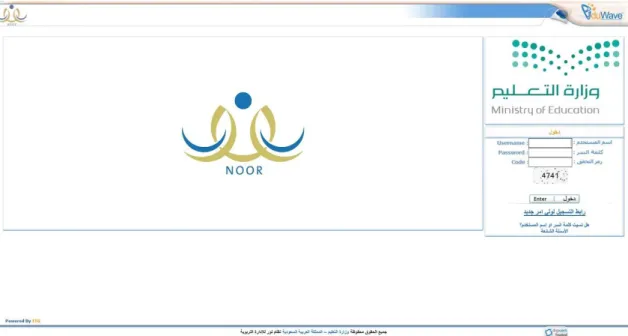
The Noor system (https://noor.moe.gov.sa) (see Figure 1-1) was acquired by the Ministry of Education in the KSA in 2010. It is an education management information system (EMIS) for managing information and educational data. It provides a range of 2763 e-Services, available anytime and anywhere, for 65 types of stakeholder/user, including teachers, principals, students, parents and ministry staff. It offers full functionality for schools and human resource administration within the MOE by providing statistics, reports and key performance indicators (KPIs) concerning education (ITU, 2013).
2
The main aim of implementing the Noor system was to ensure accuracy, and high-quality outcomes among its stakeholders within a short period of time. Prior to the implementation of the Noor system, students had to wait for a period of five weeks before getting their results. Currently, students can review their grades a day after sitting their exams. Students enrolled in schools run by the Ministry of Education in the KSA, or based abroad, can access their grades anytime, anywhere, via the Noor system website (SPA, 2012). The Noor system won the World Summit on the Information Society (WSIS) Project Prize for the application of information and communication technology to e-Learning, on the 14th of May 2012. Over 170 projects from 50 countries were nominated for the prize (Abu-Ghazaleh, 2012).
The Noor system was chosen to be studied for several reasons. First, it has been applied widely across the KSA, with close to ten million users in both the organisational sector and the public sector, and therefore lends itself to being surveyed easily. Second, it is a complex system and cuts across different types of stakeholders/users, who use it for different purposes from management reporting to everyday school administration. Third, it offers the opportunity to apply Technology Acceptance Model 3 (TAM 3) to a uniform system, as opposed to previous studies that involved surveying participants using a range of technologies. Fourth, its results are likely to be more relevant in the context of the way technology is moving: that is, technology being confined to a purely organisational context, rather than being used more widely within organisational and non-organisational contexts. This will likely make the findings from the Noor system more applicable in the context of the KSA.
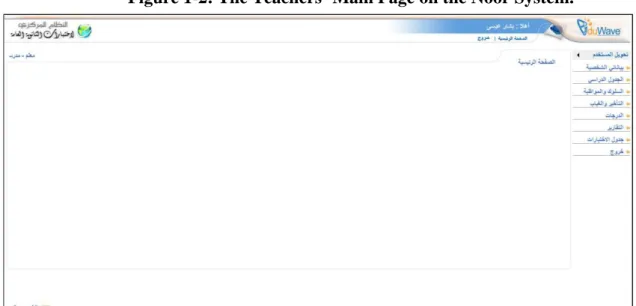
The main participants in the Noor study were teachers, students and parents. Figure 1-2, Figure 1-3 and Figure 1-4 show overviews of their respective main webpage accounts. Figure 1-2 represents the teachers’ webpage. It is comprised of seven main sections: (1) the account holder’s personal information, which is made up of four sub-sections; (2) the teaching timetable; (3) the students’ behaviour and attendance records, which comprise two sub-sections; (4) late attendance and absence records; (5) the students’ marks; (6) reports; and (7) exam timetables, which comprise nine sub-sections.
3
Figure 1-2: The Teachers’ Main Page on the Noor System.
Figure 1-3 (below) shows the students’ account webpage. It has four main sections: (1) the account holder’s personal information, which comprises two sub-sections; (2) the lesson timetable; (3) the exam timetable; and (4) reports, which comprise three sub-sections.
Figure 1-3: The Students’ Main Page on the Noor System.
Figure 1-4 (below) shows the parents’ account webpage. It has two main sections: (1) the account holder’s personal information, which comprises two sub-sections, and (2) the students’ section. The students’ section is further categorised into three sub-sections: (1) exams, (2) lesson timetable, and (3) reports. The reports section is itself categorised into three sub-sections: (1)
4
attendance and absence reports, (2) attendance and absence statistics, and (3) late attendance statistics.
Figure 1-4: The Parents’ Main Page on the Noor System.
1.3.
Background on Information Technology in the
Kingdom of Saudi Arabia
The KSA was founded according to the fundamentals of Islamic teachings and the Arabian culture. It was estimated to have a total population of about 31.7 million persons as of the year 2016 (GAStat, 2016). According to the 2016 demographics survey published by GAStat (2016), the population of Saudi nationals was 20.1 million. In 2000, the penetration rate of internet usage in the KSA was estimated at 2.2% (472,917 users); however, as of 1st July 2016, the estimate had grown to 64.7% with an estimated 20,813,695 internet users (Internet Live Stats, 2016). These statistics show that, between the years 2000 and 2016, there has been an exponential increase in the penetration rate of internet users in the KSA. Internet Live Stats (2016) defines an internet user as an “individual who can access the Internet at home, via any device type and
connection”.
It is vital for governments and businesses to adopt information technology when making important and accurate decisions. While the mishandling of information technology can lead to the loss of money, its proper management can lead to increased profits for an organisation, government, or individual business. Thus,
5
it is good practice to put in place the appropriate mechanisms and policies regarding the way information is collected, managed and processed. Similarly, it is necessary that proper attention is accorded to systems that perform key tasks, in order to maximise the benefits of the system adopted.
Since the 1980s, information systems in the KSA especially in the fields of IT, the telecommunications sector, and individual value-added businesses have witnessed a rapid growth due to the improved economy. Wood (2010) states that experts believe the total value of information and communications technology businesses in the KSA to have grown to £2 billion in 2010. This was expected to rise to £2.8 billion by 2014, making it the second highest revenue-earning sector, after petroleum. Similarly, the government of the KSA has been promoting its development goals using information technologies.
Developed countries are the main producers of information systems and technologies, which are thus often considered biased towards their own social and cultural development. Hill et al. (1998) suggest that difficulties arise when systems designed for developed countries are introduced in developing countries with different social and cultural customs. If the differences are poorly addressed and managed, there is the likelihood of a poor outcome or total failure when the systems are introduced. On the same note, a study conducted by Atiyyah (1989, p. 5) reported that, in the KSA, information technology is frequently hindered by technical, organisational and human problems:
Cultural conflicts between the organisation and management style of Western and Arab institutional leaders and workers have impacted the system development process and produced unsuccessful approaches to computer use and policy.
This study investigates the applicability of a predictive model -TAM 3- for the measurement of technology acceptance in the Ministry of Education in the KSA. Attention has been paid to the key differences (cultural factors) in the KSA which might influence the acceptance of the Noor system in a positive or negative way. The following sections describe some of the existing studies
6
within the KSA regarding e-Government, e-Commerce (shopping), e-Finance (banking), e-Health, and e-Education (learning).
e-Government
The Saudi Ministry of Education won a United Nations international award for its e-Learning application, the Noor system, as well an e-Government Achievement Award for education management for the e-Government program “Yesser”. Noor provides e-services that directly serve teachers, parents, supervisors, and students, thus making the educational process in schools and educational departments more efficient regarding student registration, transfer, guidance and counselling services, educational supervision services, and educational training services.
E-Government initiatives based on information technology were first launched in the KSA in 2001, with the aim of using information and communication technology (ICT) “as a tool to reform public organizations” (Abanumy et al., 2005, p. 102). Among various recommendations, the authors’ study proposed policies for accessing the web, and an enforcement procedure that would help the government to understand barriers that make the e-Government websites inaccessible to Saudis. Political, cultural, organisational, technological, and social issues were the main factors reported that would help in the transformation and adoption of e-Government services in the KSA (AL-Shehry et al., 2006).
The diffusion of innovation (DOI) theory was used to investigate factors that would influence user behaviour in adopting and using e-services in the KSA. Al-Ghaith et al. (2010) used multiple regression analysis to investigate the main predictors Perceived Ease of Use and Quality of internet which were reported to significantly influence the adoption of e-service, while a positive relationship was reported between privacy and the adoption of e-services. Relative Advantage was also reported to influence the adoption and usage of e-services. Regarding gender, Saudi women were reported to be more likely to adopt and use e-services than Saudi men.
7
An empirical study was conducted by interviewing government officials in the city of Madinah in the KSA. The study investigated the role played by intermediaries in helping e-Government diffusion in the KSA (Al-Sobhi and Weerakkody, 2010, p. 14). Online security issues were reported to hinder both government officials and citizens from embracing Government. Similarly, e-Government infrastructure was not evenly integrated to allow all government departments to use the e-Government portals with some government services not being available online. The authors noted that “the establishment of
intermediaries in KSA has not proven as successful as expected”, and thus, availability, accessibility and enhancement of privacy and security were recommended as the main intermediaries that can play a significant role in the diffusion of e-services in the KSA.
Although the KSA has adopted e-Government and made it a top priority, several challenges have cropped up mainly due to technological, cultural, organisational, and social factors (Alshehri and Drew, 2010; Al-Sobhi et al., 2011). Alshehri and Drew (2010) proposed several measures to address some of these challenges :
• establishing a strong and modern information and communication technology infrastructure,
• addressing security and privacy issues with respect to information and communication technology,
• increasing citizens’ awareness on e-Government services,
• training of government employees,
• creating professionally built and updated websites,
• training of top managers and leaders to support the adoption of information and communication technology,
• increasing collaboration and cooperation between government agencies,
• addressing cultural and social factors that may influence the adoption of information and communication technology in the KSA,
8
In a study to investigate the influence of intermediaries on citizens’ adoption of e-Government services in Madinah in the KSA, Al-Sobhi et al. (2011) used the unified theory of acceptance and use of technology (UTAUT) model. The study reported a significant relationship between Effort Expectance, Trust in Internet, Trust Intermediary, and e-Government Adoption Behaviour. Similarly, a significant relationship was reported between Facilitating Conditions and usage of e-Government services. The authors’ study concludes that the better the facilitating conditions, the more the adoption challenges are minimized. This in turn enhances trust and, thus, encourages citizens’ engagement in e-Government services.
The intention of citizens to adopt e-Government services in the KSA faces its own challenges. In their study, Alateyah et al. (2013, p. 601) integrated the Technology Acceptance Model (TAM), the DOI, and UTAUT models to investigate factors that might influence the adoption of e-Government services in KSA. The main factors identified as potentially influencing Saudis’ intention to adopt e-Government services were “quality of service, diffusion of innovation, computer and information literacy, culture, lack of awareness, technical infrastructure, website design, and security”.
The UTAUT was used to investigate the role of intermediaries (e-offices) in facilitating the adoption and diffusion of the traffic department’s e-Government services in Madinah in the KSA (Weerakkody et al., 2013). Performance Expectancy, Effort Expectancy, and Trust in Intermediaries were all reported to have a positive and significant influence on Behavioural Intention to use e-Government, which in turn influenced Use Behaviour of e-Government via intermediaries. Social Influence and Trust in Internet had no significant causal effect on the Behavioural Intention influencing the Use Behaviour governing the use of e-Government services through e-offices. Thus, e-offices were concluded to be vital platforms that can improve trust and facilitate the adoption and diffusion of e-Government services in the KSA.
9
e-Commerce (shopping)
A model was used based on the theory of planned behaviour (TPB) and the DOI to investigate the adoption of and perspectives on e-Commerce in the KSA. Relative advantage of e-Commerce and internet banking were reported to influence the adoption of e-Commerce (Sait et al., 2004). Attitude and Perceived Behavioural Control were reported to significantly influence the adoption of Commerce in the KSA. Males were reported to be more likely to adopt e-Commerce compared to females. It was also evident that people living in major cities had a higher affinity towards the adoption of e-Commerce compared with people living in smaller cities or towns. Finally, intention to adopt e-Commerce was reported to be significantly influenced by the number of computers and technological gadgets one has at home.
Perceived Enjoyment, Perceived Usefulness, and Subjective Norm were reported to be the core determinants for the continuance of e-shopping intentions among women in the KSA (Al-Maghrabi and Dennis, 2009). Using TAM in the study, the authors noted that Perceived Enjoyment had the most influence on continued e-shopping intentions, with a direct effect on women no matter if their spending habits were high or low. Perceived Enjoyment was followed by Subjective Norm, and then Perceived Usefulness.
In another study, the theory of reasoned action (TRA) model was adopted, along with the TPB model to investigate the determinants for e-Commerce customer satisfaction, trust and loyalty among business-to-customer (B2C) e-Commerce customers from the Eastern Province of the KSA (Eid, 2011). The author’s study noted that B2C e-Commerce Customer loyalty was greatly influenced by Customer Satisfaction, although Customer Trust had a weak influence on B2C e-Commerce use. Similarly, Perceived Security Risk and Perceived Privacy were weak determinants of e-Commerce Service Satisfaction but strong determinants of Trust in e-Commerce service. Quality of User Interface was shown to positively influence Trust, while Information Quality was reported to be a weak determinant of Trust. Customer Loyalty was also reported to significantly influence User Interface Quality and Information Quality. In summary, User Interface Quality and Information Quality greatly influenced
10
online Customer Satisfaction and Loyalty, while use of e-Commerce websites were greatly influenced by security and privacy issues, and user interface design quality.
E-Commerce adoption and the factors that influence it have been investigated by organisations within the KSA (Al-Hudhaif and Alkubeyyer, 2011). The Perceived e-Readiness model (PERM) was adapted for the study. The model had two major constructs: Perceived Organisational e-Readiness (POER) and Perceived External e-Readiness (PEER). The constructs of the PERM model addressed innovation, management, organisation, and environmental factors. The Perceived Organisational e-Readiness factors were reported to influence the institutionalisation of e-Commerce positively. Similarly, the Perceived External Readiness factors were reported to influence the initial adoption of e-Commerce positively. In summary, the authors noted that environmental factors had the highest likelihood of influencing the initial adoption of e-Commerce in the KSA, while internal organisation factors were the main determinants of e-Commerce adoption.
The organisational, technical, and environmental (OTE) model has also been applied to investigate e-Commerce adoption among owners/managers of small and medium enterprises (SMEs) in the KSA (Almoawi and Mahmood, 2011). The OTE model proposes that organisation, technical, and environmental factors influence the adoption of e-Commerce. Multiple regression analysis was used as the main analytical approach. Attitude, Competition Intensity, Information Intensity, and Size of Firm were the strongest, positive and significant predictors of e-Commerce adoption in the KSA, while Relative Advantage and Owner’s Knowledge were reported as significant negative predictors. Complexity of Technology, Owner’s Innovativeness, and Compatibility had no significant effect on the adoption of e-Commerce.
A preliminary study was conducted to investigate the diffusion of e-Commerce and factors that influenced its adoption among 16 retailers in the KSA (AlGhamdi et al., 2011). The authors used the DOI, with its five perceived attributes: Relative Advantage, Compatibility, Complexity, Trialability and
11
Observability. Among the 16 retailers, cultural and technical issues were highlighted as some of the main challenges to e-Commerce. The authors recommended the adoption of facilitating factors to overcome the main challenges. Some of the facilitating factors were as follows: promotion of educational programmes and public awareness of e-Commerce, e-Commerce support and assistance by the KSA government; creation of trustworthy and secure online payment platforms; improvement of information and communication technology infrastructure; and provision of the retailers with an e-Commerce software sample for trial. A year later, AlGhamdi et al. (2012) presented their actual finding on the diffusion and adoption of onlineretailing in the KSA. In their summary, the authors listed the main challenges impeding the adoption of e-Commerce by retailers in the KSA as follows: lack of enthusiasm from consumers regarding online business transactions, lack of clear legislation and rules on e-Commerce, and lack of experience of e-Commerce. Online payments through trustworthy and secure platforms, enhanced information and communication technology infrastructure, e-Commerce awareness programmes, and government regulation and support were all recommended as part of a larger framework that should motivate retailers to adopt e-Commerce in the KSA.
A revised TAM was integrated with expectation confirmation theory to investigate the influence of age on the continuance of intentions towards e-shopping in the KSA (Al-Maghrabi et al., 2011). Perceived Enjoyment, Subjective Norm, and Perceived Usefulness were reported as the main constructs influencing continuance of intentions towards e-shopping. Perceived Enjoyment was reported to be the strongest predictor when compared to Perceived Usefulness and Subjective Norm. Younger people were reported to be influenced more by evaluations of other people’s opinions. Site Quality and Trust showed large indirect effects on Continuance of Intentions, prompting the authors to conclude that the Saudis only trust people within their in-group. Younger people were also reported to be influenced more by Trust, Enjoyment and Continuance of Intentions compared to the older generation.
Another study used the OTE model to investigate e-Commerce adoption amongSMEs in the KSA. The authors noted that the level of e-Commerce usage
12
was very low, and that it was necessary to improve customer readiness for online purchases, in order for the KSA to be ranked among the mature e-Commerce nations of the world (Al-Somali et al., 2013).
The extended e-Commerce TAM was used to investigate perceptions of risk regarding internet shopping among Americans and Saudi Arabians (Brosdahl and Almousa, 2013). Attitude, Intention, Perceived Usefulness, and Perceived Ease of Use were reported to be significantly higher for the Americans than for the Saudis. Fewer Saudis were reported to shop online. The Saudis’ collectivist culture was reported to explain the higher level of risk perception and, thus, the reluctance to shop online. The Saudis perceived the financial aspects of shopping online to be very risky and they similarly scored a higher mean score on psychological risk, due to their inexperience with online shopping. Social risks in terms of peer influence, family and friends were reported to influence their online shopping.
e-Finance (banking)
A cross-market examination using the internet banking acceptance model (IBAM) (a revised TAM) was conducted by Alsajjan and Dennis (2010) on university students in the KSA and the United Kingdom. The authors used Perceived Manageability, Subjective Norm, Trust Beliefs and Perceived Usefulness to investigate Attitudinal Intentions towards consumers’ acceptance of internet banking. The findings revealed that Perceived Usefulness influenced Attitudinal Intentions the most among the Saudi respondents than among British respondents. Attitudinal Intentions were reported to be a vital predictor for Adoption Behaviour, whereas Subjective Norm was reported to influence e-Banking behaviour indirectly in both study groups.
e-Health
A new model for e-Health diffusion in the KSA was proposed (Altuwaijri, 2008, p. 176). The new model was based on “the theory of diffusion of innovations,
the theory of barriers to innovation, the studies of critical success factors, and the advancement of project theories”. The author recommended that knowledge
13
barriers to IT innovation diffusion be tackled based on the following categories: economic, technical, organisational, and behavioural barriers.
e-Education (learning)
The computer attitude scales (CAS) developed by Loyd and Gressard (1984); Loyd and Loyd (1985), were used to investigate the influence of Computer Anxiety, Computer Confidence, Computer Liking, Perceived Computer Usefulness and Computer Utilisation on Computer Attitude in major educational institutions in the KSA (Al-Khaldi and Al-Jabri, 1998). The study reported that Computer Anxiety, Computer Confidence, Computer Liking, and Perceived ComputerUsefulness were significantly associated with computer use in educational institutions in the KSA.
Another study adopted the DOI to investigate the use of the internet by teachers of English as a foreign language (EFL) in Saudi Arabian colleges of technology (Al-Asmari, 2005, p. 149). The study investigated their personal characteristics, and used the Level of Internet Access, Perceived Computer and Internet Expertise, and Perception of Internet as the main constructs in the model. The results revealed that reduced computer infrastructure, a lack of access to computers, and insufficient computer skills training hamper the use of the internet in English as a foreign language (EFL) teaching in the KSA. The study noted a gap between the level of interest in internet operations and the opportunity to learn or implement internet-based instructions. While the EFL teachers showed limited use of the internet, they exhibited positive perceptions of the use of the internet for pedagogical purpose: “EFL teachers were not in a
position to widely implement Internet use in language instruction although they seemed ready for that”.
In another study, Albalawi (2007, p. 90 & 92) investigated the critical factors that would influence the implementation of web-based instruction in the KSA by the higher-education faculties at three universities. The faculties’ attitudes towards web-based instruction was reported to be positive, and the study concluded that online courses were the future of higher education in the KSA. A number of barriers to web-based instruction were also identified, namely:
14
Lack of clear knowledge on how to develop web-based instructions, lack of enough time to develop web-based instructions, lack of clear web-based instructions policies, lack of clear course ownership policies, lack of peer support, lack of technical support, lack of monetary incentive, lack of administrative support, and lack of governmental support.
However, the author also reported that “Saudi faculty had positive views about potential incentives when implementing web-based instructions”.
Al-Fahad (2009) has reported on female students’ attitudes and perceptions towards the use of mobile technology in education. Using mobile phones would enrich student learning by facilitating timely information and the promotion of distance learning. However, the high communication costs involved in mobile learning were considered the main challenge to distance learning. Perceptions concerning the use of mobile learning were found to be supportive among most students. The availability of wireless networks was believed to increase the flexibility of access to learning resources. Laptops, mobile phones and personal digital assistants (PDAs) were the main avenues chosen to facilitate m-Learning by the students.
In another study, it was reported that universities in the KSA were among the universal universities implementing e-Learning (Alenezi et al., 2010). An extended TAM was designed to investigate the effect of Perceived Enjoyment, Computer Self-Efficacy, Computer Anxiety, and Internet Experience on Saudi university students’ intention to use e-Learning. A stepwise regression method was adopted as the main analytical method. Attitude was reported to have a mediation effect on both Perceived Ease of Use and Perceived Usefulness towards users’ Behavioural Intention. Perceived Enjoyment, Computer Anxiety, and Computer Self-Efficacy were reported to have a significant and direct effect on students’ intention to use e-Learning. However, Internet Experience was
15
reported to be insignificant and, thus, had no influence on students’ intention to use e-Learning.
Alebaikan and Troudi (2010), used the theory of blended learning designs to investigate the challenges and attitudes towards blended learning in Saudi universities. Adapting blended learning to the traditional university culture was reported to be the main challenge in Saudi higher education. Similarly, finding the right design of blended learning and addressing the time issue were crucial challenges facing blended learning implementation. To address these challenges, the authors recommended a transition to a blended learning university environment, involving the following: offering orientation for new students and instructors, establishing computer laboratories for students, introducing training programs for instructors, designing a series of easy-to-use curricula for instructors, and lastly, utilizing students’ and instructors’ feedback to accurately inform university action plans for blended learning.
Similarly, Alebaikan (2011), used the theoretical blended learning framework design to investigate the implementation of blended learning in Saudi universities. The theory is based on five factors: the blended concept; implementation and support; ethical considerations; the blended pedagogy; and evaluation and development. Nevertheless, the author reported a low level of knowledge about blended learning in the KSA higher education. The traditional didactic environment was reported to pose certain challenges in adapting blended learning to Saudi universities and the study recommended the prioritisation of developing training programmes for both students and lecturers to address the issue of lack of technical skills.
The intention to accept and use e-Learning among university students at King Abdul Aziz University in Jeddah in the KSA was investigated by Al-Harbi (2011, p. 42). Attitude was reported to influence the Behavioural Intention to use e-Learning. The author further noted, “Students’ who hold favourable attitudes
about using e-Learning are more inclined to accept and use e-Learning”. Subjective Norm was also reported to influence students’ decisions regarding the use of e-Learning. Behavioural Intention to accept e-Learning was reported
Figure


Outline
Related documents