The University of Southern Mississippi The University of Southern Mississippi
The Aquila Digital Community
The Aquila Digital Community
Dissertations
Fall 12-1-2018
Structural Model of Child Routines and Self-Regulation in Relation
Structural Model of Child Routines and Self-Regulation in Relation
to Parenting and Externalizing Behavior Problems in Young
to Parenting and Externalizing Behavior Problems in Young
Children
Children
Lovina R. BaterUniversity of Southern Mississippi
Follow this and additional works at: https://aquila.usm.edu/dissertations
Part of the Child Psychology Commons, and the Clinical Psychology Commons Recommended Citation
Recommended Citation
Bater, Lovina R., "Structural Model of Child Routines and Self-Regulation in Relation to Parenting and Externalizing Behavior Problems in Young Children" (2018). Dissertations. 1607.
https://aquila.usm.edu/dissertations/1607
This Dissertation is brought to you for free and open access by The Aquila Digital Community. It has been accepted for inclusion in Dissertations by an authorized administrator of The Aquila Digital Community. For more
STRUCTURAL MODEL OF CHILD ROUTINES AND
SELF-REGULATION IN RELATION TO PARENTING AND
EXTERNALIZING BEHAVIOR PROBLEMS IN YOUNG CHILDREN
by
Lovina Rose Bater
A Dissertation
Submitted to the Graduate School, the College of Education and Human Sciences
and the School of Psychology at The University of Southern Mississippi in Partial Fulfillment of the Requirements for the Degree of Doctor of Philosophy
Approved by:
Sara Jordan, Ph.D., Committee Chair Nora Charles, Ph.D. Stephanie Smith, Ph.D. Bonnie Nicholson, Ph.D. ____________________ ____________________ ____________________ Dr. Sara Jordan Committee Chair Dr. Joe Olmi School Director Dr. Karen S. Coats
Dean of the Graduate School
COPYRIGHT BY
Lovina Rose Bater
2018
ABSTRACT
STRUCTURAL MODEL OF CHILD ROUTINES AND SELF-REGULATION IN RELATION TO PARENTING AND
EXTERNALIZING BEHAVIOR PROBLEMS IN YOUNG CHILDREN by Lovina Rose Bater
December 2018
The relationship between parenting practices and externalizing behavior problems in preschool children is well established; however, the mechanisms that explain this relationship are less understood. It is suggested that the structure and predictability created by child routines allow children the opportunity to become aware of and learn to regulate their behaviors accordingly, yet only a couple of studies have examined this relationship. Therefore, this study examined competing models (i.e., direct, indirect, and serial mediation models) to help determine which model captures the relationship between the variables of interest. It was hypothesized that each model would have good model fit but that the serial mediation model with child routines and self-regulation as serial mediators would be the model with the best fit.
A sample of 160 maternal caregivers of preschool age children completed questionnaires measuring parenting practices, child routines, child self-regulation, and child externalizing behavior problems. A series of Confirmatory Factor Analyses (CFA) were conducted to determine how well the observed measures operationalize the
proposed latent variables. Structural equation modeling (SEM) was then used to
determine what structural pathway best represents how the variables of interest relate to one another.
The CFAs and subsequent SEMs had mediocre to poor model fit and failed to support the serial model as the best fit. Rather, the Bayesian Information Criterion (BIC) suggested that the indirect effect model with self-regulation as the mediator between the three independent variables and the externalizing behavior problem latent variable had the best fit. All models supported self-regulation as a mediator of negative parenting and externalizing behavior problems, and child routines as a mediator of positive parenting and self-regulation. These findings suggest that these relationships are stronger within their respective parenting practice contexts (i.e., negative or positive), and a serial mediation relationship may not be supported. However, these results are reflective of a community, non-clinical sample where few externalizing behavior problems were reported. Limitations and future directions are discussed.
ACKNOWLEDGMENTS
I would first like to acknowledge my supervisor, Dr. Sara Jordan. This project was challenging for so many reasons and I couldn’t have completed this almost
impossible task without your support and encouragement. I wholeheartedly appreciate everything you’ve done for me! I would also like to thank Laura Hansen for doing a
wonderful job managing the data collection for this project in Mississippi, while I was across the country completing my internship. The amount of time and effort you put into helping me with this project will forever be appreciated. You are an amazing friend and peer! I would also like to thank the other graduate and undergraduate students in the USM Child Routine and Behavior Lab for their assistance with the data collection
process. Your time and effort are also greatly appreciated! Another person I would like to extend my gratitude to is Dr. Steve Cisneros for all your assistance with learning these new statistical procedures. Lastly, I would like to thank Dr. Nora Charles, Dr. Stephanie Smith, and Dr. Bonnie Nicholson for their willingness to be on my dissertation
committee. Not only do I appreciate the time and feedback provided by each one of you, I also appreciate the flexibility and support provided throughout this challenging process.
DEDICATION
I dedicate my dissertation and the completion of my doctoral program to the memory of my mother. Throughout my life, no one has provided me with a better example of what a strong, unrelenting, and earnest work ethic should look like. That the only way to truly enjoy all that you have is to earn it yourself. You also taught me that it is extremely important to have fun and enjoy yourself, because life is far too short. I fondly remember the road trip we took together to Hattiesburg, Mississippi, in a rental red mustang for my graduate school interview. You came with me and drove the entire trip just to make sure I was safe given my back-to-back interviews; modeling, yet again, the perfect balance of devotion to those you love while still preserving life’s excitement
even during stressful times. Thank you for all your support during my journey and for helping me become the person I am today – I truly could not have done it without you. You are forever loved and forever missed.
I also dedicate this work to my best friend and brother, Zachary Bater. He and my two nieces are what have kept me afloat throughout this process. I could not be more thankful to have them in my life and I love them more than words can say.
Lastly, I would like to thank all of my friends and family members. It is during the most challenging times of our lives that we get to see the true colors of those who say they care about us and I have never been more humbled and thankful for the people I have in my life. You all are incredible and have a special place in my heart for all the love and encouragement you have provided me throughout this journey.
TABLE OF CONTENTS ABSTRACT ... iii ACKNOWLEDGMENTS ... v DEDICATION ... vi LIST OF TABLES ... x LIST OF ILLUSTRATIONS ... xi
LIST OF ABBREVIATIONS ... xii
CHAPTER I – STRUCTURAL MODEL OF CHILD ROUTINES AND SELF-REGULATION IN RELATION TO PARENTING AND EXTERNALIZING BEHAVIOR PROBLEMS IN YOUNG CHILDREN ... 1
Parenting Practices ... 3
Child Routines ... 5
Routine and Parenting Practices ... 8
Self-Regulation ... 10
Self-Regulation and Parenting Practices ... 13
Relationship between Child Routines and Self-Regulation ... 15
Current Study ... 19
CHAPTER II - METHODS ... 23
Participants ... 23
Demographics ... 26
Alabama Parenting Questionnaire-Preschool Revision ... 27
Parent Behavior Inventory ... 27
Child Routines Questionnaire-Preschool Version ... 28
Children’s Behavior Questionnaire-Short Form ... 29
Eyberg Child Behavior Inventory ... 30
Strengths and Difficulties Questionnaire ... 31
Procedure ... 31
CHAPTER III - RESULTS ... 33
Data Screening ... 33
Confirmatory Factor Analyses ... 38
Main Structural Equation Analyses ... 50
CHAPTER IV – DISCUSSION... 58
Goals and Hypotheses ... 58
Measurement models and preliminary results ... 59
Structural Equation Modeling Results ... 61
Negative Parenting results based on competing models ... 61
Positive Parenting results based on competing models ... 63
Child routine and self-regulation relationship ... 65
Conclusion ... 69
APPENDIXA – IRB Approval ... 70
APPENDIXB – Parent Consent Form ... 71
APPENDIXC – MTurk Parent Consent Form ... 74
APPENDIXD – Parent Demographics Form ... 76
LIST OF TABLES
Table 1 Descriptive Characteristic of Children by Recruitment Method ... 24
Table 2 Descriptive Characteristics of Maternal Caregivers by Recruitment Method ... 25
Table 3 Descriptive Characteristics of Paternal Caregivers by Recruitment Method ... 25
Table 4 Descriptive Characteristics of Families by Recruitment Method ... 26
Table 5 Descriptive Results for Variables of Interest ... 34
Table 6 Bivariate Correlations between Observed Variables. ... 37
Table 7 Bivariate Correlations between Child Demographic Variables and Outcome Variables ... 38
LIST OF ILLUSTRATIONS
Figure 1. Parenting Practices CFA – Positive Parenting Practices Latent Variable ... 41
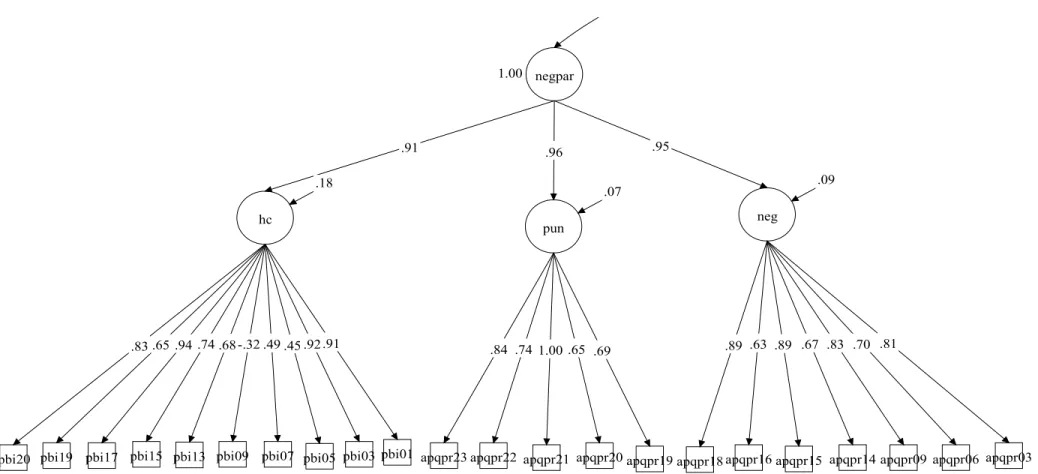
Figure 2. Parenting Practices CFA – Negative Parenting Practices Latent Variable ... 42
Figure 3. Child Routines CFA ... 43
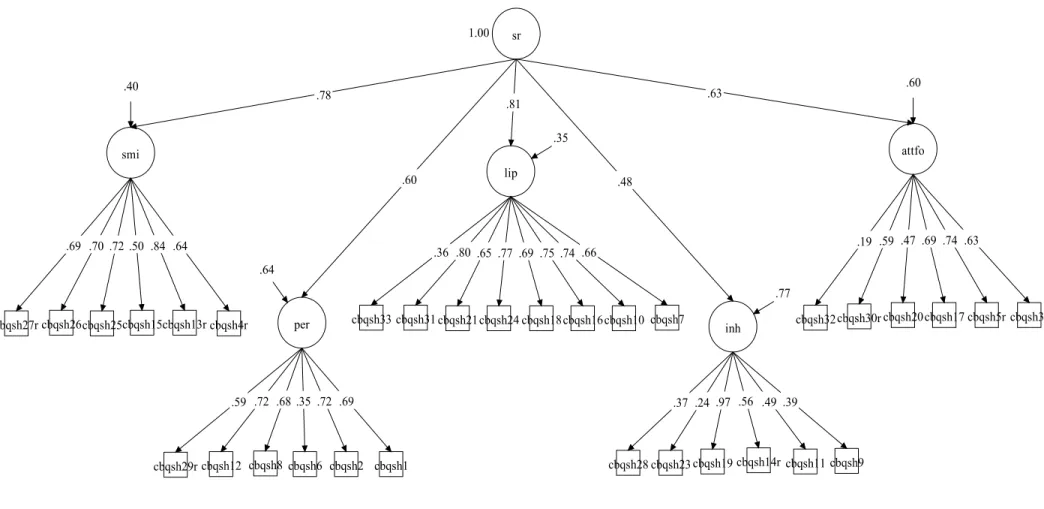
Figure 4. Self-Regulation CFA – all scales ... 46
Figure 5. Self-Regulation CFA 2 – Inhibitory Control and Attentional Focusing Scales Correlated ... 47
Figure 6. Self-Regulation CFA 2 – Inhibitory Control and Attentional Focusing Scales Correlated and Item 32 Removed ... 48
Figure 7. Parenting Practices CFA – Positive Parenting Practices Latent Variable ... 49
Figure 8. Direct Effect Model ... 51
Figure 9. Indirect Effect Model ... 53
Figure 10. Serial Mediation Model ... 54
LIST OF ABBREVIATIONS ACC Anterior cingulate cortex
ADHD Attention-Deficit/Hyperactivity Disorder AIC Akaike information criterion
ANOVA Analysis of Variance
APQ-PR Alabama Parenting Questionnaire-Preschool Revision BIC Bayesian information criterion
CBQ-SF Children’s Behavior Questionnaire-Short Form CEC Cool Executive Control
CFA Confirmatory Factor Analysis CFI Comparative Fit Index
CRQ-P Child Routines Questionnaire-Preschool EBP Externalizing Behavior Problems
ECBI Eyberg Child Behavior Inventory HEC Hot Executive Control
HTKS Head-Toes-Knees-Shoulders IRB Institutional Review Board
M Mean
Mturk Amazon Mechanical Turk PBI Parent Behavior Inventory
PEP Prevention program for preschool children with Externalizing Problem Behaviors
PSRA Preschool Self-Regulation Assessment RMSEA Root-Mean-Square Error of Approximation SD Standard Deviation
SDQ Strengths and Difficulties Questionnaire SEM Structural Equation Model
CHAPTER I– STRUCTURAL MODEL OF CHILD ROUTINES AND SELF-REGULATION IN RELATION TO PARENTING AND EXTERNALIZING
BEHAVIOR PROBLEMS IN YOUNG CHILDREN
Externalizing behavior problems (EBP) include demonstrating disruptive behaviors such as noncompliance, defiance, aggression, hyperactivity, and impulse control problems (American Psychiatric Association, 2013; Shapiro, 2015). It is reported that these difficulties often develop in young childhood and lead to a host of negative outcomes with negative trajectories such as difficulties with interpersonal interactions, learning and academic difficulties, and comorbidities with other diagnoses (e.g., depression, anxiety, substance use). Epidemiological studies suggest that about 15% to 20% of preschool children demonstrate EBP; whereas, data taken from teacher-reports suggest that about 25% of kindergarten children continue to have similar or worse difficulties (e.g., Graziano et al., 2015). Recently, researchers have focused on
examining the paths surrounding the development, maintenance, and protective factors of EBP in order to increase the ability to identify and treat these difficulties in early
childhood (i.e., Barnes, Boutwell, Beaver, & Gibson, 2013; Graziano et al., 2015). Research has clearly established that parenting practices are associated with EBP, specifically positive parenting practices are associated with fewer EBP and negative parenting practices are associated with more EBP among children (Clerkin et al., 2007; Cprek et al., 2015; Gryczkowski, Jordan, & Mercer, 2009; Koblinsky, Kuvalanka, & Randolph, 2006; Stormshak, Bierman, McMahon, & Lengua, 2000). In fact, treatments for children with EBP under the age of 6 years often focus on changing parenting
through which child behaviors are impacted by parenting practices are less established. Despite the limited research that focuses specifically on child routines, child routines have mediated the relationship between parenting practices and EBP in preschool and school-age children (Bater & Jordan, 2017; Jordan, Stary, & Barry, 2013; Sytsma-Jordan & Kelley, 2004).
Furthermore, EBP involves difficulties with regulation of behaviors and emotions (American Psychiatric Association, 2013). When treating a child with EBP,
self-regulation is considered one of the most important capabilities to assess (Shapiro, 2015) and has consistently been correlated with EBP (Barnes et al., 2013; Caughy, Mills, Owen, & Hurst, 2013; Eiden, Edwards, & Leonard, 2007; Eisenberg et al., 2005; Kochanska & Knaack, 2003; Rothbart & Bates, 2006; Valiente et al., 2006; Vazsonyi & Huang, 2010). Although it is generally accepted that there is a genetic component to self-regulation (i.e., temperament), both positive and negative parenting practices have also demonstrated relations with self-regulatory development (Bater & Jordan, 2017; Baumeister, Schmeichel, & Vohs, 2007; Eisenberg et al., 2005; Kochanska & Knaack, 2003;
Kochanska, Coy, & Murray, 2001; von Suchodoletz, Trommsdorff, & Heikamp, 2011). Studies have also shown that self-regulation mediates the relationship between parenting practices and EBP (Bater & Jordan, 2017; Eisenberg et al., 2005; Valiente et al., 2006).
Child routines have also often been theorized to assist and promote the
development of self-regulation in young children, but this relationship has not been well established (Bronson, 2000; Martin, Razza, & Brooks-Gunn, 2012; Perry, 2005; Taylor, 2011). Of the few studies that have examined this relationship, only one initial study has examined child routines and self-regulation as mediators of parenting practices and EBP
in preschool children (Bater & Jordan, 2017). Although the preliminary serial mediation model was significant for both parenting practice models (i.e., positive [or negative] parenting practices through child routines followed by self-regulation to EBP), it has not been tested against other alternatives. Therefore, the present study aimed to further examine this conceptual model relative to competing models.
Parenting Practices
Parents clearly play a critical role in the lives of their preschool children due to the need for constant parental assistance at this young age. Although much of the early literature regarding parental involvement in children focused on overall parenting styles (i.e., authoritarian, permissive, authoritative, uninvolved/neglectful; Baumrind, 1971, 1991; Darling & Steinberg, 1993; Maccoby & Martin, 1983), much of the recent
literature examines parenting practices. Parenting practices are defined as “specific, goal-directed behaviors through which parents perform their parental duties” (Darling &
Steinberg, 1993, p. 488). This transition has occurred because, unlike parenting styles, parenting practices may be able to explain why or how a relationship exists to other variables because of their focus on specific parental behaviors.
The Coercive Family Process Model is an empirically derived developmental model that is consistent with the hypothesis that parenting practices have direct
influences on child outcomes (Patterson, 1982; Patterson, DeBaryshe, & Ramsey, 1989). This model suggests that reduced parental involvement and monitoring and inconsistent discipline may lead to more frequent child noncompliance and aggressive behaviors, creating a problematic coercive parent-child interaction (Patterson, DeBaryshe, & Ramsey, 1989). From this model, two major categories of parenting practices have
emerged: positive and negative parenting practices (Darling & Steinberg, 1993;
Patterson, DeBaryshe, & Ramsey, 1989). These parenting practices have demonstrated an association to EBP in preschool children (Bayer et al., 2008; Darling & Steinberg, 1993; Trepat, Granero, & Ezpeleta, 2014; Koblinsky, Kuvalanka, & Randolph, 2006; Hanisch et al., 2014; Maguire-Jack, Gromoske, & Berger, 2012).
Positive parenting practices typically include regular involvement with one’s child, warm parent-child interactions, and frequent praise (Darling & Steinberg, 1993). Positive parenting practices have demonstrated a negative correlation with EBP in preschool children (Clerkin et al., 2007; Cprek et al., 2015; Gryczkowski, Jordan, & Mercer, 2009; Koblinsky, Kuvalanka, & Randolph, 2006; Stormshak, Bierman,
McMahon, & Lengua, 2000). In a cross-sectional study, three specific positive parenting practices (i.e., reading to children, eating meals together, engaging in
storytelling/singing) and their composite, were inversely correlated with developmental, social, and behavioral delays (Cprek et al., 2015). Furthermore, a parent management therapy for German speaking families (Prevention program for preschool children with Externalizing Problem behaviors; PEP) was administered to families with preschool children: positive parenting practices mediated the relationship between receiving PEP treatment and EBP (Hanisch et al., 2014). Receiving PEP treatment was associated with more positive parenting and less behavior problems.
In contrast, poor monitoring and supervision, inconsistent discipline, and corporal punishment (or punitive parenting) are all considered to be forms of negative parenting practices (Clerkin et al., 2007; Darling & Steinberg, 1993). A longitudinal study with several assessments between seven and 36 months, showed that negative parenting
practices and parental stress were consistent predictors of EBP in early childhood (Bayer et al., 2008). Additionally, Hanisch and colleagues’ (2014) administration of PEP to families with preschool children and also found that negative parenting practices (i.e., “dysfunctional parenting”) mediated the relationship between the PEP treatment and
EBP. Specifically, PEP treatment was associated with less dysfunctional parenting and less problem behaviors (Hanisch et al., 2014). With respect to corporal punishment, spanking children at one-year of age, was found to be associated with higher levels of EBP at age three (Clerkin et al., 2007); while spanking at three years old was found to be associated with higher levels of both externalizing and internalizing behaviors (Maguire-Jack, Gromoske, & Berger, 2012). Lastly, corporal punishment was shown to mediate the relationship between several forms of parental psychopathology (e.g., anxiety-depression, parents’ rule-breaking, aggressive behavior) and Oppositional Defiant Disorder in
preschool children (Trepat, Granero, & Ezpeleta 2014).
These findings suggest that both positive and negative parenting practices, including corporal punishment, may be particularly important to consider when
examining EBP in preschool children. However, more research on the mechanisms that underlie this relationship is needed because a further understanding may inform more, potentially stronger, therapeutic techniques for children with EBP (Kazdin, 2007).
Child Routines
Often times, researchers fail to distinguish the concepts of child routines and family routines, or focus on the impact of a lack of routines. Therefore, despite increasing research on routines, very few studies examine specifically child routines. Child routines are defined as “observable, repetitive behaviors which directly involve the child and at
least one adult acting in an interactive or supervisory role, and which occur with predictable regularity in the daily and/or weekly life of the child” (Sytsma, Kelley, &
Wymer, 2001, p. 243). Arguably, the most important aspect of any routine is its
consistency, and therefore, predictability. Researchers often theorize that higher quality routines have more consistencies in each of the elements that comprise the routines (e.g., location, caregiver involved, sequence, consequences of disobedience; Henderson & Jordan, 2009; Wildenger, McIntyre, Fiese, & Eckert, 2008; Wittig, 2005).
Higher quality routines have been posited to provide environmental cues to children that inform them as to how they should conduct themselves (Sytsma, Kelley, & Wymer, 2001). This may allow children to associate their behaviors to consequences, assisting with the development of coping strategies that decrease disruptive behaviors (Lanza & Drabick, 2011). Other researchers have suggested that having higher quality routines allow children to practice their expected behaviors which encourages a feeling of competence (Bronson, 2000; George & Soloman, 2008). On the other hand, researchers have also hypothesized that, when children do not have consistent or predictable routines in their daily lives, they may seek a steady environment through oppositional behaviors, despite the negative consequences (Wahler & Dumas, 1987; Wittig, 2005) which contribute to their EBP (DeMore, Adams, Wilson, & Hogan, 2005). Regardless, consistency and predictability of routines are theorized as important aspects to
developing appropriate behaviors and teaching children how to manage their behaviors accordingly (Fiese, 2002; Harris et al., 2013).
Many of the studies that have examined family or child routines have measured them within aged samples. Child-reported family routines, examined in
school-aged minority children, were reported to attenuate the relationship between teacher-reported child hyperactivity/impulsivity and oppositional defiant disorder symptoms (Lanza & Drabick, 2011). Moreover, studies examining child routines in school-aged children with Attention-Deficit/Hyperactivity Disorder (ADHD) have shown that there is a negative association with externalizing and internalizing symptoms (Harris et al., 2013; Taylor, 2011). They also found that different types of routines showed differential
relations with these outcome variables. Specifically, parental-report of less frequent household, discipline, and homework routines predicted higher externalizing behaviors; whereas, only less frequent household routines predicted higher internalizing behaviors (Harris et al., 2013).
There are many more studies examining routines (child routines or otherwise) in older children than there are in preschool children. Although the research conducted with school-age children may not necessarily be generalizable to a preschool population, the results provides a foundation from which to base future examination (Ferretti & Bub, 2014). Researchers have hypothesized that young children are aware of and motivated to participate in routine activities as a member of the family (Spagnola & Fiese, 2007). Therefore, it is important to include these young children in daily routine activities because it may allow them the opportunity to become autonomous with practice.
An examination of African-American, preschool children enrolled in a Head Start program demonstrated that children whose families engaged in more predictable family routines were more cooperative and compliant (Keltner, 1990). In another examination of preschool children attending Head Start, a negative relationship was shown for mothers’ report of family routine frequency and their preschool children’s EBP (Churchill &
Stoneman, 2004). These results showed that the strength of the relationship between family routines and preschool children’s EBP was stronger for girls’ outcome than they
were for boys. The researchers posited that this was because girls are more involved in activities comprising family routines (e.g., making dinner, cleaning). This also suggests that child sex as a potential moderator should be considered for this study.
Furthermore, it has been theorized that consistent routines in young children help ease important and stressful transitions, such as the transition from preschool to
kindergarten (Wildenger et al., 2008). This particular transition is considered an important milestone in a young child’s development because of the difficulty of
transitioning from a play-oriented environment (preschool) to a more academically-structured setting (kindergarten). In addition, it is likely that the young child’s
non-academic, daily routines will change as well. Considering the theory that higher quality routines teach children how to manage their behavior, higher quality routines may also alleviate some of the transitional stress and lessen the level of possible disruption. What’s
more, successful transitions during this time have also been demonstrated to be important predictors for young children’s later social and academic development (Hamre & Pianta,
2001; Wildenger et al., 2008). Taken together, this body of work supports the need to study routines in preschoolers, and to further examine relations among routines and other important variables (e.g., parenting practices, EBP).
Routine and Parenting Practices
In recent years, researchers have suggested that higher quality child routines are an extension of positive parenting practices (Koblinsky, Kuvalanka, & Randolph, 2006; Prine, 2012; Wittig, 2005). Studies examining this relationship in preschool and
school-age children have demonstrated that, not only are child routines positively related to positive parenting practices and negatively related to negative parenting practices, but that child routines are a mediator through which parenting practices relate to EBP (Bater & Jordan, 2017; Jordan, 2003; Jordan, Stary, & Barry, 2013; Sytsma-Jordan & Kelley, 2004). In a study examining school-aged children, child routines accounted for more variance in EBP than the child’s demographic characteristics or the reported positive parenting practices (Sytsma-Jordan & Kelley, 2004). This suggests that child routines are an important variable to consider above and beyond positive parenting practices. Lastly, children are reported by their maternal caregiver as having greater social skills and exhibiting more self-control and cooperation when their maternal caregiver reported higher levels of family routines along with positive parenting (Koblinsky, Kuvalanka, & Randolph, 2006).
Overall, the research suggests that child routines are an important variable to study, specifically in preschool children (Bater & Jordan, 2017; Churchill & Stoneman, 2004; Keltner, 1990; Spagnola & Fiese, 2007; Wildenger et al., 2008). Parenting practices and EBP have also shown to be important when considering child routines (Churchill & Stoneman, 2004; DeMore et al., 2005; Harris et al., 2013; Lanza & Drabick, 2011; Taylor, 2011). Lastly, quality child routines may also allow children to better develop their ability to self-regulate their behaviors and emotions (Bronson, 2000; Martin, Razza, & Brooks-Gunn, 2012; Perry, 2005); however, this relationship requires much more extensive examination given the current lack of research and the implications for potential therapeutic interventions.
Self-Regulation
Self-regulation is a well-known, broad concept consisting of several
skills/processes (e.g., planning, modulating arousal, working memory) that are important for optimal behavioral, social, emotional, and academic functioning in children
(Baumeister & Vohs, 2004; Ponitz, McClelland, Matthews, & Morrison, 2009; Graziano et al., 2015). However, the concept and terminology used to measure self-regulation largely depends on the target discipline and theoretical perspective (McClelland & Cameron, 2012; McClelland et al., 2014). Of specific interest to this study is behavioral self-regulation. Behavioral self-regulation is defined as “the manifestation of executive function skills in overt, observable responses in the form of children’s gross motor actions… including attentional focusing, working memory, and inhibitory control”
(Ponitz et al., 2009, p. 605; McClelland et al., 2014). Although executive functioning is often examined as solely a cognitive development, recent research has posited that executive functioning is a “top-down cognitive process that enables the self-regulation of
a more automatic, bottom-up set of processes” (McClelland et al., 2014, p. 10). For example, children must utilize working memory to keep track of and operate around numerous rules and instructions while inhibiting initial impulses and activating subdominant responses in accordance to those rules, thus influencing their overt
behaviors. Notably, the conceptualization and measurement of behavioral regulation, as well as executive functioning, have repeatedly been described as consisting of “clutter” and “mayhem” (see McClelland et al., 2014); however, due to the strong support that
both concepts consist of overlapping neurological skills (Bassett, Denham, Wyatt, & Warren-Knot, 2012), and the development of a psychometrically sound
performance-based assessment task that is sensitive to both concepts (i.e.,
Head-Toes-Knees-Shoulders), it is important to consider this concept when measuring self-regulation even when attempting to solely assess behaviors (Graziano et al., 2015; McClelland et al., 2014).
Other researchers have emphasized the importance of conceptualizing self-regulation as forming two components: cool and hot regulatory processing systems (Bassett et al., 2012; Eisenberg, Spinrad, & Eggum, 2010; Mischel & Ayduk, 2004; Razza, Bergen-Cico, & Raymond, 2013; Willoughby, Kupersmidt, Voegler-Lee, & Bryant, 2011). Both processing systems have been demonstrated by neural imaging and empirical examination to be differentiated neurologically and behaviorally despite considerable overlap, including the prefrontal cortex (PFC) as well as other
commonalities. The cool regulatory processing system is reported to be rooted in the anterior cingulate cortex (ACC) and enables children to perform cognitive processes to non-affective and novel situations, such as organization, flexible thinking, and goal-directed thinking (e.g., Bassett et al., 2012). It is often thought of as a multidimensional, “top-down” cognitive construct involving control over one’s attention, cognition, and
behavioral tendencies to problem solve complex, emotionally neutral situations (McClelland et al., 2014; see Zhou, Chen, & Main, 2012).
On the other hand, the hot regulatory processing system is reported to be rooted in the orbitofrontal cortex, posterior ACC, and the limbic system, (Bassett et al., 2012; Rothbart & Bates, 2006; Willoughby et al., 2011). The hot regulatory process includes the ability to regulate anger, shift attention, and control inhibitions and impulses under emotionally-driven circumstances. This process has also been defined as effortful control
(Bassett et al., 2012; Rothbart & Bates, 2006). Effortful control is an aspect of
temperament that is associated with self-regulation and is defined as “the efficiency of executive attention, including the ability to inhibit a dominant response, to active a subdominant response, to plan, and to detect errors” (Rothbart & Bates, 2006, p. 129).
Although there are distinct differences between the cool and hot processing systems (i.e., emotional versus emotionally neutral stimuli), it appears as though the similarities surpass the differences (Zhou, Chen, & Main, 2012). Specifically, both processing systems share common components (i.e., inhibition), common processes (i.e., executive attention), common resources (i.e., directed attention), and emphasize self-control consistent with the broad definition of self-regulation. Zhou and colleagues (2012) reviewed several studies that demonstrated small to moderate relations between different components of the processing systems, providing empirical support for overlap between the constructs (Zhou, Chen, & Main, 2012). Researchers state that examining self-regulation as two separate but complementary components guards against
oversimplification about the mechanisms involved in their respective actions, but
emphasized that it is important to consider both when considering self-regulation (Bassett et al., 2012; Eisenberg, Spinrad, & Eggum, 2010; Razza, Bergen-Cico, & Raymond, 2013; Willoughby et al., 2011; Zhou, Chen, & Main, 2012). Therefore, due to having an assessment tool that is sensitive to both these components (i.e., Preschool Self-Regulation Assessment), both hot and cool regulatory processing systems were examined in this study.
Nevertheless, self-regulation is an important variable to consider due to its implications for children’s emotional, behavioral, social, and academic functioning
(Bassett et al., 2012; Baumeister, Schmeichel, & Vohs, 2007; Ponitz et al., 2009; Graziano et al., 2015; Kochanska, Murray, & Coy, 1997; von Suchodoletz et al., 2009). Examining self-regulation in young children specifically, has proven to be particularly important because of the dramatic neurological and behavioral development that occurs between the first five-years of life (Bassett et al., 2012; Eisenberg et al., 2005;
Kochanska, Aksan, & Carlson, 2005; Rothbart & Bates, 2006). Self-Regulation and Parenting Practices
Primary caregivers play an important role in the development of young children’s internalization of self-regulatory abilities. Not only are children maturing on their own, parents are supposed to provide them with the support, direction, and environments for appropriate self-regulatory development (Bronson, 2000; Calkin, 2007; Kopp & Neufled, 2003; Taylor, 2011). As mentioned, although some aspects of self-regulation are
considered to have a genetic basis rooted in temperament (i.e., effortful control), studies have demonstrated that positive parenting practices (e.g., sensitivity, responsiveness, warmth) are positively related to developmentally-appropriate self-regulatory abilities; whereas, negative parenting practices (e.g., assertive discipline, harsh punishment, controlling) are negatively related (Baumeister, Schmeichel, & Vohs, 2007; Eisenberg et al., 2005; Kochanska & Knaack, 2003; Kochanska, Murray, & Harlan, 2000; von
Suchodoletz, Trommsdorff, & Heikamp, 2011).
It has been hypothesized that parenting practices have an impact on a child’s self-regulatory development because activities involved in parenting practices model behavior to children as well as scaffold their self-regulatory development during daily activities (Florez, 2011). Disruptions in a child’s self-regulatory development, such as a low
frequency of positive parenting practices or a high frequency of negative parenting
practices, have been shown to be related to EBP (Barnes et al., 2013; Caughy et al., 2013; Eiden, Edwards, & Leonard, 2007; Eisenberg et al., 2005; Kochanska & Knaack, 2003; Valiente et al., 2006; Vazsonyi & Huang, 2010). In fact, research has found that a disproportionate number of preschool children with at-risk or clinical levels of EBP demonstrate deficits in their self-regulatory abilities (see Graziano et al., 2015; Rothbart & Bates, 2006). Furthermore, inappropriate development of self-regulatory abilities has often been cited as a common etiological factor when examining maladjustment and psychopathology (e.g., Hill-Soderlaund & Braungart-Rieker, 2007) and is often the target of many therapies for disruptive behavior disorders (Shapiro, 2015; Zhou, Chen, & Main, 2012).
Although the relationship between self-regulation and EBP is heavily debated, the most common theory is that parenting practices predict self-regulatory development which influence the development of EBP (Barnes et al., 2013; Eisenberg et al., 2005; Vazsonyi & Huang, 2010). Several studies have examined this link longitudinally across a wide range of ages (4.5 years to 13.4 years) and self-regulation was shown to mediate the relationship between parenting and EBP (Eisenberg et al., 2005; Valiente et al., 2006; Vazsonyi & Huang, 2010). Moreover, effortful control was found to be a mechanism through which maternal warmth and expressiveness was related to EBP (Eisenberg et al., 2005; Valiente et al., 2006). Therefore, given the established relationships, it is important to further examine self-regulation’s role as a mediating variable, in conjunction with other empirically supported mediating variables, such as child routines, in the relationship between parenting practices and EBP.
Relationship between Child Routines and Self-Regulation
Across many modalities, it has been posited that routines promote self-regulation in children. As we can see from the literature above, children with higher self-regulatory skills tend to engage in less EBP and often have a host of other positive outcomes (Barnes et al., 2013; Baumeister & Vohs, 2004; Ponitz et al., 2009; Eisenberg et al., 2005; Graziano et al., 2015; Rothbart & Bates, 2006; Valiente et al., 2006; Vazsonyi & Huang, 2010). Researchers have theorized that the structure and predictability that make up an appropriate routine allow children to develop internal structures that enable them to be aware of and regulate their thoughts, emotions, and behaviors accordingly (Bronson, 2000; Martin, Razza, & Brooks-Gunn, 2012; Perry, 2005; Taylor, 2011). Other
researchers have suggested that it is due to lawfulness being modeled, allowing children the ability to predict the sequence of routines and the consequences and rewards that follow routine compliance (Martin, Razza, & Brooks-Gunn, 2012). Finally, it has been asserted that engaging in consistent, routine activities can provide self-regulatory skills that, not only scaffold their self-regulatory abilities, but also strengthen those skills through practice (Barber & Munz, 2011; McCullough & Willoughby, 2009). In summation, it is hypothesized that through structured, routine environments, children learn to persist with unenjoyable activities and/or resist the urge to misbehave because they know that the unenjoyable activity will soon end, thereby increasing their self-regulatory abilities. Routine activities can also become more habitual and/or the
children’s ability/skill for completing that routine increases, requiring less self-regulatory
resources which allow children to use their remaining resources elsewhere, such as managing their behavior.
Despite the many theoretical explanations that attempt to explain why routines may be related to and even assist a child’s self-regulatory skills, very few studies have provided empirical evidence of this specific relationship (Bater & Jordan, 2017; Taylor, 2011). However, several researchers have examined similar relationships with a
somewhat different conceptualization of routines. Martin and colleagues (2012) focused on household chaos with a specific focus on a lack of family routines. In this longitudinal prospective study, a lack of routines in a toddler’s family life (greater household chaos) was associated with a weaker ability to delay gratification on a laboratory measure of self-regulation two and a half years later (Martin, Razza, & Brooks-Gunn, 2012). Thus, lacking routines at a mean age of 2 years 6 months related to a lower ability to delay gratification at age 5, even after controlling for the other variables that comprised household chaos. The relationship was not mediated by maternal warmth or learning materials in the home.
Furthermore, Ferretti and Bub (2014) examined a similar relationship but with family routines in low-income families which, as they stated, were “measured relatively coarsely” (p. 171). The researchers assessed family routines by longitudinally observing
five family routine variables (i.e., parent-child play, parent-child outside activities, bedtime routines, regular bedtime, reading routine). Although children with higher levels of routines observed at 14 months had better self-regulation at 36 months, the relationship was no longer significant once family routines at 36 months were taken into account. This suggests that, despite children as young as 14 months benefitting from routines, concurrent routines observed at 36 months explained more of the variance in the child’s self-regulatory abilities.
As mentioned, only two known studies have examined the relationship between child routines and child self-regulation. Taylor (2011) examined child routines directly via coding of routine classroom activities. The study examined the relationship between child self-regulation and routines in the context of the child’s classroom. This study examined 21 children between six and 60 months of age. As the children engaged in their daily activities in their respective classrooms, they were videotaped three times over six months. These tapes were coded by trained observers for children’s self-regulatory
behaviors and structure of the classroom’s daily routine. The results revealed that the children whose daily routines were more structured engaged in more self-regulated behaviors over time within the classroom setting. Results demonstrated that those who had more structured routines exhibited more internal self-regulatory behaviors (i.e., complied to rules and regulation without their teacher’s directive) and demonstrated less defiance of a teacher’s directive past 10-seconds. The researcher posited that more
structured routines provided children with cues that assisted their ability to self-regulate their behaviors.
Bater and Jordan (2017) also specifically examined child routines and its relationship to self-regulation. This study tested a serial mediation model of parenting practices (positive and negative separately) through child routines followed by child self-regulation in predicting EBP among preschool children. Self- and parent-report
questionnaires were completed by 146 female caregivers of preschool children between the ages of three and five in a racially and socioeconomically diverse community sample. First, three simple mediation models were tested in PROCESS (Hayes, 2013). Self-regulation was examined as a mechanism through which child routines related to EBP.
Both indirect and direct effects were supported (i.e., more frequent child routines were associated with more self-regulation and fewer EBP). Similarly, child routines were examined as a mechanism through which positive parenting practices related to self-regulation, and both indirect and direct effects were supported. Positive parenting had a positive relation with child routines, which in turn, had a positive relation with self-regulation. However, when child routines were examined as a mechanism through which negative parenting practices related to self-regulation, only the indirect effect was
supported. In this model, more negative parenting practices were associated with fewer child routines, which in turn, were associated with less self-regulation.
Serial mediation models examined child routines and self-regulation abilities as serial mediators of the relation between parenting practices (i.e., positive and negative) and child EBP, after controlling child race and gender (Bater & Jordan, 2017). Positive and negative parenting practices were examined in separate models and both models were supported. However, the negative parenting practice model was no longer significant once the mediators were reversed (self-regulation placed before child routines) and when the mediators were considered independently, controlling for the other mediator. This suggests that child routines may play a critical role in preschoolers’ self-regulatory
development and are associated with fewer EBP. It also suggests that child routines may be a mechanism through which negative parenting practices relate to the development of the preschoolers’ self-regulation and EBP. A possible explanation is that less punitive
disciplinary practices promote more frequent routines, and that the structure and predictability routines provide assist with development of internal self-regulation (Bronson, 2000; Martin, Razza, & Brooks-Gunn, 2012; Perry, 2005). Notably, when
examining the positive parenting practice model as such, support was maintained despite the reversal of the mediators and when the mediators were considered independently while controlling for the other mediator (Bater & Jordan, 2017).
Bater and Jordan’s (2017) study provides preliminary examination of the relationship between child routines and self-regulation, along with their roles as serial mediators in the relationship between parenting practices and EBP. However, this study did not consider alternative, simpler models prior to testing the more complex serial mediation model and did not use model fit indices to examine how well this model fit the data.
Current Study
The literature demonstrates that parenting practices are related to EBP in preschool children (Bayer et al., 2008; Darling & Steinberg, 1993; Trepat, Granero, & Ezpeleta, 2014; Hanisch et al., 2014; Koblinsky, Kuvalanka, & Randolph, 2006; Maguire-Jack, Gromoske, & Berger, 2012; Shapiro, 2015) but the mechanisms through which this relationship exists need to be further examined to fully understand the relationship between parenting practices and EBP and to potentially inform therapeutic interventions for early EBP. This is particularly important in preschool populations because of the high prevalence of behavior problems reported (e.g., Graziano et al., 2015) and the need for early intervention to assess and treat these EBP (i.e., Barnes et al., 2013; Graziano et al., 2015). Although more frequently studied in school-aged children, child routines have also demonstrated a relationship with both positive and negative parenting practices (Bater & Jordan, 2017; Jordan, 2003) and EBP (Bater & Jordan, 2017; Harris et al., 2013; Taylor, 2011). Few empirical studies have been conducted to support the theory
that child routines in preschool children are impacted by parenting practices and influence externalizing behaviors, suggesting the need for further examination, particularly in young children (Bater & Jordan, 2017; Churchill & Stoneman, 2004; DeMore et al., 2005; Harris et al., 2013; Lanza & Drabick, 2011; Sytsma-Jordan & Kelley, 2004; Taylor, 2011).
Behavioral self-regulation is another important variable to examine when
considering the relationship between parenting practices and EBP in preschool children. Studies have supported direct relationships among behavioral self-regulation and these constructs, as well as an indirect effect of parenting practices to EBP through self-regulation (Barnes et al., 2013; Caughy et al., 2013; Eiden, Edwards, & Leonard, 2007; Eisenberg et al., 2005; Kochanska & Knaack, 2003; Valiente et al., 2006; Vazsonyi & Huang, 2010). Many researchers have hypothesized that self-regulation is promoted by consistent daily routines but few have provided empirical support of this relationship (Barber & Munz, 2011; Bronson, 2000; Martin, Razza, & Brooks-Gunn, 2012;
McCullough & Willoughby, 2009; Perry, 2005; Wittig, 2005). Even fewer researchers have examined this relationship conceptualizing routines as solely child routines instead of family routines.
Taylor (2011) examined the relationship between classroom child routines and self-regulation and found that those who had more structured classrooms exhibited more internal self-regulatory behaviors and less defiance. More specific to the current study, Bater and Jordan (2017) examined child routines and self-regulation in relation to parenting practices (negative and positive, respectively) and EBP. Independent indirect effect models demonstrated significant indirect effects for self-regulation as a mechanism
through which child routines related to EBP and child routines as a mechanism through which negative and positive parenting practices related to EBP, respectively. Finally, serial mediation models examining child routines and self-regulation as serial mediators in the relationship between positive and negative parenting practices, respectively, and EBP in preschool children were supported (Bater & Jordan, 2017). The present study aims to further validate that same conceptual model while comparing it with competing alternative models using more sophisticated analyses that allows for more flexible examination of the model.
Focusing on Bater and Jordan’s (2017) significant relationships, a similar model examining child routines and self-regulation as serial mediators through which parenting practices (positive and negative) relate to EBP was compared to a direct effect model (examining positive parenting practices, negative parenting practices, child routines, and self-regulation as direct predictors of EBP) and an indirect effect model (self-regulation acting as a mechanism through which child routines, positive parenting practices, and negative parenting practices relate to EBP). The direct and indirect relationships hypothesized in each of these models have been demonstrated in isolation in the
literature, but not in the specific variable combinations and paths proposed here. Also, no known study has examined the three models and directly compared them to one another to identify which proposed model best fits the data. Based on the theory that child routines and self-regulation are temporal mechanisms through which positive and negative parenting practices relate to EBP, the theory that child routines assist in the development of an internalized self-regulation, as well as supporting evidence provided by past research (Bater & Jordan, 2017; Taylor, 2011), it was hypothesized that the serial
mediation model would outperform the direct and indirect models. These findings may offer additional evidence to support the validity of the serial mediation model put forth by Bater and Jordan (2017) or suggest a more parsimonious alternative model.
CHAPTER II - METHODS Participants
Eligibility for this study required the mother to be at least 18-years old with a child between the ages of three to five who was enrolled in a daycare or preschool in the United States. Children reported to be diagnosed with an autism spectrum disorder, intellectual disability, or a global development delay were excluded from the study, given that the aim of the study was to examine typically developing children. Two methods of recruitment were used for the purpose of this study: local preschools and Amazon Mechanical Turk (MTurk; a crowdsourcing Internet marketplace that enables any individual to participate in online studies). Mothers obtained through preschools were compensated with a $10 gift card to Wal-Mart. Mothers obtained through MTurk were compensated with $4.70 through MTurk’s website. Compensation changed due to
differences in accepted standards for this recruitment mechanism and is based on a rate of $7.00/hr (Williamson, 2016).
One participant was removed because she did not consent to the study despite completing the questionnaire, 7 because the maternal caregivers did not indicate that they were the legal guardian of the target child, and 7 because they did not respond to
questions about exclusionary criteria such as parent age and whether their child has been diagnosed with Autism Spectrum Disorder or Intellectual Disability Disorder. A total of 15 mothers were removed from this data set during data screening.
For this study, information was obtained from 160 female parents/legal guardians, heretofore referred to as mothers: 64 participants were recruited from daycares and preschools in Mississippi, Louisiana, and California and 96 were recruited from MTurk.
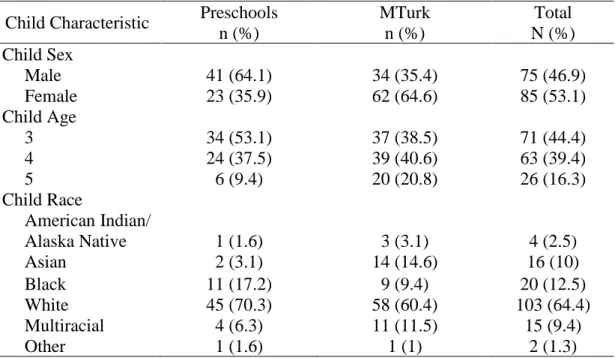
Children reported on were mostly white and female (64.4% and 53.1%, respectively; see Table 1). Two observations worth noting are the clear gender difference across
recruitment method warranted using child sex as a covariate as well as the added diversity (i.e., race/ethnicity and income) brought to the study through MTurk’s recruitment method. These children were mostly 3 or 4 years old (44.4% and 39.4%, respectively).
The sample consisted of primarily biological mothers (93.1%; see Table 2). Reportedly, the paternal co-parents were primarily biological fathers (76.3%), with 19.4% not reporting a paternal co-parent (see Table 3). Both parents were likely to have attended some standard college or graduated from a university (41.3% and 28.1%, respectively). The children were most likely to come from married, co-parenting households (70.6% and 80%) and 48.8% indicated that they were in the $60,000 and above income bracket (see Table 4).
Table 1Descriptive Characteristic of Children by Recruitment Method
Child Characteristic Preschools n (%) MTurk n (%) Total N (%) Child Sex Male 41 (64.1) 34 (35.4) 75 (46.9) Female 23 (35.9) 62 (64.6) 85 (53.1) Child Age 3 34 (53.1) 37 (38.5) 71 (44.4) 4 24 (37.5) 39 (40.6) 63 (39.4) 5 6 (9.4) 20 (20.8) 26 (16.3) Child Race American Indian/ Alaska Native 1 (1.6) 3 (3.1) 4 (2.5) Asian 2 (3.1) 14 (14.6) 16 (10) Black 11 (17.2) 9 (9.4) 20 (12.5) White 45 (70.3) 58 (60.4) 103 (64.4) Multiracial 4 (6.3) 11 (11.5) 15 (9.4) Other 1 (1.6) 1 (1) 2 (1.3)
Table 2Descriptive Characteristics of Maternal Caregivers by Recruitment Method Maternal Caregiver Characteristic Preschools n (%) MTurk n (%) Total N (%) Relation to Child Biological mother 60 (93.8) 89 (92.7) 149 (93.1) Adoptive mother 1 (1.6) 0 (0) 1 (0.6) Step-mother 0 (0) 1 (1) 1 (0.6) Legal guardian (e.g., foster mother)
2 (3.1) 6 (6.3) 8 (5.0) No response 1 (1.6) 0 (0) 1 (0.6) Education Level
Some High School 0 (0) 1 (1) 1 (.6) High School Grad 4 (6.3) 10 (10.4) 14 (8.8)
Some college or specialized training 10 (15.6) 32 (33.3) 42 (26.3) Standard college or University Grad 29 (45.3) 37 (38.5) 66 (41.3) Graduate professional degree 19 (29.7) 15 (15.6) 34 (21.3) No response 2 (3.1) 1 (1) 3 (1.9) Note. 64 participants were recruited through a preschool and 96 participants were recruited online through Amazon’s MTurk.
Table 3Descriptive Characteristics of Paternal Caregivers by Recruitment Method
Paternal Caregiver Characteristic Preschool n (%) MTurk n (%) Total N (%) Relation to Child Biological father 54 (84.4) 68 (70.8) 122 (76.3%) Adoptive father 1 (1.6) 0 (0) 1 (0.6%) Step-father 3 (4.7) 2 (2.1) 5 (3.1%) Legal guardian (e.g., foster father)
1 (1.6) 0 (0) 1 (0.6%) No response 5 (7.8) 26 (27.1) 31 (19.4%) Education Level
Some High School 0 (0) 0 (0) 2 (1.3%) High School Grad 4 (6.3) 1 (2.5) 23 (14.4%)
Some college or specialized training 12 (18.8) 7 (17.5) 26 (16.3%) Standard college or University Grad 27 (42.2) 22 (55.0) 45 (28.1%) Graduate professional degree 16 (25) 10 (25.0) 33 (20.6%) No response 5 (7.8) 0 (0) 31 (19.4%)
Table 4Descriptive Characteristics of Families by Recruitment Method Family Characteristic Preschools n (%) Mturk n (%) Total N (%) Income No income 0 (0) 1 (1) 1 (0.6) Less than $10,000 0 (0) 1 (1) 1 (0.6) $10,000 – $19,999 3 (4.7) 4 (10.0) 14 (8.8) $20,000 – $29,999 3 (4.7) 11 (11.5) 19 (11.9) $30,000 – $39,999 4 (6.3) 9 (9.4) 13 (8.1) $40,000 – $59,999 6 (9.4) 25 (26) 31 (19.4) $60,000 – $99,999 23 (35.9) 28 (29.2) 51 (31.9) $100,000 or more 22 (34.4) 5 (5.2) 27 (16.9) No response 3 (4.7) 0 (0) 3 (1.9) Marital Status
Single (never married) 6 (9.4) 16 (16.7) 22 (13.8) Married 50 (78.1) 63 (65.6) 113 (70.6) Living together (not married) 3 (4.7) 12 (12.5) 15 (9.4) Separated 0 (0) 3 (3.1) 3 (1.9) Divorced 4 (6.3) 2 (2.1) 6 (3.8) No response 1 (1.6) (0) 1 (0.6) Parenting Status Alone 4 (6.3) 19 (19.8) 23 (14.4) With significant other 57 (89.1) 71 (74) 128 (80) With Family 2 (3.1) 6 (6.3) 8 (5) No response 1 (1.6) 0 (0) 1 (0.6)
Note. 64 participants were recruited through a preschool and 96 participants were recruited online through Amazon’s MTurk.
Measures
Demographics
Maternal primary caregivers were asked to answer questions regarding their personal demographic information (e.g., caregiver’s relation to the child, marital status, race/ethnicity, caregiver age, child age, child gender). The demographic questionnaire also required the caregiver to provide their name and a phone number in order to allow for follow up contacts.
Alabama Parenting Questionnaire-Preschool Revision (APQ-PR; Clerkin et al., 2007) As an adaptation from the Alabama Parenting Questionnaire (APQ; Shelton, Frick, & Wootton, 1996), the APQ-PR was used as a self-report measure of parenting practices. This measure has been adjusted to reflect developmentally appropriate questions regarding preschoolers. It consists of 32 items, rated on a five-point Likert scale ranging from 1 (never) to 5 (always). The APQ-PR consists of three subscales: Positive Parenting, Punitive Parenting, and Negative/Inconsistent Parenting that were used as indicators of the parenting latent variables. Examples of items for Positive Parenting Practices are “you calmly explain to your child why his/her behavior was wrong when he/she misbehaves” and “you ask your child about his/her day in school.” Examples for items of Negative Parenting Practices are “your child is not punished when he/she has done something wrong” and “the punishment you give your child depends on your mood.” Lastly, examples for items for Punitive Parenting Practices are “You spank your child with your hand when he/she has done something wrong” and “You yell or scream at your child when he/she has done something wrong.” Positive, negative, and
punitive parenting were used as indicators of the parenting practices latent variable in this study. Past research examining the psychometric properties of the APQ demonstrated that all three subscales had adequate internal consistency with Cronbach’s alphas (.63 - .82) and adequate test-retest reliability estimates after retesting one year later (.52 - .80; Clerkin et al., 2007). Cronbach’s alphas for this study were as follows: Positive Parenting, α = .84; Negative Parenting, α = .86; and Punitive Parenting, α = .81.
The PBI was used a measure of parental response to their preschool child’s behavior. This 20-item measure uses a 6-point Likert scale from 0 (not at all true) to 5 (very true (I often do this)) to assess how parents feel they “usually act with [their] child.”
The PBI consists of two scales: Hostile/Coercive, an indicator of negative parenting, and Supportive/Engaged, an indicator of positive parenting. Both scales were used as
indicators of the parenting practices latent variable, along with scales from the APQ-PR. Examples of items for the Hostile/Coercive scale are “I threaten my child” and “I lose my temper when my child doesn’t do something I ask him/her to do.” Notably, one item was
worded negatively and, therefore, loaded onto the Hostile/Coercive scale negatively (i.e., PBI 9 – “when my child misbehaves, I let him know what will happen if s/he doesn’t behave”). Examples of items for the Supportive/Engaged scale are “I teach my child new things” and “I thank or praise my child.” The development study of the PBI demonstrated
good internal consistency for both scales (.81 and .83), adequate test-retest (.69 and .74), and good to excellent inter-rater reliability (.87- .90). Internal consistency scores from this study were good for both subscales, Hostile/Coercive scale, α = .85 and
Supportive/Engaged scale, α = .88.
Child Routines Questionnaire-Preschool Version (CRQ-P; Wittig, 2005)
As an adaptation from the Child Routines Questionnaire (CRQ; Sytsma, Kelley, & Wymer, 2001), the CRQ-P was used as a parent report measure of their preschooler’s daily routines. This 35-item measure uses a frequency scale that rates how often the individual items occur at about the same time or in the same way ranging from 0 (never) to 4 (nearly always). These items load onto five subscales (i.e., Discipline, Daily Living, Activities/Positive Attention, Education/Social, and Religious/Hygiene) and a Total
Frequency scale; however, only the individual scales were used to create the latent variable, child routines. Examples of items are “my child has a routine for getting ready in the morning” and “my child eats lunch at about the same time each day.” Wittig (2005)
found excellent internal consistency for the Total Frequency scale (.91). They also found adequate test-retest reliability for the Total Frequency scale (.74). Bater (2015) also found very good internal consistency for the Total Frequency scale (.90). Subscales
demonstrated the following Cronbach’s alphas: Discipline, α = .76; Daily Living, α = .78;
Activities/Positive Attention, α = .76; Religious/Hygiene, α = .60; and Social/Education, α = .60.
Children’s Behavior Questionnaire-Short Form (CBQ-SF; Putnam & Rothbart, 2006)
As a shorter version adapted from the Children’s Behavior Questionnaire (Rothbart, Ahadi, Hershey, & Fisher, 2001), the CBQ-SF was used as a parent report measure of their preschooler’s temperament. This 94-item measure uses a 1 (extremely
untrue of your child) to 7 (extremely true of your child) Likert scale (including a “not
applicable” option) that loads onto three factors: Extraversion/Surgency, Negative
Affectivity, and Effortful Control. However, for this study, Effortful Control was the only scale administered due to its particular relevance in this study. The subscales that form this composite scale are: Attentional Focusing, Inhibitory Control, Low Intensity
Pleasure, Smiling/Laughter, and Perceptual Sensitivity. These were used as indicators of the self-regulation latent variable in this study. Examples of items are “when practicing an activity, has a hard time keeping his/her mind on it,” “is easily distracted when
listening to a story,” and “can wait before entering into new activities if s/he is asked to.”
internal consistency in previous studies (.69 to .75; Putnam & Rothbart, 2006). The alphas were as follows for the present study: Attentional Focusing, α = .69; Inhibitory Control, α = .62; Low Intensity Pleasure, α = .79; Smiling/Laughter, α = .72; and Perceptual Sensitivity; α = .68.
Eyberg Child Behavior Inventory (ECBI; Eyberg & Robinson, 1983)
The ECBI is a parent report measure of disruptive behavior and conduct problems, for children ages of 2 to 16. This 36-item measure consists of two scales: Problem Scale using dichotomous scoring (“yes” or “no”) if the child’s behavior is
problematic and an Intensity Scale using a Likert scale from 1 (never) to 7 (always) reporting how often the child’s behavior occurs. Examples of items are “destroys toys and other objects” and “argues with parents about rules.” This study originally proposed
to use the ECBI Intensity scale as an observed variable comprising the EBP latent variable. However, the Intensity scale was better conceptualized as a hierarchical tripartite model (i.e., Oppositional Defiant Behavior, Inattentive Behavior, and Conduct Problem Behavior), which was structurally supported by a CFA and an examination of the three subscales’ internal consistencies (Burns & Patterson, 2000). The authors reported alphas by age (2-5 years old) and gender as follows: Oppositional Defiant Behavior, males α = .87 and females α = .88; Inattentive Behavior, males α = .83 and females α = .85; and Conduct Problem Behavior, males α = .82 and females α = .79. This 22-item tripartite model was further supported by a study conducted in a Norwegian sample that demonstrated similar alphas: .89, .92, and .76, respectively (Hukkelberg, 2016). The three scales demonstrated excellent internal consistency for this study (.91, .90, and .88, respectively).
Strengths and Difficulties Questionnaire (SDQ; Goodman, 1997)
The SDQ is a measure of young children’s behaviors, emotions, and interpersonal relationships. This 25-item measure consists of 5 scales (i.e., Hyperactivity, Emotional Symptoms, Conduct Problems, Peer Problems, Prosocial) and a Total Scale that are assessed on a three-point scale (Not True, Somewhat True, Certainty True). For this study, Hyperactivity and Conduct Problems were used as measures of preschool children’s EBP. Examples of items on the Hyperactivity scale are “easily distracted, concentration wanders” and “constantly fidgeting or squirming.” Examples of Conduct Problems are “often has temper tantrums or hot tempers” and “often lies or cheats.” A systematic review of 26 studies that reported the SDQ’s psychometric properties
demonstrated good to adequate internal consistencies for Hyperactivity (.69) and Conduct Problems (.56; Kersten et al., 2016).
Procedure
Once IRB approval was obtained from the University of Southern Mississippi, child participants and their mothers were recruited from daycares and preschools in Mississippi, Louisiana, and California. First, directors were asked to sign a letter on school letterhead approving data collection. Next, flyers were sent out through hard copy and electronically to approved locations to recruit mothers into the study. Flyers provided a link that allowed the mothers to complete the measures online (i.e., Qualtrics) or hard-copy paper packets that were returned to the child’s school in a confidential envelope. The method used depended on the preference of the mother and school’s director.
Upon agreeing to participate, mothers were asked to provide written informed consent. The informed consent provided the mothers the option to withdraw from the
study at any point and indicated that she did not need to answer questions she felt uncomfortable answering. The mother was required to confirm that her preschool child was between the ages of three to five and did not have a developmental delay
(exclusionary criteria). If there were multiple children between the ages of three and five, the mother was asked to first select the child that was attending the center and was able to participate in the performance-based tasks, and then was asked to randomly select one of her children to avoid sampling bias. When mothers completed the questionnaire for both children, one was randomly selected and deleted by the researcher.
Next, mothers completed all of the parent-report measures (i.e., APQ-PR, PBI, CRQ-P, CBQ-SF, ECBI, SDQ). Notably, three quality assurance questions were included in order to assess that the mothers completed the measures thoroughly and accurately. Mothers were provided with a $10 incentive for completion of a majority of the measures.
Additionally, 96 mothers were recruited through Amazon Mturk, an online crowdsourcing internet platform. The study was posted on the Mturk website with the same criteria: legal maternal caregiver (18 years or older) with a child between the ages of 3 to 5 who does not have a developmental delay (i.e., autism spectrum disorder, intellectual disability, or a global development delay). An additional criterion was added requiring that the mother and preschool child must live in the United States. Mothers were provided with a similar informed consent, the same questionnaires, the same quality assurance questions, and were provided with the same option to withdraw from the study at any point. Due to differences in accepted standards of compensation, mothers were compensated with $4.70 through Mturk’s website.
CHAPTER III - RESULTS Data Screening
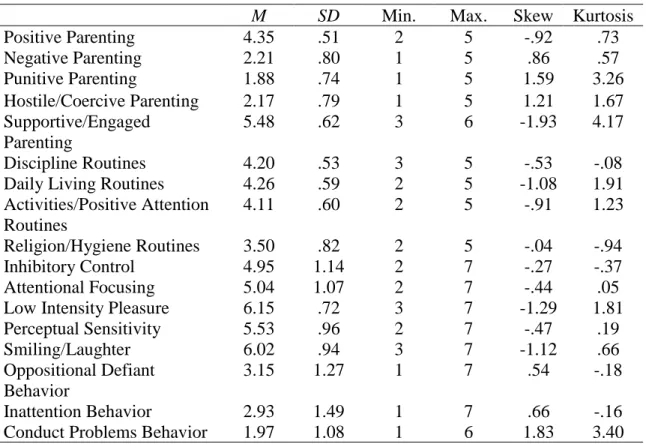
First, the data were screened for outliers, missing data, and other inappropriate data. Any participant who did not answer 20% or more of the items were excluded from the analyses. Therefore, the remaining analyses regarding mother data included 160 participants (17 mothers removed). Missing variables were examined for unengaged, pattern responses versus randomly missing data by a visual examination (Gaskin, 2016). Due to item responses missing at random, missing values for ordinal data were replaced using the item’s median scores across participants. Missing responses for demographic information was not replaced. During data screening, observed variables were within acceptable limits for skewness but three were further examined for leptokurtosis: APQ-PR Punitive Parenting, PBI Supportive and Engaged, and ECBI Conduct Problem Behaviors (George & Mallery, 2016). The scores indicated that most participants
reported low punitive but highly supportive and engaged parenting and their children had low levels of conduct problem behaviors, which is expected for a community sample. Brown (2006) suggests that kurtosis should be addressed if the values are below -10 or above 10; therefore, although these values are noted, transformations were not conducted.
Preliminary Comparisons
Preliminary comparisons were conducted between mothers recruited through preschools versus Amazon’s MTurk to assess for possible differences among the
demographic or observed outcome variables. For continuous variables, a one-way Analysis of Variance (ANOVA) was used and the Welch statistic was utilized for those that violated the homogeneity of variance assumption. The groups significantly differed