Archives • 2016 • vol.1 • 81-90
STROKE PREVENTION IN DIABETES
Lamaida, N.1; Pizza, V.,2; Lamaida, E.3*; Capuano, E.1; Capuano, E.1; Capuano, R.1; Capuano, V.1; Russo, L.4; Rastrelli, L.4; Saturnino, C.4; Capasso, A.4
1Cardiology Department - "G. Fucito" Hospital – Mercato S. Severino (SA) - Azienda Ospedaliera Universitaria di Salerno-Italy. 2Neurology Department^ – “S.Luca” Hospital – Vallo della Lucania (SA)-Italy.
3Neurosurgery Department – “S.Luca” Hospital – Vallo della Lucania (SA)-Italy. 4Department of Pharmacy, University of Salerno, Italy
Abstract
Diabetes and ischemic stroke are common disorders that often arise together.
Diabetics are at 1.5 to three times the risk of stroke compared with the general population and the associated mortality and morbidity is greater than in those without this underlying condition. Importantly, the relation between disturbed glucose metabolism and cerebrovascular disease is not restricted to acute ischemic stroke. Diabetes is also associated with more insidious ischaemic damage to the brain, mainly manifesting as small-vessel disease and increased risk of cognitive decline and dementia. This paper shows the epidemiologic relationships of stroke in type 2 diabetes and suggest that rigorous assessment and treatment of associated risk factors can substantially reduce the risk of stroke in patients with diabetes.
Key Words : stroke, diabetes mellitus, hypertension, statins.
_______________________________________ http://pharmacologyonline.silae.it
Introduction
Patients with type 2 diabetes mellitus(DM) are increasing and the most recent estimates indicate that about 366 million people within 20 years will be suffering from this disease worldwide [1]. According to the World Health Organization (WHO), the prevalence of diabetes of all age groups worldwide is estimated to be approximately 2.8% [2]. In the United States alone over 23 million people have diabetes, and the number of people with diabetes diagnosed is estimated to increase 165% between 2000 and 2050 [3]. Stroke is the second most frequent cause of death worldwide and the most frequent cause of permanent disability. In the world the number of deaths from stroke is expected to double by 2020 [4]. Diabetes is an important and independent risk factor for ischemic stroke and is a leading cause of renal failure, coronary heart disease, non traumatic lower limb amputations, and visual impairment [5]. Diabetes duration has also been shown to increase the risk of ischaemic stroke disease, with every year of diabetes duration increasing the risk by 3% [3]. Thus healthcare providers who care for patients with DM should be knowledgeable about the interrelationship between DM and stroke, as well as interventions that can minimize their patient’s risk of primary and secondary stroke [5].
Methods
Randomized controlled trials including relationships of stroke in type 2 DM patients were identified by searches of MEDLINE, PUBMED. The search strategy included the use of a topic-specific strategy using the following PubMed terms : “stroke in diabetics”,” diabetes and stroke”, from 1990 to 2014. The search was supplemented by a review of relevant publications to identify additional trials. The search had no language restriction.
Results and Discussion
Epidemiology of stroke in diabetes
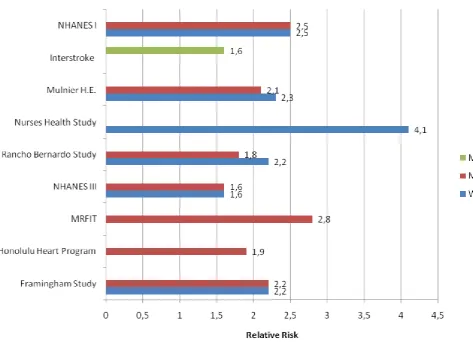
Diabetes is one of the most important and documented modifiable risk factors for stroke. Several studies have confirmed that diabetes independently increases risk of ischemic stroke with a relative risk ranging from 1.8 fold to nearly 6-fold ; in patients younger than 60 years, the relative risk of stroke in those with versus those without diabetes is double that individuals older than 70 years [5,6]. The risk is higher in women(hazard ratio-HR = 2.8) than in men (HR=2.2) [7]. The Framingham study found that the risk of stroke in the population aged 55 to 84 years was adversely
related to a history of diabetes in both men (relative risk 1.40) and women (relative risk 1.70). The
estimated probability of stroke increased
dramatically in relation to the number of risk factors for stroke [8]. The stroke risk factors included in this study are: age, systolic blood pressure, the use of anthypertensive therapy,diabetes mellitus, cigarette smoking, prior cardiovascular disease, atrial fibrillation, and left ventricular hypertrophy by electrocardiogram. On the other hand, other studies such as the Rancho Bernardo Study, the Nurses Health Study, NHANES III (National Health and Nutrition Examination Survey), the Honolulu Heart Program, the Copenhagen City Heart Study and the
Greater Cincinnati / Northern Kentucky
Stroke Study have confirmed the close association between diabetes mellitus and ischemic brain highlighting:
1) the worst prognosis of cerebrovascular disease in diabetic patients;
2) higher incidence in women than in men;
3) higher prevalence and recurrence of cerebral ischemic events (9-19) (Table 1, Fig.1). In addition the MRFIT study showed to the risk of stroke mortality was greatest for non hemorrhagic stroke (relative risk 3.8) than
subarachnoid (1.1) or intracranial
hemorrhage(1.5)[20].
Diabetes causes atherosclerotic changes in the heart and the cerebropetal arteries and is associated with different subtypes of ischaemic stroke, including lacunar, large artery occlusive, and thromboembolic strokes [5]. Lacunar stroke, which can often be clinically silent, are areas of infarction, the diameter comprised between 3 and 15 mm, and are due to occlusion of small paramedial penetrating arteries. The occlusions cause small infarcts within the white matter of the brain. These same lesions are also frequent in hypertensive patients and the frequent coexistence of hypertension and diabetes makes it highly probable the development of these brain lesions. [21,22]. Although hypertension and diabetes have high prevalence in lacunar stroke, both conditions are still risk factors for ischemic stroke in the general and not for those lacunar in particular [21].
Glucose-lowering treatment and prevention of stroke
For years we believed that tight glycemic control was needed to reduce cardiovascular risk in diabetics. Improved glycaemic control has been shown to reduce the burden of cardiovascular disease and microvascular complications in people with diabetes
[23,24]. Despite this, better glycaemic control has not been shown to reduce incidence of acute stroke or improve survival from stroke. The results of major randomised clinical trials on the benefits of such treatment are, however, controversial [20]. In type 1 diabetes the DCCT (Diabetes Control and Complications Trial) showed that tight glycemic control with insulin treatment intensive, over the years, reduces significantly the onset and progression of albuminuria and retinopathy (microvascular complications), but not did decrease the risk for myocardial infarction and other macrovascular complications [25]. In type 2 diabetes, The UKPDS (United Kingdom Prospective Diabetes Study) a randomized, prospective, multicenter trial showed that, the reduction glycated hemoglobin in middle-aged patients (mean age, 53 years) with newly diagnosed type 2 diabetes mellitus results in a significant reduction in the risk of microvascular complications, but not statistically significant reduced the macrovascular complications [26]. A 10-year observational follow-up during the UKPDS found, in patients who were treated aggressively since the beginning of study, despite an early loss of glycaemic differences, a continued reduction in microvascular risk and emergent risk reductions for myocardial infarction and death from any cause. A continued benefit after metformin therapy was evident among overweight patients [27].
Between 2008 and 2009, three major randomized multicenter trials conducted in older patients(aged 60 to 66 years) with well-established type 2 DM and either multiple risk factors or a previous cardiovascular events, have all failed to demonstrate a reduction in cardiovascular events, including stroke or death in the groups receiving intensive glucose therapy [3,28]. These trials are the Action to Control Cardiovascular Risk in Diabetes (ACCORD) trial [29], the Action in Diabetes and Vascular Disease (ADVANCE) [30], and the Veterans Affairs Diabetes trial (VADT) [31]. The ACCORD study recruited 10251 patients with a mean glycated hemoglobin(HbA1c) level of 8.1 % . Partecipants were then randomly assigned to receive intensive (HbA1c goal of < 6.0%) or standard goal ( 7.0 to 7.9%) therapy. The study was stopped earlier than planned because of an increase in all-mortality in the intensive therapy group with no difference in the numbers of fatal and non fatal strokes. The ADVANCE trial included 11140 patients with type 2 DM and used a number of strategies to reduce glycaemia in an intensive treatment group. Mean HbA1c levels were 6.5%
and 7.4% at 5 years respectively. There was no effect of more-intensive therapy on risk of cardiovascular events or risk of nonfatal strokes between grops. Finally, the VADT, consisting of 1791 veterans with type 2 diabetes assigned to intensive blood glucose treatment or standard treatment, found no significant difference between the 2 groups in any component of the primary outcome, which consisted of time to occurrence of a major cardiovascular events, or in the rate of death due to any cause [28]. Although the ADVANCE trial and the VADT found no increase in mortality, they also reported no beneficial effect of intensive glucose control on their composite macrovascular outcomes. In addition, weight gain and 2 to 3-fold higher rates of severe hypoglycemia occurred with intensive glycemic treatment [32]. A recent meta-analysis of 34533 patients with type 2 diabetes, do not show a benefit of intensive glucose lowering treatment on all cause of mortality or cardiovascular death. The small benefit on non-fatal myocardial infarctions and microalbuminuria may be offset by a significant increase in the risk of severe hypoglycaemia [33]. Similar findings were noted in a Cochrane database, in which the effects of targeting intensive versus conventional glycaemic control were assessed in 29986 patients with type 3 diabetes from 20 randomised controlled trials, with a duration of intervention of between 3 days and 12.5 years [5,34]. The included trials did not show significant differences for all-cause mortality and cardiovascular mortality when targeting intensive glycaemic control compared with conventional glycaemic control. Targeting intensive glycaemic
control reduced the risk of microvascular
complications while increasing the risk of
hypoglycaemia [34]. On the basis of currently available clinical trial results, there is no evidence that reduced glycemia decreases short-term risk of macrovascular events, including stroke, in patients with type 2 DM. A HbA1c goal < 7.0% has been recommended by the American Diabetes Association to prevent long-term microangiopathic complications in patients with type 2 diabetes [35]. Whether control to this level also reduces the long-term risk of cardiovascular events and stroke requires further study [35]. To date, insufficient evidence is available to show that stroke prevention will be improved by intensive glucose-lowering treatment, in people with either type 1 or type 2 diabetes. Clinicians should be balance risk of (recurrent) hypoglycaemia against the advantages of a lower amount of HbA1c, taking into account patient’s age, duration of diabetes, and complications [5]. After the results of studies ACCORD , ADVANCE, VADT and UKPDS, the American
Diabetes Association, the American College of Cardiology Foundation and the American Heart Association have established the following general recommendations for setting glycemic target ranges.
1) In older patients with type 2 diabetes mellitus of long duration (> 10 years), especially with evidence for cardiovascular diseases(CVD) or comorbidities or long history of inadequate compensation glycemic , a more relaxed target range of glycemic control should be considered (glycated hemoglobin 7-8 %). 2) In younger patients with recent onset of type 2
diabetes mellitus or lasting <10 years, without previous cardiovascular and without co-morbidities, a strict glycemic control aimed at a near-normal glycemic target range should be considered with the goal of preventing microvascular and macrovascular complications stringent (glycated hemoglobin < 6.5 %) [35,36].
Statins and stroke prevention
Diabetics frequently have hyperlipidemia as a comorbidity. Patients with type 2 diabetes have an
increased prevalence of lipid
abnormalities,contributing to their high risk of
cardiovascular diseases (CVD) [37]. The
Characteristics of dyslipidaemia in type 2 diabetes mellitus represents a cluster of lipid and lipoprotein abnormalities including elevation of both fasting and post-prandial TG, Apo B, small dense LDL particles, low HDL-C and Apo A [32]. Numerous clinical trials have provided evidence very strong on the efficacy of cholesterol lowering in particularly with statins, in the general population - both in prevention primary and secondary. The studies carried out in the diabetic population are lower [32]. The Collaborative Atorvastatin Diabetes Study (CARDS)[38] evaluated the benefits of a statin in patients with T2DM and at least one of the following risk factors: hypertension, current
smoking, retinopathy, or albuminuria. This
multicenter randomized study compared
atorvastatin 10 mg/day versus placebo in 2.838 type 2 diabetics with a LDL cholesterol of < 160 mg/dl, and no history of stroke or cardiovascular disease. The study was terminated prematurely, due to a 37% reduction (95% CI -52 to -17; P = 0.0001) in the primary endpoint (first acute coronary heart disease event). Cerebrovascular events occurred in 39 (2.8%) patients taking placebo and 21 (1.5%) taking atorvastatin.The authors concluded that diabetics may be considered
for treatment with statins to lower their risk of first stroke, even if their baseline LDL-cholesterol is “normal”. This confirmed findings from the Long-Term Intervention with Pravastatin in Ischemic Disease (LIPID) trial [39] using pravastatin, which showed reductions in stroke risk of 39% and 42% in patients with diabetes and impaired glucose tolerance and established coronary heart disease( CHD), compared with placebo. In subanalysis of 5,963 diabetic patients (90% of type 2) of the Heart Protection (HPS) study, patients assigned to treatment with simvastatin 40 mg / day had a 22% reduction of risk of an endpoint combined that included coronary events more, stroke, or revascularization. This reduction was even greater (33%) among the 2,912 diabetics without arterial disease clinically evident and was independent of the values of cholesterol (in particular the treatment was effective for baseline levels of LDL cholesterol less than 116 mg / dL) [40]. These authors concluded that statin therapy should now be considered routinely for all diabetic patients at sufficiently high risk of major vascular events, irrespective of their initial cholesterol concentrations [40]. In the Anglo-Scandinavian Cardiac Outcomes Trial-lipid-lowering-arm (ASCOT-LLA) [41] subgroup analyses of DM patients free from CVD, 10 mg of atorvastatin reduced the rate of major CVD events and procedures by 23% (95% Cl 0.61–0.98; P = 0.04). In a post hoc analysis of the Treating to New Targets (TNT) study [42], the effect of intensive lowering of LDL cholesterol with high-dose (80 mg daily) versus low-dose(10 mg daily) atorvastatin on cardiovascular events was compared for patients with coronary heart disease and diabetes. After a median follow-up of 4.9 years, higher dose treatment was associated with a 40% reduction in the time to a cerebrovascular event [42]. In a recently published meta-analysis of 14 randomised trials of statin therapy [43], data from 18.686(1466 with type 1 and 17220 with type 2 diabetes) were assessed to determine the impact of a 1.0 mmol/L(approximately 40 mg/dl) reduction in LDL cholesterol. During a mean follow-up of 4.3 years, there were 3247 major cardiovascular events with a 9% proportional reduction in all-cause mortality per millimole per liter LDL cholesterol reduction (RR, 0.91; 95% CI, 0.82 to 1.01; P=0.02) and a 13% reduction in cardiovascular mortality (RR, 0.87; 95% CI, 0.76 to 1.00; P=0.008). There were also reductions in stroke (RR, 0.79; 95% CI, 0.67 to 0.93; P = 0.0002) [43]. Finally, a concern that statin treatment may be associated with the development of diabetes in those with risk factors for diabetes (44).
A meta-analysis including 91140 participants reported that statin therapy was associated with risk of new-onset T2DM (9% increased risk) which increased with age [45]. The absolute risk was small: (treatment of 255 patients for 4 years was needed for one case of T2DM). Over the same time, statins would prevent 5.4 CVD events for each mmol/L reduction in LDL-C. A meta-analysis of five statin trials [46] reported that the risk of new onset DM increased with intensive statin (atorvastatin or simvastatin 80 mg daily) therapy, compared with moderate (simvastatin 20 mg or pravastatin 40 mg) doses. In the intensive group, two additional cases of new-onset DM per 1000 patient years were observed, whereas the number of CVD events was 6.5 cases fewer [42]. Recently the Food and Drug Administration (FDA) of the USA approved label changes on increases of blood glucose and HbA1c for the statin class of drugs. Also the FDA considers that the cardiovascular event rate reduction with statins outweighed the risk of incident diabetes even for patients at highest risk for diabetes [47]. Further support for the safety of statins comes from a meta-analysis of 27 randomized trials that demonstrated that, in individuals with a 5-year risk of major vascular events lower than 10%, each 1 mmol/L reduction in LDL-C produced an absolute reduction in major vascular events of about 11 per 1000 over five years, without an increase in incidence of cancer or deaths from other causes. This benefit greatly exceeds any known hazards of statin therapy [48]. This should not influence the clinical decision regarding starting statin treatment. As said earlier, low levels of HDL cholesterol, often associated with elevated triglyceride levels, are the most prevalent pattern of dyslipidemia in persons with type 2 diabetes. However, the scientific evidence for drugs that target these lipid fractions is significantly less robust than that for statin therapy [49]. Gemfibrozil has been shown to decrease rates of CVD events in the diabetic subgroup of one of the larger trials [50].
In a subgroup analysis was carried out from Department of Veterans Affairs High-Density lipoprotein Intervention Trial (VA-HIT), in which subjects received either gemfibrozil (1200mg/die) or placebo for 5.1 years. Gemfibrozil treatment did not affect the risk of stroke among subjects without diabetes, but treatment was associated with a 40% reduction in stroke in those with diabetes [28,50]. In men with CHD and a low high-density lipoprotein cholesterol level, gemfibrozil use was associated with a reduction in major cardiovascular events in persons with diabetes and in nondiabetic subjects
with a high fasting plasma insulin level. However, in a large trial specific to diabetic patients, fenofibrate failed to reduce overall cardiovascular outcomes [51]. The Fenofibrate Intervention and Event Lowering in Diabetes (FIELD) study assessed the effect of fenofibrate on cardiovascular events in 9795 subjects with type 2 diabetes mellitus, 50 to 75 years of age, who were not taking a statin at study entry. The fenofibrate therapy has reduced not significantly the incidence of the primary endpoint and there was no effect on stroke . It is possible that these results are attributable the higher frequency of statin treatment in the arm control group compared to the active drug, but, however, the study does not provide evidence of a sufficient level on the role of fibrates in the prevention of cardiovascular diabetics. The Action to Control Cardiovascular Risk in Diabetes (ACCORD) trial [52] randomized 5518 patients with type 2 diabetes who were being treated with open-label simvastatin to double-bind treatment with fenofibrate or placebo. There was no effect of added fenofibrate on the primary outcome (first occurrence of nonfatal MI, non fatal stroke) and no effect on any secondary outcome, including stroke. These results do not support the routine use of combination therapy with fenofibrate and simvastatin to reduce cardiovascular risk in the majority of high-risk patients with type 2 diabetes. The AIM-HIGH trial randomized over 3,000 patients (about one-third with diabetes) with established CVD, low levels of HDL cholesterol, and triglyceride levels of 150–400 mg/dL to statin therapy plus extended release niacin or matching placebo. The trial was halted early due to lack of efficacy on the primary CVD outcome and a possible increase in ischemic stroke in those on combination therapy [53]. Hence, combination lipid-lowering therapy cannot be broadly recommended.
On the basis of this evidence, treatment of adults with diabetes with a statin, especially those with additional risk factors, is recommended to lower risk of a first stroke (Class I; level of Evidence A); The use of monotherapy with a fibrate to lower stroke risk might be considered for patients with diabetes (Class IIb; Level of Evidence B); The addition of a fibrate to a statin in persons with diabetes is not useful for decreasing stroke risk( Class III; Level of Evidence B. Consensus on choice of statin has not reached(28).
Hypertension and stroke
Hypertension has long been recognized as the major modifiable risk factor for stroke [54]. The prevalence of hypertension is higher in patients with T1DM than
in the general population (up to 49%) and more than 60% of patients diagnosed with T2DM have arterial hypertension. In contrast to glycaemic control, improved hypertensive management has been shown to reduce the incidence of stroke in diabetic people in a number of randomized controlled trials [54]. In keeping with the known synergistic interaction of hypertension and diabetes as CV risk determinants, interventional studies demonstrated that optimal BP control is particularly important in hypertensive patients with coexisting diabetes [55]. This notion was recently confirmed by secondary analyses of several major prospective interventional studies, originally aimed at assessing the benefits of glycemic control [56-59]. They have clearly demonstrated that more aggressive lowering of BP (< 130/80 mmHg) in patients with diabetes and hypertension reduces stroke incidence [60]. The UKPDS 38 [61], a randomised controlled trial comparing tight control of blood pressure aiming at a blood pressure of <150/85 mm Hg (with the use of an angiotensin converting enzyme inhibitor captopril or a beta blocker atenolol as main treatment) with less tight control aiming at a blood pressure of <180/105 mm Hg in1148 hypertensive patients with type 2 diabetes, found tight blood pressure (BP) control (mean BP achieved, 144/82mmHg) resulted in a 44% reduction in the risk of stroke as compared with less intensive control(mean BP achieved, 154/87mmHg. Differences in blood pressure between the two groups during the trial disappeared within 2 years after termination of the trial. Similar results were obtained in the study Appropriate Blood Pressure Control in Diabetes (ABCD) [62]. This trial was a prospective, randomized, blinded study comparing the effects of moderate blood pressure control (target diastolic pressure 80-89 mm Hg) with those of intensive control (target diastolic pressure 75 mm Hg) on the incidence and progression of diabetic vascular complications. In patients whose BP values were further reduced the incidence of stroke was found to be only 1 .7% , much lower than that observed in subjects whose treatment was less aggressive. The Hypertension Optimal Treatment (HOT) trial [63] demonstrated that risk of cardiovascular events decreased when the diastolic target was below 80 mm Hg. In patients with diabetes mellitus there was a 51% reduction in major cardiovascular events in target group < or =80 mm Hg compared with target group < or =90 mm Hg (p for trend=0.005) (70). Supportive evidence against lowering SBP <130 mmHg comes from the ACCORD trial.
In Action to Control Cardiovascular Risk in Diabetes (ACCORD) study [64] a total of 4733 participants with type 2 diabetes were randomly assigned to intensive therapy, targeting a systolic pressure of less than 120 mm Hg, or standard therapy, targeting a systolic pressure of less than 140 mm Hg. Stroke was a prespecified secondary end point occurring at annual rates of 0.32% (more intensive) and 0.53% (less intensive) treatment (HR, 0.59; 95% CI, 0.39 to 0.89; P = 0.01). Serious adverse events attributed to antihypertensive treatment occurred in 77 of the 2362 participants in the intensive-therapy group (3.3%) and 30 of the 2371 participants in the standard-therapy group (1.3%) (P<0.001). Since the risk–benefit ratio tipped towards harm, this study showed that, in patients with type 2 diabetes at high risk for cardiovascular events, targeting a systolic blood pressure of less than 120 mm Hg was not beneficial. Bangalore et al. [65] reported a meta-analysis of 13 RCTs with 37736 patients with type 2 DM, impaired fasting glucose (IFG) / impaired glucose tolerance (IGT) who, in the intensive group, had a systolic pressure ≤135 mm Hg and, in the standard group, ≤140 mmHg. The more intensive control related to a 10% reduction in all-cause mortality (95% CI 0.83–0.98), a 17% reduction in stroke but a 20% increase in serious adverse events. Control of systolic BP below 130 mmHg was associated with a greater reduction in stroke but a 40% increase in serious adverse events, with no benefit for cardiac, renal, and retinal outcomes. In summary, present evidence makes it reasonable to reduce blood pressure in patients with DM to <140/85 mmHg. It should be noted that further reduction might be associated with an increased risk of serious adverse events, especially in patients of advanced age and with longer duration of T2DM. Thus the risks and benefits of more intensive blood pressure management need to be carefully considered on an individual basis [60]. Lowering of blood pressure with regimens based on a variety of antihypertensive drugs, including ACE inhibitors, angiotensin receptor blockers (ARBs), b-blockers, diuretics, and calcium channel blockers, has been shown to be effective in reducing cardiovascular events [35]. The choice of antihypertensive agent depends in part on the comorbidities that the patient with DM may have, and often more than one agent is
required for adequate BP control. The
Microalbuminuria, Cardiovascular, and Renal
Outcomes (MICRO-HOPE) [66] substudy from the Heart Outcome Prevention Evaluation (HOPE) study compared the addition of an ACE-I (ramipril 10 mg/die) to the current medical regimen in high-risk
patients. This substudy of 3577 diabetic patients with a previous cardiovascular event or an additional cardiovascular risk factor showed a 33% reduction in stroke. In many other trials on the treatment of hypertension, which was also attended by diabetics, it became clear that the clinical benefit of reduction in blood pressure, in terms of prevention of the risk of stroke, appeared even higher than that obtained in subjects non-diabetic [54]. The Perindopril Protection Against Recurrent Stroke Study (PROGRESS) [67], conducted on 6105 patients with a history of cerebrovascular disease, but not necessarily hypertensive, and which 13% had diabetes mellitus, has clearly demonstrated that subjects treated with the ACE inhibitor perindopril or with the association perindopril-indapamide had a reducing the risk of a new cerebrovascular event of 28% (p <0.0001), both in hypertensive subjects, both in non-hypertensive; in the subgroup of 800 patients with diabetes the reduction of recurrent stroke was approximately 38% . The study ADVANCE (Action in Diabetes and Vascular Disease Preterax and
Diamicron-MR Controlled Evaluation), which
evaluated the fixed combination of an ACE inhibitor and a diuretic (indapamide) vs. placebo in 11,140 patients with diabetes type 2, has shown a significant reduction in cardiovascular mortality and micro/macrovascular complications in subjects treated with an ACE inhibitor and diuretic [68]. Whether these benefits represent a specific effect of the ACEI or were an effect of BP lowering remains unclear. The Losartan Intervention for End point Reduction in Hypertension (LIFE) Study [69] compared the effects of an ARB with a adrenergic receptor blocker in 9193 persons with essential hypertension (160 to 200 mm Hg/95 to 115 mm Hg) and left ventricular hypertrophy. BP reductions were similar for each group. The 2 regimens were compared among the subgroup of 1195 persons who also had diabetes in a prespecified analysis. There was a 24% reduction in major vascular events and a nonsignificant 21% reduction in stroke among those treated with the ARB [32].
In the Anglo-Scandinavian Cardiac Outcomes Trial (ASCOT) [70], the effects of 2 antihypertensive treatment strategies(amlodipine with the addition of perindopril as required [amlodipine based] or atenolol with the addition of thiazide as required [atenolol based]) for the prevention of major cardiovascular events were compared in 5137 patients with diabetes mellitus. The trial was terminated early because of reductions in mortality and stroke with the amlodipine-based regimen.
In patients with diabetes mellitus, the amlodipine-based therapy reduced the incidence of total cardiovascular events and procedures compared with the atenolol-based regimen (P=0.026), including a 25% reduction (P=0.017) in fatal and nonfatal strokes. Currently, ACE inhibitors or angiotensin II receptor blockers are typically recommended as first-line drugs .
In the JNC 7 guidelines is recommended (Class I; Level of Evidence A) control of BP in patients with either type 1 or type 2 diabetes as part of a
comprehensive cardiovascular risk-reduction
program.
Conclusions
Stroke risk can be reduced in patients with diabetes. The best approach to reducing cardiovascular risk in diabetic patients is multifactorial, aimed at aggressive treatment of all modifiable risk factors and results of the Steno-2 study appear to confirm full advantage of this therapeutic strategy. In the Steno-2 Study, 160 patients with type 2 diabetes and persistent microalbuminuria were assigned to receive either intensive therapy, including behavioral risk factor modification and a statin, ACEI, angiotensin II receptor blocker (ARB), or an antiplatelet drug as appropriate, or conventional therapy with a mean treatment period of 7.8 years. 157 Patients were subsequently followed up for an average of 5.5 years. The risk of cardiovascular events was reduced by 60% with intensive treatment versus conventional therapy, and the number of strokes was reduced from 30 to 6.
The results of the Steno-2 study suggest, therefore, that the most effective strategy for the prevention of stroke in diabetic patients is definitely aimed at simultaneous control and optimized for all modifiable risk factors present.
References
1. Wild, S., Roglic, G., Green, A. et al., Global prevalence of diabetes: estimates for the year 2000 and projections for 2030”. Diabetes Care 3004; 27:1047–1053.
2. Narayan, K.M.V., Boyle, J.P., Thompson, T.J., et al., Lifetime risk for diabetes mellitus in the United States, JAMA 2003; 290: 1884–1890. 3. Hewitt, J., Castilla Guerra, L., Fernández-Moreno, M. del C, et al., Diabetes and stroke prevention: a review. Stroke Res Treat. 2012;673187.
4. Sander, D., Sander, K., Poppert, H., Stroke in type 2 diabetes. Br J Diabetes Vasc Dis 2008; 8: 222–229
5. Luitse, M.J., Biessels, G.J., Rutten, G.E., et al., Diabetes, hyperglycaemia, and acute ischaemic stroke. Lancet Neurol 2012;11(3):261-71.
6. SPREAD (STROKE PREVENTION AND EDUCATIONAL AWARENESS DIFFUSION), Ictus cerebrale – Linee guida italiane di prevenzione e trattamento, Gennaio 2010; M & I stampa, Milano
7. Emerging Risk Factors Collaboration, Sarwar, N., Gao, P., Seshasai, S.R., et al., Diabetes mellitus, fasting blood glucose concentration, and risk of vascular disease: a collaborative meta-analysis of 102 _______________________________________
prospective studies. Lancet 2010;26;375(9733):2215-22. 8. Kannel, W.B., McGee, D.L., Diabetes and cardiovascular
disease: The Framingham Study. JAMA 1979; 241: 2035-2038.
9. Barrett-Connor, E., khaw, T., Diabetes mellitus: An independent risk factor for stroke?. Am J Epidemiol 1988; 128: 116-23,
10. Manson, J.E., Colditz, G.A., Stampfer, M.J., et al., A prospective study of maturity –onset diabetes mellitus and risk of coronary heart disease and stroke in women. Arch Intern Med 1991; 151: 1141-47.
11. Kittner, S.J., White, L.R., Losocnzy, K.G., et al., Black-white differences in stroke incidence in a national sample. The contribution of hypertension and diabetes mellitus. JAMA 1990, 264:1267-70.
12. Abbott, R.D., Donahue, R.P., McMahon, S.W., et al., Diabetes and the riskof sroke. The Honolulu Heart Program. JAMA 1987; 257:949-52.
13. Mulnier HE, Seaman HE, Raleigh V.S., Soedamah-Muthu S.S., Colhoun HM, Lawrenson R.A., De Vries C.S. Diabetologia 2006,49: 2859-65
14. Truelsen, T., Lindenstrom, E., Boysen, G., Comparison of stroke between the Copenhagen City Heart study an the Framingham study. Stroke 1994 ; 25: 802-07.
15. Kissela, B.M., Khoury, J., Kleindorfer, D., et al., Epidemiology of ischemic stroke in patients with diabetes: the greater Cincinnati/Northern Kentucky Stroke Study. Diabetes Care 2005; 28: 355-359.
16. O'Donnell, M.J., Xavier, D., Liu, L., et al., INTERSTROKE investigators. Risk factors for ischaemic and intracerebral haemorrhagic stroke in 22 countries (the INTERSTROKE study): a case-control study. Lancet 2010;376 :112-23. 17. Stamler, J., Vaccaro, O., Neaton, J.D., et al., for the MRFIT
Research Group : Diabetes , otherrisk factors, and 12-yr cardiovascular mortality for men screened in the Multiple Risk Factor Intervention Trial. Diabetes Care 1993;16:434-44.
18. Banerjee, C., Moon, Y.P., Paik, M.C., et al., Duration of diabetes and risk of ischemic stroke: the Northern Manhattan Study. Stroke 2012;43(5):1212-7.
19. Janghorbani, M., Hu, F.B., Willett, W.C., et al., Prospective study of type 1 and type 2 diabetes and risk of stroke subtypes: the Nurses' Health Study. Diabetes Care 2007;30(7):1730-5.
20. Neaton, J.D., Wentworth, D.N., Cutler, J., et al., for the MRFIT Research Group. Risk factors for death from different types of stroke. Ann J Epidemiol 1993;3:493-99. 21. Jackson, C., Sudlow, C., Are lacunar strokes really different.
A systematic review of differences in risk factor profiles between lacunar and non lacunar infarcts. Stroke 2005;36:891-904.
22. Marsh, J.D., Keyrouz, S.G., Stroke Prevention and Treatment. JACC 2010;56:683–91.
23. Stratton, I.M., Adler, A.I., Neil, H.A., et al., Association of glycaemia with macrovascular and microvascular complications of type 2 diabetes (UKPDS 35): prospective observational study. BMJ. 2000; 321:405-12.
24. Boussageon, R., Bejan-Angoulvant, T., Saadatian-Elahi, M., et al., Effect of intensive glucose lowering treatment on all cause mortality, cardiovascular death, and microvascular events in type 2 diabetes: meta-analysis of randomised controlled trials. BMJ 2011;26:343:d4169.
25. The Diabetes Control and Complications Trial Research Group, The effect of intensive treatment of diabetes on the development and progression of long-term complications in insulin-dependent diabetes mellitus.
N Engl J Med 1993;329(14):977-86.
26. UK Prospective Diabetes Study (UKPDS) Group. Intensive blood-glucose control with sulphonylureas or insulin compared with conventional treatment and risk of complications in patients with type 2 diabetes (UKPDS) Lancet 1998;352:837-53.
27. Holman, R.R., Paul, S.K., Bethel, M.A., Mat et al., 10-year follow-up of intensive glucose control in type 2 diabetes. N Engl J Med 2008;359(15):1577-89.
28. Ismail-Beigi, F., Moghissi, E., Tiktin, M., et al., Individualizing glycemic targets in type 2 diabetes mellitus: implications of recent clinical trials. Ann Intern Med 2011;154(8):554-9. 29. Gerstein, H.C., Miller, M.E., Byington, R.P.,et al., Action to
Control Cardiovascular Risk in Diabetes Study Group. Effects of intensive glucose lowering in type 2 diabetes. N Engl J Med 2008;358(24):2545-59.
30. Patel, A., MacMahon, S., Chalmers, J., et al., ADVANCE Collaborative Group. Intensive blood glucose control and vascular outcomes in patients with type 2 diabetes. N Engl J Med 2008;358(24):2560-72.
31. Duckworth, W., Abraira, C., Moritz, T., et al., VADT Investigators Glucose control and vascular complications in veterans with type 2 diabetes. N Engl J Med 2009;360(2):129-39.
32. Goldstein, L.B., Bushnell, C.D., Adams, R.J., et al., American Heart Association Stroke Council. Guidelines for the primary prevention of stroke: a guideline for healthcare
professionals from the American Heart
Association/American Stroke Association. Stroke
2011;42(2):517-84.
33. Boussageon, R., Bejan-Angoulvant, T., Saadatian-Elahi, M., et al., Effect of intensive glucose lowering treatment on all cause mortality, cardiovascular death, and microvascular events in type 2 diabetes: meta-analysis of randomised controlled trials. BMJ 2011;343:4169.
34. Hemmingsen, B., Lund, S.S., Gluud, C., et al., Targeting intensive glycaemic control versus targeting conventional glycaemic control for type 2 diabetes mellitus. Cochrane Database Syst Rev 2011;(6):CD008143.
35. American Diabetes Association. Standards of Medical Care in diabetes. Diabetes Care 2013;36Suppl 1:S4-10.
36. ESC Guidelines on diabetes, pre-diabetes, and
cardiovascular diseases developed in collaboration with the EASD: The Task Force on diabetes, pre-diabetes, and cardiovascular diseases of the European Society of Cardiology (ESC) and developed in collaboration with the European Association for the Study of Diabetes (EASD).Eur Heart J 2013;34(39):3035-87.
37. Costa, J., Borges, M., David, C., et al., Efficacy of lipid lowering drug treatment for diabetic and non-diabetic patients: meta-analysis of randomised controlled trials. . BMJ. 2006;332(7550):1115-24.
38. Colhoun, H.M., Betteridge, D.J., Durrington, P.N., et al., CARDS investigators. Primary prevention of cardiovascular disease with atorvastatin in type 2 diabetes in the Collaborative Atorvastatin Diabetes Study (CARDS): multicentre randomised placebo controlled trial. Lancet 2004;364:685–696.
39. Keech A, Colquhoun D, Best J, Kirby A, Simes RJ, Hunt D, Hague W, Beller E, Arulchelvam M, Baker J, Tonkin A; LIPID Study Group. Secondary prevention of cardiovascular events with long-term pravastatin in patients with diabetes or impaired fasting glucose: results from the LIPID trial. Diabetes Care. 2003;10:2713-21.
40. Collins, R., Armitage, J., Parish, S., et al., Heart Protection Study Collaborative Group. MRC/BHF Heart Protection _______________________________________
Study of cholesterol-lowering with simvastatin in 5963 people with diabetes: a randomised placebo-controlled trial. Lancet 2003;361(9374):2005-16.
41. Sever, P.S., Poulter, N.R., Dahlof, B., et al., Reduction in cardiovascular events with atorvastatin in 2,532 patients with type 2 diabetes: Anglo-Scandinavian Cardiac Outcomes Trial: lipid-lowering arm (ASCOT-LLA). Diabetes Care 2005;28:1151–1157.
42. Shepherd, J., Barter, P., Carmena, R., et al., Effect of lowering-LDL cholesterol substantially below currently recommended levels inpatients with coronary heart disease and diabetes: the Treating to New Targets (TNT) study. Diabetes Care 2006;29:1220–1226.
43. Kearney, P.M., Blackwell, L., Collins, R., et al., Cholesterol Treatment Trialists' (CTT) Collaborators, Efficacy of cholesterol-lowering therapy in 18,686 people with diabetes in 14 randomised trials of statins: a meta-analysis. Lancet 2008;371:117–125.
44. Webster, M.W., Clinical practice and implications of recent diabetes trials. Curr Opin Cardiol 2011,26:288-293 45. Sattar, N., Preiss, D., Murray, H.M., et al., Statins and risk
of incident diabetes: a collaborative meta-analysis of randomized statin trials. Lancet 2010;375:735–742. 46. Preiss, D., Seshasai, S.R., Welsh, P., et al., Risk of incident
diabetes with intensive-dose compared with
moderate-dose statin therapy: a meta-analysis. JAMA
2011;305:2556–2564.
47. Cannon, C.P., Balancing the benefits of statins versus a new risk-diabetes. Lancet 2010;375(9716):700-1.
48. Mihaylova, B., Emberson, J., Blackwell, L., et al., Cholesterol Treatment Trialists' (CTT) Collaborators, The effects of lowering LDL cholesterol with statin therapy in people at low risk of vascular disease: meta-analysis of individual data from 27 randomised trials. Lancet 2012;380(9841):581-90.
49. Singh, I.M., Shishehbor, M.H., Ansell, B.J., High-density lipoprotein as a therapeutic target: a systematic review. JAMA 2007;298(7):786-98.
50. Rubins, H.B., Robins, S.J., Collins, D., et al., Diabetes, plasma insulin, and cardiovascular disease: subgroup analysis from the Department of Veterans Affairs high-density lipoprotein intervention trial (VA-HIT). Arch Intern Med 2002;162 : 2597-604.
51. Keech, A., Simes, R.J., Barter, P., et al., FIELD study investigators. Effects of long-term fenofibrate therapy on cardiovascular events in 9795 people with type 2 diabetes mellitus (the FIELD study): randomised controlled trial. Lancet 2005;366:1849-61.
52. ACCORD Study Group, Ginsberg, H.N., Elam, M.B., Lovato, L.C., et al., Effects of combination lipid therapy in type 2 diabetes mellitus. N Engl J Med 2010;362(17):1563-74. 53. AIM-HIGH Investigators, Boden, W.E., Probstfield, J.L.,
Anderson, T., et al., Niacin in patients with low HDL cholesterol levels receiving intensive statin therapy. N Engl J Med 2011;365(24):2255-67.
54. Parati, G., Bilo, G., Ochoa, J.E., Benefits of Tight Blood Pressure Control in Diabetic Patients With Hypertension Diabetes Care 2011;34(Suppl. 2):S297–S303, 2011.
55. Collins, R., MacMahon, S., Blood pressure,
antihypertensive drug treatment and the risks of stroke and of coronary heart disease. Br Med Bull 1994;50:272– 298.
56. Holman, R.R., Paul, S.K., Bethel, M.A., et al., Long-term follow-up after tight control of blood pressure in type 2diabetes. N Engl J Med 2008;359:1565–1576.
57. Holman, R.R., Paul, S.K., Bethel, M.A.,et al., 10-year follow-
up of intensive glucose control in type 2 diabetes. N Engl J Med 2008;359:1577–1589.
58. Nathan, D.M., Cleary, P.A., Backlund, J.Y., et al.Intensive diabetes treatment and cardiovascular disease in patients with type 1diabetes. N Engl J Med 2005;353:2643–2653. 59. Gaede, P., Lund-Andersen, H., Parving, H.H., et al., Effect of
a multifactorial intervention on mortality in type 2 diabetes. N Engl J Med 2008;358:580–591.
60. Mancia, G., Fagard, R., Narkiewicz, K., et al., Practice guidelines for the management of arterial hypertension of the European Society of Hypertension (ESH) and the European Society of Cardiology (ESC): ESH/ESC Task Force for the Management of Arterial Hypertension. J Hypertens 2013;31(10):1925-38.
61. Tight blood pressure control and risk of macrovascular and microvascular complications in type 2 diabetes: UKPDS 38.
UK Prospective Diabetes Study Group. BMJ
1998;317(7160):703-13.
62. Estacio, R.O., Schrier, R.W., Antihypertensive therapy in type 2 diabetes: implications of the appropriate blood pressure control in diabetes (ABCD) trial. Am J Cardiol 1998;82(9B):9R-14R.
63. Hansson, L., Zanchetti, A., Carruthers, S.G., et al., Effects of intensive blood-pressure lowering and low-dose aspirin in patients with hypertension: principal results of the Hypertension Optimal Treatment (HOT) randomised trial. HOT Study Group. Lancet. 1998;351(9118):1755-62. 64. Cushman, W.C., Evans, G.W., Byington, R.P.,et al.; ACCORD
Study Group. Effectsof intensive blood-pressure control in type 2 diabetes mellitus. N Engl J Med 2010;362:1575–1585. 65. Bangalore, S., Kumar, S., Lobach, I., Messerli, F.H., Blood pressure targets in subjects with type 2 diabetes mellitus/impaired fasting glucose: observations from traditional and bayesian random-effects meta-analyses of randomized trials. Circulation. 2011;123(24):2799-810. 66. Heart Outcomes Prevention Evaluation Study Investigators.
Effects of ramipril on cardiovascular and microvascular outcomes in people with diabetes mellitus: results of the HOPE study and MICRO-HOPE substudy. Lancet 2000; 355:253–259.
67. Arima, H., Anderson, C., Omae, T., et al., PROGRESS Collaborative Group, Effects of blood pressure lowering on major vascular events among patients with isolated diastolic hypertension: the perindopril protection against recurrent stroke study (PROGRESS) trial. Stroke 2011;42(8):2339-41. 68. Patel, A., MacMahon, S., Chalmers, J., et al.; ADVANCE
Collaborative Group. Effects of a fixed combination of perindopril and indapamide on macrovascular and microvascular outcomes in patients with type 2 diabetes mellitus ( the ADVANCE trial): a randomised controlled trial. Lancet 2007;370:829–840.
69. Lindholm, L.H., Ibsen, H., Dahlöf, B., et al., LIFE Study Group. Cardiovascular morbidity and mortality in patients with diabetes in the Losartan Intervention For Endpoint reduction in hypertension study (LIFE): a randomised trial against atenolol. Lancet 2002;359:1004–1010.
70. Dahlöf, B., Sever, P.S., et al., ASCOT Inv. Prevention of cardiovascular events with an antihypertensive regimen of amlodipine adding perindopril as required versus atenolol adding bendroflumethiazide as required, in the Anglo-Scandinavian Cardiac Outcomes Trial-Blood Pressure Lowering Arm (A SCOT-BPLA): a multicentre randomised controlled trial. Lancet 2005;366(9489):895-906.
71. Gaede, P., Vedel, P., Larsen, N., et al., Multifactorial interventions and cardiovascular disease in patients with type 2 diabetes. N Engl J Med 2003; 348: 383-393.
_______________________________________ http://pharmacologyonline.silae.it
a 1st cause of disability in adults
b 2nd cause of dementia
c 3rd leading cause of death in Italy and in many industrialized countries (being responsible
for 10-12% of all deaths per year, surpassed only by heart disease and cancer)
d DALYs lost per 1,000 inhabitants, a total of 230,000 DALYs lost each year in Italy
Table 1. Ictus, The size of the problem