World Maritime University
The Maritime Commons: Digital Repository of the World
Maritime University
World Maritime University Dissertations Dissertations
2016
An analysis of fisher practices and attitudes towards
marine resource management and regulations in St.
Kitts and Nevis /
Queeley Maritza
Follow this and additional works at:http://commons.wmu.se/all_dissertations
Recommended Citation
Maritza, Queeley, "An analysis of fisher practices and attitudes towards marine resource management and regulations in St. Kitts and Nevis /" (2016).World Maritime University Dissertations. 514.
WORLD MARITIME UNIVERSITY
Malmo, Sweden
OCEAN GOVERNANCE: AN ANALYSIS OF FISHER
PRACTICES AND ATTITUDES TOWARDS MARINE
RESOURCE MANAGEMENT AND REGULATIONS
IN ST. KITTS AND NEVIS
By
MARITZA QUEELEY
St. Kitts and Nevis
A dissertation submitted to the World Maritime University in partial fulfillment of the requirements for the award of the degree of
MASTERS OF SCIENCE
In
MARITIME AFFAIRS
(MARITIME LAW AND POLICY)
2016
DECLARATION
I certify that all material in this dissertation that is not my own work has been identified, and that no material is included for which a degree has previously been conferred on me:
The contents of this dissertation reflect my own personal views, and are not necessarily endorsed by the University.
Supervised by: Aref Fakhry
World Maritime University_______________________________________________
Assessor: Prof. Lawrence Hildebrand
Institution/organization: World Maritime University
Co-assessor: Dr. Yoshinobu Takei
ACKNOWLEDGEMENTS
The ITF Seafarers Trust established by the International Transport Workers’ Federation
The Department of Marine Resources (St. Kitts and Nevis)
Librarian Staff at WMU: Chris Hoebeke, Erik Ponnert and Anna Volkova
Head of specialization, Prof Patrick Donner, Lecturers and Staff at WMU
ABSTRACT
Title of Dissertation: Ocean Governance: An analysis of fisher practices and attitudes towards marine resource management and regulations in St. Kitts and Nevis.
Degree: MSc
The dissertation highlights and discusses the socio-economic aspects of ocean governance and its implications on legal frameworks and regulations in the small island developing state of St. Kitts and Nevis. With findings obtained from fisher questionnaires, analysis of the results provides insights on marine user practices and behaviors influencing the effectiveness of marine management policies.
An introduction into St. Kitts and Nevis’ legal and historical background provides the basis and need for marine resource management with aims of creating and promoting fundamental policies within its jurisdiction. Such policies are important as they are the foundation and success of any management system, particularly when dependent on primary influencers/users. Marine resource management as a tool for sustainable oceans must begin at a local level in order to apply and achieve universal environmental developments. It is, therefore, the mandate of each State as emphasized in different international conventions to implement relevant preventative, conservation or protective management measures regarding the sustainability of the marine environment.
Fishers as key marine users highlighted a number of practices and views regarding the state and their views of marine resource management which were used to assess their outlook on management strategies and regulations. A total of 109 registered fishers operating licensed fishing vessels in the Federation of St. Kitts and Nevis in 2015 were the population chosen. The population sample size of 78 fishers was the targeted minimum for an adequate representation of the survey results being analyzed.
The fishers’ results were randomly received for evaluation. Concluding chapters discuss the survey findings with recommendations for improved sustainability regarding marine resource use along with recommendations from fishers about law enforcement and compliance.
TABLE OF CONTENTS
DECLARATION ... ii
ACKNOWLEDGEMENTS ... iii
ABSTRACT ... iv
TABLE OF CONTENTS ... v
LIST OF TABLES ... vi
LIST OF FIGURES ... vi
LIST OF ABBREVIATIONS ... vii
CHAPTER 1: INTRODUCTION... 1
1.1 Overview... 2
1.2 Literature Review ... 9
1.3 Aims and Objectives ... 13
1.4 Methodology ... 14
CHAPTER 2: ST. KITTS AND NEVIS SOCIO-ECONOMIC AND LEGAL DYNAMICS .... 18
2.1 Socio-economic Factors and Assessment ... 18
2.2 Legal Framework ... 24
2.3 Bridging the Gap ... 33
2.4 Approaches to Fisheries and Marine Management ... 39
CHAPTER 3: DATA RESULTS AND ANALYSIS ... 44
3.1 Findings and Analysis ... 44
3.2 Discussion ... 53
3.3 Recommendations ... 58
CHAPTER 4: SUMMARY AND CONCLUSION... 62
4.1 Conceptual Approach and Main Findings ... 63
4.2 Key assumptions and Limitations ... 65
REFERENCES ... 67
APPENDIX 1 ... 73
LIST OF TABLES
Table 1 International and regional instruments to which St. Kitts and Nevis is a party ... 5
Table 2 showing the main listed hindrances to fishers catch effort... 47
Table 3 The main promotion/encouragement for fisher management compliance ... 49
LIST OF FIGURES Figure 1 Near-coastal ocean regions and large marine ecosystems. ... 5
Figure 2 Data collection and research Roadmap ... 16
Figure 3 showing percentage of fishing status for fishers surveyed ... 45
Figure 4 showing percentage of fishers’ usual fishing distances ... 46
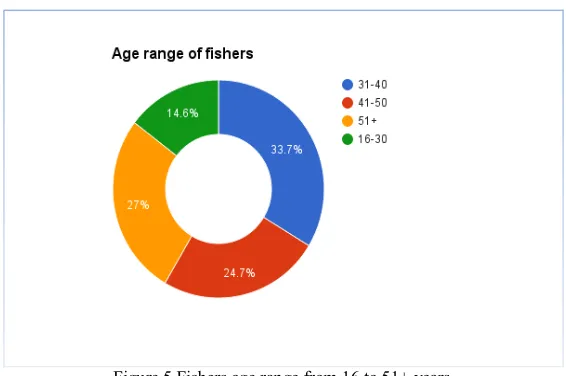
Figure 5 Fishers age range from 16 to 51+ years ... 48
Figure 6 showing fishers’ belief regarding adequacy of policies/regulation ... 49
Figure 7 Fishers who believe there is a need for marine resource management ... 50
Figure 8 showing fisher who would comply if there were marine managed areas ... 50
Figure 9 Fishers whose annual fish catch has been declining over the years ... 51
Figure 10 showing fishers years of fishing experience ... 52
LIST OF ABBREVIATIONS
Act (2016) St. Kitts and Nevis Fisheries, Aquaculture and Marine Resource Act
CARICOM Caribbean Community
CBM Community-based Management
CCCFP Caribbean Community Common Fisheries Policy
CITES Convention on International Trade in Endangered Species of Wild Fauna and Flora
CRFM Caribbean Regional Fisheries Mechanism
DMR Department of Marine Resources (St. Kitts & Nevis)
DPPE Department of Physical Planning and Environment (St. Kitts and Nevis)
EAF Ecosystem Approach to Fisheries
EEZ Exclusive Economic Zone
FAD Fish Aggregating Device(s)
FAO Food and Agriculture Organization of the United Nations
GOC Global Ocean Commission
GSKN Government of St. Kitts and Nevis
ICS International Chamber of Shipping
IMO International Maritime Organization
IPOA International Plan of Action
IPOA-IUU International Plan of Action to Prevent, Deter, and
Eliminate IUU Fishing
IUU Illegal, Unreported and Unregulated Fishing
MARPOL International Convention for the Prevention of Pollution from Ships (73/78)
MCS Monitoring, Control and Surveillance
MSD Ministry of Sustainable Development (St. Kitts & Nevis)
MSP Marine Spatial Planning
MSY Maximum Sustainable Yield
NEAFC North East Atlantic Fisheries Commission
NPOA National Plan of Action
PSSA Particularly Sensitive Sea Areas
RFMO Regional Fisheries Management Organization
SIDS Small Island Developing State
UNCED United Nations Conference on Environment and Development
UNCLOS United Nation Convention on the Law of the Sea (1982)
UNEP United Nations Conference on the Human Environment
UNFSA United Nation Fish Stocks Agreement (1995)
CHAPTER 1: INTRODUCTION
Major challenges regarding ocean governance at the local level include
emerging economies, lacking ocean knowledge, pollution and illegal, unreported and
unregulated (IUU) fishing, to name a few (European Commission, 2015). Bad fishing
practices, such as IUU fishing where fishing or fishing related activities goes against
national, regional and international laws or goes against areas of RFMOs by non-party
vessels; fish catch and operations are not reported, misreported or underreported;
Stateless fishing vessels and, non-regulated fishing activities, which are not easily
monitored and accounted for by States (FAO, 2010), is highly problematic when trying
to sustain marine fisheries. Therefore, effective legal frameworks are needed,
particularly at national levels, along with cooperation from vital marine users, such as
fishers, to ensure regulation compliance. As an important aspect of policy
decision-making, fisher practices and attitudes can influence the success of marine management
systems. The assessment of such practices and attitudes towards marine managed areas
(MMAs) is required to determine what regulations and enforcement measures need to
be put place as well as the human capacity to execute such outlined tasks. To achieve
the desired social and economic goals, specifically marine resource knowledge and
management activities are required to identify any weaknesses that may hinder such
goals.
St. Kitts and Nevis consists of extensive marine jurisdiction important for
the Federation’s social and economic wellbeing, user compliance regarding marine
resource management plays a major role in the success of management policies. Current
fishing practices and attitudes also shape fundamental management systems such as the
ecosystem approach and marine spatial planning; hence, the need for proper governance
through regulations and enforcement. Therefore, in examining the issues of ocean
governance at the national level, general knowledge regarding the state of the world’s
oceans is needed as well as of the current international systems in place to determine
how small island developing states (SIDS) are impacted.
1.1 Overview
Human impact and use of the world’s oceans has long been a contentious topic
and cause for concern with numerous calls and cause for environmental protection of its
resources. The need for effective governing tools was therefore realized; hence, one of
the important reasons for the establishment of the 1982 Law of the Sea Convention, also
referred to as the ‘Constitution of the Oceans’. Approaches to ocean governance
through marine and coastal management at the national, regional and international level
have been emphasized with varying action plans (Haward and Vince, 2008), for
example, the 2001 Food and Agriculture Organization’s (FAO) International Plan of
Action (IPOA) against Illegal, Unreported and Unregulated (IUU) Fishing. Fisheries, as
a vital marine resource, have been negatively impacted as a result of increasing
population and economic development. It is, therefore, important to understand fishers
as marine resource users in order to assess current and future management policies and
legal frameworks. Overfishing or overexploitation within fisheries not only affects the
nutritional value of the resource for a country but also has long term impacts on local
social and economic well-being; as, fishing communities are often dependent on the
In efforts to correct the impacts resulting from overfishing and overexploitation,
a number of regional and international organizations have been implemented.
Agreements including the 1995 United Nation’s Fish Stocks Agreement (UNFSA) as
fisheries laws, with Articles 63(2) and 64 of the 1982 United Nations Law of the Sea
Convention (UNCLOS) in mind, focus on the implementation of regional fisheries
management on a regional level (Henriksen, Hønneland and Sydnes, 2006). Fisheries
agreements such as the 1995 UNFSA also introduced new international laws regarding
environmental principles for compliance and enforcement, particularly calling upon
States to be cooperative (Henriksen, Hønneland and Sydnes, 2006). Cooperation is
required for regional fisheries management regimes acting under international
institutions to work together in order to identify and overcome problems regarding the
management of regional fisheries (Henriksen, Hønneland and Sydnes, 2006). However,
although regional and international cooperation plays a significant role, what must be
recognized is that marine resource use is case-specific and should be treated as such.
This is why there is no universal format for any management system which can be
applied to all geopolitical and biophysical conditions as content and ambit approaches
must be executed through individual State practices (Henriksen, Hønneland and Sydnes,
2006).
Social, economic and political dynamics are considered to be the most
significant factors which threaten overall global environmental systems, particularly in
small-scale artisanal fisheries. Such threats are because of difficulties and conflicts that
lie within varying management objectives regarding biological, economic, social and
political outcomes (Intilli, 2012). Management entities are, therefore, tasked with
solving both ecological and community well-being as overfishing or overexploitation
fish catch efforts; hence, a reduction in destructive fishing gears and practices should be
a priority for conservation purposes (Intilli, 2012). Such fishing practices can be
instrumental to the decrease of fishing efforts which result in destructive practices.
Unmonitored fishing practices in small island developing states further encourage the
use of destructive or unsustainable means of harvesting fish stocks as lacking
enforcement can hinder the sustainable or successful management outcomes of a State’s
marine fisheries. It is, therefore, important for management policies to have
comprehensive systems in place to ensure compliance regarding conservation measures
in order to combat activities such as IUU fishing for the preservation of fisheries
resources (Henriksen, Hønneland and Sydnes, 2006).
From its nutritional, social and economic value to the need for its proper
governance through regional and international entities in order to sustain such values,
the importance of successful marine resource management begins at the national level.
Seas under national jurisdiction are subject to differing international regulations; hence,
requiring specific, as well as posing, different challenges regarding policies. Also,
because seas under national jurisdiction account for 39% of global marine species and
ecosystems (See Figure 1) with 80 to 90% of fish catch activities, governance at
national levels is vital (Jones, 2014). States must be able to manage local fishing
activities in order to tackle problems related to overexploitation for there to be effective
developments in approaches to marine management. What happens nationally is a
reflection of a State’s ability to act on a regional or international level; as there is need
for compatible management of shared fish stocks over which there also needs to be
compatible management measures (FAO, 1997). Hence, small island developing states
(SIDS) such as St. Kitts and Nevis must adapt to and implement successful local
regulatory tools to be able to commit to their obligations as a contracting State to
implementation can be achieved through coordination and policy capacity (Haward and
Vince, 2008) which will be discussed further throughout this paper. Many legal
frameworks regarding the marine environment build upon the existing constitution and
obligation of 1982 UNCLOS regarding the protection and preservation of the marine
environment. However, to what legal framework should the implementation and
enforcement/regulations of marine resource management be based or mirrored on,
particularly regarding SIDS?
Figure 1 Near-coastal ocean regions and large marine ecosystems (World Ocean Review, 2013).
Table 1 Relevant international and regional instruments to which St. Kitts and Nevis is a party
International instrument
Legally binding
Aims/mandate Requirements needed for
implementation
1982 UNCLOS
Yes Promote the peaceful use of the seas and oceans, the equitable
(Ratified in1993)
and efficient utilization of their resources, and the conservation of their living resources.
organizations. 1993 FAO Compliance Agreement Yes (Accepted in 1994)
Promote compliance with international conservation and management measures by fishing vessels on the high seas.
Maintain records of fishing vessels, exchange information, cooperate with developing states and take other necessary measures which ensure that vessels flying its flag do not engage in any activity that undermines the effectiveness of conservation and management measures.
1995 UNFSA Yes
(Ratified in 2015)
Set out the framework for cooperation with other countries to conserve and manage highly migratory fish stocks such as tuna and stocks that straddle both the high seas and a State's EEZ.
Ensure that vessels flying its flag are authorized to fish and ensure aptitude to effectively exercise its responsibilities under the agreement and 1982 UNCLOS. 1995 FAO Code of Conduct for Responsible Fisheries No (Adopted in 1999)
Provide guidance and establishes principles and standards of behaviour for States in order to improve fisheries management, conservation and development.
Prevention of overfishing and excess fishing capacity
by implementing
management measures, as well as stakeholders’ adoption of broader approaches to conservation and management of fisheries.
2001 FAO IPOA-IUU
No
(Adopted in 2015)
To prevent, deter and eliminate IUU fishing by providing all States with comprehensive, effective and
transparent measures by which to act.
(MCS), cooperation between States, vessel records and registration. 2009 FAO Agreement on Port State Measures Yes (Acceded in 2015)
To prevent, deter and eliminate IUU fishing by preventing vessels engaged in IUU fishing from using ports and landing their catches.
Bilateral, sub-regional and/or regional coordination. Also, cooperate and exchange information with relevant States, FAO, other international organizations and Regional Fisheries Management Organizations (RFMOs). 2014 FAO Voluntary Guidelines for Flag State Performance No (Accepted in 2015)
To prevent, deter and eliminate IUU fishing and related activities through effective implementation of flag State responsibilities to ensure the long-term conservation and sustainable use of living marine resources and marine ecosystems.
Build capacity development, conduct assessments, MCS, as well as comply with international duties and obligations regarding the flagging and control of fishing vessels.
1975 CITES
*Queen Conch (Strombus gigas) fishery in St. Kitts and Nevis listed on Appendix II
Yes
(Acceded in 1994)
To regulate worldwide commercial trade of wild animal and plant species, as to not threaten their survival.
Management authorities responsible for issuing CITES permits and certificates, scientific authority, as well as trade monitoring and reporting.
Regional instrument
Legally binding
Aims/mandate Requirements needed for
implementation 1973 FAO WECAFC Yes (Member in 2013)
To promote effective conservation,
management and development of the living marine resources
in areas of competence of the Commission and address common problems of fisheries management and development faced by members.
in fisheries working groups.
CRFM Yes
(Member in 2013)
To promote and facilitate the responsible utilization of the region’s fisheries and other aquatic resources for the economic and social benefits of the current and future population of the region.
Maintain marine
biodiversity, manage fishing capacity and fishing methods and facilitate resource sustainability, as well as use of the precautionary approach.
2014 CCCFP Yes
(Accepted in 2015)
Improve social and economic conditions through cooperation and collaboration of Caribbean people, fishers and their governments in conserving, managing and sustainably utilizing fisheries and related ecosystems.
Fairness and equity in the utilization and management of fisheries resources as well as the use of Ecosystems approach to Fisheries management (EAF).
NEAFC
(St. Kitts and Nevis is a
non-contracting cooperating party)
Yes To ensure the long-term conservation and optimum utilization of the fishery resources in the convention area, and providing sustainable economic, environmental and social benefits.
Apply EAF and
precautionary approaches to management, MCS and the implementation a Scheme to Promote Compliance by non-contracting party vessels.
This dissertation will discuss St. Kitts and Nevis’ socio-economic background
and existing legal framework in an effort to link or bridge any gaps with regards to the
implementation of management systems and the measures provided for under the new
Act (2016) which considers both binding and nonbinding instruments. This along with
different approaches to marine management and their application to the Federation’s
context will be examined in Chapter 2. Chapter 3 will focus on the findings from
fisher’s surveys which will be analyzed and discussed in order to address and obtain
some information regarding the state of fisheries in St. Kitts and Nevis and the possible
way forward to achieving successful and sustainable marine resource management.
Also, because cooperation plays a key role in governance, it is the outcome of such
findings which can possibly determine effective compliance systems among marine
users. A review of the literature, therefore, outlines existing research on relevant aspects
of this topic and provides an overview regarding areas to be considered and highlighted
in studying this dissertation topic.
1.2 Literature Review
There are a number of cases which attempt to analyse studies related to ocean
management through the implementation of what some refer to as marine protected
areas (MPAs), marine managed areas (MMAs) and marine reserves, just to name a few.
These management strategies are increasingly being used globally in efforts to conserve
marine resources. Pita et al. (2011) classify the majority of these research studies as
being focused on the ecological and conservation aspects rather than on the human
elements when considering approaches to management. Pita et al. (2011) elaborates that
social, economic, cultural, political and institutional elements are needed for successful
preferences towards marine management that reveal their motives regarding the critical
choices and actions they make in using marine resources (Pita et al., 2011). Therefore,
understanding these beliefs, attitudes and perceptions can be useful in predicting future
behavior towards management strategies and further create ways in which these
strategies can be better adjusted to contribute to successful policy frameworks and
regulations (Pita et al., 2011). Similarly, Thomas et al. (2015) view variables of local
fishing experiences, areas of residency and satisfaction with the fishery resources as
contributing factors which shape fisher knowledge and attitudes towards policies.
However, Thomas et al. (2015) elaborate that such variables are also complex and lead
to difficulties when formulating regulations that will be generally accepted by all
fishers. Therefore, when researching fisher knowledge and attitudes one must consider
differences in socio-demographic groups which give important insights into how the
design of regulations can be successful (Thomas et al., 2015).
Marine policies have the potential to greatly improve marine resources and the
fishing industry on a whole; hence, it is important that marine users, such as fishers, are
considered in management strategies (Silver and Campbell, 2005; Pomeroy et al., 2007;
Thomas et al., 2015). It is also important to look at the unique context of societies and
marine ecosystems in different locations when considering the implementation of
marine managed areas; as, a number of issues concerning their design and strategies
vary by region (Pomeroy et al., 2007). Hence, a homogenous approach should not be
considered when implementing management strategies. Pomeroy et al. (2007) believe,
because of this homogenous approach to management within decision-making
processes, fishers participation is generally perceived to be either lacking or
insufficient, which is not always the case. Furthermore, if the decision-making process
for marine management policies lacked the active participation and involvement of
regulations of any marine managed area (Pomeroy et al., 2007). Silver and Campbell
(2005) strengthen this argument by stating the importance of fishers being key marine
cooperators as they are the ones who often explore and exploit marine resources. If
fisher participation is not sought for the management of marine resources they would be
denied the opportunity to have an impactful contribution to the drafting process. This
can, therefore, lead to conflict between fishers and government, limit compliance and
create policies that lack social and cultural perspective from a region and its fisheries
(Silver and Campbell, 2005).
Since fisher attitudes tend to reflect their personal interests and concerns, for
example, fishers who mainly benefit from the implementation of marine managed areas
or those who are least likely to be affected by them, are more likely to accept any
supportive management measures (Pita et al., 2011). In a study carried out in the
Caribbean region, the use of incentives rather than penalties to enforce compliance
seemed to be more effective in governance strategies for ensuring effectively managed
or protected areas. On the other hand, the use of a high number of penalties or
incentives in governance systems can also be an indicator of political interest in
implementing marine managed areas (Kaplan et al., 2015). For example, it is believed
that legitimate authorities fuel regulations pertaining to marine management in order to
promote the protection of fishery resources and the level of success rate in their region.
However, incentive-driven conservation in the promotion of sustainable resources
through the management of marine areas is often overlooked in governance strategies
formulated to encourage compliance (Kaplan et al., 2015). As such, promotions are not
considered to be financially feasible or self-sustaining, particularly in small island
developing states.
Another overlooked aspect within management strategies are fishing
implementation and outcomes of marine management policies (Middlebrook and
Williamson, 2006). Middlebrook and Williamson (2006) add, since there is a link
between fish stocks and fishing pressures from associated communities, it is important
that there be high levels of community involvement with management initiatives. This
will ensure understanding among partners for practical outcomes; also, initiatives which
include stakeholder collaborations can become widespread in strengthening cooperative
management efforts (Middlebrook and Williamson, 2006). In contrast to Middlebrook
and Williamson (2006), Gelcich et al. (2005) believes that policy makers should already
have a broad idea of a group’s response to certain policies. Gelcich et al. (2005)
emphasizes that individual differences in certain scenarios may make people respond
differently to the same policy. However, it may be impractical for policies to consider
all individual responses independently (Gelcich et al., 2005). Gelcich et al. (2005) also
makes the point of examining fisher’s short term behaviours and attitudes towards new
policies in the event that certain crises revert them to their traditional behavioral
patterns (Gelcich et al., 2005).
This literature review is intended to give an overview of topics already
researched within the area and the context of marine resource management and
regulations in relation to fisher practices and attitudes. There are a number of studies
relating to fisher behaviors and attitudes as well as of different management approaches
used in an effort to link the social and cultural dynamics for compliance purposes. Most
of the research highlighted the success of varying marine resource management as a
result of fisher knowledge, practices and attitudes towards regulations. Consideration
for use of marine resources can differ significantly by regions, communities and by
individual involvement; however, what must not be neglected are fishers’ involvement
1.3 Aims and Objectives
Fishers are key marine resource users; their practices not only influence and
shape vital ecosystems but also the fisheries that depend on these ecosystems. The twin
island Federation of St. Kitts and Nevis located in the Caribbean Sea, 17° 20’ N, 62°
45’ W, is implementing marine management systems to regulate current fisheries use
within its jurisdiction. This is in efforts to bridge the gap between the introduction of
MMAs as a tool for sustainable development and local knowledge and practices. It is,
therefore, important to understand fisher practices and the position of marine
governance for the implementation and success of marine resource management,
particularly in small island developing states where compliance and enforcement is
lacking. This is a result of socio-economic practices in St. Kitts and Nevis which do not
have the capacity to effectively monitor the use of primary resources as a means of
generating an income (DMR, 2015a). This may, therefore, create challenges when
trying to correct fisher’s unsustainable practices with the implementation of new marine
policies. The idea of marine resource management has not yet been practiced in the
Federation which may also give fishers’ reason to resist such efforts. Hence, there will
be the need for greater capacity building and incentives as well as community-based
education regarding the marine environment and its resources in an effort to encourage
fishers’ willingness to comply with new approaches to management. Therefore, the
purpose of this study will be to:
• Determine what encourages fishers’ acceptance of and compliance with marine
management and regulations.
• Examine what crucial practices and attitudes should be considered when
• Consider/explore the way forward for effective management outcomes and for
improving the Federation’s role in ocean governance.
1.4 Methodology
Recognizing the need for successful marine resource management through an
effective legal framework and regulation implementation, registered fishers operating
licensed fishing vessels in St. Kitts and Nevis were surveyed. Currently, registration of
fishers in the Federation is open to all locals upon application; however, there is an
annual license fee for fishing vessels. A minimum of 78 fishers were targeted from a
population of 109 registered fishers operating licensed fishing vessels in 2015.
Questionnaires were distributed consisting of ten (10) questions, both structured and
limited open-ended (See Appendix 1), for qualitative and quantitative data analysis in
order to determine the following research questions:
1. What determines fisher compliance or non-compliance towards marine
management policies and;
2. How will marine policies influence fisher behaviors and practices?
Fisher practices were measured by the type of fishing methods chosen and their
attitudes/behaviors measured by responses regarding the need for and compliance to
MMAs. The population of interest was local fishers of St. Kitts and Nevis from five (5)
landing sites located in Basseterre, Old Road, Sandy Point, Dieppe Bay and
Charlestown (See Appendix 2). This stratification by landing site was selected for
island-wide diversity as these are the predominant fishing communities and fishery
population of 109. With a confidence level of 95% and confidence interval of six (6),
the minimum population’s sample size was calculated at 78 fishers using ‘Survey
Systems Software’ (Survey System, 2014). Finding the minimum sample size is
calculated for an accurate representation of the population being surveyed, where the
confidence level and confidence interval must first be determined. The confidence level
being either 95% or 99% is how confident one is that the true statistic of what is being
measured is within the confidence interval. While, the confidence interval is the range
in which the sample size is most likely to fall (Survey System, 2014). Therefore, the
population sample was used to determine the range within which the population of
registered, licensed fishers was possibly within. All fishers were then randomly selected
from the named landing sites and questionnaires were completed anonymously in order
to maintain the confidentiality of respondents’ answers.
Data were first analyzed by gender, age range, number of years of fishing
experience and fishing status, that is: full-time or part-time, before generalizing all
responses. This was done in an effort to assess deciding factors which may influence
fishing efforts, practices and attitudes independently. For example, years of experience
or fishing status may influence fisher’s need/use of marine management or interest in
complying with regulations. Such introductory/opening questions were also used for
comparison among and between the differences of views in answers received. All data
were collected and stored at the Department of Marine Resources (DMR) and collated
for analysis using Microsoft excel and Google spreadsheets. The schedule for
distributing and collecting completed questionnaires was within two months, with data
collection concluding on September 2nd 2016. In combination with field surveys,
academic and literature research was incorporated to compare relevant published studies
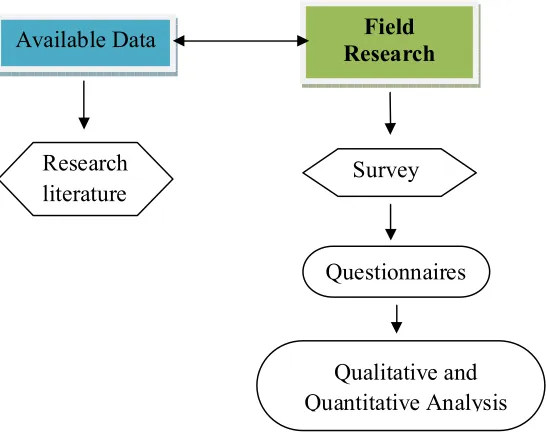
and support the research topics. The data collection road map and research methods in
questionnaires in completing this research paper. The following limitations were
encountered:
Figure 2 Data collection and research Roadmap
• Limited literature on marine managed areas in SIDS regarding their success
or failure. Also, limited data regarding St. Kitts and Nevis marine
resources/stock.
• Capacity to distribute and acquire the minimum population sample size for
the questionnaires.
• Fishers’ unwillingness to participate.
• Fishers’ willingness to participate but without signing the consent form. Due
to such reluctance of signing, permission was sought to accept
questionnaires without accompanying signed forms in order to reassure and
Available Data Field
Research
Research literature
Survey
Questionnaires
eliminate any ethical issues, that is, whether or not questions were completed
dishonestly.
• Due to the Federation’s small communities’ population, confidentiality and
informed consent were not taken seriously or not deemed necessary as word
of the survey circulated, hence, possibly influencing the manner in which
CHAPTER 2: ST. KITTS AND NEVIS SOCIO-ECONOMIC AND LEGAL DYNAMICS
The state of the world’s fisheries is often a reflection of how governance at
national levels and how individual States manage their fishing fleet (World Ocean
Review, 2013). Since fisheries are important sources of social and economic values for
coastal states, the link between such values is key in assessing the management of fish
stocks. It is also the conflict between social, economic and ecological objectives that
results in exceeding catch limits (World Ocean Review, 2013); hence, the need to
manage and maintain sustainable fisheries for the benefit of all. Socio-economic factors
within a country should not be analyzed in isolation when attempting to manage marine
resources. Therefore, in setting the concept of ocean governance at the national level,
socio-economic background and factors within St. Kitts and Nevis must be put into
context in attempting to assess and manage its fisheries resources.
2.1 Socio-economic Factors and Assessment
The twin island Federation of St. Kitts and Nevis with a population of
approximately 54, 000 moved away from a sugar production-based economy in 2005
towards tourism and services, and with this move demands on local marine resources,
particularly fisheries, increased significantly (IDB, 2013). Today’s industrialized
maritime sector also fueled the need for greater transparency in traded food products
Federation is now fully obligated to carry out its flag state duties with this in mind.
However, St. Kitts and Nevis must first implement local marine strategies which reflect
international standards and are suitable for there to be improvements within its fisheries
operations and ecosystems. With a total land area of 104 square miles and a declared
maritime jurisdiction with its exclusive economic zone (EEZ) extending up to 200
nautical miles (MSD, 2006), the Federation has more sea jurisdiction than land. St. Kitts
and Nevis communities, therefore, depend a great deal on marine and coastal resources
for economic and social well-being.
The St. Kitts and Nevis’ economy and quality of life are greatly dependent on
the capacity of its marine and coastal ecosystems; it is vital that ecosystems services
continue to provide natural as well as extractive and non-extractive uses. Such uses
must, therefore, be managed to ensure sustainability for food security through
nutritional values, seashore protection and marine nursery, which are provided by reefs
and coastal vegetation and services that generate income such as snorkeling/scuba
diving (IDB, 2013). With the tourism industry being identified as one of the main
drivers of economic growth in St. Kitts and Nevis, the marine environment, in
particular, faces great challenges from external threats. Such challenges are not only
arising from climate change and natural disasters but also increasing demands for
marine resources and marine activities (IDB, 2013). Additionally, fisheries as well as
fishing communities’ livelihoods are often threatened when impacted by natural
disasters. However, natural disasters require more adaptive rather than preventative
measures as they are often unpredictable and unpreventable. What is more preventative,
on the other hand, are fishing practices and methods regarding marine resource use and
enforcement measures to ensure sustainable practices and mitigation of overfishing and
According to a 2006 UNEP report, the state of the world’s marine and coastal
ecosystems is either degraded or being used unsustainably; hence, deteriorating faster
than their rate of recovery. St. Kitts and Nevis’ fisheries sector comprises of artisanal
fishers who rely on more traditional fishing methods which can be damaging to the
marine ecosystem and some particularly sensitive species (DMR, 2015a). Ghost fishing,
for example, often results from fish traps/pots being lost at sea and, without
biodegradable panels, these taps continue to catch fish without ever being retrieved,
resulting in the loss of a number of species (DMR, 2015a). Coral reefs, as nurseries and
homes for many marine species, are known to be highly vulnerable to artisanal fishing
pressure and are also targeted as fishing areas. As a result, biodiversity loss is common
due to direct removal of individual species; this can lead to a cascade effect as loss of a
single species can have destructive effects on the ecosystem as a whole, particularly
when key species groups are lost (Intilli, 2012). Global artisanal fishing on reefs
accounts for 50 % of fish consumed with multi-gear including the use of nets, traps and
line (Intilli, 2012). Hence, the idea of freedom and open seas conveyed among the small
island fishers results in continued resource exploitation which must be sustainably used.
The Department of Marine Resources manages five major fisheries including the
Queen Conch (Strombus gigas) which is listed on the 1975 Convention on International
Trade in Endangered Species of Wild Fauna and Flora (CITES) Appendix II. This
means that the species is not necessarily endangered with extinction, but must be trade
controlled in order to avoid overexploitation which threatens their survival (CITES,
2005). Fishers rely on this highly demanded and exported species for revenue;
however, with increasing demand, rates of harvest and exploitation continue to be of
concern. The conch fishery is just an example of understanding local fishing
communities’ dependence on marine and coastal resources. St. Kitts consists of five
major landing sites accounting for almost 70% of the total vessels on the island with
landed at East Basseterre; Old Road is known for their coastal Pelagics (jacks,
ballyhoo). Dieppe Bay is known for their Lobster landings, and Nevis bringing their
catch to St. Kitts do so via West Basseterre landing site with Nevis’ largest landing site
being in Charlestown (DMR, 2015a). These landing sites are a direct indication of
fisheries’ value as well as a means of collecting important data records of which
different assessments can be made; assessment which also shows social and economic
dependence.
Focusing on socio-economic aspects of coastal community sites through
assessment and monitoring can be useful in establishing marine managed areas in order
to collect baseline data. Therefore, being aware of and developing socio-economic
profiles and conditions of fisheries can enhance different marine stakeholders’
management capacity; so, future changes in governance can be measured (Pena,
McConney and Chami, 2013). Understanding the socio-economic context of coastal
resource use and dependence on coastal and marine resources is not only necessary in
assessing, predicting and managing resource use over time but also to formulate better
ideas regarding the management of fishing sites and their communities (Pena,
McConney and Chami, 2013). St. Kitts and Nevis is particularly concerned with
possible loss of export opportunities and access to particular markets and product trade
if proper sustainable strategies are not soon set in place; as, the value and biodiversity of
marine resources will rely on such strategies. The Government of St. Kitts and Nevis,
therefore, has the responsibility of ensuring that economic growth is environmentally
sustainable and also socially acceptable to ensure resource preservation through
compliance. Marine resource user attitudes and practices is, therefore, vital in order to
collect and assess information regarding users perceived environmental values,
The decision-making process can be a major determining factor regarding the
future effectiveness of marine resource management (Henriksen, Hønneland and
Sydnes, 2006). Hence, it is important to recognize and consider fishers and community
livelihoods along with efforts to protect the marine environment in order to promote the
social and economic sustainable development of St. Kitts and Nevis; as, there can be
direct and indirect impact on the economy by impeding social or cultural practices and
livelihoods because of the introduction of rigid environmental policies. This is where
adequate policies supported by legislation play a major role in governance as scarce
marine resources are dependent on regulation; while fishers and communities, on the
other hand, are dependent on these resources for income and sustenance. Since
small-scale artisanal fisheries contribute to social and economic concerns, particularly around
degrading coral reefs ecosystems, policy makers must be able to implement both
top-down and community-based approaches to management. This can ensure that
conservation efforts include local marine users and communities in order to incorporate
and increase local knowledge regarding the sustainable use of marine resources (Intilli,
2012).
In addressing issues relating to socio-economic and ecological aspects of ocean
governance, the legal framework which supports proper management strategies must
also be put in place. The legal basis behind such a framework is instrumental for the
development of guiding principles that protect the environment in the long-run. A
country’s policies reflecting national interests show their commitments, hence, St. Kitts
and Nevis’ desire to sustain equilibrium between socio-economic and environmental
concerns (DMR, 2015a). With the DMR placing emphasis on ecosystem management
and protection rather than activities which increase fish landings, the new Fisheries,
Aquaculture and Marine Resource Bill (2015) was developed. This new Act, which was
the older 1984 Fisheries Act in order to protect its vital marine resources and commit to
2.2 Legal Framework
The Federation has been operating under the outdated Fisheries Act of 1984 and
Regulations from 1995 (revised in 2002); however, the implementation of a new
Fisheries, Aquaculture and Marine Resources Act (2016) strives for a holistic approach
to marine resource management, locally and internationally. The new Act also aims at
bridging the gaps between current marine developments and local knowledge and
practices, particularly with key stakeholders such as fishers. It is, therefore, important to
understand fisher practices and the role of marine governance in the implementation and
success of marine resource management, particularly in small island developing states
where compliance and enforcement are lacking. The Caribbean region, on a whole, has
fairly advanced environmental policy frameworks, but they are lacking financial
resources in order to implement many necessary policies (IDB, 2013). Current
frameworks must, therefore, be strengthened through increased human capacity
building, such as staffing and training, within responsible institutions that consist of
relevant regulatory and enforcement capabilities to fuel cooperation and environmental
stewardship. The restructuring and implementation of marine governing systems is
needed in order to meet challenges related to marine resource regulation. This will
allow for local and international requirements of improved global ocean governance to
be achieved. Marine governing systems such as MMAs are also needed to sustain
future fisheries resources and their ecosystems which require great effort that is
supported by an appropriate legal framework.
The Government of St. Kitts and Nevis is a parliamentary democracy with the
Department of Marine Resources positioned under one Minister and Permanent
Secretary who is also responsible for Agriculture and Cooperatives. Within the DMR
the director is the most senior in the Department and is responsible for its administration
organizes, directs and controls all the activities of the DMR, thus, DMR’s obligations
regarding marine resource management and policies. It is with such obligations that the
DMR, along with the Department of Maritime Affairs, cooperates regarding
interdisciplinary approaches to combine knowledge of the environment, economy and
regulations to provide a more holistic approach to ocean governance issues (Nordquist
and Moore, 1999). The marine and maritime interests of the Federation are linked in
that all users within its jurisdiction can be impacted by one or another at any time; for
example, the regulation of shipping and navigation to prevent pollution which not only
disturbs marine life but also prevents and obstructs marine services/activities. This is of
particular concern and a primary example as to why governance within the fisheries
sector is important in order to create harmony amongst users. Fisher’s traditional idea of
freedom of the ocean has, with time, also meant freedom of resource abuse (Van Dyke
et al., 2013). This has been seen through practice and data records from the DMR.
Confronting such challenges has begun with the passing of the new Act in January
2016.
The implementation of the new Act as well as of marine projects to achieve
sustainable ecological and economic growth with emphasis on improving international
standards now focuses on management strategies which enable nationwide
development. For efficient and successful operation of the Act (2016) there have been a
number of projects aimed at bringing awareness regarding the protection of the marine
environment. Also, marine management and communication plans have been
formulated with efforts of integrating conservation planning strategies through proposed
zoning schemes and regulations that will enable effective governance. Knowing that
many fish stocks fall within coastal states’ exclusive jurisdiction (Figure 1), and
considering management obligations outlined in customary international law (UNCLOS
article 192) regarding protection and preservation of the marine environment the
The principles of 1982 UNCLOS as the constitution of the ocean have become
binding customary norm of international law for ratifying and even non-ratifying States
(Elferink et al., 2004). It obliges States regarding a number of environmental duties.
Part XII of UNCLOS in particular, highlights a number of threats to the marine
environment and its resources, such as pollution (article 194). With States’ sovereign
rights to explore and exploit marine resources, it also requires them to do so in
accordance with their duties to protect and preserve under required environmental
policies (article 193). Current frameworks primarily based and influenced by the Law
of the Sea aims to complement such an instrument as it relates to States’ interests
regarding marine management (Haward and Vince, 2008). It was because of such
interests that States’ maritime power began to extend beyond its land and shore
territories. The management of maritime space by coastal states’ zone delimitation in
establishing baselines meant that the territorial seas, contiguous zone, and the exclusive
economic zone including the continental shelf were, all, either within a State’s
sovereignty or sovereign rights. While 1982 UNCLOS as a constitutional framework
provides a comprehensive developmental approach to resource exploitation rather than
conservation, as it predated such a term, its geopolitical and legal framework allows for
the establishment of such management measures (Jones, 2014).
The deteriorating state of marine species along with their ecosystems which
often falls within a State’s jurisdiction makes such States responsible and in breach of
their national political commitments to 1982 UNCLOS. With 1982 UNCLOS
provisions for fishing and highly migratory fish species in Articles 64 to 67, societal
and scientific concerns require the need for integrated management. As fisheries
continue to develop, so must marine policies and regulation to facilitate changing
territorial waters where intensive near-shore fishing can cause depleting resources and,
with this, coincide with further exploitation on the high seas, resulting in the need for
greater effective international management efforts (Juda, 1996). Therefore, managing
fish stocks found both within and outside States’ jurisdiction as well as managing fish
catch efforts through technology and operations agreements, such as the 1995 UNFSA,
there must be firm compliance and enforcement for vessels flying a member State’s
flag.
The membership and influence of international and regional instruments such as
the 1995 UNFSA are considered at a national level (See Table 1). Also, being a member
of the Caribbean Regional Fisheries Mechanism (CRFM) and the 1973 Western Central
Atlantic Fishery Commission (WECAFC) (See Table 1) allows for cooperation between
neighboring coastal and distant fishing States; hence, also acquiring powers to detain
vessels that are in contravention of conservation measures on the high seas (UNFSA
articles 21(8) and 23). Having such responsibilities requires the Federation to take
necessary steps in the interests of local and international communities. With access to
fishery resources within Regional Fisheries Management Organizations (RFMOs), the
real interest and concern for conservation and management efforts are considered;
hence, the concerns regarding fisher attitudes and practices which contributes to
fisheries conservation and management of fisheries stocks (Haward and Vince, 2008).
Other fisheries agreements including the 1993 Compliance Agreement for effective flag
state control over fishing vessels on the high seas through compliance with international
conservation and management measures, as well as the 1995 Code of Conduct for
Responsible fisheries and the 2001 IPOA-IUU were developed to encourage States’
commitment regarding fisher use and method of use of marine resources. The GSKN
Fisheries, Aquaculture and Marine Resources Act, particularly, taking into account its
high seas fishing fleet.
With St. Kitts and Nevis having an outdated Fisheries Act and an open ship
registry, requirements and standards regarding transparency of fish and fishery products
prompted the formulation of a National Plan of Action against IUU fishing. The
NPOA-IUU, which was tailored to national needs and practices, was approved in 2015 in
accordance with FAO’s 2001 IPOA-IUU as well as considering St. Kitts and Nevis
efforts to conserve and manage fish stocks (DMR, 2015c). Therefore, the promotion
from FAO for the development of this official plan place conservation as a priority for
the country’s coastal and marine resources. Also, commitments of compliance and
enforcement through guidance from international agreements place St. Kitts and Nevis
in a position to act rather than be complacent. However, SIDSs often have minimal
coordination and policy capacity as well as financial and human resources to develop
and execute effective governance decisions (Haward and Vince, 2008). There are
initiatives put forward by a number of institutions in efforts to aid and extend their own
capacity. Such initiatives and institutions focus on governing the management of the
ocean by building on legal frameworks in dealing with issues derived from varying
marine demands (Haward and Vince, 2008). The United Nations Conference on the
Human Environment (UNEP) and the United Nations Conference on Environment and
Development (UNCED), to name a few, though committed to sustainable development
and environmental protection, also provides important technical and legal assistance
through the United Nations, particularly FAO, as it relates to the status of the world’s
fisheries, and other actors, such as the Global Forum on Oceans, Coasts and Islands.
As an advocate for protecting the world’s oceans, the International Maritime
Global Ocean Commission (GOC), which is comprised of world leaders and policy
makers, also suggests solutions on how protection of the ocean can be improved to
preserve fish stocks from IUU fishing and ecosystem damage (ICS, 2015). With support
for and the objective of greater environmental protection regarding the economic
activities of shipping through adequate regulations, which at the same time do not
disrupt the right of innocent passage, IMO as well as advocates such as the International
Chamber of Shipping (ICS) recognize the need for special areas. This global approach
for reduction in pollution by ships recognizes that some areas require more protection
than others as defined in the International Convention for the Prevention of Pollution
from Ships (MARPOL). Additionally, IMO has adopted guidelines regarding the
designation and declaration of Particularly Sensitive Sea Areas (PSSA) due to their
vulnerability to damage from maritime activities for ecological, socio-economic or
scientific purposes (IMO, 2007).
Although traditional institutions of legal frameworks such as 1982 UNCLOS
may lack solutions regarding current issues related to marine and maritime demands, for
example, governments and stakeholders conflicting principles regarding fisheries
management and marine managed areas, the scope of such law has increased. The scope
of which has influenced national laws through institutions such as the FAO to promote
sustainable oceans initiatives. Therefore, with a foundation and objective for good
governance in place supported by such an institution, the GSKN along with fishing
communities and other stakeholders were able to use co-management as a tool for
policy formulation. Support of which can also be used to execute the intended
management cycle from the management body, management plan, enabling legislation
and, finally, to proper management of resources. The GSKN as the management body
national MMA legal operational framework aimed at improving the sustainable use of
marine resources through capacity building and compliance.
Capacity building through improved local knowledge and awareness of
environmental issues aims to also improve compliance with the implemented
management plan. The idea of a communication strategy plan within the management
plan is that community-based management through a bottom-up approach will allow for
greater involvement of marine users and fishing communities regarding the
decision-making process of resource management; hence, shifting management authorities away
from the usual government entities or non-governmental organizations (NGOs) and
more towards local communities (Fabricius and Collins 2007). The end goal of which
should be resource management that is fueled by users’ responses to successful
management use by improved attitudes and practices. Additionally, the implementation
of MMAs can empower local resource users and other stakeholders to be better
decision-makers within their communities (Fabricius and Collins, 2007).
Community-based management (CBM) is considered an effective capacity building tool that builds
compliance where the opportunity to develop approaches to conservation and
sustainable fisheries is shifted more towards locals. In such cases, fishing communities
become more involved in the decision-making process as their input as marine users
reflects their ability to achieve outcomes for the greater good of communities (Graham,
Charles and Bull, 2006).
Collective responsibility as a form of self-governance can, therefore, promote
conservation and sustainability of resources for healthy ecosystems by resource users
and not only for the benefits of profit maximization from harvest (Graham, Charles and
Bull, 2006). The cycle of enabling legislation will then be more easily applied by which
(2016) can be established for marine management. Enabling legislation is achieved by
correcting inefficiencies by putting in place regulations that can deter abuse of marine
resources so they can be sustained. The use of regulation as a marine policy instrument
that sets the overall rules of what takes place on or in the ocean can be useful in
sustaining its socio-economic and environmental productivity, which is the primary
purpose for governance to begin with (Zacharias, 2014). However, strict compliance
through enforcement is required for monitoring improvements. The idea is not to
restrict marine use but rather regulate it in a manner that can minimize ecosystem
damage and ensure rationalized exploited resources. By implementing marine managed
areas by zones, marine users can be allowed to conduct certain activities in some areas
while allowing for the protection and conservation in others. Appendix 2 shows St.
Kitts and Nevis proposed management area which was declared within a two mile
coastline radius on August 18th 2016.
Due to minimal sanctions and enforcement for fisheries contravention in the
older 1995 Regulations, cooperation from resource users were lacking (DMR, 2015b).
Although some RFMO tools act as incentives, such as authorized vessel lists and catch
documentation, there are also lacking efforts among some members regarding
compliance to ensure that threats or violation within fisheries are impeded (Clark et al.,
2015). The Federation’s management plan being implemented through DMR now
focuses on fisheries development and regulations where the industry is capable of
meeting the present demands by sustaining equilibrium between socio-economic and
environmental concerns. This goal is looking to be achieved by placing greater
emphasis on co-management and habitat management rather than only looking at
activities that increase catch efforts (DMR, 2015a). Enabling legislation by monitoring
marine zones will focus human resources on the establishment and designation of
marine parks and reserves (conservation) and fishing priority areas of targeted fisheries
system (DMR, 2015a). The idea is if fishers are not able to execute or adhere to
regulations set in place, then they will be prevented from obtaining licenses or will be
fined or sanctioned in accordance with regulations as a mechanism for compliance.
Therefore, enabling laws through such regulations will be used as the course of action
to influence the necessary requirements regarding marine management.
There are also other national legal instruments from which policies can be
enabled and supported within the Federation to adequately manage marine resources
such as the Maritime Areas Act (1984). This Act provides for the exercise of sovereign
rights with regards to the protection and preservation of the marine environment (part 3
(12b (iii)) in accordance with UNCLOS’ Article 192; the National Conservation and
Environmental Protection Act (1987) also highlights the need to manage areas in order
to protect, preserve, maintain and sustain marine species and habitats; (part 2); the
Development Control and Planning Act (revised in 2002) for the management and
planning of environmental protected areas, permits areas to be designated as
environmental protection areas under a development plan (section 13); the Marine
Pollution Management Act (2002), with the objective to provide for the protection of
ecologically sensitive marine resources; and the St. Christopher (St. Kitts) National
Trust Act (2009) is a corporate body which also promotes the protection, conservation,
interpretation and enhancement of the natural environment including submarine areas of
natural and historical interest (part 2 (4b)). All of which are frameworks that can
combine resources to effectively support and act as legal basis for improved use and
sustainability of marine resources.
The final cycle of resource management is to have successful results through
social acceptance and compliance regarding the sustainable use of ocean resources.