Geschke Center
Doctoral Dissertations Theses, Dissertations, Capstones and Projects
2014
The Effects of Explicit Listening Strategy
Instruction on the Listening Comprehension of
English as Second Language (ESL) Community
College Students
Yi Guan
University of San Francisco, [email protected]
Follow this and additional works at:https://repository.usfca.edu/diss
Part of theCommunity College Education Administration Commons, and theFirst and Second Language Acquisition Commons
This Dissertation is brought to you for free and open access by the Theses, Dissertations, Capstones and Projects at USF Scholarship: a digital repository @ Gleeson Library | Geschke Center. It has been accepted for inclusion in Doctoral Dissertations by an authorized administrator of USF Scholarship: a digital repository @ Gleeson Library | Geschke Center. For more information, please [email protected].
Recommended Citation
Guan, Yi, "The Effects of Explicit Listening Strategy Instruction on the Listening Comprehension of English as Second Language (ESL) Community College Students" (2014).Doctoral Dissertations. 93.
The University of San Francisco
THE EFFECTS OF EXPLICIT LISTENING STRATEGY INSTRUCTION ON THE LISTENING COMPREHENSION OF ENGLISH AS SECOND LANGUAGE
(ESL) COMMUNITY COLLEGE STUDENTS
A Dissertation Presented to
The Faculty of the School of Education
International and Multicultural Education Department
In Partial Fulfillment
of the Requirements for the Degree Doctor of Education
by Yi Guan San Francisco
ii
THE UNIVERSITY OF SAN FRANCISCO
Dissertation Abstract
The Effects of Explicit Listening Strategy Instruction on the Listening Comprehension of English as Second Language (ESL)
Community College Students
This mixed methods study explored the effects of explicit listening
strategy instruction on the beginning-level ESL learner’s listening comprehension
at a community college in Northern California. Most previous studies measured
the effectiveness of listening strategy instruction by comparing students’ test
scores, but little research explored the students’ listening strategy development
and their perceptions of the strategy instruction. Furthermore, no prior research
exists on the effects of listening strategy instruction among community college
students.
The researcher employed the concurrent triangulation approach, collecting
and analyzing both quantitative and qualitative data simultaneously. Data sources
included interviews, a listening test, background surveys, and classroom
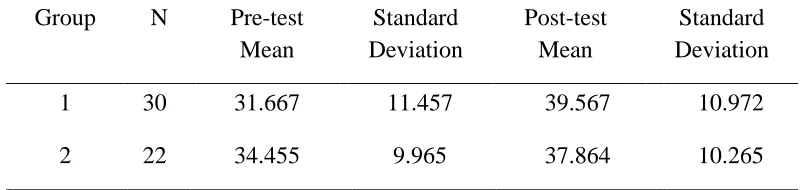
observations. A total of 52 students participated in the research, including 30 in
the treatment group and 22 in the control group. Based on the initial findings, the
researcher provided explicit instruction of listening strategies to the treatment
group.
The qualitative findings of the present study showed positive changes in
students’ listening strategy use after the strategy instruction. In addition, the
findings revealed that students noticed improvement in their listening abilities and
iii
quantitative findings resulting from the independent sample t-test revealed a
statistically significant difference in gain score means between the control and
treatment groups. Thus, the qualitative and quantitative findings converged and
suggested that the explicit teaching of listening strategies did have positive effects
on community college ESL students’ listening comprehension.
This study has implications for the fields of research methods, language
teaching pedagogy, listening strategies, strategy instruction, and strategy
assessment among ESL and EFL learners. More research on explicit listening
strategy instruction in adult education would further expand the current
understanding of the effects of strategy instruction and to identify curricular
iv
This dissertation, written under the direction of the candidate’s dissertation
committee and approved by the members of the committee, has been presented to
and accepted by the Faculty of the School of Education in partial fulfillment of
the requirements for the degree of Doctor of Education. The content and research
methodologies presented in this work represent the work of the candidate alone.
Yi Guan April 30, 2014 Candidate Date
Dissertation Committee
Dr. Susan Roberta Katz April 30, 2014 Chairperson
Dr. Yvonne Bui April 30, 2014
Dr. Sedique Popal April 30, 2014
v
DEDICATION
This dissertation is dedicated to my loving parents Yue Guan and Yuhua Yang,
vi
ACKNOWLEDGEMENTS
Pursuing a doctoral degree has been one of the most challenging and rewarding
journeys that I have ever undertaken. Many individuals helped me complete this journey
and to each of them I express my gratitude.
I would like to thank my Dissertation Committee members; Dr. Susan Roberta
Katz, Dr. Yvonne Bui, and Dr. Sedique Popal for their insightful guidance and endless
support during this exciting journey. Dr. Susan Roberta Katz, the chair of the Dissertation
Committee, who has been more than supportive and always provided me with valuable
feedback. Thank you for making this journey possible and always being there for me! I
am grateful to Dr. Yvonne Bui for her expertise on the research methods and statistics.
Her unlimited guidance and help enabled me to strengthen the quantitative section of this
research. A special thank you to Dr. Sedique Popal, who helped me gain access to the
research site and recruit participants. Thank you for supporting me every step of the way
and encouraging me to pursue my passion in teaching!
I wish to express my gratitude to the leaders and instructors at the College of
Alameda who supported my research. Many thanks to Dr. Alexis Montevirgen, Dean of
Enrollment Services, who permitted and supported my research at the College of
Alameda; Ms. Christa Ferrero-Castaneda for validating the interview protocol and
providing insightful feedback; Mr. George Irving, who provided convenience and support
during my data collection procedure.
I would like to acknowledge Joseph Siegel, assistant professor at the J.F. Oberlin
University in Tokyo, Japan, who helped me validate the interview protocol and shared his
vii
To Shelwyn Corrigan, adjunct professor at the University of San Francisco, who gave me
encouragement on many occasions and validated the interview protocol for my research.
To Dr. Ben Baab, thank you for reading my research proposal at the early stage and
providing valuable feedback.
Above all, I would like to thank my husband, Edward, who has supported me in
this endeavor from the beginning and served as my rock and endurance. This would not
viii
TABLE OF CONTENTS
ABSTRACT ... ii
DEDICATION ...v
ACKNOWLEDGEMENTS ... vi
TABLE OF CONTENTS ... viii
LIST OF TABLES ... xi
CHAPTER ITHE RESEARCH PROBLEM ...1
Introduction ... 1
Statement of the Problem ... 2
Background and Need for the Study ... 3
ESL Learners in Community Colleges ... 3
Teaching ESL Listening Strategies in Community Colleges ... 5
Purpose Statement ... 7
Research Questions ... 8
Theoretical Framework ... 8
Delimitations and Limitations ... 12
Significance of the Study ... 14
Definition of Terms ... 14
Summary ... 16
CHAPTER IIREVIEW OF THE LITERATURE...18
Introduction ... 18
Overview ... 18
Listening Processes ... 19
Differences between More and Less Effective Listeners ... 22
Listening Strategy Instruction ... 28
Explicit and Integrated Strategy Instruction ... 28
Strategy Instruction for Foreign Language Learners ... 30
Strategy Instruction for ESL Students ... 32
Strategy Instruction Models ... 35
Language of Instruction ... 41
Assessment of Listening Strategy Use ... 43
Students’ Perceptions of Listening Strategy Instruction ... 46
ix
CHAPTER IIIMETHODOLOGY ...52
Introduction ... 52
Restatement of Purpose ... 53
Research Design ... 53
Research Setting ... 53
Participants ... 55
Protection of Human Subjects ... 56
Sources of Data Collection ... 56
Procedures ... 58
Pre-Intervention Observations and Interviews... 58
Pre-test ... 59
Intervention ... 59
Post-test ... 65
Post-Intervention Interviews ... 65
Data Analysis ... 66
Qualitative Data ... 66
Quantitative Data ... 66
Background of the Researcher ... 67
CHAPTER IVFINDINGS ...68
Overview ... 68
Qualitative Findings ... 68
Interviewees’ Background Information ... 69
Listening Strategies and the Coding Process ... 72
Research Question One ... 79
Research Question Two ... 95
Summary of Qualitative Findings ... 102
Quantitative Analysis ... 104
Research Question Three ... 104
Summary of Quantitative Findings ... 107
CHAPTER V DISCUSSION, RECOMMENDATIONS, IMPLICATIONS, AND CONCLUSION ...108
Overview ... 108
Summary of the Study ... 108
Summary of Findings ... 111
Qualitative Findings ... 111
Quantitative Findings ... 112
Discussion ... 112
x
Current Findings and Previous Studies ... 117
Recommendations for Future Research ... 122
Implications for Practice ... 125
Conclusions ... 128
REFERENCES ...131
APPENDICES ...139
APPENDIX A:IRB Approval Letter from the College of Alameda ... 140
APPENDIX B:IRB Approval Letter from the University of San Francisco... 141
APPENDIX C:Informed Consent Form ... 142
APPENDIX D:Interview Questions ... 145
APPENDIX E:Interview Protocol Validation Letters ... 147
APPENDIX F:Vandergrift’s Listening Strategy Taxonomy ... 151
xi
LIST OF TABLES
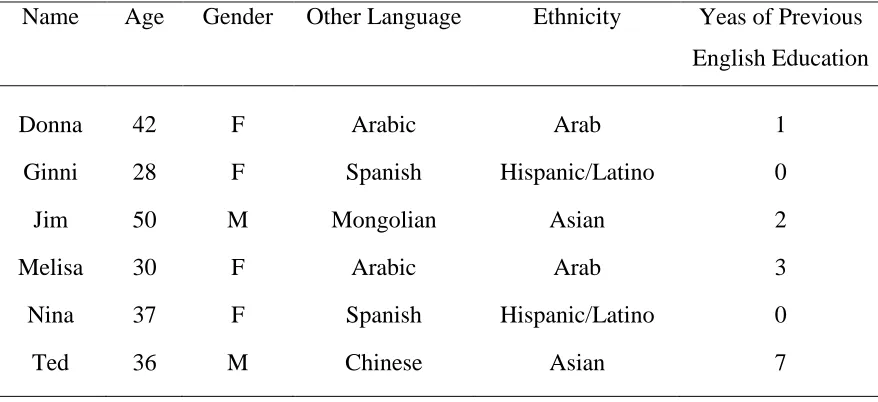
Table 1 Demographic Characteristics of the Six Interviewees ... 69
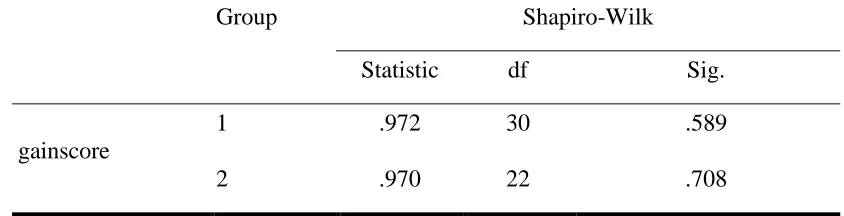
Table 2 Results from the Shapiro-Wilk Test ... 105
CHAPTER I
THE RESEARCH PROBLEM
Introduction
If speaking is silver, then listening is gold.
(Turkish Proverb)
Listening comprehension has historically received only minimal treatment in the
teaching of English as a Second/Foreign Language (ESL/EFL); however, it remains one
of the most important skills in language learning (Berne, 1998; Clement, 2007; Oxford,
1993; Rubin, 1994). For non-native English speakers (NNES), listening is the first
encounter with the target language in their language learning journey (Berne, 2004). Also,
mastering listening comprehension is the first step towards fully acquiring a second
language (L2) or foreign language (FL) (Liu, 2009). However, in spite of the importance
of developing listening comprehension abilities, L2 learners are rarely taught how to
listen effectively (Berne, 2004; Vandergrift, 2007).
In ESL and EFL fields in early decades, the focus of research and pedagogy on
listening was primarily on testing learners’ abilities to listen to oral discourse and then
answer comprehension questions based upon the information, without instruction in skills
or strategies for completing such tasks (Field, 1998). Even until the 1970s, there were no
textbooks particularly for teaching listening skills in a second language. It was assumed
that learners’ abilities to comprehend spoken language would automatically improve in
an inductive way, through practice. In other words, learners would develop listening
skills with exposure to the oral discourse through repetition and imitation (Clement,
shifted to the use and development of language learning strategies (Berne, 2004; Carrier,
2003; Chamot, 2004; Clement, 2007; Graham, Santos, & Vanderplank, 2011; Liu, 2009).
According to Chamot (2004), learning strategies are the conscious thoughts and
actions that learners take to accomplish a learning goal. Depending on the level or type of
processing involved, learning strategies used in listening comprehension can be classified
into three categories: metacognitive strategies, cognitive strategies, and socio-affective
strategies. According to O’Malley and Chamot (1990), metacognitive strategies refer to
higher order executive skills that involve planning for, monitoring, or evaluating the
process of learning activities. Cognitive strategies are mental activities that operate
directly on incoming information, manipulate the language to enhance learning.
Socio-affective strategies represent a broad range of activities that involve either interaction
with another person or affective control in language learning. Strategic learners have
sufficient metacognitive knowledge about one’s own learning approaches, a good
understanding of what a task involves, and the outstanding ability to orchestrate the
strategies that meet both their learning strengths and the task demands. The growing
interest in learning strategies reflects a public awareness that language learners can and
need to develop tools to become more effective and autonomous (Vandergrift, 1997).
Statement of the Problem
Given the importance of listening in second language learning and teaching, there
has been a growing body of literature on how listening strategy instruction impacts L2
learners’ listening performance, particularly focusing on the effectiveness of explicit
teaching of listening strategies (e.g. Carrier, 2003; Chen, 2009; Clement, 2007; Ozeki,
either the high school or college level, and the research took place in the United States,
Japan, and Taiwan. As suggested by O’Malley and Chamot (1990), the advantage of
implementing explicit instruction was that by informing students about the purpose and
importance of the strategies to be learned, this type of instruction can help students
maintain strategy use over time and transfer the strategies to new tasks beyond the
classroom.
Although previous studies have supported the impact of explicitly teaching
listening strategy on improving learners’ listening proficiency across a range of settings,
most studies were conducted quantitatively and based on pre- and post-test designs in
order to examine the outcome of the strategy instruction. Little empirical research has
been done to explore language learners’ listening strategy use and the perceptions of the
strategy instruction. This study aims to fill the gap in the literature by employing both
qualitative and quantitative approaches to examine the effects of explicit instruction of
listening strategies on ESL students’ listening comprehension and to explore the
perceived usefulness of the instructed strategies. More research on the explicit instruction
of listening strategies will assist ESL students to overcome academic listening difficulties
and guide them to strengthen their listening ability. ESL teachers may also benefit from
this research in terms of better understanding their students’ language background and
learning styles and equipping themselves to provide students with more comprehensive
guidance.
Background and Need for the Study
ESL Learners in Community Colleges
A “typical” adult ESL student in community colleges does not exist (Crandall &
previous educational experiences, English proficiency, and reasons for enrolling in the
ESL classes. They may include nurses from Indonesia and engineers from Russia
studying English to pass job-related proficiency exams; Central American or Eastern
European immigrants seeking access to better employment; refugees from Haiti learning
basic English and literacy; permanent residents from around the world seeking U.S.
citizenship; and U.S. citizens from Puerto Rico improving their academic English to enter
a postsecondary program. Since it is extremely difficult to design programs that can
accommodate the specific needs of each group of learners in the above example, adult
ESL learners with very different learning profiles and needs often find themselves in the
same program.
Indeed, community colleges are among the largest providers of adult education
ESL services in many states and communities. Today, 24% of the total 6.5 million
students in community colleges come from an immigrant background, according to a
report conducted by Community College Consortium for Immigrant Education (2013).
While the majority of adult ESL learners in community colleges are immigrants,
international students seeking English instruction in community college programs also
have been increasing recently, due to the fact that community colleges are less expensive
than commercial English language schools or universities (Crandall & Sheppard, 2004).
According to the Open Doors report (Institute of International Education, 2012), the
number of international students who came to the United States pursuing Associate’s
degrees reached 64,516 during the 2011-2012 academic year, including 87.5% at F-1
student visa status. Also a total number of 35,108 international students enrolled in
In California, in particular, adult ESL learners tend to belong to one of three very
broadly defined populations despite the diversity in their ethnic, cultural, and linguistic
backgrounds (Intersegmental Committee of Academic Senates, 2006). The first group
consists of long-term immigrants who came to the United States before or during their
early teens. These learners, sometimes referred as generation 1.5 students, had much of
their education in the United States and graduated from U.S. high schools. Their English
language proficiency is very advanced, yet they still need assistance to reach
college-level oral and written academic work (Crandall & Sheppard, 2004). The second
population group comprises more recently arrived immigrants, who may have completed
several years of education in the United States. The first two groups make up the majority
of students enrolled in community college ESL programs. The third group, the size of
which varies remarkably on different campuses, consists of international students from all
over the world. These students represent a wide range of different cultural backgrounds
and first languages and generally have developed first language literacy skills. Although
these three groups typically have different needs, they are often placed together in ESL
classes on the basis of placement examinations (Intersegmental Committee of Academic
Senates, 2006).
Teaching ESL Listening Strategies in Community Colleges
The above demographic data of adult ESL learners indicates a critical need for
community colleges to find effective ways of educating the rapidly increasing population
of ESL students in order to help them achieve a wide range of educational, professional,
and career goals (Intersegmental Committee of Academic Senates, 2006). While most
college-level work, a considerable number of immigrants and refugees need extensive ESL,
literacy, and academic instruction in order to obtain employment opportunities
(Blumenthal, 2002).
Among all the current pedagogical approaches in the ESL field, learning strategy
instruction has been proven to be effective in helping less successful students improve
their performance (Chamot, 2004), including community college ESL learners.
According to Chamot and O’Malley (1994),
ESL students in community college can profit from learning strategy instruction that provides know-how and strategic approaches for understanding and learning the curriculum topics and procedures for the content area being studied. For example, students in many vocational programs can profit from strategies for reading and understanding technical manuals and strategies for performing the procedures for carrying out typical tasks required by the particular vocational area. Students pursuing academic courses also need to learn strategies for listening, reading, and writing about different academic content areas. (p. 182)
O’Malley and Chamot (1990) elaborated three classifications of strategies that
were often utilized by ESL students and provided definitions of individual strategy types
in another study on learning strategies used by ESL students. This ESL version of
learning strategy classification included seven metacognitive strategies, 14 cognitive
strategies, and two socio-affective strategies. Under the metacognitive category were the
subcategories of planning, monitoring, and evaluation. The planning activities of learning
included advance organizers, directed attention, functional planning, selective attention,
and self-management. Typical strategies discussed in the cognitive category for ESL
learning were inferencing, transferring, elaboration, note-taking, summarizing, translation,
repetition, resourcing, and grouping, etc. Socio-affective strategies utilized by ESL
For adult ESL learners in community colleges, mastering listening comprehension
is their first step towards fully acquiring the English language (Liu, 2009). However,
according to Goh (2000), most learners are not well aware of their own approaches of
listening and comprehending the oral input, nor are they aware of the actual problems
occurring during information processing. These listening problems often remain
unresolved in traditional ESL listening classes, which normally involve practicing
listening comprehension through tests. Thus, researchers suggest that one of the most
efficient approaches that might help ESL learners overcome their listening problems is to
teach and assist students to utilize listening strategies effectively (Flowerdew & Miller,
1992; Goh, 2000; Graham, 2006).
The general findings of recent studies on listening strategy instruction indicated
that strategy training mostly provided positive impact on learners’ understanding and use
of listening strategies, as well as improvement on the listening comprehension
performance. However, most previous studies investigating the effects of listening
strategy instruction measured the impact mainly by using a pre- and post-test design.
There is an urgent need for future research to examine the impact of strategy instruction
through different assessment methods, including exploring learners’ perceptions of
strategy instruction and the perceived usefulness of listening strategies.
Purpose Statement
The purpose of this three-phase mixed methods study was to explore community
college ESL students’ current uses of listening strategies and to develop strategy
instruction that fits students’ needs in listening comprehension. The researcher employed
qualitative data at the first stage of the research. Based on the findings in Phase One, the
researcher provided explicit instruction of listening strategies in the second phase, and
administered pre- and post-tests to examine whether explicit teaching of listening
strategies had an impact on ESL learners’ listening comprehension in one community
college in Northern California.
Research Questions
The research questions of this study were:
1. How do community college ESL students change their listening strategies use
throughout the intervention?
2. After the intervention, how do community college ESL students describe the
usefulness of those strategies?
3. How does the explicit teaching of listening strategy affect students’ listening
comprehension performance as measured by a listening comprehension test?
Theoretical Framework
The theoretical framework for this research study was based on Anderson’s (1996,
2005) cognitive theory, particularly the model of production systems and three stages of
skill acquisition.Anderson (1996) argued that all complex cognitive skills can be
represented as production systems, and the acquisition process of the skill can be
described as three empirically derived stages. In Anderson’s view, learning strategies, as
any cognitive skills, are complex procedures that individuals apply to tasks; consequently,
they may be represented as procedural knowledge which may be acquired through
cognitive, associative, and autonomous stages of learning (O’Malley & Chamot, 1990).
Anderson's (1996; 2005) theory was chosen here because it integrates concepts
language acquisition. Also, it is the theoretical foundation of the instructional model, the
Cognitive Academic Language Learning Approach (CALLA) model, of the present study.
The CALLA approach targets advanced beginning and intermediate level ESL students,
who either have acquired academic language skills in their native language but need
assistance in transferring language skills to English, or have developed social
communicative skills but not yet academic language skills in English. According to
Chamot and O’Malley (1994), the CALLA Model has been influenced and supported by
cognitive theory, empirical research, and ongoing classroom use.” In the present study,
the researcher planned and implemented the listening strategy intervention following the
CALLA Model. She assessed students’ English learning background and prior
knowledge, identified listening strategy objectives, developed content-based lesson plans,
and organized activities into a five-phase instructional sequence: preparation,
presentation, practice, evaluation and expansion. The procedures of designing and
teaching the listening strategies were discussed in Chapter III.
Cognitive Theory
As a major component of his cognitive theory, Anderson (1996, 2005) described
cognitive skills acquisition as a “three-stage” process, using a “production systems”
notation to specify the transformation of knowledge representations during the skill
acquisition process.
Representation in Memory
Anderson (1996) distinguished two types of knowledge: declarative and
procedural knowledge. Declarative knowledge is what we know about things, such as the
also counts as declarative knowledge. Since declarative knowledge can usually be
expressed verbally, one can easily describe the content of declarative knowledge. On the
other hand, procedural knowledge refers to knowledge about how to do things, or
“perform tasks” (Anderson, 1996). Examples of procedural knowledge include our ability
to generate language, make decisions, apply rules to solve mathematical problems, and
write source code of computer programs. Whereas acquiring declarative knowledge may
be fast, acquiring procedural knowledge, such as learning a foreign language, is gradual
and only with considerable amount of time and practice.
In Anderson’s (1996) cognitive theory, procedural knowledge is represented in
memory by production systems, which are the basis for explaining how complex
cognitive skills are acquired and represented in human memory. Production systems are
rule-based conditional actions, which come as an “IF-THEN” pair. The condition
contains a clause beginning with “IF,” and the action includes a clause beginning with
“THEN.” One of the examples of the “IF-THEN” form is Anderson’s (1982) description
of the rule of pluralization:
IF the goal is to generate the plural of a noun, and the noun ends in a hard
consonant,
THEN generate the noun + /s/.
In the example above, the condition-action pair, or production, is initially
represented like declarative knowledge. However, through extensive practice, the
production can be gradually fine-tuned to the level of automatic execution.
In his production systems theory, Anderson (1996) argued for a unitary position
the evolution history, people have developed certain features to facilitate language;
however, once being developed, these features have been used for both linguistic and
nonlinguistic activities. He claimed that it is then implausible to propose specific
“faculties” or “human organs” for specific abilities, such as mathematics, computer
programming, or sculpture, simply because some of the activities people master these
days are beyond the evolutionary anticipation. This argument is directly against opinions
of many other theorists, including Chomsky (1972), who proposed the existence of the
language acquisition device (LAD), a brain organ that is specialized in detecting and
learning the rules of language in his nativist theory of language.
One big question that follows the description of production systems and
distinction between declarative and procedural knowledge is: “How does one transfer the
rule-based declarative knowledge to the more automatic procedural knowledge when
acquiring a complex skill?” Anderson (1996, 2005) described the general characteristics
of skill acquisition with a three-stage model: the cognitive, associative, and autonomous
stages.
Three Stages of Skill Acquisition
The acquisition of a skill typically comprises three stages, and the sequence of the
stages in Anderson’s (1996, 2005) model corresponds to the sequence that Fitts (1964)
suggested generally characterized the development of a skill. In Fitts’ and Anderson’s
views, skill learning begins with the cognitive stage. During this stage, learners acquire
declarative knowledge of a skill by memorizing a set of facts related to the skill. Later,
they rehearse these facts when they perform the skill. Although this knowledge enables
skilled performance. In other words, learning at this stage is deliberate, rule based, and
often laden with error.
During the second or associative stage, two major changes occur in relation to the
development of skill proficiency. First, errors in the performance from the first stage are
gradually detected and eliminated. Second, the connections among the various
components of the acquired skill are strengthened. Basically, the performance of the skill
should be successful at the end of this stage, and the declarative knowledge transforms
into its procedural form. However, sometimes the two forms of knowledge can coexist, as
language learners still remember many rules of grammar after they can speak the
language fluently (Anderson, 2005).
The third stage of skill acquisition is called the autonomous stage, where
improvement of the skill continues and the performance becomes increasingly fine-tuned.
After the first and second stages, learners have practiced the central cognitive component
of a task enough that they no longer need to pay much attention. Anderson (2005)
explained the concept of automaticity with an example of driving. Under normal
unchallenging traffic conditions, an experienced driver can carry on a conversation while
driving with little difficulty because driving has become so automatic to them and the
demands on central cognition are minimal in normal driving. It is worth mentioning that
skilled performance requires gradual and continued improvement, and mastering a skill
demands a relatively long period of practice.
Delimitations and Limitations
The scope of the study was narrowed down to include only ESL students who
Alameda. The English proficiency of the students was restricted to high-beginning level
in this study due to class availability and instructors’ permission. Furthermore, the
participants’ perceptions concerned only strategies for academic listening and were
gathered primarily from interviews.
Certain limitations of this study related to the selection of participants. First, the
participants were high-beginning level ESL students at a community college in Northern
California. While this provided insights into the strategy use of that particular population
group, it could lead to issues in generalizing the results to students at all proficiency
levels. In addition, since this study needed to be conducted as a component of regularly
scheduled ESL classes, it was impossible to follow the standard procedure to randomly
select participants during class meeting time. Thus, the researcher employed limited
randomization in the selection of the control and treatment groups between the two
participating classes.
Secondly, participants’ prior exposure to listening strategy instruction as well as
their listening activities outside of class time was another area that could have impacted
results of the study. Although students did provide such information in the background
questionnaire, during interventions and tests, students might still consciously or
unconsciously use strategies that they had learned previously or transferred from listening
skills in their first language.
Another limitation related to the extraneous factors in the research is that the
control and treatment classes had different instructors and meeting schedules. Although
both instructors had extensive teaching experiences, they might have come from different
one or both the instructors taught listening strategies in class without intentionally
planning to do so. In addition, the two groups having different class schedules could also
have impacted students’ learning during the intervention.
Significance of the Study
The present study adds to the growing body of research investigating the effects
of explicit strategy instruction on ESL students’ listening comprehension. By utilizing
both quantitative and qualitative methods, this study examined the impact of strategy
instruction more thoroughly. This study provides empirical evidence that ESL learners
should be able to actively and selectively choose the strategies most appropriate for
successful completion of a listening task. With a particular focus on community college
students, this study provides in-depth information about how adult ESL learners may
benefit from efficient utilization of listening strategies.
This study also provides valuable insights into community college students’
perceptions and practices of listening strategies in the ESL classroom. By exploring
students’ listening strategy use, this study may provide the ESL program professional a
better understanding of how ESL students in community colleges process listening input.
The findings of this study may offer suggestions that enable second language teachers to
apply certain listening strategy training to assist students in improving their target
language skills in order to handle the language demands in their life and academic work.
Definition of Terms
Adult ESL students: For purposes of this study, adult ESL students are learners
aged 18 or older who are enrolled in ESL programs offered by community colleges and a
wide range of other service providers. The program may have a variety of instructional
further education. The students may include immigrants, international students,
permanent residents, citizens, or refugees (Crandall & Sheppard, 2004).
English as a Second Language (ESL): English is learned so that the learner can
comprehend and speak the language in an English speaking culture to conduct routine
activities and business (Clement, 2007).
English as a Foreign Language (EFL): English is learned as a language that will
not be used on a daily basis. The learner probably will not have the need to use English
within an English speaking culture (Clement, 2007).
L1: One’s first/ native language.
L2: A second language. Participants in this study may have more than one
language learning experience. For the purpose of this study, L2 refers to any language
other than their native language.
Learning Strategies: The special thoughts or behaviors that individuals use to
help them comprehend, learn, or retain new information (O’Malley & Chamot, 1990).
Some of these strategies may be known to teachers as study skills. Study skills describe
overt behavior, such as taking notes, writing summaries, or using reference materials.
Learning strategies, on the other hand, generally refer to mental processes which are not
generally observable (Chamot & O’Malley, 1987).
Listening Strategies: A conscious plan to deal with incoming speech, particularly
when the listener experiences problems due to incomplete understanding, such as using a
clarification strategy in listening comprehension(Richards & Schmidt, 2010).
Secondary Level English Proficiency Test (SLEP): The SLEP test is used
The SLEP test can be used for assignment to ESL classes, placement in a regular
English-medium program, and exiting an ESL program (Educational Testing Service, 2012).
Summary
The topic of learning strategies has become essential in research on second
language listening, referring to the conscious thoughts and actions that individuals use in
order to accomplish a learning goal. In the early stages of the ESL and EFL fields, much
research on listening focused on testing students’ ability to listen and answer
comprehension questions. Recently, however, a growing number of studies indicate that
the focus has shifted to the use and development of learning strategies for listening
comprehension. The results of these studies have highlighted the necessity of promoting
the acquisition of listening strategies and providing learners with sufficient training in
those strategies.
The purpose of this mixed-methods study was to explore community college ESL
students’ current practices of listening strategies and to develop strategy instruction that
fits students’ needs in academic listening. Based on the findings of the first stage, explicit
instruction of listening strategies was provided for ESL learners. Pre- and post-tests were
used to examine whether the explicit teaching of listening strategies had an impact on
listening comprehension. The participants in the study were ESL students in one
community college in Northern California.
The research questions for this study sought to explore community college ESL
students’ current uses of listening strategies in an academic setting. It also sought to
Lastly, this work sought to examine how the explicit teaching of listening strategy might
CHAPTER II
REVIEW OF THE LITERATURE
Introduction
Over the past 25 years, listening comprehension strategy has become one of the
most important topics in second language acquisition research. Researchers, such as
O’Malley and Chamot (1990), Oxford (1990), Thompson and Rubin (1996), and
Vandergrift (1997, 2003), along with many others, have examined a wide variety of
issues related to L2 listening strategies. Most discussion has focused on differences
between more and less effective listeners, listening strategy instruction, and assessment
of listening strategies.
Although the effectiveness of explicit teaching listening strategy on improving
learners’ listening proficiency has been proven across a range of settings (e.g., Carrier,
2003; Clement, 2007; O’Malley & Chamot, 1990; Ozeki, 2000; Thompson & Rubin,
1996), most studies have concentrated on examining the outcome of the strategy
instruction, based on pre- and post-test designs. Very few studies have addressed L2
listeners’ perceptions of listening strategies and strategy instruction. In addition, little
empirical research has been done to develop appropriate strategy instruction based on
learners’ listening needs.
Overview
This chapter focuses on the body of literature in the primary subject areas
applicable to this dissertation and is divided into five sections. The first section discusses
two types of listening processes—bottom-up process and top-down process. The second
listeners. The third section covers the teaching of listening strategy, including the
advocacy of explicit and integrated strategy instruction, strategy instruction in foreign
language and ESL contexts, different strategy instruction models, and the language used
for strategy instruction. The fourth section discusses assessment methods used to identify
students’ listening strategy uses. The last section illustrates students’ perceptions of
listening strategy instruction.
Listening Processes
Both terms “bottom-up processing” and “top-down processing” originally came
from computer science, and were later introduced to the linguistic field. Bottom-up
processing carries the meaning of “data-driven”, and top-down processing is known as
“knowledge driven” in computer science (Field, 1999). In the second language
acquisition field, the terms bottom-up processing and top-down processing are used to
describe the cognitive processes of second language listening or reading (Clement, 2007).
Vandergrift (2007) commented that listeners favored bottom-up processes when they
relied on their linguistic knowledge to recognize linguistic elements—phonemes,
syllables, words, phrases, sentences to construct meaning. On the contrary, top-down
processes work in the opposite direction, and listeners used context and prior knowledge
(topic, genre, culture and other schema knowledge stored in long-term memory) to build
meaning.
A set of alternative terms for bottom-up processing and top-down processing are
decoding and meaning building, as suggested by Field (2008). The decoding process
starts from the sound elements of the target language, such as phonemes and syllables,
and then progresses into words, phrases, and sentences. In contrast, the meaning building
prior knowledge gained in academic situations. Field explained the reason why he
suggested a new set of terms was that the words “bottom-up” and “top-down” might
cause misinterpretations by implying opposite stances on comprehension. However,
research suggested that L2 listeners need to learn both types of processes in order to
successful complete a comprehension task, depending on the purpose for listening
(Mendelsohn, 2001; Vandergrift, 2004).
Bottom-up Processing
In listening comprehension, bottom-up processing occurs when listeners attend to
linguistic features and decode each sound and word for semantic meaning (Siegel, 2011).
According to Clement (2007), in bottom-up processing, the language learners heavily
rely on sound input in listening comprehension. In order to guess what a word might be
in the listening text, a listener might try to match initial sounds to various lexicons that
he/she knows and eliminate more and more possibilities until he/she finds the most
accurate match to the input sounds (Clement, 2007).
Clement (2007) provided a comprehensible example of how a learner might
encounter the new word “founder.” When the learner initially hears the first phoneme /f/,
he/she activates the memory of possible words that sound familiar, such as find, fact, fan,
found, etc. As the learner receives the next sound, he/she then eliminates the words find,
fact, and fan, as these words do not match the received sounds anymore. Found seems a
good match, until the final sound /er/ occurs. Depending on language proficiency, the
learner may infer the meaning of the word based on the link between found and founder.
(1999). Also, the processes of analyzing first phonemes, then progressing into syllables,
words, phrases, and even sentences can all occur simultaneously.
Top-down Processing
If learners encounter listening input for which they have no prior knowledge, they
may need to resort to top-down processing to compensate for the insufficient knowledge
of the language (Wilson, 2003). In top-down processing, the listeners draw upon
background knowledge and expectations of the upcoming oral text and then infer what
the true meaning of the speaker may have been (Clement, 2007). The representation of
such prior knowledge or a generic concept of the subject is also referred as a schema.
According to Rost (2005), schemata (plural of schema) are frequently being developed
and updated, and listeners refer to a variety types of schemata that help them interpret the
text and predict the outcomes. This knowledge could also assist learners to make sense of
the oral text and fill in missing information. In the case of a cultural or intellectual
disconnection, learners are able to adjust or incorporate a new schema to facilitate their
comprehension.
It is worth mentioning that listeners may not always correctly interpret the
meaning of the oral text by applying the top-down process. In their systematic review of
the role of prior knowledge in listening comprehension, Macaro, Vanderplank, and
Graham (2005) pointed out that listeners’ use of prior knowledge could lead to inaccurate
comprehension especially when their interpretation lacked supporting evidence later in
the text. However, as Vandergrift (2003) argued, this is the procedure underlying the
knowledge to brainstorm and evaluate logical possibilities as the interpretation of the
listening text continues.
As discussed above, learners use top-down processing when they activate their
own background knowledge of the listening text, and they rely on bottom-up to help them
decode the sounds and grammatical patterns of English. However, listening
comprehension is not either top-down or bottom-up processing. Recent research
suggested that the two cognitive processes combined to facilitate listening comprehension
because listeners use both prior knowledge and linguistic knowledge in understanding
messages (Graham & Macaro, 2008; Vandergrift, 2004). Thus, the present study took
into account the complex cognitive processes and included listening strategies required
both bottom-up and top-down processing.
Differences between More and Less Effective Listeners
Although both bottom-up and top-down processing are necessary in listening
comprehension, listeners may favor one process over the other depending on the purpose
of the listening, the context of the listening task, and learners’ language proficiency.
When learners need to verify specific details in the listening text, they will engage in
more bottom-up processing. On the contrary, when learners try to comprehend the gist of
a listening text, they tend to rely on more top-down processing (Vandergrift, 2007).
Students’ language proficiency also impacts their listening process tendencies. The less
proficient a learner, the more likely he/she tends to rely on bottom-up processing
(Vendergrift, 2007).
Clement (2007) noted that in the early stages of second language learning,
so much attention to the incoming stream of listening text, they might not be able to
remain top-down processing. However, “as the learner practice and rehearse this skills
and become more proficient with the new language, comprehension of isolated sounds
will become more automatic, giving the student more opportunity to activate top-down
processing” (Clement, 2007, p. 46). At an advanced proficiency level, these two
processes finally interacted in a compensatory manner, and what was missed from one
process could be compensated for from the other process. As Vandergrift (2004) claimed,
awareness of the two processes in listening comprehension could help second language
students learn how to apply both processes to their advantages.
In addition to listening process tendencies, research studies also revealed
differences in listening strategy use between effective and less effective ESL learners.
For instance, Berne (2004) examined how language learners listened in the target
language and summarized the listening process and strategy use tendencies for both less
proficient and more proficient students. Less proficient listeners showed the following
tendencies: (a) processing input at the word level; (b) heavily relying on
surface-processing strategies such as translation and key words; (c) being negatively affected by
linguistic and attentional obstacles; (d) focusing on definitions or pronunciation of words;
(e) making fewer inferences or elaborations in listening comprehension; (f) rarely
verifying their predictions and assumptions; (g) seldom activating their prior knowledge
for listening comprehension. On the other hand, more advanced listeners displayed these
tendencies: (a) using strategies more frequently; (b) using a wide range of strategies; (c)
using strategies interactively; (d) focusing on the overall organization and meaning of the
and evaluating their strategy use; (g) relating what they hear to previous experiences; (h)
using existing linguistic knowledge to facilitate comprehension.
Murphy (1985) investigated the differences between more and less proficient
college level students using a think-aloud procedure. In this study, Murphy classified
more and less proficient listeners based on the frequency of the strategies they used and
the sequential patterns of strategies they followed. The results indicated that more
proficient listeners were more open and flexible with the utilization of listening strategies,
both in frequency and variety. Less proficient listeners, on the other hand, tended to
orient themselves to more details in the text or on their own world knowledge. They also
appeared to respond to the text information much more slowly in the listening process.
Murphy concluded that comparing to less effective listeners, effective listeners were able
to utilize a greater variety of strategies and interact with the text more actively. One
limitation of this study was that although Murphy classified 17 categories related to
listening strategies, he could not precisely name or classify many of the strategies that he
had identified. The reason was because a systematic taxonomy of language learning
strategies had not yet been developed. Accordingly, the distinctions between
metacognitive strategies and cognitive strategies had not been identified in the literature
by that time.
As reviewed in the previous section, O’Malley and Chamot (1990) identified and
validated a well-known three-category classification of learning comprehension strategies,
which was later refined by Vandergrift (1996). Guided by this classification scheme,
Vandergrift (1997, 2003) examined the relationship between listening strategy use and
high school French learners from four different course levels for retrospective interviews.
Later he selected 21 participants for individual think-aloud sessions, with 10 successful
and 11 less successful listeners involved. The think-aloud procedure included two phases:
a training phase and a data collection phase. In a training session, students used
mathematical problems or verbal reasoning tasks and oral French texts to understand and
practice how to think aloud. Each data collection session lasted from 30 to 40 minutes
and took place within a week after the training session. All data were verbatim
transcribed and then later analyzed using the predefined taxonomy of listening
comprehension strategies. The findings showed that among the three categories, cognitive
strategies were reported the most by all participants, followed by metacognitive strategies
and a few socio-affective strategies. Vandergrift claimed that an important distinction
between more and less proficient listeners was the depth of processing in strategy use.
Whereas less effective listeners reported more surface-processing cognitive strategies,
such as translation, transferring, and repetition, more effective listeners reported more use
of in-depth processing metacognitive strategies, such as comprehension monitoring and
problem identification.
Also investigating French learners’ listening strategy application, Vandergrift
(2003) conducted a similar study focusing on junior high school students. The
participants of this study were 36 7th grade Canadian students. The same think-aloud
procedure and data analysis method from his previous study (Vandergrift, 1997) were
employed, and all data were analyzed both quantitatively and qualitatively. The
researcher conducted an analysis of variance (ANOVA) to examine the statistical
each strategy category. In addition, Vandergrift also performed a qualitative analysis on
the think-aloud protocols in order to capture how more and less skilled listeners used a
given strategy differently. The results from the qualitative analysis were also compared
with the quantitative results. The findings showed that both groups utilized cognitive
strategies mostly, followed by metacognitive strategies and then little use of
socio-affective strategies. The main difference between the two groups was that more skilled
listeners used more metacognitive strategies, primarily comprehension monitoring. In
addition, students in the two groups also preferred different cognitive strategies.
Whereas more skilled learners reported using questioning elaboration more frequently,
less skilled learners appeared to use more translation strategy.
Similar results were also found in Goh’s (1998) small-scale study comparing ESL
listening strategy use between high and low ability students. Although the study was
conducted at a six-month intensive English program in a Singaporean university, all
participants (N=16) were from China, with an average age of 19. The author identified
the cognitive and metacognitive strategies and tactics used by the 16 ESL learners and
compared the way high and low ability listeners applied them, with a closer examination
at the frequency and the types of strategies and tactics used. In order to find evidence of
these cognitive processes, the researcher chose retrospective verbal report as the data
source and collected data through interviews and weekly journals. The results indicated
that the high ability listeners used more strategies and tactics and processed input in the
top-down manner comparing to the low ability students. All participants tended to use
were particularly lacking knowledge of metacognitive strategies, including planning,
monitoring and evaluating.
Liu (2009) conducted a more recent study investigating the utilization of listening
strategies among more and less skilled Chinese and Korean students at the college level.
The participants were 166 first or second year undergraduate and graduate students,
including 91 females and 75 males, from three public universities in the southwest of the
United States. All participants were native speakers of either Chinese or Korean. The
classification of more and less skilled listeners was determined by students’ TOEFL
scores. The researcher evaluated students’ strategies use with a Likert-scale questionnaire
adapted from Oxford’s (1990) Strategy Inventory for Language Learning (SILL) and
Kao’s (2006) Strategy Inventory for EFL Listening Comprehension. Data were analyzed
using SPSS, and three statistical tests, including Spearman’s rho rank correlation, t test,
and ANOVA, were conducted in order to answer different research questions. The results
from the quantitative analysis confirmed differences in the use of listening strategies
between skilled and less skilled non-native English speakers (NNES). Both groups
reported using memory strategy the most and socio-affective strategy the least in listening
comprehension, but more effective listeners were able to employ more memory strategy
components in comparison to less effective listeners. Due to students’ limited second
language proficiency, cognitive and metacognitive strategies were not reported regularly
in the current study. However, the statistics indicated that more skilled listeners utilized
certain cognitive strategies, such as note-taking and previous knowledge, and
metacognitive strategies, such as directed attention, more frequently than less skilled
These studies, while having been conducted in different contexts, provided
a general picture of listening strategies used by L2 learners. They also highlighted the
main differences in strategy use between more and less skilled listeners. The general
findings of these studies suggested that the utilization of metacognitive strategies actually
distinguished the two groups. More effective listeners reported using a variety of deep
processing strategies, such as self-monitoring, selective attention, and elaboration, while
less effective listeners tended to use surface processing strategies, primarily translation
strategy. Although the purpose of the present study was not distinguishing more and less
skilled listeners, the researcher still took into account the strategy use characteristics
described above when examining participants’ listening strategy change before and after
the intervention.
These studies also suggested providing students with comprehensive, step-by-step
strategy instruction. Vandergrift (1997) proposed that a pedagogical sequence that guided
students through the listening process during the first two years of language learning
might be most suitable for developing students’ metacognitive ability. However, none of
these researchers examined the effectiveness of his proposed approach empirically. Thus,
one essential question sorely needs to be answered: how to provide listening strategy
instruction in order to bridge the gap between more and less effective listeners?
Listening Strategy Instruction
Explicit and Integrated Strategy Instruction
O’Malley and Chamot (1990) addressed two methodological issues in the
instruction of learning strategies. The first issue was whether instruction should be
embedded or explicit. In explicit or direct instruction, the teacher informs students about
how to apply the strategy. However, in embedded instruction, the teacher guides students
through activities and materials that are associated with the strategy but does not tell
students of the benefits and applications of the strategy.
The second issue was whether strategy instruction should be separated or
integrated with classroom instruction in the language or content subject. Researchers in
favor of integrated strategy instruction argued that integrating strategy instruction into
regular classes provided students with opportunities to practice strategies in an authentic
language learning environment and to transfer the strategies to other language tasks
(Chamot, et al., 1999; Kendall& Khuon, 2006; Oxford, 2002; Zhang, 2008). On the other
hand, researchers in favor of separated instruction raised their concerns that students
would be less likely to transfer strategies to other tasks after receiving integrated
instruction, and it might be unrealistic to train all language teachers to teach strategies in
regular language classes (Gu, 1996).
While there was less agreement on the issue of integrated versus separate
instruction, more researchers recommended explicit instruction in learning strategies
(Cohen, 1998; O’Malley & Chamot, 1990; Oxford, 2002). O’Malley and Chamot (1990)
noted that “early research on training learning strategies following the embedded
approach found little transfer of training to new tasks” (p.153). Meanwhile, more recent
studies (e.g., Carrier, 2003; Clement, 2007; Shen, 2003; Ozeki, 2000) on learning
strategy instruction that informed students about the purpose and value of the strategies to
be trained have proven to be helpful in maintaining strategy use over time and
transferring strategies to new tasks. Thus, Chamot (2004) claimed that language teachers
course work, rather than providing a separate strategy course. The present study also
employed the explicit instruction approach and integrated listening strategy instruction
into a regular ESL listening class.
Strategy Instruction for Foreign Language Learners
Thompson and Rubin (1996) conducted a longitudinal study to examine the
impact of both cognitive and metacognitive strategy instruction on college level L2
learners’ listening comprehension performance. The study took place at a private
university in Washington, D.C., and participants were students enrolled in a Russian
language course. A total of 36 participants were randomly assigned to a control and
experimental group, and both groups received approximately 15 hours of video
instruction in total in an academic year. However, the content of the lesson plan was
different. While the control group only used the videos as a basis for speaking and
writing activities, the experimental group focused on developing various metacognitive
and cognitive strategies. Two different tests were administered as measures of listening
comprehension, including the listening portion of the Comprehensive Russian
Proficiency Test that contained 22 multiple-choice questions and a researcher-developed
video comprehension test which consisted of 29 open-ended and guided recall questions.
Analysis of the pre- and post-test scores on the video test revealed that the
treatment group scored significantly higher than the control group. However, there was
no difference between the two groups with regard to the audio test. The two researchers
later explained the reason why such results occurred: (1) the audio test did not parallel the
high listening skills prior to the instruction, so there was little difference in the pre- and
post-test scores.
Despite the short research period and relatively insufficient results, this study was
the first longitudinal, classroom-based strategy instruction that demonstrated the positive
effect of listening strategy training. In order to validate these results, the researchers also
called for more studies considering other languages, larger samples, a longer instruction
period, and a better match between the instruction and assessment test.
A more recent study conducted by Chen (2009) investigated the impact of
strategy instruction in a regular college EFL class in Taiwan. Rather than examining
a causal-effect relationship, this study focused on exploring learners’ listening strategy
development over a 14-week span. The participants were 31non-English major students
enrolled in an EFL listening course, and their language proficiency levels varied. The
instruction was integrated as an extension of the listening curriculum, and metacognitive,
cognitive, and social-affective listening strategies were taught in the strategy instruction.
Within each strategy category, the researcher demonstrated selective strategies that had
been proven effective in the literature. Participants were required to keep reflective
journals where they reflected and evaluated how they had tried to comprehend the input
and what they had understood right after completing their listening tasks. Journal entries
were analyzed both quantitatively and qualitatively. The results showed that overall
students reported greater awareness and control of their listening strategies. For
individual strategy use in cognitive category, the most common strategies reported by
students included inferencing, understanding each word, and replay. In the metacognitive
stages over the course, the whole range of all strategies were used fairly equally. The
quantitative results also indicated that the utilization of affective strategies increased
dramatically, mostly by low and medium proficiency students.
In general, Chen’s (2009) study demonstrated that strategy instruction could be
integrated in the EFL listening classroom and might lead to positive effects for learners’
understanding and use of listening strategies. However, some limitations of the study,
including the small sample size and no existing comparison group, might cause problems
in generalizing the findings to a broader population. Also this study only employed one
type of instrument, which was the reflective journal. Thus, in order to elicit more
objective and comprehensive findings, the current study utilized multiple instruments
for data triangulation.
Strategy Instruction for ESL Students
The above studies, while very important, focused on listening strategy instruction
for foreign language learners. As Carrier (2003) argued, since foreign language learners
typically studied language as a subject area, they were not often required to use the target
language beyond the language classroom, and were even less commonly required to
study other academic subjects in that language. Thus, the consequence of their failing to
comprehend oral input in the foreign language was limited to lower grades in that
particular language course. However, this was not the case for ESL students in the United
States, who not only learned English as a subject area but also studied other academic
content courses in English. If they failed to comprehend the oral input in class, they
Thus more attention should be focused on the effectiveness of listening strategy
instruction in the ESL classroom.
Carrier (2003) conducted a small scale study on explicit instruction of listening
strategies with seven intermediate level ESL students at a high school in the Midwestern
United States. Two different pre-tests were administered to measure participants’
bottom-up/discrete listening skills and top-down/video listening skills. After the pre-tests,
intervention training was provided in ESL classroom over 15 class sessions within six
weeks. The training consisted of listening strategies for discrete sounds, listening for
specific information, processing information delivered via video, and taking notes. After
the 15-session strategy instruction, the researcher administered two post-tests that
followed the same pattern as the pre-tests. The results indicated that students had
significantly improved in listening comprehension by using both bottom-up skills, such
as distinguishing difference in sound, and top-down skills, such as selective attention.
Note-taking strategies taught during the instruction sessions were also proven to be
helpful to students in terms of constructing meaning from key words and developing their
own note-taking systems.
Limitations of Carrier’s (2003) study were centered in the research design of
sampling and sample size. Since the researcher selected all participants because they
were willing to participate in the research, this convenient sampling affected the
generalizability of the findings. Also due to the small sample size (N=7) in this study,
the researcher used a nonparametric test to examine pre-test and post-test scores for
control group decreased internal validity of the study and limited the generalizability of
the results.
Despite the limitations, Carrier’s (2003) study had at least two implications for
the current study. First, the research findings suggested that strategy instructions should
be explicit by defining each target strategy for the students, explaining specifically how
they would comprehend the listening texts better using the strategy, and demonstrating
the use of the strategy by doing a think-aloud. Second, the study suggested that the two
types of listening processing—bottom-up and top-down processing complemented each
other and should be combined and balanced in listening classes. Thus, both bottom-up
and top-down listening strategies should be included in the intervention.
Clement (2007) conducted another empirical study focused on ESL students’
listening strategy instruction, which investigated the impact of teaching explicit listening
strategies to adult ESL students. Participants were 64 intermediate to advanced level
international students at two universities in the Eastern United States. Data were collected
using three instruments, the Strategies Inventory for Language Learning (SILL) (Oxford,
1990), researcher-designed intervention surveys, and a researcher-designed
post-study survey. Data analysis was conducted through frequency studies and analyses of
variance (ANOVA) and covariance (ANCOVA). A statistically significant difference was
found for total scores from pre- to post-SILL for participants’ level of instruction. The
findings also indicated participants’ high levels of approval of the web-based
interventions and their beliefs that this type of training would help them in future