International Journal in Management and Social Science (Impact Factor- 5.276)
Effectiveness of structured teaching Programme on knowledge and skills regarding the Insulin Self Administration(ISA) among the Diabetes Mellitus Patients in Selected hospital of Delhi
Ms. Swapna M K , Assistant Professor,
Amity College of Nursing, Gurgaon
Abstract
Diabetes Mellitus is recognized as one of the leading cause of death and disability worldwide. India is in leading position with largest number of Diabetes, This study aimed to assess the Knowledge and skills regarding the Insulin Self Administration among Diabetes Mellitus Patients. Quasi Experimental one group pretest and post test design was selected to determine the effectiveness of education. A purposive Sampling technique was adopted to select 60 samples.The Knowledge Questionnaire and Observational Checklist for Skills was adopted for collecting the data. A planned teaching Programme on Insulin Self Administration was developed and imparted knowledge to Diabetes Mellitus Patients.The result shown for the Knowledge regarding Insulin Self Administration, post test knowledge score was higher than the pre test score. The pretest mean was 6.83 and 22.5 during post test and the score of skill in self administration of insulin was also improved respectively. The pretest mean was 9.3 and increased to 13.7 during Post test.
Key Words
International Journal in Management and Social Science (Impact Factor- 5.276) I.Introduction
One of the greatest challenges faced by the modern world is Diabetes Mellitus (DM). The Physical, social and economic factors involved in the management of diabetes are a continuous strain for the health sector and the government agencies.It is expected that approximately 366 million people will be affected by Diabetes Mellitus by the year 2030. According to WHO statistics, the global Prevalence of diabetes in the year 2014,it was 9% of adults under 18 years and older have diabetes.
Close to 350 million people in the world have diabetes, a chronic disease that occurs when the body does not produce enough insulin or when it cannot effectively use the insulin it does produce to help the body metabolize the sugar that is formed from the food we eat.Insulin is a hormone that regulates blood sugar, which gives us the energy we need to live. Unable to get into the cells to be burned as energy, the sugar can build up to harmful levels in the blood. In 2012, diabetes was the direct cause of some 1.5 million deaths, with more than 80% of them occurring in low- and middle-income countries. WHO projects that diabetes will be the 7thleading cause of death by 2030.
There are two main forms of the disease. People with type 1 diabetes typically make none of their own insulin and therefore require insulin injections for survival. People with type 2 diabetes, the form that comprises some 90% of all cases, usually produce their own insulin, but not enough or they are unable to use it properly. People with type 2 diabetes are typically overweight and sedentary.
Over time, high blood sugars can wreak havoc on every major organ system in the body, causing heart attacks, strokes, kidney failure, blindness, impotence and infections that can lead to amputations. But properly treated, the impact of diabetes can be minimized. Even people with type 1 diabetes can live long and healthy lives if they keep their blood sugars under tight control.
Insulin is an important tool in treatment of Diabetes Mellitus to achieve glycemic level. In a survey by Novo Nordisk, they said that half of all dosage errors were among the age of 60 years and Older Population.Incorrect needles and improper insertion technique complete with bad drawing up procedure to cause more errors.Frequent use of insulin increases the risk of errors and subsequent patient harm.The types of errors include:
Administration of wrong dose Administration of wrong insulin type Administration via wrong route Omission of Doses
Failure to properly adjust insulin therapy.
International Journal in Management and Social Science (Impact Factor- 5.276)
better glycemic control and avoid complications. Glycemic control and prevention of complication will reduce the cost of treatment and diabetes related mortality. With this view, the present study was carried out to assess the knowledge and skills of Diabetes Mellitus Patients regarding the self administration of Insulin and to establish the professional responsibility in providing instruction module to Self administration of Insulin.
II.Objectives
1. To assess the level of Knowledge regarding the Insulin Self Administration among Diabetes Mellitus patients before administration of instruction module
2. To assess level of skill regarding the InsulinSelf Administrationamong Diabetes Mellitus patients before administration of instruction module
3. To assess the level of Knowledge regarding the Insulin Self administration among Diabetes Mellitus patients after administration of instruction module
4. To assess level of skill regarding the Insulin Self Administration among Diabetes Mellitus patients after administration of instruction module
5. To associate the knowledge and skills of Diabetic Patients with the selected demographic variable
III. Review of Literature
Sarungbam sarju Devi et al, (2015) conducted a study to evaluate the effectiveness of structured teaching programme on self administration of insulin interms of knowledge and skills of patients with diabetes mellitus. A quantitative research approach using quasi experimental design was adapted for the study.A study was carried out with 35 diabetes patients on self administration of Insulin. The study results revealed that the mean post test knowledge score (25.38) was significantly higher than the mean pretest score (16.09). The mean post test skill score was significantly higher than the mean pretest skill score. Snetha Shethigar,et al , (2013) conducted a study with the objectives to assess the effectiveness of training on self administration of insulin among type II diabetes patients and to determine the relationship between knowledge and skills in self administration of Insulin. An evaluative approach with quasi experimental research design was adapted for the study. A study was carried out with 30 patients. Patients were trained after pretest by lecture cum demonstration method and post test was implemented after eight day of training. The computed paired “t” test was statistically significant in improving the knowledge and skill in administration of Insulin.
International Journal in Management and Social Science (Impact Factor- 5.276)
Thais santos Guerra Stacciarini Amar Taksande etal (2009) conducted a cross sectional study aimed to describe the most common correct and incorrect self administration techniques for insulin using disposable syringes by patients cared by the Family Health Strategy (FHS). A total of 169 Patients were selected by the simple random sampling in 37 Family Health Strategy units in the Brazil. The result revealed that all Patients committed errors in some steps of insulin administration technique. The average score of steps correctly performed during the insulin administration technique was 61% and no statistically significant association was found between the average and the sociodemographic and clinical variables.
Madgu Gerensea, Admasu Moges,et,al (2015) Conducted a study with type I Diabetes Mellitus patients, data was collected by interview method using Structured Questionnaire. All type I Diabetes Mellitus patients were included in this study and the results shows that among 141 respondents more than half 55.3% of them had average knowledge and majority 68% of the participants had favorable attitude. Research studies have conducted in different parts of the world showed the evidence of inadequate knowledge and poor practice level on Insulin Self Administration among Diabetes Mellitus patients. It was proved that there is an increasing amount of evidence that the patients education is the most effective way to lesson the complications of diabetes and its better management. Investigator of earlier studies was perceived that knowledge of diabetes on self care management needed to be strengthened.
IV. Methodology
One group Pretest Post test design was adapted,60 samples were selected through purposive sampling technique. The Planned structured Programme was administered on self administration of Insulin. The tool was developed by the researcher with the guidance of experts. The questionnaire contained three sections,
I. Demographic Variables
II. Knowledge regarding Self Administration of Insulin III. Skills regarding Self Administration of Insulin
International Journal in Management and Social Science (Impact Factor- 5.276) V. Results
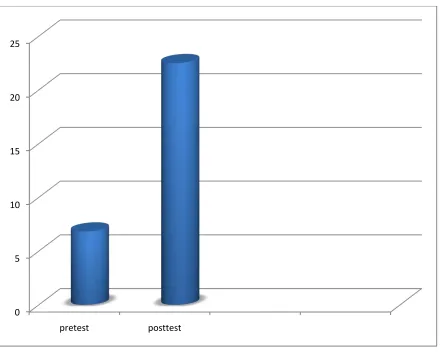
Table. 1. Comparison of mean knowledge Score regarding Self Administration of Insulin before and after the Education
Mean Standard Deviation Mean Difference
Pretest 6.83
4.81 15.67
Post test 22.5
Figure. 1Comparison of mean knowledge Score regarding Self Administration of Insulin before and after the Education
0 5 10 15 20 25
International Journal in Management and Social Science (Impact Factor- 5.276)
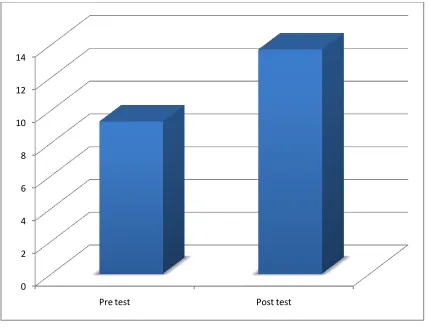
Table. 2. Comparison of mean skill Score regarding Self Administration of Insulin before and after the Education
Mean Standard Deviation Mean Difference
Pretest 9.3
2.32 4.4
Post test 13.7
Figure .2. Comparison of mean skill Score regarding Self Administration of Insulin before and after the Education
0 2 4 6 8 10 12 14
International Journal in Management and Social Science (Impact Factor- 5.276) VI. Discussion
The Present study revealed that mean post test knowledge score was higher than the mean pretest score of respondents both in Knowledge and Skills of respondents on self administration of Insulin. The mean pre test score of knowledge score was 6.83 and mean post test knowledge score was increased to 22.5,where as mean Pretest test score for skill was9.3 and post test skill score was increased to 13.7.The present study reveals that age, educational status, years of diabetic treatment were significantly associated with the knowledge and skills of Diabetic patients. A supportive study also shows same result by Vinay Kumari, conducted a study in Haryana revealed that Post test score was increased from pretest score after administration of Structured Teaching Programme.
VII Nursing Implications
Nursing Practice: Nurses can help the society by an active role in exploring patient barrier to insulin use and debunking insulin myths.
Nursing Adminstration: While planning Nursing services at large scale, administration should focus on various contributing factors related to skills of Diabetes Mellitus Patients on insulin therapy, family and social factors influencing health issues, resources in terms of time, money, man. Relatives should be effectively utilized so that the services that are planned and organized will be accepted and accessible to all. Focus should be on facilitating the services and motivating each health personnel to precede cost effecting services
Nursing Education: Ensuring the education to student nurses about the great need to make Diabetes Mellitus patients aware about the right skills for self administration of Insulin as it will prevent the further complications. The Nurse has a great role in making the public aware.
Nursing Research: Continous Research and education will help the public to improve the health. The nurse researcher should conduct research in various aspects of Insulin therapy, its benefits, and effects, correct techniques, so as to prevent complications.This will help to generate more reliable data to give guidance to the public for health education in various settings.
VIII Conclusion
International Journal in Management and Social Science (Impact Factor- 5.276) IX. Recommendations
Similar kind of study can be performed in large scale and in different settings. Mass and Individual education in vernacular language to educate the patients can be Organized. Teaching Programmes can be conducted in diabetes clinics regarding Insulin and its administration.
References
1.
World Health Organization. Definition, diagnosis and Classification of diabetes mellitus and its Complications: Report of a WHO Consolation. Geneva: World Health2.
Shu AD, Myers MG, Shoelson SE. Pharmacology of endocrine pancreas. In: Golan DE, Tashjian Jr AH.3.
UK Prospective Diabetes Study Group. Effect of intensive blood-glucose control withsulphonylureas or insulin compared with conventional treatment and risk of complications in patients with type 2 diabetes (UKPDS). Lancet 1998; 35(2):837-53.
4.
Colwell.J.A Tight blood pressure control and risk of macrovascular and microvascularcomplications in type 2 diabetes: UK Prospective Diabetes Study Group. BMJ. 1998; 317:703-713
5.
Fuster. V.Robert.A. Orourke. R. Alexander. W Intensive blood- glucose control withsulphonylureas or insulin compared with conventional treatment and risk of complications in patients with type 2 diabetes UK Prospective Diabetes Study Group. Lancet. 1998; 352:837-853.
6.
Chan.J.C Yeung VT. Chow.C. Ko.G.C. Cockram C.S. Chan.N.N. Standards of medical care forpatients with diabetes mellitus. A manual for management of diabetes. Diabetes Care. A Hong kongChinese perspective. 2003; 2:33:25-8.