ISSN: 2320-4850 [66] CODEN (USA): AJPRHS
Open
Access
Available online at www.ajprd.com Review Article
NIPAH VIRUS – THREAD TO PREGNANCY
1
Sujeet Kumar,
1Shubham,
2Amit Sharma,
2Neelam Painuly
1Manav Bharti University Solan (H.P)
2Department of Pharmacy (Pharmacology), Manav Bharti University Solan (H.P).India
ABSTRACT:-
Nipah virus is a type of zoonotic virus. Which cause serious respiratory nervous problems along with serious fever it get easily transmitted to one infected person to another person. Nipah virus is a great thread to mankind. Nipah virus belongs to the family of Paramyxoviridae. Nipah virus positive person is called as NiV positive pigs various birds are also affected by the virus badly. So the study and proper knowledge about Nipah virus should be their.
Key words:- Zoonotic, Virus, Nipah, Inflammation, Health, Pteropusrufus, Transmission, Paramyxoviridae.
Article Info: Received; 29 July, 2018 Review Completed; 05 Oct 2018; Accepted; 13 Oct, 2018; Available online; 20 Oct, 2018
Cite this article as:
Sujeet Kumar, Shubham, Amit Sharma, Neelam painuly, Nipah Virus – Thread to Pregnancy,
Asian Journal of Pharmaceutical research and Development. 2018; 6 (5):66-70
DOI:http://dx.doi.org/10.22270/ajprd.v6i5.403
*Address for Correspondence: Sujeet Kumar,Manav Bharti University Solan (H.P), India
INTRODUCTION
ipah virus is generally known as Zoonotic virus. It belongs to the family the family paramyxoviridae and it is also a member of genus Henipa. Due to its highly morbificity it is classified as (BSL-4) agent and relative new findings. The Centres for Disease Control and Prevention and the National Institute of Allergy and Infectious Diseases have classified Nipah virus as a Category C main concern microorganisms. The name Nipah virus derives from Sungai Nipah (Nipah River Village), where the first separate were acquire1. The natural reservoir of the virus has been Materialise from the Bats belonging to genus Pteropus. NiV happens naturally as viruses of fruit bats generally known as ‗flying foxes‘, Nipah virus swept through countless piggeries in Malaysia and killed 1100 people during the period from 1998 through 19992 .NiV has consisting of an outer layer of filamentous nucleocapsids, it consists of a single-stranded Ribose nucleic acid which is approx 18.2 kb. The major genome is encodes for six major structures of proteins: nucleocapsid (N), phosphor protein (P), matrix protein (M), fusion protein (F), glycoprotein (G), and large protein or RNA polymerase (L) 3.The natural basin for NiV is pteropid fruit bats4, and instantly bat to human transmission can take place, frequently as a result of expenditure of date tribute sap which contaminated by saliva or urine from infected bats . NiVin Malaysia has been isolated from the spinal fluid and brain of victims5 and also has been isolated from ecological samples of partially eaten fruits and urine of bats6. Madagascar
(Pteropusrufus, Eidolon dupreanum)7and Ghana (Eidolon helvum)8 indicating awide geographic distribution of the viruses in which antibodies to Henipa virus is also present . In Cambodia, Thailand or Africa no infection of humans or other species has been observed. In Malaysia and Singapore NiV was recognized as the etiological mediator liable of an outbreak, in pigs and humans. Transmission may be occur by consumption of contaminated or infected food by secretion of bats or contact with spoiled pigs and other way can be human-to-human mode of transmission . Since 1998 in Bangladesh and India there have been various cases of infections, the lethality rate sometimes excess of 70% in hundreds of cases9.Nipah included in first list i.e, the priority list of most emerging diseases of WHO that could be cause a global pandemic, along with various other disesse10. In Malaysia, when first case was reported of Nepah virus it was observed that the transmission was due to an amplifying host in which transmission occurred due to close contact with infected domesticated swine11.About 1.1 million pigs eventually culling Between September 1998 and April 1999 in Malaysia the peninsular major outbreaks of disease in pigs and humans resulted the death of 105 humans12. The diseases in pigs and human infectious and signalised by critical fever with respiratory attachment and sometimes nervous signs in all age classes. Sows and boars occasionally died per critically13. The main clinical syndrome in humans was inflammation in brain rather than respiratory with unsympathetic symptoms including fever, headache, myalgia,
Asian Journal of Pharmaceutical Research
and Development
(An International Peer-Reviewed Journal of Pharmaceutical Research and Development)
© 2013-18, publisher and licensee AJPRD, This is an Open Access article which permits unrestricted non-commercial use, provided the original work is properly cited
N
ISSN: 2320-4850 [67] CODEN (USA): AJPRHS drowsiness, and disorientation sometimes proceeding to
coma within 48h14.The predominance of human occurrences history of direct contact with live pigs. Mostly were the pig farmers. Between 2001 and 2007, It was estimated that Nipah virus 50% of cases of human-to-human transmission in Bangladesh. NiV can be detected by testing sample of human urine, saliva, nasal
and oropharyngeal secretions and epidemiological data suggest that direct contact with these secretions of Nipah virus spreaders resulted in greater risk of Nipah virus infection. Three potential modes of human-to-human transmission of Nipah virus could be transmission via fomites, direct get in touch with or aerosol15.
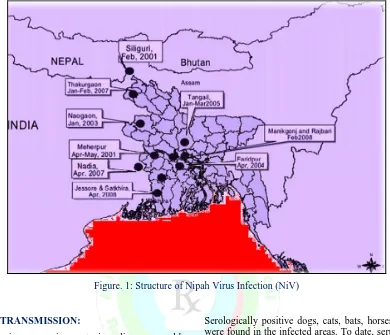
Figure. 1: Structure of Nipah Virus Infection (NiV)
WAY OF TRANSMISSION:
NiV disease is an emerging contagious disease spread by secretions of infected bats. It can spread to humans through close contact with infected humans or through eating infected fruit or came into direct contact with infected animals16. In Malaysia and Singapore the Nepah virus is spread by direct contact with sick pigs or their infected tissues. This transmission is occurred by respiratory globule, In keeping contact with throat or nasal secretions from the pigs, or keeping contact with the tissue of a sick animal. While in Bangladesh and India , infection is spread by using of fruits or fruit products (such as- date palm or its juice) which is infected with urine or saliva from contagious fruit bats was the most likely source of disease causes organisms17. It is reported that Nipah virus spread directly from human-to-human through close contact with people's secretions and excretions during the later outbreaks in Bangladesh and India. The possible perfunctory transmission by rhythmic use of same needles or equipment without further sterilization after each use for health involvement and simulated insemination and sharing of boar semen within a farm were also concerned. The possible role of communication by infected dogs and cats found in the affected farm could not be excepted18. Transmission also occurs from direct contact to ruined bats. A common example is using up of raw date palm sap contaminated with transmissible bat excretion,
Serologically positive dogs, cats, bats, horses and goats were found in the infected areas. To date, serum samples from rats attentive in infected area shear all been negative. Testing will also be conducted on blood from cattles (such as goats, sheep, squirrels, wild boar, wild birds, poultry and ostrich)19. Experimentally contagious pigs have shown capability to expel NiV as early as 4 days post-infection from the oropharynx, and NiV can also be shack in nasal secretions20.Direct contact with infected pigs was recognized as the major mode of conduction in humans when it was first recognized in a large outburst in Malaysia in 1999.90% of the infected people in the 1998-1999 outbreaks were pig farmers or had get in touch with pigs21. During the Bangladesh outbreak the virus is recommended to have been transmitted either directly or indirectly from infected bats to humans. Strong proof symptomatic of human- to-human transmission of NiV was found in Bangladesh in 200422.
DIFFERENT DIAGNOSIS:
ISSN: 2320-4850 [68] CODEN (USA): AJPRHS suckling pigs and piglets; Nepah results in unexpected
death in boars and sows or abortions and other reproductive dysfunction respiratory diseases with harsh, non-productive coughing and cases with encephalitis (inflammation in brain) manifestations of wobbly, muscular in organization and myoclonus primary to lateral recumbence.
Laboratory Diagnosis:
Procedures for the laboratory analysis of NiV contain serology, histopathology, and PCR and virus isolation. Serum Neutralization Test, ELISA, RT-PCR are used for laboratory verification. Most countries in the South-East Asia area do not have sufficient amenities for diagnosing the virus or on ways of overprotective it. Bangladesh, India and Thailand have developed laboratory capability for diagnostic and research purposes. Nipah virus is classified internationally as a bio security level-4 agent and also Bio security level- 2facilities are sufficient if the virus can be first inactivated during sampling collection23.
Virus Isolation:
Virus isolation is an important most important diagnostic move towards for NiV infections. NiV cultivate well in Vero cells, and the range of specimens elastic isolates in either natural or experimental cases. Brain, lung, kidney and spleen should always be submitted. Tissues are handled under disinfected conditions for preparing of 10% suspensions in cell culture media and are clarified by centrifugation and the supernatant used for immunization of cell cultures. A CPE usually develops within 3 days, but two 5-day passages are suggested before judging the effort ineffective .originally after low diversity infection of cell mono layer, the CPE is manifested by the configuration of syncytia that may contain up to 20 or more nuclei. Consequently syncytia lift from the substrate, leaving interrupt holes in the cell monolayer. The syncytia formed by NiV in Vero cell mono layers are significantly larger than those shaped by HeV in the same time period .fascinatingly, the sharing of nuclei differs between NiV-induced syncytia and can be used to distinguish between the two viruses (see Hyatt et al. in this Current focus for more details).Identification methodologies for virus isolates comprise immune staining of fixed, infected cells, neutralization with specific antisera, PCR of culture supernatants, immune electron microscopy and electron microscopy. The later techniques are useful for initial description of the separate since HeV and NiV have separate especially structural features24
By Electron Microscopy:
NiV grows in cultivated cells to titres as high as 108 TCID50 or PFU/ml.
Apparition of viruses in the intermediate of infected cells by negative contrast electron microscopy and recognition of virus-antibody connections by immune electron microscopy quickly provide important information on virus structure and antigenic reactivity, even during primary separation of the virus.
Other ultra structural techniques such as grid cell culture, in which cells are grown, infected and visualized on electron microscope grid and recognition of
replicating viruses and inclusion bodies in thin sections of fixed, fixed cell cultures and contaminated tissues complement the diagnostic attempt24
Virus Effective in The Case of Pregnancy:
In utero mother-to- foetus transmission of viruses is of particular interest, because it contains elements of both— transmission within an infected host and spread to other hosts. On the one hand, viral spread occurs within the body of the mother through permanent close contact between infected maternal tissue and susceptible foetal tissue. In utero mother –to-mother foetus transmission of viruses can happen within the host and also can be transmitted to other host.
There are two possible ways of transmission to foetus happen, if the pregnant mother is infected with Nipah virus.
Mother to foetus in-utero transmission
Transmission during delivery
ISSN: 2320-4850 [69] CODEN (USA): AJPRHS (figure 1 in Mungall etal.), whereas the infected pregnant
cat showed a slight drop in temperature followed by a largely constant period until day 12. Person can hypothesize that the pregnancy can be delayed by this virus affect and thus the disease in the ―secondary‖ infection in the foetus, In which the infection continued unchecked by maternal defence (immune) systems. It can be represents a unique example of protection (although partial in this case) as a result of pregnancy. One can further speculate, as the Mungall et al. did, that such protection could be due to hormonal changes that occur during pregnancy. (The data from this study were based on only two cats , and required to confirm this observation). They also suggesta possible role for cats in HeV and NiVoutbreaks that has never been fully investigated, even though cats were observed at the sites of both HeV and NiV outbreaks39-45.Finally, the similarity in major pathological features between this cat modelof disease and human infection could help to develop novel treatments, for example, by identification of maternal pregnancy factors that could delay progression to disease.
Prevention and Control:
NiV is a viral infectious diseases cause organisms which can transmit through secretion, saliva and by eating a fruits which has been partially eaten by fruits. It also can transmit from human to human. Currently, neither vaccines nor medicines have been proven to be effective in treating NiV infection. However, health care providers may offer supportive therapy to manage symptoms. At this time duration of fever and severity of diseases can be reduce and also may alleviate the symptoms of nausea, vomiting, and convulsions by ribavarin . A recombinant
sub-unit vaccine formulation which protects against lethal NiV challenge in cats. ALVAC Canary poxes vectored Nipah F and G vaccine appears to be a shows potential vaccine for swine and has potential as a vaccine for humans46-47. Diseases which may cause by NiV can be prevented by such
manners- Avoiding direct contact with infected animals,
Avoid partially eaten fruits and unpasteurised fruit juice,
Boil freshly collected date palm juice before consuming ,
Maintain self and child‘s hygiene,
Cover household properly,
Wear NH95- grade and higher masks,
Regularly wash hand with soap ,
It will be necessary to establishing appropriate surveillance system so that NiV can be detected quickly and appropriate control measures initiated.
CONCLUSION:
Nipah virus widely affecting pregnant women it may cause serious mortality and morbidity in pregnant women. This virus can be detected by blood sample, serum, urine, tonsil swabs etc. Pregnant women should take protection measures against this virus by protecting her from infected animals (like bat, monkey, cow, pig etc.) Maintain hygiene, avoid eating bitten or fallen fruits or wash fruits thoroughly in salt water. Avoid raw meat of pigs, to travel use N95 mask, avoid drinks made near palm tree etc. for the future outlook antibodies to nipah virus have been found in the fruit bats in India, Indonesia. So the vaccine will be made in future for (NiPV) Nipah virus which will shows potential protections in infected humans.
REFERENCES:
1. Wang L, Harcourt BH, Yu M, TaminA, Rota PA, Bellini
WJ, et al. Molecular biology of Hendra and Nipah viruses. Microbes Infect 2001; 3: 279-287.
2. Centers for disease control and prevention. Outbreak of
Hendralike virus-Malaysia and Singapore, 1998–1999. MMWR Morb Mortal Wkly Rep 1999; 48: 265-269.
3. Broder CC, Xu Kai, Nikolov DB, Zhu Z, Dimitrov DS,
Middleton D, Pallister J, Geisbert TW, Bossart KN, Wang LF. A treatment for and vaccine against the deadly Hendra and Nipah viruses. Antiviral Research, 2013;100(1): 8-13.
4. Halpin K, Hyatt AD, Fogarty R, Middleton D, Bingham J,
Epstein JH, et al. Pteropid bats Are confirmed as the reservoir hosts of henipaviruses: a comprehensive experimental study of virus transmission. Am J Trop Med Hyg 2011; 85: 946-951.
5. Chua KB, Bellini WJ, Rota PA, Harcourt BH, et al. Nipah
virus: a recently emergent Deadly paramyxovirus. Science 2000; 288:1432-1435.
6. Chua KB, Koh CL, Hooi PS, et al. Isolation of Nipah virus
from Malaysian island flying-foxe. Microbes
Infect.2002;4(2):145–51.
7. Lehlé C, Razafitrimo G, Razainirina J, et al. "Henipavirus
and Tioman virus antibodies inpteropodid bats,
Madagascar". Emerging Infect. Dis. 2007;13(1):159–61.
8. Hayman D, Suu-Ire R, Breed A, et al "Evidence of henipa
virus infection in West African fruit bats". PLoS ONE.
2008;3(7):2739.
9. Hsu VP, Hossain MJ, Parashar UD, Ali MM, Ksiazek TG,
Kuzmin I, et al. Nipah virus Encephalitis re-emergence, Bangladesh. Emerg Infect Dis. 2004; 2082-2087.
10.Hughes JM, Wilson ME, Luby SP, Gurley ES, Hossain MJ.
Transmission of human infectionwith Nipah virus. Clin Infect Dis. 2009;49(11):1743-1748.
11.Chua KB, Bellini WJ, Rota PA, Harcourt BH, Tamin A,
Lam SK, et al. Nipah virus: a recently emergent deadly paramyxovirus. Science 2000; 288: 1432-1435.
12.Nor M.M., Gan C., Ong B., Nipah virus infection of pigs in
Peninsular Malaysia, Ministry of Agriculture, Malaysia 1999.
13.Nordin B., Ong B., Nipah virus infection in animals and
control measures implemented in peninsular Malaysia, Comprehensive Reports on Technical Items presented to the International Committee or Regional Commissions, OIE, Paris, 1999.
14.Chua K.B., Goh K.J., Wong K.T., Fatal encephalitis due to
Nipah virus among pig-Farmers in Malaysia, lancet. 1999; 354, 1256–1259.
15.Devaux P, Hodge G, McChesney MB, Cattaneo R.
Attenuation of V- or C defective measles viruses: infection control by the inflammatory and interferon responses of rhesus monkeys. J Virol. 2008;82(11):5359–5367.
16.Singh G, Raksha, Urhekar D, Nipah Virus: A killer virus.
International journal of advanced microbiology and health research. 2018: 2(2): 40-55.
17. Halder A, Chakravarty A. Nipah virus encephalitis: Cause
for concern for Indian neurologist. Ann indianAcad Neurol. 2006; 9: 137- 144.
18.Gupta M, Lo. Mk, Spiropouloy CF. Activation and cell
death in human dendritic cells infected with Nipah virus. Virology. 2013; 441(1): 49-56.
19.Middleton DJ, Westbury HA, Morrissy CJ, van der Heide
BM, Russell GM, Braun MA, Hyatt AD. Experimental
Nipah virus infection in pigs and cats. J Comp
ISSN: 2320-4850 [70] CODEN (USA): AJPRHS
20.Goh KJ, Tan CT, Chew NK, Tan PSK, Kamarulzaman A,
Sarji SA, Wong KT, Abdullah BJJ, Chua KB, Lam SK. Clinical features of Nipah virus encephalitis among pig farmers inMalaysia. N. Engl. J. Med. 2000; 342: 1229– 1235.
21.Gurley E, Montgomery JM, Hossain MJ, Bell M, Azad AK,
Islam MR, et al. Person- to person transmission of Nipah virus in a Bangladeshi community. Emerg Infect Dis. 2007;13:1031-7.
22.Daniels, P., Ksiazek, TG, Eaton, BT. Laboratory diagnosis
of Nipah virus and Hendra infections. Microbes Infect. 2001; 3: 289-295.
23.Danielsa P, Ksiazekb T, Eatona BT. Laboratory diagnosis of
Nipah and Hendrvirus infections. Microbes and Infection, 2001;3:289−295.
24.Avgil M, Ornoy A. Herpes simplex virus and Epstein-Barr
virus infections in pregnancy: consequences of neonatal or
intrauterine infection.ReprodToxicol2006; 21:436–45.
25.Sookoian S. Liver disease during pregnancy: acute viral
hepatitis. Ann Hepatol2006; 5: 231–6.
26.Bhat P, Anderson DA. Hepatitis B virus translocates across
a trophoblastic barrier. J Virol 2007; 81: 7200–7.
27.Halpin K, Young PL, Field HE, Mackenzie JS. Isolation of
Hendra virus from pteropid bats: a natural reservoir of
Hendra virus. J Gen Virol2000; 81:1927–32.
28.Diseases of Swine. 10th ed. Ames, IA: Wiley-Blackwell;
2012. Wild TF. Henipaviruses: A new Family of emerging Paramyxoviruses. PatholBiol (Paris). 2009;57(2):188-196.
29.Eshaghi M, Tan WS, Chin WK, Yusoff K. Purification of
the extra-cellular domain of Nipah virus glycoprotein produced in Escherichia coli and possible application in diagnosis. J Biotechnol. 2005; 116(3):221–226.
30.Goh KJ, Tan CT, Chew NK, Tan PSK, Kamarulzaman A,
Sarji SA, Wong KT, Abdullah BJ, Chua KB, Lam SK. Clinical features of Nipah virus encephalitis among pig farmers in Malaysia. New Engl J Med. 2000; 342:1229– 1235.
31.Goldsmith CS, Whistler T, Rollin PE, Chua KB, Bellini W,
Rota P, Wong KT, Daszak P, Ksiazek TG, Zaki SR. Ultrastructural studies of Nipah virus, a newly emergent paramyxovirus, using thin section, negative stain, immunogold, and in situ hybridization electron microscopy. MicroscMicroanal. 2000; 6:644–645.
32.Harcourt BH, Tamin A, Ksiazek TG, Rollin PE, Anderson
LJ, Bellini WJ, Rota PA. Molecular characterization of
Nipah virus, a newly emergent
paramyxovirus. Virology. 2000; 271:334–349.
33.Harcourt BH, Tamin A, Halpin K, Ksiazek TG, Rollin PE,
Bellini WJ, Rota PA. Molecular characterization of the
polymerase gene and genomic termini of
Nipahvirus. Virology. 2001;287:192–201
34.Harcourt BH, Lowe L, Tamin A, Liu X, Bankamp B,
Bowden N, Rollin PE, Comer JA, Ksiazek TG, Hossain MJ, Gurley ES, Breiman RS, Bellini WJ, Rota PA. Genetic characterization of Nipah viruses isolated during two
outbreaks in Bangladesh in Emerg Infect Dis. 2005; 11:1594–1597.
35.Marsh GA, de Jong C, Barr JA, , Tachedjian M, Smith C,
Middleton D, Yu M, Todd S, Foord AJ, Haring V, Payne J, Robinson R, Broz I, Crameri G, Field HE, Wang LF. Cedar virus: A novelHenipavirus isolated from Australian bats. PlosPathog. 2012;8: 8.
36.Kumar D, Sharma A, Garg R, Formulation and Evaluation
of Sublingual Tablet of Losartan Potassium. Asian Journal of Pharmaceutical Research and Development. 2018; 6(4): 54-66.
37.Mungall BA, Middleton D, Crameri G, et al. Vertical
transmission and fetal replication of Nipah virus in an experimentally infected cat. J Infect Dis 2007; 196:812–6
38.Mackenzie JS, Field HE. Emerging encephalitogenic
viruses: lyssaviruses and henipaviruses transmitted by frugivorous bats. Arch VirolSuppl2004; 18:97–111.
39.Chong HT, Kamarulzaman A, Tan CT, Goh KJ, Thayaparan
T, Kunjapan SR, et al. treatment of acute Nipah encephalitis with ribavirin. Ann Neurol. 2001; 49(8):10-3.
40.McEachern JA, Bingham J, Crameri G, Green DJ, Hancock
TJ, Middleton D, et al. A recombinant subunit vaccine formulation protects against lethal Nipah virus challenge in cats.Vaccine.2008;26(31): 3842-3852.
41.Weingartl et al. Recombinant Nipah virus vaccines protect
pigs against challenge. Journal of Virology 2006; 80: 7929-38.
42.Harit AK, Ichhpujani RL, Gupta S, Gill KS, Lal S, Ganguly
NK, Agarwal SP. Nipah/Hendra virus outbreak in Siliguri, West Bengal, India in 2001. Indian J Med Res. 2006; 123:553–560.
43.Rahman MA, Hossain MJ, Sultana S, et al. Date Palm Sap
Linked to Nipah Virus Outbreak in Bangladesh. VectorBorne and Zoonotic Disease 2012;12(1):65-73.
44.Rollin PE, Rota P, Zaki S, Ksiazek TG. Hendra and Nipah
viruses. in: Versalovic J, Carroll KC, Funke G, Jorgensen JH, Landry ML, Warnock DW, editors. Manual of Clinical Microbiology. Washington, DC: ASM Press; 2011; 10: 1479- 87.
45.Wacharapluesadee S, Boongird K, Wanghongsa S, et al. A
Longitudinal Study of the Prevalence of Nipah Virus in Pteropuslylei Bats in Thailand: Evidence for Seasonal Preference in Disease Transmission. Vector-Borne and Zoonotic Disease 2010;10(2): 183-90.
46.Breed AC, Meers J, Sendow I, Bossart KN, Barr JA, Smith
I, Wacharapluesadee S, Wang L, Field HE. The distribution of henipaviruses in Southeast Asia and Australasia: is Wallace's line a barrier to Nipah virus? PLoS One. 2013; 8(4): 61316.
47.Chowdhury S, Khan SU, Crameri G, Epstein JH, Broder