ABSTRACT
OLSEN, RICHARD THOMAS. Utilizing Polyploidy for Developing Improved Nursery Crops: Restoring Fertility in Wide Hybrids, Limiting Fertility of Invasive Species, Embryo Culture of Triploids, Pest Resistance, and Inheritance of Ornamental Traits. (Under the direction of Thomas G. Ranney.)
Multiple projects were conducted to investigate the potential for developing a breeding program utilizing species of Catalpa Scop. and Chilopsis D. Don. The efficacy of oryzalin was evaluated for inducing polyploidy and restoring fertility in the sterile, intergeneric hybrid ×Chitalpa tashkentensis Elias & Wisura [Catalpa bignonioides Walt. x Chilopsis linearis (Cav.) Sweet] ‘Pink Dawn’. Submerging meristems in 150 µM oryzalin for up to 24 hours was effective at inducing tetraploids and cytochimeras. Pollen from the diploid cultivar was non-viable, but pollen from the polyploid stained and germinated as well as pollen from progenitor taxa. Polyploid ×Chitalpa were
self-compatible yielding tetraploids when self pollinated and triploids when crossed with C. bignonioides, but reciprocal crosses with Chilopsis taxa failed. To increase recovery of triploids, we investigated germination of ovules and embryos at various harvest dates on Schenk and Hildebrandt (SH) basal salts supplemented with various medium
components. Germination of triploid [(polyploid ×Chitalpa)x C. bignonioides] and tetraploid (selfed polyploid ×Chitalpa) embryos was greatest at 7 weeks after pollination on SH with 20 g⋅L-1 sucrose and ≥ 1 µ
Chilopsis, and ×Chitalpa were screened in 2004-05 for susceptibility to PM. Disease incidence and severity were recorded to calculate area under the disease progress curves (AUDPC) for each year. North American Catalpa spp. insect. Catalpa, Chilopsis, and ×Chitalpa taxa were all moderate to highly susceptible to PM. Chinese Catalpa spp. in sect. Catalpa and West Indian sect. Macrocatalpa were resistant to PM. Hybrids among North American and Chinese Catalpa spp. in sect. Catalpa varied in susceptibility, indicating inheritance of partial resistance to PM. A no-choice feeding study conducted with CSL in 2005 found no differences in survival or growth of larvae reared on taxa from both sections of Catalpa, Chilopsis, and ×Chitalpa. Future breeding of ×Chitalpa
can utilize the identified sources of resistance for PM; however, a source of resistance to CSL was not found. Triploids are generally infertile and may be deployed by breeders to limit invasive potential of introduced ornamentals. However, inheritance of ornamental traits can be complex at higher ploidy levels. Inheritance of two mutant foliage types, variegated and purple, was investigated for diploid, triploid and tetraploid tutsan (Hypericum androsaemum L.). Fertility of progeny was evaluated with pollen viability tests, percent fruit set, and germinative capacity of seed from specific crosses.
Segregation ratios were determined for diploids in reciprocal di-hybrid F1, F2, BC1P1, and BC1P2 families and selfed F2s with the parental phenotypes and triploid and tetraploid F2s. Diploid di-hybrid crosses fit the expected 9:3:3:1 ratio for a single, simple recessive gene for both traits, with no evidence of linkage. A novel phenotype representing a
DEDICATION
J.C.
Thank you for your erudition, encouragement, and exemplary dedication to public
horticulture. Generations of horticulturists, gardeners, and an unknowing public are in your
debt. May your spirit live on in those blessed to have known you and who are still
“planning and planting for a better world.”
Dr. James “J.C.” Chester Raulston, 1940 -1996
professor, advisor, mentor
BIOGRAPHY
Richard Thomas Olsen was born eight minutes after his bigger, stronger, and more
intelligent fraternal twin brother, Michael Andrew, on April 21, 1975 in Milwaukee,
Wisconsin. After five years in the frigid north, the Olsen family (father, Theodore; mother,
Janice; eldest son, Scott; eldest twin, Michael; younger twin, Richard; and daughter, Jill)
moved to Raleigh, North Carolina. Besides a brief move to Sanford, N.C., Raleigh would be
home for the remaining formative years. Sports and camping were favorite activities as a
youth, with most summers spent out of doors exploring, hiking, backpacking, and camping,
manifesting ultimately in the rank of Eagle Scout in Boy Scouts of America in 1992.
Richard met Erin Kath his sophomore year of high school, and finally asked her out
a year later; their first date was his junior prom. Both were excellent soccer players, who
happened to both be goalies, and wear #15. A brief stint of studying international relations
and playing soccer at American University gave Richard a taste for Washington, D.C. and
travel, but not for politics. Richard transferred to NC State University in August of 1994
intent on enrolling at the School of Design in Landscape architecture, a career that would
combine his love of outdoors and art. However, after his first plant identification class, he
realized his passion lay with ornamental plants and public horticulture, and he remained in
Horticultural Science, graduating magna cum laude in 1998 with a Bachelor of Science
degree in Horticultural Science and a minor in Botany. Seminal events during his
undergraduate career were employment at the then NCSU Arboretum with Dr. J.C. Raulston
(1995-97) and an internship at Heronswood Nursery in Kingston, Washington with Dan
A year was spent working on his own as a landscape designer and gardener after
graduation, enabling him to travel for two months in Europe with college friends and Erin.
A two-week trip visiting gardens and arboreta in Scotland and England with his good friend
and plantsman Todd Lasseigne was squeezed in just before going back to school.
In August of 1999, Richard enrolled at the University of Georgia to pursue a Master
of Science degree in Horticulture under the guidance of Dr. John Ruter, and indirectly, Dr.
Michael A. Dirr. The research was focused on plant stress physiology, specifically,
photosynthetic responses of container-grown Illicium species to varying light levels and
nitrogen nutrition. Erin followed him to Athens, Georgia, and in 2000 the high school
sweethearts married, after nine years of “courtship.” After turning in his thesis in 2001, Erin
and Richard took a delayed honeymoon to Peru to visit Macchu Picchu, a month before he
would begin his doctoral research.
Richard returned to NC State University to pursue his doctoral degree in plant
breeding under the tutelage of Dr. Thomas G. Ranney at the Mountain Horticultural Crops
Research and Extension Center, Fletcher, N.C. Richard split his time between classes and
teaching assignments in Raleigh with research in the mountains. Four years and countless
classes, meetings, miles, and presentations later, Richard is set to earn his doctorate at the
very institution where his passion for horticulture, plants, and research was ignited. Upon
completion of his Ph.D., Richard will begin his career with the United States Department of
Agriculture-Agricultural Research Service, as research geneticist in charge of the urban tree
ACKNOWLEDGMENTS
After hours of research and emotionless technical writing using ubiquitous scientific
jargon, it requires a 180° switch in brain-wiring to write proper, thoughtful, and meaningful
acknowledgements. To ease the transition, I’ll start with those persons, who made it
possible for my research to reach full fruition. Having split time between the main campus
in Raleigh and the research station in Fletcher, I have relied on the time and patience of
large number of individuals. The stalwart and reliable Tom Eaker, lead research technician
for Tom Ranney at the Mountain Horticultural Crops Research and Extension Center
(MHCREC), who, regardless of obstacles and opposition, made sure that my research needs
were always met. If you would like to retire and move to D.C., I’ll have a job waiting for
you! Likewise to Joel Mowrey, who I will call lead pollinator and nursery manager; it has
been irie working along side you and watching your overstanding and livication for
ornamental nursery crops grow, I and I. And Nathan Lynch, you may have only just joined
the team, but your skill in the laboratory and technological savvy are envious, and you
deserve an honorary master’s degree for your on-the-job training and self-taught skills. To
Irene Palmer, your wit and wisdom in the face of catalpa sphinx larvae escapes and rearing
was my salvation! I have also had the pleasure of working alongside two research fellows in
the laboratory, Dr. Zenaida Viloria and Dr. Darren Touchell. Your research knowledge and
abilities were invaluable to me in the lab and your interest in my career was and is very
much appreciated. And to the rest of the staff at MHCREC and MHCRS, those who
maintain greenhouses and lathhouses, field plots and administrative duties, thank you.
During the last two summers in the mountains I had the pleasure of living with the
student into their home without any expectations. Your compassion and self-sacrifice are
both saintly and heroic. You made the last two summers bearable for Erin and me, and we
are forever in your debt.
And back to Raleigh and the main campus… Returning to NC State after my stop at
Georgia reunited me with individuals in the department who had significant impact on my
career as an undergraduate and showed renewed interest and support during my doctoral
training. Without Bryce Lane’s intervention or Will Hooker’s mentoring, I would very
likely not be in horticulture, let alone pursuing a doctorate. Tracy Traer, now retired, was
responsible for capturing my personality in one word that brought my life into focus:
cavalier. It sounds silly how powerful one word can be when said from someone you
admire. Thank you. To Denny Werner, you have had a model career and at a time when
you could be retiring you have moved on to a new challenge as Director of the J.C. Raulston
Arboretum, a fitting position for one so dedicated to horticulture and the well being of our
society; the arboretum could not be in better hands and I anticipate great things. To Dr.
Yencho and Danehower, thank you for serving on my committee, although I feel I have
failed to utilize fully the breadth of your knowledge and brilliance. To Rachel McLaughlin,
the one person who I had to see everyday or it was not complete; your pragmatism brought
sanity and normalcy to all around you at your own expense, reminding me always to be
thoughtful and human! I have not forgotten the other professors, faculty, and staff and again
to all, I say thank you.
To past and fellow graduate students. To those before me, thank you for showing me
the way: Todd Lasseigne, your enthusiasm and passion for plants was inspiring, your
were commendable; Andy Bell, your honor and integrity was heartening, your continued
friendship a blessing. To those of you in the hunt, you are almost there! Jim Owen, I’ll be
seeing and collaborating with you, you are my twin spirit of the nursery substrate world. To
Ryan Contreras, watching you mature and come into your own makes me want to mentor
graduate students. You are a friend and colleague who will one day surpass me in breeding
and genetic accomplishments and I look forward to it. To the rest of the graduate students I
wish you all the best and bid adieu and adios (Brian you inherit my bookshelf).
I feel like I am hitting my stride for the homestretch. If it is not apparent by now, I
have been influenced and inspired by a number of individuals in my career, and through
serendipity, luck, fate, or destiny, I have managed to be in the right place at the right time.
Mark Starrett, professor at the University of Vermont, in 1994 taught my first plant
identification class when he was a doctoral student, but taught as if a seasoned professor.
From that point forward he has cheered, often behind the scenes and unbeknownst by me,
and championed for my continued success. I value your advice both professional and
personal and you are a dear friend.
It was no secret that I had told my friends that I would not return to NC State for my
doctorate unless I could work with Tom Ranney, for my early schooling and interests lay
with plant stress physiology, and he is one of the best. One phone call and conversation
later, I was packing my bags and returning to NC State and went from screening plants for
stress tolerance, to breeding them. From the beginning Tom called me a colleague, which
when I let you down meant I could not look you in the eye, which was all too often.
However, on the occasions I have met or exceeded expectations I was truly lifted in spirit.
both into your career and family, and for that I have been deeply touched. Cool summer
evenings drinking beer in the company of friends at the Ranney house will not be long
forgotten.
Professional and personal families seem to blur in horticulture, but my wife’s family
and my immediate family deserve the final praise and acknowledgements for my
accomplishments. Moving back to Raleigh meant being near our families, and during the
tumultuous path of a doctoral degree, a luxury. We lived briefly with, and vicariously
through, Sarah and Brendan Jones, Erin’s sister and brother-in-law. Thank you for being a
safety valve for Erin and me to vent, and support for Erin while I was away each summer. It
will be a shock when Erin and I can’t stop by on a whim simply to say hi to you or the dogs
or now, our niece. For the past three years we have lived in a 480 square foot
loft/guesthouse/tree house on Erin’s parent’s property. A thirty year old living with his
in-laws was the epitome of yin and yang; full of compromises and sacrifice on both sides, and I
am forever in debited to Dann and Donna Kath for their undying support and self-sacrifice
to ensure their daughter and her husband had some semblance of a normal life during this
degree. To Dann, you put two and two together a long time ago, and suggested I think about
landscape architecture, a decision that lead me back to NC State and where I am now.
My family has always valued education, between my parents and siblings there are
ten college degrees. My mother’s parents, Margaret and Allan Beaumont, provided
encouragement and inspiration, and the “Beaumont scholarship” for the grandkids during
our undergraduate degrees. Getting a monthly check in college from your grandparents was
not as important as their words of advice or love and support. Thank you for all you have
where our family visited when I was a young boy, allowing me a first glimpse of academia
and the nature of science! You don’t get to this point in your education and soon to career,
and not wonder why or how you made the journey. Camping with my brothers and father
fostered a deep and profound love of the outdoors, the environment, and an ecological
conscience. I know for a fact that I am at this junction because of my father’s interest and
participation in my life, and words cannot relay my love and appreciation. What do you say
to the woman who brought you into the world? Memories of planting rhubarb in Wisconsin
and tomatoes in North Carolina before I knew Latin or photosynthesis form the foundation
for all that I have learned. I love you and will miss using gardening as an excuse for a son to
spend time with his mother. To my brothers, Scott and Michael, thank you for being the
brilliant big brothers that I looked up to, and Jill, thanks for the being the little sister I looked
out for.
I am now five pages into my acknowledgements, following an allegorical
progression that has lead me to the penultimate acknowledgement. Erin, my wife, you were
and are never last. You are what remain when my protective shells of professionalism,
congeniality, and practicality are removed. You are, to paraphrase Ralph Waldo Emerson,
part and participle of my soul and being. You fell in love with a long haired, carefree and
cavalier high school soccer player who morphed into a balding, Latin spewing horticulturist
with a passion for plants and making the world a better place. I know at times you have
questioned, perhaps, what it is I love most. You are unequivocally loved above all else.
You are the reason I strive to excel at all that I do. You have sacrificed and compromised
your interests and goals for these past seven years, and from this point forward it is your,
TABLE OF CONTENTS
page
List of Tables ... xii
List of Figures...xv
General Introduction...1
Literature Cited...6
Chapter 1. Reproductive Behavior of Induced Allotetraploid ×Chitalpa and In Vitro Embryo Culture of Polyploid Progeny...9
Abstract...12
Introduction...14
Materials and Methods ...16
Results...22
Discussion...27
Literature Cited...36
Chapter 2. Susceptibility of Catalpa, Chilopsis, and Hybrids to Powdery Mildew and Catalpa Sphinx Larvae...50
Abstract...53
Introduction...55
Materials and Methods ...57
Results and Discussion ...61
page
Chapter 3. Fertility and Inheritance of Variegated and Purple Foliage across a
Polyploid Series in Hypericum androsaemum...75
Abstract...78
Introduction...80
Materials and Methods ...81
Results...85
Discussion...88
LIST OF TABLES
page
Chapter 1. Reproductive Behavior of Induced Allotetraploid ×Chitalpa and In
Vitro Embryo Culture of Polyploid Progeny
Table 1. Pollen viability tests for diploid and cytochimera ×Chitalpa
tashkentensis ‘Pink Dawn’ and parental taxa ...44
Table 2. Fruit set and seed germination for controlled pollinations between
diploid, cytochimera and tetraploid ×Chitalpa tashkentensis ‘Pink Dawn’ and
parental taxa...45
Table 3. In vitro germination for triploid and tetraploid ×Chitalpa ovules
harvested at different weeks after pollination and sucrose concentrations...46
Table 4. Effect of coconut-water and sucrose concentration on germination
of ×Chitalpa embryos ...47
Table 5. Effect of GA3 on germination of ×Chitalpa embryos ...48
Table 6. Table 6. Callus production and embryo germination for triploid
page
Chapter 2. Susceptibility of Catalpa, Chilopsis, and Hybrids to Powdery Mildew and Catalpa Sphinx Larvae
Table 1. Germplasm screened for susceptibility to powdery mildew and
catalpa sphinx larvae...71
Table 2. Mean area under the disease progress curve for powdery mildew
infection ...73
Table 3. Survival and final growth measurements for Ceratomia catalpae
larvae on a known host and non-host ...74
Chapter 3. Fertility and Inheritance of Variegated and Purple Foliage across a Polyploid Series in Hypericum androsaemum
Table 1. Crosses between Hypericum androsaemum ‘Glacier’ and ‘Albury
Purple’...99
Table 2. Segregation for foliage traits in Hypericum androsaemum across
page
Table 3. Fertility as a function of ploidy in Hypericum androsaemum
LIST OF FIGURES
page
Chapter 1. Reproductive Behavior of Induced Allotetraploid ×Chitalpa and In
Vitro Embryo Culture of Polyploid Progeny
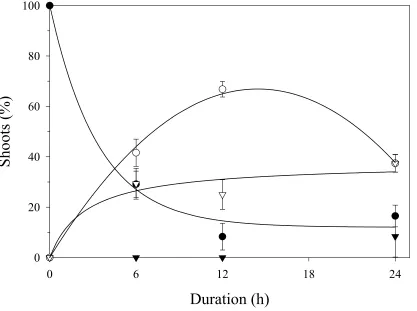
Fig. 1. Oryzalin efficacy for inducing polyploidy in ×Chitalpa tashkentensis
‘Pink Dawn’...42
Fig. 2. Flow cytometry histograms of ×Chitalpa tashkentensis diploid,
General Introduction
Polyploidy, the condition when an organism contains more than two complete sets of
chromosomes, plays a major role in plant evolution and speciation (Leitch and Bennett,
1997; Masterson, 1994; Sparrow and Nauman, 1976; Wendel, 2000). Although rare in
gymnosperms and cycads, polyploidy, or genomic duplication, occurs in nearly all extant
species of ferns and flowering plants (Soltis et al., 2003). In nature, the fusion of unreduced
gametes between different species (i.e., homoeologous chromosomes) can give rise to an
allopolyploid with a full set of chromosomes from each parent, representing two different
genomes. The fusion of unreduced gametes within a single plant species (i.e., homologous
chromosomes) or spontaneous doubling of somatic cells in a meristem results in an
autopolyploid, or a duplication of one genome. Both allopolyploids and autopolyploids may
be reproductively isolated from their progenitor diploid species, which can result in abrupt
speciation (Briggs and Walters, 1997).
Utilization of available germplasm pools as sources for novel traits and resistances
for biotic and abiotic stresses often involves crossing distantly related species. Diploid wide
hybrids are often sterile due to chromosomal and genic imbalances during meiosis and
gamete production. However, induced allotetraploids exhibit varying levels of fertility due
to the restoration of chromosome pairing and viable gamete production. During normal
meiosis, synapsis of homologous chromosomes occurs during zygotene of prophase I,
followed by condensation of chromatids (pachytene) and chiasmata formation during
diplotene. By metaphase I, the bivalents are aligned on the spindle plate, with a balanced
number of centromeres per pole. The bivalents separate and are pulled towards the poles
II depends ultimately, upon proper pairing during prophase and metaphase I. In wide
hybrids, chromosomal divergence between the two parental genomes may result in
incomplete pairing between chromosomes, or homoeologous pairing, rather than strict
pairing between homologues. If the parent genomes lack adequate homology, asynapsis
occurs, and chromosomes do not pair. However, it is likely that a combination of the
possibilities occurs, resulting in a mixture of univalents, bivalents, and multivalents at
metaphase I (Sybenga, 1992). Non-random distribution of univalents, and separation of
centromeres from multivalents, leads to uneven segregation at the first meiotic division,
chromosomal imbalance in the gametes, and abnormal or abortive tetrad development.
Induced polyploidy is a viable method for improving meiotic pairing and restoring fertility
in wide crosses (Hadley and Openshaw, 1980; Sybenga, 1992). By doubling the
chromosomes from a wide cross at the diploid level, each chromosome pairs with its
duplicate, complete synapsis followed by regular segregation occurs, and fertility can be
restored. In woody ornamental plants, induced tetraploids from diploid hybrids have
successfully been generated in Bougainvillea (Zadoo et al., 1975), Camellia (Ackerman and
Dermen, 1972), Rhododendron (Pryor and Frazier, 1968), Rosa (Byrne et al., 1996), and
Syringa (Rose et al., 2000).
Since the discovery of mitotic inhibition by colchicine, ploidy levels have been
manipulated, with varying levels of success, in a large number of agricultural and
horticultural crops (Hancock, 1997), often in an attempt to restore fertility in interspecific
hybrids or to induce ploidy as a genetic bridge for crossing between species of different
ploidy levels. Although colchicine is still used in tissue culture and some breeding programs
humans. By the 1970’s, the mitotic inhibiting effects of several classes of herbicides were
well established (Bartels and Hilton, 1973; Upadhyaya and Noodèn, 1977; Upadhyaya and
Noodèn, 1980). In particular, dinitroaniline herbicides were found to interfere with the
synthesis of microtubular proteins and the assembly of microtubules during mitosis (Bartels
and Hilton, 1973). Oryzalin, [4(dipropylamino)-3,5-dinitrobenzenesufonamide], is a
dinitroaniline herbicide used for pre-emergent control of annual grasses and broadleaf
weeds. Oryzalin binds to tubulin heterodimers preventing polymerization of both mitotic
spindles and cortical microtubules, leading to multi-nucleate and isodiametric cells (Vaughn
and Lehnen, 1991). Brief exposure of meristematic cells to oryzalin results in a temporary
loss of cell division, which is recovered upon removal from the chemical of the plant tissue.
Although induction of polyploids using mitotic inhibitors in vitro has been shown to
be efficient and rapid, it is also costly and time consuming, requiring that protocols for tissue
culturing the plants be first worked out. A system whereby vegetative meristems of
asexually propagated plants or seedlings can be targeted directly, without the need for tissue
culture would be highly desirable. The advent of flow cytometry, a rapid and efficient
screen for identifying polyploids, has facilitated renewed interest in integrating ploidy
manipulation into plant breeding programs. In this manner, the time necessary to produce
fertile autopolyploids and allopolyploids can be shortened and new avenues of breeding may
be elucidated.
In the United States, approximately 85% of invasive plant species were introduced
for ornamental use (Reichard and White, 2001). This is alarming when one considers that
horticulturists are often selecting for traits that risk assessment models consider intrinsic to
environmental fitness, early and abundant flowering and fruiting, and ease of propagation
(White and Schwarz, 1998). Furthermore, many plants already considered invasive, or
having the potential to be invasive, are currently being sold by the nursery industry.
The development of tetraploid plants would facilitate backcrossing to their diploid
progenitors and may result in infertile triploid plants. In horticulture, the principle of sterile
triploid plants has been used in the development of seedless fruit crops such as watermelons
and bananas. In woody ornamental plants, there are limited examples where plant breeders
have integrated sterile triploids into their programs. A notable exception is the development
of triploid rose-of-sharon (Hibiscus syriacus L.) cultivars including ‘Diana’, ‘Helene’,
‘Minerva’, and ‘Aphrodite’ (Egolf, 1970; Egolf, 1981; Egolf, 1986; Egolf, 1988).
There are many opportunities for developing and utilizing polyploids in ornamental
plant breeding programs. Significant opportunities include restoring fertility in wide hybrids
that have proven themselves in the landscape, but that would benefit from further breeding
to refine ornamental traits or introduce novel traits and pest resistance. Likewise, plant
breeders can manipulate ploidy to develop highly infertile triploid cultivars to limit the
invasive potential of ornamental plants in the landscape. This dissertation is presents the
results of applying ploidy manipulation to address the above two issues (sterile hybrids and
invasiveness) using two different model woody ornamental plants: ×Chitalpa tashkentensis
Elias & Wisura and Hypericum androsaemum L. We also address the issues concomitant
with increasing ploidy: crossability between ploidy levels and the presence of interploid
blocks, rescue of triploid embryos using in vitro embryo culture, inheritance of desirable
began screening germplasm of Catalpa Scop., Chilopsis D. Don., and ×Chitalpa for
resistance to two common pests of ×Chitalpa, powdery mildew and Catalpa sphinx moth
Literature Cited
Ackerman, W.L. and H. Dermen. 1972. A fertile colchiploid from a sterile interspecific
Camellia hybrid. J. Hered. 63: 55-59.
Bartels, P.G. and J.L. Hilton. 1973. Comparison of trifluralin, oryzalin, pronamide,
propham, and colchicine treatments on microtubules. Pestic. Biochem. Physiol. 3:
462-472.
Briggs, D. and S.M. Walters. 1997. Plant variation and evolution. Cambridge University
Press, New York.
Byrne, D.H., W. Black, Y. Ma, and H.B. Pemberton. 1996. The use of amphidiploidy in the
development of blackspot resistant rose germplasm. Acta Hort. 424: 269-272.
Egolf, D.R. 1970. Hibiscus syriacus 'Diana', a new cultivar [Malvaceae]. Baileya 17: 75-78.
Egolf, D.R. 1981. 'Helene' rose of sharon (althea). HortScience 16: 226-227.
Egolf, D.R. 1986. 'Minerva' rose of sharon (althea). HortScience 21: 1463-1464.
Egolf, D.R. 1988. 'Aphrodite' rose of sharon (althea). HortScience 23: 223.
Hadley, H.H.and S.J. Openshaw. 1980. Interspecific and intergeneric hybridization, p.
133-159. In: W.R. Fehr and H.H. Hadley (eds.). Hybridization of crop plants. Amer Soc
Crop Science, Madison, Wis.
Hancock, J.F. 1997. The colchicine story. HortScience 32: 1011-1012.
Leitch, I.J. and M.D. Bennett. 1997. Polyploidy in angiosperms. Trends in Plant Science 2:
470-476.
Masterson, J. 1994. Stomatal size in fossil plants: evidence for polyploidy in majority of
Pryor, R.L. and L.C. Frazier. 1968. Colchicine-induced tetraploid azaleas. HortScience 3:
283-286.
Reichard, S.H. and P. White. 2001. Horticulture as a pathway of invasive plant introductions
in the United States. BioScience 51: 103-113.
Rose, J.B., J. Kubba, and K.R. Tobutt. 2000. Chromosome doubling in sterile Syringa
vulgaris × S. pinnatifolia hybrids by in vitro culture of nodal explants. Plant Cell,
Tissue Organ Cult. 63: 127-132.
Soltis, D.E., P.S. Soltis, and J.A. Tate. 2003. Advances in the study of polyploidy since
Plant speciation. New Phytol. 161: 173-191.
Sparrow, A.H. and A.F. Nauman. 1976. Evolution of genome size by DNA doublings.
Science 192: 524-529.
Sybenga, J. 1992. Cytogenetics in plant breeding. vol. 17. Springer-Verlag, New York.
Upadhyaya, M.K. and L.D. Noodèn. 1977. Mode of dinitroaniline herbicide action I.
Analysis of the colchicine-like effects of dinitroaniline herbicides. Plant Cell
Physiol. 18: 1319-1330.
Upadhyaya, M.K. and L.D. Noodèn. 1980. Mode of dinitroaniline herbicide action II.
Characterization of [14C]oryzalin uptake and binding. Plant Physiol. 66: 1048-1052.
Vaughn, K.C. and L.P. Lehnen, Jr. 1991. Mitotic disrupter herbicides. Weed Science 39:
450-457.
Wendel, J.F. 2000. Genome evolution in polyploids. Plant Mol. Biol. 42: 225-249.
White, P.S. and A.E. Schwarz. 1998. Where do we go from here? The challenges of risk
Zadoo, S.N., R.P. Roy, and T.N. Khoshoo. 1975. Cytogenetics of cultivated Bougainvilleas.
V. Induced tetraploidy and restoration of fertility in sterile cultivars. Euphytica 24:
Chapter 1
Reproductive Behavior of Induced Allotetraploid ×Chitalpa and In Vitro Embryo Culture of
Polyploid Progeny
(In the format appropriate for submission to the
Reproductive Behavior of Induced Allotetraploid ×Chitalpa and In Vitro Embryo Culture of
Polyploid Progeny
Richard T. Olsen1, Thomas G. Ranney2, and Zenaida Viloria3
Department of Horticultural Science, Mountain Horticultural Crops Research and
Extension Center, North Carolina State University, Fletcher, NC 28732-9244
Received for publication . Accepted for publication .
This research was funded, in part, by the North Carolina Agricultural Research Service
(NCARS), Raleigh, NC 27695-7643, North Carolina Association of Nurserymen, Inc., 969
Trinity Road, Raleigh, NC 27607, and J. Frank Schmidt Family Charitable Foundation,
Boring, OR 97009. Use of trade names in this publication does not imply endorsement by
the NCARS of products named nor criticism of similar ones not mentioned. We gratefully
acknowledge Dawn Stover and David Creech, Mast Arboretum, Stephen F. Austin
University, Nacogdoches, TX 75962, and Garry McDonald and Mike Arnold, Dept. of Hort.
Sciences, Texas A&M University, College Station, TX 77843 for providing plants and
cuttings of Chilopsis. Technical assistance of Thomas Eaker, Joel Mowrey, Nathan Lynch,
and staff of the Mountain Horticultural Crops Research and Extension Center is greatly
appreciated. We thank William Swallow and Sandy Donaghy for statistical assistance.
From a dissertation submitted by R.T.O. in partial fulfillment of the requirements for the
1 Corresponding author. Current address: Floral and Nursery Plants Research Unit,
USDA-ARS, U.S. National Arboretum, 3501 New York Ave. NE, Washington, D.C. 20002
2 Professor.
3 Visiting scientist. Home institution: La Universidad del Zulia, Facultad de Agronomia,
Subject Category: Genetics and Breeding
Reproductive Behavior of Induced Allotetraploid ×Chitalpa and In Vitro Embryo Culture of
Polyploid Progeny
Additional index words. Catalpa bignonioides, Chilopsis linearis, cytochimera, embryo
rescue, flow cytometry, pollen viability, triploid block
Abstract. ×Chitalpa tashkentensis Elias & Wisura is a sterile intergeneric hybrid [Catalpa
bignonioides Walt. ×Chilopsis linearis (Cav.) Sweet]. To restore fertility in ×Chitalpa the
following were evaluated: (1) oryzalin as a polyploidization agent, (2) fertility of induced
polyploids, and (3) in vitro culture methods for embryo rescue ofinterploid crosses.
Meristems of ×Chitalpa ‘Pink Dawn’ were submerged in aqueous solution of 150 µM
oryzalin for 0, 6, 12, or 24 hours and ploidy analyzed via flow cytometry. As treatment
duration increased, recovery of diploids decreased as mixoploids and shoot mortality
increased. Two tetraploid shoots occurred in the 24-hour treatment. Four tetraploids and
two cytochimeras were stabilized in total. Tetraploids flowered sparsely; however,
cytochimeras flowered profusely and these were used to study fertility at the tetraploid level.
Diploid ×Chitalpa ‘Pink Dawn’ pollen was essentially nonviable, but cytochimera pollen
stained and germinated equal to or greater than pollen of Catalpa bignonioides and
Chilopsis linearis ‘Bubba’. Cytochimera ×Chitalpa were selfed yielding tetraploid
with Chilopsis ‘Bubba’ and ‘Burgundy Lace’. To increase recovery of triploids,
germination of triploid and tetraploid embryos was investigated, as either intact ovules or
excised embryos, on Schenk and Hildebrandt (SH) basal salts supplemented with sucrose at
20, 40, and 80 g⋅L-1, presence or absence of 2% coconutwater, and gibberellic acid (GA3) at
0, 1, 2, or 4 µM, and harvested weekly beginning 2 weeks after pollination (WAP).
Germination of triploids (cytochimera ×Chitalpa x diploid C. bignonioides) and tetraploids
(selfed cytochimera ×Chitalpa) were greatest with excised embryos at 7 WAP on SH
supplemented with sucrose at 20 g⋅L-1 and ≥ 1 µM GA3. Germination of triploids (diploid
Chilopsis linearisx cytochimera ×Chitalpa)was < 5% at 4, 5, or 6 WAP on the same
medium as above. Oryzalin effectively induced polyploidy and restored fertility in
×Chitalpa ‘Pink Dawn’. Successful crosses between hybrid and parental taxa of different
ploidy levels, coupled with embryo culture will facilitate a ×Chitalpa breeding program.
In the early 1960s, F. N. Rusanov, of the Uzbek Academy of Sciences Botanical
Garden, Tashkent, Uzbekistan (formerly the Republic of Uzbekistan, U.S.S.R) made a series
of intergeneric crosses between species of Catalpa Scop. and Chilopsis D. Don. (Rusanov,
1964). Chilopsis is a monotypic genus, sister to Catalpa within the tribe Tecomeae Endl. of
the Bignoniaceae Juss. Both genera share a base chromosome number, n = 20 (Goldblatt
and Gentry, 1979) and are morphologically similar (Henrickson, 1985) including their
pollen type (Gentry and Tomb, 1979) and self-incompatible breeding behavior (Petersen et
al., 1982; Stephenson and Thomas, 1977). Reciprocal crosses were made between several
species of Catalpa and the monotypic Chilopsis, resulting, ultimately, in describing and
naming of one new hybrid species: ×Chitalpa tashkentensis, an intergeneric hybrid between
Catalpa bignonioides and Chilopsis linearis (Elias and Wisura, 1991). According to Elias
and Wisura, who translated from Rusanov (1971), the hybrids were sterile with pollen grains
developing abnormally into pentads and hexads which contain uninuclear pollen and
normally degenerate.
Sterility in wide hybrids is often a result of abnormal meiotic pairing between the
divergent parental chromosomes, leading to both chromosomal and genic imbalances during
chromosome segregation (Hadley and Openshaw, 1980; Rieseberg and Carney, 1998) and
ultimately, abnormal or abortive gamete development. Inducing polyploidy is a viable
method for improving meiotic pairing and restoring fertility in wide crosses (Hadley and
Openshaw, 1980; Sanford, 1983). Mitotic inhibiting chemicals such as colchicine and the
dinitroaniline herbicide oryzalin inhibit formation of the spindle apparatus during mitosis,
allowing replication of DNA but preventing cell division (Bajer and Molè-Bajer, 1986;
diverse plant genera have shown that oryzalin is more efficient than colchicine at inducing
polyploidy (Ramulu et al., 1991; Tosca et al., 1995; Väinölä, 2000). Oryzalin uptake in
plant tissues is a rapid, nonactive process; its extremely lipophilic nature facilitates passive
absorption and diffusion into lipid components of cellular membranes with little
translocation (Upadhyaya and Noodèn, 1977; Upadhyaya and Noodèn, 1980). In actively
dividing cells, oryzalin binds to tubulin heterodimers, preventing polymerization of both
mitotic spindles and cortical microtubules, thus leading to polyploid cells (Morejohn et al.,
1987; Vaughn and Lehnen, 1991).
Induction of polyploidy in interspecific or intergeneric hybrids results in duplication
of the two genomes present in the hybrid and formation of an allopolyploid. The degree of
fertility in the ensuing allopolyploid is related to the amount of divergence between the
genomes of the parental taxa and the degree of homologous versus homoeologous pairing
(Gottschalk, 1978; Levin, 2002). Meiotic pairing may or may not be fully restored in
allopolyploids; however, they normally exhibit improved fertility over the original wide
hybrid. This allows for continued introgression of desired genes into the cultivated gene
pool. The technique has been used for the overall genetic improvement of a number of
important agronomic crops, such as cotton, Gossypium L. (Brubaker et al., 1999),
sunflowers, Helianthus L. (Jan and Chandler, 1989), various small fruit crops (Sanford,
1983), but only a few ornamental nursery crops, a notable exception being roses, Rosa L.
(Ma et al., 1997). For cultivated crops where germplasm encompasses several ploidy levels,
such as potato, Solanum tuberosum L. (Jackson and Hanneman, 1999), cotton (Brubaker et
al., 1999), and roses (Cole and Melton, 1986; Ma et al., 1997), inducing polyploids not only
(intraploid). For predominantly diploid crops, the increase in ploidy may represent a
hindrance as backcrosses to desirable parental taxa involve crossing between ploidy levels
(interploid). The success of interploid crosses depends, in part, on the maternal:paternal
genomic ratio in the developing endosperm, with crosses that violate a 2:1 maternal:paternal
ratio often resulting in abnormal or abortive embryos according to the endosperm balance
number theory (EBN) (Carputo et al., 1999; Johnston et al., 1980; Sanford, 1983).
Although fertile interspecific hybrids have been reported in Catalpa (Jones and
Filley, 1920; Sargent, 1889; Smith, 1941), the intergeneric hybrid between Chilopsis and
Catalpa, ×Chitalpa tashkentensis, is sterile (Elias and Wisura, 1991). Sterility of the
bi-generic cross prevents use of the hybrid in breeding programs to further combine desirable
traits such as improved disease resistance, greater cold hardiness, and novel flower and
foliage characteristics. Therefore, to initiate a breeding program for ×Chitalpa our
objectives were to 1) evaluate the efficacy of oryzalin to induce polyploidy in vegetative
meristems of ×Chitalpa, 2) evaluate fertility and crossability of induced allotetraploids, and
3) develop in vitro methods for recovering progeny frominterploid crosses between
×Chitalpa, Catalpa, and Chilopsis.
Materials and Methods
Inducing polyploidy. Thirty-two plants of ×Chitalpa tashkentensis ‘Pink Dawn’
growing in 1-L containers were selected from stock material growing at the Mountain
Horticultural Crops Research Station (MHCREC), Fletcher, N.C. in June 2002. Plants were
limestone and 0.5 kg⋅m-3 Micromax micronutrients (The Scotts Co., Marysville, Ohio).
Plants were transported to the laboratory and each plant was pruned to three actively
growing shoots and terminal leaves removed to expose apical meristems. Apical meristems
were submerged in beakers containing a saturated aqueous solution of 150 µM oryzalin
[0.004% v/v Surflan (Dow AgroSciences, Indianapolis)] for one of four treatment
durations: 0, 6, 12 or 24 h. After treatment, plants were moved to the greenhouse, re-potted
into 7.6-L containers with the same substrate and top-dressed with 20 g/container
17N-7.4P-14.1K Multicote controlled-release fertilizer (Vicksburg Chem. Co., Vicksburg, Mo.).
After growth resumed, DNA content and ploidy levels were determined via flow
cytometry (de Laat et al., 1987; Doležel, 1991; Galbraith et al., 1983). Nuclei isolation and
staining followed the protocols provided by Partec (Partec GmbH, Münster, Germany).
Approximately 0.5 cm2 of newly expanded leaf tissue was chopped with a double-sided
razor blade in a petri dish containing 400 µL of extraction buffer (CyStain UV Precise P,
Partec). The suspension was filtered through 50-µm nylon mesh and nuclei were stained
using 1.6 mL staining buffer containing 4’,6-diamidino-2-phenylindole (DAPI) (CyStain
UV Precise P, Partec). The suspension was analyzed using a flow cytometer with
fluorescence excitation provided by a mercury arc lamp (PA-I Ploidy Analyzer, Partec).
The mean fluorescence of each sample was compared with diploid ×Chitalpa tashkentensis
‘Pink Dawn’ and an internal standard of known genome size [Pisum sativum L.‘Ctirad’, 2C
= 9.09 pg; (Doležel et al., 1998)]. A minimum of 4,500 nuclei were analyzed to calculate
the ratio of sample peak to the internal standard for determining genome size [2C pg =
dividing sample genome size by the diploid ×Chitalpa tashkentensis ‘Pink Dawn’ genome
size [ploidy = sample 2C pg/ 2C ×Chitalpa tashkentensis ‘Pink Dawn’ pg]. Peaks used for
calculating genome size and ploidy levels had coefficients of variation (CVS) ≤ 8%.
The experimental design was completely randomized with eight single plant
replicates and three sub-samples (shoots) per plant. Oryzalin efficacy was analyzed using
nonlinear and linear regression (PROC NLIN and PROC GLM; SAS version 8.02, SAS
Inst., Cary, N.C.). After initial treatments and testing, mixoploids and tetraploids were cut
back to the point of treatment, forcing new shoots from axillary buds. Ploidy levels for new
shoots were determined to chart the stability of the original mixoploids or tetraploids. This
cycle was repeated. Shoots were considered stabilized when every leaf on a stem and
subsequent shoots that arose from the axils exhibited the same ploidy level. Stem cuttings
from stabilized shoots were rooted and grown in a greenhouse under the same conditions as
the original plants.
Pollen viability. Diploid (2x), cytochimera (2x + 4x) and tetraploid (4x) ×Chitalpa
tashkentensis ‘Pink Dawn’, identified from oryzalin treatments, were grown along with
Chilopsis linearis ‘Bubba’ to flowering in greenhouses at MHCREC. All pollen for
viability tests were collected at anthesis from greenhouse plants with the exception of
Catalpa bignonioides, which was collected from naturalized trees growing near the research
station. Pollen viability was quantified using pollen staining and pollen germination tests
conducted during 2003 and repeated in 2004. Pollen grains were treated using Müntzing’s
stain, 1 aceto-carmine (1%) : 1 glycerol, for 3 h. Stained pollen grains were scored as
(Brewbaker and Kwack, 1963) supplemented with sucrose. In 2003, consistent pollen
germination occurred at 10% sucrose. In 2004, pollen germination was sporadic at 10%, so
sucrose concentration was increased to 15%. Pollen grains with pollen tubes greater than
one-half the diameter of the pollen grain after 8 h were scored as germinated. Pollen
staining and germination were observed using a compound light microscope (Micromaster,
Fisher Scientific, Pittsburgh) under ×100 and ×400 magnifications. Each pollen replicate
contained eight subsamples, with ≥ 100 pollen grains. Each test was a completely
randomized design with 2 replicates (years) × 4 treatments (taxa) × 8 subsamples. Data
were analyzed using PROC GLM (SAS) and means compared using Tukey’s Honestly
Significantly Difference test with the experimentwise Type I error rate controlled at α =
0.05.
Crossability studies. Female fertility was assessed using the same plant material as
for the pollen viability tests, with the addition of Chilopsis linearis ‘Burgundy Lace’. For all
crosses, flowers were emasculated prior to anthesis. Stamens were collected, dried
overnight at 5 °C using indicator drierite (Drierite, Xenia, Ohio) and stored at 5 °C for use in
subsequent crosses. Stigmas were receptive to pollen when stigma lobes separated,
generally the afternoon after emasculation. Pollen was applied to stigmas using fine
brushes. Catalpa and Chilopsis stigmas are haptonastic, and close permanently when
pollinated with viable pollen grains (Newcombe, 1922; Petersen et al., 1982); ×Chitalpa
stigmas responded in a similar manner (personal observation). The number of pollinations
varied depending on the availability of flowers on female parents. Percent fruit set, average
maturity, even seeds that appeared to contain aborted embryos, so as to elucidate triploid
blocks. Seeds were surface-sown on a substrate of 1 peat : 1 vermiculite (by vol.) in flats
and misted regularly until germination occurred in 1 to 4 weeks. Crosses were conducted in
the greenhouses during each growing season from 2003-05.
In vitro ovule and embryo rescue. During summers 2004 and 2005, a series of experiments
were designed using the above crosses to investigate optimal timing and medium
components for ovule and embryo culture of ×Chitalpa hybrids to facilitate recovery of
triploids (3x). Fruit collection and sterilization were the same for each experiment. Fruit
were removed and brought to the laboratory, washed in dish-soap and water, stirring
frequently for 5 to 10 min. Fruit were rinsed with running water and transferred to 70%
ethanol for 2 min, rinsed with sterile distilled water, and further sterilized by submersion in a
solution of 1.05% sodium hypochlorite with 2 to 3 drops of Tween 20
(polyethylene-20-sorbitan monolaurate, Fisher Scientific, Pittsburgh) for 30 min. Fruit were rinsed three
times with sterile distilled water and ovules and embryos excised under aseptic conditions.
Fruit collection and sterilization were the same for each experiment. The basic medium for
each experiment included Schenk and Hildebrandt (SH) salts (S6765, Sigma-Aldrich Co.,
St. Louis) and vitamins (Beyl, 2000), pH adjusted to 5.7 prior to autoclaving, and solidified
with agar at 7 g⋅L-1 (A6686, Sigma-Aldrich). Twenty-five millimeter petri dishes were used
with ≈15 mL of medium added to each dish. Cultures were maintained at 25 °C under a 16
h photoperiod of 75 µmol⋅s-1⋅m-2 photosynthetic active radiation (PAR) provided by
Expt. 1. To test the effects of harvest date and the medium supplements
coconut-water and sucrose on germination of triploid (3x) and tetraploid (4x) embryos, fruit were
collected at 2, 3, 4, 5, or 6 weeks after pollination (WAP) from (×Chitalpa tashkentensis 2x
+ 4x) xC. bignonioides 2x and selfed ×Chitalpa tashkentensis 2x + 4x, respectively. Intact
ovules were excised and plated in petri dishes containing SH medium, with or without
coconutwater (2%) (C-5915, Sigma-Aldrich), and one of three sucrose concentrations (20,
40 or 80 g⋅L-1). Experimental design was a split plot with 2 (ploidy) × 2 (coconut-water) × 3
(sucrose) factorial main plot with WAP as the subplot, and five replicates (petri dishes) with
six subsamples (ovules) per replicate and treatment combination. Germination percentage
for each treatment combination was recorded 6 weeks after plating.
Expt. 2. At 6 WAP, expanding embryos were apparent with the naked eye, so a new
study was initiated to investigate the effect of coconutwater and sucrose concentration on
excised embryos at this single harvest date. Embryos were harvested from the same crosses
and factorial treatment combinations as in Expt. 1, but with four replicates. Embryo
germination was recorded 6 weeks after plating.
Expt. 3. The effect of gibberellic acid (GA3) in promoting germination of embryos
was tested using embryos from both crosses at 7 WAP. Embryos were excised and plated in
SH medium supplemented with sucrose at 20 g⋅L-1 and 0, 1, 2, or 4 µM GA3. The GA3
treatment consisted of six replicates (petri dishes) with six subsamples (embryos) per dish.
Embryo germination was recorded 4 weeks after plating.
Expt. 4. To test the effect of harvest date on in vitro germination of 3x embryos from
‘Bubba’ 2x and ‘Burgundy Lace’ as 2x female parents and cytochimeric ×Chitalpa
tashkentensis (2x + 4x) as the male parent. Ovules were excised, torn in half longitudinally
to expose the developing embryo and plated on SH medium supplemented with sucrose at
20 g⋅L-1 and 1 µM GA3. For each harvest date there were six replicates (petri dishes) with
eight subsamples (embryos) per replicate. Percentages of embryos producing callus and
germinating were recorded 6 weeks after plating. Callus production was recorded in this
experiment to note which treatments to pursue in future studies of somatic embryogenesis or
shoot organogenesis from 3x embryonic callus. Data for each ovule and embryo culture
experiment were analyzed separately according to individual experimental designs using
PROC ANOVA (SAS) with the appropriate error term for F tests.
Results
Inducing polyploidy. Duration of oryzalin treatment had a significant effect on the
percentage of diploids, mixoploids, and mortality of shoot meristems (Fig. 1). As treatment
duration increased, the percentage of diploids decreased exponentially. Reduction in diploid
shoots was concurrent with an increase in both mixoploids and shoot mortality. The
percentage of mixoploids demonstrated a quadratic response, increasing up to the 12-h
treatment. In the 24-h treatment, decreases in percent diploid and mixoploid shoots were the
result of increases in shoot mortality and induction of two tetraploid shoots. The absence of
tetraploid shoots in treatments other than the 24-h duration precluded regression analysis
Flow cytometry provided a rapid and reliable screen for determining ploidy levels of
treated shoots (Fig. 2A-B and D). DNA content for diploid (2n = 2x = 20) and tetraploid (2n
= 4x = 40) ×Chitalpa tashkentensis were 2.27 ± 0.2 pg and 4.59 ± 0.2 pg, respectively. Of
the original 96 shoots treated, 34% (33 of 96) were mixoploids and 2% (2 of 96) were
tetraploids. These shoots were cut back to recover additional tetraploids from mixoploids or
to ensure stability of non-chimeric tetraploids. After removing terminal shoots, new axillary
shoots were screened for ploidy level. Of the original mixoploids, 45% (15 of 33) reverted
back to diploids, 45% (15 of 33) remained mixoploid, and 9% (3 of 33) stabilized to
tetraploids (data not shown). Of the two shoots identified as non-chimeric tetraploids from
the original 24-h treatment, one reverted to the diploid state. The remaining mixoploids and
tetraploids were cut-back a second time, again, in an effort to further isolate stable tetraploid
shoots. After the second cut, 40% (6 of 15) of the mixoploids reverted to diploid shoots.
However, a similar percent of shoots stabilized to tetraploids as in the first cut, 13% (2 of
15). One of the three tetraploids from the first cut-back reverted to a mixoploid. Ultimately,
four shoots of the original treated meristems stabilized to tetraploid shoots: three stabilized
from mixoploids and one induced directly from a diploid to a tetraploid (Fig. 2D). Of the
remaining mixoploids, two stabilized as cytochimeras (2x +4x) (Fig. 2B). Flow cytometry
of stamens and petals of the cytochimeras indicated these tissues maintained the
cytochimeric condition of the shoots (2x + 4x). Likewise, dehiscing anthers contained
copious, bright yellow pollen, suggesting the L-II histogenic layer was tetraploid in these
cytochimeras.
Pollen viability. Induced tetraploid plants were reluctant to flower, so the stable
significant interaction between year and pollen germination (F value = 2.51; P = 0.052) as a
result of moderate increases in pollen germination for all taxa except 2x×Chitalpa in2004
with 15% sucrose (data not shown). The random effect of year is not repeatable, and since
rankings of germination percentages between taxa did not change, the data for the 2 years
was combined for analysis of variance (ANOVA) [PROC GLM, TEST h = taxa e = year
(treatment)]. There was a significant effect due to taxa on pollen staining (F value = 16503;
P < 0.0001) and pollen germination (F value = 43.8; P = 0.0016). Pollen of diploid
×Chitalpa tashkentensis ‘Pink Dawn’ was essentially nonviable, with almost zero percent
pollen staining and germination (Table 1). Pollen of cytochimera ×Chitalpa tashkentensis
‘Pink Dawn’ were highly viable, staining and germinating equal to, or greater than, the
representative parental taxa Catalpa bignonioides and Chilopsis linearis ‘Bubba’ (Table 1).
Crossability studies. Controlled crosses from 2003-05 and resultant fruit set, average
seed per fruit, and percent seed germination are presented in Table 2. Diploid ×Chitalpa
tashkentensis ‘Pink Dawn’ failed to initiate fruit when self-pollinated, pollinated with
Catalpa bignonioides or Chilopsis linearis ‘Bubba’, or when used to pollinate Chilopsis
linearis ‘Bubba’. However, our cytochimera ×Chitalpa tashkentensis ‘Pink Dawn’ was both
male and female fertile, with fruit and viable seed developing when selfed or pollinated with
Catalpa bignonioides. Selfed crosses yielded 50.5 seed per fruit which germinated at
80.7%. Seedlings were tested via flow cytometry and found to be tetraploid. Cytochimeric
×Chitalpa tashkentensis ‘Pink Dawn’ xCatalpa bignonioides resulted in 16.5% fruit set,
94.1 seed per fruit, and 19.5% germination. Flow cytometry of these seedlings showed that
not shown), apparently the result of the rare production of a viable haploid (n = 1x) egg cells
in the cytochimera (for diploid seedlings) and unreduced pollen (n = 2x) from Catalpa (for
tetraploid seedlings). No viable seed formed when the cytochimera or tetraploid ×Chitalpa
tashkentensis ‘Pink Dawn’ were pollinated with diploid Chilopsis linearis ‘Bubba’. The
reciprocal cross, Chilopsis linearis ‘Bubba’ x tetraploid ×Chitalpa tashkentensis ‘Pink
Dawn’, resulted in 21.1% fruit set, 42.7 seed per fruit, but essentially no seed germination
(0.01%) (Table 2). The seedling of the one seed that germinated was found to be diploid
(data not shown). Similar seed germination results occurred when Chilopsis linearis
‘Bubba’ or C. linearis ‘Burgundy Lace’ were pollinated with cytochimera ×Chitalpa
tashkentensis ‘Pink Dawn’: 12.8% fruit set, 28.0 seed per fruit, and 0% germination and
13.7% fruit set, 112.3 seed per fruit, and 0.3% germination (all diploid), respectively.
Chilopsis linearis ‘Burgundy Lace’ x ‘Bubba’ crosses resulted in 22.6% fruit set, 35.8 seed
per fruit, and 29.3% seed germination (Table 2).
In vitro ovule and embryo rescue. Fruit from successful pollinations grew rapidly in
length up to 7 WAP, reaching 25 cm or more, and then leveled off until mature at 14-15
WAP (data not shown). Embryos were first visible with the naked eye at 6 WAP and
continued to grow, as measured transversally from cotyledon tip to tip, until 11 WAP.
Mature embryos from viable crosses were between 4 and 9 mm (data not shown).
Expt. 1. No ovules germinated for either cross at 2, 3, or 4 WAP or in the sucrose
treatments of 80 g⋅L-1 (data not shown). Coconut treatment was not significant in combined
ANOVA analysis, so this treatment was excluded from the final ANOVA for main plot
factor ploidy was significant (F value = 48.38, P < 0.0001) as well as the interaction
between ploidy × sucrose × WAP (F value = 13.9, P = 0.0005) so data are presented for each
ploidy level, sucrose, and WAP (Table 3). Triploid (3x) ovules germinated only in the 6
WAP and sucrose treatment of 20 g⋅L-1. Tetraploid (4x) ovules germinated at both 5 and 6
WAP and both levels of sucrose. At 5 WAP, highest germination of 4x ovules (30%)
occurred in the sucrose treatment of 40 g⋅L-1. At 6 WAP, there was a reversal, with greatest
germination of 4x ovules (25%) in sucrose at 20 g⋅L-1. Ovules germinating in the presence
of coconutwater had constricted, thickened roots with little secondary root development.
Expt. 2. Analysis of variance revealed a significant sucrose main effect (F value =
10.07, P = 0.0003) and coconutwater × ploidy interaction (F value = 6.39, P = 0.016) on
germination of excised embryos at 6 WAP. Sucrose was partitioned into linear and lack of
fit to linear components, with a significant linear effect (F value = 18.21, P = 0.001). Within
a ploidy level, percent germination decreased linearly as sucrose concentration increased
(Table 4). For 3x embryos, coconutwater had no effect on germination (8.3% vs. 7.0%,
absent versus present, respectively). The presence of coconut-water increased germination
from 62.5% to 83.3% for 4x embryos. However, those embryos germinating in
coconutwater had constricted, thickened roots as in Expt. 1.
Expt. 3. At 7 WAP, 3x and 4x embryos on SH medium with sucrose at 20 g⋅L-1
germinated across all GA3 concentrations (Table 5). Treatments were partitioned into absent
(0 µM GA3) and present (1, 2, and 4 µM GA3) for ANOVA analysis. The presence of GA3
0.0001), though perhaps to a lesser extent in the 4x embryos, which resulted in a significant
ploidy × GA3 interaction (F value = 10.65, P < 0.0001)].
Expt. 4. Callus production of triploid Chilopsisx (×Chitalpa tashkentensis 2x + 4x)
embryos was significantly affected by WAP (F value = 7.56, P = 0.0004), with 4, 5, or 6
WAP resulting in high callus production (Table 6). Weeks after pollination did not effect
germination percent (F value = 0.97, P = 0.4402) in part due in part to low germination
across three of the harvest dates (4, 5, or 6 WAP). Excised embryos at 7 WAP were visually
smaller than those at 6 WAP, and appeared flat and desiccated.
Discussion
Oryzalin treatment of apical meristems of ×Chitalpa tashkentensis ‘Pink Dawn’ was
effective at inducing tetraploid cells, albeit in the form of mixoploid or chimeric shoots (Fig.
1). The prevalence of mixoploids over non-chimeric tetraploids in our treatments is a
typical response when inducing polyploidy. In Solanum spp., treating excised apical
meristems of various dihaploid × diploid crosses and parental taxa with 28.8 µM oryzalin in
vitro resulted in low tetraploid conversion rates (0 to 12%, taxa dependent) and a
preponderance of mixoploid plantlets (Chauvin et al., 2003). Väinölä (2000) exposed
microshoots of three different cultivars of Rhododendron to either 30 or 150 µM oryzalin for
24 or 48 h. The combined oryzalin treatments, resulted in 37% mixoploids and 8%
tetraploids, which is similar to the 34% and 2% for mixoploids and tetraploids, respectively,
reported herein. Optimal treatments for inducing polyploid shoots should approach 50%
up to the 24-h treatment, the remaining shoots are predominantly mixoploid with a few
non-chimeric tetraploids (Fig. 1). Since our shoot mortality in the 24-h treatment was
approaching 40%, a treatment > 24 h may lead to increased incidence of tetraploid shoots.
The prevalence of mixoploids can be attributed to gradations in mitotic activity within the
apical meristem (Francis, 1997) such that some cells are cell-cycling faster than others and
thus more susceptible to inhibition by oryzalin. Longer oryzalin treatments would ensure
that a greater percentage of cells are exposed during cell-cycling. Furthermore, unless each
apical initial cell in the meristem is doubled, the resulting shoot will be chimeric, displaying
both diploid and tetraploid sectors (sectorial or mericlinal chimera). The ploidy level of
leaves can be used as a surrogate for the ploidy level of axillary buds, since both share a
common lineage with meristematic cells in the peripheral zone of the apical meristem (Tian
and Marcotrigiano, 1994). Removing apical meristems forces axillary buds to break, and in
a sectorial cytochimera, may result in axillary shoots comprised primarily of tetraploid cells.
After two rounds of cutting back shoots and ploidy sampling, we were able to stabilize four
non-chimeric tetraploids and two cytochimeras. Previous induction studies with rose
(Kermani et al., 2003) and potato (Chauvin et al., 2003) have likewise required re-screening
and propagation for stabilizing induced tetraploids.
Flow cytometry of leaf tissue of ×Chitalpa (Fig. 2A-D) permitted efficient screening
and rescreening of ploidy levels. The flexibility of flow cytometry was further demonstrated
by identification of the chimeral state of stamens and petal tissues in our cytochimeras.
Since angiosperm stamens typically are comprised of two histogenic layers, an L-I
that our stable cytochimeras consisted of a 2x L-I epidermis and 4x L-II or LII-LIII
histogenic layers.
Pollen grains in Catalpa and Chilopsis are united into tetrads with coarsely reticulate
areoles (Gentry and Tomb, 1979). Both parental taxa exhibited high pollen viability and
germination, although pollen viability may have been overestimated by the aceto-carmine
stain (Table 1). In diploid ×Chitalpa, the pollen grains form highly variable polyads, but
rarely, if ever tetrads (Elias and Wisura, 1991), indicating a high degree of sterility, which
we confirmed using pollen viability and germination tests (Table 1). Cytochimera
×Chitalpa produced well-formed tetrads and pollen grains that stained and germinated in
greater percentages than diploid ×Chitalpa and greater than or equal to the parent taxa,
Catalpa and Chilopsis (Table 1). Because our non-chimeric allotetraploids were reluctant to
flower, the cytochimeras became important for crossing studies, since for breeding purposes,
they behaved primarily as allotetraploids (Pratt, 1983).
Concomitant with restoration of pollen viability was female fertility in the induced
cytochimera and tetraploid ×Chitalpa tashkentensis. As suggested previously (Elias and
Wisura, 1991), diploid ×Chitalpa tashkentensis ‘Pink Dawn’ is completely female sterile,
which was confirmed by selfing and crossing with Catalpa bignonioides and Chilopsis
linearis ‘Bubba’ (Table 2). Cytochimeric ×Chitalpa tashkentensis were selfed successfully
and resulted in moderate seed production and germination. For viable crosses, fruit set
never exceeded 25% of the flowers pollinated. In hand pollination experiments with
Catalpa speciosa,successful pollinations decline after the first four flowers are successfully
as males only (Stephenson, 1979). Thus, in Catalpa speciosa and perhaps Chilopsis and
fertile ×Chitalpa, fruit set is not limited by successful pollinations but appears to be
regulated by the plant (Stephenson, 1980). Furthermore, Stephenson (1982) found that fruit
set in natural populations of Catalpa speciosa over a 2-year periodvaried from 7% and
20%, which is within our fruit set percentages for controlled crosses in the greenhouse for
the various successful crosses. Both Catalpa and Chilopsis are self-incompatible (SI)
(Petersen et al., 1982; Stephenson and Thomas, 1977). Late-acting self-incompatibility
(LSI), a type of gametophytic self-incompatibility (GSI), is common in the Bignoniaceae
(Gibbs and Bianchi, 1999), and GSI is often overcome upon induction of polyploidy (Lewis,
1947). Although it is not possible to separate self-sterility from SI reaction in our original
diploid ×Chitalpa tashkentensis, the appearance of self-fertility in the induced allotetraploid
×Chitalpa raises the question of overcoming SI in tetraploid forms of Catalpa and Chilopsis.
Cytochimeric ×Chitalpa tashkentensis were crossed successfully with Catalpa
bignonioides, with fruit set similar to that from selfing, but twice as much seed per fruit
(50.5 vs. 94.1 seeds) developed and germination was only 19.5%. The recovery of triploids
in this cross demonstrates lack of a triploid block when a tetraploid female is pollinated by a
diploid male, as predicted by the endosperm balance number theory (EBN) (Johnston et al.,
1980). Pollination of cytochimeric ×Chitalpa tashkentensis with Chilopsis linearis ‘Bubba’
resulted in extremely poor fruit set with 60.0 seed per fruit that were not viable. This may
represent a pre-fertilization gametophytic incompatibility (e.g., failure of pollen germination
and pollen tube growth). When Chilopsis linearis ‘Bubba’ or ‘Burgundy Lace’ were