Electronic Thesis and Dissertation Repository
7-10-2017 2:00 PM
Development and Psychometric Validation of the interRAI
Development and Psychometric Validation of the interRAI
Internalizing and Externalizing Subscales
Internalizing and Externalizing Subscales
Chloe Lau
The University of Western Ontario Supervisor
Dr. Donald Saklofske
The University of Western Ontario Joint Supervisor Dr. Shannon Stewart
The University of Western Ontario Graduate Program in Psychology
A thesis submitted in partial fulfillment of the requirements for the degree in Master of Science © Chloe Lau 2017
Follow this and additional works at: https://ir.lib.uwo.ca/etd
Part of the Child Psychology Commons, and the Clinical Psychology Commons
Recommended Citation Recommended Citation
Lau, Chloe, "Development and Psychometric Validation of the interRAI Internalizing and Externalizing Subscales" (2017). Electronic Thesis and Dissertation Repository. 4807.
https://ir.lib.uwo.ca/etd/4807
This Dissertation/Thesis is brought to you for free and open access by Scholarship@Western. It has been accepted for inclusion in Electronic Thesis and Dissertation Repository by an authorized administrator of
ii ii
ABSTRACT
The purpose of this study was to develop and assess the validity of two brief measures
drawing from the interRAI Child and Youth Mental Health (ChYMH) for screening
internalizing and externalizing mental health. Data were collected from children/youths 4
to 18 years of age (N=3464). First, items relevant to internalizing and externalizing
disturbances underwent expert content validation. Second, unrestricted factor analyses
and item response theory parameterizations were conducted to test the validity of the
measurement model. Finally, concurrent validity of these two measures were confirmed
based on relationships with other established subscales from criterion measures (e.g.,
Child Behaviour Checklist). Two separate, 12-item scales were developed based on item
representativeness (i.e., S-CVI/UA>0.80) and factor analyses. The final subscales showed
high internal consistency and correlated strongly with the appropriate criterion measures.
The development of two psychometrically sound brief scale subscales will provide useful
information for triaging and prioritizing referrals to appropriate services for
children/youths.
KEYWORDS: interRAI; internalizing; externalizing; mental health; children;
iii iii
ACKNOWLEDGEMENTS
First and foremost, I would like to thank my research advisors, Dr. Donald H. Saklofske and Dr. Shannon L. Stewart, for providing feedback and support throughout my graduate studies. I wanted to express sincere gratitude for Dr. Saklofske and Dr. Stewart for providing me not only the guidance, but opportunity of working on such an impactful project. I would also like to thank the panel of experts who took time out of their busy days to assist with content validation.
I also wanted to acknowledge my master’s thesis committee members Dr. Leora
Swartzman, Dr. Richard Goffin, and Dr. Claire Crooks. Your comments and recommendations were not only extremely helpful for this project, but generalizable and applicable for my future academic endeavors. Thank you to Dr. Paul F. Tremblay and Dr. Richard W.J. Neufeld for their advice and role modelling their passion for application of advanced statistics and mathematical models in psychology. I would also like to thank my incredible supervisors and mentors Dr. Randi McCabe, Dr. Jennifer Ford, Dr. Michael Van Ameringen, and Ms. Beth Patterson for the learning opportunities and continuous mentorship for the past three years. It was with your support and guidance that I had the opportunity to begin my graduate studies at this reputable clinical psychology graduate program at Western University.
I would like to thank my mom Isabella, dad Dennis, aunt Rodensa, uncle Leslie, and aunt Wendy for your endless support throughout this process. My aunt Rodensa has fought the most courageous battle with cancer and will always remain an inspiration for me to persevere despite the difficult circumstances. Thank you to my wonderful friends Victoria Vass, Adrienne Borrie, Vanessa Sinclair, Callista Forchuk, and Anita Feher for being the most wonderful support system during the difficult times throughout the past two years. Victoria was a very special friend
throughout the difficult times in transitioning from undergraduate to graduate studies. I will always remember the kindness my family and friends have shown me.
The principal study from which the data for this thesis were obtained was supported by an Operating Grant awarded to Dr. Shannon L. Stewart. This work done for this thesis was
iv iv
TABLE OF CONTENTS
ABSTRACT………... ii
ACKNOWLEDGEMENTS………. iii
TABLE OF CONTENTS………. iv
CHAPTER 1: INTRODUCTION... 1
1. INTRODUCTION………... 1
1.1 Mental Health Care for Children ……….... 1
1.2 The interRAI Assessment System……...………... 2
1.3 interRAI Child and Youth Mental Health Suite………...………….. 4
1.4 Childhood Internalizing and Externalizing Symptoms………. 6
1.5 Need for the Study……….……….…………... 8
2. METHODS………..…….…………. 10
2.0 Introduction to the Study ………...……….. 10
2.1.0 Expert Panel of the Internalizing Subscale………. 10
2.1.1 Item Selection for Internalizing Subscale ……….… 10
2.1.2 Defining Expertise……….……….. 11
2.1.3 Judgement Quantification...……… 12
2.1.4 Analysis of Expert Panel Judgements ……...……… 13
2.1.5 Ethics ………...……...……… 14
2.2.0 Construct Validity of the Internalizing Scale………..……..………. 15
2.2.1 Participants and Procedure………...……….... 15
2.2.2 Item Level Analyses………...……… 15
v v
2.2.4 Exploratory Bifactor Model………...……….. 17
2.2.5 Item Response Theory Parameterization………... 18
2.2.6 Convergent Discriminant Validity……...………... 19
2.2.7 Creating a Developmentally Appropriate Scale ……...………... 19
2.3.0 Content Validity of the Externalizing Subscale………..…..…………. 20
2.3.1 Content Validity ………...………. 20
2.3.2 Defining Expertise………...……… 21
2.3.3 Analysis of Expert Panel Judgements ……...……… 22
2.4.0 Construct Validity of the Externalizing Subscale…………...……..………. 22
2.4.1 Participants, Procedures, and Item Analysis ……….. 22
2.4.2 Unrestricted Factor Analysis..….……… ………….. 22
2.4.3 Recoding Items for Summation and IRT ...……. ……… 23
2.5.0 Criterion Validity of Final Internalizing and Externalizing Subscales……. 23
2.5.1 Participants and Procedures………. ……….. 23
2.5.2 Scoring and Missing Data……...….……… ………….. 24
2.5.3 Externalizing Scale Scoring ...……. ……… 24
2.5.4 Criterion Measures……… ...……. ……… 24
2.5.5 Statistical Analysis……… ...……. ……… 25
2.6 Ethics Approval………..………. 26
3. RESULTS……… 27
3.1.0 Psychometric Validation of the Internalizing Scale ………...….. 27
3.1.1 Expert Panel Results………..……… 27
vi vi
3.1.3 Item-Level Analyses………...………… 28
3.1.4 Unrestricted Factor Analysis………. 28
3.1.5 Applications of Exploratory Bifactor Model………... 28
3.1.6 Reckase’s Multidimensional Item Response Theory Model……….. 30
3.1.7 Scale Distribution, Scoring, and Scale-CVI.,,,,,,,……….. 31
3.1.8 Group Difference in Total Score……….……….. 32
3.1.9 Concurrent Validity with DSM Diagnosis…….……..……….. 32
3.2.0 Psychometric Evaluation of the Externalizing Subscale……… 34
3.2.1 Expert Panel Results………..……… 34
3.2.2 Sample Characteristics………..……… 34
3.2.3 Item Level Analyses and Exploratory Factor Analysis……..……… 34
3.2.4 Item Response Theory Parameterization……..……… 36
3.2.5 Scale Distribution, Scoring, and Scale-CVI……… 37
3.2.6 Group Differences in Externalizing Subscale Scores……… 37
3.2.7 Concurrent Validity with DSM Diagnosis…….……..……….. 38
3.3.0 Criterion Validity of the Internalizing and Externalizing Subscales.…….... 38
3.3.1 Participants and Missing Data...………... 39
3.3.2 Correlation with ChYMH Scales………... 39
CHAPTER 4: DISCUSSION……….. 41
4.1 Discussion of the Measurement Model………...….. 42
4.2 Discussion of Criterion Validity……… 44
4.3 Limitations and future directions………. 46
vii vii
REFERENCES………..………... 50
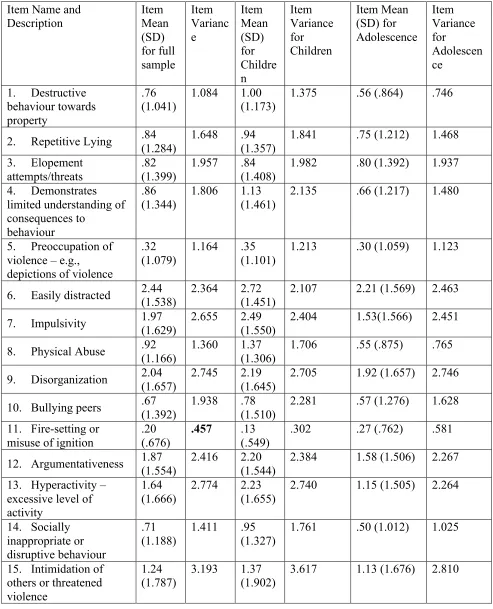
TABLE 1. Internalizing Item Means and Item Variances.………... 67
TABLE 2.Externalizing Item means and Item Variances .……...…..………. 68
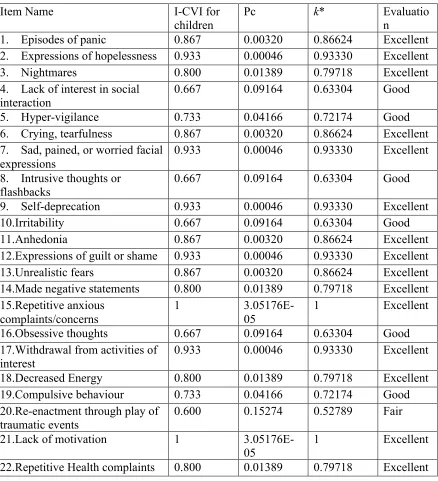
TABLE 3. Expert Content Validation in the Internalizing Scale (Children)………….. 70
TABLE 4. Expert Content Validation in the Internalizing Scale (Adolescents)………... 71
TABLE 5. Demographics for Children/Youth Assessed between 2015-2016………... 72
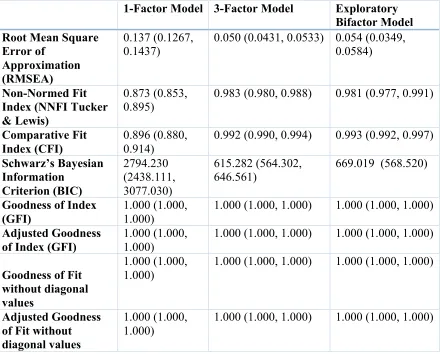
TABLE 6. Robust Model-Fit Statistics for Internalizing Scale ………. 73
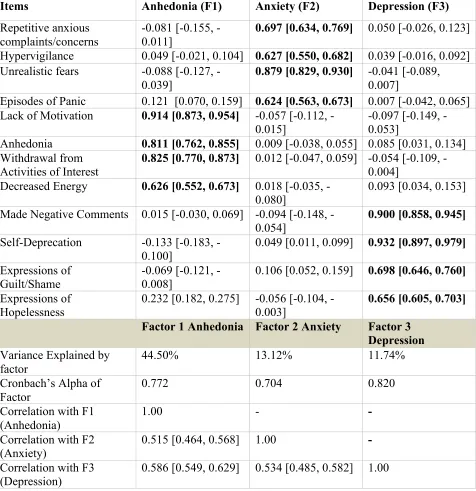
TABLE 7. Internalizing Scale Rotated Loading Matrix …... ……… 74
TABLE 8: Exploratory Bifactor Solution for 12-Item Internalizing Scale ...….………... 75
TABLE 9: Reckase’s Multidimensional Item Response Theory Parameterization……... 76
TABLE 10: Descriptive Statistics of the Scales………....…..………... 77
TABLE 11: Expert Content Validation in the Externalizing Scale (Children)………….. 78
TABLE 12: Expert Content Validation in the Externalizing Scale (Adolescents)…...….. 79
TABLE 13: Demographics for Children/Youth Assessed between 2012-2016...…..…… 80
TABLE 14: Comparison of Model Fit Statistics in the Externalizing Scale .…..…...…... 81
TABLE 15: Externalizing Scale Rotated Loading Matrix………..…..………..…... 82
TABLE 16: Exploratory Bifactor Model Rotated Loading Matrix……….…... 83
TABLE 17: Item Response Theory Parameterization of Externalizing Scale ……...…... 84
TABLE 18: Pearson’s Rho Bayesian Correlation of Internalizing Scale……..……..…... 85
TABLE 19: Pearson’s Rho Bayesian Correlation of Externalizing Scale……..…….…... 87
FIGURE 1: Flow diagram of Methodology………..……..…….…... 89
APPENDIX A. Internalizing Scale Expert Panel Invitation Email and Survey ……….... 90
viii viii
APPENDIX C. Externalizing Scale Expert Panel Invitation Email and Survey …….... 96
APPENDIX D. Correspondence with Ethics.………...…..……… 100
APPENDIX E. Scale Scoring Sheet…..………...…..……… 102
CHAPTER ONE: INTRODUCTION AND LITERATURE REVIEW 1.1 Mental Health Care for Children
In Canada, approximately 10 to 20% of children/youth are currently suffering from mental illness, and it is one of the most disabling group of disorders in the world (Canadian Mental Health Association, 2017). Most contemporary research and clinical settings utilizes criteria from the Diagnostic and Statistical Manual of Mental Disorders (DSM) as the gold-standard for operationalizing disordered mental health (Berenbaum, 2013; American Psychiatric Association, 2013). Using diagnostic criteria in the DSM-Fourth Edition (DSM-IV), Costello, Mustillo, Erkanli, Keeler, and Angold (2003)
showed that the three-month prevalence in children aged 9 to 13 of any DSM-IV is 2.4%, 2.2% and 7.0 % for anxiety disorders, depressive disorders, and behavioural disorders respectively. Using these prevalence values, the researchers predicted that the expected cumulative prevalence of psychiatric disorders by age 16 for any anxiety, depressive, and behavioural disorder is 9.9%, 9.5%, and 23% respectively (Costello et al., 2003).
assess for childhood mental health problems and illnesses early in life (Luby et al., 2009; Griffith, 2010; Government of Canada, 2006).
With many mental health disorders onsetting in early childhood and adolescence (e.g., Kessler et al., 2005), an accurate and seamless assessment of childhood psychiatric symptoms that allows the continuity of care is imperative to decrease burden on
children/youth, families, and the economy (Government of Canada, 2006). Despite that only 1 in 5 children who need mental health care get access, waitlists for assessment and intervention can span from as long as six months to a year (Children’s Mental Health Ontario, 2016; Office of the Auditor General Ontario, 2016). To increase efficiency, the public sector needs a low cost, easily transferable, and accessible system where needs and preferences of children and families can be appropriately identified and prescribed
(Hébert et al., 2003). Such a system should also provide efficient care transitions to reduce redundant assessment on patients who received repeated intake across service providers (Hébert et al., 2003). Thus, it is important to invest in mental health initiatives that could provide assessment for much-needed access and intervention early in the life span for long-lasting impact (Heckman, Gray, & Hirdes, 2013).
1.2 The InterRAI Assessment System
(Heckman, 2013; Hirdes et al., 1999). There are more than 20 instruments built with a core set of items relevant for all health care sectors with identical definitions, time frame observation period, and method of scoring (Hirdes et al., 2011). This compatibility of assessment allows for decreased assessment burden and outcome tracking for smooth transitioning across multiple treatment settings (Stewart et al., 2015). While the collected data allows every agency to conduct quality assurance to warrant accuracy of
assessments, data could also be compared across agencies thereby permitting population comparisons and resource allocations across programs (Stewart et al., 2015).
Multiple reliability and validity studies have demonstrated strong psychometric properties and criterion validity for interRAI instruments in adult and geriatric samples (e.g., Martin, Hirdes, Fries, & Smith, 2007; Morris, Carpenter, Berg, & Jones, 2000) and in children/youth samples (e.g., Stewart & Hamza, 2017; Lau, Stewart, Saklofske, Tremblay, & Hirdes, 2017). Five of the interRAI family of instruments have
demonstrated substantial reliability, with an overall kappa mean of 0.75 that evaluated over 160 shared items in 2 or more instruments, and more than 60% of items on the interRAI family suites had a kappa mean above 0.70 (Hirdes et al., 2008). Multiple validation studies on interRAI measures have been released since, including but not limited to the aggressive behaviour scale, pressure ulcer risk scale, cognitive performance scale, pain scale, delirium screener, and depressive symptoms scale (see Perlman & Hirdes, 2008; Poss et al., 2010; Travers, Byrne, Pachana, Klein, & Gray, 2013; Fries, Simon, Morris, Flodstrom, & Bookstein, 2001; Salih, Klein, Lakhan, & Gray, 2012 respectively for the aforementioned studies).
practitioners across service sectors and nations to promote a seamless transition across sectors in healthcare. The large dataset collected using the standardized assessment also allows for health outcome tracking and clinical care research at a local and population level.
1.3 InterRAI Child and Youth Mental Health Suite
In recent years, the mental health care sector has largely adopted the use of interRAI measures for mental health needs, including the incorporation of the Resident Assessment Instrument-Mental Health (RAI-MH; Hirdes et al., 2000; Hirdes et al., 2011) and
interRAI Child and Youth Mental Health (ChYMH; Stewart et al., 2015) as part of
standardized assessment. The interRAI ChYMH was developed for efficient and effective care-planning, as well as promoting streamlined access to services across service sectors for vulnerable populations (Stewart et al., 2015). Assessment is conducted through communicating with the child/youth and primary caregiver, observation, communication with healthcare providers, and review of medical records (Stewart et al., 2015). The interRAI Child and Youth Mental Health (ChYMH) consists of over 400 items assessing psychiatric, functional, medical, and social issues (Stewart et al., 2015). The tool has a shared set of items allowing informational transfer with other child/youth interRAI instruments, such as ChYMH-Education (ChYMH-EDU), ChYMH-Developmental Disabilities (ChYMH-DD), the Youth Justice Custodial Facilities instrument (YJCF), Homecare Pediatrics, and the adult version interRAI-Mental Health (Hirdes et al., 2011).
The interRAI ChYMH assessment is based on a semi-structured interview format, such that trained assessors complete the instrument using all sources of information, including contact with the child/youth and the family and their child or youth, as well as other service providers and records (Stewart et al., 2015). The form solicits information on history (e.g., living situation), mental state indicators (e.g., responsiveness and adherence to treatment regimens), and indicators of behaviour (e.g., behaviours
three days in order to provide reliable and valid measures of symptomatology. Like other measures in the interRAI suites, the ChYMH has multiple subscales and collaborative action plans embedded in the instrument to define measures of status or functioning. Of note, there is an inpatient version for children/youth placed in a residential or psychiatric facility and the community-based form for community referrals. These forms are
compatible and coordinate seamless service provision for longitudinal tracking of clinical status across the continuum of care. An adolescent supplement is provided for part of standardized assessment for age-appropriate risk behaviours, function, mental and physical health, social support, patterns of service use (Stewart et al., 2015). Data collected from the interRAI ChYMH has been used in publications of clinically relevant findings (e.g., Baiden, Stewart, & Fallon, 2017a, Baiden, Stewart, & Fallon, 2017b; Armiento, Hamza, Stewart, & Leschied, 2016).
Rather than using diagnostic categories, the ChYMH conceptualizes mental health conditions using a dimensional and holistic approach, in which the clinician understands the child’s broader individual and environmental context for a symptomatically coherent pattern. At the individual level, the interRAI Child and Youth suite promotes
streamlining of the assessment process for access to local services. For service settings, the interRAI ChYMH provides information to assist with triaging, wait-list management, program evaluation, and quality improvement (Stewart et al., 2015).
Stewart et al., 2015a; Stewart et al., 2015b), and is also available from interRAI's website (The InterRAI Organization, 2017).
1.4 Childhood Internalizing and Externalizing Symptoms
Emotional and behavioural dysregulation in childhood and adolescence are commonly categorized into the taxonomy of broadband and narrow-band
conceptualization of psychopathology (Achenbach, 2016). Within the broadband psychopathology are internalizing and externalizing disorders, which researchers have characterized as the dichotomy between (1) overcontrolled and undercontrolled, (2) emotional and conduct problems, or (3) inhibition and aggression (e.g., Caspi et al. 1995; Southam-Gerow & Kendall 2002; Achenbach. 1995). Many contemporary childhood mental health measures, such as the Social Skills Improvement System, interpret competing problem behaviours as externalizing (e.g., noncompliance, aggression, or coercive behaviors) or internalizing behavior patterns (e.g., social withdrawal, anxiety, or depression; Gresham, Elliot, & Kettler, 2010; Gresham & Elliott, 1990, 2008).
Epidemiological research suggested that stability in developmental psychopathology can be accounted for by broad internalizing and externalizing domains (e.g., Mesman & Koot, 2000). It is imperative to assess for both internalizing and externalizing conditions, as youth with mixed symptom profiles (i.e., both internalizing and externalizing
behaviours) have maladaptive developmental outcomes, and may need longer-term treatments and greater monitoring of treatment responses than those with only one of the symptom profiles (Capaldi and Stoolmiller, 1999).
Manual-5th Edition (DSM-5; American Psychiatric Association, 2013), internalizing disorders are largely captured through diagnostic categories in depression and anxiety. Depression is characterized as low mood and/or melancholic symptoms (i.e., lack of motivation, anhedonia). Although it was previously believed that young children experienced atypical symptoms of “masked depression” (e.g., Lesse, 1983), Luby et al. (2003) found that typical symptoms are the most sensitive clinical markers of depression, even amongst young children. Traditional markers of depression found in adults were most frequently endorsed in depressed children compared to healthy and externalizing psychiatric comparison groups (Luby et al., 2003). Although irritability and sadness assessed jointly were the most sensitive symptoms of early depression, anhedonia was found to be the most specific symptom for the depressed group of young children (Luby et al., 2003).
Externalizing problems is characterized by outer-directed distress and
“undercontrolled” regulation, such that inhibition of controlling cognitive processing and attention span is evident (e.g., Olson, Schilling, & Bates, 1999; Oosterlaan & Sergeant, 1996; Rothbart, Posner, & Hershey, 1995; Eisenberg et al. 2001). With externalizing disorders being outer-directed and undercontrolled, manifestation of symptoms (e.g., anger, temper tantrum) tend to generate discomfort and conflict in the child’s surrounding environment (Bornstein, Hahn, & Suwalsky, 2013; Weeks et al., 2016). In the DSM-5, two of the most chronic and debilitating externalizing mental health disorders in the DSM include oppositional defiant disorder (ODD) and conduct disorder (CD), which are
categorized as disruptive behaviour disorders (DBDs) in the DSM (American Psychiatric Association, 2013). DBDs are categorized by patterns of ongoing uncooperative,
argumentative, and defiant behaviors toward authority figures (American Psychiatric Association, 2013). Symptoms of externalizing disorders tend to cluster, which may be a result of shared temperamental risk factors and the common heritable factor of
impulsivity, a trait that accounts for a large amount of covariation between ADHD and DBDs (American Psychiatric Association, 2013).
often comorbid with attention-deficit hyperactivity disorder (ADHD), a
neurodevelopmental disorder characterized by early manifestations of more-than-normal activity and inattention (APA, 2013; Costello et al., 2013). Moreover, a great number of boys diagnosed with ODD will progress to conduct disorder in adolescence, which is characterized by repetitive and persistent patterns of antisocial behaviours, violation of age-appropriate norms and rules, destructive behaviour, and deceitful behaviour (Lahey, Waldman, & McBurnett, 1999). Thus, it is important to identify this cluster of
externalizing behaviours at an early stage as these disorders impact social, occupational, or academic functioning of the child/youth (Mannuzza, Klein, Bessler, Malloy, & LaPadula, 1993; Weiss, Hechtman, Milroy, & Perlman, 1985). Moreover, children and teens diagnosed with CD are at great risk of continuity to antisocial personality disorder and substance abuse in adolescence and adulthood (Faraone, Biederman, Jetton, & Tsuang, 1997; Faraone, Biederman, Mennin, Russel, & Tsuang, 1998). Early aggression is predictive of criminality, even when controlling for variables such as lower parental education and lower IQ (Huesmann, Eron, & Dubow, 2002). As such, it is important to accurately measure and capture externalizing symptoms for early intervention and prevention.
1.5 Need for the Present Study
In recent years, researchers and clinicians have attempted to move away from single disorder classification as their primary focus of concern and instead, conceptualize the internalizing and externalizing spectrum as a normally distributed, continuous
assessment of psychopathology (Forbes, Tackett, Markon, & Krueger, 2016). While individual diagnoses assess different facets related to the broader constructs, shared variance in the assessment of broader levels of dimensional risk are often neglected (Forbes et al., 2016). Conceptualizing internalizing and externalizing psychopathology as a continuous symptom-level phenomenon allows for analysis in both shared and unique variance in the hierarchy (Lahey et al., 2004). Moreover, unlike traditional categorization of disordered presentation as present or absent, this dimensional assessment allows frequency and severity of signs and symptoms of well-validated broadband
of conduct disorder as part of the externalizing spectrum would present greater longitudinal tracking of symptoms as well as greater clinical utility. As such, lead agencies using the interRAI ChYMH assessment requested the incorporation of
broadband measures into the instrument to assist in examining placement and treatment progress. These broadband measures, together with the narrowband measures, would provide more useful information for the clinician.
CHAPTER 2: METHODS 2.0 Introduction to the Study
The current study utilizes existing items on the interRAI Child and Youth Mental Health (interRAI ChYMH) to develop two separate brief subscales aimed at capturing a broad spectrum of internalizing and externalizing mental health symptoms in children and adolescence. This chapter delineates the scale development process and addresses the following objectives: (1) establishing content validity through rational expert judgments, (2) an analysis of the underlying factor structure of the internalizing and externalizing mental health subscales, and (3) establishing criterion validity of the subscales through total scale score correlations with existing gold standard child/youth mental health measures. The expert content data was collected to validate the scales in this study, but the dataset used for the latter steps were retrospective analyses of existing datasets. Refer to Figure 1 for a flow diagram of the study design.
To establish measurement adequacy, Lynn (1986) proposed two stages in assessment tool development, which includes (1) the developmental stage (e.g., item generation) and (2) judgement quantification (i.e., at the item and scale level). Given that the goal of the present study is to take existing items from the interRAI ChYMH to develop an internalizing mental health subscale, the first stage included selecting relevant content from the large pool of items embedded in the instrument.
2.1.1 Item Selection for the Internalizing Scale
Prior to expert content validation, the items embedded in the interRAI ChYMH were reviewed by the authors of this study. Each of these items were evaluated on a 5-point ordinal scale (0 = not present to 4= exhibited daily in last 3 days, 3 or more
episodes or continuously; Stewart et al., 2015). Items from the existing subscales related to emotional disturbance, including the social disengagement scale, depressive symptoms scale, and anxiety scale, were considered for inclusion in the internalizing mental health subscale:
Depression Symptoms Scale. This scale has 9 items (i.e., made negative statements, sad, pained, worried facial expression, crying or tearfulness, self-deprecation, guilt/shame, hopelessness, irritability, lack of motivation, withdrawal from activities of interest) with scores ranging from 0 to 36. Higher scores indicate greater frequency of the indicators of depression. Two items on this scale (i.e., lack of motivation, withdrawal from activities of interest) are duplicates of items in the social disengagement scale.
Anxiety Scale. This scale has 7 items (i.e., repetitive anxious concerns, unrealistic fears, obsessive thoughts, intrusive thoughts or flashbacks, episodes of panic, hypervigilance, nightmares) with scores ranging between 0 to 28. Higher scores indicate greater
frequency and severity of anxiety.
The authors of the study included four additional items (i.e., decreased energy, repetitive health complaints, irritability, intrusive thoughts or flashbacks) from the interRAI ChYMH assessment into the item pool to be considered for the internalizing scale. Taken together, a total of 22 items were selected to undergo expert content validation.
2.1.2 Defining Expertise
Expertise is defined as “displayed behavior within a specialized domain and / or related domain in the form of consistently demonstrated actions of an individual that are both optimally efficient in their execution and effective in their results.” (Swanson & Holton, 2001,p. 241; as cited in Germain, 2006). The authors specified the basis for expertise as relevant training, experience, and qualifications (American Educational Research Association, 1999):
1. Qualifications. An advanced degree in a mental health related profession (e.g., Doctor of Philosophy in clinical psychology).
2. Experience. Current or prior experience working with children and adolescents demonstrating internalizing mental health concerns (i.e., depression or anxiety) in a clinical setting. All expert judges had experience working with children/youth to various degrees and would have the analytical capabilities to make accurate and informed clinical judgment (Patton, 2002).
2.1.3 Judgement Quantification for the Internalizing Scale
To facilitate the evaluation process, Grant and Davis (1997) proposed the panel of experts should address representativeness, comprehensiveness, and clarity of all items in a measure. The interRAI ChYMH was created with the goals of creating a comprehensive and broad assessment of childhood outcomes, and the clarity of each individual item included in the instrument has previously been reviewed (Stewart et al., 2015). Hence, the following steps ensure that items collectively capture representation of the
internalizing mental health construct (Haynes, Richard, & Kubany 1995).
Experts were recruited on a voluntary basis to participate in the content validation process. An email was sent out to invited experts that linked each participant to an online survey (www.limesurvey.com) and participants were asked to indicate the extent to which each individual item was representative of the internalizing mental health
construct. All survey respondents were notified that their name would be linked to survey responses, as the authors needed to verify all participants responding in the expert panel were, in fact, invited. The following definition was provided in the survey for
“internalizing”:
“Internalizing difficulties in children and adolescents refers to "conditions whose central feature is disordered mood or emotion" (Wilkinson, 2009). The
terminology commonly used as ‘‘emotional’’ disorders versus ‘‘behavior’’ difficulties are synonymous with ‘‘internalizing’’ versus ‘‘externalizing’’
difficulties. Internalizing conditions are characterized by symptoms of depressed mood, anxiety, and anhedonia.”
2.1.4 Analysis of Expert Panel Judgements
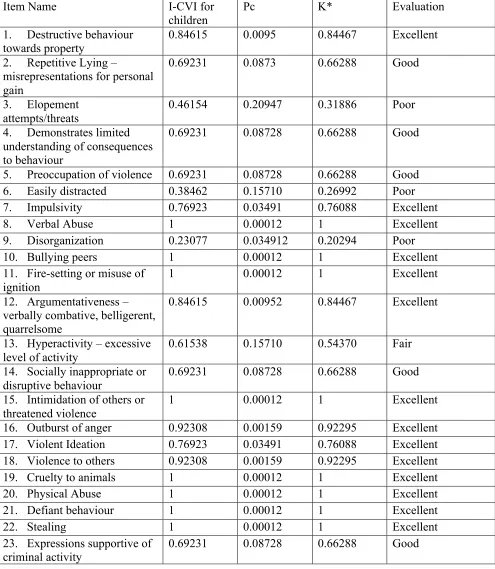
One advantage of using an online survey, compared to group discussion and consensus, is that each individual experts’ respective judgments can be evaluated as statistically independent variables (American Educational Research Association, 1985). Consensus estimates were calculated to determine the extent experts shared interpretation regarding whether the item and the overall scale is representative of a latent construct (Hinkin, Tracey, & Enz, 1997; Polit et al., 2007). The content validity index (CVI; Waltz & Bausell, 1981) is a commonly reported consensus estimate, with expert ratings of relevance calculated at the item level (i.e., I-CVI) and at the scale level (i.e., S-CVI; Polit et al., 2007). I-CVI is the most suitable method in evaluating agreement compared to other consistency estimates, such as Cronbach’s alpha, as the latter evaluates relative ordering of the score and internal consistency, rather than agreement in relevance of an item to a construct. In other words, even when agreement that item-to-construct relevance is low, results could yield high consistency estimates if the relative ordering of item scores are similar across experts (Polit et al., 2007). I-CVI for each of the 22 items was calculated through dividing the proportion of experts who rated the item as content valid (i.e., a rating of 3 or 4) by the total number of experts (Polit et al., 2006; Waltz & Bausell, 1981). While I-CVI is easy to calculate, and has the advantage of focus on
item-to-construct relevance, it fails to adjust for chance agreement with expert panels typically consisting of small sample sizes (Lynn, 1986; Polit et al., 2007). Hence, PC and modified Kappa (K*) were calculated based on mathematical equations provided by Polit and colleagues (2007) in order to adjust for change agreement amongst experts with I-CVI values:
(1) Equation for Pc:
Pc, the probability of A endorsements of good relevance by chance, produces the binomial probability of content endorsement of N judges and this chance endorsement of agreement is then multiplied by .5 to the power of N judges. Modified kappa (k*) adjusts for convergence and mutual agreement of A endorsements of good relevance between 2 or more judges with endorsements by chance, is defined as the binomial chance
endorsement of content relevance. The interpretation of k* values were detailed in Fleiss (1981) and Cicchetti and Sparrow (1981), with values bounded between .40 to .59 rated as fair, .60 to .74 rated as good, and .75 to 1.00 rated as excellent. Items that received low modified kappa statistics (i.e., k* value of .74 or lower) were flagged for removal (Polit et al., 2007).
There are two commonly-used methods for calculating the overall scale content validity index (S-CVI), which include the universal agreement method (S-CVI/UA) and the averaging method (S-CVI/AVE; Polit & Beck, 2006; Polit et al., 2007). The authors made an a priori decision to calculate the S-CVI/UA after the set of items are finalized through both expert content validation and exploratory factor analyses. S-CVI/UA is the proportion of items that are rated content valid (i.e., rating of 3 or 4) by all the experts. Based on previous literature, a lower limit of acceptability for S-CVI is set at 0.80 (Polit et al., 2007). S-CVI/UA for the internalizing scale were calculated separately for children (ages 4 to 11) and adolescence (ages 12 to 18), as there may be developmental
differences whether an item is content valid, such that an item could be characterized as representative to a construct for one age group, but non-representative for the other. 2.1.5 Expert Panel Ethics
2.2.0 Construct Validity of the Internalizing Scale
Archival data was analyzed to determine whether the items of the internalizing scale deemed content valid by the experts possessed desirable psychometric properties, this section aims to evaluate the factor structure of the scale, test for reliability, and assess model fit for the final set of items. The procedure for data collection and statistical
analyses are carefully documented in this section. 2.2.1 Participants and Procedure
The present study examined archival data collected between 2012 and 2016 using the interRAI Child and Youth Mental Health (ChYMH) from 39 mental health agencies in the Province of Ontario, Canada. The total sample comprised of 3464 clinically referred children and youth (60.3% male) between the ages of 4-18 years (Mage =11.85, SD = 3.58) who completed the interRAI ChYMH across 39 mental health services sites within the province of Ontario, Canada.
As described in Chapter 1, the interRAI ChYMH is a semi-structured interview comprising 400 items to assess the child/youth’s strengths, needs, functioning and areas of risk to inform intervention for mental health needs. Assessors had at least 2 years of experience working in a mental health setting and were trained over a two full-day interRAI ChYMH training workshop. Every clinician was provided a users’ manual for the interRAI ChYMH, which provided the intent, definition, suggested process to obtain the information, and coding for every item in the instrument (Stewart et al., 2015). Clinicians provided ratings on the instrument based on all sources of information
available to them, including interview with the child and family, consultation with service providers who could provide information about the child (e.g., psychologists, teachers), and documentations on file. All ratings are required to be gathered within a three-day window (Stewart et al., 2015).
2.2.2 Item Level Analyses
internalizing scale were flagged for potential deletion due to low variance values. Moreover, item-total correlations were computed between each item and the overall scale, as low item-total correlations indicate that items may be gathered from
inappropriate domains and produce measurement error and unreliability within a scale (Hinkin, Tracey, & Enz, 1997). The authors made an a priori decision to set >.20 as the acceptable value of item-total correlation (Dozois, Dobson, & Ahnberg, 1998).
2.2.3 Internalizing Scale– Unrestricted Factor Analysis
A series of unrestricted factor analyses were performed, after item-level
psychometrics, to determine the dimensionality of the measure without restriction on the structural model (Tabachnick & Fidell, 1989; Child, 1990). Bootstrap sampling (number of bootstrap samples = 500) was conducted to compute robust factor analysis (Osbourne, 2014). Recent literature suggested that robust factor analysis resampling methods using multiple permutations can inform reliable and replicable summary statistics (e.g., average effect, 95% CI) and these methods generally reported acceptable model-data fit
(Osbourne, 2014). Bartlett’s statistic of sphericity and Kaiser-Mayer-Olkin (KMO) test were used to calculate the adequacy of the correlation matrix.
The Hull Method was conducted to determine factor retention (Lorenzo-Seva, Timmerman, & Kiers, 2011). The Hull method aims to optimize both number of
parameters and goodness-of-fit in a series of factor solutions (Lorenzo-Seva et al., 2011). In a study using simulated data, the Hull method, with 85-94% success rate,
outperformed Parallel Analysis of Horn (81% success rate), Minimum Average Partial Test (MAP; 51% success), and Bayesian Information Criterion (44% success rate). In the same study, out of four Hull method indices tested with varying performances, the Hull-comparative fit index (CFI) and Hull-Common part Accounted For (CAF) appeared to be the most successful indices (Lorenzo-Seva et al., 2011). Thus, the present study uses a combination of Hull-CFI, optimal implementation of parallel analysis, and examination of eigenvalues to extract factors.
Parameter estimates were generated from bootstrap sampling of estimated
chosen as a weighting element to reflect on the ordinal data in the scale with the assumption that an unobserved latent trait is being measured in an underlying joint, continuous normal distribution (Holgado–Tello, Chacón–Moscoso, Barbero–García, & Vila–Abad, 2010; Nunnally & Bernstein, 1994). Multiple simulation studies published in recent years (e.g., Holgado-Tello et al., 2010) suggested that the original measurement model is more accurately reproduced with polychoric correlations compared to Pearson’s r correlations, as categorization reduces variability and thus, reduces the magnitude of loadings in Pearson’s r obtained in the data (Garrido, Abad, & Ponsoda, 2013; Olsson, 1979). Hence, polychoric correlations would be preferred on ordinal variables (Garrido et al., 2013; Holgado–Tello et al., 2008; Timmerman & Lorenzo-Seva, 2011).
The diagonally weighted least squares (DWLS) estimator is designed for accurate parameter estimates for ordinal data, and recent Monte Carlo Simulation studies showed that DWLS produced more accurate and less biased factor loadings than robust maximum likelihood across different configurations of latent response distributions, numbers of categories, and sample size (Li, 2016). Moreover, an asymptotically distribution-free estimator is suitable when assumptions of normality and continuity of variables is violated (DiStefano & Morgan, 2014). Thus, first-order analyses were carried out by means of diagonally weighted least squares estimator with an oblique, Promin rotation (Lorenzo-Seva, 1999). An oblique rotation is most appropriate in practice, as previous research had shown that internalizing factors should have moderate correlations (Browne, 2001; Costello & Jason, 2005; Osbourne, 2014). A Promin, oblique Procrustean rotation method was used to compute a semi-specified target matrix to maximize factor simplicity (Lorenzo-Seva, 2013). Finally, model fit was reported using robust goodness of fit
statistics including root mean square error of approximation (RMSEA), non-normed fit index, Comparative Fit Index (CFI), Schwarz’s Bayesian Information Criterion (BIC), and Goodness of Index in Table 6 (Kline, 2011).
2.2.4 Internalizing Scale – Exploratory Bifactor Model
While the internalizing mental health subscale is predicted to have a
Morizot, & Hays, 2007; Reise et al., 2010). It represents direct relationships between primary variables and higher order factors and could give insight into theoretical constructs between latent constructs and observed variables (Steer et al., 2001; Steer et al., 2005). Loadings of variables onto the general factor (i.e., GF) orthogonal to all other first order factors, and loadings onto the first-order factors (F1 to F3) and correlations between the GF and first-order factors are also depicted in this analysis (Wolff & Preising, 2005).
2.2.5 Internalizing Scale – Item Response Theory (IRT) Parameterization
2.2.6 Convergent-Discriminant Validity
After verifying the factor structure of the individual scales, Bayesian independent samples t-tests to discriminate between children/youth with a mood/anxiety disorder diagnosis using Diagnostic and Statistical Manual of Mental Disorders – 4th Edition DSM criteria and children/youth without a mood/anxiety disorder diagnosis. The interRAI ChYMH provides documentation for the four most impairing psychiatric diagnoses as determined by a psychiatrist, psychologist, or attending physician. The interRAI ChYMH assessors are not typically the same people who have given the child/youth a mental health diagnoses. These provisional diagnoses were obtained from the clinical record or completed by the psychiatrist, attending physician, or qualified psychologist at the time of assessment. The diagnoses were coded and ranked for their importance as factors contributing to the admission of the child/youth. For the purposes of this study, disorders were recoded as present (i.e., child/youth was assessed and met criteria) or absent (i.e., child/youth was assessed but did not meet criteria). Children/youth with comorbid mental disorders were included in the analysis.
2.2.7 Internalizing Scale– Creating a Developmentally Appropriate Scale
At present, all interRAI ChYMH subscales embedded in the instrument use a common set of items and metric for children and adolescence across the age span of 4 to 18. While there are benefits to using a common scale (e.g., simplicity of use with
repeated administration, ease of tracking longitudinal change, simplicity of interpretation of scores across time), the authors acknowledge that emotional and behavioural
disturbance would demonstrate substantive changes across development. Hence, a comparison analysis was conducted to determine the validity for (1) two separate scales deemed content valid for children (i.e., 15 items) and adolescence (i.e., 17 items)
respectively and (2) a common scale content valid for both age groups (i.e., 12 items) in differentiating children/youth with/without a mood/anxiety disorder diagnosis to
determine whether there were benefits to using separate developmentally-relevant internalizing scales for children and adolescents separately. Using multiple independent sample t-test, all three scales significantly differentiated (p < 0.05) between
larger effect size compared to the separate scales. Hence, given the benefits of greater convergent-discriminant validity and scale brevity, a common set of 12 internalizing items were used for children and adolescence across the age span of 4 to 18. The analyses detailed in this section are not included in this document, but are available upon request. 2.3.1 Externalizing Scale – Content Validity
The expert content validation process for the externalizing mental health subscale followed the aforementioned protocol suggested by Lynn (1986). Prior to the expert content validation, the authors carefully reviewed all items relevant to problematic, externalizing behaviours embedded in the interRAI ChYMH. Items from existing subscales related to hyperactivity and disruptive behaviour, including the
hyperactive/distraction scale and the disruptive/aggressive behaviour scale, were integrated for expert panel evaluation to be considered for items in the externalizing mental health subscale:
Hyperactive/Distraction Scale (HDS). The HDS consists of four items that assess the frequency of hyperactivity and distractibility (i.e., impulsivity, ease of distraction, hyperactivity, and disorganization). The frequency of each behaviour is assessed using a 5-point ordinal scale (0 = not present to 4 = exhibited daily in last 3 days, 3 or more episodes or continuously). The total score has a possible range of 0–16, and higher scores indicate higher levels of hyperactivity and distractibility (Stewart et al., 2015; Stewart & Hamza, 2017).
Disruptive/Aggression Behaviour Scale (DABS). The DABS has five items assessing the frequency and severity of aggressive and disruptive behavior (i.e., physical abuse, verbal abuse, socially inappropriate or disruptive behavior, destructive behavior toward
property, outbursts of anger). The items are assessed on a 5-point ordinal scale (0 = not present to 4 = exhibited daily in last 3 days, 3 or more episodes or continuously), and the total DABS score consists of the total on the five items, with a possible range of 0–20 and higher scores indicating higher levels of aggressive and disruptive behavior (Stewart et al., 2015; Stewart & Hamza, 2017).
The authors included 14 additional items to be considered in the externalizing mental health subscale. These items included (1) repetitive lying, (2) elopement
(4) preoccupation of violence, (5) bullying peers, (6) fire-setting or misuse of ignition, (7) argumentativeness, (8) intimidation of others or threatened violence, (9) violent ideation, (10) violence to others, (11) cruelty to animals, (12) defiant behaviour, (13) stealing, and (14) expressions supportive of criminal activity. Refer to Appendix B for detailed
descriptions and scoring criteria for each item. A total of 14 items were scored using a 6-point ordinal scale (0=not present to 5=present in the last 3 days) and 9 items were scored using a 5-point scale (0=not present to 4 = exhibited daily in last 3 days, 3 or more
episodes or continuously). A total of 23 items were selected to undergo expert content validation.
2.3.2 Externalizing Scale – Defining Expertise
The authors reviewed every expert’s credentials and deemed each participant as a knowledgeable individual with experience in the field. As mentioned previously, the authors specified the basis for expertise as relevant training, experience, and
qualifications (American Educational Research Association, 1985): 1. Qualifications. Doctor of Philosophy degree in Clinical Psychology.
2. Experience. Current or prior experience working in a clinical setting with children exhibiting externalizing mental health concerns (e.g., disruptive behaviours). All expert judges had experience, as a licensed psychologist, working with children/youth to various degrees and would have the observational and analytical capabilities to make accurate, clinical judgment (Patton, 2002).
3. Relevant training. Experts should have received formal training and coursework in mental health from a recognized academic institute.
2.3.3 Analysis of Expert Judgement
Experts were recruited on a voluntary basis to participate in the expert content validation process. The email linked each participant to an online survey
(www.limesurvey.com) and participants were asked to indicate the extent to which individual items were representative as an externalizing mental health indicator. The following definition “externalizing” was provided:
Externalizing” and “internalizing” difficulties in children and adolescents are synonymous with “behavioural” and “emotional” problems
respectively. (Achenbach, 1978). Externalizing behaviour refers to a child/youth’s problematic “outward behavior” as the child acts excessively negative towards the external environment (Campbell, Shaw, & Gilliom, 2000; Eisenberg et al., 2001). The externalizing behaviour construct includes aggression, conduct problems, delinquency, hyperactivity, and “undercontrolled behaviour” (Hinshaw, 1987; Liu, 2004).
The ratings of items and administration procedure were identical to the
internalizing expert panel described in the earlier sections. Refer to Appendix C to view the invitation email for the externalizing scale expert panel and full questionnaire provided for the experts. Like the internalizing panel, I-CVI for each item were
subsequently calculated for each item and items with low k* values (<.74) were flagged for removal.
2.4.1 Externalizing Scale – Participants, Procedures, and Item Analyses
The same dataset and administration procedure was used for the internalizing scale. Refer to the earlier sections for more details.
2.4.2 Externalizing Scale– Unrestricted Factor Analysis
product-moment correlation matrix was used for factor analysis, as it de facto entails the cross products of standardized scores. The Hull-CAF Method was conducted to determine factor retention (Lorenzo-Seva, Timmerman, & Kiers, 2011). Results of the unrestricted factor analysis were interpreted based on several fit indices, including root mean square error of approximation (RMSEA; Steiger, 1990), comparative fit index (CFI; Bentler, 1990), and goodness-of-fit index (GFI).
2.4.3 Externalizing Scale– Recoding Items for Summation and IRT
While a total composite could be computed through unweighted summing of scores, doing so potentially conflates separate dimensions of severity and confluence of dimensions when scores are interpreted (Sykes, Hou, Hanson, and Wang, 2002). Hence, to create a total score, variables on the externalizing scale are recoded as present (coded as 1) or absent (coded as 0) and then summed. A separate factor analysis was conducted with variables recoded as absent and present, and the factor structure and factor loadings replicated onto its original two dimension factor structure. MacDonald’s and Reckase’s two-parameter item response theory is applied to create item discrimination parameters based on the number of identified factors with a single threshold value (i.e., threshold between absent and present). All factor analyses, reliability estimates, and item response theory parameterizations were conducted on the FACTOR software 10.5.02 for Windows 64-bits (Baglin, 2014; Lorenzo-Seva & Ferrando, 2013).
2.5.0 Criterion Validity of Final Internalizing and Externalizing Subscales The next step was to determine the degree to which the interRAI ChYMH
internalizing and externalizing scales were correlated with other gold-standard childhood internalizing and externalizing childhood mental health measures.
2.5.1 Participants and Procedure
2.5.2 Internalizing Scale – Scoring and Missing Data
The final internalizing scale consists of 12 items rated on a 5-point ordinal scale (0 = not present to 4= exhibited daily in last 3 days, 3 or more episodes or continuously). The criterion measures were completed with the interRAI ChYMH assessment before the item “hypervigilance” was introduced into the assessment instrument, and hence, the item is missing for all participants in this smaller subset. The missing “hypervigilance” value was replaced with the mean of the sum of the remaining three variables in the anxiety factor (i.e., repetitive anxious complaints, unrealistic fears, episodes of panic) on the anxiety factor to compute total scores. Scores in this measure range from 0 to 48, with higher scores revealing greater frequency and severity of internalizing symptoms. 2.5.3 Externalizing Scale – Scoring
The final externalizing scale consists of a total of 12 items, with 5 items that are rated on a 5-point ordinal scale (0 = not present to 4= exhibited daily in last 3 days, 3 or more episodes or continuously) and 7 items rated on a 6-point ordinal Scale (0=never to 5= in the last 3 days). Scores are recoded as 0, which equates to absent, or 1, which equates to present. Scores range from 0 to 12, with higher scores indicating greater frequency of externalizing behaviours.
2.5.4 Criterion Measures
Beck Youth Inventory. The Beck Youth Inventory measures the frequency of maladaptive thoughts, feelings, and behaviours that represent emotional and social impairment in children and adolescents 7 to 18 years old. The inventory comprises of 5 sub-scales (i.e., depression, anxiety, anger, disruptive behaviour, self concept) consisting of 20-self report items each (Beck, Beck, & Jolly, 2001).
Child Behavior Checklist (CBCL). The CBCL is a set of standardized measures for children and adolescents between the ages of 4 to 18 years. Several subscales are embedded in the instrument, which include destructive behavior, social withdrawal, somatic complaints, anxiety and depression, social problems, thought problems, attention problems, aggressive behavior, and delinquent behaviors (Achenbach & Edelbrock, 1991). This measure consists of two broadband measures: internalizing (i.e., anxious, depressive, and over-controlled) and externalizing (i.e., aggressive, hyperactive, noncompliant, and undercontrolled) behaviours.
Child and Adolescent Functional Assessment Scale (CAFAS). The CAFAS is a clinician-administered measure that assesses functioning across several domains (i.e., school, home, community behaviour towards others, moods/emotion, self-harm, substance use, and thinking). The CAFAS demonstrates reliability, concurrent validity, and discriminant validity (Hodges & Wong, 1996).
Brief Child and Family Phone Interview (BCFPI). The BCFPI is a parent- or caregiver-report standardized measure with 9 subscales embedded, including regulating attention, regulating impulsivity and activity level, regulating attention, impulsivity and activity level, cooperativeness, conduct, separating from parents, managing anxiety, managing mood, and managing mood and self-harm (Cunningham et al., 2009; Boyle et al., 2009). In the BCPFI subscales, the separation from parents, managing anxiety, managing mood subscale create the internalizing subscale. The externalizing behaviour subscale is an 18 item scale including items from the regulating attention, impulsivity, and activity level subscale, cooperativeness subscale, and conduct subscale.
2.5.5 Statistical Analysis
Bayesian correlations tests were conducted to compare internalizing and
analyses were conducted using JASP 0.8.1.1, which uses correlation tests proposed by Jeffreys (1961), assuming bivariate normal distribution and a uniform, default prior on rho. Interpretation of Bayes Factors as evidence for alternative hypotheses with Bayes Factor of 1–3 as weak, 3–10 as substantial, 10–30 as strong, 30–100 as very strong and >100 as decisive (Jarosz & Wiley, 2014).
2.5.6 Ethics Approval
The interRAI ChYMH database used for research purposes assigns a randomly generated study-specific participant number for each participant and includes no
CHAPTER 3: RESULTS 3.1.0 Psychometric Validation of the Internalizing Subscale
The following section details the results of the expert content validation process and unrestricted, robust factor analysis for the internalizing subscale.
3.1.1 Expert Panel Results of the Internalizing Scale
The final panel consisted of 3 psychiatrists, 6 doctoral-level clinical
psychologists, 5 PhD candidates (i.e., psychologists in training) with a Master’s of
Science in clinical psychology enrolled in an accredited clinical psychology program, and 1 psychiatric nurse who owns a private mental health practice. In total, 15 participating experts (i.e., 4 males, 11 females) examined 22 potential internalizing instrument items.
The results demonstrated that a total of 15 and 19 items remained quantitatively content valid (I-CVI>0.78 and k* > .74) as an internalizing mental health indicator for children (aged 4 to 11) and adolescents (aged 12-18) respectively. Overall, 14 of 22 items (63.63%) demonstrated excellent content validity (I-CVI>0.78 and k* > .74) across both age groups. Only items that were content relevant for both children and adolescent age groups were retained for subsequent factor analyses. Close examination of modified k* scores showed that the “hypervigilance” item was content valid for adolescents and only .02 below the cutoff of .74 in children and therefore, this item was also retained for subsequent factor analyses. The 15 items (i.e., “episodes of panic”, “expressions of hopelessness”, “hypervigilance”, “crying, tearfulness”, “sad, pained, or worried facial expression”, “self-deprecation”, “anhedonia”, “expressions of guilt or shame”,
“unrealistic fears”, “made negative statements”, “repetitive anxious
3.1.2 Sample Characteristics
Data collected between 2012 to 2016 using the interRAI ChYMH were complete for 3464 children/youth for all variables, with the exception of 929 missing
“hypervigilance” variables as it was added as part of standardized assessment in 2015. There were no other missing variables in the dataset, with the exception of newly added variables. Only complete data were used for subsequent analyses, with 2536
children/youth (Mage =12.16, SD = 3.59; 57.6% males) assessed between 2015 to 2016 across 34 sites. In this sample, 2272 (89.6%) of children/youth lived with their parents or primary guardian, 24 (0.9%) lived alone, 72 (2.8%) lived with other relatives, 10 (0.4%) lived with their siblings with no parents or guardians, 92 (3.6%) lived with a foster family, 65 (2.6%) lived with a nonrelative (but not a foster family). Among those
children and youth referred for assessment at time of intake into care, 641 (25.3%) had no contact with a community mental health agency or professional within the past year, 720 (28.4%) had contact within 31 days or more, and 1174 (46.3%) had contact within the last 30 days. Refer to Table 5 for more demographic information.
3.1.3 Item-Level Analyses
None of the 15 items selected for subsequent factor analyses were flagged for potential deletion for low item variance values (i.e., < 1.0). All items had acceptable values of corrected item-total correlations with values ranging from .408 to .581. 3.1.4 Unrestricted Factor Analysis
Initially, 15 items were subjected to a series of robust, unrestricted factor analysis (bootstrap sample = 500) using polychoric correlations dispersion matrices and the diagonally weighted least squares method of extraction. The Kaiser-Meyer-Olkin measure of sampling adequacy was 0.880, which indicated that variables within this correlation matrix demonstrated strong relationships. Bartlett’s test of sphericity was significant (χ2 (105) = 12097.2, p < 0.001), indicating the factor analytic model is appropriate given the overall significance of correlations within the matrix.
assessment and parallel analysis providing conflicting suggestions of a one- and three- factor structure, a closer examination of the assessment of dimensionality was conducted. The values obtained revealed a unidimensional congruence of 0.949 (BC Bootstrap 95% CI: 0.922, 0.965), a value of explained common variance (ECV) of 0.802 (BC Bootstrap 95% CI: 0.787, 0.819), and mean of item residual absolute loadings of 0.295 (BC
Bootstrap 95% CI: 0.272, 0.310). Of note, these values collectively suggested that both unidimensional and multidimensional solutions were interpretable. Hence, the root mean square residual (RMSR) statistic was conducted to assess model fit based on residual correlations for the one- and three- factor solution. RMSR represents a quantitative index which describes the average size of residual correlations once predicted response
frequencies has been fitted to correspond with observed response frequencies. The values obtained were 0.1274 and 0.0279 for the one- and three- factor solution models respectively. Given recommendations that RMSR indices less than 0.08 are indicative of a good-fitting model, this analysis would suggest the retention of a three-factor model (Hu & Bentler, 1998).
the items “repetitive health complaints”, “sad, pained, or worried expressions”, and “crying, tearfulness” were removed from subsequent analyses.
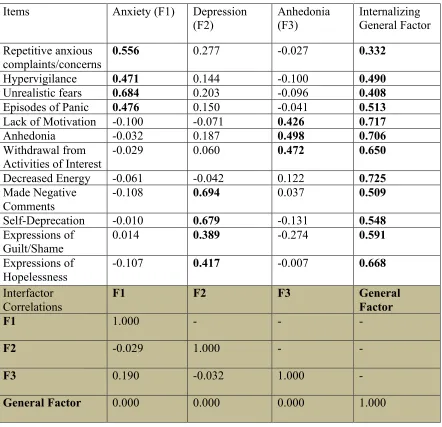
The remaining 12 items were, once again, subjected to unrestricted factor analysis using a polychoric correlation dispersion matrix, and the diagonally weighted least squares estimator. The Kaiser-Meyer-Olkin measure of sampling adequacy was 0.91 with a significant Bartlett’s Statistic (χ2 (66)= 9737.3, p < 0.001), indicating that the data were suitable for factor analysis. When the Hull-CFI Method was, once again, used to extract factors (Lorenzo-Seva, Timmerman, & Kiers, 2011), the goodness-of-fit index using Robust comparative fit index (CFI) reached 0.991 (df= 33; Scree test values: 17.266) with three interpretable factors and a three-factor solution was advised. The first factor (i.e., anhedonia) explained 44.50% of the common variance between items, showing evidence of a dominant factor (e.g., accounts for 20% of variance; Hambleton, Swaminathan, & Rogers, 1991). The second factor (i.e., anxiety) accounted for 13.12% of variance (i.e., 57.51% cumulative variance), and the third factor (i.e., depression) accounted for 11.74% of variance (i.e., 69.36% cumulative variance). The analysis was conducted with the full sample, and analyzed separately for children aged 4 to 11 years and adolescents aged 12 to 18 years to ensure the factor structure and factor loadings replicated across development. The factor structure did, in fact, replicate across both age groups and all factor loadings were in the acceptable range (>0.300) onto the primary factor and no significant cross-loadings were observed. The rotated factor loadings demonstrated that the items clustered to load onto three interpretable factors of
anhedonia, anxiety, and depression factors, as hypothesized. Refer to Table 7 for factor loadings with bias-corrected and accelerated (Bca) bootstrap 95% confidence intervals (CI) of the internalizing subscale.
3.1.5 Application of the Exploratory Bifactor Model
is 0.022, which is proximate to the RMSR for the 3-factor model, suggesting both models fit the data equally well. To further assess model fit, comparison of the one- and three- factor model fit was presented in Table 6 (Kline, 2011). All values, with the exception of the goodness of fit index in which both models produced a value of 1.00, suggested that the three-factor model is a better-fitting model than the one-factor solution. Table 8 respectively for the fit indices of the bifactor model and factor loadings and correlations between the GF and first-order factors in the exploratory bifactor model.
3.1.6 Reckase’s Multidimensional Item Response Theory Model
Standardized weighted root mean squares of item residuals (RMSR) can inform model-data fit in the conducted IRT analysis (Drasgow, Levine, Tsien, Williams, & Mead, 1995). Using Kelley’s (1935) criterion, the expected mean value of root mean square of residuals is 0.0199. As mentioned above, the RMSR for this matrix is 0.0279 (BCA Bootstrap 95% CI: 0.025, 0.029), suggesting items showed negligible misfits and all items are closely related to the overall latent trait. The IRT discrimination parameter (aj) for an item is conceptually similar to a factor loading and represents the slope of the item response expressed in probability on the latent dimension. A lower value of aj would indicate the item is less related to the underlying trait. Value of item discrimination parameters for the anhedonia factor parameterization (a1) were between 0.871 and 1.661. The item discrimination parameters (a2) for the anxiety factor were between 0.850 and 1.527. The item discrimination parameters for the depression factor (a3) were between 1.007 and 2.013. Consistent with the item discrimination parameters (aj) values, MDISC for items ranged from 0.854 to 2.036.
multidimensional item response theory item discrimination, MDISC, and category threshold parameterization values.
3.1.7 Scale Distribution, Scoring, and Scale-CVI of the Internalizing Scale
The final internalizing subscale consisted of 12 items, with each item scored using an ordinal scale ranging from 0 and 4 and total scores ranging between 0 to 48 (M = 10.45; SD = 8.74; Cronbach’s α = .88). A Shapiro-Wilk’s test (p < .001; Shapiro & Wilk, 1965; Razali & Wah, 2011) and a visual inspection of their histograms, normal Q-Q plots and box plots revealed that internalizing scale scores were not normally distributed for both males and females with a skewness of 1.000 (SE= 0.064) and a kurtosis of .637 (SE=.128) for males and a skewness of .988 (SE= .075) and a kurtosis of .513 (SE=.149) for females (Cramer, 1998; Cramer & Howitt, 2004).
In children, the S-CVI/UA for the total scale, once low modified k* and cross-loading items were removed, increased from 0.82 to 0.89 (Polit et al., 2007). In
adolescents, the S-CVI/UA for the total scale, once low modified k* and cross-loading items were removed, increased from 0.88 to 0.97 (Polit et al., 2007). The descriptive statistics of the final 12-item internalizing scale and internalizing scale scoring sheet is presented in Table 10 and Appendix E respectively.
3.1.8 Group Differences in Total Scores
Sex Differences. Consistent with this previous literature (e.g., Wang et al., 2015), girls had higher internalizing scale scores (M = 11.74, SD = 9.61, n = 1074) than boys (M = 9.50, SD = 7.91, n = 1461; t(2036.272) = 6.246, p < 0.001). Further, Cohen’s effect size value obtained was .25, suggesting low effect size. The Bayesian t-test also estimated a Bayesian Information Criteria factor (Wagenmakers, 2007), comparing the fit of the data under the null hypothesis and the alternative hypothesis. An estimated Bayes factor (Bf10) is obtained at 3.29e+07, suggesting that the alternative hypothesis predicts 3.29 e+07 times better than the null hypothesis.
= 1.20 ). Further, Cohen’s effect size value obtained was .19, suggesting very low effect size.
Age differences. Internalizing mental health scores were compared amongst children (i.e., aged 4 to 11) and adolescents (i.e., aged 12 to 18). Adolescents had higher internalizing scale scores (M = 11.43, SD = 9.18, n = 1471) than children (M = 9.09, SD = 7.89, n = 1064; t(2459.770) = 6.246, p < 0.001). Further, Cohen’s effect size value obtained was .27, suggesting low effect size. An estimated Bayes factor (Bf10) is valued at 2.22e+08, suggesting that the alternative hypothesis predicts 2.22 e+08 times better than the null hypothesis.
3.1.9 Concurrent Validity with DSM Diagnosis.
Mood Disorder. Children/youth with a mood disorder diagnosis had higher internalizing scale scores (M = 14.43, SD = 9.56, n=410) than those without the diagnosis (M = 9.22, SD = 8.06, n=1475; t(580.390) = -10.077, p < 0.001). Further, Cohen’s effect size value obtained was .59, suggesting a moderate to large effect size. Close examination of the prior distribution and posterior distribution demonstrated that most of the posterior distribution falls on large values (median= 0.616, 95% Credible Interval = 0.727, -0.509) of the effect size. The graphical representation of the Bayes factors robustness check demonstrated that changes the values of the prior width does not substantially affect the BF10.
Anxiety Disorder. Children/youth with an anxiety disorder diagnosis had higher internalizing scale scores (M = 13.45, SD = 8.09, n = 917) than those without the diagnosis (M = 8.09, SD = 7.83, n =1003; t(1828.154) = -13.903, p < 0.001). Further, Cohen’s effect size value is .64, suggesting moderate to large effect size. An estimated Bayes factor (Bf10) suggested that the alternative hypothesis predicts the current data 8.39e+38 times better than the null hypothesis. Close examination of the prior