University of Huddersfield Repository
Wanjare, Joshua MakokeyoThe Challenge of Competitiveness in Worker Cooperatives in Britain: An Integrative Strategy Framework Perspective
Original Citation
Wanjare, Joshua Makokeyo (2008) The Challenge of Competitiveness in Worker Cooperatives in Britain: An Integrative Strategy Framework Perspective. Doctoral thesis, University of
Huddersfield.
This version is available at http://eprints.hud.ac.uk/id/eprint/2973/
The University Repository is a digital collection of the research output of the University, available on Open Access. Copyright and Moral Rights for the items on this site are retained by the individual author and/or other copyright owners. Users may access full items free of charge; copies of full text items generally can be reproduced, displayed or performed and given to third parties in any format or medium for personal research or study, educational or notforprofit purposes without prior permission or charge, provided:
• The authors, title and full bibliographic details is credited in any copy;
• A hyperlink and/or URL is included for the original metadata page; and • The content is not changed in any way.
For more information, including our policy and submission procedure, please contact the Repository Team at: [email protected].
i
The Challenge of Competitiveness in Worker Co-operatives in Britain: An Integrative Strategy Framework Perspective
Joshua Makokeyo Wanjare
A thesis submitted to the University of Huddersfield in partial fulfillment of the requirements for the degree of Doctor of Philosophy
May 2008
ii
Abstract
This study responds to the need for further research on worker co-operatives as an alternative business model following the resurgence of interest in co-operatives by many international organizations including the United Nations. The study particularly seeks to fill the gaps identified in the previous research studies with regard to worker co-operatives’ competitive environments and to their strategy formulation processes.
The main objective of this thesis is to establish that an integrative strategy framework offers a more effective analysis of the challenge of competitiveness in worker co-operatives in Britain. Unlike most previous studies in this field, the point of departure for this thesis is the contention that the challenge of competitiveness in worker co-operatives in Britain can be better understood if their strategic variables are considered together in an integrative strategy framework. The thesis aims at finding the rationale for formulating strategy frameworks that integrate variables from both the external and the internal environments of the worker co-operatives in order to effectively achieve objectives.
This thesis additionally seeks to establish that despite all the external and internal forces that work against the growth and development of worker co-operatives in Britain, they still perform very well and are satisfied with their performance. This would confirm that a non-hierarchical management structure based on the principles of democratic control actually works. It would also confirm that loyalty, commitment and greater participation from members (co-operative
environment) is the main force behind worker co-operatives’ successful performance.
The thesis utilizes a typology for strategy classification that identifies the strategic variables in both the external and the internal environments that are critical to the competitiveness of worker co-operatives in Britain. It specifically focuses on the strategic integration of the key variables in worker co-operatives’ environments and the strategic alignment of their internal environment (e.g. financial, physical and entrepreneurial) with their external environment (e.g. social, economic, political and legal). The thesis additionally examines how worker co-operatives are influenced by a unique environment that arises from their strong adherence to the universal co-operative principles and core values. This unique environment, known as the co-co-operative environment, consists of the multi-faceted relationships that exist between worker co-operatives and their members and among the members themselves.
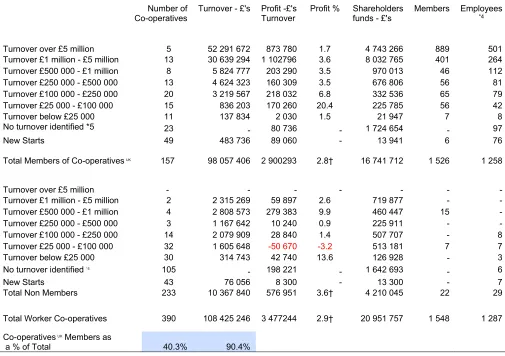
According to the Worker Co-operatives Statistical Review 2nd Revision 2005, which is published by Co-operatives-UK (the umbrella body for worker co-operatives), there are approximately 390 worker co-operatives in Britain. One hundred and thirty one (131) of these worker co-operatives participated in the research study. The research method adopted for the thesis integrated the quantitative data collection and analysis methods with the qualitative and, hence, more descriptive approaches. Interviews were conducted and survey questionnaires were also completed on various factors that influence the competitiveness of worker co-operatives.
The study concludes that the use of an integrative strategy framework provides a richer picture of the challenge of competitiveness in worker co-operatives in Britain. It also concludes that many worker co-operatives attribute their satisfactory performance to loyalty, employee empowerment and unparalleled commitment from the members. This confirms that a non-hierarchical
iii
ACKNOWLEDGMENTS
I am greatly indebted to Dr. Julia Meaton, my mentor and director of studies, for her
encouragement and invaluable assistance during the course of this research study. Whenever I
reached that threshold of giving up, Dr. Meaton was always there to listen and offer guidance
and support. She provided wonderful feedbacks on several drafts of this thesis. Her guidance and
direction during the different stages of this study gave me the confidence that kept my hope
alive. I am greatly honoured to have had Dr. Meaton as my director of studies.
I would also like to thank Professor Chris Cowton, my second supervisor, for the invaluable
comments and recommendations for relevant resources that he offered me from time to time
during the course of my study. Professor Cowton read and suggested lots of improvements to the
survey questionnaire and several draft chapters of this thesis. Without his comments and
recommendations this study would have stalled mid-stream. My thanks are also due to Dr. Chris
Low for his comments and feedback on the early drafts of my thesis and during the many
discussions at the CEEE. Special thanks and appreciation are due to the many worker
co-operatives and the job-ownership enterprises in the U.K who provided the precious information
upon which this research study hinges. I will be forever grateful to them.
Finally, I must thank and extend my deepest gratitude to my beloved wife and our children for
their love, prayers, unceasing encouragement and patience without which none of this would
iv
TABLE OF CONTENTS
ABSTRACT. …….……….……….…...….…………..….ii
ACKNOWLEDGMENTS…………...……….…...….…………..…. iii
LIST OF TABLES ...…...…....….…....………x
LIST OF FIGURES ………..………..….…….………xv
LIST OF APPENDICES………...………..….…….………xvi
CHAPTER 1 ………...…..…...….…2
INTRODUCTION ...…...2
1.1 Introduction ………...…....….….………2
1.2 Background of the study ………….………....…..…….……....….3
1.3 Objectives of the study ……….………....…………..……….6
1.4 Outline of the structure of the thesis ...………....………….……...8
CHAPTER 2 ………...….…………...15
CO-OPERATIVE ENTERPRISES …….……….……….…………...…...….15
2.1 Introduction ………....……...15
2.2 Co-operative principles and core values ………...………16
2.3 Co-operatives in the 21st century ……….………...………18
2.4 Co-operatives and the social economy ………....………...………21
2.5 Co-operatives and progressive social change ……..………...………24
2.6 The need for further research on co-operatives ………...……...27
CHAPTER 3 ………...………….….…....31
WORKER CO-OPERATIVES……….…………...31
3.1 Introduction .……….…...31
3.2 A resurgence of interest in worker co-operatives ………...….……...32
3.3 The nature of worker co-operatives ………...34
3.4 Worker co-operatives and employee ownership ………...37
3.5 Worker co-operatives and capital anchoring ……….………...…………....40
v
3.7 The resonance of asset-based approaches to the goals of...
worker co-operatives ………...…...……44
3.8 Worker co-operatives promote social capital …….………….…………...…...48
3.9 Workers’ co-operatives in Britain ……….………….………...55
3.10 Worker Co-operatives and ‘Participatory Democracy’ in Britain...60
3.11 Marginalization and the Future of Worker Co-operatives in Britain...64
3.12 An overview of comparative studies in other countries...……...……...68
3.13 Previous research on worker co-operatives ………...……...71
CHAPTER 4 ………...76
THE BUSINESS ENVIRONMENT OF WORKER CO-OPERATIVES ………..…...76
4.1 Introduction ………...……...76
4.2 External environment ……….…...77
4.3 Internal environment ……….……...82
4.4 Co-operative environment / advantage ………....…...86
4.5 Co-operative entrepreneurial competencies and innovation ……....…….…...89
4.6 Co-operative environment and social capital….……...………..…...93
4.7 Mission, goals and objectives …….………..………….…….…....100
CHAPTER 5 ………...…...…...…103
STRATEGY FORMULATION FRAMEWORKS ………...103
5.1 Introduction ………....…...…103
5.2 The Porter’s five forces model …………...………...…...103
5.2.1 limitations of the Porter’s five forces model ………...……...…...104
5.3 The Boston consulting group (BCG) matrix ………...…...105
5.3.1 Limitations of the BCG matrix …………...………...…...…...106
5.4 The value chain analysis ……….………..……...…...107
5.4.1 Limitations of the value chain analysis ……….…....…...109
5.5 The SWOT analysis ………..………...110
5.5.1 Limitations of the SWOT analysis ……..………...……...…....112
5.6 The PEST analysis ………..………...…………....…...112
5.6.1 Limitations of the PEST analysis ………...113
5.7 The balanced scorecard analysis ………...113
vi
CHAPTER 6 ……….………..……...……...118
RELATED ISSUES EMERGING FROM CONTEMPORARY STUDIES ...118
6.1 Introduction……….…………...118
6.2 Strategy frameworks and dynamic environments..………...119
6.3 Recipes and generic strategies.………...…...120
6.4 Common reference points …………...123
6.5 Value proposition and market control ...…….…..…...125
CHAPTER 7 ……….………..…………...131
CONCEPTUAL FRAMEWORKS ………...…...131
7.1 Introduction ...……….………....…...…...131
7.2 Integrative strategy framework ...………….…….……….……...132
7.3 The conceptual framework ...………....…..135
7.4 Worker co-operatives’ environmental forces...137
7.5 Worker co-operatives’ long-term objectives...138
7.6 Worker co-operatives’ strategies...139
7.7 Performance Satisfaction...140
CHAPTER 8 ……….…...…...…..…...143
RESEARCH DESIGN AND METHODOLOGY ……….……….…....143
8.1 Introduction...143
8.2 Key research questions...145
8.3 Descriptive statistical approach...147
8.4 Research hypotheses ………….…...……….………….….…...…147
8.5 Research methodology ….…...………….………...…...……150
8.6 Survey questionnaires ...……..……….….……….……..…...…....153
8.7 Non-response bias...156
8.8 Testing for non-response bias ………….…..……….…....…...158
8.9 Reliability of the questionnaire ……….………..………....……...…...162
8.10 Survey questions...165
8.11 Post questionnaire interviews ………..…..…….……...……...…...168
vii
CHAPTER 9 ……….…..…...172
EXPLORATORY STATISTICAL INFORMATION...…….…...……..….…...172
9.1.0 Introduction...………...………...……..……..…...172
9.2.0 Nature of products / services (A2)………...…...……...173
9.3.0 Membership (A3)...…..………..…..…...174
9.4.0 Gross revenue (A4)...………...………..……..……...….…….174
9.5.0 Reasons for formation (A5)...…...175
9.6.0 Innovations (A6 & A7)………….…...………...176
9.7.0 External environment (B1)……...……….…………...177
9.8.0 Resources – sources of funds (B2).…….…...….…...178
9.9.0 Co-operative environment (B3)....…...…...179
9.10.0 Mission, goals and objectives (B4)...………...…...180
9.11.0 Worker co-operatives major objectives (B5)...181
9.12.0 External assistance required (B6)……...….…...…...182
9.13.0 Resources and capabilities (B7)...………...183
9.14.0 Employee ownership and effective performance (B8)...…...184
9.15.0 Exploring association between variables...…..186
9.15.1 Registration Law and the External Environment...187
CHAPTER 10 ……..……….…..…...190
DESCRIPTIVE STATISTICAL ANALYSIS ……….…...……..….…...190
10.1.0 Introduction...………...………...……..……..…...190
10.2.0 Performance and level of satisfaction ………...…...……...190
10.3.0 External environmental variables ………...………..………..…..…...192
10.3.1 Direction of the economy ………...………..……...….…….193
10.3.2 Technological changes ………...…...193
10.3.3 Health of the industry ……….………….………...195
10.3.4 Government policies ……….…………...197
10.3.5 Tax laws ……….……….…….…...….…...200
10.3.6 Competition from non co-operatives ………..……….…....…..…...201
10.3.7 General attitude towards co-operatives ………...…...202
10.3.8 Customer demand ……….………...…….…...203
10.4.0 C-operative and internal environments ……...………...….…..…...204
viii
10.4.2 Managerial and financial resources …………..……...……...…207
10.4.3 Sources of finance...…..208
10.4.4 Members’ education and collaboration with other co-operatives...…...209
10.5.0 Goals and objectives ……...………...……..…..211
CHAPTER 11 ……….…...218
TESTS OF RESEARCH HYPOTHESIS ………...…...218
11.1 Introduction ………....………...218
11.2 Level of satisfaction and the direction of the economy …...……...……...…….219
11.3 Level of satisfaction and technological changes ……...……….……….…….221
11.4 Level of satisfaction and health of the industry ….…………....………....…...223
11.5 Level of satisfaction and government policies …….…………...…...…..…...225
11.6 Level of satisfaction and tax laws ………...…....…..227
11.7 Level of satisfaction and competition from non co-operatives ………..……...229
11.8 Level of performance satisfaction and the general attitude towards... co-operatives ………...……….……….……….….231
11.9 Level of performance satisfaction and the demand for goods and... services ……….……….………....……….……….233
11.10 Members commitment and the promotion of co-operatives principles...235
11.11 Members commitment and employment as a goal.…....…...…...237
11.12 Members commitment and stability as a goal ……….……...239
11.13 Members commitment and performance satisfaction…..…….…..…...….…...241
11.14 Members commitment and profitability as a goal...243
11.15 Members commitment and community service as a goal……...……...245
11.16 Members commitment and fair trade as a goal……….…….….…...247
11.17 Members commitment and better management………..…...249
CHAPTER 12 ………..……...…...…....252
REGRESSION ANALYSIS...……….….…….…...252
12.1 Introduction………...………....……...…252
12.2 External environmental factors (B1)…....…….…..…...253
12.3 Sources of funds (B2)………...………….……...…...256
12.4 Co-operative environment (B3)…..……...………...259
ix
12.6 External assistance required (B6)...264
12.7 Resources and capabilities (B7)…………...…...……267
12.8 Employee ownership and effective performance (B8)...270
CHAPTER 13 ………..……...…...…....274
RESEARCH FINDINDS AND DISCUSSIONS ……….….…….…...274
13.1 Introduction………...………....……...…274
13.2 Direction of the economy ……….…..…...274
13.3 Technological changes ……….……...…...276
13.4 Health of the industry ……….………….………...277
13.5 Government policies ……….………….……...280
13.6 Tax laws ………..……….…....…..………...281
13.7 General attitude towards co-operatives …...………...……283
13.8 Customer demand...………...284
13.9 Financial resources………...……...285
13.10 Management structure………..…....……...287
13.11 Members commitment………..……..………...289
13.12 Collaboration among worker co-operatives..……….…...291
13.13 Education and training to members...293
13.14 Effective achievement of objectives...294
13.15 Correlation between the research variables...295
CHAPTER 14 ……….……….………...…...…...298
DISCUSSIONS AND CONCLUSIONS……….………...…...298
14.1 Discussions……...………...………...…298
14.2 Summary of Key Findings...307
14.3 Recommendation for Further Research...312
REFERENCES ……….…….………...……...….313
x
List of Tables
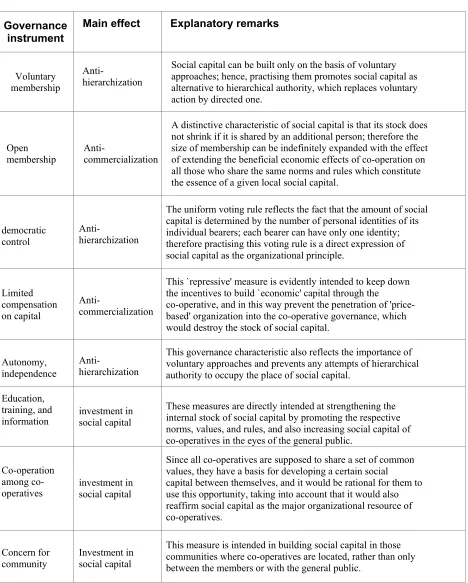
Table 1: Rationalizing the social capital-supporting role of the co-operative principles .….…49
Table 2: Chi-square Test for the Type of Business Activity ………....…..159
Table 2 -1: BusType * Group Crosstabulation...159
Table 2 – 2: Chi-Square Tests...159
Table 3: Chi-square Test for the Number of Members ………...….160
Table 3 - 1: NumMbrs * Group Crosstabulation...160
Table 3 – 2: Chi-Square Tests...160
Table 4: Chi-square Test for the Main Reason for Formation ……….…....….…..160
Table 4 – 1: OrigGoal * Group Crosstabulation...160
Table 4 – 2: Chi-Square Tests...160
Table 5: Chi-square Test for Product / Service Innovations within the Last Two Years ...….161
Table 5 – 1: Innovatn * Group Crosstabulation...161
Table 5 – 2: Chi-Square Tests...161
Table 6: Chi-square Test for the Level of Performance Satisfaction ……….….……161
Table 6 – 1: Satisfd * Group Crosstabulation...161
Table 6 – 2: Chi-Square Tests...161
Table 7: Reliability Analysis of the Co-operative Environment Variables.……...……...…..163
Table 7 – 1: Reliability Statistics...163
Table 7 – 2: Inter-Item Correlation Matrix...163
Table 7 – 3: Item-Total Statistics...163
Table 8: Reliability Analysis of the Internal Environment Variables ………...…………..…....164
Table 8 – 1: Reliability Statistics...164
Table 8 – 2: Inter-Item Correlation Matrix...164
Table 8 – 3: Item-Total Statistics...164
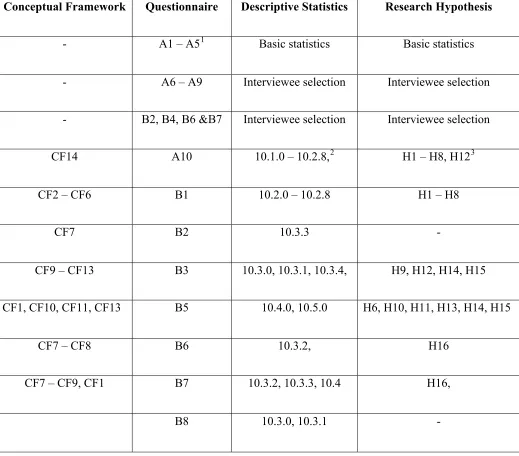
Table 9: Cross reference – Questionnaire, Descriptive Statistics and Research Hypotheses...167
Table 10: Post Survey-Questionnaire Interviewees ...……….……...……….…...….170
Table 11: Worker Co-operatives by Business Type ...…...………...…...….………….…173
Table 12: Table 12: Membership………..………...……….……..…..….174
Table 13: Gross Revenue..………..………...……….…...…..…..….175
Table 14: Reasons for Formation....………..………...……….……..…..….176
Table 15: Innovations in Previous Two Years...………….……..…..….177
xi
Table 17: Resources – Sources of Funds..………...……….…...…..…..….179
Table 18: Co-operative Environmental Factors.……..………...………...…….……..…..….180
Table 19: Mission, Goals and Objectives……...………...…….……...…..….181
Table 20: Worker Co-operatives’ Major Objectives.………...…...….……..…..….182
Table 21: External Assistance Required……...………...…….……...…..….183
Table 22: Resources and Capabilities……...………...…….……..…...….184
Table 23: Employee Ownership and Effective Performance....………...…....….……..…..….185
Table 24: Level of Satisfaction…..………...………...…...….……..…..….191
Table 25: Direction of the Economy...……….………...……….….…..….….193
Table 26: Technological Changes...194
Table 27: Health of Industry...195
Table 28: Government Policies...198
Table 29: Tax Laws...200
Table 30: Competition from Non Co-operatives...201
Table 31: Attitude towards Co-operatives...202
Table 32: Customer Demand...203
Table 33: Members Commitment...204
Table 34: Promotion of Co-op Principles and Members Commitment... Cross-tabulation...205
Table 35: Common Ownership...206
Table 36: Managerial and Financial Resources...207
Table 37: Need for Better Management...208
Table 38: Sources of Finance...209
Table 39: Members’ Education and Collaboration with Other Co-operatives...209
Table 40 - 1: Level of Satisfaction and the Direction of the Economy……...220
Table 40 - 1a: Satisfd * Economy Crosstabulation...220
Table 40 - 1b: Chi-Square Tests...220
Table 40 - 1c: Symmetric Measures...220
Table 40 - 2: Level of Satisfaction and Technological Changes...222
Table 40 - 2a: Satisfd * Technlgy Crosstabulation...222
Table 40 - 2b: Chi-Square Tests...222
Table 40 - 2c: Symmetric Measures...222
Table 40 - 3: Level of Performance Satisfaction and the Health of Industries...……...224
xii
Table 40 - 3b: Chi-Square Tests...224
Table 40 - 3c: Symmetric Measures...224
Table 40 - 4: Level of Satisfaction and Government Policies...226
Table 40 - 4a: Satisfd * GovPolcy Crosstabulation...226
Table 40 - 4b: Chi-Square Tests...226
Table 40 - 4c: Symmetric Measures...226
Table 40 - 5: Level of Satisfaction and Tax Laws………...……...228
Table 40 - 5a: Satisfd * TaxLaws Crosstabulation...228
Table 40 - 5b: Chi-Square Tests...228
Table 40 - 5c: Symmetric Measures...228
Table 40 - 6: Level of Performance Satisfaction and Competition from Non Co-operatives ...230
Table 40 - 6a: Satisfd * Cmpetitn Crosstabulation...230
Table 40 - 6b: Chi-Square Tests...230
Table 40 - 6c: Symmetric Measures...230
Table 40 - 7: Level of Performance Satisfaction and the General Attitude... towards Co-operatives...232
Table 40 - 7a: Satisfd * Attitude Crosstabulation...232
Table 40 - 7b: Chi-Square Tests...232
Table 40 - 7c: Symmetric Measures...232
Table 40 - 8: Level of Performance Satisfaction and the Demand for Products... and Services ...…..234
Table 40 - 8a: Satisfd * Demand Crosstabulation...234
Table 40 - 8b: Chi-Square Tests...234
Table 40 - 8c: Symmetric Measures...234
Table 40 - 9: Co-operatives Principles and Core Values and the Level of... Members Commitment...236
Table 40 - 9a: MbCommit * Prncples Crosstabulation...236
Table 40 - 9b: Chi-Square Tests...236
Table 40 - 9c: Symmetric Measures...236
Table 40 - 10: Employment as a Goal and the Level of Members Commitment …...…....238
Table 40 - 10a: MbCommit * Emplymnt Crosstabulation...238
Table 40 - 10b: Chi-Square Tests...238
Table 40 - 10c: Symmetric Measures...238
xiii
Table 40 - 11a: MbCommit * Stabilty Crosstabulation...240
Table 40 - 11b: Chi-Square Tests...240
Table 40 - 11c: Symmetric Measures...240
Table 40 - 12: Members Commitment and Performance Satisfaction ………...……242
Table 40 - 12a: MbCommit * Satisfd Crosstabulation...242
Table 40 - 12b: Chi-Square Tests...242
Table 40 - 12c: Symmetric Measures...242
Table 40 - 13: Members Commitment and Profitability as a Goal ………...…...……..244
Table 40 - 13a: MbCommit * Profit Crosstabulation...244
Table 40 - 13b: Chi-Square Tests...244
Table 40 - 13c: Symmetric Measures...244
Table 40 - 14: Members Commitment and Community Well Being as a Goal …...246
Table 40 - 14a: MbCommit * Communty Crosstabulation...246
Table 40 - 14b: Chi-Square Tests...246
Table 40 - 14c: Symmetric Measures...246
Table 40 - 15: Members Commitment and Fair Trade as a Goal ………….…...…...…..248
Table 40 - 15a: MbCommit * FairTrad Crosstabulation...248
Table 40 - 15b: Chi-Square Tests...248
Table 40 - 15c: Symmetric Measures...248
Table 40 - 16: The Need for Better Management and the Level of Members... commitment ...250
Table 40 - 16a: MbCommit * Mgt Crosstabulation...250
Table 40 - 16b: Chi-Square Tests...250
Table 40 - 16c: Symmetric Measures...250
Table 41 - 1: Regression Analysis – External Environmental Factors...……..254
Table 41 – 1a: Model Summary...254
Table 41 – 1b: ANOVA(b)...254
Table 41 – 1c: Coefficients(a)...254
Table 41 - 2: Regression Analysis – Sources of Funds...……..…...…...……..257
Table 41 – 2a: Model Summary...257
Table 41 – 2b: ANOVA(b)...257
Table 41 – 2c: Coefficients(a)...258
Table 41 - 3: Regression Analysis – Co-operative Environmental Factors...……..260
xiv
Table 41 – 3b: ANOVA(b)...260
Table 41 – 3c: Coefficients(a)...260
Table 41 - 4: Regression Analysis – Worker Co-operatives’ Major Objectives...……..262
Table 41 – 4a: Model Summary...262
Table 41 – 4b: ANOVA(b)...263
Table 41 – 4c: Coefficients(a)...263
Table 41 - 5: Regression Analysis – External Assistance Required...…...……..265
Table 41 – 5a: Model Summary...265
Table 41 – 5b: ANOVA(b)...265
Table 41 – 5c: Coefficients(a)...266
Table 41 - 6: Regression Analysis – Resources and Capabilities...…...……..268
Table 41 – 6a: Model Summary...268
Table 41 – 6b: ANOVA(b)...268
Table 41 – 6c: Coefficients(a)...268
Table 41 - 7: Regression Analysis – Factors Related to Employee Ownership...……..271
Table 41 – 7a: Model Summary...271
Table 41 – 7b: ANOVA(b)...271
xv
List of Figures
Figure 1: Links from share ownership to organizational outcomes ……..………….……...…38
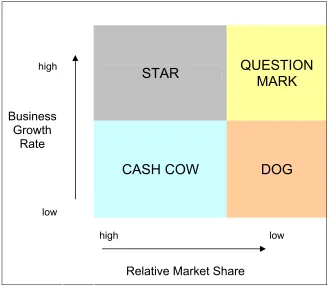
Figure 2: BCG Matrix ………...…...106
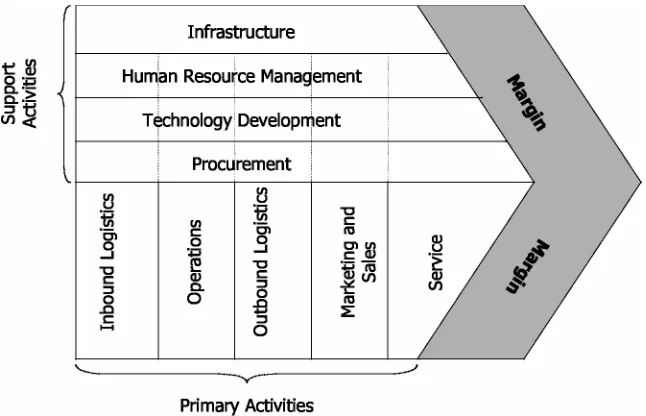
Figure 3: Porter’s value Chain analysis ………...109
Figure 4: The SWOT Matrix ………...………..…….……...…...…111
Figure 5: Integrative Strategy Framework ………...……...134
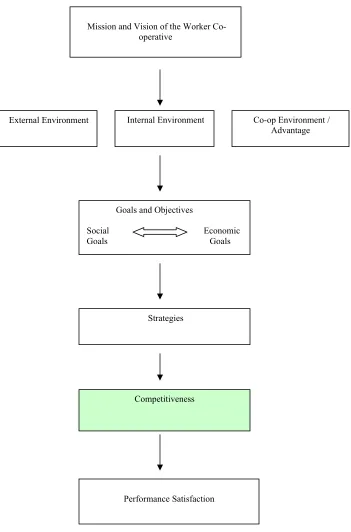
Figure 6: Conceptual Framework ………...136
Figure 7: Between-Methods Triangulation ………...…...152
xvi
List of Appendices
Appendix 1: The Co-operative Advantage...321
Appendix 2: Letter Forwarding survey Questionnaire...322
Appendix 3: Survey Questionnaire...323
Appendix 4: Exploring Variable Relationships...330
Appendix 4 – 1: IPSAct and Direction of the Economy...330
Appendix 4 – 2: IPSAct and Health of the Industry... ...331
Appendix 4 – 3: IPSAct and Technological Changes...332
Appendix 4 – 4: IPSAct and Government Policies...333
Appendix 4 – 5: IPSAct and Tax Laws...334
Appendix 4 – 6: IPSAct and Consumer Demand...335
Appendix 4 – 7: IPSAct and Competition from Non Co-operatives...336
Appendix 4 – 8: IPSAct and Attitude towards Co-operatives...337
Appendix 5: External Environment (B1)...338
Appendix 5 - 1 : Collinearity Diagnostics(a)...338
Appendix 5 - 2 : Descriptive Statistics...338
Appendix 5 - 3: Correlations...339
Appendix 6: Sources of Funds (B2)...340
Appendix 6 -1: Collinearity Diagnostics(a)...340
Appendix 6 – 2: Descriptive Statistics...340
Appendix 6 -3: Correlations...340
Appendix 7: Co-operative Environment (B3)...341
Appendix 7 – 1: Collinearity Diagnostics(a)...341
Appendix 7 - 2: Descriptive Statistics...341
Appendix 7 – 3: Correlations ...342
Appendix 8: Worker Co-operatives Major Objectives (B5)...343
Appendix 8 -1: Collinearity Diagnostics(a)...343
Appendix 8 2: Descriptive Statistics...343
Appendix 8 – 3: Correlations...344
Appendix 9: External Assistance Required (B6)...345
Appendix 9 - 1:Collinearity Diagnostics(a)...345
xvii
Appendix 9 - 3: Correlations...346
Appendix 10: Resources and Capabilities (B7)...347
Appendix 10 - 1: Collinearity Diagnostics(a)...347
Appendix 10 - 2: Descriptive Statistics...347
Appendix 10 - 3: Correlations...348
Appendix 11: Employee Ownership and Effective Performance (B8)...349
Appendix 11 - 1: Collinearity Diagnostics(a)...349
Appendix 11 - 2: Descriptive Statistics...349
Appendix 11 - 3: Correlations...350
Appendix 12: Exploratory Crosstabs...351
Appendix 12 - 1: IPSAct and Direction of the Economy...351
Appendix 12 - 2: IPSAct and Health of the Industry...351
Appendix 12 - 3: IPSAct and Technological Changes...352
Appendix 12 - 4: IPSAct and Government Policies...352
Appendix 12 - 5: IPSAct and Tax Laws...353
Appendix 12 - 6: IPSAct and Consumer Demand...353
Appendix 12 - 7: IPSAct and Competition from Non Co-operatives...354
CHAPTER 1 ………….………...…..…...….…2
INTRODUCTION ...…...2
1.1 Introduction ….………....………...…....….….………2
1.2 Background of the study …...…….………..………....…..…….……....….3
1.3 Objectives of the study ………...……..……….………....…………..……….6
CHAPTER 1
INTRODUCTION
1.1 Introduction
This thesis examines the strategic competitiveness in worker co-operatives within the economic,
social and cultural landscapes of Britain. In particular, it seeks to establish that an integrative strategy
framework offers a more effective analysis of the challenge of competitiveness in worker
co-operatives in Britain. The thesis looks at the role integrative strategy-formulation processes can play
in the effective achievement of objectives by worker co-operatives. Many writers (Porter, 1998;
Kaplan and Norton, 2004; Parnell, 2006; Chandler, 1962) are in agreement that competitiveness
normally results from an effective strategy formulation process. Unlike most previous studies in the
field, the point of departure for this thesis is the contention that the external and internal
environmental factors, when strategically aligned together in an integrative framework, will
positively influence the level of competitiveness in worker co-operatives in Britain.
A co-operative is an autonomous association of persons united voluntarily to meet their common
economic, social, and cultural needs and aspirations through a jointly-owned and
democratically-controlled enterprise (MacPherson, 1996). In many economies, the co-operative sector is viewed as
the “third arm” in industry alongside private and state ownership (Cockerton, Gilmour-White, Pearce,
& Whyatt, 1980). The different types of co-operative enterprises that exist in Britain include
consumer operatives, producer operatives, financial operatives (credit unions), housing
co-operatives and worker co-co-operatives among others. Worker co-co-operatives, which are the focus of this
criteria set by the co-operative, by working in the business, and through the purchase of a
membership share. Each member of the worker co-operative becomes an owner with rights and
obli-gations, including participating in workplace decisions, contributing labor and skills, and receiving an
equitable share of profits. Worker operatives are therefore distinct from the other types of
co-operatives in that they are enterprises that are owned and controlled by those who work in them.
1.2 Background of the Study
The interest in this study arises from the great attention currently being given to the role of
co-operative enterprises in achieving the United Nation’s Millennium Development Goals (MDG) of
reducing poverty, promoting gender equality, providing health care services and ensuring
environmental sustainability. The UN “sees co-operatives as an important means of creating
employment, overcoming poverty, achieving social integration and mobilizing resources effectively”
(Birchall, 2003, p. 12). In his report to the Fifty-sixth session of the General Assembly, the UN
Secretary General recognized the potential and contribution of co-operatives in the attainment of
economic and social development goals. He recommended that governments should be urged to
create a supportive environment in which co-operatives can participate on an equal footing with other
forms of enterprises. He further recommended that co-operatives’ potential to help members achieve
their individual goals and to contribute to society’s broader aspirations should be protected and
advanced (United Nations, 2001).
Co-operatives’ role in providing men and women with decent work encompassing conditions of
freedom, equity, security and human dignity as recommended by the International Labour
productive work, with adequate social protection, that generates adequate income and in which rights
are protected. It also means sufficient work that allows all people full access to income-earning
opportunities. The ILO has placed great emphasis on the employment creation and poverty
alleviation activities of co-operatives and their capacity to provide social protection. In its 90th
International Labour Conference in June 2002, the ILO adopted Recommendation 193, which deals
with the promotion of co-operatives. It recognized the importance of co-operatives in job creation,
resource mobilization, and investment generation.
The recommendation also recognized that co-operatives in their various forms promote the fullest
participation in the economic and social development of all people. The main features of
recommendation 193 are: recognition of the importance of co-operatives in economic and social
development; reaffirmation of the co-operative identity; equal treatment for co-operatives; definition
of the governments’ role in creating a supportive policies and legal frameworks; and in facilitating
access to support services and finance (ILO, 2002).
Co-operative enterprises have also attracted special attention from the European Commission which,
on 23 February 2004 adopted a Communication on the promotion of co-operative societies titled:
Communication on the promotion of co-operative societies in Europe [COM(2004)18], which
pointed out what Member States and co-operatives themselves can do to exploit the co-operatives’
business potential. The main issues of the Communication were:
• The promotion of the greater use of co-operatives across Europe by improving the
visibility, characteristics and understanding of the sector
• The maintenance and improvement of co-operatives' place and contribution to community
objectives.
The need for more research studies on co-operative enterprises which results from the current
attention directed towards the co-operative enterprises as highlighted above was given support by a
report from a UN Expert Group meeting on the supportive environment for co-operatives which was
held in Ulaanbaatar, Mongolia, in May 2002, and which concluded that:
Co-operatives need access to the results of research into organization management theory as
well as the utilization or deployment of innovative technologies. Research that documents
positive and negative co-operative practice can form the basis for future co-operative
development. In general, co-operatives may not be in a position to establish their own
research centres and, therefore, they will have to depend on the research of others or seek
external aid to fund their own research activities. The establishment and ongoing operation of
such centres is an important part of creating an enabling and sustainable environment for the
long-term development of co-operatives (United Nations, 2002b, p.8).
The research study for this thesis was therefore carried out in response to the need for further research
in areas relating to the co-operatives’ competitive environments and to their strategy formulation
1.3 Objectives of the Study
As already stated at the beginning of this chapter, this thesis seeks to establish whether an integrative
strategy framework offers a more effective analysis of the challenge of competitiveness in worker
co-operatives in Britain. Thiskey objective is intended to be achieved by providing answers to the key
research questions given in section 8.2 in chapter 8 and to the tests of research hypothesis in section
8.4 of the same chapter. The thesis focuses on the role and the strategic integration of the key
variables in worker co-operatives’ environments and the strategic alignment of their internal
environment with their external environment. The thesis additionally examines how worker
co-operatives are influenced by a unique environment that arises from their strong adherence to the
universal co-operative principles and core values.
For many decades worker co-operatives have been relegated to the periphery and have not played a
mainstream role in the social and economic development of Britain. The history of these enterprises
has been replete with tales of poor performance and failing businesses (Linehan & Tucker, 1983;
Bibby, 2004; Oakeshott, 1978; Cockerton et al, 1980; Davies, 1996).
With the global economic outlook remaining gloomy and with globalization and increased
competition posing even greater threats to businesses, the competitiveness of the co-operative
enterprises should be, more than ever before, a subject worth greater attention from academics and
practitioners. The thesis therefore focuses on the challenges posed to these enterprises as they
respond to their dynamic environment and leverage their core competencies in striving to meet their
members’ social and economic needs in a manner that promotes development and improves standards
commercial marketplace and their unique vulnerability to threats in their social and economic
environments.
The overall structure of the thesis therefore focuses on the relevance of integrative strategy
frameworks to the competitiveness of worker co-operatives in Britain and utilizes a typology for
strategy classification that identifies the strategic variables in both the external and the internal
environments that are critical to the competitiveness of these worker co-operatives. The stereotyped
image of worker co-operatives as inefficient and unreliable are discussed. The thesis examines their
performance in light of their economically and ideologically hostile external environments. It also
examines why worker co-operatives in Britain concentrate in the crisis-prone sectors of construction,
textile and furniture unlike their counterparts in, for example, Spain that operate within the
mainstream industrial production sectors.
The thesis seeks to explain the reasons why worker co-operatives in Britain remain on the fringes of
the commercial market place, unlike their counterparts in other countries, even though Britain is the
birthplace of the co-operative enterprise. It additionally examines how co-operative enterprises are
influenced by a unique environment that arises from their strong adherence to the universal
co-operative principles and core values. This unique environment, known as the co-co-operative
environment, consists of the multi-faceted relationships that exist between worker co-operatives and
their members and among the members themselves. These relationships demand and nurture
mutuality, trust and cohesion necessary for the achievement of the worker co-operatives’ economic
and social goals (Linehan & Tucker, 1983; Bibby, 2004; Oakeshott, 1978; Cockerton et al, 1980;
The thesis explains how the multi-faceted relationships between a worker co-operative and its
members and among the members themselves account for the favourable development of these
enterprises’ social capital. Field (2003) confirms that social capital is a relational construct that
emphasizes correct relationships, norms and values as being critical to the achievement of an
organization’s objectives.
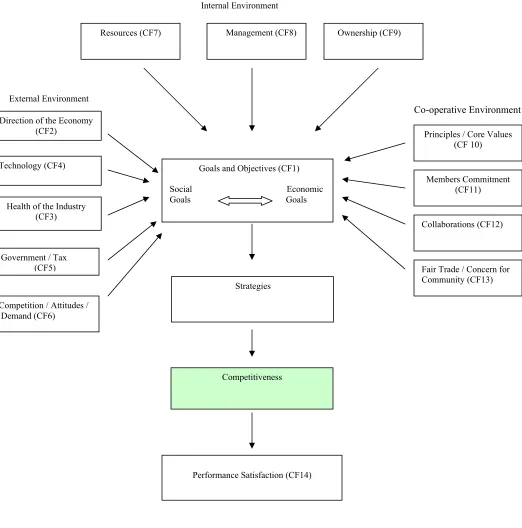
An integrative strategy-formulation process that includes the internal environment (resources,
capabilities and core values) of worker co-operatives and their strategic orientation within their
external environment (economic, political, legal, social and demographic) are therefore the basic
components of the thesis framework that seeks to explain the challenges of competitiveness in worker
co-operatives in Britain.
1.4 Outline of the Structure of the Thesis
There are fourteen chapters in this thesis. This chapter points to the resurgence of great interest in
co-operative enterprises by the international communities and institutions leading to various
recommendations and policy pronouncements in both national and international fora. It is also in this
chapter that the thesis gives an insight into co-operatives’ potential and contribution in the attainment
of economic and social development goals. Professor Joseph Stiglitz, the former chief economist of
the World Bank, argues that development strategies must incorporate both economic and social
components through “open, transparent and participatory processes” (2002). He adds that social
development that entails the provision of decent jobs leading to low level of crime, corruption and
Chapters 2 to 6 review the literature that is currently available which is relevant to this study.
According to Punch (2000), existing literature in an area of study is extremely valuable as a
storehouse of knowledge and thinking about the topic since the research may “sit in line with the
main trends in the literature” (p.44). A research project may also seek to extend the previous studies
in the literature or may want to “take a quite different direction from those in the literature” (Punch,
2000, p.44).
Chapter two describes co-operative enterprises and explains the unique features of the co-operative
model. The chapter also describes the co-operative principles and core values which form the
bed-rock upon which co-operative enterprises are anchored. Chapter two also examines the significant
attention directed towards co-operatives in the 21st century and the role played by co-operatives in the
promotion of the social economy and progressive social change. Chapter two ends by identifying the
general co-operative areas which are considered as being ripe for research studies. It examines
previous research work on co-operatives and identifies the gaps that currently exist which should be
the targets for further studies.
Chapter 3 reviews literature on workers’ co-operatives which are the main focus of the thesis. The
chapter discusses the distinguishing features of these enterprises and how they can be formed. The
different types of worker co-operatives are also discussed here. The chapter then reviews the existing
literature on worker co-operatives in Britain. Their historical perspective, their management and their
organizational structure are described. Chapter 3 also gives a general indication of the performance of
It is in chapter 3 that the thesis discusses the role of worker co-operatives in promoting employee
ownership, capital anchoring, and asset-based strategies for community revitalization. The role of
worker co-operatives in promoting social capital is also discussed here. Chapter 3 also reviews
literature on the history and the past performance of worker co-operatives in Britain. The chapter then
ends by looking at the previous research work on worker co-operatives and the gaps that currently
exist which should be the targets for further studies.
Chapter 4 reviews literature on the business environment of worker co-operatives and the
implications of the environmental forces on worker co-operatives’ organizational structure, strategies
and performance. According to David (2005), a worker co-operatives’ contextual environment
includes political, economic, social, technological, legal, ecological and competitive forces. The need
to align worker co-operatives’ internal environment of resources and capabilities to strategically fit
within the contextual environment is also discussed in chapter 4.
Since worker operatives are membership-based organizations, a unique environment, the
co-operative environment (advantage), results from the multi-dimensional relationships that exist
between the members and their co-operative and between the members themselves. The co-operative
environment and worker co-operatives’ social capital are also discussed in chapter 4.
Literature on strategy formulation processes is reviewed in chapter 5. Many writers (Porter, 1998;
Kaplan and Norton, 2004; Parnell, 2006; Chandler, 1962; Feurer and Chaharbaghi, 1995b) contend
that the key to competitiveness lies in the formulation of effective strategies. Several
strategy-formulation frameworks including the Porter’s Five Forces Model, The Boston Box, the Value Chain
discussed in chapter 5. Literature on the nature of these generic frameworks and on their limitations is
reviewed in this chapter.
Chapter 6 examines some of the issues in support of integrative strategy frameworks that have arisen
from recent contemporary studies. It is noted in the chapter that highly dynamic environments render
the use of traditional strategy frameworks very unreliable. A move towards a concept of more
dynamic strategy frameworks is therefore recommended.
Chapter 7 deals with the conceptual framework that guides and informs the thesis. The substantive
theory and the conceptual framework upon which this thesis is grounded have been drawn from the
disciplines of strategic management and organization development. The conceptual framework acts
like a map in giving coherence to different parts of this thesis. It defines pathways between the key
external and internal environmental forces, the worker co-operatives’ long-term objectives and the
effective achievement of those objectives.
The conceptual framework guides the study to examine the extent to which strategic variables in the
worker co-operatives’ environments can influence the achievement of stated objectives. Integration
of the Industrial Output (I/O) and the Resource Based View (RBV) models of strategy-formulation
frameworks is reviewed in this chapter. A strong case for the adoption of an integrative
strategy-formulation framework put forward by many researchers (David, 2005; Schoemaker & Amit, 997;
Cummings & Worley, 2001) is discussed.
The role of perspective framework in the form of a philosophical position, paradigm, meta-theory or
influences research in terms of fundamental assumptions made and the adoption of certain systems of
meaning. The study upon which this thesis is based had to “proceed from the more ‘pragmatic’
approach of questions that need answers or problems that need solutions” (Punch, 2000. p.36).
According to Robson (2002) pragmatism is itself a respectable philosophical position (2002). He
adds that for “pragmatists, truth is what works” (p.43).
Chapter 8 also describes how the research process for this thesis was designed and the methodology
used. Recommendations by researchers (Porter, 1998; Kaplan and Norton, 2004; Parnell, 2006;
Chandler, 1962; Feurer & Chaharbaghi, 1995a) on how to design research processes that can help
organizations facing highly dynamic and uncertain environments to formulate and implement
successful strategies were taken into consideration. Both quantitative and qualitative methods have
been adopted for this thesis since different methods have different advantages and disadvantages and
can be mutually supportive.
Chapters 9 and 10 deal with the description and the exploratory analysis of the data that was gathered
in the research study in order to gain an overview of the data as a whole as well as the relationships
between the various variables in the study. It particularly presents the frequency distributions of the
various categories of the study variables. Percentage and cumulative distributions have also been
presented alongside the frequency distributions in order to give an overall view of the findings and to
identify and display the relationships between the various categories of the study variables.
Responses on the level of satisfaction with the performance of worker co-operatives and on the
Chapters 11 and 12 seek to ascertain the type, direction and strength of relationships between the
study variables. Various tests of hypothesis are carried out and discussed in chapter 11. Chapter 12
examines regression models that can be used to predict one variable (called dependent variable) from
another (called the independent variable). The chapter seeks to establish whether the external
environmental factors or the internal environmental factors correlate maximally with the level of
performance satisfaction in the worker co-operatives. Computations regarding the measures of
association in chapters 11 and 12 are all done using SPSS. Since none of the predictors in either the
external environment or the internal environment is considered more important than the others,
forced entry method, which is the default method in SPSS, has been used for all the regression
models to force the predictors into the model simultaneously.
Chapters 13 and 14 deal with the research findings, discussions thereon and the conclusions arrived
at. Findings have been discussed as they are presented in chapter 13 whereas chapter 14 contains the
CHAPTER 2 ………...………...….…………...15 CO-OPERATIVE ENTERPRISES …….……….…………....……….…………...…...….15
2.1 Introduction ………...………....……...15
CHAPTER 2
CO-OPERATIVE ENTERPRISES
2.1 Introduction
Co-operative organizations are formed to provide goods and services, create employment, and
stimulate community development. Their goals therefore include not only economic but also social
and environmental objectives such as overcoming poverty, securing productive employment and
encouraging social integration. Co-operatives can help communities to take control of their lives and
livelihoods in the face of globalization, competition and the concentration of power in the hands of
few multinational corporations (Stefanson, 2002). They are enterprises with both economic and social
goals. They aim to give people control over their lives and democratize the process of work.
Co-operative enterprises are now found in every industry including agriculture, manufacturing,
mining and services. They are present in childcare, energy, financial services, and food retailing.
They are also found in technology, healthcare, insurance, and housing. Co-operatives have also been
used efficiently in the purchase and distribution of inputs; in the production and marketing of goods;
and in the integration of production, marketing and community development. Britain is credited with
being the home of the first modern co-operative, the grocery store that opened in Rochdale in 1844.
According to Spear (quoted in Wylie, 2001), the co-operative model has distinct advantages in the
following areas:
• Co-operatives provide a trust dimension in the provision of goods and services, and operate
along ethical lines;
• Co-operatives are participatory and empowering and possess flexibility and resilience;
• Co-operatives build upon self-help and solidarity within the community and enhance social
capital;
• Co-operatives have greater social efficiency. (pp. 9-10)
2.2 Co-operative Principles and Core Values
According to the International Co-operative Alliance, co-operatives are based on the values of
self-help, self-responsibility, democracy, equality, equity and solidarity. In the tradition of their founders,
co-operative members believe in the ethical values of honesty, openness, social responsibility and
caring for others (MacPherson, 1996).
The co-operative enterprises are further guided by a set of seven principles. These principles define
the features unique to co-operatives and the characteristics important to the success of a co-operative
enterprise. MacPherson (1996) lists the seven principles as follows:
• Open and voluntary membership - co-operatives are voluntary organizations, open to all
persons able to use their services and willing to accept the responsibilities of membership,
without gender, social, racial, political or religious discrimination.
• Democratic Member Control - co-operatives are democratic organizations controlled by their
members, who actively participate in setting their policies and making decisions. Men and
co-operatives members have equal voting rights (one member one vote) and co-co-operatives at
other levels are also organized in a democratic manner.
• Member Economic Participation - members contribute equally to, and democratically control,
the capital of their co-operative. At least part of that capital is usually the common property of
the co-operative. Members usually receive limited compensation, if any, on capital subscribed
as a condition of membership. Members allocate surpluses for any or all of the following
purposes: developing their co-operative, possibly setting up reserves, part of which at least
would be indivisible; benefiting members in proportion to their transactions with the
co-operative; and supporting other activities approved by the membership.
• Autonomy and Independence - co-operatives are autonomous, self-help organizations
controlled by their members. If they enter into agreements with other organizations, including
governments, or raise capital from external sources, they do so on terms that ensure
democratic control by the members and maintain their co-operative autonomy.
• Education, Training and Information - co-operatives provide education and training for their
members, elected representatives, managers, and employees so that they can contribute
effectively to the development of their co-operatives. They inform the general public –
particularly young people and opinion leaders – about the nature and benefits of co-operation.
• Co-operation among Co-operatives - co-operatives serve their members most effectively and
strengthen the co-operative movement by working together through local, national, regional
and international structures.
• Concern for Community - co-operatives work for the sustainable development of their
2.3 Co-operatives in the 21st Century
This re-emergence of greater interest in co-operatives in the 21st century has seen various institutions
and policy declarations come into being both nationally and internationally. For example, The
Committee for the Promotion and Advancement of Co-operatives (COPAC) has been created to
promote and coordinate sustainable co-operative development through policy dialogues, technical
cooperation and information, and concrete collaborative activities. COPAC’s membership includes
the Food and Agriculture Organization of the United Nations (FAO), International Co-operative
Alliance (ICA), International Federation of Agricultural Producers (IFAP), International Labour
Office (ILO), United Nations (UN), and World Council of Credit Unions (WOCCU)
Stiglitz (2002) argues that as the world embraces change from industrial economies to knowledge
economies, greater participation of individuals in decision making becomes critical. He adds that
participation “brings with it commitment and commitment brings with it greater effort” (p. 168).
Participation is, in deed, one of the pillars upon which co-operative enterprises are built. It is not
surprising therefore that in 2002, the General Assembly of the United Nations passed resolution
56/114 recognizing that:
Co-operatives, in their various forms, promote the fullest possible participation in the
economic and social development of all people, including women, youth, older persons and
people with disabilities, and are becoming a major factor of economic and social
development.
Governments to keep under review, as appropriate, the legal and administrative provisions
governing the activities of co-operatives, with a view to ensuring a supportive environment
for them and to protecting and advancing the potential of co-operatives to help them to
achieve their goals (United Nations, 2002a).
To justify their relevance in the competitive global economy of the 21st century however,
co-operatives must re-evaluate their reasons for existence. Correct identification of the needs of their
stakeholders and the strategic exploitation of their unique resources and capabilities to gain the
required comparative advantages, can be critical to their competitiveness and survival. Spear, Davis,
and Wilkins (2000) contend that various research studies and general statistics indicate that much of
the co-operative movement’s recent history has been one of loss of market share and retrenchment
even though there have been signs of growth and development. Spear et al (2000) add that the
international context of transition economies in Eastern Europe, deregulation in much of the rest of
the world and globalization has also increased the competitive pressures on co-operatives in the UK
and abroad.
According to Fairbairn (2003), “changing times make it critical to find new and renewed ways of
understanding and expressing co-operative approaches to business and society” (p.1). The ‘dualistic’
role (social and economic) of co-operatives makes this task an onerous one. While their competitors,
the conventional corporations, have only one clear economic objective of profit maximization,
co-operatives usually have social and environmental bottom lines in addition to the financial one
concerns such as financial sustainability, high quality work places, and support for the future of the
broader community.
In fact, co-operative enterprises consider profit maximization as a means of achieving their common
objective of economic and social promotion and not as the ultimate objective of entrepreneurship
(Pflimlin 1996). Davies (1996) argues that “the co-operative social dimension is itself a commercial
asset of central importance in the development of …marketing, human resource, and service / product
delivery strategies” (1). Co-operatives, therefore, bridge the economic and the social needs of
members by providing employment and income-generating business opportunities.
Co-operatives fight for social and economic integration and equal opportunities. They fight against
marginalization and social exclusion. Competitivenesss of co-operatives should therefore be
examined within the context of what has become known as the co-operative advantage with its
‘virtuous circle’ (see Appendix 1). That is, the attainment of social goals provides an advantage in
competitiveness leading to a commercial success that further reinforces the ability to meet the social
goals.
The theory of the ‘co-operative advantage’ posits that enterprises within a community that enjoys a
high standard of living arising from more employment opportunities and more social benefits are
more likely to be commercially successful. According to Levin (1984) “the organization behaviour of
producer co-operatives tends to create more jobs per unit of output and to require less capital for the
creation of each job than do the underlying dynamics of capitalist firms” (p.21). He reports that the
same level of investment in large industrial worker co-operatives creates four times as many jobs as
2.4 Co-operatives and the Social Economy
According to the Western Economic Diversification Canada (2005), the term social
economy refers to an entrepreneurial, not for profit sector that seeks to enhance the
social, economic and environmental conditions of communities. Western Economic
Diversification Canada (2005) adds that apart from the private sector and government,
the social economy includes co-operatives, foundations, credit unions, non-profit
organizations, the voluntary sector, charities and social economy enterprises. Also that
they operate in sectors ranging from housing to communications and in areas such as
recycling, home care, forestry co-operatives, restaurants, catering and manufacturing.
Social economy enterprises are a component of the social economy that are run like businesses,
producing goods and services for the market economy, but manage their operations and redirect their
surpluses in pursuit of social and environmental goals. Common objectives for social economy
organizations include alleviating poverty, providing affordable housing, improving employment and
economic opportunities, addressing environmental concerns and providing access to services and
programs that can assist individuals and groups to improve their personal circumstances (Western
Economic Diversification Canada, 2005).
Other writers (Fairbairn, 2003; Lawless and Reynolds, 2004; Wylie, 2001; Shaffer, 1999; Shragge,
1998) contend that the social economy is made up of economic initiatives founded on solidarity,
autonomy and citizenship, as embodied in the following principles:
• A primary goal of service to members or the community rather than accumulating profit;
• Democratic decision-making; and
• Primacy of persons and work over capital and redistribution of profits.
• Operations based on the principles of participation, empowerment, and individual and
collective accountability.
MacPherson (2005) however thinks that within the co-operative tradition, the term “Social Economy”
is sometimes given a narrow meaning that refers to the portion of the surplus (or profit) from
co-operative enterprises that is annually designated for the common good. That is, what is left after
patronage dividends have been declared and reserves allocated. MacPherson (2005) continues that in
classical co-operative thought, the surplus is indivisible and does not belong to individual members --
it is the “common property” to be used for the benefit of the collectivity. In fact, it should not even be
divided among members upon the dissolution of a co-operative; it should be given to a like
organization or in support of a cause associated with the basic social purpose of the organization.
The European Commission (2005) states that the importance to the European economy and society of
co-operatives, mutual societies, associations, foundations and social enterprises (which together are
sometimes referred to as the Social Economy) is now receiving greater recognition at Member State
and European levels. Not only are they significant economic actors, they also play a key role in
involving their members and European citizens more fully in Society. Social Economy enterprises
are helping to meet the demands of a changing Europe. They are important sources of
entrepreneurship and jobs in areas where traditional "investor driven" enterprise structures may not
Social Economy entities spring from the economic and social needs of their members. There are
certain common characteristics shared by Social Economy entities:
• Their primary purpose is not to obtain a return on capital. They are, by nature, part of a
stakeholder economy, whose enterprises are created by and for those with common needs,
and accountable to those they are meant to serve
• They are generally managed in accordance with the principle of "one member, one vote"
• They are flexible and innovative since they are created to meet changing social and
economic circumstances
• Most are based on voluntary participation, membership and commitment (The European
Commission, 2005).
The Social Economy is found in almost all economic sectors. Co-operatives are particularly
prominent in certain fields, such as banking, crafts, agricultural production and retailing. Mutual
societies are predominantly active in the insurance and mortgage sectors, whilst associations and
foundations figure strongly in the provision of health and welfare services, sports and recreation,
culture, environmental regeneration, humanitarian rights, development aid, consumer rights,
education, training and research. Some Social Economy bodies work in competitive markets while
others work close to the public sector. Co-operatives, for example, which are formed on the basis of
fulfilling the interests of their members, play an important role in several markets and contribute to
2.5 Co-operatives and Progressive Social Change
Co-operative organizations provide suitable environments for progressive social change since by their
very nature they promote participation and teamwork thereby empowering their worker-members.
Stiglitz (2002) points out that participation leads to better results because it encompasses
transparency, openness and voice at the workplace. Also, given that co-operatives are people’s
organizations, they respond to the social challenges of their communities thereby promoting social
integration. Social care co-operatives like child-care and elderly-care co-operatives and co-operatives
of the disabled have become a prominent part of the co-operative movement.
Wylie (2001) observes that there has been a need to rationalize expenditures and service provision in
the area of social services which has led to a decentralization of many areas of welfare provision in
many European countries. The co-operative response to this change has been to develop more
efficient service provision strategies that are simultaneously more cost-effective and responsive to the
specific needs of the communities within which they operate (Wylie, 2001).
Co-operatives offer unique services that are less commonly found in other forms of private services.
Those created specifically for the needs of the local community, are better able to guarantee the
quality of services and to create a system of trust between the consumers and the producers (Borzaga
& Maiello, quoted in Wylie, 2001). They are active members of the community and contribute to the
social health of the community in ways that private or public sector enterprises are not able to do