THE EFFECTS OF GATING SYSTEMS ON THE SOUNDNESS
OF LOST FOAM CASTING (LFC) PROCESS OF
AL-SI ALLOY (A.413.0)
M. Shahmiri and Y. H. K. Kharrazi*
Department of Materials Engineering and Metallurgy, Iran University of Science and Technology Narmak, Tehran,16844, Iran
[email protected] - [email protected]
*Corresponding Author
(Received: October 9, 2006 – Accepted in Revised Form: May 31, 2007)
Abstract The effects of gating systems, number of runner, and their locations, in the Lost Foam Casting (LFC) of Aluminum alloy (A.413.0) were investigated. Six different gating systems, with one or two running systems were designed. X-ray radiography and the three axis-bending tests have been employed to evaluate the casting soundness and quality. The results revealed that gating systems have a major effect on the formation of the casting defects, i.e. the bottom gated produced the lowest porosity and folded, in comparison with the side and the top gated systems respectively. The number of runners, which is the melt filling entrance to the mold, can either eliminate or reduce the casting defects, whilst the increased number of runners with the reduced surface area can increase the formation of the defects.
Keywords Lost Foam Casting (LFC), Aluminum Alloy (A.413.0), Gating System, Runners
ﻩﺪﻴﻜﭼ
ﻪﻟﺎﻘﻣﻦﻳﺍﺭﺩ ﺮﻴﺛﺎﺗ
ﯼﺍﺮـﺑﯽﻣﻮﻓﯼﺮﮔﻪﺘﺨﻳﺭﺪﻨﻳﺍﺮﻓﺭﺩﺎﻬﻧﺁﯼﺎﻫﻥﺎﮑﻣﻭﻩﺭﺎﺑﻩﺍﺭﺩﺍﺪﻌﺗ،ﯽﻫﺎﮔﻩﺍﺭﻢﺘﺴﻴﺳ
ﮊﺎﻴﻟﺁ
A.413
ﺖﺳﺍﻪﺘﻓﺮﮔﺭﺍﺮﻗﯽﺳﺭﺮﺑﺩﺭﻮﻣ
.
ﯼﺍﺮﺑ
،ﺮﻣﺍﻦﻳﺍ
ﯽﻫﺎﮔﻩﺍﺭﻢﺘﺴﻴﺳ
ﻭﺩﻭﮏـﻳﺎﺑ
ﻩﺭﺎـﺑﻩﺍﺭ
ﺪـﺷﯽـﺣﺍﺮﻃ
.
ﻪﻌﺷﺍﯼﺭﺎﮕﻧﻮﺗﺮﭘ
x
ﯼﺭﻮﺤﻣﻪﺳﺶﻤﺧﺖﺴﺗﻭ
ﯼﺍﺮﺑ ﯽﺑﺎﻳﺯﺭﺍ
ﻩﺩﺎﻔﺘـﺳﺍﺩﺭﻮـﻣﯼﺪـﻴﻟﻮﺗﺕﺎـﻌﻄﻗﺖﻴﺑﻮﻏﺮﻣﻭﯽﻔﻴﮐ
ﺪﻨﺘﻓﺮﮔﺭﺍﺮﻗ
.
ﯽﻣﻥﺎﺸﻧﻩﺪﻣﺁﺖﺳﺩﻪﺑﺞﻳﺎﺘﻧ
ﻪﮐﺪﻫﺩ
ﯽﻫﺎﮔﻩﺍﺭﻢﺘﺴﻴﺳ
ﯼﺮﮔﻪﺘﺨﻳﺭﺏﻮﻴﻋﻞﻴﮑﺸﺗﺭﺩﯽﻳﺍﺰﺳﻪﺑﺮﻴﺛﺎﺗ
ﺪﻧﺭﺍﺩ
. ﻭﻞﺨﻠﺨﺗﺏﻮﻴﻋﻦﻳﺮﺘﻤﮐ،ﺰﻳﺭﻒﮐﻢﺘﺴﻴﺳﺭﺩ،ﺮﮕﻳﺩﻥﺎﻴﺑﻪﺑ
Fold
ﻞﻐﺑﻭﺰﻳﺭﺮﺳﯼﺎﻫﻢﺘﺴﻴﺳﺎﺑﻪﺴﻳﺎﻘﻣﺭﺩ
ﺪﻧﺪﺷﻩﺪﻫﺎﺸﻣﺰﻳﺭ
.
ﻩﺭﺎﺑﻩﺍﺭﺩﺍﺪﻌﺗ
ﺎﻫ
-
ﯽﻣﺐﻟﺎﻗﻥﻭﺭﺩﻪﺑﺏﺍﺬﻣﯼﺩﻭﺭﻭﺮﻴﺴﻣﻊﻗﺍﻭﺭﺩﻪﮐ ﺷﺎﺑ
ﻨ ﺪ
ﻑﺬـﺣﯽﺋﺎﻧﺍﻮﺗ
ﺶﻫﺎﮐﺎﻳﻭﻞﻣﺎﮐ
ﺩﺍﺪﻌﺗ
ﺍﺪﻧﺍﺭﺏﻮﻴﻋ ؛ﺩﺭ
ﻪﮐﯽﻟﺎﺣﺭﺩ
ﺩﺍﺪﻌﺗﺶﻳﺍﺰﻓﺍ ﻩﺭﺎﺑﻩﺍﺭ
ﺎﻫ
ﯽﻣ،ﻪﺘﻓﺎﻳﺶﻫﺎﮐﻊﻃﺎﻘﻣﺎﺑ
ﻪـﺑﺪﻧﺍﻮﺗ ﺶﻳﺍﺰﻓﺍ ﺏﻮﻴﻋﺩﺍﺪﻌﺗ ﺩﺩﺮﮔﺮﺠﻨﻣ . 1. INTRODUCTION
In the full mould casting process, the folds, Blisters, internal porosities, and the surface defects, like Alligator skin, orange peel, and lustrous carbon are the most usually observed casting defects. Their origins are related to the Pyrolysis products. Furthermore, the normal casting defects, like molten metal penetration and misrun have also been observed in the LFC process [1-4].
In the conventional casting processes, the casting defects are controlled by the correct gating system design because of the chock in the system.
The melt surface profile, coatings, or the evaporation rates of the Pyrolysis products are
effective as far as the casting defect formation is concerned, and the gating system is less influential. On the other hand, the casting defect locations are affected by the gating system as it controls the melt entrance into the mould [5-7].
the vertical and symmetrical state (especially for high Si alloys).Therefore, the melt surface profiles deviated more, and the liquid polymer concentrates mainly on the coating and the melt interface. Yao, et al [8] and Bennet, et al [2,9] observed more internal porosities and folds for the top gated than the side and the bottom gated systems respectively.
By using the single runner system, Lawrence [10] showed that, the probability of the melt front collisions in the multi runner system is highly reduced, and less glue is consumed. The amount of the applied glue relates directly to that of the liquid polymer and its evaporation rates.
In the single runner system, the filling and solidification time is increased and more contraction defects and misrun is produced. It should be noted that, as the filling time decreased, solidification time has increased. This is based on the In-situ Video-filming observations.. Furthermore, employing the single runner system could reduce the melt temperature to below the liquidus temperature and more of the polymeric products trapped in the solidification front. This in turn could produce more casting defects.
Bennet et al, [9] observed a defect free zone, between the runner and the first Pyrolysis products, when a few flanges were produced by a single runner system. Based on their observations, it is feasible to eliminate the defects or produce a defect-free zone, in the multi runner system. They also investigated the effects of the multi runner system on the formation of the defects. The density of folds increased, as the number of runners increased. It is argued that, the melt front collisions could be responsible for these observations. One of the advantages of such a system is to hold the melt at higher temperatures during the mold filling process.
In the present article, the effects of gating systems (i.e. top, side, and bottom gated systems) with different runners on the formation of the casting defects in the full mold process have been investigated.
2. EXPERIMENTALPROCEDURE
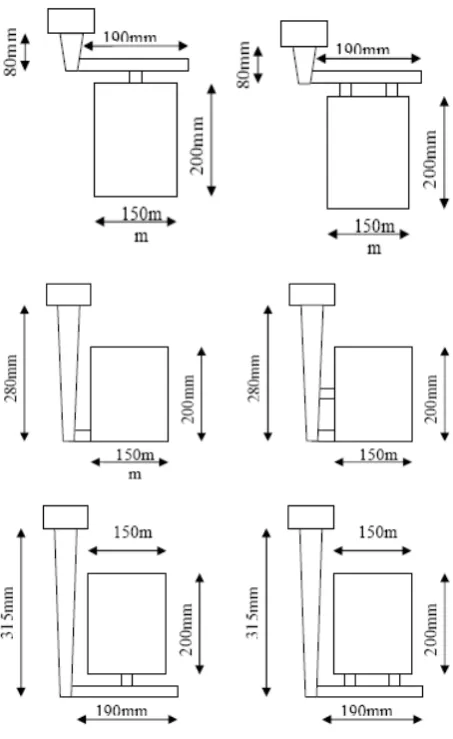
Rectangular plate shape patterns with excellent
surface quality with 150 mm* 200 mm* 10 mm dimensions were used. They were cut with hot wire with 0.5 mm accuracy.
Their dimensions in various gating systems is shown in Figure 1. In the gating systems employed, a runner size with 20*15*10 mm size and the pouring cup size of H 40* H 60 *H60 mm is used.
Gating systems, including the patterns glued to each other with special foam glue (Table 1) and coated with graphite slurry (Styromol 702 FM) with 0.5 mm thickness. The dried coated pattern was placed in a steel flask and vibrated (Frequency from 30-80 Hz, Amplitude 0.2 mm constant) while filling with unbounded silica sand. The steel flask fabricated with a heat-resistant glass window
in a vertical position. The Aluminum alloy (A.413.0) ingots melted in a graphite crucible of an electric furnace. The poring temperature was 780°C ± 5°C.
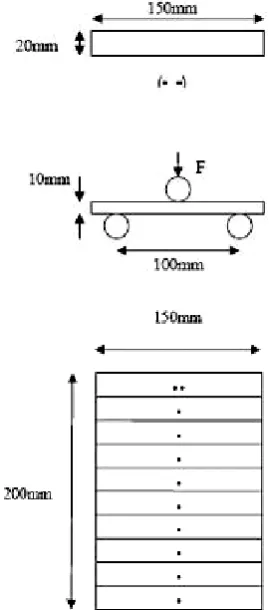
A VHS video camera was employed to record the pouring process of the castings. X-ray radiography used to evaluate the casting defects and quality. The three axis-bending tests were carried out on the samples. They cut along the length (200 mm length) of the castings, with 200 mm distances apart from each other. All samples were prepared with the standard metallographic techniques down to one-micron finish. Figure 2 shows the sampling procedures.
3. RESULTS AND DISCUSSIONS
3.1. Effects of Gating Systems on
Defect
Formation
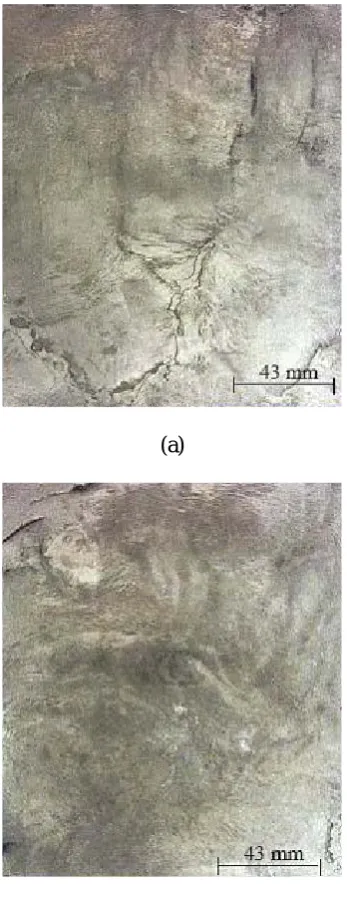
The effects of gating systems on the metallostatic pressure variation, and the runner location on the melt front profile, control the casting defects density and patterns.The observed porosities near and further away from the runner location, in the top gated system, with one and two runners, are shown in Figure 3 and 4.
High velocity of the mold filling process in the single runner system, or the excessive glue at the mold and the gating interface can be the reason for the observed porosities near the runner. More porosities can be observed in the two-runner
system, in the region that the two melt fronts approached each other [5,6]. Therefore, it appears that the formation of the observed porosities after solidification can be due to the trapped Pyrolysis products. These findings are quite similar to that of the Bennet [8].
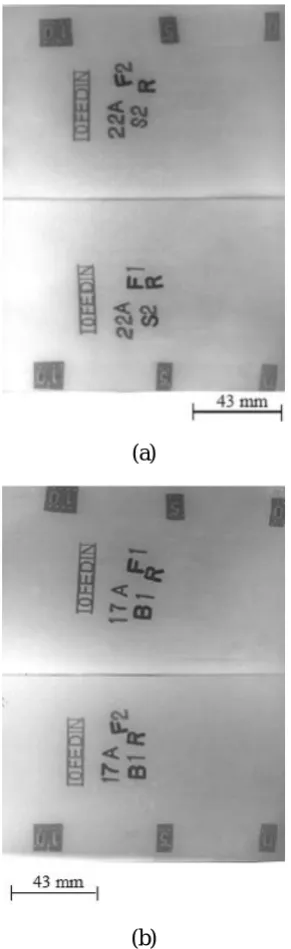
The melt temperature drops towards the end of the mold filling process, the backpressure, coldness of the melts, and their collisions seem to be responsible for the formations of the casting defects. Radiographic examinations, revealed some porosities, near the runner regions, in the two-runner, side gated system, Figure 5.
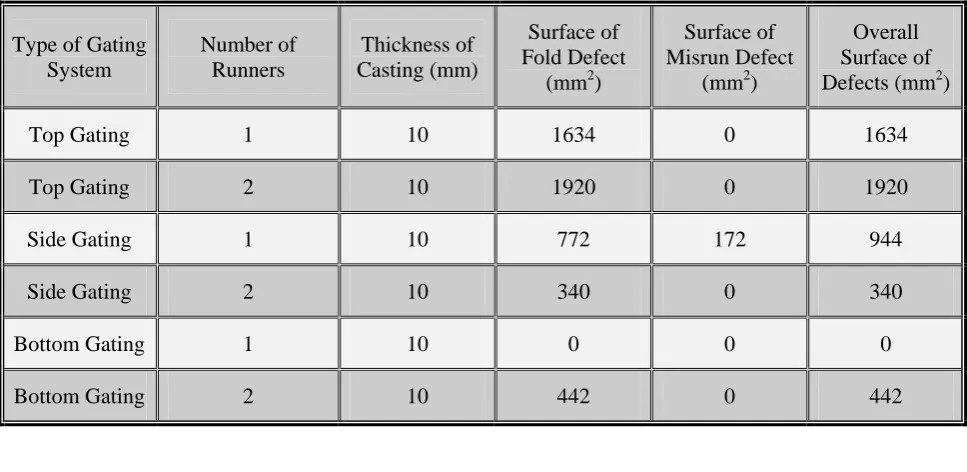
In the single runner system, in which , the mold is unidirectionally filled, and a rapid temperature drop is experienced ,and more surface defects are observed in comparison to that of the two-runner system, see Table 2. Whereas, in the two-runner TABLE 1. Foam Characteristics.
Density 43-45 Kg/m3
Co lou White
Grain size 2-5 mm
Ash amounts 5-10 mg/Kg
Melting Tem 300-330oC
Gas Tem 300-330oC
system , in which , the melt fills the mold from two different directions and less temperature drop is experienced, the probability of the formation of the casting defects at the end of the filling process is reduced, Figure 6.
The least defects are observed for the bottom
gating system. No surface defects are observed in the one runner system, whereas, they are in the two-runner system, and due to the increased probabilities of the melt fronts collisions, some folds were observed towards the end of the casting, Table 2.
(a)
(b)
Figure 3. Radiographic images of the top gating system (a) single, (b)-double and the thickness of 10 mm.
(a)
(b)
The effects of the gating system on the formation of the folds are shown in Figure 7 and 8. It can be concluded that, in the bottom pouring system, fewer defects are formed, in comparison to that of the other two systems, and in the top gated system, the most pronounced defects were observed.
Furthermore, the single runner system in the top and the bottom pouring systems is better than the two runners system. In contrast, the two runners system is much better than the one runner is, in the single gated system. It appears that, the pattern direction and the runner location have great influence on the observed defects [5-7].
(a)
(b)
Figure 5. Radiographic images of bottom (A-single runner) and side (double runner) gating systems.
(a)
(b)
3.2. Mechanical Properties
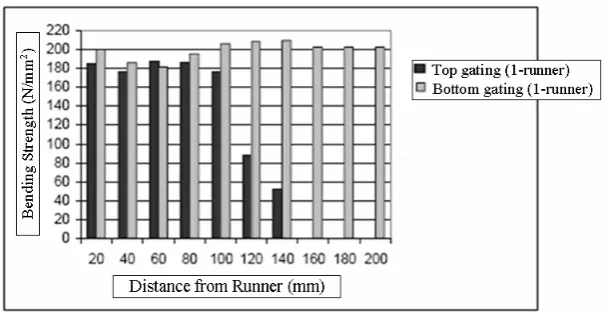
The three-axis bending tests can provide much information regarding the surface strength and the effect of the internal porosity on the bending strength. The bending strength reduces with an increase in distance from the runner. The effect is more appreciable in the regions, in which the fold defects are more than other areas in the top gatedsystem, Figure 9. In the single runner system, the higher bending strength, in comparison to that of the two runner type, confirms the previous section’s findings [2,8-10].
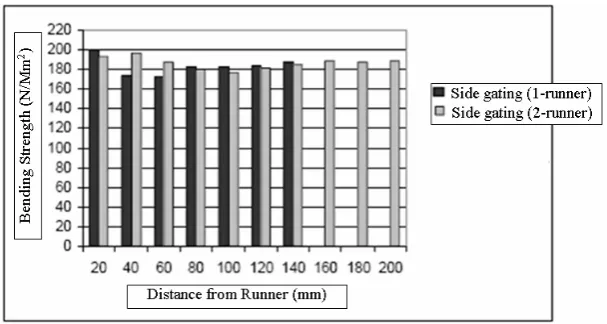
The variation of the bending strength, in the side gated system is negligible, and its reduction in the two-runner system is because of the melt front collision and the internal porosity, Figure 10. TABLE 2. The results of the Surface Defects.
Type of Gating System
Number of Runners
Thickness of Casting (mm)
Surface of Fold Defect
(mm2)
Surface of Misrun Defect
(mm2)
Overall Surface of Defects (mm2)
Top Gating 1 10 1634 0 1634
Top Gating 2 10 1920 0 1920
Side Gating 1 10 772 172 944
Side Gating 2 10 340 0 340
Bottom Gating 1 10 0 0 0
Bottom Gating 2 10 442 0 442
Figure 8. The surface defects total areas.
Figure 9. The number of runner effect on the strength with respect to the distance from the runner, in a top gating system.
Figure 11. The number of runner effect on the strength with respect to the distance from the runner in a bottom gating system.
Figure 12. The effect of gating systems (single runner) on the strength with respect to the distance from the runner.
On the contrary, in the other types of the bottom gated system, the bending strength shows appreciable increase with the increased distance from the runner. The single runner type revealed more bending strength than the two-runner type. The bending strength dropped near the runner, in both types of runners, in the bottom gating system this could be due to the applied glue in this region.Figure 11.
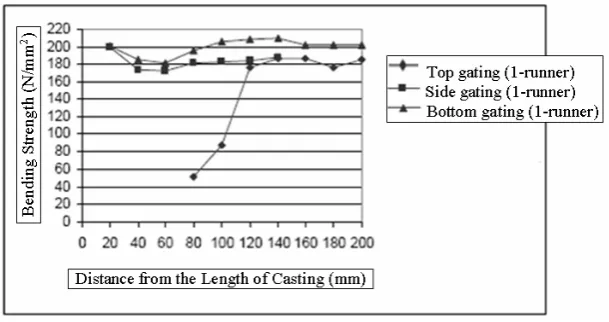
Figure 12-15 shows the bending strength for all types of the gating systems used. Thus, it can be concluded that, the bottom pouring system shows much improved bending strength in comparison to that of a side and a top gated systems respectively.
4. CONCLUSIONS
• In the top and bottom pouring systems, fewer defects are observed in the single runner than in the two-runner systems. When the mold length increases (in side gating system), less defects are also observed in the two-runner type system than in the single runner system. These results proved that the runner location has great influence on the defect formations.
• The amount of defects is less in the bottom gated system as compared to the side and top gated systems.
Figure 13. The effect of gating system (double runner) on the strength with respect to the distance from the runner.
Figure 14. The effect of gating systems (single runner) on the strength with respect to the distances from the casting.
strength, especially for the top gated system, while the bottom gating system showed the best results.
• In the bottem pouring system, the casting defects (i.e. Alligator skin, orange peel, and lustrous carbon) are highly reduced.
5. REFERENCES
1. Tschopp Jr, M. A., Ramsay, C. W. and Askeland, D. R., “Mechanism of formation of Pyrolysis defects in Aluminum lost foam castings”, AFS Trans, Vol. 131, (2000), 609-614.
2. Bennet, S., Moody, T., Vrieze, A., Jakson, M., Askeland, D. R. and Ramsay, C. R., “Pyrolysis defects in Aluminum lost foam casting”, AFS Trans, Vol. 154, (1999), 795-803.
3. Warner, M. H., Miller, B. A. and Littleton, H.E., “Pattern Pyrolysis defect reduction in lost foam casting”, AFS Trans, Vol. 161, (1998), 777-785. 4. Green, J. J., Texas, D., Ramsay, C. W. and Askeland, D.
R., “Formation of Surface defects in Gray Iron lost foam castings”, AFS Trans, Vol. 111, (1998), 339-347. 5. Saghi, S., Divandari, M. and Kharrazi, Y. H. K., “Flow
behavior of molten metal in Aluminum LFC process”, Iranian Journal of Materials Science and Engineering, Vol. 1, No. 2, (2004), 27-38.
6. Kharrazi, Y. H. K., Divandari, M. and Saghi, S., “Mold filling behavior of Double gating system in Aluminum LFC process”, Iranian Journal of Materials Science and Engineering, Vol. 2, No. 1, (2005), 15-26.
7. Tsai, Sun. H. L. and Askeland, D. R., “Effect of Silicon content coating materials and gating on casting design on casting defects in Aluminum lost foam process”, AFS Trans, Vol.92, (1996), 271-279.
8. Yao, X. and Shivkumar, S., “Mould filling and solidification in the lost foam process”, AFS Trans”, Vol. 116, (1995), 761-765.
9. Bennet, S., Tschopp, M., Vrize, A., Zelkovich, E., Ramsay, C. W. and Askeland, D. R., “Observation on the effect of gating design on metal flow and defect formation in Aluminum LFC”, Part I, AFS Trans, Vol. 59, (2001), 1-15.