FACTORS THAT INFLUENCE A CAREER CHOICE IN PRIMARY CARE: A MIXED METHODS STUDY AMONG MEDICAL STUDENTS STARTING THE SOCIAL SERVICE PROGRAM IN HONDURAS
Eduardo Benjamin Puertas
A dissertation submitted to the faculty at the University of North Carolina at Chapel Hill in partial fulfillment of the requirements for the degree of Doctor of Public Health in the Department of Health
Policy and Management in the Gillings School of Global Public Health.
Chapel Hill 2015
© 2015
ABSTRACT
Eduardo Benjamín Puertas: Factors that Influence a Career Choice in Primary Care: a Mixed methods Study among Medical Students Starting the Social Service Program in Honduras
(Under the direction of Suzanne Babich)
Medical students are not choosing primary care careers. This project was a mixed method study aimed to identify factors that influence the decisions of Honduran medical students to choose a career in primary care.
The study included a survey questionnaire applied to 234 last year medical students and semi structured interviews to eight key informants. Career choice favors medical specialties. PC careers were the preferred career choice for 8.1% of students. Relationships between “sex” and “location where student lived” by specialty categories were statistically significant (P= 0.011 and 0.042). There were more male respondents preferring PC (8.8%); students who preferred PC came mainly from urban backgrounds (62.6%). The perceived monthly salary of specialties other than primary care was
significantly higher than those of GPs, FPs and Pediatricians (p<0.001). Participants considered “making a difference”, income, teaching, prestige, and challenging work as the most important factors that influence career choice. Practice in ambulatory settings was significantly associated with a preference for primary care specialties (P=<0.05). Factor “patient based care” was statistically significant (P=0.006) for selecting PC.
social factors including violence. A facilitator for PC selection in Honduras is the type of resources needed to practice a specialty.
Social service participants from urban background who prefer primary care are mostly influenced by rural work and practice in ambulatory settings, while respondents with a rural background who prefer specialties are influenced by the possibility of making a positive difference in people´s lives.
To Tamy, for your love and comprehension during all these years. To my parents, who gave me the best inheritance, education. To my sisters and family for their encouragement. To John and Dorothy
Swartz for their love and continuous support for most part of my life.
I dedicate this work to my father, who passed away few months before it was completed.
ACKNOWLEDGEMENTS
Completion of the doctoral program and final dissertation was possible only with the support and inspiration from several people.
TABLE OF CONTENTS
LIST OF TABLES ... xii
LIST OF FIGURES...xiv
LIST OF ABBREVIATIONS ...xv
CHAPTER 1: INTRODUCTION ... 1
Statement of the Issue ... 1
Background... 4
Primary Care, Primary Health Care and Public Health ... 6
Primary Care and PC personnel... 10
Significance of the Issue ... 12
Study Setting... 13
Research Purpose and Specific Aims... 17
CHAPTER 2: LITERATURE REVIEW... 18
Methods ... 18
Results ... 23
Discussion ... 39
CHAPTER 3: RESEARCH DESIGN AND METHODOLOGY ... 45
Conceptual Model... 45
Study Design ... 47
Sample ... 47
The Instrument ... 49
Data Collection ... 50
Qualitative Component: Interviews... 50
Sample ... 50
Data Collection ... 51
IRB Approval and Confidentiality Issues ... 52
Confidentiality ... 53
CHAPTER 4: RESULTS... 55
Quantitative Component: Survey ... 55
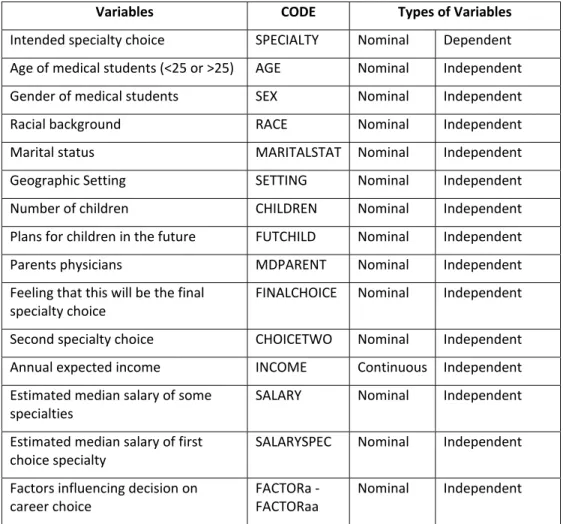
Type of variables and analysis ... 55
Reclassification of Variables ... 57
The Respondents ... 58
Demographic Characteristics... 59
Aim 1: Describe patterns of specialty choice among 8thyear medical students ... 61
Preferred Medical Specialties... 61
Preferred and Second Career Choice by Specialty Categories ... 63
Aim 2: Investigate relationships between career selection and selected demographic indicators... 65
Preferred Specialty Categories and Demographic Characteristics... 65
Preferred Specialty Categories and Certainty of Career Choice... 69
Aim 3: Identify salary perception of primary care, medical and surgical specialties ... 70
General Salary Perception ... 70
Salary Perception of PC and non PC careers and Sex of Respondents ... 72
Aim 4: Identify factors that influence career choice in PC among 8thyear medical students... 73
Most Influential Factors in Career Choice ... 73
Factors Influencing Preferred Career Choice by Specialty Categories ... 75
Factors Influencing Preferred Career Choice and Demographic Characteristics ... 77
Factor Analysis... 77
Key Informant Interview Results ... 81
Informants ... 81
Analysis... 81
Aim 1: Describe patterns of specialty choice among medical students... 84
Perception of specialties the country needs ... 84
Specialties students are prone to choose ... 86
Aim 4: Identify factors that influence career choice in PC among medical students ... 87
Extrinsic Factors... 87
Intrinsic Factors ... 92
Aim 5: Identify factors influencing desired location of future medical practice ... 93
CHAPTER 5: DISCUSSION... 95
Key Findings... 95
Aim 1: Describe patterns of specialty choice ... 97
Preferred Medical Specialties... 97
Preferred Career Choice by Specialty Categories... 99
Preferred Specialty Categories and Certainty of Career Choice... 100
Aim 3: Identify salary perception of PC careers, and medical and surgical specialties ... 103
Aim 4: Identify factors that influence career choice in PC among 8thyear medical students.... 104
Most Influential Factors in Career Choice ... 104
Factors Influencing Preferred Specialty Choice... 105
Additional Factors... 107
Aim 5: Identify factors influencing desired location of future medical practice ... 109
Limitations of the Study ... 110
Opportunities for Improvement... 111
Future Research... 115
CHAPTER 6: POLICY IMPLICATIONS AND PLAN FOR CHANGE ... 116
Policy Implications ... 116
Plan For Change ... 116
Create Urgency ... 116
A Primary Care Coalition ... 117
Vision for Change ... 119
Key Findings and Plan for Change ... 119
Communicate the Vision ... 122
Remove Obstacles ... 124
Create Short term Wins ... 128
Build on the Change ... 130
Anchor the Changes ... 130
Leadership to achieve the plan for change ... 130
APPENDIX 2: INTERVIEW... 137
APPENDIX 3: CONSENT FORMS ... 139
LIST OF TABLES
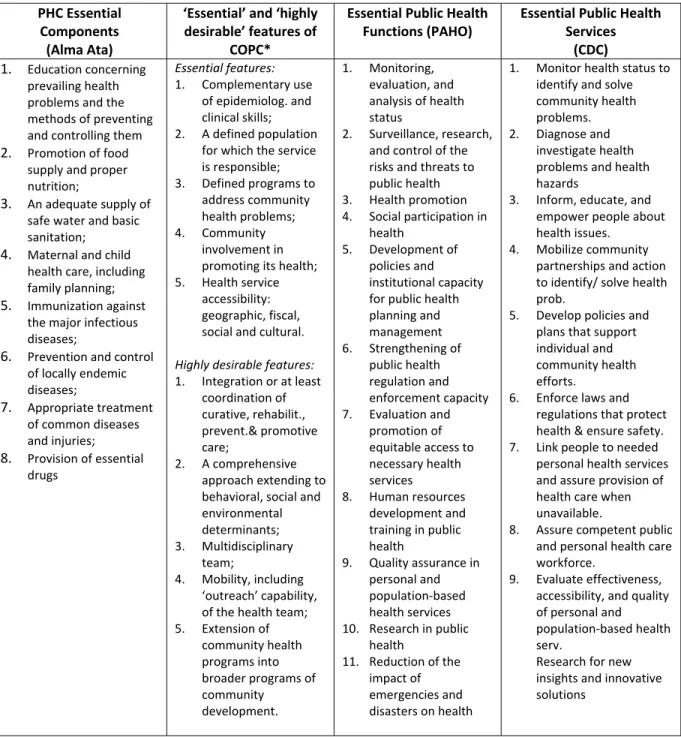
Table 1: Essential components, functions and services of PHC, COPC and public health ... 8
Table 2: Search Strategy ... 21
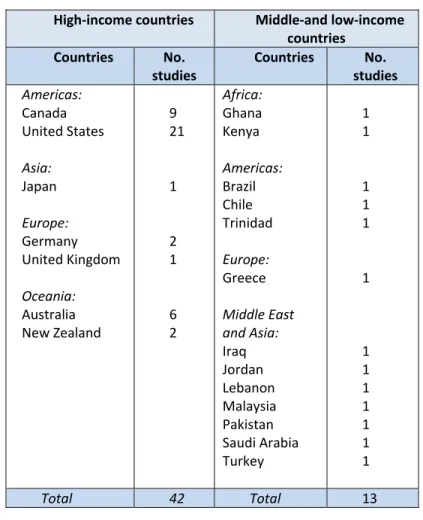
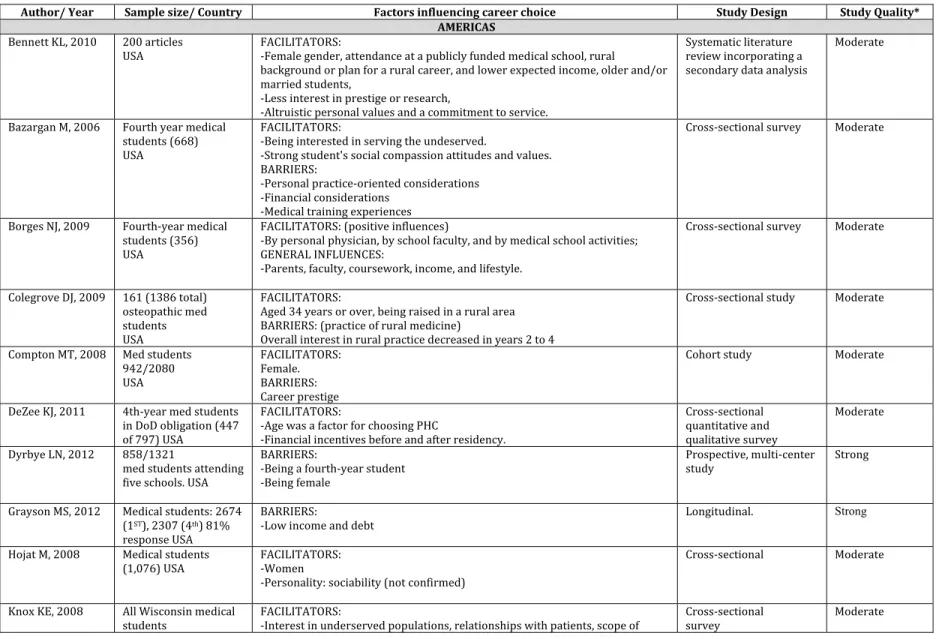
Table 3: Countries and selected studies included in systematic review... 25
Table 4: Summary of findings in selected studies from high income countries... 29
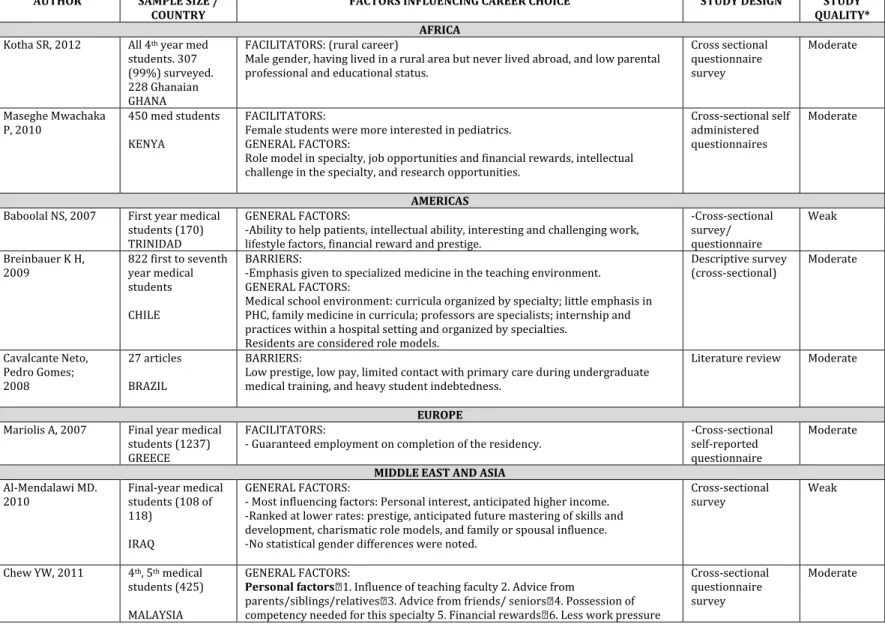
Table 5: Summary of findings in selected studies from middle and low income countries ... 37
Table 6: Types of variables and coding ... 56
Table 7: Specialties reclassified in four main groups ... 57
Table 8: Sex of respondents... 59
Table 9: Most likely specialty selected by respondents... 61
Table 10: Second preferred choice of specialty... 62
Table 11: Preferred career choice by specialty category... 64
Table 12: Sex of respondents by Specialty categories ... 65
Table 13: Location where student lived by Specialty categories... 66
Table 14: Characteristics of respondents by preferred specialty categories... 68
Table 15: Monthly salary perception: GP, pediatrics, family medicine and Other Specialists ... 71
Table 16: Monthly salary perception for PC specialties and other specialties (in USD)... 72
Table 17: Expected salary for GP, pediatrician and family practitioner, and other specialists by sex of respondents ... 73
Table 18: Most important factors that influence career choice... 74
Table 19: Factors influencing preferred specialty choice by specialty categories... 75
Table 20: Factors identified and correlated variables ... 80
Table 21: Logistic regression of factors for PC specialties vs. Other specialties... 81
LIST OF FIGURES
Figure 1: Positions for family medicine and applicants. Peru 2009 2013 ...4
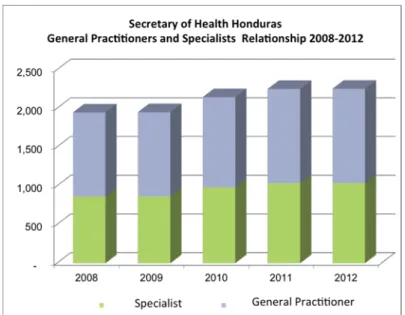
Figure 2: Numbers of General practitioner versus Specialists in Honduras. 2008 2012...15
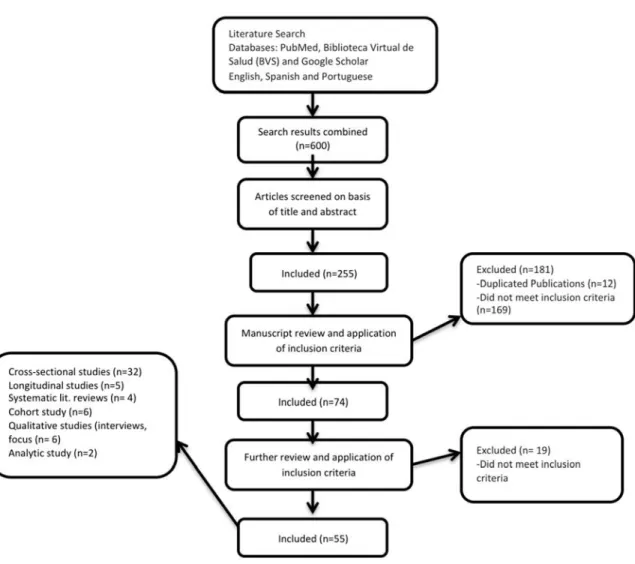
Figure 3: Flow diagram of study selection ...24
Figure 4: Facilitators and barriers that influence career path among medical students: underlying extrinsic and intrinsic factors in high , middle and low income countries ...39
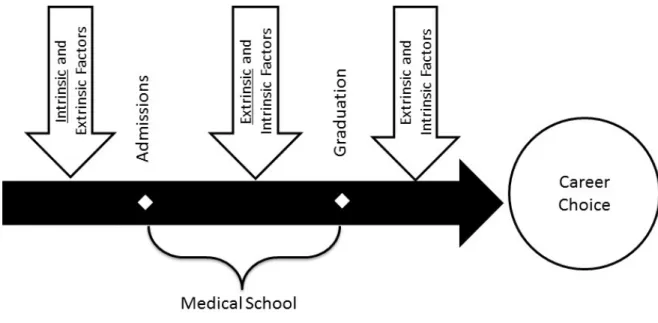
Figure 5: Factors determining a career choice in PC: a temporal approach...43
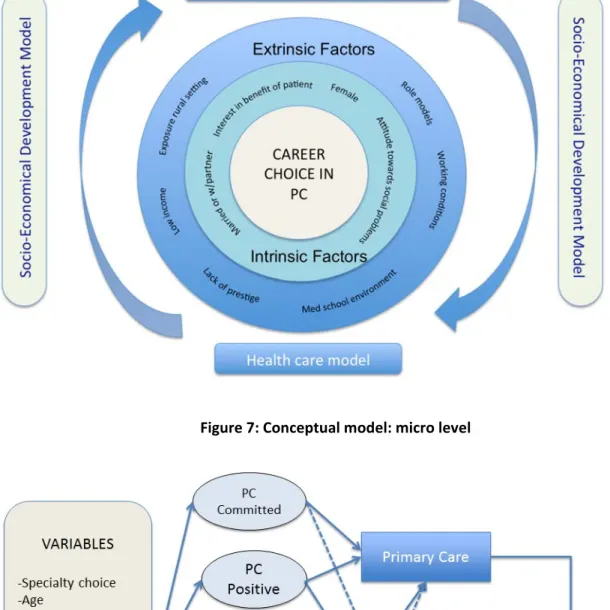
Figure 6: Conceptual model: macro level ...46
Figure 7: Conceptual model: micro level ...46
Figure 8: Applicants to Social Service program by university, September 2014 ...58
Figure 9: Age of the respondents...59
Figure 10: Area where participants lived prior to university admission...60
Figure 11: Second career choice by specialty category ...64
Figure 12: Specialty categories by sex of respondents ...66
Figure 13: Specialty categories by location where student lived ...67
Figure 14: Specialty categories by parent working as MD...69
Figure 15: Perception of being the final choice by specialty categories...70
Figure 16: Median monthly expected income of primary care specialties ...71
Figure 17: Scree plot of Eigenvalues ...78
LIST OF ABBREVIATIONS
CDC Centers for Disease Control
CONARHUS National Council of Human Resources for Health COPC Community oriented primary care
DDHR Direction of Development of Human Resources (DDHR) ELAM Latin American School of Medicine)
FM Family medicine
FONADES National Forum for the Right to Health
FP Family practice
GP General Practitioner
HRH Human Resources for Health
IHSS Institute of Social Security of Honduras
IOM Institute of Medicine
IRB Institutional Review Board
KMO Kaiser Meyer Olkin measure of sampling adequacy PCO Principal Component Analysis
PC Primary care
PHC Primary health care
PH Public Health
PAHO Pan American Health Organization
PI Principal investigator
SoH Secretary of Health
UCH Universidad Católica de Honduras
CHAPTER 1: INTRODUCTION
Statement of the Issue
Health staff shortages, migration and unequal distribution of health personnel are current problems in some regions of the world. The proportion of Canadian medical school graduates who made family medicine (FM) their first option dropped from 40% in 1982 to only 28% in 2005,2and only one third of
medical students were interested in entering a family medicine program.1In 2011, 34% of medical
school graduates made family medicine their first choice for residencies and in 2012 it was 35%
(Canadian Resident Matching Service, 2012 Annual Report). However, this slight increase is not enough to fulfill the current needs of the Canadian population. Some studies show that this attitude was
different at the beginning of the medical training, when medical students considered family medicine as a career choice, but as early as in the second year, the numbers dropped significantly.3 There are
several barriers that explain this phenomenon, including primary care (PC) low income relative to specialties,4 12 low prestige given to primary care careers,6,11 13 and some aspects of medical school
training: primary care poorly reflected in the curricula, lack of exposure to family practitioners, negative perception of family doctors, and the prevailing negative culture towards PC.9,14,15
There is an ongoing debate whether the United States is experiencing a shortage of primary care physicians. The supply of primary care physicians did not change significantly between 2002 and 2012 (46.7 and 46.1 per 100,000 population, respectively), and the ratio of PC physicians to specialists has remained stable; it was 0.70 in 2012.16 According to the U.S. Department of Health and Human
The Association of American Medical Colleges projected shortfalls between 12 500 and 31 100 primary care physicians by 2025.18 The supply of adult primary care practitioners was expected to grow by only
2% to 7% from 2005 to 2025, while workload of adult primary care practitioners could increase by 29% due to population growth and aging.19According to these projections, the shortage of adult primary
care physicians could reach an estimated 35 000 to 44 000 by 2025.20Petterson21 also found that more
than 44 000 primary care physicians would be needed by 2035. Even by adding primary care physicians, nurse practitioners, and physician assistants together, “…the ratio of primary care practitioners to population in the US is expected to fall 9% from 2005 to 2020”20, although the projected shortage of 20
400 physicians in 2020 could be reduced to 6 400 with increased deployment of nurse practitioners and physician assistants17. Green et al.22 also estimated that there is a primary care physician shortage in
the U.S. (although the forecast might be overestimated) that could be eliminated by implementing partial pooling of patients and diverting 20 percent of patient demand to non physician professionals or using electronic health record–enabled electronic communication, or both. On the other hand, Gaetan Lafortune of the OECD Health Division considers that “shortage” has not been well defined; sometimes it is simply defined as “…the gap between the current physician to population ratio or nurse to
population ratio and some benchmark (or target)”,23 making it hard to identify a proper benchmark.
Other countries carry out surveys, or determine the existence of a shortage using “vacancy rates” for jobs and residencies. The 2014 NRMP Match reported that family medicine residency programs filled 72 more positions in 2014, compared to 2013, which indicates a small and steady increase in medical students choosing primary care careers for several years in a row. Approximately 8.4% allopathic medical school graduates of the 17 478 graduates (July 2010 to June 2011) were first year family medicine residents in 2011, compared with 8.0% in 2010 and 7.5% in 200924. It is still controversial if
primary care physicians could not be meeting the demands of an increasing population, a growing proportion of patients report that they have long waiting times and cannot schedule timely appointments with their doctor25.
In England the expected shortage of physicians by 2020 could be around 25 000, especially general practitioners, while the demand for GPs could increase from 26 000 in 2002 to 55 000 in 202026. In
Australia, 2006 projections estimated the general practice workforce to fall from 133 full time general practitioners per 100 000 persons in the baseline year (2001), to 129 per 100 000 persons in 2003, and then remain at this level through to 2012, while the specialists workforce was projected to show steady growth from 162 in 2001 to 206 per 100 000 persons in 201227. In France, general practice was chosen
by only 20% of the medical students28. Approximately 15 600 GPs have to be replaced in Germany due
to retirement, while fewer students are deciding to work in general practice29.
The proportion of general practitioners to specialists in Chile declined from 8 GPs out of 10 specialists in 1996 to 6 out 10 in 200430. When considering only the public sector, there were 1.5 GPs
out of 10 specialists, showing a lower proportion of general practitioners as the main providers of health care services in Chile. In 2007 there were 31 188 physicians working in the Brazilian national family health program, but only 604 were family practitioners; the rest were physicians with no further training than medical school, a fact that challenges the physicians’ levels of preparation to work in primary care
31. In fact, the main problem in Mexico and some Latin American countries could be related to the low
quality of care provided by university trained physicians, rather than the lack of physicians.32 Ecuador,
Figure 1: Positions for family medicine and applicants. Peru 2009 2013
Source: Ministry of Health of Peru. 2013.
Planning and projecting physician workforce needs in the Latin American region is still limited. The shortage of primary care physicians must be quantified and projected into the future to understand its impact and implications. Causes for this gap must be identified and analyzed in order to minimize its impact in the health system. However, more research on the primary care workforce is needed to determine the factors that influence positively or negatively on career choice among medical students from this part of the world.
Background
Primary health care (PHC) and/or primary care (PC) are important components of any health system. Often they are confused as being identical, but in general terms, PC refers to the first level of health care, while PHC is a comprehensive strategy that is not limited to the health service, but recognizes social and biological determinants of health. The Declaration of Alma Ata in 1978 defined primary health care as:
“…[E]ssential health care based on practical, scientifically sound and socially acceptable methods and technology made universally accessible to individual and families in the community through
33
42
39 51
179
43
82 96 112
332
0 50 100 150 200 250 300 350
2009 2010 2011 2012 2013
Residency in Family Medicine Peru
their full participation and at a cost that the community and country can afford to maintain at every stage of their development in the spirit of self reliance and self determination. It forms an integral part both of the country’s health system, of which it is the central function and main focus, and of the overall social and economic development of the community. It is the first level of contact of individuals, the family and community with the national health system bringing health care as close as possible to where people live and work, and constitutes the first element of a continuing health care process”33.
Primary health care programs have contributed to improving health conditions around the world, especially among underserved populations from middle and low income countries. Broader coverage of PHC is significantly associated with longer life expectancy, and diminishing trends in infant mortality and under 5 mortality34.
Countries that have improved health outcomes using a primary health care approach have “…accountable leadership, coverage, community and family empowerment, district level focus and equity priority”35. The Pan American Health Organization PAHO/WHO emphasized the importance of
strengthening national health systems based in primary health care, as the “…best approach for producing sustained and equitable improvement in health”36.
Primary care is defined as:
“…[T]he provision of integrated, accessible health care services by clinicians who are accountable for addressing a large majority of personal health care needs, developing a sustained partnership with patients, and practicing in the context of family and community.” (Institute of Medicine IOM 1978) or
Level of a health system “that provides entry to the system for all new needs and conditions, with a person centered rather than a disease centered approach, over time. It provides care for all
conditions, except those that are uncommon or rare, and coordinates or integrates provision of care in other locations or by others.”37
connotes conventional primary medical care striving to achieve the goals of primary health care,”39 and
identifies four pillars of primary care practice: (a) first contact care; (b) continuity of care over time; (c) comprehensiveness; and (d) coordination with other parts of the health system40.
Primary care (PC) is a fundamental component of a health care system and plays an important role in defining the quality, cost and outcomes of health care. For example, adequate access to primary care contributed to better health outcomes of the population in Korea41and “…offers the potential to reduce
disparities in care, increasing citizens’ opportunities to live healthy, productive lives”, according to a survey on PC experiences in Australia, Canada, New Zealand, the United Kingdom, and the United States
42. Health service networks based in PC ameliorate the effects of fragmentation and segmentation,
contributing to the integration of national health systems43.
Primary Care, Primary Health Care and Public Health
Frenk44 believed that Alma Ata did not completely clarify the relationships between primary care
and prevention or between secondary care and curative medicine. This confusion led many to identify primary health care with first level of care, a limited view of a broader concept as described in previous paragraphs, allowing the focus on curative medicine. Perhaps the problem originated by adding
“primary” to the title, an element brought from the educational area, leading to “a false sense of simplicity around primary health care.”45 Additionally, “primary” has been related to first contact, first
supreme and where medical doctors and other health care professionals are the unchallenged rulers. The medical paradigm reduces PHC to what it can better understand: a bit of prevention, perhaps some epidemiology. Anything broader, or comprehensive in nature, creates fear within health care
professionals that see any expansion to other domains as a threat to their own one. Health promotion is already out of the framework, and the social determinants of health move way beyond the limits imposed by the curative paradigm.
Another term introduced in the 1970s, community oriented primary care (COPC), brings a different focus to this confusing scenery. Often related to any primary health care related program, COPC refers to a “…distinct approach to primary health care that links community epidemiology and associated pro active responses to the priorities revealed, with primary medical care”.46
Table 1: Essential components, functions and services of PHC, COPC and public health
PHC Essential Components (Alma Ata)
‘Essential’ and ‘highly desirable’ features of
COPC*
Essential Public Health Functions (PAHO)
Essential Public Health Services
(CDC) 1. Education concerning
prevailing health problems and the methods of preventing and controlling them 2. Promotion of food
supply and proper nutrition;
3. An adequate supply of safe water and basic sanitation;
4. Maternal and child health care, including family planning; 5. Immunization against
the major infectious diseases;
6. Prevention and control of locally endemic diseases;
7. Appropriate treatment of common diseases and injuries; 8. Provision of essential
drugs
Essential features:
1. Complementary use of epidemiolog. and clinical skills; 2. A defined population
for which the service is responsible; 3. Defined programs to
address community health problems; 4. Community
involvement in promoting its health; 5. Health service
accessibility: geographic, fiscal, social and cultural.
Highly desirable features:
1. Integration or at least coordination of curative, rehabilit., prevent.& promotive care;
2. A comprehensive approach extending to behavioral, social and environmental determinants; 3. Multidisciplinary
team;
4. Mobility, including ‘outreach’ capability, of the health team; 5. Extension of
community health programs into broader programs of community
development.
1. Monitoring, evaluation, and analysis of health status
2. Surveillance, research, and control of the risks and threats to public health 3. Health promotion 4. Social participation in
health
5. Development of policies and institutional capacity for public health planning and management 6. Strengthening of
public health regulation and enforcement capacity 7. Evaluation and
promotion of equitable access to necessary health services
8. Human resources development and training in public health
9. Quality assurance in personal and population based health services 10. Research in public
health
11. Reduction of the impact of emergencies and disasters on health
1. Monitor health status to identify and solve community health problems. 2. Diagnose and
investigate health problems and health hazards
3. Inform, educate, and empower people about health issues.
4. Mobilize community partnerships and action to identify/ solve health prob.
5. Develop policies and plans that support individual and community health efforts.
6. Enforce laws and regulations that protect health & ensure safety. 7. Link people to needed
personal health services and assure provision of health care when unavailable.
8. Assure competent public and personal health care workforce.
9. Evaluate effectiveness, accessibility, and quality of personal and population based health serv.
Research for new insights and innovative solutions
*Community Oriented Primary Care
According to a PC definition, it provides care for all conditions, except those that are uncommon or rare, and coordinates or integrates provision of care in other locations or by others.”37 Primary care is
care, treatment of common diseases and provision of essential drugs (PHC components 4, 7 and 8); also with the first highly desirable COPC feature on integration or coordination of comprehensive health care and CDC essential PH function related to linking people to health services (Table 1).
The four pillars40 also demonstrate how PC is closely associated to PHC and PH: (a)first contact care
and PHC essential functions related to maternal and child health care, prevention, immunization, treatment of common diseases and provision of essential drugs; (b)continuity of care over timeis associated with CDC essential PH function related to linking people to health services; (c)
comprehensivenessis similar to a COPC highly desirable feature, a comprehensive approach extending to behavioral, social and environmental determinants; and (d)coordination with other parts of the health systemis similar to COPC feature of integration or coordination of comprehensive health care.
A hallmark of high quality primary care is an emphasis on preventive care, health promotion, counseling, and awareness of patients’ health concerns.42 Prevention and health promotion are also
PHC essential components (prevention, control and immunization), while health promotion is
considered an essential COPC component (community involvement in promoting its health), and one of PAHO´s essential public health functions.
CDC essential public health services include the assurance of competent public and personal health care workforce, and PAHO included among the essential functions of public health the development and training of human resources in public health.
population sciences.”44
Primary Care and PC personnel
A fundamental component of health systems based in primary care is the supply of health care personnel. Some authors have found that countries or states with higher ratios of primary care
physicians to populations had better health outcomes, including lower rates of all causes of mortality,40
although in the United States the relationships were not consistent across the nation, since there were regions where the association physician mortality varied from stronger, weaker to non existent.47 Thus,
a greater supply of primary care physicians per capita was associated with lower mortality in the Midwest, and with higher mortality in South Florida. An analysis of national survey data in the U.S. found that patients identifying PC physicians as their usual sources of care had lower five year mortality rates than patients identifying specialist physicians.48 A study of 99 health authorities in England found
that each additional general practitioner per 10 000 population was associated with about a 5 percent decrease in mortality49. The supply of primary care doctors had a larger positive impact in reducing
infant mortality in areas with high social inequality in Mexico, where some aspects of primary care delivery had an important independent effect on reducing child mortality in socially deprived areas.32 A
study of 23 health areas of low socioeconomic level in Barcelona, Spain, showed a clear association between the process of reformthat strengthened the role of primary careand the decrease in general mortality.50 Populations of countries with higher degrees of primary care orientation benefit of better
health outcomes and incur in lower health care costs than the populations of countries with lower PC
orientation.48
There is evidence about how access to a PC practitioner increases preventive care utilization. Patients that visited the same doctor on regular basis were more likely to receive preventive services,
use for non urgent conditions.53 Other author considered that conclusions about physician supply and
individual health outcomes are mixed and diverse.54 A study in six New York counties found that a
larger local supply of primary care physicians per capita increased availability and accessibility, and that having a primary care physician “exerts a powerful effect on each one of the utilization of preventive health measures”.54
There is a widening shortage of primary care personnel, especially in remote areas where the lack of physicians and nurses is threatening the delivery of health care to vulnerable populations. In the United States there was a controversy about the existence of a shortage of PC practitioners. A study reported that even though 56% of visits to physicians’ offices were for primary care, only 37% of medical doctors practiced primary care medicine, and a large percentage of the population was living in primary care shortage areas in the United States, according to a system of classification used to allocate federal resources20. Some authors considered that the Affordable Care Act could worsen the shortage of
primary care physicians over the next ten years, as the nation’s population grows and ages and as insurance coverage expands.55 57
The lack of family practitioners affects access to health care in urban settings, but worse damage occurs in rural areas in developing countries58. The density of doctors per 10 000 population was 7.7 in
Lima, Peru and less than 2.0 in some rural departments in the Andean and Amazon regions. Moreover, physicians were concentrated in the richest areas (11.5 per 10 000 population) compared to poorest areas of Peru (1.9 per 10 000 population)59. In Bangladesh, four metropolitan districts have 35% of all
doctors, but only 14.5% of the country's population58. In the United States, the ratio of primary care
physicians to population in urban areas was 100 per 100 000 population in 2007, while in rural areas it was 46 per 100 00020, although other study determined that the number of primary care physicians
receiving more primary care services.54 Ricketts et al. described a small net urban to rural diffusion of
physicians, concluding that one third of urban and rural medical doctors will remain in their practice location for most of their professional careers60.
In middle and low income countries, the situation was even more critical, since the shortage of trained health personnel was exacerbated by the migration of doctors and nurses to high income countries to fill the gap in primary care services. International medical graduates represented between 23 and 28 percent of physicians in the United States, United Kingdom, Canada and Australia, and 9 out of the 20 countries with the highest immigration factors were in sub Saharan Africa or the Caribbean.61
In Serbia, the prevalence of emigration intentions of medical undergraduates was 80.6%.62 Due to
migration, Peru lost 3 284 physicians between 1994 2008, Bolivia lost 363 doctors in the same period and Ecuador lost 226 between 1995 201063, and the trend continues.
The career intentions of medical students from developing countries are not aligned with the needs of the national health systems. In many parts of Africa, medical students were choosing specialties that did not relate to the continent’s health care needs64, and curricula in some medical schools in sub
Sahara Africa were seen as “…unfocused and unmatched to realities in communities”65. Less than 5% of
medical students from six Sub Saharan African countries were interested in family medicine and only 4.8% intended to practice in rural areas64. In Chile, 69% of general physicians remained in general
practice for less than three years before moving into a specialty30. In Turkey, among those physicians
who chose to specialize, only 5% to 10% showed preference for family medicine, a new specialty in the country at the time of the study66.
Significance of the Issue
prepared a regional declaration on PHC that was ratified by PAHO’s 46thDirecting Council67.
Countries of the Latin American region are implementing strategies to strengthen primary care based health systems. Since 1994, primary health care in Brazil has been redirected by means of the Family Health Strategy with the challenge of developing actions of comprehensive individual and collective care for families, “…responding to the principles and guidelines of theSistema Único de Saúde” (National Health System SUS)68.Andean and Central American countries have included
primary health care as a priority in their legal framework, and have developed policies to implement a PHC approach. El Salvador approved an Eight Key Points Health Care Reform that included community based health teams, increasing human and capital resources in primary care by 25% by 2009.69 An
essential component to achieve this goal is the workforce. In 2013, Andean countries defined a regional policy of human resources for health (HRH) that included a component for the strengthening of health systems based in primary health care70, and most of them have national HRH policies. However, the
number of physicians and medical students interested in primary care careers (family medicine or general practice) continues to decrease or in the best cases remains low. Additionally, some countries in the region are experiencing a high rate of migration of qualified health professionals. Some countries are strengthening and/or increasing the number of family physician training programs, but they are not including strategies to motivate medical students to move into this field.
Study Setting
Honduras is a country in Central America with a population of 8.1 million inhabitants, 55% living in rural areas and 7% of indigenous origin (WHO, 2013). In 2015 there were three universities with a school of medicine in Honduras:
b. UNAH – Campus Valle de Sula
2. Universidad Católica de Honduras
a. UCH – Campus Tegucigalpa
b. UCH – Campus San Pedro Sula
3. UNITEC (no graduates yet)
In 2012, Universidad Nacional Autónoma de Honduras (UNAH) had a total of 11 499 medical
students in its two campuses74. In 2013 the number decreased to 8 100 due to assigned quotas and the
introduction of an admission test.
Undergraduate medical education in Honduras encompasses eight (8) years. The first and second years are introductory to basic sciences (Anatomy, Physiology, etc.) and some liberal arts courses (history, philosophy, mathematics, etc.); third and fourth years are preclinical in nature and consist of organ system blocks, patient centered health, and public health. During fifth year students complete the core areas: internal medicine, surgery, pediatrics, and obstetrics and gynecology. Sixth year is for
specialties and seventh year is the hospital internship. The eight year is the Medical Social Service, a mandatory requirement before the student can graduate. Graduates from international medical schools must complete the social service before they can practice in the country. Graduates from the Latin American School of Medicine (ELAM) must complete two years of social service: the first year in a hospital setting, the second year in a primary care setting.
new study plan, which included a PHC cross cutting dimension. An average of 70 Honduran physicians graduate each year from the Latin American School of Medicine (ELAM) in Cuba, which offers a medical program based in primary health care. Those physicians are joining the primary care national program to fulfill the social service requirement. In 2013 there were 160 Cuban doctors in Honduras, most of them assigned to primary care posts.
According to the Pan American Health Organization,71 Honduras is among the five countries with
the lowest density of human resources in health in the region. In 2008 there were 6 792 physicians in Honduras (8.8 per 10 000 population), and only 5 family practitioners (0.073% of total workforce)72
trained abroad since there is no family medicine program in the nation. According to Universidad Nacional Autónoma de Honduras (UNAH), in 2008 there were 4 528 general practitioners (66.7%), most of them inadequately trained in primary care and with little interest on this area. In 2012 the Secretary of Health reported a GP specialist’s ratio of 1:0.8. This trend could change if the current specialist annual growth of 4.5% continues, compared to 2.9% for GPs73.
Figure 2: Numbers of General practitioner versus Specialists in Honduras. 2008 2012
In Honduras general practitioners (GPs) and family doctors are considered primary care physicians. GPs do not have a medical specialty and their training is hospital based, with little emphasis in primary care settings. Family physicians complete a residency program that lasts from three to four years, but there are few of them since the country does not offer a family medicine program. In 2014 the salary of employed physicians was USD 1 304 for general practitioners and USD 1 544 for specialists (Secretary of Labor, December 2014). There was only a USD 240 difference in favor of the specialists.
In May 2013, Honduras approved the National Healthcare Model and soon after a Presidential decree directed the strengthening of a national health system based on primary healthcare. By May 2015, a total of 330 primary care health teams were organized to deliver healthcare to nearly one million people from urban and rural areas of Honduras, with difficulties accessing healthcare services. The teams were composed of physicians and nurses in their social service year, nurse´s aides, health promoters or environmental health technicians (in Honduras, upon completion of medical school, medical and nursing students must complete a year of social service before they obtain their degree.) As the model consolidates, the Secretary of Health is responsible to incorporate regular staff to the health units to strengthen the delivery of primary care and to ensure the continuity of the model. The model implementation will be carried out progressively in 17 departments of the country and progressively the basic health units will articulate with ambulatory centers and hospitals in integrated health services delivery networks in order to achieve the continuity of care.
Research Purpose and Specific Aims
The purpose of this study is to more fully understand the factors that influence medical students in Honduras when deciding on their future specialty. The study is limited to 8thyear medical students who
are beginning the social service program, since they are close to making definite career choices. The questions being addressed by this study are:
What are the specialties that medical students in Honduras are selecting?
What are the factors that influence career choice in primary care among medical students in Honduras?
The specific research aims are:
1. Describe patterns of specialty choice
2. Investigate relationships between career selection and selected demographic indicators among 8thyear med students
3. Identify salary perception of primary care careers, and medical and surgical specialties
4. Identify factors that influence career choice in PC among 8thyear medical students in
Honduras
5. Identify factors influencing desired location of future medical practice
CHAPTER 2: LITERATURE REVIEW
Understanding the factors that influence career choice among medical students can improve the development of strategies to motivate students in the election of primary care specialties, and reduce the gap of PC practitioners.
This chapter reviews the literature on two areas of inquiry related to this issue:
1) Intrinsic and extrinsic factors that influence the decision of medical students to choose a career in PC, and
2) Differences and similarities in factors that influence medical students from high , middle and low income countries.
Methods
A systematic review of scientific literature that studies characteristics of medical students who
choose a career in primary care was conducted to identify factors that influence their decision.
Definitions for use in this study:
Primary Care: “The provision of integrated, accessible health care services by clinicians who are accountable for addressing a large majority of personal health care needs, developing a sustained partnership with patients, and practicing in the context of family and community.” (Institute of Medicine IOM 1978) (Donaldson et al. 1996; IOM 1978)
student.
Career choice: a profession or occupation chosen as one's life's work.
Primary care physicians: Physician´s specialties that adhere to the principles of primary care characteristics in their practices. In the US, primary care physicians include family and general practitioners, general internists, and general pediatricians. (Weiner and Starfield 1983).
Family Medicine: A specialty that provides comprehensive, continuing care to patients and their families. Family physicians apply and integrate medical knowledge, clinical skills and professional attitudes in their provision of care, in the context of patients, families and their communities (College of Family Physicians of Canada).
Extrinsic Factor: originating or acting from outside (the environment); external. Salary or economic incentives are extrinsic motivators.
Intrinsic Factor: relating to the essential nature of a thing; inherent. A positive social attitude toward underserved population is an example of an intrinsic factor.
Eligibility Criteria
Inclusion criteria
Studies that addressed at least one factor (barrier or facilitator) that influence career choice among medical students
Published between 2003 and 2013
Descriptive and analytical
Quantitative and qualitative
In English, Spanish, French and Portuguese
Investigation articles, systematic reviews
Exclusion criteria
Studies that addressed career choice among students from other health professions
Articles published in non indexed journals
Article published in other than PAHO official languages
Unofficial reports
Published before 2003
Data Sources and Search Strategy
The review included several searches of literature indexed inPubMed,Google ScholarandBVS
Table 2: Search Strategy
Study Selection
The reviewer selected the following types of articles: investigations and systematic reviews. An initial search was carried out using a general approach (“Medical Career Choices” and “Career choice AND medical students”), followed by a more refined search (see Search Strategy). The studies were screened by title and abstract and some records were excluded because they did not meet the inclusion criteria or they were duplicates. Full text articles were assessed for eligibility; some were excluded because they did not meet inclusion criteria to end with a total of 55 studies included in the systematic review.
SearchDate Databases KeyWordsand
SearchTerms
08/04/2013 PubMed Medicalcareerchoice
PubMed CareerchoiceANDmedicalstudent
PubMed CareerchoiceANDmedicalstudent
PubMed CareerchoiceANDmedicalstudentAND(familypracticeORfamily medicineORprimarycare)
PubMed CareerchoiceANDmedicalstudentAND(familypracticeORfamily medicineORprimarycare)AND(barriersORfactorsORincentives ORfacilitators)
01/04/2013 BVS “Medicalcareerchoice”
BVS “Careerchoice”AND“medicalstudent”
BVS “Careerchoice”AND“medicalstudent”AND“familypractice”
BVS “Careerchoice”AND“medicalstudent”AND“familypractice”AND “factors”
01/04/2013 GoogleScholar Medicalcareerchoice
GoogleScholar “Careerchoice”AND“medicalstudent”
GoogleScholar “Careerchoice”AND“medicalstudent”AND“familypractice”
GoogleScholar “Careerchoice”AND“medicalstudent”AND“familypractice”AND “factors”
GoogleScholar “Careerchoice”AND“medicalstudent”AND“familypractice”AND “factors”AND“incentives”
Data Collection Process
The reviewer appraised and extracted details of relevant articles using a standardized abstraction form that included information about the author, journal and year of publication, location, purpose of the study, study design, major findings, limitations and observations.
The reviewer used narrative synthesis methods to integrate findings into descriptive summaries, using a four element process (Popay et al, 2006):
Developing a theory about what are the main factors that influence medical students to follow a career in primary healthcare, why and how;
Developing a preliminary synthesis;
Exploring relationships within and between studies;
Assessing the robustness of the synthesis.
Quality Assessment of Selected Studies
The reviewer used theQuality Assessment Tool for Quantitative Studies,75 which rates articles on
the following criteria: selection bias, study design, confounders, blinding, data collection method and withdrawals and dropouts. Each criterion was assessed using theQuality Assessment Tool for
Quantitative Studies Dictionary76a tool used to assist reviewers in scoring study quality by rating each
section of a study as strong, moderate, or weak. A study was categorized as “strong” if it had no weak ratings, “moderate” if it had 1 weak rating, and “weak” if it had 2 or more weak ratings.
For the qualitative studies, theCritical Appraisal Skills Program(CASP) tool77 was used, which
Synthesis of Results
The reviewer defined intrinsic and extrinsic factors that influence career choice of medical students, and grouped together factors that were shared by medical students from high , middle , and low income countries. For those factors that were different, the reviewer grouped low and middle income countries as a single unit of analysis, and compared them with influential factors among medical students from high income countries.
Results
Study Design
Figure 3: Flow diagram of study selection
The selected articles discussed studies that were carried out in 7 high income countries (Australia, Canada, Germany, Japan, New Zealand, United Kingdom, United States), and 13 middle and low income countries (Greece, Iraq, Jordan, Lebanon, Malaysia, Pakistan, Saudi Arabia, Turkey, Brazil, Chile, Trinidad, Ghana and Kenya). The systematic review included studies from 20 countries from Africa, the Americas, Asia, Europe, Middle East and Oceania (Table 3). One article was written in Spanish and other in
Table 3: Countries and selected studies included in systematic review
High income countries Middle and low income countries Countries No. studies Countries No. studies Americas: Canada United States Asia: Japan Europe: Germany United Kingdom Oceania: Australia New Zealand 9 21 1 2 1 6 2 Africa: Ghana Kenya Americas: Brazil Chile Trinidad Europe: Greece Middle East and Asia: Iraq Jordan Lebanon Malaysia Pakistan Saudi Arabia Turkey 1 1 1 1 1 1 1 1 1 1 1 1 1
Total 42 Total 13
Ten articles from high income countries (23.8%) were considered “strong” in terms of quality, 28 were “moderate” (66.7%) and 4 were “weak” (9.5%). There were no “strong” quality articles among the selected studies from middle and low income countries, and 30.8% were categorized as “weak”.
Key Facilitators and Barriers For Career Choice in Primary Care
Factors that influenced career choice among medical students from high income countries
Canada and the United States share many of the demographic characteristics that influence medical students to follow a PC career: being female, married, engaged or living with a partner.1,6,10,13,78 86 Rural
background or previous exposures to non urban/rural environments were also associated with a primary care career choice in developed societies.1,78,79,85,87,88 Students with urban backgrounds had
different reasons to follow a family practice career choice, including “…the opportunity to deal with a variety of medical problems; current debt load; and family, friends, or community”.78 Gill et al.
identified four factors significantly associated with students preferring family medicine: emphasis on continuity of care, length of residency, influence of family, friends, or community, and preference for working in a rural community. Other authors also considered an important factor for career decision the influence of family, friends and community. 78,79,89 91
Additionally, Scott et al. identified other characteristics among medical students who chose family practice, including not having parents with postgraduate university education, nor having family or close friends practicing medicine, having volunteered to work in a developing country, desire for a broader scope of medical practice, an orientation toward society, a lower interest in research, desire for short postgraduate training, and “lower preference for medical versus social problems”81. Having family
physician mentors was an important factor that influenced the decision to choose a family practice career in most of the high income countries analyzed.92
Positive attitudes regarding professional responsibility toward underserved populations was a factor associated with primary care residency. A societal orientation (“working with the poor”, “altruistic personal values”, “underserved populations”, “dealing with people”) was a predictor for choosing a family PC career in Canada,81,86 and in the USA.7,9,83,93 95 Wayne did not find this associationin a later
In two studies, most of the participants who were considering a career in primary care or a rural practice came from public medical schools.12,83 Rabinowitz found that planning to become family
physicians or to work rurally was related to a career choice in primary care.87 Less interest in research
was a common trait among students who were interested in pursuing a career in primary care.81,83,96
The short length of a family medicine residency program was also considered a facilitator for medical students,1,78,81,97 as well as an early exposure to general practice (in quality and quantity).91,98 The
varied scope of practice in primary care careers was a predictor of moving into that professional
direction.81,86,95,99 Financial incentive was a factor that positively influenced career choice.100 Flexibility
of work (working conditions) was an important factor to opt for PC careers in two studies,11 as well as
being less hospital oriented.86,101
There were several intrinsic factors that were associated with a PC career choice, including having a social/extroverted personality type,79,84 being a patient oriented student,82 and having volunteered in
a developing nation.81,85
Among French medical students, the main motivating factor to pursue a general practice career included the possibility to deal with interesting diseases, opportunities for private practice and patient contact. The participants in the French National Practice Examination considered that “poor quality of life, an exclusively hospital based career and loss of patient contact” were some of the reasons why they would choose a general practice career.28 German medical students considered factors such as gender
(female), age (older), patient orientation, “the possibility to work with abroad spectrum of patients and diseases on a long term care basis”, and “good compatibility of work and family life”, as the main
reasons to pursue a family practice career.82,102 Scottish medical students that were planning to enter a
Among the barriers to following a PC career path, low income and/or debt were identified as major
factors by several authors.4 12 Interest in research was a negative factor among students,6,103 as well as
thelow prestige given to primary care careers.6,11 13 Aspects of medical school training were identified
as barriers to influencing medical students to become family physicians: family medicine poorly
reflected in the curricula, lack of exposure to family practitioners and negative perception of family
doctors were the main determinants.9,14 Thebreadth of knowledge needed in family medicine was a
Table 4: Summary of findings in selected studies from high income countries
Author/ Year Sample size/ Country Factors influencing career choice Study Design Study Quality*
Pre–medical school
Factors that influenced career choice among medical students from middle and low income countries.
Among the demographic characteristics, being a female was a common attribute for students who were considering primary care in Lebanon104 and among those who intended to apply for pediatrics in
Kenya and Pakistan.105,106 On the other hand, in Ghana, male medical students predominated among
those who chose a PC career or a rural practice.107 while in Saudi Arabia gender was not an important
factor.108
Rural origin and having lived in a rural area were attributes of medical students from Ghana who were considering a career in primary care. According to a study in Kenya, financial reward was perceived as a facilitator to following a career in primary care105 while in Greece, the guarantee of employment
upon completion of a residency program was a main factor for medical students to consider a general practice career.109
Primary care became more popular as Saudi Arabian students advanced in their careers.108 A role
model could be a positive or negative influence, but the evidence demonstrated that it is an important factor to consider when deciding about a career.30,105,110 Participant students from Lebanon and
Trinidad considered “intellectual challenge” as an influential factor when deciding for a primary care career.104,111 “Benefits for the patient” was a determinant of career choice in Malaysia, Turkey and
Trinidad66,110,111 while “social responsibility” was a determinant for career choice only in Lebanon.104
Lifestyle was a facilitator only among students from Trinidad.111
Low income was an important barrier among medical students interested in a primary care program from Brazil, Turkey, Jordan and Trinidad.31,66,111,112 Debt was a barrier only for Brazilian medical
students.31
Other negative influences were research opportunities in Kenya105 and the emphasis given to
environment as a barrier for the following reasons: little emphasis in PHC, family medicine is not reflected in the curricula, hospital centered practices.30,31 The low prestige of family medicine was a
Table 5: Summary of findings in selected studies from middle and low income countries
AUTHOR SAMPLE SIZE /
COUNTRY FACTORS INFLUENCING CAREER CHOICE STUDY DESIGN QUALITY*STUDY
AFRICA
AMERICAS
EUROPE
MIDDLE EAST AND ASIA
Discussion
This systematic review identified common and specific factors that influenced career choice in primary care among medical students from low , middle and high income countries. Being female was a common intrinsic factor, while previous exposure to a rural location, having a rural background,
influence of role models and working conditions were extrinsic factors that acted as facilitators (Figure 4). There were also some barriers that were common to low , middle and high income countries. Limited research opportunities, low income, lack of prestige in primary care specialties, and a medical school environment biased towards hospital based care were common extrinsic factors that acted as barriers.
Figure 4: Facilitators and barriers that influence career path among medical students: underlying
The review identified extrinsic factors that influence medical students to follow a primary care career, which were specific to high income countries: exposure to general practice, length of residency, length and continuity of care, variety and scope of medical practice, spectrum of patients and diseases, work flexibility and having studied in a public medical school. The factors identified mostly related to the type of practice in primary care and its advantages compared to a hospital based specialty. Debt
acquired during training was a specific barrier to following a PC career among medical students in high income countries, a factor closely related to lower income expectations.
Most of the positive intrinsic factors were specific to high or middle and low income countries, and they were mostly related to demographics (being married, older), or to positive social attitudes toward underserved populations. “Interest in research” and “negative perceptions of family practice” were barriers perceived by medical students who considered choosing a PC career.
Extrinsic factors that influenced medical students from middle and low income countries to choose a PC career included financial incentives (Kenya) and being advanced in medical school (Saudi Arabia). The intrinsic factors cited were intellectual challenge, interest in the benefit of patient and
understanding of rural needs. Specific extrinsic barriers included emphasis in specialized medicine and lack of research opportunities; the extrinsic barriers were “interest in research” and “negative
perceptions of family physicians”.
Since low income was one of the major barriers perceived by medical students to enter a PC career, financial rewards were considered motivators, especially in middle and low income countries, although more evidence is necessary.
high income countries, compared to middle and low income countries, despite an inverse relationship to the actual health needs of the population.
Factors relating to social altruism were more common among medical students from high income countries than from the other groups. We expected students from middle and low income countries to be more sensitive to the social needs of the population, but the selected studies did not show that correlation. Only Turkish medical students included “benefits for the patient” as a factor that influenced their career intention.
Strengths and Weaknesses
Strengths
The systematic review included studies from countries located in five continents of the world. The use of three different databases diversified the search, and the inclusion of studies in Spanish,
Portuguese and French allowed the addition of articles written in those languages. Many of the selected studies had large population samples and included several universities and medical colleges. The review included articles with a variety of study designs: cross sectional, cohort, longitudinal, systematic
reviews, analytic, and qualitative studies.
Weaknesses
Some of the studies from low and middle income countries did not meet the quality standards as much as those from high income countries. The sample sizes were smaller and in most of the cases, from a single institution.
represent a publication bias. The exclusion of articles published before 2003 may have omitted literature that could have provided valuable information on the research topic as well.
Although the selected studies came from a total of twenty countries from all of the continents (except Antarctica), they cannot be considered a representative sample of the world´s countries. As stated earlier, there is an evident lack of research in the subject among low and middle income countries.
Implications
There are key factors within a medical school environment that influenced career intention among medical students. Beginning with the selection process, medical school plays an important role in identifying students who are interested in following a primary care path (i.e. by promoting applications from students with a rural background). Curricula design, participation of family physicians as faculty, early involvement of students in community activities, and development of a positive attitude towards primary and rural care are some of the elements where the medical school can play an important role.
Public and private medical schools have a social responsibility toward the community they serve, and they must adjust to local or regional needs. The evidence emphasized the importance of
strengthening rural practice programs where medical students have an early involvement with
community health problems. Collaboration between academic institutions and health providers can be promoted with or without government participation to identify common objectives.
training.
Figure 5: Factors determining a career choice in PC: a temporal approach
Future Research
This review demonstrated the need for more descriptive and analytical studies on the subject in low and middle income countries. Interventions directed to increase the number of medical students who choose primary care must be documented and their effectiveness and impact must be evaluated. On a macro level, it is necessary to evaluate the impact that national health systems and healthcare models have on career choice among medical students, especially from middle and low income countries.
Gaps in the Literature and Conclusion
evaluating the interventions to increase the number of PC professionals, and assessing the impact on national health systems.
This review demonstrated that there is an important effort to identify factors that influence career choice among medical students; some of the factors are common across countries, and others are specific to high , middle and low income countries.
CHAPTER 3: RESEARCH DESIGN AND METHODOLOGY
Conceptual Model
Career choice in primary care depends on a variety of elements. Socio economic development influences the national health system in terms of access to healthcare services, modeling of supply and demand, financing and allocation of resources to the health sector. The health system defines the healthcare model: a hospital centered approach or a primary health care approach. This environment influences health personnel, including medical students in training, but there are other elements, intrinsic and extrinsic, which affect their career choice. Figure 6 illustrates the relationship between those factors at the macro level.
The micro level conceptual model (Figure 7) depicts the variables that influence medical students for career choice. There will be some medical students who are committed to PC and will choose a primary care career, others who feel positive about PC and will consider it; there are undecided med students, and those who are not committed to primary care. When finally choosing a career, there will be those who stick to their initial idea, but some will end up changing their career choice.
Figure 6: Conceptual model: macro level
Study Design
The study used a mixed methods approach that included a cross sectional study aimed at exploring and describing the factors that influence Honduran medical students in choosing a career in primary care. The qualitative component is intended to provide richer insight into the contextual and
experiential factors associated with career choice in primary care from the perspectives of those who are medical student leaders, primary care physicians, and faculty from Universidad Nacional Autónoma de Honduras (UNAH).
Quantitative component: Survey
A cross sectional study using a survey questionnaire was administered to a cohort of 249 last year medical students from the two universities with schools of medicine in Honduras, plus students from Escuela Latinoamericana de Medicina (ELAM) who are applying to the social service program in that country:
Universidad Nacional Autónoma de Honduras (UNAH)
Universidad Católica de Honduras (UCH)
Escuela Latinoamericana de Medicina, Cuba (ELAM)
Sample
assignments. Of the 249 students who completed the survey, a total of 234 surveys fulfilled the inclusion criteria (see below) and had responses to at least 95% of the survey questions. These completed surveys were included in the study.
The selection of last year medical students was purposeful, since their career intentions could closely reflect their actual eventual choices. Since most students just completed medical training and were about to start their social service year in primary care settings, this allowed the researcher to better understand the facilitators and barriers that determine a career choice in primary care, before the experience in a PC setting could influence them. Subjects were identified during the training prior to the beginning of the social service program. The cohort met at the auditorium of the School of Medicine of Universidad Nacional Autónoma de Honduras where the survey questionnaire was administered. Inclusion and exclusion criteria are listed below:
Inclusion Criteria
Medical students from any Honduran accredited university about to start the Social Service program.
National MD graduates from medical schools in other countries who returned to Honduras.
Graduates from Escuela Latinoamericana de Medicina (ELAM) who need to complete the primary care component (their social service also includes one year of hospital work).
International MD graduates from medical schools in other countries who are planning to practice in Honduras.
Exclusion Criteria
Medical specialists
The Instrument
The surveyFactors Influencing Medical Students' Career Choice in Honduraswas adapted from a survey developed by the University of Alberta in Edmonton, Canada, and translated into Spanish by a team of professionals from the Human Resources for Health program at the Pan American Health Organization in Lima, Peru (Appendix 1). The questionnaire addressed four main areas:
1. Demographic information
2. Preferred medical specialties
3. Salary Perception
4. Factors influencing preferred specialty choice
Demographic characteristics included: sex, age, year of medical school, marital status, ethnicity, and whether a parent was a physician. Students rated how important they perceived each of 26 factors that may influence career choice using a modified Likert scale ranging from 1 (very unimportant) to 5 (very important). The list of medical career choices was adapted from the list used by the Canadian Resident Matching Service (CaRMS), the US Physicians Foundation Projection Model 113and from the summary of
specialties published by the Honduras College of Physicians (July 2014).
The survey instrument was piloted by a group of thirty nine (39) 5thyear medical students from