A Systematic Review of Health-Related Outcomes from Community Health
Worker Interventions in Health Promotion, Disease Prevention and
Chronic Disease Management
By
Jennifer L. Kraschnewski, MD
A Master's Paper submitted to the faculty of the University ofNorth Carolina at Chapel Hill
In partial fulfillment of the requirements for the degree of Master of Public Health in
the Public Health Leadership Program.
Chapel Hill
Table of Contents
Introduction ... . Health Disparities in the United States
History of Community Health Workers Systematic Review Question
Methods ... . Literature Review Methods: Inclusion/Exclusion Criteria
Literature Search and Retrieval Process Literature Synthesis
Strength and Applicability of Evidence
Results ... . Health Promotion and Disease Prevention:
Pediatric Immunizations Latina Health
Disease Prevention Chronic Disease Management
Diabetes Mellitus Hypertension Infectious Diseases Back Pain
Mental Health Asthma
Summary of Results Comparison Arms
Discussion ... . Evidence Profile
Knowledge Behavior Satisfaction Health Outcomes Health Care Utilization Applicability of Findings Summary of Findings Study Limitations
Future Research Directions
Appendix A. Abstraction Forms ... . Appendix B. Assessing Applicability ... .
References ... .
5
11
17
53
Acknowledgements
The author wishes to acknowledge the RTI-UNC EPC team who developed the
comprehensive evidence report on community health workers, from which portions of this paper
were adapted. This team consisted of a senior health services researcher, Meera Viswanathan,
PhD, a clinician-investigator, Dan Jonas, MD, MPH, a preventive medicine resident, Brett
Nishikawa, MD, an economist, Amanda Honeycutt, PhD, two EPC staff members, Laura
Abstract
Background
Community health workers (CHWs) can serve as a bridge to the health care system for
both disease prevention and management. We aimed to conduct a systematic review of the
effectiveness of CHW interventions in the areas of health promotion, disease prevention and
chronic disease management.
Methods
We searched Medline, the Cochrane Database, and CINAHL from their inception
through October 2008 using 12 different terms for CHWs including the MESH term "community
health aides." We included studies with a comparison group that were conducted in the United
States, published in English, and included at least 40 participants. Two reviewers independently
assessed each abstract and full text articles for inclusion. Disagreements were resolved by
consensus. Data was extracted onto a standard form by one reviewer and checked for
completeness and accuracy by a second reviewer. Trained reviewers abstracted data and assessed
the methodologic quality (internal validity) of studies using predefined criteria based on the U.S.
Preventive Services Task Force and the National Health Service Centre for Reviews and
Dissemination (U.K.) criteria.
Results
Our initial search identified 992 articles. Of these, 24 studies met the inclusion criteria
and addressed disease prevention or management. Identified studies were diverse in terms of
target population, intervention design, and condition of interest. All of the studies focused on low
studies were randomized controlled trials and 5 were observational. Of the 24 studies, 2 were
rated good quality, 14 fair, and 8 poor. Heterogeneity of study designs, conditions of interest and
outcomes precluded quantitative synthesis of the results.
Eleven studies addressed disease prevention, including pediatric immunizations (3),
cardiovascular disease (2), diabetes prevention (1 ), HIV prevention (1 ), second-hand smoke
exposure (1 ), colorectal cancer prevention (1 ), and general preventive care (2). Eight of eleven
studies found that CHW interventions were more effective than usual care in either changing
knowledge (2 of2), behavior (4 of 6), health outcomes (2 of 4) or health care utilization (2 of2).
Thirteen studies addressed disease management, including diabetes mellitus ( 4),
hypertension ( 4), asthma (2), back pain (1 ), tuberculosis (1 ), and mental health (1 ). In diabetes
management, two of four studies found that a CHW intervention was more effective than usual
care in decreasing HgbAlc. Studies addressing hypertension management (4) did not show a
significant difference in blood pressure control between groups, although participants in the
CHW groups improved when compared to baseline values. Both asthma studies demonstrated
that CHW interventions were effective in reducing unscheduled health care services, but no more
effective than comparisons for improving symptoms.
Conclusions
CHWs have been used in many different health conditions, largely targeting low income
and minority populations. CHW interventions in the area of disease prevention show promising
benefits in improving patient knowledge and health care utilization, when compared to usual
care. For chronic disease management, the majority of CHW interventions failed to show greater
Introduction
Health Disparities in the United States
Health disparities exist for a significant number of United States citizens.
African-Americans suffer a disproportionate burden of disease, disability and death due to health
conditions. Although the top three leading causes of death are the same for whites and blacks,
the age-adjusted incidence is substantially higher in blacks for certain cancers ( colorectal,
stomach and prostate) and stroke.1 Additionally, African-Americans have a rate of new AIDS
cases 10 times higher than whites.2 Unfortunately, disparities in health care quality and access
are not getting smaller? Lack of insurance contributes heavily to health disparities, although
care remains lower for racial and ethnic minorities even when controlling for access-related
factors.
The etiology of health disparities are multi-factorial, including actors at several levels:
health systems, insurers, health care providers and patients.3 The Institute of Medicine (IOM)
Report-Unequal Treatment: Confronting Racial and Ethnic Disparities in Health Care- offers
a number of recommendations for interventions to help eliminate disparities, including
defragmenting health care systems, improving health care provider awareness of the problem,
increasing health care workforce diversity, and strengthening culturally competent,
multidisciplinary approaches to the health care delivery.3 Additionally, the IOM report
specifically recommends support for the use of community health workers (Recommendation
5-10).3
Community Health Worker (CHW) interventions have been identified as one potential
given the breadth of interventions and disease conditions with which they have been involved.
Regardless of disease condition or type of patient interaction, common threads across CHW s
include their role as health workers who share a relationship with their community (e.g., shared
language, ethnicity, race or disease condition) and who do not have professional training. The
relationship CHWs share with the community in which they work has long identified them as a
natural bridge to the health care system. Additionally, as trusted members of the community,
CHWs may help to minimize barriers to care resulting from health beliefs and health values.4
History of CHW s
The history of CHW s supports the role they continue today in providing services to
marginalized populations. The earliest records ofCHWs date back to a doctor shortage in early
17'h century Russia, when lay people, called feldshers, received training to provide basic medical
care to military personnel. 5 A similar model also developed in China, where laypersons, many of
whom could not even afford shoes, became known as "barefoot doctors" after receiving training
in treating wounds, delivering babies and setting broken bones.6 Barefoot doctors provided basic
primary care to rural regions of China that were without doctors. Today, thousands of health
programs employ community health workers worldwide for similar reasons.7
Internationally, a global shortage of medical personnel has increased the call for
community health workers. Significant health care workforce shortages are present in 57
countries, including those in sub-Saharan Africa, as well as Bangladesh, India and Indonesia. 8
For instance, the country of Malawi has only 1.1 doctors for every 100,000 people, compared to
230 doctors for every 100,000 people in the United States. 8 With guidelines for increasing CHW
continues to support their use today. 8 The HIV I AIDS epidemic in developing countries facing a
critical shortage of professional healthcare workers has strengthened the need to make greater
use ofCHWs. Task shifting allows CHWs to take on jobs that were previously performed by
nurses and thus rapidly fill the healthcare workforce deficit. One of the advantages of employing
CHWs is the relatively short amount of training time necessary. This allows CHWs to be ready
to work with patients years before training is completed for new nurses or physicians.
Ultimately, the hope is that task shifting will improve access to primary care and, thus, serve to
strengthen health care systems around the world. 8
Despite the relatively high ratios of physicians to patients in the United States, a
significant percentage of the population remains underserved. There are currently approximately
75 generalists per 100,000 people with models estimating shortages of35,000-44,000 generalists
by 2025.9 The identification of marginalized populations and the desire to reduce health
disparities has led to an interest in CHW interventions within our own country. The
development of the CHW workforce in the United States has occurred over four important time
periods: early documentation (1966-1972), utilization of CHWs in special projects (1973-1989),
state and federal initiatives (1990-1998), and public policy options (1999-current).10 There are
few references in the literature to CHW interventions prior to the mid-1960's.
During the first time period, early documentation, CHWs were used to address problems
of the poor as opposed to specific health improvement models. The New York City Health
Department first documented CHW use in a 1960's tuberculosis program that involved
1970 and consisted of a CHW intervention in which they worked with nurses and physicians to
improve compliance in pediatric infections.12
Public and private funding of projects involving CHWs continued to grow from
1973-1989, resulting in more publications.1
°
Further attention was brought to CHWs as a result of a WHO declaration in 1978, proposing the development of national CHW programs as importantfor promoting primary health care.13 Another significant step for dissemination of CHW
programs occurred when the "Resource Mothers" curriculum, prepared for the Virginia Task
Force on Infant Mortality during the 1980s, became one of the early CHW curricula distributed
nationally.14
From 1990-1998, there were several state and federal bills introduced proposing CHW
interventions, however, none of them passed. Despite this lack oflegislative support, training
centers dedicated to CHWs opened in Boston15 and San Francisco.16 Support remained high for
the promise of CHW interventions, as summarized by the Pew Health Professions Commission
report: "The widespread incorporation of CHW s into the health delivery system offers
unparalleled opportunities to improve the delivery of preventive and primary care to America's
diverse communities."
Legislation addressing the CHW workforce was first passed in 1999 in the state of Texas,
starting the public policy options period (1999-2006).10• 17 During this time, a number of
associations called for expansion of CHW roles and projects, including the National Rural Health
Association, The American Association of Diabetes Educators, and The American Public Health
Association. In 2003, the Institute of Medicines' Report also made recommendations regarding
legislation on CHWs was passed: The Patient Navigator Outreach and Chronic Disease
Prevention Act of2005. This law provides funding for community health worker interventions to
address health disparity populations with, or at risk for, cancer and chronic diseases. In 2000,
there were an estimated 86,000 CHWs supporting American communities.10
A 2007 Health Resources and Services Administration (HRSA) report on CHW National
Workforce identified six key areas ofCHW activity: creating effective linkages with the health
care system, providing health education, assisting underserved individuals in receiving
appropriate services, providing informal counseling, addressing basic needs, and building
community capacity in addressing health issues.10 As natural bridges between underserved
communities and the health care system, CHWs have been used to gather information for
medical providers, informants of community needs, as well as translators (Figure 1 ).
Figure 1. Community Health Workers as a Natural Bridge between Underserved Populations and Health Systems
*Community Organizing
* Community Building
Systems
*Activation of Social Networks *Outreach
Populations
CHW interventions cite theories of individual behavior change, 18• 19 however, these
interventions most certainly operate within models of community change, 6• 20 even if not
explicitly stated. They have also been used to teach health promotion and disease prevention,
include incorporation into the care delivery team, as a community navigator, as an education
provider and as an outreach agent.10 The disease conditions CHWs help to address include a
wide spectrum, from AIDS prevention to smoking cessation, hypertension management to
pediatric immunization, and asthma management to maternal and child care.
Systematic Review Question
The results discussed in this paper were obtained as part of a systematic review
conducted by the RTI International-University of North Carolina at Chapel Hill Evidence-based
Practice Center (RTI-UNC EPC) as commissioned by the Agency for Healthcare Research and
Quality (AHRQ). The key question this paper addresses is the effectiveness of community
health worker interventions on outcomes of knowledge, behavior, satisfaction, health, and health
care utilization in disease prevention and chronic disease management. The operational
definition of CHW s was created through a combination of literature review and advice from
RTI-UNC EPC's technical expert panel members.21 A CHW:
• Performs health-related tasks to create a bridge between community members,
especially hard-to-reach populations, and the health care system (i.e., performs tasks
extending beyond peer counseling or peer support alone);
• Has health training associated with the intervention; training is shorter than that of a
professional worker (i.e. training does not form part of a tertiary education
certificate);
• Is recognized (or can be identified) as a member of the community in which he or she
works, defined by but not limited to, geographic location, race or ethnicity, and
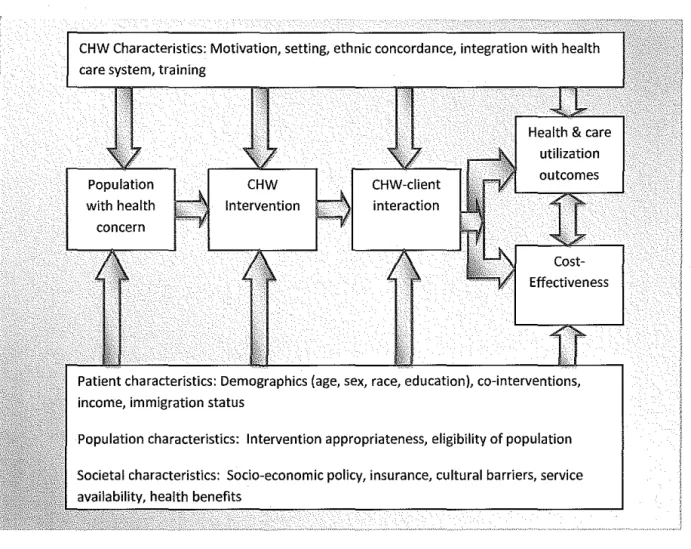
Figure 2. A Conceptual Framework for Outcomes of Community Health Workers
Methods
CHW Characteristics: Motivation, setting, ethnic concordance, integration with health
care system, training
Population
with health
concern
CHW
Intervention
Effectiveness
Patient characteristics: Demographics (age, sex, race, education), co-interventions,
income, immigration status
Population characteristics: Intervention appropriateness, eligibility of population
Societal characteristics: Socio-economic policy, insurance, cultural barriers, service
availability, health benefits
The RTI-UNC EPC team who developed the comprehensive evidence report on
community health workers consisted of a senior health services researcher, Meera Viswanathan,
PhD, a clinician-investigator, Dan Jonas, MD, MPH, a preventive medicine resident, Brett
Nishikawa, MD, an economist, Amanda Honeycutt, PhD, two EPC staff members, Laura
Morgan, MA, and Patricia Thieda, MA, in addition to this author.
Literature Review Methods: Inclusion and Exclusion Criteria
Inclusion and exclusion criteria used in the literature review are listed in Table I.
on those in the categories of health promotion/disease prevention and chronic disease
management, as determined by a team comprised of three physicians with backgrounds in
internal medicine and/or pediatrics. Specifically, this paper excludes studies in the areas of (1)
cancer screening and prevention; (2) injury prevention; and (3) maternal and child health.
Studies in these areas were included in the full report.
Studies were limited to those conducted in the United States, to focus on data relevant to
domestic healthcare concerns. Additionally, the search was limited to studies published in 1980
or later, to maintain relevance to current practice, and those published in the English language.
Studies were required to report original research and needed at least 40 subjects to be included.
We excluded studies if the effect of the CHW in the intervention could not be determined.
Table 1. Inclusion and Exclusion Criteria.
Populations
Interventions
Comparisons
Outcomes
Time period
Publication language
Admissible evidence (study design and other criteria)
All US study populations with a community-health worker intervention
Intervention delivered by CHW (see working definition above), not peer counselors or health professionals
CHW intervention must have a comparison arm; all comparisons are admissible assuming the effect of the CHW intervention can be isolated
Knowledge, satisfaction, behavior, health, and health care utilization
1980-November 14, 2008
English
Admissible designs: controlled trials (n ~ 40), non-randomized controlled trails (n ~ 40), systematic reviews, meta-analyses, prospective trials with historical controls
(n~40)
Other criteria:
• Original research studies providing sufficient detail regarding methods and results to enable use and adjustment of data and results
Literature Search and Retrieval Process
The search was conducted using MEDLINE®, Cochrane Collaboration resources, and
Cumulative Index to Nursing and Allied Health Literature (CINAHL). Additionally,
hand-searches were performed of the reference lists of relevant articles to ensure relevant studies were
not overlooked. The Technical Expert Panel (TEP) was consulted to identify any additional
relevant studies.
The MEDLINE® search included the Medical Subject Heading (MeSH) search term
"Community Health Aides." Additional search terms included: health advisor, health worker,
health advocate, health paraprofessional, community health representative, outreach worker,
dumas, promotoras, embajadores, and consejeras. The study was limited as described in the
inclusion and exclusion criteria, including human subjects and the English language. The
complete search strategy is described in Table 2.
The MEDLINE® search produced 640 unduplicated records and 175 new records were
obtained from CINAHL and the Cochrane Collaboration resources, yielding 815 records. The
search was updated November 14, 2008 and updated by hand-searches, background articles and
input from the TEP, yielding a new total of 992 unduplicated records.
Article abstracts were used to determine study eligibility for inclusion. Two reviewers
independently reviewed each abstract using an Abstract Review Form (Appendix A). If one
reviewer concluded the article should be included at this stage, it was retained. Two reviewers
read each article using a Full Text Inclusion/Exclusion Form (Appendix A) to determine whether
Table 2. MEDLINE® search strategy and unduplicaled results for February 2007
#2 Search "Community Health Aides"[Mesh] OR "health advisor" OR "health worker" OR "health advocate" 6051 OR "health paraprofessional" OR "community health representative" OR noutreach worker" OR dumas OR
promotoras OR embajadores OR consejeras
#3 Search ucommunity Health Aides"[Mesh] OR "health advisoru OR "health workd1
OR "health advocate" 3031 OR "health paraprofessional" OR "community health representative" OR "outreach worker" OR dumas OR
promotoras OR embajadores OR consejeras Limits: Humans, English
#6 Search (("Outcome Assessment (Health Care)"[Mesh] OR "Pregnancy Outcome"[Mesh])) OR ("Treatment 369350
Outcome"[Mesh] OR "Outcome and Process Assessment (Health Care)"[Mesh] OR "Fatal Outcome"[Mesh]) Limits: Humans, English
#7 Search #3 AND #6 Limits: Humans, English ill
#17 Search ((("Patient Education as Topic"[Mesh] OR "Patient Education Handout "[Publication Type])) OR 109582 "Professional-Patient Relationsu[Mesh]) OR uoffice Visits11
[Mesh] Limits: Humans, English
#18 Search#3 AND#l7 Limits: Humans, English 90
#26 Search ("Costs and Cost Analysis"[Mesh] OR "Economics"[Mesh] OR "economics "[Subheading] OR 257114 "Cost-Benefit Analysis"[Mesh] OR "Cost Allocation"[Mesh] OR "Cost ofiilness"[Mesh] OR "Cost
Control"[Mesh] OR "Cost Sharing"[Mesh] OR "Cost Savings"[Mesh] OR "Health Care Costs"[Mesh] OR
"Direct Service Costs"[Mesh] OR "Hospital Costs"[Mesh] OR "Employer Health Costs"[Mesh] OR "Drug Costs"[Mesh]) Limits: Humans, English
#27 Search #3 AND #26 Limits: Humans, English 254
#28 Search united states Limits: Humans, English 606881
#29 Search #27 AND #28 Limits: Humans, English 1l
#33 Search (("Education"[Mesh] OR "education "[Subheading])) OR "Education, Professionai"[Mesh] OR 370579
training Limits: Humans, English
#34 Search #3 AND #33 Limits: Humans, English I 013
#35 Search #34 AND #28 Limits: Humans, English 241
#41 Search (((("Randomized Controlled Trials as Topic"[Mesh] OR "Randomized Controlled Trial 303728 "[Publication Type])) OR "Single-Blind Method"[Mesh]) OR "Double-Blind Method"[Mesh]) OR
"Random Allocation"[Mesh] Limits: Humans, English
#42 Search #3 AND #41 Limits: Humans, English 165
#44 Search control OR controlled Limits: Humans, English 1368901
#45 Search #3 AND #44 Limits: Humans, English 908
#46 Search #45 AND #28 Limits: Humans, English 154
Literature Synthesis
The RTI-UNC EPC team jointly developed the evidence tables. Articles were abstracted
using the evidence tables initially by one trained team member. Outcomes were abstracted into
the following categories: knowledge, behavior, satisfaction, health outcomes, and health care
utilization. Completeness and accuracy of abstractions were checked by a second reviewer.
Individual studies were rated for quality (internal validity) using standard methods. 22• 23
We used a standard form for RCTs and one developed by RTI and adapted for this systematic
review for observational studies (Appendix A).23.25 Studies were evaluated on nine key domains:
background, sample selection, specification of exposure, specification of outcome, soundness of
information, follow-up, analysis comparability, analysis of outcome, and interpretation.
Additionally, RCTs were evaluated on the quality of randomization. Studies were dually
evaluated for quality using standard methods with reconciliation by consensus for disagreements.
Strength and Applicability of Evidence
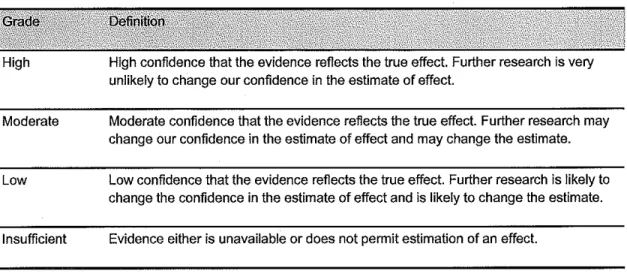
Strength of evidence evaluations were based on the AHRQ Comparative Effectiveness
Methods Guide (Table 4).26 Each outcome was dually assessed for strength of evidence with
Table 4. Strength of evidence grades and definitions
High
Moderate
Low
Insufficient
High confidence that the evidence reflects the true effect. Further research is very unlikely to change our confidence in the estimate of effect.
Moderate confidence that the evidence reflects the true effect. Further research may change our confidence in the estimate of effect and may change the estimate.
Low confidence that the evidence reflects the true effect. Further research is likely to change the confidence in the estimate of effect and is likely to change the estimate.
Evidence either is unavailable or does not permit estimation of an effect.
Qualitative assessment of the population, intensity or quality of treatment, choice of
comparator, outcomes and follow-up timing were used to evaluate the applicability of the
evidence. AHRQ's Comparative Effectiveness Methods Guide gnided parameters for
evaluation.27
Intervention Intensity
CHW interventions were classified by a measure of intensity to serve as a proxy of
resource allocation. Interactions were classified as low, moderate and high intensity by the
number of elements of the described intervention: one-on-one, face-to-face, one-hour per
session or more, three or more months' duration, three or more interactions, and use of tailored
materials. High intensity interventions had at least four of six elements, moderate interventions
had two or three elements, and interventions with only one or none of the elements were
Overview of Results:
Of the 992 articles, 87 were relevant to address the overall systematic review questions and met
our inclusion and exclusion criteria. Of the 87 articles, 24 identified interventions in the areas of
Results: Health Promotion and Disease Prevention
Pediatric Immunizations
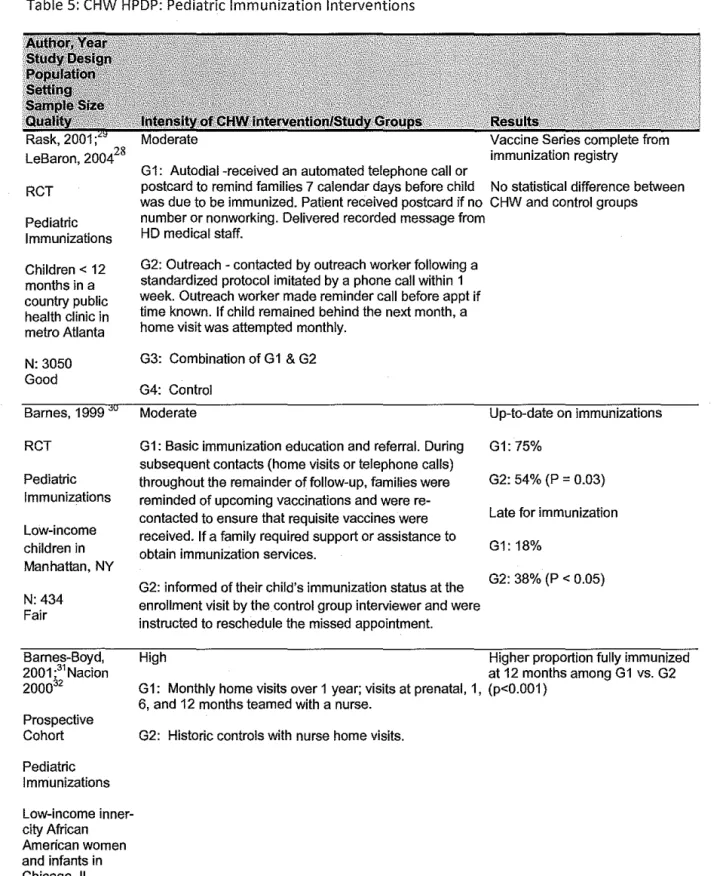
Study Characteristics. Two RCTs, one good28•29 and one fair quality0, and one poor
prospective cohort study, REACH-Futures/1.32 examined outcomes ofCHW interventions to
improve pediatric immunization rates in inner cities. The RCTs used moderate-intensity
interventions and the cohort study used a high-intensity intervention. Both RCTs used CHWs to
provide reminder phone calls for upcoming clinic appointments. The good RCT, targeting
children< 12 months in a county public health clinic in metro Atlanta, had CHWs make home
visits only if a child remained behind on their immunization schedule. 28• 29 Additionally, this
study compared four groups of children receiving: (1) CHW contact, (2) automated phone call
reminders, (3) a combination of a CHW and automated phone call reminders, and ( 4) a control
group defined by normal clinic procedure. 28• 29 Outcomes were assessed after 22 months. 28' 29
The fair study, targeting low-income children in Manhattan, also used CHWs to provide basic
immunization education and referral, in addition to assisting in obtaining immunization services
through a combination of phone and home visits. 30 The fair study compared outcomes after six
months for children receiving the CHW intervention to a control group who were informed of
their child's immunization status at emollment and instructed to reschedule the missed
appointment. 30 Variations in measures of outcomes preclude quantitative synthesis of the results.
REACH-Futures was a prospective cohort study that compared a high-intensity
intervention of CHW and nurse visits with historic controls of nurse-only home visits.31• 32 There
were monthly home visits that started prenatally and ended at one year.31• 32 This study was rated
poor for high potential for secular trends, given the time difference between comparators, and for
Overview of results. Three studies, including two RCTs, one good, 28• 29 one fair, 30 and one
poor prospective cohort study?1• 32 evaluated the impact ofCHWs on vaccine series completion
rates and differed in demonstrating CHW effectiveness. The good study 28• 29 found no difference
between groups receiving the CHW intervention and the control group. In contrast, the fair
study demonstrated that children in the CHW group were more up-to-date and less likely to be
late for their immunizations than the controls.30The control group for this study received more
intervention directed at improving immunization rates, which would diminish the apparent
effectiveness of the CHW. This study was more intensive, however, with regular horne visits or
phone calls over six months to ensure that reqnisite vaccines were received, which may have
resulted in the difference in effectiveness between studies. REACH-Futures31• 32 also found that
the CHW -intervention group had a higher proportion of fully immunized participants at 12
months, compared to historic controls who had received a nurse-only horne visit.
Knowledge. None of the studies reported outcomes for knowledge.
Behavior. None of the studies reported outcomes for behavior changes.
Satisfaction. None of the studies reported outcomes for satisfaction.
Health outcomes. All of the studies evaluated immunization rates. The good study
evaluated vaccine series completion rate from an immunization registry and found no difference
between the CHW and control groups. 28• 29 The fair study found that children in the CHW arm
were more up-to-date on immunizations than in the control arm (75% vs. 54%, p=0.03) and less
were late for immunizations (18% vs. 38%, p<0.5).30 The poor cohort study, REACH-Futures,
evaluated vaccine series completion rates at 12 months and found a higher proportion of children
receiving the CHW and nurse horne visits were up-to-date than historical controls (p<0.001 ).31• 32
Table 5: CHW HPDP: Pediatric Immunization Interventions
RCT
Pediatric Immunizations
Children< 12 months in a country public health clinic in metro Atlanta
N:3050 Good
Barnes, 1999
RCT
Pediatric Immunizations
Low-income children in Manhatlan, NY
N:434 Fair
Barnes-Boyd, 2001·31 Nacion 2000$2 Prospective Cohort Pediatric Immunizations Low-income inner-city African American women and infants in Chicago, IL
N: 1922 Poor
immunization registry G1: Autodial -received an automated telephone call or
postcard to remind families 7 calendar days before child No statistical difference between was due to be immunized. Patient received postcard if no CHW and control groups number or nonworking. Delivered recorded message from
HD medical staff.
G2: Outreach - contacted by outreach worker following a standardized protocol imitated by a phone call within 1 week. Outreach worker made reminder call before appt if time known. If child remained behind the next month, a home visit was attempted monthly.
G3: Combination of G1 & G2
G4: Control
Moderate
G1: Basic immunization education and referral. During subsequent contacts {home visits or telephone calls) throughout the remainder of follow-up, families were reminded of upcoming vaccinations and were re-contacted to ensure that requisite vaccines were received. If a family required support or assistance to obtain immunization services.
G2: inforrred of their child's immunization status at the enrollment visit by the control group interviewer and were instructed to reschedule the missed appointment.
Up-to-date on immunizations
G1: 75%
G2: 54% (P = 0.03)
Late for immunization
G1: 18%
G2: 38% (P < 0.05)
High Higher proportion fully immunized
at 12 months among G1 vs. G2 G1: Monthly home visits over 1 year; visits at prenatal, 1, (p<0.001)
6, and 12 months teamed with a nurse.
Health Promotion - Latina Health.
Study Characteristics. Two RCTs, one fair33 and one poor quality,34• 35 examined
outcomes of CHW interventions compared to mailings for health promotion in Latinas. The fair
studl3 used a moderate-intensity CHW intervention in uninsured Hispanic women age 40 and
older living at the US-Mexico border. The fair studl3 evaluated a CHW home visit in addition
to a reminder postcard compared to reminder postcards alone to increase return to clinic for an
annual preventive exam. The poor study, Secretos de Ia Buena Vida, used a high-intensity CHW
model in the same target population living in San Diego County.34• 35 Secretos de Ia Buena
Vida34• 35 evaluated the effectiveness of weekly CHW home visits and phone calls in addition to
tailored print materials compared to tailored materials alone or off-the-shelf materials for
changing dietary behavior. Variation in measures of health outcomes and health care utilization
preclude quantitative synthesis oftbe results.
Overview of results. The fair study,33 found that a moderate-intensity CHW intervention
had a nonsignificant trend towards a greater increase in exam rates than a reminder postcard in
increasing preventive exam appointments. Secretos de Ia Buena Vida was rated poor for internal
validity due to a high potential for selection bias, measurement bias, and confounding. 34• 35
Secretos de Ia Buena Vida demonstrated that a high-intensity CHW intervention group was
different from those receiving weekly tailored dietary printed material in terms of dietary intake
immediately post-intervention. However, this difference was no longer apparent after six
months, although all three groups improved. 34• 35
Knowledge. Neither study reported outcomes for knowledge.
Behavior. The Secretos de Ia Buena Vida project examined behavioral changes.34• 35
Immediately post-intervention, the CHW arm differed from the tailored printed materials arm in
differences between groups at six and 12 months post-intervention in dietary intake of fat or
fiber, based on a validated measure for 24-hour diet recall.
Satisfaction. Neither study reported outcomes for satisfaction.
Health outcomes. Neither study reported outcomes for improved health.
Health care utilization. The moderate-intensity CHW study 33 reported on the percentage
of women returning to clinic for a second annual preventive exam. The CHW arm had a higher
percentage of women returning for an exam (65% vs. 48%; RR 1.35; 95% CI 0.95-1.92)
Table 6: CHW HPDP: Health Promotion Interventions
RCT
Annual preventive exams
Uninsured Hispanic women, aged 40 and older, living at the US-Mexico border
N: 103 Fair
Elder, 2006 34; Elder, 2005 35
RCT: Secretes de Ia buena vida
Dietary behavior changes
Latinas in San Diego County
N:357 Poor
High
weeks before the month their annual comprehensive annual exam exams were due, printed in language
used to complete original questionnaire
G2: Received G1 intervention and
were visited by a promotora 2 weeks RR=1.35 [95% Cl 0.95-1.92] after the postcard had been mailed.
Promotora facilitated appointment scheduling and contacted them to facilitate rescheduling if appointment was missed.
G1: CHW home visits and/or phone calls +tailored print materials
G2: 12 weekly tailored newsletters & homework
G3: 12 weekly off-the-shelf dietary printed material
total fat gm, total fiber gm (Nutrition Data System 24-h dietary recall interview) (validated)
Disease Prevention
Study Characteristics. Six studies, five RCTs18• 36-41 and one prospective cohort study,42
examined outcomes of CHW interventions for disease prevention in underserved populations
throughout the US. Two studies were high-intensity and fair quality, 18• 36• 38 two studies were
moderate-intensity, one fair37 and one poor, 39•40and two studies were low-intensity, one fair42
and one poor41. Studies focused on a broad range of disorders, including cardiovascular disease
. 37 39 40 d. b . 18 36 HN . 42 d h d k 38
prevention ' ' , 1a etes preventiOn, ' preventiOn , secon - an smo e exposure ,
and colorectal cancer prevention41.
Three of the RCTs were of fair quality18• 36-38and two were poor.39-41 A fair quality RCT
conducted in Missouri evaluated a high-intensity CHW intervention focused on diabetes
prevention in a low-income, African-American female population. 18• 36 This study compared
three months of weekly sessions, alternating between group and individual sessions, targeting
stages of change to tailor dietary patterns to a control group that received a book to read. 18• 36 A
fair quality RCT in San Diego evaluated a high-intensity CHW intervention focused on
decreasing secondary tobacco smoke exposure in Latino neighborhoods?8 The intervention
consisted of six home and/or phone visits by CHWs over four months using culturally tailored
behavioral problem-solving techniques to reduce secondary tobacco smoke exposure and was
compared to no intervention (control). 38 A fair quality RCT study in Seattle evaluated a
moderate-intensity CHW assistance with medical follow-up compared with verbal advice to see
a medical provider in low-income neighborhood participants who were found to have elevated
blood pressure.37 A poor quality RCT in Baltimore evaluated a moderate-intensity intervention
consisting of a NP and CHW team at a nonclinical site with exercise equipment, where the CHW
provided dietary counseling, smoking cessation and exercise counseling. 39• 40 This was
programs given to the intervention group, results and recommendations to the patients' primary
care physicians. The Baltimore study was rated poor quality due to a high potential for
measurement bias. 39• 40 The WATCH trial was a poor-quality RCT conducted in rural,
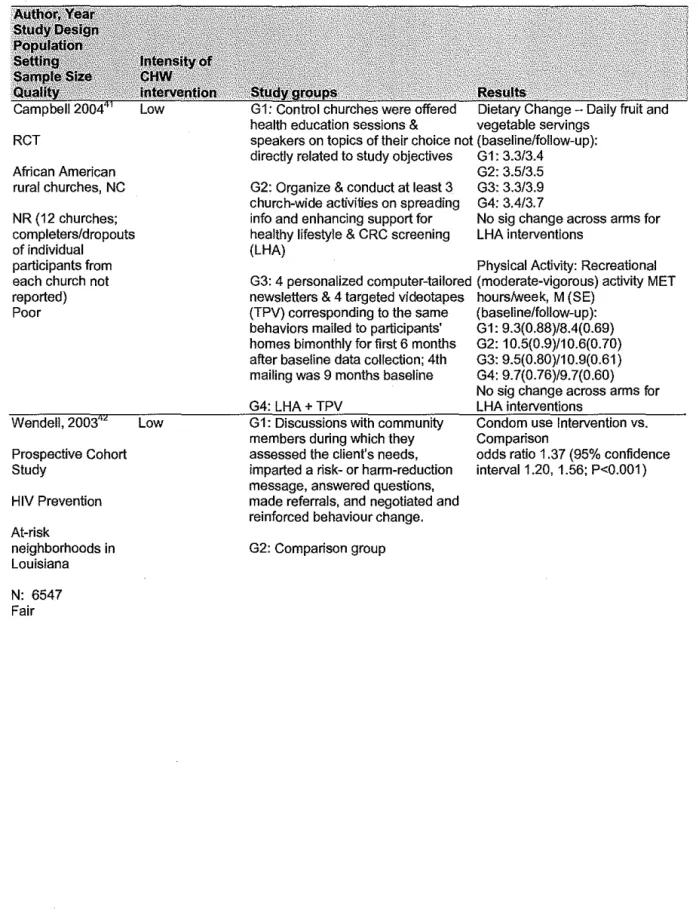
predominantly African-American churches in North Carolina.41 This study had four arms,
including: (I) Control churches offered health education session and speakers not related to
study objectives; (2) CHW intervention, consisting of organization and presentation of at least
three church-wide activities on educating and enhancing support for healthy lifestyle and
colorectal cancer screening; (3) four personalized computer-tailored newsletters and four
targeted videotapes (TPV) focused on healthy lifestyle and colorectal screening mailed
bimonthly to participants' homes; and (4) both the CHW and TPV intervention.41
The prospective cohort study was of fair quality and evaluated the effectiveness of a
low-intensity CHW intervention in HIV prevention by street outreach to at -risk community members
in Louisiana compared to a control group in a neighborhood receiving no intervention.42
Overview of results. Disease prevention studies reported on outcomes of knowledge,
behavior, health outcomes, and health care utilization. Overall, four of the six studies found that
a CHW intervention was more effective in achieving outcomes than the respective control group. 18
• 36• 37• 39• 40• 42 Two fair quality studies, the Missouri study and the prospective cohort study, reported improved knowledge of the respective diseases in the CHW intervention as compared to
respective controls.18• 36 42 Two fair quality studies, the Missouri study18• 36 and the prospective
cohort study42, and one poor study, the Baltimore stud~9• 40, demonstrated that low- and moderate-intensity CHW interventions were more effective than controls in changing health
behaviors. The two studies that targeted tobacco cessation found opposite results regarding CHW
high-intensity CHW intervention group and a group receiving nothing based on validated RIA of
children's hair for nicotine and cotinine.38 The Baltimore study found a significant difference
between a moderate-intensity CHW intervention and enhanced usual care, however, this
outcome was based on self-report?9• 40 One study, the Seattle study, measured health care
utilization and demonstrated that a moderate-intensity CHW intervention increased medical
follow-up compared to a group given verbal advice to seek medical care for elevated blood
pressure. 37
Knowledge. Two fair quality studies18• 36 42 reported outcomes for improved knowledge
of the respective diseases. The Missouri study18• 36 found that participants in the CHW
intervention had an improved knowledge oflabel reading as assessed by a non-validated
questionnaire (p<O.OOOl) that remained significant at six month follow-up compared to a control
group receiving a book to read. The prospective cohort study42 demonstrated that a low-intensity
CHW street outreach program was effective at increasing knowledge of where to obtain free
condoms (90% vs. 74%, OR 3.2, p=O.OOl).
Behavior. Five RCTs, three fair18• 36-38 and two poor qualitl9-41, examined a variety of
behavioral changes, with three demonstrating CHW effectiveness18•36•37•39•40 and two 38•41
showing no difference as compared to their respective controls. The Missouri study on diabetes
prevention18•36 evaluated dietary change following CHW-led group and individual sessions and
found a reduction in fat intake with a validated food frequency questionnaire as compared to a
control group (p<O.OOOl ). The San Diego study, a high-intensity CHW intervention of home and
telephone visits to reduce second hand tobacco smoke to children as compared to a control group
found no difference from baseline by self-report or validated RIA of child's hair for nicotine and
difference in self-reported smoking cessation as compared to a standard of care group (16.2%
reduction vs. 7.0%, p<O.OOl). Both groups reported less smoking, confirmed by measures ofhair
cotinine. The WATCH trial did not show a difference in either fruit and vegetable intake or
physical activity as compared to the control arm.41 The prospective cohort low-intensity
intervention study targeting HIV prevention 42 demonstrated an increase in condom use reported
in the intervention group (OR 1.37, 95% CI 1.20-1.56).
Satisfaction. None of the studies for health promotion evaluated satisfaction outcomes.
Health outcomes. The Missouri study of diabetes prevention found no difference within
or between arms when comparing the high-intensity CHW intervention and the control group in
terms of body weight and BMI at baseline (BMI 35.7 vs. 35.3) and after six months (BMI 35.7
vs. 35.4). 18,36
Health care utilization. The Seattle study of a moderate-intensity CHW intervention
evaluated self-reported medical provider follow-up within 90 days of determined elevated blood
pressure.37 This study demonstrated an increased rate of completed follow-up in the CHW group
as compared to the control group (65.1% vs. 46.7%, p=O.OOl) and the number needed to treat to
Table 7: CHW HPDP: Disease Prevention Interventions
Auslander, 2002;18Williams, 2001 36
RCT
Diabetes prevention
Low-income African-American women in a large Missouri city N:294 Fair Conway, 2004 RCT Secondary tobacco smoke Latino neighborhoods in San Diego County
N: 143 Fair
Krieger, 1999
RCT Hypertension Low-income neighborhoods in Seattle N:421 Fair Becker, 2005 40
;Cene, 200839
RCT
Cardiovascular disease prevention
Baltimore, MD
N: 267 Poor
High
Moderate
Moderate
group sessions
(approximately six to eight Intervention was effective in participants per group) and six reducing fat intake, as measured individual sessions targeting stages of by percent of calories from total fat change to tailor dietary pattern with a (baseline/6 months):
G2-peer educator, meeting weekly over a 36.0/34.5, G1 - 35.9/32.3, P<0.05 3-month period BMI: No significant difference
between groups
G2: Control - a book Knowledge of Label Reading Questionnaire (Unvalidated)-baseline/6 months: G2- 5.4/5.7, G1- 5.5/6.3 (p>0.0001)
G1: home & telephone visits on RIA of child's hair for nicotine & problem-solving techniques to reduce cotinine (validated)
ETS exposure
G2: Control
G1: CHW assistance with medical follow-up
G2: advice to see medical provider, list of public & community clinics
G1: EPC- received risk-specific materials (same as intervention group), PCP received results and recommendations, sent info on local programs (ex. YMCA)
G2: CBC - received care in 1 nonclinical site in the community from a NP and CHW. CHW provided dietary counseling, smoking
cessation, and exercise counseling lasting 30 minutes.
No significant difference between groups
Self-report of completed follow-up within 90 days (validated by medical provider report)
G1: 65.1%
G2: 46.7% (p=0.001)
Smoking Cessation (self-report): G1: 7% reduction
Table 7: CHW HPDP: Disease Prevention Interventions (continued)
RCT
African American rural churches, NC
NR (12 churches; completers/dropouts of individual
participants from each church not reported) Poor
Wendell, 2003 Low
Prospective Cohort Study HIV Prevention At-risk neighborhoods in Louisiana
N: 6547 Fair
health education sessions & vegetable servings speakers on topics of their choice not (baseline/follow-up): directly related to study objectives G1: 3.3/3.4
G2: Organize & conduct at least 3 church-wide activities on spreading info and enhancing support for healthy lifestyle & CRC screening (LHA)
G2: 3.5/3.5 G3: 3.3/3.9 G4: 3.4/3.7
No sig change across arms for LHA interventions
Physical Activity: Recreational G3: 4 personalized computer-tailored (moderate-vigorous) activity MET newsletters & 4 targeted videotapes hours/week, M (SE)
(TPV) corresponding to the same (baseline/follow-up): behaviors mailed to participants' G1: 9.3(0.88)/8.4(0.69) homes bimonthly for first 6 months G2: 1 0.5(0.9)/1 0.6(0. 70) after baseline data collection; 4th G3: 9.5(0.80)/1 0.9(0.61) mailing was 9 months baseline G4: 9.7(0.76)/9.7(0.60)
No sig change across arms for G4: LHA + TPV LHA interventions
G1: Discussions with community members during which they assessed the client's needs, imparted a risk- or harm-reduction message, answered questions, made referrals, and negotiated and reinforced behaviour change.
G2: Comparison group
Condom use Intervention vs. Comparison
Chronic Disease Management: Diabetes Mellitus
Study characteristics. Four studies, three RCTs20• 4348 and one prospective cohort
study49, examined outcomes ofCHW interventions for diabetes care among under-served
minority populations with type 2 diabetes mellitus. Three studies20• 4347• 49 used a high-intensity
intervention and one studl8 used a moderate-intensity intervention. One fair-rated six month
RCT conducted in Texas used a high-intensity intervention for Mexican-Americans that
compared eight weekly, two-hour group classes with promotoras to usual care plus educational
pamphiets.Z0 One fair-rated RCT conducted in New York used a moderate-intensity intervention
that evaluated the use ofCHWs as clinic liaisons compared to nurse-patient encounters in
inner-city Hispanics and African-Americans.48 Project Sugar, a fair quality RCT, compared several
high-intensity interventions in inner-city African-Americans with type 2 diabetes: (1) CHW
face-to-face home visits and phone contact, (2) nurse care manager intervention, (3) a combined nurse
care manager and CHW, and ( 4) standard clinical care with an additional quarterly diabetes
newsletter.43'47 The prospective cohort study was a fair quality study of a high-intensity
intervention comparing CHW diabetes case management, including home visits, in addition to a
multidisciplinary team to usual clinical care with a multidisciplinary team approach in Hawaii. 49
Heterogeneity of study designs, interventions, and outcomes preclude quantitative synthesis of
results.
Overview of results. Of the four studies on diabetes management, two studies found the
CHW intervention to be beneficial in decreasing HgbAl cas compared to usual care20• 49 and two
studies found no difference between groups in mean change from baseline ofHgbAlc.4348 The
Texas study also evaluated outcomes of knowledge and similarly found that the CHW
The Hawaii study found that diabetes case management by a CHW in conjunction with a
multidisciplinary team was more effective at decreasing HgbAlc than a multi-disciplinary team
alone.49 The New York study demonstrated that a CHW liaison was more effective than usual
clinical care in behavioral changes leading to program completion rates.48 Project Sugar, a
high-intensity study, found significant changes from baseline within, but not between, groups for
various health outcomes.4347 In other words, CHW interventions resulted in no significant
difference in health outcomes compared to controls.
Knowledge. The Texas study evaluated outcomes for improved knowledge in diabetic
patients following 8 weekly CHW-led group classes in Mexican-Americans at six months.20 A
validated tool, the bilingual DKQ, showed a difference between arms, with an improved score in
the CHW group compared to the usual care plus educational pamphlets group (p<0.002).20
Behavior. Project Sugar evaluated dietary risk scores (which identifies positive as well as
problematic dietary behaviors and measures potential barriers to dietary change) and found an
improvement in score across all arms as compared to the usual clinical care group following a
high-intensity CHW intervention (-2.4±1.99 vs. -3.45±1.87 vs. -2.13±1.92;P NR).4347The New
York study demonstrated an increased proportion of completion of a diabetes education program
after a low-intensity CHW intervention compared to usual clinical care (80% vs. 47%, p=0.01).48
Satisfaction. None of the studies reported outcomes for satisfaction in diabetes care.
Health outcomes. The Texas study demonstrated better improvement in diabetes control
(measured by mean change in HgbAlc) in the CHW intervention group than in the usual care
group after 6 months (p<0.001).20 The Hawaii study found a high-intensity CHW intervention in
conjunction with a multidisciplinary team was more effective in decreasing mean change in
comparing the groups for the Hawaii study was not reported but we calculated it using the data
provided in the article and found it to be statistically significant (p<0.0001).49 Project Sugar
reported no significant change between the four study groups for the primary outcome, HgbAlc.
The only group with a significant improvement from baseline to two years was the CHW plus
nurse care manager arm (improvement of0.8% ±0.52%, p<0.05). 43.47Post-intervention, a power
calculation showed the study was powered only to see a difference of 1.2% change in HgbAl c.
Secondary outcomes from Project Sugar included LDL cholesterol, systolic blood pressure, and
diastolic blood pressure, none of which differed significantly between study groups in change
from baseline measures. LDL cholesterol changed for the worse within the nurse care manager
plus CHW arm (+4 mg/dl, p<0.05).43-47
Health care utilization. None of the studies evaluated health care utilization outcomes.
Table 8: CHW Chronic Disease Management: Diabetes Mellitus
RCT
Mexican-Americans in a major Texas border city
N:150 Fair
G1: A team of 2 promotoras delivered 8 weekly, 2 hour participative group classes and follow-up to intervention group, using multiple visual audio teaching aides & handouts, contacted class participants by phone biweekly to answer questions, reinforce education, promote behavior change, sent postcards biweekly;
G2: usual care by clinic staff- verbal information and 1 or 2 pamphlets on diabetes self-management
HgbA 1 c- Baseline (SD)/6 months (SD): G1: 8.21(2.2)/7.76(1.87)
G2: 7.71(1.49)/8.01(1.8)
Mean change between groups: P<0.001
Bilingual DKQ - validated: Baseline(SD)/6 months(SD): G1: 69.1(13.6)/77.2(14.4) G2: 66.9(15.2)/65.1(21.0)
Mean change between groups:, P<.002
Diabetes Health Belief Measure (DHBM): Baseline(SD)/6 months(SD):
G1: 56.4(12.2)/54.6(8.4) G2: 57.0(10.6)/50.8(13.6)
Table 8: CHW Chronic Disease Management: Diabetes Mellitus (continued) RCT NYC- East Harlem Hispanic and Africa- Americans N:64 Fair
G 1 : Intervention- CHW acted as liaison, attended clinic sessions, interpreter, reinforced self are instructions and appointment reminders
G1: 80%; G2: 47% (p=0.01)
No difference in mean change in HgbA 1 c G2: Control - encounters occurred between
between groups nurse and patient only
Batts 2001; Gary High 2003;44 Vetter
HgbA 1 c, mean change from baseline at 2 years: G1: ref;
2004;47 Gary 2005;46 Gary 200045
G1: continued on-going care from their own G2: -0.31 ± 0.49%; health professionals+ quarterly newsletter G3: -0.30 ± 0.48%;
containing info on diabetes-related health G4: 0.8 ± 0.52% (P<0.05 for within-group
topics. change from baseline for G4 only)
RCT
Project Sugar G2: NCM intervention: NCM was RN + LDL, mean change from baseline at 2 years: G1: -16.7± 5.5 mg/dl
certified diabetes educator, 45 min
face-to-East Baltimore, face clinic visits and/or phone contacts, G2: +6 (approx) (P<0.05 for within-group change from baseline).
MD direct patient care, management, education,
African-Americans counseling, follow-up, referral, physician G3: +6 (approx.)
N:149
Fair
feedback - goal was 3 visits/yr.
G3: CHW interventions were 45-60 min face-to-face home visits and/or phone contacts, no direct implementation of therapeutic strategies but facilitated preventive care by offering to schedule appointments + provide education, 3 visits/yr.
G4: combined NCM + CHW -three visits/year with each.
G4: + 4 (approx.) (P<0.05 for within-group change from baseline)
SBP, mean change from baseline at 2 years: G1: ref;
G2: +6 (approx.) (P<0.05 for within-group change from baseline) G3: -4 (approx). G4: -2 (approx).
Dietary risk scores, mean change from baseline at 2 years: G1: ref;
G2: -2.4± 1.99; G3: -3.45 ± 1.87; G4: -2.13 + 1.92
Beckham, 2008 High HgbA 1 c, mean change from baseline: Cohort
Hawaii
Health center for underserved with type 2 diabetes
N: 116 Fair
G1: Diabetes case management by CHW, G1: -2.2(1.8) including home visits. Based on needs of
patients, CHWs would collaborate with the G2: -0.2(1.5) rest of the multidisciplinary team to
determine high-priority learning areas and to P<0.0001* develop an intervention plan to implement
during subsequent visits. Each plan included a blood glucose self-monitoring regimen and target levels, diet plan, exercise plan, medication schedule, insulin injection plan, and preventive health/health maintenance plan.
G2: Usual care with multidisciplinary team approach, minus CHW.
Chronic Disease Management: Hypertension
S tu d y c aractenstzcs. our stu 1es, two h · · F d' RCT s ' ' an two prospective co orts, 19 50 51 d . h 52-54
examined outcomes of moderate-intensity CHW interventions for blood pressure management
among adult patients with hypertension. The two RCTs, one fair50 and one poor19• 51 quality,
evaluated CHW interventions in inner-city minorities. All four studies evaluated a CHW
intervention as compared to an intervention that involved a CHW in a lesser capacity.19• 50-54 The
fair RCT evaluated a CHW horne visit for patient education, counseling and referral compared to
a CHW horne visit plus five additional visits for BP measurement, management and access to
medical care.
5°
The poor RCT, rated as such due to a high attrition rate and use of a cornpletersanalysis, and high potential for bias, evaluated CHW post-clinic appointJnent counseling
sessions, CHW horne visits, appointment reminder cards and calls, and standard clinical care in a
large West coast city.19• 51 One of the prospective cohort studies, rated poor for internal validity
due to a high potential for confounding and inappropriate statistical methods, evaluated a
moderate-intensity CHW intervention in rural central Mississippi. 52• 53 This study evaluated the
use of CHW s as "hypertension health counselors" in providing monthly visits encouraging
compliance to previously prescribed pharmacological and non-pharmacological therapies. 52• 53
The other prospective cohort study, rated poor for internal validity due to a lack of methods
describing an analysis plan a priori, a high potential for confounding, and lack of comparison of
participant characteristics at baseline, evaluated a moderate-intensity CHW intervention in
inner-city Baltimore, MD African-Americans. 54 This study examined the impact on appointJnent
follow-up of a CHW follow-up phone call after an Emergency Department visit during which
patients had their blood pressure measured, were provided education counseling, and were
included patients who had received the single CHW visit in the ED but were not able to be
contacted later for assistance in appointment keeping. 54 Heterogeneity of study designs,
interventions, and outcomes preclude quantitative synthesis of results.
Overview of results. We did not find any fair or good quality studies that compared the
impact of a CHW intervention with usual care on blood pressure control. Of the three studies that
evaluated blood pressure control, only the Mississippi prospective cohort demonstrated a
significant difference between study groups in terms of proportion of hypertensive subjects
controlled (defined in this study as <160/95).52• 53 Neither of the RCTs demonstrated between
group differences in blood pressure control. 19• 50• 51 However, these studies did note improvement
from baseline to study completion within all groups, some of which were statistically significant. 19
• 50• 51 The Baltimore prospective cohort did not evaluate blood pressure control but instead examined health care utilization. 54 This study demonstrated that CHW worker follow-up was
more effective than no follow-up in increasing return visit appointment rates.
Knowledge. None of the studies reported outcomes for knowledge.
Behavior. None of the studies reported outcomes for behavior changes.
Satisfaction. None of the studies reported outcomes for satisfaction.
Health outcomes. We did not find any fair or good quality studies that compared the
impact of a CHW intervention with usual care on blood pressure control. Three of the four
studies reported on blood pressure control. Both RCTs found an improvement within most
groups but no difference between groups in terms of blood pressure control. 19• 50• 51 The
fair-quality RCT demonstrated that the low-intensity CHW arm (one home visit)and the
high-intensity CHW arm (six home visits) both resulted in improved blood pressure. However, the
improvement in blood pressure within all groups, including the usual care arm, however, no
significant difference between groups.19• 51 The Mississippi prospective cohort study did not
report statistical tests to allow the determination of difference between or within groups. 52• 53
Health care utilization. The poor prospective cohort conducted in Baltimore
demonstrated that patients in the low-intensity CHW intervention were more likely to return to
the ED for a follow-up appointment compared to the control group (60% vs. 40%, p<0.001).54
However, the control group consisted of patients seen in the ED who were not able to be
contacted for follow-up by the CHW, thus biasing the results for this outcome in favor of the
Table 9: CHW Chronic Disease Management: Hypertension RCT Inner-city Baltimore, MD African-Americans N:789 Fair
Morisky, 2002; 19 Ward, 200051
RCT
West Coast City Inner-city African-Americans and Hispanics
N: 1367 Poor
=~~;;;BP:
G1: G2 care + 5 CHW visits with BP measurement, addressing issues of BP management & access to medical care
G2: CHW home visit for education, counseling, & referral
Moderate
G1: CHW post-clinic appt counseling session
G2: appt reminder cards & phone calls
G3: home visits by CHW
G1: 147.7/89.2 (95% Cl145.5, 149.9/ 87.8, 90.6) ~ 145/86.2 (95% Cl142.3, 147.7/84.2, 88.2)
G2: 148.6/89.3 (95% Cl146.4, 150.7/ 87.8, 90.8) ~ 142.1/84.7 (95% Cl138.8, 145.4/82.7, 86.7)
P<0.05 for differences between baseline and follow-up for each group, P> .1 between groups
%with adequate HTN control (<140/90): G1: 16% ~ 36%
G2: 18%~34%
pre/post p<.01 group difference NS
Percent with BP Control (<140/90)-Baseline/6 months/12 months: G1: 35.2%/46%/46% (p<0.01 );
G2: 40.2%/42%/48% (p<0.01 );
G3: 29.7%/% NR but "improved"
G4: 36.9%/% NR but "improved" G4: standard clinic care All groups improved; Differences
between groups NR
Frate,1985; Frate, High 1983 53
Proportion of hypertensives controlled (<160/95): Prospective cohort Rural central Mississippi N:667 Poor Bone 1989 Prospective cohort
Baltimore, MD ER
Low-income, African-American
N:722 Poor
G1: Hypertension Health Counselors: Monthly visits that encouraged
compliance to both pharmacological and non pharmacological therapy that had been prescribed
G2: Family based self help
G3: Church based self help Moderate
G1: control (not able to be contacted by CHW);
G2: contacted by CHW; Initially, all patients were contacted initially by CHWs in ED. CHWs took pulse and BP
measurements, provided educational counseling, identified barriers related to referrals, assisted with appointment keeping and adherence to treatment plan. Session lasted about 20 minutes.
G1: 80.6%
G2: 90.0%
G3: 79.9% (p<0.0001)
Chronic Disease Management: Infectious Diseases
Study characteristics. One RCT of fair quality examined outcomes of a CHW
intervention to facilitate access to health care for tuberculosis (TB) in a homeless population with
positive PPD test results in San Francisco.55 Subjects were randomized to one of three groups:
an intervention involving a CHW for transportation to their clinic appointment, a monetary
incentive and bus token to attend their clinic appointment, or a control group given a clinic
appointment and a bus token only. This study used a moderate-intensity CHW model. CHWs
who were familiar with homelessness were assigned to TB-infected individuals and responsible
for accompanying them to their clinic appointments. 55 Outcomes were compared to a group
receiving a monetary incentive to attend TB clinic in addition to an appointment and bus tokens
and a control group who were given clinic appointments and bus tokens. 55
Overview of results. This RCT demonstrated that a CHW intervention was less effective
than the monetary incentive but more effective than the control group in leading to adherence to
a first follow-up appointment. 55
Knowledge. This RCT did not report outcomes for improved knowledge.
Behavior. This RCT did not report outcomes for improved behaviors.
Satisfaction. This RCT did not report outcomes of satisfaction.
Health outcomes. This RCT did not report outcomes of health.
Health care utilization. This RCT found that a moderate-intensity CHW intervention was
less effective than a monetary incentive ($5) in increasing adherence to a first follow-up clinic
appointment (75%[95% CI=70-80] vs. 84%[95% CI=76-92], p=NR). However, the CHW
intervention was more effective than a control group who received an appointment and bus
Table 10: CHW Chronic Disease Management: Infectious Diseases
RCT G1: Peer health advisor- met with patient and took them to clinic appointment, Homeless people with facilitated paperwork, reviewed physician positive PPD in San recommendations
Francisco, CA G2: Monetary incentive - $5 at clinic, appointment and bus tokens
N=244 G3: Usual care - appointment and bus
Fair tokens
Chronic Disease Management: Back pain
Adherence to first follow-up appointment (95% Cl): p calculated vs. G3
G1: Peer health advisor 75% {70-80); p = 0.004
G2: Monetary incentive 84% (76-92); p < 0.001
G3: Usual care 53% (47-59)
Study characteristics. One RCT of fair quality evaluated an intervention of four 2-hour
weekly group classes led by CHWs compared to usual care supplemented by a book on back
pain. 56 This intervention was rated as moderate-intensity. The classes focused on applying
problem-solving techniques to back pain self-management and included educational materials
(book and videos) supporting active management of back pain. 56
Overview of results. This fair RCT found a moderate-intensity CHW intervention was
effective in reducing back pain when compared to a control group at 6-months, but there was no
difference between groups at 12 months. 56
Knowledge. This RCT did not report outcomes for improved knowledge.
Behavior. This RCT did not report outcomes for improved behaviors.
Satisfaction. This RCT did not report outcomes of satisfaction.
Health outcomes. This RCT found that a moderate-intensity CHW intervention was more
effective in decreasing participant back pain than usual care supplemented by a book on back
in Roland Disability Score from baseline than in the control group at 6 months (47.9% vs. 33%,
p=0.02).56 However, Roland Disability Scores at 12 months did not differ between arms (5.75 ±
6.31 vs. 6.75 ±6.39, p=0.092).56 The authors attributed this lack of difference to the fact that the
intervention was not intended to reduce pain intensity, but rather patient worries about back
pain. 56 Additionally, participants receiving a CHW intervention had a lower worry rating
(unvalidated tool) than those in the control group at 12 months (2.63 ± 2.58 vs. 3.83 ± 3.08,
p=0.013).56
Health care utilization. This RCT did not report outcomes of health care utilization.
Other outcome. This RCT found that participants in the CHW arm reported being more
likely to self-manage back or leg pain than those in the control arm, a measure of self-efficacy
(77% vs. 60%, p=0.008).56
Table 11: CHW Chronic Disease Management: Back Pain
RCT
People with chronic back pain in Washington state
N=255 Fair
G1: Four 2-hour classes held once a week, with 10 to 15 participants, led by twoCHWs
G2: Usual care includes back pain book
next pain, I
will try to manage the problem without seeing a health professional" - Not validated
G1: 77% agreed G2: 60% (p=0.008)
50% or greater reduction in Roland Disability Questionnaire Score from baseline at 6 months- validated G1: 47.9%; G2: 33% (p = 0.02)
Roland Disability at 12 months-validated
G1: 5.75 (6.31)
G2: 6.75 (6.39) (p = 0.092)
Wonry rating (0-10) at 12 months- not validated
G1: 2.63 (2.58)