DEVELOPMENTAL PERCEPTIONS OF WELL-BEING OF FEMALE ADOLESCENTS IN KENYA: LIFE EXPERIENCES AND RELATIONSHIPS WITH PSYCHOLOGICAL
MEASURES
Allison Beth Weinstein, M.A.
A dissertation submitted to the faculty of the University of North Carolina at Chapel Hill in partial fulfillment of the requirements for the degree of Doctor of Philosophy in School
Psychology in the School of Education.
Chapel Hill 2016
© 2016
ABSTRACT
ALLISON BETH WEINSTEIN: Developmental Perceptions of Female Adolescents in Kenya: Influences and Relationships with Psychological Measures
(Under the direction of Steven Knotek)
ACKNOWLEDGEMENTS
I would like to acknowledge and thank my committee members for their time, flexibility and support throughout my dissertation process. I would like to offer a special thank you to Dr.’s Knotek and Simeonsson for their dedication and commitment. Dr. Knotek, thank you for making me feel valued and for encouraging me through every step of my Ph.D. career. Thank you for providing me with life-changing opportunities and for your constant belief in me since the beginning. Thank you for calling me in Kenya, when I was alone and frightened, to offer reassurance, comfort, and for allowing me to return home if I needed to. I will never forget the feeling of relief when I knew you were supporting me through such a challenging experience. Dr. Simeonsson, thank you for fostering my interest in global research since the first day I arrived at UNC. You allowed me to travel to Portugal and work on international research projects that facilitated my desire to pursue work in Kenya. Thank you for continuing to believe in me and offering your kind words, encouragement and valued insight and feedback as I worked to complete this manuscript. I felt confident and motivated following each phone conversation with you and I believe that allowed me to keep moving forward.
I would like to acknowledge the presence of my friends who offered humor and comfort during an otherwise incredibly stressful and overwhelming experience. Thank you for constantly allowing me to vent and complain in moments of heightened anxiety and apprehension.
experiences in higher education only enhances the relationships we have built. To my
grandparents, thank you for your unshakable belief in me. Your constant warm words and our meaningful conversations have been a powerful influence in both my life and in this journey. Your presence in my life means more to me than I could ever express.
To my parents, thank you for your endless love, unwavering support and infinite
confidence in my abilities. This journey would not have been possible without you and all that you have done for me my entire life. Thank you for valuing higher education and for giving me the opportunity to reach for my Ph.D. Thank you for offering me an ear to vent to, a shoulder to cry on and the validation I needed. Most importantly, thank you for continuing to remind me that I am capable and deserving of attaining my dreams.
To Jay, thank you for your unrelenting patience and constant optimism and
TABLE OF CONTENTS
LIST OF TABLES ...x
LIST OF ABBREVIATIONS ... xii
Chapter I. INTRODUCTION ...1
II. LITERATURE REVIEW ...4
A. Risk Factors of Poverty ...4
Physical Development ...4
Cognitive Development ...6
Social-Emotional Development ...8
Adolescents in Urban Poverty ...9
B. Protective Factors and Resiliency ...13
Future Orientation ...15
Community Program Involvement ...20
Parent Support and Involvement ...27
Self-Esteem ...29
Sense of Belonging and Social Support ...30
Pro-Social Behavior and Social Competency ...34
C. Well-Being ...35
D. Context of Kibera ...37
F. Research questions and hypotheses ...46
III. METHOD ...49
Participants ...49
Procedure ...52
Measures ...53
Demographic Survey ...53
Protective Factors...54
Risk Factors ...54
Well Being ...55
SDQ ...56
RSES ...57
Analytic procedures ...58
IV. RESULTS ...60
Descriptive Statistics ...60
Developmental Analyses ...65
Correlational Analysis ...65
Regression Analyses ...67
V. DISCUSSION ...69
Implications for School Psychologists ...79
APPENDICES ...82
Appendix A: Participant Assent Document ...82
Appendix B: Parent Consent Document ...86
Appendix E: Rosenberg Self-Esteem Scale ...95
Appendix F: Strength and Difficulties Questionnaire ...96
Appendix G: Raw Data Table: Participant Descriptives ...98
LIST OF TABLES
Table 1. Participant Demographics: Age ...50
Table 3. Participant Demographics: Ethnicity ...51
Table 3. Participant Demographics: Village ...51
Table 4. Participant Demographics: School Type ...51
Table 5. Participant Demographics: Family Size ...52
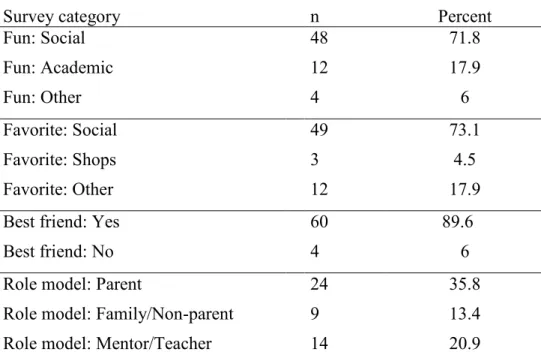
Table 6. Participant Descriptives: Participant Perceptions and Life Experiences ...60
Table 7. Participant Descriptives: Participants Goals and perceptions of the future ...62
Table 8. Participant Descriptives: Status of Guardians ...63
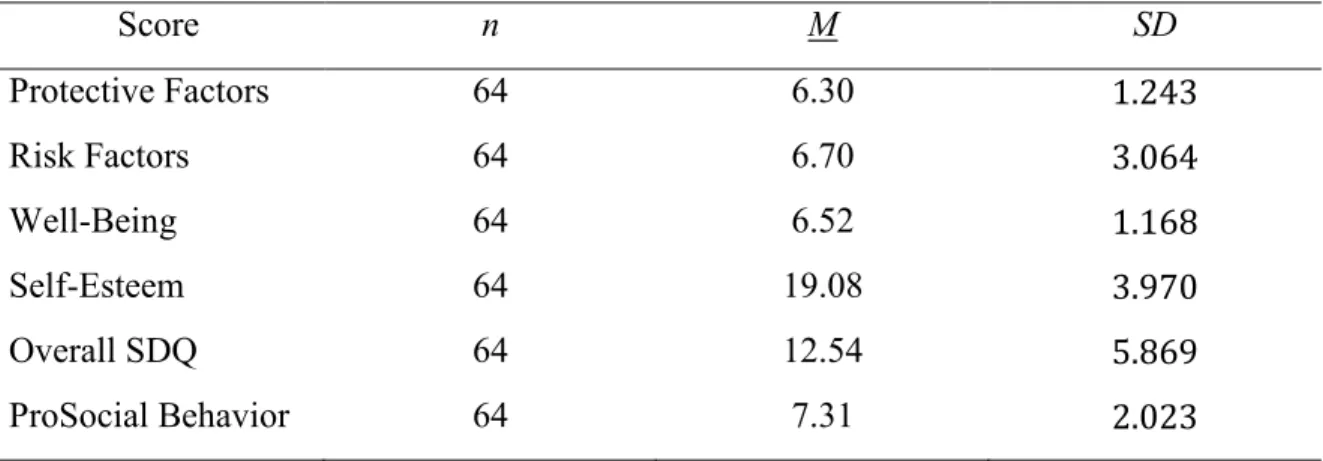
Table 9. Participant Descriptives: Overall Variable Scores ...64
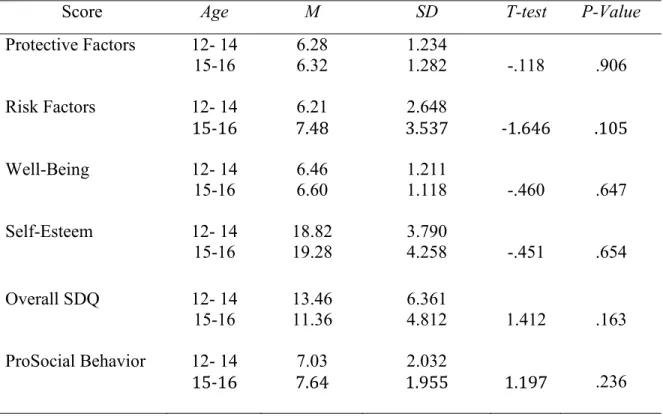
Table 10. Scores of Older Versus Younger Adolescents on Summary Measures ...65
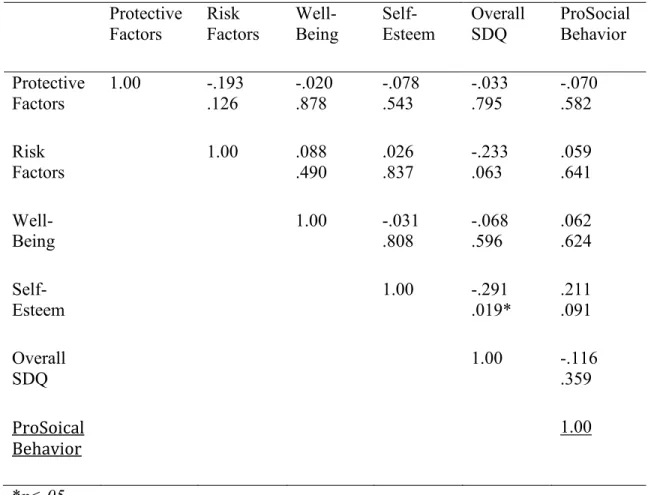
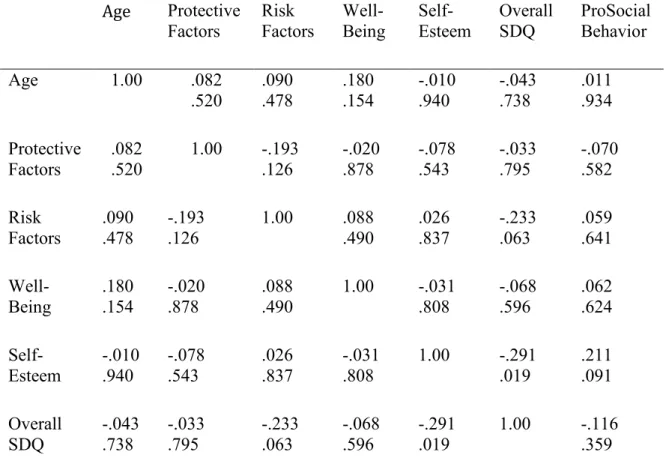
Table 11. Correlation Matrix ...66
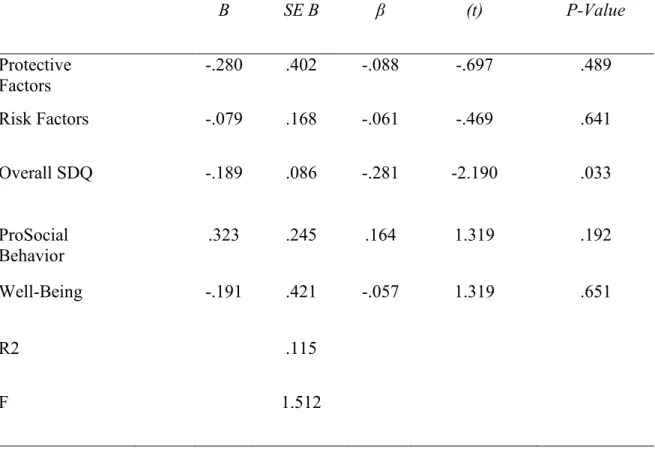
Table 12. Regression Analysis: Well-being ...67
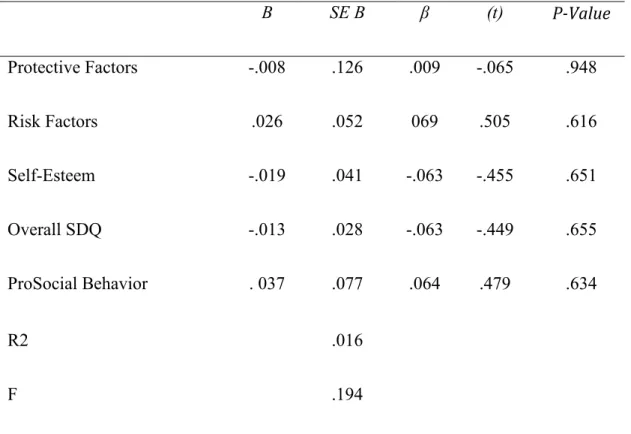
Table 13. Regression Analysis: Self-Esteem ...68
Table 14. Scores of Government versus Community School Adolescents ...71
LIST OF ABBREVIATIONS CFK Carolina for Kibera
DU Daughters United
OES Overall Emotional Stress OSS Overall SDQ Score
PBS Pro-Social Behavior Score PFS Protective Factors Score PSB Pro-Social Behavior RSS Risk Factors Score YSA Youth Sports Association WBS Well-Being Score
CHAPTER I INTRODUCTION
There are approximately 2.2 billion children in the world. One billion of these children live in poverty (UNICEF, 2005). Poverty is a powerful entity that holds significant consequences for both child and adolescent development, depriving children of the necessary means essential to survival and development. The National Center for Children in Poverty (2014) identifies poverty as the single greatest threat to a child’s development. Growing up in a poverty-rich environment is damaging to global
development and well-being affecting all domains of functioning. A considerable amount of environmental risk factors have been identified to inhibit healthy development,
including malnutrition and poor health, lack of adequate schooling and access to
resources, home instability, and insufficient stimulation within the environment. These factors are detrimental to a child’s physical, cognitive, social and emotional adjustment and development (Evans & Kim, 2007). Children exposed to acute poverty and
experience the associated consequences are at risk for developing maladaptive behaviors and lifestyle patterns (e.g. violence, substance abuse, early onset pregnancy, school dropout) set them up for a bleak future and continue the cycle of intergenerational poverty (Eamon 2001).
involvement, self-esteem, social competency, sense of belonging, and perceived social support. The presence or absence of these factors in a child or adolescents life, despite the number of present risk factors, may be a significant contributor to his/her well-being.
The combination of both risk and protective factors that cumulate into one’s life experiences heavily determines one’s sense of well-being. Perceptions of well-being are often formed through both positive and negative life experiences. Well-being is a particularly complex construct when exploring psychological functioning in adolescence, given the unique stage of development. Greater perceptions of well-being allow for the potential to develop and acquire the necessary skills that contribute to psychological resiliency despite an impoverished
environment full of developmental risks, such as in regions with acute urban poverty. Adolescents in Sub-Saharan Africa are presented unique challenges in the face of
poverty, culture and societal norms. Females in particular are faced with gender expectations that further hinder their quality of life and pose additional risk factors. While females are expected to defer to men, they are at greater risk for rape, early pregnancy, decreased access to education and lower literacy rates when compared to women in cultures with high levels of gender equality. The complex challenges for females in this region of Africa allow for reduced psychological well-being and perceptions of self.
CHAPTER II LITERATURE REVIEW Risk Factors of Urban Poverty
Poverty impinges upon all aspects of human functioning. Children and adolescents are particularly susceptible to the environmental demands of poverty. The immature body and brain are continuously growing and remain malleable to input from every source of exposure. The effect is global; the impact of poverty is not limited to an individual area of development. Thus, it is vital to understand the complex ways in which acute urban poverty influence child growth across all domains of life.
Physical Development. Conditions of extreme poverty powerfully impact the physical growth of children and adolescents. For example, an approximated 28% of children in
developing countries are underweight or have stunted growth. South Asia and sub-Saharan Africa account for a significant proportion of this inadequacy (UN, 2007). A lack of resources in impoverished areas and developing countries such as food and clean water largely contribute to the stunted and delayed physical development of youth in these areas. The World Health Organization (2014) identified childhood malnutrition and substandard water and sanitation as prevalent consequences of absolute poverty, generating over 1.5 million child deaths each year.
An association between socioeconomic status and a disparity in health outcomes
services are of inadequate quality at best. According to the According to the United Nations Development Programme human development
reports (2007), 270 million children worldwide do not have access to health services. Many health conditions that develop as a result of poverty and limited access to health care would be otherwise treatable. Infectious disease is a spiraling consequence of absolute poverty that could be treatable with available medical resources. For example, malaria affects an estimated 350-500 victims each year, with African children accounting for over 80 percent of malaria victims worldwide (HDR, 2007).
Impoverished living conditions also significantly impacts access to adequate nutrition. Poor nutrition in childhood lends to both short-term and long-term negative consequences including weak immune system and higher disease-carrying rate (Nelson, 2000). While the physical health consequences are significant, negative outcomes of poor nutrition and disease hold large implications for other areas of functioning and development. When physical
development is impaired, cognitive functioning is affected as well. Research demonstrates that physical illness and poor nutrition impacts a child’s ability to concentrate, think logically, and perform well academically. Layte & McCrory (2013) found that physical illness in childhood and adolescence may significantly impact educational development, thereby effecting life chances in the future. A strong connection between poor health in adolescence and educational attainment can damage future financial and employment opportunities (Haas, 2006).
problems. Non-educational or cognitive skills, such as navigating relationships and building social competency and emotional regulation, are important components of development. The development of such skills is impacted by poor physical development, contributing to a global deficit of functioning (Heckman & Rubenstein, 2001).
Cognitive Development. Poor nutrition and insufficient health care adversely affects the mind as well as the body. According to Nelson (2000), lack of adequate nutrition is associated with poorer cognitive functioning and meager learning ability. Exposure to the various risk factors that come from living in poverty predisposes children to cognitive vulnerability. Chronic poverty has been identified as the most critical component in a child’s cognitive developmental trajectory. While short, more temporary spans of poverty do play a role in a child’s
developmental outcome, it is the persistent and on-going nature of an impoverished upbringing that provides the greatest threat to a child’s cognitive functioning (Naiman, et. al, 2009; Schoon, et. al, 2012). Barbarin and Richter (1999) found that even when children exposed to extreme levels of poverty are provided with education, they demonstrate lower academic achievement. This draws to attention the devastating effects poverty in developing countries has on their youth. Being unable to break the hideous chain of poverty, many societies throughout the world continue to lack the resources to pull their children out of a state of chronic poverty, therefore deeply impacting new generations.
who do not attend school, despite reported enrollment. In addition, there is no official data on children’s school enrollment and attendance in countries involved in conflict situations (United Nations, 2007). Statistics of enrollment would be significantly less promising if these numbers reflected the unreported data.
Lack of education has serious implications for children’s long-term development, which impedes a promising future. An abundance of literature identifies the importance of an early childhood education on a child’s developmental progression. In fact, a high-quality early-childhood education may alleviate some of the debilitating effects of an impoverished
upbringing. Barnett (1998) found that early childhood education is not just critical for short-term development, but holds significant long-term effects as well. IQ, achievement, and academic success outcomes were measured to identify the nature of early education implications; results revealed that early education produced significant effects on both achievement and success. This is indicative of the role of environment and on cognitive performance. Children living in
absolute poverty, particularly in the developing world, often times lack access to early childhood education, and high-quality programs are seemingly non-existent. Without this crucial
developmental piece, impoverished children are set up for serious risk of cognitive deficits that are directly related to an inadequate, or nonexistent early education. Further, exposure to chronic poverty and associated risk factors is predictive of children’s performance on measures of
executive functioning (Raver et. al, 2013). This suggests that while poverty puts children at risk for global cognitive disadvantage, it also extends to specific cognitive processes such as
reasoning, flexibility, and working memory.
self-regulation and expression of emotions in a socially appropriate way, and learn through the environment within the context of the community and culture. Poverty and associated factors, such as education and home life, impact a child’s social-emotional development. A child’s relationship with his/her parent(s) or primary caregiver plays heavily into the social-emotional competency that a child develops. As social development is learned significantly through social interactions and modeling, a parents interactions with his/her child may shape his/her
development. Both direct and indirect stressors resulting from acute poverty exposure in infancy are suggested to endorse social and emotional problems in toddlerhood, childhood, and even adolescence (Palmer et al, 2013). Stressors of poverty such as income instability, chronic stress, and violence may affect a parent’s ability to provide appropriate modeling and engage in
developmentally appropriate parent-child interactions, thereby influencing a child’s social development.
Children’s social and emotional adjustment is heavily influenced by the context (e.g. family & community) in which they are part of (Burchinal & Willoughby, 2013). The personal and social assets necessary for positive development are fostered or suppressed depending upon the features that are present within settings in which youth live their lives (Catalano et al, 2004; Knotek, Weinstein, & Bankoski, 2014). Poverty is associated with persistent environmental strain, impacting the child’s family and community relationship. Thus, poor children are at risk for developing an array of socio-emotional problems (Eamon, 2001). A poverty-ridden
of psychological dysfunction and distress within poor populations. In addition, the multiple life stressors that children are exposed to as a consequence of poverty have a strong influence on a child’s social-emotional adjustment due to the cumulative nature of risk factors.
Adolescents in Urban Poverty
Adolescents growing up in impoverished environments experience a unique array of risk factors that are distinct from other developmental stages. Poor housing conditions, family instability, and lack of adequate education are common components in at-risk environments, which pose daily challenges to adolescents (Cauce, Stewart, Rodriguez, Cochran, & Ginzler, 2003). According to Anthony (2008), youth in stages of older childhood and adolescence experience a greater level of risk in a difficult environment. For example, adolescents living in risky environments generated by poverty are more likely to engage in behaviors that lead to negative outcomes. These outcomes may include substance abuse, sexual behaviors, delinquency (e.g. violence) and academic problems leading to school failure.
Substance Abuse. Economic factors have been identified as a powerful determinant of an adolescents’ involvement with and usage of drugs. Lower economic status and greater economic instability are related to a higher prevalence of drug abuse (Hawkins, Catalano, & Miller, 1992). Bachman (1981) found that drug use (e.g. hallucinogens, stimulants, cocaine, sedatives, heroine) was significantly lower amongst high school students who have college aspirations. Thus, having firm goals for the future may deter adolescents from engaging in risky behavior with drugs and alcohol.
strictness of drinking age) or how it is sold (e.g. by the bottle, closed container) is related to degree of alcohol consumption. Not surprisingly, more relaxed rules on the buying of alcohol are associated with an increased consumption of spirits, which leads to a greater frequency of alcohol-induced behaviors (e.g. drunk driving, violent tendencies). Unfortunately, looser norms and expectations for substance use tend to be more predominant in lower socioeconomic
communities, increasing the risk by two-fold for adolescents in this type of environment. This puts adolescents in poverty as especially susceptible to indulgence of alcohol and drugs.
Sexual Behaviors. Adolescent females living in extreme poverty face particular risks that shape their fate. Girls are at risk for early-onset sexual activity that can lead to numerous complications and problems effecting development and well-being. This issue is often driven by gender inequality, violence against females, sexual exploitation and trafficking, devaluing of girls. This type of activity is common in areas of acute, persistent poverty, and leads to pregnancy and life-threatening sexually transmitted diseases such as HIV/AIDS.
Approximately 16 million adolescent girls give birth every year, and the representation of pregnancy in adolescence is higher in many sub-Saharan Africa countries than in other areas across the globe (Beguy, Ndugwa, & Kabiru, 2013). It is estimated that over 25% of women in sub-Saharan Africa have given birth before the age of 18 (United Nations Children Fund, 2012). Births amongst this age group commonly occur in poor, uneducated populations. For example, in Kenya, teenage pregnancy rates are higher amongst poorer households than wealthier
Childbearing during adolescence may lead to poor health outcomes for both the mother and the baby, as complications are more likely for children of adolescent mothers. For instance, prematurity, stillbirth, and low birth weight are particularly high for infants of young mothers. Further, mother and infant mortality rates as a result of giving birth are far higher amongst adolescent pregnancy (Beguy, Ndugwa, & Kabiru, 2013). Giving birth in environments with limited resources contributes to these health risks as result of poor health care facilities and lack of access to professionals who can provide proper assistance (Izugbara, Kabiru, & Zulu, 2009). Wendoh (2013) identifies pregnancy-related complications as a major cause of death of amongst girls between 15-19 years.
In addition to health consequences, pregnancy in adolescence contributes to negative educational outcomes, effecting prospects for the future. Beguy, Ndugwa, & Kabiru (2013). found that adolescent girls who complete secondary school delay the onset of pregnancy. Young mothers are more likely to drop out of school and end their educational endeavors. For those who continue schooling, their performance suffers. As a result, opportunities for employment reduce even more, continuing the cycle of poverty. Interestingly, engagement in sexual behaviors may be strongly influenced by community and peer attitudes. Kabiru et al., (2010) identified adolescents’ sexual behavior as associated with the behaviors and attitudes of peers in both slum and non-slum communities in Nairobi. Thus, coupled with education, positive peer groups and social support may be a particularly important factor in delaying sexual behavior for adolescent girls in poverty.
Early on-set sexual behaviors and pregnancy is poses heighnted risk for sexually
world population living with HIV is women, and this number is raised for women living in sub-Saharan Africa (UNAIDS, 2011). In slum areas, the onset of HIV is even earlier than in the rest of the region (Gyimah et al., 2012). This region continues to remain the highest area affected by the viral epidemic, though numbers have fallen over recent years. However, adolescent females in dire conditions of poverty still remain at great risk for contracting the disease. Such
individuals lack the basic education and access to information to make healthy choices and practice safe sex (Gyimah et al., 2012). While living with HIV/AIDS significantly impacts an individual’s physical health, it affects mental health and psychological well-being as well. UNAIDS (2011) explained that in populations where the disease is widespread, feelings of fear and social disapproval are prevalent amongst the community. Unfortunately, this creates a stigma and discrimination towards those who are diagnosed. With the necessary protective factors to prevent sexual behavior, acquiring HIV/AIDS may be reduced, improving both the physical and psychological health and development of adolescent girls in poverty. Protective factors critical to the social emotional development of adolescent girls in poverty are described below.
Protective Factors and Resiliency
Fortunately, not all children living in profound poverty demonstrate poor outcomes. This differing degree in outcomes proposes that children and adolescents in poverty may have the potential to develop and function at high capacity, despite the detrimental environment. A number of resilience and protective factors have been identified as buffers to the dire
Weinstein, & Bankoski, 2014). Luckily, youth do not need to possess all of the numerous protective factors in order to thrive (Resnick. 2000; Rutter, 2012).
Despite pervasive and enduring exposure to risk, for some children the effects are not as devastating as outcomes experienced by others (Reyes et al, 2000). When children manage to stand strong and push forward against all the odds, they show resilience (Wright & Masten, 2005). There are a number of factors that are associated with resilience of youth living in acute urban poverty. Protective factors range from individual characteristics and personality traits to family and community conditions, interpersonal and social-emotional skills, as well interactions on the microsystem level (Anthony, 2008).
The impact of risk factors on a child’s development may be moderated by protective factors within that child’s environment. Harris and Marmer (1996) identified three domains of protective factors that contribute to positive outcomes for children at risk: a supportive family and positive relationship with at least one parental figure or family member, warm and
supportive parenting, and the existence of positive of social support from non-family members that connect an individual to the greater community. In addition, acquiring coping skills for healthy adjustment may serve as an important shield to psychological risk factors associated with poverty (Harris and Marmer, 1996).
According to the National Research Council (2002), there are significant features of positive settings that promote youth development, including physical and psychological safety, appropriate structure, supportive relationships, opportunities to belong, positive social norms, support for mattering, opportunities for skill building, and an integration of community and family efforts. Opportunities to engage with these key features of positive settings are
well-being. Key variables of resiliency in the context of Kibera include: Future orientation, community program involvement, mentoring relationships, parental support and involvement, self-esteem, social competency, sense of belonging, and social support.
Future Orientation. The possibility of the future is a powerful notion that motivates behavior throughout the life span. While dreaming and planning for what is to come may provide a catalyst for hopeful thoughts and behaviors across an individuals’ life, it may be most crucial and influential in the early adolescent years. Thinking about and planning for the future, whether short-term or long-term, significantly impact the trajectory of an individual’s adult life and may be a powerful predictor of adult attainment (Nurmi, 1991). Goals, plans, dreams, aspirations, hopes, expectations, worries- these are all important mentalities for an adolescent to conceive of in order to generate encouragement and motivation for the future. Ling, et. al. (2015) endorsed that increased levels of a sense of hope in adolescents was predictive of higher academic achievement, increased positive physical health and improved mental health such as well-being.
Goal setting behavior has been shown time and time again to improve an individual’s performance across various domains of functioning (Locke & Latham, 1990). Conceptualizing the future plays a potent role in the formation of one’s identity. Early adolescence is a
particularly critical time for the cultivation of identity in regards to forming values and
The concept of future orientation has the potential to guide a person’s developmental trajectory (Seginer, 2003). The idea that future orientation holds power for an adolescent’s development originated with the thought that future orientation had the potential to direct and regulate behaviors. Seginer (2003) identified four important pieces that contribute to the formation of motivation for the future: (1) Value, (2) Expectance, (3) Cognition (e.g. hopes, fears, beliefs), and (4) Behavior (e.g. exploration of options by seeking out advice, finding and collecting information, and making commitments). Through the Youth Sports Association, CFK has the potential to provide youth in Kibera with these four key drivers of future orientation. Secondary effects that trickle down from responsibilities that come with being part of a team, for instance, create a sense of commitment in these young soccer players. They take this acquired skill and apply to their lives both on and off the field, creating a domino effect. This has the potential to impact commitment towards school, towards creating (and reaching) long-term goals, maintaining important relationships, thereby positively influencing quality of life.
Having a positive, detailed and realistic representation of one’s future is associated with greater level of adjustment and improved development. This is an important predictor of
positive outcomes in high-risk children (Quinton et al, 1993). There are various factors that may contribute to and impact a child’s beliefs and attitude about the future. These factors include socioeconomic status, level of social support, strength of relationship with parent/caregiver figure(s), conflict within the family, and socialization of future orientation within the family or community (McCabe, 1997). McCabe (1997) found that risk and protective factors mentioned prior were predictive of various domains of future orientation: detail, salience, optimism,
and, interestingly, gender. These findings provide heavy implications for the significance of future orientation and how it develops (or is inhibited).
The stress and importance that adolescents place on different domains of life plays a large role in determining the direction of future goals that an individual may possess or develop. The areas of life an individual gives strong or weak priority and value are indicative of their model of the future (Seginer, 2003). These varying domains of the future may be determined in part by the environment. Ideals about the future are learned through social interactions with others (Nurmi, 1991). People in a child’s environment (e.g. parents and peers) play a key role in determining the degree and nature of future-oriented thinking that is fostered in that child. Normative standards within the community level, family unit, or peer group impact the way a child perceives the future. According to Brown and Larson (2009), peer influence is a
significant factor in the choices that youth make. Interests, values, and goals that are cultivated may be a product of the norms that are present amongst various social levels that a child is part of. For example, there is a learned importance placed on factors such as education, work, and play. In addition, Level of cognitive and social-emotional development of a child also influences the nature of future orientation an individual possesses. This holds serious implications for children in high-risk populations, as development across all domains is more likely to be inhibited or stunted in this type of population (Nurmi, 1991). Therefore, children in impoverished communities such as Kibera may be predisposed to obstacles concerning the development of a strong sense of future orientation.
Adolescents who lack an orientation towards the future are more susceptible to
problem behaviors are often associated with how youth perceive their future (Nurmi, 1991). Chan and Vazsonyi (2012) examined the nature of future orientation in high school students in the context of school environment. Findings revealed that adolescent future orientation was negatively associated with problem behaviors, indicating that a bigger, more positive picture of the future is coupled with less problematic behaviors. The Problem Behavior Theory created by Jessor et al (2003) illustrates the point that young people with a pessimistic outlook of the future and low expectations are much more vulnerable to adopting delinquent behaviors and actions. Robbins and Bryan (2004) conceptualized future orientation as a belief that positive outcomes in various domains of life (e.g. work, family, social life, control over the future) are possible.
experiencing the damaging consequences. In fact, Bolland (2003) found that in a population of low-income adolescents, hopelessness was strongly associated with essentially every facet of risk behavior (e.g. violence, substance use, sexual behaviors).
Nurmi (1991) explains future orientation as a 3-step process of 1) motivation, 2) planning, and 3) evaluation. While motivation involves goal-setting behaviors incorporating general values and anticipated developmental acquisition, planning consists of actively
generating ways to realize, or accomplish, these developed goals. The evaluation step involves analyzing the potential for and opportunities available to carry out such plans and follow through with goal attainment. When conceptualizing future orientation in this step-by step way, it is important to an individual’s accessibility and resources to reach each step. In resource-deprived areas such as the Sub-Saharan region of Africa, finding motivation for future oriented-thinking (e.g. hopes, goals) is an ongoing obstacle. However, if motivation is reached, individuals in the harshest conditions may experience the positive impaction of future thinking. For instance, positive psychology studies have shown that when individuals attach meaning to life and have a purpose to live, they can easily evade stressful and negative life conditions and achieve
happiness (Adams and Bezner, 2000). Allowing oneself to attach meaning to life experiences generates a sense of hope for the future. Higher levels of (reported) hope predict greater academic achievement, more positive physical health behaviors, and better mental health outcomes, such as higher sense of well-being (Ling, et. al., 2015).
Community Program Involvement. Community program involvement has positive effects for youth across various domains of life. For example, participation in extracurricular activities is related to a reduction in school dropout rates (Mahoney & Cairns, 1997).
cultivate interpersonal capacity, motivate challenging goal setting behavior, and trigger educational success (Mahoney, Cairns, & Farmer, 2003). Adolescence is a time when many skills are still malleable. Interpersonal skills are still flexible and are very much influenced by environment, placing great importance on and individuals relationship network and accessibility to contexts that promote social-emotional development. Youth development programs that have high efficacy incorporate three important components: personal life skills and development, positive adult, peer, and community relationships, and a psychological climate of learning, mastery, and autonomy support. Organized activities have the potential to foster and reinforce significant developmental abilities in childhood and adolescence (Eccles & Gootman, 2002; Eccles & Templeton, 2002). Mahoney, Cairns, and Farmer (2003) examined the role of ongoing youth involvement in extracurricular activities as a driver of long-term educational attainment through an 8-year longitudinal study. Not surprisingly, they identified a positive connection between consistent activity participation and success in early adulthood.
Community programs aimed to foster youth development often involve sports as a way to promote both physical and mental health. The most common benefit of physical activity is improved physiological health (Weiss & Bjornstal, 2009). However, there is a myriad of developmental gains as well. Sports-based programs for children and adolescents come with a two-fold motive: 1) create athletic ability necessary to the designated sport and enhance overall athletic skills and 2) promote and encourage valuable social/emotional and life skills (Anderson-Butcher et al, 2013). Sports may serve as a vehicle for learning valuable life skills (e.g.
to teach life lessons, for example, Going for the Goal (GOAL) and Sports United to Promote Education and Recreation (SUPER).
The idea that playing sports promotes healthy development and adjustment in childhood and adolescence has a long history of support. While there is research demonstrating doubt that a sports environment is an effective means of instilling pro-social values and beliefs in youth, extensive literature suggests that participation in sports is perceived as an important mode for enhancing positive development (Brunelle, Danish, & Forneris, 2007). According to Sanders et al (2000), involvement in sports is associated with psychological well-being in adolescents. While physical activity is directly related to increases in the neurotransmitter serotonin in the body, which subsequently improves one’s mood, there are additional effects of sports
programming that assist in the improvement in an individuals’ well-being. For example, belonging to a sports team fosters a sense of belonging. A sense of belonging is significant for adolescents’ development (National Research Council, 2002). Catalano et al., (1999) identified settings that provide youth with an opportunity to feel valued and recognized as leading to a decrease in risky problem behavior and an increase in personal responsibility, self-esteem, and performance in school.
Further, youth who partake in sports programming are more likely to have stronger relationships with family and peers, do better in school, and, consequently, express greater social and emotional functioning. Sports are associated with lower levels of psychological issues such as depression in high-school students. In a study of Icelandic high-school students, Sanders, et al (2000) found that moderate sports involvement (e.g. 3-6 hours per week) was related to a
Brunelle, Danish, & Forneris (2007) implemented and evaluated a sports-based life-skills and community service program among an adolescent population. Consistent with research, results revealed that the program had a powerful influence on adolescent’s level of empathy and social responsibility. There was a significant increase post-implementation, indicating a noted difference before and after involvement in this sports program. In this scenario as well as other parallel programs, the nature of the setting stimulates the learning. Sports programs are a feasible forum for pro-social development because often times the environment generates an opportunity for learning.
While sports-based youth programs have significant implications for social and emotional development, they are also just as valuable in the traditional sense of building athletic
competence. Sports programs are important for instilling life-long physical activity involvement (Anderson-Butcher et al, 2013), which holds weight for various levels of functioning (e.g. physical and cognitive). For example, research repeatedly shows that physical activity and exercise is associated with improved cognitive functioning including alertness, concentration, memory, and reasoning skills. Physical activity is also a fundamental predictor of superior physical health.
Coaches of youth sports teams who consistently afford persistent behavior-contingent praise and informational feedback are positively associated with reports of higher self-esteem, perceived competence, enjoyment, and motivation from participants. In addition, coaches who
demonstrate behaviors that allow for participant autonomy such as providing opportunities for group decision-making, encouraging participants to make their own choices, and actively listen to participants input are more likely to generate positive psychological and social behaviors amongst participants (Weiss & Bjornstal, 2009). Coaches’ reinforcement and modeling of empathetic, pro-social behaviors has proven to an effective strategy for positive youth development. This approach is suggestive of an increase in improved moral judgment, behavioral intention, and reasoning skills (Gibbons & Ebbeck, 1997).
Kram (1985) explains mentoring relationships as interpersonal exchanges between an experienced mentor and a less experienced individual, where the mentor provides guidance, which leads to advancement and personal development for the mentee. Mentoring of youth is related to the development of higher long-term goals, both personal and professional (Allen et al, 2004), reduced feelings of overall stress (Wanberg et al, 2003), and a greater sense of desire to remain in a program or organization (Payne & Huffman, 2005).
Role modeling is a valuable subset of supportive adult relationships. Scandura & Ragins (1993) identified role modeling in the mentoring context as the degree to which a mentee
important implications for supporting youth within a mentoring context. Mentors who wish to be effective in promoting positive developing amongst youth must recognize and address the value of connectedness with peers in community groups. It is crucial for such adults to promote development of social and emotional competencies such as effective interpersonal skills to successfully foster youth development. Understanding the benefits of acquiring such skills is central to the role of mentoring. For example, community leaders such as coaches or mentors of youth organizations have the potential to encourage group belonging within a group rather than dismiss or ignore it (Newman, Lohman, & Newman, 2007).
Crafting meaningful relationships with non-parental adults is a valuable asset for youth in terms of their development. Parent-child relationships hold significant weight in a child’s
development, however, having the support from additional adult figures such as teachers, mentors, coaches, and other community members can be especially advantageous for promoting positive development of youth (Bowers et al, 2012; Kogan & Brody, 2010). For example, DuBois & Silverthorn (2005) found that youth who experienced mentorship from non-parental adult figures demonstrated a higher likelihood of graduating from high school, and reported greater levels of self-esteem and physical activity.
Relationships with committed adults that are present in an adolescents’ world are the single more important predictor of higher levels of positive youth development and lower levels of delinquent, risky behavior (Li & Julian, 2012). These relationships are associated with an array of positive developmental outcomes across domains such as psychological,
a gateway for enhanced quality of relationships with peers, family, and community members. Particular characteristics of such non-familial adult relationships have been identified. Kogan et al (2011) explains that these specific characteristics are warmth, acceptance, and closeness between the youth and adult. This influence may be particularly pertinent during the adolescent years, as youth during this stage are constantly seeking to find their identity and build trusting relationships outside of the home (Cote, 2009). Thus, the implications for mentoring
relationships far exceed that of basic coaching, expanding to all aspects of an adolescents’ life. Literature continuously supports the positive impact of community programming on an adolescent’s development across all domains. While a significant body of literature and
receive information. Although previous programs existed, girls were left to continue domestic work and remained uninvolved and without a choice. When CFK arrived in Kibera, the value and attitude placed on females shifted for some of the community. Through CFK, girls in Kibera are given the chance to see past the limited, long-established attitudes toward gender role that are typical in their society.
Family Support. While mentoring relationships are extremely valuable, parental relationships are also extremely influential in shaping a youth’s development (Bowers et al, 2004). The influence that parents have over child development has a long history of research focus (Harris & Marmer, 1996). More specifically, research looking at the amount of time that parental figures devote to their children has evidenced that parental involvement is significantly and positively associate with children’s personal development as well as educational success (Stacer & Perrucci, 2012). Warm, nurturing parent-child relationships may serve as critical protective factor for children at risk (Wyman et al, 1991). Thus, it can be suggested that high parental involvement holds significant implications for social and emotional development and psychological well-being of children and adolescents. The existence (or lack thereof) of nurturing, supportive parental relationships affects an individual’s ability to thrive. Research consistently shows that parental support is related to a higher motivation in school, better mental health status, and fewer accounts of misconduct (e.g. substance abuse and delinquent behavior) (Eccles & Harold, 1996).
While parents in developed countries may impact their child’s school success by contributing to schoolwork through engagement and assistance, parents in the developing nations do not have the types of resources of knowledge to generate the same type of support. This begs to question how parents of children in developing and impoverished countries benefit from parental support in an academic context. Chowa, Masa, & Tucker (2013) examined the effects of parental involvement on academic outcomes in a sample of Ghanian youth, and found that parental involvement is a predictive factor of children’s educational outcomes in Ghana, confirming previous research on parental involvement and education. While parental influence is important for children in low-income areas and developing countries, the nature of involvement may look very different in communities where resources (e.g. time, money, education) are low or non-existent. For example, Stacer & perrucci (2012) found that factors such as family income level and parent education influence the nature of involvement that parents provide. In addition, parental employment and family structure contribute to time spent with youth (Fantuzzo, Tighe, & Childs, 2000).
Self-Esteem
Self -esteem is a pivotal piece of development for adolescents, particularly significant for adolescent girls (Markowitz, 2011). Research shows that relationships formed in an out of school context may be central to the development of a sense of belonging and self-esteem in adolescence. Coaches, mentors, and additional staff members involved with youth programs serve a critical role in participants feeling of self-esteem. Markowitz (2011) identified key components of mentorship of teenage girls that foster feelings of connectedness with peers and self-esteem development, including relationship scaffolding, continuous encouragement and support, and validation to bolster feelings of competency. As the perception of social support increases in adolescence, so does self esteem (McNicholas, 2002), suggesting that self-esteem is highly influenced by subjective social experiences.
Through various modes of measurement including interviews, self-esteem worksheets, and surveys, Markowitz (2011) identified 6 prominent factors that contribute to both a feeling of connectedness of and level of self-esteem. Subsequently, a dyadic pyramid was generated to outline the different factors. These factors are broken down into three tiers that span degree of relationship amongst adolescent girls. On the bottom tier lies shared environments, which consists of 3 factors: physical proximity, commonalities, and talking and listening. Directly above this tie is the development of shared experiences, including collaboration and humor amongst peers. Lastly, on the top of the pyramid, rests the closest, deepest sort of relationship of shared emotions. The sole factor incorporated on the third tier is trust. Few relationships
terms of capacity for positive change and acquiring of vital skills. When provided with a fertile context for social and emotional development, adolescents, especially girls, have the potential to thrive.
Overall, Self-esteem has been evidenced to mediate the effects of personal and
environmental variables within the domain of psychological functioning in adolescence (Fadda, Scala, & Meleddu, 2015). When self-esteem is increased, research has repeatedly demonstrated that detrimental risk factors are more likely to have a decreased impact on life satisfaction. Literature stresses the benefits of social support along with shared and enjoyed experiences with friends on increasing self-esteem (Fadda, Scala, & Meleddu, 2015).
Sense of Belonging and Social Support. Self-esteem has been shown to increase when individuals’ feel supported by others and spend time engaging in positive experiences with others, which further builds resiliency. While social connectedness and belonging is often
(2007) found that a strong sense of group belonging was associated with lower internalizing and externalizing problems. Adolescents who had a positive sense of group belonging demonstrated significantly reduced behavioral problems compared to peers who did not have positive sense of group belonging, despite feeling as though group membership is important.
Conversely, MacDonald & Leary (2005) connect feelings of a lack of social belonging, such as social isolation and exclusion, with an increase in negative affective
behaviors such as anxiety, depression, and shame. Social exclusion, explained by MacDonald & Leary (2005), is [the perception of] feeling ostracized or left out of certain coveted relationships or groups or feeling devalued by a valued other. Social isolation that is unwanted has proven to be linked to internalizing issues such as anxiety and depression in adolescents. A lack of belonging within a peer group has significant implications for social development and
adjustment in youth. Further, the lack of social belonging prevents individuals from engaging in positive, frequent social interactions with peers, making it challenging to learn and effectively exercise practical social skills, thereby creating a cycle of poor social habits (Brown, 2004).
powerful process during adolescence that serves as an important function of psychological adjustment.
Social support also provides strong implications for youth social-emotional development and psychological well-being. A strong sense of social support serves as an important protective process for individuals, particularly youth, exposed to the numerous detrimental risks that
accompany urban poverty. For example, perceived social support has been shown to have significant influences on academic attainment during important stages of academic achievement and knowledge acquisition (Elias & Hayes, 2008). Rosenfeld, Richman, & Bowen (2000) identify perceived social support, or how an individual views the degree of social support they experience, is a crucial piece for healthy development across childhood. With a heightened sense of perceived social support, youth develop the confidence and tenacity they need to meet life’s many challenges. For instance, The National Research Council (2002) identified
supportive relationships, opportunities to belong, positive social norms, and efficacy for support and mattering as critical features for promoting positive youth development.
According to Hagerty et al (1996), social support provides individuals with a sense of
acceptance. Further, perceived social support is related to greater interpersonal skills, a sense of self-efficacy when navigating stressful situations, reduced feelings of anxiety, and positive expectations of interactions with others.
foster such relationships and integrate into a group of peers is confirmation of positive coping skills such as appropriate communication, problem solving, and self-regulation of emotions (Newman, Lohman, & Newman, 2007).
Social support from other peers is especially critical for youth. Hirsch & Bubois (1992) explain that a sense of peer social support create a feeling of value. In addition, a strong group of friends has the potential to maintain one’s mental health in adolescence. It helps to protect youth from feeling isolated, creating a buffer against internalizing issues such as anxiety and depression. Perceived appreciation from friends’ bolsters personal satisfaction, provides a sense of optimism towards the future and is associated with greater feelings of enjoyment and fun (Fadda, Scala, & Meleddu, 2015). Further, higher levels of social support have been evidenced to be positively associated with higher levels of hope, suggesting an effect of social support on future thinking (Ling, et. al., 2015).
Pro-Social Behavior and Social Competency.
While social support has been proven to associate positively with various aspects of mental health (i.e. self-esteem), subjective and perceived social support is in part dependent upon ones’ competency and behavior in social situations. Opportunities to exercise emotion
attainment. While a sense of interpersonal competence is critical to success in both education and career settings, a lack of interpersonal skills increases the likelihood of separation from education and leads to less ambitious life choices (Mahoney, Cairns, & Farmer, 2003).
Slutzky & Simpkins (2009) identify the importance of participation in youth sports for children’s self-esteem, particularly during late childhood. According to Erikson (1963), developing competencies in youth is vital for healthy development during late childhood. Therefore, the time devoted to activities and programs that strengthen children’s competencies are suggested to be especially crucial in promoting development. Simpkins et al (2006) found that children involved in sports activities reported higher levels of self-esteem than their peers who did not participate in sports. Mastering the abilities needed to relate to others, particularly within a group setting, requires the presence of cognitive, social, and emotional skills.
According to the World Health Organization (1999), teaching adolescents critical life skills such as interpersonal skills and pro-social behaviors is fundamental to development and preparation for potential social situations in the future.
Well-Being
The concept of well-being has been identified as positive psychological functioning as a result of life experiences (Jose, Ryan & Prior, 2012). The way in which individuals experience life during the delicate stage of adolescence is derived from both enjoyable and detrimental experiences. Similarly, perceptions of an individuals risk and protective factors contribute to an overall sense of well-being. Thus, evaluating the quality of one’s life is highly dependent upon the degree to which protective factors mediate the effects of risk factors. A number of qualities influence the experience of such factors. The degree to which one feels socially competent, socially connected and supported, the level of engagement in social and physical activities and how one views the future impact one’s life experiences. In addition, the risk factors which affect all areas of functioning (physical, cognitive, social-emotional) such as health, safety and
accessibility to resources figure into one’s sense of well-being.
Thorburn and Malcolm (2015) identified two constructs of well-being: subjective and
objective well-being. Objective well-being compares the quality of an individual’s life compared to societal norms. Subjective well-being focuses on individual experiences and personal
reflection of those experiences. Subjective well-being is a valuable measure when assessing adolescents in order to obtain a sense of perspective in regards to development. Subjective well-being allows the opportunity to better understand the individual’s life satisfaction and how they view their life. This encompasses multiple aspects of an individual’s life, including both positive and negative measures experiences that occur independently of one another (e.g. experience of risk and protective factors).
relationships have been identified between satisfactory feelings of competence, sense of independence, social relatedness and perceived well-being. (Ryan and Deci 2000), suggesting the importance of various resiliency factors on the subjective formation of well-being. One of the strongest predictors of subjective well-being is high-self esteem (Diener, E., 1984). Certain positive social traits, such as sociability and extraversion, are thought to positively correlate with well-being as well, suggesting that social support, social competency and positive view of one’s self significantly increase one’s life satisfaction and subsequent well-being. Jose, Ryan & Pryor (2012) identified social connectedness as an additional predictor of well-being in adolescence. Cassas, et al (2014) investigated the factors that contributed to life satisfaction and subjective well-being among adolescents in 3 different countries. Findings indicated that satisfaction with friends, one’s enjoyment independently and with the groups of people to which one belongs were endorsed as the most influential factors contributing to well-being. Overall life satisfaction, confidence, and future aspirations were found to enhance well-being along with high levels of social connection. In addition to peer relationships, strong bonds with trusted adult figures contribute to one’s sense of well-being. For instance, fostering positive relationships between adolescents and peers and adult figures alike creates improved sense of well-being, with effects that are potentially lasting in nature.
financial barriers are acute in that access to food, clean water and healthcare are significantly compromised.
Context of Kibera
Risk and protective factors that accumulate into one’s life experiences and generate a sense of well-being are unique to the female adolescent population in the Sub-Saharan region of Africa due to the oppressive economic barriers and gender expectations. One particular society in which these burdens are acutely felt is the informal settle of Kibera. Kibera is one of the most densely populated urban settlements in the world, located just outside of Nairobi, Kenya, approximately seven kilometers from the Nairobi city center. Kibera is known as the biggest slum in Nairobi as well as one of the largest slums in all of Africa. While exact numbers are unknown, an estimated 500,000 to 1 million people live amongst a 632-acre area. In this
crowded area residents struggle to meet their basic needs and over half of Kibera’s residents are under the age of 15. Housing for residents in Kibera typically offers minimal, temporary shelter that does not include indoor facilities (UN-HABITAT, 2003). Common residential structures (shacks) are 12 feet by 12 feet in size with corrugated tin roofs and dirt floors. Frequently, up to 8 individuals live under the same roof, and often more depending on the family unit. Furniture is sparse and many residents of Kibera sleep on the dirt floor. The average monthly cost of housing in Kibera is 700 KES (Kenyan shillings), which is equivalent to less than 7 USD. An
2006), despite the Kenyan government’s provision of free primary schooling to all children from grades 1-8.
Access to clean water, electricity, and toilet facilities are sparse in Kibera. Electricity is exists in approximately 20% of Kibera, which is available for a price that most residents cannot afford. Water in Kibera is a recent development, with two large water pipes in which water can be collected for a small fee. Prior to installation of water pipes, residents were forced to gather water from the Nairobi dam, which produces unsanitary water known to cause disease such as typhoid and cholera. In addition, toilets (referred to as latrines) are also a new development in Kibera. The most common type of toilet is a hole in the ground that is shared by a large number of families. When necessary, residents relieve themselves on the muddied paths and “streets” within Kibera, which is affords the spread of disease throughout the slum.
Kibera is one of the most studied slums in Africa. Situated close by is the home of the United Nations agency for human settlements (UN-HABITAT, 2003). Notably, the Gates Foundation and the Bill Clinton Foundation have provided funding to Kibera. Various NGO’s have also made their way into Kibera with the hopes of improving life in the slum. For instance, all clinics and hospitals in Kibera are provided though charitable organizations. Despite the high research density and call for action in Kibera, there still remains a disconnect between what is known and what can be done to improve psychological health and well-being for children in this settlement. Numerous organizations and foundations have offered funding and monetary support to better the lives of people in Kibera. Providing education to residents to equip them with the skills to help themselves is a critical step to development in Kibera.
aspects of Kibera are particularly harmful for girls. A study by the Population Council provides perspective on how girls in Kibera feel on a consistent basis: fear of being raped (60%), being scared of someone in the neighborhood (47%), and being coerced into one’s initial sexual encounter (43%). Not surprisingly, only 25% of girls in Kibera reported feeling as though they have a “safe space” within the community to meet with other girls. On the contrary, 58% of boys in Kibera identified having a “safe space”. These statistics draw attention to the lack of empowerment and sense of helplessness that many of these girls possess. In Kibera, girls are expected to fulfill stereotypical domestic duties and remain in the home. Gender norms are rigid and traditional, falling behind todays’ modern woman.
Carolina for Kibera (CFK)
Research has demonstrated that growing up in poverty, particularly in the Sub-Saharan region of Africa, poses many obstacles that make day-to-day living a challenge. All female adolescents in Kibera are exposed to high levels of risk and similarly may have experienced a number of protective factors. However, the participants chosen for this study were exposed to a unique protective factor: involvement in a University of North Carolina alumni-founded youth developmental program, Carolina for Kibera.
Carolina for Kibera (CFK), a 501(c) (3) non-governmental organization targeting the population in Kibera, Kenya, was founded by Rye Barcott, Salim Mohamed and Tabitha Atieno Festo (Barcott, 2011). CFK was developed with the goal of catalyzing positive change and alleviating poverty in the Kibera slum (Carolina for Kibera, 2013). CFK has developed numerous
community programs that address some of the needs of the settlement, addressing three
Reproductive Health, Trash is Cash, and Education. In addition, there are new initiatives (e.g. Kibera Worldwide and Rubberbanditz) that contribute to the promotion of the CFK ideals. The CFK organization has served thousands of children and adolescents since it began in 2001 through these various programs.
A central goal of CFK is to decrease both ethnic and gender-based violence amongst youth in the slum while encouraging integration of individuals into the community. Further, a specific goal focuses on the empowerment of young women (CFK, 2013). Prior to the
establishment of CFK, community organizations in Kibera only allowed boys to participate in sports, education, and receive information. Although previous programs existed, girls were left to continue domestic work and remained uninvolved and without a choice. When CFK arrived in Kibera, the value and attitude placed on females shifted for some of the community. Through CFK, girls in Kibera are given the chance to see past the limited, long-established attitudes toward gender role that are typical in their society.
The Youth Sports Association and Daughters United are two programs that share ideals of supporting positive development of adolescent girls in Kibera. Through involvement in these programs, youth have the potential to acquire and develop protective factors relevant to the numerous risks that persist in Kibera. CFK may offer youth a sense of belonging in which they feel connected to their teammates and peers, as well as mentors and coaches. When youth feel a sense of belonging, they are more likely to feel as though they have a network of social support. Positive interactions with teammates and involved individuals of CFK also influences the
learned through soccer or education may lead to the development of long-term goals and hopes for the future, improving self-esteem and self-worth.
Youth Sports Association. The Youth Sports Association targets relevant social issues of ethnic violence, civic engagement, and public health to foster critical qualities in youth and adolescents in Kibera. Thousands of youth, both male and female, join soccer teams and register with CFK run Kibera Champion’s League to play in a year-long tournament (CFK, 2013). While playing soccer is a central component to participation in the Sports Association, there are additional goals that are built into the configuration of the program.
One goal of the Youth Sports Association is to promote peace across ethnicities and genders in the community. Soccer teams are formed of all 13 ethnic groups that are present Kibera. In this way, youth are able to build a coherent group of belonging within their team despite the differences or prior conceived perceptions that may exist between teammates. In order to strengthen the bonds amongst teams, players participate in constructive team-building exercises and activities in which they must work together. For instance, teams pick up trash in different ethnic areas throughout Kibera. Engagement in such activities allows youth to channel their energy in a productive manner by forming strong connections and give back to the
community.
Further, the YSA aims to teach healthy life choices and foster positive social
development amongst youth in Kibera (Knotek Weinstein, & Bankoski, 2014). Participating in a CFK soccer team offers girls both physical and psychological safety. Physical safety is afforded by providing youth with structured, monitored, consistent and predictable venues after school and on weekends (e.g. soccer practice, soccer games, and field trips). CFK’s soccer
embedded team building opportunities and experiences, as well as occasional coach and staff visits to participants’ homes. Through this program, CFK serves as a particular community and support system for involved children and adolescents (Knotek, Weinstein, & Bankoski, 2014).
Daughters United. The Daughter’s United Center (DUC) was established as a safe space for girls 11-18 years old in a community [Kibera] that in some ways devalues the female gender. DUC is a center for reproductive health and women’s rights, giving the women and girls of Kibera a place to express themselves through various outlets (e.g. dance, drama, writing, group discussions, & photography) (CFK, 2013). More specifically, Daughters United (DU) (Swahili: Binti Pamoji) was developed as a way for girls of Kibera to explore prevalent issues that come up in their daily lives, particularly those that are a part of a hostile environment. The central goal of DU is to provide an all-girls program that serves as a safe space for adolescent girls to explore topics and issues that are prevalent in their everyday lives. Common issues include: violence against women, HIV/AIDS, rape, prostitution, female genital mutilation, sexual abuse, poverty, lack of reproductive health care, limited access to health information, unequal access to education, and demanding domestic responsibilities.
In addition to a physical space for safe expression, Daughters United also incorporates additional features that include: monthly speakers and field trips, community service projects, family events, and peer education programs. (CFK, 2013). Further, as girl’s progress through the DU program, they are presented with the opportunity to take on leadership roles and
responsibilities or even create their own peer-led group of females within the community of Kibera (CFK, 2013; Knotek, Weinstein, & Bankoski, 2014).
with unique protective factors (participation in one or both of identified CFK programming). Further individual characteristics and perceptions were explored.
Rationale for Current Study
Previous research and both governmental and non-governmental agencies have
previously focused primarily on how to best meet the physical needs (e.g. food, water, shelter) of children struggling in profound regions of poverty such as Kibera. There has been a recent shift toward concerns about the psychological needs of children and adolescents in areas of such acute poverty. However, this is a relatively novel focal point of poverty research and there is
inadequate literature on the influence of poverty on social and emotional needs. Less is known about affects on youth, particularly adolescent females, living in abject poverty. While there are numerous risk factors for this particular population, there is a lack of significant literature on protective factors that offer potential for improvement in developmental outcomes beyond physical health. In addition, there are limited tools and knowledge about how to assess the nature of psychological assistance and whether support is beneficial and advantageous to development (Mumbe, 2011).
Further, research focused specifically on adolescent girls in urban poverty has primarily looked at public health issues such as HIV/AIDS and other associated risk factors of sexual behavior. While this is a pressing issue and critical to address, risk factors that are psychological in nature are becoming recognized as more and more vital to an individuals development and experience with the world, therefore requiring significant attention. Well-being as a construct has been explored, but less so with youth in Sub-Saharan Africa and the subset population of
adolescent females. The experiences of these adolescents, both positive and negative, that contribute to perceived sense of well-being at this stage of development and connection to psychological functioning is not yet thoroughly explored in the literature. There is a general conception that life is difficult in the developing world of Africa and particularly within a large east-African slum called Kibera. There is limited information that explores the experience of girls who live in this part of the world. Their voice and perception of life has not historically been identified or heard. This project will address major limitations of past research examining female adolescents in poverty. The present study aims to contribute to the knowledge base of existing risk and protective factors in as well as psychological resiliency of adolescent girls in the context of a sub-Saharan African urban slum in Kibera, Kenya.
The present study applied a quantitative methods design to explore the influence of positive and negative life experiences on perceived well-being and psychological functioning in female adolescents in urban Kenya. In order to better understand their situation, the current research identified and documented risk factors, protective factors and how they perceive their sense of well-being.