VOLUME 20 ISSUE 52 JULY 2016 ISSN 1366-5278
Psychoeducation with problem-solving (PEPS) therapy
for adults with personality disorder: a pragmatic
randomised controlled trial to determine the clinical
effectiveness and cost-effectiveness of a manualised
intervention to improve social functioning
Mary McMurran, Mike J Crawford, Joe Reilly, Juan Delport, Paul McCrone,
Diane Whitham, Wei Tan, Conor Duggan, Alan A Montgomery,
(PEPS) therapy for adults with personality
disorder: a pragmatic randomised
controlled trial to determine the clinical
effectiveness and cost-effectiveness of a
manualised intervention to improve
social functioning
Mary McMurran,
1
* Mike J Crawford,
2
Joe Reilly,
3,4
Juan Delport,
5
Paul McCrone,
6
Diane Whitham,
7
Wei Tan,
7
Conor Duggan,
1,8
Alan A Montgomery,
7
Hywel C Williams,
7
Clive E Adams,
1
Huajie Jin,
6
Matthew Lewis
5
and Florence Day
7
on behalf of the
PEPS Trial Collaborative Group
1
Institute of Mental Health, University of Nottingham, Nottingham, UK
2
Centre for Mental Health, Imperial College London, London, UK
3
School of Medicine, Pharmacy & Health, Centre for Integrated Health Care
Research, Durham University, Durham, UK
4
Tees, Esk & Wear Valleys NHS Foundation Trust, Middlesbrough, UK
5
Centre for Psychological Therapies, Cwm Taf University Health Board,
Mountain Ash, UK
6
Institute of Psychiatry, King
’
s College London, London, UK
7
Nottingham Clinical Trials Unit, University of Nottingham, Nottingham, UK
8
Partnerships in Care, Nottingham, UK
*Corresponding author
Declared competing interests of authors:Hywel Williams is Deputy Director of the National Institute for Health Research (NIHR) Programme and chairperson of the Health Technology Assessment (HTA) Commissioning Board. From 1 January 2016 he became Programme Director for the HTA programme. The NIHR HTA programme funded this study; however, Professor Williams was not involved in that funding decision.
McMurran M, Crawford MJ, Reilly J, Delport J, McCrone P, Whitham D,et al. Psychoeducation with problem-solving (PEPS) therapy for adults with personality disorder: a pragmatic randomised controlled trial to determine the clinical effectiveness and cost-effectiveness of a manualised
ISSN 1366-5278 (Print)
ISSN 2046-4924 (Online)
Impact factor: 4.058
Health Technology Assessmentis indexed in MEDLINE, CINAHL, EMBASE, The Cochrane Library and the ISI Science Citation Index.
This journal is a member of and subscribes to the principles of the Committee on Publication Ethics (COPE) (www.publicationethics.org/).
Editorial contact: [email protected]
The full HTA archive is freely available to view online at www.journalslibrary.nihr.ac.uk/hta. Print-on-demand copies can be purchased from the report pages of the NIHR Journals Library website: www.journalslibrary.nihr.ac.uk
Criteria for inclusion in theHealth Technology Assessmentjournal
Reports are published inHealth Technology Assessment(HTA) if (1) they have resulted from work for the HTA programme, and (2) they are of a sufficiently high scientific quality as assessed by the reviewers and editors.
Reviews inHealth Technology Assessmentare termed‘systematic’when the account of the search appraisal and synthesis methods (to minimise biases and random errors) would, in theory, permit the replication of the review by others.
HTA programme
The HTA programme, part of the National Institute for Health Research (NIHR), was set up in 1993. It produces high-quality research information on the effectiveness, costs and broader impact of health technologies for those who use, manage and provide care in the NHS.
‘Health technologies’are broadly defined as all interventions used to promote health, prevent and treat disease, and improve rehabilitation and long-term care.
The journal is indexed in NHS Evidence via its abstracts included in MEDLINE and its Technology Assessment Reports inform National Institute for Health and Care Excellence (NICE) guidance. HTA research is also an important source of evidence for National Screening Committee (NSC) policy decisions.
For more information about the HTA programme please visit the website: http://www.nets.nihr.ac.uk/programmes/hta
This report
The research reported in this issue of the journal was funded by the HTA programme as project number 08/53/06. The contractual start date was in February 2010. The draft report began editorial review in November 2014 and was accepted for publication in December 2015. The authors have been wholly responsible for all data collection, analysis and interpretation, and for writing up their work. The HTA editors and publisher have tried to ensure the accuracy of the authors’report and would like to thank the reviewers for their constructive comments on the draft document. However, they do not accept liability for damages or losses arising from material published in this report.
This report presents independent research funded by the National Institute for Health Research (NIHR). The views and opinions expressed by authors in this publication are those of the authors and do not necessarily reflect those of the NHS, the NIHR, NETSCC, the HTA programme or the Department of Health. If there are verbatim quotations included in this publication the views and opinions expressed by the
interviewees are those of the interviewees and do not necessarily reflect those of the authors, those of the NHS, the NIHR, NETSCC, the HTA programme or the Department of Health.
© Queen’s Printer and Controller of HMSO 2016. This work was produced by McMurranet al.under the terms of a commissioning contract issued by the Secretary of State for Health. This issue may be freely reproduced for the purposes of private research and study and extracts (or indeed, the full report) may be included in professional journals provided that suitable acknowledgement is made and the reproduction is not associated with any form of advertising. Applications for commercial reproduction should be addressed to: NIHR Journals Library, National Institute for Health Research, Evaluation, Trials and Studies Coordinating Centre, Alpha House, University of Southampton Science Park, Southampton SO16 7NS, UK.
Editor-in-Chief
Health Technology Assessment
NIHR Journals Library
Professor Tom Walley Director, NIHR Evaluation, Trials and Studies and Director of the EME Programme, UK
NIHR Journals Library Editors
Professor Ken Stein Chair of HTA Editorial Board and Professor of Public Health, University of Exeter Medical School, UK
Professor Andree Le May Chair of NIHR Journals Library Editorial Group (EME, HS&DR, PGfAR, PHR journals)
Dr Martin Ashton-Key Consultant in Public Health Medicine/Consultant Advisor, NETSCC, UK
Professor Matthias Beck Chair in Public Sector Management and Subject Leader (Management Group), Queen’s University Management School, Queen’s University Belfast, UK
Professor Aileen Clarke Professor of Public Health and Health Services Research, Warwick Medical School, University of Warwick, UK
Dr Tessa Crilly Director, Crystal Blue Consulting Ltd, UK
Ms Tara Lamont Scientific Advisor, NETSCC, UK
Professor Elaine McColl Director, Newcastle Clinical Trials Unit, Institute of Health and Society, Newcastle University, UK
Professor William McGuire Professor of Child Health, Hull York Medical School, University of York, UK
Professor John Norrie Health Services Research Unit, University of Aberdeen, UK
Professor John Powell Consultant Clinical Adviser, National Institute for Health and Care Excellence (NICE), UK
Professor James Raftery Professor of Health Technology Assessment, Wessex Institute, Faculty of Medicine, University of Southampton, UK
Dr Rob Riemsma Reviews Manager, Kleijnen Systematic Reviews Ltd, UK
Professor Helen Roberts Professor of Child Health Research, UCL Institute of Child Health, UK
Professor Helen Snooks Professor of Health Services Research, Institute of Life Science, College of Medicine, Swansea University, UK
Professor Jim Thornton Professor of Obstetrics and Gynaecology, Faculty of Medicine and Health Sciences, University of Nottingham, UK
Please visit the website for a list of members of the NIHR Journals Library Board: www.journalslibrary.nihr.ac.uk/about/editors
Editorial contact: [email protected]
Professor Geoffrey Meads Professor of Health Sciences Research, Health and Wellbeing Research and Development Group, University of Winchester, UK
Editor-in-Chief
Professor Hywel Williams Director, HTA Programme, UK and Foundation Professor and Co-Director of the Centre of Evidence-Based Dermatology, University of Nottingham, UK
Professor Jonathan Ross Professor of Sexual Health and HIV, University Hospital Birmingham, UK Dr Eugenia Cronin Senior Scientific Advisor, Wessex Institute, UK
Professor Martin Underwood Director, Warwick Clinical Trials Unit, Warwick Medical School, University of Warwick, UK
Abstract
Psychoeducation with problem-solving (PEPS) therapy for
adults with personality disorder: a pragmatic randomised
controlled trial to determine the clinical effectiveness and
cost-effectiveness of a manualised intervention to improve
social functioning
Mary McMurran,
1* Mike J Crawford,
2Joe Reilly,
3,4Juan Delport,
5Paul McCrone,
6Diane Whitham,
7Wei Tan,
7Conor Duggan,
1,8Alan A Montgomery,
7Hywel C Williams,
7Clive E Adams,
1Huajie Jin,
6Matthew Lewis
5and Florence Day
7on behalf of the PEPS Trial
Collaborative Group
1Institute of Mental Health, University of Nottingham, Nottingham, UK 2Centre for Mental Health, Imperial College London, London, UK
3School of Medicine, Pharmacy & Health, Centre for Integrated Health Care Research, Durham University, Durham, UK
4Tees, Esk & Wear Valleys NHS Foundation Trust, Middlesbrough, UK
5Centre for Psychological Therapies, Cwm Taf University Health Board, Mountain Ash, UK 6Institute of Psychiatry, King’s College London, London, UK
7Nottingham Clinical Trials Unit, University of Nottingham, Nottingham, UK 8Partnerships in Care, Nottingham, UK
*Corresponding author [email protected]
Background:If effective, less intensive treatments for people with personality disorder have the potential
to serve more people.
Objectives:To compare the clinical effectiveness and cost-effectiveness of psychoeducation with
problem-solving (PEPS) therapy plus usual treatment against usual treatment alone in improving social problem-solving with adults with personality disorder.
Design:Multisite two-arm, parallel-group, pragmatic randomised controlled superiority trial.
Setting:Community mental health services in three NHS trusts in England and Wales.
Participants:Community-dwelling adults with any personality disorder recruited from community mental
health services.
Interventions:Up to four individual sessions of psychoeducation, a collaborative dialogue about
Main outcome measures:The primary outcome was measured by the Social Functioning Questionnaire (SFQ). Secondary outcomes were service use (general practitioner records), mood (measured via the Hospital Anxiety and Depression Scale) and client-specified three main problems rated by severity. We studied the mechanism of change using the Social Problem-Solving Inventory. Costs were identified using the Client Service Receipt Inventory and quality of life was identified by the European Quality of Life-5 Dimensions questionnaire. Research assistants blinded to treatment allocation collected follow-up information.
Results:There were 739 people referred for the trial and 444 were eligible. More adverse events in the
PEPS arm led to a halt to recruitment after 306 people were randomised (90% of planned sample size); 154 participants received PEPS and 152 received usual treatment. The mean age was 38 years and 67% were women. Follow-up at 72 weeks after randomisation was completed for 62% of participants in the usual-treatment arm and 73% in the PEPS arm. Intention-to-treat analyses compared individuals as randomised, regardless of treatment received or availability of 72-week follow-up SFQ data. Median attendance at psychoeducation sessions was approximately 90% and for problem-solving sessions was approximately 50%. PEPS therapy plus usual treatment was no more effective than usual treatment alone
for the primary outcome [adjusted difference in means for SFQ–0.73 points, 95% confidence interval (CI)
–1.83 to 0.38 points;p=0.19], any of the secondary outcomes or social problem-solving. Over the
follow-up, PEPS costs were, on average, £182 less than for usual treatment. It also resulted in 0.0148 more quality-adjusted life-years. Neither difference was statistically significant. At the National Institute for Health and Care Excellence thresholds, the intervention had a 64% likelihood of being the more cost-effective option. More adverse events, mainly incidents of self-harm, occurred in the PEPS arm, but the difference was not significant (adjusted incidence rate ratio 1.24, 95% CI 0.93 to 1.64).
Limitations:There was possible bias in adverse event recording because of dependence on self-disclosure
or reporting by the clinical team. Non-completion of problem-solving sessions and non-standardisation of usual treatment were limitations.
Conclusions:We found no evidence to support the use of PEPS therapy alongside standard care for
improving social functioning of adults with personality disorder living in the community.
Future work:We aim to investigate adverse events by accessing centrally held NHS data on deaths and
hospitalisation for all PEPS trial participants.
Trial registration:Current Controlled Trials ISRCTN70660936.
Funding:This project was funded by the National Institute for Health Research (NIHR) Health Technology
Assessment programme and will be published in full inHealth Technology Assessment; Vol. 20, No. 52.
See the NIHR Journals Library website for further project information. ABSTRACT
Contents
List of tables xiii
List of figures xv
List of boxes xvii
List of abbreviations xix
Plain English summary xxi
Scientific summary xxiii
Chapter 1Introduction 1
Aims 1
Scientific background 1
Personality disorder 1
Social problem-solving therapy 2
Psychoeducation with problem-solving therapy 3
Chapter 2Methods 5
Design 5
Study setting and participants 5
Eligibility criteria 5
Identification of participants 5
Recruitment 5
Recruitment strategy 6
Screening 6
Interventions 7
Psychoeducation with problem-solving therapy 7
Treatment as usual 9
Treatment fidelity 10
Outcome measures 11
Primary outcome 11
Secondary effectiveness outcomes 11
Process measures 11
Health economic outcomes 11
Participants’views and experiences 12
Safety and tolerability measures 12
Statistical methods 12
Statistical analysis 12
Preliminary analyses 12
Primary analysis 12
Imputation of missing primary outcome data 12
Interim analysis 14
Sample size 14
Randomisation 14
Study procedures 14
Preparatory phase 14
Visit schedule 14
Data collection 14
Blinding 16
Payments to participants 16
Patient and public involvement 16
Research governance 16
Ethics 16
Oversight 17
Safety monitoring 17
Chapter 3Early stopping of recruitment and delivery of the trial intervention 19
The decision to stop recruitment and trial therapy 19
Stopping recruitment and trial therapy 20
Informing participants and clinicians of the trial changes 20
Updated consent 21
Issues relating to participants 21
Additional support for study staff 22
Documentation of the process 22
Participants’views on trial stoppage 23
Urgent safety measure 23
Chapter 4Results 25
Recruitment 25
Participant flow 26
Baseline characteristics of randomised participants 27
Duration of follow-up 30
Uptake of psychoeducation with problem-solving therapy 30
Primary outcome 32
Primary analysis 32
Sensitivity analyses 32
Blinding 33
Subgroup analyses 33
Secondary outcomes 34
Hospital Anxiety and Depression Scale 34
Three main problems 34
Global Assessment of Functioning 35
Mechanism of change 36
Working Alliance Inventory–Short Revised 36
Social Problem-Solving Inventory–Revised: short version 36
Service use 36
Adverse events 38
CONTENTS
Chapter 5Health economics analysis 41
Objectives 41
Methods 41
Use of health services, employment effects and welfare benefits 41
Cost calculations 41
Quality-adjusted life-years 42
Analyses 42
Results 42
Conclusion 51
Chapter 6Qualitative analysis 55
Objectives 55
Theoretical position 55
Method 55
Themes 55
Feedback after psychoeducation 55
Feedback after problem-solving therapy 61
Themes related to psychoeducation with problem-solving therapy based on feedback
at 72-week follow-up 69
Themes related to usual treatment based on feedback at 72-week follow-up 76
Discussion 79
Chapter 7Discussion 81
Summary of findings 81
Clinical effectiveness 81
Cost-effectiveness 81
Adverse events 81
Participant views 82
Strengths and limitations 82
Study design 82
Treatment fidelity 82
Measures 83
Sample size 83
Bias 83
Bias in adverse event recording 83
Uptake of the intervention 84
Personality disorder types 84
Non-standard usual treatment 84
Observations about participants 85
Interpretation 85
Chapter 8Conclusions 89
Implications for health care 89
Implications for researchers 89
Defining and reporting adverse effects of psychological therapies 89
Processes for stopping trials of psychological therapies 90
Recommendations for research 90
Methodological research 90
Acknowledgements 93
References 97
Appendix 1Psychoeducation facilitators’manual 105
Appendix 2Psychoeducation participant booklet 137
Appendix 3Problem-solving therapy manual 145
Appendix 4Competence rating scale: International Personality
Disorder Examination 205
Appendix 5Competence rating scale: psychoeducation 207
Appendix 6Competence rating scale: problem-solving therapy 211
Appendix 7Psychoeducation therapist fidelity rating 217
Appendix 8Record check data collection forms 219
Appendix 9Unblinding script 225
Appendix 10Summary of trial amendments 227
Appendix 11Schedule of Data Monitoring and Ethics Committee and Trial
Steering Committee meetings 229
Appendix 12Unit costs used in economic evaluation 231
Appendix 13Intervention costs 233
Appendix 14Qualitative interview schedule: post intervention–psychoeducation 235
Appendix 15Qualitative interview schedule: post intervention–problem-solving
therapy 239
Appendix 16Qualitative interview schedule: 72-week follow-up–
psychoeducation with problem-solving therapy 243
Appendix 17Qualitative interview schedule: 72-week follow-up–usual treatment 247
CONTENTS
List of tables
TABLE 1 The problem-solving process 8
TABLE 2 Number of participants and trial stage at stoppage 21
TABLE 3 Reasons for non-enrolment 25
TABLE 4 Withdrawal/exclusion before randomisation 25
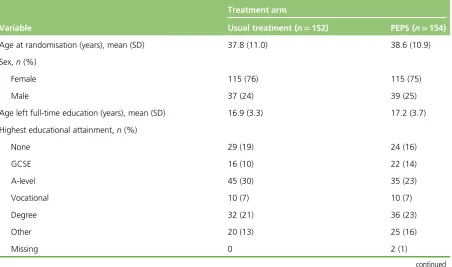
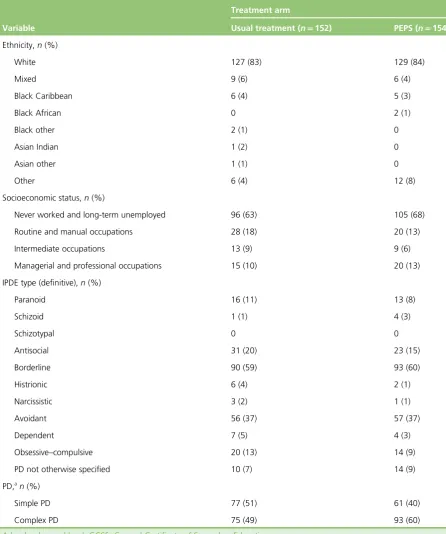
TABLE 5 Summary of participant characteristics at baseline by trial arm 27
TABLE 6 Summary of participant characteristics at baseline by trial arm and trial
completion status 29
TABLE 7 Summary of participation duration by trial arm and trial completion status 30
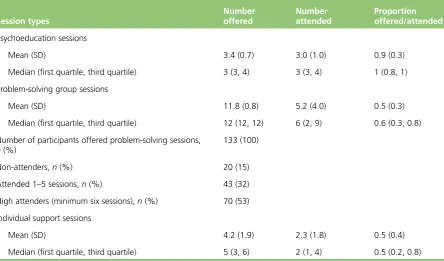
TABLE 8 Uptake of PEPS therapy 31
TABLE 9 Intracluster correlation coefficients for outcomes at 72 weeks in PEPS
arm according to therapy group 31
TABLE 10 Primary analysis: SFQ score (points) at 72 weeks’follow-up 32
TABLE 11 Sensitivity analysis of primary outcome 32
TABLE 12 Summary of primary outcome by unblinding status at final follow-up
at 72 weeks 33
TABLE 13 Subgroup analysis of SFQ score (points) at 72 weeks by site and
PD category 33
TABLE 14 Hospital Anxiety and Depression Scale 34
TABLE 15 Three main problems 34
TABLE 16 Three main problems rating change 35
TABLE 17 Social Problem-Solving Inventory–Revised: short version 36
TABLE 18 Service use 37
TABLE 19 Sensitivity analyses of service use 38
TABLE 20 Adverse event reports summary post randomisation 39
TABLE 23 Mean (SD) health-care service costs (2012/13 £) 46
TABLE 24 Total mean (SD) health-care service costs excluding intervention
(2012/13, £) 47
TABLE 25 Mean (SD) utility scores at baseline assessment, second and final
follow-up 47
TABLE 26 Quality-adjusted life-years (SD) gained between baseline and second
follow-up, and between baseline and final follow-up 47
TABLE 27 Number (%) of patients using criminal justice services and mean (SD)
number of contacts before baseline assessment, second, third and final follow-up 50
TABLE 28 Mean (SD) service costs of criminal justice service (2013, £) 51
TABLE 29 Number (%) of patients taking days off work as a result of health
problems and mean (SD) number of days off work before baseline assessment in
the periods leading up to the second, third and final follow-ups 52
TABLE 30 Mean (SD) cost of lost employment (2012/13, £) 53
TABLE 31 Services mentioned by participants describing usual treatment 76
LIST OF TABLES
List of figures
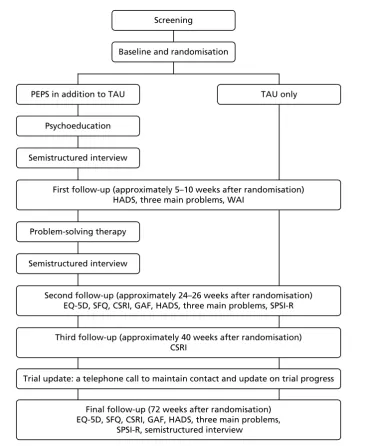
FIGURE 1 Schedule of visits 15
FIGURE 2 The CONSORT diagram 26
FIGURE 3 Cost-effectiveness plane of cost and QALY differences at the second
follow-up 48
FIGURE 4 Cost-effectiveness plane of cost and QALY differences at the final
follow-up 48
FIGURE 5 Cost-effectiveness acceptability curves showing the probability that
PEPS is most cost-effective option 49
FIGURE 6 Synthesis of studies using SFQ as an outcome 87
List of boxes
BOX 1 Themes relating to psychoeducation 56
BOX 2 Themes pertaining to problem-solving therapy 61
List of abbreviations
CACE complier average causal effect
CI confidence interval
CMHT community mental health team
CONSORT Consolidated Standards of
Reporting Trials
CPN community psychiatric nurse
CSRI Client Service Receipt Inventory
DMEC Data Monitoring and Ethics
Committee
DSM Diagnostic and Statistical Manual
of Mental Disorders
EQ-5D European Quality of Life-5
Dimensions
GAF Global Assessment of Functioning
GP general practitioner
HADS Hospital Anxiety and Depression
Scale
IPDE International Personality Disorder
Examination
NCTU Nottingham Clinical Trials Unit
NICE National Institute for Health and
Care Excellence
PD personality disorder
PEPS psychoeducation with
problem-solving
QALY quality-adjusted life-year
RCT randomised controlled trial
SD standard deviation
SFQ Social Functioning Questionnaire
SPSI-R Social Problem-Solving Inventory–
Revised: Short Version
STEPPS Systems Training for Emotional
Predictability and Problem Solving
TMG Trial Management Group
TSC Trial Steering Committee
WAI-SR Working Alliance Inventory–
Plain English summary
A
personality disorder is a pattern of beliefs and behaviour that causes distress and difficulties to boththe affected person and others. We conducted a well-designed evaluation of a treatment called psychoeducation with problem-solving (PEPS) to see if it improved social functioning, which is how well people get on in their day-to-day lives. Psychoeducation involves up to four sessions of an individual talking with a mental health professional about their diagnosis of personality disorder and what it means for them. Participants are then offered 12 group sessions to learn a problem-solving approach to overcome some of their difficulties. We recruited 306 adults and divided them randomly (by chance) to receive PEPS plus usual treatment or usual treatment alone. We planned to recruit 340 people but it was noticed that people receiving PEPS had more adverse events, such as hospital admissions, than those who did not and so we stopped recruiting people early. About 12 months after the end of treatment we found no
differences in social functioning between those who received PEPS and those who did not. There were no
differences on any other measures–cost of services, quality of life, mood or problem severity. There were
Scientific summary
Background
Personality disorder (PD) is one of the most prevalent forms of mental health problem, and is associated with substantial health-care and social costs. Despite this, there is relatively little reliable evidence on the effectiveness of treatments for PD.
Many treatments for PD are intensive and of long duration, which limits the amount of services that can be provided. Testing the clinical effectiveness and cost-effectiveness of shorter interventions is important if more people with PD are to be treated. Additionally, interventions that can be used with any PD have the potential for more efficient service delivery. In treating groups of people with mixed PDs, the treatment target necessarily needs to be a problem common to all. One core feature of all PDs is the experience of problems with social and interpersonal functioning. Social problem-solving therapy is one viable and empirically supported approach. Meta-analyses of problem-solving therapy outcome studies document its effectiveness for people with a wide range of mental health problems.
A combined psychoeducational intervention aimed at clarifying the PD diagnosis, identifying associated problems and leading into group problem-solving therapy has been developed. Psychoeducation with problem-solving (PEPS) therapy was evaluated with adults with PD in the community, in an exploratory trial. In this trial, those treated with PEPS therapy showed better social functioning, as measured by the Social Functioning Questionnaire (SFQ), at the end of treatment than those in a wait-list control group. Here, we present the results of a multisite randomised controlled trial of PEPS therapy.
Objectives
The study aimed to determine if PEPS therapy in addition to usual treatment compared with usual treatment alone for people with PD resulted in improved social functioning at follow-up 72 weeks after randomisation.
In addition, we planned to:
l assess the costs and cost-effectiveness of PEPS therapy compared with usual treatment alone
l examine the effects on scheduled and unscheduled use of services
l examine the effect on mood
l evaluate participants’perceived effects of the intervention
l evaluate referrers’perceived effects of the intervention
l examine the process of change by testing the hypotheses:
¢ that psychoeducation improves the therapeutic relationship
¢ that social problem-solving therapy improves social problem-solving abilities
l conduct a qualitative investigation of the receipt of PEPS in practice to identify the views of
Methods
Setting
Community mental health services in three NHS trusts in England and Wales.
Participants
Eligible participants were aged≥18 years, living in the community and proficient in spoken English and
had capacity to provide informed consent. At the point of randomisation, participants were required to have one or more probable PDs identified through the International Personality Disorder Examination completed at screening. Exclusion criteria were a primary diagnosis of major functional psychosis, insufficient degree of literacy, comprehension or attention to be able to engage in trial therapy and assessments, engagement in a specific programme of psychological treatment for PD or likely to start such treatment during the trial period, and participation in any other trial.
Interventions
This was a two-arm trial comparing PEPS therapy in addition to usual treatment with usual treatment only. PEPS therapy is a combination of individual psychoeducation followed by group problem-solving therapy. Psychoeducation consists of up to four sessions of information and dialogue about PDs, as experienced by the individual and as assessed by the clinician. The aims are to build rapport, improve knowledge and motivate participants for problem-solving therapy. Problem-solving therapy is a 12-session group intervention designed to help people learn a strategy for solving interpersonal problems. Usual treatment was not specified.
Training
The PEPS intervention was specified in treatment manuals, containing information about the theory underpinning the treatment, the content of sessions, and the duration and frequency of sessions. Therapists were qualified mental health nurses or psychology graduates with clinical experience. Therapists were centrally trained by experienced clinicians, and regular supervision was provided.
Audiotapes of treatment delivery were scrutinised by the trainers to ensure that each therapist was adhering to the treatment specification. Competence checklists were constructed for this assessment. Cut-off scores for competence were agreed in advance and therapists were assessed for competence in delivering the treatment. None of the therapists failed to meet the competence criteria on any of the measures.
Randomisation
Randomisation was based on a computer-generated pseudo-random code using random permuted blocks of randomly varying size, created by the Nottingham Clinical Trials Unit in accordance with their standard operating procedure and held on a secure server. Allocation was stratified by recruiting centre and sex.
Blinding
Participants, mental health workers delivering the interventions and participants’usual-care teams
were aware of the treatment allocation. Most of the outcome data were obtained from self-report questionnaires from patients who were not blind to treatment allocation. However, outcome measures were administered by research assistants blinded to treatment allocation, and data entry and analyses were conducted blind to allocation.
Outcomes
l The primary outcome of social functioning was measured by the SFQ, an eight-item self-report
questionnaire with scores ranging from 0 to 24. A lower score is more desirable.
l Costs and cost-effectiveness were based on the Client Service Receipt Inventory and the European
Quality of Life-5 Dimensions (EQ-5D) questionnaire, a health status measure used to generate quality-adjusted life-years (QALYs).
SCIENTIFIC SUMMARY
l Scheduled and unscheduled use of services was based on information in general practitioner records, with emergency department visits and attendances at crisis resolution teams designated unscheduled.
l Mood was measured by the Hospital Anxiety and Depression Scale (HADS), a 14-item self-report
questionnaire with scores ranging from 0 to 42. Higher scores are less desirable.
l Referrers’perceived effects of the intervention were assessed using the Global Assessment of
Functioning (GAF), a rating scale used to rate the social, occupational and psychological functioning of adults from low (score 1) to superior (score 100).
l Participants were asked to specify three main problems they wished to change and rate these on
severity on a scale from not at all distressing (0) to very distressing (10).
l Therapeutic relationship was assessed using the Working Alliance Inventory–Short Revised (WAI-SR), a
12-item scale rated by both client and therapist to assess agreement on the tasks and goals of therapy, and the bond between client and therapist, with a range of scores between 12 (poor) and 48 (good).
l Social problem-solving abilities were measured by the Social Problem-Solving Inventory–Revised: Short
Version (SPSI-R), a 25-item self-report questionnaire that measures problem-solving orientations and styles. A total social problem-solving score ranges from 0 to 25, with a higher score being more desirable.
Sample size
Allowing for 30% attrition, we estimated that 340 participants would be needed to detect a 2-point difference (standardised effect size of 0.44) on the SFQ with 80% power and 1% two-sided alpha.
Analysis plan
Clinical effectiveness
The primary between-group comparison for the primary outcome was implemented using a multivariable linear regression model following the intention-to-treat principle with multiple imputation of the missing data. The analysis was adjusted by outcome at baseline and stratification variables and allowed for potential clustering by problem-solving group in the PEPS arm. Sensitivity analyses were conducted as follows: (1) intention to treat without imputation of missing data; (2) further adjustment of baseline variables with marked imbalance between arms; and (3) estimating the impact of adherence to intervention on treatment effect.
Analysis of secondary outcomes, health-service use and adverse events was conducted using a similar approach as for the primary outcome, dependent on the outcome type and without imputation of missing data. The exception to this was the SPSI-R total score, which was analysed using repeated measures by including both SPSI-R score at 24 and 72 weeks.
Cost-effectiveness
Results
A difference in the number of reported adverse events caused concern about the safety of PEPS therapy and led to an early cessation of recruitment after 306 people had been randomised: 154 in the PEPS arm and 152 in the usual-treatment arm.
Follow-up at 72 weeks after randomisation was completed for 62% and 73% in the usual-treatment and PEPS arms, respectively. In addition to a greater proportion of completers, duration of follow-up among non-completers was also greater in the PEPS arm, which resulted in a total of 178 and 203 person-years of follow-up in the usual-treatment and PEPS arms, respectively.
Median attendance at the individual psychoeducation sessions was approximately 90% and for
problem-solving group sessions was around 50%. Regarding group sessions, 47% (n=63) received a
partial intervention (i.e.≤5 group sessions) and 53% (n=70) received the intervention as per protocol
(i.e.≥6 group sessions). Complier average causal effect (CACE) analysis suggests that compliance increases
the effect, but none of the sensitivity analyses supports different conclusions from the primary analysis.
Psychoeducation with problem-solving therapy plus usual treatment was no more effective than usual
treatment alone on the primary outcome [adjusted difference in means for SFQ–0.73 points, 95%
confidence interval (CI)–1.83 to 0.38 points;p=0.19]. No difference was found in scheduled service use
(adjusted incidence rate ratio 0.91, 95% CI 0.69 to 1.21;p=0.54), unscheduled service use (adjusted
incidence rate ratio 0.87, 95% CI 0.60 to 1.26;p=0.47), HADS score (adjusted difference in means–1.2,
95% CI–4.2 to 1.8;p=0.44) or on severity ratings of three main problems (adjusted difference in means
–0.3, 95% CI–1.0 to 0.5;p=0.48). Insufficient data precluded analyses of the GAF. There was no
difference in the total SPSI-R score (adjusted difference in means 0.14, 95% CI–0.53 to 0.82;p=0.68) or
on any of the subscales. Insufficient data precluded analyses of the WAI. By the final follow-up, the mean costs for the usual-treatment group were £182 higher than for the PEPS group, but the difference was not significant. Similarly, the PEPS group had higher QALYs (adjusted difference in mean gains from baseline to end point 0.015), but the difference was not significant.
By the end of the trial, both the number of reported adverse events, including serious adverse events, and the number of people experiencing them were greater in the PEPS arm. Statistical analysis that allows for the higher follow-up in the PEPS arm shows a tendency for PEPS participants to experience more adverse events, although the results are inconclusive (adjusted incidence rate ratio 1.24, 95% CI 0.93 to 1.64).
Discussion
We found no evidence to support the use of PEPS therapy alongside standard care for improving the social functioning of adults with PD living in the community. This differs from the pilot study, in which significant improvement was found in the primary outcome of social functioning, measured, as in this trial, by the SFQ. The trial reported here was superior in its design and methods: it was multisite, there was a larger number of participants providing greater precision of estimated between-group differences, the follow-up period was considerably longer and the methods of imputing missing data were more sophisticated. Hence, greater confidence can be placed in these results. More adverse events, mainly incidents of self-harm, occurred in the PEPS arm but the difference was not significant. There may have been bias in recording adverse events because more people in the PEPS arm were followed up and for longer.
SCIENTIFIC SUMMARY
Recently, evidence has been accruing from trials that structured clinical management achieves equally good outcomes as specific treatments for PD. It may be that specialist treatments benefited primarily by minimising harm, possibly through preventing unco-ordinated care. In the PEPS trial, treatment was delivered as a stand-alone therapy rather than being integrated into a co-ordinated package of care. This may have been a serious shortcoming. One possible explanation for the higher number of reported adverse events in the treatment arm is that the treatment stopped without any structured follow-up, thus
leaving participants unsupported after a period of treatment. To have one’s support withdrawn may be
more damaging than to have had little or no support in the first place.
Conclusion
Psychoeducation with problem-solving therapy should not be promoted for people in mental health services who are diagnosed with PD, at least not in the absence of a structured, comprehensive clinical care package. Harm is most likely to be caused by leaving people unsupported after the conclusion of brief interventions rather than by PEPS itself, with some evidence for this being the CACE analysis showing that more uptake of treatment leads to better outcomes. Use of any brief problem-solving interventions in practice should be conducted only with rigorous collection of data on adverse effects, in the context of the need for better awareness and measurement of adverse events in psychotherapy practice as a whole.
Overall, participants in this trial were heavy users of health services, costing approximately £8000 per annum (based on baseline data). This is reflected in low quality of life, with QALYs of approximately 0.57 over the entire follow-up (out of a possible 1.5 QALYs). It is important to continue to seek effective management and treatment for this group of individuals.
Trial registration
The trial is registered as ISRCTN70660936.
Funding
Chapter 1
Introduction
Aims
The study aimed to determine if psychoeducation with problem-solving (PEPS) therapy in addition to usual treatment for people with personality disorder (PD) results in improved social functioning 72 weeks after randomisation (approximately 12 months after the end of treatment), compared with treatment as usual alone.
In addition, we intended to:
l assess the costs and cost-effectiveness of PEPS therapy in addition to usual treatment compared with
usual treatment alone
l examine the effects on scheduled and unscheduled use of services
l examine the effect on mood, as measured by the Hospital Anxiety and Depression Scale (HADS)
l evaluate referrers’perceived effects of the intervention using the Global Assessment of
Functioning (GAF)
l evaluate participants’perceived effects of the intervention in relation to the severity of the
self-identified three most important problems
l examine the process of change by testing the hypotheses:
¢ that psychoeducation improves the therapeutic relationship
¢ that social problem-solving therapy improves social problem-solving skills
l conduct a qualitative investigation of the receipt of PEPS therapy in practice to identify the views of
service users.
Scientific background
Personality disorder
Personality disorder is one of the most common mental health problems, and it is associated with
substantial health-care costs.1–3Compared with those with no PD, people with PD show higher rates of
premature mortality,4greater engagement in health-compromising behaviours such as substance abuse,1
greater levels of general health problems5and more use of health-care services.6PD is also associated with
financial difficulties and problems maintaining jobs,5marital dissatisfaction and intimate partner violence,7
crime8and poor quality of life.9These matters make a strong case for treating people with PD.
Despite this, there is relatively little reliable evidence on the effectiveness of treatments for PD. Systematic reviews of all psychosocial treatments for PD identified only 27 randomised controlled trials (RCTs)
published up to 200610,11and only a few trials have been published since then.12,13The majority of studies
are underpowered and most related to one specific PD–borderline PD. Chambless and Hollon’s14
criterion for a treatment to be considered effective is that there should be at least two independent, well-conducted RCTs or single-case experiments. Only one therapy meets this criterion; dialectical behaviour therapy is more effective than usual treatment for reducing suicide attempts, service use and
Many treatments for PD are intensive and of long duration, which limits the number of services that can be provided. Hence, the great majority of people who may benefit from psychological treatments do not receive them. Testing the clinical effectiveness and cost-effectiveness of shorter interventions is important if more people with PD are to be treated. Additionally, interventions that can be used with any PD have the potential to alleviate the burden on clinical services that can be created if specific types of PD need to be identified for treatment allocation, and if groups of service users with specific PDs need to be gathered for treatment to commence. In treating groups of people with mixed PDs, the treatment target necessarily needs to be a problem common to all.
One core feature of all PDs is the experience of problems with social and interpersonal functioning.15–17
One relatively brief skills-training approach to improving problem-solving that has been evaluated
specifically with people with borderline PD is the Systems Training for Emotional Predictability and Problem
Solving (STEPPS) programme.18STEPPS is a 20-week group treatment programme for individuals with PD
and others within that person’s system, such as family members, partners, friends and health-care
professionals. STEPPS focuses on psychoeducation, emotion management training and behaviour
management training. One RCT19found that borderline symptoms were significantly more improved in
those in a STEPPS group (n=65) than in those who received treatment as usual (n=59); however, this
difference was no longer apparent at the 1-year follow-up. Improvements in secondary outcomes (including GAF, negative affectivity, depression, impulsiveness) and symptoms were also significantly greater for the
STEPPS group post treatment but not at the 1-year follow-up. In another RCT,20those who completed
STEPPS (n=33) were compared with those who received treatment as usual (n=33), with no significant
group differences in PD or other psychological symptoms at the 6-month follow-up, although the STEPPS group showed a significantly greater improvement in overall quality of life. There are clearly improvements to be made to problem-solving approaches for people with PD in terms of enhancing and sustaining outcomes and, as mentioned, offering a problem-solving approach to people with PDs other than borderline is a more practical prospect. Social problem-solving therapy is one viable and empirically supported alternative.
Social problem-solving therapy
Good social problem-solving is one component of social competence.21,22Social problem-solving is defined as
‘the self-directed cognitive-affective-behavioural process by which an individual attempts to identify or
discover solutions to specific problems encountered in everyday living’23(p.11). There is abundant evidence of
an association between social problem-solving deficits and problems related to PD.24–27People with PD report
less desirable scores on all scales of the Social Problem-Solving Inventory–Revised: Short Version (SPSI-R)28
compared with a sample of mature students,22and people high on borderline traits show poorer social
problem-solving abilities than those with lower borderline traits, particularly when experiencing negative
emotions.29This information suggests that social problem-solving therapy may benefit people with PD.
Problem-solving therapy is suited to people with PD because the focus is on improving social functioning and reducing personal distress, which are considered to be of paramount importance in the treatment of
PD.30The aim in problem-solving therapy is to help people to recognise their strengths and limitations, and
to work with these to learn new skills that will enable them to cope more effectively with life’s problems.
Problem-solving therapy works to decrease the person’s negative problem orientation and develop positive
orientation, without which therapy is unlikely to be effective.31
Engaging people with PD in treatment is a major challenge.32,33The social problem-solving approach
enhances engagement by offering an accessible framework for change, supporting people in the
experience of successful problem-solving and encouraging independence rather than reliance on therapy. Furthermore, the preliminary psychoeducation component of PEPS therapy aims to educate, build
rapport and motivate people for problem-solving therapy.34PDs and their impact are discussed in a
collaborative dialogue and problems that may be worked on in subsequent group sessions are identified. Psychoeducation has shown good effects with people with borderline PD, showing significantly greater declines in general impulsivity and the storminess of close relationships over 12 weeks than in those who
did not receive psychoeducation.35
INTRODUCTION
Meta-analyses of problem-solving therapy outcome studies document its effectiveness for people with a
wide range of mental health problems.31,36,37Detained PD offenders were identified as performing poorly in
all aspects of social problem-solving compared with offenders with no PD and non-offenders.38,39A pilot
study of a psychoeducational intervention aimed at clarifying the offenders’PD diagnosis and identifying
associated problems led to an increase in patients’knowledge about PD and improved the therapeutic
alliance.34A brief problem-solving therapy was evaluated with this client group, finding that social
problem-solving abilities improved post therapy and that this improvement was sustained at a 6-month
follow-up.40A social problem-solving intervention has also been evaluated with women in a secure setting,
with improvements after treatment in risk and health,41and with people at high risk of suicide, showing
reduced suicidal ideation over those receiving treatment as usual.42
Psychoeducation with problem-solving therapy
A combined PEPS therapy was evaluated with community adults with PD in a Phase 2 exploratory trial.43
Overall, this sample had the lowest social problem-solving scores in comparison with mature students,
prisoners and PD offenders.44At the end of treatment, compared with a wait-list control group, those
treated with PEPS therapy showed better social functioning, as measured by the Social Functioning
Questionnaire (SFQ).45Analyses were conducted to examine the hypothesised mechanism of change,
namely that improved social problem-solving leads to improved social functioning.46These analyses
indicated that all aspects of social problem-solving improved over the course of PEPS therapy and, that controlling for baseline level of social functioning, the most important predictor of improvement in social functioning was a reduction in negative problem orientation (i.e. people felt less threatened by problems and more confident in their ability to solve problems). This exploratory study has been identified as
important in four ways.47,48First, the intervention was brief and, hence, is likely to be more acceptable to
patients and services. Second, PEPS therapy was delivered in clinical settings, hence its likely effectiveness in everyday practice was indicated. Third, PEPS therapy was offered to people with any PD or combination of PDs, so it was inclusive rather than exclusive. Finally, non-specialist staff delivered PEPS therapy; hence it
would be possible to deliver it relatively cheaply. In addition, a Delphi study of patients’views of PEPS
therapy indicated that it was perceived as acceptable and useful.49
Overall, PEPS therapy has the potential to contribute to the Department of Health’s agenda that PD should
no longer be a diagnosis that excludes people from services.50It is an intervention in which staff can easily
be trained and, thus, has the potential to make a significant contribution to building workforce capacity.51
Chapter 2
Methods
Design
The PEPS trial was a two-arm, parallel-group, pragmatic randomised controlled superiority trial comparing PEPS therapy plus treatment as usual with treatment as usual alone. Participants were individually
randomised at a ratio of 1 : 1, and stratified by sex and centre.
An economic analysis was conducted alongside the trial to determine the costs and cost-effectiveness of
PEPS therapy compared with treatment as usual (seeChapter 5). In addition, a qualitative component
sought to explore participants’experiences of PEPS therapy and treatment as usual (seeChapter 6).
Study setting and participants
Study participants were recruited from three NHS trusts providing mental health services in central and north-west London, South Wales and the North-East of England.
We recruited participants from mental health services including community mental health teams (CMHTs), crisis resolution teams, primary care liaison teams, psychology services and on discharge from inpatient care.
Eligibility criteria
At the point of randomisation participants were required to have one or more PD, including a PD not otherwise specified, identified through the International Personality Disorder Examination (IPDE) completed as part of the study-specific procedures at the screening visit. In addition, eligible participants were aged
≥18 years, living in the community (including residential or supported care settings) and proficient in
spoken English and had capacity to provide informed consent.
Exclusion criteria were a primary diagnosis of major functional psychosis, insufficient degree of literacy, comprehension or attention to be able to engage in trial therapy and assessments, engagement in a specific programme of psychological treatment for PD or likely to start such treatment during the trial period and participation in any other trial.
Identification of participants
Participants were identified by their mental health team. The initial approach about the study was made by
a member of the potential participant’s mental health team, who sought verbal agreement from the
potential participant to meet with the research team to discuss the study. Referral to the research team was made according to local procedures at each site.
All potential participants referred to the research team were recorded on the Participant Screening and Enrolment Log, whether or not they were enrolled in the trial.
Recruitment
All participants joining the study provided written, informed consent. Participants were free to withdraw from the study at any time without giving a reason. If participants declined to complete follow-up
assessments when originally approached, the researcher sought verbal consent to contact them again at a later stage to see if they were willing to complete the assessments.
Recruitment strategy
The identification and recruitment of participants was actively managed at each site to reduce potential delays and group waiting times. Problem-solving group start dates were determined in advance, allowing a time-limited baseline and randomisation period to be specified, based on recommended minimum and maximum waiting times before commencement of treatment and between the individual and group components of PEPS therapy. The specifications were that psychoeducation should be completed a maximum of 4 weeks before the problem-solving group started. The maximum wait between randomisation and the group starting should be 10 weeks and the minimum should be 5 weeks. This enabled completion of the individual treatment sessions and first follow-up prior to the start of the problem-solving group.
Within each recruitment phase there was an approximate 5-week period within which baseline assessments and randomisation were completed for participants in a particular recruitment phase. Randomisation was completed as soon as possible after baseline assessments and in all cases this should have been done within 1 week.
A minimum starting group size of six was recommended. During the randomisation period, local teams aimed to randomise a minimum of 12 participants to ensure an adequate minimum starting group size. It was recommended that starting group sizes should generally be no more than 10 participants. However, local teams could use discretion in determining the appropriate group starting size according to local circumstances, current waiting times and recruitment rates.
Screening
To confirm eligibility for the trial the following screening measures were undertaken before randomisation:
1. The presence of PD was confirmed using the IPDE.52The IPDE is a 99-item, semistructured interview
that allows both diagnostic and dimensional scores to be extracted for each PD according to either Diagnostic and Statistical Manual of Mental Disorders(DSM)53orInternational Classification of Diseases54criteria. DSM criteria were used in this trial. Each item is scored as the behaviour or trait being absent or normal (score 0), exaggerated or accentuated (score 1), or at the criterion level or pathological (score 2). Diagnostic scores were calculated in accordance with the scoring manual.
A minimum of one‘probable’score on any diagnostic category including PD not otherwise specified
was required to be eligible for the trial.
2. Adequate literacy was required to engage in trial therapies and assessments. In the majority of cases
this was assessed by the investigator or authorised designee in conjunction with the participant’s
usual-care team. Adequate literacy was determined in discussion with the participant and their clinical
team, based on the ability to participate in the trial therapy and assessments. The Basic Skills Agency’s,
Fast Track 20 Questions55was available as an additional screening measure to aid assessment of
literacy if required, but was not used. Study recommendations were that a score of≥3 on the literacy
component of theFast Track 20 Questionsindicated that additional consideration may be required,
but did not prohibit further involvement in the trial. The final decision about inclusion or exclusion was made by the therapist in consultation with the referrer, the client and, if necessary, the site coinvestigator or site clinical supervisor.
METHODS
Interventions
This was a two-arm trial comparing PEPS therapy in addition to treatment as usual with treatment as usual only.
Psychoeducation with problem-solving therapy
Psychoeducation with problem-solving therapy is a complex cognitive–behavioural intervention that
integrates individual and group therapies. There are two distinct components–individual psychoeducation
and group problem-solving therapy–with optional individual support sessions.
Psychoeducation
Psychoeducation consists of up to four sessions delivered by a mental health worker trained to administer the procedure. The number of sessions depends on the duration of sessions and the speed at which the participant can comfortably work through the session content. Although the guidance is to work in 1-hour sessions, some participants prefer to have longer and less frequent sessions to maintain the flow of the content.
The sessions are conducted as a one-to-one collaborative dialogue and are designed to fulfil both general and specific functions. In general, the aims are to build rapport with participants and enhance their motivation for the subsequent problem-solving therapy. This is done specifically by asking participants their views on how their personality leads to problems in interpersonal relationships and social functioning, introducing them to and discussing their PD diagnoses, and explaining how therapy can help people ameliorate their problems.
Interviewers follow a set procedure described in a facilitator’s manual (seeAppendix 1). Participants are
first asked about their understanding of personality and any personality-related problems that they experience in a brief interview consisting of six questions:
1. What does the word‘personality’mean to you?
2. Do you think your personality causes you problems? In what way?
3. Do you think your personality causes problems for other people? In what way? 4. Would you like to change the way you handle problems?
5. Some people are diagnosed as having a PD. Do you know what a PD is? 6. Have you ever been told you might have a PD?
Information on personality and PD is then provided, following an information sheet explaining the concept of personality in terms of it being the way people typically think, feel and behave, and PD being personality styles that persistently cause difficulties and distress. The suggestion that problem-solving therapy can help ameliorate problems is then introduced. Participants are asked to complete a checklist of what problems they experience in relation to their PD. The interviewer completes a checklist that takes the individual
through their PD diagnoses, as identified prerandomisation using the IPDE,52which is a structured clinical
assessment. The interviewer and the participant discuss information about the individual’s personality
problems from both perspectives. Participants are then guided to identify specific problems that they want to change, and prioritise those to be addressed in the subsequent problem-solving therapy sessions. The interviewer summarises the progress made in psychoeducation and logs the problems to be addressed in problem-solving therapy on a summary pro forma. This summary is used to convey the information to the problem-solving therapy facilitators. The content of psychoeducation is also summarised in a
Problem-solving therapy
Problem-solving therapy is a 12-session manualised (seeAppendix 3) group intervention designed to teach
people a strategy for solving interpersonal problems. Problem-solving therapy is delivered by two mental health professionals trained to administer the therapy. The recommended starting group size was between 6 and 10 participants, but local sites were advised to use discretion so that when trial recruitment was slow, groups could start without undue delay; actual group sizes were between 5 and 12 participants. Sessions lasted approximately 2 hours, divided into 75 minutes of problem-solving work, a 15-minute break and 30 minutes of problem-solving work.
In each session, one participant worked through an actual problem that was identified in collaboration with one of the group facilitators prior to the group session. The problem selected could be an emotional or interpersonal problem, rather than a practical problem, and would be one that was current and important but not excessively distressing or unsuited to sharing in a time-limited group. Participants were then guided
to learn the steps of the problem-solving process, based on the work of D’Zurilla and Nezu:56,57
(a) orientation–identifying negative feelings and using these as a cue for initiating the
problem-solving process
(b) problem definition–defining their problem clearly and accurately, breaking down large problems into
smaller, more manageable ones
(c) goal-setting–setting specific goals for change
(d) generating alternatives–generating solution options
(e) decision-making–considering the consequences of each option to themself and others in both the
short and the long term
(f) action-planning–selecting potentially effective options and organising these into a means-end
action plan.
Participants were then expected to implement the action plan and were offered optional fortnightly individual support sessions throughout the 12-week problem-solving group therapy to help with implementation. Progress with the action plan was reviewed in the next group session.
The problem-solving process is translated into colloquial questions, which are shown inTable 1, along with
[image:38.595.76.535.515.765.2]the formal stages of the process and the skills learned in each stage.
TABLE 1 The problem-solving process
Question Stage Skills
Feeling bad? Orientation Recognition and understanding of feelings countering impulsivity
What’s my problem? Problem definition Information gathering
Assessing the quality and relevance of information
Breaking down large problems
What do I want? Goal-setting Identification of needs
Setting targets
What are my options? Alternatives Creative thinking
What’s my plan? Decision-making Challenging dysfunctional beliefs
Challenging antisocial attitudes
Anticipation of outcomes
Forward planning
How did I do? Evaluation Recognise and reward success
Recognise and address obstacles METHODS
Throughout this process, attention was paid to improving optimism and hope for change, which is
identified as of equal importance to problem-solving skills. This was done by helping participants experience success in problem-solving through guiding them through the problem-solving process, giving them support in their efforts to solve problems, identifying their strengths and highlighting problem-solving successes.
The process of problem-solving through addressing the key questions was recorded on a flip chart as the session progressed. The flip chart could be written by a group member or one of the facilitators, depending on the abilities of group members. This material was then transcribed to A4 sheets, which
were given to the participant for his or her records, and a copy retained for the facilitators’records.
Individual support sessions of 1-hour duration were offered fortnightly to help the individual carry out problem-solving action plans. Additionally, participants were encouraged to work through problems independently outside sessions in order to generalise the new skills. A worksheet was provided to assist with independent working.
Problem-solving therapy was provided in mixed- or single-sex groups, depending on the stage of the trial
(described inChanges to the intervention during the trial), the number and suitability of referrals received,
and participant preference. Participants allocated to PEPS therapy were expected to attend every session, and regular attendance was encouraged in accordance with normal clinical practice. A record of
attendance at sessions was maintained for all participants. Participants were not withdrawn from trial therapy for reasons of poor attendance. Owing to variable group attendance rates, a prespecified minimum attendance at group treatments was defined for participants to be considered to have received
therapy per protocol. The agreed hypothesis was that attending≥6 of the maximum 12 group sessions
of problem-solving therapy would be associated with improved outcomes on the SFQ.
Changes to the intervention during the trial
Within the trial, problem-solving groups were originally intended to be single sex. This was to ensure consistency with the pilot study and in response to preferences expressed by service user representatives advising on the design of the study during protocol development. However, the requirement for single-sex groups was found to cause delays while awaiting the accrual of sufficient participants to form a group. This was a particular issue for male participants because fewer men were referred to the study.
After consulting with the Trial Steering Committee (TSC), the study team took the decision to allow problem-solving therapy to be offered in mixed-sex groups. The reasons for this were:
1. Mixed-sex groups are routine practice in community-based clinical services already offering PEPS therapy.
2. Mixed-sex groups may help to reduce waiting times and delays between recruitment and randomisation.
3. Mixed-sex groups can provide clinical benefits (e.g. helping participants to address issues with relating to people of the opposite sex).
An amendment was submitted to the Research Ethics Committee to introduce this change in August 2011, approximately halfway through the recruitment period. Following implementation of this amendment, allocation to mixed- or single-sex groups was made in accordance with usual clinical practice, incorporating participant preference where possible.
Treatment as usual
Usual treatment was provided by participants’usual-care teams in accordance with normal clinical practice.
The original protocol included a standardised form of treatment as usual as the control. Shortly after the start of the recruitment period, it became apparent that there was substantial variability in the level and type of care provided to people with PD at each of the participating sites. Many potential participants were being assessed by mental health services and discharged without treatment. To exclude these people would seriously compromise recruitment to the trial. For this reason, the study team could not impose a standardised form of treatment as usual on the referring clinical services. The study team felt that this issue was likely to become more pressing as NHS cuts at the time caused CMHTs to reduce services. As a result, it was agreed that the trial should compare PEPS therapy with treatment as usual in whatever form that took, and the planned requirement for a standardised form of treatment as usual was removed from the protocol in August 2010. The standardised form of treatment as usual, outlined in the original protocol, was recommended as a minimum standard of care but this was not imposed on clinical services referring participants to the trial.
Treatment fidelity
Manualised assessment and treatments
The IPDE schedule, psychoeducation and problem-solving therapy are all comprehensively manualised.
Training and supervision
Therapists were qualified mental health nurses or psychology graduates with clinical experience. All IPDE assessors attended training in administering and scoring the structured interview from a qualified and highly experienced clinician and researcher. Each lead clinician who delivered psychoeducation and problem-solving therapy was trained to conduct the intervention. Problem-solving therapy groups were facilitated by two facilitators. Most cofacilitators also attended training in delivery of the intervention; however, on the rare occasions that this was not possible, groups could be cofacilitated by a facilitator who had not completed the training, provided that they were fully briefed by the lead therapist and were aware of the limitations of their involvement. A minimum of one fully trained and assessed facilitator was present at every group session.
Psychoeducation training was delivered after IPDE training and consisted of informing therapists of the rationale for psychoeducation, explaining the delivery mode of an educational dialogue and familiarising therapists with the materials and their sequence of delivery. Problem-solving therapy training consisted of 3 days in which groups of participants were given the theory, outcome evidence and role-play practice.
In each case (IPDE, psychoeducation and problem-solving), training followed an existing training protocol. Training was conducted centrally by experienced clinicians and researchers. After training, regular
supervision was provided, both centrally and locally.
Competence checks
Audiotapes of treatment delivery were scrutinised by the trainers to ensure that each therapist was adhering to the treatment specification. Competence checklists were constructed for this assessment (seeAppendices 4–6). These specified the key activities for conducting the IPDE and delivering
psychoeducation and problem-solving sessions according to the intended treatment model. Cut-off scores for competence were agreed in advance and therapists were assessed for competence in delivering the treatment. None of the therapists failed to meet the competence criteria on any of the measures. Having assessed the therapists as competent to deliver the treatment according to the model and the protocol, no further checks were made. This was considered to reflect actual clinical practice in which staff are trained in a procedure and, if they meet the standards set by the trainers, they commence practice and the quality of their continued practice is monitored through supervision.
METHODS