Evaluation of current practice and associated challenges
towards integrated design
Abdelaziz H. Fadoul
aand Walid Tizani
Centre for Structural Engineering and Informatics (CSEI), University of Nottingham, Faculty of Engineering, Coates Building, NG7 2RD, Nottingham, United Kingdom.
(Received keep as blank , Revised keep as blank , Accepted keep as blank )
Abstract. The AEC industry is highly interested in effective ICT adoption and deployment, including its utilization within the design process. However, its capabilities have not yet been fully exploited and it is an obvious area for further research. Architects and engineers tend to have some technological support to monitor and evaluate the possible impacts of decisions made throughout the design process. Many aspects are left out of consideration and the entire project is broken up into independent fragments or domains that are combined together at a later, post hoc stage. Impact of separate decisions on each others have to be interpreted on a person-to-person basis between the involved design stakeholders.
This paper attempts to evaluate current design practice and associated challenges towards design integration with advanced technologies, such as BIM, by conducting an online survey targeted at designers and engineers, who are most affected by its emerging issues. The outcomes of this study are presented and analysed, concluding that the current design process fails to meet expectations and needs improvements. It goes further to propose the requirements for an integrated system as a means for an effective solution for the identified problem.
Keywords: Integrated design, evaluation, current practice, integrated platform, online survey, designers.
1. Introduction
The design phase is a critical part of any project in the architectural, engineering, and construction (AEC) industry. While the design process represents only 5% of the capital costs of a typical construction project, however, its success affects the build cost and the quality of the remaining 95% of the project (Egan and Williams, 1998, Latham, 1994). Due to the complexity of the design process of buildings, the current practice is often to break it into a sequence of fragmented processes. However, this approach of adding separate solutions rarely leads to an integrated design. For example, developing the basic structural system in terms of geometry and topology from an engineering perspective is often done without taking into consideration crucial aspects of design such as safety, functionality and aesthetics. Decisions on design functionality are often left for later design phases, when details can be changed, but at much greater cost than would have been incurred in earlier stages, and it is often too late to make significant changes (Gerold et al., 2012).
Corresponding author, Associate Professor, E-mail: [email protected]
a Ph.D. Student, E-mail: [email protected]
Fadoul, A H and Tizani W, (2017), Evaluation of current practice and associated challenges towards integrated design, Advances in Computational Design, Vol. 2, No. 2 (2017) 89-105
Integrated design is an approach for incorporating all important aspects of buildings design such as cost, sustainability, constructability and safety which are usually considered separately (Moe, 2008). It can be remarked as a system that enhances and supports designers in making key decisions. While the described system is not delivering an automated solution, however, it empowers designers to make their decisions based on instant feedback concerning changes to the considered design, enabling stakeholders in the project team to consider and explore more design alternatives (Gerold et al., 2012).
Virtual reality technologies can contribute significantly to bridging the gap between the demand for a buildable design and current design practice in assessing buildings constructability by providing an integrated and intuitive design environment for designers and engineers. In such an environment considerations are given to the visual aspect or interface to the buildings design through 3D visualisation tools, however emphasis should be placed upon simulating the buildings behaviour through the relevant supporting processes and underlying data structures to fully realized its great capabilities (Tizani et al., 2005).
We must accept that the time has come to make a paradigm shift from traditional ways of design, which necessarily deserve huge efforts from designers (as well as the associated engineers), to information modelling (IM) involving building a virtual prototype, using state of the art building information modelling (BIM) tools that aid in the actual visualization of the virtual prototype, and enable them to access their desired design in a convenient way (Gupta, 2015). As the potential benefits to be gained by designing in an integrated design environment are well recognised, considerable attention has been paid to change towards developing such environment. Therefore, this paper aims to investigate the possibility of developing an integrated system that can assist designers in assessing their design feasibility in an integrated way that takes into consideration multiple design aspects.
2. Importance of Design Phase and Early Assessment
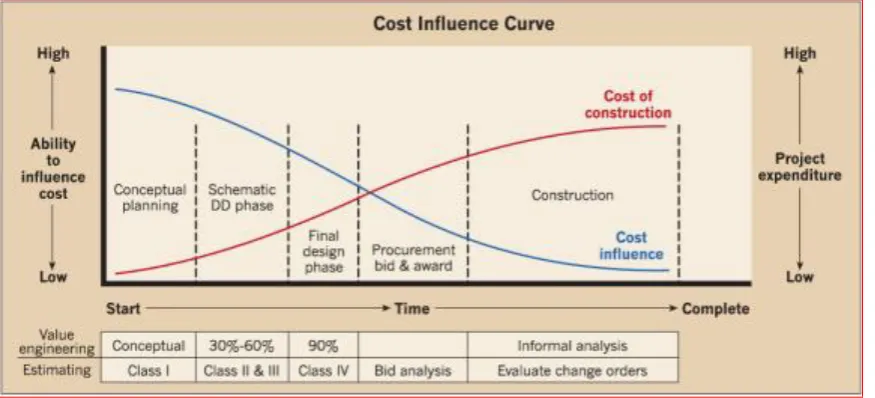
The criticality of the design phase in the building industry comes from the vital role it plays for the whole life cycle of the project, as all key decisions are made within this stage, determining project parameters. While the design process only represents 5% of the capital costs of a typical construction project, however, its success affects the build cost and the quality of the remaining 95% of the project (Latham, 1994).
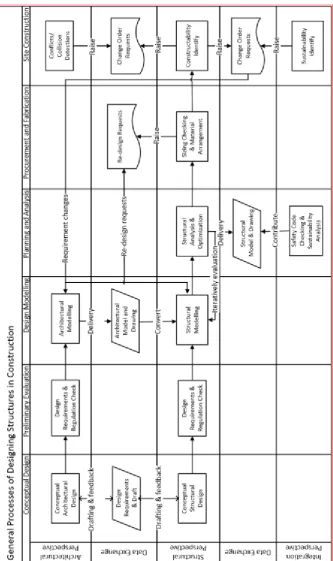
Fig. 1 Design process stages (S. Parikh, 2010)
3. Demand for Integrated Design
The need for an integrative design is a necessity due to the complexity of buildings designs and the interdisciplinary nature of their execution (e.g. architectural design, structural design, services engineering and site construction etc.). This complexity has led the design task to be broken into several specialist aspects in order to manage the design process, although the building is designed as a single system. Each of these aspects has requirements that impose both local and global constraints on the building design, and the successful design process should accommodate this multi-disciplinary nature of the problem that minimise cross-discipline conflicts without compromising overall project requirements (Tizani et al., 2006).
Obviously this practice can be improved by attempting to integrate the design processes of as many aspects as possible so as to allow for the concurrent consideration of their design limitations (Gerold et al., 2012). Such improvements could be realized by utilizing various information technologies. However, despite great awareness of the benefits of integrated building design, and the availability of advanced computing tools, very little of this theoretical impetus has percolated into practice in the construction industry (Tizani et al., 2005).
4. Integrated Design Approaches
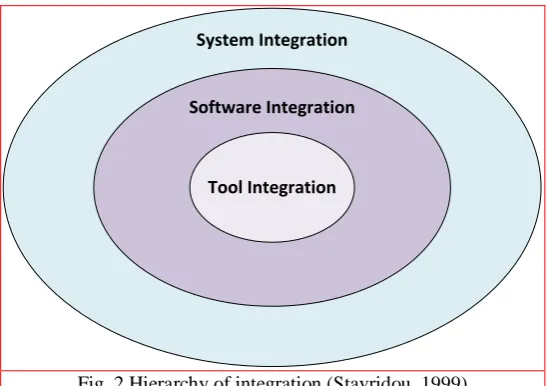
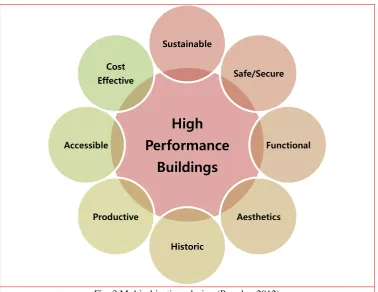
The National Institute of Building Sciences (USA) introduced the Whole Building Design Guide (WBDG) term to cover the whole design process while taking into consideration the building life cycle. This integrates the multi-objectives design of project teams to accomplish high performance buildings (Prowler, 2012). The evolution towards holistic views of construction include the design process as a key success factor for projects. A new project delivery method proposed by the American Institute of Architects (AIA, 2013), attempts to use integrated project delivery (IPD) to tackle the challenges of waste, inefficiency and adversarial relations in the AEC industry, and to enhance the possibility of project success (Autodesk White Paper, 2008). This allows the designer to take the advantage of the early involvement of construction experts during the design phase, which demands more effort during early design phases, but has an obvious impacts on the project quality and economic performance (Ghassemi and Becerik-Gerber, 2011).
Tool Integration Software Integration
[image:4.595.161.436.291.484.2]System Integration
Fig. 2 Hierarchy of integration (Stavridou, 1999)
Similarly, other approaches such as Integrated Design and Delivery Solutions (IDDS) developed by the International Council for Research and Innovation in Building and Construction (CIB) seek radical and continuous improvement for IPD, together with BIM and automation technologies for a more productive environment (Prins and Owen, 2010).
5. Whole Building Design
when multi-objectives design approach is applied.
Fig. 3 Multi-objectives design (Prowler, 2012)
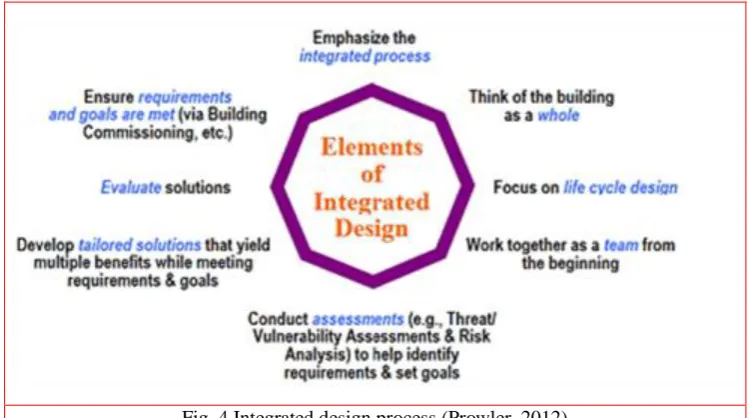
In practice this requires an integrated design process whereby all design team and affected stakeholders work together to achieve the targeted design. This collaborative platform includes all stakeholders who take part in the planning, design, use, construction, operation, and maintenance of the facility throughout all phases of the project as shown in Fig. 4. It describes the harmonization of a project team, this includes the adherence of stakeholders to the principles of clear communication and active collaboration among all team members throughout all stages of the project to maximize the chances of success of achieving the best outcome (Prowler, 2012).
High
Performance
Buildings
Sustainable
Safe/Secure
Functional
Aesthetics
Historic Productive
Fig. 4 Integrated design process (Prowler, 2012)
6. Current Design Practice
7. Evaluation for Current Design Practice and Associated Challenges
This section describes the evaluation methodology employed to evaluate current building design process and identifying the grand challenges associated with this process. The goals, procedure, results and accompanying discussions of the evaluation are presented.
7.1 Evaluation Goals and Methodology
The evaluation methodology is used as part of the methods in this research to achieve the research objectives. It is intended that feedback from the evaluation process will provide information on effectiveness, applicability, and ease of current design practice. With this in mind, the ultimate goals of this evaluation are as follows:
➢ To assess the current design practice and associated challenges with this process.
➢ To identify the drivers and barriers of achieving an integrated design.
➢ To ascertain the gaps, challenges and benefits for the full utilization of current advanced technologies in the design process.
The evaluation adopted online questionnaire survey as a key tool in this methodology, due to its suitability for targeting designers and engineers in terms of easily reaching them globally (online). Also, this way is convenient and quicker for participants than alternative methods, with relatively higher response rates (e.g. compared to postal survey), and it is easier to implement follow-up if necessary. Moreover, online survey is more convenient for handling survey data due to speed of evaluation and analysis, yielding accurate results with reduced survey bias.
7.2 The Evaluation Process
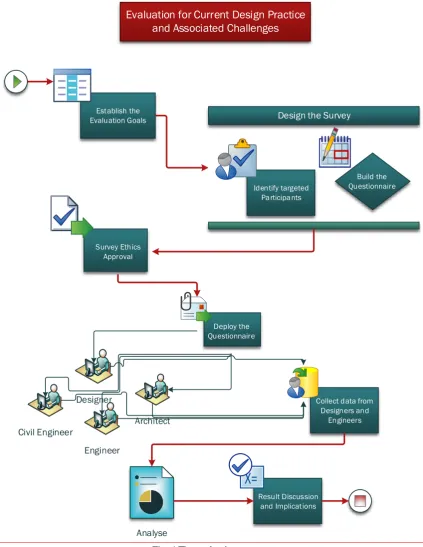
Fig. 6 presents the followed methodology in conducting this evaluation. The process begins by establishing the main goals of the evaluation based on exploration of the current practice and the state of art for the design process. A questionnaire was then designed targeting academics and industry practitioners who are mainly affected and most aware of the emerging challenges in this
area (a copy of the questionnaire can be found here:
Design the Survey Evaluation for Current Design Practice
and Associated Challenges
Establish the Evaluation Goals
Civil Engineer
Engineer
Architect
Designer Collect data from
Designers and Engineers
Build the Questionnaire Identify targeted
Participants
Deploy the Questionnaire Survey Ethics
Approval
Analyse
X=
[image:9.595.86.510.143.691.2]Result Discussion and Implications
7.3 Evaluation Results and Discussions
Below section presents the obtained results for different questions and their analysis accordingly:
[image:10.595.96.505.217.482.2]Q1. Your role:
Fig. 7 Participants’ roles
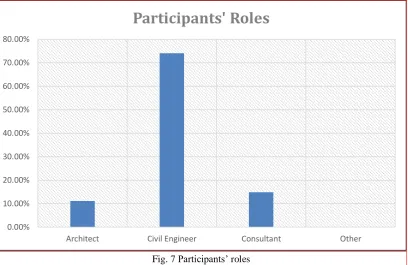
Fig. 7 shows the demographics of survey respondents; this to ensure that the evaluation covered different design roles with different perspectives. It can be clearly seen that civil engineers are the dominant group (74%), while consultants and architects were present in lower proportions (15% and 11% respectively). The figure shows that no other participants are recorded outside of these groups, which gives a good indication that the respondents are the most affected people within the current design process.
Q2. Work experience in years:
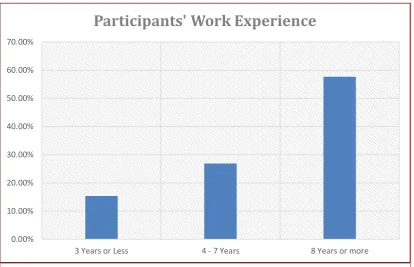
This question aims to ensure representive variations in terms of length of experience. This included young engineering with less than three years experience since they tend to be more familiar with current technologies. When asked about their design experience, more than one-half of the respondents (58%) stated they have 8 years’ experience or more, 27% have 4-7 years of experience, and only 15% have less than three years of experience, as shown in Fig. 8 This is another indication that obtained feedbacks are from most experienced designers and engineers who managed to formulate good knowledge about the area. Also, by linking this figure to the previous one, it can be observed that the number of consultants is limited, although most respondents have valuable experience, which indicated the complexity of the process.
0.00% 10.00% 20.00% 30.00% 40.00% 50.00% 60.00% 70.00% 80.00%
Architect Civil Engineer Consultant Other
Fig. 8 Participants’ work experience
Q3. How important is it to assess design performance against the following objectives:
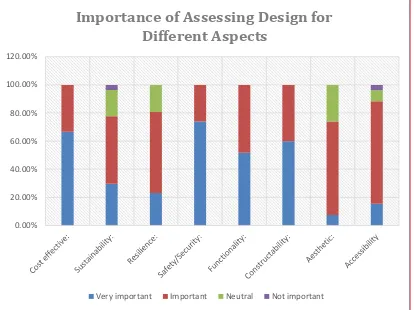
The objective of this question was to assess the participant’s perceptions and awareness of the importance of the design assessment and their appreciation for assessing different design aspects based on quantifiable measures. As Fig. 9 illustrates, most obtained feedback ranged from very important to important with slight neutral responses for some design aspects. Safety and Security aspects of buildings design received the most attention from design stakeholders, being considered very important by 74% and important by 26%. Similarly, the cost aspect was rated as very important and important by 67% and 33% respectively. Also, assessing the design constructability and functionality were considered important by more than half of respondents (60% and 52%) and very important with slight differences (40% and 48%, respectively). Feedbacks for accessibility and aesthetics design aspects were focused on the importance of assessing these aspects (more than 65%), with few responses for other levels of assessment importance. Interestingly, resilience and sustainability aspects did not receive the expected attention, with their importance ranked from very important to neutral, with some not important responses for sustainability aspects, which indicates that many designers do not seriously consider such aspects in their designs.
0.00% 10.00% 20.00% 30.00% 40.00% 50.00% 60.00% 70.00%
3 Years or Less 4 - 7 Years 8 Years or more
Fig. 9 Importance of assessing design for different aspects
Q4. At what stage do you assess your design for the following aspects:
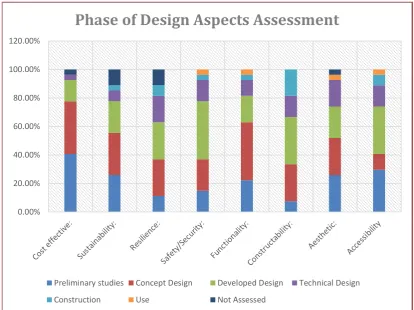
As the previous question aimed to assess the existence of design assessments for different considered design aspects, the phase was considered for the following question to identify at what stage these assessment processes are performed in the current design practice, which has obvious impacts on the integrity of the final achieved design. From Fig. 10, it can clearly be seen that different design aspects are assessed across the design stages, including the use phase, however a concentration in the preliminary studies and conceptual design phases is noticed for the majority of design aspects, especially for cost and sustainability aspects for those who consider them in their design.
0.00% 20.00% 40.00% 60.00% 80.00% 100.00% 120.00%
Importance of Assessing Design for
Different Aspects
Fig. 10 Phase of design aspects assessment
Q5. How easy is it to assess the following aspects in your design:
In Fig. 11 the objective was to assess the ease of assessing multiple design aspects in current design practice. The respondents were clear that they struggle in assessing the design sustainability, with 8% saying it is very difficult and 41% difficult, representing the highest response for this level of difficulty. Although most respondents indicated the ease of conducting the assessment process for many aspects such as aesthetics, safety/security, functionality, cost and constructability, however some of these aspects received vague responses, indicating they are difficult to be assessed at the same time, such as design constructability. Neutral responses are allowed across all design aspects. This is to provide an answer for those already familiar with assessing certain aspects (that is answering neither easy nor difficult). Also, it can be seen that some design aspects have got responses of very easy to assess, such as design aesthetic, which is probably due to the simplification of assessing it and it is not requiring extensive knowledge and expertise.
0.00% 20.00% 40.00% 60.00% 80.00% 100.00% 120.00%
Phase of Design Aspects Assessment
Preliminary studies Concept Design Developed Design Technical Design
Fig. 11 Ease of design aspects assessment
Q6. How do you evaluate your design for different aspects:
When participants were asked about their objectives in the design optimization function, most respondents indicated that they are mainly focusing on the client requirements (62%) and they optimized their design to satisfy such requirements, which may lead to compromise other design aspects. Just a third of respondents (33%) stated that they explored design alternatives in order to pick the desirable one without focusing on some specific design aspects. It is interesting to note that no one picked the option of optimizing design for a single objective function, which might be justified by all participants misunderstanding this option and thinking it has the same meaning as the first (focus on client requirements). While designers may have single objective function for design optimization and they know what design factors play the vital role for improving the design for such an objective, the client may have multiple requirements, which will lead to a real challenge for designers on how to balance between these requirements. Only 4% responded that they have other approaches for design optimization according to Fig. 12.
0.00% 20.00% 40.00% 60.00% 80.00% 100.00% 120.00%
Ease of Design Aspects Assessment
Fig. 12 Design optimization function
Q7. Despite the availability of advanced computing tools, the current practice in optimizing design lags behind expectations:
Fig. 13 Evaluation of current design practice
0.00% 10.00% 20.00% 30.00% 40.00% 50.00% 60.00% 70.00%
Focus on client
requirements Exploring designalternatives Optimize for a singleobjective Other
Design Optimization Function
11.11%
51.85% 14.81%
22.22%
0.00%
Evaluation of Current Design Practice
[image:15.595.80.506.462.716.2]The results concerning the evaluation of current design practice and comparison with expectations given the availability of advanced technologies are shown in Fig. 13. It can be seen that the vast majority of respondents agree with the statement (64%), and 11% strongly agree, while less than a quarter (22%) disagree, and 15% were neutral. These results suggest that the design practitioners who responded to this survey are achieving less than expected in terms of using advanced computing tools within the design process.
[image:16.595.83.516.269.539.2]Q8. Having an interactive model giving immediate feedbacks for design changes will significantly lead to integrative design:
Fig. 14 Interactive design environment for design integration
In terms of the design necessity for an integrated platform that provides an immediate feedback for designers enabling them to easily explore different design alternatives, Fig. 14 shows that the majority of respondents totally agree that optimum design requires an ideal environment with special requirements. 33% strongly agreed with this, while nearly half of them agreed with the statement and a quarter were neutral. Only 3.7% of respondents did not agree with the importance of intuitively of design platform, leaving the possibility of accomplishing integrated design either based on other design factor or having such a goal not being applicable in building design.
33.33%
48.15% 14.81%
3.70%0.00%
Interactive Design Environment for Design
Integration
Q9. Using modelling tools such as BIM will facilitate the process of design:
Fig. 15 Utilization of advanced modelling tools in design process
When participants were asked about utilization of advanced modelling tools in design process, interestingly, their responses were quite similar to the previous question as only 4% were strongly disagree that advanced modelling tools will facilitate the design process and make it more accessible by non-expert designers. While the majority of respondents (85% as Fig. 15 shows) are well aware by potentiality of nowadays technology and their ability in simplifying the design process, there are still some stakeholders don’t believe in such technology and the real challenge is getting the industry to believe in such futuristic visions.
8. Current Limitations and Emerging Challenges
While advancements in IT have facilitated tremendous improvements in the AEC industry, there remain a number of embattled challenges that create a disparity with other industries, such as manufacturing (Golparvar-Fard et al., 2013). Figure 16 identifies the main themes for most of the technical challenges towards an integrated design that need to be resolved and are remaining active areas for researchers. This was based on explored literature and obtained feedback from practitioners throughout the conducted study. The Figure categorizes the challanges into two main groups: the design process and the design product. It also identifies a set of requirements to address these challenges. Figure 17 provides suggestions as to how to address these challenges utilizing advanced modelling tools such as BIM.
33%
52% 11%
0% 4%
Utilization of Advanced Modelling Tools in
the Design Process
Integrated Design Components Analysis Target IN TE GR AT ED P RO DU CT IN TE GR AT ED P RO CS EE IN TE G RA TE D D ESIG N St ar t
Informational Issues and interoperability
Level of Details (LoD)
Collaboration of Stakeholders
Multi-Objectives Design
Satisfying Constrains and Buildings Regulations
Model View Definition (MVD)
Compliance with Client’s
Requirements
Rules Checking and Collision Detection
Constructability
Data Standardization and extensions
Collaborative Design Platform
Intuitive Assessment Tools for Multi-aspects Design Dashboard for exploring Design
Alternatives Design Optimization Environment Accessibility Cost effective Sustainability Resilience Safety/Security Functionality Aesthetic
Visualizing and Experiencing Proposed Design
Easy to Inspire
Easy to Model
Easy to Visualize
Easy to Collaborate
Easy to Assess
Easy to Explore
Easy to Optimize Easy to Analyse Multi-scale Design
Industry Foundation Classes (IFC)
Involvement of Client and End-Users Information Delivery Manual
(IDM)
[image:18.595.102.497.142.404.2]System’s Components Design’s Issues Technical Issues System Requirements
Fig. 16 Identified grand challenges for integrated design platform
Easy to Inspire
Easy to Model
Easy to Visualize
Easy to Collaborate
Easy to Assess
Easy to Explore
Easy to Optimize
This will be through building a new system that stores all existed models in such a way that can be easily retrieved by defining a set of requirements that are identified by the client or the
designer himself.
This will be by linking the developed model of building contained within the Revit environment with a compatible game engine to facilitate the visualization process and make the involvement
of end-user is possible.
The assessment will be conducted by a developed tools that are built in the design platform and utilize the model information for assessing different design aspects and achieve an integrative
building design.
This needs an exploration dashboard in which the designer can evaluate different design scenarios and can clearly balance the design objectives with a confidence.
The optimization will need to identify the dominant design factors and to conduct sensitivity analysis for them to understand their impact in the studied design.
This will be by using powerful computing capabilities and numerical simulations that could provide fast and intuitive modelling, simulation, and visualization functionality in structures
analysis. Easy to
[image:18.595.98.499.411.690.2]Analyse
Fig. 17 Proposed solutions for identified design requirements
realization. However, planning, design, construction, facility management and demolition phases of a building life cycle have been largely disjointed and uncoordinated because of the complex nature of the building product and the numerous and varied stakeholders involved. This therefore has given rise to continuous research and varying approaches to tackle these challenges.
9. A Proposed Integrative Prototype for Design of Buildings
9.1 Demand for Integrated Design Platform
The literature review revealed the complexity of the design process, and how it is difficult to achieve an integrated design that satisfies multi-objectives functions using traditional methods. Current approaches for optimizing buildings designs are very complicated and require serious efforts, resources and time than have hitherto been devoted to them.
This paper proposes a new prototype that provides an integrated and interactive environment for buildings design; it can contribute to significantly simplifying the design process, rendering the evaluation of different design scenarios for design buildability in early design more efficiently and easily, largely due to using the potential capabilities that BIM provides in devising new approaches for design optimization. This framework and its components are described below.
9.2 Prototype Characteristics and Requirements
The proposed system seeks to satisfy the following requirements:
1. The proposed prototype should provide an integrated design environment, in which the designer will be able to create a virtual prototype of the building, and start exploring effects of various design decisions on the whole project, considering design constructability. 2. The developed system should be interactive in such a way that it can provide an immediate
feedback to the designer based on examined design changes.
3. The system should use information stored within the BIM model to avoid manual re-entry of data.
4. The system should provide support in accommodating of late design changes. 5. The system should promote for design automation.
9.3 Description of the Prototype and its Components
BIM Conceptual Design Contents Co st a sp ec ts Su sta in ab ilit y as pe cts Co nst ru cta bilit y as pe cts Ac ce ssib ilit y as pe cts
Integrative System for Design Review
[image:20.595.83.515.138.717.2]Integrated Design Fu nc tio na lit y as pe cts Sa fe ty asp ec ts
Fig. 18 Proposed modelling platform
INTEGRATIVE DESIGN COST SUSTAINABILITY ACCESSIBILITY CONSTRUCTABILITY Construction Cost Operation Cost Demolition Cost Design attributes Design components Construction attributes Materials Cost Labours Cost Equipments Cost Maintenance Cost Energy Cost Electricity Cost Fuel Cost Equipments Cost Labours Cost Residual value Embodied Energy CO2 Emission
Life cycle cost
Prefabrication Grid layout Standard dimensions Resources’ availability Components’ flexibility Labours’ skills Building envelope Safety Weather effect External environment Emergency egress Entrance
Fig. 19 shows the sub-categories that the system covers under each design objectives to accomplish an integrated design. Furthermore, the system dashboard should allow the designer to explore different design scenarios providing the ideal environment for design optimization (Fig. 20 shows an example of comparing two design options from the cost perspective).
Fig. 20 Dashboard features in Integrated Design Platform
10. Conclusions
The current approach of buildings design needs more improvement. Today, accessing an integrated design that satisfies all requirements is quite complicated and requires more serious efforts, resources and time than have hitherto been devoted to it, as evidenced by the studies discussed in this review.
Acknowledgments
The research described in this paper was financially supported by the University of Khartoum, and the University of Nottingham.
References
The American Institute of Architects (AIA) (2013). Integrated Project Delivery: A Guide, version 1, Available: http://info.aia.org/siteobjects/files/ipd_guide_2007.pdf [Accessed 06.10 2016].
Autodesk (2008). Improving Building Industry Results through Integrated Project Delivery and Building Information Modeling Report on integrated Practice, Autodesk White Paper, available: http://images.autodesk.com/latin_am_main/files/bim_and_ipd_whitepaper.pdf [Accessed 06.10 2016]. Chi, H.-L., Wang, X. & Jiao, Y. (2014). BIM-Enabled Structural Design: Impacts and Future Developments
in Structural Modelling, Analysis and Optimisation Processes. Archives of Computational Methods in Engineering, 22, 135-151.
Chong, Y. T., Chen, C.-H. & Leong, K. F. (2008). A heuristic-based approach to conceptual design. Research in Engineering Design, 20, 97-116.
Egan, S. J. & Williams, D. (1998) "" Rethinking Construction""-The Report of the Construction Task Force. Ice Briefing Sheet. Proceedings of the Institution of Civil Engineers-Municipal Engineer. Thomas Telford-ICE Virtual Library, 199-203.
Gerold, F., Beucke, K. & Seible, F. (2012). Integrative Structural Design. Journal of Computing in Civil Engineering, 26, 720-726.
Ghassemi, R. & Becerik-Gerber, B. (2011). Transitioning to Integrated Project Delivery: Potential barriers and lessons learned. Lean construction journal, 2011, 32-52.
Golparvar-Fard, M., Tang, P., Cho, Y. & Siddiqui, M. (2013). Grand Challenges in Data and Information Visualization for the Architecture, Engineering, Construction, and Facility Management Industries.
Computing in Civil Engineering (2013). American Society of Civil Engineers.
Gupta, S. D. (2015). Building Nation with BIM [Online]. Autodesk Map, Autodesk. Available: http://images.autodesk.com/apac_india_main/files/Building_Nation_with_BIM[Accessed 06.04 2016]. Latham, S. M. (1994). Constructing the team, Final report of the joint government/industry review of
procurement and contractual arrangements in the United Kingdom construction industry, HM Stationery Office London., available: http://constructingexcellence.org.uk/wp-content/uploads/2014/10/Constructing-the-team-The-Latham-Report.pdf [Accessed 06.10 2016].
Moe, Kiel (2008). Integrated design in contemporary architecture, Princeton Architectural Press, New York, USA.
Oshry, Barry (2007). Seeing systems: Unlocking the mysteries of organizational life. Berrett-Koehler Publishers.
Prins, Matthijs, and Robert Owen. (2010). "Integrated design and delivery solutions. Architectural Engineering and Design Management, 6:4, 227-231.
Prowler, D. (2012). Whole Building Design [Online]. Whole Building Design Guide (WBDG) Available: https://www.wbdg.org/wbdg_approach.php [Accessed 06.10 2016].
Schlueter, A. & Thesseling, F. (2009). Building information model based energy/exergy performance assessment in early design stages. Automation in Construction, 18, 153-163.
Stavridou, V. 1999. Integration in software intensive systems. Journal of Systems and Software, 48, 91- 104.
Tizani, W., Smith, R. & Ruikar, D. (2005). Virtual Prototyping for Engineering Design. Construction Application of Virtual Reality Conference, CONVR 2005, 12-13.
Tizani, W. (2006). Engineering design. In: AOUAD, G., LEE, A. & WU, S. (eds.) Constructing the future: nD modelling. London: Taylor & Francis, November 27, 2006, Pages 14-39
Ugwu, O., Anumba, C. & Thorpe, A. (2004). The development of cognitive models for constructability assessment in steel frame structures. Advances in Engineering Software, 35, 191-203.