Ecominds effects
on mental wellbeing:
Rachel Bragg, Carly Wood & Jo Barton
Essex Sustainablitiy institute and School of Biological Sciences - University of Essex
London E15 4BQ
Tel: 020 8519 2122 mind.org.uk © Mind 2013
We provide advice and support to anyone experiencing a mental health problem. We campaign to improve services, raise awareness and promote understanding. First published 2013 by Mind
Mind’s registered charity number is: 219830
All rights reserved, including the right of reproduction in whole or in part in any form
ISBN: 978-1-906759-79-7
A catalogue record for this publication is available from the British Library
Authors: Rachel Bragg, Carly Wood and Jo Barton Essex Sustainability Institute and School of Biological Sciences, University of Essex.
Design by Carbon Creative
Acknowledgements ... 3
Glossary ... 3
Executive summary ... 4
1. Nature and mental wellbeing ... 9
1.1 Introduction 1.2 Mental ill-health in the UK 1.3 Mental wellbeing and contact with nature 1.3.1 Health and mental wellbeing 1.3.2 Nature and wellbeing – The evidence 1.4 Ecotherapy and green care 1.4.1 Ecotherapy interventions 1.5 Using ecotherapy for wellbeing 1.5.1 Ecotherapy and the Five Ways to Wellbeing 1.5.2 Ecotherapy and healthy life pathways 1.6 Ecotherapy and resilience 1.7 Ecotherapy as a treatment for depression 1.8 Ecotherapy in the UK 1.9 Limitations of evidence 1.9.1 Limitation of current evidence base 1.9.2 Evaluation of ecotherapy interventions 2. Ecominds evaluation ... 25
2.1 Background 2.2 Ecominds wellbeing evaluation 2.3 Green Exercise Research Team at the University of Essex 2.3.1 Aims 2.3.2 Key objectives 2.4 The Green Exercise Research Team at the University of Essex 3. Methodology ... 27
3.1 Overview of research process 3.2 Evaluation design and sampling strategy 3.2.1 The ‘All projects’ evaluation 3.2.2 The ‘In-depth’ evaluation 3.3 Evaluation support for projects 3.4 Ethics, consent and data protection 3.5 Questionnaires 3.6 Outcome measures 3.6.1 Mental wellbeing 3.6.2 Social inclusion 3.6.3 Connection to nature 3.6.4 Healthy lifestyles 3.6.5 Environmental behaviour 3.6.6 Other aspects of the questionnaire 3.7 Statistical analyses 3.8 Organisations of results in this report 4. Results: ‘All projects’ evaluation ... 37
4.1 ‘All projects’ evaluation: Key Findings 4.2 About the ‘All projects’ evaluation 4.3 About the participants
4.4 About the projects 4.5 Mental wellbeing findings
4.5.1 Perceived positivity 4.6 Social inclusion findings
4.6.1 Neighbourhood belonging
4.6.2 Importance of being with other people 4.7 Connection to nature findings
4.7.1 Perceived connection to nature 4.7.2 Importance of being outside in nature 4.8 Healthy lifestyles findings
4.8.1 Perceived health 4.8.2 Importance of exercise 4.8.3 Importance of healthy food
4.9 Comparative importance of aspects of the Ecominds programme
4.10 Other findings
Ecominds effects
on mental wellbeing
An evaluation for Mind
Rachel Bragg, Carly Wood and Jo Barton
School of Biological Sciences and Essex Sustainability Institute, University of Essex
5. Results: ‘In-depth’ evaluation ... 46 5.1 ‘In-depth’ evaluation: Key findings
5.2 About the ‘In-depth’ evaluation
5.3 About the projects, participants and activities 5.3.1 The projects in the evaluation
5.3.2 The participants
5.3.3 Activities, sessions and time spent at the project
5.4 Mental wellbeing
5.4.1 Wellbeing – WEMWBS 5.4.2 Self-esteem – RSES 5.4.3 Mood – POMS
5.4.4 Effect of project type, participant gender and age on wellbeing
5.4.5 Other wellbeing findings 5.4.6 Comments from participants –
Mental wellbeing 5.5 Social Inclusion findings
5.5.1 Social engagement and support 5.5.2 Neighbourhood belonging 5.5.3 Neighbourhood satisfaction 5.5.4 Community involvement
5.5.5 Effect of project type, participant gender and age on social inclusion
5.5.6 Comments from participants – Social inclusion
5.6 Connection to nature findings 5.6.1 Connection to nature –
CNS (adapted short form)
5.6.2 Effect of project type, participant gender and age on connection to nature
5.6.3 Comments from participants - Nature 5.7 Healthy lifestyles findings
5.7.1 Perceived health
5.7.2 Effect of project type, participant gender and age on health
5.7.3 Healthy eating
5.7.4 Comments from participants - Health 5.8 Environmentally behaviour findings
5.8.1 Environmentally friendly behaviours 5.8.2 Effect of project type, participant
gender and age on environmentally friendly behaviour
5.8.3 Comments from participants - Environment 5.9 Comparative importance of aspects of the
Ecominds programme 5.10 Other findings
5.11 What the participants enjoyed most about the Ecominds sessions
6. General discussion ... 67 6.1 Discussion and key successes
6.2 Limitations and future research 6.2.1 Limits of research
6.2.2 Future research
6.3 Key issues and implications for policy
6.3.1 Clinical provision of mental health services 6.3.2 Public health
6.3.3 Social inclusion 6.3.4 Employment
6.3.5 Management of greenspaces 6.4 Concluding comment
7. The projects in the ‘In-depth’ evaluation ... 77 7.1 Grow It!
7.2 Grow2Grow
7.3 Growing Clearer Minds 7.4 Growing Well
7.5 Seed to Succeed 7.6 Spring to Life 7.7 The Outdoor Club
7.8 Wellbeing Comes Naturally (WCN) 7.9 The Wildwoods Ecominds Project
8. References ... 82 Appendices ...90
Appendix A – ‘All projects’ Questionnaire
Appendix B – Questionnaires used in ‘In-depth’ evaluation – Start/End
Appendix C – Questionnaires used in ‘In-depth’ evaluation – Pre/post
Appendix D – Participant information sheet and consent form
Acknowledgements
Glossary
The authors would especially like to thank all of the participants and project staff for generously giving up time and energy for the study. We are very grateful for all the help and support generously given by Mind staff and the Ecominds team (Grants officers and Portfolio managers). Mind would also like to thank the Big Lottery Fund for funding this research.
All photos are courtesy of various Ecominds projects and Michael Lishman unless otherwise stated.
Correspondence contact:
Rachel Bragg, Deputy Director, Essex Sustainability Institute and Senior Researcher, Green Exercise Research Team, School of Biological Sciences, University of Essex, Wivenhoe Park, Colchester CO4 3SQ.
Email: [email protected] Website: http://www.greenexercise.org
AAI Animal assisted interventions ANOVA Analysis of Variance
ART Attention Restoration Theory CBT Cognitive Behavioural Therapy CLES Centre for Local Economic Strategies CNS Connection to Nature Scale
Defra Department of Environment Food and Rural Affairs DoH Department of Health
GP General Practitioner nef new economics foundation NHS National Health Service
NICE National Institute for Health and Care Excellence PET Psycho-Evolutionary Theory
POMS Profile of Mood States RCT Randomised Control Trial RSES Rosenberg Self Esteem Scale
RSPB Royal Society for the Protection of Birds STH Social and Therapeutic Horticulture TCV The Conservation Volunteers TMD Total Mood Disturbance
Ecominds
In 2007, Mind called for a new green agenda for mental health highlighting the growing evidence in support of an accessible, cost-effective and natural addition to existing treatment options, using ecotherapy interventions. Through the management of Ecominds (a £7.5 million Big Lottery Fund supported open grant scheme) Mind subsequently funded 130 ecotherapy projects ranging from horticultural and agricultural schemes, through to walking groups and regeneration initiatives in local parks. Ecominds has helped 12,071 people living with mental health problems to get involved in green activities to improve confidence, self-esteem, and their physical and mental health.
Background
One in four people in England will experience a mental health problem in any one year. Mental health problems also inflict additional economic and social costs and treatment is becoming increasingly more expensive. Public spending on mental health services is continually rising and in England alone during 2009/10 it is estimated that £21.3 billion was spent on mental health services in total, with £1.2 billion on drug prescriptions. The cost of antidepressants has grown dramatically and between 2010 and 2011, antidepressant drug prescriptions and their costs saw the largest increase of any drug category. Despite these increases, mental health services represent only 13 per cent of NHS spending, when mental health problems account for 23 per cent of the burden of disease.
There is now more need than ever to explore
different preventative and curative therapies to add to the ‘toolbox’ of treatment options; interventions which while comparable in their success rates, are often more accessible and less costly to employ. The health of the individual (and family members involved in care provision) clearly supersedes any financial cost, but if there is a potential solution that could address both issues simultaneously, then this could significantly reduce both human costs and public spending.
Ecotherapy
‘Ecotherapy’ (sometimes called green care),
comprises nature-based interventions in a variety of natural settings. Ecotherapy initiatives usually consist of a facilitated, specific intervention, for a particular participant, rather than simply ‘an experience in nature’ for the general public. Ecotherapy approaches are ‘therapeutic’ in nature although some ecotherapy initiatives also include formal therapy (e.g. counselling sessions, CBT, psychotherapy etc) as an integral part of the programme.
Although the area of ecotherapy is very diverse, the common linking ethos is the contact with nature in a facilitated, structured and safe way, where many vulnerable groups gain therapeutic benefits. By increasing participation and awareness, ecotherapy initiatives have the potential to improve health and wellbeing for individuals and to significantly reduce public health costs by encouraging healthier communities. Ecotherapy also has the potential to enable resilience and can help build up an individual’s capacity to cope with life stresses and have a preventative effect against future mental health problems.
However the majority of GPs do not even consider the use of ecotherapy as a treatment option for mild to moderate depression; and many patients are not aware that a prescription for an ecotherapy intervention could be an effective treatment for their illness. In times of burgeoning mental health costs, economic hardship, shrinking budgets (across all sectors) and amidst worries that we are becoming a society of sedentary and obese people, increasingly disconnected from nature, can we really afford not to promote ecotherapy as one of the solutions?
Ecominds wellbeing evaluation -
University of Essex
Social inclusion and iii) Connection to nature and two secondary themes: iv) Healthy lifestyles and v) Environmentally friendly behaviour. The University of Essex evaluation of Ecominds involved an evaluation of the Ecominds scheme as a whole and an in-depth evaluation of a sub-sample of nine Ecominds projects. The evaluation was questionnaire based and a range of composite questionnaires were developed, composed of a mixture of internationally recognised, standardised questionnaires (WEMWBS, RSES, POMS, CNS) bespoke questions and questions used in the Big Lottery Fund Changing Spaces evaluation.
Key findings
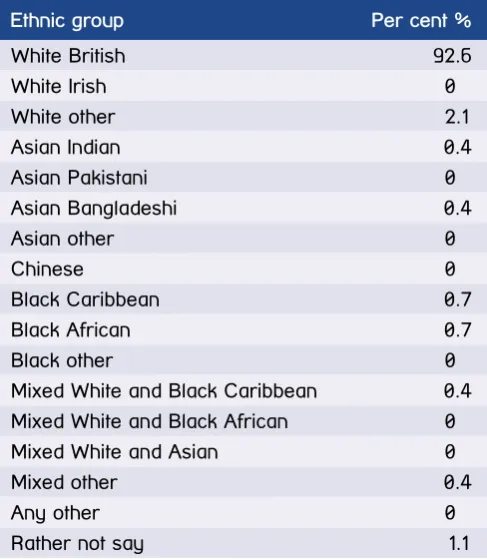
• A total of 803 participants took part in the evaluation with 515 taking part in the ‘All projects’ and 287 in the ‘In-depth’ studies. In both studies participants were mainly male (66-69 per cent), predominantly ‘White British’ and with an average age of around 40 (ages ranged from 14 to 85). Both studies involved a range of different ecotherapy projects, taking a range of different approaches, of differing sizes and in different locations all over England. • Mental wellbeing: In the In-depth study, three
standardised, internationally recognised instruments were used to measure different elements of mental wellbeing. For the majority of participants both their wellbeing and self esteem scores showed a statistically significant increase from the beginning to the end of their involvement with Ecominds, indicating an improvement in participant wellbeing over the duration of the Ecominds scheme. On average a participant experienced increases in wellbeing of 17 per cent and of self esteem of 11 per cent (see Figure A).
20 30 40 50 60 70
Beginning of programme End of programme Represents an increase in wellbeing of 5.3 tested with a 2-tailed T test (p<.001); Error bars =1SD
Wellbeing score
At the start of the programme the average wellbeing scores for Ecominds participants were lower than average; but by the end of the programme, participant scores had risen to a level in line with the population norm. 76 per cent of participants also experienced mood improvements after a single Ecominds session, with participants experiencing statistically significant decreases in total mood disturbance, anger, confusion, depression and tension after taking part in an
Ecominds session (see Figure B).
• Social inclusion: Findings of the ‘In-depth’ study showed a statistically significant increase in
participants’ social engagement and support scores from the beginning to the end of their involvement with Ecominds, representing an improvement in social engagement of 10 per cent on average, although some people experienced improvements of up to 89 per cent (see Figure C).
Figure A. Change in mean participant wellbeing scores from the beginning to the end of the Ecominds programme
Before After
Represents an improvement in Total Mood Disturbance of 9.76, significance tested with a 2-tailed T test (p<.001);
Mean Total Mood Disturbance score (TMD) 125 130 135 140 145 150 155
Significance tested with Wilcoxon Signed Ranks Test (*p<.05, **p<.01)
Beginning of programme
Mean score
Social engagement and support questions
People in my life who really care*
Regularly meet socially with
friends
I find it difficult to meet with
friends**
People in my local area help
one another
1 2 3 4 5
End of programme Figure B. Changes in TMD before and after an Ecominds session - pre/post study
81 per cent of beneficiaries showed an increase in the frequency of getting involved in community activities after having being involved with Ecominds. At the start of the programme, many participants said that they did not feel they belonged to their community but by the end of the Ecominds scheme, the opposite was true, with the majority saying that they did feel they belonged to their immediate community – representing an improvement of social inclusion for many participants.
• Connection to nature: Statistically significant increases in participant connection to nature were found from the start to the end of the programme (for 61 per cent of people) implying that these participants had become more connected to nature over the duration of the Ecominds scheme.
• Healthy lifestyles: Statistically significant increases in participant self-perceived ‘health’ status were observed both over the duration of the Ecominds scheme (where 59 per cent of participants saw improvements in health of on average 31 per cent) and after taking part in one session.
• Environmentally friendly behaviours: In the ‘In-depth’ evaluation, in order to assess any changes in participant behaviour as a result of taking part in the Ecominds scheme, six questions relating to environmentally friendly practices were included. Starting responses indicated that the majority of participants were a reasonably environmentally pro-active group at the beginning of the programme anyway but nevertheless a statistically significant increase in overall environmentally friendly behaviour scores was found from the start to the end of the Ecominds scheme for 60 per cent of beneficiaries, showing an increase in environmentally friendly practices.
• The importance of the three key aspects of the Ecominds scheme: i) being with other people, ii) being outside in nature and iii) taking part in exercise or activities; were assessed and the importance of all three aspects were shown to be of roughly equal importance to participants, both at the end of the Ecominds scheme as a whole and after taking part in a single session, which suggests that participants value the combination of the three aspects of the Ecominds projects, rather than one particular feature. • Participants also told us in their own words about
what they enjoyed the most about the Ecominds project that they were involved with. Out of the 113 comments received, three major themes emerged i)
the social contact – being with other people as part of a group; ii) being outside in nature – the fresh air, the scenery and the beauty; and iii) the activities – learning new skills, enjoying the activities. Many other comments expressed how people felt calm and safe outside, had fun, liked being active and felt a sense of achievement.
The results of the study found that
ecotherapy can:
• be effective in raising mental wellbeing to ‘average’ levels
• enhance social inclusion, vital to the recovery of those living with mental health problems • be successful in both increasing contact with
and connection to nature, enabling participants to benefit further from the associated health and wellbeing benefits
• can improve wellbeing and social inclusion and equip participants with useful coping skills • can also help the development of healthier
lifestyles and environmentally friendly living.
What is particularly revealing in the evaluation of Ecominds is that in both studies, these improvements to wellbeing, social inclusion and connection to nature happen right across the range of ecotherapy interventions involved in the Ecominds scheme regardless of: i) type of ecotherapy intervention; ii) participant age and gender; or iii) whether or not the project included formal therapy or not. This suggests similar benefits to participant wellbeing, social inclusion, nature connection, healthy lifestyles and environmental behaviour can result from all types of ecotherapy. Analysis of the data and comments from participants themselves, have shown that through ecotherapy, the recommended Five Ways to Wellbeing can be addressed. Participants involved in Ecominds have:
• been more Active by taking part in exercise and activities in natural environments – gaining physical and mental health benefits;
• Connected both with other people, the wider
• started to Take Notice of nature and the green environment around them – gaining the associated mental health benefits and increasing connectedness to nature;
• managed to Keep Learning – both developing new skills and learning about themselves; and
• been able to Give – through sharing and
supporting each other and working as a team and also by giving back to nature through shaping and restoring natural environments.
This study adds to the growing evidence base that highlights the effectiveness of ecotherapy interventions.
Recommendations for policy:
Ecotherapy has important policy implications for a wide range of sectors. The health and social care sector particularly needs to consider the contribution that ecotherapy makes to both individual mental health and public wellbeing, as a more resilient population has the potential to save money for the NHS and wider public purse. The impacts of ecotherapy on social inclusion also have implications for social care and employment policy and resulting knock-on effects can potentially lead to cost savings to society, an important consideration in times of diminishing public budgets.
• Ecotherapy initiatives have been proved not only to be successful at increasing mental wellbeing and building resilience but also to simultaneously produce other positive life outcomes; but there remains a lack of knowledge and acceptance among GPs (and other care providers) of the benefits to patients gained from using ecotherapy as an additional treatment for mental health problems such as depression. Commissioners of health and social care services should take the idea of ecotherapy more seriously and more GPs should be supported to consider and recognise the value of ecotherapy.
• Ecotherapy represents another treatment choice for GPs and service users. The addition of another tool in the toolbox to tackle mental health problems is especially pertinent given the long waiting lists for CBT and the increasing costs of antidepressants. With this in mind, NICE should also be called upon to consider the evidence in order to recommend the use of ecotherapy interventions alongside other current treatment options for depression, such as antidepressants and CBT.
• Good health and wellbeing is multifaceted, but this has not been converted into either measures of success or funding streams. Ecotherapy can improve multiple factors simultaneously, but ‘traditional’ measures of success within healthcare do not adequately recognise this. Establishment of the effectiveness of a treatment option should also consider: i) multiple outcomes of treatment (wider than the clinical health context); ii) the holistic effect of multifaceted interventions; iii) benefits to public health; and iii) benefits and cost savings to the wider society.
• There is a need for ecotherapy initiatives to be incorporated into health and social care referral systems, particularly in light of the recent changes with clinical commissioning groups and health and wellbeing boards. Implications for personal budgets should also be recognised and those in receipt of direct payments supported to access ecotherapy treatments.
• Commissioners should be encouraged to consider that ecotherapy represents an enjoyable, socially acceptable treatment option for mental health conditions such as depression, and the observed positive effect on adherence levels could prove to be effective in encouraging uptake of mental health treatment and especially successful in re-engaging men with mental health services.
• Encouraging people to incorporate more green exercise activities into daily routines and supporting more ecotherapy opportunities has the potential to increase wellbeing, not only for those already living with a mental health problem, but also in terms of health promotion and illness prevention at the population level. Increasing support for a wide range of ecotherapy options for all sectors of society is also likely to produce substantial public health benefits and economic savings, and therefore should be promoted.
• Agencies responsible for providing social care services and promoting social inclusion would also benefit from recognising the potential of ecotherapy activities to reduce social exclusion, increase social capital and to help people to re-integrate into society after a period of ill-health, something that is particularly relevant today.
• If we are all to have this access to nature, there is need i) for more quality green spaces, (especially in urbanised areas); and ii) to actively protect and conserve our existing green spaces in both rural and urban locations.
Concluding comment
Through the funding of 130 ecotherapy projects and the 12,071 people that directly benefitted from the programme, Ecominds can be considered to have had a major impact, both in terms of supporting people suffering from mental ill-health and in sustaining the provision of ecotherapy services across England. The majority of Ecominds participants will leave the programme with better wellbeing and self-esteem; feel more socially included; will have gained new skills and developed healthier lifestyles; have enhanced psychological health and wellbeing; and an increased connection to nature.
1. Nature and mental wellbeing
1 WHO 2001;
2 WHO 2004, Mental Health Foundation 2013 3 Bermann et al 2008
4 Mental Health Foundation 2013; ONS 2009 5 World Bank 1993
6 The Centre for Mental Health 2010 7 Sainsbury Centre for Mental Health 2003 8 Centre for Mental Health 2010 9 NHS 2012
10 Centre for Economic Performance’s Mental Health Policy Group 2012
1.1 Introduction
Increasingly sedentary lifestyles, poor diets and the prevalence of mental health problems are seriously hindering the health of the world’s population. It is believed that at any one time, at least one in six individuals is suffering from a ‘significant’ mental health problem1, and in the UK one in four people
will experience mental illness at some time in their lives2. Mental ill health compromises an individual’s
quality of life, is a leading cause of disability and affects not only the individual but families as well. Mental health problems also inflict additional economic and social costs both directly (health and social care; human cost) and indirectly (through output losses). Unhappily, problems surrounding social exclusion and discrimination of those living with a mental health problem are still significant challenges to overcome.
There are many different interventions for tackling mental ill health but one approach increasingly being used by professionals is that of ‘ecotherapy’ (or Green care), which comprises nature-based interventions in a variety of natural settings. There is a mounting body of evidence that highlights the benefits of contact with nature, such as improved health and wellbeing, enhanced connection both with other people and with nature, adoption of healthier lifestyles and an increase in the desire to protect nature. The natural environment is available to most of us on our doorsteps and at minimal cost. Could one answer to improving our population’s mental health be to encourage people to interact with nature and green space and to get active outdoors3? Could
ecotherapy interventions help more people living with a mental health problem recover and to become less isolated from society? Is there another option available to enable mental health professionals to help service users?
Through Mind’s lottery-funded Ecominds scheme, 130 such ecotherapy projects, specifically for people with mental health problems, have been supported. This study puts this scheme into context and evaluates the wellbeing effects to participants from these nature-based interventions.
1.2 Mental ill-health in the UK
In England it is believed that in any one year, at least one in four people will experience a ‘significant’ mental health problem4. Sufferers of anxiety and depression
are commonplace and by 2020 it is predicted that depression will be the second most common cause of disability in the developed world5. It is estimated that
the total cost of mental health problems in England in 2009-10 was approximately £105.2 billion6. The majority
of these costs fall mainly on those who experience mental health problems and their families, but it also generates sizeable costs for taxpayers and for business. With poor mental health often carrying more of a cost to society than crime7 it is also therefore a
major public health issue (See Box 1).
Public spending on mental health services is continually rising and the cost of antidepressants has grown dramatically. In England alone, during 2009/2010 it is estimated that £21.3 billion was spent on mental health services in total, with £1.2 billion on drug prescriptions8. In 2010 the number of
antidepressant prescriptions dispensed in England was 42.8 million and by 2011 this number had risen to 46.7 million. This represents a cost of £270.2 million and implies an increase in cost of 22.6 per cent in just one year9. Between 2010 and 2011 antidepressant
11 NICE 2009
12 We need to talk coalition 2010 13 WHO 1948
14 Defra 2007 15 Nef 2008, 2013
The government is also currently spending more money on training therapists to co-ordinate
psychological therapies such as cognitive behavioural therapy (CBT). Alongside antidepressant drugs, CBT is recommended as one of the first options for the treatment for many mental health problems11.
However, only 1 in 3 people receive CBT within six months of being referred; 1 in 5 wait over one year and 1 in 10 wait over two years; with increased waiting times resulting in reduced treatment effectiveness12.
The recommended number of sessions required for psychological therapies are also failing to be met. For mild to moderate mental illness, six low intensity sessions of CBT are recommended, whilst for severe mental illness up to 20 high intensity sessions are recommended. Currently, some people with severe mental illness are receiving as few as three sessions of CBT and only 40 per cent of patients feel that they receive enough sessions to be beneficial.
There is now more need than ever to explore alternative preventative and curative therapies to add to the ‘toolbox’ of treatment options; interventions which while comparable in their success rates, are often more accessible and less costly to employ. The health of the individual (and family members involved in care provision) clearly supersedes any financial cost, but if there is a potential solution which could address both issues simultaneously, then this could significantly reduce both human costs and public spending.
1.3 Mental wellbeing and contact
with nature
1.3.1 Health and mental wellbeing
The ‘health’ of an individual is widely considered to be multifaceted. The World Health Organization (WHO) defines health as being “a state of complete physical, mental and social (individual) wellbeing, and not merely the absence of disease or infirmity”13.
Similarly the term ‘wellbeing’ (despite the lack of a universal definition) is also considered in a wider context, described by Defra (2007) as “a positive physical, social and mental state; it is not just the absence of pain, discomfort and incapacity. It requires that basic needs are met, that individuals have a sense of purpose, and that they feel able to achieve important personal goals and participate in society. It is enhanced by conditions that include supportive personal relationships, strong and inclusive communities, good health, financial and personal security, rewarding employment, and a healthy and attractive environment.”14
Five Ways to Wellbeing
Following on from this more holistic definition of wellbeing, in 2008, the new economics foundation (nef) – commissioned by the UK Government’s Foresight Project on Mental Capital and Well-being – identified five evidence-based actions to improve wellbeing: i) Connect; ii) Be active; iii) Take notice; iv) Keep learning and v) Give15. It was suggested that if
each of these five ways were built into daily routines, health and wellbeing would be enhanced.
Box 1: The burden of mental illness in the UK
• At least 1 in 4 individuals are affected in any one year
• 1 in 10 children and young people aged 5-15 years suffer from a mental health problem • Instances of common mental disorders such as
depression and anxiety in people aged 6-64 years rose from 15.5% in 1993 to 17.6% in 2007 • £53.6 billion represents the human cost of
mental illness due to reduced quality of life, suffering, pain, disability and distress
• £30.3 billion is the cost of output losses in the economy due to peoples inability to work • £21.3 billion is the annual cost of health and
social care provided by the NHS and Local Authorities and informal care given by family and friends
• £1.9 billion is spent on GP consultations yearly • £1.2 billion per year is spent on drug
prescriptions
16 Tones and Green 2010
17 Wood et al 2012; Hall-Lande et al 2007
18 CDC 1996; Laumann et al. 2003; DoH 2004; Foresight 2007; Sandercock et al. 2010
19 E.g. maturity onset Type II diabetes, coronary heart disease, musculo-skeletal diseases and cancer
20 DoH 2009, 2011 21 DoH 2011; NHS 2011 22 DoH 2004, NICE 2009 23 DoH 2009
24 Brown and Ryan 2003; Ryan and Deci 2000 25 Nef 2008
26 Hall-Lande et al 2007
27 Feinstein and Hammond 2004; Hammond 2004 28 Tanako et al 2002
29 Feinsten et al 2008 30 Nef 2008; Rilling et al 2007
Connect
Social interaction, cohesion and connecting with others can provide many important benefits for health and wellbeing. Social relationships, support and interaction are critical for promoting wellbeing and can be protective against ill-health, whereas social isolation and exclusion are associated with greater incidence of ill health16. Social isolation often
results in a reduced quality of life, depression and low self-esteem and can also predict mortality and morbidity (see Section 1.5.2). Many adults and young people are becoming disconnected from other people, experiencing loneliness and isolation17. Therefore the
development of strategies and initiatives to promote social inclusion and interaction within communities are essential to health and wellbeing.
Be active
Physical activity has long been proved to be an important determinant of both physical health and psychological wellbeing18. Moderate regular exercise
reduces morbidity rates by 30-50 per cent, has a particularly protective effect against several health conditions19 and lowers blood pressure, improves
blood lipid and glucose profiles and boosts the immune system20. Physical activity also enhances
mental health by improving mood and self-esteem, reducing stress, enriching an individual’s quality of life and diminishing the chance of depression.
Between 24-40 per cent of children, young people and adults fail to meet recommended physical activity guidelines in the UK21 and the annual costs of physical
inactivity in England are reported to be approximately £8.3 billion22, excluding individuals who are obese
due to inactivity, which contribute a further cost of £2.5 billion per year to the economy. These figures incorporate both costs to the NHS and associated costs to the economy (e.g. work absenteeism). People who are physically active reduce their risk of developing major chronic diseases by 50 per cent and the risk of premature death by 20-30 per cent23. Thus,
initiatives that promote physically active behaviours and their inclusion into daily routines are of great importance to wellbeing.
Take notice
Many people these days have hectic lifestyles and often fail to take notice of their surroundings and things that are going on around them. Studies have shown that being aware of what is taking place in the present directly enhances your wellbeing and
‘savouring the moment’ can help to reaffirm your life priorities24. Heightened awareness also enhances
self-understanding and allows positive choices to be made based on an individual’s own values and motivations25. Again initiatives which encourage
individuals to take notice of their environment, to be mindful and aware of themselves will enhance participant health and wellbeing.
Keep learning
Whether it is trying something new, learning new skills or enrolling on a course, learning has been shown to play an important role in health and wellbeing. For children, learning contributes to social and cognitive development, increases self-esteem and social interaction whilst also encourages participation in physical activities26. In adults, learning is positively
correlated with wellbeing, life satisfaction, optimism and self-efficacy, self-esteem and resilience27and it
can also give people a sense of purpose and hope, encouraging social interaction and making people feel competent28. By learning, problem solving skills are
also developed; this can in turn lead to better coping skills and the adoption of healthier practices. Learning is also protective against depression29, with older
people in particular, work and education opportunities can lift them out of a depressive state. Projects and initiatives which encourage people to learn and which provide opportunities for education and skills development can directly benefit health and wellbeing.
Give
cooperation is intrinsically rewarding30. In the early
years, the rewards gained through helping and giving to others, contribute to improved cognitive and social functioning, critical to mental wellbeing31. Furthermore,
feelings of life satisfaction and happiness are strongly associated with taking part in community activities and for older people, volunteering is associated with a more positive life meaning. Offering support to others is also beneficial to health and is associated with reduced rates of mortality32. Mental wellbeing is enhanced when
an individual is able to achieve a sense of purpose in society and contribute to their community; so initiatives where helping and sharing go hand in hand with giving and teamwork are likely to be associated with increased self-worth and positive feelings.
1.3.2 Nature and wellbeing - The evidence base
There is convincing evidence to show that exposure to the natural environment positively affects health and wellbeing33. Research from a variety of outdoor
settings, from the open countryside, fields and forests, remote wilderness, parks and open spaces, to street trees, allotments and gardens has shown that engaging with nature on a number of different levels (from simply viewing nature, to incidental exposure, through to active involvement in nature-based activities) can produce mental (and physical) health benefits. Natural, green environments are often perceived as places to relax, escape and unwind from the daily stresses of modern life, thus having a positive effect on our emotional wellbeing.
Three key theories offer explanations relating to the relationship of man with nature, and all focus on the restorative effects of the natural environment34:
i) the Biophilia hypothesis35; ii) the Attention Restoration
Theory (ART)36; and iii) the Psycho-evolutionary stress
reduction theory (PET)37. The ‘Biophilia hypothesis’
suggests there is an innate evolutionary basis to the relationship of humans with nature and recognises man’s fundamental dependence on, and desire to connect with, nature38. Attention Restoration focuses on
the cognitive changes associated with restoration, while PET argues that restorative effects are derived from the reduction of stress, and acknowledges emotional changes. There is however consensus in all three theories that nature contributes to enhanced wellbeing, mental development and personal fulfilment39.
Evidence has shown that exposure to nature brings substantial mental health benefits, however if this exposure to nature also includes participating in
physical activities (long known for their positive physiological and psychological health outcomes) then it is even more beneficial40. Over the last 10 years
at the University of Essex, these ideas have been combined into a programme of research investigating the synergistic benefits of engaging in physical activities whilst simultaneously being exposed to nature and this is referred to as ‘green exercise’41.
From this wide variety of research, we have discerned three broad health outcomes: i) improvement of
psychological wellbeing (by enhancing mood and self-esteem, whilst reducing feelings of anger, confusion, depression and tension)42; ii) generation of physical
health benefits (by reducing blood pressure and burning calories) and iii) facilitation of social networking and connectivity (by enhancing social capital). In addition, a recent green exercise dose-response study indicated that these benefits can accrue even from short engagements in green exercise, as little as 5 minutes and then diminishing but still positive returns43.
Scientific evidence of the positive relationship
between exposure to nature and an individual’s health and wellbeing is continually increasing. Given the challenges facing our society, nature can act as an essential health resource and given the significant costs incurred to the individual and increased
expenditure in the provision of care, the importance of access to nature and green space is vital. As a result of this mounting evidence base, together with mental health charity campaigns and much positive media attention, public bodies, government departments and voluntary organisations alike, are promoting the importance of contact with nature for us all44.
31 Nef 2008
32 Greenfield and Marks 2004
33 Maas et al. 2006, Pretty et al. 2006, Van den Berg et al. 2007, Bird 2007, Weinstein et al 2009, Hansen-Ketchum et al. 2009, Barton and Pretty 2010, NEA 2011; O Brien and Morris 2013
34 Barton et al 2009 35 Wilson 1984
36 Kaplan and Kaplan 1989 37 Ulrich 1981
38 Wilson 1984; Kellert and Wilson 1993; White and Heerwagen 1998 39 Barton et al 2009
40 Barton et al 2009, NEA 2011
41 Pretty et al, 2003, 2004, 2005, 2006, 2007; Pretty, 2004, 2007; Peacock 2007; Mind, 2007; Hine et al. 2007a,b; Hine et al. 2008a,b, c; Hine 2008; Hine et al, 2009; Barton et al. 2009; Pretty et al. 2009, Hine 2010; Barton and Pretty 2010; Hine et al, 2011; Bragg et al, 2012; Wood et al 2012 a,b 42 Research into the benefits of activities in nature for those living with dementia
has also found that green exercise can enable individuals to feel well and experience a ‘dampening down’ or temporary absence of their dementia related symptoms. Contact with nature was also found to contribute to the emotional, psychological and spiritual aspects of wellbeing for people with dementia. 43 Barton and Pretty 2010
45 Pretty 2006; Hine et al 2008, Sempik et al 2010 46 Sempik and Bragg 2013
1.4 Ecotherapy and green care
Evidence also suggests that green exercise can have therapeutic applications for a range of vulnerable people when delivered as facilitated interventions. These nature-based applications are collectively termed ‘green care’45, although more recently the
term ‘ecotherapy’ has been widely used by projects, participants and the media alike to describe these approaches. The word ecotherapy has subsequently become largely a “general term for nature-based interventions rather than a specific example of a nature-based intervention”46. In this report the term
‘Ecotherapy’ will be used in the general sense, that is, synonymously with green care.
Ecotherapy initiatives usually consist of a facilitated, specific intervention, for a particular participant (or group of service users), rather than simply a ‘natural’ experience for the general public. Ecotherapy
approaches are ‘therapeutic’ in nature although some
ecotherapy initiatives also include formal therapy (e.g. counselling sessions, CBT, psychotherapy etc) as an integral part of the programme. There is a growing movement towards ecotherapy in many contexts, ranging from green exercise therapy, social and therapeutic horticulture, animal assisted interventions; to wilderness therapy, environmental conservation and care farming (see Section 1.4.1 and Figure 1).
Green Care
Animal assisted
intreventions Ecotherapy
Range of different contexts, activities, health benefits, clients, motivation and needs.
Green exercise therapy Nature
arts and crafts Care
farming Environmental
conservation Social and
therapeutic horticulture
Wilderness therapy; Nature therapy
[image:15.595.45.551.115.482.2]Source: Adapted from Hine Pretty et al., 2008
47 Mind 2013a
48 Sempik et al, 2005;Sempik and Bragg 2013 49 Kruger and Serpell, 2006
50 Sempik and Bragg 2013
51 Hassink, 2003, Haubenhofer et al 2010, Care Farming UK 2012 52 Hine et al., 2008a
53 Sempik et al 2010, Hine et al 2008a
54 Pretty, 2006, Peacock et al., 2007, Hine et al., 2008a 55 Elings 2012
56 Mind 2013a
57 Barton et al, 2011; Peacock et al, 2007; Mind, 2007; Sempik and Bragg 2013 58 Chalquist 2009
59 Pedretti-Burls 2008
1.4.1 Ecotherapy interventions
Social and therapeutic horticulture (STH)
Essentially, social and therapeutic horticulture (STH) is using gardening and plants to help individuals develop wellbeing and this can be done through spending time in gardens, participating in gardening activities or doing something more active such as growing food47. Horticulture in a variety of contexts has proved
itself to be a useful activity in promoting health and wellbeing, rehabilitation; and in enabling vulnerable and disadvantaged individuals to reach their true potential. Because of the diversity of activities associated with horticulture and the settings in which it can be carried out, horticulture can be adapted to suit a wide range of clients and it has been used to achieve physical, social and psychological benefits for people with mental health problems, learning difficulties, physical disabilities, survivors of stroke, drug and alcohol problems, social problems and others48.
Animal assisted interventions (AAI)
Animal assisted interventions (AAI) is the general term used for a variety of ways of utilising animals in the rehabilitation or social care of humans49. AAI
includes both i) activities in which animals are present and are considered to have a therapeutic effect (e.g. feeding livestock, petting animals, collecting eggs etc.) and ii) the more formal animal assisted therapy (AAT) which is a specific goal-directed intervention where an animal is an integral part of the treatment process which is directed, documented and evaluated by professionals (e.g. equine assisted therapy, pet therapy, and dolphin therapy)50.
Care farming
Care farming is defined as the therapeutic use of agricultural landscapes and farming practices51 and
its use is increasing within the UK52. On care farms,
components of either the whole or part of the farm are used to provide care through a supervised, structured programme of farming-related activities for a wide range of people. All care farms offer some elements of farming (involving crops, horticulture, livestock husbandry, use of machinery or woodland management etc); however, there is much variety across care farms in terms of the context, the client group and the type of farm53. Mental health benefits
from attending care farms within the UK include significant improvements in both self esteem and mood54 and research from European care farm studies
with different client groups imply that care farms have specific qualities that many participants benefit from55.
These include the relationship between the farmer and the client, being part of a social community and engaging in meaningful activities in a green environment. The fact that the farm provides an informal, non-care context, closer to ‘real life’, is also valued.
Nature arts and crafts
Nature arts and crafts, are as the name would suggest, typically art based activities that take place whilst in the natural environment, and/or that use natural materials such as grass, clay, leaves and sticks56. Many
ecotherapy approaches or contexts include elements of nature art and craft within their programmes.
Green exercise therapy
Green exercise has previously been defined as engaging in physical activities whilst simultaneously being exposed to nature. Green exercise therapy as a treatment option typically involves participating in green exercise activities which are facilitated and led by an instructor (e.g. walking groups). Therapeutic applications of green exercise (particularly walking) as green exercise therapy may prove to be an even more effective treatment response than exercise alone in mild to moderate depression as it encourages people to re-connect with nature and experience the additional positive health benefits that are associated with this57.
Ecotherapy
Ecotherapy (in its specific rather than generalised meaning) is a psychological approach that is rooted in the experience of nature, which acknowledges the interdependence of human health with the health of the environment. Ecotherapy initiatives use activities and exercises that emphasise the notion of “mutual healing and growth”58 where the reciprocity between human
60 Carter and Hanna 2007 and see
www.targetwellbeing.org.uk/profile/greener_outside 61 BTCV 2008
62 Conner 2007
63 Sempik and Bragg 2013; Sempik et al 2010 64 Hine et al, 2011
Environmental conservation
Facilitated environmental conservation work is increasingly being used as a form of ecotherapy for a variety of marginalised groups where structured, facilitated activities take place, specifically designed with the conservation or management of the natural places in mind. Environmental conservation activities include land clearing, maintaining woodland areas and other managed areas and restoring habitats for wildlife. Environmental conservation approaches are often very similar to ecotherapy or green exercise therapy for the mutual benefit of both nature and health. Several therapeutic applications of
environmental conservation activities are organised in partnership with organisations such as the Forestry Commission (with offenders)60 and The Conservation
Volunteers (Green Gyms)61.
Wilderness therapy
Wilderness therapy can be defined as an “experiential programme that takes place in wilderness or
a remote outdoor setting”62, where a range of
personal development and wellbeing opportunities are provided, through immersion in natural, wild, and wilderness settings. Wilderness therapy programmes are often composed of
two elements, i) using nature as ‘co-therapist’ and ii) using therapeutic activities (including formal therapy) whilst in a wilderness location. Wilderness therapy programmes typically provide healthy
exercise and diets, group and individual therapy sessions and separate participants from daily negative influences, placing them in a safe outdoor environment63. Wilderness
therapy programmes have been in existence in the US for many years, largely working with adolescents with behavioural problems, however in Europe, it is an emerging treatment intervention which uses
a systematic approach to work with a variety of groups but also most commonly with adolescents with behavioural problems and adults with mental ill health64.
65 NEA 2011
66 Mayer and Frantz 2004, Hine et al, 2008b 67 See for example NE 2009, RSPB 2010, Moss 2012 68 Pretty et al, 2005, 2007; Barton and Pretty 2010 69 Mind 2007
1.5 Using ecotherapy for wellbeing
1.5.1 Ecotherapy and the Five Ways to Wellbeing Ecotherapy approaches can potentially enhance wellbeing through all of the Five Ways to Wellbeing, thus providing multiple health outcomes. Ecotherapy can encourage individuals to connect to others and to nature. Participation in green exercise activities often directly and indirectly promotes social interaction65. This connection may be facilitated
through participation in environmental conservation activities, attending an allotment or a STH project. Many ecotherapy participants say that being with other like minded people or with those with mental health problems can be very supportive. Ecotherapy (and green exercise in general) has been found to build stronger communities and connect people through groups and networks. In addition, ecotherapy interventions have been proven to increase participant connection to nature, which in itself is an important predictor of subjective wellbeing and ecological behaviour66. The evidence base has highlighted the
health and wellbeing benefits of both contact and connection with nature, and when combined with the concerns that we are becoming more and more
disconnected from the natural world, ecotherapy can therefore help with the resultant drive to reconnect us with the outdoors67.
Undertaking physical activities in outdoor green environments could also offer a more viable and appealing option in maintaining long-term activity levels in adults and children alike, as often it is the interaction with nature and the social contact that are the main incentives rather than the ‘exercise’ per se (even though they often provide greater improvements in self-esteem and mood than physical activity alone68). In this situation, the health benefits
70 Mitchell and Popham 2008; Hine et al 2011
71 Cooper-Marcus and Barnes 1995; Whitehouse et al 2001; Ulrich 2002-72 Russell et al. 1998; Russell 1999, 2001; Russell et al, 2000; Caulkins et al. 2006; Hine et al 2009
73 Husk et al 2013
74 Wells and Lekies 2006, Frenn et al 2005, Pretty et al 2010 75 Danner et al 2001, Foresight 2008
76 Ainsworth and Bell 1970, Ainsworth et al. 1974 77 Chalwa 1998
78 Chawla and Cushing 2007, Cheng and Monroe 2010, Ernst and Theimer 2011
Taking notice of the environment around us, particularly if it is a natural environment can have important benefits for health and wellbeing70.
Nature and green spaces are perceived as places to relax, escape and unwind from the daily stresses of modern life and can have positive influences on wellbeing. Furthermore, the more frequent the visits to natural spaces the lower the incidence of stress71.
Noticing the natural environment is also likely to increase connection to nature, for example feelings of connectedness to nature reported after wilderness experiences range from the aesthetic appreciation of beautiful scenery and landscapes to a deep sense of belonging to the natural world. In this context nature connection has also been taken to include feelings of peacefulness and harmony; a sense of timelessness; creation of a sense of vulnerability which is humbling; learning a respect for nature and developing a sense of place72. People should therefore be encouraged to
access and take notice of nature as far as possible, as this is likely to have substantial consequences for their health and wellbeing.
Many ecotherapy approaches encourage and enable participants to learn something new, develop new skills and increase healthy and environmentally friendly behaviours, thus contributing to increased wellbeing. Whether this new knowledge is growing fruit and vegetables, learning bushcraft skills or simply taking part in a new activity, it all has the potential to enhance wellbeing through learning. Similarly, many green exercise activities also enable individuals to give to others. This may be through growing food on an allotment for the community; building a community natural area or helping others achieve goals through a shared green exercise group. In addition some ecotherapy interventions (particularly environmental conservation and ecotherapy) also encourage individuals to give something back to nature either directly through direct tasks or indirectly through environmentally friendly behaviours.
Ecotherapy can contribute both directly and indirectly to wellbeing and therefore can facilitate each of the Five Ways to Wellbeing. Incorporating more green exercise activities into daily routines and lifestyles and supporting more ecotherapy opportunities has the potential to increase wellbeing for both individuals and communities alike.
1.5.2 Wellbeing and the environment - linking
environmental enhancement and conservation activities Leading on from the Five Ways to Wellbeing, there has been a growing recognition of the multiple health and wellbeing impacts of contact with nature in a range of different settings and contexts. A recent piece of research by the European Centre for Environment and Human Health, University of Exeter Medical School and the Peninsula Technology Assessment Group (which included a systematic review73) examined a wide variety of different
quantitative and qualitative studies of people taking part in environmental activities. From this research, a model has been developed which illustrates the pathways through which multiple health and wellbeing impacts may occur for those participating in environmental enhancement and conservation activities. Although specifically developed for environmental enhancement and conservation activities the model could also be adapted for and applied to other nature based interventions and may provide a useful framework for several ecotherapy approaches (see Box 2).
1.5.3 Ecotherapy and healthy life pathways
Contact with nature does not only affect immediate health and wellbeing but also can also affect health throughout a lifetime. There is growing evidence to show that contact with nature and consequent levels of physical activity in childhood affects not only wellbeing at the time but also in later life74. Many of the social
and environmental conditions of childhood can predict or track adult health status and childhood physical and mental ill-health is carried forward in later life75. Later
emotional wellbeing and cognitive capacity is also profoundly influenced by early social development76.
In the same way childhood experiences in nature appear to fix environmental sensitivity (a predisposition to be interested in learning about caring for and conserving nature77) in adults, suggesting a
The ‘Wellbeing and the Environment’ model illustrates the pathways through which health and wellbeing impacts may come about following participation in environmental enhancement and conservation activities. Health-related outcomes (mental health, social functioning and physical health) are affected by ‘mechanisms of change and process outcomes’ which are broad themes derived from the research evidence and either link the activity to the health-related outcomes or are considered as desirable outcomes in their own right. Moderators are the factors which might influence the outcomes and have been categorised into three sources – mechanisms of action, environment in which an activity is undertaken and those related to the types of activity itself (i.e. the programme). Personal mediators are included to demonstrate that the evidence suggests that factors such as personal expectations and social identity are important and that these may influence the outcomes. Motivation is considered separately because it emerged as a key factor as to how individuals approach and potentially benefit from the programme.
Finally, the circular arrows are used to demonstrate that participation is a dynamic process whose outcomes can change and affect one another. These outcomes then cannot therefore be considered in isolation or as strictly independent (e.g. increased social contact may improve a participant’s confidence which may result in further opportunities for social contact, ability to take on leadership roles and so on).
For more information see http://onlinelibrary.wiley.com/ doi/10.1002/14651858.CD010351/abstract
79 Pretty et al 2010
Further University of Essex research79
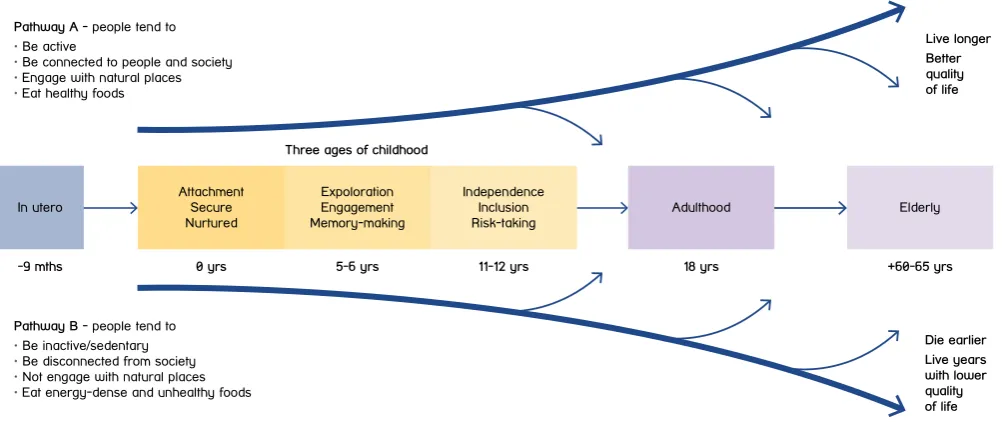
[image:21.595.50.552.532.743.2]has developed a funnel of pathways within which all our lives are shaped (Figure 2). At the top, people live longer with a better quality of life; at the bottom they die earlier and often live years with a lower quality of life. On the healthy pathway, people tend to be active, be connected to people and society, engage with natural places, and eat healthy foods. As a result, they tend to have higher self-esteem and better mood, be members of groups and volunteer more, keep learning, engage regularly with nature and be more resilient to stress, thus fulfilling many of the Five Ways to Wellbeing.
Conversely, on the unhealthy pathway, people tend to be inactive and sedentary, be disconnected from society and social groups, not engage with natural places, and eat energy-dense and unhealthy foods. They also tend to have lower socio-economic status, be in more stressful jobs, live where active travel to work or school is difficult, have increased likelihood of being mentally ill, and be overweight or obese.
Pathway A - people tend to • Be active
• Be connected to people and society • Engage with natural places • Eat healthy foods
Pathway B - people tend to • Be inactive/sedentary • Be disconnected from society • Not engage with natural places • Eat energy-dense and unhealthy foods
-9 mths In utero Attachment Secure Nurtured 0 yrs Expoloration Engagement Memory-making 5-6 yrs Three ages of childhood
Independence Inclusion Risk-taking 11-12 yrs Adulthood 18 yrs Elderly +60-65 yrs
Source: Pretty et al., 2009
Die earlier Live years with lower quality of life Live longer Better quality of life Pathway A - people tend to
• Be active
• Be connected to people and society • Engage with natural places • Eat healthy foods
Pathway B - people tend to • Be inactive/sedentary • Be disconnected from society • Not engage with natural places • Eat energy-dense and unhealthy foods
-9 mths In utero Attachment Secure Nurtured 0 yrs Expoloration Engagement Memory-making 5-6 yrs Three ages of childhood
Independence Inclusion Risk-taking 11-12 yrs Adulthood 18 yrs Elderly +60-65 yrs
Source: Pretty et al., 2009
Die earlier Live years with lower quality of life Live longer Better quality of life
There are clearly numerous pathways that lie between healthy path A and unhealthy path B - the figure has been simplified for illustration purposes only. There are many other factors that affect our long-term life and health pathways but the research describes the key mediators, such as social status, mental health, social inclusion, physical activity, urban design and contact with nature.
It is proposed that it is possible to shift across these life pathways – from B towards A as a result of adopting healthy behaviours, or from A to B as a result of shocks or an accumulation of stresses. Resilient individuals remain able to absorb and cope with shocks and stresses and remain on pathway A. It follows therefore that contact with nature through green exercise or involvement in ecotherapy interventions can help an individual shift across the life pathways for a healthier, happier life through improving wellbeing, increasing physical activity and fostering a connection to nature, often at the same time as enabling healthy lifestyle behaviours and creating healthier communities.
1.6 Ecotherapy and resilience
At some point in our lives, we will all unfortunately experience difficult periods. How we cope with these times of stress, loss, failure or trauma will undoubtedly influence our wellbeing. Although there is a lack of a standardised definition, ‘resilience’ is considered to be both the ability of an individual to bounce back after times of stress; and their capacity to adapt in the face of challenging circumstances and adversity, whilst maintaining a stable mental wellbeing80. A
person’s resilience has been found to be dynamic, we may respond to the same circumstances differently at different stages in our lives and what affects one person may not affect someone else in the same way81. Our level of resilience will also affect how we
live our lives, how open we are to new opportunities and learning new skills, and how we let ourselves grow and develop82.
Resilience can be seen as a kind of ‘defence mechanism’83 in the battle against adversity and
building up an individual’s resilience can be seen as a preventative approach to future stresses. The development of psychological ‘coping strategies’ is therefore important to build up our resilience and maintain good mental health. Initiatives and treatments that help to develop different coping strategies and build up our resilience should therefore be encouraged.
Our resilience is said to be influenced by three main factors: i) how we develop as children and young people; ii) external factors (such as our relationships with other people, social inclusion, having a faith etc); and iii) internal factors (such as how we choose to interpret events, manage our emotions and regulate our behaviour)84. Initiatives which positively shape
these factors will help to grow resilience.
The resilience approach to increasing wellbeing is in line with the WHO concept of mental health as ‘a positive state of psychological wellbeing, going beyond the absence of disease’85. However the lack of either
a single definition or a unified approach to resilience research and practice86 has meant that inevitably
healthcare professionals and third sector organisations are developing a wide variety of approaches to
increasing resilience for the benefit of mental health. For Mind, their model of resilience building87 takes
the approach that resilience should be developed by communities as well as individuals and recognises the importance and interrelatedness of three key elements in reducing the likelihood of mental health problems: • Promoting wellbeing through nef’s Five Ways to
Wellbeing.
• Building social networks and social capital – human relationships are key to our capacity to respond to adversity and challenge so a strong focus on reducing isolation is needed.
• Developing psychological coping strategies – to build resilience we need to develop increased levels of understanding around what affects our mental health. Mind wants to promote insight into psychological coping strategies; driven by principles of positive psychology, and psychological therapies including Cognitive Behavioural Therapy (CBT), Interpersonal Psychology (IPT) and also mindfulness. Whilst there has been much promotion of wellbeing and social capital by local authorities and the
voluntary sector88 according to Mind, the contribution
80 Mind 2013b
81 Maston and Wright 2010 and see Action for Happiness
www.actionforhappiness.org/10-keys-to-happier-living/find-ways-to-bounce-back/details
82 Reivich and Shatte 2003; Tedeschi and Calhoun 2004; Masten et al, 2009; Styles 2011
83 Davydov et al, 2010
84 Reivich and Shatte 2003; Maston and Wright 2010 and Action for Happiness 85 WHO 2005
86 Davydov et al, 2010
87 For more information see ‘Resilience in Mind’ Mind 2013b
of interventions that develop psychological coping strategies has been under examined89. Evidence
is growing concerning the use of psychological treatments (including but not limited to CBT) for the purposes of prevention and resilience and a recent meta-analysis suggests that up to 38 per cent of major depressive episodes could be prevented with currently available methods90. However the evidence
base has not so far been translated into practice and there is quite a limited protocol for delivering these interventions in either statutory or voluntary sector settings: “Full use of evidence-based depression prevention strategies has yet to be realized. This gap between what is known and implementation of these strategies requires attention, action, and the strengthening of research and dissemination efforts”91.
Ecotherapy has the potential to enable resilience development through the promotion of wellbeing, the increase of social inclusion and of mindfulness and also by providing a natural, calm setting for more formal therapy. All of which can help build up an individual’s capacity to cope with life stresses and have a prophylactic effect against poor mental health in the future.
1.7 Ecotherapy as a treatment
for depression
With mental health problems and especially depression on the increase, what is known about ecotherapy and green exercise therapy as a potential treatment option? Visiting the GP is frequently the first step that people take when they feel depressed and it is usually the GP who is primarily responsible for organising their treatment.
Currently UK NICE guidance recommends talking therapies (such as CBT) and/or antidepressants as the first two treatment options for depression. They also promote a stepped-care model using a multifaceted treatment approach (e.g. combination of both medication and psychological support) 92.
However, in an article reviewing four meta-analyses of efficacy trials for antidepressant drugs and CBT in 2010, it revealed that both often fail to result in sustained positive effects for the majority of people who receive them. Only 51 per cent of studies have found positive effects of antidepressants when compared to placebos93.
Whilst antidepressants and CBT are the first two treatment options for depression, the Department of
Health’s evolving ‘Improving Access to Psychological Therapies (IAPT)’ initiative continues to promote alternative treatment options94. Epidemiological
evidence shows that physical activity is associated with a decreased risk of developing clinically defined depression and that the antidepressant effect of exercise is interestingly, of a similar magnitude to antidepressant drugs and psychotherapeutic techniques95. In a report by the Chief Medical Officer
it was stated that “physical activity is effective in the treatment of clinical depression and can be as successful as psychotherapy or medication, particularly in the longer term”. Therefore, a compelling argument for exercise therapy to be advocated as a treatment option can be formulated. Exercise has less negative side effects and can positively treat patients experiencing a combination of physical and mental health problems.
However, a common concern is that people experiencing a period of depression do not have the desire or motivation to exercise; but compliance rates are often much better than for medication, especially if they are receiving adequate support and encouragement. That said, only four per cent of GPs offer exercise as their first treatment option for depression and only 21 per cent put exercise within their top three treatment options96.
The option of ecotherapy (and green exercise therapy in particular) may prove to be an even more effective treatment than exercise alone as it encourages people to re-connect with nature and experience the additional positive health benefits that are associated with this. Contact with nature and green space is often uplifting and restorative, helps to reduce stress and improve mood and combining this with physical activity will offer a very efficacious treatment option. In addition as the nature and the activities are usually the primary focus, the ‘exercise’ component seems secondary, and so often seems much less daunting for participants than gyms or fitness clubs. Ecotherapy also promotes social inclusion and enables people to make healthier choices and adopt a more sustainable healthier lifestyle. However, even though the evidence is
89 Mind 2013b 90 Muñoz et al, 2012 91 Pim Cujpers et al 2012 92 NICE 2009
93 Piggott et al, 2010 94 DoH 2012 95 Mead et al, 2010
continually growing, to date there is still relatively little evidence on the effects of ecotherapy in the treatment of depression.
1.8 Ecotherapy in the UK
The last few years has seen an increase in the number of ecotherapy projects across the UK, ranging from walking initiatives and Green Gyms through to STH projects and care farms (see Box 3).
Government departments (Defra, DoH), organisations such as Natural England and large national charities such as the National Trust, RSPB, TCV and Mind all have campaigns to encourage us to have more contact with nature, to take up green exercise for our health and wellbeing and to re-connect to natural spaces, both as adults and children. The term ‘green exercise’ has been taken up by many local authorities and public health professionals for use in promoting hea