FORFÁS ANNUAL REPORT 2009
1
To the Minister for Enterprise, Trade and Innovation
Pursuant to the Industrial Development Act, 1993, Forfás herewith presents its report and accounts for the year ended 31 December 2009.
About Forfás
5
Forfás Board Members
10
Statement of the Chairman
14
Statement of the Chief Executive
16
Policy Activities
19
Discover Science
&
Engineerin
g
9
1
Corporate Shared Services
9
7
The Irish National Accreditation Board (INAB)
101
Corporate Governance
10
7
Report of the Comptroller and Auditor General
11
2
Financial Statements
11
5
Appendix Advisory Councils
141
FORFÁS ANNUAL REPORT 2009
7
About Us
Forfás was established in 1994 as an agency of the Department of Enterprise, Trade and Employment, in the context of an economic environment which was substantially different to how Ireland’s enterprises now operate. Forfás’ role remains as relevant in today’s
competitive and constantly changing global marketplace as it was when it was established. Forfás has a range of functions which fall broadly into:
Policy analysis and advice; and
Other activities including awareness, accreditation and shared corporate services which contribute towards the development of the environment in which enterprises in Ireland operate.
Policy Analysis and Advice
Forfás’ policy functions include:
Enterprise Supporting the development of sustainable enterprise
Knowledge &
Innovation Making research and technology work for business and Ireland
Competitiveness Ensuring Ireland is a good place to live and to do business
People Building world leading education and training to sustain and build
Ireland’s prosperity
Sustainability Contributing to environmental sustainability and identifying
enterprise opportunities
Ensuring the coherence of policies across the development agencies supporting enterprise.
Evaluating enterprise policy interventions.
Promoting and influencing the outcomes of our advice.
Forfás also provides research and analytical support to independent advisory groups which, during 2009, included:
Advisory Council for Science, Technology and Innovation Expert Group on Future Skills Needs
Management Development Council National Competitiveness Council
Awareness, Accreditation and Shared Services
Awareness
Forfás manages the national awareness programme, Discover Science and Engineering (DSE). This programme delivers a focused, strategic and quantifiable awareness campaign which aims to:
Increase the number of students studying the physical sciences and mathematics - essential skills and knowledge for the development of Ireland as a Smart Economy;
Promoting a positive attitude to careers in science, technology, engineering and mathematics; and
FORFÁS ANNUAL REPORT 2009
9
Accreditation
The Irish National Accreditation Board (INAB) is the national body with responsibility for the accreditation of laboratories, certification bodies and inspection bodies and is a division of Forfás. It is Ireland’s only signatory to the multilateral agreements (MLAs) for Europe through the European cooperation for Accreditation (EA) and worldwide through the International Laboratory Accreditation Cooperation (ILAC) and the International Accreditation Forum (IAF). It provides accreditation in accordance with the relevant International Organisation for Standardisation ISO 17000 series of standards and guides and the harmonised EN 45000 series of European standards.
Shared Services
Forfás provides certain shared corporate services to IDA Ireland, Enterprise Ireland, Science Foundation Ireland, and the Office of the Chief Scientific Adviser to the Government. These shared services are provided in areas where Forfás can improve the efficiency and
Forfás Board Members
Eoin O’Driscoll Chairman, Managing Director, Aderra Jane WilliamsChief Executive, Forfás Simon Barry Chief Economist ROI, Ulster Bank Capital Markets Bob Brannock President, European Operations, Genworth Financial Timothy Dullea
Former Chief Executive Officer,
Tipperary Co-op
Prof. Frank Gannon
Director General, Science Foundation Ireland Sean Gorman Secretary General, Department of Enterprise, Trade and Innovation
Miriam Magner Flynn
Managing Director, Career Decisions
William O’Brien
Chief Executive, Wm O’Brien Plant Hire Ltd
Barry O’Leary
Chief Executive Officer, IDA Ireland
Paul O’Toole
Director General, FÁS
Frank Ryan
Chief Executive Officer, Enterprise Ireland
Dr Don Thornhill
Business Adviser Companies Director
Michael O’Leary
FORFÁS ANNUAL REPORT 2009
11
Anne Heraty resigned from the Board in February 2009.
Martin Cronin, former Chief Executive of Forfás, retired from the Board in August 2009. Jane Williams joined the Board on her appointment as Chief Executive in September 2009. Pat Barry retired from the Board on a rota basis in December 2009.
William O'Brien retired from the Board on a rota basis in December 2009 and was reappointed in March 2010.
Simon Barry, Bob Brannock, Miriam Magner Flynn and Timothy Dullea were appointed to the Board in March 2010.
Forfás Audit Committee
William O’Brien Eoin O’Driscoll Sean Gorman
One appointment is pending
Forfás Management Development Committee
Eoin O’Driscoll Dr Don Thornhill
Forfás Management
Chief Executive Competitiveness Division
Jane Williams1 Declan Hughes
Division Manager
Martin Craig Finance
Adrian Devitt
National Competitiveness, Sustainability &
Infrastructure
Eoin Gahan
Regulation, Trade & Policy Foresight
Eamonn Kearney Systems & Facilities
1 Martin Cronin retired as Chief Executive, Forfás in August 2009
Secretary’s Office & Human Resources
FORFÁS ANNUAL REPORT 2009
13
Enterprise and Regional Policy Division
Science, Technology, Innovation and Human Capital Policy Division
Helena Acheson
Division Manager
Martin Shanahan
Division Manager
Peter Brabazon
Discover Science & Engineering
Marie Bourke
Human Capital & Labour Market Policy
Maria Ginnity
Enterprise Policy & Communications
John Dooley
Science & Technology Policy
Andrew Stockman
Tax/Finance Policy & Enterprise Surveys
Karen Hynes
Innovation Policy
Irish National Accreditation Board
Adrienne Duff
Statement of the Chairman
Eoin O’Driscoll, Chairman
2009 was a very challenging year for the Irish economy and a difficult one for companies operating here. First estimates indicate that the collapse in consumer confidence coupled with a sustained contraction in activity in the construction sector led to a reduced GDP of 7.1 per cent for Ireland, the biggest decline in output ever recorded in a single year, and
employment decreased nationally by 8.1 per cent.
During 2009 we began to see improvement in Irish cost competitiveness, with the costs of energy, property and labour falling in parallel with a growing recognition that costs must be reduced to align with the levels of our main trading partners for sustainable, long term growth. A relative weakness in the euro has also contributed to improved cost
competitiveness. Ireland’s unit labour costs fell by 2.4 per cent during 2009 relative to the euro area average and while improvements to unit labour costs are welcome, a significant gap in cost competitiveness still remains and further work is required particularly in the areas of utilities and professional services. A range of utility costs in Ireland remain expensive including broadband services, waste disposal and mobile phones while the costs of
professional services have taken longer to respond to the recession and some sectors have experienced only marginal price falls. There are also increasing concerns over the costs of insurance. Consumer price levels in Ireland, despite subdued growth since September 2008, continue to be among the highest in the euro area. A return to substantive economic growth will depend on our creating the right conditions nationally to support a vibrant export sector and we must continue to build on improvements in competitiveness to achieve this.
FORFÁS ANNUAL REPORT 2009
15
Decisive action by government in tackling the public finances and recapitalising Ireland’s banks is restoring confidence in the Irish economy. As world trade recovers and strong markets are established we must ensure that our enterprise base has the confidence, the people and the funding to grow. We must continue to invest in education and up-skilling and we must provide sound financial solutions for companies with strong potential.
Now more than ever before, we must work together to develop clear measures and timely strategies. To ensure we are well positioned to take advantage of the anticipated economic upturn, a careful balancing act between successfully addressing short term issues and taking action that will deliver outcomes in the medium to long term is required.
On behalf of the Board, I am pleased to report on the activities and outcomes of the work of Forfás during the last year. The organisation delivered policy advice and analysis to support Government and enterprise in tackling urgent areas of concern that required immediate solutions, whilst also keeping a firm eye on the long term to prepare for enterprise needs further down the line. I would particularly like to acknowledge the contribution of Jane Williams, who joined us in September following the retirement of Martin Cronin as Chief Executive. Moving from her role as Managing Director of The Sia Group, Jane made a very strong and valuable contribution to the work of the organisation and led Forfás staff through a most difficult time during the last nine months. I thank her for her commitment and
dedication and wish her well in her return to the private sector.
Statement of the Chief Executive
Jane Williams, Chief Executive
This has been successful year for Forfás, despite the challenges. It has delivered significant policy outputs in a very changed environment. Evidence based policy advice is in strong demand as policy makers and business people seek to chart a route through the current fog of economic and financial uncertainty. Forfás activities in accreditation services, awareness programmes and shared services have also experienced strong demand – enabling
accreditation, enhancing students’ engagement with science, mathematics and engineering, and providing governance.
As a businessperson, who moved into the public sector for a short period of 9 months, I have been struck by the complexity of our public administration system and I marvel at the skill and patience of those who operate within it. A dedicated, talented group of civil servants, politicians and public servants operate within this system. I hope the current efforts at public sector reform facilitate the release of efficiencies and effectiveness in the culture, structures and working environment of the public sector, so that all of its talents may be harnessed to underpin recovery and to contribute to economic and social success for Ireland over the next decade.
Forfás has offered analysis and advice on issues for enterprise, both to tackle immediate issues and to overcome the challenges in recovery. Among the key areas where Forfás advised on immediate actions to assist Government and the enterprise sector in coping with the crisis were:
improving access to finance and credit for firms;
putting in place fiscal measures to sustain jobs and productive sector investment, in the supplementary Budget 2009 and Budget 2010;
reprioritising infrastructure investment to meet the needs of enterprise in the context of tighter public finances;
reducing the costs of doing business in Ireland, in particular energy, waste management and business services costs;
improving the efficiency and effectiveness of labour market activation programmes; and
FORFÁS ANNUAL REPORT 2009
17
The focus of future-oriented policy advice in 2009 was on the actions needed for a sustainable reversion to productivity and export-led growth, including:
accelerating investment in next generation broadband networks to drive growth in the enterprises of today and in future growth sectors;
evaluation of labour market programmes;
assessment of the priorities and returns from investment in science and technology;
sustaining and growing our attractiveness as a place to do business for key growth sectors, such as life sciences and the green economy, and addressing skills needs and management development requirements for the future;
ensuring an appropriate return on the investment in research and higher education by sustaining commercialisation efforts and by encouraging the flow of graduates to enterprise;
improving the competitiveness of our regions and cities to ensure all areas contribute to their full potential and to the recovery;
addressing the challenges of climate change in national and international negotiations in a way that improves the sustainability and competitiveness of enterprises in Ireland while capturing the economic opportunities as they emerge; and
responding to the compelling calls by industry for more students in science and engineering, with the quality of those students being underpinned by improving performances in maths at second level, through the work of the Discover Science and Engineering awareness programme.
Looking forward to 2010, the work of Forfás will address:
Identifying areas for job growth;
Ensuring the unemployed are close to the labour market to take advantage of future job growth as it arises;
Supporting enterprise to enable them to stabilise and return to sustainable growth;
Ensuring adequate credit is available for business;
Developing both indigenous enterprise and maintaining foreign direct investment;
Continuing to improve on cost competitiveness;
Improving productivity and driving innovation including investment in infrastructure, and specifically next generation networks; and
Ensuring a return from our investment in R&D.
To deliver on its role Forfás has addressed a number of strategic challenges over the last year:
Balancing short term needs and a mid term response. Crisis correctly focuses
attention on the immediate. Success requires short, medium and long term strategies. Forfás has a deep well of expertise and analysis. During the emergencies of this year, this has been drawn upon to provide rapid, well-founded answers and advice. To continue to deliver in and for the longer term requires that the well of analysis and insight be topped up. Maintaining the right balance between responsiveness and the generation of new work is crucial.
Like enterprises, Forfás has delivered more, with less, over the last year to 18 months. In common with Irish businesses, Forfás has managed with less while increasing its productivity and output. This is at a time when demand for policy analysis, accreditation services and governance standards are all increasing significantly.
Forfás enters 2010 in a very strong position, reaffirmed by the appointment of five new business people to fill vacancies on the Board and the approval by the Minister for Finance to appoint a permanent Chief Executive. These appointments will ensure that Forfás can continue to provide expert analysis and advice informed by both an enterprise and public policy perspective.
The work programme summarised in this Annual Report was developed and delivered by the talented team of managers and staff in Forfás under the direction of a dedicated Board of people expert in enterprise and enterprise development, with the support of colleagues in the Department of Enterprise, Trade and Innovation and other government departments; and sister agencies, IDA Ireland, Enterprise Ireland and Science Foundation Ireland. I would also like to acknowledge the important contributions of the members of the Advisory Councils, particularly:
Dr Tom McCarthy, Chairman of the Advisory Science Council
Una Halligan, Chairperson of the Expert Group on Future Skills Needs
Prof. Frank Roche, Chairman of the Management Development Council
Dr Don Thornhill, Chairman of the National Competitiveness Council.
Policy
Enterprise 23
Access to Finance 24
Forfás Budget Submissions 24
Reducing Administrative Burden on Business 25 Economic Appraisal of State Support to Enterprise Projects 26
Productivity 26
SSTI Enterprise Feedback Group 26 Health Life Sciences in Ireland – An Enterprise Outlook 28 Report of the High Level Group on Green Enterprise 30 Energy Related Goods and Services 31 Analysis of Agency Intervention 31 Enhanced Agency Collaboration 32
Enterprise Surveys 33
Knowledge & Innovation 39
Research Strengths in Ireland: A Bibliometric Study of the Public Research Base 40 Ireland’s International Linkages in Science, Technology and Innovation 41 Irish Representation on CREST 41 Strategic Forum on International S&T Cooperation (SFIC) 42 Programming of Research in Europe 42 European Strategy Forum on Research Infrastructures 43 Evaluation of Ireland’s Participation in EU Framework Programme 6 (FP6) 43 Optimisation of Irish Engagement in EU Framework Programme 7 (FP7) 44 Review of Supports for Exploitation of Intellectual Property from Higher
Education Research 45
Commercialisation Strategy for Nanotechnology in Ireland 46
Innovation Taskforce 47
FORFÁS ANNUAL REPORT 2009
21
Advisory Council for Science, Technology and Innovation 52 Sustaining Investment in Research and Development 52 The Role of PhDs in the Smart Economy 53 Research to Revenue Workshop 54 Maximising the Environment for Company R&D 55
Competitiveness 5
7
Sharing Our Future: Ireland 2025 58 Restoring Ireland’s Competitiveness 59 Regional Competitiveness Agendas 59 Next Generation Networks: Performance and Policy Actions 60
Infrastructure Priorities, Coordination and Delivery 62
Energy Cost Competitiveness 62
Ireland’s Trade and Investment Policy 63
Trade Negotiation Support 63
Trade Facilitation 63
The Impact of Sterling Depreciation for Ireland 64
Trade Data and Analysis 64
A New Strategy for Trade, Investment and Tourism 64
Europe 2020 65
National Competitiveness Council 66 Annual Competitiveness Report 2009; Benchmarking Ireland’s Performance
Annual Competitiveness Report 2009; Ireland’s Competitiveness Challenge 66
People 7
3
Review of Labour Market Programmes 74Profile of Employment and Unemployment 75
Economic Migration Policy 75
National Strategy for Higher Education 76
Expert Group on Future Skills Needs 77
Future Skills Requirements of the Food and Beverages Sector 77
Future Skills Requirements of the Wholesale and Retail Sector 78
Skills in Creativity, Design & Innovation 79
Submission to Higher Education Labour Market Activation Response Group 80
Submission on Skills to the High Level Group on Green Enterprise 80
Statement on Funding for In-Company Training From The National Training
Fund 80
Collaboration with FÁS Skills and Labour Market Research Unit 81
Management Development Council 82
Sustainability 8
5
Long Term Energy Framework 86
Outcome of EU Council Negotiations on a Post-Kyoto Climate Change Agreement 86 Towards Copenhagen: Issues for Enterprise 87 Waste Management Benchmarking 88 Ongoing Research and Policy Advice to the Department of Enterprise, Trade and
Innovation’s Environment Unit
Enterprise
2009 was a particularly challenging year
for enterprises in Ireland. The collapse
in demand on domestic and international
markets, the fall off in construction
activity coupled with constraints on credit
availability, and the consolidation required
in the public finances resulted in a sharp
focus on policy actions to help viable
enterprises survive and prepare for the
upturn.
Access to Finance
Credit insurance plays an important role in providing protection to sellers against all or part of the risk of payment default by a buyer. During 2009, withdrawal and reduction of short term credit insurance covering a period of less than two years by private credit insurers presented a significant and complex problem. It affects both sellers who want to ensure that they receive payment and buyers in their ability to secure and fund their inputs from
suppliers. These credit insurance problems are a recent development closely linked to uncertain global and domestic economic conditions, where private credit insurers are acting to reduce their risk exposure.
At the request of the Department of Enterprise, Trade and Employment (DETE) and following extensive consultation, Forfás and Enterprise Ireland identified and assessed a range of policy options to alleviate the problems being experienced in relation to credit insurance. The assessment showed that the impact of a state-supported export credit insurance scheme would be limited, given the likely high cost to the State of introducing an export credit insurance scheme, the forecasted significant increase in default rates and the increased premium cost to companies.
Access to finance is of critical importance to enterprise. Ensuring an adequate supply of funding to Irish enterprises, including small and medium sized enterprises, is a prerequisite for recovery. The current published official data limits the level of analysis that can take place on credit availability, particularly the measurement of “new” credit. Forfás proposed improvements in the data quantification and analysis of credit supply and demand:
Forfás has been an active member of the Government’s Credit Supply Clearing Group comprising industry representative associations and the banks, since its formation in May 2009.
Forfás submitted a proposal and engaged in discussions with Mazars on how official data on credit supply and demand could be improved for the Review of Lending to SMEs report, published in July 2009. This was reflected in the Mazars report
recommendation to improve future credit supply and demand data gathering.
At the request of the DETE, Forfás has engaged with interested parties to understand and monitor current and future lending to enterprise. Work in this area is ongoing and will be important in ascertaining the best way to ensure that enterprise has sufficient credit to facilitate investment, trade and employment.
Forfás Budget Submissions
2009 Supplementary Budget
Forfás submitted its taxation and expenditure priorities in advance of the April 2009
Supplementary Budget to the DETE, following engagement with IDA Ireland, Enterprise Ireland and SFI. The submission focused on:
Maintaining competitiveness and ensuring the overall cost of doing business in Ireland does not increase, including improvements to the tax treatment of intangible assets; and
FORFÁS ANNUAL REPORT 2009
25
Forfás welcomed the supplementary budget announcement of the introduction of a new scheme of tax relief for the capital expenditure incurred by companies on intangible assets.
2010 Budget
The Forfás Pre-Budget Submission 2010 prioritised taxation and expenditure items, following consultation with the enterprise development agencies, IDA Ireland, Enterprise Ireland, SFI, Shannon Development and Udarás Na Gaeltachta, and external industry representative bodies. The submission advocated taxation measures under four headings:
Opportunities for market development and enhancing the knowledge economy,
including extending the unilateral credit relief for withholding taxes on royalty income from non-treaty countries to all trading companies.
Barriers to market development.
Labour market activation, including an initiative relating to employer PRSI exemption.
Sustainable development, including principles regarding the introduction of a carbon tax to minimise the negative impact on enterprise.
The submission prioritised expenditure that would maintain a vibrant research ecosystem and enhance Ireland’s competitiveness, in the infrastructural areas of telecommunications, transport, water and energy.
Forfás welcomes the extension of the unilateral credit relief for withholding taxes on royalty income from non-treaty countries to all trading companies announced in the Finance Bill 2010. Forfás also welcomes the announcement in the Minister for Finance’s budget speech to introduce an Employer’s Job Incentive Scheme giving PRSI exemption to employers to take on new employees from the Live Register. The adoption of many of the principles proposed in the Forfás’ Pre-Budget Submission to minimise the impact of a carbon tax on enterprises is acknowledged.
Reducing Administrative Burden on Business
The 2007 report of the Business Regulation Forum found that the administrative and regulatory burden on Irish business is perceived to be too high and affecting Ireland’s competitiveness in the international economy. The Government agreed to take steps to reduce the administrative burden that domestic legislation places on business by 25 per cent by 2012.
Economic Appraisal of State Support to Enterprise Projects
An economic appraisal model is used by the enterprise development agencies to assist them in deciding whether to provide support for enterprise development projects in Ireland. The economic appraisal model helps to discriminate between enterprise projects with different characteristics, so that resources are devoted to assisting those that most closely match the criteria as set down under legislation and industrial policy. It is effectively a cost benefit analysis, designed to assess the likely benefits arising primarily from employment creation projects supported by the development agencies.
In the context of the current economy climate, Forfás undertook a review of a number of key parameters that influence the outcome of the ex-ante project appraisal. The parameters reviewed were the shadow price of labour, migration and unemployment, reference regional wage rates, and discount rates. Adjustments are now reflected in the models in use by the enterprise development agencies so that they more accurately reflect the structural shifts in the economy.
Productivity
Achieving higher productivity levels is an important ingredient for international
competitiveness and sustainability, particularly when today’s businesses are facing increased competition and are under pressure to cut costs. Forfás worked with the enterprise agencies and others to develop two publications to help maximise productivity among firms in Ireland. Published in 2009, the first is a short guide aimed at business managers called Boost Your Company’s Productivity: Simple Steps, which highlighted some proven tactics for boosting productivity. The publication explains how to measure current productivity levels and make these figures meaningful by tracking them over time. The second publication, Boost Your Company’s Productivity: a Guide for Managers and Employees builds on and provides more information on the points highlighted in the short guide.
In 2009, Forfás continued to provide post graduate bursaries to encourage supervised research in productivity that is likely to contribute to the identification of policy options. Bursaries were awarded to four postgraduate students undertaking research on:
The effects of innovation on productivity in Irish firms;
Which technology transfer channels are most effective at raising productivity;
How exporting can drive firm productivity; and
The links between public investment and enterprise productivity.
The SSTI Enterprise Feedback Group
FORFÁS ANNUAL REPORT 2009
27
senior level and broadly represent different company sizes, sectors and regions. Feedback from the EFG will be incorporated into the development of programmes and policy to achieve the SSTI targets. Forfás provides the research support to the Group.
The EFG completed its first submission to the Tánaiste in June 2009. Taking account of the current economic climate, the Group decided on a two year and five year focus for SSTI priorities. The EFG acknowledged the significant investments in R&D capacity made by the Government in the higher education institutions through the Higher Education Authority’s Programme for Research in Third Level Institutions (PRTLI) and through SFI programmes and stressed that leveraging this investment should be a priority for economic recovery.
Within the SSTI, the EFG prioritised the following policy actions for enterprise in the short term:
More integrated enterprise agency coordination at the client interface, and shared metrics for employment, sales and exports to assess the efficacy of the entire system.
Focus spending within the SSTI on supporting close-to-market research and developing stronger industry led research capacity within the HEIs to ensure a commercialisation pathway for R&D outputs.
Better alignment of publicly funded research with industry to ensure commercial relevance.
Review IP arrangements from publicly funded R&D.
Promote the scaling up of existing enterprises in Ireland through RDI projects that can deliver an early return on R&D investment and/or protect existing employment.
Allowing the R&D tax credit against payroll costs such as PRSI.
Implementation of the guidelines on public procurement developed by the Procurement Innovation Group
The Group believes that a key element of Ireland’s ability to return to growth will be the availability of high quality graduates in science and engineering. It has identified skills and education as the number one priority for research, development and innovation in Ireland, particularly the supply of science, technology, engineering and maths (STEM) graduates. An area of concern to the EFG was the quality of science and engineering graduates and the availability of engineering graduates.
The EFG believes these challenges have their origin primarily at second level due to the:
Low number of Leaving Certificate students studying higher level maths;
Quality of science and maths teaching at second level; and
Relatively low level of interest in careers in science and maths among second level students.
To address these issues the EFG recommended that:
Priority continues to be given to the rollout of Project Maths to improve the mathematical literacy of all school leavers.
Training and continuous professional development of maths and physical science teachers should be prioritised.
The Department of Education and Skills should examine the feasibility of restructuring the maths Leaving Certificate curriculum so that ordinary level is a subset of higher level, and is examined at the end of 5th year. This would allow students secure a pass in
lower level maths and proceed to take the higher level paper in 6th year without fear of
failing to matriculate if they don’t pass the higher level paper.
More opportunities for work experience in enterprise for transition year students to raise awareness of careers in science and engineering.
The Tánaiste responded to the EFG in July 2009 and fully accepted the key message of the Group to ensure alignment with enterprise needs. She assured the EFG that her Department and the agencies will work to achieve this goal. The Tánaiste also agreed on the need to adopt a two year focus to leverage investments made to date in order to return investment in jobs and exports while consolidating what has been built to ensure long term growth. She committed to providing regular updates on these initiatives as they progress.
Health Life Sciences in Ireland – An Enterprise Outlook
The life sciences sector has contributed significantly to Ireland’s economic development over the past decades and it is vital that it continues to play a strong role in realising export-led growth in the future. Forfás, in collaboration with the enterprise development agencies, undertook a study to identify ways in which the sector in Ireland can evolve in an
environment where many countries have developed aggressive strategies to support their indigenous sector and attract foreign direct investment.
The study, Health Life Sciences in Ireland – An Enterprise Outlook, concludes that Ireland is well positioned to take advantage of global trends as the sector shifts increasingly toward personalised healthcare. It highlights potential in convergence products and devices, functional foods, remote diagnostics and healthcare delivery, and in leading edge manufacturing and translational research. Investments made in R&D in areas directly relevant to the sector, together with our depth of capabilities in ICT and engineering, will continue to serve us well as we shift towards increasingly innovative and research intensive activities.
The report focuses on five key areas of action:
1. Harnessing the proactive engagement of a wide range of contributors for enhanced collaboration. This includes establishing a Life Sciences Alliance and mechanisms for information sharing.
2. Putting in place the necessary infrastructures and supports in translational medicine, which will enable the translation of research from the laboratory through to the development of products, services and solutions.
FORFÁS ANNUAL REPORT 2009
29 Launch of Health Life Sciences in Ireland: An Enterprise Outlook
Pictured at the launch of the report are (l to r) Jane Williams,
Chief Executive, Forfás and Mary Coughlan, TD, Tánaiste and former Minister for Enterprise, Trade and Employment
4. Creating, developing and attracting talent relevant to an evolving global sector, including:
Establishing an industrial PhD programme, and a masters of business innovation for
life sciences;
Building expertise in the areas of systems biology, biomarker validation and
biomedical imaging; and
Enhancing skills to operate within the area of converging technologies.
5. Developing the opportunity areas in physical infrastructure, including bio banks, wet laboratories, supercomputing and next generation networks.
Report of the High Level Group on Green Enterprise
The green economy can make a significant contribution to Ireland’s economy by creating employment and export opportunities in areas such as renewable energy, energy efficiency and consultancy, waste management, recovery and recycling, and water and wastewater treatment. There is also an opportunity to help every business to improve their competitive position, for example through actions to improve energy efficiency, energy security of supply, and better utilisation of waste as a valuable resource.
The former Minister for Enterprise, Trade and Employment, Mary Coughlan, TD and the Minister for Communications, Energy and Natural Resources, Eamon Ryan, TD jointly
established a High Level Group on Green Enterprise in May 2009. The formation of the Group followed a commitment in the Government’s Building Ireland’s Smart Economy strategy and builds on the Forfás study, Environmental Goods and Services Sector on the Island of Ireland:
Enterprise Opportunities and Policy Implications, which was published in October 2008.
The Group prepared an implementable action plan on green enterprise development in Ireland with specific actions and timelines for each stakeholder. Forfás provided research and policy analysis to the Group. 55 recommendations were made, most of which are low-cost or low-cost-neutral. These include:
The continued development of the electricity grid is essential, both domestically and via interconnection to the UK/Europe. We must adopt an ambitious plan to develop the ICT capabilities of the grid (e.g. smart meters).
Ireland needs to develop green zones in order to create an environment that can support green enterprise and be used to market Ireland overseas. Developing a green IFSC presents an immediate opportunity.
Create world-class research centres in niche areas. The pooling of research expertise and/or the development of formal research alliances at national, all-island and international level must be advanced.
The report, Developing the Green Economy in Ireland, was launched by the Taoiseach, Tánaiste and the Minister for Communications, Energy and Natural Resources in December 2009. The findings of the report have been communicated widely including several presentations nationwide to stakeholders, all of whom have a role to play in the report’s implementation.
FORFÁS ANNUAL REPORT 2009
31
Energy Related Goods and Services
Energy related goods and services is an important evolving sector where Ireland is in a position to gain competitive advantage. Working with the enterprise development agencies, Forfás completed an assessment of the opportunities for Ireland within the sector, matching international trends in investment to technological advances and domestic capabilities. This report formed an important input into both the Irish Energy Tetralemma and the report of the High Level Group on Green Enterprise. Many of the findings and recommendations relating to smart grids, energy management ICT systems, green finance and the integration of renewable energy directly informed the work of the High Level Group, while the enterprise opportunities identified in both fossil fuels generation and renewable alternatives were included in the competitiveness pillar of the Energy Tetralemma (page 84).
Analysis of Agency Intervention
In 2009, Forfás undertook a comprehensive analysis of development agency interventions in achieving enterprise policy objectives. This analysis was done in the context of
understanding that agency interventions are just one factor impacting on firm-level
performance. The first analysis was undertaken in 2005, and the collation of data over the intervening years this time enabled Forfás to undertake a more comprehensive trend analysis which was based on data for the period 2003-2008.
Increased exports result in increased economic activity in terms of employment and/or Irish economic expenditure (IEE). The agencies’ activities are focused primarily at firm level to stimulate and support new business investments, and to assist existing companies to grow and continuously transform their operations so that they are sustainable in the longer term. When interpreting the results of the analysis, and the performance of the agency client companies, it is important to consider the economic environment in which the agency inputs and firm level outputs occur. For most of the period under review (2003-2008) the
performance of the global economy was relatively robust, with 2008 being the first year that the recent economic crisis was starting to have a visible impact.
The principle messages emerging from the data analysis are as follows:
The effects of the economic crisis on the performance of the agency client base can most clearly be seen in employment figures, which declined sharply over 2007 to 2008.
In the years preceding the onset of the crisis, Ireland's competitiveness had deteriorated substantially. Export performance among indigenous companies was subdued when compared to OECD averages for the period, and proportionately less Irish materials and services were being used as inputs to Irish based production processes. The shifting of the enterprise base from manufacturing towards services will also have had an impact on the type of inputs sourced in Ireland.
Gross value added in indigenous companies was up, as were the numbers of companies engaging in R&D, a positive indicator of Ireland's continuance along an evolutionary path towards higher value activities.
achieved together with other measures which increase Ireland's overall economic performance.
Enhanced Agency Collaboration
The enterprise development agencies play a key role in stimulating entrepreneurship and the development of new businesses, facilitating the expansion of existing companies, and
targeting FDI through a broad range of initiatives. Acknowledging that there are already many instances of collaborative cross agency working, the Department of Enterprise, Trade and Employment (DETE) wanted to identify ways in which this could be enhanced further to optimise the collective resources, capabilities and knowledge of the agencies in a more strategic way to the benefit of client companies. Forfás provided support to the DETE review and highlighted areas for action.
Actions to Enhance Agency Collaboration
Many of the actions identified involve formalising a number of initiatives already in place, and embedding a pervasive culture of collaborative action across the agencies. The agencies work together to ensure that the client perspective and business needs are not compromised by agency structures and operating procedures. Acts include:
A more structured cross agency ‘on-the-ground’ approach to the development of sectors is being piloted. It aims to:
increase awareness of the full complement of companies, capabilities and capacities
in support of international marketing programmes;
stimulate effective networking and linkages between foreign and indigenous firms;
and
facilitate the inclusion of indigenous firms on itineraries for foreign firms, and
therefore potential IDA clients.
Procedures to manage transfer of client companies from the portfolio of one agency to another have been revised resulting in a more proactive approach and a significantly reduced timeframe.
Newly acquired foreign companies, which were previously indigenous, transfer to IDA’s portfolio. Mechanisms are being developed to facilitate access to some Enterprise Ireland supports, such as involvement in trade missions, marketing and leadership skills programmes, where it is deemed to be of benefit to the firms’ strategic development.
A cross agency information sharing team has been established to drive a systematic approach to collating, updating, sharing and disseminating information that is relevant to all agencies. A ‘do once, disseminate widely’ across all agencies approach is being taken.
FORFÁS ANNUAL REPORT 2009
33
Enterprise Surveys
Robust data and thorough analysis of that data is an essential basis for good policy advice. Forfás endeavours to continuously improve evidence-based policy making by ensuring the accuracy and timeliness of surveys. The organisation undertakes a number of enterprise related surveys which are used across all the policy areas and is also responsible for a number of international surveys which are undertaken on behalf of the Central Statistics Office and the EU Commission.
In 2009 Forfás collected and analysed a range of data on employment and expenditure by agency-supported firms. A joint survey conducted with the Central Statistics Office on the levels, impacts and barriers to innovation in enterprises in Ireland is detailed in the Knowledge & Innovation section on page 47.
Annual Employment Survey 2009
Annual Business Survey of Economic Impact 2008
Key statistics and analysis from these surveys are outlined below.
Annual Employment Survey 2009
Employment in Agency Supported Companies
Total permanent full time employment in agency assisted companies operating in the manufacturing and services sectors amounted to 272,053 in 2009, a decrease of 33,988 jobs (11.1 per cent) on employment levels in 2008. While there were employment losses due to plant closures in 2009, the majority of job losses, 83 per cent, are generated by companies that are continuing to trade but are reducing their staff numbers.
Total full time employment among Irish owned companies amounted to 132,596 in 2009, a decrease of 18,812 on the previous year. This decline of 12.4 per cent comes on top of a 3.5 per cent fall in employment the previous year. Irish owned company employment is currently 20,674 jobs or 13.5 per cent lower than it was in 2000.
Among foreign owned companies, total full time employment amounted to 139,457 in 2009, a decrease of 15,176 (9.8 per cent) on the previous year. These job losses combined with the 0.9 per cent employment decreases in 2008, results in employment among foreign owned companies being 16.2 per cent (26,977 jobs) lower than 2000 employment levels.
Gains, Losses and Change in Permanent Employment
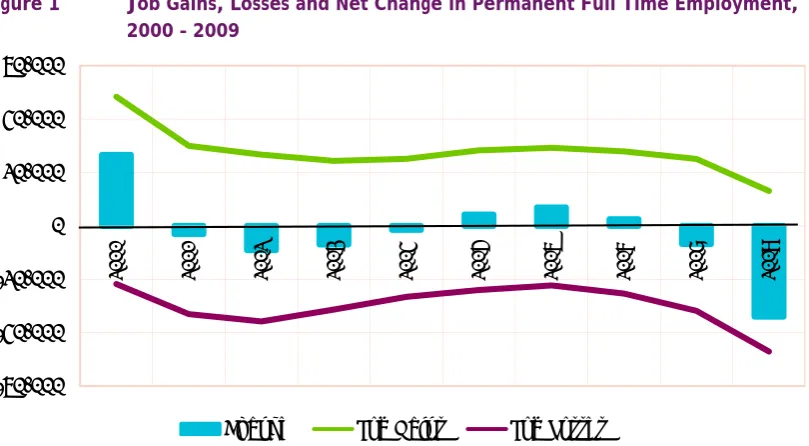
Figure 1 Job Gains, Losses and Net Change in Permanent Full Time Employment,
2000 – 2009
Source: Annual Employment Survey 2009, Forfás, 2010
Figure 1 highlights the trend in the number of jobs being created and lost over the period 2000 to 2009. In the period 2001 to 2004, agency assisted companies recorded net job losses, which was followed by a period of net job creation in 2005 to 2007. 2008 saw net job losses of 6,784. In 2009, 13,059 job gains were outweighed by 47,047 job losses, giving a net job loss of 33,988.
These net job losses in 2009 were concentrated in traditional manufacturing sectors such as food (-2,169), and construction related sectors such as non-metallic minerals (-3,566), and basic and fabricated metal products (-3,111). Computer, electronic and optical products in the modern manufacturing category also experienced net job losses with a decrease of 3,654 jobs in 2009. The medical devices sector was the only manufacturing sector to see
employment growth in 2009, with net increases of 365 jobs.
Employment creation has been driven by the services sectors over the past decade, but in 2009 all services sectors saw net employment losses. Computer consultancy and programming sectors saw losses of 4,033 jobs while financial and business services showed net employment losses of 4.6 (972 jobs) and 10 (1,167 jobs) per cent respectively in 2009.
-60,000 -40,000 -20,000 0 20,000 40,000 60,000
2000 2001 2002 2003 2004 2005 2006 2007 2008 2009
FORFÁS ANNUAL REPORT 2009
[image:37.595.93.503.103.354.2]35
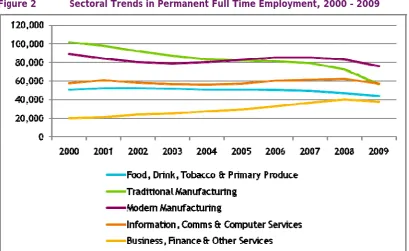
Figure 2 Sectoral Trends in Permanent Full Time Employment, 2000 – 2009
Source: Annual Employment Survey 2009, Forfás, 2010
Figure 2 presents a sectoral breakdown of permanent full time employment in manufacturing and services sectors over the period 2000 to 2009.
The food, drink, tobacco and primary production sector has shown consistency in this time series, with approximately the same numbers employed in 2006 (50,491) as in 2000 (51,028). However, in the years 2007 to 2009 this sector decreased by 12.7 per cent (6,450 jobs) and now accounts for 16.2 per cent of total agency assisted employment, an increase from the 2000 level of 15.9 per cent.
A decline in traditional manufacturing employment is apparent in this graph with a loss of 14,103 jobs (44 per cent) since 2000. The sectors included in traditional manufacturing are textiles, clothing, footwear and leather; wood and wood products; paper and printing; rubber and plastics; non-metallic minerals, basic and fabricated metal products; machinery and equipment; transport equipment; and miscellaneous manufacturing (excluding medical devices).
Over the same period the numbers employed within modern manufacturing have fluctuated from a high of 88,958 in 2000, falling to 79,110 in 2003, increasing again between 2004 and 2007 before falling to a ten year low of 76,048 in 2009. The sub-sectors included in modern manufacturing are computer, electronic and optical; electrical equipment; chemicals; energy; water and waste; and medical devices.
Figure 3 Sectoral Proportions in Permanent Full Time Employment within Irish Owned Agency Assisted Companies, 2000 and 2009
Source: Annual Employment Survey 2009, Forfás, 2010
Figure 4 Sectoral Proportions in Permanent Full Time Employment within Foreign Owned Agency Assisted Companies, 2000 and 2009
FORFÁS ANNUAL REPORT 2009
37 Annual Business Survey of Economic Impact
Expenditure by Agency Supported Firms in the Irish Economy
[image:39.595.100.504.264.512.2]The Forfás Annual Business Survey of Economic Impact 2008 presents results relating to all manufacturing and internationally traded service firms that are under the remit of Enterprise Ireland, IDA Ireland, Shannon Development and Údarás na Gaeltachta. The survey tracked the 2008 performance of agency assisted client companies in terms of outputs (sales, exports, value-added) and monitored the direct expenditure of these companies in the Irish economy in terms of payroll spend and purchases of Irish supplied materials and services.
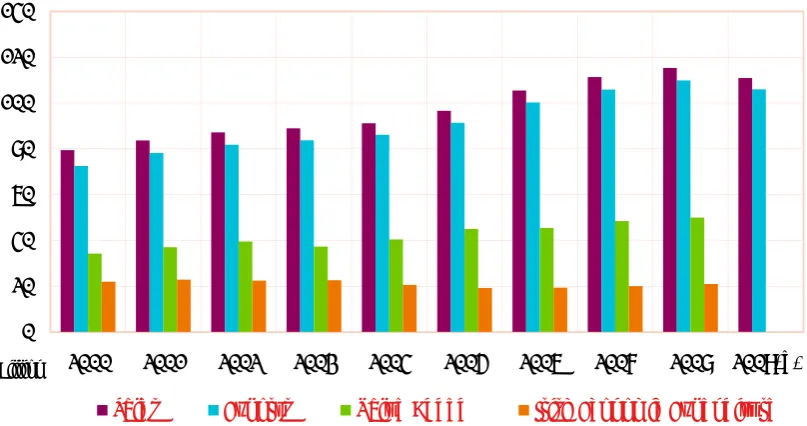
Figure 5 Contribution of Irish Owned Agency Assisted Companies in the Irish Economy, 2000 – 2009 (€bn)
Source: Annual Business Survey of Economic Impact 2008, Forfás, 2009
The overall output of agency assisted firms in manufacturing and internationally traded services increased by 2.9 per cent to €146bn in 2008 (in nominal terms), while direct expenditure in the economy increased by 2.8 per cent. Estimates show an expected reduction in output of 3.8 per cent in 2009.
Total agency assisted exports amounted to €123bn in 2008, an increase of 3.7 per cent from the previous year. Of this, Irish owned companies account for 11 per cent of the total
exports. Irish owned exports were 47.1 per cent higher in 2008 than they were in 2000. This compares to an increase in Irish sales of 35.8 per cent over the same period.
Direct expenditure by all agency assisted firms in the economy totalled €39bn in 2008, of which, Irish owned firms spent €18.8bn in the domestic economy in 2008, comprising €5.7bn on payroll costs, €9.3bn on Irish raw materials, and €3.7bn on Irish services. This direct expenditure has increased from €8bn in 1990. Irish owned companies have increased their expenditure in the Irish economy by 23.4 per cent since 2000. Value added in Irish companies has increased by 67 per cent since 2000. Value added in 2008 is 40 per cent of the output of Irish companies, this has increased from 32 per cent of output in 2000.
0 5 10 15 20 25 30 35
2000 2001 2002 2003 2004 2005 2006 2007 2008 2009(e)
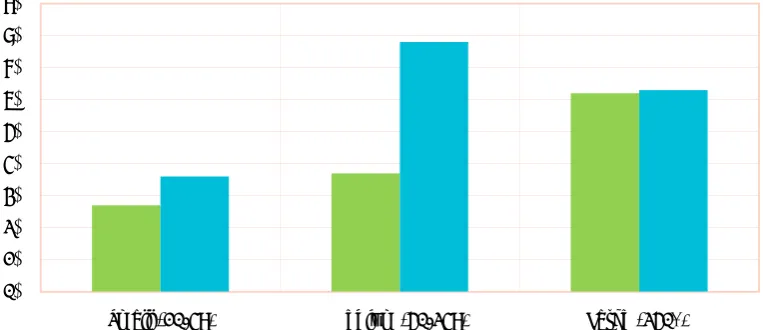
Figure 6 Contribution of Foreign Owned Agency Assisted Companies in the Irish Economy, 2000 – 2009 (€bn)
Source: Annual Business Survey of Economic Impact 2008, Forfás, 2009
The output of foreign owned companies increased by 3.6 per cent in 2008, which represents an increase in output of 45 per cent since 2000. This can be compared to an increase of 51 per cent in exports over the same period.
Direct expenditure by foreign owned firms amounted to €21bn in 2008, comprising €7.8bn on payroll costs, €2.9bn on materials produced in Ireland and €10.2bn on services purchased in Ireland. This represents an increase in the expenditure by foreign firms in the Irish economy of 4.7 per cent in 2008.
Foreign owned value added increased by 3 per cent in 2008 and 45 per cent since 2000. However, value added as a proportion of output was 43 per cent in 2008, equal to the proportion recorded for foreign-owned firms in 2000.
Corporation Tax Payments
In addition to their expenditure in the economy, manufacturing and internationally traded and financial services companies provide a very significant direct return to the Exchequer by way of corporation tax payments.
The total corporation tax yield from all sources was €5bn in 2008. It is estimated that agency assisted firms in the manufacturing and internationally traded services sectors accounted for €2.3bn, with an additional €850m from internationally traded financial services firms, amounting to €3.2bn (63 per cent) of the €5bn total corporation tax paid in the economy.
0 20 40 60 80 100 120 140
2000 2001 2002 2003 2004 2005 2006 2007 2008 2009(e)
Innovation has no boundaries. It can
come from suppliers and customers,
competitors and employees, in Ireland
or internationally. It can apply to
any aspect of a business -
new or
improved products, services, technology
applications, processes, designs and
organisation structures. Ireland has
made significant strides in building
world-class leading edge capability in core
technology areas and we can see the
fruits of success of this investment in
terms of increasing graduate and research
outputs of outstanding quality and
increasing investment by indigenous and
overseas firms in research and innovation
in Ireland, underpinning our export
performance. While much progress
has been made, in the current fiscal
context it is essential Ireland optimises
investments in all aspects of science,
technology and innovation, that the
right supports and policy measures are
in place and that we ensure enterprises
are supported and enabled to convert this
investment into commercial products and
services.
Research Strengths in Ireland: A Bibliometric Study of the Public
Research Base
Forfás and the HEA began a study during the year designed to optimise the alignment between publicly funded research and the enterprise base. The study is designed to paint a national picture of research activity, assess alignment between public and private activity and identify synergies and gaps. This will inform public policy on future investment and the development of research supports to ensure economic value for the investment in the future. One component of the study is a bibliometric analysis of the Irish public research base. The bibliometric study profiled research activity and areas of existing and emerging research strengths across the public research base. The study focused on a ten-year period (1998 to 2007) and the research disciplines were mapped with reference to discipline categories linked to the OECD Fields of Science (FoS) Classification. The analysis and the report are based solely on publication and citation data.
The report provides evidence of the transformation that has taken place in the research environment in Ireland over the ten year period:
The published output of the research base in Ireland more than doubled between 1998 and 2007 at a time when the output of G7 countries remained static. Irish research output in 2007 was 33 per cent higher than the average for the period 2002 to 2006, more than double the growth rate of a group of comparator countries examined. In most of the fields of science examined, Ireland accounts for between 0.3 and 0.4 per cent of world papers. In biological sciences, where growth is strong, its share is higher (around 0.5 per cent) and it is higher again in agriculture (0.6 per cent) and agricultural biotechnology (1.5 per cent). Ireland also performs well in computer science and electronic engineering, although these areas make strong use of non-journal outputs.
Ireland’s share of world citations, at 0.64 per cent in 2007, is greater than its share of publications (0.5) indicating above average citation impact. Whereas Ireland ranks 18th
by volume, it ranks 8th on citation impact and has overtaken Australia and Finland on
this measure.
At subject level, health research and physical sciences perform well in terms of citation impact. Competition in biological sciences constrains relative performance but
agricultural biotechnology is stronger. Citation impact in physics and materials and in chemistry is rising and nanotechnology is above average.
Inter-institutional collaboration is relatively low and collaboration with Northern Ireland is very low compared to typical inter-institutional collaborative links in other countries. Queens University Belfast (QUB) links to 1 per cent of output for UCD and 2 per cent for TCD whereas QUB and University of Ulster share 10 per cent of the University of Ulster's activity. Collaboration between TCD and UCD is less than 3 per cent.
FORFÁS ANNUAL REPORT 2009
41
Ireland’s International Linkages in Science, Technology and
Innovation
Forfás assisted the DETE during 2009 in taking forward the recommendations contained in the Advisory Science Council 2008 report, Ireland’s International Engagement in Science,
Technology and Innovation, and developing a detailed action plan.
Actions are set out in each of the following areas:
Achieving maximum complementarity between national research funding and the EU Framework Programme (FP7).
Coordination of research efforts with other countries in Europe (ERA-NETs, Joint Programming Initiatives etc.).
Ensuring access to research infrastructure abroad and planning national infrastructure investment in the context of EU and global developments.
Facilitating the inward and outward mobility of researchers.
Strengthening Ireland’s STI linkages with selected, high-priority countries including the US, India and China.
Ensuring international engagement receives prominence within the governance arrangements for science, technology and innovation in Ireland.
Arising from the recommendations, each of the research funding agencies in Ireland is placing renewed focus on international linkages including participation in collaborative research programmes.
Irish Representation on CREST
Throughout 2009, Forfás provided inputs to all of the main policy issues discussed at CREST, the high level advisory body that assists the European Commission and the Council of the European Union in the area of science and technology policy, and contributed to the debate on a new mandate and vision for the European body. A co-delegate with DETI, Forfás attaches particular priority to the link between research and innovation, an aspect that has now been placed centre stage in the CREST vision and in European research policy generally. Forfás also helped to coordinate Irish participation in CREST working groups and in special configurations dealing with various topics and European Research Area (ERA) initiatives. The role of CREST is to:
Identify strategic priorities for EU policy in the field of research and technological development, thereby helping the European Commission to draw up and focus the EU research programmes.
Promote coordination by the EU and Member States of their research activities in order to ensure mutual consistency between EU policy on the one hand and national policies on the other hand.
Keep under review the independent assessment of the EU Framework Programmes for research and their specific programmes.
Over the past year CREST has focused on initiatives associated with ERA. In particular, the ERA 2020 Vision has been developed and special configurations of CREST have been
established to progress the various ERA initiatives. These include joint programming of research in Europe, the development of European research infrastructures, knowledge transfer across Europe, mobility of researchers and S&T cooperation with countries outside Europe.
Strategic Forum on International S&T Cooperation (SFIC
)
Forfás represents Ireland on a new forum established by Europe’s research ministers in 2009. The Strategic Forum on International Cooperation (SFIC) develops a coordinated European approach to S&T cooperation with countries outside Europe, in particular large global players such as the US, India, China, Russia and Japan. The SFIC has been established as a special configuration of CREST, the high level advisory body to the Council and the European Commission.
SFIC has developed a work programme for the period 2009 to 2010 which places an emphasis on:
Information sharing in order to build a picture of current S&T cooperation priorities with third countries.
The launch of a small number of pilot initiatives to test the feasibility of developing shared approaches to S&T cooperation.
Forfás contributed to shaping the SFIC work programme, drawing on the principles set out in the recent ASC study Ireland’s International Engagement in Science, Technology and
Innovation. Forfás will continue to consult with the key S&T actors in Ireland to ensure that
Ireland can avail of opportunities provided through this new forum.
Programming of Research in Europe
Joint programming is an initiative to encourage EU member states to work together more closely in tackling the research aspects of key societal challenges facing Europe such as climate change, health and ageing, and food security. Joint Programming Initiatives (JPIs) will operate in addition to the EU Framework Programme and will aim to avoid unnecessary duplication of research effort across Europe. DETI is the national delegate to the High Level European Group on Joint Programming Initiatives.
Forfás provided advice to the DETE in 2009 on the potential for Irish participation in joint programming initiatives and consulted with the key actors in the S&T system to draw attention to the opportunities associated with this European initiative.
FORFÁS ANNUAL REPORT 2009
43
European Strategy Forum on Research Infrastructures
Forfás, together with the Higher Education Authority (HEA), continued to represent Ireland on the European Strategy Forum on Research Infrastructures (ESFRI) in 2009 and is working to ensure that there is a coordinated approach to Irish involvement in projects on the ESFRI Roadmap of Research Infrastructures.
ESFRI was established in 2002 to support a coherent and strategy-led approach to policy-making on research infrastructure investment in Europe and to facilitate multilateral initiatives leading to the better use and development of research infrastructure at EU and international level. One of ESFRI’s main outputs is its Roadmap of European Research Infrastructure.
The first roadmap, published in 2006, identified 35 projects of pan-European interest to be constructed over the coming 10 to 15 years. Forfás and the HEA seek to ensure a coordinated Irish response to the ESFRI roadmap and to foster participation, where appropriate, in initiatives to realise the projects on the roadmap. Irish research institutions, supported by the relevant funding agencies in Ireland, are already playing a part in 10 of the 35 projects on the original ESFRI roadmap. Many of these projects will move from the planning phase to full implementation over the period 2010 to 2013.
Ireland’s involvement to date in the ESFRI roadmap projects has centred on a number of distributed infrastructures where Irish facilities currently under development will be
integrated into wider European networks of facilities. Examples include infrastructures in the area of clinical trials, bio-bank facilities, ocean observation facilities, high performance computing and databases of relevance to the social sciences and humanities.
In 2009, the European Commission launched a call for preparatory phase support for a further 10 projects identified by ESFRI in areas such as energy, environmental sciences and biological and medical sciences. Forfás and the HEA are working with the funders of research and research infrastructure in Ireland to ensure continued engagement in the ESFRI process and to ensure that Irish research infrastructure continues to be planned within the context of wider European and global strategies.
Evaluation of Ireland’s Participation in EU Framework Programme 6
(FP6)
The EU 6th Framework Programme for Research, Technological Development and
Demonstration (FP6) was a group of actions at EU level to fund and promote research. With a budget of €17.8 billion for the years 2002 to 2006, it represented around five per cent of the overall expenditure on research and technological development (RTD) in the EU member states. The DETE requested Forfás to undertake an evaluation of Irish participation in FP6. The purpose of this evaluation was to determine the effectiveness and impact of FP6 in achieving its objectives. The evaluation investigated the added value and relevance of FP6 to research and development in Ireland, the support structures in place, and the leverage from higher education institutions in assisting and encouraging industry participation in FP6, among other issues.
The results of the study have shown that Ireland’s participation in FP6 was strong overall, and that its public and private research communities have played an active role in the
Success rates within the competition were well above FP6 averages. The share of FP6 funding awarded to Irish participants was in line with Ireland’s share of GDP. Its contribution to the EU budget was significantly above its share of GNP and was very high in relation to the size of its population. Funding allocations to Irish participants were above the average amounts awarded during FP6 as a whole.
There are 17 priority areas of FP6 and Ireland has performed strongly in nanotechnologies and nanosciences; food quality and safety; citizens and governance; horizontal research (e.g. marine) involving SMEs, information society technologies; human resources and mobility; and support for the coordination of research priority areas.
The primary benefits of participation in FP6 came in the form of improved relationships and networks, increased knowledge and capabilities (both scientific and technological), and enhanced reputation and image. The benefits of FP6 participation outweighed the costs for the vast majority of Irish participants.
The evaluation of FP6 investigated early views on FP7, and the results are also positive. Ireland’s new National Support Network (NSN) introduced for FP7 attracted significant praise, and the research communities appear to be making good use of the support on offer.
Following the FP6 evaluation Forfás is actively collaborating with the new National FP7 Director and key actors in the STI community. Specifically, Forfás is engaged in a data mapping exercise which will clearly identify the overlap of EU and national funding recipients in the Irish R&D community. Forfás is also involved in the organisation of and participates in a quarterly forum at which all the relevant stakeholders attend to ensure a coordinated and coherent approach is adopted for FP7.
Optimisation of Irish Engagement in EU Framework Programme 7
(FP7)
Arising from the recommendations of Advisory Science Council report Ireland’s International
Engagement in Science, Technology and Innovation published in 2008, the DETE requested
that Forfás, working with the FP7 National Director, consider policy options for a more strategic approach to optimising FP7 drawdown. FP7 is a substantial research fund of €50 billion covering the period 2007 to 2013. Maximising Irish participation in the programme has become particularly important as national funding streams come under pressure and, to this end, Ireland has a target to secure €600 million from the programme. The substantial funding of the Irish national public research base over the last decade means that Ireland has now built up a critical mass of research expertise both in terms of size and quality which should allow Ireland to participate more effectively on the international research stage and leverage greater return from FP7.
Following consultation with stakeholders, Forfás produced a policy discussion document containing proposals agreed by the Inter-Departmental Committee on STI. This has led to the establishment of an FP7 Policy Forum to review and monitor leverage opportunities. The forum brings together key stakeholders to share, discuss and action opportunities for increased participation in FP7, with a particular focus on leveraging national investment in R&D.
FORFÁS ANNUAL REPORT 2009
45
funding and will help national research funders, and their funded researchers, to target specific opportunities in the Framework Programme in the future.
Review of Supports for Exploitation of Intellectual Property from
Higher Education Research
In 2009, at the request of the DETE, Forfás undertook a review of the current supports in place to encourage the exploitation of intellectual property (IP) coming from publicly-funded research in the higher education sector.
The impetus to turn good research ideas into commercially successful products and services has been given added urgency by the current economic circumstances and the need to ensure that a demonstrable and fast return on investment through commercialisation is achievable. Concerns have been raised around the suitability and effectiveness of the current IP
arrangements. To address these concerns, this systematic review was commissioned in order to determine the validity, the extent and the cause of these issues.
Initial findings show that Ireland’s system for commercialising IP from the higher education institutes (HEIs) is making strong progress, given that many of these mechanisms are recently introduced. Much of the perceived instability and change in focus is the result of a nascent commercialisation system that has not had sufficient time to bed down. The focus of this study was on identifying recommendations that will improve effectiveness in the short term and also develop more strategic recommendations that will have an impact in the medium to long term.
High Level Findings
Ireland’s system for commercialising IP fro