Seton Hall University
eRepository @ Seton Hall
Seton Hall University Dissertations and Theses
(ETDs) Seton Hall University Dissertations and Theses
Summer 5-15-2017
A Case Study of the Implementation and Impact of
the System for Teacher and Student Achievement
(TAP)
Tyrone D. Burton
Follow this and additional works at:https://scholarship.shu.edu/dissertations
Part of theEducational Assessment, Evaluation, and Research Commons,Elementary Education Commons,Secondary Education Commons, and theTeacher Education and Professional
Development Commons
Recommended Citation
Burton, Tyrone D., "A Case Study of the Implementation and Impact of the System for Teacher and Student Achievement (TAP)" (2017).Seton Hall University Dissertations and Theses (ETDs). 2286.
A Case Study of the Implementation and Impact of The System for Teacher and Student Achievement (TAP)
by
Tyrone D. Burton
Dissertation Committee
Daniel Gutmore, Ph.D., Mentor Elaine Walker, Ph.D. Gearld Dawkins, Ph.D. Fredrick Pinkney, Ed.D.
Presented in partial fulfillment of the requirements for graduation for the degree Doctor of Educational Leadership
Executive Ed.D. Graduate Program Seton Hall University
© Copyright by Tyrone D. Burton, 2017
iii Abstract
For many years, educators and researchers have debated over which variables influence student achievement. A growing body of evidence suggests that schools can make a great difference in terms of student achievement, and a substantial portion of that difference is attributed to teachers. (International Institute for Educational Planning, 2004). Specifically, differential teacher effectiveness is a strong determinant of differences in student learning, far outweighing the effects of differences in class size and class heterogeneity (Darling-Hammond, 2000). Students who are assigned to one ineffective teacher after another have significantly lower achievement and learning (that is, gains in achievement) than those who are assigned to a sequence of several highly effective teachers (Saunders & Rivers, 1996). Thus the impact of teacher effectiveness or ineffectiveness seems to be additive or cumulative.
Which factors contribute to teacher effectiveness? Professional development for teachers is a key mechanism for improving classroom instruction and student achievement (Darling-Hammond, 1997). According to the National Commission on Teaching and America’s Future, teachers have a more significant influence on student achievement than any other school factor, and they vary widely in their impact. Ongoing learning is an essential component of continuous improvement for teachers (Barber & Mourshed, 2007) as well as a key element in any clinical practice profession (Alter & Coggshall, 2009).
High quality professional development is a central component in nearly every modern proposal for improving education. Policy makers increasingly recognize that schools can be no better than the teachers and administrators who work in them. While these proposed professional development programs vary widely in their content and
iv
format, most share a common purpose: to “alter the professional practices, beliefs and understanding of school personnel toward an articulated end” (Griffin, 1983, p.2).
This study demonstrated that three questions posed in the case study were significant to its findings. The two areas that I examined during this study were program implementation and the impact of the program on student achievement. While there are multiple variables that factored into the measurement of the implementation process and student achievement, this study narrowed the focus to how this particular program (TAP) was implemented and its impact on student achievement. The summary findings from this study suggest that while there were differences between the three schools regarding the various components of the TAP process, participants at the Pre-K through 2nd-grade school were less satisfied than participants at the Elementary and Middle schools and there were no significant differences among the various schools regarding its implementation.
v Acknowledgements
Romans 8:28: “And we know that all things work together for good to them that love God, to them who are called according to His purpose.”
I have to begin by thanking God for giving me the strength, courage, wisdom, and knowledge to be able to complete this portion of my life’s journey. There were daily challenges both professionally and personally, but He supplied me with new grace and mercy every morning. My mission now is to pay it forward.
Many thanks are extended to my mentor and professor, Dr. Daniel Gutmore, for serving as a constant source of support and guidance. I will always remember your straightforward approach that helped to keep me focused on the task at hand, which was to get the work done. There were times when the vicissitudes of life weighed me down and you knew just what to say to get me back on track. Dr. Gutmore, you are the consummate professional as well as a cognitive genius. My life, as well as all of the lives you’ve touched, are the better for having been mentored by you.
To Dr. Elaine Walker, thank you for your support and patience as my second reader and professor. I appreciate so much the extra time you would always take to make sure that I understood the concept behind the methodology and not just the numbers. You have developed the ability and capability to teach difficult statistical concepts and make them understandable to mathematically challenged individuals such as I. Seton Hall is fortunate to have you as part of its faculty and I was fortunate to have you as my professor.
To Dr. Carlos Lee, thank you for serving as an example of what is possible for a Louisiana boy like me. Your guidance and patience were an example to me to pay it forward. You led by example, and for that I am grateful.
vi
To Dr. Fredrick Pinkney and Dr. Gerald Dawkins, thank you both for serving as external members of my committee and for your constant encouragement in my low times and sad times. You both are a constant source of inspiration to me.
To the Cherokee Park Elementary Family and Teacher’s Federal Credit Union, thank you for being my silent yet vigilant cheerleaders. You made this journey bearable through your persistent caring and support. I particularly want to thank my Super Support Team Tangela Sylvie, Cynthia Wilson, and Yakima Ball. You ladies made me stay the course.
To my lovely wife, Wanda, and our boys Benjamin and Zachary, who saw fit to have weekly meetings with me around the Sabbath dinner table to help keep me on target. I will cherish those conversations forever. Especially Wanda, whose advice was always cherished and adhered to.
To my brother, Alphaeus LaTracy Burton, who reminded me that our mother raised strong, independent thinkers who could conquer the world. Thanks for leading the way by earning your Juris Doctorate.
And last but not least, to my mom, Claudette Calhoun Burton Jones, who was not just my mom but my first teacher. She instilled in me the ideology that if my mind could conceive it and in my heart I believed it, then I could achieve it. This work and my doctorate are dedicated to her. She died April 17, 2012, which was my first weekend at Seton Hall, but her wish was that I finish my terminal degree. So mom, this is for you. I love you and miss you.
vii Table of Contents
Table of Contents ... vii
List of Tables ... xi
List of Figures ... xiii
Chapter I. Introduction ... 1
Background ... 2
The Purpose of the Study ... 4
The Problem Statement ... 5
Research Questions ... 8
Implementation Questions ... 8
Significance of the Study ... 8
Limitations ... 9
Delimitation ... 10
Definition of Terms... 10
Chapter Summary ... 12
Chapter II. Research on the Impact of Professional Development on Teachers .. 13
Research on the System for Teacher and Student Achievement ... 24
Implementation Theory: How Schools Respond to New Programs ... 29
How Teachers Lead Professional Development ... 31
viii
Policy Implications and the TIF/TAP Alignment ... 52
TAP Training ... 61
TAP Core Training (Day 1-5) ... 61
TAP Core Training (Day 6) TAP Evaluator Certification ... 61
TAP Core Training (Day 7) Connecting the Rubrics; Designing, Planning, and Learning Environment ... 62
TAP Core Training (Day 8) Field Testing ... 62
Additional Training ... 62
Building TAP Knowledge, Skills and Understanding Workshop ... 62
Principal Support Webinars ... 63
TAP Implementation ... 63
The Role of the Building Principal ... 65
The Role of the Master Teacher... 66
The Role of the Mentor Teacher ... 68
The School Plan ... 69
Assessments Measuring of Learning ... 74
Chapter III. Methodology ... 76
Introduction ... 76
District Accountability in Louisiana ... 78
TAP 2013 – 2014 ... 83
ix
TAP ... 84
Instrumentation ... 84
Data Collection ... 85
Data Analysis ... 85
The Research Questions ... 88
Implementation Questions ... 88
Impact Question ... 89
Summary ... 89
Chapter IV. Research Findings ... 90
Respondents to the TAP Survey ... 91
The Research Questions ... 93
Implementation Questions ... 93
Research Hypotheses ... 94
Pre-Analysis of the Data ... 94
Question One ... 95
Ongoing Applied Professional Development (OAPD) ... 95
Multiple Career Paths (MCP) ... 97
Collegiality (COL) ... 99
Instructionally Focused Accountability (IFA) ... 100
Question Two ... 102
x
Multiple Career Paths (MCP) ... 103
Collegiality (COL) ... 104
Instructionally-Focused Accountability (IFA) ... 106
Performance Based Compensation (PBC) ... 107
Question Three ... 108
DIBELS (Mean Only) ... 109
Levenes’ Test for Equality of Variances ... 110
DIBELS (20th and 40th percentile only)... 110
Chapter V. Conclusions and Recommendations ... 121
Introduction ... 121
Summary Findings ... 122
Research Question 1 ... 123
Research Question 2 ... 123
Research Question 3 ... 123
Recommendations for Practice ... 124
Recommendations for Policy ... 125
Recommendations for Future Research ... 126
Conclusion ... 127
xi List of Tables
Table 1. A Cost Structure for Professional Development ... 50
Table 2. Accountability Letter Grade Range and Student Percentages ... 78
Table 3. Comparative Letter Grade Range Scales ... 79
Table 4. Comparative Proficiency Level Calculations ... 79
Table 5. Comparative Formula for Bonus Points ... 80
Table 6. Number and Classification of Teachers Assigned Per School for 2013-2014... 83
Table 7. Number and Classification of Teachers Assigned Per School for 2012-2013... 83
Table 8. Comparison Numbers and Classification of Teachers Per School for 2012-2014... 84
Table 9. Number and Percentage of Survey Respondents for PreK-2nd ... 91
Table 10. Number and Percentage of Survey Respondents for 3rd-5th ... 92
Table 11. Number and Percentage of Survey Respondents for 6th-8th ... 92
Table 12. Total Number and Percentage of Survey Respondents Combined ... 93
Table 13. Cronbach’s Alpha Reliability ... 95
Table 14. Descriptive Analysis for OAPD ... 96
Table 15. ANOVA for OAPD ... 96
Table 16. Post Hoc for OAPD ... 97
Table 17. Descriptive Analysis for MCP ... 98
Table 18. ANOVA for MCP ... 98
Table 19. Post Hoc for MCP ... 98
Table 20. Descriptive Analysis for COL ... 99
xii
Table 22. Post Hoc for COL ... 100
Table 23. Descriptive Analysis for IFA ... 101
Table 24. ANOVA for IFA ... 101
Table 25. Post Hoc for IFA ... 102
Table 26. Hypothesis Test Summary ... 103
Table 27. Descriptive Analysis for OAPD ... 104
Table 28. Hypothesis Test Summary for MCP ... 104
Table 29. Descriptive Analysis for MCP ... 105
Table 30. Hypothesis Test Summary for COL ... 105
Table 31. Descriptive Analysis COL ... 106
Table 32. Hypothesis Test Summary for IFA ... 106
Table 33. Descriptive Analysis for IFA ... 107
Table 34. Hypothesis Test Summary for PBC ... 107
Table 35. Descriptive Analysis for PBC ... 108
Table 36. Mean Table for Grade Comparing 2009-2014 ... 110
Table 37. Levenes’ Test for Equality of Variances (Mean) ... 111
Table 38. Percentile Table Comparing 2009-2014 ... 112
Table 39. Levene’s Test for Equality of Variances (Percentiles) ... 113
Table 40. Chi-Square Test Comparing 2009-2014 ... 115
Table 41. Levene’s Test for Equality of Variances (Proficiency Levels) ... 116
xiii List of Figures
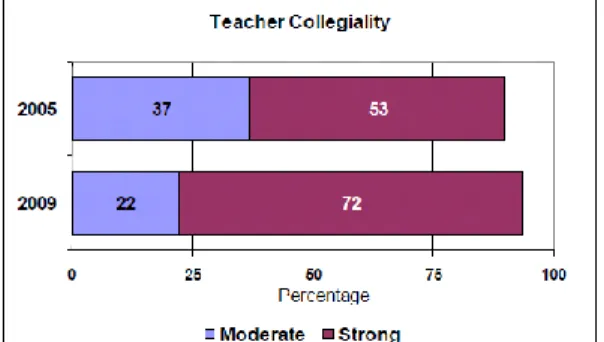
Figure 1. Teacher Collegiality. ... 57 Figure 2. Support for TAP. ... 58 Figure 3. Levels of Formative Assessments. ... 75
1 CHAPTER I Introduction
For many years, educators and researchers have debated over which variables influence student achievement. A growing body of evidence suggests that schools can make a great difference in terms of student achievement, and a substantial portion of that difference is attributed to teachers (International Institute for Educational Planning, 2004). Specifically, differential teacher effectiveness is a strong determinant of
differences in student learning, far outweighing the effects of differences in class size and class heterogeneity (Darling-Hammond, 2000). Students who are assigned to one
ineffective teacher after another have significantly lower achievement and learning (that is, gains in achievement) than those who are assigned to a sequence of several highly effective teachers (Saunders & Rivers, 1996). Thus, the impact of teacher effectiveness or ineffectiveness seems to be either additive or cumulative.
Which factors contribute to teacher effectiveness? Professional development for teachers is a key mechanism to improving classroom instruction and student achievement (Darling-Hammond, 1997). According to the National Commission on Teaching and America’s Future, teachers have a more significant influence on student achievement than any other school factor and they vary widely in their impact. Ongoing learning is an essential component of continuous improvement for teachers (Barber & Mourshed, 2007) as well as a key element in any clinical practice profession (Alter & Coggshall, 2009).
2
High quality professional development is a central component in nearly every modern proposal for improving education. Policy makers increasingly recognize that schools can be no better than the teachers and administrators who work in them. While these proposed professional development programs vary widely in their content and format, most share a common purpose: to ‘alter the professional practices, beliefs and understanding of school personnel toward an articulated end (Griffin, 1983, p. 2).
Background
There is a growing body of research regarding teacher quality and programs that affect the instructional behavior of teachers. Lowell Milken the founder of The National Institute for Excellence in Teaching states,” that the single most important factor driving student performance is the quality of the teacher in the classroom” (Milken, NIET, 2008). Research regarding teacher quality has been the apex of much deliberation by policy makers that provide funding for professional development. High quality professional development is a central component in nearly every modern proposal for improving education. Policy makers increasingly recognize that schools can be no better than the teachers and administrators who work in them. While these proposed professional development programs vary widely in their content and format, most share a common purpose: to ‘alter the professional practices, beliefs and understanding of school personnel toward an articulated end (Griffin, 1983, p. 2). Professional development for teachers is a key mechanism to improving classroom instruction and student achievement (Ball & Cohen, 1999). As stated earlier, according to a report by the National
Commission on Teaching and America’s Future, teachers have a more significant influence on student achievement than any other school factor and they vary widely in
3
their impact. Ongoing learning is an essential component of continuous improvement for teachers (Mourshed, 2007) as well as a key element in any clinical practice profession (Alter & Coggshall, 2009).
The content of the professional development is most useful when it focuses on “concrete tasks of teaching, assessments, observation and reflection” (Darling-Hammond & McLahghlin, 1999, p. 598), rather than abstract discussion of teaching. Studies find strong effects of professional development on practices when it focuses on enhancing teachers’ knowledge of how to engage in specific pedagogical skills and how to teach specific kinds of content to learners. Equally important is a focus on student learning, including analysis of the conceptual understanding and skills that students are expected to demonstrate (Carpenter et al., 1989).
What attracts teachers to professional development, therefore, is their belief that it will expand their knowledge and skills, contribute to their growth, and enhance their effectiveness with students. However, teachers also tend to be quite pragmatic. What they hope to gain through professional development are specific, concrete, and practical ideas that directly relate to the day-to-day operation of their classrooms (Fullan & Miles, 1992). Development programs that fail to address these needs are unlikely to succeed (Guskey, 1995).
Some of the research regarding teacher quality and programs that influence teacher quality includes “A Status Report on Teacher Development in the U.S. and Abroad” by Linda Darling-Hammond, “Professional Development and Teacher Change,” “High Quality Professional for All Teacher Learning” by Sarah Archibald, “Mapping the
4
Terrain by Hilda Borko,” and “Investing in Quality Teaching” by The National Commission on Teaching and America’s Future.
Another such program that focuses on teacher quality is The System for Teacher and Student Achievement (TAP). According to research, TAP is a whole school approach to evaluating and compensating teachers and providing professional development
opportunities to both improve teaching and help schools attract and retain good teachers (Glazerman et al., 2007). The professional development provided through (TAP) is dramatically different from traditional professional development that has been common in schools. Traditional professional development supports teachers through workshops, conferences and in-service meetings that typically happen outside of the school setting are led by experts from outside the school and are unrelated to the specific needs of the teachers attending the sessions and their students. In contrast, TAP provides teachers with ongoing, job embedded, student learning centered professional growth opportunities that are led by experts located within the school. This model of professional development is based on the research of the past 30 years which includes concludes that in order for professional development to be effective, it needs to be sustained and directly related to the circumstances at the school site (NIET, 2012).
The Purpose of the Study
Teacher effectiveness has rapidly risen to the top of the educational policy agenda. This issue has been identified by the United States Department of Education as one of four key elements in its Race to the Top competition. The focus on teacher effectiveness makes sense. While there might be disagreement about the most effective ways to measure and develop effectiveness, educators and policymakers agree that
5
ensuring that teachers are capable of improving student learning (National Commission on Teaching and America’s Future, 1996). The evidence is clear that teaching is one of the most important school-related factors in student achievement and that improving teacher effectiveness can raise overall student achievement levels (Darling-Hammond, Wei, Andree, Richardson, & Orphans, 2009).
The findings of this study are consistent with those of (Solomon et al., 2002, 2004) where policy makers have expressed concerns about the lack of rigorous, independent research on the effectiveness of The System for Teacher and Student Achievement (TAP) or any other approach to teacher compensation reform and professional development (Hassell, 2002). Given the pace of policy proposals and investment in this area, the research needed to guide these investments are lagging. To date the research literature consists of no experimental studies and very few quasi-experimental studies. The purpose of this study is to investigate whether or not the implementation of The System for Teacher and Student Achievement in three schools in Louisiana that are funded by the Teacher Incentive Fund have an impact on teacher effectiveness and student achievement. The three schools in this study were located in the DeSoto Parish School District and include schools that have implemented The System for Teacher and Student Achievement (TAP) Three Years and Beyond. To determine the impact of teacher effectiveness this study examined a version of the TAP Attitude Survey, which is required by the National Institute for Excellence in Teaching.
The Problem Statement
1. High quality professional development is a central component in nearly every modern proposal for improving education. Policy makers increasingly
6
recognize that schools can be no better than the teachers and administrators who work in them. While these proposed professional development programs vary widely in their content and format, most share a common purpose: to ‘alter the professional practices, beliefs and understanding of school personnel toward an articulated end’ (Griffin, 1983, p. 2). In view of what Hammond & McLaughlin reported (1995), professional development for teachers is a key mechanism to improving classroom instruction and student achievement. Teachers have a more significant influence on student achievement than any other school factor and they vary widely in their impact (Kane, Rockoff, & Staiger, 2006; Nye, Knostantoplous, & Hedges, 2004). Ongoing learning is an essential component of continuous improvement for teachers (Barber & Mourshed, 2007) as well as a key element in any clinical practice profession (Alter & Coggshall, 2009). 2. Policy makers have expressed concerns about the lack of rigorous, independent
research on the effectiveness of The System for Teacher and Student Advancement (TAP) or any other approach to teacher compensation reform and professional development (Hassell, 2002). Notably, given the pace of policy proposals and investment in this area, the research needed to guide these investments are lagging. To date the research literature consists of no experimental studies and very few quasi-experimental studies-including (TAP) studies by Schacter et al. (2002 and 2004) and Solomon et al. and a study by Clotfekter et al. (2006). The three (TAP) studies were conducted by the developer of the program, and two of them relied on small, self-selected comparison groups of schools in two states. The more recent report includes
7
larger numbers of comparison schools and teachers, a total of 61 TAP and 285 non-TAP schools across six states.
3. According to the National Institute for Excellence in Teaching, TAP is a whole school approach to evaluating and compensating teachers and providing professional development opportunities to both improve teaching and help schools attract and retain good teachers. The program, which includes value added assessment of teacher performance, professional development, career ladder opportunities, and performance based bonuses, has been adopted in over 100 schools across a dozen states to date.
4. Concomitant, the four key elements of TAP are: Multiple career paths, gives teachers opportunities to take on more responsibility and receive compensation for doing so. Performance based compensation provides bonuses to teachers who demonstrate their skills and who increase their students’ academic growth over the course of a year. Instructionally focuses accountability ties teacher evaluations to teaching skills and student achievement. Ongoing applied professional growth provides with school-based professional development during the school day. Teachers meet weekly in small “cluster” groups led by a master teacher and together analyzed student data, improve instruction, and learn new research based instructional strategies that increase their students’ academic achievement. This study focused on the ongoing applied professional growth element of TAP.
5. Despite the general acceptance of professional development as essential to improvement in education, reviews of professional development research
8
consistently point out the ineffectiveness of most programs (Wang et al., 1999). A variety of factors undoubtedly contribute to this ineffectiveness. It has been suggested, however, that the majority of programs fail because they do not take into account two crucial factors: (a) what motivates teachers to engage in professional development and (b) the process by which change in teachers typically occurs (Guskey, 1986).
To that end, this study examined the question, “How does implementation of The System for Teacher and Student Achievement model of job embedded professional development used in three schools in Louisiana improve teacher effectiveness?”
Research Questions
This case study represents an attempt to estimate the impact of TAP on teacher quality in terms of student achievement as well as what factors facilitate or impede the implementation of TAP?
Implementation Questions
1. To what extent are there differences between the three schools regarding the various components of The System for Teacher and Student Achievement? 2. To what extent are there differences between Master, Mentor and Career
Teachers feeling with regards to implementation?
3. Impact question: To what extent did The System for Teacher and Student Achievement affect Student Achievement?
Significance of the Study
Broadly, this study is significant in that contributes to the current body of
9
results are particularly useful to policy makers, district administrators and principals who are investigating the effects and benefits of programs such as TAP that are designed to improve teacher quality. The study also help guides principals that are currently
implementing TAP to ascertain what factors may impede or facilitate the success of the TAP process.
Specifically, the results of this study add to the current body of independent research conducted regarding the implementation and impact of TAP in schools.
Currently, the research literature consists of no experimental studies and very few quasi-experimental studies-including (TAP) studies by (Schacter et al., 2002). Accordingly, the three (TAP) studies were conducted by the developer of the program, and two of them relied on small, self-selected comparison groups of schools in two states. Similarly, the more recent report includes larger numbers of comparison schools and teachers, a total of 61 (TAP) and 285 non-TAP schools across six states.
Currently, there are 10 case studies that are formally dedicated to the evaluation, implementation or impact of TAP in schools. However, most of them are partially or fully funded by the National Institute for Excellence in Teaching. The independent nature of this research negate, to a large extent, any biases towards the outcome of the study.
Limitations
This study is limited by the perceptions of the teachers with regard to the answers they supplied on the end of the year TAP Attitude Survey regarding the implementation of the TAP process.
10 Delimitation
The study is de-limited by selecting only three schools in the district. The study is also de-limited by selecting only one district as a data sample. The study is de-limited by the researcher’s beliefs in the TAP process.
Definition of Terms
The System for Teacher and Student Achievement (TAP) is a whole school approach to evaluating and compensating teachers and providing professional
development opportunities to both improve teaching and help schools attract and retain good teachers. The program, which includes value added assessment of teacher
performance, professional development, career ladder opportunities, and performance based bonuses, was developed by founder Lowell Milken under the umbrella of the National Institute for Excellence in Teaching.
Career Teacher- a career teacher is a regular classroom teacher. This teacher may be new to teaching or may have taught for many years. The career teachers participate fully in cluster group meetings, are evaluated by the principal, master teacher and mentor teacher and are eligible to receive a performance bonus award each year.
Cluster Group- in a TAP School, a cluster is the basic unit for teacher
professional growth. The focus of the work done in a cluster group is on instructional improvement for increasing student achievement. The new learning in cluster groups is aligned to the process of the STEPS for Effective Learning and focuses intently on student needs.
11
Leadership Team- includes all master and mentor teachers in a TAP school and is led by the principal. The team is responsible for overall implementation and operation of the Teacher Advancement Program.
Master Teacher- a master teacher occupies the top ranked teaching position in a TAP school. A master teacher is a highly skilled professional educator who shares significant leadership responsibilities and authority with the principal.
Mentor Teacher- in a TAP School, mentor teachers provide day to day coaching and mentoring services to the teachers under their supervision. They collaborate with colleagues to construct benchmark lessons, to teach and demonstrate model instructional skills to their mentees.
TAP Attitude Survey- is administered to all teachers and administrators at the end of the school year to determine program implementation in the following areas:
Instructionally Focused Accountability, Collegiality, Multiple Career Paths, Performance Based Compensation and Ongoing Applied Professional Growth.
OAPD- Ongoing Applied Professional Development.
MCP- Multiple Career Paths
COL- Collegiality
IFA- Instructionally Focused Accountability
PBC- Performance Based Compensation
NIET-National Institute for Excellence in Teaching
All of the definitions of the terms were taken cited directly from the Handbook for Teacher and Student Achievement June 2006.
12 Chapter Summary
Chapter 1 presents the introduction, the background of the problem, the problem statement, the purpose of the study, the research questions, and the significance of the study, the limitations/delimitations and definition of terms.
The primary focus of the study is to determine to what extent job embedded professional development has on teacher quality and teacher effectiveness. This study specifically examined The System for Teacher and Student Achievement model developed by the National Institute for Excellence in Teaching relative to its implementation and impact teacher on effectiveness.
13 CHAPTER II
Research on the Impact of Professional Development on Teachers In the report, “How the world’s most improved school systems keep getting better,” by Mourshed, Chijoke, and Barber (2010) which examines the findings of the OECD/PISA summary; regarding professional development or peer to peer collaboration they report, “ Collaborative practices is about teachers and school leaders working together to develop effective instructional practices, studying what actually works in classroom, and doing so with rigorous attention to detail and with a commitment to not only improving one’s own practice but that of others as well. The remarkable feature of the evidence is that the biggest effects on student learning occur when teachers become learners of their own teaching. , empirical, routine, and applied study of their own profession” (Mourshed, Chijoke, & Barber, 2010).
Unfortunately, too many professional learning activities are disconnected from teachers’ actual practice and school improvement goals (Cohen & Hill, 2000; Kennedy, 1998) and are not designed with attention to the needs of adult learners Croft, Coggshall, Dolan, and Powers (2010). In addition, a comprehensive analysis of the nationally representative Schools and Staffing Survey (National Center for Education Statistics) showed that the number of opportunities for sustained professional development for teachers, as defined as that which lasted more than eight hours, decreased between 2004 and 2008 (Wei, Darling-Hammond, & Adamson, 2010). An earlier report found that teachers’ opportunities for high-quality professional learning (the kind that produces change in teaching practice and student outcomes) are much more limited in the United
14
States than in most high-achieving nations abroad Darling-Hammond, Wei, Andree, Richardson, and Orphans (2009).
In a survey conducted for The Teaching Commission in 2004, 42 percent of teachers indicated that professional development either leaves something to be desired or
is a waste of my time. Only 18 percent said that the professional learning activities
offered by their district or school were significant in helping them become more effective teachers Peter D. Hart Research Associates and Harris Interactive (2004). Such research has led policymakers, teachers, and the public to doubt whether funds allocated to professional development are well spent.
Hence, a distinction must be made between business-as-usual and high-quality professional development that is directly connected to teachers need to increase student achievement. The latter holds great promise to support and improve teachers’ practice and effectiveness over the long term (Darling-Hammond et al., 2009; Loucks-Horsely & Matsumoto, 1999; Supovitz & Turner, 2000).
In focus groups with teachers, Shapiro and Laine (2005) found that participants overwhelmingly stated that dedicated time for ongoing professional development in combination with focused, supportive school leadership would encourage them to teach in a hard-to-staff school.
Large-scale studies of effective professional development document that student achievement and teacher learning increase when professional development is teacher led, ongoing and collaborative (Desimone, Porter, Garet, Yoon, & Birman, 2002; Smylie, Allensworth, Greenberg, Harris, & Luppescu, 2001). Fullan (2001) contends that schools that regularly link teachers to other teachers to form a supportive community
15
(networking), develop new values, beliefs and norms (reculturing), and then reorganize themselves such that networking and reculturing can thrive (restructuring), are capable of successfully reforming teaching and learning.
Research by Guskey (2000) recognize four principles that are common to
professional development practices and used in successful initiatives that have produced demonstrable evidence of improvements in student learning:
1. Focused on learning and learners.
2. An emphasis on individual and organizational change. 3. Small changes guided by a grand vision; and
4. Ongoing professional development that is procedurally embedded. In a case study of a Reading First School in Pennsylvania conducted by then undergraduate Aimee Leigh Morewood, whereby she examined the impact of School-Wide Professional Development on Teachers’ Practices, she submitted these finding: Although teachers indicated that professional development did influence their reading instruction, many of the teachers’ comments reflected their reliance on teacher wisdom. Teaching experiences influenced their reading instruction. These responses indicated that teachers relied on their feelings and perceptions about what students needed to guide their instruction.
Assessment often was discussed by teachers; which reflected the emphasis on using assessment data, often addressed in professional development. Teachers indicated that, particularly during grade level meetings, assessment results were reviewed (i.e., informal and standardized assessments), instructional goals were set from the assessment data, student groups were established from the results, and teachers differentiated their
16
instruction because of the evidence that the assessment results provided (Moorewood, 2007).
Professional development that focused on the reading program was most evident in the teachers’ reading instruction. During the interviews, teachers often discussed what they had learned from professional development that focused on the reading program. The observations indicated that the teachers understood the format of the reading program and how to follow the script for reading instruction.
While teachers also spoke of other information that they received in
professional development, not everything the teachers discussed was
observed during their reading instruction.
All of the participants identified professional development sessions that provided substantive information as the most influential. During the interviews, the majority of teachers identified professional development sessions that were reform type and included collegial participation (i.e., structural). The teachers who selected graduate course work were engaged in sessions that occurred over multiple sessions, while teachers who
selected a grade level meeting did not choose a topic that occurred over multiple sessions. The literacy leaders did not identify professional development sessions that had a
reoccurring topic. All of the participants indicated that effective professional
development that had the greatest impact on their instruction included active learning and was congruent with personal, district, and state standards (i.e., core).
Initially, the teachers had a more traditional view of professional development; coaching as an approach to PD was not seen as an influential source of learning.
17
At first, when the teachers were asked to discuss an influential professional development session, they were unsure of what to select because of their limited formal professional development opportunities during the year of the study.
The teachers did not recognize the grade level meetings as a potential form of professional development until they were provided a list of professional development opportunities that included the dates and topics of the grade level meetings. Also, none of the teachers identified either of the reading coaches as a source of professional
development. In other words, teachers at the school seemed to think that PD was something provided to teachers in a traditional workshop or in-service mode (Anders et al., 2000; Beresik, 2000).
Given that perspectives of literacy leaders differed from teachers’ perspectives on effective professional development, there may be inconsistencies in terms of what
professional development is offered to teachers relative to their needs and interests. The needs of teachers must be considered when planning professional development.
The teachers who selected graduate courses as influential professional
development indicated that they learned much about the process of reading, including the connections between reading and writing, how literacy fit into a school’s curriculum, and how to be a more reflective practitioner. The features of the coursework described by the participating teachers reflected the characteristics of effective professional development (Desimone et al., 2002). The teachers described how specific assignments provided authentic learning experiences through expectations for implementing a newly learned concept into their reading instruction (Bean, 2004; NSDC, 2001). Then, teachers continued by describing how this type of professional development provided them with
18
supportive learning communities (Cochran-Smith & Lytle, 1999; Duffy, 2005; Firestone & Pennell, 1997; Florio-Ruane, Raphael, Highfeild, & Berne, 2004; NBPTS, 2006; Shulman, 1986; Taylor, 2000) in which assignments were discussed and graduate students received feedback from peers.
This case study is significant to this research because it provides an example in which literacy leaders’ perceptions about influential professional development differed from teachers’ perceptions (Bean, 2004; Bean, Swan, & Morris, 2002; Hord, 2004; Lefever-Davis et al., 2003). Moreover, the view of the special education teacher was consistent with the views of classroom teachers. According to Williams (2006), administrative understanding of teachers’ needs is the link between providing teachers with professional development that fits their needs and increasing student. This case study also examines the implementation and impact of a program being implemented through professional development. Even this research involves the implementation of the Teacher Advancement Program; this study suggests that the process of professional development is as important as the program being implemented.
Teachers found that professional development opportunities that facilitated a sense of a learning community were most beneficial (e.g., grade level meetings, colleagues within graduate course, or on-line study group members). Teachers had opportunities to make connections between their prior content knowledge of reading and the new information that was discussed among colleagues (Cochran-Smith & Lytle, 1999). Teachers responded positively to professional development that included collegial discussions.
19
Schools are responsible for providing teachers with professional development opportunities that foster teacher learning through authentic learning experiences. Therefore, professional development providers within the schools should create opportunities for teachers to be active participants in learning communities that offer experiences that have authentic application to classroom instruction. Teachers’ active involvement in learning communities provides opportunities for collegial dialogue that deepens teacher knowledge across and within grade levels, thereby creating an
environment for teacher change (Duffy, 2005; Firestone & Pennell, 1997; Florio-Ruane, NBPTS, 2006; NSDC, 2001; Raphael, Highfeild, & Berne, 2004; Shulman, 1986; Taylor, 2000).
Additional research regarding the impact of professional learning comminutes on teaching practice and student learning was conducted by Vicki Vescio, Dorene Ross and Alyson Adams from the school of teaching and learning at the University of Florida as cited in the January 10, 2007 edition of Teaching and Teacher Education 24 (2008). The authors limited the review of published articles or book chapters that included data about the impact of school based PLC’s on teaching practice and/or student learning. Using those parameters, the search provided only 10 empirical studies of the work of teachers in learning communities. In addition, they included one large multi-site research report commissioned and published by the General Teaching council of England, Department of Education and Skills. They provided a synthesis of the research on how teaching
practices or student achievement changes due to teachers’ participation in a learning community and what aspects of the learning community support these changes (Vescio, Ross, & Adams 2008).
20
Although current professional development literature is replete with articles that extol the virtues of learning communities as an essential way to organize schools in order to maximize time spent in professional development (Bryk, Lee, & Holland, 1993), only recently has the focus of this literature shifted to examining empirically the changes in teachers’ practices and students’ learning as a result of PLCs. This research is significant to this study because it builds on the work conducted by Darling-Hammond and
McLauglin (1995) and the work Darling-Hammond, Wei, Andree, Richardson, and Orphanos (2009) regarding Professional Learning in the Learning Profession based on a nine study of Teacher Development in the United States and Abroad.
The concept of a PLC is based on a premise from the business sector regarding the capacity of organizations to learn. Modified to fit the world of education, the concept of a learning organization became that of a learning community that would strive to develop collaborative work cultures for teachers (Vescio, Ross, & Adams 2008).
Each of the studies reported focuses on the significant and nature of teacher collaboration. It is equally important to note that most of the studies document the
specific focus of the teachers’ collaborative efforts (Berry et al., 2005; Englert & Tarrant, 1995). The middle school case study of teachers collaborating to create innovative
curriculum, the goal of the teachers’ work was to improve learning for low and underachieving students Phillips (2003). The teachers in studies by Starhan (2003), Hollins et al. (2004), and Englert and Tarrant (1995) all had an underlying focus on improving student literacy. Similarly, two overlapping studies (Supovitz, 2002; Supotivz & Christman, 2003) powerfully demonstrated the importance of focus in teachers’ collaborative actions. Both authors reported that teachers who participated on teams or in
21
small communities that focused on instructional practice reported changes in instructional culture (McGhee, 2001).
A closer examination of the impact of PLC’s in the context of increased student achievement was found in these studies. All eight studies (Berry et al., 2005; Bolman et al., 2005; Hollins et al., 2004; Louis & Mark, 1998; Philips, 2003; Starhan, 2003; Supovtiz, 2002; Supovitz & Christman, 2003) that examined the relationship between teachers’ participation in PLC’s and student achievement found that student learning improved. Berry et al. (2005) documented the progress of a rural elementary school over a four-year period. During this time, the results of grade level testing indicated that students improved from struggling with slightly more than 50% performance at or above grade level to improving rapidly with more than 80% of students meeting grade level standards. In Strahan’s (2003) account of three struggling elementary schools over a three-year period, results also demonstrated dramatic improvement. In each of the school’s student test scores on state achievement tests rose form 50% proficient to more than 75%.
Hollins et al. (2004) reported that at both levels assessed second and third grade struggling African American students in the target school increased their achievement significantly more than comparable students in the district did. In 1998, 45% of second graders at the largest school scored above the 25th percentile as compared with 64% in
1999, and 73% in 2000. This is a 28% overall gain. District wide, 48% of second graders scored above the 25th percentile in 1998, 61% in 1999 and 56% in 2000, an overall gain of 12% (p. 259).
22
After adjusting for grade level and student background Louis and Mark (1998), found that student achievement was significantly higher in schools with the strongest PLC’s. This effect was so strong that the strength of the PLC accounted for 85% of the variance in achievement in this study. Supovitz (2002) and Supovitz and Christman (2003) found evidence to suggest that those communities that did engage in structured sustained, and supported instructional discussions and investigated the relationships between instructional practices and student work produced significant gains in student learning (p. 5). It also important to note, however, that in the communities where teachers worked together but did not engage in structured work that was highly focused around student learning, similar gains were not evident.
The result from this study, which examines some empirical research, is relative to this study because the correlation between professional development and learning
communities is dichotomous. Traditional models for of professional development have focused on providing teachers with the skills and knowledge necessary to be “better” educators. These models have typically be grounded in the assumption that the purpose of professional development it to convey to teachers “knowledge for practice” (Cochran- Smith & Lytle, 1999). The PLC model represents a fundamental shift away from the traditional model of professional development. PLC’s at their best are grounded in a generation of “knowledge of practice” (Cochran-Smith & Lytle, 1999). Both processes involve teacher collaboration in order to be effective. The TAP process is a marriage of both genres.
Concomitant with a review of the literature on professional development in the United States is the TALIS report commissioned by the OECD in 2009. The Organization
23
for Economic Co-Operation and Development is a unique forum where the governments of 30 democracies work together to address the economic, social and environmental challenges of globalization. The OECD member countries are: Australia, Austria, Belgium, Canada, the Czech Republic, Denmark, Finland, France, Germany, Greece, Hungary, Iceland, Ireland, Italy, Japan, Korea, Luxembourg, Mexico, the Netherlands, New Zealand, Norway, Poland, Portugal, the Slovak Republic, Spain, Sweden,
Switzerland, Turkey, the United Kingdom and the United States.
The Teaching and Learning International Survey (TALIS) report examined how teachers create effective teaching and learning environments. Specific to this study is the results regarding teachers’ perception of professional development and its impact on their own development. TALIS asked teachers to report the impact of their professional
development activities on their development as a teacher. Since TALIS reports teachers’ perceptions, these reports of perceived impact should be treated with some caution as indicators of the effectiveness of these activities. Nevertheless, if teachers feel that a development activity has had limited impact, this is likely to color their decisions, and perhaps those of their colleagues, regarding future participation in that activity.
On average across participating countries, teachers reported that the most
effective forms of development were “Individual and collaborative research”, “Informal dialogue to improve teaching” and “Qualification programs”, all with close to 90% of teachers reporting a moderate or large impact on their development as a teacher. The development activities that were reported to be relatively less effective were attendance at “Education conferences and seminars” and taking part in “Observation visits to other
24
schools”, though even for these activities around 75% of teachers reported a moderate or high impact (OECD, 2009).
This was a commissioned international survey and its relevant significance to this study and the larger body of work regarding professional development is that it narrows the focus on how professional development impacts teachers’ own development and their perception of the types of activities that are effective in creating productive learning environments. Collegial collaboration is prevalent in all of the studies mention regarding the type of professional development that has an impact of teaching and learning.
Research on the System for Teacher and Student Achievement
The System for Teacher and Student Achievement (TAP) was developed by the Milken Foundation in the late 1990’s with the aim of helping schools put a highly skilled, strongly motivated, competitively compensated teacher in every classroom in America. According to its developers, TAP is a comprehensive, research based school reform that seeks to attract talented people to the profession and create an environment in which they can thrive. It does so by offering sustained opportunities for career advancement and ongoing school based professional development, by insisting on instructionally focused accountability, and by providing performance pay (NIET 2010). Schools implement the program, with leadership and guidance from its developer, the National Institute for Excellence in Teaching (NIET). All schools that implement TAP must contain the four elements of TAP, multiple career paths, ongoing applied professional development, instructionally focused accountability and performance-based compensation.
The System for Teacher and Student Achievement (TAP) has been incorporated in more than 40 districts in 11 states, receiving positive reviews from program evaluators
25
as an exemplary model of systemic education reform. TAP is grounded in four elements including applied professional growth (the other three are multiple career paths,
instructionally focused accountability, and performance-based compensation). Student growth has a direct correlation to teacher growth in professional knowledge, skills, and abilities. Integral to professional development are master and mentor teachers who evaluate teachers, facilitate cluster group meetings, examine student data, and help each other learn instructional strategies through coaching and modeling (Daley & Kim, 2010). One of the program’s strengths is building local capacity with those who know the school context best.
TAP requires an investment in increased time for teachers to engage in substantive learning experiences. Schools implementing TAP consider restructuring options to increase faculty release time, such as block scheduling, hiring additional qualified substitute teachers, extending the school calendar, or changing existing faculty time commitments (Van Hook, Lee, & Ferguson, 2010). A reliable data system is essential to ensuring that time is well spent. The Comprehensive Online Data Entry system (CODE), a Web-based application, is used to create reports summarizing teacher performance across standards individually to develop growth plans or across groups according to grade levels, subject areas, or customized clusters so that administrators can effectively arrange group professional development. The National Institute for Excellence in Teaching provides technical assistance to schools on analyzing and using these data (Daley & Kim, 2010).
A newly released third-party study documents how TAP: The System forTeacher Student Achievement improves student achievement and teacher practices compared to
26
similar schools. The study was conducted by Interactive, Inc., a national firm
specializing in education program evaluation, the two-year study included schools from across Louisiana, including elementary, middle and high schools in urban, suburban, and rural communities. Louisiana was selected because it has one of the longest standing TAP implementations reaching back to 2001, with nearly 80 schools participating in the 2012-2013 school year. NIET commissioned Interactive, Inc., to investigate how TAP
transforms schools to create more effective workplaces that support increases in instructional skills, which culminates in improving student achievement (NIET 2013).
The study’s lead author, Dr. Dale Mann, concluded that, “TAP schools outperformed the comparison schools despite the fact that some of the comparison
schools had teacher coaches, teacher leaders and Professional Learning Communities that resemble TAP’s cluster groups etc. The multiple, positive outcomes from the TAP
System participating schools makes the point that intensive, comprehensive, and sustained interventions are necessary to transform schooling” (NIET 2013).
To understand the impact of student performance Interactive examined student achievement in two ways. First, the TAP System schools were matched to schools not using the TAP System and compared across time using the state created School
Performance Score Index. The comparison found a substantial difference favoring TAP System schools after one year of implementation and this difference increased in subsequent years. Second, student performance was compared between TAP System schools and matched non-TAP System schools. Findings from the two-group
comparisons show the TAP System school students outperformed their counterparts in English/Language Arts; Mathematics; Science and Social Studies (NIET, 2013).
27
While the analysis documents significant improvements in student performance across schools, the larger focus of the study was on ascertaining the school- based reasons for student improvement. Across a two year period, the study authors examined teacher practices by collecting real-time, random-interval work samples. They also conducted an annual web-survey on instructional practices and a series of interviews with career, mentor, and master’s teachers as well as principals. The authors found that TAP teachers improved their knowledge, practices, and classroom implementation of
successful instructional practices and explained that the TAP System is as much an influence in their school-wide, effective arena as it is in the classroom-specific, effective teacher arena (NIET, 2013).
Based on the evidence, the study concludes that “the tight coupling between TAP evaluation an TAP support suggests that teachers in TAP schools accept an unusual amount of evaluation in return for an unusual amount of support” and this level of support corresponds to improvements in teachers practice and student achievement (NIET, 2013).
The research regarding TAP is important to this study because despite the general acceptance of professional development as essential to improvement in education,
reviews of professional development research consistently point out the ineffectiveness of most programs (Cohen & Hill, 1998; Kennedy, 1998; Wang et al., 1999). A variety of factors undoubtedly contributes to this ineffectiveness. It has been suggested, however, that the majority of programs fail because they do not take into account two crucial factors: (a) what motivates teachers to engage in professional development and (b) the process by which change in teachers typically occurs (Guskey, 1986).
28
Policy makers have expressed concerns about the lack of rigorous, independent research on the effectiveness of (TAP) Teacher Advancement Program or any other approach to teacher compensation reform and professional development (Hassell, 2002). Given the pace of policy proposals and investment in this area, the research needed to guide these investments is lagging. To date the research literature consists of no
experimental studies and very few quasi-experimental studies-including (TAP) studies by Schacter et al (2002; 2004) and Solomon et al. and a study by Clotfekter et al. (2006). The three (TAP) studies were conducted by the developer of the program, and two of them relied on small, self-selected comparison groups of schools in two states. The more recent report includes larger numbers of comparison schools and teachers, a total of 61 (TAP) and 285 non-TAP schools across six states.
High quality professional development is a central component in nearly every modern proposal for improving education. Policy makers increasingly recognize that schools can be no better than the teachers and administrators who work in them. While these proposed professional development programs vary widely in their content and format, most share a common purpose: to ‘alter the professional practices, beliefs and understanding of school personnel toward an articulated end’ (Griffin, 1983, p. 2). Professional development for teachers is a key mechanism to improving classroom instruction and student achievement (Ball & Cohen, 1999; Cohen & Hill, 2000; Corcoran, Shields, & Zucker, 1998; Darling-Hammond & McLaughlin, 1995; Elmore, 1997; Little, 1993; National Commission on Teaching and America’s Future, 1996).
TAP is a whole school approach to evaluating and compensating teachers and providing professional development opportunities to both improve teaching and help
29
schools attract and retain good teachers. The program, which includes value added assessment of teacher performance, professional development, career ladder
opportunities, and performance-based bonuses, has been adopted in over 100 schools across a dozen states to date (NIET, 2008).
Implementation Theory: How Schools Respond to New Programs
Implementation theory is a study of the relationship between the structure of the institution through which individuals interact and the outcome of the interaction (Jackson, 2001). Despite the general acceptance of professional development as essential to
improvement in education, reviews of professional development research consistently point out the ineffectiveness of most programs (Cohen & Hill, 1998, 2000; Kennedy, 1998; Wang et al., 1999). Although teachers are generally required to take part in professional development by certification or contractual agreements, most report that they engage in these activities because they want to become better teachers. They see professional development programs as among the most promising and most readily available routes to growth on the job (Fullan, 1991, 1993), not only as a way to combat boredom and alienation, but also as a pathway to increased competence and greater professional satisfaction (Huberman, 1995).
One of the overarching questions that this case study endeavors to answer is how teachers respond to the implementation and sustained use of innovations introduced during professional development. The process of adopting innovations has been studied for over 30 years, and one of the most popular adoption models is described by Everett Rogers in his book, Diffusion ofInnovations (Sherry & Gibson, 2002). Rogers’ diffusion
30
of innovations theory is the most appropriate for investigating the adoption of technology in higher education and educational environments (Medlin, 2001; Parisot, 1995).
Rogers defines diffusion as “the process in which an innovation is communicated through certain channels over time among members of a social system” (p. 5). As
expressed in this definition, innovation, communication channels, time and social systems are the four key components of the diffusion theory.
Rogers (2003) described the innovation-decision process as “an information-seeking and information-processing activity, where an individual is motivated to reduce uncertainty about the advantages and disadvantages of an innovation” (p. 172). For Rogers (2003), the innovation-decision process involves five steps: (a) knowledge, (b) persuasion, (c) decision, (d) implementation, and (e) confirmation. These stages typically follow each other in a time-ordered manner.
According to Rogers, implementation occurs at what he terms the stage of
reinvention. Reinvention is “the degree to which an innovation is changed or modified by a user in the process of its adoption and implementation” (Rogers, 2003, p. 180). He suggests also that the more reinvention takes place, the more rapidly an innovation is adopted and becomes institutionalized. The crucial point is that it is not the professional development per se, but the experience of successful implementation that changes teachers’ attitudes and beliefs. They believe it works because they have seen it works, and that experience shapes their attitudes and beliefs (Guskey, 1985, 1986, 1989).
Relative to the rate of the adoption and implementation of an innovation or program Rogers (2003) describes the process as “an uncertainty reduction process” (p. 232), and he proposes attributes of innovation that help to decrease uncertainty about the
31
innovation or program. The research by Rogers (2003) includes five characteristics of innovations: (a) relative advantage, (b) compatibility, (c) complexity, (d) trialability, and (e) observability. Rogers (2003) stated, “individuals’ perceptions of these characteristics predict the rate of adoption on innovation” (p. 219).
In summary, Rogers (2003) argued that innovations offerings more relative advantage, compatibility, simplicity, trilability, and obervability will be adopted faster than other innovations. Rogers does caution, “Getting a new idea adopted, even when it has obvious advantages, is difficult” (p. 1.), so the availability of all of these variables of innovations speed up the innovation-diffusion process. This research is relevant to this study in that it exposes and explains some of the complex issues that are often faced with program implementation in schools and may also give clues to what types of things administrators and district personnel may encounter as they endeavor to add new
instructional programs. Program implementation may also explain some of the variances that may account for student’s achievement levels decreasing at the implementation phase.
How Teachers Lead Professional Development
Good teaching is not an accident. While some teachers are more naturally gifted than others, all effective teaching is the result of study, reflection, practice, and hard work (Marzano, Waters, & McNulty, 2005). A teacher can never know enough about how a student learns, what impedes the student’s learning, and how the teacher’s instruction can increase the student’s learning. Professional Development is the only means for teachers to gain such knowledge (Waters & McNulty, 2005). Whether students are high, low, or
32
average achievers, they will learn more if their teachers regularly engage in high-quality professional development (NSDC 2001).
The literature suggests that professional development must be of high quality in its theory of action, planning, design and implementation. It further implies that teachers must have the motivation, belief, and skills to apply the professional development to classroom teaching supported by ongoing school administrators and follow up consultations with experts (Borko, 2004; Showers, Joyce, & Bennett, 1987).
Wei, Darling- Hammond, Andrea, Richardson, and Orphanos, in February 2009, as part of their multi-year study titled “The Status of Professional Development in the United States and Abroad,” reported the following:
1. In line with other research on professional development, collegial, job – embedded models of support appear to have more effect on practice than traditional workshop models of training.
2. More countries offer professional development programs specifically for new teachers, induction programs are mandatory in many countries including Australia, France, Greece, Israel, Italy, Japan, Korea, New Zealand and Switzerland.
3. Comparisons of American teachers’ participation in professional development with that of teachers in the international community also demonstrate that the United States is substantially behind other OECD nations in providing the kinds of powerful professional learning opportunities that are more likely to build their capacity and have significant impacts on student learning.
33
The overarching question in this context is, “How do teachers lead professional development?” Research supports the following attributes of what teachers should be doing to support successful professional development.
The content of professional development is most useful when it focuses on “concrete tasks of teaching, assessments, observations, and reflection”
(Darling-Hammond & McLaughlin, 1995, p. 598) rather than abstract discussions of teaching. The focus is on student learning includes an analysis of the conceptual understanding and skills that students are expected to demonstrate (Blank, de las Alas, & Smith, 2007; Cohen & Hill, 2001; Lieberman & Wood, p. 202; Merek & Methven, 1991; Saxe, Gerahart, & Nasir, 2001; Wenglinsky, 2000).
Opportunities for active learning or “sense-making” activities are important (Snow-Renner & Lauer, 2005, p. 11). There is significant use of inquiry based
instructional strategies (Supovitz, Mayer, & Kahle, 2000). Teachers model the sought after practices and constructing opportunities for teachers to practice and reflect on the new strategies (Carpenter et al., 1989; Cohen & Hill, 2001; Penuel, Fishman, Yamaguchi, & Gallagher, 2007; Saxe, Gearhart, & Nasir, 2001; Supovitz, Mayer, & Kahle, 2000). It is sustained and intense and focuses on teaching practices and student learning (Cohen & Hill, 2001; McGill-Franzen et al. 1999; Supovitz, May-er, & Kahle, 2000, Weiss & Pasley, 2006). There is also research to support the implementation of new ideas (Killion, 1999, 2002a, 2002b). Coaching is offered by accomplished peers and includes “ongoing classroom modeling, supportive critiques of practice, and specific observations”