Boston University
OpenBU http://open.bu.edu
Theses & Dissertations Boston University Theses & Dissertations
2017
Explore-Create-Share study: an
evaluation of teachers as
curriculum innovators in
engineering education
https://hdl.handle.net/2144/20870 Boston UniversityBOSTON UNIVERSITY SCHOOL OF EDUCATION
Dissertation
EXPLORE-CREATE-SHARE STUDY:
AN EVALUATION OF TEACHERS AS CURRICULUM INNOVATORS IN ENGINEERING EDUCATION
by
AYORA BERRY
B.Sc., University of Massachusetts Boston, 2003 B.A., Portland State University, 2007
M.A.T., Boston University, 2008
Submitted in partial fulfillment of the requirements for the degree of
Doctor of Education 2017
Approved by
First Reader ________________________________________________________ Donald A. DeRosa, Ed.D.
Clinical Associate Professor of Science Education Research Assistant Professor of Biochemistry Boston University, School of Medicine
Second Reader ________________________________________________________ Jordan Cox, Ph.D.
Senior Vice President PTC Inc.
Third Reader ________________________________________________________ Allen G. Harbaugh, Ph.D.
Clinical Associate Professor of Education
Fourth Reader ________________________________________________________ Thomas W. Mangione, Ph.D.
Senior Research Scientist John Snow Inc.
Adjunct Associate Professor of Epidemiology Boston University, School of Public Health
DEDICATION
I dedicate this dissertation to two people.
My wife, Anne Lemay Hurley, who has been with me since the beginning of this project and has whole-heartedly supported my extended work hours, quasi-holidays, and ups and
downs as I pushed this paper towards the finish line.
Dr. Daniel Davis, who is no longer with us but remains in my heart as a man who believed in me and pushed me to be the best I could be no matter what path I took on the
teacher’s journey. He exemplified what a mentor is and his legacy has driven me to be a better educator and person.
ACKNOWLEDGMENTS
I deeply thank my dissertation committee who challenged me to produce the best work. Dr. DeRosa asked great questions, believed in me, and consistently made a long and complex process as simple as possible. Dr. Cox was instrumental in getting this research off the ground, taught me about engineering and product development, and mentored me in merging research with industry practice. Dr. Mangione guided me on how to conduct survey research design, and was equally interested in digging into the details as well as explore big picture research approaches. Dr. Harbaugh taught me useful procedures in quantitative research, stretched my thoughts on how to analyze the results, and was an enthusiastic supporter of my research.
I also want to thank other key individuals who were instrumental in completing this research. Alyssa Walker played a key role in developing the professional
development program, contributed to data analysis, and was tremendously helpful in editing my writing. The teacher fellows—Tiffany Davis, Anna Cotton, Ryan Dailey, Jerry Zolobkowski, Jennifer Flanagan, and Sue Hall—helped in validating research instruments, analyzing curriculum units, and keeping my research direction grounded in real world teaching perspectives. Lastly, I want to thank the research participants who elected to be in the study and provided a rich and meaningful data set.
EXPLORE-CREATE-SHARE STUDY:
AN EVALUATION OF TEACHERS AS CURRICULUM INNOVATORS IN ENGINEERING EDUCATION
AYORA BERRY
Boston University School of Education, 2017
Major Professor: Donald A. DeRosa, Ed.D., Clinical Associate Professor of Science Education; Research Assistant Professor of Biochemistry, Boston University School of Medicine
ABSTRACT
The purpose of this study was to investigate the effects of a curriculum design-based (CDB) professional development model on K–12 teachers’ capacity to integrate engineering education in the classroom. This teacher professional development approach differs from other training programs where teachers learn how to use a standard
curriculum and adopt it in their classrooms. In a CDB professional development model teachers actively design lessons, student resources, and assessments for their classroom instruction. In other science, technology, engineering and mathematics (STEM)
disciplines, CDB professional development has been reported to (a) position teachers as architects of change, (b) provide a professional learning vehicle for educators to reflect on instructional practices and develop content knowledge, (c) inspire a sense of
ownership in curriculum decision-making among teachers, and (d) use an instructional approach that is coherent with teachers’ interests and professional goals. The CDB professional development program in this study used the Explore-Create-Share (ECS)
implementation. To evaluate the impact of the CDB professional development and
associated ECS instructional model, three research studies were conducted. In each study, the participants completed a six-month CDB professional development program, the PTC STEM Certificate Program, that included sixty-two instructional contact hours.
Participants learned about industry and education engineering concepts, tested
engineering curricula, collaborated with K–12 educators and industry professionals, and developed project-based engineering curricula using the ECS framework. The first study evaluated the impact of the CDB professional development program on teachers’
engineering knowledge, self-efficacy in designing engineering curriculum, and
instructional practice in developing project-based engineering units. The study included twenty-six teachers and data was collected pre-, mid-, and post-program using teacher surveys and a curriculum analysis instrument. The second study evaluated teachers’ perceptions of the ECS model as a curriculum authoring tool and the quality of the curriculum units they developed. The study included sixty-two participants and data was collected post-program using teacher surveys and a curriculum analysis instrument. The third study evaluated teachers’ experiences implementing ECS units in the classroom with a focus on identifying the benefits, challenges and solutions associated with project-based engineering in the classroom. The study included thirty-one participants and data was collected using an open-ended survey instrument after teachers completed
implementation of the ECS curriculum unit. Results of these three studies indicate that teachers can be prepared to integrate engineering in the classroom using a CDB
knowledge, improved their self-efficacy in curriculum planning, and developed high quality instructional units that were aligned to engineering design practices and STEM educational standards. The ECS instructional model was acknowledged as a valuable tool for developing and implementing engineering education in the classroom. Teachers reported that ECS curriculum design aligned with their teaching goals, provided a framework to integrate engineering with other subject-area concepts, and incorporated innovative teaching strategies. After implementing ECS units in the classroom, teachers reported that the ECS model engaged students in engineering design challenges that were situated in a real world context and required the application of interdisciplinary content knowledge and skills. Teachers also reported a number of challenges related to
scheduling, content alignment, and access to resources. In the face of these obstacles, teachers presented a number of solutions that included optimization of one’s teaching practice, being resource savvy, and adopting a growth mindset.
TABLE OF CONTENTS
DEDICATION………... iv
ACKNOWLEDGEMENTS………... v
ABSTRACT………...…... vi
TABLE OF CONTENTS………..… ix
LIST OF TABLES………..…. xii
LIST OF FIGURES……….... xiii
CHAPTER 1: Dissertation Introduction 1.1. PROBLEM STATEMENT……….……….. 1
1.2. FRAMEWORK STAGE……….……….. 2
1.3 TEACHER PROFESSIONAL DEVELOPMENT STAGE...……… 4
1.4 RESEARCH EVALUATION STAGE……….. 5
1.5 REFERENCES………... 7
CHAPTER 2: An Analysis of Theory & Practice in the Explore-Create-Share Framework 2.1 BACKGROUND..………....…. 9
2.2 ECS THEORY & PRACTICE……….…….... 12
2.3 SUMMARY…..……….….. 34
2.4 REFERENCES.……….…... 35
CHAPTER 3: Study 1: K–12 Teachers as Curriculum Designers Engineering Professional Development 3.1 INTRODUCTION………... 42
3.2 METHODS……….………. 45
3.3 RESULTS……….………... 54
3.4 DISCUSSION……….………. 63
3.5. REFERENCES……….…….…….. 68
CHAPTER 4: Study 2: K–12 Teachers’ Perceptions of the Explore-Create-Share Framework as a Curriculum Authoring Tool 4.1 INTRODUCTION……….... 75
4.2 METHODS……….…. 80
4.3 RESULTS……….………... 84
4.4 DISCUSSION……….………. 93
4.5. REFERENCES……….….…… 105
CHAPTER 5: Study 3: K–12 Teachers’ Experiences Implementing Explore-Create-Share Units in the Classroom 5.1 INTRODUCTION………. 113
5.2 METHODS………...………. 121
5.3 RESULTS………... 123
5.4 DISCUSSION……… 130
5.5. REFERENCES………. 147
CHAPTER 6: Dissertation Conclusion 6.1 SUMMARY OF RESULTS………... 157
6.4 DESIGNING TEACHER PROFESSIONAL DEVELOPMENT…….…. 173 6.5. FINAL THOUGHTS……… 177 6.6. REFERENCES……….. 180 APPENDIX A……….. 185 APPENDIX B……….. 187 CUMULATIVE REFERENCES………. 193 VITA……… 214
LIST OF TABLES
Table 1. Examples of Guiding Principles 14
Table 2. Examples of Share Phase Performance Tasks 21
Table 3. Alignment of National Education Standards with ECS Steps 31
Table 4. Participant Demographics in Study 1 49
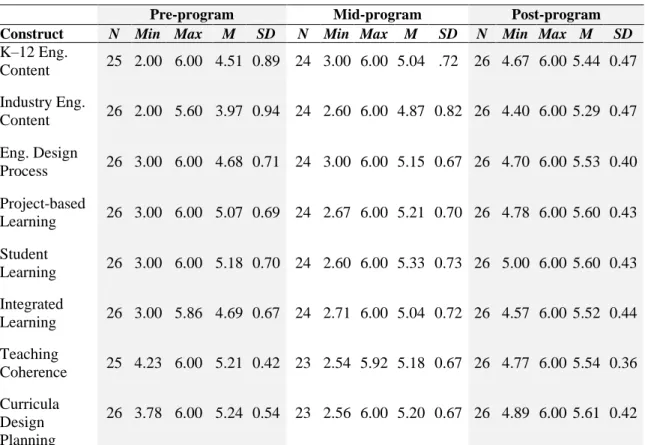
Table 5. Teachers’ Overall Self-Efficacy in Designing Engineering Curricula
Pre-, Mid-, and Post-Program 57
Table 6. Subscale Scores of Teachers’ Self-Efficacy in Designing Engineering
Curricula Pre-, Mid-, and Post-Program 59
Table 7. Grade-level and Standards Alignment of Explore-Create-Share Units
in Study 1 60
Table 8. TED Curriculum Analysis Results for Study 1 62
Table 9. Participant Demographics in Study 2 81
Table 10. Guiding Principles of Teachers’ ECS Units in Study 2 85 Table 11. Grade-level and Standards Alignment of Explore-Create-Share Units
in Study 2 86
Table 12. TED Curriculum Analysis Results for Study 2 87 Table 13. Description of Learning Themes for the Analysis of Teachers’
Perception on How the ECS Model Impacted their Professional
Development 89
Table 14. Professional Development Features’ Helpfulness in Designing ECS
Units 91
Table 15. Teachers’ Perceived Preparation Levels in Using the ECS Framework 92 Table 16. Teachers’ Predicted Barriers to Implement ECS Units in the
Classroom
93 Table 17. Descriptions of Classroom Benefit Themes Associated with
Implementing ECS Curriculum Units in the Classroom. 125 Table 18. Descriptions of Classroom Challenges Themes Associated with
Implementing ECS Curriculum Units in the Classroom. 127 Table 19. Descriptions of Solutions Themes for Overcoming Classroom
LIST OF FIGURES
Figure 1. Explore-Create-Share Framework 11
Figure 2. Exploring Disciplines through the Lens of Products 28 Figure 3. Theoretical Framework for Evaluating Teacher Professional
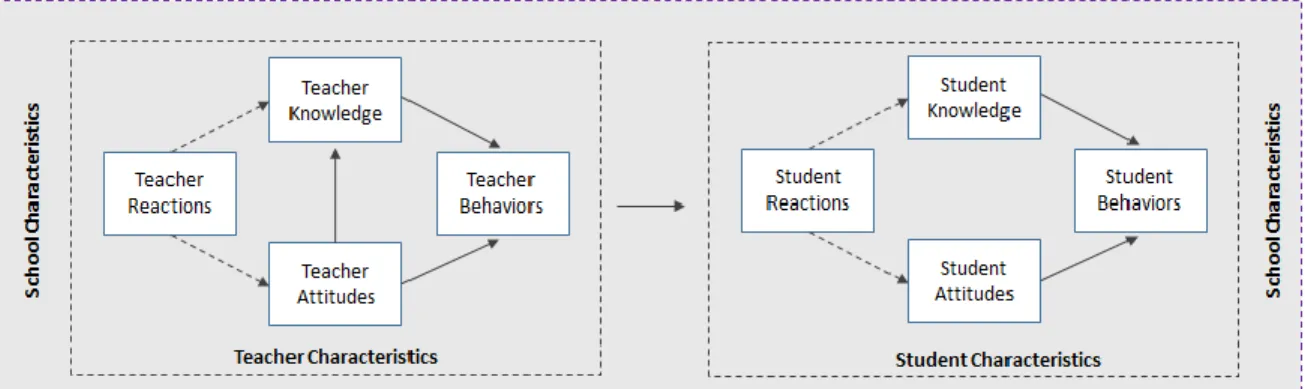
Development 50
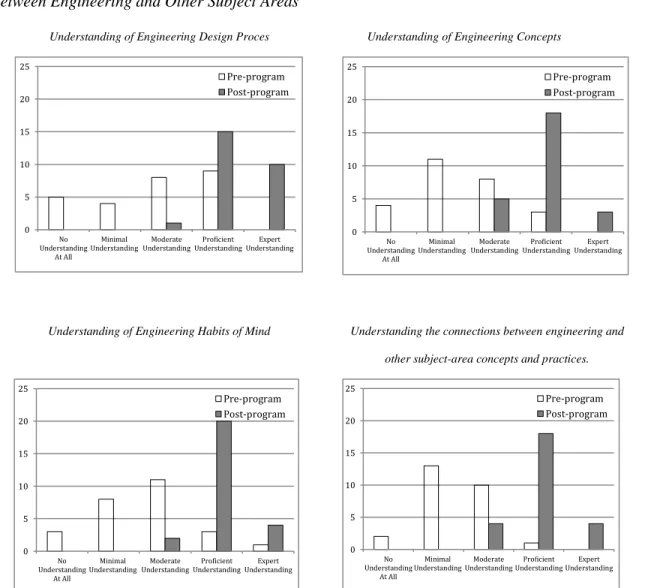
Figure 4. Comparison of Teachers’ Pre- and Post-Program Understanding of the Engineering Design Process, Engineering Concepts, Engineering Habits of Mind, and the Connections Between Engineering and Other
Subject Areas 55
Figure 5. Teacher Perceptions on how the ECS Model Impacted their
Professional Learning 89
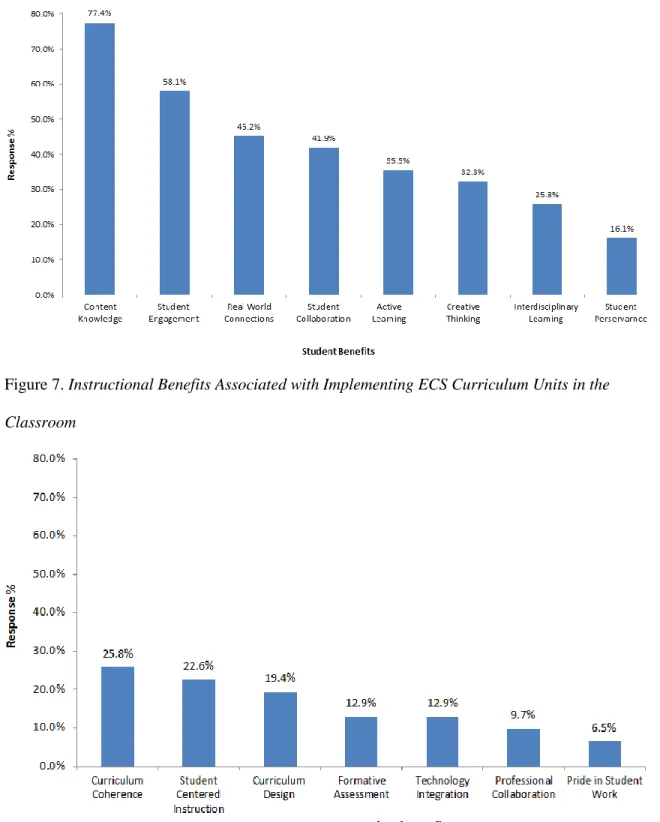
Figure 6. Student Learning Benefits Associated with Implementing ECS
Curriculum Units in the Classroom 124
Figure 7. Instructional Benefits Associated with Implementing ECS Curriculum
Units in the Classroom 124
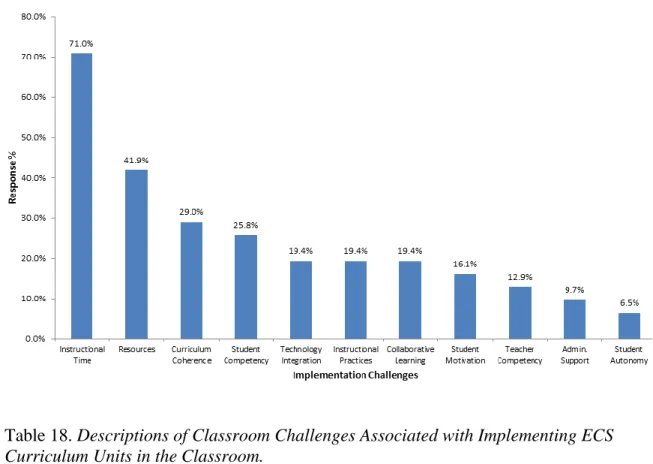
Figure 8. Classroom Challenges When Implementing ECS Curriculum Units 127 Figure 9. Solutions to Classroom Challenges Associated with Implementing
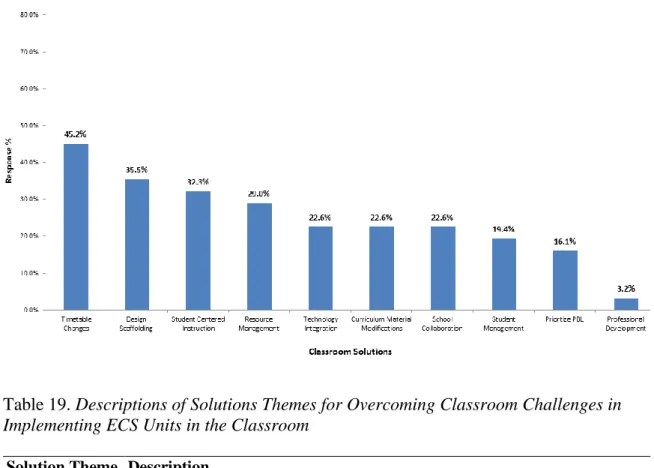
ECS Curriculum Units in the Classroom 129
Figure 10. Agile Teaching Cycle 167
CHAPTER 1
Dissertation Introduction
In this section, I introduce the challenges that motivated my research as well as the research and development stages of implementing a solution. The challenges pertain to preparing K–12 teachers to implement project-based engineering in the classroom. The solution was developing an instructional model called the Explore-Create-Share
framework that guided the design and implementation of a teacher professional development program.
1.1 PROBLEM STATEMENT
Engineering is a core discipline in pre-college education (NGSS Lead States, 2013; NRC, 2012), and engineering education has been identified as an effective model to engage students, teach disciplinary concepts, situate student learning in real world contexts, and prepare students for high demand STEM college and career experiences (NAE & NRC, 2009). Notwithstanding these findings, integrating engineering in the classroom is a challenge for K–12 educators. Many teachers lack knowledge of the field, have misconceptions about the discipline and apprehension towards teaching engineering, and do not have training in effective instructional practices nor access to adequate
resources to implement design-based curriculum (Banilower et al., 2013; Brophy et al., 2008; Purzer et al., 2014).
apparent. I help classroom teachers implement engineering practices and technologies in the classroom through an industry initiative sponsored by PTC Inc., a software company based in Massachusetts. Identifying a way to prepare pre-college teachers to effectively implement engineering that aligned with industry and education best practices has been a persistent challenge. To address this problem, I investigated curriculum & teaching models, and developed a new program that focused on teacher professional development in engineering education. This research and development effort was composed of three stages.
1.2 FRAMEWORK STAGE
First, I studied how people learn and came to the conclusion that enabling teachers to become skillful in a new field requires the organization of training around frameworks. A framework is a mental representation or schema that organizes knowledge into a conceptual model (Bransford et al., 2000). Experts use frameworks to quickly diagnose a given situation and take an action. For example, chess players have hundreds of mental frameworks for different game situations, and scientists use frameworks such as metabolic processes or the water cycle to understand how living and non-living things behave. Identifying and teaching frameworks is an important educational aim since it focuses student learning on core concepts, facilitates deeper learning, and fosters knowledge transfer (Bransford et al., 2000). Working off of this theory, I studied how engineers solve problems as well as how teachers conduct engineering design with their students.
What I discovered is that professional engineers solve engineering problems using the product development process. This systematic and multi-staged process covers
conceptual development, detailed design, manufacturing, production, field support, and product retirement (Ulrich & Epinger, 2007). In the classroom, teachers implement a design process that emphasizes the conceptual and detailed design phases of product development, which is often called the engineering design process. For example, the eight-step engineering design process in the Massachusetts standards includes problem identification, research, brainstorming, selecting appropriate ideas, prototyping, testing, communication of the solution, and redesign (MDOE, 2006). My goal was to blend industry and education methodologies in order to provide students with the opportunity to emulate real world engineering heuristics that were aligned to their learning capabilities and needs.
This research informed the development of the Explore-Create-Share (ECS) framework. This project-based engineering model highlights core steps a student needs to consider when designing an engineering solution. The Explore phase is when the student explores the problem and conducts research. In the Create phase, the student brainstorms and selects ideas that are modeled and optimized in an iterative, data-driven process. In the final phase—the Share phase—the student simulates different industry roles such as the artist, scientist, or journalist and engages in unique performance tasks associated with that role.
1.3 TEACHER PROFESSIONAL DEVELOPMENT STAGE
In order to train teachers how to use the ECS framework, I developed a teacher professional development program with my colleagues at PTC. The program focused on teaching engineering concepts and practices as well as providing teachers with the opportunity to author project-based engineering units.
This program development was guided by a philosophy of the “agile educator”. The idea is teachers can be innovators who identify, build and drive reform in their professional field. This concept of agility stemmed from our exposure to industry where agile businesses are identified as organizations that can quickly respond to complexity and change by designing effective solutions for their customers. In a similar vein, teachers should be agile in their environment where students with very different backgrounds, changing school policies and practices, and new technologies demand teachers to constantly evolve their instructional practice. Based on this premise, we chose a teacher professional development model where teachers design their own curriculum. In professional development literature, this curriculum design model has been identified as an effective method to position teachers as school innovators, develop curriculum that aligns with teachers’ professional goals, and provide teachers with a sense of ownership in curriculum decision-making (Ball & Cohen, 1996; Parke & Coble, 1997; Penuel et al., 2007).
The ECS Framework provided a model to organize the authoring of project-based engineering units. Teachers first tested ECS units and learned associated pedagogy and
content knowledge. Afterward, the teachers built ECS lesson plans, student work materials, and assessments.
1.4 RESEARCH EVALUATION STAGE
In the third and final stage I conducted a series of evaluation studies. This research was organized into three separate investigations that led to the production of a draft or published journal article. This paper-driven dissertation study model is a new approach for Boston University. I found this method to be especially helpful as it focused my research planning and implementation, and scaffolded the delivery of my research results in a manner that mirrored professional research.
The paper topics I investigated were based on Guskey’s evaluation model for teacher professional development (Guskey, 2005). Guskey’s model breaks down evaluation by assessing teacher reactions and outcomes first, followed by student outcomes, and lastly school-wide impact. As this was a new teacher professional development program, I focused on evaluating teachers. This is a critical first-step in teacher professional development evaluation since teacher beliefs and attitudes are associated with program implementation success (Condliffe, 2016) and the capacity of teachers to implement new knowledge and practice is correlated to student achievement (Darling-Hammond, 2000; Yoon et al., 2007). To address this need, I analyzed teacher reactions and outcomes after participating in the teacher professional development program, and gained insight on classroom impact by assessing teacher perceptions of the benefits, challenges, and solutions of implementing ECS units in the classroom. The three papers are summarized
“Study 1: K–12 Teachers as Curriculum Designers in Engineering Professional Development” investigates the effects of a curriculum-design based professional development on teachers’ knowledge, attitudes and practice. This quantitative study includes twenty-six, pre-college teachers who completed pre-, mid-, and post-evaluation surveys, and an in-depth analysis of curriculum units to gauge how well teachers’ practices aligned with national education standards and engineering design practices.
“Study 2: K–12 Teachers’ Perceptions of the Explore-Create-Share Framework as a Curriculum Authoring Tool” focused on teachers ‘experiences with using the framework. This mixed-method study expanded on the first evaluation study by examining sixty-two curriculum units as well as analyzing teacher beliefs associated with using the ECS framework as an authoring tool.
“Study 3: K–12 Teachers’ Experiences Implementing Explore-Create-Share Units
in the Classroom”, is a qualitative study. The goal of the study was to analyze teachers’ perceptions of the ECS framework after they implemented the unit in the classroom. Thirty-one teachers participated in the study, responding to an open-ended questionnaire that focused on identifying the classroom benefits, challenges, and solutions associated with implementing ECS units in the classroom.
In addition to these three articles, an expository article describes the theory and practice supporting the ECS framework. This paper is titled, “An Analysis of Theory and Practice in the Explore-Create-Share Framework”. The next section will focus on this paper, and
the proceeding sections will present each research study, which are organized as a traditional journal article that includes an introduction, methods, results, discussion, and reference section.
1.5 REFERENCES
Ball, D.L, & Cohen, D.K. (1996). Reform by the Book: What Is: Or Might Be: The Role of Curriculum Materials in Teacher Learning and Instructional Reform?
Educational Researcher, 25(9), 6–8 + 14.
Banilower, E.R., Smith, P.S., Weiss, I.R., Malzahn, K.A., Campbell, K.M. & Weis, A. (2013). Report of the 2012 National Survey of Science and Math Education. Chapel Hill, NC: Horizon Research Inc.
Brophy, S., Klein, S., Portsmore, M., Rogers, Cl. (2008). Advancing Engineering
Education in P–12 Classrooms. Journal of Engineering Education, 97(3), 369–87. Condliffe, B. (2016). Project-Based Learning: A Literature Review (Working Paper).
New York, MDRC
Cross, N. (2008). Engineering Design Methods: Strategies for Product Design. 4th ed. England: John Wiley & Sons.
Darling-Hammond, L. (2000). Teacher Quality and Student Achievement: A Review of State Policy Evidence. Education Policy Analyst Archive, 8(1), 1–44.
Guskey, T.R. (2005). Taking a second look at accountability. Journal of Staff Development, 26(1), 10–18.
National Academy of Engineering (NAE) & National Research Council (NRC). (2009). Engineering in K–12 Education: Understanding the Status and Improving the Prospects. Washington, DC: The National Academies Press.
National Research Council. A Framework for K–12 Science Education: Practices, Crosscutting Concepts, and Core Ideas. (2012). Washington, DC: The National Academies Press.
NGSS Lead States. (2013). Next Generation Science Standards: For States, By States. Washington, DC: The National Academies Press.
Parke, H.M., & Coble, C.R. (1997). Teachers Designing Curriculum as Professional Development: A Model for Transformational Science Teaching. Journal of Research in Science Teaching, 34(8), 773–789.
Penuel, W.R., Fisham, B.J., Yamaguchi, R., & Gallagher, L.P. (2007). What Makes Professional Development Effective? Strategies that Foster Curriculum Implementation. American Educational Research Journal, 44, 921–958. Purzer, S., Strobel, J., & Cardella, M. (2014). Engineering in Pre-College Settings:
Synthesizing Research, Policy, and Practices. West Lafayette, IN: Purdue University Press.
Ulrich, K.T., & Eppinger, S.D. (2007). Product Design and Development, 4th edition. Columbus, OH: McGraw-Hill.
Yoon, K.S., Duncan, T., Less, S. W-Y, Scarloss, B., & Shapley, K. (2007). Reviewing the Evidence on How Teacher Professional Development Affects Student
CHAPTER 2
An Analysis of Theory and Practice in the Explore-Create-Share Framework
2.1 BACKGROUND
The demand to integrate engineering in K–12 education is clear. The Next Generation Science Standards identify engineering as a core discipline in science education (NGSS, 2013), industry employers consistently demand a workforce that is equipped with 21st century skills and domain knowledge in the science, technology, engineering, and mathematics (STEM) disciplines (Carnevale, Smith & Melton, 2011; IBM, 2012), research on student and teacher outcomes demonstrates that engineering activities are an effective model to engage students, teach academic concepts, and
position students in real-world problem scenarios (Brophy et al., 2008; Purzer, Strobel, & Cardella, 2014), and there is school-based interest from educators who perceive
engineering as an engaging and effective model to teach STEM concepts (Macalalag & Tirthali, 2010; BMoS, 2012; Purzer et al., 2014).
In response to this demand, education stakeholders have invested in various reforms including government policy, financial investment, technology innovation, curriculum support, and professional development (NAE, 2009). One area that requires improvement is preparing teachers to integrate engineering in classroom instruction. According to a national study, only 7% of secondary science educators and 4% of elementary educators feel very prepared to teach engineering (Banilower et al., 2013).
and obstacles associated with instructional planning such as alignment with educational standards and managing resources (Cunningham & Lachapelle, 2010; Diefes-Dux, 2014; Purzer et al., 2014). In order to address this gap, educators need instructional support. In this paper we will describe how the Explore Create Share instructional model addresses this need by providing teachers a classroom-ready framework for implementing project-based engineering.
Explore-Create-Share Framework
The Explore-Create-Share (ECS) framework is an instructional model for engineering education. The ECS model focuses on design-based instruction in which students actively solve problems by designing products. This design process is organized into three phases (Figure 1).
The first phase is the Explore phase. The goal of this phase is for students to become familiarized with the design challenge and gather background information. This phase is organized into four steps: (1) the Project Scoping step is when the design challenge is presented and students reveal their prior knowledge about the topic, (2) the Research Collection step is when students gather background information on core
concepts, the product they are going to create, and associated contexts such as user needs, (3) the Research Analysis step is when students unpack their research findings and
analyze the results for themes, patterns, and other relationships that can assist with future design activities, and (4) the Explore Review step is when students summarize their learning experience through communication-centered performance tasks (e.g. reports, presentations, debate, etc.).
The second phase is the Create phase. The goal of this phase is to create a product that satisfies the requirements of the design challenge. This phase is organized into four steps: (1) the Ideation step is when students brainstorm and select ideas that address the problem, (2) the Modeling step is when students represent their solutions as models such as 2D diagrams or 3D working prototypes, (3) the Optimization step is when students improve their models based on feedback and testing data, and (4) the Create Review step is when students communicate their design solution to an audience.
Figure 1. Explore-Create-Share Framework
The third and final phase is the Share phase. In this phase, students simulate the role of industry professionals who would be responsible for developing the product. For instance, a student might simulate the role of an artist who creates a logo for a product design, a journalist who writes a press release about the product’s impact, or a scientist who conducts an experiment to verify the product’s performance requirements.
The development of the ECS framework was guided by educational research and practice. In particular, four themes guided the creation of the framework: (1) learning with understanding, (2) design scaffolding, (3) authentic learning, and (4)
Explore Phase -Project Scoping -Research Collection -Research Analysis -Explore Review Create Phase -Ideation -Modeling -Optimization -Create Review Share Phase
-Industry Role performance tasks (Artist, Entrepreneur, Journalist, Scientist, etc.)
interdisciplinary education. The literature that supports these four themes is addressed in the following sections.
2.2 ECS THEORY & PRACTICE Learning with Understanding
Research on how people learn identifies that learning needs to be organized around important concepts in order to foster deep learning and knowledge transfer (Bransford, Brown, & Cockings, 2000). However, students often don’t learn this way in school. Curricula emphasize recall and delivery of memorized content knowledge (Bransford et al., 2000). Studies on expertise identify that knowledge of facts and procedures are essential to mastery. Yet, the difference between experts and novices is experts organize content knowledge into mental schema or frameworks that identify relationship and enables knowledge transfer while novices do not (Bransford et al., 2000). For example, a widely adopted science framework is the 5E model for inquiry-based learning (Bybee et al., 2006). In addition to ubiquitous adoption, research on the 5E model has demonstrated that the organization of inquiry lessons into a coherent learning framework facilitates instruction, student learning, and teacher professional development (Bybee et al., 2006).
The ECS model is aligned with this research. The ECS structure provides a framework to coordinate and execute the engineering design process, and training in this model prepares curriculum designers to author curricula that embeds subject-specific core concepts called guiding principles. A guiding principle is defined as a concept that (1)
identifies the relationship between elements in a system or situation, and (2) is transferable to multiple contexts. For example, Newton’s Law of Motion is a guiding principle that identifies a specific relationship between force, mass and acceleration (F=ma) that is transferable to multiple contexts (i.e. moving objects). In this ontology, the guiding principle is the core concept, the elements are the facts or components of a system or situation, the relationship identifies how the elements are connected, and transfer identifies how the guiding principle applies to multiple contexts (see Table 1 examples). All disciplines have guiding principles. For example, in the natural sciences guiding principles are often categorized as laws and theories (e.g. Newton’s Laws, Food Web, Thermodynamic Laws, Evolution, etc.) and in the social sciences they are
assumptions, theories, and perspectives (e.g. Maslow’s Hierarchy of Needs, Balance of Power, Zero Sum Game).
In engineering, guiding principles play an integral role in defining, designing, manufacturing and supporting products. One way to define the types of guiding principles in product development is to organize according to context. To support instructional planning, we identified four contexts that are relevant to engineering education: structure, environment, user, and method. First is the structure of the product. All products are made up of materials and thus they are governed by laws of chemistry, physics, and other natural sciences. For instance, the material properties of metals and plastics inform thermodynamic properties or load-bearing indices. Second is the environment in which the product is used. One must understand the environmental
Table 1: Examples of Guiding Principles Guiding
Principle
Discipline Elements Relationship Transfer Newton’s Law
of Motion
Physics Force, Motion, Acceleration, Object
The sum of the external forces of an object is equal to the mass of that object multiplied by the
acceleration of the object
Transfers to multiple objects (e.g. car, ball, train, etc.)
Food Web Ecology Producers, Consumers, Decomposers, Energy, Ecosystems
A food web explains the transfer of energy from producers, consumers and decomposers in ecosystems Transfers to multiple ecosystems (e.g. pond, jungle, desert) Maslow’s Hierarchy of Needs
Psychology Food, Water, Shelter, Safety, Sex, Society, Humans, Needs
Human needs are organized into a hierarchical system in which low level needs to be satisfied first before higher level needs can be obtained. Transfers to multiple human experience (e.g. individual, society, group, etc.)
weather patterns. These environment-based guiding principles play an integral role in ensuring that products are appropriate for their operational environments such as buildings on land (e.g. erosion trends, plate tectonics, etc.) or bridges over water (e.g. water current, run off patterns, etc.). Third is the user. All products have an intended user. In most cases the user is a human being whose thoughts and actions can be organized into guiding principles associated with anatomy, psychology, or neurochemistry. For instance, when designing a social networking website, one might want to consider psychology principles such as social impact theory or operant conditioning. Four is the method or process of making a product. The most common is the product development process itself, often described as an iterative, sequential process that guides designers from product conception to product retirement (Cross, 2008; Ulrich & Epinger, 2011). Other
method-based guiding principles are the scientific method or cost-efficiency strategies in business. These four contexts—Method, User, Structure, and Environment—are
summarized as MUSE or the “four muses” of product development.
When designing and implementing an ECS curriculum there are at least two guiding principles targeted as learning objectives. The first guiding principle is the engineering design process. This guiding principle is embedded in the ECS framework as particular steps in each phase (project scoping, modeling, etc.). The engineering design process guides both teachers and students in their problem solving process, and creates a common language with which the class can discuss their learning and innovation. The second guiding principle is a domain-specific guiding principle that aligns the subject-area responsibilities of the educator. For instance, a physics teacher may implement a glider design challenge in which students learn and apply the engineering design process and the forces of flight concept (drag, thrust, lift, weight). In an art class, a teacher may have students design a packaging box for a toy in which students learn and apply the engineering design process and the color brand theory. The goal of this secondary guiding principle is two-fold: (1) to teach disciplinary concepts that enable students to solve a design challenge, and (2) align engineering curricula with teachers’ subject-area responsibilities.
There are several intended benefits associated with incorporating guiding
principles in curricula. First, students are given the opportunity to focus their learning on core concepts that are germane to disciplinary expertise, cultivating a culture of expertise
Second, guiding principles enable students to engage in complex problem-solving process. Throughout the design process they can check in on their understanding, frame their findings, and evaluate their product design by using the guiding principles as a guide post. Third, guiding principles focus student attention on essential learning outcomes, facilitating goal setting and metacognitive processes such as reflection and self-evaluation. Fourth, guiding principles provide educators with a curriculum focus. Throughout the ECS learning experience educators can inform, assess and support student learning by using the guiding principle as an instructional benchmark.
Scaffolding Design and Learning
Scaffolding instruction is an effective method to develop student understanding. According to cognitive learning theory, learning should begin by accessing the learner’s prior knowledge and then follow with new knowledge that affirms, modifies, or rejects the student’s prior conceptions (Bransford et al., 2000). Vygotsky’s research (1978) on the zone of proximal development describes learning as an incremental process that is facilitated by structuring learning goals based on competency and supporting student growth through external interactions (e.g. teacher support, curriculum modifications). The idea of learning progressions permeates school practice. In curricula and educational standards, concepts are tailored for certain age levels and as one progresses through the K–12 education system more advanced and complex competencies are expected of students. In each discipline there are instructional strategies to scaffold student
development in these learning progressions. For example, in science education the 5E model (engage, explore, explain, elaborate, and evaluate) is a common approach science
educators use to elicit student interest and build competency in inquiry-based learning (Bybee et al., 2006). In engineering education instructional strategies exist to scaffold the design process; these models often describe the design process as a sequential, iterative development cycle (NAE, 2009). The ECS model adds value to this existing body of work by articulating a classroom-ready model that scaffolds design and learning.
An important step in preparing teachers for engineering is to provide a model that is easy to understand and aligns with education practice and research. In order to
facilitate memory recall and reduce any barriers associated with complex processes, we organized the design process into three phases: Explore, Create, Share. Each ECS phase includes core design strategies that are aligned with educational standards and research in engineering education.
In engineering education, problem scoping is an essential design step (Crismond & Adams, 2012) and it is often a design step that teachers neglect in classroom
instruction (Hsu, Purzer, & Cardella, 2011). To assist educators with this design strategy, we have identified core activities that should take place at the beginning of the Explore phase. They include engaging student interest in the project, defining the problem and associated requirements, and accessing prior knowledge related to the topic. Conducting research is the next step in the Explore phase. The purpose of the research step is to gather information that can inform conceptual understanding (e.g. science theories, social constructs) and process-based skills (e.g. technical drawing, programming, etc) that are relevant to the design challenge. In the ECS model, research is broken down into two
the need to explicitly move beyond just information gathering to include deep analysis of information in order to evaluate its impact on future design steps. The ECS model
identifies three sources of research collection: (1) media research which includes investigation of print and digital materials, (2) lab research which includes scientific experiments and product studies, and (3) user research which includes interviews, case studies, and other investigation methods centered on learning the needs of the intended user. Research analysis is organized around core outcomes. They include: (1) identify important themes and trends, (2) evaluating the benefits of research information for future design steps, and (3) identifying potential barriers or threats to future design steps. Finally, the Explore Review step is an assessment point in which students communicate their research findings. This step can take form as reports, oral presentation, creative writing, or other performance tasks.
The Create phase is when students apply their knowledge to develop a solution. In industry, creatives initiate product development by generating a range of ideas that are evaluated and refined for further representation (Crismond & Adams, 2012; Cross, 2008). In engineering education this step is often defined as brainstorming (NAE, 2009). In the ECS model, brainstorming and idea selection are categorized as one step called Ideation. The Ideation step includes several tasks: (1) generating as many design ideas as possible, (2) fostering divergent thinking by approaching the problem from various perspectives, and (3) narrowing down ideas based on the requirements of the challenge and the benefits and trade-offs. When selection of ideas is complete, the next step is to represent them in 2D and 3D models. Resource availability and age level will dictate the degree of
modeling sophistication. One important strategy is to scaffold the modeling process (Bamberger, 2013) beginning with simple sketch representations (e.g. doodles, scenario sketches, information diagrams) and advancing to more complex models such as 3D computer designs or functional prototypes. Another way to organize modeling is by the material medium such as sketch-, craft-, kit-, digital-, and manufacturing-based media. Once a prototype has been developed the next stage is to test how well the product meets the design requirements and improve the design solution based on collected data. In the ECS model these two activities are summarized as Optimization. In education,
optimization is often challenging to implement in the classroom (Bamberger, 2013; Brophy et al., 2008; Hsu et al., 2011). Time constraints often limit the capacity of teachers to provide opportunities for redesign. Additionally, students often become attached to their design ideas and are resistant to making modifications (Brophy et al., 2008). Limitations in model sophistication can also limit the degree of experimentation and data analysis. For instance, scale models may not behave according to principles identified in natural sciences (Brophy et al., 2008). The ECS model identifies two optimization approaches. The first is performance-based. Using working prototypes, students test the behavior of the model and optimize its structure and function based on testing data. For instance, in a bridge design project, loads could be added and stress points identified. In a second iteration new features would then be added to address test findings. This performance-based optimization enables students to use quantitate data in classroom learning. The second approach is user feedback optimization, which enables
to a classroom and provide feedback on the aesthetics and ergonomics of a product (e.g. chair, glasses, clothing). The final step of the Create phase is the Create Review. This is another embedded assessment point from which students communicate their design solution to an audience. This communication can take many forms including traditional reports or student exhibitions such as competitions and science fairs.
The final phase of the ECS model is the Share phase. In this phase students simulate the role of unique industry professionals with the intent of understanding how various industry professionals play a critical role in product development. This phase is more open-ended than the Explore and Create phases. Educators can select industry role assignments based on a number of factors such as student interests, classroom subject areas, or relevance to the design challenge. For example, if a science teacher
implemented an ECS unit focused on designing a Mars spacesuit the students could take on the role of a scientist and conduct an experiment to validate the performance of the spacesuit. With the same project, an English teacher could identify an industry role relevant to the specific context. For example, the English teacher could assign a Journalist role in which students write a press release on the product. A universal requirement in all industry roles is that students complete a performance task associated with the industry. A performance task is defined as an activity in which students produce a deliverable (e.g. report, diagram, experiment, poster, skit, etc.) that is associated with a given role. There are many performance tasks a student can conduct in the classroom that are based on industry roles (Table 2).
Table 2. Examples of Share Phase Performance Tasks
Anthropologist Engineer Artist Journalist Entrepreneur Scientist
User Storyboard Field Study Map Political Cartoon Debate Oral History Storytelling Interview Design Brief Failure Modes and Effects Analysis 3D digital model Computer simulation Working prototype Manufacturing documentation Product Brand Logo Comic Strip Exhibit Book Cover Diorama Mosaic Collage Painting News Article Broadcast Webpage/Blog Biography Post Card Interview Book talk Book review User Story Business Plan Market Study Elevator Pitch Advertisement Presentations Company Speech Company vision statement Proposal Experiment Science poster Analytical Model Research Article Journal review
The Share phase differs from other engineering design models that emphasize conceptual development and detailed design. For example, the Massachusetts’ standard for the engineering design process (MDOE, 2006) includes eight steps beginning with problem identification and leading to the development of a prototype that is tested, communicated and redesigned based on feedback and test results. There are no steps in this process that connect to other industry roles and practices such as manufacturing, field support, marketing, sales, maintenance, customer services, or product retirement. This is the purpose of the Share phase: to make explicit connections to the various roles and tasks in product innovation. The intent is to engage all learners in product innovation by demonstrating that it is not only scientists and engineers who play a key role in product
example.
Overall, there are several learning benefits associated with scaffolding the design process with the ECS model. First, the design experience is learner-centered. Use of the ECS model provides students with explicit activities to share their prior learning (i.e. project scoping), select learning choices based on their interest and knowledge (i.e. ideation, modeling, optimization), and take an active role in contributing their knowledge and practice in the design of a solution. Second, the design experience is knowledge-centered. Students focus their learning on core concepts embodied as guiding principles, scaffold their knowledge development by participating in a step-by-step iterative design process, and situate their knowledge in context-based learning experiences that focus on solving problems. Third, the ECS model is assessment-centered. Embedded in the design process are steps for conducting formative assessment (i.e. Explore and Create Review steps). Throughout the design process there are tacit activities in which students reflect on their learning experience during research analysis and optimization. The model
facilitates assessment by engaging students in creating tangible products that can be observed, analyzed and evaluated by peers and experts in and out of the classroom (Brophy et al., 2008). This product creation process also provides tacit moments for students to self-evaluate their work through individual tinkering, inquiry, and product testing. Finally, the ECS model is community-centered. Students can work
collaboratively with their peers throughout the design process. At certain stages, collaboration is essential to product development. For instance, in the ideation step creativity is fostered by sharing many and divergent ideas. During the optimization step
conducting user feedback studies enables students to work with others to identify
strengths and weaknesses in a design solution. Another potential benefit of using the ECS model is students can create products that can benefit people. For instance, as part of a classroom ECS project students could design a new playground structure or wheelchair ramp for use in their school. Students can also create products to be shared with people outside of school. This authentic learning theme is the topic of analysis in the following section.
Authentic Learning and Innovation
Reform efforts that are aimed at providing students with authentic learning experiences are underway in many schools (DLN, 2011). This school innovation is focused on shifting student learning away from traditional teacher-centered
methodologies to positioning students as self-directed learners who apply knowledge and skills in real world problems. This educational aim is not new to education. Progressive thinkers like Dewey (1964) and Whitehead (1916/29) consistently wrote about the need to situate student learning in meaningful and relevant contexts that had direct impact on their school and home lives. Educational research identifies authentic learning to be an effective method to engage student learning and foster student achievement (Newman, 1996). The ECS model aligns with this school of thought by contextualizing learning in real world problem scenarios through the lens of product design.
A central theme in authentic learning is real world problem solving (Maina, 2004; Renzulli, Gentry, & Reis, 2004; Rule, 2004). In industry, product development is a
liquid to as complex as extracting water from the surface of Mars. In any case, products solve the problem by providing physical systems that can meet the requirements (e.g. storing liquid with a cup or extracting water on Mars with a laser probe on a robotic rover). Thus, when students take on the role of product designers they are inherently tackling real world problems. Children are natural problem solvers and are engaged by problem-based tasks (Bransford et al., 2000). In schools it is important for curriculum and teaching to situate new learning around problems as this fosters deeper understanding, enables students to test and refine new concepts, and contextualizes the value of knowledge by pairing concepts with tacit behaviors (Bransford et al., 2000). In schools children often do not learn this way. Textbooks and instruction organize knowledge into inert bodies of knowledge that favor coverage and recall instead of in-depth
understanding and relevance (Bransford et al., 2000). This learning contrasts with how experts operate in industry. Experts have contextual knowledge that enables them to efficiently identify a situation and address the problem effectively (Bransford et al., 2000). The ECS framework is informed by this research on authentic learning and how experts perform. Each ECS project is organized into a design challenge that requires students to solve a problem. The structure of ECS organized this problem-solving process and provides explicit steps to guide decision making. There are unique steps that
highlight various real world roles such as the researcher in the Explore phase, designer in the Create phase and the many roles that can be simulated in the Share phase.
Another theme involves solving problems for an authentic audience (Renzulli et al., 2004). In product development the audience is often called the user group. There are
explicit steps in the product development process in which industry design teams explore, evaluate, and inform their design processes by actively collaborating with the user group. This user-centered design can take form in activities such as market research,
benchmarking tests, or user-reviews (Greever, 2015). In education, students can design products that contribute value to a user group. This contribution can be simulated or actual. For example, students may tackle a fictional scenario in which a community is facing water shortages and they need to design a water delivery system that transports water from one area to another. Alternatively, students can participate in design experiences that have a tangible impact on a user group. For instance, students could repurpose recycled materials to create new products that could be sold to local
community members or design a playground or alternative energy technology that could be used in the school community. There are educational benefits associated with students informing design decisions based on user feedback. Studying and informing one’s design process based on user needs creates a natural connection to explore social issues, culture, and the economy. Simulating or actually interviewing a user group can create an
emotional connection between the students and their subject of study. There is strong evidence that students are engaged and perform well when they see a connection between their work and the community. For example, researchers have identified that girls and minorities find projects more appealing when they aim to help people or solve an environmental issue (Cunningham & Lachapelle, 2014).
define the requirements of the product by going out into the field and interviewing potential users. In this case, the inputs from the user and the subsequent conversations among designers result in a unique set of criteria. In other cases, the design requirements may be well-defined but the means for arriving at the solution is rarely prescriptive. Designers inform their design path through research, collaborate with peers to ideate possible solutions, and consistently iterate their design solutions through testing, review, and redesign. This open-ended nature contrasts sharply with how schools often approach student learning. Traditional students are expected to learn a set curriculum, with
predefined concepts and procedures, and often are expected to reproduce this information in scripted exercises and rote memory tests such as multiple-choice exams. The ECS model aims to challenge this traditional approach. By providing educators with a framework to coordinate design in the classroom, the ECS model aims to integrate authentic learning experiences that couple effective teaching practices (e.g. teaching core concepts, scaffolding learning) with industry inspired practices and roles. The next section of this paper expands on this real world theme by identifying the central role of solving problems with an interdisciplinary mindset.
Interdisciplinary Product Development
Designing products is a problem solving process that requires knowledge and practice from many disciplines (NAE/NRC, 2014). For instance, when designing a train there is a need to understand science, technology, engineering, and mathematics (STEM) concepts such as the science of aerodynamics, the technology practices of working with
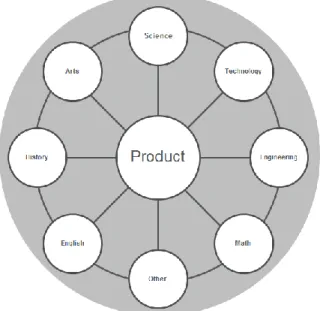
tools and materials, the engineering processes to conduct and coordinate multi-system components, and the mathematics of calculating performance metrics or business finance. A design team will also need to know concepts from non-STEM disciplines. For instance, the art of producing engaging advertisements, the social history of consumer needs and desires, the psychology of designing public spaces on trains, the marketing strategies for social networking and commercials, or the economics of purchasing and pricing. This interdisciplinary product development process can be illustrated as a wheel where the product is centered at the hub of the wheel and around the perimeter each node is a discipline that students can learn about through the lens of product development (Figure 2).
In educational research there is substantial evidence on the benefits of learning about other disciplines through the lens of engineering. After participating in engineering activities, students have reported increased interests in learning about STEM topics (Mehalik, 2008) and pursuing college & career pathways in STEM (Bottoms & Anthony, 2005; Rethwishch, Starobin, Laanan, & Haynes, 2013). Students have also demonstrated knowledge gains in science (Fortus et al., 2005), technology (Cunningham & Lachapelle, 2007), mathematics (Burghardt, Hect, Russo, Lauckhardt, & Hacker, 2010; Hjalmarson, Diefex-Dux, & Moore, 2008), and 21st century practices such as collaboration and problem solving (Barnett, 2005; Eschach, 2006).
There are also challenges associated with integrating engineering with other disciplines. Students do not spontaneously make connections between design tasks and
Figure 2. Exploring Disciplines through the Lens of Products
the aesthetics and ergonomics in contrast to the science and mathematics governing product function (Crismond 2001; Penner et al., 1998). Another gap is educators often fail to make subject-area connections explicit in design projects (Brophy et al., 2008); this issue is representative of a much larger problem where many integrated STEM programs do not explicitly identify how their learning model integrates multiple disciplines (NAE/NRC, 2014).
To illustrate the connections between engineering and other subjects, Table 3 maps the ECS steps with national education standards. Disciplinary concepts were not included in this analysis since these outcomes are highly dependent on the context of the instructional goals. For instance, in a spacesuit design project a biology teacher could focus on the anatomy and physiology of the astronaut, a physics teacher could focus on thermodynamics and material properties of spacesuit components, or a history teacher could focus on the cultural influences of spacesuit innovation.
Science Connections
In industry, product development teams use the scientific process to conduct user studies, market research, product simulations, and product testing in the field. The ECS model provides several opportunities to link science practice with engineering design. In the Explore phase students can conduct lab studies to become familiarized with how products work according to the laws of science. In the Create phase, students can conduct an experiment to see how well their product behaves with respect to specific performance requirements, and in the Share phase students can take on the role of scientist and deep dive into various practices such as conducting a research experiment, presenting research results in paper or presentation form, or propose new studies for further investigation. Mathematics Connections
Mathematics is the quantitative language of product development. It enables design teams to communicate research findings, product performance, and market results in the field. Mathematics also plays a key role in the design of products. Geometry and measurement are the building blocks of product definition and structure. For instance, mathematical logic (e.g. Boolean) defines the properties of computer-aided design and the measurements and geometry of product features drive the output of manufacturing equipment (e.g. castings, molds, 3D printing). Attention to precision during research is essential to gathering reliable data. Asking quantitative questions and persevering in solving these questions is an essential practice for conducting performance test in optimization. Creating models that are informed by mathematical principles is another
algebraic equations to identify the relationship between cost and materials). Another benefit of math practices in the ECS model is communicating design results in quantitative form. Calculating outcomes, visualizing data in tables and graphs, and expressing statistical outcomes all add value to a student’s argument that they created a product that solved the design challenge.
English Language Arts Connections
Communicating ideas through writing, speaking and listening are essential practices in product development. In industry, writing permeates all roles in a design team. Researchers use literacy skills to conduct textual analyses and present results to an audience; leaders use writing and speaking skills to communicate business decision and team goals; designers use writing to document design decisions; marketers use literacy skills to communicate product value to customers and generate market demand; and lawyers use reading and writing practices to align company product development with legal code and document intellectual property. Literacy skills are also essential to engineering design. During research, students can analyze information and reflect on their findings through journal writing or summarize their findings in a written report. During ideation and modeling students can present their ideas by creating a digital presentation that includes written annotations as well as a summary of the product specifications and value. In optimization steps, students can document data and share their analyses in a written laboratory report. Lastly, students can share oral presentations that communicate their final outcomes, and/or listen to other students or guest speakers discuss topics and present findings related to the design project.
Table 3. Alignment of National Education Standards with ECS Steps Project Scoping Research Collection Research Analysis
Ideation Modeling Optimization Science (NGSS, 2013)
Asking questions and defining problems
X X X X X X
Developing and using models X X X
Planning and carrying out investigations
X X X X X X
Analyzing and interpreting data
X X X X
Using mathematics and computational thinking
X X X
Constructing explanations and designing solutions
X X X
Engaging in argument from evidence
X X
Obtaining, evaluating and communicating information
X X X X X X
Mathematics (CCSS, 2010)
Make sense of problems and preserve in solving them
X X X X X X
Reason abstractly and quantitatively
X X
Construct viable arguments and critique the reasoning of others
X X
Model with mathematics X X
Use appropriate tools strategically
X X X X
Attend to precision X X X X
Look for and make use of structure
English Language Arts (CCSS, 2010)
Regular practice with complex texts and their academic language
X X
Reading, writing, and speaking grounded in evidence from texts
X X X X
Building knowledge through content-rich nonfiction
X X
Social Studies (C3, 2013)
Developing Questions and Planning Inquiries
X X
Applying Disciplinary Concepts and Tools
X X
Evaluating Sources and Using Evidence
X X X X X
Communicating Conclusions and Taking Informed Action
X X X
Arts (NCCAS, 2014)
Generate and conceptualize artistic work and ideas
X X
Organize and develop artistic ideas and work
X X X
Refine and complete artistic work
X
Analyze, interpret, and select artistic work for presentation
X X X
Develop and refine artistic work for presentation
X X
Convey meaning through the presentation of artistic work
Social Studies Connections
As products are typically intended for people, attention to social studies practices is fundamental to the design process. In user studies, understanding the social, cultural and economic origins of user needs and problems is an essential consideration. There are also political and legal issues to consider when designing products such as universal design or the origins of raw materials with respect to human rights and ecological considerations. The ECS model provides explicit connections to social studies practice identified in the C3 Framework (NCSS, 2013). Evaluating sources and using evidence is a critical practice for researchers, designers, and decision makers who are part of the product development process. For instance, user researchers need to evaluate user feedback from multiple user groups, scientist need to look at all of the laboratory evidence and cross triangulate in order to validate conclusions, and in leadership
positions it is essential that product managers evaluate information from different sources such as team review, product experiments, and market research.
Art Connections
Art is also essential in product development. Design teams use art practices to inspire new ideas, inform product definition, communicate design decisions, and engage market interests. In the K–12 education space there are many connection points to engineering design. Of particular value to students is using art practices to communicate one’s ideas, such as presenting product structure and function through visual aids such as diagrams or poster presentations. Another benefit of art practices is using art principles
example, when designing a toy product, students may want to select colors that align with user emotions such as orange and blue which evoke creativity and freedom respectively. Art practices also play a key role in the ideation process. Through simple doodles, sketch diagrams, and scenario drawing students can share their ideas with other classmates and create a visible work space for students to discuss design decisions and future steps. Lastly, when presenting results students can employ art practices to effectively engage the audience. For instance, students can create a brand logo for their design company and explain how the elements of their artistic logo convey the core values and operational mission of their organization.
2.3 SUMMARY
The ECS framework provides a simple and scalable framework that teachers from many disciplines can use to engage, inform, and prepare students in engineering
education. The incorporation of industry practices is intended to align educational practice with modern-day product development processes. The integration of guiding principles and design scaffolding aims to empower teachers to use rigorous project-based curricula. The authentic and interdisciplinary components of the framework are intended to merge classroom and the real world practices as well as emulate how professionals work by using knowledge and skill sets from multiple disciplines.
Assessing the viability of the ECS framework as an instructional model requires a number of studies. In particular, professional development interventions and their impact on teachers, students, and school culture needs to be analyzed. The first step is to evaluate
teacher outcomes, which is the focus of this dissertation study. In particular, an in-depth evaluation of teachers’ reactions, attitudes, knowledge, and practice based on their experience learning about the ECS model, designing curricula with the ECS framework, and implementing ECS units in the classroom is the focus of this study. The subsequent chapters present the background, methods, results, and discussion of this research.
2.4 REFERENCES
Banilower, E.R., Smith, P.S., Weiss, I.R., Malzahn, K.A., Campbell, K.M. & Weis, A. (2013). Report of the 2012 National Survey of Science and Math Education. Chapel Hill, NC: Horizon Research Inc.
Bamberger, Yael, M, and Clara S. Cahill. (2013). Teaching Design in Middle-School: Instructors’ Concerns and Scaffolding Strategies. Journal of Science Education and Technology, 22, 171–185.
Barnett, M. (2005). Engaging inner city student in learning though designing remote operated vehicles. Journal of Science Education & Technology, 14(1), 87–100. Berry, A. & DeRosa, D. (2015). K–12 Teachers as Curriculum Designers in Engineering
Teacher Professional Development. Proceedings of the American Society of Engineering Education, Seattle, WA, June 2015.
Boston Museum of Science (BMoS). (2012). Research and Evaluation Results for the Engineering is Elementary Project: An Executive Summary of the First Eight Years. Boston, MA: Museum of Science.
Bransford,J.D., Brown, A.L., & Cockings, R.R. (2000). How People Learn: Brain, Mind, Experience, and Schools. Washington, DC: National Academy Press.
Brophy, S., Klein, S., Portsmore, M., Rogers, Cl. (2008). Advancing Engineering
Education in P–12 Classrooms. Journal of Engineering Education, 97(3), 369–87. Burghardt, M.D., Hect, D., Russo, M., Lauckhardt, J., and Hacker, M. 2010. A study of
mathematics infusion in middle school technology education classes. Journal of Technology Education 22(1), 58–74.
Bybee, R.W, Taylor, J.A., Gardner, A., Van Scotter, P., Powerll, J.C., Westbrook, A., & Landes, N. (2006). The BSCS 5E Instructional Model: Origins and Effectiveness. A report prepared for the Office of Science Education National Institutes of Health. Retrieved from: http://bscs.org/sites/default/files/_legacy/
BSCS_5E_Instructional_ Model-Full_Report.pdf
Carnevale, A.P., Smith, N., & Melton, N. (2011). Science, Technology, Engineering, Mathematics. Georgetown University Center on Education and Workforce: Washington, DC.
Crismond, D. (2001). Learning and using science ideas when doing investigate-and-redesign tasks: A study of naïve, novice, and expert designers doing constrained and scaffolded design work. Journal of Research in Science Teaching, 38(7), 791–820.
Crismond, D.P., & Adams, R.S. (2012). The Informed Design Teaching and Learning Matrix. Journal of Engineering Education, 101(4), 738–797.