FIU Digital Commons
FIU Digital Commons
FIU Electronic Theses and Dissertations University Graduate School
10-29-2019
A Visually-Enhanced Approach to Multivariate Calculus Facilitated
A Visually-Enhanced Approach to Multivariate Calculus Facilitated
by a Computer Algebra System
by a Computer Algebra System
Belarmino GonzalezFlorida International University, [email protected]
Follow this and additional works at: https://digitalcommons.fiu.edu/etd Part of the Curriculum and Instruction Commons
Recommended Citation Recommended Citation
Gonzalez, Belarmino, "A Visually-Enhanced Approach to Multivariate Calculus Facilitated by a Computer Algebra System" (2019). FIU Electronic Theses and Dissertations. 4288.
https://digitalcommons.fiu.edu/etd/4288
This work is brought to you for free and open access by the University Graduate School at FIU Digital Commons. It has been accepted for inclusion in FIU Electronic Theses and Dissertations by an authorized administrator of FIU Digital Commons. For more information, please contact [email protected].
Miami, Florida
A VISUALLY-ENHANCED APPROACH TO MULTIVARIATE CALCULUS FACILITATED BY A COMPUTER ALGEBRA SYSTEM
A dissertation submitted in partial fulfillment of the requirements for the degree of
DOCTOR OF EDUCATION in
CURRICULUM AND INSTRUCTION by
Belarmino Gonzalez 2019
ii To: Dean Michael R. Heithaus
College of Arts, Sciences, and Education
This dissertation, written by Belarmino Gonzalez, and entitled A Visually-Enhanced Approach to Multivariate Calculus Facilitated by a Computer Algebra System, having been approved in respect to style and intellectual content, is referred to you for judgment.
We have read this dissertation and recommend that it be approved.
___________________________________ Haiying Long ___________________________________ Tedi C. Draghici ___________________________________ Mandayam O. Thirunarayanan ___________________________________
Maria L. Fernandez, Major Professor Date of Defense: October 29, 2019
The dissertation of Belarmino Gonzalez is approved.
___________________________________ Dean Michael R. Heithaus College of Arts, Sciences, and Education ___________________________________
Andrés G. Gil Vice President for Research and Economic Development and Dean of the University Graduate School
iii
© Copyright 2019 by Belarmino Gonzalez All rights reserved.
iv DEDICATION
To my parents, who fostered and encouraged my curiosity and desire to learn. Whose unconditional love and example as professionals and human beings have guided my journey and put me in the path of success and happiness.
v
ACKNOWLEDGMENTS
The successful completion of this dissertation would not have been possible without the help, support, and encouragement of many people. First, I would like to thank my committee members for their time, effort, and expertise in the completion of this project. Thank you, Dr. Fernandez, for believing in me for so many years, and always letting me know I could do it even when I doubted myself. Thank you, Dr. Long, for your availability and guidance in the methodology and analysis of this study, where difficulty and excitement converged. Thank you, Dr. Draghici, for your invaluable input in the creation of the content knowledge instruments used. Finally, thank you, Dr.
Thirunarayanan, for your insights and suggestions to strengthen this work.
I would also like to thank my Mom and Dad, to whom I dedicate this important milestone in my life and whose contributions are far more than I can list here. I would like to thank my wife, Dayana, whose patience and support is almost unbounded, and whose love is even greater. I would like to thank my son; whose very existence and love pushes me to better myself. I would also like to thank my friends and colleagues who have helped me and motivated me to finish my dissertation.
vi
ABSTRACT OF THE DISSERTATION
A VISUALLY-ENHANCED APPROACH TO MULTIVARIATE CALCULUS FACILITATED BY A COMPUTER ALGEBRA SYSTEM
by
Belarmino Gonzalez
Florida International University, 2019 Miami, Florida
Professor Maria L. Fernandez, Major Professor
This study investigated the effects of a visually-enhanced approached to the teaching of selected multivariate calculus concepts on students’ mathematical
understanding and visualization. The sample size consisted of 65 undergraduate students from Miami Dade College, a large Hispanic Serving Institution in the Southeast. A pretest – posttest, nonequivalent group design was used. CAS dynamic worksheets containing visualizations and geometric representations were created using a computer algebra system and embedded as part of the lecture in the experimental group. Instructor-developed instruments were used to measure students’ prerequisite knowledge for multivariate calculus, and students’ mathematical understanding of selected concepts. Furthermore, Yoon (2011)’s Revised PSVT: R was used to measure students’ spatial ability. Results from the statistical tests supported the hypothesis that enhancing the visual/geometric aspects of selected multivariate calculus concepts have a positive effect on students’ mathematical understanding and spatial ability.
vii
TABLE OF CONTENTS
CHAPTER PAGE
CHAPTER 1: INTRODUCTION ...1
CHAPTER 2: REVIEW OF LITERATURE ...23
CHAPTER 3: METHODOLOGY ...51
CHAPTER 4: RESULTS ...70
BackgroundoftheProblem...1
StatementoftheProblem...10
PurposeoftheStudy...11
ResearchQuestions...12
TheoreticalFramework...13
SignificanceofStudy...18
DefinitionofKeyTerms...20
Summary...21
Introduction...23
CalculusandMathematicalUnderstanding...24
RoleofTechnologyintheTeachingandLearningofCalculus...28
Maple...35
SpatialAbilityandVisualization...37
SpatialAbility...37
Visualization...40
VisualizationandMathematicalUnderstandinginCalculus...45
DifferentialCalculus...45
MultivariateCalculus...46
GapsintheResearch...48
Summary...49
ResearchMethodologyandDesign...51
PopulationandSampling...55
Sample...56 SamplingDesign...58 EthicalConsiderations...59 Instrumentation...60 InstructionalStrategy...64 FidelityofTreatment...68 DataAnalysis...69 ResearchQuestions...69
viii Data Collection ... 70 Measured Variables ... 74 Diagnostic Assessment ... 74 Knowledge Pre-Test... 75 Knowledge Post-Test ... 76
Spatial Ability Pre-Test... 77
Spatial Ability Post-Test ... 78
Research Questions ... 79 Research Question #1 ... 79 Research Question #2 ... 84 Research Question #3 ... 90 CHAPTER 5: DISCUSSION ...101 LIST OF REFERENCES ...115 APPENDICES ...120 VITA ...150 Introduction...101
SummaryoftheResearchProblem,ResearchQuestions,andFindings...101
ResearchQuestion#1...103
ResearchQuestion#2...105
ResearchQuestion#3...108
Implications...109
LimitationsandDelimitations...110
Limitations...110
Delimitations...112
RecommendationsforFutureResearch...113
ix LIST OF TABLES TABLE PAGE
Table1Test –RetestCorrelations...62
Table2StudentDemographics...73
Table3HomogeneityofRegressionTest...75
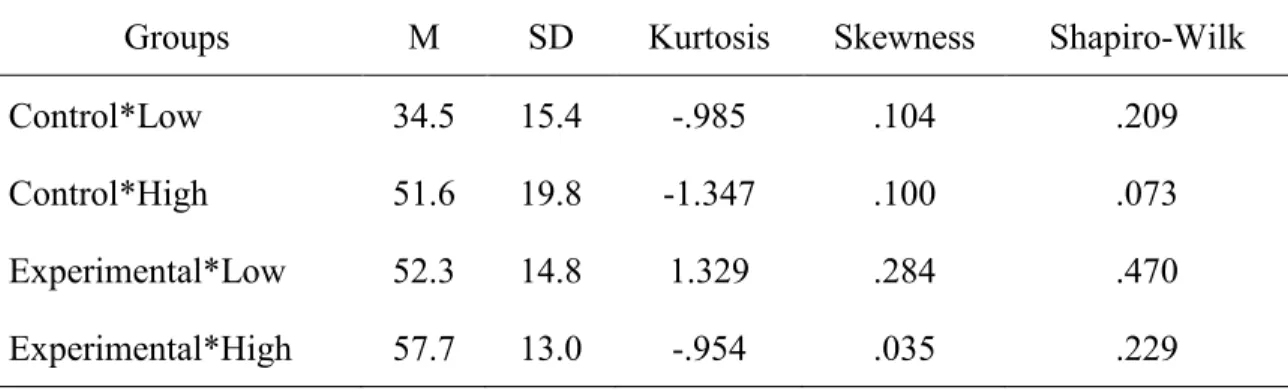
Table4KnowledgePretestGroupDataindicators...76
Table5KnowledgePosttestGroupDataIndicators...77
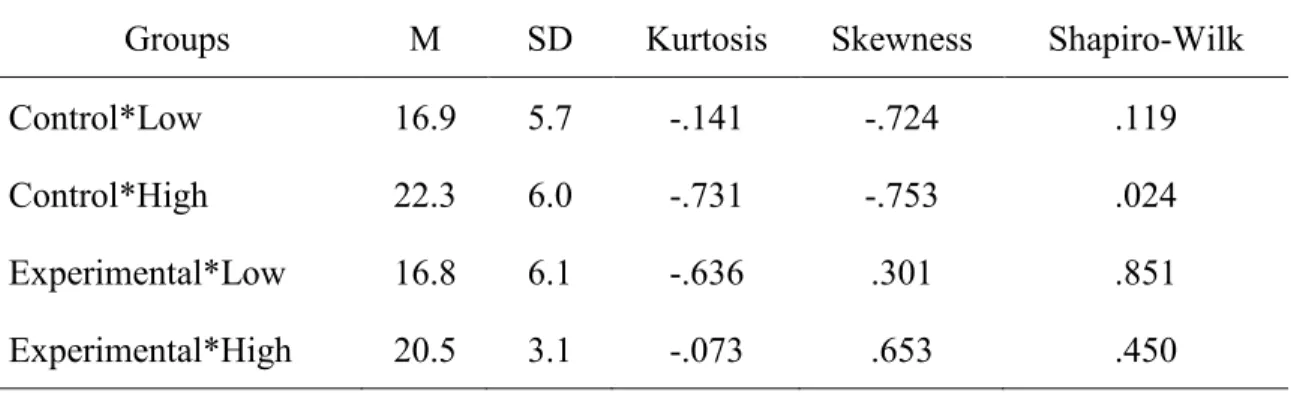
Table6SpatialAbilityPretestGroupDataIndicators...78
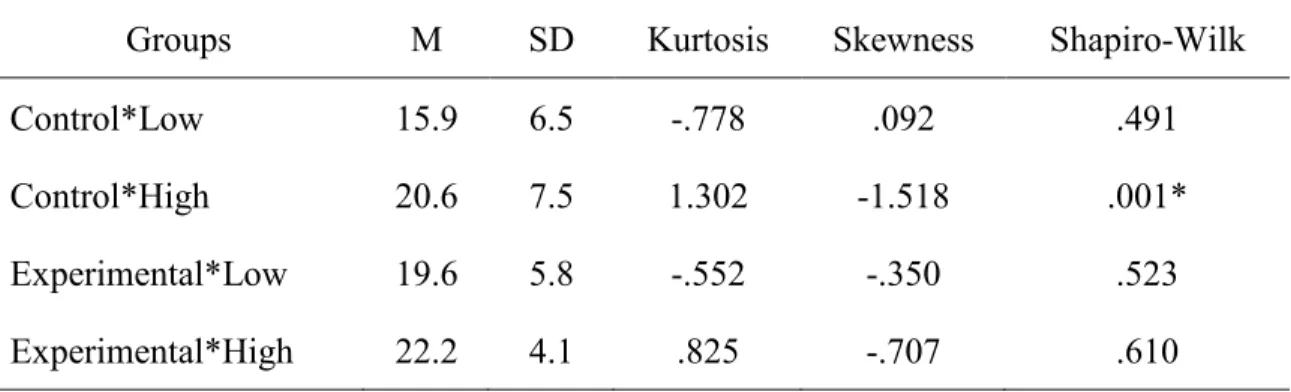
Table7SpatialAbilityPosttestGroupDataIndicators...79
Table8 HomogeneityofVariance...81
Table9EqualityofCovarianceMatrices...82
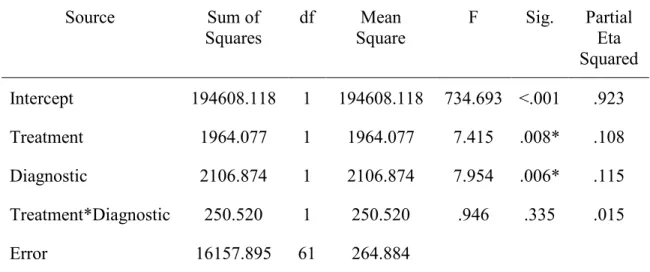
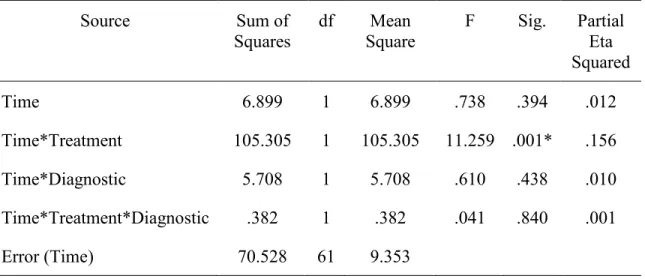
Table 10ResultsofRepeated-Measures, Two-WayMixedANOVA forKnowledge...83
Table 11Results forRepeated-Measures,Two-WayMixed ANOVAforKnowledge....84
Table12EqualityofVariancesforSpatialAbility...86
Table13EqualityofCovarianceMatrices...86
Table14 ResultsofRepeated-Measures,Two-WayANOVA forSpatialAbility...88
Table 15ResultsofRepeated-Measures, Two-WayMixedANOVA forSpatialAbility.88 Table16ResultsofSimpleMainEffectsforTreatment...89
Table17ResultsofSimpleMainEffectsforTime...90
Table18NormalityforKnowledge(PretestandPosttest),andVisual(Pretestand Posttest) ...91
x
LIST OF FIGURES
FIGURE PAGE
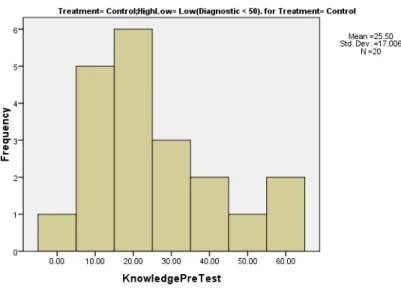
Figure 1. Histogram of Knowledge Pretest scores in the group Control*Low ...76
Figure 2. Histogram from Population's Knowledge Pretest ...92
Figure 3. Histogram for Population's Knowledge Posttest ...92
Figure 4. Histogram for Population's Visual Posttest ...93
Figure 5. Scatter/Dot Chart of Visual Pretest - Visual Posttest ...94
Figure 6. Scatter/Dot Chart for Visual Pretest - Knowledge Pretest ...94
Figure 7. Scatter/Dot Chart for Visual Pretest - Knowledge Posttest ...95
Figure 8. Scatter/Dot Chart for Visual Posttest - Knowledge Pretest ...96
Figure 9. Scatter/Dot Chart for Visual Posttest - Knowledge Posttest ...96
1
CHAPTER 1: INTRODUCTION
“Geometry and algebra are the two formal pillars of mathematics… they have both been fundamental to mathematics, but they have had an uneasy relationship” (Atiyah, 2001, p. 654). Geometry is about space and is very much related to the way we comprehend and make sense of the physical world we live in. As we interact with our surroundings through our senses, specially our vision, we develop our spatial intuition or spatial ability. It is our desire to understand and make sense of the world we see and interact with one of the reasons why geometry is such a powerful tool in mathematics; it enables us put things in a geometrical perspective thus giving us the ability to use our intuition (Atiyah, 2001, p. 658). Algebra on the other hand is concerned with
manipulations in time, operations performed sequentially, one after another (Atiyah, 2001, p. 658). These two pillars, one concerned with space while the other existing in time, gives us two different points of view in the mathematics world (Atiyah, 2001, p. 658) and are instrumental in the development of mathematical understanding.
Chapter I presents the background to the problem, statement of the problem, purpose of the study, research questions, theoretical framework, significance of the study, and definition of key terms. The chapter ends with a summary and description of the remaining chapters of the dissertation.
Background of the Problem
To ensure the nation’s continued economic success and national security, the National Science Board (2007) recommends: “All American citizens must have the basic
2
scientific, technological, and mathematical knowledge to make informed personal choices, to be educated voters, and to thrive in the increasingly technological global marketplace” (p. V). Furthermore, it calls for coherence in the nation’s science,
technology, engineering, and mathematics (STEM) education system across all levels and exhorts several federal agencies, including the National Science Foundation (NSF), to support and encourage research about effective teaching strategies and the role of technology in facilitating learning (National Science Board, 2007). Science and engineering have been the foundation of our nation’s innovation and technological advances, but in an increasingly global and knowledge-based economy, the National Science Board (2007) emphasizes the need for students to develop their capabilities in science and engineering to levels higher than previously required. In particular,
instructions needs to balance students’ acquisition of content knowledge in STEM areas with critical thinking and analytical skills and foster in them the ability to make
connections among concepts and ideas and develop a capacity for life-long learning (National Science Board, 2007). In its publication Preparing the Next Generation of STEM Innovators: Identifying and Developing our Nation’s Human Capital, the National Science Board (2010) called for STEM education to develop and nurture STEM
“innovators,” individuals with the knowledge and expertise to lead technological
innovations and scientific breakthroughs. These are individuals whose capabilities “often include mathematical and spatial abilities alone or in combination with verbal aptitude, along with other factors such as creativity, leadership, self-motivation, and a diligent work ethic” (National Science Board, 2010, p. 6).
3
It also acknowledged challenges within the current US STEM education system and warns of the danger of a population that “may not know enough about science, technology, or mathematics to contribute significantly to, or fully benefit from, the knowledge-based economy that is already taking shape around us” (National Science Board, 2007, p. 3). According to its latest Science and Engineering Indicators, the National Science Board (2018) estimated that 6.4 million college graduates were
employed in 2015 in STEM related fields, mostly in computer and mathematical sciences (48.4%) and engineering (26.6%). Although STEM-related occupations have consistently grown at a faster rate than the total workforce (National Science Board, 2018), there is concern in the ability of undergraduate education in two-year institutions of higher education (IHE) to produce and retain STEM students: “Three years after enrolling in a two-year institution in the 2011–12 academic year, about 55% of students had either completed an associate’s degree (12%) or remained enrolled in school (at the same or another institution) without having earned a degree (43%)” (National Science Board, 2018, p. 2 | 51). Minority-serving two-year institutions are of particular importance because of the role they play educating and training minorities to pursue advanced science and engineering (S&E) degrees: “Nearly one in five U.S. citizens or permanent residents who received an S&E doctoral degree from 2011 to 2015 had earned some college credit from a community or two-year college” (National Science Board, 2018, p. 2 | 4).
It is equally worrisome that in minority-serving 2-year institutions, many potential homegrown STEM students may go “unrecognized and underdeveloped, and, thus, fail to reach their full potential” (National Science Board, 2010, p. 1). Minority-serving
two-4
year institutions’ inability to develop STEM students to their full potential is a critical issue that needs to be addressed because of the impact it may have in the supply of STEM professionals to the increasing global, technological, and knowledge-based economy of our nation. One reason for such deficiency in the identification and development of potential STEM students is an educational institution’s inability to diagnose and advance students’ spatial ability (National Science Board, 2010; Wai, Lubinski, & Benbow, 2009). Another reason may be students’ view of mathematics as a set of rules and
procedures that need to be memorized. NCTM (2000) warned that focus on memorization of rules and procedures leads to a fragile and incomplete learning of mathematics, and instead it urged educators to combine factual knowledge, procedural proficiency, and conceptual understanding to develop well-connected, conceptually-grounded
mathematical ideas that will be easier to remember and apply in different situations. “Learning with understanding is essential to enable students to use what they learn to solve the new kinds of problems they will inevitably face in the future” (National Council Of Teachers Of Mathematics, 2000a, p. 21). Moreover, learning with understanding promotes the creation of autonomous learners, critical thinkers, problem solvers, and life-long learners, which in turn helps make subsequent learning easier (NCTM, 2000; National Science Board, 2007)
At any institution of higher education, students majoring in a STEM field
(biological and biomedical sciences, computer and information sciences, engineering and engineering technologies, mathematics and statistics, and physical sciences and science technologies) usually must complete a calculus sequence as part of their required
5
of study and the applications relevant to said field. The calculus sequence normally includes differential calculus, integral calculus, and multivariate calculus.
Of the typical three courses in the calculus sequence, multivariate calculus is a course of great importance because it is one of the first courses where students learn about the geometry of space, the calculus of many variables, and vector fields. It is a course where students’ spatial ability and visualization is further developed while contributing to their mathematical understanding. According to NCTM (2000), “Spatial visualization—building and manipulating mental representations of two- and three-dimensional objects and perceiving an object from different perspectives—is an important aspect of geometric thinking” (p. 41). The ability to visualize and think
geometrically is one of the pillars of mathematics and one of the components of learning with understanding. Therefore, enhancing students’ visualization and spatial ability should contribute to the development of students’ geometric thinking, which in turn contributes to their mathematical understanding and their ability to represent, interpret, and solve problems and real-world situations (National Council Of Teachers Of
Mathematics, 2000a), an important asset for STEM students.
As described in the 14th edition of “Thomas’ Calculus Early Transcendentals” developed from the original work of George B. Thomas, Jr, and revised by Maurice D. Weir and Joel Hass, multivariate calculus is used in several fields such as physics,
engineering, computer science, chemistry, economics, and meteorology, among others. It is employed in the modeling and study of high-dimensional systems that exhibit
6
applications regarding electromagnetic fields, gravitational fields, and fluid flow. In computer science, it is used in simulation and graphic modeling. Multivariate calculus is also used in the application of thermodynamics to chemistry. In economics, it is used in budget constraint, utility function, production function, and cost function. In the
geosciences, structural geology uses multivariate calculus to measure the orientation of planes around the surface of a fold, while tensors (such as stress and strain) are functions that relate one vector to another vector.
At the Hispanic-Serving Institution (HSI) where the study took place, the most common approach to teaching multivariate calculus is generally very algebraic because of the natural difficulty of representing three-dimensional concepts on a two-dimensional board. The visual and geometric components of the different multivariate calculus
concepts therefore may be minimized and/or not explored in sufficient detail. Enhancing the geometric aspect of multivariate calculus during the lecture would require resources to circumvent the struggles of dealing with 3D mathematical objects in the traditional classroom. The advent of technology spurred the creation of tools and resources capable of reducing the complexities of the abovementioned 3D objects.
Technology has clearly revolutionized the way we see and interact with the world. It has made its way into every aspect of our lives and there are continued efforts to
improve all technology around us. In mathematics education, technology provides numerous possibilities on how we teach and learn, delegating the more tedious manual tasks and calculations to computers and calculators, allowing the classroom to dedicate more time to higher-order tasks (Borchelt, 2004; White, 2003). Proper and responsible
7
use of technology can support classroom instruction and improve students’ understanding by providing diverse perspectives of the different mathematical ideas; moreover,
students’ visualization and spatial reasoning benefit from the inclusion of technology in the classroom (National Council Of Teachers Of Mathematics, 2000a). Although NCTM’s Principles and Standards for School Mathematics advocates for the use of technology to enhance the teaching and learning of mathematics, it also provides a word of caution: “Technology should not be used as a replacement for basic understandings and intuitions; rather, it can and should be used to foster those understandings and intuitions” (p. 25). Following the possibilities that the inclusion of technology offers in teaching and learning, and heeding NCTM’s advice, the researcher proposed an
intentional, visually-enhanced approach to the teaching and learning of selected topics in Calculus III.
Several topics make up Calculus III at the HSI where the study took place. These topics include vectors and the geometry of space, derivatives and integrals of functions in more than one variable, multiple integrals, and Stoke’s and Green’s Theorem. The
purpose is for students to develop a reasonable understanding of the different calculus concepts to be used in further mathematics and STEM courses. Calculus III is a course that is mandatory for students majoring in mathematics and engineering, and the population of students that typically enrolls in this course at the HSI is composed of mathematics and engineering majors. For the scope of the present study, the concepts that were selected as the focus of the proposed instructional strategy are as follows:
8
• Directional derivatives, including partial derivatives
• Double and triple integrals
At the HSI, the enrollment limit for a Calculus III course section is typically 35 students, most of them majoring in mathematics and engineering. Calculus III course sections are taught primarily by full-time faculty, and occasionally by adjunct faculty. Faculty have the freedom to create their own tests and teach the material in any way they like, but all faculty must teach the same set of topics known as course competencies.
Traditionally, mathematics instructors have used an algebraic approach when imparting mathematical knowledge, limiting the visualization and geometric
representations of mathematical knowledge objects (Hitt, 2002). Instruction lacking visualization and geometric representations may be detrimental in multivariate calculus because they are inherently important components in the development of mathematical knowledge and understanding in multivariate calculus. Both algebra and geometry play an important and crucial role in the description and representation of mathematical objects, and their use and interplay should be highlighted in the mathematics classroom. The present study proposes a technology-enhanced, more visual approach to the teaching of selected concepts in multivariate calculus to improve students’ mathematical
knowledge and spatial ability. Such an approach would not only provide instruction that accommodates visual learners but should help foster and develop visualization and spatial ability for all other future STEM professionals in the classroom. Such an approach would be necessary to foster the geometric thinking that is one of the pillars of mathematics and an integral component for understanding. It is important to note the present study does
9
not intend to de-emphasize the algebraic approach commonly used, but rather proposes to complement such an approach with its visual-geometric counterpart using technology in the form of a Computer Algebra System (CAS).
Some studies have presented promising findings in technology-infused classroom activities. In a study aimed to analyze the use of a CAS as an instructional aid in a
differential calculus course, Tiwari (1999) found evidence of increased students’ understandings and concluded that “adding graphical and numerical viewpoints to the traditional symbolic ones gives a clear insight behind the mathematical ideas being addressed” (p. 45). July’s (2001) use of a CAS in a geometry classroom yielded positive and encouraging results in the development and enhancement of students’ spatial ability and geometric thinking. July (2001) conducted a teaching experiment design study over a period of 10 weeks to determine the role of Geometer’s Sketchpad (GSP), a dynamic geometry visualization software, on developing students’ geometric thinking and spatial ability. Qualitative and quantitative data were collected where GSP was used as a tool to explore three-dimensional geometric objects in a series of teaching episodes. July found evidence that GSP improved students’ geometric thinking and spatial ability, and pointed out: “That most of the students could answer post interview tasks about
three-dimensional objects on paper, without the help of GSP, indicates that students were able to transfer their experience with GSP into an understanding about the solid that was independent of the representation” (July, 2001, p. 223).
The present study proposes to add to the literature in the field of visualization in mathematics and its importance in students’ mathematical understanding of selected
10
multivariate calculus concepts. The research focused on an intentional, visually-enhanced approach to the teaching of selected concepts with the help of technology. The
technology used in the study was Maple, a CAS described as a “powerful mathematics engine with an interface that makes it extremely easy to analyze, explore, visualize, and solve mathematical problems” (maplesoft.com/company/about). Addressing
mathematical understanding through multiple representations facilitated by the proper use of technology is a topic of great interest. The importance of spatial skill in the learning of calculus is a topic that is under-researched (Cromley et al., 2017). Snyder (2006)
suggested “it would be desirable to gain additional insight into whether a command-driven CAS that allows for naming expressions, functions, output, and the like, can assist students in transitioning to higher mathematical thinking and improve their cognitive ability to manipulate mathematical objects” (page 224). Furthermore, “effective
pedagogy that can enhance the use and power of visualization in mathematics education is perhaps the most pressing research concern at this period” (N. Presmeg, 2006, p. 233).
Statement of the Problem
At the HSI where the study took place, students completing Calculus III frequently struggle with understanding multi-dimensional objects in the traditional classroom. The teaching of Calculus III contains an inherent and natural difficulty of drawing and visualizing mathematical 3D objects in a 2D format (e.g., white board), which may lead professors to often stress the algebraic aspects of some of these concepts while paying much less attention to the visual/geometric aspects. This results in students often becoming algebraically proficient but deficient in spatial ability and geometrical thinking. Lack of spatial visualization becomes a problem for students’ mathematical
11
comprehension because of the absence of another perspective to complement the acquired knowledge. Any problem that requires students to think or work outside of the algebraic format in which they are accustomed will create a state of confusion and a source of incomprehension related to the change in representation needed to approach the problem from a different angle. Such deficiency affects their problem-solving and critical thinking skills in a negative way. Tall (1991) proposed that gaps in understanding will not be addressed by making the concepts simpler, but rather more complicated while infusing visualizations and visual reasoning in the presentation of such concepts: “The idea is to appeal to the visual patterning power of the metaphorical right brain, in such a way that it lays down appropriate intuitions to service the logical deductivity of the left” (Tall, 1991, p. 112). Additionally, technology can be used to enhance visualizations with user-controlled dynamic pictures which can provide insights and perceptions of the concepts explored (Tall, Smith, & Piez, 2008). However, there is a lack of research on whether the enhancement of visualizations and geometrical understandings of the different multivariate calculus concepts through the use of technology, such as CAS, impacts students’ knowledge of said concepts in a positive way.
Purpose of the Study
The purpose of the present study was to investigate the effects of a visually-enhanced approach, facilitated by Maple, on the HSI students’ performance on a multivariate calculus concepts test and a visualization test. It focused on multivariate calculus concepts (tangent planes, partial derivatives, directional derivatives, double and triple integrals) whose visual and geometric understandings are critical to the deep learning of said concepts. The population of students that typically enroll in Calculus III
12
at the HSI are STEM students composed mostly of engineers and mathematics majors, and although they complete the course with a good algebraic command of these concepts, they are usually quite deficient in the visual and geometric understandings. The goal was therefore to test whether an intentional, visually-enhanced approach increased students’ learning gains in their understanding of the aforementioned concepts, as well as their overall spatial ability skill.
Research Questions
The ability to visualize and geometrically represent objects is a must for any critical-thinking, problem-solver STEM professional that is going to partake in our global, knowledge-based economy. Learning with understanding contributes to the development of life-long self-learners. To explore the HSI students’ spatial ability and understanding, this study examined the following questions:
1. To what extent does prerequisite knowledge, and a visually-enhanced approach to instruction facilitated by CAS affect college students’ mathematical understanding of multivariate calculus concepts in an undergraduate Multivariate Calculus classroom setting at Miami Dade College?
2. To what extent does prerequisite knowledge, and a visually-enhanced approach to instruction facilitated by CAS affect college students’ spatial ability in an undergraduate Multivariate Calculus classroom setting at Miami Dade College?
13
3. Is there a significantly positive relationship between college students’ spatial ability and mathematical understanding of multivariate calculus concepts in an undergraduate Multivariate Calculus classroom setting at Miami Dade
College?
The hypotheses for this study were:
Ha: The mean mathematical understanding test scores for students being taught using a visually-enhanced approach mediated by CAS in a multivariate calculus college course will be higher than those who receive a traditional, non-CAS approach in a multivariate calculus college course.
Ha: The mean spatial visualization test scores for students being taught using a visually-enhanced approach mediated by CAS in a multivariate calculus college course will be higher than those who receive a traditional, non-CAS approach in a multivariate calculus college course.
Ha: There will be a significantly positive relationship between spatial ability and mathematical understanding of multivariate calculus concepts.
Theoretical Framework
“There is no noesis without semiosis, no mathematical thinking without transformation of semiotic representations” (Duval, 2017, p. 22).
Drawing from Saussure’s, Peirce’s, and Frege’s contributions to sign analysis and the foundation of semiotics, Duval offers his Theory of Registers of Semiotic
14
activity. The theory is derived from a knowledge analysis scheme articulating three issues that refer to either the formation of knowledge or the cognitive functioning of thought: access to the objects themselves, systems or structures required to get the objects, and nature of the cognitive relationship between these processes and knowledge objects (Duval, 2017).
As opposed to material objects in other sciences, mathematical objects cannot be accessed directly by our senses or through instruments. Duval (2006) describes
mathematical objects as knowledge objects: “the invariant of a set of phenomena or the invariant of some multiplicity of possible representations” (p. 129). Representations can be either “produced intentionally by mobilizing a semiotic system of representation” (semiotic) or “produced automatically in the mind or by an instrument” (non-semiotic) (Duval, 2017, p. 18), and mathematical objects in particular can only be accessed through semiotic representations. Duval describes a semiotic representation as showing “relations or, better, organization of relations between representational units” (Hitt, 2002, p. 321). The issue of empirical accessibility is a key difference between mathematical objects and objects in other sciences and it is not surprising to understand why: “mathematics begins when we do not limit ourselves to what is given concretely or physically any longer, but when we put it in the framework of what we can conceive as possible” (Duval, 2017, p. 25). It is the issue of empirical accessibility of a mathematical object that constitutes a source of incomprehension for learners engaged in mathematical activity (Duval, 2017); the inability of learners to differentiate when two semiotic representations evoke the same mathematical object or two different ones.
15
The cognitive difficulty resulting from recognizing an object from different representations which may not have or explicitly show the same features of the object in question is easily overcome in other sciences by juxtaposing the representation and the object itself, hence learners can verify and acquire new knowledge (Duval, 2017). However, in mathematics, putting the representation side by side with the object it
represents is not possible because mathematical objects are not accessible outside of their semiotic representations, thus the acquisition of knowledge for learners is slightly
different in mathematics than in the other sciences.
Duval (2017) posits that symbolic knowledge can overcome the limited capacity of apprehension by providing unlimited possibilities for indirect access to mathematical objects and describes the systems essential to this access. “Signs then fill a cognitive and epistemological treatment function to produce new information or establish new
knowledge” (p. 10). They can be substituted one for another independently of the mathematical objects they may evoke.
As mentioned before, mathematical objects are only accessible through their representations, and signs (semiotic productions) are used to evoke these representations. The key difference between signs and representations is that the former’s relationship to the mathematical objects is referential and not causal (Duval, 2017). Signs are
intentionally constructed by using semiotic systems while representations are automatically produced by physical or neuron systems, and thus there is a cognitive difference between them. (Duval, 2017). Signs produced by semiotic systems will be labeled semiotic representations, maintaining the phenomenological property of signs,
16
producing as many times as needed and according to the system producing them, some aspect of the same mathematical object. Although signs and semiotic representations fulfill a common function of “standing for” or “showing”, they differ in two features found in semiotic representations and not in signs: “an internal organization that varies from one kind of semiotic representation to another” and “several ways to distinguish the units of meaning and levels of organization” (Duval, 2017, p. 18).
Semiotic representations are critical for mathematical learning not only because it is the only way we have access to mathematical knowledge objects and allows us to surpass our intuition, cognitive load, and immediate memory limitations, but most importantly, because of their inherent potential for transformation into other semiotic representations, which is at the heart of mathematical work (Duval, 2017). Furthermore, the power of calculation, development of reasoning and mathematical visualization is reliant on the semiotic systems and the representation they elicit, and not the
mathematical objects themselves (Duval, 2017).
Mathematical activity is driven by the use of semiotic representations and their transformation; and its development depends on “the variety of semiotic representations that can be used, and the need to produce and consider, alternately or in parallel,
explicitly or implicitly two different representations of the same object” (Duval, 2017, p. 43). It is this one-to-one mapping between the meaning units of two semiotic
representations whose content differs that provides the cognitive access to mathematical objects or new properties (Duval, 2017). The semiotic representations at the heart of all mathematical activity are produced by “cognitively creative semiotic systems” (p. 56),
17
dubbed registers, whose existence requires the ability to produce representations of knowledge objects that are not accessible through our senses or instruments, and
transform these representations into new ones (Duval, 2017). “Mathematical knowledge does not begin with the semiotic representation of ‘concepts’ or of mathematical objects, but with the transformations of the semiotic representations denoting mathematical objects” (Duval, 2017, p. 49). Mathematical activity necessarily involves the
transformation of semiotic representations into other semiotic representations to produce new information or knowledge, and to solve problems (Duval, 2017). Thus, mathematical understanding can be studied through the different operations that can be carried out in the registers mobilized in any given mathematical activity. The most common registers associated to any mathematical activity are language, Euclidean geometric figures, algebra, and analysis (Duval, 2017).
The two cognitive conditions required to understand and carry out any mathematical activity involve the transformation of representations: treatments and conversions (Duval, 2006, 2017). Treatments are procedures in a given semiotic register that does not mobilize a second register, but rather changes a semiotic representation into a new one through an operation recognized from its inventory of accepted operations (Duval, 2017). Conversions are procedures that convert a semiotic representation into another representation of a second, mobilized register. Consequently, any mathematical activity requires, either implicitly or explicitly, the mobilization and coordination of at least two registers (Duval, 2017). Mathematical understanding, or “semiosis,” can then be defined as “the synergistic activation of at least two registers in the production and
18
mathematical understanding for learners involves the ability to change mathematical objects from one form of representation to another when warranted, aware of the characteristics and information of each representation register. The ability to perform conversions gives learners the understanding required to apply concepts outside of the contexts in which they learned them.
Significance of Study
To ensure our nation’s continued economic success and national security, the NSB (2007, 2008, 2010) calls for the improvement and coherence of STEM education vertically and horizontally in the K-20 education system, with emphasis on learning with understanding, and proper recognition and development of spatial ability along with verbal and mathematical abilities. Advances in technology have stirred up questions regarding its use in the mathematics classrooms to improve students’ understanding, reasoning, and spatial abilities. Technology like Maple and other CAS appeal to educators and researches alike for its computational and visualizing capabilities, which have the potential to positively impact learning and instruction of STEM-specific courses such as multivariate calculus.
There have been some studies concerning the use of technology and visualization (Samuel, 2010; White, 2003; Habre, 2001; July 2001), and the effects of technology on mathematical understanding in calculus (Tiwari, 1999; Palmiter, 1991; Heid, 1988; Meagher, 2005; Borchelt, 2004). However, there are no studies exploring the effects of a visually-enhanced approach to teaching supported by a CAS to enhance students’
19
concepts as proposed by this research. The present study is not proposing the use of a CAS as the main driver of instruction as other studies have done, but rather a visually-enhanced approach to the traditional teaching mediated by the CAS due to the natural complexities of the concepts in the course.
The present study is important because its results could impact the way some concepts are taught in multivariate calculus. The use of CAS allows for faster and more accurate geometric visualizations than those created by instructors by hand. It is
important to note that drawing inside the classroom and teaching students to draw 3D objects is important because the act of drawing the 3D objects requires a mental picture of the objects themselves and helps develop spatial skills and geometric representations (Newcomer, Raudebaugh, McKell, & Kelley, 1999). For more complex mathematical 3D objects, however, manually drawing the object can be time consuming and overall a difficult task to do. Instead of spending time manually doing the geometric
representations and making sure the visual is accurate enough to discuss the mathematical idea being presented, instructors will be able to spend more time in the development and relationship of the different representations; the interweaving of the algebraic and geometric aspects of the concepts.
The abilities to visualize and to move between different representations are related to learning with understanding, critical thinking, and problem-solving skills, which are highly desired for any STEM professional ready to partake in our globalized, knowledge-based economy. In a critical evaluation of research concerning visualization and working memory as it pertains to problem solving, Carden & Cline (2015) conclude:
20
“the literature reviewed suggests that visualisation is an important tool in problem solving, and that it is probably currently under-used. It is associated with reduced demands on the working memory system and can be an economical and flexible way of retaining and organising data” (p. 245).
Definition of Key Terms
Mathematical understanding refers to “the synergistic coordination of at least two registers of representation” (Duval, 2017, p. 89).
Mathematical object refers to “the invariant of a set of phenomena or the invariance of some multiplicity of possible representations” (Duval, 2006, p. 129).
Treatments refer to “transformations of representations that happen within the same register” (Duval, 2006, p. 111).
Conversions refer to transformation of representations that consist of changing a register without changing the object being denoted (Duval, 2006, p. 112).
Representation registers refer to semiotic systems that allow a transformation of representation (Duval, 2006).
Visualization refers to “processes of constructing and transforming both visual mental imagery and all of the inscriptions of a spatial nature that may be implicated in doing mathematics” (N. Presmeg, 2006, p. 206).
Visual image is a “mental scheme depicting visual or spatial information” (N. C. Presmeg, 1986).
21
CAS dynamic worksheets refer to the researcher-made Maple worksheets containing multivariate calculus concepts and their dynamic visualizations.
Summary
The chapter stated the need for our nation to have, now more than ever, a stream of STEM professionals with critical thinking and problem-solving skills; dedicated life-long learners not only capable of meeting the demands, but able to thrive and contribute to our increasingly global, knowledge-based economy. This chapter also introduced the research questions explored in this study, and the theoretical framework used to approach the problem described.
Chapter 2 presents a review of the literature relevant to this research project in the field of mathematics education related to the teaching of calculus for understanding, the role of technology in the teaching and learning of calculus, and research about
visualization and the robust influence it has in individuals pursuing s STEM career. Chapter 3 presents a description of the research design and methods. It includes the research questions and the statistical tests performed to answer the questions. It describes the student population of the participating HSI and the sample that partook in the study. The chapter also describes the instructional strategy and instruments used in the study.
Chapter 4 presents the results of the statistical tests used to test the alternative hypotheses and any descriptive statistics performed to satisfy the assumptions of the statistical tests.
22
Chapter 5 presents a summary of the research questions and the findings. It also presents the implications of the results, reports the limitations and delimitations of the study, and provides recommendations for future research.
23
CHAPTER 2: REVIEW OF LITERATURE Introduction
After summarizing years of research on visualization in the teaching and learning of mathematics and recent trends, Presmeg (2006) proposed a list of “Big Research Questions” which she believed to be of major significance in the field. Two of those questions are closely related to the goals of the present study:
• How can teachers help learners to make connections between visual and symbolic inscriptions of the same mathematical notions?
• How do visual aspects of computer technology change the dynamics of the learning of mathematics?
Helping students make the connection between the visual and symbolic representations of the same mathematical concepts is in line with Duval’s (2017)
assertation that semiosis, or mathematical understanding, is associated to the synergy, or connection, between at least two registers of semiotic representation, such as the
geometric and algebraic registers. To make such visualizations and connections clearer, advanced software such as CAS may be used to infuse the teaching and learning of mathematics in the classroom with dynamic figures that may be otherwise prove too difficult to produce inside the classroom. Visualization and mathematical understanding are some of the pillars that aid in the creation of the future STEM professionals that will thrive and innovate tomorrow and contribute to the continued development of our nation’s economy.
24
Calculus and Mathematical Understanding
Learning with understanding has always been an issue in the teaching and
learning of mathematics, and recent psychological and educational research has provided strong support for understanding as an important component of mathematical proficiency (National Council Of Teachers Of Mathematics, 2000a). Good mathematical
understanding goes beyond developing skills or being able to carry out mathematical procedures; it speaks of a learner’s ability to apply his/her knowledge in situations and circumstances outside of those learned in the classroom. Good mathematical
understanding is related to problem solving, a critical skill for STEM students who wish to become STEM professionals.
The teaching of calculus came under fire in the 1980s for several reasons: concerns over students perceived lack of understanding of the subject, high failure rates particularly for women and minority students, and technological advances (Hallet, 2000). More importantly, students were unable to recognize mathematical ideas that were presented in different ways:
For example, the minimization of average cost is done symbolically in mathematics, if at all, whereas it is usually done graphically in economics. Similarly, line integrals and the divergence of a vector field are defined symbolically in most mathematics courses the line integral using a parameterization and the divergence using partial derivatives. In physics and electrical engineering, however, students are expected to know from a diagram whether a line integral or
25
divergence is positive or negative. This requires a level of visualization seldom expected in calculus courses in the middle 80s (Hallet, 2000, p. 53).
Many mathematical objects, including those in a multivariate calculus course, can be represented in different forms including algebraically and geometrically. Without tools or resources to support instruction, natural complexities associated with the mathematical objects explored tend to steer instruction towards an algebraic approach, de-emphasizing much of the geometrical understanding of said concepts as quoted above. Some studies (Dreyfus, 1991; Goldenberg 1995) reported that while instructors recognized the importance of visual thinking, actual classroom implementation comprised mostly of symbolic expressions and algebraic manipulation (Habre, 2001). In multivariate calculus, the visual representation of mathematical objects becomes more complex for students as they must transition from objects in the plane to objects in the space. Some studies have approached mathematical understanding in multivariate calculus by using frameworks analyzing multiple representations such as the Onto-Semiotic Approach (Montiel & Wilhelmi, 2009), APOS Theory (Planell, Gaisman, & McGee, 2015; Martínez-Planell, Trigueros Gaismán, & McGee, 2017), and Duval’s TRSR (McGee & Martinez-Planell, 2014; McGee & Moore-Russo, 2015).
McGee & Martinez-Planell (2014) and McGee & Moore-Ruso (2015) conducted similar qualitative studies at the University of Puerto Rico Mayaguez investigating students’ understanding of some multivariate calculus concepts after incorporating materials created under Duval’s TRSR framework to explore the concepts in terms of treatments and conversions between the registers associated to these concepts. McGee & Martinez-Planell (2014) used researcher-made worksheets with static figures to
26
complement the textbook with some omitted representations while McGee & Moore-Ruso (2015) used 3D manipulatives to make the visualizations of tangent planes accessible to students. Data were collected in the form of classroom observations (experimental group only), semi-structured interviews (experimental group only), common exam questions (both experimental and control groups), and additional exam questions (experimental group only). Both studies show evidence of the experimental group’s ability to perform the treatments and conversions associated with the selected concepts, and better performance than the control group in the common exam questions. These findings support instruction that explicitly incorporates the synergy of the different registers of representation and the treatments and conversions associated to mathematical concepts to enhance students’ learning and understanding. However, these studies did not use CAS to make the geometric representations intentional and limited themselves to one specific topic in the multivariate calculus course. The advantage of CAS is the rendering visual power and dynamic feature of the visualizations. For the study, the visual
representations associated to the selected multivariate calculus concepts were enhanced by CAS dynamic worksheets to facilitate the synergy between the algebraic and the geometric representations during the lecture. The CAS dynamic worksheets were created in conjunction with the instructors to guarantee ease of use and integration with their traditional lecture routine.
An interesting study was conducted by Bagley (2014) as part of his dissertation titled “Improving Student Success in Calculus: A Comparison of Four College Calculus Classes,” in which the author examined four different approaches to the teaching of differential calculus in terms of students’ conceptual and procedural achievement,
27
persistence, and attitudes and beliefs about mathematics. The study took place at a large public university in the southwestern United States and the four participating classes consisted of a traditional lecture-based instruction, lecture with discussion, lecture with discussion and technology, and the inverted approach. The traditional lecture approach classroom had 180 students and met three times a week for 50 minutes and had a 50 minute per week recitation component. The lecture with discussion class had 60 students and contained more student interaction with their peers and instructor. It met 105 minutes twice a week with no recitation component. The lecture with discussion and technology class had 120 students and met three times a week for 50 minutes each and a 50-minute recitation component. It was similar to the lecture with discussion class, but Geometer’s Sketchpad applets were included in the lectures to promote students’ intuition of the concepts explored. Finally, the inverted class had 100 students and met two times a week for 105 minutes each and no recitation component. Content was delivered outside the class via Khan Academy videos and class time was used for small group work. Teaching Assistants (TAs), and not the instructor, were present during class time to facilitate students’ group work.
Results from Bagley (2014)’s study showed students in the inverted classroom scored significantly lower than some of their peers on some items of the measure of beliefs and attitudes about mathematics, while students in the lecture with discussion and technology were significantly more likely to memorize instead of make sense than their traditional lecture peers. Furthermore, students in the traditional lecture demonstrated less increase in interest in mathematics than their peers in the lecture and discussion
28
performed better on the common final exam than their peers, with students in the
traditional lecture outperforming all their peers in procedural items while students in the lecture with discussion and technology outperforming their peers on conceptual items. The results show some merit for the traditional lecture and the potential for technology to augment students’ understandings.
Technological advances such as CAS have opened the door to new ideas and conceptions about calculus instruction. The use of technology in the classroom seemed like a panacea to students’ apparent lack of understanding by helping facilitate lengthy computational tasks and better incorporating the visual and geometric aspects of mathematics in the classroom. As a consequence of the types of knowledge in multivariate calculus (vectors and geometry of the space, the calculus of functions of several variables, and different three-dimensional coordinate systems), studies exploring visualization in the learning of calculus require the incorporation of some sort of
visualization technology, typically a CAS.
Role of Technology in the Teaching and Learning of Calculus
The advent of calculators and computers in the second half of the 20th century transformed the teaching and learning of mathematics but their use was not widespread because of their cost and limited capabilities (Lavicza, 2007). As technology continues to improve, its availability in the classroom for learning purposes increases the possibility to engage students in activities that may not have been previously possible as a result of their complexity or cognitive demands (Snyder, 2006).
29
Analysis of empirical research regarding the inclusion of technology (calculators, CAS) in the classroom shows mixed results (Tall et al., 2008). In their review of doctoral theses investigating the use of technology in the calculus classroom, Tall, Smith & Piez list studies showing that: technology used incorrectly makes no significant difference (Barton, 1996; Fredenberg, 1994; Melin-Conejeros, 1992), partial evidence for
technology producing changes (Castillo, 1998; Parks, 1994), evidence that technology-integration produces measurable gains (Schrock, 1990; Cooley, 1996; Porzio, 1995; Hare, 1997; Connors, 1995; Estes, 1990; Fitzsimmons, 1995; Ramey, 1997; Rich, 1996;
Ellison, 1994), and some partial counter-evidence to technology-integration producing measurable gains (Roddick, 1998; Soto-Johnson, 1998; Meel, 1996; Crocker 1993). Then Tall et. al. summary of the abovementioned dissertations presented salient themes useful when considering integrating technology in the calculus classroom. Technology used incorrectly or with very little structure behind its use in the classroom usually produces no measurable gains in student learning; however, a well-designed integration can lead to positive gains in conceptual understanding, regardless of brand or type of technology (Tall et al., 2008). Although it is more important how technology is used as opposed to which technology is used, there is no doubt that CAS have more capabilities than calculators and would be therefore prime candidates for integration in the calculus classroom.
These mixed findings are supported by other research studies (Bagley, 2014; Borchelt, 2004; Heid, 1988; Meagher, 2005; Mendezabal & Tindowen, 2018; Palmiter, 1991). Heid’s (1988) subjects sample consisted of 39 students enrolled in two sections of a first semester applied calculus course (experimental sections) at a large public
30
university; most students were majoring in business, architecture, and life science. The experimental class used the computer for 12 weeks to explore several calculus concepts, followed by three weeks of skill acquisition. Comparison information was gathered from a large lecture calculus section. Heid collected data from audio-tapes, student
assignments including exams, field notes, and questionnaires and found that students in the experimental classes performed almost as well in the final exam as students in the comparative class, but they showed greater understanding of the calculus concepts.
Mendezabal & Tindowen (2018) conducted a quasi-experimental study in Differential Calculus examining the effects of Microsoft Mathematics on students’ attitudes, conceptual understanding, and procedural skills. The participants consisted of two groups of 30 Electrical Engineering students, one control and one experimental. The control group as taught in a traditional, lectured-based approach, while the experimental group was taught using “technology-based activity sheets” (p. 387). These activity sheets were created with Microsoft Mathematics, which is described by the authors as a full-featured scientific calculator with extensive graphing capabilities. The activity sheets were designed with a student-centered methodology in mind coordinating different forms of representations (graphical, numerical, and analytical). A pretest and posttest on
conceptual understanding and procedural skills were given to the two groups, as well as the Mathematics and technology Attitude Scale (MTAS). The findings of the study suggest students in the experimental group learned just as much as their peers in the control group, as measured by the conceptual understanding and procedural skills instrument.
31
Palmiter’s (1991) sample consisted of 78 students (39 experimental group, 39 control group) enrolled at a large university. However, in contrast with Heid’s (1988) research, students in the study were mostly engineering majors and the course in question was the second course in the calculus sequence. Like Heid’s study, students in the
treatment class actively used the CAS, becoming a main component of their learning. Palmiter found that students in the treatment class did significantly better than the control group on conceptual and computational exams. Furthermore, on subsequent calculus courses, students in the treatment class did as well or better than students in the control group class. It is important to point out that the computational exam given to students in the treatment class allowed for them to use a CAS to perform the computational tasks. Although no partial credit was given for syntax errors while using the CAS, the test may be interpreted as being more about the proper syntax use of a CAS to solve computational exercises and less about paper-and-pencil skills.
Borchelt (2004) conducted an ethnographic case study to investigate the effects of a computer tool (MathCAD) on students’ cognitive demand in an undergraduate calculus course. The study was conducted at a four-year state university in the southeastern United States with volunteer students enrolled in a first-semester calculus course. All students had access to their own computer in the classroom and were required to install MathCAD as part of their course. Participants were purposely placed in cooperative groups of four and data were gathered through student surveys, interviews, audio and video recordings. Of all participating students, in-depth analysis was conducted only in one of the groups. Borchelt found that CAS’s capability to perform numeric and symbolic calculations allowed students to focus less on the algebraic manipulations and more on the
32
interpretations of the results; furthermore, the CAS allowed students to combine algebraic, graphical representations, and written responses in the same worksheet. “In general, MathCAD provided support for developing conceptual fluency, aided in mathematical exploration, and allowed for the analyzing of different mathematical
representations” (Borchelt, 2004, p. 108). However, he noticed most of the times students were trying to solve the problems without making full use of the available technology and proposed special care to be taken when trying to implement the technology efficiently.
Meagher (2005) conducted a qualitative study designed to research the impact a CAS can have on student learning on a day-to-day basis and across the entire length of a calculus course. The study took place in a large Midwestern university where students have the option of taking a traditional first-semester calculus course or a computer-based calculus course taught with the aid of Mathematica (CAS) with a CD interactive textbook which required self-directed learning on the students’ part. Students worked in groups of three and had access to a lecturer and teaching assistant in the computer lab that
responded to students’ questions rather than lecture the content. Meagher conducted a case study of three students in the computer lab as individuals and as a group. Data consisted of audiotapes and video-capture of students’ computer screens of group discussions and learning episodes, along with interviews, survey, and analysis of students’ responses. Data analysis points to Mathematica overpowering the calculus learning experience of the students, making them focus more on the CAS and less on the calculus itself. Meagher’s study took place in classes where a more student-centered approach to learning was used, with technology playing a stronger, central role in the learning process. Findings from Meagher’s study are less promising with technology
33
seemingly becoming a distraction while students attempt to make sense of the calculus concepts.
Both Heid’s (1988) and Palmiter’s (1991) studies took place around the calculus revolution where technology is seen as a tool capable of spurring new ways of teaching mathematical content. Both studies use available technology at the time to replace paper-and-pencil computations and dedicate more time to understanding and interpretation. Borchelt’s (2004) and Meagher’s (2005) studies come later using newer, more powerful technology as it pertains to multiple representations and understanding. The more recent study by Mendezabal & Tindowen (2018) shows that the inclusion of technology allows for more student interaction and exploration, although it did not show statistically significant differences in learning between the experimental and control groups. The results clearly show that the complexities associated with the integration of more powerful technologies and its use by teachers and learners without proper training can hinder the potential benefits of said technology, results consistent with those summarized by Tall et. el. (2008).
Computer Algebra Systems have expanded the way computers can be used in the classroom and opened new possibilities in teaching and learning (Marshall, Buteau, Jarvis, & Lavicza, 2012; Snyder, 2006). They can be defined as technology that helps us surpass our mind’s limitations in thinking, learning, and problem-solving activities.
Computer Algebra Systems may play a role in the mathematics curriculum that can be categorized as amplifiers or reorganizers (Pea, 1987; Snyder, 2006). When used as amplifiers, CAS do not fundamentally change the curriculum, but rather they enhance the
34
teaching and learning by simplifying some of the tedious tasks done by hand that are usually part of the curriculum and leaving higher-order thinking to humans (Snyder, 2006; White, 2003). When used as reorganizers, CAS change the curriculum in terms of the nature and priority of topics, the way these topics are taught and learned, and even the inclusion of activities that might not have been possible or feasible in the traditional classroom (Snyder, 2006). Computer Algebra Systems such as Maple and Mathematica, among others, have the likelihood to become tools not only for learning, allowing for mathematical exploration, integration of different representations and development of conceptual fluency (Pea, 1987), but also part of students’ professional careers in STEM fields. When integrating a CAS into the learning environment of the classroom, one must consider the many ways a teacher and his/her students can interact with the technology (Habre, 2013; Tall et al., 2008; Thomas, M. & Hong, 2004). Therefore, careful
consideration must be given to questions regarding how to and when to use the CAS, and the goals to be accomplished.
Although there are mixed results when it comes to the inclusion of technology in the classroom, its use in the teaching and learning of mathematics will continue to grow as technology improves. Furthermore, students are getting increasingly more comfortable with technology and its use inside and outside of the classroom. However, we need to keep in mind that the choice of including technology in the classroom should not be made as a fad, but rather special attention should be paid to the design and pedagogical
35
The CAS dynamic worksheets were used as an amplifier that allowed the exploration of several multivariate calculus concepts through its visualization and computational features, supporting integration of different representations and contributing to students’ mathematical understanding. The CAS dynamic worksheets were used as an enhancing supplement to the traditional, lecture-based instruction. Maple is a software package that is widely used in university mathematics classrooms and it is explicitly fashioned to carry out mathematical operations (Lavicza, 2007).
To maximize the use of lecture time in the classroom, visualizations relevant to the selected concepts were developed beforehand by the researcher in conjunction with the professors. The visualizations in the CAS dynamic worksheets were saved on
OneDrive where the faculty from the experimental group had access. The CAS dynamic worksheets would typically be loaded on the computer using Maple Player before the class would officially start, and they were video-muted in the projector until the professor would need them as part of the lecture.
Maple
Maple was used as the technology of choice for the present study. Maple was initially designed to help researchers perform quick symbolic manipulations much like a calculator can perform quick arithmetic operations. Because of its popularity and
demand, improvements were made in its user-interface and eventually Maple found its way into the mathematics classroom. “Maple documents seamlessly combine numeric and symbolic calculations, explorations, mathematical notation, documentation, buttons and sliders, graphics, and animations that can be shared and reused” (Zotos, 2007, p. 1247). It is used today by scientists, mathematicians, engineers, and by several colleges
36
and universities throughout North America, Europe, and Australia for educational purposes (Snyder, 2006).
Schrock’s (1990) study (as summarize in Tall et al., 2008) compared students in a conceptually focused, Maple-integrated, differential calculus course with students in a traditional calculus course. Schrock found that students in the experimental class did better on conceptual understanding, and equally well in hand calculations. The results from Schrock’s study provide incentive to integrate Maple in a multivariate calculus.
Snyder (2006) conducted a collective case study to better understand student’s use of Maple in a multivariate calculus course at the University of Detroit Mercy. The
students that participated in the study were chosen purposely from the data gathered from two surveys measuring computer confidence and mathematical confidence. Data gathered by Snyder included structured interviews, observations, video-tape computer work, and weekly student logs. Snyder results suggests the use of Maple as the main tool for student’s learning and conceptual understanding of mathematics suffers from the added complexity of the Maple command language.
Snyder’s findings, along with other aforementioned studies, informed the present study by using Maple software not as the main component of the classroom instruction, but rather a supplemental resource for instructors to explore the visual and geometric aspects of selected concepts and integrate different representations to enhance student’s learning and understanding of the mathematical concepts. Since students were not responsible for the use of the software in the classroom, the added complexity of Maple software syntax did not interfere with their learning. The researcher, along with the