LANGUAGE LEARNING IN COMPUTER-MEDIATED COLLABORATIVE WRITING
A Dissertation by WEI JIANG
Submitted to the Office of Graduate and Professional Studies of Texas A&M University
in partial fulfillment of the requirements for the degree of DOCTOR OF PHILOSOPHY
Chair of Committee, Zohreh R. Eslami Committee Members, Edie Cassell
Laurie Dixon Wen Luo
Head of Department, Michael de Miranda
May 2018
Major Subject: Curriculum and Instruction
ABSTRACT
This dissertation investigated the impact of computer-mediated collaborative writing on Chinese EFL learners' language learning and writing skills through examining both writing products and processes. The potential influence of dyadic type and language proficiency was also explored through quantitative and qualitative analyses. The study adapted a quasi-experimental pre- and post-test design and involved 135 non-native English speakers (NNES) and 45 native English speakers (NES). Participants completed two writing tasks online either with a partner or individually over six weeks.
The pre- and post-tests were designed to examine whether the language and writing skill developments from computer-mediated collaboration transferred into individual writing.
Through analyses of the gain scores on language complexity, accuracy, fluency and overall performance, the findings revealed that intermediate proficiency learners had higher
improvements than advanced proficiency learners over time. Although statistically significant differences were observed on fluency and overall performance across groups, the results did not show influence of writing modes, language proficiency and dyadic types on accuracy and complexity.
Language-related episodes (LRE), non-language-related episodes (NLRE), and uptakes in the text-chat logs and the collaborative writing texts were used to measure potential noticing and language learning. The analysis showed that the advanced NNES-NES dyads had a higher frequency of LREs, NLREs, and correct immediate and delayed uptakes. The in-depth
qualitative analysis of nine selected dyads revealed that advanced learners were more engaged in interactions in both NNES-NES and NNES-NNES dyads. However, intermediate learners
showed more learning incidents, higher motivation and more confidence in NNES-NNES dyads than in NES-NNES dyads. The perception survey indicated that the NNES participants had a positive attitude to computer-mediated collaborative writing. The advanced learners in the NNES-NES dyads had the highest percentage of reporting self-perceived improvements and confidence in English writing.
The findings of this dissertation research indicate that computer-mediated collaborative writing is beneficial to Chinese EFL learners when they are actively engaged in interactions during the writing process. The study also confirmed that dyadic type and language proficiency affect learner's performance, with intermediate learners more likely to benefit from collaboration with NNESs and advanced learners more likely to benefit from collaboration with NESs.
ACKNOWLEDGEMENTS
First, I would like to thank my committee chair, Dr. Zohreh Eslami, who has opened the door to doctoral study for me since 2014. She has provided me with valuable advice and helped me with incredible patience to facilitate my becoming a novice researcher in Academia. With her support and faith in me, I have had the confidence and courage to achieve higher goals in my program and future career. Furthermore, I deeply appreciate my committee member, Dr. Edie Cassell, who has supported and encouraged me to overcome difficulties during the four years of my PhD study. My gratitude also goes to Dr. Laurie Dixon and Dr. Wen Luo, who have served on my committee and provided me with valuable guidance, input and support throughout this research process.
My thanks also go to my dear friends, Ms. Angelica Ribeiro, Ms. Jeonghyun Park, Ms. Angela Wang and Mr. Wei-Hong Ko, to name a few, who have been my living and research buddies at Texas A&M University. I also would like to extend my thankfulness to my father Mr. Dejie Jiang, my best friend Ms. Rong Xue, and my teacher Dr. Qinchao Xu and Ms. Mingming Jia, who generously and kindly collaborated with me and coordinated my dissertation study overseas.
Finally, I am very grateful for having the most supportive parents and husband in the world. Their constant encouragement, support and unconditional love have driven me to pursue my career and become a better person. Thanks for believing in me and lifting me to run this far and fly this high.
CONTRIBUTORS AND FUNDING SOURCES
Contributors
This work was supervised by a dissertation committee consisting of Professors Zohreh R. Eslami [advisor], Edie Cassell, and Laurie Dixon of the Department of Teaching, Learning and Culture and Professor Wen Luo of the Department of Educational Psychology.
The overseas coordination of this dissertation study was provided by Ms. Mingming Jia, Professors Dejie Jiang and Qinchao Xu of the College of Foreign Languages and Ms. Rong Xue of the College of Material Engineering at Qingdao University of Science and Technology, People’s Republic of China.
All other work conducted for the dissertation was completed by the student independently.
Funding Sources
This dissertation study was funded by the Research Scholars Award from the College of Education and Human Development at Texas A&M University.
TABLE OF CONTENTS
Page
ABSTRACT ... ii
ACKNOWLEDGEMENTS ... iv
CONTRIBUTORS AND FUNDING SOURCES ... v
TABLE OF CONTENTS ... vi
LIST OF FIGURES ... ix
LIST OF TABLES ... x
CHAPTER I INTRODUCTION ... 1
Background of the Study ... 1
Statement of the Problem ... 3
Dissertation Outline ... 6
Definition of Terms... 9
CHAPTER II LITERATURE REVIEW ... 12
Writing and Instructed Second Language Acquisition ... 15
Collaborative Writing ... 18
Definitions and Types of Collaborative Writing ... 18
Studies on Collaborative Writing... 19
Computer-mediated Communication ... 28
Computer-mediated Communication in ISLA ... 29
CMC Technology in EFL Classrooms ... 31
Interactional Feedback ... 35
Studies on Computer-mediated Interactional Feedback ... 38
Conclusion ... 44
CHAPTER III EFFECTS OF COMPUTER-MEDIATED COLLABORATIVE WRITING ON INDIVIDUAL EFL WRITING PERFORMANCE ... 47
Introduction ... 47
Sociocultural Theory ... 50
Computer-Mediated Collaborative Writing ... 51
Interactional Feedback in Collaborative Writing ... 52
Gaps in Research... 53
Page Method ... 58 Participants ... 58 Research Design... 60 Materials ... 60 Procedure ... 62 Data Analysis ... 66 Results ... 70 Descriptive Statistics ... 70 Complexity ... 73 Accuracy ... 73 Fluency ... 73 Overall Performance ... 74 Discussion ... 77 Research Question 1 ... 77 Research Question 2 ... 81 Conclusions ... 86
Limitations and Future Directions ... 88
CHAPTER IV EXPLORING THE RELATION AMONG LANGUAGE PROFICIENCY, DYADIC TYPE AND LEARNERS’ NOTICING IN ONLINE COLLABORATIVE WRITING ... 90
Introduction ... 90
Noticing... 92
Computer-mediated Collaborative Writing ... 96
Research Questions ... 100
Method ... 101
Participants ... 101
Writing Tasks ... 103
Guidelines for Peer Interactional Feedback ... 104
Perception Survey ... 104 CMC Technology... 105 Procedure ... 106 Data Analysis ... 107 Results ... 111 Quantitative Analysis ... 111 Qualitative Analysis ... 118
Discussion and Conclusion ... 137
The Role of NES and NNES in Collaborative Writing ... 137
Developmental Process of NNESs’ Language Learning ... 141
Individual differences and Contextual Factors ... 142
Attitudes towards Computer-mediated Collaborative Writing ... 144
Implications... 146
Page
CHAPTER V CONCLUSION ... 149
Summary ... 149
Pedagogical Implication... 151
Limitation and Future Directions ... 153
REFERENCES ... 154
APPENDIX A INSTRUCTIONS FOR COLLABORATIVE WRITING ... 177
APPENDIX B PRE- AND POST- INDIVIDUAL WRITING TASKS GRADING RUBRIC .. 179
APPENDIX C T-UNIT ANALYSIS AND ERROR CRITERIA... 181
LIST OF FIGURES
Page
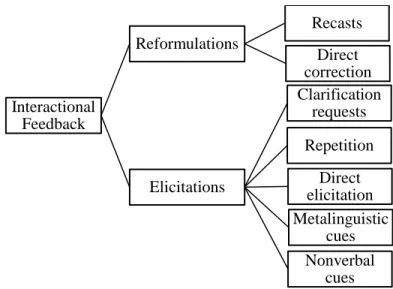
Figure 2.2. Types and Subtypes of Interactional Feedback, reprinted from Nassaji (2015) .... 36 Figure 3.1. National College Entrance Exam, English Section Score Distribution and
Participant Proficiency Levels ... 59 Figure 3.2. Example of Week 2 Interactional Feedback Instructions ... 65 Figure 4.1. National College Entrance Exam English Part - School Distribution and
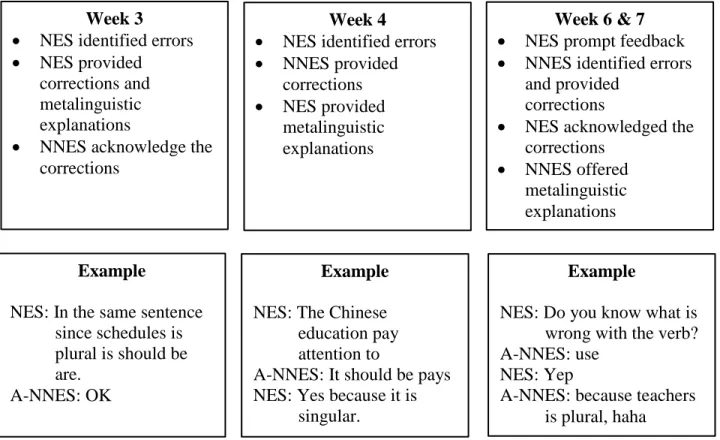
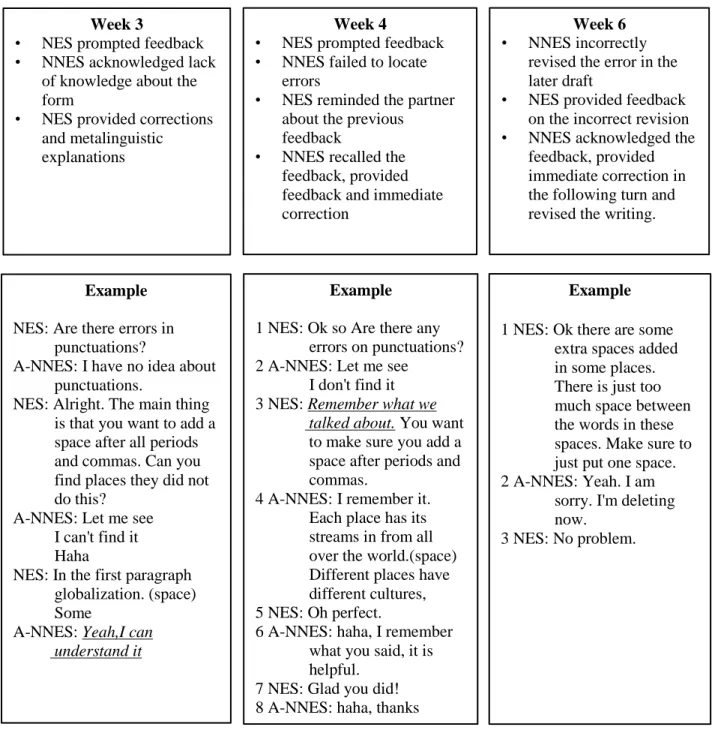
Proficiency Groups... 102 Figure 4.2. Categories of Interactional Feedback, reprinted from Nassaji (2015) ... 118 Figure 4.3. Developmental Process of A-NNES in Dyad 48 on Subject-Verb Agreement. ... 134 Figure 4.4. Developmental Process of A-NNES in Dyad 48 on Punctuation Error ... 135
LIST OF TABLES
Page
Table 2.1 Definition and Examples of Types of Interactional Feedback ... 37
Table 3.1 Participant's Groupings (n = 151) ... 61
Table 3.2 Study Timeline and Activities ... 63
Table 3.3 Examples of T-units ... 67
Table 3.4 Descriptive Statistics for Gain Scores of CAF and Overall Performance Measurements (n = 109) ... 71
Table 3.5 Descriptive Statistics for Gain Scores of CAF and Overall Performance Measurements (Collaborative Groups vs. Individual Group) ... 72
Table 3.6 Statistically Significant Bonferroni Corrected Comparisons of the Measurements by Dyadic Type and Language Proficiency ... 75
Table 3.7 Summary of Statistically Significant ANOVA on Criteria of Overall Performance (n = 108) ... 76
Table 3.8 Descriptive Statistics for Gain Scores CAF and Overall Performance Measurements (Advanced Proficiency vs. Intermediate Proficiency) ... 84
Table 4.1 Perception Survey Items ... 105
Table 4.2 Study Procedure ... 106
Table 4.3 Coding Criteria for LREs and NLREs ... 108
Table 4.4 Characteristics of LREs and NLREs ... 109
Table 4.5 Coding Criteria for Immediate and Delayed Uptake ... 110
Table 4.6 Frequency and Percentage of LREs and NLREs by Categories and Dyadic Type 112 Table 4.7 Descriptive Statistical Information for Frequency of LREs and NLREs ... 112
Table 4.8 Numbers and Percentages of LREs by Features and Dyadic Type ... 113
Table 4.9 Numbers and Percentages of NLREs by Features and Dyadic Type ... 114 Table 4.10 Numbers and Percentages of Immediate Uptakes by Sub-categories and Dyadic
Page Table 4.11 Numbers and Percentages of Delayed Uptakes by Sub-categories and Dyadic
Type ... 116 Table 4.12 Summary of the Perception Survey Results (n = 53) ... 117 Table 4.13 Numbers of LREs by Dyads and Task Periods... 132
CHAPTER I INTRODUCTION
Background of the Study
Second language acquisition (SLA) research has been criticized for its insufficient relevance to language teachers. As Ortega (2005) stated, SLA research has a “decontextualized and mechanistic view of language and communication” (p. 324). In recent decades, the area of study known as instructed SLA (ISLA) emerged from the gradual attention on the value of instruction on SLA. As a "theoretically and empirically based field of academic inquiry" (Loewen, 2014, p. 2), ISLA emphasizes how instruction can benefit second language learning with optimized effects. Theoretically speaking, the focus of ISLA is on the cognitive process of language learning under systematic manipulations by another's instruction. Exploring the
meaningful relations between language learning and instructions in ISLA research aims to fill the gap between practitioners and SLA research. However, ISLA studies are also criticized for not being ecologically valid, which indicates that isolating a specific classroom feature or activity to investigate its effectiveness on language learning in a laboratory setting is highly problematic (Hulstijn, 1997; Spada, 2005). The laboratory setting does not share the same nature as "normal" classrooms with real second language learners. Thus, the results of an experimental ISLA study cannot capture the complex interrelations among the contextual factors and the individuals in a classroom setting (Spada, 2005).
Luckily, ecologically oriented ISLA research has been viewed as the foreseeable future direction for SLA (Larsen-Freeman, 2018). As Benson (2017) stated, we are entering an era of "person-centerness" in SLA research, in which recognizing the relationship between the
individual and language learning is the main concentration. Therefore, an increasing number of individual variables have been identified and examined in SLA and ISLA research, such as individual learning strategies, language proficiency, motivation, and attitude (Benson, 2017). Among the wide range of ISLA research topics, corrective feedback for writing in a computer-mediated setting has caught the attention from researchers and practitioner (Brown, 2012; Ferris, 2011; Spada, 2005; Polio, 2017). This trait of study risks of lacking ecological validity when studies are strictly controlled, in which types of corrective feedback are the criteria for grouping learners (Brown, 2012; Guenette, 2007; Liu & Brown, 2015; Spada, 2005), writing task designs do not permit learners to use various resources (Liu & Brown, 2015; Polio, 2017; Polio & Park, 2016), and writing in a computer-mediated context is limited to non-essay types of writing (Oliver, Grote, & Nguyen, 2014). With teachers tend to rely on research-based pedagogy while designing classroom activities (Spada, 2005), it is suggested that future studies on writing in ISLA should emphasize on the needs and concerns of second language teachers and learners.
As one of the language skills taught in classrooms, writing has long been viewed as a tool for communication and language learning. It is also a social activity in which texts are produced for a particular purpose or audience (Wang, 2015). Although writing has won its attention in classroom instructions, theoretically speaking, the role of writing for language learning is still a debated issue. Some SLA researchers argue that the two unique features of writing – slower pace and enduring record – engage learners in greater precision in language use than speaking
(Williams, 2012). Moreover, writing can also foster a form-meaning connection to promote language learning (Cumming, 1990). On the other hand, some view oral language (i.e., speaking and listening) as the primary means for communication and language learning, and regard writing as only a vehicle for content learning (Ortega, 2012).
To show that writing is a means to facilitate learning, previous researchers have
investigated different writing instruction approaches and their effectiveness. In the early 1980s, writing instruction shifted from a product-based approach to a process-based approach (Kitao & Saeki, 1992). This emphasis on the writing process leads researchers' attention to how learners cognitively process language and transfer it to a written form. Thus, to address both the process and product, the cognitive process model of writing redefined writing as a goal-directed thinking process in which writers need to repeatedly reflect written pieces in the process of writing
(Flower & Hayes, 1981). In recent years, the emergence of task-based language teaching (TBLT) has further perfected the previous approaches and focused on engaging learners in meaningful interactions during the writing process (Brynes & Manchon, 2014). Such meaningful interactions can occur within the learners themselves through an internal cognitive process or with others, such as peers and teachers. The goal of TBLT is to bring learners into a modeled real-life situation and to learn through problem solving. Among the many effective writing tasks, collaborative writing tasks have surpassed other types in many aspects, such as learning
motivation and quality of writing performance (e.g., Elola & Oskoz, 2010; Storch, 2005; Strobl, 2014). Theoretically speaking, interactions that occur during collaborative writing can
significantly facilitate language learning, which is also substantiated from a sociocultural perspective (Lantolf, 2012; Lantolf & Thorne, 2006; Vygosky, 1978).
Statement of the Problem
Research on collaborative writing has been carried out in different settings and contexts focusing on a variety of issues including: the influence of collaborative writing on learning outcomes (e.g., Bikowski & Vithanage, 2016; Chen, Shih, & Liu, 2015; Storch, 2005; Strobl, 2014), the learning process during collaboration (e.g., Arnold, Ducate, & Kost, 2012; Li & Zhu,
2013), and learners and teachers’ attitudes about collaborative writing (e.g., Bikowski & Vithanage, 2016; Storch, 2005; Wang, 2015). With the implementation of computer-mediated communication (CMC) technology in education, collaborative writing studies have shifted their attention from face-to-face settings to CMC settings (e.g., Arnold et al., 2012; Bikowski & Vithanage, 2016).
As a recognized approach, computer-mediated collaborative writing captures
opportunities for language learning in both the writing process and product (e.g., Deng & Yuen, 2011; Drexler, Dawson, & Ferdig, 2007; Glogoff, 2005; Zhang, Song, Shen, & Huang, 2014). Though the effectiveness of computer-mediated collaborative writing for language learning is supported by recent studies, some issues identified through research still need further
investigations (e.g., Jalili & Shakrokhi, 2017; Lai, Lei, & Liu, 2016; Yim & Warschauer, 2017; Aydın & Yıldız, 2014). This dissertation addresses these issues, such as the ecological validity of collaborative writing in an EFL context (Polio, 2017; Yim & Warschauer, 2017), the
methodological issue of measuring learning in writing products (Bikowski & Vithangage, 2016), and the relationship between individual difference, and collaboration patterns and language learning (Lai et al., 2016). The following paragraphs briefly synthesize the problems addressed in this dissertation, which will be further discussed in the chapters below.
Centered in EFL contexts, technology is being widely used in people’s life. However, only in recent years, computer-mediated technology has gradually been incorporated in language classrooms in EFL contexts (e.g., Brown, 2016; Kessler, Bikowski & Boggs, 2013; Krajka, 2012; Strobl, 2014; Lai et al., 2016; Paul & Liu, 2017; Woo, Chu & Li, 2013; Wang, 2015; Ware & O'Dowd, 2008). As more computer-mediated communication (CMC) technology being
learners are required to transform their learning strategies. Instead of receiving information from teachers, learners now need to rethink how knowledge is shared and learned through
collaboration and interaction, and how skills are acquired in a CMC setting (Stein, Glazer, Glassman, & Li, 2017). Therefore, a desperate need in ISLA research in EFL contexts is to work out an effective instructional approach for writing to enhance learners' exposure to computer-mediated language learning (Zhang, 2013) and facilitate students to become a successful learners in the CMC era (Stein et al., 2017).
Beside ecological validity in EFL contexts, understanding how collaborative writing facilitates language learning and writing development is another important issue, especially on how to measure improvement in learners' writing with reliability and validity. Although language complexity, accuracy and fluency (CAF) has been commonly used as measures in SLA writing research since Wolfe-Quintero, Inagaki, and Kim (1998) proposed the methods decades ago, the application of CAF in collaborative writing studies has been viewed as problematic (Bikowski & Vithanage, 2016). This problem derived from the writing products that are traditionally being measured, which is the collaboratively written text (Elola & Oskoz, 2010; Storch, 2005).
However, this traditional method fails to examine whether the improvement in CAF and learned skills from collaboration could be internalized and transferred into individual writing (Liou & Lee, 2011; Shehadeh, 2011). Therefore, some researchers have proposed using an individual pre- and post-test design to measure the effect of collaboration in individual writing products. Though this has proved to be a more reliable and effective design, only limited studies have implemented this method (Bikowski & Vithanage, 2016; Jafari & Ansari, 2012; Shehadeh, 2011). Thus, further research is needed.
person-centered era in ISLA research, the emphasis on individual difference in language learning and classroom instructions should not be overlooked. It has long been proven that individual differences, such as language proficiency, motivation and attitudes, can affect the results of language learning, especially when peer interaction is part of the learning process (e.g., Storch, 1998; William, 2001; Yang & Meng, 2013). Additionally, the collaboration patterns, referred to as dyadic type in this dissertation (e.g., non-native speakers collaborate with non-native speakers or native speakers collaborate with non-native speakers), are also shown to influence learning of the target languages (e.g., Bower & Kawaguchi, 2011; Kung & Eslami, 2015; Sotillo, 2005; Watanabe, 2008; Wu, Petit, & Chen, 2015). Although it appears that the individual differences and dyadic type should have a similar impact on learning through computer-mediated
collaborative writing to learning through interactive tasks (e.g., Kung & Eslami, 2015), the process of learning a target structure in a task-based interaction could be different from learning from a writing task. Therefore, studies are needed to address the relationship among individual differences, dyadic type, and language learning in both collaborative writing process and product.
Dissertation Outline
The overall purpose of this dissertation is to address the above issues and provide practical implications for EFL language teachers so they can effectively implement CMC technology and collaborative writing in adult EFL classrooms. The following chapters focus on different aspects of computer-mediated collaborative writing using different methodological approaches.
Chapter Two is an extensive literature review focusing on theoretical and empirical findings on the relationships between writing and ISLA, and the role of CMC technology and its
implication in ISLA research in EFL contexts, and the impact of interactional feedback on the effectiveness of collaborative writing. This review examines the theoretical models that support the effectiveness of collaborative writing, such as the cognitive model of writing (Hayes & Flower, 1981), Sociocultural Theory (Vygosky, 1978), Noticing Hypothesis (Schmidt, 1990), and Output Hypothesis (Swain, 1995, 1998). In addition, previous studies on collaborative writing and interactional feedback in various settings are also reviewed to explore the effects of different components of collaborative writing on individual learning. Last but not the least, this literature review also examines the study designs of previous research to inform the design of this dissertation study.
Chapter Three is a quasi-experimental empirical study that explores the effects of collaborative writing on individual language development through a pre- and post-test design. Three collaborative writing groups with different dyadic types and one individual writing group were established. The pre- and post-tests were rated and coded by the researcher of this
dissertation and an English writing professor who is familiar with ISLA and writing assessment to ensure inter-rater reliability and inter-coder reliability. Coding of the T-units and clauses were used to further calculate CAF. A series of two-way MANOVA and ANOVA tests were
performed on CAF and overall performance to examine the group differences. Specifically, this chapter examines how dyadic type and language proficiency influence the quality of learners’ individual writing after completing two computer-mediated writing tasks by addressing the following research questions:
1. Do computer-mediated collaborative writing tasks enhance language complexity, accuracy, fluency and overall performance of individual writing texts?
2. If so, to what extent do dyadic type and language proficiency influence the effects of collaborative writing on individual writing texts with regard to language complexity, accuracy, fluency and overall performance?
Chapter Four investigates learners’ interactions and collaborative process during two computer-mediated collaborative writing tasks, as well as each learner’s perception of collaborative writing. Adapting a quasi-experimental multi-group design, three collaborative writing groups were formed and labeled based on dyadic type and language proficiency. The text-chat logs and the collaborative texts from these interactions were coded, quantified and analyzed. The language-related episodes (LRE), non-language-related episodes (NLRE) and uptakes were coded by the types and features and the inter-coder reliability was also measured. This chapter aims to further understand the relationships among learners' language proficiency, dyadic type and learners' noticing during the collaboration process by answering the following research questions:
1. What are the features and frequency of lexical, grammatical and mechanical LREs? 2. What are the features and frequency of NLREs?
3. What are the features and frequency of immediate and delayed uptakes?
4. How do language proficiency and dyadic type affect the learners’ performance in terms of features and frequency of LREs, immediate and delayed uptakes? 5. What is the EFL learners’ perception of computer-mediated collaborative writing
Definition of Terms
Second language acquisition (SLA). SLA “entails the study of the human capacity to learn languages other than the mother tongue and seeks to explain the wide range of individual variability that human beings exhibit in learning them” (Ortega, 2005, p. 318).
Instructed second language acquisition (ISLA). ISLA is a “theoretically and empirically based field of academic inquiry that aims to understand how the systematic manipulation of the mechanisms of learning and/or the conditions under which they occur enable or facilitate the development and acquisition of a language other than one’s first” (Loewen, 2014, p. 2). ISLA studies attempt to explore effective classroom instruction that can facilitate SLA.
Task. Task is “(1) a classroom activity or exercise that has: (a) an objective obtainable only by the interaction among participants, (b) a mechanism for structuring and sequencing interaction, and (c) a focus on meaning exchange; (2) a language learning endeavor that requires learners to comprehend, manipulate, and/or produce the target language as they perform some set of work plans” (Lee, 2000, p. 32)
Computer-mediated communication (CMC). CMC is defined as “the process of human communication via computers, involving people, situated in particular contexts, engaging in processes to shape media for a variety of purposes” (December, 1996, p.1)
Synchronous computer-mediated communication (SCMC). SCMC is a type of CMC setting in which people are able to engage in real-time communication via CMC technology, such as online chatting and instant messaging.
Asynchronous computer-mediated communication (ACMC). ACMC is another type of CMC setting in which communication happens in delayed time, such as emails.
Collaborative writing. Collaborative writing is defined as “an activity where there is a shared and negotiated decision-making process and a shared responsibility for the production of a single text that results in collective cognition related to language learning” (Storch, 2013, p.3).
Interactional feedback. Interactional feedback is defined as “feedback generated implicitly or explicitly through negotiation and modification processes that occur during interaction to deal with communication or linguistic problems” (Nassaji, 2016, p. 2).
Dyadic type. Dyadic type refers to features of pairs in pair work in language teaching and learning (Sotillo, 2005). This study will use three dyadic types: native speaker and advanced proficiency non-native speaker, native speaker and intermediate proficiency non-native speaker, advanced and intermediate proficiency non-native speakers
Noticing. Noticing is referred as the conscious attention to language input, which may appears in a form of verbal report (Schmidt, 1990). Verbal report refers to evidence in later language production that shows potential learning. Traditionally, researchers assume that existence of learning evidence implies potential noticing. However, such verbal reports may not occur in all circumstances.
Language-related episode (LRE). LRE is “any part of a dialogue where the students talk about the language they are producing, question their language use, or correct themselves or others” (Swain & Lapkin, 1998, p. 326).
Non-language-related episode (NLRE). Storch and Wigglesworth (2007) define NLRE as a parallel structure of LRE and refer it as any dialogue in which learners discuss writing-related issues (e.g., text structure and content selection).
Uptake. Uptake is learners’ responses following the feedback, ranging from modified output to simple acknowledgment of receipt of the feedback (e.g., “yes”, “Ok”; Lyster & Ranta, 1997).
Language accuracy. Language accuracy refers to “the degree of deviancy from a particular norm” (Housen & Kuiken, 2009, p. 463).
Language complexity. Language complexity means “[t]he extent to which the language produced in performing a task is elaborate and varied” (Ellis, 2003, p.340).
Language fluency. Language fluency is characterized as the “perceptions of ease, eloquence, and ‘smoothness’ of speech or writing” (Housen & Kuiken, 2009, p. 463)
T-unit. T-unit is “one main clause plus whatever subordinate clauses happen to be attached to or embedded within it” (Storch, 2005, p. 157)
CHAPTER II LITERATURE REVIEW
Writing is one of the most important components of instructed second language acquisition (ISLA; Ortega, 2012). As a complex process, successful writing requires adequate linguistic knowledge and writing skills as well as instructions on writing (Lee, 2005). The challenges language learners face in writing may result not only from linguistic knowledge and writing skills, but also from whether they receive appropriate instruction (Ortega, 2012). In the 1980s, writing instruction shifted from a product-based to a process-based approach (Kitao & Saeki, 1992). Then Flower and Hayes (1981) further proposed the cognitive process model in writing that linked the product and process as a whole. In recent decades, more emphasis has been laid on how classroom instruction can effectively promote learning through both writing product and process. In addition, as more studies focus on the theoretical implications of different writing approaches in the classroom (Loewen, 2014), researchers have become more aware of the ecological validity of these studies (Spada, 2005; Polio, 2017). Thus, discovering effective approaches to writing instruction in actual language classrooms has become the primary purpose of ISLA studies on writing.
Task-based language teaching (TBLT), is one ecologically valid instructional approach that has shown to be effective in various classroom settings (TBLT; Long, 1985). It concerns the relations among learners’ needs, class content, pedagogical strategies, as well as assessments of learners’ achievements (Long, 1985). The purpose of TBLT is to enhance language learning through the process of completing a meaningful task with real-life purposes, either individually or collaboratively (Ellis, 2003; Long, 1985). In writing, specifically, the assessment of learning
can be achieved through the product and process. Moreover, with respect to effective writing tasks, research has underscored the benefits of collaborative writing tasks over individual tasks (e.g., Elola & Oskoz, 2010; Storch, 2005; Strobl, 2014).
Recently, there has been an increasing interest in collaborative writing in language classrooms and the way in which it promotes SLA (Dobao, 2012; Kim, 2008; Swain & Lapkin, 1998). Robust evidence from previous research supports the benefits of collaborative writing on language learning and writing development (e.g., Bikowski & Vithanage, 2016; Chen, Shih, & Liu, 2015; Elola & Oskoz, 2010). Through collaboration, learners are able to increase the quantity and quality of their writing (e.g., Armstrong & Retterer, 2008; Drexler, Dawson, & Ferdig, 2007), receive more opportunities for noticing linguistic gaps (e.g., Amir, Ismail, & Hussin, 2011; Li & Zhu, 2013), enhance their motivation for learning (e.g., Alvarez, Espasa, & Guasch, 2011; Zhang, Song, Shen, & Huang, 2014), and build learning communities (e.g., Amir et al., 2011). However, collaborative writing may not be consistently effective in all contexts. For instance, a considerable amount of literature indicates that compared to face-to-face settings, computer-mediated communication (CMC) can potentially maximize the learning effect from collaboration (Armstrong & Retterer, 2008; Chen et al., 2015; Gutierrez, 2008). Moreover, how peers interact and approach errors and revisions also affects the final result of the tasks (Li & Zhu, 2013; Nassaji, 2016; Zhang et al., 2014).
As CMC has emerged as an area of research in ISLA (Li & Zhu, 2013), some studies have demonstrated that computer-mediated collaborative writing could similarly or better
facilitate language learning, writing development, and meaningful interactions than collaborative writing in face-to-face settings (e.g., Armstrong & Retterer, 2008; Chen et al., 2015; Drexler et al., 2007; Li & Zhu, 2013; Wang, 2015; Warschauer, 1997; Zhou, Simpson, & Domizi, 2012).
Moreover, theoretically speaking, more meaningful interactions imply more opportunities for learning and noticing (Schmidt, 1990). This argument is made convincingly from an
interactionist perspective and supported by numerous studies on peer interactions for
collaborative writing purposes (e.g., Alvarez et al., 2011; Amir et al., 2011; Guasch, Espasa, Alvarez, & Kirschner, 2013; Zhang et al., 2014). Additionally, online interactions have become more convenient and necessary when CMC technology is widely used in language education. Research that has looked into the effect of CMC on peer interaction shows potential benefits of CMC on language learning, but at the same time, brings to light other issues related to learning through CMC (AbuSeileek & Abualsha’r, 2014; Bower & Kawaguchi, 2011; Shintani, 2015). One of the major issues is to identify in what context learners can benefit the most from
computer-mediated learning tasks. This is more of a concern when complex cognitive activities are needed for completing a task needing multiple skills. Computer-mediated collaborative writing is a complex task and learners need to have adequate communicative competence for effective interaction and be capable of transferring the knowledge gained through interaction to written language (Brooks & Swain, 2009). Therefore, the components of computer-mediated collaborative writing that can be manipulated for better learning outcomes needs further examination.
To center this review on computer-mediated collaborative writing, only studies related to CMC and collaborative writing, as well as peer interactions were explored. Factors that
contribute to the effectiveness of computer-mediated collaborative writing range from micro factors like individual differences and collaboration patterns (e.g., Kung & Eslami, 2015; Sotillo, 2005; Watanabe, 2008) to macro factors like the task design and technology used for
influence collaborative writing, it is also necessary to explore the impact of peer feedback on the successfulness of collaborative writing tasks. Despite a growing body of literature on computer-mediated peer feedback, very limited studies have looked at how it contributes or hinders
collaborative writing during the writing process (Shehadeh, 2011; Soleimani, Modirkhamene, & Sadghi, 2017). Therefore, this review aims to provide an extensive overview of the current research and potential issues in computer-mediated collaborative writing studies and to set up a rationale for this dissertation study. To clearly outline this review, we follow the structure below. First, the relation between writing and ISLA is discussed, including definitions, features, as well as an explanation of theoretical models and instructional approaches. Second, we take a closer look at collaborative writing, in which various types of collaborative writing are introduced and synthesis of current research is presented. Next, we dive into the relationship between CMC and ISLA and further explore the role of CMC in collaborative writing in an EFL context
specifically. Last but not the least, how peer interactional feedback plays a role in collaborative writing is discussed.
Writing and Instructed Second Language Acquisition
Before we discuss the connection between writing and ISLA, the defining features and scope of ISLA need to be addressed. As mentioned above, ISLA emphasizes the functions of instruction in the process of language learning (Ellis, 2005). It is defined as a “theoretically and empirically based field of academic inquiry that aims to understand how the systematic
manipulation of the mechanisms of learning and/or the conditions under which they occur enable or facilitate the development and acquisition of a language other than one’s first” (Loewen, 2014, p. 2). Thus, ISLA is concerned with both pedagogical aspects of language learning and
As one of the major skills, writing is viewed to facilitate learning through greater precision in language use (Williams, 2012) and form-meaning connections (Cumming, 1990). Although it has been argued by some researchers that writing is only the carrier for content learning (Ortega, 2012), one cannot deny the role of writing in SLA as learners can benefit from both the writing process and writing product. From a pedagogical perspective, how to effectively teach writing has been investigated for decades. Since the 1980s, the instructional focus shifted from product to process as researchers and teachers began to realize that product does not reveal all aspects of learning (Kitao & Saeiki, 1992). To lay emphasis on both product and process, Flower and Hayes (1981) proposed the cognitive process model of writing in the early 1980s. This model viewed writing as a goal-directed thinking process, in which writing is broken into a set of sub-goals. To achieve the final goal, learners need to evaluate the writing quality in each phase guided by the sub-goals. This cognitive process enables learners to make progress towards the final written product, and also to focus on translating thoughts into words and reprocessing language cognitively. However, this model only emphasized the importance of both writing products and processes, and did not shed light on how teachers can develop an effective instructional approach for writing on the basis of this model.
From a practitioner perspective, TBLT has emerged and further matured in ISLA research in the past several decades (Ellis, 2003; Long, 1985; Van den Branden, 2016). As a research-based pedagogy with emphasis on language learning processes, TBLT holds the potential of being interactive and ecologically valid (Ellis, 2003). The process of learning through tasks requires information exchange and negotiation of meaning and forms to achieve the final goal. Tasks are designed based on real life setting, which can be “(1) a classroom activity or exercise that has: (a) an objective obtainable only by the interaction among
participants, (b) a mechanism for structuring and sequencing interaction, and (c) a focus on meaning exchange; (2) a language learning endeavor that requires learners to comprehend, manipulate, and/or produce the target language as they perform some set of workplans” (Lee, 2000, p. 32). Implementing tasks as part of classroom instructions could avoid isolating one strategy or activity from classrooms (Spada, 2005). Instead, tasks bring the outside resources into classrooms, prioritize meaning over form, meanwhile, taking form learning and development of communicative language into account (Ahmadian, 2011; Van den Branden, 2016). Moreover, Swan (2005) states that TBLT should be advocated in real classrooms because it is learner-centered with emphasize on natural language use, which allows teachers to cater task designs to learners’ needs.
Moreover, Vygotsky's (1978) sociocultural theory provides a solid theoretical foundation for TBLT, as sociocultural theory recognizes human cognitive development as a socially
mediated process in which language plays an essential mediating role. Effective interactions for language learning purposes require successful language mediations, such as negotiation for co-constructing knowledge and problem solving (Swain, 2000; Van Lier, 2002). Compared with individual learning tasks, collaborative learning tasks entails a higher level of interactions (AbuSeileek & Abualsha’r, 2012; Lantolf & Thorne, 2006; Rassaei, 2014). Furthermore,
scaffolding, as a sociocultural construct, facilitates the development of linguistic competence and interlanguage development in a learner’s zone of proximal development (ZPD), which is a favorable and supportive cognitive learning space (Mirzaei & Eslami, 2015). Extracted from the pioneer literature on sociocultural theory, ZPD is referred to as “the distance between the actual developmental level, as determined by independent problem solving, and the level of potential development as determined through problem solving under adult guidance, or in collaboration
with more capable peers” (Vygotsky, 1978, p. 86). Taking this perspective into consideration, collaboration offers more opportunities for scaffolding where learners tackle linguistic issues and mediate language learning during interactions (Mirzaei & Eslami, 2015; Storch, 2005).
In EFL writing specifically, the benefits of TBLT has been acknowledged and supported by a considerate numbers of studies (Byrnes & Manchón, 2014; Plakans, Gebril, & Bilki, 2016). Specifically, collaborative writing tasks have gained its attention, as it facilitates language learning and writing development through intense interactions during the writing process (Elola & Oskoz, 2010, 2017; Wang, 2015; Zhou et al., 2012). To obtain an empirical explication of the effects of collaborative writing on language learning and writing development, selected studies on collaborative writing are presented as follows.
Collaborative Writing Definitions and Types of Collaborative Writing
The nature of collaborative writing has given it several definitional features. From the process of collaborative writing, Storch (2013) defined collaborative writing as “an activity where there is a shared and negotiated decision-making process and a shared responsibility for the production of a single text that results in collective cognition related to language learning” (p.3). Similarly, Dale (1994) stated that collaborative writing stresses the interaction among students and the context of writing (shared document). From a pedagogical perspective, Louth, McAllister, and McAllister (1993) defined collaborative writing as multiple people contributing to the writing process. All the definitions provided above share the same feature - that the end product of collaborative writing is a shared responsibility.
Collaborative writing can be classified into different types. Haring-Smith (1990) presented the following three types: serial writing, compiled writing and co-authored writing.
Serial writing is the type where multiple individuals work on a text in a sequence. For instance, a supervisor compiles the work for a report from each employee and sends it out to the next
employee for further evaluation (Kittle & Hicks, 2009). Compiled writing requires each writer to contribute to a specific part of the text without peer feedback, where limited negotiation and collaboration occur. Co-authored writing allows joint-writing and joint-editing to happen. The end product is a collaborative piece with multiple authors rather than a collection of individual pieces. Similarly, Louth et al. (1993) categorized collaborative writing into two types: interactive writing and group writing. Interactive writing requires peer interactions but each author is only responsible for their own writing. Group writing is similar to Haring-Smith's classification of co-authored writing, in which multiple authors are responsible for one piece of writing. From a pedagogical perspective and a student-centered view, co-authored writing or group writing allows maximum interactions among learners, which is also the collaborative pattern most of the current literature on collaborative writing has adapted.
Studies on Collaborative Writing
A closer look at the studies on collaborative writing reveals several issues. First of all, these studies are conducted in either CMC settings (e.g., Arnold, Ducate, & Kost, 2012; Bikowski & Vithanage, 2016) or face-to-face settings (e.g., Gutierrez, 2008; Storch, 2005). Second, most studies on collaborative writing have been carried out in ESL/EFL contexts (e.g., Chen et al., 2015; Li & Zhu, 2013), with a number of studies in other foreign language contexts, such as Spanish as a Foreign Language (e.g., Elola & Oskoz, 2010) and German as a Foreign Language (e.g., Strobl, 2014). Third, the issues investigated in research on collaborative writing cover a wide range, including the influence of collaborative writing on learners’ writing ability and language learning (e.g., Bikowski & Vithanage, 2016; Chen et al., 2015; Drexler et al., 2007;
Storch, 2005; Strobl, 2014), the interactional features of collaborative writing (e.g., how learners work together in one task) (Arnold et al., 2012; Li & Zhu, 2013), students’ attitudes toward collaborative writing (e.g., Bikowski & Vithanage, 2016; Drexler et al., 2007; Storch, 2005; Wang, 2015), and the influence of dyadic type or language proficiency on collaborative writing outcomes (e.g., Alvarez et al., 2011; Guasch et al., 2013; Zhang et al., 2014).
Another important issue worth exploring is how these studies measured the language learning in collaborative writing. Some of the studies have compared the collaboratively and individually written products without a pre- and post-test design (e.g., Elola & Oskoz, 2010; Storch, 2005; Strobl, 2014). They simply compared the quality of the products written by multiple authors to those from a single author to examine which type of writing is more beneficial. However, this comparison cannot be viewed as an equal comparison because with multiple writers putting efforts on writing one piece, collaborative writing could potentially have a higher quality than individual writing, which is a reflection of one individual learner’s effort. Some other researchers, on the other hand, have proposed and incorporated individual pre- and post-tests to examine differences within the group (e.g., Bikowski & Vithanage, 2016; Jafari & Ansari, 2012; Shehadeh, 2011). These researchers investigate whether the gains from a
collaborative writing experience can be internalized or transferred onto individual writing. Moreover, beside the methods for quality measurement, what constructs constitute the quality of written products also needs to be considered. Language complexity, accuracy, and fluency (CAF) are found to be the commonly measured constructs (e.g., Elola & Oskoz, 2010; Storch, 2005; Strobl, 2014). CAF represents different dimensions of writing, such as how the forms of the written language deviate from the native norm (accuracy), how the written language is elaborated or varied in terms of lexis and morphosyntax (complexity), and how smooth the
writing production is (fluency) (Ellis, 2003; Housen & Kuilen, 2009). These measures and constructs have been frequently applied in studies on the influence of collaborative writing on learners’ language learning and writing ability, in which a writing product is the primary carrier of language gains.
Different from the above research, another group of studies examines mainly how
learners interact during the collaboration process and how the amount and quality of interactions influence the final product and the process of SLA (e.g., Arnold et al., 2012; Gutierrez, 2008; Noël & Robert, 2004). This group of studies lays emphasis on the possible learning instances through the writing process. Measuring learning through the writing process usually consists of both qualitative and quantitative methods, such as analyzing the frequency and features of language-related episodes for potential learning. Commonly embedded in collaborative writing studies, interviews or surveys on learners' attitudes and perceptions of collaborative writing are also used as a supplementary measure to understand the effectiveness of collaborative writing (Bikowski & Withanage, 2016; Drexler et al., 2007; Storch, 2005; Wang, 2015). Guided by the above synthesis of previous studies, the following section presents an extensive selection of studies, categorized and sequenced by their research purposes.
Studies on Writing Products. The following two studies compared collaborative writing with individual writing by measuring the texts produced in a collaborative mode versus an individual mode among ESL/EFL learners. Chen et al. (2015) studied the effects of different types of collaborative writing tasks on the content of blog writing among adult EFL learners. Thirty-four EFL learners in Taiwan were paired into 17 dyads. Each dyad completed four open-type tasks (descriptive writing tasks) and six closed-open-type tasks (decision making writing tasks) in ten weeks using Skype and Blogger. Researchers examined the change in writing quality using
idea units. In addition to the tasks, all learners completed a set of self- and peer-appraisals for self- and peer-evaluation on their contributions. A linear regression analysis on task type and idea units showed that closed-type tasks were more likely to produce more idea units than open-type tasks. Moreover, as the task preceded, the idea unit counts increased, which indicated growth of writing skills and language learning over time.
Storch (2005) conducted a study among adult intermediate ESL learners to compare the effects of collaborative writing and individual writing. Learners were voluntarily placed in either a paired collaborative writing group or an individual writing group (working alone). Then they completed one writing task (i.e., analyzing a data commentary text) either in pairs or by themselves. The written product of both groups and recordings of oral interactions from the collaborative writing group were collected and analyzed. Written products were analyzed for CAF using T-units and clauses. Due to the small sample size, a non-parametric Mann-Whitney U test was conducted for quantitative analysis on CAF. The results indicated a better but not
statistically significant learning outcome in complexity and accuracy in collaborative texts than in individual writing. On the contrary, the individual writing samples had higher fluency levels than the collaborative text samples. A possible explanation is that collaborative groups were engaged in joint-planning and joint-editing, which allowed learners to construct more succinct and concise writing than learners in individual writing groups.
Different from the above two studies, the following ones adapted a pre- and post-test design to measure language gains among EFL/ESL learners. Bikowski and Vithanage (2016) examined the impact of collaborative writing on individual writing performance in a CMC context among adult ESL learners. Learners were divided into different proficiency groups based on TOEFL iBT scores or completion of an intensive English program. All participants
individually completed a set of pre- and post-tests on writing, which were measured by an analytic rubric on overall performance. The experimental group completed four in-class web-based collaborative writing tasks, while the control group completed the same tasks individually. Through an independent t-test comparison of the scores from the pre- to post-tests, researchers found that collaborative groups outperformed individual groups in the post-tests on overall performance and concluded that collaborative writing is an effective treatment for language learning and writing development.
Similarly, Jafari and Ansari (2012) conducted a study on the effects of collaborative writing on individual language learning among adult intermediate EFL learners in Iran. Learners were placed in either an experimental group (a collaborative writing group) or a control group (an individual writing group, working alone) based on their own choices. All learners completed an individual Solution Placement Test (including an argumentative writing section) before the tasks and an individual argumentative writing post-test. Two argumentative writing tasks were assigned to both groups during the writing sessions. The accuracy of the post-tests was measured by T-units. The results of an independent t-test of accuracy measure in the post-tests showed that collaborative writing has a positive impact on learners' writing.
In addition to the studies on EFL/ESL language learning and writing development, a number of researchers have examined the effect of collaborative versus individual writing tasks with foreign language learners learning languages other than English. Elola and Oskoz (2010), for example, examined the effect of individual writing and collaborative writing on CAF in wikis with adult Spanish as a Foreign Language learners. All participants completed two
argumentative essays collaboratively (the first essay) and individually (the second essay) in class and revised the two essays after class. During collaboration, participants were engaged in either
written or oral interactions. CAF was measured for quality of written products and tested by independent t-tests and a non-parametric Mann-Whitney U test. The results did not show any statistically significant difference between the two groups. However, the analysis of writing process informed that learners' performance differed during the study when working
collaboratively or individually.
In addition, Strobl (2014) investigated the difference between collaborative writing and individual writing using Google Docs among advanced adult German as a Foreign Language learners in the Netherland in terms of CAF, content, and coherence. Participants were divided into two groups. Adapting a counter-balanced design, at the first time point, group one
completed a synthesis individual writing task while group two completed a synthesis
collaborative writing task. At the second time point, the two groups switched the writing tasks. For the written product analysis, the errors-per-word ratio was measured for accuracy, the total number of words was measured for fluency, a “balanced complexity” algorithm (Schulze, Wood, & Pokorny, unpublished manuscript) was used for complexity, and a holistic scale measured the overall performance (content and coherence). Independent t-tests and a non-parametric Mann-Whitney U test were conducted to detect the group differences in terms of the quality of written products. The results showed no statistically significant difference on accuracy and complexity between collaborative and individual texts. However, overall performance was statistically higher in collaborative texts than in individual texts.
The above studies showed that, in general, collaborative writing has a positive influence on language learning in ESL/EFL contexts. Specifically, collaborative writing was shown to facilitate writing development and semantic richness (e.g., Chen et al., 2015) and enhance accuracy and complexity in written products (e.g., Storch, 2005; Jafari & Ansari, 2012) as well
as the overall performance (e.g., Bikowski & Vithanage, 2016; Storch, 2005). On the other hand, in other FL contexts, collaborative writing did not show similar benefits (e.g., Elola & Oskoz, 2010; Strobl, 2014). For example, Strobl (2014) found no statistically significant gains in language accuracy and complexity between collaborative and individual writing groups in German as Foreign Language learners. This result may be due to the advanced language proficiency among the learners, which left limited space for improvement. Elola and Oskoz (2010) also found similar results with their Spanish as Foreign Language learners and stated that the small sample size may have caused their insignificant findings.
Studies on Writing Process. In this line of research, how learners interact and approach errors and revisions are identified through analysis of interaction transcripts. Arnold et al. (2012) conducted a study on German as a foreign language writing in wikis and investigated the
difference between collaboration and cooperation on writing performance. Collaboration was the situation in which learners took responsibility for revising texts written by themselves and peers. Cooperation represented the group of learners who only revised their own writing in the final product. Three intact German language classes participated in the study. The task was designed based on a German novel. Learners were divided into groups of two to four and completed a wiki page based on the novel. Class one only received the topic, whereas, classes two and three
received additional structured guidance from the instructor. After the treatment, two interaction patterns were shown based on learners' performance: collaboration and cooperation. Through T-unit analysis, the results showed that in the collaboration condition, more changes were made on content and structure than in the cooperation condition. However, the two conditions showed similar results on form related changes (e.g., format, spelling, punctuation, word order and lexical revisions).
Similar to Arnold et al. (2012), Li and Zhu (2013) studied the interaction patterns during small group collaboration using wikis among EFL learners. Learners were asked to complete three collaborative writing tasks: narration, exposition and argumentation. Researchers used units of language functions (e.g., agreement and suggestion) and a grounded approach (i.e.,
categorizing data under themes that emerge from the data) to analyze the interaction and interview data. Three interaction patterns were identified: collectively contributing/mutually supportive (i.e., equal contributions), authoritative/responsive (i.e., unequal contributions with one person taking control over the task), and dominant/withdrawn (i.e., unequal contributions with one person being left out). The findings indicated that collectively contributing/mutually supportive groups revealed the most learning opportunities during interaction, followed by the authoritative/responsive groups. Dominant/withdrawn groups provided the least learning opportunities.
Kessler et al. (2012) examined the features of web-based academic collaborative writing using Google Docs among 38 advanced ESL learners in the United States. Learners grouped themselves based on their academic fields. Researchers selected three groups from the study and conducted a case study. Using language-related contributions (LRCs; e.g., revisions on forms) and non-language related contributions (NLRC; e.g., editing on format), Kessler et al. analyzed learners’ collaborative written products and interaction scripts. The findings showed that instead of following the sequence of planning, writing and editing, the three stages occurred
simultaneously in Google Docs. In addition, each learner contributed differently during collaboration. However, the level of contribution did not affect the overall quality of the collaborative written products.
The above studies suggest that types of collaboration (e.g., Arnold et al., 2012) and how learners interact (e.g., Kessler et al., 2012; Li & Zhu, 2013) can influence the outcome of
collaborative writing, considering the possible learning opportunities each condition can provide. The findings of these studies echoed the previously stated benefits of co-authored writing, that is through joint-planning and joint-editing, learners can receive more learning opportunities (e.g., Li & Zhu, 2013) and build a stronger sense of collaboration (e.g., taking responsibility for editing their peers’ writing; Arnold et al., 2012).
As a supplementary measure, researchers also investigated learners' perceptions and attitudes regarding collaborative writing. In general, learners showed positive attitudes and were willing to engage in more collaborative activities. For instance, Chen et al. (2015) used a Likert-scaled survey to examine learners’ attitudes, from which a high level of satisfaction with the collaborative writing experience was reported. Bikowski and Vithanage (2016) indicated that learners in collaborative writing group liked the in-class web-based collaborative writing tasks, believed the tasks helped with their writing, and further recommended these tasks for future classes. The majority of the learners in Storch (2005) study also believed that collaborative writing offered more learning opportunities and helped them improve their overall writing ability. Similarly, Elola and Oskoz (2010) reported that learners felt collaborative writing could enhance the overall quality of their writing. However, some learners indicated that they had more freedom to manipulate the text to suit their personal style and work with their own pace and schedule in individual writing.
As discussed above, although studies generally reported positive findings of collaborative writing, several issues still need further investigation. First, one needs to know what types of technology can better promote collaborative writing (e.g., Armstrong & Retterer, 2008; Li &
Zhu, 2013). The facilitative role of CMC has been recognized by previous research (Alvarez et al., 2011; Liu & Sadler, 2003). However, the ecological validity of computer-mediated language learning in EFL context is still in need of further studies (Stein, Glazer, Glassman, & Li, 2017). Second, as an essential component of collaborative writing, peer feedback is closely associated with learner's attitude, learning motivation and engagement in the collaboration process (Elola & Oskoz, 2017). In a technology driven world, how computer-mediated peer feedback impacts individual writing and language learning have gained gradual attention in ISLA research in the past decades (Chen, 2016). However, the mediating role of peer feedback for interactions in collaborative writing context still needs further studies (Cho, 2017; Gutierrez, 2006). As Cho (2017) states, how learners perceive and implement peer feedback during computer-mediated collaborative writing is one of the primary mediating factors for their interaction. Understanding how computer-mediated peer feedback functions in the writing and revising process may provide an insight into how to effectively design computer-mediated collaborative writing activities in language classrooms. Therefore, to address the above two issues, the following sections further discuss the features and functions of CMC technology and peer feedback, and their relationship with collaborative writing.
Computer-mediated Communication
The development of CMC technology brings both challenges and opportunities for
language learners and teachers (Li & Storch, 2017). CMC technology has the features of not only linking information but also connecting people (Warschauer, 2009). Early in the 70s, technology was mainly viewed as a container for information (Lam & Kramsch, 2002). Gradually, CMC technology has become a machine for information processing and problem solving, which represents “the process of human communication” (December, 1997, p.1) and the "...medium,
and engine of social relations” (Romiszowski & Mason, 1996, p. 398). SLA research started to consider the role of CMC technology in the early 80s, when CMC technology functioned as a "transparent environment" for interactions and learning (Lam & Kramsch, 2002, p.144). Since then, CMC has constituted an emergent area of research in SLA (Warschauer & Kern, 2000), and later in ISLA (Loewen, 2004).
Computer-mediated Communication in ISLA
CMC has been viewed as a facilitator and carrier of language learning in second language classrooms. Research has shown that CMC can promote language learning and is well-received by teachers and learners (e.g., Kim, 2014; Liu & Sadler, 2003; Warschauer, 2013). Some benefits CMC provides that surpass face-to-face communication are the potential of providing more opportunities for noticing the linguistic gaps (e.g., Bower & Kawaguchi, 2011; Kim, 2014; Shintani, 2015), enhancing collaboration and facilitating interactions (e.g., Alvarez et al., 2011; Liu & Sadler, 2003), promoting authoring flexibility, content creation and knowledge generation (e.g., Elola & Oskoz, 2010), and enhancing intercultural communication (e.g., Zeiss & Isabelli-García, 2005). Moreover, the quality and quantity of teacher and peer feedback provided in a CMC setting may also increase during interactions (e.g., Drexler et al., 2007; Guichón, Bétrancourt, & Prié, 2012).
However, as a relatively newly developed area, integration of CMC in ISLA has some limitations. In a synthesis study of CMC, Kim (2008) found possible drawbacks of using CMC technology for educational purposes include issues of communication management, lurking, lack of sense of ownership, and teacher-centered and dissemination-based instruction. The first issue identified is that less structured and coordinated tasks might cause communication management issues, and thus proper monitoring of learners’ working processes is essential to ensure the
success of CMC tasks (e.g., Arnold et al., 2012; Zhang et al., 2014). Second, lurking occurs when the users only read information online, but do not participate and engage in online
interactions and activities with others. Third, the sense of ownership/authorship may be lacking when publishing writing online. For example, if the authorships of a wiki page do not show in public, the learner's effort is not publically recognized, which could discourage the learner from actively engaging in online interactions. The last limitation Kim noted is that most CMC
technology is teacher-centered and used for dissemination-based instruction. For instance, learners construct a wiki page under the instruction and guidance of a teacher and that leaves the learners with little to no control over the structure and content of the wiki page.
Empirical studies also identified some other constraints of using CMC technology in actual instructions. For instance, Ho and Savignon (2007) compared asynchronous CMC and FTF peer reviews among EFL learners and reported there was a relative lack of oral interaction and timely feedback in the asynchronous CMC setting. Kim (2014) compared FTF
communication and synchronous CMC interactions and found that learners in the synchronous CMC setting were more likely to avoid attending to communication breakdowns and writing errors during online interactions than in the FTF setting. Moreover, Liu and Sadler (2003) investigated FTF and CMC interactions and found that the lack of non-verbal communication (e.g., facial expressions and gestures) in the CMC setting made the FTF setting more effective for peer interaction and language learning.
Although such limitations can potentially hinder learning, researchers have tried different approaches to minimize such drawbacks. Research indicates that effective use of CMC
collaborative learning, and feasible for the specific context (e.g., Bikowski & Vithanage, 2016; Wang, 2015; Drexler et al., 2007).
CMC Technology in EFL Classrooms
In general, among a variety of CMC technologies that can function for online
collaboration and interaction, Google Docs (e.g., Bikowski & Vithanage, 2016; Strobl, 2014; Zhou et al., 2012), wikis (e.g., Arnold et al., 2012; Li & Zhu, 2013; Wang, 2015), and blogs (e.g., Amir et al., 2011; Armstrong & Retterer, 2008; Drexler et al., 2007; Zhang et al., 2014) are by far the most commonly used tools for collaborative writing. Furthermore, in some contexts, a combination of tools (e.g., chatting software and Microsoft Word) have been effectively implemented (e.g., Bloch, 2002; Liaw, 1998).
Successful computer-mediated collaborative writing is greatly influenced by the selection of technology, so the availability and stability of the technology used should be considered (Zhang et al. 2014). Not only researchers, but also language teachers should be familiar with the learning context and learners' capability of using the CMC technology (e.g., Chen et al., 2015). Although people are widely using technology for different purposes in their daily life, CMC technology is not yet popular and integrated effectively in EFL writing classrooms (Asu & Perrotti, 2017; Paul & Liu, 2017; Zhang, 2013). A few number of existing studies on CMC technology and EFL writing that are conducted in a classroom setting (Lai, Lei, & Liu, 2016; Strobl, 2014; Woo, Chu, & Li, 2013; Zhang et al., 2014) have provided valuable evidence for the ecological validity of computer-mediated writing tasks in EFL settings. However, language learning in a classroom setting is associated with many factors (Polio, 2017), these studies have not yet touched upon how computer-mediated collaborative writing tasks can be effectively designed considering the classroom settings in a specific EFL context (Stein et al., 2017).