Calhoun: The NPS Institutional Archive
Theses and Dissertations Thesis Collection
2012-12
Enhancing decision making during initial operations
at surge events
Duggan, Brian P.
Monterey, California. Naval Postgraduate School http://hdl.handle.net/10945/27822
NAVAL
POSTGRADUATE
SCHOOL
MONTEREY, CALIFORNIA
THESIS
Approved for public release; distribution is unlimited ENHANCING DECISION MAKING DURING INITIAL
OPERATIONS AT SURGE EVENTS
by
Brian P. Duggan
December 2012
Thesis Co-Advisors: Susan Hocevar
REPORT DOCUMENTATION PAGE Form Approved OMB No. 0704-0188 Public reporting burden for this collection of information is estimated to average 1 hour per response, including the time for reviewing instruction, searching existing data sources, gathering and maintaining the data needed, and completing and reviewing the collection of information. Send comments regarding this burden estimate or any other aspect of this collection of information, including suggestions for reducing this burden, to Washington headquarters Services, Directorate for Information Operations and Reports, 1215 Jefferson Davis Highway, Suite 1204, Arlington, VA 22202-4302, and to the Office of Management and Budget, Paperwork Reduction Project (0704-0188) Washington DC 20503.
1. AGENCY USE ONLY (Leave blank) 2. REPORT DATE December 2012
3. REPORT TYPE AND DATES COVERED Master’s Thesis
4. TITLE AND SUBTITLE ENHANCING DECISION MAKING DURING INITIAL OPERATIONS AT SURGE EVENTS
5. FUNDING NUMBERS 6. AUTHOR(S) Brian P. Duggan
7. PERFORMING ORGANIZATION NAME(S) AND ADDRESS(ES) Naval Postgraduate School
Monterey, CA 93943-5000
8. PERFORMING ORGANIZATION REPORT NUMBER
9. SPONSORING /MONITORING AGENCY NAME(S) AND ADDRESS(ES) N/A
10. SPONSORING/MONITORING AGENCY REPORT NUMBER
11. SUPPLEMENTARY NOTES The views expressed in this thesis are those of the author and do not reflect the official policy or position of the Department of Defense or the U.S. Government. IRB Protocol number
NPS.2012.0038-IR-EP7-A .
12a. DISTRIBUTION / AVAILABILITY STATEMENT Approved for public release; distribution is unlimited
12b. DISTRIBUTION CODE A
13. ABSTRACT (maximum 200 words)
This thesis utilized a Delphi survey method to obtain the perspective of seasoned Incident Commanders (ICs), as they reflected on their experience responding to surge incidents. Surge events are defined as complex and chaotic emergencies that require resources well beyond normal operating capacity. These surge events are rare and of such a magnitude that the Incident Commander is confronted with a unique situation that often exceeds his/her experience and ability to improvise and adapt to changing conditions. This thesis combines the pertinent literature on decision making, situational awareness, collaboration and geospatial technology with the lens of experience provided by the Delphi panel. First, this research identifies and prioritizes 18 signals that an incident is becoming nonroutine, unfamiliar and chaotic. Second, it provides an inventory of strategic options that an Incident Commander can consider when faced with the chaos that often accompanies a surge event. Finally, this material was synthesized into a quick action guide as a reference source that can inform Incident Commanders, as they face the dynamic and unpredictable environment of surge events. The knowledge obtained through this research is offered with the desire to enhance the ability of Incident Commanders to make effective decisions when lives are most at risk.
14. SUBJECT TERMS Surge incidents, decision making, Delphi, chaotic context, collaboration, situational awareness, geospatial technology, Massachusetts, incident command, satisficing, incident management team, barriers, command structure, disorder, expert, novice, symptoms, signals, patterns, cues, complex context, strategies
15. NUMBER OF PAGES 309 16. PRICE CODE 17. SECURITY CLASSIFICATION OF REPORT Unclassified 18. SECURITY CLASSIFICATION OF THIS PAGE Unclassified 19. SECURITY CLASSIFICATION OF ABSTRACT Unclassified 20. LIMITATION OF ABSTRACT UU
NSN 7540-01-280-5500 Standard Form 298 (Rev. 8-98)
Approved for public release; distribution is unlimited
ENHANCING DECISION MAKING DURING INITIAL OPERATIONS AT SURGE EVENTS
Brian P. Duggan
Fire Chief/Emergency Manager, City of Northampton, Massachusetts B.S., Providence College, 1981
MBA, Nichols College, 1995
Submitted in partial fulfillment of the requirements for the degree of
MASTER OF ARTS IN SECURITY STUDIES (HOMELAND SECURITY AND DEFENSE)
from the
NAVAL POSTGRADUATE SCHOOL December 2012
Author: Brian P. Duggan
Approved by: Susan Hocevar Thesis Co-Advisor
John Rollins Thesis Co-Advisor
Daniel Moran
ABSTRACT
This thesis utilized a Delphi survey method to obtain the perspective of seasoned Incident Commanders (ICs), as they reflected on their experience responding to surge incidents. Surge events are defined as complex and chaotic emergencies that require resources well beyond normal operating capacity. These surge events are rare and of such a magnitude that the Incident Commander is confronted with a unique situation that often exceeds his/her experience and ability to improvise and adapt to changing conditions.
This thesis combines the pertinent literature on decision making,
situational awareness, collaboration and geospatial technology with the lens of experience provided by the Delphi panel. First, this research identifies and prioritizes 18 signals that an incident is becoming nonroutine, unfamiliar and chaotic. Second, it provides an inventory of strategic options that an Incident Commander can consider when faced with the chaos that often accompanies a surge event. Finally, this material was synthesized into a quick action guide as a reference source that can inform Incident Commanders, as they face the
dynamic and unpredictable environment of surge events. The knowledge
obtained through this research is offered with the desire to enhance the ability of Incident Commanders to make effective decisions when lives are most at risk.
TABLE OF CONTENTS
I. INTRODUCTION ... 1
A. PROBLEM STATEMENT ... 1
B. PURPOSE OF THIS STUDY ... 5
C. RESEARCH QUESTIONS AND METHOLOGY... 5
D. ORGANIZATION OF THIS THESIS ... 6
II. LITERATURE REVIEW ... 7
A. COMMAND DECISION MAKING... 7
B. AGILITY AND DISCIPLINE ... 16
C. SITUATIONAL AWARENESS ... 17
D. COLLABORATION ... 21
E. GEOSPATIAL TECHNOLOGY ... 23
F. CONCLUSION ... 26
III. CONSIDERING THE GERMAN PERSPECTIVE TO INCIDENT MANAGEMENT ... 29
A. INTRODUCTION ... 29
B. INCIDENT MANAGEMENT ... 31
C. CONCLUSION ... 42
IV. METHODS AND RESULTS—DELPHI ROUND ONE SURVEY ... 45
A. INTRODUCTION ... 45
B. DELPHI METHOD ... 46
C. DEMOGRAPHICS AND SELECTION CRITERIA ... 47
D. DELPHI SURVEY ROUND ONE: INSTRUMENTATION ... 48
E. DELPHI SURVEY ROUND ONE: RESULTS ... 49
F. SAMPLE DEMOGRAPHICS ... 50
1. Years of Fire Service Experience ... 50
2. Years of Experience as a Command Officer... 50
3. Command Position Most Frequently Held ... 51
G. SIGNS, SYMPTOMS AND IDENTIFICATION OF CHAOTIC INCIDENTS ... 52
1. Fireground / Emergency Scene Activity ... 60
2. Incident Progression ... 61
3. Personal Decision Making ... 62
4. Other Signals ... 63
H. THE ABSENCE OF SIGNALS ... 64
1. Expected Signals That Were Not Present ... 64
2. Reaction to the Absence of Signals ... 65
I. DECISION-MAKING METHODOLOGY ... 66
1. Altered Decision making as Incidents Become Unpredictable ... 66
V. METHODS AND RESULTS—DELPHI ROUND TWO SURVEY ... 71
A. DEMOGRAPHICS AND SELECTION CRITERIA ... 71
B. DELPHI SURVEY ROUND TWO: INSTRUMENTATION ... 71
C. DELPHI SURVEY ROUND TWO: RESULTS ... 74
D. STRATEGIES TO ENHANCE RESPONSE ... 74
1. Strategies to Get Ahead of the Event and Address a Lack of Resources ... 74
2. Regional Strategies to Complement the Initial Response.. 76
E. INFORMATION MANAGEMENT ... 78
1. Strategies to Avoid Becoming Overwhelmed by Incident Related Information ... 78
F. RANKING THE IMPORTANCE OF SIGNALS INDICATING AN EMERGENT EVENT ... 81
G. DECISION AIDS... 84
1. Decision Aid and Tool to Build Confidence and Capacity . 84 H. INCIDENT MANAGEMENT SYSTEM EVALUATION ... 85
1. NIMS as an Optimal Model ... 85
2. Responses Supporting NIMS ICS as the Optimal Model .... 86
3. Responses Suggesting That NIMS ICS is not the Optimal Model ... 87
4. Improvisation to Adapt NIMS ... 87
I. CONCLUSION ... 88
VI. METHODS AND RESULTS—DELPHI ROUND THREE SURVEY ... 91
A. DEMOGRAPHICS AND SELECTION CRITERIA ... 91
B. DELPHI SURVEY ROUND THREE: INSTRUMENTATION ... 91
C. DELPHI SURVEY ROUND THREE: RESULTS ... 94
D. EFFECTIVENESS OF MUTUAL AID ... 94
1. Improving the Second and Third Tier of Mutual Aid Response... 94
E. COMMAND STRATEGIES ... 96
1. Frequency of Use and Potential Adoption of Strategies Utilized During Routine Command Operations ... 96
2. Strengthening the Value of Informal Response ... 98
3. Frequency of Use and Potential Adoption of Command Methodologies During the Response to Surge Events .... 100
F. CONCEPTS TO ENHANCE DECISION MAKING ... 103
1. Ranking the Priority of Investment in Decision Aids ... 103
2. Ideas on Decision Aids ... 106
G. COMPARATIVE ANALYSIS: GERMAN VERSES U.S. IMS ... 107
1. Potential Adoption of German IMS Principles ... 107
2. Potential Benefits of Adoption ... 110
3. Potential Concerns of Adoption ... 110
H. INNOVATION AND CREATIVITY ... 110
1. Ideas to Enhance the Ability to Cope with Unfamiliar Situations ... 110
I. CONCLUSION ... 112
VII. FINDINGS AND RECOMMENDATIONS ... 115
A. INTRODUCTION ... 115
B. RESEARCH QUESTION FINDINGS ... 118
C. IMPLEMENTATION OF INCIDENT CONTROL STRATEGIES ... 131
D. ITEMS FOR ACTION / IMPLEMENTATION AND CHALLENGES .. 136
1. Short-term Proposals and Considerations ... 136
2. Long-term Proposals and Considerations ... 137
E. SUGGESTIONS FOR FUTURE RESEARCH ... 138
F. CONCLUSION ... 139
APPENDIX A. QUICK ACTON FIELD OPERATIONS GUIDE ... 143
APPENDIX B. CONFIRMATION EMAIL ... 147
APPENDIX C. DELPHI SURVEYS ONE THROUGH THREE ... 149
APPENDIX D. DELPHI SURVEY DATA ... 183
BIBLIOGRAPHY ...ERROR! BOOKMARK NOT DEFINED. INITIAL DISTRIBUTION LIST ... 287
LIST OF FIGURES
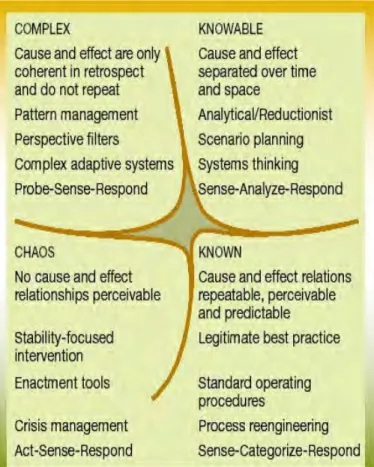
Figure 1. Cynefin Framework Diagram (From Snowden 1999) ... 13
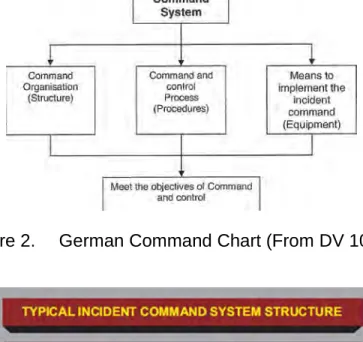
Figure 2. German Command Chart (From DV 100) ... 35
Figure 3. NIMS Based Command Chart (NIMS) ... 35
Figure 4. German Circular Mission Process (From DV 100)... 36
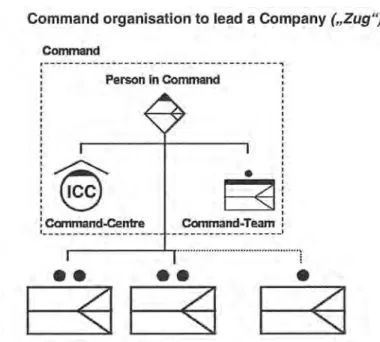
Figure 5. German Command Team Structure to control a company “Zug” (From DV 100) ... 37
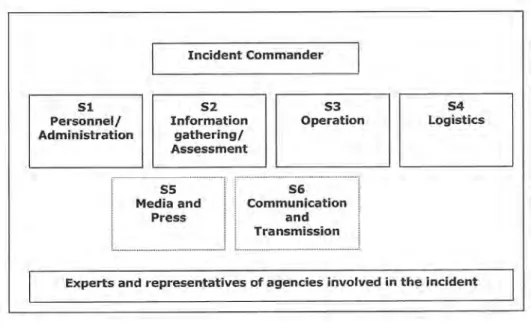
Figure 6. German Command Staff Functions (From DV 100) ... 38
Figure 7. Decision Aid Investment Rating Chart (Produced by the author based on Round Three responses) ... 105
Figure 8. Everett Rogers Innovation Life Cycle (From Everett Roger Diffusion of Innovations 2003) ... 133
Figure 9. Everett Rogers 1995 Adoption Curve (From Everett Rogers Diffusion of Innovations, 2003) ... 134
LIST OF TABLES
Table 1. Delphi Observations Improvising and Adapting ICS ... 40
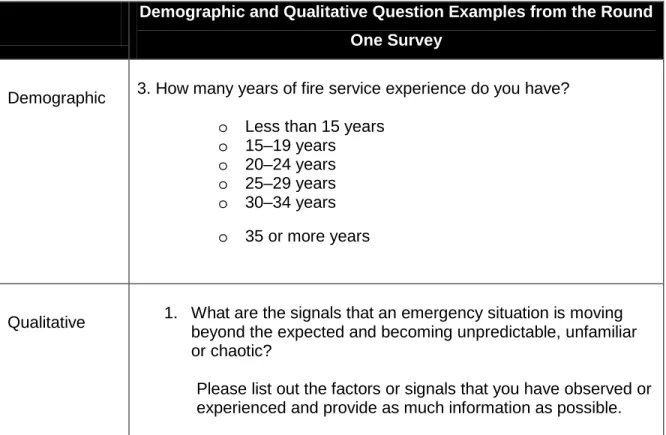
Table 2. Delphi Survey Round One Sample Questions ... 49
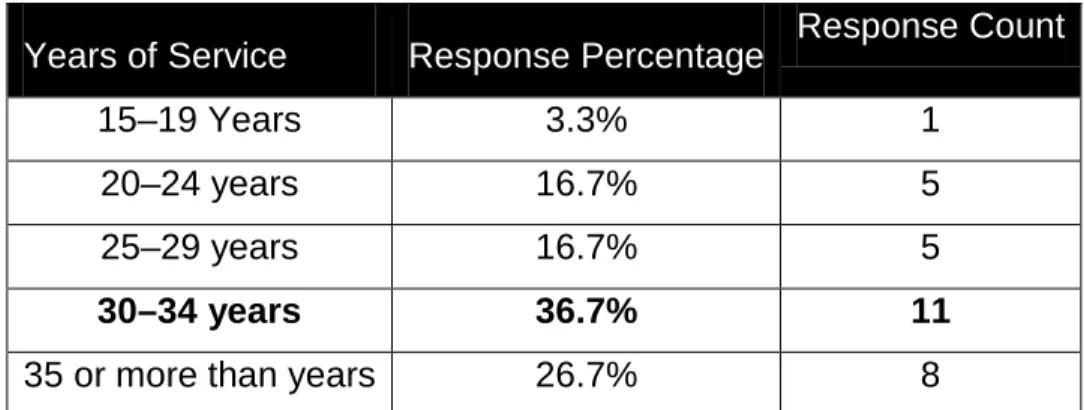
Table 3. Round One Sample -- Years of Fire Service ... 50
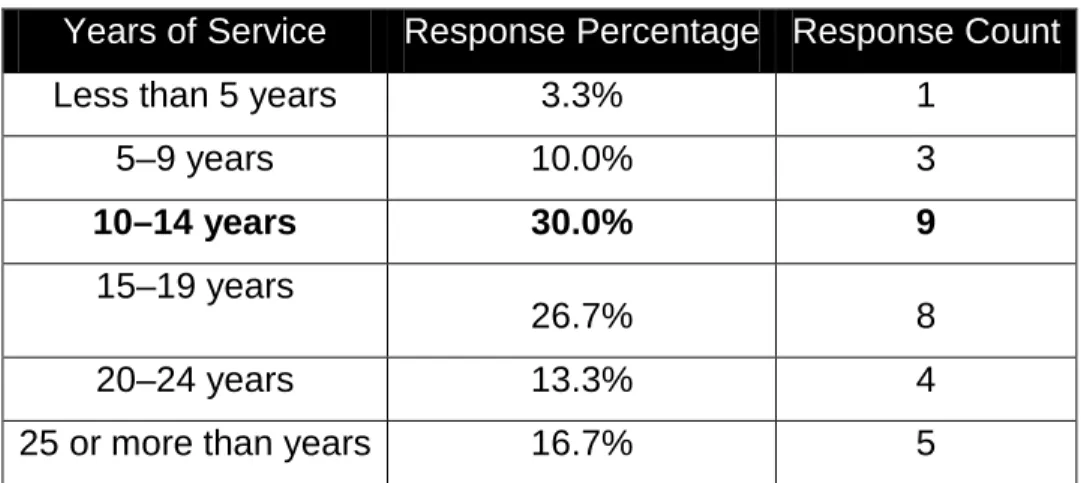
Table 4. Round One Sample – Years of Command Experience ... 51
Table 5. Round One Sample – Most Frequent Command Position ... 51
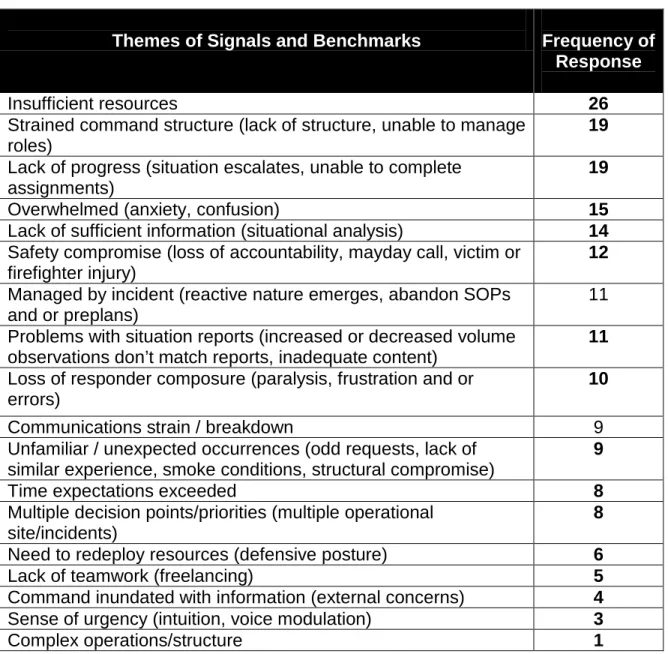
Table 6. Thematic Responses Identifying Signals of Incident Transformation . 53 Table 7. Responses Identifying Signs of Incident Transformation ... 59
Table 8. Reaction to the Absence of Expected Signals ... 65
Table 9. Changes in Decision-making Strategies ... 66
Table 10. Delphi Survey Round Two Sample Questions ... 73
Table 11. Strategic Options When Faced with Limited Resources ... 75
Table 12. Regional Strategies to Improve Response ... 77
Table 13. Strategies to Manage and Filter Information Flow ... 79
Table 14. Importance of Signs of Incident Transformation ... 82
Table 15. Ranking the Top Five Signals of Incident Transformation ... 83
Table 16. Somewhat Important Themes Identifying Signs of Incident Transformation ... 84
Table 17. Comments that NIMS is the Optimal IMS Model ... 86
Table 18. Comments that NIMS is Not the Optimal IMS Model ... 86
Table 19. Observations Improvising and Adapting ICS ... 88
Table 20. Delphi Survey Round Three Sample Questions ... 93
Table 21. Ideas to Improve Second and Third Tier Mutual Aid Response ... 94
Table 22. Frequency of Use and the Potential of Adoption of Strategies to Enhance Command Capacity during Routine Command Operations . 96 Table 23. Ideas to Enhance the Value of the Informal Response of CFOs ... 99
Table 24. Identification Frequency of Use and the Potential of Adoption Command Methodologies during the Response to Surge Events .... 101
Table 25. Top Priority Investments ... 104
Table 26. Medium Priority Investments ... 104
Table 27. Low Priority Investments ... 105
Table 28. Ideas for Decision Aids ... 107
Table 29. Adoption of Comparative Concepts ... 108
LIST OF ACRONYMS AND ABBREVIATIONS
CHDS Center for Homeland Defense and Security
CFO Chief Fire Officer
COML Communications Leader
CP Command Post
DV 100 Deinstvorschrift 100
EFOP The Executive Fire Officer Program at the National Fire Academy
FOG Field Operations Guide
GIS Geographic Information Systems
IAP Incident Action Plan
IC Incident Commander
ICS Incident Command System
IMS Incident Management System
IMT Incident Management Team
MCI Mass Casualty Incident
MFIRS Massachusetts Fire Incident Reporting System
NFA National Fire Academy
NGO Nongovernmental Organization
PIO Public Information Officer
RPD Recognition Primed Decision-making Model
Web 2.0 A concept that takes the network as a platform for information sharing, interoperability, user-centered design, and collaboration on the World Wide Web
EXECUTIVE SUMMARY
As an emergency incident develops, command structures are formulated to direct resources. During routine events, experience, intuition, patterns and cues are utilized to make strategic decisions. When formulating an operational plan during routine events, the majority of Incident Commanders (ICs) use
perception, comprehension and projection to identify the potential ramifications of the unstable situation. Surge events are defined as complex and chaotic
emergency incidents that require resources well beyond normal operating
capacity. These surge events are rare, and of such a magnitude, that the Incident Commander is confronted with a unique situation that often exceeds his/her experience and ability to improvise and adapt to changing conditions.
This thesis utilizes a Delphi survey methodology to obtain the perspective of experienced Incident Commanders to determine the signals that an incident is becoming nonroutine and unfamiliar, inventory decision-making methods during unfamiliar events and identify strategies that have the potential to enhance decision making. This thesis identifies best practices and inventories strategic options that can assist Incident Commanders, as they are faced with fast-moving, unpredictable and ever-changing crisis situations. The knowledge obtained
through this research is offered with a desire to enhance the ability of Incident Commanders to make effective decisions when lives are most at risk.
Decision making during emergency operations relies on both situational and personal factors. On the personal level, experience, patterns and cues form the basis for decision making. Situational factors include the extent of situational awareness, resource availability, command capability and the capacity for
collaboration. In this context, the seasoned Chief Fire Officer (CFO), who has demonstrated exceptional knowledge, skill and ability when faced with routine situations, can transition to a novice when faced with unfamiliar incidents that often exist in the chaotic context. This project identified 18 themes that signal the transition from the routine toward the unfamiliar. These themes can inform ICs
that an incident is becoming emergent and produce an anticipatory strategy that has the potential to harness this higher level of situational awareness and
produce and more effective response effort.
A variety of strategies to deal with the unexpected exist. This thesis created an inventory of possible strategies that can broaden the preparatory and response based options of ICs. The Delphi survey process indicated that
responders have a high receptivity to adopting concepts that they have not previously utilized.
ACKNOWLEDGMENTS
This thesis represents the culmination of 18 months of the most intense educational experience I have had the privilege to experience. This learning opportunity has allowed me to grow in many ways. The Center for Homeland Defense and Security (CHDS) has afforded me the opportunity to build a new network of friends and colleagues. Cohorts 1103 and 1104 are an exceptional groups of men and women to whom I am grateful. I have learned a lot from each of you. I will always remember the great learning experience and networking that we all shared in West Virginia.
Thank you to Susan Hocevar and John Rollins for their invaluable
guidance, assistance and suggestions to improve this thesis. I would especially like to recognize Susan for the tremendous effort she put in to helping me shape the aspects of the Delphi Survey process and analysis. I truly appreciate the endless emails, and numerous conference calls that represent the extra effort she put into helping me through this process.
A special thank you goes to my family for their support during the last year and a half. During this educational journey, I have placed many aspects of my life on hold. I appreciate the support of both my parents, Mary and Paul Duggan, along with my daughter, Ashley, as they have encouraged me to reach my goal and personally and professional excel as I approached this challenge. As I needed to prioritize my time, I missed many weekends of riding our horses, skiing, traveling, and working to maintain our farm. My wife Maryanne picked up what I could not do around our farm and provided me with a unwavering support to meet the intense challenges of this Master of Arts program. I will never forget spending our 25th wedding anniversary on the streets of Shepherdstown, West Virginia and look forward to having more time to spend with my partner and best friend.
I.
INTRODUCTION
A. PROBLEM STATEMENT
As an emergency incident develops, command structures formulate to effectively and efficiently direct resources. During events that responders deal with on a regular basis, experience, patterns and cues are utilized to make strategic decisions that will produce an appropriate response capability, thus, minimizing the impact of the event and the cost of response. When formulating an operational plan during routine events, the majority of Incident Commanders function as experts and use perception, comprehension and projection to identify the potential ramifications of the unstable situation.1 In the absence of familiar patterns and cues, experienced Chief Fire Officers (CFOs) employ analysis to recognize that something is wrong and transition toward defensive options that emphasize operational sustainability and safety.2
Experts3 use experience to sift through available information, disregard irrelevant information and focus on the key data points that matter. Gladwell notes that this process is assisted by the unconscious mind through both rapid cognition and intuitive repulsion.4 Rapid cognition is the ability to rapidly
recognize patterns and cues inherent to ones experience while intuitive repulsion is the ability to quickly recognize that something is not right. Using these
concepts, experience is a valuable tool that can provide context to a situation.
1 Roberta Calderwood, Beth W. Crandall, and Gary A. Klein, Expert and Novice Fire Ground Command Decisions (Yellow Springs, OH: Klein Associates, Inc., 1987).
2 Gary A. Klein, "A Recognition-Primed Decision (RPD) Model of Rapid Decision-making," in Decision-making in Action: Models and Methods, ed. Gary A. Klein (Norwood, NJ: Ablex Pub., 1993), 139.
3 Expert–for the purpose of this thesis, an expert is defined as a experienced fire officer who
has a comprehensive and authoritative knowledge, ability and skill within the realm of emergency response and incident command. These professionals think and reflect on past experience as a basis for decision-making.
4 Malcolm Gladwell, Blink: The Power of Thinking Without Thinking. New York: Little, Brown
Surge events are defined as complex and chaotic emergency incidents that require resources well beyond normal operating capacity. Examples of surge events include: accidents involving a large number of patients; the release of significant quantities of hazardous materials; incidents involving exponential fire spread; natural disasters and terrorism-related events. In these novel situations, the event progresses beyond the normal operating capacity of the host
community and expands into a multi-agency response that typically encompasses the use of three levels of mutual aid as listed below:
• Tier One - Mutual aid from neighboring communities that is utilized on a frequent basis;
• Tier Two - Regional mutual aid from adjacent areas;
• Tier Three - Activation of formal statewide mobilization plans. These surge events are rare and are of such magnitude that the Incident Commander is confronted with a unique situation that often exceeds his/her experience and ability to improvise and adapt to changing conditions. The
absence of patterns and cues creates an unfamiliar operational environment and challenges the knowledge, skill and ability of the IC.5 This uncertainty produces a high stress operational environment marked by incomplete information, the presence of significant external influences, such as the media, time pressure, and life safety concerns. Although these events are unique, there are certain signals and strategic options that are common and are identified to help the IC optimize a strategy to address the wicked problems created by these asymmetric events.
Disorder, confusion and numerous high priority decision points that demand the ICs immediate attention often mark the transitional period from the routine to the unfamiliar. Secondary to the transition from a complex to a chaotic situation, all but the most experienced and adaptive fire service leaders have the potential to become overwhelmed and they often revert to applying familiar
tactics to unfamiliar situations. These rare events produce a high consequence condition that often signals a significant deterioration in decision making.
Thankfully, large-scale disasters occur relatively infrequently.
Local public safety leaders are tasked with managing these infrequent situations; yet, they often lack a sufficient level of experience that could guide effective decision making. When faced with unexpected situations, novices tend to react to the unfamiliar while an expert would think and reflect upon experience as a guide to effective decision making.6 Typically, a novice makes reactionary decisions based upon values, upbringing and the evaluation of strategic options that return to the familiar. These reactive actions may not be appropriate to the situation. Driving a car can serve as a comparative example. As a driver
develops skill and experience, he/she transitions from a reactive posture of a novice to an anticipatory posture of defensive driving. However, even a seasoned driver would once again be a novice, if he/she were thrust into the driver’s seat of a racecar.
As an example of an Incident Commander’s struggle to identify the
unfamiliar, on June 18, 2007, a rapidly growing fire consumed a furniture store in Charleston, South Carolina. During this event, first arriving crews entered the structure for the purpose of rescue and fire suppression. As the IC arrived on the scene, he did not identify the unfamiliar and recognize that the fuel load7 in the structure offered a potential for disaster. Missing this sign of danger, routine operations continued and tragedy quickly ensued as a fast moving fire propelled by the fuel load of stored furniture killed nine of the first arriving firefighters. In this situation, the Incident Commander, who was clearly an expert fire officer, became a novice when dealing with an unfamiliar situation that posed an immediate danger to firefighters operating within the structure.
6 Calderwood, Crandall, and Klein, Expert and Novice Fire Ground Command Decisions. 7 Fuel load— the total amount of combustible material in the defined space surrounding a
fire. A high fuel load will produce rapid combustion, intense fire spread, and high heat and smoke production.
There may be ways to help Incident Commanders operate more effectively and efficiently in unfamiliar situations. The development of
collaborative teams provides an opportunity to build upon collective wisdom, develop enhanced situational awareness and dissect the problem at hand.8 Barriers often exist to the development and rapid deployment of these teams based on social aspects ranging from organizational culture to groupthink and tribalism. Developing collaborative solutions remains both a social and technical challenge that has eluded resolution in many jurisdictions.
A review of pertinent literature reveals that a wide variety of factors
influence the period of transition from the routine to the unfamiliar and contribute to the overall success of response efforts, and ultimately to the maximization of public value. These factors can include; social identity, personality, relationships, independence, collaboration, previous experience, skill level, communication capability, technology, situational awareness, and organizational culture. This thesis examines the symptoms, patterns and cues that mark the transition from the complex context toward the danger of the chaotic and unfamiliar. This research is directed toward the development of innovative strategic options to enhance the depth and adaptive nature of incident command structures in the face of chaotic and uncertain situations.
In an effort to investigate this topic properly, respected practitioners were engaged to identify the signs of impending transition and examine potential
change in decision-making strategies as leaders face the unfamiliar. Through this process, critical success factors were identified, and opportunities considered for application of these concepts to enhance decision making during the
transformative period of incident escalation.
8 Abdo Nahmod, "The Collaborative Capacity of the NYPD, FDNY, and EMS in New York
City: A Focus on the First Line Officer" (Master of Arts in Security Studies (Homeland Security and Defense), Naval Postgraduate School).
B. PURPOSE OF THIS STUDY
The purpose of this study is to improve the understanding of decision-making processes during the initial response to surge incidents and to assist Incident Commanders in the rapid identification of surge events that often transition toward the chaotic context. This study explores the challenges of
decision making during the fast paced, confusing and ever-changing environment of surge incidents. Experienced CFOs were surveyed in an effort to identify signals that an event is becoming nonroutine and unfamiliar and to identify best practices for decision making during these fluid and often overwhelming
situations. The data gathered through this study identifies strategies to enhance decision making during the initial operational period of these rare but potentially dangerous crises.
Through a three-tiered process of probing the knowledge and experiences of survey participants, this research describes the signals that an event is
becoming unfamiliar and identifies strategic options for enhancing decision-making methodologies and capacity. Identifying the signals that an event is escalating toward the unfamiliar provides the opportunity for Incident
Commanders to gain an added level of intuitive thinking. These identified best practices offer an IC strategies to increase operational performance and avoid potentially tragic outcomes.
C. RESEARCH QUESTIONS AND METHOLOGY
The goal of this research is to provide Incident Commanders with tools that can assist them in enhancing decision making during the initial operational period of surge events.
The two primary research questions are:
1. As emergency incidents expand toward the chaotic context,
what symptoms, patterns and cues exist to indicate that a different method of decision making is necessary?
2. What strategies can be utilized to enhance decision making during the initial response to chaotic surge incidents?
This study uses a Delphi survey to elicit responses from CFOs who are either graduates of the National Fire Academies (NFA) Executive Fire Officer Program (EFOP) or participants in the Massachusetts Fire Incident Reporting System (MFIRS). The Delphi survey included both quantitative and qualitative questions. Quantitative questions sought the identification of statistical
information and rated the importance of signals and the frequency of command staff assignments. Qualitative questions included requests to identify important signals, inventoried adaptive strategies and consider options to manage
information. Survey data was analyzed and summarized to address each of the research questions listed above. Details on the methodology employed follow in subsequent chapters.
D. ORGANIZATION OF THIS THESIS
Chapter I of this thesis introduces the research topic and provides the reader with context. Chapter II presents a literature review of decision making during crises, situational awareness, and collaboration. Chapter III provides a comparative analysis of incident management procedures between the United States and Germany. Chapters IV through VI detail the methodology and results of the three-tiered Delphi Survey collected from a sample of CFOs. Chapter VII presents thesis findings, recommendations to enhancing decision making, and identifies questions for future research.
II.
LITERATURE REVIEW
A methodical review of literature was conducted from September 2011 through August 2012 to retrieve the available information and identify gaps pertinent to the adaptive capacity of command decision making during the initial operational period of disaster response. This search revealed two primary areas of relevant research including leadership/decision making and situational
awareness. The use of geographic imagery and the development of collaboration were determined to be peripheral areas of research.
A. COMMAND DECISION MAKING
Command decisions in the high-risk, time sensitive environment of emergency response are required by the need for immediate action. First responders often confront the challenge of responding to novel incidents with a lack of both exposure and experience.9 Exposure consists of having a presence at events of similar magnitude, while experience is the knowledge and skill acquired in a profession through observation and mentoring. Lacking a solid foundation of both exposure and experience, Incident Commanders can easily fall back on personal belief, morals, values and upbringing as a source of reactive decision making when managing the response to disasters.10 As
effective decision making is a learned domain, decisions need to emanate from a wealth of both experience and judgment.
In 1987, Gary Klein, a well-known expert on fireground command decision making, developed a descriptive model of the naturalistic decision-making
process. This research identified that many command decisions are reflective of
9 Neil R. Hintze, "First Responder Problem Solving and Decision-making in Today's Asymmetrical Environment" (Master of Arts in Security Studies (Homeland Security and Defense), Naval Postgraduate School), .
http://edocs.nps.edu/npspubs/scholarly/theses/2008/Mar/08Mar_Hintze.pdf. P V.
10 Robert T. Mahoney, "Deciding Who Lives: Considered Risk Casualty Decisions in
Homeland Security" (Master of Arts in Security Studies (Homeland Security and Defense), Naval Postgraduate School), 166.
the Incident Commander’s previous experience.11 As an example, a capable and experienced commander referencing his/her previous field experience may order the evacuation of an entire city block based on a similar experience where a collapse resulted in injuries to bystanders when only the buildings adjacent to the fire were evacuated. In this example, the commander employed the lens of his/her experience to make a safer decision.
Klien’s work is complimented by Gladwell’s concept of thin slicing where the unconscious mind finds patterns in situations based on a comparison of very narrow slices of experience.12 Thin slicing utilizes rapid cognition to zero in on what really matters and utilizes intuitive repulsion to know instinctively that something is not right.13 Gasaway argues that intuition is a vital component of decision making, especially when the decision maker is under stress, such as during combat operations. Intuition produces decisions much quicker, as it relies on the Incident Commander’s experience without having to analyze every aspect of the problem. Emotional memory is derived from one’s experiences and may guide the decider through what ICs often attribute to a “gut feeling”. In these instances, commanders instinctively know what to do, although they may not quite know why.14
Intuition is not fool proof, as it is closely related to pattern recognition and can lead to the wrong decision. Sometimes this recognition leads to the wrong conclusion and often occurs when the event is unfamiliar and beyond the
experience of the commander.15 Gasaway further notes that significant parallels
11 Calderwood, Crandall and.Klein, Expert and Novice Fire Ground Command Decisions, iii.
12 Gladwell, Blink, 47. 13 Ibid., 119.
14 Richard B. Gasaway. "Making Intuitive Decisions Under Stress: Understanding Fireground
Incident Command Decision-Making." International Fire Service Journal of Leadership and Management 1, no. 1 (2007): 11.
exist between decision-making methodology on the battlefield and during the response to unpredictable emergency incidents.16
This foundational research outlines the differences that exist between experienced commanders, known as experts, and relatively inexperienced commanders known as novices. In an emergency setting, veteran responders use the benefit of experience to face unfamiliar situations and focus on
addressing complex situational aspects. In contrast, the novice has limited
experience and typically focuses on utility, concurrent evaluation, implementation and timing when facing the unfamiliar. Experts also have the capability to
construct innovative options using mental imagery in a research study they were twice as likely to consider future contingencies in the context of their decision making.17 This research provides a strong case for the value of experience and suggests that support systems, such as geospatial information tools, incident management teams (IMTs), and reconnaissance efforts can provide a more accurate situational assessment.18
Experience changes the nature of a person’s first impressions, helps the expert sift through the situation, and throws out the irrelevant while zeroing in on what really matters.19 Experts utilize learned behavior and training to interpret and decode a situation. Gladwell identifies that experience is the foundation for the snap judgments that are critical to the spontaneity required as first
responders address emergencies.20
Considering the time pressure inherent to effectively managing an
emergency, generating, and then considering several potentially viable options is precluded. In fact, the time taken to consider multiple alternatives may allow the
16 Gasaway. Making Intuitive Decisions, 9.
17 Calderwood, Crandall and Klein, Expert and Novice Fire Ground Command Decisions P iii.
18 Ibid.
19 Gladwell, Blink, 142. 20 Ibid.
emergency to expand producing unacceptable losses prior to the selection of an appropriate course of action. Gasaway notes that conditions of an unstable, fast moving incident rarely improve when the Incident Commander procrastinates on time-sensitive decisions.21 Klein indicates that less than 20 percent of decisions of the fireground involve the concurrent evaluation of multiple potential courses of action.22 Deliberation that does occur focuses on the nature of the problem itself and places a strong emphasis on the need for a high level of situational analysis as a prerequisite to operational success.
As artists, experts use the foundation of experience to evaluate patterns, observe cues and create the adaptive capacity23 to consider complex and uncertain decision points. To illustrate this point, a novice often breaks down a single decision point for an expert into several time-consuming decision points. As an example, a fire officer may be well versed and considered to be an expert when dealing with a residential structure fire but be relatively inexperienced and considered to be a novice when commanding the response to a release of sulfuric acid.
The concept of naturalistic decision making was further expanded in 1993, as Klein developed the Recognition Primed Decision-making Model (RPD). This model identifies that reflection on prior experience as a means to identify patterns in emergency response avoids some of the limitations of analytical strategies and provides the ability to make rapid decisions in complex field situations. Traditional decision-making models utilized in nonemergency situations have the advantage of time to develop and consider a host of viable alternatives. Considering the time pressure inherent to emergency response, RPD indicates that fireground
21 Gasaway, Making Intuitive Decisions, 9.
22 Calderwood, Crandall and Klein, Expert and Novice Fire Ground Command Decisions, v. 23 Adaptive capacity is the capacity of a system to adapt, if the environment where the
decisions do not fit into a typical decision tree and identifies that choice points rely on the leader’s ability to recognize and appropriately classify a situation.24
RPD appears to be a productive strategy that uses the lens of experience to generate, evaluate, and then rapidly implement the course of action most likely to be successful. Emergency response does not provide the luxury of time to find the optimal course of action. Instead, the concept of satisficing, which facilitates the selection of a good workable option as opposed to the optimal option, is employed. Expert commanders utilize mental simulation to determine if the option selected through satisficing will work, as it is applied to the situation at hand. This strategy requires the prerequisite of comparative experience to provide a perspective that facilitates the rapid commitment and action needed during emergencies. Although RPD provides a model for action, novices often revert to more time consuming, analytical actions as they lack the relevant experience required to utilize RPD.25
RPD has become a time-tested foundational model that explains the principles of decision making in emergency response settings.26 RPD
differentiates the capabilities of novices and experts and notes that training in situation recognition could improve performance. RPD stands as a strong aspect of understanding decision making in emergencies, but it is not a comprehensive answer to the research questions posed, as it fails to consider the propensity for unstable incidents to expand into the chaotic context.
The Cynefin Framework identifies that decision making in emergency response situations primarily exists in the unordered complex domain where unpredictability and flux are common.27 This framework is the first to consider and classify the magnitude of emergency events and suggests that events can
24 Klein, A Recognition, 139.
25 Ibid., 145. 26 Ibid.
27 Snowden and Boone, A Leader's Framework for Decision-making: A Leader's Framework for Decision-making, 68–76.
transition from the complex context into the chaotic complex. This model provides leaders with the ability to see things from new viewpoints, assimilate concepts, and, based on the active operational context, pursue different decision-making strategies.28 The Cynefin Framework is a system typology developed by David Snowden in 1999. This framework classifies situations into five domains including; simple, complicated, complex, chaotic, and disorder (see Figure 1). The Cynefin Framework indicates that emergency incidents typically exist in the complex context where a leader would need to probe the situation, sense the problem, and the respond. In this situation, patterns that lead to resolution emerge as a guide to decision making. This domain of the model would
challenge a novice, but according to RPD, be manageable for an expert decision maker.
In rare instances, such as during the initial response to the surge events associated with acts of terrorism or natural disasters, situations become chaotic. During these abnormal situations that transition into the chaotic context, no patterns exist, and the leader needs to first act to establish order and then convert the situation into the complex context where patterns emerge.29 The transformation from the complex to the chaotic context indicates that a different approach is needed in these situations, but Snowden’s research does not reflect on how relative experience affects the transformational capability of the
individual.
28 Snowden and Boone, A Leader's Framework for Decision-making: A Leader's Framework for Decision-making, 1.
Figure 1. Cynefin Framework Diagram (From Snowden 1999)
In his article on the 2009 crash of Air France Flight 447, Wise presents an example of both the need for experience to address chaotic events and indicates how an expert can regress to a novice when confronted with a novel situation. As flight 447 flew over the Atlantic Ocean, an experienced co-pilot, who would be an expert under normal conditions, misperceived a complex and unfamiliar situation. At one point, the co-pilot exclaims “I don’t understand what is happening.” This misperception, which was based on a lack of both training and relative
experience, caused the situation to become chaotic.30
30 Jeff Wise, "What Really Happened Aboard Air France 447." Popular Mechanics
The intense psychological pressure of this novel event shut down the part of the brain that is responsible for creative and innovative thought.31 This
caused the co-pilot to react and return to the familiar. Regressing to familiar actions that were inappropriate in this situation ultimately contributed to the crash.
Building upon aspects of the material referenced above, Diaz examined how decisions are made in rare, “novel” environments, such as in a terrorist attack where first responders have little or no familiarity with the situation, as they lack the frame of reference provided by experience.32 During these events, commanders employ sense making to decode the unbelievable or unfamiliar. Lacking both experience and key pieces of situational information, decision makers are often reluctant to act. This paralysis produces response delays that detract from operational effectiveness. In these situations, even the most
experienced Incident Commanders can easily be overwhelmed and experience stress. A common aspect of stress is information overload. As the human brain limits information flow based on overload, less than optimal decisions can be produced by the brain’s protective action that may limit the cognitive knowledge of essential situational information.33
Diaz presents ten common factors that affect the quality of decision making during the response to novel situations. These factors can serve to enhance or deteriorate the quality of decision making in the chaotic environment. These include; control of the situation (or lack thereof), control of arousal,
openness to the environment, having an active role in the decision-making process, the ability to imagine the outcome through mental simulation, collective problem solving ability, perspective, information, and comfort working in an
31 Jeff Wise, "What Really Happened Aboard Air France 447." Popular Mechanics
(December 6, 2011). 7.
32 Sara K. Diaz, "Where Do I Start? Decision-making in Complex Novel Environments"
(Master of Arts in Security Studies (Homeland Defense and Security), Naval Postgraduate School). 3.
unknown situation.34 Diaz recommends following principles to serve as a guide for leaders, as they approach these critical situations:
1. Work in a manner not to exceed memory capacity
2. Monitor and regulate emotion
3. Consider the memory capacity of subordinates.
Synthesizing the findings of Klein and Snowden, when an emergency exists in the chaotic context of the Cynefin Framework, insufficient patterns and cues exist to apply RPD. In chaotic situations, an effective leader needs to
generate widespread cohesive action that expands their domain of influence and leverage.35 The concept of Meta-leadership capability considers the ability of the leader, the situation, designated authority and the ability to engender
collaboration through influencing both superiors and other organizations.36
Meta-leaders are those individuals whose scope of thinking, influence and accomplishment extends far beyond their formal or expected bounds of authority. These individuals have the unique capacity to generate widespread cohesive action that expands their domain of influence and leverage.37 Crises allow
extraordinary meta-leaders to emerge. Marked by strength of character and keen analytic skill, these unique leaders have the ability to lead, follow and
productively engage others. These qualities forge an impact and level of collaboration not otherwise attained.38
34 Diaz, Where Do I Start 11.
35 Leonard J. Marcus et al., The Five Dimensions of Meta-Leadership (Cambridge, MA: National Preparedness Leadership Initiative, Harvard School of Public Health, 2007). 2.
36 Ibid., 2, 28.
37 Ibid., 2.
Three aspects of decision making during emergency response are discussed within this portion of the literature review. These research concepts are cumulative in that they complement and build upon each other. These models are:
1. Recognition primed decision making (RPD), as developed by Klein
2. Thin slicing and intuitive repulsion by Gladwell
3. The Cynefin Framework for decision making by Snowden
4. The role of meta-leadership that influence decision making during novel situations by Marcus.
Although each aspect provides insight, all four models rely on the experience of experts for the effective management of the initial phase of emergency response. The need to develop novices into experts through both exposure and experiential training and mentoring is not addressed, nor is the concept that a person may be an expert in one situation and transform into a novice when facing the unfamiliar chaotic situation. As it is difficult to prepare for tragic situations that have not yet been envisioned, consideration should be given to developing tools that can enhance decision making in unfamiliar environments for both novel and expert decision makers, who will face both complex and chaotic emergency situations.
B. AGILITY AND DISCIPLINE
In contrast with the models presented, Harrald indicates that expertise is not a singular solution; instead, a balance of both agility and discipline are required to successfully mitigate emergency incidents. Discipline includes structure, doctrine, and process. Agility includes the ability to innovate through the National Incident Management System (NIMS), which is typically a closed and rigid system.39
39 John R., Harrald, Jospeh Barbera, Irmak Renda-Tanali, Damon Coppola, and Gregory L. Shaw. Observing and Documenting the Inter-Organizational Response to the September 11th Attack on the Pentagon. Washington, DC: The George Washington University, Institute for Crisis, Disaster and Risk Management, 2002. 261.
Extreme events produce unforeseen problems and conditions requiring adaption, improvisation, and creativity to deliver services under extreme
conditions. In these rare cases, discipline that includes structure, doctrine, and process must be balanced by creativity, improvisation and adaptability. In these novel situations, there is a tradeoff between the command and control necessary for mobilization, and the need to ensure broad coordination and communication.
When facing extreme events, response must begin without a complete situation or needs assessment. During this initial period, it should be expected that a detailed, credible common operating picture may not be available for twenty-four to forty-eight hours.40 Often, the initial response is conducted by resources in the area reacting to the immediate needs of the situation, while external resources are mobilized to address the situation comprehensively.41
C. SITUATIONAL AWARENESS
Obtaining timely and accurate information about a situation is essential to making the best possible decisions, as first responders engage in crisis events. Each of the decision-making sources cited outline the necessity of developing situation-based information as a precursor to effective decision making. Therefore, situational awareness appears to be a direct link to operational success.
Decision making in high-stress emergency response environments is subject to time pressure, significant uncertainty, and life safety concerns, and these factors require that an effective IC develop a high level of situational awareness.42 Emergency situations are fast paced, confusing and evolving,
40 John R., Harrald, Jospeh Barbera, Irmak Renda-Tanali, Damon Coppola, and Gregory L.
Shaw. Observing and Documenting the Inter-Organizational Response to the September 11th Attack on the Pentagon. Washington, DC: The George Washington University, Institute for Crisis, Disaster and Risk Management, 2002. 261.
41 Ibid., 257.
42 U.S. Department of Commerce. National Oceanic and Atmospheric Administration,
Situation Awareness and Decision-making in a Warning Environment (Washington, DC: National Oceanic and Atmospheric Administration. 7.
which creates the demand for certainty and leads to a demand for information, but in the early chaos of an events, this information may often be incorrect and misleading. Seldom, if ever, will information obtained during the initial response to surge incidents be accurate43. Gasaway notes that the Incident Commander needs to piece together a semblance of what is actually happening as the incident evolves.44
Situational awareness is the art of understanding your surroundings while developing three levels of environmental awareness. These levels are
perception, comprehension, and projection.45 Perception is the ability to evaluate the crisis. Comprehension builds upon perception and forms when the leader understands the possibilities and ramifications associated with an event.
Projection is the ability to predict the path of the event and then order a response that complements both present and future incident conditions.46 Hintze indicates that proper evaluation of a situation is key to forming a perception. Perception stands as a cornerstone of understanding, but perception is often limited by poor information flow and the human tendency to filter information and find information to support our pre-existing conclusions.47
Gasaway notes that a challenge to good situational analysis is the
complexity of systems during an emergency response. As an incident develops, the complexity of systems increases, which in turn increases the mental workload of the Incident Commander. In these cases, the mental workload required to achieve a given level of situational analysis is immense, and when human capability is exceeded, situational analysis will suffer.48
43 Gasaway, Making Intuitive Decisions, 9. 44 Ibid., 10.
45 Hintze, First Responder Problem Solving, 18.
46 Ibid., 18.
47 U.S. Department of Commerce. National Oceanic and Atmospheric Administration,
Situation Awareness and Decision-making in a Warning Environment. 40.
Once a leader understands the situation, he/she can then begin to identify the patterns and cues identified within Klein’s research on RPD to mitigate the situation. Pfiefer claims that gathering situational awareness empowers the Incident Commander to make sense of a situation and anticipate shifting
conditions.49 This concept is recognized in the research of both Klein and Diaz. In essence, situational awareness is developing a big picture or macro view of an event. McNealy provides a battlefield perspective, by observing that situational awareness is “the continuous extraction of information, integration of this information with previous knowledge to form a coherent mental picture in directing future perception and anticipating future events.” 50
Often the level of information during a crisis event is overwhelming. Diaz states that this quantity of information, common to emergencies, needs to be filtered to reduce overload of memory capacity.51 Salience of data needs to be considered as information is evaluated. One concern is the human tendency of misplaced salience, which occurs when an absence of data is assumed to indicate that a phenomenon does not exist.52 Flexibility in emergency response decision making depends on identifying cues and understanding the context of an event. The absence of patterns and cues reflects back to the value of
experience identified within the Naturalistic Decision-making Model. Leveraging experience, a commander can utilize the absence of familiar patterns and cues called “broke pattern matching” to identify the absence of the familiar and sense danger.53
49 Joseph W. Pfeifer, "Command Resiliency: An Adaptive Response Strategy for Complex
Incidents" (Master of Arts in Security Studies (Homeland Security and Defense), Naval Postgraduate School). 15.
50 John M. McNealy, "Best Practices to Develop Situational Awareness in Dynamic Small
Group Military Settings" (Master of Science in Library Science, University of North Carolina at Chapel Hill). 10.
51 Diaz, Where Do I Start, 5.
52 U.S. Department of Commerce. National Oceanic and Atmospheric Administration, Situation Awareness and Decision-making in a Warning Environment (Washington, DC: National Oceanic and Atmospheric Administration, 2006). 17.
Another common finding is that situational awareness should not be constrained by organizational boundaries. Stovepipe situational awareness
develops when information is held in organizational silos and not shared between agencies. This lack of information sharing reflects organizational culture, bias, previous history, inter-organizational conflict or interoperability limitations. In his thesis, Pfiefer provides an example of how information held by the NYPD on 9/11 contributed to catastrophic consequences.54 In this case, information was
retained within the stovepipe of a single organization based on history and conflict.
The concept of novices and experts exists within the realm of situational analysis. Hintze claims that a novice reacts; often taking either too much time to determine the best course of action or selecting inappropriate actions. In the alternative, experts think and reflect on past experience.55 As a result, experts are better able to process information. Experience allows experts to develop comparative models while a novice allows the complexity of the problem to be a distraction. Experts have a high capability of framing the problem and looking for pattern matches.56
Charles Burkell, Director of the National Fire Academy, Executive Fire Officer Program, said “in the absence of experience, fire service organizations need to include time pressure, shifting conditions, and information gaps in training exercises as a way to build proficiency in lieu of having been there and done that.”57 Building on the statement from Burkell, Hintze claims that the concept of experts and novices identifies the need for simulation-based training
54 Pfeifer, Command Resiliency,16. Pfeifer claims that on 9/11 signs of imminent collapse of
the North Tower of the World Trade Center were observed by NYPD helicopters. This information was transmitted to NYPD Emergency Service Units (ESU) personnel resulting in an urgent evacuation of the building. These observations were not shared with fire department commanders and an orderly evacuation of fire department personnel resulted in the loss of personnel.
55 Hintze, First Responder Problem Solving, 21. 56 Ibid.
and mentoring as tool that can help a novice build proficiency.58 As the incident expands, the ability for a single Incident Commander to collect and process all of the information essential to developing a high level of situation awareness can easily produce the sensory overload referenced by Diaz.
D. COLLABORATION
Decision making in complex environments requires both a high level of situational knowledge, information sharing, and collaboration. Collaborative capacity is the collective ability of a networked team to collect, synthesize and prioritize information essential to managing events within the unordered context of the Cynefin Model. During emergency response situations, hastily formed networks often develop in an effort to address problems beyond the scope of a single organization.59 The ability to form and leverage collaborative networks reflect both organizational culture and social identity. Networks are built on trust, respect, dependability, relationships, and previously formed inter-organizational association.60
The need for collaboration increases as the complexity of decision making and task interdependence increase. The foundation of collaboration is openness, shared purpose, commitment to a common goal, and establishing bi-directional pathways of communication.61
Partnerships, including multi-agency and public-private coalitions are a growing reality and an adaptive way to face the growing complexity of emerging
58 Hintze, First Responder Problem Solving, 89.
59 Donald P. Moynihan, Leveraging Collaborative Networks in Infrequent Emergency Situations (Washington, DC: IBM Center for the Business of Government, 2005). 4.
60 Nahmod Abdo, The Collaborative Capacity of the NYPD, FDNY, and EMS in New York
City: A Focus on the First Line Officer. 39.
61 Susan P. Hocevar, Gail F. Thomas, and Erik Jansen, "Building Collaborative Capacity: An Innovative Strategy for Homeland Security Preparedness," in Advances in Interdisciplinary Studies of Work Teams, eds. Michael M. Beyerlein, Susan T. Beyerlein and Frances A. Kennedy, Vol. 12, Emerald Group Publishing Limited, 2006), 255–274. 3, 6.
threats.62 Public managers frequently find themselves operating in
multi-organizational environments as a means to solve problems that cannot be solved by a single organization.63 In these collaborative environments, conflict should be expected. During the response to asymmetric incidents, the conflict inherent to collaboration needs to be managed and exploited as a means to produce innovative solutions.64
The impact of chaotic incidents often spreads over traditional boundaries; when this occurs, a shared responsibility between involved agencies develops. The presence of multiple actors produces an environment of shared risk that serves as a springboard toward innovation. Chaotic events often lead to a greater density of communication and crisis-based cohesion. This cohesion serves to suspend conflict in the interest of meeting shared urgent needs. These linkages can promote trust that may lead to new collaborative initiatives. As relationships develop, social capital accumulates in increased respect, trust information exchange, and mutual understanding contribute to collaborative capacity and creates a unique window of opportunity.65 Reciprocal trust is developed through a sense of mutual respect, which is built by experience over time. Effective collaborators focus on the shared vision of the team and the concept of “we” as opposed to the self-serving interest of “I.”66
Hocevar, Thomas, and Jansen claim that the personal aspects of collaboration should not be underestimated. Often collaboration is attained through a personal touch, handshake and a smile.67 Focusing on relationships, the literature agrees that interdependence creates a shared purpose and the
62 Robert Klitgaard and Gregory F. Treverton, Assessing Partnerships: New Forms of Collaboration (Washington, DC: IBM Endowment for The Business of Government, 2003).
63 Rosemary O’Leary and Lisa B. Bingham, A Manager’s Guide to Resolving Conflicts in Collaborative Networks (Washington, DC: IBM Center for the Business of Government,2007).
64 Jeff Weiss and Jonathan Hughes, “Want Collaboration? Accept-and Actively Manage-Conflict," Harvard Business Review 83, no. 3 (March 2005), 93–101.
65 Hocevar et al., Building Collaborative Capacity, 14.
66 Nahmod, The Collaborative Capacity, 17.
determination of a joint mission. Working as a team creates an environment that supports intelligent improvisation, which may lead to new strategic options and solutions.
As an example of the power of relationships and trust, a significant portion of the response to the Pentagon disaster on September 11, 2001 was attributed to the willingness of the Arlington Fire Department to make the effort to
communicate with other agencies prior to the incident and support joint preplanning activities.68 During the response to this disaster, the command structure continued to build emergent relationships and foster a collaborative and flexible organizational structure. This adaptability set the stage for the
development of an improvised and creative response that addressed unfamiliar problems. This open and inclusive response leveraged nontraditional external resources and personnel in the interest of producing the best possible level of coordination.69
Group communication and information sharing remains a problem identified within the literature. Often the environment of emergency response requires the connection of several decentralized actors.70 Technology provides a potential mechanism to connect decentralized actors and allow collaboration necessary to take advantage of collective intelligence and complementary skill.71
E. GEOSPATIAL TECHNOLOGY
Crisis events are highly dynamic and are unpredictable in terms of time and resource needs.72 Geo-collaborative technology integrates geographic information systems with resource management databases to produce interactive
68 Harrald, Inter-Organizational Response, 19.
69 Harrald, Inter-Organizational Response, 20.
70 Guoray Cai, “Extending Distributed GIS to Support Geo-Collaborative Crisis Management,” Annals of GIS 11, no. 1 (June 2005), 4–14.
71 Ibid., 3
.72 Guoray Cai et al., "Human-GIS Interaction Issues in Crisis Response,” International Journal of Risk Assessment and Management 6, no. 4/5/6 (2006), 388–407.
technology that can support decision making. This technology serves as a tool to promote shared situational analysis, build a common vision, filter information, and facilitate effective decision making in the emergency response environment.
The development of interactive technologies associated with Web 2.0, creates the opportunity for remote collaboration and real time three-dimensional emergency response applications in micro-spatial environments.73 Mobile computing is an aid for command and communication that can provide decision support by promoting the consistency of interaction.74 As too much information is just as harmful as too little information, geospatial technologies can vastly increase both information flow and situational analysis.75 Mobile computing can serve as tremendous aid for both command and communication; this technology is designed to promote the consistency of interaction.76
Caution needs to be exercised; as technology can unleash vast quantities of information. There is little doubt that too much information can be just as harmful as too little information.77 Often issues involving technology are not technical but involve business processes and adaptive aspects of how humans interact with these capabilities. Currently many geographic information systems (GIS) can add definition and perception to a problem. Often this technology is hard to use and fails to address immediacy and the other special needs of crisis managers who often work in teams that share information, knowledge and judgment while making decisions under stress.78 Researchers note that the use of technology in collaborative crisis environments has not been fully explored.
73 Mei-Po Kwan and Jiyeong Lee, "Emergency Response After 9/11: The Potential of Real-Time 3D GIS for Quick Emergency Response in Micro-Spatial Environments," Computers, Environment and Urban Systems 29, no. 2 (2005), 93–113.
74 Bradley J. Betts et al., Improving Situational Awareness for First Responders Via Mobile Computing (Moffett Field, CA: National Aeronautics and Space Administration, Ames Research Center,2005).
75 Ibid.
76 Ibid.
77 Ibid.