The University of Southern Mississippi The University of Southern Mississippi
The Aquila Digital Community
The Aquila Digital Community
Dissertations
Summer 8-2016
The Coach Expectancy Cycle and the Impact of a Coaching
The Coach Expectancy Cycle and the Impact of a Coaching
Education Intervention in Youth Soccer
Education Intervention in Youth Soccer
Erica Ann PasquiniUniversity of Southern Mississippi
Follow this and additional works at: https://aquila.usm.edu/dissertations Part of the Sports Sciences Commons
Recommended Citation Recommended Citation
Pasquini, Erica Ann, "The Coach Expectancy Cycle and the Impact of a Coaching Education Intervention in Youth Soccer" (2016). Dissertations. 403.
https://aquila.usm.edu/dissertations/403
This Dissertation is brought to you for free and open access by The Aquila Digital Community. It has been accepted for inclusion in Dissertations by an authorized administrator of The Aquila Digital Community. For more
THE COACH EXPECTANCY CYCLE AND THE IMPACT OF A COACHING EDUCATION INTERVENTION IN YOUTH SOCCER
by
Erica Ann Pasquini
A Dissertation
Submitted to the Graduate School and the School of Kinesiology at The University of Southern Mississippi in Partial Fulfillment of the Requirements for the Degree of Doctor of Philosophy Approved:
_________________________________________ Dr. Melissa Thompson, Committee Chair
Associate Professor, Kinesiology
_________________________________________ Dr. Trenton Gould, Committee Member
Professor, Kinesiology
_________________________________________ Dr. Robert Doan, Committee Member
Assistant Professor, Kinesiology
_________________________________________ Dr. Nancy Speed, Committee Member
Instructor, Kinesiology
_________________________________________ Dr. Karen S. Coats
Dean of the Graduate School
COPYRIGHT BY
Erica Ann Pasquini
2016
ii ABSTRACT
THE COACH EXPECTANCY CYCLE AND THE IMPACT OF A COACHING EDUCATION INTERVENTION IN YOUTH SOCCER
by Erica Ann Pasquini August 2016
The coach expectancy cycle is a four-stage model that explains coaches’ feedback behaviors (Horn, Lox, & Labrador, 1998). In the first stage, coaches make judgments based off of previous sport experience and knowledge. In the second stage, these judgments influence coaches’ behaviors. Solomon (2008, 2010) has shown that coaches provide more instruction, praise, and corrective instruction to athletes they perceive to be higher expectancy. In the third stage, the unequal behaviors coaches exhibit affect athlete performance and
satisfaction in sport. Research has shown that athletes’ perceptions of poor coaching behavior positively correlate with drop out (Gearity & Murray, 2011; Hollembeak & Amorose, 2005). In the fourth stage, athlete performance reinforces coaches’ initial expectations, thereby creating a continuous cycle. Although this cycle’s occurrence has been confirmed in high school and collegiate sport, the youth sport setting has seen minimal research (Solomon, 1998).
The purpose of the present study is twofold, first to confirm the presence of the second stage of the coach expectancy cycle in a competitive youth sport context. Specifically, to investigate if competitive soccer coaches provide higher instances of instruction, correction, and praise to high expectancy athletes when
iii
compared to their low expectancy peers. The second purpose it to provide a coach education intervention aimed at decreasing the disparity of behaviors between high and low expectancy athletes in a treatment group. A strategic sample (N=8) of competitive youth soccer coaches was selected to participate in six weeks of behavioral observation. Data from the first three weeks was
analyzed using three Mann-Whitney U rank order tests to confirm coaches provide higher feedback to youth athletes they perceive to be high expectancy. A treatment group of coaches received an intervention to reduce the disparity in behavior. Post-intervention, three repeated measures ANOVA’s tested the
effects of the intervention. Mann Whitney U tests revealed that coaches provided significantly more of all three behaviors to high expectancy athletes. Although the RM-ANOVRA’s did not yield significant results, large effect sizes suggest that with a larger sample a behavioral intervention could statistically reduce the disparity of behaviors seen between high and low expectancy athletes.
iv
ACKNOWLEDGMENTS
I would like to extend my gratitude to my advisor and committee chair, Dr. Melissa Thompson. The time, encouragement, and mentorship you have
provided throughout my academic career at The University of Southern
Mississippi are incomparable. Your guidance will lead me well past this process and has taught me to be a better student, mentor, and academic.
I would also like to thank Dr. Trenton Gould for spending countless time teaching me the benefits, and yes, joy of statistics. I truly appreciate your
poignant questions and interest in my research. The lessons I have learned from you will continue to grow.
Thank you to my committee members, Dr.’s Nancy Speed and Robert Doan. Your time and encouragement have not gone without notice. Thank you to my research assistant, Alisha Sink. I could not have gathered this data without your assistance, and your presence made it all the more enjoyable.
v DEDICATION
I could not have done this without the help and encouragement of my family and friends. My parents and grandparents, thank you for always being there to listen, for always believing in me, and for giving me a push when I need it the most. My brother, thank you for answering the phone at any given time, for sending a funny text when I need it, and for your unconditional support through the years. Cameron, thank you for being a shoulder for emotional breakdowns, a sidekick for emotional highs, and a constant rock. Thank you all for helping me in every way you can. Again, I hope you are as proud of me as I am of all of you.
Thank you to my friends, new and old, I have learned something from all of you.
Finally, I would like to formally dedicate this to my Nonno. You are my inspiration and the voice inside my head. Thank you for teaching me more than you will ever know. This is for you Coach.
vi
TABLE OF CONTENTS
ABSTRACT ...ii
ACKNOWLEDGMENTS ...iv
DEDICATION ... v
LIST OF TABLES ... xii
CHAPTER I - INTRODUCTION ... 1 Statement of Problem ... 4 Research Questions ... 5 Alternate Hypotheses ... 6 Delimitations ... 6 Limitations ... 6 Assumptions ... 6 Definition of Terms ... 7 Significance of Research ... 8
CHAPTER II – REVIEW OF LITERATURE ... 9
The Coach Expectancy Cycle ... 9
Stage One: Expectation Development ... 12
Anthropometric Measures. ... 13
Physiological Measures ... 14
vii
Game Knowledge ... 18
Personality Characteristics ... 19
Talent Identification in Practice ... 19
Talent Identification as a Specialization Practice. ... 21
Developmental Model of Sport Participation ... 22
The Practice of Talent Development ... 26
Stage Two: Expectations Inform Behavior ... 27
Measuring Coaching Behaviors ... 30
Coaching Behavior Assessment System (CBAS) ... 30
The Arizona State University Observation Instrument (ASUOI) ... 31
Coach Analysis and Intervention System (CAIS) ... 33
Quality Feedback Behaviors ... 34
Stage Three ... 35
Athlete Perception of Behaviors. ... 37
Stage Four: Athlete Performance Reinforces Coach Expectations ... 39
Coach Education ... 40
Summary ... 42
CHAPTER III – METHODOLOGY ... 44
Procedures ... 44
viii
Instruments ... 46
Demographic Survey ... 46
Coach Expectancy Survey ... 46
Coach Analysis and Intervention System... 47
Intervention ... 48
Design ... 50
Analysis ... 51
Behavioral Quotient Score ... 51
Change Score ... 53
Data Screening ... 54
Analysis of RQ1 ... 54
Analysis of RQ2 ... 55
CHAPTER IV – THE COACH EXPECTANCY CYCLE AND THE IMPACT OF A COACHING EDUCATION INTERVENTION IN YOUTH SOCCER ... 57
Stage One ... 58
Stage Two ... 59
Stages Three and Four ... 60
Competitive Youth Sport ... 61
Coach Education ... 62
ix Procedures ... 65 Design ... 66 Participants ... 66 Instruments ... 67 Demographic Survey ... 67
Coach Expectancy Survey ... 67
Coach Analysis and Interventions System ... 68
Intervention ... 69
Analysis ... 69
Establishing the Coach Expectancy Cycle. ... 69
Intervention Effectiveness ... 70
Behavioral Quotient Score ... 70
Change Score. ... 72
Results ... 72
Data Screening ... 72
Sample ... 72
Establishing the Coach Expectancy Cycle ... 73
Intervention Effectiveness ... 74
Discussion ... 77
x
CHAPTER V – DEVELOPING THEORY DRIVEN INTERVENTIONS TO CHALLENGE COACH THINKING: BREAKING THE COACH EXPECTANCY
CYCLE ... 82
Youth Sport as an Area of Critical Inquiry... 83
Coach Education as a Means to Interrupt the Cycle ... 84
Guiding Frameworks for Development ... 85
Intervention Development... 88
Introduction ... 89
Phases 1-3 ... 91
Conclusion ... 93
Reflections as a Coach Developer ... 94
Objective One ... 94
Objective Two ... 95
Objective Three ... 97
Conclusion ... 98
APPENDIXA – Letter to Coaches ... 99
APPENDIXB - Letter to Parents ... 100
APPENDIXC - Coach Handout: Coach Expectancy Cycle ... 101
APPENDIXD - Example of Cais Coach Profile ... 102
xi
APPENDIXF - Script for Coaching Intervention ... 104 APPENDIXG - IRB Approval Letter ... 111 REFERENCES ... 112
xii
LIST OF TABLES
Table 1 Procedural Timeline ... 45
Table 2 Coach Intervention Lesson Plan ... 49
Table 3 Research Design ... 51
Table 4 Description of Change Score Values ... 53
Table 5 Summary of Analyses ... 56
Table 6 Summary of Results for Mann-Whitney U ... 74
Table 7 Results 2X3 ANOVA ... 76
Table 8 Intervention Lesson Plan ... 89
xiii
LIST OF ILLUSTRATIONS
Figure 1. The Coach Expectancy Cycle ... 11
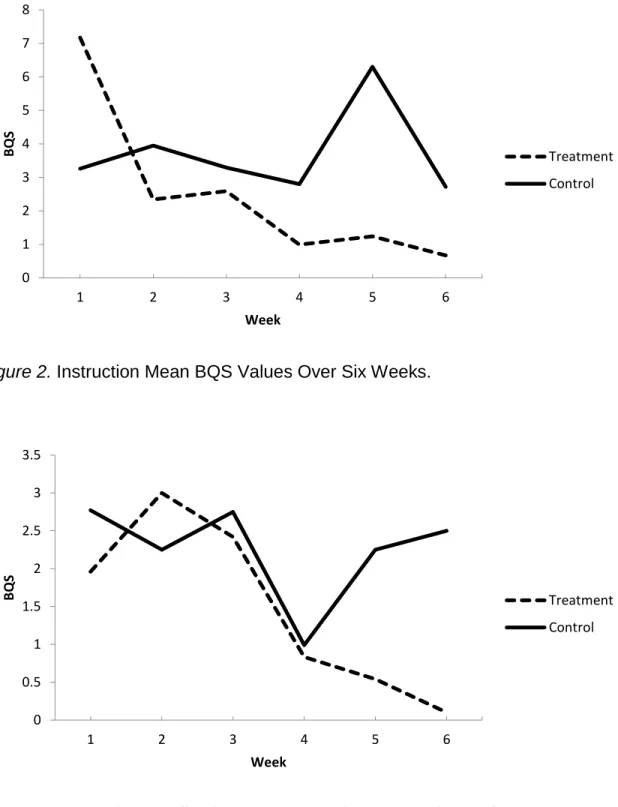
Figure 2. Instruction Mean BQS Values Over Six Weeks. ... 75
Figure 3. Corrective Feedback Mean BQS Values Over Six Weeks. ... 75
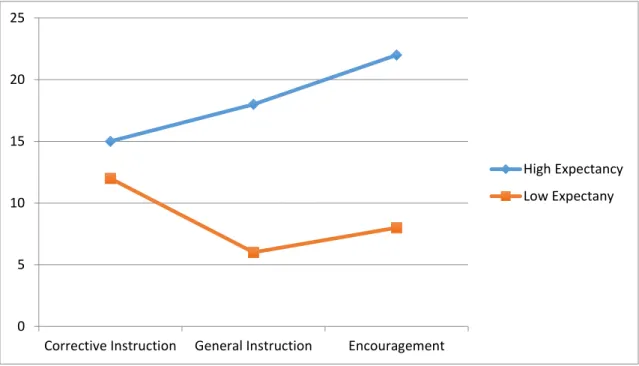
Figure 4. Encouragement Mean BQS Values Over Six Weeks. ... 76
1
CHAPTER I - INTRODUCTION
Talent identification, or the process of characterizing individuals based on expectation of success, is an unavoidable occurrence in sport. Currently, there are distinct differences in how researchers measure talent versus how coaches measure talent (Pasquini, Gearity, & Thompson, 2015). Researchers have
focused on measuring physiological, psychological, and anthropometric qualities, while coaches have relied on intuition (Christensen, 2009). Christensen (2009) qualifies that coaches’ intuition is much more than a simple gut feeling, but rather a culmination of previous experience and knowledge. Although previous
experience provides beneficial knowledge to inform decisions, there are also potential negative consequences to relying on intuition.
Horn and colleagues (1998) developed the coach expectancy model to explain such consequences. This four-stage model starts with coaches
developing expectations for athlete success based on previous biases and experience, these expectations then influence coach behavior toward athletes, which in turn affects athletes’ performance and learning opportunities, ending with athletes’ performance confirming coach expectation, inevitably forming a self-fulfilling prophecy. The first stage of this model has been confirmed in recent research interviewing high school basketball coaches (Pasquini et al., 2015). When asked where coaches had obtained their knowledge of talent identification practices, they collectively cited previous basketball experience and past
2
experiences have created expectations of what talent looks like, prior to evaluating their own players.
The second stage of the cycle, coaches’ expectations inform their
behaviors, has a growing although incongruent body of literature. For example, Solomon (2008) examined coaches’ expectations of athletes and the differences in coach behavior in youth, high school, and college athletics. High school
athletes who were perceived as high expectancy received more praise and feedback than did their low expectancy counterparts, while no differences were found in youth sport. Although research with youth sport is limited and
incongruent, instances of differing behavior between high and low expectancy athletes have been found in other studies (Solomon 1998, 2008). This is an area of concern in youth sport as this is where athletes are learning fundamental skills, as well as deciding if they want to continue playing organized sport.
Previous research has shown that the most frequent behaviors coaches exhibit are corrective instruction, general instruction, and encouragement
(Solomon, 1998). Corrective instruction can be described as feedback providing information about specific behaviors needed to improve performance. General instruction can be described as any feedback behavior that is providing direction towards a skill or movement. Encouragement is any verbal or nonverbal
feedback that is used to motivate an athlete. If high expectancy athletes are receiving these behaviors with higher frequency, there is a greater potential for this to affect athlete performance and satisfaction (Solomon, 2008).
3
Finally, the third and fourth stages of the cycle, behavior affecting athlete outcome and outcomes confirming coach expectations, have been the least researched. It has been shown that both negative and positive coach-athlete interactions have important impacts on psychological, motivational, and
performance success or lack thereof (Gearity & Murray, 2011). Further, much research has focused on athlete perception of coach behavior. Hollembeak and Amorose (2005) found that athlete perception of positive feedback was a
significant predictor of intrinsic motivation. Additionally, research has shown that athletes notice these differing behaviors and have cited this as a reason for performance and satisfaction decreases (Gearity & Murray, 2011). In the fourth stage, athletes’ lowered performance reinforces coaches’ initial talent
expectations, reinforcing the cycle. In other words, the final stage of the coach expectancy cycle creates a self-fulfilling prophecy, or the phenomenon of a prediction by an individual that causes it to come true due to the association between beliefs and behaviors.
The existing knowledge of the coach expectancy cycle offers support for interrupting the beginning of the cycle to make the greatest impact for athletes. Coaches’ expectations, as previously stated, are formed due to biases and previous experience and in turn affect their behavior toward their athletes. Not to mention, many coaches, specifically at the grassroots level, have not received adequate formal coaching education. According to the International Sport Coaching Framework, created by the International Council for Coaching Excellence (International Council for Coaching Excellence, 2013), coaches
4
should have knowledge in three core areas: professional knowledge (content knowledge and how to teach the sport), interpersonal knowledge (relating to having the ability to connect with athletes and pertaining to emotional
intelligence), and intrapersonal knowledge (knowledge of self, based on experiences, self-awareness, and reflection). As many coaches are lacking knowledge in these areas, and base their own knowledge on previous experience, they are most likely unaware of the coach expectancy cycle transpiring on their own teams. If it is proven that the coach expectancy cycle exists in youth sport, athletes who are deemed as high expectancy at the beginning of the season will receive more opportunity to learn and grow, while those perceived as low expectancy confirm this expectation, do not develop as fast as their peers, and potentially drop out of sport.
Statement of Problem
It has been found that coach behavior affects athletic outcome (Vealey, 2002). The lack of youth sport literature surrounding the second stage of the coach expectancy cycle inhibits researchers from fully understanding how to help change coach behaviors. Given the lack of current research in the youth sport setting regarding the coach expectancy cycle, there needs to be more evidence of the occurrence of this phenomenon and our ability to change coach behavior with training. With more depth of research, educational courses can be
implemented in order to better inform coaches of how their behaviors can be altered in order to fully develop all of their athletes and influence long-term athlete development and involvement in sport. Further, the dropout rate in youth
5
sport, specifically soccer, is one of the highest instances of dropout post-maturation (Figueiredo, Goncalves, Silva, & Malina, 2009), suggesting this population is a prime target for analysis.
Therefore, the purpose of the following study was two-fold. First, the researcher confirmed coaches were more likely to provide instruction, corrective feedback, and encouragement to high expectancy athletes when compared to their low expectancy counterparts in a competitive youth soccer population, more specifically, in a group prior to maturation and dropout. Based on previous
research, the three main coach behaviors of general instruction, corrective instruction, and feedback were identified for analysis. Second, the study
implemented a coach education workshop targeted at decreasing the behavioral differences coaches exhibit with these three behaviors toward high and low expectancy athletes in a randomly selected treatment group.
Research Questions
RQ 1: Do coaches exhibit significant differences in frequency of instruction, correction, and encouragement with high versus low expectancy athletes?
RQ 2: Can a coach education workshop intervention reduce the disparity of instruction, correction, and encouragement exhibited toward high and low expectancy athletes?
6
Alternate Hypotheses
Hypothesis 1. Coaches will provide significantly more instruction,
correction, and encouragement feedback to their high expectancy athletes when compared to low expectancy athletes.
Hypothesis 2. The intervention will reduce the disparity in frequency of instruction, corrective feedback, and encouragement between high and low expectancy athletes in the intervention group.
Delimitations The study is delimited to
head coaches with limited formal coach education.
competitive youth soccer prior to deselection and maturation or under age 11.
behavioral intervention was one two-hour educational workshop. Limitations
Limitations of the present study include
the small sample size (N=8).
the limited region the sample was selected from; which may lead to a low generalizability of the study.
Assumptions The researcher assumes
participants were not influenced by the presence of the researcher or recording equipment.
7
the sample is representative of the competitive youth soccer population in the Southeast United States.
that the researcher and research assistant attending two weeks of practice before coding sessions began in order for the coaches and athletes to become comfortable with the equipment would eliminate any bias of researcher presence. Further, the researcher and research assistant did not communicate or interfere with coaches during sessions.
that coach perceptions of ability did not change over the course of the study (Solomon, 1998).
Definition of Terms
Coach Behaviors: Based on previous behavioral research, three coach behaviors were chosen to be analyzed by the Coach Analysis and Intervention System (CAIS; Cushion, Harvey, Muir, & Nelson, 2012; Solomon, 2008).
General Instruction: For coding purposes, general instruction was
classified as any instance of the coach providing direction to a drill or movement (CAIS; Cushion et al., 2012).
Corrective Instruction: For coding purposes, corrective instruction was classified as any instance of the coach providing specific direction to improve a skill or movement (CAIS; Cushion et al., 2012).
Encouragement: For coding purposes, encouragement was classified as any instance of the coach providing verbal or nonverbal action meant to motivate the athlete (CAIS; Cushion et al., 2012).
8
Coach Expectation Bias: The four-tage model of self-fulfilling prophecy that occurs in sport; developed by Horn, Lox, and Labrador (1998).
High Expectancy Players: The top one third, in this case top three players from each team, designated by the coach at the start of the study (Solomon, 2008).
Low Expectancy Players: The bottom one third, in this case bottom three players from each team, designated by the coach at the start of the study
(Solomon, 2008).
Significance of Research
The current study is significant in the field of coaching education by adding to the limited body of research focusing on coach education and behavior change regarding talent identification within the coach expectancy cycle. Further, this study helps fill the many gaps in previous work by collecting data on youth sport in a competitive millennial setting. This study has provided evidence that
differences in behavior exhibited from coaches between athletes perceived as high or low expectancy exist in the sample youth soccer population. Moreover, through the proposed educational intervention, this research has provided valuable information regarding the potential of coach education to affect coach behavior. Therefore, with information from the intervention provided, coaches are able to gain insight on how their perceptions of expectancy affect their behaviors, which in turn affect athlete performance outcomes. Additionally, coaches and coach educators have a better understanding of how to intervene in order to interrupt the coach expectancy cycle.
9
CHAPTER II – REVIEW OF LITERATURE
A growing area of interest in coaching research has concentrated on coach behaviors in relation to talent identification. A leading model in coaching behavior research is Horn and colleagues (Horn et al.,1998) four-stage model of coaching expectations. These researchers postulate that coaches form
expectations from personal cues, and these expectations inform their behaviors. Coaches’ behavior then affects athlete performance, which in turn reinforces coaches’ initial expectations. In the youth sport setting, there is limited research on how coaches’ initial expectations of talent influence their behavior, potentially creating self-fulfilling prophecies. Therefore, the following review of literature is designed to offer the reader a better understanding of talent identification literature and how coach behaviors affect athlete performance. Further, this review will explore coaching education’s connection to both areas of interest.
The Coach Expectancy Cycle
In recent years, the study of coaches’ behaviors has grown as an area of interest in sport research (Solomon, 2008). Much of the original coaching
behavior theories and research developed from teacher-student investigations (Feltz, Chase, Moritz, & Sullivan, 1999), and much like teachers, coaches’ interactions with their athletes help predict athlete performance success, motivation, and satisfaction in sport (Feltz et al., 1999). Unlike teacher-student relationships, athletics adds a unique competitive nature to the coach-athlete relationship. Further, coaching behavior happens in multiple settings, which
10
include, practice, pre-competition, competition, and post-competition. These settings lend themselves to different behavioral scenarios.
Much like Feltz and colleagues (1999), Horn and colleagues(1998) speculated that coaching behaviors could be predicted by other personal
characteristics of the coach. Horn et al. (1998) suggest that coach expectations can predict behaviors that can alter athletic performance. These researchers developed a four-stage model from the notion that coaches can let their
expectations affect their interactions with their athletes, which in turn creates a sequence of events that can also alter performance.
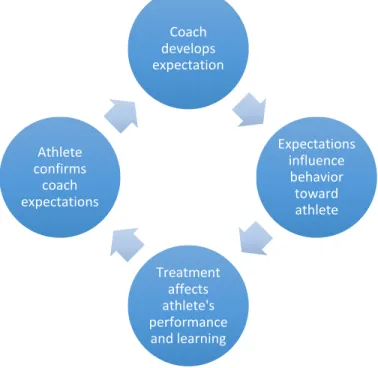
The coach expectancy cycle contains four stages, each of which are explored more in depth throughout this chapter (see Figure 1). In the first stage, coaches form expectations based off of person cues, such as race, size, gender, and socioeconomic status (Horn et al., 1998). Coaches can also use
performance cues, such as past accomplishments, skill tests, practice behaviors, and other evaluations in order to form expectations. Next, these expectations influence coaches’ behaviors. This stage is broken down into: 1) frequency and quality of coach-athlete interaction, 2) quantity and quality of instruction, and 3) type and frequency of feedback. Third, coaches’ behaviors affect athlete
performance. For example, if a coach is consistently giving more praise and valuable feedback to a high expectancy athlete, this athlete will most likely have a better performance than their peers due to these altered coaching behaviors. Further, athletes are aware of these unequal behaviors, which affects motivation
11
and satisfaction. Finally, athletes’ performances confirm the coaches’
expectations. As in the previous example, if said coach already believed this player to be high potential, thus was providing this player with more valuable feedback, the player performs at a higher level than their peers and confirms the coach’s initial belief that he/she was a high expectancy athlete.
Figure 1. The Coach Expectancy Cycle
The Coach Expectancy Cycle, adapted from Horn et al. (1998). Depicts the four stage cycle.
Solomon (2008) provided support for the coach-expectancy model when she examined coaches’ expectations of athletes and the differences in coaching behaviors. Coaches were asked to rank athletes’ expectancy and coach
behaviors were monitored using the Coaching Behavior Assessment System (CBAS) for both the top one-third and bottom one-third of athletes. Solomon found that high school athletes who were perceived as high expectancy received
Coach develops expectation Expectations influence behavior toward athlete Treatment affects athlete's performance and learning Athlete confirms coach expectations
12
more praise feedback. Further, coaches’ expectations predicted differential instruction, where high expectancy athletes received more instruction. There has been little to no research regarding the fourth stage of the coach expectation cycle, therefore, the following sections of this review will take a closer look at the first three stages of the cycle and the research surrounding individual stages. Stage One: Expectation Development
In the first stage of the cycle, coaches make judgments of talent based on previous sport experience and knowledge pertaining to talent gained from formal and informal coach education. Talent identification is defined as selecting
individuals based on their motor abilities, physical characteristics, and
psychological characteristics to play or participate in certain sports (Pankhurst & Collins, 2013). In some cases, talent identification is used in order to screen young athletes to determine those most likely to succeed and direct them towards the sport for which testing implicates them to be best suited (Anshel & Lidor, 2012) In particular, anthropometric and physiological characteristics are being used as a major determinant of early success in sport (Karpowicz, & Strzelczyk, 2010). Psychological characteristics, which can be broken down into game knowledge and personality traits, have been used to a lesser extent in the research setting (Falk, Lidor, Lander, & Lang, 2004). Although, these
characteristics develop over time, adolescents are being assessed, and results are being used to identify talented athletes. In the following paragraphs, a brief description of talent identification practices found in current research is provided.
13
Anthropometric Measures. Anthropometric testing occurs at all levels of physical growth, from basic elementary fitness testing to Olympic level wrestlers weighing in before competition. Common measures of anthropometric testing include height, weight, and wingspan. Generally, coaches and athletic personnel monitor these attributes both officially and unofficially. In terms of the research setting, these measurements are generally used in conjunction with physiological measurements to quantify an individual’s talent (Bailey & Collins, 2013). For example, in a water polo study, measurements were compiled comparing motor abilities of elite water polo players to non-water polo playing 12-year-old boys (Aleksandrovic, Radovanovic, Okicic, Madic, & Georgiev, 2011). It was found that water-polo players had higher body mass and height, either a potential reason for their having been chosen to play elite-level water polo or a potential outcome of the considerable training the elite water polo players have had.
While formal anthropometric measures exist, previous research
demonstrated that coaches use more informal anthropometric measurements, such as looking for tall players, when considering talent. An example of informal anthropometric assessment was found during in-depth interviews with high school basketball coaches whom stated that one of their number one priorities was to look for tall players (Pasquini et al., 2015).
Anthropometric assessments should not be used as a singular talent identification practice for a multitude of reasons. First, by using these practices researchers are informing coaches this is the correct way to identify talent.
14
Coaches, whom are largely volunteers at a youth level, are likely uninformed of the average anthropometric measurements of youth. Secondly, these
measurements are only accurate at one stage and do not take into account early or late maturation for particular youth. Finally, although certain body types may be beneficial for certain sport, it would not be best practice for coaches to
assume the players who do not fit those body types are less talented. Therefore, longitudinal anthropometric data on general and elite populations would help eliminate issues such as measurements taken at one point in time or on a singular group of elite youth athletes. Further, anthropometric assessments may provide beneficial information to coaches but should be used in conjunction with other assessments, such as physiological and psychological measures.
Physiological Measures. Physiological measurements include
measurements of speed and agility, such as high jump and 40 yard dash time, and are being used to assess youth athletes’ current and predicted talent.
Testing is primarily focused on athletes who have been chosen to specialize in a particular sport at a young age. These tests are being used to differentiate between elite level players and non-elite players. For example, a recent European study was conducted with a group (N=92) of 12-year-old water polo players (Aleksandrovic et al., 2011). These players had already had at least two years of water polo specific training and experience. The researchers’ goal was to see if there was a correlation between general functional abilities and
15
ones who were not chosen from the original group. It was found that there was a strong correlation, suggesting that high motor ability can generate high sport specific ability. Although, as stated earlier, this testing was done with athletes whom had already been chosen to specialize in water polo, meaning that these athletes had higher levels of elite training which could have also increased their motor ability.
Another use for motor ability tests is the targeting of players classified as elite in order to identify variability among position specific players. For example, female basketball camps across Europe pulled players from various Eastern European countries and then divided the athletes into three groups according to position: centers, forwards, and guards (Eruclj, Blas, Cohn, & Bracic, 2009). Players were then measured in a battery of motor ability tests, pertaining to both basic motor ability and sport specific motor ability. Substantial differences were found between players of different positions in throwing and sprint tests. The research was meant to help basketball coaches with future training of position players, but it is also suggestive of how sport specialization can have a profound negative effect on individuals’ motor capabilities. In other words, the players tested in this study had significantly different motor abilities based off their
primary position, even though they were all elite basketball players, showing that with increased specialization there is a decrease in overall balance in motor ability.
16
Another potential negative aspect of focusing on motor ability testing is that this testing has not been proven as a predictor of sport specific success over time. In fact, one gymnastics specific balance test found that general motor testing had no correlation with gymnast success (Vandorpeet al., 2012). In this longitudinal study, seven-year-old gymnasts were chosen as participants after being selected as “potentially elite”. These gymnasts were then tested using a battery of non-gymnastics specific motor ability testing for two years. Results indicated no significant relationship with the competition results and motor ability of elite gymnasts two years later. These findings indicate that general physical performance tests do not predict potential performance outcomes. The difference may be, rather, because of the sport participation. Again using gymnasts,
researchers placed “matched-pairs” of gymnasts and non-gymnasts together in order to distinguish if elite gymnasts have increased balance (Carrick, Oggero, Pagnacco, Brock, & Arikan, 2007). Although these individuals might have been in pairs with the same age, height, and weight ratio, participants had significantly different history. The trained gymnasts spent hours practicing stability and core strength. It was not surprising they demonstrated significantly higher scores on posturography testing. Because these studies are using elite level, well trained, athletes and comparing them to non-athletes who have not received the same type of training, the measurements seem to identify current ability rather than potential to excel. Therefore, coaches interested in identifying talent within their own teams should not use these findings in order to determine talent.
17
While researchers and coaches are still interested in potential
physiological differences in participants, once athletes reach the professional level there seems to be little differentiation between individuals (Gabbett, Jenkins, & Abernethy, 2011a). Recently, a longitudinal test of 86 rugby players looked into which, if any, physiological qualities could discriminate between high-performance rugby league players. Players were tested at the beginning of each season over a four-year time span. At the end of the four seasons, players were chosen for professional teams. Once classified as starters, non-starters, and non-selected players, player comparisons were conducted. Results indicated that players selected as starters or non-starters had faster sprints, better vertical jumps, and higher aerobic power than non-selected players. No differences were found in other anthropometric or physiological qualities, suggesting little influence of the physiological characteristics on ability.
Overall the findings related to physiological measures suggest two very important things: 1) current physiological testing does not predict future success and 2) comparing elite early specialization athletes to non-elite athletes does not prove that talent was correctly assessed in early years as non-selected players have not received the coaching and practice time and have not been monitored once de-selected.
Psychological Measures. Psychological measurements can be broken down into two categories, game knowledge and personality. Game knowledge is measured by the athletes’ knowledge of strategy in their given sport while
18
personality characteristics can be defined as athletes’ leadership qualities, coachability, and mental toughness. Interestingly, very few studies include game knowledge or personality traits when considering talent identification. Anshel and Lidor (2012) argue that the reasons psychological testing is not used in order to identify talent are threefold. First, because of the focus coaches and parents place on the physical attributes of an athlete, psychological skill testing is often overlooked. Second, psychological skill testing does not take into account coach expertise and influence. Third, and finally, Anshel and Lidor (2012) argue that psychological testing is not used as frequently in talent identification practices because there are inherent flaws in the scientific process. These flaws included, but were not limited to, inconsistencies in defining “elite” athletes, sample biases, failure to use baseline measures, limitations in personality research, and inherent problems with self-report questionnaires. The following will be a review of the brief amount of studies that do include psychological testing.
Game Knowledge
Game knowledge, or the strategic understanding of one’s sport, is an aspect of psychological characteristics. In one-study using elite water polo players, researchers used not only motor abilities but also tested game
intelligence (Falket al., 2004). Youth male water polo players were compared by separating males who made the junior national team versus those who did not. Among a battery of tests, including anthropometric and psychological
19
non-national team players was game intelligence. Although this was the critical finding in this study, game intelligence is still not a widely researched area. Game intelligence can be difficult to measure and subjective (Falk et al., 2004). Further, coaches rank game intelligence as an important aspect of talent, but largely believe it to be a part of talent they can foster themselves (Pasquini et al., 2015).
Personality Characteristics
Personality, the second aspect to psychological characteristics, includes traits that are deemed important in specific sports, such as leadership
tendencies, coachability, and ability to work with teammates. In Christensen’s (2009) interviews with soccer coaches, participants stated that they choose athletes who seem to be “hard-working” and “dedicated”. Expert coaches use these behavior traits to identify talent, although Christensen further states that these behaviors have the potential to be cultivated in a targeted environment. For example, in another qualitative study with high school basketball coaches, each coach stated that they are looking for mentally tough players who are coachable (Pasquini et al., 2015). When interviewed further, each coach stated that game knowledge was also an important psychological skill, but something they felt they could teach their athletes.
Talent Identification in Practice. Recently, research has begun to show that researchers and practitioners are using differing methods of talent
identification practices (Croston, 2012). While researchers focus on the anthropometric, physiological, and psychological measurements in sport,
20
coaches rely on previous sport experience (Pasquini et al., 2015). Research has begun to explore these practices. In Croston’s (2012) study, electronic surveys were collected from 84 physical education teachers where teachers self-reported that they were responsible for identifying talent. Teachers were further asked to define how they identified talented individuals; perceived physical ability was their primary measure for talent over half (62%) of the time. While teachers used their own perception of physical ability to identify talent, they virtually ignored the other aspects of ability: cognitive skills (14.5%), personal attributes (12%), social skills (14.8%), and creativity (14.6%) were used significantly less. This research is indicative of physical educators defining talent by their own perceptions of what a talented player encompasses, as opposed to how researchers quantify talent through measurement.
Similarly, coaches appear to lack formal talent identification training, thus, use methods similar to physical educators (Christensen, 2009). Christensen explored top-level men’s soccer coaches and their knowledge of talent identification. After an in-depth qualitative analysis of interviews with eight coaches, results showed that much of talent identification is a result of coaching intuition. Coaches formulate opinions of players based on their constant
observations and their perceptions of athlete’s willingness to learn. Christensen (2009) argues that this coaching intuition is not simply a gut feeling, but a formation of knowledge based off previous experiences. Although elite coaches maintain that they can “see” talent purely by observation, the great majority of
21
coaches have not reached this level, nor have they received any formal
education surrounding talent identification (Day, 2011). This research reflects a direct bias of coaching opinion in talent identification. Coaches have also been shown to pass expertise through their communities, mentors, or previous coaches, introducing a historical bias in talent identification practices (Day, 2011).
An example of the bias that can be introduced was shown in a recent study (Gee, Marshall, & King, 2010). High school hockey coaches were asked to rank players based on current skill level as most to least talented on their teams. Scouts then watched video of the same players and performed the same ranking. Scouts and coaches had an extreme lack of agreement, with nine out of 13
players being placed in both the top and bottom five. These rankings occurred during a high school tryout setting where coaches stated they were specifically looking for the most talented players to select for their team. Further, research has shown that coaches’ initial judgments of talent remain rigid throughout the course of a season, regardless of participant improvement (Solomon, 1998, 2008). This is an important verification that coaches’ judgments of talent remain stagnant even when athlete performance increases.
Talent Identification as a Specialization Practice. Although talent identification will continue to be a major aspect of sport, there is research
questioning whether coaches are currently exhibiting suitable methods. In much of the current research, youth who have already been specialized are tested,
22
however, an emerging body of research highlights some of the undesirable qualities that result from early specialization. For example, in studies assessing motor ability in six to twelve year old males, results indicated that boys who participated in multiple sports had more speed, cardiovascular endurance, and gross motor coordination than did boys who played one sport (Fransen et al., 2011). Further, early sport specialization through youth talent identification has been shown to lead to higher risk of dropout, burnout, injury, and error in
prediction of talent (Goncalves, Diogo, & Carvalho, 2014; Hodge & Deakin, 1998; Hodge & Starkes, 1996; Starkes Deakin, Allard, & Hodges, 1996; Wall & Cóte, 2007). Recently, research has begun to argue that not only can early talent identification be detrimental to athletes’ futures, but also there is evidence to support that the testing being used by practitioners does not take athletes’ physical maturation into account (Anshel & Lidor, 2012). Because of these negative outcomes, an increased focus has been placed on talent development.
Developmental Model of Sport Participation. Talent development is the process in which coaches refine athlete motor skill over time. Cóte and Hay (2002) have created the developmental model of sport participation (DMSP). The foundation of the DMSP is Cóte’s theory of deliberate play (Cóte & Hay, 2002). Deliberate play, an alternative to deliberate practice, is characterized by sporting activities that are intrinsically motivating, provide immediate gratification, and are specifically designed to maximize enjoyment. Further, deliberate play is
23
performance or deliberate practice. Cóte and Hay (2002) describe deliberate play as activities children are engaging in spontaneously such as a pick-up basketball game with peers. These kinds of games have benefits that exceed enjoyment such as the improvement of multiple motor patterns, contribution to the regulation of emotions and cognitive performance, and contribution to endurance and
strength (Cóte, Lidor, & Hackfort, 2009).
From deliberate play, Cóte and colleagues (2009) established stages of development that involve differing levels of deliberate play activities. Children begin learning fundamental motor skills in the sampling years, where the focus of learning activities is deliberate play. This sampling is thought to allow children to experiment with difficult movements and improvise their own motor programs in order to gain autonomy. Deliberate play is also thought to increase creativity, which has been shown to be important in elite players engaged in coactive sports (Memmert, Baker, & Bertsch, 2010). From the sampling years, there are different paths children can follow in order to either become elite performers or
recreational participants. As practitioners, the goals are to increase engagement in not only elite performance, but also lifetime activity. The DMSP allows for both of these opportunities.
Recreational participation is thought to develop in the sampling years where active children engage in a variety of sports focused on deliberate play. Around maturation, ages 13 and up, children move on to the recreational years, where they continue being active with play and practice. This provides athletes
24
who are not on an elite track an opportunity to continue to engage in activity that is intrinsically motivating and enjoyment centered. Currently, these years also coincide with the largest amount of drop out in sport (Schmidt & Stein, 1991). This could potentially be explained by the current American youth sport model’s lack of recreational activities available to American youth with differing abilities.
Elite performers then have two alternate pathways: elite performance through sampling and elite performance through early specialization. Elite
performance through sampling moves from the sampling years to the specializing years around maturation. Youth athletes begin to engage in small amounts of deliberate practice as a transition period into investment years, which is proposed to occur around 13 to 15 years of age. During the investment years, athletes begin to commit to one sport and engage in higher amounts of deliberate practice. In this type of expertise training, for example, athletes who are
interested in swimming might still engage in other cardiovascular activities such as soccer and cross-country running.
This transitional model is thought to balance the negative effects of engaging in deliberate practice at an early age, such as drop out and injury. Because athletes have formed a foundation of deliberate play, they have the potential to be more intrinsically motivated, and engage in sport for longer periods of time than their peers who achieved elite performance through early specialization. Further, elite performance through sampling allows for transfer, the idea that cross training, or engaging in activities that are similar to those of
25
competition and performance is beneficial for youth motor programming autonomy (Bullock et al., 2009). While the idea of deliberate play does not correct all of the issues in a developmental model of sport participation, it does propose many benefits, such as diversified sport experience, fewer incidences of burnout and injury, and higher accounts of intrinsic motivation.
Although research on deliberate play is in developmental stages and the issue of gathering longitudinal data has been established, data has been
collected on the benefits of deliberate play. Questionnaire data from a study published in 2007 was revisited four years later (Ford, Ward, Hodges, & Williams, 2009). Researchers found support for early deliberate play. Elite soccer
performers still active in sport participation four years later were shown to engage in more average hours of soccer deliberate play per year between the ages of six and 12 than their ex-elite counterparts. In another qualitative study, participants from multiple sports were given questionnaires to gain information on the
developmental profiles based on engagement in deliberate play versus deliberate practice activities (Memmert et al., 2010). Their results indicated that more
creative players accumulated more time in overall training for their main sport, including time spent in unstructured play. The United States has been slow to adopt a model of talent development, resulting in ill-prepared coaches making decisions that affect athlete participation, while other countries have deliberately begun to implement the models (Balyi, 2001).
26
The Practice of Talent Development. While researchers are calling for coaches to use these theoretical frameworks of talent development, there is little evidence that this is happening in real time (Day, 2011). In order to combine both talent identification and talent development, researchers are calling for
practitioners to allow the normal process of growth, maturation, and development to occur before talent identification or specialization occurs. Further, they
encourage practitioners to teach athletes the sport skills, behavioral skills, and cognitive abilities that are necessary for improvement in overall sport
performance (Abbott & Collins, 2004). For this to happen, coaches need to know that technical skill is limited by physical development (Pankhurst & Collins, 2013). With this being said, there is again a lack of evidence that coaches understand physical development from a biological and psychological perspective (Pasquini et al., 2015).
Moreover, although some governing bodies are introducing long-term athlete development models, there seems to be a lack of understanding and support surrounding the models from all the development stakeholders (Pankhurst, Collins, & Macnamara, 2013). Recently, researchers aimed to
investigate coaches, parents, and a national governing body’s perceptions of the five key constructs of a recently instituted talent identification and development system (Pankhurst et al., 2013). Results indicated that none of the stakeholders showed support for recent research, all preferring existing practices of
27
shown limited correlation with senior success, coaches still placed significant emphasis on competition with children as young as six years old.
Interestingly, Woolcock and Burke (2013) developed a method for talent tracking, in which they found pockets of metropolitan areas where a significant amount of talented Australian League Football players had grown up. Regardless of where these players moved, their talent developed in the same region.
Woolcock and Burke argue that population density allows a larger amount of sport participants, thus allowing more development of talent. Another interesting aspect of this phenomenon may be that these athletes’ talent development was dependent on their youth sport coaches’ behavior and practices.
Stage Two: Expectations Inform Behavior
In the second stage of the coach expectancy cycle, coaches’ initial
judgments influence their behavior toward their athletes. Researchers focused on the second stage of the coach expectancy cycle have studied this phenomenon in an array of sport contexts. For example, in a study conducted assessing four head high school basketball coaches and 49 athletes, coaches’ behavior was assessed using the Arizona State University Observation Instrument (ASUOI; Solomon, 1998). Coaches were asked to hierarchically rank their athletes’ expectancy and coaches’ behavior was assessed with the high versus low expectancy groups. Late in the season, coaches provided more instructional feedback, management feedback, and overall feedback to the high expectancy players. Researchers suggest the differential feedback may have occurred in the
28
late season as this is when critical games occur, therefore more feedback was issued to high expectancy athletes in hopes of increasing possibilities of winning.
Further, Solomon (1998) has tested whether years experience influenced coaches’ feedback patterns between athletes perceived to be high and low expectancy. Twelve high school basketball coaches were observed using the Coaching Behavior Assessment System (CBAS) six times over the course of the season. Coaches with less than ten years experience were considered low experience (n=6) while those with more than ten years experience were considered high experience (n=6). In order to determine whether coaches’ experience influenced their feedback a 2 X 2 multivariate analysis of variance (MANOVA) was conducted. Results indicated that regardless of coach
experience coaches provided significantly more praise and instruction to high expectancy athletes.
Another study assessed four division I, college basketball coaches’ stability of their expectancy rankings and their improvement rankings in relation to feedback behaviors (Solomon & Kosmitzki, 1996). Measures of coach behavior were assessed using the CBAS, and measures of expectancy were utilized by asking coaches to rank players based of perceived expectancy at the beginning and end of each observation. Coaches were observed at four points over the course of one season, twice during the first two weeks of regular season play and twice during the final two weeks of regular season play. Results
29
the season, while perceptions of improvement were flexible. Interestingly, coaches’ perceptions of improvement were not related to quantity of feedback, while coaches’ perceptions of expectancy were significantly related to feedback behaviors. High expectancy athletes received more organizational instruction than their low expectancy counterparts.
Minimal research related the second stage of the cycle has been conducted in youth sport settings. Solomon (2008) assessed expectations as predictors of feedback in youth, high school, and college basketball. The youth sport sample consisted of six basketball teams. Coach behavior was assessed using the CBAS, and coaches were asked to rank players from most to least skilled. The top one-third of each team was designated as high expectancy, while the bottom one-third was designated as low expectancy. Over the course of a ten-week season, coaches were observed four times for 50 minutes.
Independent t-tests were used to determine the differences in the amount of feedback for high and low expectancy athletes. There were no significant differences found between high and low expectancy athletes in the amount of praise feedback or instruction feedback given. On the other hand, high school and college athletes perceived as high expectancy received significantly more praise feedback and instructional feedback than their low expectancy
counterparts. Researchers hypothesize that there were no significant differences in the youth sport setting because of the league rules regarding equal playing time. Therefore, regardless of the coaches’ normal feedback behavior, in an
30
equal playing time environment, all athletes irrespective of perceived expectancy would receive the equivalent frequency of instruction and praise because
coaches know all the athletes must play. Measuring Coaching Behaviors
Coaching Behavior Assessment System (CBAS). Formed from a cognitive-behavioral model of social learning theory (Bandura, 1969), Smoll, Smith, and Hunt (1978) developed the Coaching Behavior Assessment System (CBAS; Smoll et al., 1978). Initially, coaches’ behaviors were observed and recorded during games and practice sessions. This information was used to develop a set of behavior categories that separate behaviors into two classes: reactive and spontaneous. Reactive behaviors are those that are responses to either a desirable performance or a mistake. Spontaneous behaviors are those initiated by the coach.
These behaviors are further broken down into classes. Reactive behaviors have responses to desirable performance (positive reinforcement or no
reinforcement), responses to mistakes or errors (mistake-contingent
encouragement, mistake-contingent technical instruction, punishment, punitive technical instruction, and ignoring mistakes), and responses to misbehaviors (keeping control). Spontaneous behaviors include game related (general technical instruction, general encouragement, and organization) and game irrelevant (general communication).
31
These behaviors are measured by monitoring practice or game settings using a 15 second time interval. This tool has been used in multiple studies, particularly relative to Horn and colleagues’ coaching expectation theory
(Solomon, 1998). As this was one of the first coaching behavior tools developed, it has multiple shortcomings. First, this tool was developed watching male
coaches in baseball. Assuming coaching is not homogeneous, this limits the CBAS by excluding areas of behavior from other sporting environments and female coaches. Secondly, the CBAS was developed while watching baseball coaches interact with only one team at one age, making it difficult to grasp the differences in behaviors coaches’ exhibit over time. Finally, the behavior tool only has one code for silence, which can be categorized in multiple ways. For
example, silence can be used as a punishment or as a tool for autonomy. The Arizona State University Observation Instrument (ASUOI)
In order to collect information about the behaviors of coaches in practice settings, researchers observed basketball coach John Wooden for 15 practice sessions (Tharp & Gallimore, 1976). From these observations, researchers developed a ten-category system. This system was later revised by Langsdorf (1979) while observing the behaviors of Frank Kush, then head coach at Arizona State University. The system was tested using multiple other head coaches from other sports, finalizing a set of 14 behavioral categories. Because the categories are specifically defined and related to coach behaviors, face validity is present. Further, because a rational basis for behavior selection based off of previous
32
research exists, content validity is present. Interobserver reliability was
established using event and interval recording procedures were the percentage of agreement was at 85% in all behavior categories (Tharp & Gallimore, 1976).
The fourteen behavior categories on the ASUOI include: use of first name, pre-instruction, concurrent instruction, post-instruction, questioning, physical assistance, positive modeling, negative modeling, hustle, praise, scold,
management, uncodable, and silence. Observations are made over the entire practice session in intervals of ten minutes of coding followed by two minutes of rest. The coding is to be done live, using a printed version of the observation instrument by simply adding tally marks next to a behavior when it has been used. At the end of the session, the rate per minute (RPM) of each behavior is calculated, then the percentage of the total practice each behavior was used is calculated. For example, if use of first name happened 30 total times during a 20-minute observation, the RPM is 1.5 and the coach used first names 15.5% of practice (Lacy & Darst, 1985).
The data derived from the ASUOI provides quantitative information about the behaviors exhibited during a practice session. It is important to note that there is no qualitative judgment to the quality of the behaviors being coded. Further, the instrument is to be used only during a practice session where live coding is taking place, meaning that many observers will be needed at once for interrater reliability.
33
Coach Analysis and Intervention System (CAIS)
In response to a call for a more robust and sensitive observational tool, Cushion and colleagues developed the Coach Analysis and Intervention System (CAIS; Cushion et al., 2012). Following an in-depth review of literature,
researchers identified 50 behaviors coaches commonly exhibited. Next,
researchers pilot tested the behavioral tool using soccer, volleyball, basketball, and hockey coaches. The CAIS was amended based on feedback from pilot studies. Face and content validity was then confirmed through interactions with experts in order to ensure the instrument would capture behaviors of coaches.
The end result is an assessment tool for 23 primary coaching behaviors that relate to physical behavior, feedback and reinforcement, instruction, questioning, and management. The CAIS then considers secondary details of behavior relating to performance states, content, recipients, and timing. This provides a multidimensional mechanism able to provide detailed contextualized data about specific coaching behaviors in a multitude of environments. Further, the CAIS is a computerized system, providing researchers the option for field or video coding. Cushion and colleagues (2012) believe that this provides
researchers and practitioners the opportunity to identify patterns of behavior. In the current form, the CAIS has not been used for research in
conjunction with coaches’ behavior related to expectancy identification. The CAIS has, however, been used to monitor coach behavior across a season with top-level youth soccer coaches. Partington and colleagues (2013) systematically
34
observed 12 male, professional youth soccer coaches in England over a 16-week period. The CAIS was used to create coach behavior profiles and to provide feedback to coaches of their personal behaviors. Coaches were shown video feedback of their behaviors as an intervention. Results indicated that coaches increased their questioning behavior and listening behavior. Further, through detailed interviews coaches stated video results provided a trigger for behavior change and created a vehicle for increased self-awareness. Moreover, coaches stated the CAIS provided a source to inform coach behavior changes. These results support the use of the CAIS in the proposed coach intervention.
Quality Feedback Behaviors. Because research has shown that there is a difference in the behaviors coaches exhibit between high and low expectancy athletes (Solomon, 1998), it is important to note how quality feedback behaviors are demonstrated. Two of the main functions of feedback are motivation and instruction (Weinberg & Gould, 2015). Motivational feedback aims to enhance performance by increasing confidence and encouraging increased effort. Motivational feedback can also create a positive environment. By reinforcing athletes’ efforts, coaches are encouraging increased sport participation.
A second type of feedback is related to instructional or corrective
feedback, providing information about the specific behaviors needed to improve performance. When coaches provide athletes with increased instruction,
35
learning environment and increases the likelihood that athletes will succeed (Milanese, Facci, Cesari, & Zancanzro, 2008).
Both of these types of feedback come in many forms, including verbal and nonverbal. For example, coaches can provide verbal praise such as “well done!” or nonverbal praise, such as a pat on the back. However, research has shown that feedback becomes more effective when coaches give specific corrective feedback. By clearly identifying the issue or the corrective movement, athletes are more likely to retain and correct their movement patterns (Weinberg & Gould, 2015).
Stage Three: Behaviors Affect Athlete Performance In the third stage of the cycle, the unequal behaviors exhibited by the coach influence athlete
performance and satisfaction. One of the most important relationships in sport is the relationship developed between athlete and coach (Smith, Cumming, & Smoll, 2006). Both positive and negative coach-athlete relations have important psychosocial, motivational, emotional, and performance success, or lack thereof (Gearity & Murray, 2011). The following section will provide a brief breakdown of the coach-athlete relationship and its relation to coaching behaviors.
Communication has been cited as the most essential function of enabling two or more individuals to maintain simultaneous orientation towards one another (Newcomb, 1953). Communication research in the instructional setting has
focused on immediacy behaviors between teachers and students (Gorham, 1988; Mottet & Richmond, 1998; Stewart & Wheeless, 1987), but can be
36
transferred to the sport setting (Turman, 2008). Immediacy has been
conceptualized by behaviors that depict approachability and openness during interactions (Mottet & Richmond, 1998). Further, it has been stated that teachers who exhibit immediate behaviors decrease psychological distance between themselves and their students (Gorham, 1988). In relation to the above-mentioned theories, coaches’ communication behaviors (i.e., feedback) are extremely important to the coach-athlete relationship, and therefore to overall athlete performance and satisfaction.
In an effort to relate specific communicative behaviors to competition outcomes, Smith, Wallace, and Wang (1999) analyzed 20 high school basketball coaches’ behaviors during practice. Interestingly, research found negative
relationships between the amounts of time players spent listening to their
coaches explain drills and player performance. This suggests that not only is the type of communication used by coaches important, but how well coaches are able to concisely and effectively verbalize their instructions is also imperative to athletes’ ability to learn. Further, an athlete’s ability to spend time engaging in skill related drills are dependent on effective coach communication. If coaches are aware of how their expectations are created, the first step in coach
expectancy cycle, and are informed on their behaviors influence athlete performance this could influence how the coach directly treats the athlete, potentially also affecting athlete performance.
37
Athlete Perception of Behaviors. It is important to note that when studying behaviors, personal accounts of one’s own behaviors are not always accurate. Thus, in studies that do not perform direct observations of coach behavior it is important to take the athletes’ perceptions of coaching behaviors into
consideration.
In an effort to relate athlete perceived coaching behaviors to the coach-athlete relationship, 103 coach-coach-athlete dyads were surveyed in relation to athletes’ perceptions of coaches’ autonomy supportive behaviors, coaches’ controlling behaviors, and athletes’ perceived quality of the coach-athlete relationship (Lafreniere, Jowett, Vallerand, & Carbonneau, 2011). Results revealed that athletes who experience high-quality coach-athlete relationships also experience a higher level of autonomy supportive behaviors from their coaches. These types of behaviors involve taking their athletes’ perspectives into account, providing athletes with rationale for tasks, and encouraging athletes. These behaviors were then conducive to strong emotional bonds and positive feelings toward coaches.
Hollembeak and Amorose (2005) sought to examine the specific coaching behaviors that are positively or negatively related to athletes’ motivation. Two hundred and eighty student-athletes were assessed using the Leadership Style Survey (LSS) and the sport motivation scale (Pelletier et al., 1995). Positive feedback was a significant predictor of both relatedness and perceived
38
affected by a coach’s initial expectations of an athlete, there is potential that different athletes will receive more positive feedback and therefore have a more positive relationship with their coach and sport, both of which result in prolonged participation in organized sport.
In a qualitative analysis of poor coaching, Gearity and Murray (2011) found athletes perceived poor coaches to be subpar with respect to providing instruction, individualizing instruction, and managing behaviors. Further, athletes also believed that poor coaches were unable to provide emotional support and treated some athletes more favorably than others. In fact, because of the lack of instruction, athletes believed that their coaches were demotivating and
engineering self-doubt in their own players. In conjunction with previous research on poor coaching behaviors, this resulted in de-selection and decreased sport satisfaction (Fraser-Thomas, & Cóte, 2009). This is an important example of the negative results due to the coach expectation cycle. Coaches’ negative
expectations of athletes resulted in lack of instruction, which directly impacted athlete self-doubt, providing a self-fulfilling prophecy to reiterate coaches’ expectations. The cycle resulted in athletes leaving sport.
Research in the area of coaching behaviors and perceptions of coaching behavior will continue to evolve. Athletes are constantly developing, thus their preferences for behavior will also change over time. Further, with advances in kinesiology, sport is evolving, thus behavior will need to be modified to match such advances. Consequently, a call for not only continued research in this area,