PHYSICAL AND ECOLOGICAL ASPECTS OF MOBILE SEDIMENTS
Form, function and physics: the ecology of biogenic stabilisation
David M. Paterson1 &Julie A. Hope1,2,3&Joseph Kenworthy1,4&Catherine L. Biles1,5&Sabine U. Gerbersdorf2
Received: 21 September 2017 / Accepted: 13 April 2018 #The Author(s) 2018
Abstract
PurposeThe objective of this work is to better understand the role that biological mediation plays in the behaviour of fine sediments. This research is supported by developments in ecological theory recognising organisms asBecosystem engineers^and associated discussion ofBniche construction^, suggesting an evolutionary role for habitat modification by biological action. In addition, there is acknowledgement from engineering disciplines that something is missing from fine sediment transport predictions.
Materials and methodsAdvances in technology continue to improve our ability to examine the small-scale 2D processes with large-scale effects in natural environments. Advanced molecular tools can be combined with state-of-the-art field and laboratory techniques to allow the discrimination of microbial biodiversity and the examination of their metabolic contribution to ecosystem function. This in turn can be related to highly resolved measurements and visualisation of flow dynamics.
Results and discussionRecent laboratory and field work have led to a paradigm shift whereby hydraulic research has to embrace biology and biogeochemistry to unravel the highly complex issues around on fine sediment dynamics. Examples are provided illustrating traditional and more recent approaches including using multiple stressors in fully factorial designs in both the laboratory and the field to highlight the complexity of the interaction between biology and sediment dynamics in time and space. The next phase is likely to rely on advances in molecular analysis, metagenomics and metabolomics, to assess the functional role of microbial assemblages in sediment behaviour, including the nature and rate of polymer production by bacteria, the mechanism of their influence on sediment behaviour.
ConclusionsTo fully understand how aquatic habitats will adjust to environmental change and to support the provision of various ecosystem services, we require a holistic approach. We must consider all aspects that control the distribution of sediment and the erosion-transport-deposition-consolidation cycle including biological and chemical processes, not just the physical. In particular, the role of microbial assemblages is now recognised as a significant factor deserving greater attention across disciplines.
Keywords Biofilm . Biostabilisation . Ecosystem engineering . EPS . ETDC cycle . Metagenomics
1 Introduction
1.1 Niche separation and ecosystem engineering
The earliest visible remnants of organismal life on Earth come from the fossil record of bacterial remains and the laminated deposits preserved in early rock formations (cf 3.5 billon years BP, Altermann and Józef2003). The laminated fossils, known as stromatolites, are clear early evidence of life but also of biological impact on sediment dynamics (Paterson et al. 2008). Palaeoecologists often debate the formation of ancient microbial remains, biofilms and mats and what these remnants reveal about the palaeoclimatological, hydrological and sedi-mentological conditions in those ancient environments when the material was first preserved (Noffke and Paterson2008). There is evidence that these early bacterial assemblages were Responsible editor: Gudrun Hillebrand
* David M. Paterson dp1@st–andrews.ac.uk
1
Scottish Ocean Institute, School of Biology, University of St Andrews, East Sands, St Andrews KY16 8LB, UK
2
Institute for Modelling Hydraulic and Environmental Systems, University of Stuttgart, Pfaffenwaldring 61,
70550 Stuttgart, Germany
3 Institute of Marine Science, University of Auckland, Auckland, New
Zealand
4
Roscoff Marine Station, UPMC CNRS, Place Georges Teissier, 29680 Roscoff, France
5
The University of Sheffield, Western Bank, Sheffield S10 2TN, UK
capable of trapping and binding sediments (Altermann2008), helping to create one of the first recognisable ecosystems on the planet, a phenomenon that is also observed in contempo-rary studies that reconstruct and understand ancient sediments (Krumbein et al.1994). The ability of organisms to affect their environment is well-known (Paterson1997) and often de-scribed as Becosystem engineering^ (Jones et al. 1994). However, the examples of ecosystem engineers that are given are often larger charismatic species (elephants, beavers, otters, etc.) while organisms such as bacteria and protists (including the algae) equally, if not more important, attract less attention (Boogert et al.2006; Gerbersdorf et al.2009). There is a fur-ther interesting twist to theBecosystem engineering^debate. Some evolutionary theorists consider that the alteration of the environment by organisms should, in itself, be recognised as an evolutionary pressure. For example, the stabilisation of fine sediments at the sediment–water interface allows biogeo-chemical gradients to become established. This initiates a change in local conditions (niche separation) that helps to promote specialisation among bacteria that, in combination with the ability to geneticallyBfix^those changes (improved fitness), drives the evolutionary process. The development of this theory, termedBniche construction^(Laland et al.1999), is somewhat controversial, but seems a logical extension from the acceptance of the widespread nature of theBecosystem engineering^process. While the debate surrounding theories ofBecosystem engineering^ and Bniche construction^ con-tinues, there is an increasing concern among environmental scientists regarding the fundamental question:BTo what extent can the impact of biological processes be taken into account when predicting the erosion, transport, deposition and consol-idation cycle (ETDC) of natural sediments^?
1.2 Is sediment biostabilisation important?
Efforts to answer this question have been accelerating since the early work of Manzenrieder (1983), showing that cohesive natural sediments did not conform to the predictions of the Shields curve (Black et al.2002; Tolhurst et al.2009). While engineers and biologists approached this issue in a variety of ways, a growing body of evidence has gathered in the litera-ture to support the conclusion that the influence of biology is largely through bioturbation and biological sediment cohe-sion—the former has a destabilising effect, while the latter stabilises surface sediments (e.g. Le Hir et al.2007). Much of this earlyBbiostabilisation^research was published in the biological literature (Krumbein et al.1994; Paterson1994) with slower uptake in the more physical literature until more recent studies (Grabowski et al.2010; Malarkey et al.2015; Chen et al.2017). While negative effects on the erosional behaviour of fine sediments are mainly attributed to macro-fauna (e.g. de Deckere et al.2001), biological cohesion is largely through the production of extracellular polymeric
substances (EPS) by microbes, meio- and macrofauna (Paterson and Black1999). In terms of microbes, their attach-ment and the further developattach-ment of a biofilm are the prereq-uisite for cell-cell and cell-substratum adhesion via cell adhe-sion molecules (CAMs) as well as for EPS secretion permeat-ing the void space. While individual bacterial and microalgae cells are unlikely to have significant measurable effect on the behaviour of the whole system, once conditions are suitable, cells proliferate rapidly and grow in concert (e.g. Black et al. 2002). Thereby, biofilm growth is mutually dependent on a variety of abiotic and biotic conditions (reviewed in Gerbersdorf and Wieprecht2015) to eventually change sedi-ment characteristics (Lubarsky et al.2010, Chen et al.2017).
First indications of these microbial-induced shifts in me-chanical properties of fine sediments were given almost half a century ago by Meadows and Anderson (1969). Since then, many studies focused on surface erosion threshold, often in context of the biogeochemical fluxes at the sediment-water interface (e.g. Sutherland et al. 1998; Amos et al. 1998; Tolhurst et al.2008; Fagherazzi et al.2014). Apart from the majority of past studies being performed in the intertidal areas, t h er e is now a ls o e vide nc e of t he imp or tanc e of biostabilisation in fluvial systems (e.g. Schmidt et al.2015, 2016; Thom et al.2015). Beyond the microbial impact on surface stability, the lateral movement of sediment can be severely influenced during bedform development and migra-tion (Friend et al. 2008; Hagadorn and McDowell 2012; Malarkey et al.2015; Parsons et al.2016) but this phenome-non is also highly significant for the erosion thresholds of deeper sediment layers (Gerbersdorf et al.2007; Chen et al. 2017). Last but not least, EPS has been shown to promote the aggregation and deposition of suspended material (Eisma 1 9 8 6; M i e t t a e t a l. 2 0 0 9; M a n n i n g e t a l. 2 0 1 0) . Consequently, microbes and their biofilm matrix impact the whole ETDC (erosion-transport-deposition-consolidation) cy-cle of fine sediments. This has further implications, for in-stance, the transport and storage of nutrients, xenobiotic com-pounds, pollutants such as heavy metals and even pathogens such asEscherichia coli that are often associated with fine sediments (Droppo et al. 2009; Pachepsky and Shelton 2011; Gerbersdorf et al.2015). Understanding the factors that mediate sediment transport becomes increasingly important with future climate scenarios such as sea level rise, increased storm events and the erosion of coastal sediments (Grabowski et al.2011).
biological mediation of sediment dynamics in the physical disciplines and literature (Malarkey et al. 2015; Parsons et al.2016; Chen et al.2017) and a more holistic approach to understanding the relationship between sediment water and biota.
2 The ecosystem approach
Examination of natural sediment systems can be categorised into three broad approaches: laboratory experimentation, field experimentation and field observation. All have required an important change in ethos and advances in technology to sup-port improved understanding of the natural world. For exam-ple, across many spheres of environmental management, the concept of the Becosystem approach^ has been gaining ground. The Becosystem approach^ has many definitions (Apitz et al.2006) but fundamentally requires a more holistic understanding of biotic and abiotic interactions that drive the ecological dynamics of a given habitat. This means including and understanding the interactions between the biology, phys-ics, biogeochemistry and fluid mechanics of the system and the combination of these factors and processes which ulti-mately deliver goods and services valued by humans (Beaumont et al.2007). The need for research at this interface has been recognised early on by engineers, biologists, geo-morphologists and sedimentologists, but there is still a need to coordinate disciplines requiring adoption of mutually ac-cepted methods, approaches and scales of investigations (Hannah et al.2004; Rice et al. 2010). Despite increasing research efforts combining the relevant disciplines (e.g. Graba et al.2010; Vignaga et al.2012), there is still a paucity of information about the important flow-biofilm-sediment troika. From the hydrodynamic perspective, mean velocity values from the water column do not represent turbulence patterns and flow that vary significantly at biofilm scale (Moulin and Eiff2012; Hodl et al.2014). On the other hand, research focusing on biofilm architecture and composition in relation to flow usually involves single-species biofilm mostly grown in miniature flow cells under non-natural flow condi-tions (Pereira et al.2002; Wagner et al.2010). This example illustrates that biostabilisation research still requires funda-mental input from various perspectives to investigate the most relevant conditions and processes to deliver variables that would allow implementation in models at a later stage.
In recent times, there has been some progress in implementing biological cohesion and adhesion forces into sediment transport models. However, whether it is about mim-icking cohesion (Lick et al.2004) or adding a combination of cohesion and adhesion coefficients (Righetti and Lucarelli 2007), there is still a significant lack of suitable data and ap-propriate measuring devices to strengthen the empirical dataset and validate the models (Grabowski et al. 2011).
Moreover, the complex nature of biological processes and the numerous variables identified (Paterson1997) would in-crease model complexity beyond reliability so the challenge to the biological community is to detect and parameterise a lim-ited number of master variables that can be used in models. Last but not least, we are just beginning to understand the significance of varying flow conditions and the need to iden-tify turbulence patterns that are most relevant for biofilm growth, functionality and sediment fluxes (Decrop et al. 2015; Koca et al.2017). With the development of high reso-lution and high speed methods (e.g. modern particle image velocimetry (PIV)) and precision tomography (Wheatland et al.2017), improved information on microscale fluid me-chanics relating to biofilm responses, biostabilisation and bed properties are now possible.
There is still the difficulty of fully recreating natural con-ditions in the laboratory. This limitation promotes the practice of field measurements/observations of sediment erosion and dynamics to compliment laboratory studies. Of course, field-work cannot, and should not, replace laboratory studies but there is a balance to be struck and, at present, there is still a dearth of detailed high-quality fieldwork data to place labora-tory studies in context and validate developing models.
3 Laboratory experimentation
3.1 The paradigm shift concerning biota in sediment
research
hindered by the lack of suitable methodologies to apply to natural systems, an initial reluctance to bring the field into the laboratory and a lack of desire or resources to simulate the natural environment has now changed, and there is now an increasing emphasis onBin situ^ work (Andersen et al. 2010) and combinedBfield and laboratory^(Malarkey et al. 2015; Parsons et al.2016; Schmidt et al.2016) andBempirical and modelling^work (Orvain et al.2006). However, research at this sediment-biota-water interface also requires a breadth of knowledge from multiple disciplines, resulting in oversimplified or inappropriate conditions reducing the value of the data. While engineers often employ large-scale flume experiments that mimic natural hydraulic regimes, conditions for the inclusion of biology (e.g. light and nutrients), this is logistically demanding and a specialised approach is required (e.g. Vignaga et al.2012; Spencer et al.2016). Biologists, on the other hand, may wish to observe biofilm development on the nano- to microscale and often grow biofilm in miniature flume cells under strictly laminar non-natural flow conditions (e.g. Manz et al.2005; Hodl et al.2014), a limited approach in terms of sediment dynamics. There is now an increasing awareness that research into natural sediment transport dy-namics has to embrace physics, biology and biogeochemistry to unravel the highly complex issues around fine sediment dynamics in ecohydraulic research (Rice et al.2010).
3.2 Examples of interdisciplinary research
Interdisciplinary efforts are being developed as exemplified in several recent laboratory experiments jointly established by engineers and natural scientists. One example is the construc-tion of large recirculating flumes that—by size—mimic natu-ral flow more closely and remove wall effects adjacent to the test section while at the same time, the requirements of the biotic component (e.g. light, temperature, nutrients) are fully considered (Schmidt et al.2015). The combination of quasi-natural biofilm growth along with controllable settings of abi-otic conditions can provide insight as to the importance of single variables, to understand underlying processes in detail and enable predictions for future scenarios, a perfect example where laboratory work can successfully translate meaningful results into the field. These experiments performed within the DFG projectBsediment entrainment and flocculation^ (GE 1932/3-1 and 3-2) highlighted the importance of fine sediment biostabilisation in freshwaters, unraveled the influence of light and hydrodynamics and most importantly demonstrated the seasonality of the microbial stabilisation with significantly higher values in spring (Thom et al. 2015; Schmidt et al. 2016; and 2017). The results, besides developing knowledge on fundamental processes, may have implications for sedi-ment managesedi-ment strategies in waterways and reservoirs such as flushing operations.
Apart from developing natural biofilms on an inert substra-tum, other interdisciplinary studies have taken natural sedi-ments into the laboratory or created model Bsediment systems^ designed to test biological effects (Malarkey et al. 2015; Parsons et al.2016). In this context, not only the role of biological influence on sediment erosion thresholds or stabil-ity is important, but also post-erosional processes, such as particle/organic/inorganic matter aggregation. This is a fron-tier where field studies can be supported by in-depth investi-gations in the laboratory. For example, recent investiinvesti-gations have used advances in 3D imaging technology to reveal the nanoscale properties of individual flocs (Wheatland et al. 2017). This study has shown that even at this small scale, the biological properties and the bacterial community that in-habit flocs can drastically influence suspended particulate matter (SPM) behaviour, altering characteristics such as set-tling velocity, size shape and porosity (Manning et al.2010). This information is critical for our understanding of suspended sediment transport, model predictions and coastal management.
3.3 The meaning of spatial and temporal scaling
and the outcome may be different if conducted within smaller flumes; indeed, the scale of experiments both spatially and temporally is often an important consideration (Chapman et al.2010). While biofilms are a well-studied phenomenon (Characklis and Marshall1990), the temporal scale is hardly considered since the majority of studies concern mono-species cultures of medical relevance and focus on molecular interac-tions at the cell surface in the first hours of settlement as well as infection and antibiotic resistance (e.g. Aanensen et al. 2016). Furthermore, in ecological research, biofilms are rarely investigated at their fully matured stage, for instance, in the above-mentioned flumes of Schmidt et al. (2015) and Thom et al. (2015). In addition, the biofilm is usually restricted to microorganisms. Natural successions characterised by the lat-er settlement of metazoan algae, mussels or snails and grazing macroorganisms are generally excluded. Despite these limita-tions, laboratory investigations provide essential information on the biological drivers in particular systems. As we increase our understanding of the mechanisms behind various ecosys-tem functions and how they relate to sediment dynamics, we move one step closer to linking the small-scale biological effects to large-scale transport models (Borsje et al.2008). This, however, requires understanding of the processes across several spatial scales and under various conditions. These
studies illustrate the recent move towards larger and more complex experiments, which more closely replicate natural conditions or the benthic communities of the system.
3.4 How to develop laboratory experiments
The data gained with complex laboratory experiments marks a welcome development towards interdisciplinary research and a step towards biological effects being parameterised in sedi-ment dynamics models. Nevertheless, the cost and logistical efforts behind much of this work are immense and so unlikely to be widely repeated; therefore, efficient use of resources and cooperative work are important. The aim of laboratory exper-iments is usually to reduce or control the number of variables that might influence an outcome, whereas in natural mesocosms or in the field, the number of variables increases and the interactions become extremely complex (Thrush et al. 2008; Tolhurst et al.2009). As a consequence, the nature of the relationships between factors is increasingly multifaceted in the latter scenarios. A clear example of this can be observed from the Shields curve predictions, which implies a relation-ship between particle size and the critical stress for erosion. This may seem straightforward from the original investiga-tion: under laboratory conditions; using a set constant Fig. 1 aThe development of
surface adhesion as demonstrated by the force required to remove ferrous particles (MagPI technique, force proportional to current in amperes) over the 3 weeks of incubation of sediment from three different areas (Sites: Field 1, Field 4 and Field V of different grain sizes) within the groyne field. (b) Microscopic image(magnification 400x) of the dominant diatom species,
[image:5.595.232.544.48.398.2]temperature; highly controlled flow (stress); a well-characterised fluid; andBclean^ well-sorted sediments. The outcome is reasonably repeatable, even with the addition of a mineral proxy (kaolin) for the cohesive fraction (Paterson and Black1999). However, in nature, few of these conditions apply (Black et al.2002) and therefore the predictions are often inaccurate. Not only does the temperature and viscosity of the medium vary (salinity), even rainfall on the surface of exposed intertidal flats alters the bed response to erosion (Tolhurst et al.2006). The physical properties of natural sed-iments are also variable; they contain mixtures of particles sizes, varying cohesive fractions or mineral types. Furthermore, natural sediments are colonised by both macro-fauna and microorganisms that change the bed properties and behaviour under erosive stress (Paterson 1994; Gerbersdorf et al.2009; Passarelli et al.2012). It is therefore not surprising that the relationship between grain size and sediment erosion loses predictive power under natural conditions, and this is the area where interdisciplinary investigations are required.
4 Field observations
The challenge of understanding natural sediment dynamics is clearly being addressed and changes in technology are supporting this rapid development. In situ technology and data capture now allow the analysis of water motion, particle track-ing, floc dynamics and bedform properties to be remotely assessed in real time. This combined approach has allowed detailed, high-resolution analysis of the changing nature of natural beds but also allows for the correlation between these physical processes and other variables (biological and biogeo-chemical) from samples collected during the same period. For example, the COHBED project combined multidisciplinary expertise and techniques to investigate the influence of phys-ical, chemical and biological processes on the formation and migration of bedforms in the field. High-resolution ripple pro-files, laser scans and ADV data were employed along with biogeochemical samples from the bed, allowing the biological cohesion to be related to the morphological changes in bedforms. In addition, the floc characteristics (settling veloc-ity, size, effective densveloc-ity, etc.) were related to key biological properties from the same SPM samples (Manning et al.2010; Hope2016).
Field campaigns were complimented with further sim-plified flume studies to allow the effect of biostabilisation to be determined for both cohesive (Parsons et al.2016) and non-cohesive sediments (Malarkey et al. 2015). Increasingly, it is acknowledged that biological effects, of-ten through the accumulation of extracellular polymeric substances (EPS), not only influence the biostabilisation of sediment beds, but mediate the transport and deposition of fine material once it is resuspended. Imaging techniques
such as low temperature scanning electron microscopy (LTSEM, Fig. 2) of flash frozen intact sediments or the LabSFloc–2 system (Manning et al. 2010) illustrate the textural and community components of the system or in situ floc settling velocity and effective density. Floc char-acteristics were related to the acidic fraction of polymeric substances (APS), quantified by cytochemical staining techniques, with the temporal variation in both evaluated (Hope2016). Hope found APS concentrations were a bet-ter predictor of the floc effective density than the SPM concentration (Hope 2016). Indeed, this work supports Wheatland et al. (2017), who visualised this biological contribution. Organic quantification methods may there-fore provide a good predictor variable for floc behaviour and settling velocity. The results undoubtedly have impor-tant implications for future models, since SPM concentra-tion and turbulence are often considered to mediate floc-culation and depositional behaviour alone (Eisma 1986) while biological properties are, more often than not, ex-cluded, but undoubtedly increase the cohesive force be-tween particles (Mietta et al.2009).
5 Field experimentation
While both laboratory studies and field observations are effec-tive techniques for monitoring the environment, they cannot always be utilised to successfully predict the implications of environmental change. Sedimentary habitats are subject to multiple stressors of both anthropogenic and climatic origin (Christensen et al.2006; Kenworthy et al.2016), the intensi-ties of which are likely to increase in the coming decades (Halpern et al.2008). The effect of these changes on sediment dynamics remains difficult to predict. Laboratory studies can and have been used effectively to analyse the impacts of stressors (e.g. Hicks et al.2011; Thom et al.2015); however, they do this in isolation from natural habitats and communi-ties. It is difficult for researchers to take full account of the complete environmental and biological context (Hewitt et al. 2007); thus, the role these attributes play in mediating stressor impacts is not fully understood (Bishop and Kelaher 2013). Natural environments tend to be heterogeneous, whereas mesocosm or laboratory studies are generally controlled ho-mogeneous environments (Dyson et al.2007). Natural hetero-geneity has been observed to buffer against stressor effects (Godbold et al.2011) or negate patterns observed under lab-oratory conditions (Bulling et al.2008).
to daily multiple stressors, the addition of a new perturba-tion will interact with present condiperturba-tions often in an unpre-dictable manner. For example, Christensen et al. (2006) conducted long-term observational studies in combination with mesocosm experiments in boreal lake systems. Feedback mechanisms between changing climatic condi-tions and acidification led to ecological surprises that were unpredictable based upon their additive impact. To elimi-nate this high degree of uncertainty, there is a need for well-designed field experimentation.
While the effects of multiple stressors on communities have received greater attention in recent years (Alsterberg et al.2014), assessing multiple stressor effects on various functions and processes the communities perform has re-ceived little attention (Thrush et al.2008; Kenworthy et al. 2016). As an example, sediment stabilisation is a factor of critical importance to the ecology of marine and freshwater systems. The complex, interacting biological effects on ero-sion through factors such as the surface colonisation of sediments by diatoms (part of the microphytobenthos— MPB) (Aspden et al.2004; Consalvey et al.2004) and the
effects of grazing and bioturbation by macrofauna necessi-tate that any evaluation of ecosystem function and service in response to multiple stressors can only meaningfully be done in the field. The imperative of addressing this question in a natural setting is compounded by the important role that physical factors play in determining sediment erosion po-tential, in some instances outweighing any relationship be-tween sediment stability and the biota (Paterson et al.2000; Defew et al.2002; Tolhurst et al.2002). In situ techniques, such as the use of the portable cohesive strength meter (CSM; Vardy et al.2007; Grabowski et al.2010) to measure relative erosion thresholds, allow the influence of multiple stressors on sediment stability to be quantified (Kenworthy et al. 2016). Through high-quality experimental designs, field experiments can therefore effectively test the applica-tion of addiapplica-tional stress. While field experiments are opti-mal for examining how a natural system reacts to stressors, they often lack the precision to isolate the mechanisms by which particular stressor impacts occur (Daehler and Strong 1996; Crane et al.2007). For this reason, field and labora-tory approaches are highly complementary.
Fig. 2 Low temperature scanning electron micrographs from the surface of natural sediment from the Dee Estuary, UK.a–cSandy sediment with associated diatoms.b,cDemonstrate variable colonisation of biofilm around individual sand grains.d, eA mixed sediment with more
[image:7.595.81.514.51.391.2]6 Future work
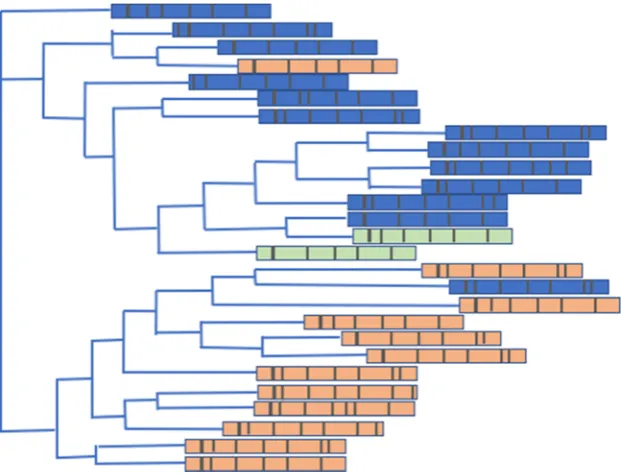
The next phase of research linked to biogenic effects is likely to rely on advances in molecular analysis, metagenomics (Thomas et al.2012) and metabolomics (Nicholson and Lindon2008) to assess the role of microbial assemblages in sediment behaviour. To date, prokaryotes (both archaebacteria and eubacteria) have largely been treated as aBblack box^ since only about 2% of known bacteria can be cultured (Wade2002). However, even basic methodology may demonstrate the importance and flexi-bility of bacterial assemblages in terms of sediment dynamics, opening a new research avenue for emerging next generation technologies. Flow is an intrinsic component of estuarine, fluvial and coastal systems and as such should be taken into consider-ation when assessing ecosystem processes. Sediment erosion is induced by post-critical flow rates (or stresses), which cause particles to be lifted from the sediment bed and become suspended in the water column. These conditions regularly occur in estuarine systems in response to tidal action and river flow but we have little information on how this cycle of resuspension and deposition affects benthic bacteria assemblages and their metab-olism. Microbial diversity has been successfully characterised in a wide variety of environments through amplification and se-quence analysis of 16S rRNA genes (D'Amore et al.2016). These techniques allow the characterisation of microbial commu-nities, avoiding the problems associated with laboratory cultiva-tion, and indicate that bacterial assemblages may respond rapidly to changes in environmental conditions (Currie et al.2017). Biles et al. (2003) used laboratory mesocosms to investigate the re-sponse of bacterial communities to static or flow conditions. Sediments were eroded into suspension or kept at sub-critical flow and maintained on the bed. Analysis and clustering of the resultant RNA profiles demonstrated a consistent separation
between the treatments, showing a rapid change in the activity once suspended in the flow (Fig.3).
Now, metagenomic analysis of environmental DNA is helping to build a database of operational taxonomic units (OTUs, molecular analogue for species) that reveals the diver-sity of entire microbial assemblages in immense detail. In recent work, nearly 200,000 bacterial OTUs have been record-ed from a laboratory incubation experiment using natural srecord-ed- sed-iments (Hicks et al. pers. comm). Having to interpret this level of microbial biodiversity will become common in the next decade, but in itself will be of less interest than the study of the processes (metabolomics) that the bacterial assemblages drive (Nicholson and Lindon2008). Part of this research will be the analysis of polymer production and secretion into the environment, as this medium is probably the major factor in mediating the response of the sediment to environmental forc-ing. Knowledge of how bacterial metabolism responds to en-vironmental change, if driven by rapid evolutionary change (niche construction), will therefore become a driving force for environmental microbial ecology (Logue et al.2015). There are, of course, other research themes beyond the scope of this current discussion including more precise determination of erosion dynamics in the laboratory and in the field, under-standing of bed-flow interaction on a microscale and the better understanding of how natural mixed sediment beds behave under ambient flow conditions to name only a few. In addi-tion, modelling is increasingly being developed (Hyder et al. 2015) to consider biological effects and ecohydraulic model-ling is already attempting to bridge the gap between abiotic and biotic disciplines. However, the parametrisation of biotic influence (in space and time) remains an issue. To include the full life cycle and metabolic pathways of all relevant microor-ganisms (including nutrient turnover, oxygen dynamics,
[image:8.595.233.544.478.715.2]reproduction, etc.) would be overwhelming but can we parameterise biological effects in a helpful manner? This still requires considerable thought and may affect the design of future experiment since there is a clear challenge to consider how the physical biotic interplay affects all aspects of sedi-ment dynamics.
7 Conclusions
There is a societal move away from solving all coastal and fluvial problems by hard engineering towards a more natural and ecosystem-based approach to coastal protection and flood mediation (Spalding et al.2014). In terms of the coast, sea defences are often breached and new areas of salt marsh or mudflat are being encouraged or restored. For rivers, there is increasing recognition that channelised systems can exacerbate episodic extreme events and several projects have been initiated to reintroduce a more natural pattern of flow and upstream Bstorage^of waters to alleviate such extremes. This is essen-tially a form ofBgeo-engineering^that is enhanced by a healthy and resilient biotic component, and to fully understand how aquatic habitats will adjust to environmental change and to support the provision of various ecosystem services, we require a holistic approach. We must consider all aspects that control the distribution of sediment and the ETDC cycle, including biological physical and chemical processes. In particular, the role of microbial assemblages is now recognised as a significant factor deserving greater attention across disciplines.
Funding information JAH was supported by NERC award, COHBED (NE/1027223/1). DMP received funding from the MASTS pooling ini-tiative (The Marine Alliance for Science and Technology for Scotland) and from the Extended Evolutionary Synthesis Research Program funded by the John Templeton Foundation and by NERC awards NE/J015644/ 1and NE/N016009/1 - CBESS, and Blue Coast. MASTS is funded by the Scottish Funding Council (grant reference HR09011) and contributing institutions.
Open AccessThis article is distributed under the terms of the Creative C o m m o n s A t t r i b u t i o n 4 . 0 I n t e r n a t i o n a l L i c e n s e ( h t t p : / / creativecommons.org/licenses/by/4.0/), which permits unrestricted use, distribution, and reproduction in any medium, provided you give appro-priate credit to the original author(s) and the source, provide a link to the Creative Commons license, and indicate if changes were made.
References
Aanensen DM, Feil EJ, MTG H, Dordel J, Yeats CA, Fedosejev A, Goater R, Castillo-Ramírez S, Corander J, Colijn C, Chlebowicz MA, Schouls L, Heck M, Pluister G, Ruimy R, Kahlmeter G, Åhman J, Matuschek E, Friedrich AW, Parkhill J, Bentley SD, Spratt BG, Grundmann H, European staphylococcal reference laboratory working group (2016) Whole-genome sequencing for routine pathogen surveillance in public health: a population snapshot of invasiveStaphylococcus aureusin Europe. mBio 7(3):e00444–e00416
Altermann W (2008) Accretion, trapping and binding of sediment in archean stromatolites—morphological expression of the antiquity of life. Space Sci Rev 135:1–4
Altermann W, Józef K (2003) Archean microfossils: a reappraisal of early life on Earth. Res Microbiol 154(9):611–617
Alsterberg C, Sundback K, Gamfeldt L (2014) Multiple stressors and multifunctionality: limited effects on an illuminated benthic system. Biol. Lett. 10: 20140640.https://doi.org/10.1098/rsbl.2014.0640 Amos CL, Brylinsky M, Sutherland TF, O’Brien D, Lee S, Cramp A
(1998) The stability of a mudflat in the Humber estuary, South Yorkshire, U.K. In: Black KS, Paterson DM, Cramp A (eds) Sedimentary processes in the intertidal zone. Geol. Soc. London, Special Publications, 139:25–43
Andersen TJ, Lanuru M, van Bernem C, Pejrup M, Riethmueller R ( 2 0 1 0 ) E r o d i bi l i t y o f a m i x e d m u d f l a t d o m i na t e d b y microphytobenthos andCerastoderma edule, East Frisian Wadden Sea, Germany. Estuar Coast Shelf Sci 87:197–206
Apitz SE, Elliott M, Fountain M, Galloway TS (2006) European envi-ronmental management: moving to an ecosystem approach. Integr Environ Assess Manag 2:80–85
Aspden RJ, Vardy S, Paterson DM (2004) Salt marsh microbial ecology: microbes, benthic mats and sediment movement. In: Fagherazzi S, Marani M, Blum LK (eds) The ecogeomorphology of tidal marshes. Am Geophy Union, Washington, DC.https://doi.org/10.1029/ CE059p0115
Beaumont NJ, Austen MC, Atkins J, Burdon D, Degraer S, Dentinho TP, Derous S, Holm P, Horton T, van Ierland E, Marboe AH, Starkey DJ, Townsend M, Zarzycki T (2007) Identification, definition and quantifi-cation of goods and services provided by marine biodiversity: implica-tions for the ecosystem approach. Mar Pollut Bull 54:253–265 Biles CL, Solan M, Isaksson I, Paterson DM, Emes C, Raffaelli D (2003)
Flow modifies the effect of biodiversity on ecosystem functioning: anin situstudy of estuarine sediments. J Exp Mar Biol Ecol 285:165–177 Bishop MJ, Kelaher BP (2013) Context-specific effects of the identity of
detrital mixtures on invertebrate communities. Ecol Evol 3:3986–3999 Black KS, Tolhurst TJ, Hagerthey SE, Paterson DM (2002) Working with
natural cohesive sediments. J Hydraul Eng 128(1):1–7
Boogert NJ, Paterson DM, Laland KN (2006) The implications of niche construction and ecosystem engineering for conservation biology. Bioscience 57(7):570–578
Borsje BW, de Vries MB, Hulscher SJMH, de Boer GJ (2008) Modeling large-scale cohesive sediment transport affected by small-scale bio-logical activity. Estuar Coast Shelf Sci 78(3):468–480
Bulling MT, Solan M, Dyson KE, Hernandez-Milian G, Luque P, Pierce GJ, Raffaelli D, Paterson DM, White PCL (2008) Species effects on ecosystem processes are modified by faunal responses to habitat composition. Oecologia 158:511–520
Chapman MG, Tolhurst TJ, Murphy RJ, Underwood AJ (2010) Complex and inconsistent patterns of variation in benthos, micro-algae and sediment over multiple spatial scales. Mar Ecol Prog Ser 398:33–47 Characklis WG, Marshall KC (eds) (1990) Biofilms. Wiley, New York Chen XD, Zhang CK, Paterson DM, Thompson CEL, Townend IH, Gong Z,
Zhou Z, Feng Q (2017) Hindered erosion: the biological mediation of non-cohesive sediment behaviour. Water Resour Res 53(6):4787–4801 Christensen MR, Graham MD, Vinebrooke RD, Findlay DL, Paterson MJ, Turner MA (2006) Multiple anthropogenic stressors cause eco-logical surprises in boreal lakes. Glob Chang Biol 12:2316–2322 Consalvey M, Paterson DM, Underwood GJC (2004) The ups and downs
of life in a benthic biofilm: migration of benthic diatoms. Diatom Res 19(2):181–202
Crane M, Burton GA, Allen G, Culp JM, Greenberg MS, Munkittrick KR, Ribeiro R, Salazar MH, St-Jean SD (2007) Review of aquaticin situapproaches for stressor and effect diagnosis. Integr Environ Assess Manag 3:234–245
and community composition in response to ocean acidification and elevated temperature in two contrasting coastal marine sediments. Front Microbiol 8:1599
Daehler CC, Strong DR (1996) Can you bottle nature? The roles of microcosms in ecological research. Ecology 77:663–664
D'Amore R, Ijaz UZ, Schirmer M, Kenny JG, Gregory R, Darby AC, Shakya M, Podar M, Quince C, Hall N (2016) A comprehensive benchmarking study of protocols and sequencing platforms for 16S rRNA community profiling. BMC Genomics 17:55
De Deckere EMGT, Tolhurst TJ, de Brouwer JFC (2001) Destabilisation of cohesive intertidal sediments by infauna. Estuar Coast Shelf Sci 56:665–669
Decrop B, De Mulder T, Toorman E, Sas M (2015) New methods for ADV measurements of turbulent sediment fluxes—application to a fine sediment plume. J Hydraul Res 53(3):317–331
Defew EC, Tolhurst TJ, Paterson DM (2002) Site-specific features influ-ence sediment stability of intertidal flats. Hydrol Earth Syst Sci 6: 971–982
Droppo IG, Liss SN, Williams D, Nelson T, Jaskot C, Trapp B (2009) Dynamic existence of waterborne pathogens within river sediment compartments: implications for water quality regulatory affairs. Environ Sci Technol 43(6):1737–1743
Dyson KE, Bulling MT, Solan M, Hernandez-Milian G, Raffaelli DG, White PCL, Paterson DM (2007) Influence of macrofaunal assem-blages and environmental heterogeneity on microphytobenthic pro-duction in experimental systems. Proc Biol Sci 274:2547–2554 Eisma D (1986) Flocculation and de-flocculation of suspended matter in
estuaries. Neth J Sea Res 20:183–199
Fagherazzi S, Mariotti G, Banks AT, Morgan EJ, Fulweiler RW (2014) The relationships among hydrodynamics, sediment distribution, and chlorophyll in a mesotidal estuary. Estuar Coast Shelf Sci 144:54–64 Friend PL, Lucas CH, Holligan PM, Collins MB (2008) Microalgal
me-diation of ripple mobility. Geobiology 6:70–82
Gerbersdorf SU, Wieprecht S (2015) Biostabilization of cohesive sements: revisiting the role of abiotic conditions, physiology and di-versity of microbes, polymeric secretion, and biofilm architecture. Geobiology 13:68–97
Gerbersdorf SU, Jancke T, Westrich B (2007) Sediment properties for assessing the erosion risk of contaminated riverine sites. J Soils Sediments 7(1):25–35
Gerbersdorf SU, Bittner R, Lubarsky H, Manz W, Paterson DM (2009) Microbial assemblages as ecosystem engineers of sediment stability. J Soils Sediments 9(6):640–652
Gerbersdorf SU, Cimatoribus C, Class H, Engesser K-H, Helbich S, Hollert H, Lange C, Kranert M, Metzger JW, Nowak W, Seiler T-B, Steger K, Steinmetz H, Wieprecht S (2015) Anthropogenic trace compounds (ATCs) in aquatic habitats—research needs on sources, fate, detection and toxicity to ensure timely elimination strategies and risk management. Environ Int 79:85–105
Godbold JA, Bulling MT, Solan M (2011) Habitat structure mediates biodiversity effects on ecosystem properties. Proc R Soc Lond Ser B Biol Sci 278:2510–2518
Graba M, Moulin FY, Boulêtreau S, Garabétian F, Kettab A, Eiff O, Sauvage S (2010) Effect of near-bed turbulence on chronic detach-ment of epilithic biofilm: experidetach-mental and modeling approaches. Water Resour Res 46(11).https://doi.org/10.1029/2009WR008679 Grabowski RC, Droppo IG, Wharton G (2010) Estimation of critical
shear stress from cohesive strength meter-derived erosion thresh-olds. Limnol Oceanogr Methods 8:678–685
Grabowski RC, Droppo IG, Wharton G (2011) Erodibility of cohesive sediment: the importance of sediment properties. Earth Sci Rev 105: 101–120
Hagadorn JW, McDowell C (2012) Microbial influence on erosion, grain transport and bedform genesis in sandy substrates under unidirec-tional flow. Sedimentology 59:795–808
Halpern BS, Walbridge S, Selkoe KA, Kappel CV, Micheli F, D’Agrosa C, Bruno JF, Casey KS, Ebert C, Fox HE, Fujita R, Heinemann D, Lenihan HS, Madin EMP, Perry MT, Selig ER, Spalding M, Steneck R, Watson R (2008) A global map of human impact on marine ecosystems. Science 319:948–952
Hannah DM, Wood PJ, Sadler JP (2004) Ecohydrology and hydroecology: a new paradigm? Hydrol Process 18:3439–3445 Hewitt JE, Thrush SF, Dayton PK, Bonsdorff E (2007) The effect of
spatial and temporal heterogeneity on the design and analysis of empirical studies of scale-dependent systems. Am Nat 169:398–408 Hicks N, Bulling MT, Solan M, Raffaelli D, White PCL, Paterson DM (2011) Impact of biodiversity-climate futures on primary production and metabolism in a model benthic estuarine system. BMC Ecol 11:7 Hodl I, Mari L, Bertuzzo E, Suweis S, Besemer K, Rinaldo A, Battin TJ (2014) Biophysical controls on cluster dynamics and architectural differentiation of microbial biofilms in contrasting flow environ-ments. Environ Microbiol 16:802–812
Hope JA (2016) The biological mediation of cohesive and non-cohesive sediment dynamics. Dissertation, University of St Andrews Hyder K, Rossberg AG, Allen JI, Austen MC, Bannister HJ, Barciela
RM, Blackwell PG, Blanchard JL, Burrows MT, Defriez E, Dorrington T, Edwards KP, Garcia-Carreras B, Heath MR, Hembury DJ, Heymans JJ, Holt J, Houle JE, Jennings S, Mackinson S, Malcolm SJ, McPike R, Mee L, Mills DK, Montgomery C, Pearson D, Pinnegar JK, Pollicino M, Popova EE, Rae LR, Rogers SI, Speirs D, Spence MA, Thorpe R, Turner RK, van der Molen J, Yool A, Paterson DM (2015) Making modelling count—increasing the contribution of shelf-seas community and ecosystem models to policy development and management. Mar Policy 61:291–302
Jones CG, Lawton JH, Shachak M (1994) Organisms as ecosystem engi-neers. Oikos 69:373–386
Kenworthy J, Paterson DM, Bishop MJ (2016) Response of benthic as-semblages to multiple stressors: comparative effects of nutrient en-richment and physical disturbance. Mar Ecol Prog Ser 562:37–71 Koca K, Noss C, Anlanger C, Brand A, Lorke A (2017) Performance of
the Vectrino profiler at the sediment-water interface. J Hydraul Res 55(4):573–581
Krumbein WE, Paterson DM, Stal, LJ (1994) Biostabilization of sedi-ments. Carl von Ossietzky Universität Oldenburg, pp 526 Laland KN, Odling-Smee FJ, Feldman MW (1999) Evolutionary
conse-quences of niche construction and their implications for ecology. PNAS 96:10242–10247
Le Hir P, Monbet Y, Orvain F (2007) Sediment erodability in sediment transport modelling: can we account for biota effects? Cont Shelf Res 27:1116–1142
Lick W, Jin L, Gailani J (2004) Initiation of movement of quartz particles. J Hydraul Eng 130(8):755–761
Logue JB, Findlay SEG, Comte J (2015) Editorial: microbial responses to environmental changes. Front Microbiol 6:1364
Lubarsky HV, Hubas C, Chocholek M, Larson F, Manz W, Paterson DM, Gerbersdorf SU (2010) The stabilisation potential of individual and mixed assemblages of natural bacteria and microalgae. PLoS One 5(11):13794
Malarkey J, Baas JH, Hope JA, Aspden RJ, Parsons DR, Peakall J, Paterson DM, Schindler RJ, Ye L, Lichtman ID, Bass SJ, Davies AG, Manning AJ, Thorne PD (2015) The pervasive role of biolog-ical cohesion in bedform development. Nat Commun 6:6257 Manning AJ, Baugh JV, Spearman JR, Whitehouse RJ (2010)
Flocculation settling characteristics of mud: sand mixtures. Ocean Dyn 60(2):237–253
Manzenrieder H (1983) Retardation of initial erosion under biological effects in sandy tidal flats. Dissertation, Leichtweiss Inst Tech Univ, Braunschweig, pp 469–479
Meadows PS, Anderson JG (1969) Micro-organisms attached to marine sand grains. J Mar Biol Assoc UK 48(01):161–175
Mietta F, Chassagne C, Manning AJ, Winterwerp JC (2009) Influence of shear rate, organic matter content, pH and salinity on mud floccula-tion. Ocean Dyn 59:751–763
Möller I, Kudella M, Rupprecht F, Spencer T, Paul M, van Wesenbeeck BK, Wolters G, Jensen K, Bouma TJ, Miranda-Lange M, Schimmels S (2014) Wave attenuation over coastal salt marshes under storm surge conditions. Nat Geosci 7:727–731
Moulin F, Eiff O (2012) Biofilms, hydraulics and sediment dynamics, HYDRALAB-IV Deliverable D7.1, EC contract no. 261520 Nicholson JK, Lindon JC (2008) Systems biology: metabonomics.
Nature 455(7216):1054–1056
Noffke N, Paterson DM (2008) Microbial interactions with physical sed-iment dynamics, and their significance for the interpretation of Earth’s biological history. Geobiology 6:1–4
Nowell ARM, Jumars PA, Eckman JE (1981) Effects of biological activ-ity on the entrainment of marine sediments. Mar Geol 42:133–153 Orvain F, Sauriau P-G, Bacher C, Prineau M (2006) The influence of
sediment cohesiveness on bioturbation effects due toHydrobia ulvaeon the initial erosion of intertidal sediments: a study combin-ing flume and model approaches. J Sea Res 55:54–73
Pachepsky YA, Shelton DR (2011)Escherichia coliand fecal coliforms in freshwater and estuarine sediments. Crit Rev Environ Sci Technol 4112:1067–1110
Parchure TM, Mehta AJ (1985) Erosion of soft cohesive sediment de-posits. J Hydol Eng 111:1308–1326
Parsons DR, Schindler RJ, Hope JA, Malarkey J, Baas JH, Peakall J, Manning AJ, Ye L, Simmons S, Paterson DM (2016) The role of biophysical cohesion on subaqueous bedform size. Geophys Res Lett 43:1566–1573
Passarelli C, Olivier F, Paterson DM, Hubas C (2012) Impacts of biogenic structures on benthic assemblages: microbes, meiofauna, macrofau-na and related ecosystem functions. Mar Ecol Prog Ser 456:85–97 Paterson DM (1994) Microbiological mediation of sediment structure and
behaviour. In: Caumette P, Stal LJ (eds) Microbial mats. NATO ASI Series 35:97–109
Paterson DM (1997) Biological mediation of sediment erodibility: ecol-ogy and physical dynamics. In: Burt N, Parker R, Watts J (eds) Cohesive sediments. Wiley, pp 215–229
Paterson DM, Black KS (1999) Water flow, sediment dynamics, and benthic biology. In: Raffaelii D, Nedwell D (eds) Adv Ecol Res. Oxford Univ Press, Oxford, pp 155–193
Paterson DM, Tolhurst TJ, Kelly JA, Honeywill C, de Deckere EMGT, Huet V, Shayler SA, Black KS, de Brouwer J, Davidson I (2000) Variations in sediment properties, Skeffling mudflat, Humber estu-ary, UK. Cont Shelf Res 20:1373–1396
Paterson DM, Aspden RJ, Visscher PT, Consalvey M, Andres MS, Decho AW, Stolz J, Reid RP (2008) Light-dependant biostabilisation of sediments by stromatolite assemblages. PLoS One 3(9):3176 Pereira MO, Kuehn M, Wuertz S, Neu T, Melo LF (2002) Effect of flow
regime on the architecture of aPseudomonas fluorescensbiofilm. Biotechnol Bioeng 78:164–171
Rice SP, Little S, Wood PJ, Moir HJ, Vericat D (2010) The relative contributions of ecology and hydraulics to ecohydraulics. River Res Appl 26:363–366
Righetti M, Lucarelli C (2007) May the Shields theory be extended to cohesive and adhesive benthic sediments? J Geophys Res 112(C5). https://doi.org/10.1029/2006JC003669
Schindler RJ, Parsons DP, Ye L, Hope J, Baas JH, Peakall J, Manning AJ, Aspden RJ, Malarkey J, Simmons S, Paterson DM, Lichtman I, Davies AG, Thorne PD, Bass S (2015) Sticky stuff: redefining
bedform prediction in modern and ancient environments. Geology 43(5):399–402
Schmidt H, Thom M, Matthies K, Behrens S, Obst U, Wieprecht S, Gerbersdorf SU (2015) A multi-disciplinarily designed mesocosm to address the complex flow-sediment-ecology tripartite relationship on the microscale. Environ Sci Eur 27:2
Schmidt H, Thom M, King L, Wieprecht S, Gerbersdorf SU (2016) The effect of seasonality upon the development of lotic biofilms and microbial biostabilisation. Freshw Biol 61:963–978
Shields A (1936) Anwendung der Ähnlichkeitsmechanik und der Turbulenzforschung auf die Geschiebebewegung. In: Mitteilungen der Preussischen Versuchsanstalt für Wasserbau und Schiffbau, Heft 26 Spalding MD, McIvor AL, Beck MW, Koch EW, Möller I, Reed DJ, Rubinoff P, Spencer T, Tolhurst TJ, Wamsley TV, van Wesenbeeck BK, Wolanski E, Woodroffe CD (2014) Coastal ecosystems: a crit-ical element of risk reduction. Conserv Lett 7:293–301
Spencer T, Möller I, Rupprecht F, Bouma TJ, van Wesenbeeck BK, Kudella M, Paul M, Jensen K, Wolters G, Miranda-Lange M, Schimmels S (2016) Salt marsh surface survives true-to-scale sim-ulated storm surges. Earth Surf Process Landf 41:543–552 Sutherland TF, Amos CL, Grant J (1998) The effect of buoyant biofilms
on the erodability of sublittoral sediment of a temperate microtidal estuary. Limnol Oceanogr 43:225–235
Thom M, Schmidt H, Gerbersdorf SU, Wieprecht S (2015) Seasonal biostabilisation and erosion behaviour of fluvial biofilms under dif-ferent hydrodynamic and light conditions. Int J Sediment Res 30: 273–284
Thomas T, Gilbert J, Meyer F (2012) Metagenomics—a guide from sam-pling to data analysis. Microb Inf Exp 2:3
Thrush SF, Halliday J, Hewitt JE, Lohrer AM (2008) The effects of habitat loss, fragmentation and community homogenization on re-silience in estuaries. Ecol Appl 18(1):12–21
Tolhurst TJ, Gust G, Paterson DM (2002) The influence of an extracel-lular polymeric substance (EPS ) on cohesive sediment stability. Proc Mar Sci 5:409–425
Tolhurst TJ, Friend PL, Watts C, Wakefield R, Black KS, Paterson DM (2006) The effects of rain on the erosion threshold of intertidal cohesive sediment. Aquat Ecol 40(4):533–541
Tolhurst TJ, Consalve M, Paterson DM (2008) Changes in cohesive sed-iment properties associated with the growth of a diatom biofilm. Hydrobiologia 596:225–239
Tolhurst TJ, Black KS, Paterson DM (2009) Muddy sediment erosion: insights from field studies. J Hydrol Eng 135(2):73–87
Unadkat H, Rielly CD, Hargrave GK, Nagy ZK (2009) Application of fluorescent PIV and digital image analysis to measure turbulence properties of solid–liquid stirred suspensions. Chem Eng Res Des 87(4):573–586
Vardy S, Saunders JE, Tolhurst TJ, Davies P, Paterson DM (2007) Calibration of the high-pressure cohesive strength meter (CSM). Cont Shelf Res 27:1190–1199
Vignaga E, Haynes H, Sloan WT (2012) Quantifying the tensile strength of microbial mats grown over noncohesive sediments. Biotechnol Bioeng 109:1155–1164
Violeau D (2012) Fluid mechanics and the SPH method: theory and applications. Oxford, pp 593
Wade W (2002) Unculturable bacteria—the uncharacterised organisms that cause oral infections. J R Soc Med 95(2):81–83
Wagner M, Manz B, Volke F, Neu TR, Horn H (2010) Online assessment of biofilm development, sloughing and forced detachment in tube reactor by means of magnetic resonance microscopy. Biotechnol Bioeng 107:172–181