A MIXED-METHODS EXAMINATION OF THE INFLUENCE OF SOCIAL
CONDITIONS AND SOCIAL NETWORKS ON THE SEXUAL RISK BEHAVIOR OF
STRUCTURALLY VULNERABLE AFRICAN AMERICAN MALE SUBSTANCE-USERS
Andrea Lynne Heckert
A dissertation submitted to the faculty of the University of North Carolina at Chapel Hill in partial fulfillment of the requirements for the degree of Doctor of Philosophy in the
Department of Health Behavior, Gillings School of Global Public Health.
Chapel Hill 2013
Abstract
ANDREA LYNNE HECKERT: Mixed-Methods Examination of the Influence of Social Conditions and Social Networks on the Sexual Risk Behavior of Structurally Vulnerable African American Male
Substance-Users
(Under the direction of Eugenia Eng, DrPH)
In spite of a decline in HIV infection among many behavioral risk groups in the US, African American men have experienced an increase in HIV incidence over the last decade. Important gaps exist in understanding how social conditions and social networks shape the HIV risk behaviors of structurally vulnerable African American substance-using men.
Manuscript 1 explored how social conditions shape sexual and drug-using norms and behaviors of African American men who have sex with men and women. Using in-depth interviews (n=16), inductive thematic analyses revealed patterns of political, structural, symbolic and everyday experiences of violence that place structurally vulnerable men at risk for HIV. Exposure to violence, ranging from personal addiction and incarceration to institutional racism and homophobia, shaped their masculine identity construction and sexual risk behaviors.
protective against the sale of sex for drugs or money, these same forms of social support were predictive of unprotected sex within sexual partner dyads.
The findings from this study suggest that the men reside in social environments that are not supportive of HIV prevention. The study calls attention to the persistent influence of violence on masculine identity construction and sexual risk behavior. It is especially pertinent to understand how men’s evaluation of their social roles may shape their risk behaviors. Additionally, the influence of sexual partner dyad characteristics and social support on unprotected sex merit further
Acknowledgements
I would like to express my gratitude to the men who participated in the two parent studies. From the start, my dissertation was rooted in social justice and was an effort toward solidarity. Over time, as I learned more about the social worlds that the men occupy and how they respond to assaults to their dignity and personhood, my dissertation also became a project of deep personal compassion.
I would like to thank Drs. Geni Eng, Clare Barrrington, Mike Bowling, Betsy Costenbader and Bill Zule for their invaluable insights and patience throughout the dissertation process. Geni has been a consummate guide throughout my doctoral training. I would also like to thank Drs. Betsy Costenbader and Bill Zule for entrusting me with their data. I would be remiss if I did not
acknowledge Dr. Susan Ennett for her indefatigable dedication to our doctoral training. I would also like to thank the other faculty and staff in the Department of Health Behavior for their dedication to our learning. Specifically, I would like to thank Dr. Suzanne Maman for her friendship and enriching teaching opportunities. As a student, and in a teaching capacity, I have been fortunate to interact with an amazing group of talented and engaged learners at UNC.
Wohl, Carol Golin, Dave Rosen, and Becky White from the UNC School of Medicine for their commitment to research and clinical practice at the intersection of incarceration, HIV care and prevention and for providing me invaluable lessons inside and outside of prisons. Thanks also go to Dr. Chris Wiesen and Paul Mihas from the Odum Institute. I would also like to thank Dr. Tom Valente from the University of Southern California for his gracious guidance on exploring social network analysis.
TABLE OF CONTENTS
LIST OF TABLES ... XI LIST OF FIGURES ... XIII LIST OF ABBREVIATIONS ... XIV
CHAPTER 1. INTRODUCTION ... 1
1.1 PROBLEM STATEMENT ...1
1.2 STUDY RATIONALE ...4
1.3 STUDY AIMS ...5
1.4 ORGANIZATION OF THE DISSERTATION ...7
CHAPTER 2. LITERATURE REVIEW ... 10
2.1 EPIDEMIOLOGIC PROFILE OF AFRICAN AMERICAN MEN AND THEIR COMMUNITIES ... 10
2.2 SOCIAL CONDITIONS UNDERGIRDING HIV RISK BEHAVIOR ... 13
2.3 SUMMARY OF SUBSTANTIVE KNOWLEDGE AND GAPS IN UNDERSTANDING SEXUAL ... EXCHANGE AS AN HIV RISK BEHAVIOR ... 24
2.4 INTERVENTIONS INTENDED TO REDUCE HIV BEHAVIORAL RISKS AMONG AFRICAN ... AMERICAN MALE SUBSTANCE USERS ... 26
2.5 METHODOLOGICAL APPROACHES TO UNDERSTANDING THE INFLUENCE OF SOCIAL ... NETWORKS ON HIV RISK BEHAVIOR ... 27
CHAPTER 3. RESEARCH PARADIGM, THEORETICAL FRAMEWORK & CONCEPTUAL MODEL... 30
3.1 PARENT STUDY OVERVIEW... 30
3.5 STUDY AIMS, RESEARCH QUESTIONS & HYPOTHESES ... 39
CHAPTER 4. METHODS ... 43
4.1 SAMPLING STRATEGIES FOR THE PARENT STUDY ... 43
4.2 DATA COLLECTION FOR THE PARENT STUDY ... 45
4.3 RECRUITMENT & ELIGIBILITY CRITERIA FOR THE PARENT STUDY ... 46
4.4. STUDY SAMPLE ... 48
4.5 DOMAINS OF INQUIRY AND MEASURES ... 49
4.6 DATA MANAGEMENT ... 56
4.7 DATA ANALYSIS ... 57
4.8 DIAGNOSTICS FOR AIM 2 AND AIM 3 ... 74
4.9 INTEGRATION OF QUANTITATIVE AND QUALITATIVE ANALYSIS AND FINDINGS... 75
CHAPTER 5: MANUSCRIPT 1 ... 78
5.1 INTRODUCTION ... 78
5.2 METHODS ... 84
5.2.1 Sampling & Recruitment ... 84
5.2.2 Data Collection ... 85
5.2.3 Data Analysis ... 86
5.3 RESULTS ... 87
5.3.1 Description of Participants ... 87
5.4 DISCUSSION ... 105
CHAPTER 6. MANUSCRIPT 2 ... 110
6.1 INTRODUCTION ... 110
6.1.1 Theoretical Framework ... 114
6.2.1 Sampling, Recruitment & Eligibility ... 116
6.2.2 Data Collection ... 117
6.2.3 Measures ... 118
6.2.4 Analysis ... 120
6.3 RESULTS ... 121
6.3.1 Description of Respondents ... 121
6.3.2 Description of Personal Network Composition and Social Support Function ... 123
6.3.3 Correlates of Selling Sex for Drugs or Money ... 124
6.3.4 Description of Respondents’ Sexual Partners ... 127
6.3.5 Sexual Partner Dyad Characteristics and Social Support Function ... 128
6.3.6 Correlates of Unprotected Sex within Sexual Partner Dyads ... 129
6.4 DISCUSSION ... 133
CHAPTER 7: CONCLUSION ... 139
7.1 SUMMARY OF FINDINGS ... 139
7.2 STUDY LIMITATIONS ... 148
7.4 IMPLICATIONS FOR FURTHER RESEARCH ... 150
7.5 PRACTICE IMPLICATIONS ... 152
7.6 POLICY IMPLICATIONS ... 154
APPENDIX A: SAMS SEMI-STRUCTURED INTERVIEW GUIDE ... 155
APPENDIX B: SAMS DEMOGRAPHIC & SEXUAL RISK BEHAVIOR SURVEY... 160
APPENDIX C: SATH-CAP NETWORK STUDY NON-REPEATING SURVEY INSTRUMENT ... 161
APPENDIX D: AIM 2 EXPLANATORY VARIABLES IN COUNT FORMAT ... 194
List of Tables
Table 3.1 Strengths and limitations of quantitative and qualitative inquiry... 33
Table 3.2 Definition of four forms of social support ... 36
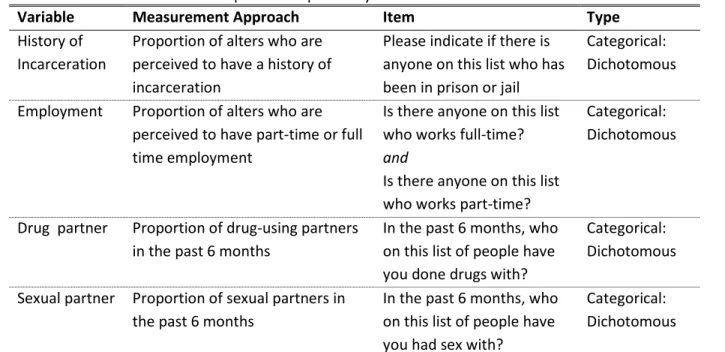
Table 4.1 Personal network composition explanatory variables for Aim 2 ... 51
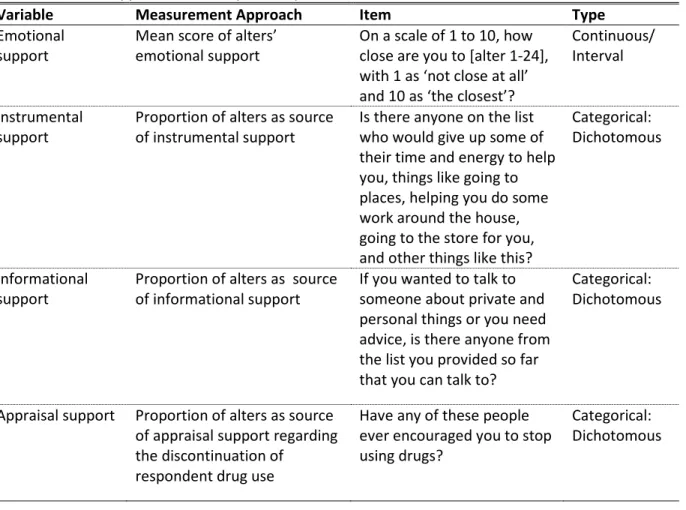
Table 4.2 Social support function explanatory variables for Aims 2 and 3 ... 53
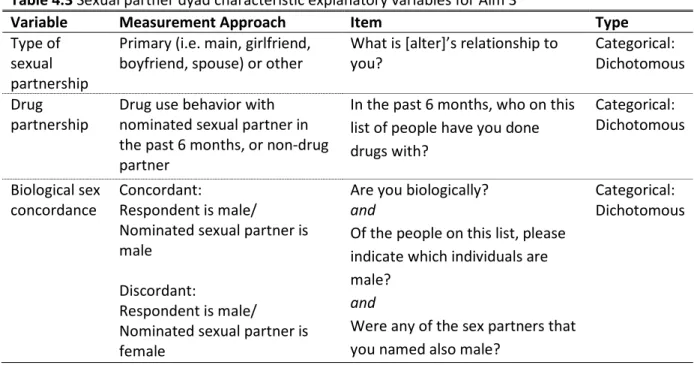
Table 4.3 Sexual partner dyad characteristic explanatory variables for Aim 3 ... 56
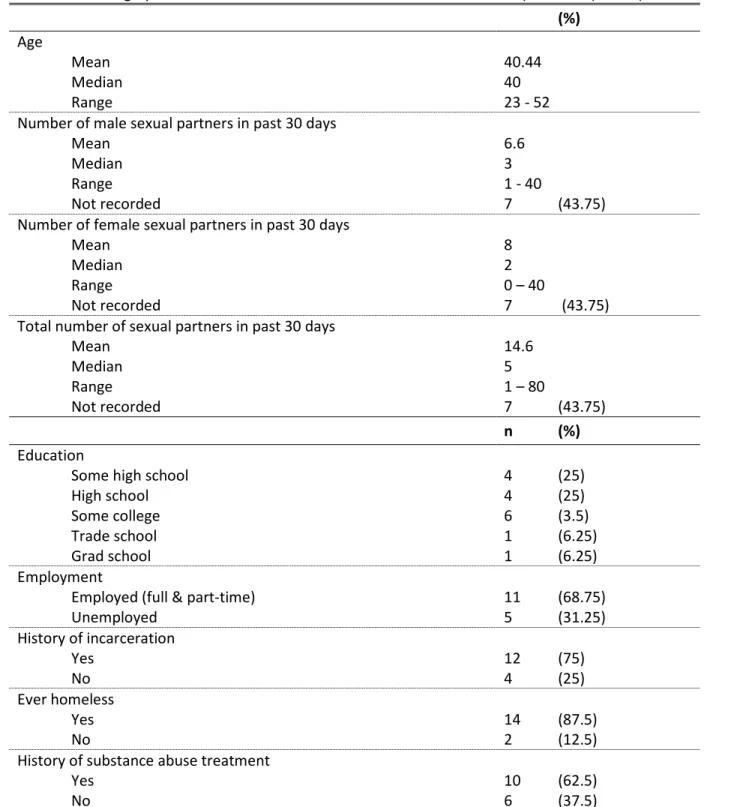
Table 4.4 Demographic characteristics and sexual risk behavior of Aim 1 respondents ... 61
Table 4.6 Control variables for Aim 2 ... 64
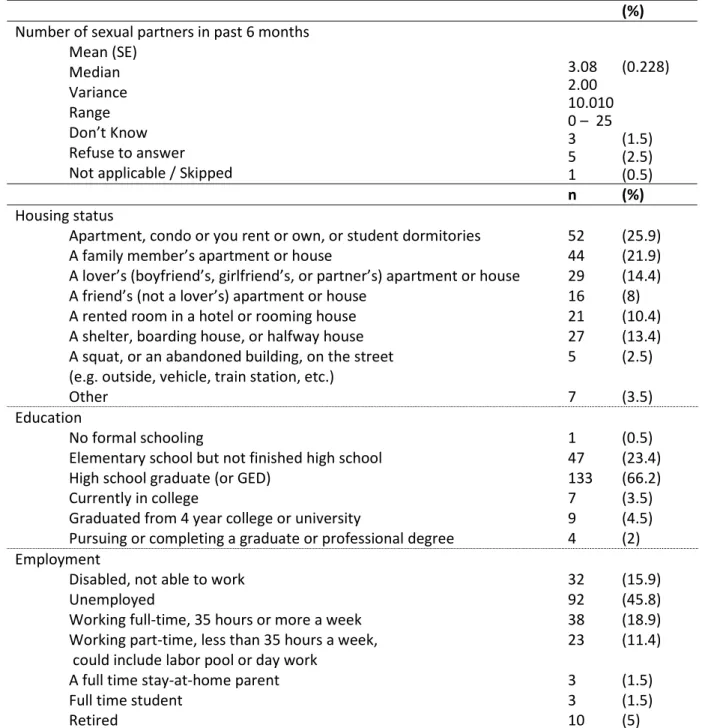
Table 4.7 Demographic characteristics of Aim 2 respondents ... 67
Table 4.8 Outcome variable for Aim 2... 68
Table 4.9 Personal network composition explanatory variables for Aim 2 ... 69
Table 4.10 Social support function explanatory variables for Aim 2 ... 70
Table 4.11 Missing data for the Aim 3 Dataset ... 71
Table 4.12 Demographic characteristics of respondents' nominated sexual partners for Aim 3 ... 73
Table 4.13 Outcome variable for Aim 3... 73
Table 4.14 Dyad characteristics and social support function variables used to model unprotected sex within sexual partner dyads ... 74
Table 5.1 Participant demographic characteristics and HIV risk behavior ... 89
Table 5.2 Participant responses to sexual identity question ... 102
Table 6.1 House typology of social support ... 118
Table 6.2 Characteristics of study respondents ... 122
Table 6.6 Dyad characteristics and social support function variables used to
model unprotected sex within sexual partner dyads... 129
Table 6.7 Unadjusted and adjusted odds ratios for unprotected sex in sexual partner dyads ... 132
Table 4.15 Unadjusted and adjusted odds ratios for selling sex for drugs or money using explanatory variables in count format ... 194
Table 4.16 Testing null hypotheses of equality producing p values for the composite explanatory variables predicting the sale of sex for drugs or money ... 195
Table 4.17 Unadjusted odds ratios for the sale of sex for drugs or money using explanatory variables in composite format ... 196
Table 4.18 Adjusted odds ratios for selling sex for drugs or money using explanatory variables in composite format ... 197
Table 4.19a Mean of outcome variable (A40a) conditional on group membership ... 198
Table 4.19b Mean of outcome variable (A40a) conditional on group membership ... 199
Table 4.20 Proportion of other study respondents’ report sale of sex for drugs or money ... 200
Table 4.21 Assessment of collinearity of explanatory variables for Aim 2 ... 201
List of Figures
Figure 3.1 Conceptual model for Aims 1, 2 and 3 ... 38
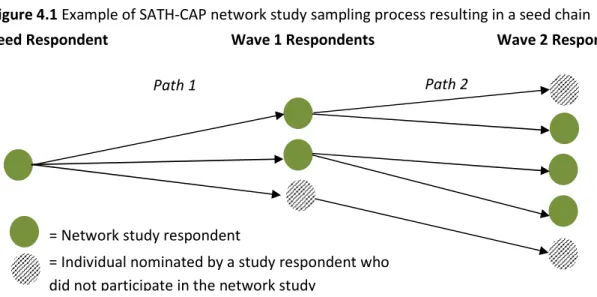
Figure 4.1 Example of SATH-CAP network study sampling process resulting in a seed chain ... 44
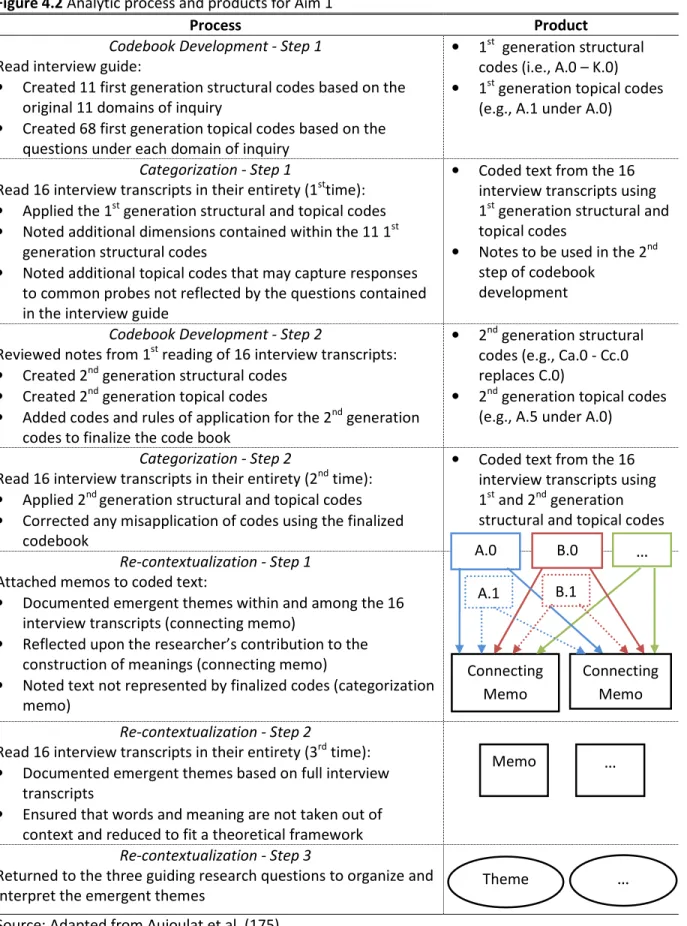
Figure 4.2 Analytic process and products for Aim 1 ... 60
List of Abbreviations
AIDS acquired immunodeficiency syndrome ACASI audio computer-assisted self -interviewing CDC Centers for Disease Control and Prevention
HCV hepatitis C virus
HIV human immunodeficiency virus
IDU injection drug user
IRB institutional review board
LWH living with HIV
LWHA living with HIV/AIDS
MSM men who have sex with men
MSMW men who have sex with men and women
MSW men who have sex with women
PDI peer-driven interventions
PI principal investigator
RTI RTI International
SAMS Sexually Active Men’s Study
SATH-CAP Sexual Acquisition and Transmission of HIV Cooperative Agreement Program
STI sexually transmitted infection
SNA social network analysis
CHAPTER 1. INTRODUCTION
1.1 PROBLEM STATEMENT
The human immunodeficiency virus (HIV) and acquired immunodeficiency syndrome (AIDS) epidemic is one of the most pressing public health problems faced by African American communities in the United States (US). African Americans comprise 13% of the US population (1), yet they
represented 45% of new HIV infections in 2006 (2). HIV infection is the second leading cause of death among African Americans (3), who are diagnosed at more advanced HIV disease stages and experience the shortest survival after an AIDS diagnosis when compared to other racial/ethnic groups in the US (4). In 2006, the HIV incidence rate for African American men was two times as high as that of African American women and six times as high as that of white men (5).
In particular, structurally vulnerable, African American, men are an established population at risk for HIV acquisition and transmission. Structurally vulnerable individuals occupy social positions that are historically and disproportionately burdened by economic exploitation and multiple forms of discrimination (6). In public health research, these individuals are most often characterized as having limited formal education, a low income, a history of incarceration, and are unemployed or underemployed (7).
Mounting evidence suggests that substance-using African American men are
exchange is not merely a survival or subsistence-oriented behavior, but may be considered a normalized strategy for material gain in resource-limited communities (17, 18). Commercial sex work, which is a subcategory of sexual exchange and not the focus of the present study, is more often considered a primary income-generating activity occurring in more delineated spaces, such as brothels and street corners (10). It is more difficult to define and intervene upon less commercial forms of sexual exchange. The distinction between casual and exchange sexual partnerships is often unclear (10), which may make the negotiation of condom use more difficult. The determinants of sexual exchange from the seller’s perspective is not clearly understood, although it is assumed that individuals selling sex in this context have less power to dictate condom use with sexual partners who are purchasing sex from them. Greater risk taking is also assumed to occur under the influence of substances during sexual exchange. Studies have demonstrated greater HIV seroprevalence among men and women who engage in sexual exchange (8-13). Sexual exchange was the most salient predictor of HIV risk behaviors among participants in the National Institute of Mental Health Multi-Site HIV Prevention Trial (14). Jenness and colleagues found that male and female study respondents reported engaging in comparable rates of unprotected sex with exchange and non-exchange partners (10). Similarly, in a clinic-based study of men, sexual non-exchange for drugs or money was associated with unprotected sex and concurrent sexual partnering (12). Another study indicated that the strongest correlate of insertive or receptive unprotected anal intercourse (UAI) among African American MSM and MSMW was engaging in sexual exchange (19).
MSW) since they may traverse different sexual networks characterized by varied sexual risk behavior norms and HIV prevalence (10, 15, 20, 21). Rietmeijer and colleagues found that, among a diverse sample of MSM, up to one third of the men did not identify as gay and that, among MSM who injected drugs, more than half reported engaging in sexual exchange (22). Additionally, the authors found that the men who engaged in sexual exchange reported a greater number of sexual partners, more frequent anal sex with women and men, and inconsistent condom use during anal sex with casual sexual partners. They also discovered that men who engaged in sexual exchange with men, as well as those who injected drugs, were more likely to report inconsistent condom use during vaginal sex with female partners when compared to other MSM participating in the study (22). Others suggest that up to one third of male respondents recruited for MSM and non-MSM US-based studies report having sex with both men and women (19, 23). Malebranche and colleagues have described this phenomenon as a “bisexual bridge” that may put lower-risk female sexual partners at greater risk of HIV infection (24). However, other studies provide evidence that individuals involved in sexual exchange may not be bridging higher and lower-risk sexual networks. For example,
Gorbach and colleagues suggest that sexual exchange behavior may contribute to the concentration of HIV infection among men and women with a “pressing need for drugs and money” (25). With such conflicting evidence, Malebranche and other researchers caution us to move beyond a facile demonization of African American men as vectors of HIV and other sexually transmitted infections (STI).
influence of sexual and drug-using networks on HIV transmission behavior as well as larger social structures and processes, such as residential racial segregation and racial profiling by police that may shape risk networks and the behaviors within these networks (28). Few studies have addressed commercial and non-commercial sexual exchange by and among men. Whereas scholarship about female sexual exchange and commercial sex work often addresses threats to personal safety and limited power that impede HIV prevention behavior, very little is understood about men who engage in sexual exchange. For example, issues of violence victimization and restricted agency to negotiate condom use, with substance use as a back-drop, have largely gone unexplored (29). 1.2 STUDY RATIONALE
The sale of sex for drugs or money as a co-occurring risk behavior with unprotected sex among African American male substance users has been under-examined. The purpose of this mixed-methods study was to understand how social conditions shape the composition, social support function, and normative behavior formation which, in turn, may influence the sale of sex for drugs or money. Additionally, I examined how the dyadic characteristics and social support function of African American male substance-users and their sexual partners were associated with
unprotected sex. It is important to understand the determinants of sexual exchange from the seller’s perspective because it is assumed that individuals selling sex in this context have less power and control to dictate condom use with sexual partners who are purchasing sex from them. It is also important to note that sexual exchange is not merely a survival- or subsistence-oriented behavior and that it may be considered a normalized strategy for material gain in resource-limited
behavior into an often unintended collective outcome” (31). In this case, the unintended collective outcome is the disproportionate HIV burden experienced by African American male substance users in North Carolina.
The present study utilized a mixed-methods design and qualitatively examined how social conditions shape the composition, function, and both the formation and maintenance of behavioral norms within the social networks of African American, male substance users who report high-risk sexual behaviors. The present study also used a separate dataset to quantitatively model how the composition and function of similar social networks of African American male substance users influenced their sale of sex for drugs or money. A second quantitative model examined the association between a set of sexual partner dyadic characteristics and unprotected sex between these same men and their sexual partners. This dyadic analysis expanded on the examination of social network composition in the first quantitative model in order to better understand whether articular dyadic characteristics are a driving force behind condom use among African American male respondents. Findings from the present mixed-methods study can inform more effective, culturally-responsive, network-based interventions to prevent and control transmission of HIV and other sexually transmitted infections (STI) among this population. The nonrandom nature of networks is what makes them inherently social (32) and, therefore, suitable for skills- and norms-based
interventions that develop new and bolster existing health-promoting network ties, facilitate multi-faceted social support through lay health advising (LHA), and strengthen health-promoting dynamics within social networks through community-based participatory action (33-35).
1.3 STUDY AIMS
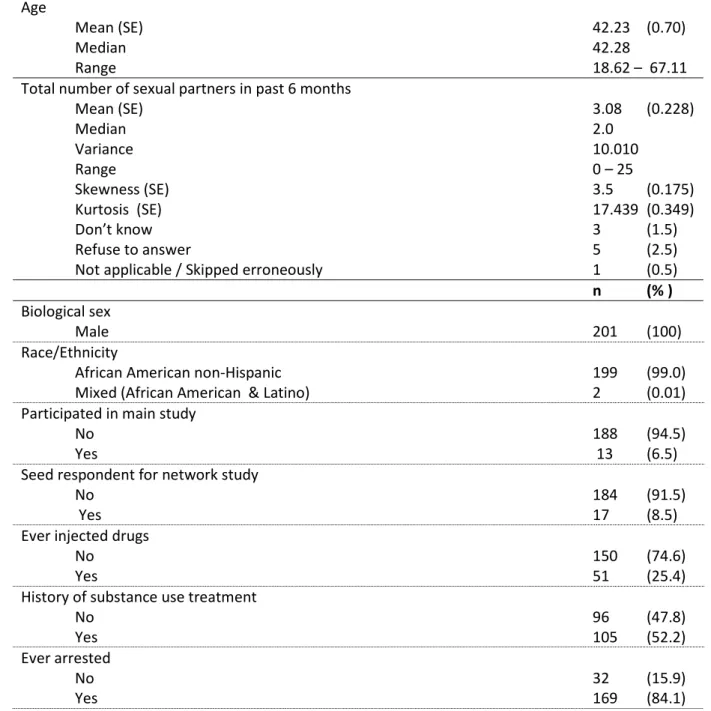
(SATH-CAP) Network Study. Overviews of both studies are covered in Chapter Three and are then described in greater detail in Chapter Four. For the first study aim, I used in-depth interview data completed with 16 African American MSMW who participated in SAMS from 2007 to 2008 in two urban counties (Durham and Wake) in North Carolina. For study Aims 2 and 3, I used network survey data from 201 African American MSM, MSMW and MSW who participated in the SATH-CAP network study from 2007 to 2008 in the same two urban counties and two adjacent rural counties (Chatham and Johnston). The 201 African American men represented the largest subset of the SATH-CAP network study dataset, which also contained responses from African American women as well as white and Latino men and women. For study Aim 2, I used responses from the 201 African American men to measure the composition and social support function of the respondents’ social networks to predict the African American male respondents’ sale of sex for drugs or money. For study Aim 3, I converted the original subset of 201 responses to a dyadic dataset to study the relationship between a set of dyadic characteristics and unprotected sex among African American male
respondents and their nominated sexual partners. A dyadic dataset is one in which the original data were converted so that each observation represented the respondent and each nominated alter, that is, a study respondent who nominated two individuals contributed two observations. Therefore, for the third study aim, the converted dataset contained 229 observations.
From this point forward, the qualitative and quantitative study datasets will be referred to as the ‘parent study’. Specifically, the mixed-methods study sought to achieve the following complementary qualitative and quantitative aims:
Aim 2: To examine the relationship between the composition and social support function of African American male respondents’ social networks and their sale of sex for drugs or money.
Aim 3: To examine the relationship between dyadic characteristics, social support function, and unprotected sex among African American male respondents and their nominated sexual partners. 1.4 ORGANIZATION OF THE DISSERTATION
This first chapter introduces the public health problem of disproportionate HIV disease burden among African American male substance users, selling sex for drugs or money, and the co-occurring risk behavior of unprotected sex. The chapter also specifies the qualitative and
quantitative study aims for the mixed-methods study. The second chapter summarizes
epidemiologic data for African American men regarding HIV risk and substance use, and synthesizes findings from studies of social conditions relative to the formation and maintenance of behavioral norms, the composition and social support function of social networks, and their influence on HIV risk behaviors among African American male substance users. Reported correlates of selling sex for drugs or money and unprotected sex are presented with special emphasis given to conceptual and methodological approaches used by these studies. The literature review then highlights evidence generated by intervention research that focuses on the social networks of African American male substance users that are designed to reduce behavioral risks for a range of health issues, including but not limited to, HIV. Chapter Two concludes by summarizing the substantive and methodological gaps in the scientific literature that the mixed-methods study sought to address. The third chapter begins by describing mixed-methods studies as part of a pragmatic research paradigm. The theoretical framework for this inquiry will be described and then displayed visually with a
network study data used for study Aims 2 and 3 are provided. Information on the sampling, qualitative domains of inquiry, quantitative measures, data management, and data analysis plans are described for each study aim. The fourth chapter also provides an explanation as to how the study used quantitative and qualitative methods to answer the three study aims with an eye toward an integrated set of recommendations for further research and public health practice. Basic
descriptive statistics and a power analysis are included for the SATH-CAP network study data used for study Aims 2 and 3. The potential study limitations, strengths, and significance of the integrated study will complete Chapter Four.
The dissertation is organized with two manuscript chapters. Thus, the fifth chapter includes introduction, methods, results and discussion sections for qualitative study Aim 1. The sixth chapter includes introduction, methods, results and discussion sections for quantitative study Aim 2 and Aim 3. Acronyms and abbreviations were re-introduced in Chapter Five (Manuscript 1) and Chapter Six (Manuscript 2) because these two chapters could be treated as stand-alone manuscripts. In Chapter 5 (Manuscript 1), the term ‘participant’ is used rather than ‘respondent’ because it is a more
CHAPTER 2. LITERATURE REVIEW
2.1 EPIDEMIOLOGIC PROFILE OF AFRICAN AMERICAN MEN AND THEIR COMMUNITIES
HIV and other STI, including syphilis, chlamydia and gonorrhea, represent one of the gravest sets of health disparities encountered by African American communities (36, 37). In spite of a decline in HIV infection rates among many behavioral risk groups in the US, African American MSM, MSMW, and MSW have experienced an increase in HIV incidence over the last decade (4). In 2006, African American MSM represented 35% of new HIV infections among MSM for all racial/ethnic groups and 63% of new HIV infections among all African American men (5). One study demonstrated that, among African American men recruited in Los Angeles, the odds of living with HIV (LWH) were 30 times greater among MSMW than MSW, and the odds of HIV infection among MSM were 13 times greater than MSW (38). A study of MSM conducted in five US cities found that 46% of African American MSM tested positive for HIV and 67% of these men were unaware of their positive serostatus until participation in the study (39). Similarly, in a six-city study of young MSM who were tested for HIV, 91% of African American young MSM versus 60% of white young MSM were unaware of their positive serostatus until participating in the study (40). Other studies show that African American, non-gay identified MSM report lower HIV screening rates (41, 42) and less consistent condom use (24, 27) than African American MSM who identify as gay. Furthermore, evidence demonstrates that African American MSMW are less likely to disclose their same-sex behavior to at least one sexual partner when compared to African American MSM (19).
After sexual contact with men, injection drug use (IDU) is the second most attributable
with HIV or AIDS (LWHA) are infected through IDU than individuals of other racial/ethnic groups (43). In 2008, IDU behavior accounted for 18% of all AIDS diagnoses among African Americans in the US (44). Furthermore, among African American men LWH, 20% report heterosexual sexual contact as the likely transmission route(44). Moreover, national data suggest that a growing number of HIV infections are due to heterosexual contactand that exchange sex is a key risk behavior driving HIV
infection among heterosexual sub-populations (45, 46).
In the Southeastern US, African American men and women comprise 75% of all new HIV cases (46). In 2007, African Americansconstituted67% of North Carolina residents LWHA, although they comprised only 22% of the state’s population (47). In this year, 41% of new HIV cases were
attributed to MSM behavior followed by 23% of new HIV cases attributed to IDU (48). HIV infection attributed to heterosexual sexual contact among men and women is estimated at 26.9% in North Carolina compared to general US estimates of 18% (48).
It is estimated that the prevalence of HIV is five- to eight-fold greater among US inmates compared to non-incarcerated individuals (49). Estimates also indicate that African American male and female prisoners are five times as likely to live with HIV than individuals who are not
state prison population, though they comprised only 11% of the state population (49) . Rosen and colleagues examined the behaviors and characteristics associated with HIV infection among newly incarcerated inmates in the North Carolina state prison system who participated in voluntary opt-in HIV testing from 2004 to 2006. They found that, among male prisoners, the greatest risk factors for testing HIV positive were MSM behavior, being African American, non-white race/ethnicity, and an age range of 35 to 44 years (54).
It has been posited that the greater representation of African Americans in jails and prisons for drug-related crimes is not necessarily due to greater drug abuse or dependence but, rather,
Asians, African Americans who drank were significantly less likely to report high-risk or heavy episodic drinking compared to all other ethnic groups. However, among African American drinkers, males and the unemployed were the most likely to report heavy drinking and drinking-related problems with employment, interpersonal relationships, arrest and incarceration, and driving while under the influence (59).
2.2 SOCIAL CONDITIONS UNDERGIRDING HIV RISK BEHAVIOR
Since the advent of HIV/AIDS, scholars and activists have acknowledged the influence of social conditions on HIV transmission (60). This argument has been further underscored by the shift in HIV disease burden over the last 32 years from predominantly white, middle class, gay-identified MSM and IDU to communities of color and other marginalized populations (51, 61, 62). Despite HIV prevention efforts in disadvantaged African American communities, behaviors associated with HIV transmission may persist where individuals confront different material, social and psychological needs not experienced by members of more socially advantaged communities (63). It must also be noted that, despite efforts at safer sex practices, there may be greater STI and HIV incidence in more disadvantaged communities due to more established HIV infection among pools of drug and sexual partners (37, 64, 65), elevated sexual partnership turnover and concurrency (66), and barriers to health care utilization that impede prevention and/or timely testing, and diagnosis and treatment of HIV and other STI (37, 65, 67-70). For example, later in this chapter, the disproportionate
incarceration burden experienced by African Americans will be highlighted as a social condition influencing HIV risk behavior, including sexual exchange. This will be followed by a discussion of other social conditions, including employment challenges in marginalized African American communities.
American communities. For example, across several US inner cities, Kadushin et al. examined relationships between drug dependence and ‘interpersonal drug use’ and ‘neighborhood drug use’ systems. While they found greater drug dependence among whites than African Americans, the authors also reported that being African American was the greatest predictor of residing within a neighborhood drug use system where observation of public intoxication, drug use, and easy access to marijuana was more prevalent (71). Similarly, a Baltimore-based study looked at the influence of disadvantaged neighborhoods and social network factors on drug use in predominantly African American neighborhoods. They found that neighborhood poverty was strongly associated with current use of cocaine and heroin (72).
2.2.1 Composition of Personal Networks and Behavioral Norms
colleagues reported that IDU recognized their drug partners as having a greater influence on drug-using behavior than family or friends who they included in their social networks (72). In a separate study, Latkin and colleagues categorized predominantly African American IDU networks into four risk levels and examined the association with various HIV risk behavior norms (79). IDU among the riskiest networks (where multiple members shared needles) were the most likely to perceive their peers as supportive of sexual exchange and risky needle-sharing practices. This relationship was further pronounced among males. Mid-level risk networks of IDU (where multiple members shared cookers but did not share needles) were less likely to endorse risky drug and sexual behavioral norms. Friedman and colleagues discovered that the protective norms among an IDU network were associated with low HIV prevalence among members despite a location in a neighborhood with high HIV prevalence and high levels of risky sexual behavior (80). In the Dominican Republic, Barrington
and colleagues found that male partners of female sex workers reported significantly more
consistent condom use with these partners if they were encouraged to use condoms by their peers and if they perceived that their peers used condoms consistently (77). Costenbader et al. assessed changes in the composition of IDU social networks in a longitudinal, HIV-intervention study in Baltimore, Maryland. At the intervention follow-up, participants who reported a new set of drug-using members in their social network were more than three times as likely to be in an even riskier behavioral group. Conversely, intervention participants who reported all new non-drug-using members into their social networks increased their likelihood of being in a lower risk behavioral group (81).
2.2.1.1 Incarceration
82-88). The relationship between incarceration and other explanatory variables is evident
throughout much of the literature. Attention to incarceration is warranted as it will inform feasible interventions in criminal justice-related settings and time periods, including pending release from jails, prisons, post-release parole, and probation supervision.
In a study of North Carolina African Americans living with HIV, Adimora and colleagues found that the most salient risk factors associated with HIV infection among women who did not report high-risk sexual or drug-use behavior included sexual partners with a history of incarceration, less than a high school diploma, a recent inability to meet basic living needs, and a sexual partner with concurrent sexual partners (89). Thomas and Torrone describe how the destabilization of North Carolina communities through the “forced migration” of men to jails and prisons contribute to increased STI rates in home communities (90). These studies suggest that sex ratio imbalances and the destabilization of existing sexual relationships in urban and rural African American communities in North Carolina are a result of high incarceration rates and premature mortality among African American men. These factors increase the total lifetime number of sexual partners, impact patterns of concurrent sexual partnering (84), potentially reduce the negotiation power of individuals seeking sexual partnerships with men, and may lead to “an emergence of a market for male sexual
services sold to female consumers” (66). More recently, Khan et al. found that newly released, North Carolina ex-offenders engaged in sexual exchange and drug use at higher rates than men who had been released from prison for a greater length of time (20). Blankenship and colleagues
describe how a history of incarceration reduces individual earning potential and how this lack of income may impact the ability to negotiate condom use by both men and women (51).
history of incarceration. In turn, these risk factors are associated with sexual exchange and will be described in greater detail in the following sections. A history of incarceration may also prompt greater exposure to these risk factors due to restrictive hiring and housing policies, and social stigma encountered by individuals with a history of incarceration (55, 93, 94).
2.2.1.2 Employment
Community-level unemployment and underemployment are associated with various risk behaviors and poor health outcomes (86, 95). Evidence suggests that potential employers often consider African American men as “suspect” and poor employee prospects, irrespective of personal involvement in the criminal justice system (96). In an examination of the influence of neighborhood poverty and personal network attributes on current drug use, Williams and colleagues found that social networks with a greater proportion of employed peers and peers that could offer social support were protective against current heroin and cocaine use. However, such protective network attributes did not safeguard against the impact of neighborhood poverty on current drug use (72).
Revisiting the intersection of incarceration and unemployment among African American men, Rose and Clear describe how ex-offenders return to home communities with few financial resources and many financial needs, including food and shelter, clothing, transportation, and criminal justice costs (i.e., attorney fees, supervision fines, and court fees) (93). Prison-based
illegally than with people who run legitimate businesses.It appears that as time spent in prison increases, the likelihood of participating in the legal economy decreases” (91). Employment opportunities that are available to ex-offenders tend to be unstable with low wages, limited hours, and no employee benefits, which may necessitate multiple jobs to meet basic needs. Peterisilia explains that, overall, employers are hesitant to offer jobs to individuals with criminal records (97). She and others add that many stable employment fields such as law, medicine, nursing, physical therapy, and education are prohibited from employing individuals with felonies (91).
2.2.1.3 Substance Use
Social, sexual and drug-using networks have a role in shaping and reproducing HIV-related behavioral norms (11, 28, 78, 98, 99). Among a sample of predominantly African American drug users in Baltimore, Maryland, Latkin et al. found that the composition of drug-using networks was associated with sexual exchange for drugs or money. Specifically, individuals who engaged in sexual exchange reported a higher number of crack smokers and a lower number of family members in their social networks (98). In a sample of women who sold sex for drugs or money in Harlem, New York, McMahon and colleagues found that most women used condoms in their last sexual exchange with men, though this relationship was attenuated once substance use was included (18). Norris et al. looked at the relationship between alcohol use, sexual exchange, and STI in Tanzania. They found that respondents believed their sexual exchange was associated with riskier sexual behavior and that alcohol abuse put them at greater risk of future sexual exchange and exposure to STI (100).
In a study examining the spatial bridging of drug-using men who exchanged sex for money in Houston, Texas, Williams and colleagues examined differences in risk behaviors and STI rates among men who sold sex in other cities before traveling to Houston and those who had not traveled outside of the city. A larger proportion of the men who bridged cities identified as gay and
use, IDU behavior, and more male sexual partners (101). Harawa and colleagues identified drug use as central in same-sex behavior among non-gay-identifying African American men (63). Study respondents described alcohol use, drug transactions, and addiction as: (a) motivating sex with men; (b) allowing and rationalizing same-sex activity and unprotected sex; and (c) facilitating access to male sexual partners (63). Browne and colleagues examined drug use, condom use, number of sexual partners, and history of STI among young African American MSM and MSW enrolled at historically black colleges and universities. They found that MSM reported greater sexual risk behaviors, including alcohol and drug consumption before sexual activity, when compared to the MSW respondents (102). Research on sexual risk behavior of African American MSM and MSMW who used drugs before sex showed that these men were ten times as likely to engage in UAI with male partners than men who were sober (103).
2.2.1.4 Sexual Partnering
A greater number of lifetime sexual partners (108) and concurrent sexual partnering (109)
are both predictive of HIV and other STI. However, using individual-level data may underestimate
STI risk. To illustrate this point, Fichtenberg and colleagues found that individuals situated on the periphery of non-dyadic sexual network components who report just one sexual partnerwere almost five times more likely to be infected with gonorrhea or chlamydia than individuals in exclusive sexual dyads (110). This underscores previous research suggesting that core members of sexual networks are key drivers of HIV and STI. In an examination of Louisiana sexual networks with
a high syphilis prevalence, individuals with untreated primary or secondary syphilis completed
sexual network inventories. The authors concluded that a high level of syphilis could be maintained
by infected individuals with high-risk behaviors who are centrally located within larger sexual
2.2.2 Social Support Function of Personal Networks
The provision and receipt of social support within social networks may influence health-promoting and health-damaging behaviors (114-116). Social support has influenced the retention of African American and Latino MSMW in HIV care in the face of HIV-related stress, including HIV disclosure and experiences of HIV-related stigma (114). Knowlton et al. found similar results with HIV disease management and differential ability to mobilize types and sources of social support (83). Moreover, low peer support has been associated with UAI among African American and Latino MSM (117).
Among drug users, social support has been associated with engaging in HIV risk behavior (116) as well as HIV preventive behavior (72, 118). This contradiction may exist because the receipt of social support from a higher risk individual may influence a recipient’s decision to engage in HIV risk behavior (118). Furthermore, the nature of substance users’ income- and drug-generating strategies “mandate risky practices” within their social networks where sharing drugs and exchanging sex for drugs or money may result in and be a result of “reciprocal debt obligations” (119). Miller and Neaigus explain how female drug users may not be able to reciprocate particular kinds of support, especially in the context of drug acquisition. As a consequence, alternative
reciprocal exchanges may occur and social support may “mask and be commingled with coercion, so that support may include aspects of dependence” (118). Moreover, drug users may place a burden on their peers with their high need for instrumental and emotional support which, in turn, may limit their peers’ ability or willingness to provide support or may limit the drug users’ willingness to accept the support that is offered (120).
serve to buffer hardships that members of disadvantaged communities encounter. She states “broader forces shape the internal dynamics of social networks…however, actors have agency, they do not react mechanically or deterministically to broader processes...shared experiences do not automatically breed cohesive and supportive networks” (121). Restricted employment
opportunities may serve to alienate African American men by limiting and disrupting job skill development as well as social support from employed peers which may put African American male substance users at greater risk of engaging in the informal market. Among men living in areas of high unemployment, including many with a criminal record, unemployment puts a great financial strain on families and reduces the supportive potential of social networks in home communities (55). For those who have been incarcerated, reentry punctuates the disrupted access to resources and social support, and may have a lasting impact on children, families, and communities (93) by impacting African American men’s ability to “participate fully as fathers, husbands, or as valued members of their communities” (96). Similar to Thomas’ description of North Carolina incarceration as a forced migratory phenomenon, Clear and colleagues argue that incarceration should be
considered a form of coerced mobility which contributes to greater social disorganization and disrupts the function of social networks that are the source of social control and mutually beneficial forms of social support (55).
2.2.3 Sex Partner Dyad Characteristics
2.2.3.1 Social Support, Type of Sexual Partnership & Drug Partnering
Among predominantly African American female drug users in Harlem, New York City, 22% of the women were LHWA, and the same proportion did not use a condom during their last sexual exchange for drugs or money. Eighty percent used non-injection drugs (mostly crack cocaine) before and during the exchange. Among the women who had unprotected sex at this exchange, the
reported that a condom was not used because they had known the client for “a long time” (18). Similarly, Murray and colleagues looked at relationship intimacy and consistent condom use among female sex workers and their regular paying sexual partners in the Dominican Republic. They found a negative relationship between perceived intimacy and consistent condom use between female sex workers and their regular paying clients (122).
In networks where drug use is prominent, Zule describes how shared syringe use between sexual partners may connote trust and reciprocity rather than risk of HIV or hepatitis C virus (HCV) transmission (123). Valente and Vlahov examined selective risk taking among participants involved in a needle exchange program. The authors found that over three quarters of IDU reported sharing syringes with drug partners who they considered close friends. The likelihood of sharing syringes was strongest with partners who were considered close ties. They also found that there was substantial turnover in friendships over the course of the longitudinal study, which led them to conclude that selective risk-taking was occurring though it was not necessarily a risk reduction practice (124). Neaigus and colleagues examined dyadic characteristics associated with receptive syringe sharing (i.e., injecting with a used syringe after a drug partner uses it) among a multi-ethnic sample of IDU in the US (115). About one quarter of respondents reported receptive syringe
exchange. This risk behavior was associated with sexual exchange for drugs or money, being African American, having no history of drug treatment, and crack cocaine and heroin use. Receptive syringe sharing was more likely to occur with drug partners with whom they had regular contact, with whom they had injected for at least one year, with whom they considered a “very close” relationship, and who were sexual partners (115).
2.2.3.2 Biological Sex of Sexual Partners
African American MSMW are more likely than African American MSM to report sexual exchange, although it is unclear if MSMW are exchanging sex with more men or more women or if condom use in these exchanges is associated with the biological sex of the sexual partner (19, 25, 125, 126). Several studies have examined the role of biological sex in HIV risk behavior among drug-using women who partner with male IDU (118, 127-129). Research suggests that male IDU are more likely to form sexual relationships with female non-injecting drug users as well as part of a calculated risk management strategy. These findings make it difficult to build and interpret an evidence base for understanding the role of biological sex in condom use behavior. Any such inquiry into the role of biological sex in the condom use practices of men may inform future work that explores male substance users’ selective sexual risk-taking.
2.3 SUMMARY OF SUBSTANTIVE KNOWLEDGE AND GAPS IN UNDERSTANDING SEXUAL EXCHANGE AS AN HIV RISK BEHAVIOR
conducted in the Raleigh-Durham area of North Carolina, MSMW were more likely to exchange sex for drugs or money than MSM, and MSMW reported greater frequency of UAI with their female sexual partners when compared to MSW (126). MSMW who engaged in sexual exchange were more likely to be African American, report being homeless, and engage in recent IDU (21).In a study of predominantly African American MSM substance users, nearly two thirds engaged in sexual exchange. This risk behavior was associated with IDU, crack cocaine use, experience with childhood maltreatment, homelessness and non-gay identity (131). Additionally, a history of incarceration among women (10) and men (20, 21) is a consistent predictor of selling sex as is a history of homelessness among male drug users (10, 21, 131, 133). Women ages 30-39 that participated in a study by Jenness and colleagues (10) and men ≥35 years old included in the bivariate analysis from the Raleigh/Durham-based study (21) emerged as correlates of selling sex, although age has not been predictive in other studies (131). Among US women from a national survey, Dunkle and colleagues found that women with a high school education or less, an annual household income of less than $25,000, or who reported economic hardship were more likely to report selling sex. In this same study, African American women were four times more likely than their white counterparts to maintain casual exchange partnerships to meet economic needs (15). In another study of
predominantly white MSM, younger age, straight or bisexual identification, and IDU were correlated with greater sexual exchange. The authors found that those who engaged in sexual exchange also reported a greater number of sexual partners and more frequent UAI with male and female sexual partners (22).
exchange has yet to determine how social conditions, social network composition and collective social support exert their effects. The present study intends to shed light on these mechanisms. 2.4 INTERVENTIONS INTENDED TO REDUCE HIV BEHAVIORAL RISKS AMONG AFRICAN AMERICAN MALE SUBSTANCE USERS
There is extensive literature describing and evaluating behavioral interventions designed to reduce the infection and transmission of HIV among African Americans men. Many of these
interventions seek to influence individual HIV-related behaviors. While formally evaluated
behavioral interventions are highlighted, observations on community-based interventions and new perspectives on HIV prevention strategies that may impact behavioral norms introduce this section. Friedman and colleagues describe how a low-income, predominantly African American Brooklyn community used social network ties, communication, and social control through normative pressure to reduce the impact of drug use on the HIV epidemic and other health threats despite dissimilar values, interests and generalized mistrust (134). The authors explain that “intraventions” including health promoting communication, homegrown development of protective norms, and negotiations among various groups residing in the community continue despite the absence of shared values or trust (134). Dworkin et al. question the absence of gender theory in HIV prevention interventions designed for men in the US. The authors argue that gender-specific theories of female gender and power often undergird HIV prevention efforts for women, though theories of masculinity do not appear to guide many male-centered prevention efforts (135). Williams et al. describe the
effectiveness of a culturally congruent HIV risk reduction intervention designed for African American MSMW. The authors note that most interventions neglect the historical, structural, and
social networks with a high proportion of individuals with unknown HIV infection (137). The intervention recruited 422 individuals LHWA across seven US cities who were asked to refer
individuals from their social, sexual, or drug-using networks for HIV counseling and testing as well as care and prevention services. Over 3,000 peers received referrals and HIV prevalence was
determined to be 5.6%, which was far greater that the approximate 1% prevalence that is estimated in CDC-funded counseling and testing sites (137). Broadhead et al. compared traditional outreach and peer-driven interventions (PDI) to reduce HIV transmission, and found that PDI was more effective at recruiting and engaging greater numbers of IDU and African Americans in health-promoting dialogue (138). In another study, Broadhead and colleagues examined a PDI’s ability to increase predominantly African American drug users’ adherence to HIV treatment and care (139). Over a six-month period, 14 active drug users assumed the role of peer health advocates and provided weekly support and counseling to encourage continued medical care and medication adherence. The authors found that this social support structure emboldened the men to assert positive social control that was influential in improving the health of themselves and their peers. Latkin et al. examined the outcomes of a network-oriented HIV prevention PDI among African American substance users living with or at risk of HIV infection. The intervention was grounded in pro-social roles and identity theory. Individuals were randomly assigned to a control condition or a small group, multi-session intervention that emphasized continued peer outreach. Over 90% of participants returned for follow-up, and those in the PDI experimental group were three times as likely to report adoption of safe injection practices and four times as likely to report more consistent condom use with non-primary partners (140).
social influence, social support, and the patterns of infectious disease (99). For example, while many studies document the overall provision, receipt and perceived access to social support, most are egocentric in nature and, thus, fail to capture the function and composition of social networks. Furthermore, a distinction between egocentric and sociometric measurement approaches in studying the influence of social networks is often muddled in public health research (142).
Egocentric studies query respondents (i.e., the ego) who are “located at the hub of a wheel, with the rim delineating his/her social contacts and the spokes the ties that connect them” (32). In contrast, sociometric studies observe and query the egos and as many of the nominated members of his/her social network who participate in the study (i.e., the alters contained within the respondent’s personal network inventory). In egocentric studies, there is often an implicit assumption that all respondents will be influenced similarly by the predominant behavior of the overall social network. However, it is believed that social networks have “emergent properties” that cannot be explained by egocentric data and it is necessary to measure the ties between individuals and the kinds of ties within the overall social network to understand how individuals respond distinctively to their network of peers (32).
egocentric networks. A dyadic analysis considers social relationships as the unit of analysis which may produce useful information about hard-to-reach populations engaging in stigmatized and/or illegal behaviors (115). As Rhodes and Quirk state, “such analyses are of practical importance because risk reduction is rarely the consequence of any one individuals' decisions or actions but is influenced by negotiated actions between individuals, as well as by wider social norms and values” (104). They explain that risk perceptions and risk behaviors are socially organized because of the significance and the values that individuals place on behaviors within social interactions. This, in turn, shapes how behaviors are negotiated and whether or not they are perceived as risky (60). Dyadic inquiry helps us understand how sexual risk behavior is a product of social relationships.
The present study used the second snowball sampling method described above. However, there was low participation of alters due to the study population and stigmatizing behaviors that were being studied as part of the survey. Therefore, for study Aim 2, the data were analyzed as if it were personal network methods. Therefore, throughout this dissertation, I refer to the
CHAPTER 3. RESEARCH PARADIGM, THEORETICAL FRAMEWORK
& CONCEPTUAL MODEL
3.1 PARENT STUDY OVERVIEW
3.1.1 Overview of SAMS for Aim 1
To achieve the first aim, which is exploratory in nature, I analyzed 16 semi-structured, in-depth interviews generated for SAMS. The principal investigator was Dr. Elizabeth Costenbader and the study was supported by grant number 10069 from the University of North Carolina at Chapel Hill Center for AIDS Research. The study occurred from 2007 to 2009 and data collection took place from 2007 to 2008 in two field sites, which included Raleigh (Wake County) and Durham (Durham County), North Carolina. The SAMS interviews were designed and conducted with male respondents as a qualitative follow-up to the SATH-CAP main study to explore the factors associated with the initiation and continuation of bisexual behavior among sexually active men at high risk for HIV acquisition and transmission. Positive expression and health-sustaining exploration of sexual behavior were beyond the scope of SAMS. Interviews explored respondents’ sexual history, current sexual and substance-use behavior, incarceration history, and sexual identity.
The first study aim sought to elucidate how historic and present day social conditions
3.1.2 Overview of SATH-CAP Network Study for Aims 2 and 3
To achieve study Aims 2 and 3, I analyzed data from the SATH-CAP network study. The SATH-CAP network study intended to fill current gaps in knowledge regarding the structure and basis of relationships between high-risk individuals and the organization of these relationships to be able to model HIV diffusion from drug-using to non-drug-using portions of the population. The principal investigator was Dr. William Zule and the study was supported by grant number
U01da017373 from the National Institute of Drug Abuse. The study was conducted from 2005 to 2010 and data collection took place from 2007 to 2008 at two urban field sites in Raleigh (Wake County) and Durham (Durham County), and two rural field sites in Siler City (Chatham County) and Smithfield (Johnston County), North Carolina.
The SATH-CAP network study dataset consists of survey responses from 484 African American, white and Latino female and male respondents. To be eligible for participation, all respondents self-identified as active substance users. As described in Chapter One, I selected responses from the largest subset of respondents consisting of 201 African American men to address study Aim 2. Using egocentric data, I examined the relationship between the composition and social support function of the African American men’s social networks and their sale of sex for drugs or money. For the third study aim, I converted the original subset of 201 responses to a dyadic dataset in order to examine the relationship between dyadic characteristics and unprotected sex among the same respondents and their sexual partners. The converted dataset contained 229 observations.
are the most proximal behavioral determinants in the present study’s conceptual model due to their empirical association with sexual risk behavior associated with HIV and other STI acquisition and transmission.
3.2 MIXED METHODS AS A PRAGMATIC RESEARCH PARADIGM
Mixed methods have been defined in several ways within the social and behavioral sciences. Tashakkori and Creswell distinguish between mixed methods as a collection and analysis of
qualitative and quantitative data, and the more challenging integration of two epistemological approaches to research in order to draw a cohesive set of inferences (143). A paradigm of pragmatism is often invoked, though this may prove vexing to those who question whether
different scientific paradigms can be mixed at any stage of the inquiry and interpretation of findings (144). This pragmatic approach to using mixed methods can be mutually illuminating while
processes, making them logical companions. Remarking on the natural fit of the two datasets for my dissertation, Tom Valente, a leader in the field of SNA in public health, stated that “SNA is
quantitative ethnography! (145)
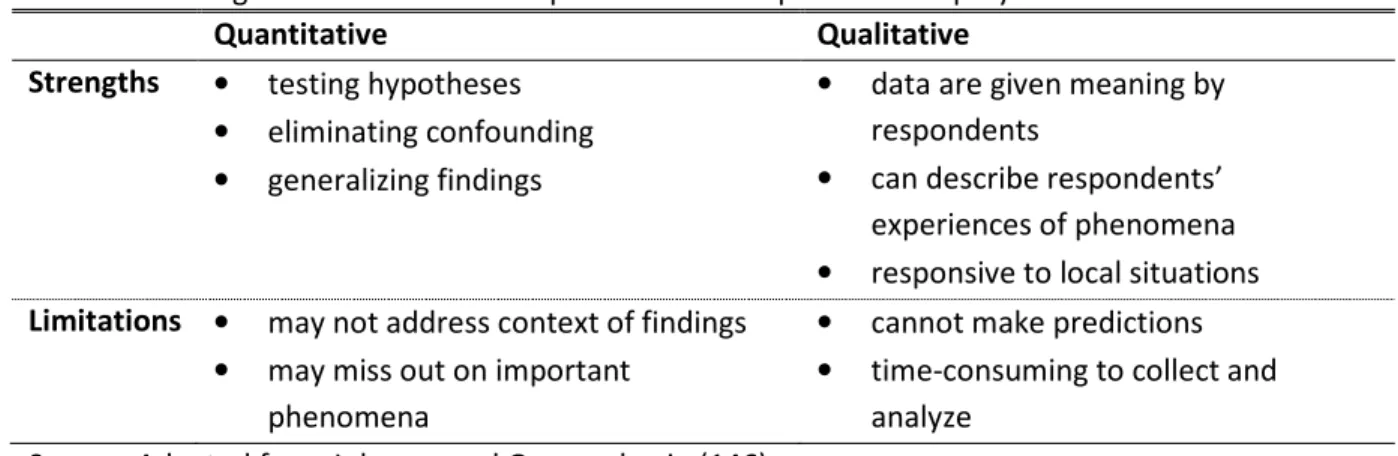
Table 3.1 Strengths and limitations of quantitative and qualitative inquiry
Quantitative Qualitative
Strengths • testing hypotheses • eliminating confounding • generalizing findings
• data are given meaning by respondents
• can describe respondents’ experiences of phenomena • responsive to local situations
Limitations • may not address context of findings • may miss out on important
phenomena
• cannot make predictions • time-consuming to collect and
analyze Source: Adapted from Johnson and Onwuegbuzie (146)
A mixed methods approach is valued for its potential to triangulate data in order to arrive at convergence or confirmation across findings. There are additional motivations, which include: (1) complementarity, which “seeks elaboration, enhancement, illustration, clarification of the results from one method with the results from another”; (2) initiation, which seeks “the discovery of paradox and contradiction, new perspectives of [sic] frameworks, the recasting of questions or results from one method with questions or results from the other method”; and (3) expansion, which “seeks to extend the breadth and range of enquiry by using different methods for different inquiry components”(147, 148).
3.3 THEORETICAL FRAMEWORK
3.3.1 Theoretical Framework for Aim 1
of changing proximal risk factors because socioeconomic status is associated with differential access to “money, knowledge, prestige, power, and beneficial social connections” as well as exposure to stressful environments, harmful products, and reservoirs of infection (150). Furthermore, Link and Phelan contended that attempts at reducing risk behavior may be unsuccessful if the pathways to risk exposure are not understood. That is, efforts to reduce risk behaviors among African American MSMW may be unsuccessful if the pathways to sexual and substance-use risk exposures are not understood (150).
A second theoretical foundation that informed this study aim comes from the work of Scheper-Hughes and Bourgois. Their Continuum of Violence framework includes theoretical
constructs that align with the study’s orientation toward social conditions as fundamental sources of health inequities. Specifically, Scheper-Hughes and Bourgois posited that political, structural and symbolic experiences of violence manifest in everyday “practices and expressions of violence on a micro-interactional level” (151). These expressions can be understood as assaults to one’s personhood and dignity through various forms of interpersonal and intrapersonal violence. The application of this framework to the present study could help expose the historical context and modern-day social conditions, such as persistent poverty, paralyzing incarceration, and chronic unemployment that shape African American, substance-using MSMW’s sexual risk behaviors and daily health challenges.
Lastly, Whitehead’s work on how men are socialized to construct their ideal masculinity and sense of self by cultivating respect and reputation though economic capacity, sociopolitical power and sexual prowess informed this study aim (152). In his work with African American men,
social structuring of gender and power” and that the “behaviors that undermine men's health are often signifiers of masculinity and instruments that men use in the negotiation of social power and status” (153).
3.3.2 Theoretical Framework for Aim 2
3.3.2.1 Composition of Personal Networks
Social Influence Network Theory informed the focus on the composition of social networks as influential on the sale of sex for drugs or money (154). Social networks can be a place of conflict since prevailing norms are tested and social control is exercised. The theory recognizes the role of social control within sub-groups that may detour from larger processes of normative integration. Social networks are also the context in which social support is derived, resources are exchanged, behaviors are learned, and social identities and roles are formed (142).
3.3.2.2 Social Support Function of Personal Networks
approach to examining social support is intended to inform future LHA interventions that may be tailored to meet different needs including social contact, a sense of belonging, approval, care, and safety (34) (see Table 3.2) .
Table 3.2 Definition of four forms of social support
Emotional Support Expressions of empathy, love, trust, and caring Instrumental Support Tangible aid and services
Informational Support Advice, suggestions, and information
Appraisal Support Information that is useful for self-evaluation of behavior Source: House, et al. (157)
3.3.3 Theoretical Framework for Aim 3
3.3.3.1 Influence of Sexual Partner Dyad Characteristics on Unprotected Sex
Interdependence Theory informed the inclusion of characterization of sexual partner dyads. Interdependence Theory examines how the characteristics and shared experiences of individuals within a dyad influence their patterns of behavior. The basic premise of this theory is that the perceptions, assumptions or goals of the dyad in a given situation determine how a dyad will interact and behave (162). There is limited evidence that clarifies how dyadic characteristics of African American male substance users and their sexual partners influence sexual risk behavior, including unprotected sex. To our knowledge, no studies have examined this specific inquiry.
3.4 CONCEPTUAL MODEL
Figure 3.1 Conceptual model for Aims 1, 2 and 3
Sale of sex for drugs or
money Social Support Function of Personal Network • Emotional • Instrumental • Informational • Appraisal Composition of Personal Network
•History of Incarceration •Employment •Drug partner •Sexual partner
Qualitative
Aim 1
Quantitative
Aim 2
Sexual Partner Dyad Characteristics
•Type of sexual partnership •Drug partnership
•Biological sex concordance
Social Support Function of Sexual Partner Dyad
3.5 STUDY AIMS, RESEARCH QUESTIONS & HYPOTHESES
Aim 1: To explore how social conditions shape the sexual and drug-using norms and behaviors of African American men at risk of HIV acquisition and transmission.
Research Question 1.1 What macro-level determinants form and maintain the sexual risk normative behaviors described by the respondents?
Research Question 1.2 What sexual and substance-using subjective norms shape the HIV risk behaviors, including sexual exchange, described by the respondents?
Research Question 1.3 What patterned social arrangements shape the knowledge, attitudes, beliefs and HIV risk behaviors of the respondents? Research Question 1.4 What are the demographic characteristics and sexual risk
behaviors of the study population?
Aim 2: To test the strength of the relationship between the composition and social support function of the African American male respondents’ personal networks and their sale of sex for drugs or money.
Composition of Social Network:
Research Question 2.1 To what extent is the composition of African American male respondents’ personal networks associated with the
reported sale of sex for drugs or money?
Hypothesis 2.1a African American male respondents with a higher
proportion of network alters with a history of incarceration are more likely to report selling sex for drugs or money than African American male respondents with a lower proportion of network alters with a history of incarceration.
Hypothesis 2.1c African American male respondents with a higher
proportion of network alters with whom they have shared drugs in the past six months are more likely to report selling sex for drugs or money than African American male
respondents with a lower proportion of network alters with whom they have shared drugs in the past six months. Hypothesis 2.1d African American male respondents with a higher
proportion of network alters with whom they have had sex in the past six months are more likely to report selling sex for drugs or money than African American male
respondents with a lower proportion of network alters with whom they have had sex in the past six months.
Social Support Function of Personal Network:
Research Question 2.2 To what extent is the social support function of the African American males’ personal networks associated with the reported sale of sex for drugs or money?
Hypothesis 2.2a African American male respondents with a lower proportion of perceived emotional support from network alters are more likely to report selling sex for drugs or money than African American male respondents with a higher
proportion of perceived emotional support from network alters.
Hypothesis 2.2b African American male respondents with a lower proportion of perceived instrumental support from network alters are more likely to report selling sex for drugs or money than African American male respondents with a higher
proportion of perceived instrumental support from network alters.
Hypothesis 2.2d African American male respondents with a lower proportion of perceived appraisal support regarding the
discontinuation of their drug use from network alters are more likely to report selling sex for drugs or money than African American male respondents with a higher proportion of perceived appraisal support regarding the discontinuation of their drug use from network alters.
Aim 3: To examine the relationship between dyad characteristics, social support function and unprotected sex among the African American male respondents’ and their nominated sexual partners.
Sub-Aim 3: Analytical Research Questions to Test Hypotheses
Research Question 3.1 To what extent is the type of sexual partnership within sexual partner dyads associated with reported unprotected sex?
Hypothesis 3.1a African American male respondents who describe their nominated sexual partners as primary sexual partners are more likely to report unprotected sex than African American male respondents who describe their nominated sexual partners as non-primary sexual partners.
Research Question 3.2 To what extent is drug use within sexual partner dyads associated with reported unprotected sex?
Hypothesis 3.2a African American male respondents who use drugs with their nominated sexual partners are more likely to report unprotected sex than African American male respondents who do not use drugs with their nominated sexual partners. Research Question 3.3 To what extent is the social support received from
nominated sexual partners associated with reported unprotected sex within sexual partner dyads?