Exploring Proximal Influences on the Academic and Research Career Choices of African American Female Graduate Students
Roy Anthony Charles
A dissertation submitted to the faculty at the University of North Carolina at Chapel Hill in partial fulfillment of the requirements for the degree of Doctor of Philosophy in the
School of Education
Chapel Hill 2015
Approved by: George Noblit Sherick Hughes Valerie Ashby
Cassandra Richards Davis
© 2015
Roy Anthony Charles ALL RIGHTS RESERVED
ABSTRACT
Roy Anthony Charles: Exploring Proximal Influences on the Academic and Research Career Choices of African American Female Graduate Students
(Under the direction of George Noblit)
The United States is rapidly being comprised of a more diverse population. Therefore, it is critical that we better understand the academic experiences and career decision-making processes of members of underrepresented groups in fields that lead to research careers in an increasingly knowledge-based economy. For this study, a conceptual framework that drew on academic persistence in higher education and Social Cognitive Career Theory (SCCT) literature was used in conjunction with a qualitative form of inquiry known as the Framework method. A brief survey and semi-structured interviews were used to collect data on the perceptions of African-American, female graduate students across seven potential proximal influences to their career decision-making process and gauge their interest for entering research careers.
The findings of this study indicate that the study participants were influenced most by proximal influences (i.e., faculty) associated with their academic and professional
development, but not necessarily from within their academic program, when it came to determining their interest in research careers. However, external proximal influences (i.e., family, peers, external community) acted as sources of support, and an escape from the academic environment, which played an important role in their continued academic persistence.
ACKNOWLEDGEMENTS
Have Faith in God -- Mark 11:22
Those four words have brought me to this milestone. For that reason, I must thank God for the many blessings I have received in life, and the strength that he has empowered me with when I faced the challenges.
One of the greatest blessings I have been given is to be the son of Roy and Wendy Charles and to have two wonderful brothers Stephen and Andrew. Mum and Dad, you have taught me many things including to love God, stand tall, be truthful and fair, speak my mind, be humble, serve others, value education and work hard, to name a few. Your guidance and support have made it possible for me to pursue my dreams with confidence. Thank you. As the oldest of three sons, my brothers, Stephen, and Andrew, have been an inspiration for me to achieve, however, inspiration was not always enough, and their support, whether it was a laugh that was right on time, an attentive ear during a difficult time, or a message of wise words at an unexpected time, my brothers are my keeper, and I theirs. Thank you. My blessings continue beyond my immediate family, as I have also been blessed to be part of a large, nuclear, family, and the love and support of my
grandparents, aunts, uncles, and cousins has also kept me moving forward and striving to be a better man tomorrow, than I am today; and beyond this nuclear family is an equally important extended family. Whether I refer to you as a brother, sister, aunt, uncle, cousin or simply extend you the respect of traditional salutations such a Mr or Ms/Mrs, I must
acknowledge that wonderful people have been brought into my life through friendship and family and I have been blessed by knowing all of you.
When I left my hometown of Cambridge, MA for college in 1991, I had little idea of what would be in store for me. Like, as I believe many first-generation college students, I thought things would be like high school without having to come home to your parents every day. I left home with one career dream of being an architect, and stumbled upon a career passion of serving in higher education. While attending Roger Williams College (Bristol, RI), I met many wonderful people among the administration and faculty including Dean Karen Haskell, Jim and Rom Woodruff, Dwight Datcher, Ben Carr, and Scott Yonan. The individuals, through our work on the Minority Affairs Committee, helped me to
understand what it meant to serve students, and especially support those from
underrepresented and underserved backgrounds. Thank you for modeling for me what it means to be a dedicated to students. Additionally, being one of only a few
underrepresented students at the college, my journey was shared with students from similar backgrounds who chose to be active in ensuring that the minority voices on campus were not left unheard, and while they don’t know it, they inspired me to continue my work serving students after college. Varick, Erica, Maria, Macu, Kendra, Vinnie, Gary, Roger, and the many others who enriched my college experience, you helped me to focus on my passion to serve in within the higher education context. Thank you.
After college, I came home to Cambridge, ready to work in higher education, but the opportunities were not immediately available. Over the previous two summers, I had worked at the Massachusetts Institute of Technology (MIT) and before that Harvard University. Being from the Metro-Boston area, colleges and universities were not lacking, yet it wasn’t until my internship director from MIT crossed paths and my name was shared
as someone who might fill an opening in Dr. Williams office. That opportunity panned out, and my career was launched at MIT and in higher education was launched, but to leave it at that point would do a disservice to what Dr. Clarence G. Williams did for me. Taking a chance on the referral of young man in need of an opportunity, Dr. William’s hired me, supported me, and ultimately mentored me. He did so, with only one request which was that I pay him back by paying it forward and creating opportunities for others. Dr. Williams, and his wife Mildred have been a blessing, and I will always work to deliver on that agreement. In addition to working in Dr. William’s office, I also had the opportunity to work in The Graduate Students Office with Dr. Isaac “Ike” Colbert, Ms. Margret
“Margot”Daniels Tyler, Ms. Blanche Staton who all provided guidance in my development as a higher education professional, and with many other committed individuals on the staff. The majority of my time at MIT was spent in the GSO, and that is where my career path in higher education solidified. While at MIT, I enjoyed meeting and working with many more administrators, faculty, and students for whom there are too many to name. However, if you read this, and we shared time at MIT, then know that you have touched my life and helped to give it direction. Thank you to my MIT family.
While living in Cambridge, MA as a young professional, I had the opportunity to remain connected to my many friends from childhood, and make new friends across the area through both service and organizations. To my childhood friends, several of whom are considered in the previously stated extended family group, I never want to lose contact with you; and even if we don’t communicate for days, weeks, months, or years, I hope that the next time we do, it will be as if no time has lapsed. Knowing each and everyone one of you has enhanced my life. Thank you. Also, to the many other friends I made through
community service with the Concerned Black Men of Massachusetts, Inc., the State of
Young Black Boston (SYBB), or my brothers of Alpha Phi Alpha Fraternity, Inc., in particular the Epsilon Gamma Lambda and Rho Nu chapters, as well as those of the Richard C. Maclaurin Lodge, AFAM (MIT), with all of you I have grown, and I strive to continue to be a servant of all. Thank you for your friendship and brotherhood.
I left MIT and the Boston area to embark on my biggest journey to date. I left my hometown and region of the country to come to North Carolina and pursue a doctoral degree. There is nuance to how the decision came about, but an integral part of the decision was due to Dr. Henry Frierson who saw an emerging higher education
administrator and challenged him to think beyond the scope of his duties, and learn the critical skills of evaluation and research. I want to thank Dr. Frierson for pushing me to learn more about the work for which I am passionate and for bringing me to the great state of North Carolina and The University of North Carolina at Chapel Hill. Before, I arrived, through my work at MIT, I also met individuals who would become part of my North
Carolina family, once I arrived at UNC. The members of Dr. Frierson’s Research Education Support (RES), Summer Pre-Graduate Research Experience (SPGRE), NC OptEd, and NC Alliance for Graduate Education and the Professoriate (NC-AGEP) programs, both staff and students welcomed me in together we worked to make a difference. Tracey Page and
Phyllis Daniels you made my transition smooth, and you have been there from my first arrival. Then there is Nicole Lewis, Kathy Wood, Kacey Hammel, Rebecca Zulli, Karyl Askew, Dr. Valerie Ashby, and Col. Larry Campbell, all administrators and faculty from across the many affiliated schools, and the many students who came through those
programs I would not have made it without all of you providing inspiration and being a part of the blessings in my life. I also had the pleasure of working in The Graduate School at UNC during the latter years of my program, and so I want to thank Dr. Leslie Lerea, for
everything you have done to make me a better professional and support me as a student; and to all of the staff at The UNC-CH Graduate School, I enjoyed working with all of you! Additionally, while at UNC, I have also had the pleasure of making friends both within and outside of the university, so to my many friends across the graduate and undergraduate student body and in the local community, including my Alpha fraternity brothers of the Beta Theta Lambda and the Mu Zeta chapters, thank you for being so supportive of me during my academic journey.
Before, I continue onto thanking my committee, there are a few individuals that I will name, as they have been consistent supporters of my doctoral journey. From a distance, friends and family from home and across the country, have offered consistent encouragement and support including Sarah Simpson, Michelle Madera, Melissa Wynn and her mother Mrs. Wynn, my cousin Georgette Charles and her husband Chris, my aunt Cheryl Charles (whose calls and texts always seemed to be right on time), Eric Crumpler, Michael Dobson, and Don C. Brunson. From my time in Chapel Hill, I want to thank Chris and Lauren Riddick, Allison Matthews, and Arjumand Siddiqi, it has been a long journey, and you have been there every step of the way. Also, from my time in Chapel Hill, there is C.J. Broderick, Jr., Brittani Miller, Penni Padget-Klinestiver, Sharon Thomas, Ashalla Freeman, Deb Stroman, Sibby Anderson-Thompkins, and so many others who offered encouragement often. Thank all of you. Now, I mentioned my family as one of my greatest blessings, and surely my many close friends are also, but one person has been a part of my life every day through the last few years of my doctoral studies, and I cannot thank her enough for all that she has done for me. Ms. Tekiae Warren, you are truly a blessing that came to me unexpectedly, and you have changed my life for the better. I thank you, and I love you.
Finally, I want to thank the faculty and staff of the University of North Carolina at Chapel Hill School of Education for all that you have done for my development as an evaluator, researcher, and professional. In addition, to Dr. Frierson (former faculty) who was previously mentioned, I would like to thank Dr. Judith Meece, who introduced me to the study of motivation and provided guidance for many years. Also, requiring special mention, are the faculty of the EPME program. I must also thank the late Dr. Carol Malloy, who always had the right words at the right time, as well as her husband, Dr. William Malloy. Also, Dr. Linda Tillman, Dr. Lynda Stone, and Dr. Patrick Akos, all of whom always greeted me with a smile and a supportive word. I must also, thank those in administration, , in particular Assoc. Dean, Dr. Deb Eaker-Rich, and Asst. Dean Anne Bryan., and the many staff members of the SOE., thank you all for your support. Last but not least is my committee, lead by Dr. George Noblit, my dissertation chair without whose support I might not have made it to the end! You have been a stalwart supporter of me from the beginning, and I cannot thank you enough for how you have enriched my experience at UNC and guided me through the final stages of my program. Additionally, I must thank my committee members Dr. Sherick Hughes, Dr. Valerie Ashby, and Dr. Cassandra Richards Davis, who were always there when I needed them. To know individuals like yourselves who are strongly committed to making a difference in the lives of those who are underserved and or underrepresented, inspires me to continue my work. I hope we have a chance to work together in the future, and if we do not, I will know that wherever you are lives will be touched for the better.
Again, thank you one and all for your contributions to my success.
TABLE OF CONTENTS
LIST OF TABLES ... xvi
LIST OF FIGURES ... xvii
CHAPTER 1. INTRODUCTION ... 1
Economic and Demographic Educational Considerations ... 2
Educational Considerations ... 5
The Summer Pre-Graduate Research Experience (SPGRE) and the Moore Undergraduate Research Apprentice Program (MURAP) ... 9
Overview of the Conceptual Framework ... 10
Statement of Problem ... 12
Purpose of Study ... 13
Summary... 14
GLOSSARY ... 16
CHAPTER 2. REVIEW OF LITERATURE ... 18
Literature Search ... 18
Educational Opportunities Programs and Increasing Participation in Research ... 20
Academic and Research Career Efficacy ... 23
Mentorship and Program Satisfaction ... 24
Academic and Research Career Aspirations... 25
Race and Gender ... 27
Socialization ... 27
Summary... 29
Student Persistence in Higher Education ... 30
Undergraduate Education ... 30
Graduate Education ... 33
Student Background... 34
Socioeconomic Background... 35
Academic Preparation ... 36
Timing of entry into graduate education ... 37
Faculty-Student Relations ... 38
Professional Preparation ... 39
Peers... 41
Family ... 42
Environment ... 42
University... 43
Departmental/Program ... 43
External Community ... 44
Summary... 45
Theoretical Framework... 45
Social Cognitive Career Theory... 45
Antecedents ... 47
Background Contextual Affordances ... 47
Personal Inputs ... 47
Proximal Contextual Affordances... 49
Social Cognitive Processes... 50
Self-Efficacy Expectation... 50
Outcome Expectations ... 51
SCCT Core Construct ... 52
Interests ... 53
Goal Choice... 53
Goal Action ... 54
Summary of SCCT... 54
CHAPTER 3. METHODOLOGY ... 57
Rationale ... 57
Sample ... 58
Data... 61
Secondary Data ... 62
SPGRE/MURAP Entrance Interviews... 65
SPGRE/MURAP Exit Interviews... 65
Secondary Data Preparation ... 65
Primary Data Collection and Analysis ... 66
Study Invitation and Informed Consent... 66
Online Survey ... 67
Survey Administration ... 67
Qualitative Methods and Plan for Analysis ... 68
Sample ... 68
Data Sources ... 68
Semi-Structured Interviews ... 69
Interview Administration ... 70
Planned Analyses ... 70
Qualitative Software ... 70
Research Questions ... 71
Qualitative Procedures ... 71
Qualitative Data Collection and Storage... 75
Trustworthiness ... 76
Positionality ... 77
CHAPTER 4. RESULTS ... 81
Survey ... 81
Semi-structured interviews ... 85
Academic Environment ... 87
Faculty ... 91
Advisors ... 91
Personalities and Character ... 91
Advisee Development... 94
Program Faculty ... 96
Other Faculty ... 97
Summary ... 99
Peers... 100
Program Peers ... 100
Outside Program Peers... 102
Hometown Peers ... 104
Summary ... 107
Professional Networks... 108
Individualized Attention... 108
Supporting Activities ... 109
Future Participation ... 111
Social Networking... 112
Summary ... 113
Community... 113
Family ... 115
Parents ... 115
Siblings ... 120
Significant Others... 122
Financial Considerations... 124
Research Careers... 126
Early Interest ... 127
Influential experiences during graduate education ... 127
Likelihood of entering a research career ... 128
Chapter Summary... 130
CHAPTER 5. DISCUSSION, CONCLUSION, LIMITATIONS, IMPLICATIONS, AND FUTURE RESEARCH ... 136
Academic Environment ... 138
Faculty ... 140
Peers... 144
Professional Networks... 147
Community... 149
Family ... 151
Financial Considerations ... 154
Research Careers ... 157
Conclusion ... 160
Limitations... 162
Implications ... 163
Programming ... 164
Evaluation ... 165
Policy ... 165
Theory ... 165
Future Research... 166
APPENDIX A: FACEBOOK RECRUITMENT PROTOCOL... 168
APPENDIX B: SPGRE/MURAP ENTRANCE INTERVIEW ... 169
APPENDIX C: SPGRE/MURAP EXIT INTERVIEW ... 173
APPENDIX D: INVITATION LETTER ... 176
APPENDIX E: INFORMED CONSENT ... 178
APPENDIX F: ONLINE SURVEY ... 181
APPENDIX G: SEMI-STRUCTURED INTERVIEW SCHEDULE ... 188
APPENDIX H. RESEARCH QUESTIONS AND THEORETICAL FRAMEWORK ... 195
REFERENCES ... 198
LIST OF TABLES
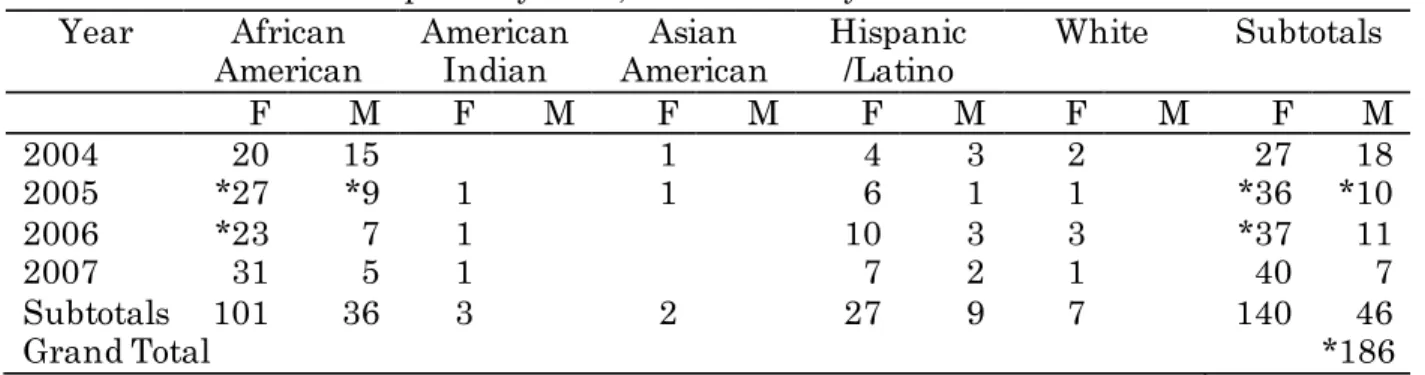
Table 1: 2004-2007 SPGRE Participants by Race/Ethnicity and Gender...59
LIST OF FIGURES
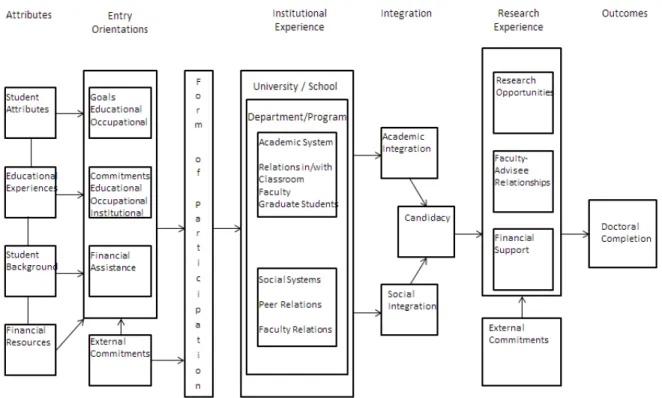
Figure 1: Tinto’s Theory of Departure Model (Undergraduate) ... 31 Figure 2: Tinto’s Longitudinal Model of Doctoral Persistence ... 34 Figure 3: Social Cognitive Career Theory Model ... 46
CHAPTER 1
No need is more urgent today than the full and successful participation of minorities, particularly Blacks, Hispanics, and Native Americans, in the nation’s schools and colleges. Competitiveness and productivity as well as equity and social justice demand that we give our attention to this
issue…The problem is complex, going beyond race and ethnicity to involve many different kinds of people, in issues that are economic, social, academic, psychological, and political. Ideally a series of interventions should begin at birth and end with the successful hiring of more minority PhDs in the nation’s colleges and universities. We need to reverse current trends, create a wholly new momentum and sustain our efforts until all minority groups are fully involved and welcomed as students, teachers, and administrators at every level of the American educational system (Stewart, 1988, p329)
This message was delivered by Dr. Stewart 25 years ago, and it is as critical an issue and appropriate a call today as it was when it was first made. The call for the greater participation of African American1, American Indian or Alaskan native, and Hispanics2 among college and university faculty remains both a need and a challenge for institutions, but this need for trained researchers is not limited to colleges and universities. Currently, the strength of United States economic competitiveness is being challenged due to a
shortage of highly trained workers who can meet the workforce demands of emerging U.S. and global industries (American Association for the Advancement of Science [AAAS], 2001; The Congressional Commission on the Advancement of Women and Minorities in Science, Engineering and Technology Development, 2000). This challenge is in part because of an
1The terms African American and Black are commonly used interchangeably in society to reference individuals of African origin living in the United States who are not also of Hispanic origin. For the purpose of this dissertation the term African American will be used throughout except when quoting work by other authors who use the term Black.
2 Hispanic ethnicity includes Mexican, Puerto Rican, Cuban, Central and South American, or other Spanish Culture or origin, regardless of race.
economic shift from what has been largely a manufacturing economy to one that is
progressively comprised of knowledge, service, and technology industries. These industries, especially ones involving research activities, increasingly require workers with higher levels of education and specialized talents. While the shift in economies has occurred, the task of meeting the needs of the workforce has been further complicated by the changing composition of the U.S. population. What was once a workforce primarily comprised of Caucasian workers with a sufficient number of them having advanced education has increasingly become ethnically and racially diverse but with limited higher education attainment. Therefore, given the current educational demands and the changing
demographics of the U.S. workforce it is vital that we expand our understanding of how to increase the participation of members of underrepresented minority3 (URM) groups in higher education, as well as how they decide whether they will enter research careers. Economic and Demographic Educational Considerations
While increasing the participation of underrepresented minorities in higher education and research careers are matters of equity and social justice (Stewart, 1988), there are also practical considerations for increased inclusion that if left unattended will put U.S. competitiveness and productivity in jeopardy. The United States has experienced a shift in the U.S. economy from primarily manufacturing more to industries associated with knowledge, service, and technology. These evolving industries require a highly trained workforce that can work within innovative and rapidly changing environments (Biennial Report to Congress, 2002; Committee on Equal Opportunity in Science and Engineering [CEOSE], 2002). To this point, the U.S. workforce has not been able to meet the demand
3 Underrepresented minorities are commonly recognized as being individuals from African American (Black), American Indian, and Hispanic racial and ethnic backgrounds, unlike the broader term minorities which also includes Asian Americans, Alaskans, and Pacific Islanders.
for these workers in part due to demographic changes that are resulting in an increasing representation of URMs. Reports regarding the U.S. workforce have been published in 1987 and 1997 attempted to benchmark the periods in time and predict the rate at which the demographic shifts would occur (Johnston & Packer, 1987; Judy & D’Amico, 1997). The first two reports offered aggressive predictions of a demographic shift in the racial and ethnic composition of the U.S. population. The first study offered a prediction of a rapidly changing demographic composition resulting in majority minority U.S. population by the year 2000 (Johnston & Packer, 1987). This forecast was adjusted in the second study which pushed the forecast out to 2020, but showed that while slower the racial and ethnic
composition of the U.S. was increasing for minorities within the workforce and shrinking for individuals of white backgrounds. A third installment of these reports has not been completed to date; however, the Hudson Institute, which published the reports, continues its work and acknowledges that the strength of tomorrow’s workforce begins and ends with educating the changing U.S. population (Hudson Institute, 2013). Thus, regardless of when the U.S. labor force will reach a majority-minority4 composition, the new industries are increasingly becoming dependent on individuals from underrepresented groups each year.
Yet, the growing need for URMs in the nation’s workforce has not been matched with corresponding presence in higher education programs. This shortage of talent is especially true at the level of graduate education, which is becoming increasingly necessary to obtain desirable leadership positions in various research related fields. Many of those research fields that are in demand fall into the four domains that comprise science and
4 The phrase “majority-minority” is used to describe the point in time when the memberships of the various groups consider to be minorities collectively exceed that of the Caucasian/White group.
engineering (S&E), also known as , STEM5, include the physical sciences, life sciences, social science, and engineering (National Opinion Research Center, 2001). Although, the terms S&E or STEM are well known, the fact that the social sciences, also known as the social, behavioral, and economic (SBE)6 sciences are included in the those groups is not as well known. A survey of doctoral degree completion rates in 1990 indicated that 15,364 doctoral degrees were conferred in Science and Engineering (S&E), of which 885 (5.7%) were earned by underrepresented minorities. In the year 2000, the figure for URMs increased to 9.5% of S&E doctoral degrees (CEOSE, 2002). While what seemed to be a promising show of 4% growth was reported, these numbers were somewhat ambiguous as the average for the 10-year period was 6.82% (Women, Minorities, and Persons with
Disabilities in Science and Engineering Report, 2002). Moreover, for the subsequent period of 2001-2010, the average rate across that period was 6.68%, representing a slight decrease from the average of the previous 10 years (Women, Minorities, and Persons with
Disabilities in Science and Engineering Report, 2013). For this study, it is important to keep in mind that the SBE degrees earned are merely a subset of the already small
percentages of earned doctorates described above. Furthermore, sadly, the low completion rates described are far below the 32% of potential URMs who are estimated to be of doctoral study age in the U.S. (Wilson Foundation, 2005). As the composition of the U.S. population continues to change, we must find ways to counter the low participation of URMs in higher. Otherwise, we can assume that the workforce readiness of available U.S. workers will decrease along with the strength of the economy.
5 STEM is an acronym used to describe the collective terms of Science, Technology, Engineering and Mathematics. As mentioned above, the classification of STEM, or S&E, includes social sciences. However, for this study the social sciences will be considered a separate group (see footnote 6)
6The social sciences are also known as the social, behavioral, and economic (SBE) sciences. For this study, SBE will be consider to be separate from STEM.
Both the factors affecting the structure of the present economy and U.S.’s lack of ability to meet the demands of the current workforce needs point to the importance of education. Additionally, given the historical marginalization and subsequent
underrepresentation of certain segments of the U.S. population that appear to be growing, it is vital that we consider what has been done and what needs to be done to increase the participation of African American, American Indian, and Hispanics in the higher education. Educational Considerations
As Stewart (1988) indicated, increasing the participation of underrepresented minorities in higher education was a matter of competitiveness, equity, and social justice that would require political, social, and academic considerations. While some efforts clearly began prior to his statement, others have seemed to be answers to the calls of him and others. The efforts to increase participation of underrepresented minorities in higher education stemmed from a significant political and social transformation that affected educational opportunities in the U.S about 50 years ago. The passing of both the Civil Rights Act of 1964 and the Economic Opportunity Act of 1965 created some opportunities that were more equitable for members of all groups of U.S. citizens. For example, in order to prepare individuals for future success, a broader focus on educational access,
preparedness, and attainment was required. Beginning in 1964, the first federally funded educational opportunities programs (EOP) were established: Upward Bound (UB) and Talent Search (TS) in 1964, and Student Support Services (SSS) program in 1968. The last program, SSS, was established to serve disadvantaged and underrepresented students in higher education (TRiO History, n.d.) and laid the foundation for future higher education EOPs established to increase URM participation in research careers. In 1972, the Division of Research Resources of the National Institutes for Health (NIH) established the Minority Schools Biomedical Support (MSBS, now MBRS, Minority Biomedical Research Support)
program targeting URMs via 38 minority serving institutions (TRiO History, n.d.; Tyler, 1995). This initiative marked the start of the first program with the explicit purpose of providing URMs opportunities to develop the skills and knowledge that could lead to
research careers. The years to follow saw more federally funded programs such as the NIH-Minority Access to Research Careers (NIH-MARC) in 1978; the National Institutes of Mental Health Career Opportunities in Research (NIMH-COR) circa 1981; and the TRiO Ronald E. McNair Scholars program in 1986. By the 1980s, federal programs were not the only opportunities available to students. Frierson (1981) called attention to the need for increased efforts to encourage minority participation in educational training that would lead to research and development careers. He recommended creating university-based research experience programs that could help facilitate student preparedness for research and development (R&D) careers (Frierson, 1981). By the late 1980s, university based summer research opportunity programs (SROPs) were recruiting students from all over the country (Tyler, 1995). While the various federal and university based programs provided opportunities for students to explore research training and prepare for graduate level education, many of these programs focused on the undergraduate years solely and do not provide formal support to students once they continue on to graduate school.
Although undergraduate students have the benefit of several educational
opportunities programs being offered during the college studies, the options for graduate students are far more limited. Programs such as the National Science Foundation - Alliance for Graduate Education and the Professoriate (AGEP) and the National Institute for Health - Initiative for Maximizing Student Diversity are two prominent programs targeting the needs of URM graduate students. Yet, these have limited availability. For the majority of students in graduate school, this learning period, which is essential in preparing them for research careers, leaves them dependent on their programs and, more
likely, an individual faculty adviser for support and development (Pontius & Harper, 2006). As students advance through their programs, the nature of graduate study encourages them to work closely with a single faculty member, usually referred to as an adviser. These relationships are usually assigned, occasionally developed organically through mutual interests that can ideally develop into reciprocal mentoring relationships. However, not all advisers are mentors, and the faculty member’s degree of available time and interest in working with an aspiring scholar can vary greatly from one individual to another. Due to the more intimate relationship between graduate students and faculty, individual
personalities and how well they match become increasingly important. When a student and faculty member match well as far as personality, it can mark the beginning of a mutually beneficial relationship. However, when the match is less than desirable, it can leave a student feeling isolated and unsure of where and how to obtain guidance in their program. This is particularly problematic because it is not just the student-faculty relationship within graduate programs that can become isolating for students, as the workload and research demands on time can require students to immerse themselves within their program and research spaces, often to the detriment of campus-wide engagement. This lack of connection to campus can limit a student’s knowledge of supportive networks and resources and force them to seek support within departments that may not have an infrastructure conducive to meeting the student’s needs. While some students navigate their graduate process successfully, it is clear that others do not. Sowell, Zhang, Redd, and King (2008) reported that doctoral degree completion rates could be as low as 49.3% in the humanities and as high as 63.6% in engineering fields within 10 years of starting their doctoral degree. Furthermore, the attrition rates for members of underrepresented
minority groups are far higher than for Caucasians (Nettle & Millett, 2006). Given the low
completion rates for doctoral students, particularly URMs, it is vital for us to increase our understanding of the experiences of URMs who are pursuing graduate level degrees.
Lastly, the efforts to increase the participation of African American, American Indian, and Hispanics in higher education and research careers have existed for nearly 50 years. They have consisted of federal and institution based efforts that span over an entire academic year or in some cases only a summer. Many of these efforts focused on access to opportunities to conduct research as there has been a persistent need to increase URMs presence in the growing research career fields. While many educational opportunities programs (EOPS) have addressed the needs of undergraduate students, few have supported these students through their graduate level study. This limited access to graduate level EOPs has placed many graduate students in the position of navigating the graduate
education process with little guidance. Thus, while some students complete their programs, program completion rates indicate that many are not and thus are undermining the
programmatic efforts which occur prior to graduate education. Some scholars have investigated the concept of student persistence, but few have focused on students during graduate education thus leaving a gap in the knowledge.
Conclusion
In conclusion, as Stewart (1988) indicated increasing the participation of African American, American Indian, and Hispanic people in higher education and, by extension, in research careers requires the consideration of complex issues. To this point, I have offered background information that elucidates some of the economic social, political, academic, and psychological issues and activities related to increasing participation (Stewart, 1988). First, the U.S. is faced with a significant workforce challenges that must be addressed before the competitive advantage is lost. Second, while efforts to encourage greater participation of URMs in both higher education and research careers have existed for over
four decades, degree completion rates and subsequently participation in the careers of the emerging industries remain dismally low. Third, our understanding of how to counter low participation and completion rates and better serve URMs in particular at the graduate education level requires further investigation. Given that higher education and the career opportunities of the present and future are inextricably linked (Johnston & Packer, 1987; Judy & D’Amico, 1997; Malveaux, 2003), we must pursue increasing URM participation in both higher education and research careers with urgency.
In the remainder of this chapter, I provide an overview of two of the first university based summer research programs that intended to address the need for increased URM participation in graduate level education and research careers. These programs are the catalyst for the corresponding evaluation activities in this study, as well as provide the population from which the sample for the research activities is drawn. Additionally, I outline my guiding conceptual framework, and provide the statement of the problem, and present the study purpose, significance, and organization.
The Summer Pre-Graduate Research Experience (SPGRE) and the Moore Undergraduate Research Apprentice Program (MURAP)
Two of the early university based summer research programs were located at the University of North Carolina at Chapel Hill. Established in 1988, the Summer Pre-Graduate Research Experience (SPGRE) program represented one of the first university based undergraduate research programs in the country. Then in the following year, the Moore Undergraduate Research Apprentice Program (MURAP) was established as an extension of SPGRE. Initially SPGRE focused on student preparation for STEM research careers, but through collaboration with the Moore Undergraduate Research Apprentice Program (MURAP) and additional funding streams, participants have been able to conduct research in the areas of arts and humanities (A&H), as well as social, behavioral, and
economic (SBE) sciences. To date, the program has served over 800 students, with each cohort being drawn from a competitive national pool of applicants. During the period from 1997 to 2007, the combined programs averaged 45-60 participants annually with an average GPA of approximately 3.5 (i.e., B+; Lewis, 2007). These programs continued to serve prospective graduate students together through the year 2007, and for an additional year apart until the SPGRE program ended due to lack of funding, and only the MURAP program remained. Together these efforts sought to increase participation in graduate education and research careers through a combination of program components that included a meaningful research experience, academic and professional development, and cohort building activities. Additional details about these programs, as well as related evaluation and research, will be discussed in Chapter 2.
Overview of the Conceptual Framework
For this study, I integrated research on student persistence with that of social
cognitive career theory (SCCT). First, the literature on student persistence was reviewed to identify factors that are known to either enhance or inhibit the participation and academic success of individuals of in the colleges setting. Because much of the student persistence research has focused on undergraduate populations, my literature review was limited to scholarship that included diverse populations. Additionally, with the limited research focused on graduate education, all identified literature was reviewed. The work of Tinto (1993) and his theory of doctoral student persistence provided a basis for understanding how the process of earning an advanced degree might occur for students, and how the stages, experiences, and actors might contribute to the process. This work, like Tinto’s (1986) theory of student departure (undergraduate focused), has been the inspiration of much of the scholarship on both higher education contexts. Both models attend to characteristics of the educational experience that include individual characteristics and
dispositions, faculty, peers, institutional environment, communities, as well as learning expectations and experiences, which all can contribute as supports or barriers to academic persistence.
Next, I used the scholarship on social cognitive career theory (Lent, Brown, & Hackett, 1994) to determine the process of pursuing and choosing to enter a career field, in this case the broader domain of research science. SCCT provided a framework for
understanding the mechanisms and the relationships between them as they contribute to the career decision making process. Lent, Brown, and Hackett (1994) posited that the career decision process is affected by a series of interrelated components and mechanisms which include personal inputs, background and proximal contextual influences; learning experiences; self-efficacy; outcome expectations; and interests, goals, and actions. By identifying these components and mechanisms and their connections, I was then able to locate the concepts and findings from the student persistence literature into an integrated conceptual framework for this investigation. SCCT was particularly well suited for this work given its grounding in Social Cognitive Theory (SCT; Bandura, 1986). Social Cognitive Theory posits that a triadic reciprocal relationship exists in the developmental process of an individual that is composed of personal, behavioral, and environmental factors. Each of the three factors of SCT draws from and informs the other in a continuous cycle. By utilizing SCT, Lent, Brown, and Hackett (1994) allowed for a comprehensive developmental model of how career decisions are made which fit nicely with the identified characteristics of student persistence to provide a lens for this study. Research from these two bodies of scholarship, and how they were integrated will be discussed further in
Chapter 2.
Statement of the Problem
The US economy has increasing become focused on both technology and service industries, yet the available workers are not able to meet the demand for a more highly trained workforce (Expanding Underrepresented Minority Participation: America's Science and Technology Talent at the Crossroads, 2003). Additionally, the possibility of the US meeting the workforce demands of the future is compounded by a combination of
demographical and educational challenges. Demographically, there has been a shift in the ethnic composition of the U.S. citizenry with African Americans, American Indians, and Hispanics collectively comprising an increasing percentage of the overall population. Educationally, the participation in higher education of members of those three minority groups has not matched their representation in the population and consequently each of these groups continues to be underrepresented in both graduate education and research career fields. Researchers have theorized as to the reasons for the lower participation rates of members of underrepresented groups in higher education, as well as the factors affecting student persistence in undergraduate and to a lesser degree graduate education. Moreover, even fewer studies have included samples inclusive of individuals from minority
backgrounds. With these considerations, there is a need for increased understanding of the challenges faced by individuals from minority backgrounds during graduate education. Additionally, we must seek to understand how individuals counter these challenges, and what effect these challenges may have on their decision to enter research careers.
With the workforce becoming increasingly dependent on URMs, there is a need to continue program efforts that raise awareness and advance preparation for the careers of the present and future. Furthermore, without increased research efforts, it is likely that the participation and success of underrepresented minorities in higher education and research careers will not improve. Therefore, it is imperative that more research be
conducted with the purpose of elucidating the experiences and needs of these individuals while they undertake the necessary academic preparation for high demand careers, as well as contribute to the theory used to develop and enhance support programs.
Purpose of Study
The purpose of this study was twofold. First, I used an integrated framework drawing on Social Cognitive Career Theory (SCCT), as well as literature on student
persistence, to assess the proximal experiences that influence former program participants’ decisions to enter research careers. In particular, I focused on contextual factors which might present to former program participants as supports or barriers and how those factors affect the process components of interests and goals. This approach allowed for not only the exploration of previously identified factors, but also the potential identification of other considerations offered by study participants.
Second, there are critical evaluation challenges facing educational opportunities programs such as undergraduate summer research programs. Through this study, I was able to capture critical data on the short and long-term educational and career decisions of the former summer research interns. Findings associated with these data provide insight related to the distal goal outcomes of the Summer Pre-Graduate Research Experience (SPGRE) and Moore Undergraduate Research Apprentice Program (MURAP) programs. There have been several models of undergraduate research programs established over the last 40 years; the SPGRE and MURAP program models include a summer research
experience developed to help increase the participation of underrepresented minority students in graduate education and research careers. Thus, the longitudinal outcomes associated with these initiatives include (a) entrance into a graduate program, (b)
successful graduate school transition, (c) graduate school completion, and (d) entry into a research career. During this study, I intend to accomplish the essential benchmarking of
these milestones while also investigating post program influences on each of these decisions.
For this study, I contacted the 131 African American former participants of the SPGRE and MURAP programs from the summers of 2004-2007. Using a combination of a short online survey and individual semi-structured interviews, I gathered longitudinal updates on post program educational choices and experiences along with their current views regarding supportive and challenging experiences in their graduate education process that influenced their perspective on career options. These results provided critical post SPGRE or MURAP program insight on the distal outcomes, and the factors that influenced the decisions made by the study participants.
For this study, two overarching research questions are used. The first research question guiding this study is “How do experiences related to graduate education and the components of Social Cognitive Career Theory help us to understand former undergraduate research intern choices of persistence towards Graduate Education completion?” The second overarching research questions is “How do experiences related to graduate
education and the components of Social Cognitive Career Theory help us to understand the research career choices former undergraduate research interns?” Each of these overarching research questions have more specific sub-questions that help to better focus the study. Summary
Currently, there is a deficiency of highly trained workers within the U.S. workforce that is placing the country at a competitive disadvantage. There are several factors
contributing to this issue, as well as efforts to counter the problem. First, this deficiency is the result of a combination of shifting economies which require workers with higher levels of post-secondary education, and the shift in US demographics that is increasing comprised of individuals from ethnic backgrounds historically underrepresented in higher education
degree obtainment. Second, in an effort to address this underrepresentation, Educational Opportunities Programs, including undergraduate research programs, have played an important role in undergraduate student retention, as well as preparation for graduate education. Additionally, the long-term goals of these programs are to increase in the participation of individuals from underrepresented backgrounds in the knowledge-based careers of research. However, these types of programs are not widely available during the critical educational process of graduate education that completes the preparation for entrance into research careers. Third, literature related to the experiences of
underrepresented graduate students and how those experiences may affect the decision to enter research careers can be considered limited at best. This is of particular importance given that the degree completion rates for graduate students at the doctoral level,
particularly those of underrepresented backgrounds, are lower than the 10 year average of 49% in some fields. Lastly, because of these various issues, this study seeks to integrate literature on student persistence in higher education with a model for career decision-making known as Social Cognitive Career Theory (SCCT). To this point, it appears that there have been few studies utilizing this theory to understand the outcomes of EOPs, and I have been unable to identify a single study that integrates student persistence literature with SCCT in order to understand what may be happening during graduate education that may affect the degree completion and subsequent choice of individuals to enter research careers.
GLOSSARY
Arts and Humanities (A&H) refers to fields of study such as art, communication studies English and comparative literature, history, journalism, performing arts, and romance languages.
Educational Opportunities Programs (EOPs) are programs established for enhancing educational opportunities for individuals of first generation, low income, and
underrepresented minority (see a definition below) backgrounds.
Hispanic Serving Institutions (HSIs) are institutions of higher education that have at least a 25% undergraduate fulltime enrollment of individuals of Hispanic ethnicities.
Historically, Black Colleges and Universities (HBCU) are institutions of higher education that were established prior to 1964 for serving the needs of Blacks in America.
Minority or Minorities (without the qualifier “underrepresented”) refers to African
American, American Indian, Asian American or Pacific Islander, Hispanic or Latino/a and, since the 2010 census, the classification of Multiracial collectively.
Minority Access to Research Careers (MARC) refers to a program funded by the National Institutes for Health intended to provide minority undergraduate students with the opportunity to gain research experience.
Minority Biomedical Research Support (MBRS) refers to a second program funded by the National Institutes for Health intended to provide minority undergraduate students with the opportunity to gain research experience.
Moore Undergraduate Research Apprentice Program (MURAP) is a summer undergraduate research program that provides 10 week research immersion opportunities in the domains of Arts and Humanities and the Social, Behavioral, and Economic sciences.
Science, Technology, Engineering and Mathematics (STEM) refer to the disciplines encompassed by the domains of the physical sciences, technological, engineering, and mathematics fields of study.
Social, Behavioral, and Economic Sciences (SBE) refer to fields such as economics, public policy, political science, psychology, and sociology, as well as interdisciplinary studies of similar fields.
Summer Pre-Graduate Research Experience (SPGRE) program is a summer undergraduate research program that provides 10 week research immersion opportunities in the domains of the Social, Behavioral and Economic sciences, and Science, Technology, Engineering, and Mathematics fields of study.
Traditionally White Institution (TWI; also known as a Predominately White Institution [PWI]) refers to colleges and universities that are attended primarily by individuals of Caucasian ethnicity.
Tribal Colleges and Universities (TCU) are institutions of higher education that are controlled and operated by American Indian tribes.
TRiO refers to an array of federal programs including Upward Bound (UB), Talent Search (TS), Student Support Services (SSS), and the Ronald E. McNair Scholars Program
(referred to as McNair).
Underrepresented Minorities (URMs) are members of African American, American Indian, and Hispanic or Latino/a ethnic backgrounds.
CHAPTER 2: REVIEW OF LITERATURE
In this chapter, I review evaluation and research literature related to increasing the successful participation of underrepresented minorities in both graduate education and research careers. The purpose of this review is to develop an integrated lens for exploring participant perceptions of supports and barriers to their current academic and career goals during the graduate education process. Using literature on educational opportunities programs, student persistence in higher education, and Social Cognitive Career Theory (SCCT; Lent, Brown, & Hackett, 1994), I developed a conceptual framework for this investigation.
In the remainder of this chapter, I organize the evaluation and research literature into four sections: (a) A brief description of the steps taken to obtain the identified
literature, (b) educational opportunities programs and increasing participation in research, (c) student persistence in higher education, and (d) social cognitive career theory. In the last section, I present research specific to SCCT research drawing on the theory, as well as situate my review findings from the student persistence literature within the model
components.
Literature Search
An exhaustive search of various repositories of related literature was conducted via several resources including the, (a) American Educational Research Association (AERA) Digital Journals Collection (on CD), (b) Academic Search Premier, (c) Educational Resources Information Center (ERIC) Clearinghouse, (d) Google, (e) JStor, and (f)
PsychInfo. Utilizing the previously mentioned sources, the literature search wasconducted in three phases.
Phase 1. Involved using combinations of broad keywords specific to the study in each of the resources listed above, allowed for the capture of as many references as possible. Variables such as ethnicity (i.e. African American, Black; American Indian, Native
American; Hispanic, Latina, Latino; Underrepresented, and Minority) were used separately in conjunction with topical terms and phrases related to higher education (i.e. College, Graduate Education, Graduate School, Graduate Students, Higher Education,
Undergraduate, and University); known intervention program titles and acronyms (i.e. Louis Stokes Alliance for Minority Participation (LS-AMP); Minority Access to Research Careers (MARC); Minority Biomedical Research Support (MBRS); and Ronald E. McNair Scholars Program (McNair)); and lastly terms related to the bodies of literature that were being used to develop the conceptual framework (i.e. social cognitive career theory, student persistence). For the purpose of phase one all returned reference abstracts were reviewed for appropriateness to the intended research as described in phase 2.
Phase 2. As keyword searches are not completely discriminate and may capture results outside of the desired scope of study, during Phase Two search results were narrowed by limiting literature to those studies that focused on undergraduate, graduate (master’s and doctoral) years of study, or post-baccalaureate program alumni within and outside of present academic study.
My familiarity with this area of research and the associated theories allowed him to discern that within the context of higher education and restricted by the applied variables, there would be a limited amount of research available via peer-reviewed journals.
Moreover, as some search engines can return literature published outside of the peer-review process the amount of pertinent literature collected was limited to the following categories: books and book chapters; conference presentations; dissertations and theses; governmental and private foundation reports; and miscellaneous periodicals.
Phase 3. Lastly, as databases are continually being updated, and on occasion subject to subscription limitations (available periodicals, years available, etc.) multiple university library systems that were within close proximity or offered electronic public access were used including the University of North Carolina at Chapel Hill, North Carolina State University, and McGill University. Furthermore, additional references with which the author was familiar were included.
Educational Opportunities Programs and Increasing Participation in Research Since the early 1970s, there has been an interest in increasing underrepresented minority opportunities for postsecondary education and career participation in the STEM fields. Recruitment and retention initiatives for promoting graduate education and research careers were first funded in 1972 with the advent of the Minority Biomedical Research Support (MBRS) program offered by the National Institute for Health (NIH) unit of the federal government (National Institute of General Medical Sciences – National Institutes for Health, n.d.). This initiative originally targeted undergraduate students at Historically Black Colleges and Universities (HBCU), Hispanic-serving institutions (HSI), and tribal colleges and universities (TCU) in order to expose them to the activity of
scientific research and prepare them for more advanced education (Tyler, 1995). Since the establishment of the MBRS program, additional federal programs have been initiated for similar purposes, including (a) the Minority Access to Research Careers (NIH-MARC), (b) the Louis Stokes Alliance for Minority Participation (NSF-LSAMP), and (c) the Ronald E.
McNair Scholars Program7. These programs often consist of academic and personal
developmental support as well as both research and professional development experiences. While programs like MARC, MBRS, LS-AMP, and McNair intend, in part, to prepare participants for future research activities (Grimmett, Bliss, Davis, & Ray, 1998), the opportunities for conducting research during these academic-year programs vary due to differences in both program structure and institutional resources. Because research capacity limits opportunities for students who attend non-research intensive institutions, students are encouraged to seek out opportunities at institutions with a greater capacity to accommodate a variety of research interests, usually over the summer months.
Unlike academic-year programs that may be limited by varying institutional infrastructure, summer research opportunities programs (SROPs)8 are primarily based at large research institutions that are able to provide broad research options for aspiring undergraduate scholars (Tyler, 1995). A benefit of these experiences is that, during the summer, participants do not have to balance coursework and extracurricular activities, which allow for an immersive research experience. In addition to research immersion, summer program participants may receive academic and or professional development (e.g.,
7 Participants in the Ronald E. McNair Scholars Program sometimes refer to the program as simply McNair. Additionally, participants are often referred to as McNair Scholars.
8 Summer research opportunities programs are referred to by various names and acronyms. For instance, the earliest programs often were referred to as research experience for undergraduates (REUs) programs, a term coined by the NSF in the 1980s, or SROPs as previously mentioned (Tyler, 1995). More recently, there has been a growing body of scholarship funded by NSF on summer programs that are referred to as structured undergraduate research experiences (SUREs; Strayhorn, n.d.; Strayhorn & Burt, n.d.). Lastly, Simpson (2003) and Lewis (2007) include such programs under the label of graduate school preparation programs (GSPPs), given the stated purpose of increasing participation in graduate education. From the variety of available terms, one thing is clear: there is no shortage of terms within the lexicon of educational opportunity programming. While reporting research in this review I will use the terms associated with the authors for the purpose of accuracy, but these terms should be considered to be included within the somewhat broader term of
educational opportunities programs (EOPs) that I am using throughout this study.
course refreshers, preparing for the graduate school application process, GRE preparation, and presentation/public speaking skills) during the course of their programs. The program components of research and individual development (i.e., academic, pre professional) can vary across programs as well as the duration, size, and to some degree scope (Daniels, 1995; Lewis, 2007).
Regardless of program type (i.e., year round or summer), all of these programs target undergraduate students with the intent to provide greater exposure to the research context. Frierson and Zulli (1998), who reported on an academic year program and its summer research component, stated, “The RES (Research Education Support) program at UNC-CH plays an important role in expanding opportunity through success in encouraging minority undergraduate students participation in high-quality scientific research
experiences” (p. 10). Such activities are intended to lead to several potential outcomes: (a) increasing familiarity with the research process and graduate school context, (b)
encouraging student’s continuation to graduate level study, preferably at the doctoral level, and (c) fostering interest and entrance into research as a career (Frierson, 1998; Jay, Eatmon & Frierson, 2005). These goals align well with the findings of Grimmett et al. (1998), in which three highly rated attributes of a research program they investigated were (a) learning experience, (b) supporting one’s intellectual curiosity, and (c) the chance to work with others interested in academic achievement (p. 412). In using undergraduate research programs to encourage future participation in graduate education and research careers, the administrators of these programs rely on participants being able to gain exposure to the research process, foster strong relationships with faculty, and better understand what will be required for future academic and career success.
While the reasons educational opportunities programs exist is well documented, the evaluation and research of these programs has been hindered by several challenges (e.g.,
limited funding, small program sizes, variability in structure, goals, and service; Hallock, 2003; Kezar, 2001). The dearth of available information presents both problems and opportunities. Current funding trends require greater accountability (Grimmett et al.,1998; NSF, 2000); programs must be able to justify their costs with measurable
evidence of program value and impact (worth) while often lacking the necessary data to do so (Melvin, 2006). Thus researchers with an interest in the mission of EOPs have an opportunity to make vital contributions through both evaluation and research. For
researchers who have taken up this challenge, there are interesting and promising findings. For example, evaluators and researchers of EOPs have documented program impact related to academic efficacy (Farro, 2009; Williams, 2005); academic and career aspirations, and persistence (Farro, 2009; Frierson, 1996, 2006; Hallock, 2003; Hamilton, 1998; Lewis, 2007; May, 1997); mentorship and program satisfaction (Booker & Frierson, 2002; Frierson, 1996; Greene, 2007; Grimmett et al., 1998; Jay, Eatmon, and Frierson, 2005); race and gender effects (Frierson, Hargrove, & Lewis, 1994; Riggins & Frierson, 1996; Strayhorn, n.d.; Strayhorn & Burt, n.d.); and socialization (Davis, 2005).
Given the purpose of EOPs to enhance participants academic, skill, and professional preparation for advanced education and the participants entry into research careers (in the case of research programs), it is important to understand how programs affect student learning and subsequently both their academic and research efficacy.
Academic and Research Career Efficacy
Few studies have focused on the learning outcomes of EOPs and program satisfaction (Strayhorn & Burt, n.d.). While conducting this review, a few studies were identified that reported on learning outcomes. First, when reporting on former participants of three SURE programs based at major research universities, Strayhorn and Burt (n.d.) indicated that Black students indicated that their experience provided them an increased
understanding of the research process, particularly on the topic of ethical conduct in research. In a different study, Reid (2009) found participants reported that the program increased their understanding of research alternatives to medical school and increased student confidence in being able to conduct that research.
In a study that had as slightly different focus, Farro (2009) looked at the efficacy of participants of a year round McNair program. While research is a component of the McNair programs, factors such as academic skill, test-taking, test anxiety, and creativity were the focus of this investigation. Across two time intervals, Farro (2009) reported that women in the program harbored lower self-perceptions at the first interval (i.e., entrance into the program) on each of the factors mentioned in comparison to men. By the second time interval (i.e., end of the program year), the perceptions of the women participants had increased to a level similar to their male counterparts.
Mentorship and Program Satisfaction
A key component of EOPs is to provide participants with access to faculty with the potential for mentorship. Quality interactions with faculty can enhance programmatic experiences and model the types of relationships that will be important during graduate education. Frierson (1996) investigated aspects of the program and mentor satisfaction with participants of the SPGRE program. He found 90% of the 207 former participants indicated that their relationship with faculty in the program was at least favorable, with most (83%) indicating very favorable rating. Additionally, 81% of the participants indicated that they minimally agreed, with some strongly agreeing, that their relationships with their mentors were productive during the program.
A second study involving the SPGRE program looked at whether the ethnicity or gender of mentors affected relationships and program satisfaction. Frierson, Hargrove, and Lewis (1994) reported the underrepresented minorities (URMs) who worked with either
Black or female mentors indicated a significant difference in positive interactions over those who did not during their summer research experience.
Lastly, Davis (2005) provided a perspective on problematic factors during program participation as it relates to mentoring. Program participant reported that quality mentorship was undermined by factors such as (a) a lack of communication and rapport, (b) a lack of commitment or time on the part of the faculty mentor, (c) differing work styles, (d) personality conflicts, and (e) stereotype threat.
Academic and Research Career Aspirations
For many of the EOPs described in this chapter, the intermediate (i.e., participation in graduate education) and distal (i.e., entrance into research careers) outcomes are well stated. Unfortunately, the research on the positive effects of EOPs on these goals is limited (Hallock, 2003; Pender, Marcotte, Sto, & Malton, 2010). In an effort to understand how programs affect the participants’ future plans, several researchers have reported on both academic and career aspirations. For example, Frierson (1996) reported that 71% of former SPGRE program participants either strongly agreed or agreed that the program increased their interest in pursuing a graduate degree, and 55% indicated that the program
stimulated their interest in pursuing a research career. In a separate study, Booker and Frierson (2002) looked at the responses of 96 program participants across the humanities, science, and social science fields from the summers of 2000 and 2001. In this study, 81% of the program participants indicated that they had a better understanding of what graduate study entailed (Booker & Frierson, 2002). Lastly, as it relates to studies conducted on this program, Lewis and Frierson (2006) conducted an extension of the previous studies to include participants from 1998-2005. Their finding indicated that 84% of the former 243 interns included planned to enroll in graduate education, a 29% increase over the 1996 study.
Similar aspirations to continue education were reported in a longitudinal evaluation of the Georgia-Tech Summer Undergraduate Program of Research in Electrical
Engineering for Minorities (GT-SUPREEM). May (1997) reported that of the 35 program alumni who participated in the study, 71% either agreed or strongly agreed that their participation in the program contributed to their decision to attend graduate school. Moreover, 35% of them indicated that their research during the program was closely
aligned with their research in graduate school. However, a follow-up study indicated a key finding that has program accountability implications: only 36% of the alumni had entered graduate programs at the time of the follow-up, and 47% were planning to enter within two years (May, 1997). While that finding represented a promising collective sum of 80% who indicated they would complete graduate level study which programs could claim as
promising, 47% were still at risk of not doing so as they were taking time off between undergraduate and graduate education.
Next, Reid (2009) looked at African American women who participated in a 10-week undergraduate research experience (URE) in Atlanta, GA. Participants of the program indicated an increased affinity for science and a likelihood that regardless of future career outcomes science would play a role in the work. While the program experience appeared to be positive given the increased interest reported, one student’s experience was mixed. An intern reported that her experience confirmed for her that she did not want to do
neuroscience research in the future, but she did see a future in research and planned to explore other options.
Pender et al., (2010) conducted research on the Meyerhoff Scholars program at the University of Maryland Baltimore County, specifically between research experience and matriculation into Ph.D. programs. First, program participation had positive effects on Ph.D. participation in STEM. Additionally, students who had multiple research