VIRTUAL PHYSICIAN CARE: HOW CAN ITS USE BE ACCELERATED?
Katie Kaney
A dissertation submitted to the faculty of the University of North Carolina at Chapel Hill in partial fulfillment of the requirements for the degree of Doctor of
Public Health in the Gillings School of Global Public Health.
Chapel Hill 2012
Approved by:
ii ©2012 Katie Kaney
ABSTRACT
KATIE KANEY: Virtual Physician Care: How Can its Use Be Accelerated? (Under the direction of Sandra B. Greene, DrPH)
Although the provision of virtual care, often referred to as telemedicine, has been around for over fifty years, its use by physicians to care for patients has not been widely adopted. This dissertation examines how to accelerate the use of virtual physician care in three aims. Systematic literature reviews were used to understand more about the quality of virtual physician care (Aim 1) and barriers to its use (Aim 2). Aim 3 engaged physician leaders from Carolinas HealthCare System (CHS); the second largest public healthcare system in America, in key informant interviews to better understand what factors could accelerate the use of virtual physician care.
iv
physician care must be available in a consistent, reliable format. 2. Providing physician care virtually must meet the same quality standards as the current model of care. 3. Institutional support to provide virtual physician care must be clearly articulated and recognized throughout the organization as an acceptable model of care. 4. The provision of virtual physician care must be efficiently integrated into the current workflow of the physicians in all care settings. 5. The healthcare environment must create a demand for virtual physician care.
ACKNOWLEDGEMENTS
This work is a reflection of hundreds of amazing people- family, friends, committee members, cohort 6, faculty, interviewees, patients, leaders, and teammates- all committed
to making the world a healthier, happier place.
"Don't you know, they’re talkin’ bout a revolution, it sounds like a whisper..."
Tracy Chapman
vi
TABLE OF CONTENTS
LIST OF TABLES ……….. viii
LIST OF FIGURES……….………. ix
CHAPTER I: INTRODUCTION ……… 1
CHAPTER II: STUDY DESIGN: VIRTUAL PHYSICIAN CARE……….…. 10
Aim 1: What is the quality of virtual physician care? ... 11
Aim 2: What are the barriers to the adoption of virtual physician care? ………… 11
Aim 3: How can the adoption of virtual care be accelerated? ……… 11
Carolinas HealthCare System: Background……….………...……….. 12
Contributions ………..……… 17
Significance ………..……….. 17
CHAPTER III: METHODOLOGY……….. 19
A. Research Aims ………. 19
Aim 1: What is the quality of virtual physician care? ……… 19
Aim 2: What are the barriers to the adoption of virtual physician care? … 20
Aim 3: How can the adoption of virtual care be accelerated? ……….. 21
B. Study Limitations ………. . 29
CHAPTER IV: RESULTS ………. 32
A. Discussion of Results and Summary of Findings ……… 32
Aim 1: What is the quality of virtual physician care? ………. 32
Aim 3: How can the adoption of virtual care be accelerated? ………. 45
CHAPTER V: PLAN FOR CHANGE ……… 64 APPENDICES:
APPENDIX A: Search Terms and Criteria: What is the Quality of Virtual
Physician Care? ... 85 APPENDIX B: Search Terms and Criteria: What are the Barriers to the Adoption of
Virtual Physician Care? ………. 86
APPENDIX C: Email Invitation to Potential Key Informant Interview Participants … 87 APPENDIX D: Interview Guide ……… 88 APPENDIX E: Written Consent Form ……… 90 APPENDIX F: Virtual Physician Care: Quality Literature Review Results………….. 93 APPENDIX G: Virtual Physician Care: Barriers Literature Review Results………… 97
viii
LIST OF TABLES
Table 1: National Center for Health Workforce Analysis: Relationship Between
Primary Care and Specialist Physicians Ratios and Mortality……… 2 Table 2: Quality Literature Review Search Terms ………. 20 Table 3: Barriers Literature Review Search Terms ………. 21 Table 4: Quality Systematic Review Results: Exclusion/ Inclusion Summary ……. 32 Table 5: Telemedical Project for Integrated Stroke Care Results ……… 36 Table 6: Teledermatologic Consultation and Reduction in Referrals to
Dermatologists……….. 38
Table 7: Barriers Systematic Review Results: Exclusion/ Inclusion Summary …….. 39 Table 8: Barriers Systematic Review Results: Exemplar Examples ……… 41 Table 9: Key Informant Interview Profile ……… 46 Table 10: Key Informant Interview Coding: Inter-Rater Reliability ………. 48 Table 11: Key Themes from Key Informant Interviews to Accelerate the Use
of Virtual Physician Care……… 49 Table 12: SG2: Current market Needs Offer a Telehealth Value Proposition to All
LIST OF FIGURES
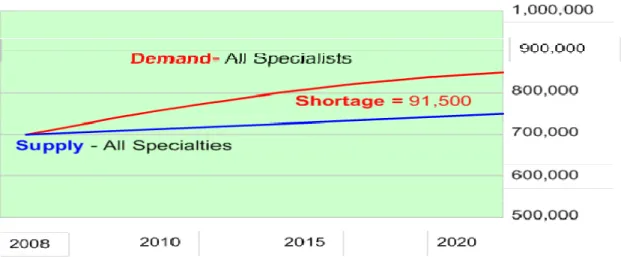
Figure 1: Projected Supply and Demand, Physicians ………. 3
Figure 2: Carolinas HealthCare System: Vision, Mission, and Strategy……….…… 13
Figure 3: Schematic of Organizational Positioning of Carolinas Healthcare System Clinical Integration Council ……… 15
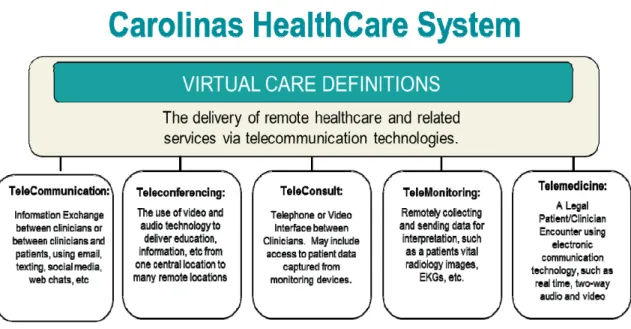
Figure 4: CHS Virtual Care Definitions ……… 16
Figure 5: Research Time Line ………23
Figure 6: Quality Systematic Review Results: Comparable, Less Effective, More Effective, Not Enough Research………. 34
Figure 7: Quality Systematic Review Results: Research Studies Per Health Specialty ……… 34
Figure 8: Barriers Systematic Review Results: General Themes ………..40
Figure 9: Barriers Systematic Review Results: Research Studies Publication Dates … 42 Figure 10: Barriers Systematic Review Results: Barriers Cited by Year ……….. 42
Figure 11: Key Informant Interview Coding Results: Themes and Descriptors ……… 50
Figure 12: CHS Virtual Care Strategic Linkage ………. 71
Figure 13: CHS Virtual Care Infrastructure Team Components ……… 72
Figure 14: CHS Virtual Care Information Technology Vendor Selection ………. 73
Figure 15: CHS Virtual Care Pilot Service Summary ……… 78
Chapter I: Introduction
If the implementation of health care reform is successful, an additional 32+ million Americans will be formally insured and in need of physicians to care for them. Because our population is aging, the number of Medicare-eligible citizens is on the rise, resulting in increasing demand for healthcare providers. As a result of these factors and others, by 2020, our nation will face a serious shortage of both the primary care and specialist physicians needed to care for an aging and growing population.1 The prospect of this physician shortage is troubling, regardless of whether it is a true gap in the number of trained primary care physicians or a distribution issue of specialist physicians, but it allows us an opportunity for innovation that may not have presented itself otherwise. These shortages can motivate us to develop new care platforms which address the problems of patient access to physicians while also improving the care provided to individuals and populations.
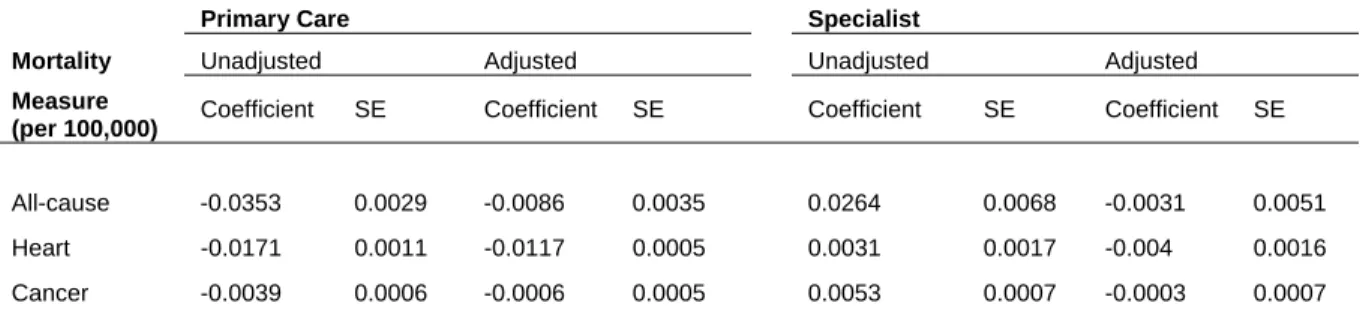
estimated that an increase of one primary care doctor per 10,000 persons would result in a reduction of 34.6 deaths per 100,000 population.2 In an analysis of mortality data from 1996-2000 for 3,075 U.S. counties (99.9% of all U.S. counties), Starfield et al found the increased ratio of primary care physicians to population remained significantly associated with lower total, heart disease and cancer mortality.3 (Table 1)
Table 1: National Center for Health Workforce Analysis: Relationship Between Primary Care and Specialist Physicians Ratios and Mortality
Relationship Between Primary Care and Specialist Physician Ratios and Mortality:
Regression Coefficients, Standard Errors, And Statistical Significance, 1996-2000
Primary Care Specialist
Mortality Unadjusted Adjusted Unadjusted Adjusted
Measure
(per 100,000) Coefficient SE Coefficient SE Coefficient SE Coefficient SE
All-cause -0.0353 0.0029 -0.0086 0.0035 0.0264 0.0068 -0.0031 0.0051
Heart -0.0171 0.0011 -0.0117 0.0005 0.0031 0.0017 -0.004 0.0016
Cancer -0.0039 0.0006 -0.0006 0.0005 0.0053 0.0007 -0.0003 0.0007
Source: National Center for Health Workforce Analysis, 2002 Area Resource File (Rockville, MD: National Center for Health Workforce Analysis, 2002
American College of Physicians. How Is a Shortage of Primary Care Physicians Affecting the Quality and Cost of Medical Care?. Philadelphia: American College of Physicians; 2008: White Paper. (Available from American College of Physicians, 190 N. Independence Mall West, Philadelphia, PA 19106.)
3
Figure 1: Projected Supply and Demand, Physicians
Source: AAMC Releases New Physician Shortage Estimates Post Reform September 30, 2010 http://aamc.org/newsroom/newsreleases/2010/150570/100930.html Accessed July 22, 2011
Specific to North Carolina (NC), a report published in 2007 by the NC Institute of Medicine provided evidence growth in the provider supply has not kept pace with growth in the overall population or the increased demand for health services in North Carolina. The state is likely to face a severe shortage of physicians, nurse practitioners (NPs), physician assistants (PAs), and certified nurse midwives (CNMs) over the next 20 years, absent major changes in the healthcare delivery system or significant increases in the number of providers. 6
Pham et al concluded the hospitalist medicine movement has moved beyond curiosity and insurgency to an established patient care model over the last 10 years.7 The use of mid-level providers (MLP) such as nurse practitioners and physician assistants to complement physicians and “extend” services is another model that has proven effective, especially when working as a team to triage work to the appropriate licensure level. Work performed at Inova Fairfax Hospital demonstrated that MLPs decreased physician workload and contributed to the learning of residents.8 Another study conducted at a Level 1 Trauma Center concluded that MLPs offered a clinically effective and resource efficient alternative to residents on a trauma service.9
Both of these care models began as innovations to increase patient access to clinicians and over time became recognized standards of care. What was it that allowed these models of care to grow beyond innovative ideas and become the acceptable models? In the late 1990’s, Watcher examined the emergence of the hospitalist model of care and offered some insight into its proliferation into mainstream American medicine. He credits a convergence of several elements: the conflict between hospitals and physician incentives, the implementation of “diagnosis related groups” (DRGs), a trend for more rapid hospital discharge, and a higher threshold for hospitalization. According to Watcher, these elements came together to create a change in the nature of hospital care and a change in the model of care.10
5
the medical home in coordinating patients’ total healthcare needs. The advent of team- based care sets new expectations requiring physicians to participate in the seamless coordination of care. The Agency for Healthcare Research and Quality (AHRQ) notes that one of the key characteristics of a collaborative approach to care includes the ability to connect and communicate across and amongst sites of care, care providers, and data repositories.11 Accountable care organizations may allow for the emergence of new models which could play a significant role in increasing patient access to physicians, such as virtual physician care.
Virtual Physician Care: What is it?
Telemedicine remains difficult to define but its increasing use across the healthcare industry is bringing it attention. Several virtual care programs are currently being used on a daily basis to care for patients across America. Physicians have been providing care telephonically for years, consulting with each other on patient care plans and coordination. Radiological images and other electronic medical reports such as electrocardiograph, electroencephalography, and electromyography (EKG/ EEG/ EMG) studies are transmitted between practitioners for review and diagnoses. The efficiency and quality of this virtual sharing of information to best utilize physician expertise for patient care has been well documented, including research conducted by Ricci et al. that examined the impact of teleradiology in orthopedic surgery. In 21% of the patients with acute fractures, the care plan was changed after an assessment that included electronically transmitted images by the attending physician.16 In the world of cardiology, the results of the CONNECT (Clinical Evaluation of Remote Notification to Reduce Time to Clinical Decision) trial, conducted by Dr. George Crossley (University of Tennessee College of Medicine, Nashville), concluded that remote follow-up of EEGs actually creates reliable outcome measures which improve care as compared to the traditional office visit.17
The combination of virtual care with face to face interaction between patients and physicians in the form of telephonic care and teleradiology has been integrated into daily medical practice. However, there is less experience and evidence regarding the virtual care of patients by physicians in lieu of a face to face interaction. This model allows a
7
obviate a trip to the doctor’s office. Every element of that visit to the doctor’s office would be completed through a virtual connection, including an intervention and the development of a plan of care. In the appropriate circumstances, this more efficient means of clinical care could help extend physician resources to increase access, without necessarily adding additional physician resources. It also challenges the long standing practice in medicine of the patient coming to the physician; virtual care would invert this relationship, allowing the physician to come to the patient.
Some of the most promising work in virtual care for patients is being done by the Veterans Health Administration (VHA) in the Department of Veterans Affairs, which provided virtual care to over 230,000 patients in 2008.18 At the 2009 National Institute of Health (NIH) conference on the Future of Telehealth, members from the VA team presented their experiences of caring for patients in virtual care models. The experiences considered most successful included treatment for depression, hypertension, heart failure, and posttraumatic stress disorder.19 This conference highlighted the need for research to produce evidence of the efficacy of a virtual care experience, not only for the safety of patients, but also to provide the foundation for a telemedicine infrastructure that serves the general public. The VA prioritized six areas of research most relevant to the efficient development of telemedicine in America20:
1. Randomized control trials (RCT) to investigate adaptations of existing evidence-based practices to telemedicine modalities
usual or face-to-face encounters (ex. behavioral health, ambulatory disorders, intense anxiety)
3. New research strategies that match the pace of technology development in order to reduce the time lag between initiation of research and widespread adoption of new technology into standard healthcare
4. Improving patient access to care via telemedicine technology 5. Economic impact or benefits of telemedicine interventions
6. Investigate how telemedicine technologies can be incorporated into and enhance new models of care
There are other notable examples across America of centers currently working on the integration of virtual care into the care model for the benefit of patients. In September of 2011, the U.S. Health Resources and Services Administration (HRSA) awarded Regional TeleHealth Resource Center grants to three groups located in Maine, Virginia, and Indiana. In Charlottesville, Virginia, the University of Virginia (UVA) Center for Telehealth will use its grant to establish the Mid-Atlantic Telehealth Resource Center, which will link urban and rural healthcare providers in the District of Columbia, Virginia, Delaware, Kentucky, Maryland, North Carolina, and West Virginia. The UVA program provides over forty sub-specialties and eighty-five locations across Virginia.21
9
Chapter II: Study Design: Virtual Physician Care: Three Aims
11
Aim 1: What is the quality of virtual physician care?
This aim was accomplished by systematically reviewing the literature. For an innovation to be worthwhile for a physician to adopt, it must first be proven to be comparable or better than the current quality of care provided to patients through another model. This dissertation employed a systematic review of the literature examining the
comparability of traditional physician care versus virtual physician care to determine its quality.
Aim 2: What are the barriers to the adoption of virtual physician care?
This aim was accomplished employing a systematic review of the literature. If the opportunity to provide virtual physician care has been possible for several decades, and the results of the systematic review of its quality are predominately proven effective, the next question to consider is why its practice has not been widely incorporated into the medical practice. The second systematic review of the literature sought to understand the barriers to adoption of virtual physician care.
Aim 3: How can the adoption of virtual care be accelerated?
percieve as necessary to utilize virtual care should be instrumental in the acceleration of its use.
Furthermore, large American health care systems can play a key role in establishing best practice and contributing to evidence based medicine. Carolinas HealthCare System (CHS), the second largest public healthcare system in the United States, serves diverse communities in two states across the full care continuum. The scope of CHS programs and initiatives already underway within this clinical environment make it an ideal setting for research regarding virtual care. The physician leaders selected for the study were members of Carolinas HealthCare System from varied backgrounds and training. This sampling approach allowed exploration of virtual care on a broad and effective scale, collecting information which can then be shared externally with application to other physicians and healthcare systems.
Carolinas HealthCare System: Background
13
level I trauma center (LITC), one level II trauma center (LIITC), and three level III trauma centers. Research is one of three key core missions of CHS, along with patient care and education. The research programs within CHS are numerous and diverse, including roughly 660 active Internal Review Board approved clinical studies.
Figure 2: Carolinas HealthCare System: Vision, Mission, and Strategy Carolinas Healthcare System: Our Vision
Carolinas HealthCare System will be recognized nationally as a leader in the transformation of healthcare delivery and chosen for the quality and value of services we
provide.
Carolinas HealthCare System: Our Mission
The mission of Carolinas HealthCare System is to create and operate a comprehensive system to provide healthcare and related services, including education and research
opportunities, for the benefit of the people it serves.
Carolinas HealthCare System: Statement of System Strategy
Carolinas HealthCare System will achieve its vision through the development of a single unified enterprise focused on developing enduring relationships with our patients based
on superior personalized service and high quality outcomes.
15
Figure 3: Schematic of Organizational Positioning of Carolinas Healthcare System Clinical Integration Council
Specific to the use of virtual care across CHS, a virtual care strategy committee was established in 2011, also championed by Dr. Ray. The goal of this CHS committee is to improve patient quality, safety and access though effective deployment of telemedicine technologies across CHS. This committee established the CHS rules of engagement for virtual care service to provide patients access to medical services without the need to travel or to compromise quality and safety, while offering CHS physicians and clinicians opportunities to expand their reach beyond their own primary service areas. Additionally, physicians utilize this technology to extend access for consultations, distance learning, research and academic activities with the goal of integrating seamlessly into the already established systems of care.
For CHS, virtual care is defined as a healthcare interaction where participants are not co-located together and a technology allows for communication to occur. It is further refined to five (5) categories to help us establish the appropriate technology solutions and system infrastructure to support the clinical interaction. (Figure 4)
CHS President
CHS
Clinical Integration Council
CHS Clinical Integration
Working Group
Figure 4: CHS Virtual Care Definitions
17
Although these demonstration projects are promising and important, CHS has not adopted the virtual physician care platform more broadly. However, even with limited experience, CHS is in an excellent position to look at new care delivery platforms, such as virtual care, to transform traditional models of care to increase physician access without compromise to quality and safety.
Contributions
This research will contribute to the knowledge base about the efficacy of virtual physician care along with key elements to help accelerate its use. This should result in beneficial changes in practice to assist both clinicians and patients in the public health and health care arena. Study findings will also highlight areas where further interventions may be needed to support the adoption of virtual physician care.
Significance
Chapter III: Methodology
A. Research Aims
Aim 1: What is the quality of virtual physician care? Scope and Methodology
The goal of this literature review was to search for all relevant randomized control trials (RCT) testing the comparability of traditional care versus virtual care. The purpose of reviewing the literature is to determine whether virtual care is as safe and effective as traditional care delivery between physicians and patients. This is a first step in determining if virtual physician care is a comparable care model that would be beneficial to accelerate and scale-up more broadly. The knowledge obtained was also used to inform the interview questions used in Aim 3 of this research- key informant interview with physician leaders. Randomized control trials were used as a selection criteria since it is accepted by medicine as objective scientific methodology that, when ideally performed, produces knowledge untainted by bias.25
returned thousands of articles, and upon cursory review, was weighted heavily toward research on telepsychiatry. Including the research on telepsychiatry could potentially dilute information available on the research done regarding quality in other practices and specialties on the provision of virtual care.
Search Terms and Criteria
The literature search was conducted with the assistance of a medical research librarian on MEDLINE including years 1993 to 2011, language restriction to English, and randomized control trials (RCT). Since terminology for virtual care has not been standardized, our search used the following key terms to identify articles most relevant to clinical intervention and quality in a virtual care model. (Table 2) A comprehensive list of the search criteria is included in Appendix A.
Table 2: Quality Literature Review Search Terms Virtual Care AND Clinical
Effectiveness
AND Outcomes
Telehealth Evidence based Interventions
Telemedicine Treatment Transform care
Ehealth Randomized
Control Trial
Aim 2: What are the barriers to the adoption of virtual physician care? Scope and Methodology
21
content, and administration of the key informant interview questions on the acceleration of virtual physician care, detailed in Aim 3 of this research.
Search Terms and Criteria
The literature search was conducted with the assistance of a medical research librarian on MEDLINE including years 1996 to 2011, language restriction to English and exclusion of letters to the editor and newspaper articles. The following key terms were used to identify articles most relevant to physicians, virtual care and barriers to adoption of a virtual care model by physician. (Table 3) A comprehensive list of the search criteria is included in Appendix B.
Table 3: Barriers Literature Review Search Terms
Virtual Care AND Physician AND Barriers
Telehealth Doctor Accept
Telemedicine Adopt
Ehealth
Aim 3: How can the adoption of virtual care be accelerated?
Data Sources: Selection of Key Informants
The selection of key physician leaders was purposeful, highlighting not only their clinical training as physicians but also their positional authority through which they can influence and drive the adoption of new models of care. At CHS, a council comprised of physician leaders, the Clinical Integration Council (CIC) is charged with setting the course for evidence based, clinically integrated care pathways across the entire CHS Enterprise. The list of key informants first reflects the members of the CIC and then any other physician leader over a service line not represented was added. Purposeful sampling of key informants with extensive knowledge of their specialty, team of physicians and also CHS mission, allowed for in-depth study and understanding of the proposed research question.
Fifteen physician leaders were interviewed, after which, saturation of themes was achieved.
23
A question guide was developed and submitted to the UNC Institutional Review Board (IRB Study #12-0839) for approval. The interview guide contained open-ended questions, with each key informant being asked the same questions. The full set of interview questions is available in Appendix D.
There was no monetary or explicit non-monetary incentive to participate in this study. In addition, there were no costs borne by subjects, other than their time.
The research timeline was set and followed to complete the research in a timely manner so results could be published in a reasonable time frame of interview completion. (Figure 5)
Figure 5: Research Time Line
Data Collection:
sessions were recorded with participant permission. The interview took place in accordance with the interview protocol (Appendix D).
Consent and Enrollment: The principal investigator obtained written consent from the physician leader at the time of the face to face interview (Appendix E). The consent form was reviewed orally by the principal investigator and the participant was invited to ask detailed questions about the study. Study participants were consented and interviewed in English. All study procedures were described in detail such that the participant was fully informed of their requirements while in the study. During this consent process, the physician leaders were reminded they were free to choose to take part in the research study or not, and that their decision did not affect their employment at the healthcare system. This was reinforced by a statement from Dr. Roger Ray, Chairman of the Clinical Integration Council, restating participation was entirely voluntary, and that there would be no negative consequence and no expected appropriate answers to the questions. The potential participant could agree or decline to participate in the study. Those who consented to participate in the study were enrolled.
25
Privacy and confidentiality were protected as follows:
1. All interviews with physician leader participants were conducted in private locations of the interviewees choosing.
2. Identification numbers, rather than names, were used on research materials to identify participants.
3. Hard copies of data and collateral materials such as consent forms were stored separately in a locked cabinet in the office of the principle investigator. All interview data were stored in password protected files on a computer at in the principal investigator’s office.
As per the guidelines of ethical research, each individual who participated in this study was first contacted by email. All informants in this study provided voluntary, written and informed consent, gave verbal permission to tape record the interview, and understood fully that their answers are provided with anonymity. Once the data was analyzed and the study completed, all recordings will be destroyed to ensure that no responses are linked to an individual. The results are presented in the aggregate and the names of the individuals kept confidential. Descriptors of key informants are included, but in order to maintain confidentiality of the respondent, these participants’ names are not included.
Interview Process:
The interview process took place in a face to face manner and included questions that moved from general to specific, with the goal of increasing the interviewees comfort with the topic and a natural cadence to answering the questions. It was clearly explained that there were no “right answers”; rather the intention was to learn about their opinions and perspectives as related to the acceleration of virtual physician care.
Since I am an employee at Carolinas HealthCare System and work with the physicians participating in the interview, it was recognized that my role as an interviewer may introduce bias. Traditionally, what the interviewer brings to the research from background and identity has been treated as “bias,” something whose influence needs to be eliminated from the design, rather than a valuable component of it. However, the explicit incorporation of the identity and experience of the interviewer (what Strauss, 1987, calls “experiential data”) in the research has gained much wider theoretical and philosophical support (e.g., Berg & Smith, 1988; Denzin & Lincoln, 2000; Jansen & Peshkin, 1992; Strauss, 1987). Using this experience appropriately in the research can provide a source of insights, hypotheses, and validity checks.26
27
The next question was intentionally broad, asking about overall familiarity with the use of virtual physician care—either personally or by physicians on their care team. Physician leaders with a familiarity of virtual care may already have a grasp of its utility, and also have formed an opinion based upon personal experience as to their preference for use as a viable model of care. It was important to note the demeanor of the informant during the answer to this question as, in some cases, physical demeanor indicated any slant towards favorable or unfavorable opinions.
I developed a comfortable rapport with the interviewee as we entered into the key questions. I used a semi-structured approach and led with specific questions, but the informant talked about whatever they wanted in response to the question. Probes were used to invite clarification and ensure detail was provided about each key point raised. Probes included findings from the two literature reviews conducted on quality and barriers to virtual care. These probes also explored in depth the advantages and/or risks of virtual physician care. Probes encouraged specific feedback in regard to overcoming risk and accelerating realization of advantages. There were five open-ended questions and the questions were asked in a flexible order that took in to account the flow of the conversation, not necessarily in any fixed, specific order.
The summary question at the end of the interview helped to clarify any earlier responses that were confusing or needed more detail. This also offered a chance for the participant to add any last thoughts or final comments that may be relevant to the study. The data from the physician leaders was analyzed separately. The interviews were sorted, manually coded and general themes identified.
During the interview, I was careful not to provide my opinion. This included not offering solutions to problems or barriers mentioned, or consideration of our organization’s likelihood to act upon recommendations of actions; however, I did offer as appropriate a scenario of their suggested solutions to further explore the details of what may be in place to help the solution be successful. I believe my interview subjects were not influenced by my presence or opinion.
Data Analysis:
29
In addition to the principal investigator, two individuals not involved in the interview but on the research team independently reviewed all (100%) of the transcripts to identify codes and notable quotes. A code book was not created. Following the coding of all interviews, coding reports were generated for each of the independent researchers in order to systematically analyze and report on the information received during the key informant interviews. Inter-rater reliability was measured after all three coders completed their work. A threshold of at least 90% was achieved using joint probability of agreement. From the codes identified, the principle investigator reviewed all transcripts and codes again, refining into themes and descriptors to accurately represent the findings from the key informant interviews.
B. Study Limitations
Study limitations also existed for the key informant interview portion of the research. First, the key informant interview participants were derived from a single healthcare system. This will hinder the scope of opinions and feedback from those practicing in a different system and a different environment where care is provided to patients. Those participating in the interviews reflected diverse tenure, experience and medical training.
Second, the key informants were physician leaders only. The physician leader may not have had direct experience with virtual care, although all were effective in describing it and expressing their understanding of its definition for purposes of this research. Those without first hand use of virtual care have a knowledge base different from that of a physician who may have experience providing virtual care. However, physician champions are necessary to facilitate change management in the healthcare industry supporting physicians as the research focus. Using physicians only excludes knowledge from other key players in the use of virtual physician care, including the patient, families, administrators and other clinicians in the healthcare field. The patient and community perspective is important, so research understanding the risks and benefits from end user would be helpful. The studies should focus on all segments of the population to be inclusive of understanding the varying opinions based upon age, ethnicity, gender, socio-economic status, geography and disease or wellness state.
31
Chapter IV: Results
A. Discussion of Results and Summary of Findings Aim 1: What is the quality of virtual physician care?
The results of the literature review yielded important information necessary to create a foundation to address the question of how the use of virtual physician care can be accelerated. It is prudent to perform due diligence to validate the comparability of quality between virtual care and traditional care before work is done to help its adoption. This review provided a baseline of information from the current research that can validate the quality of virtual care, recognizing there is work to be done to increase the amount of research in this area to contribute to its validation.
The systematic review identified 118 articles. Exclusion criteria were established and used to eliminate articles which were not randomized control trials (RCT) and did not involve care interventions between a patient and physician. (Table 4)
Table 4: Quality Systematic Review Results: Exclusion/ Inclusion Summary Excluded:
Communication only- no clinical intervention 25
No patients 26
No physician involvement 14
No measure of quality (satisfaction/ cost etc.) 5
Total Excluded: 70
Included:
Care intervention with patients and physicians 48
33
All 118 articles were partially reviewed by reading each abstract and applying the exclusion criteria. Of the 48 articles selected for full review, critical information from each article was abstracted and entered into a database. Information was collected from each research study to determine the breath of impact across the health continuum including the following: health focus, virtual care model/intervention, technology, number of patients. The literature was also abstracted to compare clinical effectiveness and whether or not the virtual care model was comparable to the traditional care model (Appendix F).
Figure 6: Quality Systematic Review Results: Comparable, Less Effective, More Effective, Not Enough Research
Figure 7: Quality Systematic Review Results: Research Studies Per Health Specialty
Nevertheless, the little research that does exist does offer some promising results to highlight. For example, Vitacca et al. studied patients with Chronic Obstructive
35
significantly fewer hospitalizations (-36%), urgent physician calls (-65%) and acute exacerbations (-71%).27 Even more promising is the work done by Shea et al. in New York focused on diabetics entitled The Informatics for Diabetes and Education Telemedicine (IDEATel) Project. Their research demonstrated that telemedicine case management versus usual care resulted in net improvements in HgbA1c, LDL-cholesterol, and blood pressure levels over 5 years in medically underserved Medicare beneficiaries. Strengths of this study included its focus on an elderly population and its longitudinal nature.28
Table 5: Telemedical Project for Integrated Stroke Care Results
Combined Outcomes After 12 and 30 Months (Unadjusted)
Death or Institutional Care Intervention Group, Control Group, P Intervention Group, Control Group, P
Outcome N=1883 N=1085 N=1860 N=1075
Dead 428 (22.7) 265 (24.4) 619 (33.3) 376 (35.0)
Institutional care 177 (9.4) 124 (11.4) 161 (8.7) 109 (10.1)
At home 1278 (67.9) 696 (64.1) 0.038* 1080 (58.1) 590 (54.9) 0.094*
Intervention Group Control Group Intervention Group Control Group
N=1876 N=1077 N=1855 N=1073
Dead 428 (22.8) 265 (24.6) 619 (33.4) 376 (35.0)
Institutional care 177 (9.4) 124 (11.5) 161 (8.7) 109 (10.2)
At home with severe
disability 261 (13.9) 209 (19.4) 207 (11.2) 142 (13.2)
At home without severe
disability 1010 (53.8) 479 (44.5) <0.001† 868 (46.8) 446 (41.6) 0.006†
*Unadjusted outcome “at home” was tested against the combined outcome of “death and institutional care.” 12 Months 30 Months
Long-Term Effects of Specialized Stroke Care With Telemedicine Support in Community Hospitals on Behalf of the Telemedical Project for Integrative Stroke Care (TEMPiS)
Death or Institutional Care or Severe Disability
Source: Audebert HJ, Schultes K, Tietz V, Heuschmann PU, Bogdahn U, Haberl RL, Schenkel J; Telemedical Project for Integrative Stroke Care (TEMPiS). Long-term effects of specialized stroke care with telemedicine support in community hospitals on behalf of the Telemedical Project for Integrative Stroke Care (TEMPiS). Stroke. 2009 Mar;40(3):902-8. Epub 2008 Nov 20. PubMed PMID: 19023095.
12 Months 30 Months
P
†Unadjusted outcome “at home without severe disability” was tested against the combined outcome of “death and institutional care and at home with severe disability.”
De ath Rate s and Adjuste d ORs for De ath at Various Time s Afte r Stroke Admission Intervention Control Group
Group Deaths (%) Deaths (%)
10 days 143 (7.4) 101 (9.0) 0.86 0.64 –1.15 30 days 200 (10.4) 141 (12.7) 0.84 0.65–1.09 90 days 289 (15.1) 186 (16.8) 0.93 0.74–1.17 365 days 430 (22.7) 268 (24.5) 0.98 0.80–1.19 900 days 599 (32.0) 373 (34.5) 0.95 0.79–1.14 *If treated in the intervention group and adjusted for all baseline parameters
Source: Audebert HJ, Schultes K, Tietz V, Heuschmann PU, Bogdahn U, Haberl RL, Schenkel J; Telemedical Project for Integrative Stroke Care (TEMPiS). Long-term effects of specialized stroke care with telemedicine support in community hospitals on behalf of the Telemedical Project for Integrative Stroke Care (TEMPiS). Stroke. 2009 Mar;40(3):902-8. Epub 2008 Nov 20. PubMed PMID: 19023095.
Time After Stroke Admission
Adjusted*
OR 95% CI
37
Another study by Burgess et al compared conventionally proctored endoscopic sinus surgery cases with those that were teleproctored. The lack of differences in perioperative clinical outcomes between groups demonstrates the clinical safety of live, intraoperative consultations for selected procedures in a controlled environment.30 Burgess suggests this approach might be valuable in rural areas where the local general surgeons might need assistance from specialists to perform emergency procedures or procedures they may perform infrequently. This demonstrates the potential impact of virtual care to prevent the transfer of patients to another facility while maintaining support to the physician providing the service locally to maintain quality.
Dermatology is a well-suited area for telemedicine because the nature of this care provision is based upon the review of abnormalities of the skin. With high definition technology, the resolution of images aids the review and diagnosis by remote means. A multicenter randomized control trial by Eminovic et al addressed the question of preservation of quality and efficiency by studying whether teledermatologic consultations could reduce unnecessary referrals to dermatologist from general practice physicians. Of the 631 patients enrolled (327 intervention/ 304 control), the dermatologists considered a consultation preventable in 39% of the intervention patients and 18.3% of the control patients. (Table 6) The researchers concluded the use of telemedicine could reduce dermatology consultation visits by 20.7%; so in terms of efficiency, virtual care was deemed better than the traditional care model in this case.31 It is important to note that
demonstrating that specialist expertise drove the decision based upon quality and efficacy of patient care.
Table 6: Teledermatologic Consultation and Reduction in Referrals to Dermatologists
Reasons Office Consultations Were Judged Preventable vs Necessary
Intervention Group Control Group Total
Reason (n=200) (n=169) (N=369)
Preventable consultations
Patient recovering/recovered 40(20.0) 7(4.1) 47(12.7)
GP could treat patient 30(15.0) 21(12.4) 51(13.8)
Patient cannot be treated 4(2.0) 2(1.2) 6(1.6)
Other 4(2.0) 1(0.6) 5(1.4)
Total 78(39.0) 31(18.3) 109(29.5)
Nonpreventable consultations
Teledermatologic consultation advice incorrect 11(5.5) NA NA
Dermatologist required for treatment 87(43.5) 94(55.6) 181(49.1)
Patient request 4(2.0) 16(9.5) 20(5.4)
Othera 20(10.0) 28(17.1) 48(13.0)
Total 122(61.0) 138(81.7) 249(67.5)
No. (% ) of Patients
Abbreviations : GP, general practitoner; NA, not applicable
aOther reas ons for nonpreventable cons utlations included the need for tes ts and treatment (10 in both groups ): patients needed to be
reas s ured (control group, 4 patients );and the dermatologis t indicated that the cons ultation was not preventable becaus e it was required for the s tudy(intervention group, 4 patients ).
Source: Eminović N, de Keizer NF, Wyatt JC, et al. Teledermatologic Consultation and Reduction in Referrals to Dermatologists: A Cluster Randomized Controlled Trial. Arch Dermatol. 2009;145(5):558-564.
39
effectiveness of this health care delivery model in different settings and contribute to the rather scarce literature.
Aim 2: What are the barriers to the adoption of virtual physician care?
The results of this literature review provided valuable foundational information to help frame the discussions with the key informant interviewees on the acceleration of virtual physician care. Understanding the current research on barriers to adoption provided objective information by which to approach the research to accelerate its use. These findings informed the structure, format, content, and administration of the key informant interview questions developed for Aim 3 of this dissertation.
The systematic review identified fifty seven (57) initial articles of interest. (Table 7) All 57 articles were partially reviewed by reading each abstract and applying the exclusion criteria. Of the 57, seventeen (17) were excluded because they did not meet the criteria of virtual physician care as defined by the use of a technology to visualize and care for a patient in lieu of an in person interaction. (Appendix G)
Table 7: Barriers Systematic Review Results: Exclusion/ Inclusion Summary Included: Virtual Care included patient 40
Excluded: Virtual Care did not include patient 17
Total Articles: 57
research findings as key contributors to lack of adoption of virtual care. These key words were noted during the literature review and summarized in general themes. While some articles mentioned several barriers, the authors generally highlighted the participant’s stated major barriers. (Figure 8)
Figure 8: Systematic Review Results on Barriers: General Themes
6%
13%
26%
3%
15%
10%
6%
14%
20%
0 5 10 15 20 25 30
%
Occu
ran
ce
Barriers
Virtual Physician Care: Barriers Systematic Review Results
General Themes (n=40)
41
Table 8: Barriers Systematic Review Results: Exemplar Examples
Barrier Exemplar Examples from Literature Review
Training Stronge et al conducted research on human factor elements in the adoption of telemedicine and determined insufficient training as one of several key impediments to its increased use and acceptance.32
Patient Acceptance
Siwicki reported that Dr. Balch, director of telemedicine at East Carolina University stated issues of concern care provided by telemedicine technology is perceived as cold and impersonal.33
Physician Attitude
Barton et al. reported that more physician nonusers hold the opinion that colleagues influence their use of new technologies such as telemedicine (p<0.0001) and that more research on telemedicine is needed (p<0.0001).34
Legal/ Regulatory
A higher proportion of nonusers believed that credentialing and licensure issues discourage telemedicine use (33.7% vs. 70.4%, OR= 0.21, CI= 0.15-0.31, p<0.0001).35
Quality Research by Barton et al concluded only about one-third of respondents (32%) stated that they could conduct a thorough physical exam of the patient using telemedicine. Additionally, two thirds (66%) reported that they found telemedicine more acceptable for rendering second opinions or offering informal consultations, not for diagnosing new patients.36
Liability Siwicki reported that Gordon Rudd, a technologist, stated “When I explain telemedicine, a doctor’s first questions always are, “Do I suffer any additional liability?”37
Reimbursement Barton et al. reported that only about one quarter (26%) of respondents agreed that Medicare reimbursement for telemedicine usage was adequate for their level of participation.38
Technology Stronge et al. determined that usable software will always be critical for health professionals whose attention is focused on patients and time constraints, rather than software interfaces.39 System Support Barton et al. stated that there are other factors to consider in the
motivation of a physician participating in telemedicine which includes the location and convenience of the equipment, its availability and ease of scheduling, the age of the equipment, availability of technical support, and other factors that influence a physician’s time expenditure.40
identified were relatively consistent over the course of the fifteen years reviewed. Three identified barriers were particularly consistent; physician attitude, system support, and quality accounting for 61% of the general themes identified in the literature review. (Figure 10)
Figure 9: Barriers Systematic Review Results: Research Studies Publication Dates
43
Since technology is changing so rapidly, it would be advantageous to see if its progress will help to minimize barriers in the area of technology. An article published in May 2012 by Health IT News reports a rapid advancement in technology with respect to 4G networks, which could rapidly expand virtual care access in rural areas.41 The cost of technology is also declining, which may address the barrier of the cost of entry with technology to provide virtual care. Research by Lawrence suggests the cost of technology for in-home monitoring is rapidly dropping, and patients will begin to play a greater role in managing their own care. In addition, the U.S. Government’s pledge to increase the national health care IT network infrastructure means that rural areas may have better, faster connections to link with specialty services in the cities, and the use of telemedicine for specialty services like telepsychiatry, telestroke and wound care may increase as a result.42
In the areas of reimbursement, liability and regulatory, there are variable laws by state. Under the Medicare Conditions of Participation, virtual care is a covered service under certain circumstances.43 Specifically, Part B will cover the following services
provided using telecommunications:
initial and follow-up inpatient telehealth consultations (see below for
restrictions);
office or other outpatient visits;
individual psychotherapy and health/behavior assessment and intervention; pharmacologic management;
psychiatric diagnostic interview examinations;
ESRD (there are additional requirements for this service); individual medical nutrition therapy;
For these services, CMS requires that the patient be located at a site that is either in a rural HPSA or in a county outside of a Metropolitan Statistical Area. In addition, Medicare requires that the physician be licensed in the state of practice, and that the patient be present for the visit; if the patient is not physically present at the virtual care visit, the physician cannot bill for the consult. The remote physician is considered to be the physician in charge of the patient.44
Virtual care also poses obligations and concerns for hospitals and health care systems. Security safeguards must be put in place to ensure secure access and to protect patient privacy while the telecommunications take place. Hospitals need to consider how they would defend claims by a physician that his/her harm to the patient was due to a failure in the telecommunications or access provided by the hospital or system. Medical record documentation must also be addressed, including how to give secure access to the electronic medical records and verify proper documentation. Finally, hospitals should consider how to respond if on-site medical care is necessary and the telecommuting physician is not available.
45
Summary of Findings: The research exploring the barriers to virtual physician care identified nine (9) general themes as contributors to the lack of its adoption. Of the nine, four were mentioned most frequently including physician attitude, system support, technology reliability and quality concerns. Physicians were reluctant to advocate for the use of virtual physician care, lacking confidence in the reliability of the technology and the infrastructure to support it to actually care for the patient. The inability to measure quality consistently also contributed to the overall lack of physician support. The findings did not vary over time, highlighting the need for purposeful research to understand not just what the barriers are, but what can be done to get past them.
The detail in this literature review helped not only frame the key information interview question structure, but also provided me as the interviewer concrete research to refer to and use as prompts during the interviews. Citing the research versus relying on my own experience in building a virtual care network helped to minimize bias.
Aim 3: How can the adoption of virtual care be accelerated?
Furthermore, the physicians identified are in leadership roles, have diverse training, and variable tenure with in CHS. The profile of the interviewees is as follows:
Table 9: Key Informant Interview Profile
Specialty/ Service Line Tenure at CHS Provision of Virtual Care*
Anesthesiology 3.5 yrs Used > 10 times
Cardiology 24 yrs Never used
Critical Care 16 yrs Never used
Critical Care/ Palliative Care 2.5 yrs Never used
Emergency Medicine 4 yrs Never used
Family Medicine 2 yrs Never used
Family Medicine 25 yrs Never used
Family Medicine 14 yrs Used 1 to 10 times
General Surgery 34 yrs Never used
Internal Medicine 45 yrs Never used
Internal Medicine 8 months Never used
Internal Medicine / Hospitalist 15 yrs Used 1 to 10 times
Neurology 6 yrs Used > 10 times
Neurosurgery 16 yrs Never used
Oncology 15 months Never used
47
While each physician leader may not have had direct experience with virtual care, all were effective in describing it and expressing their understanding of its definition for purposes of this research. This is not surprising that the profile of the interviewees reflects such low exposure to actual use of virtual physician care as it has not yet been widely adopted in practice or in residency training programs. It is also recognized those without actual experience with virtual care have a knowledge base different from that of a physician who may have experience providing virtual care. From a leadership perspective, often the leader is not the content expert but is still called upon to help champion effective change. This provides the context for the informants to describe their opinions and role in acceleration of virtual physician care, regardless of their experience.
Coding
Table 10: Key Informant Interview Coding: Inter-Rater Reliability
Acceleration of Virtual Physician Care Key Informant Interview Coding
Inter-Rater Reliability Joint Probability of Agreement
Coder 1 Coder 2 Coder 3
1 Effective Technology Effective Technology Effective Technology
2 Continuity of Care Continuity of Care
3 PCP Shortage PCP Shortage PCP Shortage
4 Training Training Training
5 Quality Quality Quality
6 Education Education Education
7 Reimbursement Reimbursement Reimbursement
8 Liability Liability Liability
9 Incentives Incentives Incentives
10 Institutional Support System Support Institutional support
11 Specialist Shortage Specialist Shortage Specialist Shortage
12 Availability/ Access Availability/ Scheduling Availability/ Access
13 Physician Champion Physician Champion/ Big wins Physician Champion
14 Patient Acceptance Patient Acceptance Patient Acceptance
15 Efficiency Efficiency Efficiency
16 Team Approach Team Approach Teamwork
17 Loss of Human Touch Empathy/Loss of Human Touch Loss of Human Touch
18 Appropriate Resources Resources Appropriate Resources
19 Demand Needs/ Demand Demand
20 Costs Costs Costs
21 Multiservice Location Multiservice Location
Inter-Rater Reliability: 1,2 & 3 90.48%
Inter-Rater Reliability: 1 & 2 95.24%
Inter-Rater Reliability: 1 & 3 95.24%
Inter-Rater Reliability: 2 & 3 90.48%
Themes
49
Table 11: Key Themes from Key Informant Interviews to Accelerate the Use of Virtual Physician Care
Themes
1. Effective technology to provide virtual physician care must be available in a consistent, reliable format.
2. Providing physician care virtually must meet the same quality standards as the current model of care.
3. Institutional support to provide virtual physician care must be clearly articulated and recognized throughout the organization as an acceptable model of care.
4. The provision of virtual physician care must be efficiently integrated into the current workflow of the physicians in all care settings.
5. The healthcare environment must create a demand for virtual physician care.
Figure 11: Key Informant Interview Coding Results: Themes and Descriptors
Theme # 1: Effective technology to provide virtual physician care must be available in a consistent, reliable format.
51
“A proof written technology around it, hardware, software, excellent audio and video connections that are not cumbersome to work with, that work well on both ends so that the physician sitting in the block has high quality audio video at their disposal, and also on the receiving end. It needs to be user friendly on both ends, so that the physician providing the care, or whatever the care provider is, and the patient, and the staff receiving the care, are both comfortable with the technology.”
Another key informant noted, “ I think making it easy for the end users, easy for the doctors to use, easy for hospitals to implement, easy for people to control. The challenges we saw in a small way in Georgia was that it relied heavily upon equipment that was in one room and the patients had to be transported to that room.”
Furthermore, it was noted the advances in technology should lend itself to a model with multiservice locations, including the patients’ homes. One key informant made a relevant example of the role Walmart may play in the future of primary care and its potential impact on illness prevention and health maintenance.
“Only half joking, some of my family medicine colleagues think the future of primary care is Walmart. Walmart is a great example of just one of many; it’s ubiquitous, they are everywhere, they are open 24 hours a day, they already have a pharmacy, they already do blood pressure checks, and I think a whole lot of what’s missing in American healthcare now is a focus on health maintenance and help in illness prevention. So my thought would be you have a trained practitioner who maybe manages a series of these local units (Walmart, Target), and the physician would be readily available by telemetery link and telemedicine.”
compliment of virtual physician care. This availability of images and information, if used appropriately, could help prevent patients from having to travel to see specialists unnecessarily.
“A patient knows they have cancer. They need to see a specialty and the issue is mostly about the evaluation of films and making recommendations about various treatment strategies, but they may live hours away; absolutely the ideal way to do it (virtual physician care), as long as the high quality images could be reviewed.”
Theme # 2: Providing physician care virtually must meet the same quality standards as the current model of care.
The importance of the quality of virtual physician care was mentioned in every interview, but not in a way that was negative or described by the informants as a barrier. Rather, they readily shared areas where virtual physician care could be implemented without major concern for its quality, if provided with the right infrastructure, equipment, and system support. Efficacy meaning it meets the current standards of care provided in the traditional face to face model of care. Five descriptors for this theme were identified including loss of human touch, continuity of care, education, training, and liability.
Many of the physicians acknowledged the loss of human contact and the art of the medical profession which comes with the interpersonal connection between physician and patient. Therefore, throughout the key informant interviews, virtual physician care was almost always described as an additional tool to care for patients, preserving and enhancing continuity of care, not as a replacement of the physician/ patient relationship.
53
“If you know the patient well, a picture would be fine. If you have never seen the patient before, I think most doctors would say I’m a little worried about not being able to lay eyes on the patient directly and to touch the patient directly.”
Another interviewee described it in a slightly different way, bringing up the change in human contact, but expressing optimism if it is implemented appropriately.
“I’m not as worried about the lack of human contact that comes with this. I think if it’s utilized in the correct fashion and has the human contact on the other end this is just a service that is being added to something that is already in place, I think that concern that people have expressed is probably not one that we really need to worry about as long as we work at that intentionally, that human contact doesn’t go away.”
Yet another key informant viewed virtual care from the competitive landscape, referring to several for-profit companies establishing virtual urgent cares where patients can log onto a website, enter their own health information, and receive an instantaneous virtual physician visit. This model did not sit well with informants, referencing a lack of connection to a medical home or valid health information as described with limited or no access to the patient medical record.
“I mean, how much money could you make having a bunch of shops all over the place and being the doctor, but not providing the high quality.”
“So if we had other ways of ‘ “bringing people into the office” ’ or giving them access after-hours, during hours, I think it would be huge. It would improve quality, it would improve overall outcomes for patients and decrease costs.”
“We need to build a virtual care component into whatever the care team’s doing.”
“I think having a virtual care program that ties everyone together, and creates instant access to all the specialties for the primary care doctors, for a lot of specialists it would create relationships back to the primary care doctors. I think for everyone it will be a means to understand how to grow their practices so this would be some sort of common theme that people could unite behind.”
The descriptors of education and training were addressed from both the physician, clinician, and patient perspective. While the expectation of efficient technology addressed in theme #1 includes ease of use, there was the recognition that training and education must be addressed so virtual care is utilized effectively. This includes pre-training for clinicians not only in the use of technology, but also on the soft sides of interacting with patients and other care givers from a distance. Similar education and training was also deemed necessary for patients, so they are aware of the technology requirements (i.e.,broadband, 4G access) as well as what to expect when they interact with their caregiver in a virtual manner. As important is the backup plan if the virtual platform doesn’t work; safety for all involved must be addressed prior to program implementation.
“What you need to do to make that kind of virtual care work is the primary care doctors who may be interfacing with patients or the emergency medicine doctors or whomever they are interfacing with have to have received some extra training.”
“We gotta make sure that we do it right; this can’t be something you just sort of haphazardly do. It has to be something where there is complete structure around it and everyone knows their roles and expectations. There is a safety mechanism put into place so if something is not going right or if something needs to be deviated from.”
55
must first exist. Typically, the physician/patient relationship begins when the patient consents (whether express or implied) that the physician may provide treatment. Other signs of a physician/patient relationship include whether the physician expects to be paid or bills for her/his services, whether s/he has reviewed and/or recorded information in the medical record, and whether s/he controlled (or knew that their opinion would control) the patient’s care. For those physicians treating a patient through telemedicine, these requirements would also have to be met and, consequently, they would have the requisite physician/patient relationship.
Once the physician/patient relationship is established, the concern is whether the physician also met the prevailing standard of care. While most standards of care are now national, there could be situations where telemedicine creates a disparity. For example, the physician may be in a location where the standard of care is different than the standard where the patient is located, thereby creating the question of whether the physician was negligent for following a different standard. This evaluation will need to be made on a case by case basis.
“I think a comfort level that it’s okay, that there is no more liability there than in any other situation.”
Theme # 3: Institutional support to provide virtual physician care must be clearly articulated and recognized throughout the organization as an acceptable model of care.
Although the physicians interviewed did not seem to view the quality of virtual physician care as a major concern in its acceleration when used in appropriate circumstances, there was considerable amount of conversation about the institutional support for the provision of virtual care. Relating back to the literature review on barriers, this closely correlated to system support and physician attitude. It could also be implied that the acceleration of virtual physician care requires the leadership component of change management and the creation of an environment where innovation and the trial of new models is cultivated. There were two descriptors identified in this area including physician support and incentives.
57
requisite learning curve, process impact, and new dynamics that the introduction of virtual care is sure to impress upon the infrastructure of the system.
“I think it makes it easy for us to go out there when we can tell them that we have the system support for this. It’s administratively supported at a high level at this point that they know this is an investment in a direction they want to go.”
“We need to create an environment for the adoption of many things, including telehealth.”
Furthermore, the informants recommended physician leadership as a key component to the acceleration of virtual physician care. This is not just a physician leader for each different medical or surgical specialty field willing to become familiar with its application, but an overall champion in the system for virtual physician care with actual experience caring for patients with virtual care. When reviewing the attributes of the key informants, it is of interest to note only two had significant experience taking care of patients virtually.
“I think you do need champions to push it forward at CHS.”
“This hinges on another issue which is: do physician leaders in the system continue to provide patient care? I think it’s very valuable if we start to do this ourselves and then we can go to other physicians that are providing service everyday and say I’ve tried this out and it works.”
“The other thing that might help is if we had a physician leader here who dropped in and had significant experience in this area, and was a true believer.”