EVALUATING A LATENT MEASUREMENT MODEL FOR INFANT SLEEP: FROM INTRINSIC AND EXTRINSIC PREDICTORS TO COGNITIVE OUTCOMES
Marie Camerota
A dissertation submitted to the faculty at the University of North Carolina at Chapel Hill in partial fulfillment of the requirements for the degree of Doctor of Philosophy in the Department
of Psychology and Neuroscience in the School of Arts and Sciences.
Chapel Hill 2018
Approved by:
Martha J. Cox
Cathi B. Propper
Peter A. Ornstein
Kenneth A. Bollen
ABSTRACT
Marie Camerota: Evaluating a Latent Measurement Model for Infant Sleep: From Intrinsic and Extrinsic Predictors to Cognitive Outcomes
(Under the direction of Martha J. Cox)
The development of infant sleep is thought to be jointly guided by the dual processes of
sleep consolidation and regulation. However, until now, there have been few empirical studies
testing whether there is evidence for these latent processes. The current study uses structural
equation modeling to test whether sleep consolidation and regulation can be modeled by two
distinct latent variables. Using observed indicators from multiple sleep assessment methods, we
found that a two factor model representing the processes of consolidation and regulation fit better
than a one factor, undifferentiated model. These two latent factors were predicted by different
intrinsic (i.e., infant) and extrinsic (i.e., parenting) factors, as well as interactions between the
two classes of predictors. Specifically, we replicated the interaction of infant temperament and
maternal emotional availability in predicting both consolidation and regulation. We also found
that infant sleep regulation longitudinally predicted infant attention regulation, although this
relationship was only true for children whose mothers held a college degree or higher. These
findings contribute to the literature by providing a novel measurement model that appropriately
accounts for measurement error. Further, our findings suggest that considering the interaction
between child characteristics and parental input in promoting high quality sleep is a key avenue
in adolescents and adults, we find support for the notion of hierarchically organized
ACKNOWLEDGEMENTS
There are a great many individuals whose unwavering support and guidance made this
work possible. I am endlessly grateful to my primary and secondary graduate mentors, Dr.
Martha Cox and Dr. Cathi Propper, whose rigorous, innovative research programs and deep
knowledge of developmental science principles are achievements that I can only hope to mirror
in my own career. Besides their unquestionable eminence and expertise in the field, they are two
of the most thoughtful and caring people I know. In sharing both personal and professional
triumphs and challenges over the years, they have been an exemplary model of what graduate
mentorship can and should be. During my time in graduate school, I also consider myself lucky
to have had the opportunity to work with Michael Willoughby, who created a place for me on
many of his projects. Gaining data collection and analysis experience with him has helped me
both broaden and deepen my skill set in enumerable ways, and I look forward to continued
collaboration.
I am additionally grateful to my dissertation committee, which besides my
aforementioned mentors includes Eva Telzer, Peter Ornstein and Ken Bollen. Each member of
the committee has invested time and effort into my career development by providing valuable
feedback on my work and challenging me to strive for the highest levels of excellence and rigor.
I am honored to have spent time in the presence of this esteemed group of scholars. Further, I
would like to thank my fellow graduate students and lab mates (both past and present) with
shared successes. I am grateful for the fun and collaborative environment you have all helped
create, and I feel excited and hopeful to have you as my future colleagues.
Last in sequence but not in importance, I would like to extend my sincerest gratitude to
my family. To my parents and grandparents who provided endless love and encouragement, to
my brother who aided in my development of inhibitory control, and to my lifelong friends who
have been along for the ride, I consider myself extremely lucky to have you all as a part of my
support system. To my father and grandmother, who are watching my accomplishments unfold
from a different vantage point, know that I miss you and would not be the person I am today if
not for your many positive influences. Lastly, I would like to thank my soon-to-be husband,
David Padilla, who inspires me to be the best person I can be, and whose patience, humor, and
culinary excellence sustain me every single day. You are a partner in every sense of the word.
TABLE OF CONTENTS
LIST OF TABLES……….…….ix
LIST OF FIGURES……….x
LIST OF ABBREVIATIONS……….xi
CHAPTER ONE: Introduction: Evaluating a Latent Measurement Model for Infant Sleep: From Intrinsic and Extrinsic Predictors to Cognitive Outcomes………..…...1
Introduction………..1
Section 1.1 Development of Infant Sleep...………...5
Sleep Consolidation……….6
Sleep Regulation………..7
Section 1.2 Intrinsic and Extrinsic Influences on Infant Sleep………9
Intrinsic Factors……….10
Extrinsic Factors………12
Interaction of Intrinsic and Extrinsic Factors……….16
Section 1.3 Sleep and Cognition………18
Section 1.4 Current Study………..21
CHAPTER TWO: Methods……….………..24
Section 2.1 Sample……….24
Section 2.2 Procedure…………...……….24
Videosomnography………27
Sleep Diaries………..29
Section 2.4 Measures of Intrinsic Factors………..29
Birth Weight………..29
Temperament……….29
Respiratory Sinus Arrhythmia………...………30
Section 2.5 Measures of Extrinsic Factors……….31
Bedtime Parenting Practices………..31
Emotional Availability………..32
Maternal Depressive Symptoms………32
Section 2.6 Cognitive Measures………33
General Cognitive Ability………..33
Attention Regulation………..33
Section 2.7 Demographic Covariates……….34
Section 2.8 Missing Data………...34
Section 2.9 Analysis Plan………..35
Research Question 1……….…….36
Research Question 2……….…….37
Research Question 3……….…….38
Power Analysis………..38
CHAPTER THREE: Results……….………40
Section 3.1 Preliminary Analyses……….…….40
Section 3.3 Measurement Models of Infant Sleep……….41
3 Months………41
6 Months………42
Change from 3 to 6 Months………...………42
Section 3.4 Main Effects of Intrinsic and Extrinsic Factors on Infant Sleep……….44
Section 3.5 Interaction of Intrinsic and Extrinsic Factors Predicting Infant Sleep………45
Section 3.6 Infant Sleep Predicting Cognition………...47
Section 3.7 Sensitivity Analyses………48
CHAPTER FOUR: Discussion………...………...51
Section 4.1 Latent Measurement Model for Infant Sleep………..51
Section 4.2 Direct Effects Predicting Infant Sleep………57
Section 4.3 Interactive Effects Predicting Infant Sleep……….61
Section 4.4 Relationship between Infant Sleep and Cognition……….66
Section 4.5 Strengths and Limitations………...69
Section 4.6 Implications and Future Directions……….72
APPENDIX A: Additional Tables……….91
LIST OF TABLES
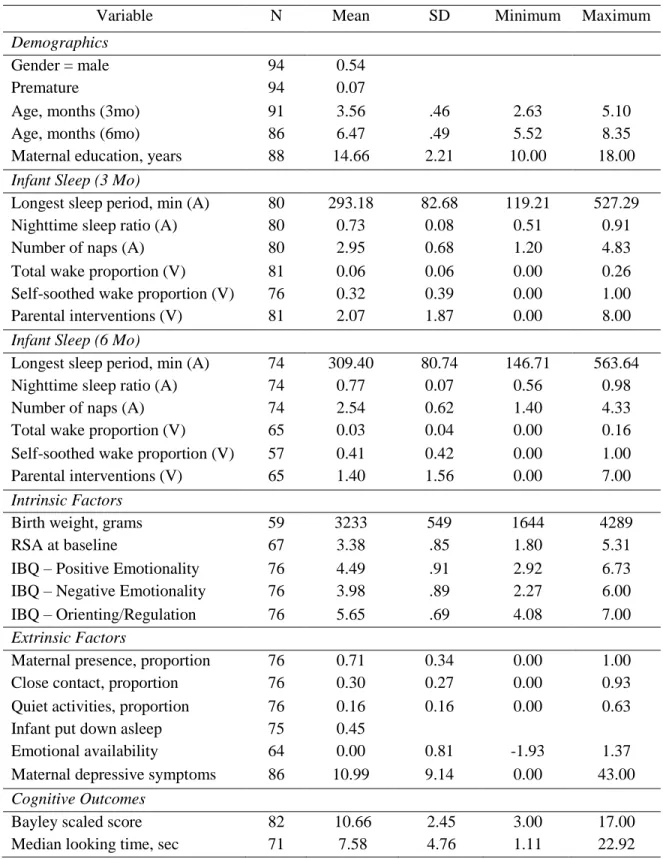
Table 1 Descriptive statistics for all study variables……….78
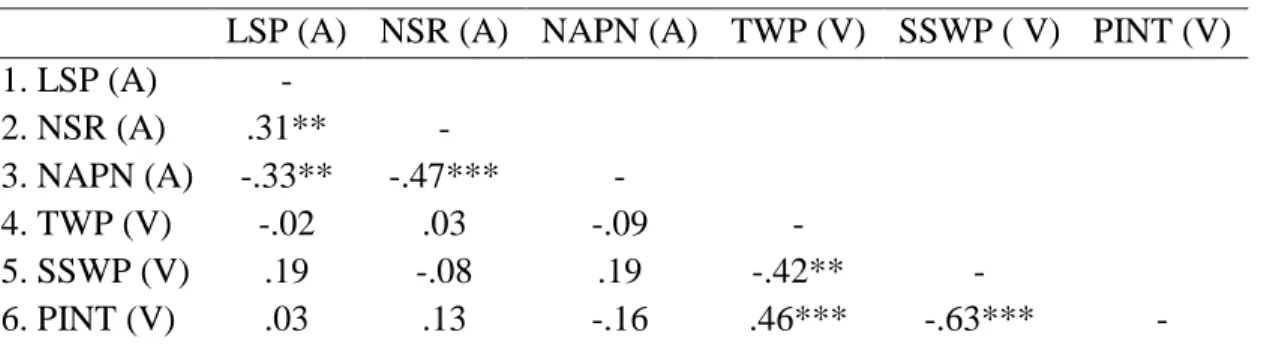
Table 2 Bivariate correlations among 3 month sleep indicators………79
Table 3 Bivariate correlations among 6 month sleep indicators………80
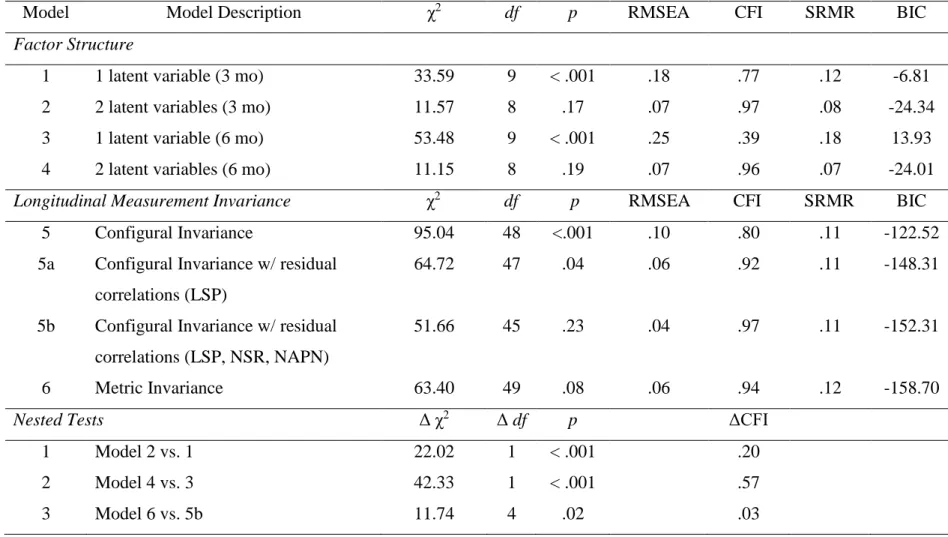
Table 4 Model fit statistics for nested models...………81
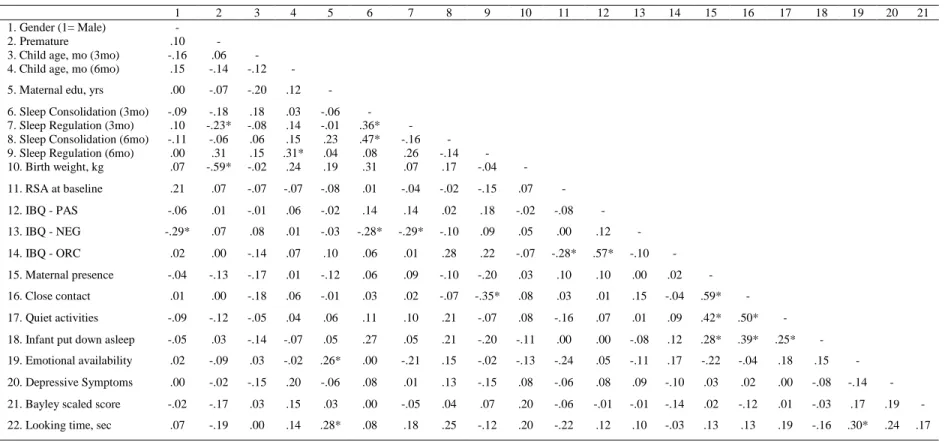
Table 5 Bivariate correlations among all study variables………..82
Table 6 Standardized regression coefficients for direct effects models………....83
Table 7 Standardized regression coefficients for interactive effects models……….84
LIST OF FIGURES
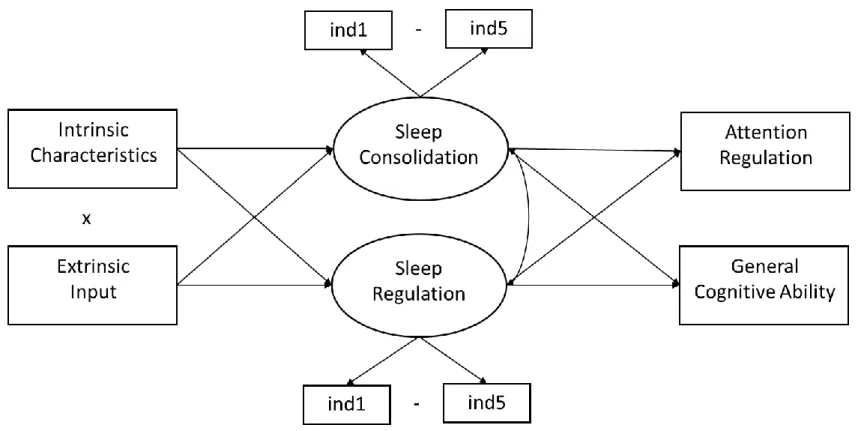
Figure 1 Conceptual model………...86
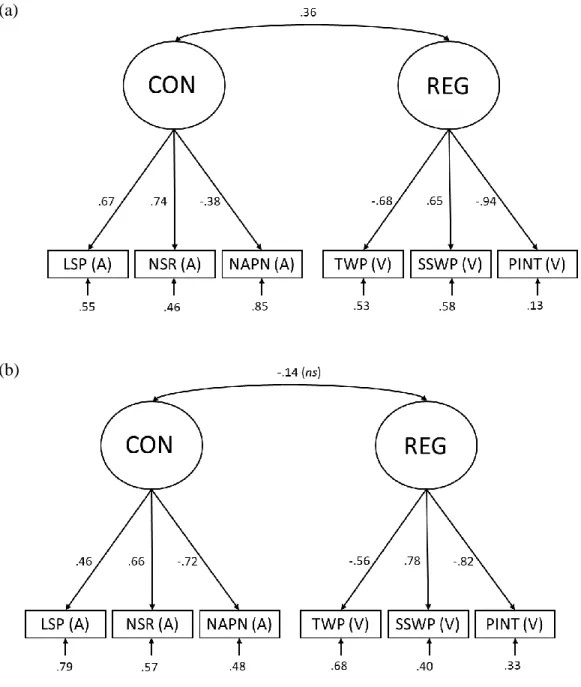
Figure 2 Final measurement model at 3 and 6 months……….….87
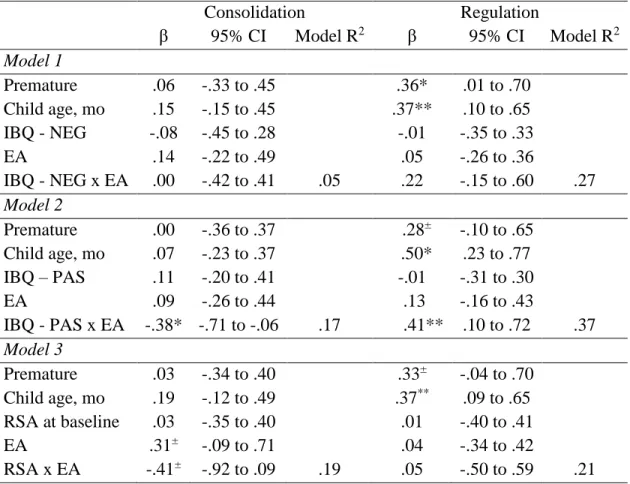
Figure 3 Interaction between child positive emotionality/surgency (PAS) and maternal emotional availability (EA) at 3 months predicts (a)
infant sleep consolidation and (b) regulation at 6 months………..…...…...….88
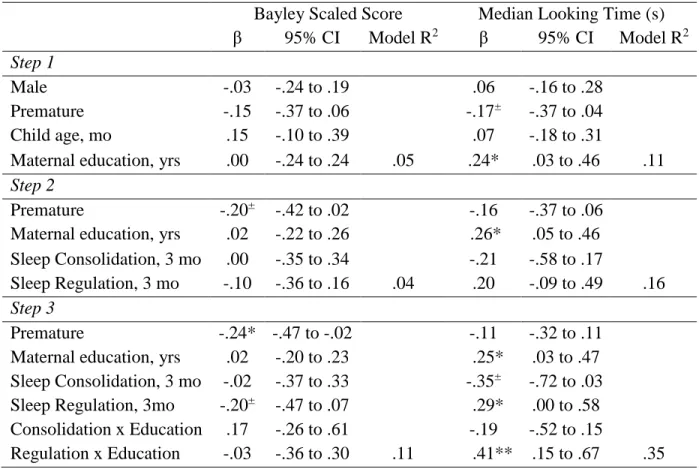
Figure 4 Interaction between child sleep regulation and maternal education
in predicting infant attention ……….89
Figure 5 Interaction between child baseline respiratory sinus arrhythmia (RSA)
LIST OF ABBREVIATIONS
BIC Bayesian information criteria
BSID-III Bayley Scales of Infant Development (3rd Edition)
CES-D Center for Epidemiological Studies Depression Scale
CFA Confirmatory factor analysis
CFI Comparative fit index
CON Consolidation
EA Emotional availability
EAS Emotionality Availability Scales
ECG Electrocardiogram
EEG Electroencephalography
EFF Efficiency
HPA Hypothalamic-pituitary-adrenocortical
IBQ-R Infant Behavior Questionnaire-Revised
ICC Intraclass correlation coefficient
IUGR Intrauterine growth restriction
LRT Likelihood ratio test
LSP Longest sleep period
MDI Mental Development Index
MDS Maternal depressive symptoms
ML Maximum likelihood
NAPD Nap duration
NAPS Neonatal and Pediatric Sleep
NICU Neonatal intensive care unit
NEG Negative emotionality
NSR Nighttime sleep ratio
NW Night wakings
ORC Orienting/regulatory capacity
PAS Positive emotionality/surgency
PFC Prefrontal cortex
PINT Parental interventions
RMSEA Root mean square error of approximation
REG Regulation
RSA Respiratory sinus arrhythmia
SD Standard deviation
SES Socioeconomic status
SEM Structural equation modeling
SPD Sleep period duration
SRMR Standardized root mean square residual
SSWP Proportion of self-soothed wakings
TSP Total sleep proportion
TST Total sleep time
TWP Total wake proportion
TWT Total wake time
Chapter One: Introduction: Evaluating a Latent Measurement Model for Infant Sleep: From Intrinsic and Extrinsic Predictors to Cognitive Outcomes
Introduction
Children spend more time asleep than awake in the entire first decade of life (Iglowstein,
Jenni, Molinari, & Largo, 2003). Despite this, sleep problems are among the most common
clinical concerns across early childhood (Goodlin-Jones, Burnham, & Anders, 2001; Mindell,
Owens, & Carskadon, 1999), and have been linked to myriad problems in cognitive, emotional,
and behavioral functioning (Sadeh, 2007). Given the rapid rates of brain development in the first
two years of life (e.g., Knickmeyer et al., 2008), sleep problems experienced during this period
may have the most profound effects on later developmental outcomes. Further, sleep problems
that emerge in infancy tend to persist, at least into the toddler and preschool years (Scher,
Epstein, & Tirosh, 2004; Tikotzky & Shaashua, 2012; Zuckerman, Stevenson, & Bailey, 1987).
Therefore, understanding the development of normative patterns of sleep in the first year of life
is a critical first step towards identifying children who may be at risk for later sleep problems, as
well as cognitive, emotional, and behavioral difficulties.
The gradual shift from immature to mature sleep patterns across the first years of life is
thought to be jointly guided by two biopsychosocial processes: sleep consolidation and
regulation (Goodlin-Jones, Burnham, Gaylor, & Anders, 2001). Sleep consolidation describes
the shift from undifferentiated to diurnal patterning of sleep/wake states. Whereas newborns
initially sleep in multiple bouts interspersed equally throughout the day and night, over time the
regulation, on the other hand, describes the ability of the infant to fall asleep independently at
bedtime and following nighttime wakings. Caregivers initially provide extensive external support
for infants’ sleep/wake states, by promoting alertness during wake periods, and engaging in
comforting activities that facilitate drowsiness during the transition to sleep (Sameroff, 2010).
Over time, children gradually assume more of the responsibility for regulating their level of
arousal, until no parental intervention is needed.
Maturation clearly plays a role in the development of sleep consolidation and regulation,
as evidenced by factors such as the emergence of a circadian rhythm over the first few months of
life (McGraw, Hoffmann, Harker, & Herman, 1999). However, great variability is often
observed in the amount, patterning, and control of sleep across the first year of life, suggesting a
role for individual differences in infant and parent characteristics in shaping the development of
sleep patterns. An extensive body of literature has identified intrinsic and extrinsic factors that
contribute to sleep development in infancy, with much of the work focusing on predictors of
poorly consolidated and/or regulated sleep (e.g., DeLeon & Karraker, 2007). Of note, Sadeh’s
transactional model of infant sleep (Sadeh, Tikotzky, & Scher, 2010) highlights the direct and
indirect effects of infant characteristics and parental behavior on infant sleep, through
mechanisms such as parent-child interactions. However, there is no theoretical and little
empirical work explicitly considering the interaction between parental input and infant
characteristics in predicting infant sleep. This omission is especially surprising given the wealth
of developmental research and theory suggesting that the fit between child needs and parental
input is critical in predicting child outcomes (e.g. Thomas & Chess, 1977).
Understanding the factors that promote or hinder the development of consolidated,
problems that are established in infancy tend to persist into toddlerhood and the preschool
period, possibly leading to accumulating amounts of suboptimal sleep time and quality across the
first years of life (Scher et al., 2004; Tikotzky & Shaashua, 2012; Zuckerman et al., 1987). In
addition, links between sleep and daytime functioning have consistently been found in both the
adult (e.g., Pilcher & Huffcutt, 1996) and child literatures (e.g., Sadeh, 2007). Of note, the
deficits associated with suboptimal sleep fall primarily within the domain of higher-order
regulatory functioning, such as emotional and cognitive regulation. These findings seem to
suggest that children’s emerging control over their state of arousal (e.g., sleep/wake state) may
be a fundamental regulatory process that also supports later-developing regulatory competencies
(Calkins & Fox, 2002; Dahl, 1996). While some work has explored the link between sleep and
cognitive functioning in children, studies have not yet tested these relationships in infants.
The goals of this dissertation are therefore threefold. First, we will test whether the
hypothesized distinction between sleep consolidation and regulation is empirically supported in
3- and 6-month-old infants. Using a structural equation modeling (SEM) approach, we will make
use of multiple manifest indicators of sleep behavior, obtained through multiple assessment
methods, to explore whether sleep consolidation and regulation can be modeled by two distinct,
though possibly correlated, latent variables. A corollary aim is to examine the direction and
amount of change in the latent sleep constructs between 3 and 6 months. Using the measurement
model that best fits the data, our second goal is to explore the direct contributions of intrinsic
infant characteristics (e.g., birth weight, temperament, heart rate variability) and extrinsic
caregiving factors (e.g., bedtime parenting practices, emotional availability, and maternal
depressive symptoms) to infant sleep consolidation and regulation, as well as the interactive
sleep consolidation and/or regulation is associated with downstream cognitive outcomes,
including general cognitive ability and attention regulation. The conceptual model underlying
these three research goals is depicted in Figure 1.
Addressing these three research goals will substantially advance the literature on infant
sleep. Using a latent approach for modeling sleep regulation and consolidation will bring
consistency and clarity to the literature in terms of which sleep variables are manifestations of
these two hypothesized processes, as well as enable us to better understand the nature of
development in sleep consolidation and regulation over time (i.e., magnitude of change from 3 to
6 months). By examining both direct effects and interactions between intrinsic and extrinsic
factors, we will move the discussion away from a one-size-fits-all strategy towards a
consideration of the complex relationship between multiple factors that support or undermine
infant sleep. Finally, we aim to extend downward the findings that show cognitive deficits
among children and adults experiencing too little or poor quality sleep.
In addition to advancing the literature in these ways, a unique component of this research
is the use of an exclusively African-American sample, a group that is currently underrepresented
in the sleep literature. African-American adults and children are at higher risk for poor quality
sleep as compared to Caucasian counterparts (Crosby, LeBourgeois, & Harsh, 2005; Stamatakis,
Kaplan, & Roberts, 2007), though the origin of these disparities is unknown. Therefore, it is
particularly important to understand the overall patterns of change in sleep consolidation and
regulation, as well as predictors of individual differences in sleep development, among infants in
this higher-risk group. This study is uniquely situated to examine these questions, using objective
intrusive data collection techniques allow us to observe the unfolding of infant sleep
development in the natural home environment.
1.1Development of Infant Sleep
The study of infant sleep has a long history, stemming originally from the medical
literature. These studies aimed to derive reference values for sleep variables of clinical interest,
as well as define characteristics of problematic sleep (e.g., Acebo et al., 2005; Iglowstein et al.,
2003; Mindell & Owens, 2015; Mindell et al., 1999). More recently, the psychological literature
has begun to examine the development of infant sleep, focusing on characterizing individual
differences in sleep, testing possible causes and consequences of these individual differences,
and describing the extent to which there is stability or change in sleep across this period (e.g.,
Scher et al., 2004; Teti et al., 2015; Touchette et al., 2005). In addition to these differences in
orientation, the existing work on infant sleep has been conducted using various methodologies.
Although polysomnography is generally considered the gold standard of sleep measurement, it
is rarely used in practice (notable exceptions include Hoppenbrouwers, Hodgman, Arakawa,
Geidel, & Sterman, 1988; Louis, Cannard, Bastuji, & Challamel, 1997). Instead, actigraphy,
videosomnography (i.e., observation), and parent-report measures are common. These different
methodologies tend to converge on common findings, though we will highlight the unique
information provided by each approach as it arises.
As discussed previously, the development of sleep in the early years of life is thought to
be guided by the processes of sleep consolidation and regulation (Goodlin-Jones, Burnham,
Gaylor, et al., 2001). Extant literature has identified and discussed variables that represent these
two processes, though they do not discuss development of these two processes per se. Variables
night, as well as longer continuous periods of sleep. On the other hand, variables indicative of
sleep regulation reflect increasing infant control over sleep/wake states, such as more
self-soothed wakings and fewer parental interventions during the night. Although observational
methods are the best way to capture sleep regulation, as infant wakings can be further
categorized as self-soothed or not, actigraphic and self-report measures indicative of
wakefulness can also be used as more indirect measures of regulation. A full list of sleep
variables that can be derived from actigraphy, videosomnography, and parent-report, as well as
their hypothesized relationships to sleep consolidation and regulation, is presented in Table A1.
Sleep Consolidation
Changes in sleep consolidation are driven at least in part by the development of distinct
circadian rhythms, which are immature at birth. As a result, neonatal sleep patterns are guided
largely by hunger and satiety cues, rather than the presence of light and darkness. More
specifically, when infants are hungry, they wake up and feed; when they are satiated, they fall
back to sleep. In this way, newborns sleep an average of 16 hours a day in 5-6 intervals
interspersed equally through the day and night. By 12 months, total sleep time decreases to an
average of 12-13 hours a day, consolidated into one extended nighttime episode and one or more
daytime naps (de Roquefeuil, Djakovic, & Montagner, 1993; El-Sheikh & Sadeh, 2015; Mindell
& Owens, 2015). Although these mean trends clearly depict increased consolidation across the
first year of life, there is considerable variability around these average values.
The increase in consolidation seen across infancy is primarily due to a reduction in the
number and duration of daytime naps (Iglowstein et al., 2003). At the same time, periods of
sustained sleep during the nighttime increase. Indeed, findings from one study found a
sleep; NSR) between 0 and 12 months as reported by parents (Sadeh, Mindell, Luedtke, &
Wiegand, 2009). In addition, a videosomnography study showed that infants’ longest continuous
sleep period (LSP) increases from about 4 hours in newborns to about 7 hours by 5 months of
age, after which point it levels off (Anders & Keener, 1985). A similar study confirmed that the
LSP increases across this time period, but only from about 3 hours at 1 month to 5 hours at 12
months (Burnham, Goodlin-Jones, Gaylor, & Anders, 2002). Although both of these studies used
videosomnography in the home environment, it is possible that differences in coding of infant
sleep/wake states may have contributed to the discrepancy in mean LSPs reported. Even with
these differences, findings across studies consistently find increasing consolidation over the first
year.
Sleep Regulation
Concerning changes in infant sleep regulation, research has found that wake time during
nighttime sleep periods tends to decrease across the first year of life (e.g., Sadeh, Mindell,
Luedtke, & Wiegand, 2009). However, findings are less consistent in regard to changes in the
number of infant night wakings. While some studies have found declines in the number of night
wakings from birth to 3 (Burnham et al., 2002; Hoppenbrouwers et al., 1988) or 6 months (Scher
et al., 2004), others have not found systematic changes across the first year of life
(Goodlin-Jones, Burnham, Gaylor, et al., 2001). Though all of the aforementioned studies used objective
measurement of infant sleep (e.g., polysomnography, actigraphy, or videosomnography), their
disparate findings may be explained by the use of different thresholds of continuous wakefulness
in order to characterize a night waking (e.g., 2 minutes versus 5 minutes). Another possible
explanation is that the degree of individual variability in waking is high and persistent across
heterogeneity, one study examining sleep efficiency (defined as the ratio of time spent asleep to
time spent in bed) did not find large mean-level improvements between 3 and 12 months (Scher
et al., 2004).
Substantial variability in the extent of self-soothed wakings further highlights the degree
of individual differences in sleep regulation across infancy. Several studies have tested whether
the ability to ‘sleep through the night’ increases across the first year, as this criterion is often
described as the most important sleep milestone in infancy (Anders, Halpern, & Hua, 1992), as
well as the marker of self-regulated sleep (Henderson, France, Owens, & Blampied, 2010).
Sleeping through the night does not mean that an infant does not wake at all during the nighttime
sleep period. Rather, an infant who can ‘sleep through the night’ is able to soothe himself back to
sleep following a night waking. Because the infant does not signal for intervention, caregivers of
self-soothing infants may not be aware of these wakings, and thus perceive that the infant has
slept continuously through the typical nighttime sleep period (e.g., from 10:00PM – 6:00 AM;
see Henderson et al., 2010 for a discussion of three different criteria). Although rates of
self-soothing have been found to increase linearly across the first year of life (Burnham et al., 2002),
only about half of infants consistently self-soothe by 8 (Anders et al., 1992) or 12 months
(Goodlin-Jones, Burnham, Gaylor, et al., 2001). Another study found that between 15-30% of
infants are not sleeping through the night by 12 months, depending on the criterion used
(Henderson et al., 2010). Therefore, it is clear that there is a subgroup of children who do not
achieve self-regulated sleep by the end of the first year.
Taken together, these studies document dramatic increases in sleep consolidation and
regulation during infancy, as well as a high degree of variability in these processes. However, all
rather than the hypothesized underlying constructs. Only one study of which we are aware used a
factor analytic technique to explain how individual sleep parameters may map onto a smaller
number of latent constructs. From 46 nights of objective and subjective sleep data in adults,
Johns (1975) classified four sleep factors, two of which loosely map onto the processes described
here. The first factor is described as sleep fragmentation, which may represent the converse of
consolidation. Another factor, described as delay before falling asleep, could possibly indicate
poor sleep regulation. Thus, there is some precedent in an adult literature for examining sleep
consolidation and regulation as possible latent factors underlying a larger number of sleep
variables assessed objectively and subjectively. Drawing upon multiple sleep variables and
multiple assessment methods has the potential to increase our precision of measurement and our
understanding of the development of sleep over time.
1.2Intrinsic and Extrinsic Influences on Infant Sleep
Clearly, there are individual differences in sleep consolidation and regulation that emerge
during infancy. Understanding possible contributors to these individual differences is important,
as multiple studies have documented stability in sleep problems and parameters from infancy
into toddlerhood and the preschool period (Scher et al., 2004; Tikotzky & Shaashua, 2012;
Zuckerman et al., 1987). A large body of literature has identified child and parent characteristics
that afford higher risk for sleep problems (DeLeon & Karraker, 2007; Mindell et al., 1999; Sadeh
et al., 2010; Zuckerman et al., 1987), with one consistent finding being that both intrinsic and
extrinsic factors contribute substantially to individual differences in infant sleep. Intrinsic factors
refer to characteristics of infants which are thought to have a biological basis, though are not
necessarily assumed to be innate. These characteristics include, but are not limited to, birth
hand, extrinsic factors refer to contextual influences that shape infant sleep development. Due to
infants’ complete reliance on caregivers, these contextual influences are typically experienced
via caregiver interactions, and include maternal bedtime behaviors, emotional availability at
bedtime, and depressive symptoms. We explain the research on each of these intrinsic and
extrinsic factors in turn.
Intrinsic Factors
Consistent with Barker’s hypothesis (1995), the quality of the prenatal environment can
have lifelong implications for health and development. Research has consistently shown that
infant birth weight is both a useful indicator of fetal conditions (Bollen, Noble, & Adair, 2013;
Camerota & Bollen, 2016), as well as a predictor of individual differences in sleep. For example,
one study found that adults born with a very low birth weight are 2.2 times more likely to
experience sleep-disordered breathing, compared to adults born at a normal birth weight
(Paavonen et al., 2007). In children, intrauterine growth restriction (IUGR), one cause of low
birth weight, has been shown to predict shorter durations of nighttime sleep in 4- to 7-year-olds
(Yiallourou, Wallace, Miller, & Horne, 2016). In slightly older children, lower birth weights
were associated with lower sleep efficiency (Pesonen et al., 2009). Specifically, every standard
deviation decrease in birth weight was associated with a 1.7 fold increase in risk for low sleep
efficiency (≤ 10th percentile). Thus, there seems to be some association between birth weight and
measures of sleep consolidation and regulation, though this relationship has not yet been
examined in an infant sample.
A larger number of studies have investigated infant temperament as a predictor of
individual differences in sleep, focusing primarily on difficult temperament as a risk factor for
which may be problematic because parents’ interactions with their infants at bedtime and
throughout the night may bias their ratings of temperamental difficulty (Schwichtenberg &
Goodlin-Jones, 2010). In support of this limitation, one study found that the relationship between
temperament and sleep differed based on whether the mother’s or father’s temperament ratings
were used (Keener, Zeanah, & Anders, 1988). Only one study of which we are aware has utilized
objective measurement of both temperament and infant sleep (Halpern, Anders, Coll, & Hua,
1994). In this study, researchers found that infants who spent more time awake at night and who
had lower LSPs at 3 months of age were observed to be less sociable and more difficult to
soothe. However, these relationships were observed concurrently, precluding any inferences
about the direction of effects. It is certainly possible that infants who are experiencing poor
quality sleep may concurrently express more irritability. Thus, while preliminary objective
evidence suggests that certain temperamental characteristics are related to infant sleep, it is
unknown whether these same relationships would be observed longitudinally.
Finally, individual differences in infants’ physiological reactivity may contribute to sleep
development. One physiological process that may be particularly important to examine, due to
existing associations with emotional and behavioral regulation (e.g., Fox, 1989), is the
parasympathetic branch of the autonomic nervous system. Parasympathetic control of the heart,
measured as the amplitude of respiratory sinus arrhythmia (RSA) or the variability in heart rate
associated with respiration, is an index of individual reactivity and may underlie the capacity for
self-regulation (Fox, 1989). At rest, an individual’s baseline RSA is thought to reflect the
capacity to adaptively change states in response to environmental demands, with higher baseline
RSA indicating more appropriate modulation of reactivity and arousal (Porges, 1996). Many
including greater sustained attention (Richards & Cronise, 2000) and more appropriate
expression of negative affect (Fox, 1989; Huffman et al., 1998). However, few studies have
examined the relationship between RSA and sleep. In one study with preschoolers, higher
baseline RSA concurrently predicted lower actigraphic sleep activity and higher sleep efficiency
(Elmore-Staton, El-Sheikh, Vaughn, & Arsiwalla, 2012). However, a second study did not find a
main effect of baseline RSA in infancy on parent-reported sleep problems at 18 months
(Gueron-Sela et al., 2017). While differences in the ages of assessment in these two studies may explain
their disparate findings, neither study explicitly addresses the relationship between baseline RSA
and sleep in infancy. Therefore, the relationship between individual differences in physiological
reactivity and infant sleep remains to be tested.
Extrinsic Factors
In addition to intrinsic characteristics that may predispose an infant to better or worse
sleep, the role of extrinsic, or environmental, influences cannot be overstated. A large body of
work on the role of environmental influences in shaping infant sleep has concluded that parents
are the single largest contributor to the development of sleep patterns in the first five years of life
(Sadeh et al., 2010). For parents of infants, a fundamental caregiving role is to serve as an
external source of regulation, whether in response to hunger/satiety, emotional, or sleep/wake
cues. Concerning sleep, parents initially provide external regulation to promote appropriate
modulation of sleep/wake state, by supporting alertness and attention during wake periods, and
engaging in soothing, quiet activities to facilitate drowsiness during the transition to sleep
(Sameroff, 2010). Successful experiences of state regulation provided by caregivers early in
development later become internalized in terms of the infants’ own regulatory competency in
include parents’ bedtime practices, emotional availability, and depressive symptoms. While
parenting practices describe what parents do at bedtime, emotional availability and depressive
symptoms describe how and why parents do what they do (Teti et al., 2015). As these three
components of parenting provide unique, complementary information about the social ecology of
infant sleep, we will consider them each in turn.
Much of the research on parenting and sleep has focused on the relationship between
specific parenting practices at bedtime and infants’ sleep consolidation and regulation.
Cross-sectional work yielded initial evidence that merely having parents present in the room at infant
bedtime was related to greater number of infant night wakings (Adair, Bauchner, Philipp,
Levenson, & Zuckerman, 1991). Concerning more specific parenting behaviors, infants who
were put into their cribs already asleep, or who received more active parental interventions (e.g.,
feeding, rocking) also tended to spend more time awake during the night, and had shorter
continuous sleep periods (DeLeon & Karraker, 2007; Goodlin-Jones, Burnham, Gaylor, et al.,
2001; Mindell, Sadeh, Kohyama, & How, 2010; Sadeh et al., 2009; Touchette et al., 2005).
These preliminary findings suggest that too much parental involvement at bedtime can interfere
with sleep consolidation and regulation, although the majority of these studies are based on
parental report of nighttime behaviors, which are subject to bias or inaccurate recall. In addition,
the direction of effects cannot be established within cross-sectional studies such as these. It is
possible that infants who have sleep difficulties elicit more active parental involvement at
bedtime (Adair et al., 1991; Sadeh, Gruber, & Raviv, 2003).
Longitudinal work has fortunately begun to shed light on the direction of effects between
parental bedtime behaviors and infant sleep, although much work has, again, relied on parents’
found that active physical comforting at bedtime (e.g., cuddling, feeding) predicted continuity in
infant sleep problems from age 1 to age 2. Studies using observational measurement of infant
sleep have tended to support this pattern of findings. One study using parent-report of bedtime
and nighttime practices and videosomnography determination of infant state and self-soothing
found that higher parental latency to intervention at 3 months predicted more self-soothed
wakings at 12 months (Burnham et al., 2002). This study also found that infants who were
removed from their crib fewer times over the first year of life were more likely to self-soothe
following night wakings at 12 months. Similarly, children whose parent-reported sleep problems
persisted or arose between age 1 and age 2 had parents who continued or increased their use of
active physical comforting over this time period (Morrell & Cortina-Borja, 2002). These findings
suggest a possible causal relationship between bedtime practices and infant sleep consolidation
and regulation, where continued use of active settling strategies predicts poorer quality sleep.
However, these studies also demonstrate the importance of considering timing of effects:
whereas active parental strategies may be necessary to help infants settle to sleep earlier in the
first year of life, over time, caregivers may need to shift to more passive strategies that give the
child a chance to harness his/her own regulatory abilities. As very few studies have examined
parenting in the first 6 months of life, the timing of this shift is currently unknown, though it
certainly may depend on intrinsic characteristics of infants.
The study of parents’ emotional availability (EA) at bedtime further explores the role of
contingency and appropriateness in parents’ responses to infant sleep cues (Philbrook & Teti,
2016; Teti, Kim, Mayer, & Countermine, 2010). This body of work is built off previous theory
that suggests it is not what parents do, but how they do it, that influences infant outcomes
parent-child interactions at bedtime is particularly important in supporting the infant’s feeling of safety
in his or her sleep environment, allowing the infant to relinquish vigilance and surrender to sleep
(Dahl, 1996; Teti et al., 2015). Empirical work testing these hypotheses have coded parents’ EA
from videotaped parent-child interactions at bedtime (Philbrook & Teti, 2016; Teti et al., 2010).
Parents rated as high on EA accurately interpret and respond to infant cues, while engaging in
structured and soothing activities that successfully guide the child towards sleep. Parents rated as
low on EA may ignore infant cues, engage in arousing activities, or otherwise prolong
wakefulness at bedtime. Therefore, this coding scheme takes into account what parents do, in
relation to what infants signal for and benefit from.
Only two studies have examined the relationship between parental EA at bedtime and
infant sleep. One cross-sectional study found that parenting practices, including holding, nursing,
and quiet activities (e.g., singing, rocking), were unrelated to infant sleep when EA was
accounted for (Teti et al., 2010). However, EA was negatively related to infant night wakings,
and these links were stronger for younger infants (one standard deviation below mean infant age;
range = 1 to 24 months). A follow-up study using objective, longitudinal measurement of EA
and infant sleep confirmed the aforementioned results. Within-person effects indicated that at
time points when mothers were more emotionally available, infants exhibited less nighttime
distress and longer sleep durations (Philbrook & Teti, 2016). Further, the effects of parents’
bedtime practices interacted with EA to predict infant sleep, suggesting that it is important to
consider the appropriateness and emotional context of specific parenting practices.
Finally, research on the relationship between maternal psychopathology and infant sleep
suggest that mothers experiencing elevated depressive symptoms are less able to support
biases among mothers experiencing psychiatric symptomology (e.g., De Los Reyes & Kazdin,
2005), the strongest evidence for this link has come from longitudinal studies with objective
measurement of children’s sleep. For example, from qualitative coding of naturalistic nighttime
videos, Teti and colleagues (2012) observed that mothers reporting higher depressive symptoms
had infants who experienced more night waking. They further hypothesized that the relationship
between maternal depressive symptoms and child sleep difficulties operates via parents’ altered
sleep-related behaviors. In support of this hypothesis, researchers observed that depressed
mothers tended to be hyper-responsive to their infants throughout the night, intervening when no
intervention was necessary (i.e., when child was non-distressed or asleep). Mothers with higher
levels of depressive symptoms also tended to use bedtime behaviors that prolonged wakefulness
in their infants (Teti & Crosby, 2012). Thus, in these dyads, bedtime and nighttime interactions
may be parent-driven, rather than infant-driven, serving to fulfil mothers’ own emotional needs
rather than promoting infant regulation of their sleep/wake states.
The studies described above explain the importance of considering not just what parents
do with their infants at bedtime, but also how and why they do it. The same parenting behaviors
(e.g., rocking an infant to sleep) may be experienced differently by infants based on a number of
factors, including the sensitivity of the parent to the infants’ regulatory needs. Therefore, a
balanced consideration of parental input and infant need is warranted.
Interaction of Intrinsic and Extrinsic Factors
Considerable developmental theory suggests that it is the interaction between infant
characteristics and parental input that best predicts development. Thomas and Chess (1977) first
proposed the concept of ‘goodness of fit’ which suggests that for optimal development to occur,
theory focused solely on child temperament as an individual characteristic, other child variables
indicative of reactivity or regulation could also be considered. Specifically related to sleep, we
might consider whether children who are predisposed to sleep difficulties, due to either adverse
prenatal conditions, highly reactive temperaments, or maladaptive physiological reactivity, are
more dependent on appropriate parental input to guide their development of sleep consolidation
and regulation.
Only two studies thus far have tested the interaction of intrinsic and extrinsic
characteristics in predicting infant sleep. Possibly motivated by the mixed findings regarding the
relationship between infant temperament and sleep, one study examined whether infant
temperamental characteristics interacted with nighttime parenting to predict sleep development
across the first six months of life (Jian & Teti, 2016). Using maternal report of infant
temperament combined with objective measurement of infant sleep, this study found that
mothers’ observed EA at bedtime was related to increases in nighttime sleep duration from 1 to 6
months, but only for infants who were rated as highly surgent (e.g., emotionally positive,
physically active, easily excited). For infants who were rated as low on surgency, maternal EA
did not predict changes in nighttime sleep duration across this period. These findings suggest that
infants who are intrinsically more active and excitable may require more parental
responsiveness, structuring, and warmth at bedtime in order to settle and stay asleep throughout
the night.
A second study examined the interaction between infants’ intrinsic physiological
reactivity (as indexed by RSA) and maternal depressive symptoms (MDS) in predicting later
sleep problems (Gueron-Sela et al., 2017). Baseline RSA and maternal report of depressive
mothers at 18 months. This study found that the relationship between MDS and infant sleep
problems were exacerbated for infants with high baseline RSA (Gueron-Sela et al., 2017). For
infants with low baseline RSA, elevated MDS did not predict higher rates of sleep problems.
These two studies suggest that infant characteristics indicative of high propensity for reactivity
(i.e., surgent temperament, high baseline RSA) interact with both positive (EA) and negative
(MDS) dimensions of parenting to predict infant sleep. Although more studies are needed to
unpack the specific interactions among intrinsic and extrinsic characteristics that promote
optimal sleep development, these preliminary studies suggest that examining infants’ regulatory
needs in combination with parental input is a fruitful area of inquiry.
1.3 Sleep and Cognition
Thus far, we have described normative developmental changes in sleep consolidation and
regulation, including consideration of the intrinsic and extrinsic factors that independently and
interactively predict individual differences in these two processes. One final question, which has
importance for researchers, clinicians, and parents, regards the developmental sequelae
associated with individual differences in infant sleep. Self-regulation theory suggests that
infants’ ability to modulate arousal through control over sleep/wake states constitutes a
fundamental form of physiological regulation that has downstream implications for more
sophisticated forms of regulation, including emotional and cognitive regulation (Calkins & Fox,
2002). However, very little empirical research has tested the plausibility of this theory using
samples of infants.
Research with clinical and non-clinical populations of adults have identified deficits in
higher-order cognitive processing, such as executive functions, in individuals experiencing
Gennaro, 2006; Jones & Harrison, 2001). Two experimental studies with school-age children
confirm that sleep restriction selectively impairs performance on higher-order cognitive tasks,
such as the Wisconsin Card Sort Task (Randazzo, Muehlbach, Schweitzer, & Walsh, 1998) and
the Continuous Performance Task (Sadeh et al., 2003). Similarly, findings from neuroimaging
studies suggest that sleep plays a particularly important role in resting and resetting functional
connections between the prefrontal cortex (PFC) and various subcortical regions, allowing for
optimal next-day integrity of prefrontal-subcortical systems (Kaufmann et al., 2016; Yoo, Gujar,
Hu, Jolesz, & Walker, 2007). If this recalibration does not occur, either due to restricted or
disrupted sleep, subcortical regions of the brain may come to dominate daytime behavior, which
would be manifested in failures of cognitive regulation (Heatherton & Wagner, 2011).
The role of infant sleep in promoting cognitive development is less well-understood.
Several studies have examined the long-term cognitive sequelae associated with poorly
consolidated and regulated sleep in infancy. One set of findings suggest that higher nighttime
sleep ratios (i.e., ratio of nighttime sleep to total [24-hour] sleep) at 12 and 18 months predict
better executive function at age 2 (Bernier, Carlson, Bordeleau, & Carrier, 2010) and age 4
(Bernier, Beauchamp, Bouvette-Turcot, Carlson, & Carrier, 2013). Another longitudinal study
found that higher sleep percent (an actigraphic measure similar to sleep efficiency) and fewer
night wakings at age 1 predicted better executive attention when children were 3-4 years of age
(Sadeh et al., 2015). Interestingly, concomitant measures of sleep did not predict executive
attention, suggesting that infant sleep may be particularly important in shaping the development
of higher-order cognition.
Examining the relationship among sleep and cognitive outcomes in infancy is a harder
examined the relationship between sleep and performance on the Bayley Scales of Infant
Development, a standardized assessment that captures infant functioning across multiple
cognitive domains (e.g., sensorimotor development, exploration and manipulation, memory).
Unfortunately, these studies have yielded mixed findings. One study on a small sample of
low-risk infants found that higher sleep efficiency and fewer night wakings at 10 months predicted
better cognitive development, as measured concurrently by Bayley Mental Development Index
(MDI) scores (Scher, 2005). Other studies of low-risk infants have found opposite directions of
effects, with higher neonatal LSPs being linked to lower MDI scores at 6 months (Freudigman &
Thoman, 1993). However, differences in the timing and methodology of sleep assessment may
contribute to these disparate findings (Ednick et al., 2009). Specifically, more mature,
consolidated sleep in the early neonatal period may actually indicate a greater stress response to
the birth process (Freudigman & Thoman, 1993), rather than advanced sleep development per se.
Therefore, measuring sleep later in the first year of life may provide a more accurate window
into infant sleep development, and may subsequently yield the expected positive relationship
between sleep and cognition.
Moving beyond general cognitive ability, one study specifically examined the
relationship between neonatal sleep and attention regulation at 4 months (Geva, Yaron, & Kuint,
2016). Although the sample was made up exclusively of premature infants who were monitored
in the NICU, relationships between sleep and attention were found independently of degree of
prematurity. Specifically, infants who were classified as poor sleepers (i.e., below median sleep
efficiency) exhibited longer first gazes during the familiarization phase of a visual recognition
task, as compared to good sleepers (Geva et al., 2016). These findings are interpreted as evidence
is inversely related to the ability to disengage attention (Colombo, 2001), as well as processing
speed (Colombo et al., 1991).
Thus, there is some reason to believe that both general cognitive ability and higher-order
cognitive processes (i.e., attention regulation) are related to individual differences in infant sleep
consolidation and regulation. These findings are further supported by research in older children
and adults that suggest that sleep is particularly important for higher-order cognitive abilities,
such as executive function (e.g., Turnbull, Reid, & Morton, 2013), and that these effects may
have neural underpinnings (e.g., Yoo et al., 2007). However, given that there are very few
studies on this topic in normally-developing infants, and almost none that approach this question
from a developmental perspective, it is necessary to further test whether individual differences in
infant sleep development predict infant cognitive functioning.
1.4 Current Study
The overarching goal of the current dissertation is to better understand the development
of infant sleep across the first six months of life, including identifying the precursors and
correlates of individual differences in sleep consolidation and regulation. Specifically, our
questions and hypotheses are as follows:
Q1a: Does a two factor model of infant sleep regulation and consolidation provide a better fit
for objective and self-report infant sleep data (i.e., actigraphy, videosomnography, sleep diaries)
at 3 and 6 months than an undifferentiated, one factor model?
H1a: We hypothesize that two empirically distinct latent factors representing the dual
processes of sleep consolidation and regulation will fit the data better than a one factor
Q1b: What is the direction and magnitude of change in our latent sleep construct(s) from 3 to 6
months?
H1b: We expect to find significant, positive increases in our latent construct(s) from 3 to
6 months of age.
Q2a: Are there direct effects of intrinsic (birth weight, temperament, RSA) and extrinsic
(parenting practices, emotional availability, depressive symptoms) predictors at 3 months on
sleep consolidation and regulation at 6 months?
H2a: We expect that lower infant birth weight, higher temperamental reactivity, and
lower baseline RSA will predict poorer sleep consolidation and regulation. Additionally, we
predict that extrinsic influences such as more active maternal involvement at bedtime, less
emotional availability, and higher maternal depressive symptoms will be negatively related to
sleep consolidation and regulation.
Q2b: Do these intrinsic and extrinsic factors interact to predict sleep consolidation and
regulation? Specifically, can we replicate extant findings on the interaction between
temperament and EA in prediction of sleep and extend this finding by looking at the same
interaction with a physiological marker of reactivity (i.e., RSA)?
H2b: We expect to replicate previous interactions between temperament and EA such that
the positive relationship between EA and infant sleep will be stronger for infants who are rated
RSA and EA such that the positive relationship between EA and infant sleep will be stronger for
infants who have higher baseline RSA.
Q3: Do sleep consolidation and regulation at 3 months predict infant general cognition (as
measured by the Bayley Cognitive Scale) and infant attention regulation at 6 months?
H3: We predict that infants with more consolidated and regulated sleep at 3 months will
demonstrate more attention regulation (e.g., shorter gaze length) and score higher on the Bayley
Cognitive Scale at 6 months. Following previous research, we expect the magnitude of these
Chapter Two: Methods
2.1Sample
Data come from the Neonatal and Pediatric Sleep Study (NAPS), a longitudinal study of
95 African-American parent-infant dyads. Using publically available birth record data, we
identified families who lived within a 50-mile radius of a large public university in North
Carolina and who had recently given birth to an infant. Potential participants were excluded if
mothers were younger than age 18, did not identify as African-American, did not speak fluent
English, or if infants had experienced serious medical complications at birth (e.g., NICU stay > 7
days) or were part of a twin pair. Seven infants (7.4%) were born prematurely (e.g., gestational
age < 37 weeks) and thus their visit dates were delayed until they reached the appropriate
adjusted age. The average adjustment for prematurity was 13 days (range = 1 - 30). The average
age of mothers in our sample was 29 years (range = 19 – 48). The average number of years of
education was 14.6 (SD = 2.2), with 99% of mothers having received a high school degree or
higher, and 40% of mothers having received a four-year college degree of higher. A minority of
infants (35%) were firstborn.
2.2Procedure
Infants and caregivers were visited in their home for one data collection visit when
infants were 3 and 6 months of age. During this home visit, dyads participated in parent-child
interaction tasks, caregivers completed questionnaires, and infants wore a wireless heart rate
monitor. At 6 months of age, infants completed additional cognitive assessments. The Bayley
infant fatigue. When infants were 9 months of age, caregivers completed additional
questionnaires, either electronically or via printed mailing, but were not visited in person.
Starting on the evening after the 3 and 6 month home visits, families completed a
one-week sleep assessment, consisting of one night of videosomnography, seven days and nights of
actigraphy monitoring, and seven days of parental sleep diaries. At the beginning of the home
visit, a lightweight actogram (Actiwatch-2) was placed on the infant’s left ankle. Parents were
instructed to keep the device on the infant for the entire sleep assessment week, except during
baths lasting longer than 20 minutes. Following the completion of home visit activities, research
assistants set up four infrared, high-definition, color Hikvision (DS-2CD2432F-IW) cameras
with internal microphones. Research assistants probed caregivers about the infant’s sleep
location, as well as any other areas of the home where the infant and caregiver might spend time
together before bedtime or during the night. These locations guided the choice of camera
placement. In addition, at least one camera was set up directly above the infant’s intended sleep
location. Cameras were connected to an Exacq (IPS04-1000-LC) video surveillance recorder via
Power over Ethernet (PoE) ports of a NETGEAR ProSafe Plus (GS108PE) switch. Ethernet
cables were secured to the floor and furniture for safety. Caregivers were instructed to turn on
the video equipment at 6:30pm. Research assistants returned to the home the following morning
to terminate the video recording and collect the video equipment. Data were downloaded off the
video recorder using ExacqVision Client software (version 8.4) and stored on external hard
drives for later video coding.
Every day during the sleep assessment week, research assistants called mothers to obtain
information about the previous day’s naps and nighttime sleep, including number, location, and
night wakings, and infant rise time (e.g., Hall, Liva, Moynihan, & Saunders, 2015). Mothers
were also asked to report any unusual occurrences that may have influenced the previous night’s
sleep, such as child illness. At the end of the sleep assessment week, research assistants returned
to the home to collect the actogram. Infants were provided with a small toy at the end of each
home visit, and mothers received compensation of up to $130 in the form of a gift card. All
procedures were approved by an institutional review board, and participants gave written consent
prior to data collection.
2.3Measures of Infant Sleep
Infant sleep was measured using three different methods: actigraphy, videosomnography,
and sleep diaries. Specific details on data editing and coding associated with each of these
methods is described below. We also discuss the various sleep outcome variables derived from
each method. A summary of these sleep variables, including their hypothesized relationship to
regulation and consolidation, is presented in Appendix A (Table A1).
Actigraphy
Actigraphy measures movement using a watch-sized monitor worn on the infant’s ankle.
It contains an accelerometer, which measures limb movement in 15-s epochs. At the end of the
sleep assessment week, actigraphy data were downloaded to a PC computer and edited using
Phillips Actiware software (version 6.0). Actogram algorithm settings were selected as follows:
immobile minutes for sleep onset were set to 5 minutes; minimum rest interval size was set to 20
minutes; multiple rest intervals per day were allowed; automatically set minor rest intervals were
allowed. Consistent with previous validation studies (So, Buckley, Adamson, & Horne, 2005),
the activity threshold for scoring the infant as awake was set to the Automatic setting (.888 x
Even with the appropriate algorithm settings, the Actiware program can miss intervals of
sleep or wake, necessitating the manual entry of additional intervals. In order to determine our
guidelines for manually inserting intervals, we compared actigraphy data at 3 and 6 months to
behavioral coding of infant state from overnight observation. Three cases were compared at each
time point, and the following rules for inserting missed wake and sleep intervals were
determined. Sleep intervals were manually added when periods greater than 20 minutes showed
low or no activity for the infant. Wake intervals were added when periods greater than 5 minutes
in length showed typical waking activity levels for the infant. Excluded intervals were added
when no activity was recorded for extended (> 6 hr) periods of time, indicating that the infant
was not wearing the actogram. Rules for manually adding intervals were jointly determined by
two research assistants in consultation with the principal investigator. Subsequently, one research
assistant edited all 3 month actigraphy data, and the other edited all 6 month actigraphy data.
For each night (7PM-7AM) of data collected, the following variables were determined:
total sleep time (TST), total wake time (TWT), sleep efficiency (EFF), number of long (> 5
minute) wakings (NW), and longest continuous sleep period (LSP). For each day (7AM-7PM) of
data collected, the following variables were determined: number of sleep periods (NAPN;
number of daytime naps) and total duration of sleep periods (NAPD; duration of daytime naps).
These variables were averaged together across the entire study week. The nighttime sleep ratio
(NSR; ratio of nighttime sleep to total [24-hour] sleep) was also calculated across the entire
study week. Families with complete data had 7 nights and 6 days of data. However, cases were
included as long as 3 nights of useable data were collected. A majority of families at 3 (66%) and
Videosomnography
Behavioral sleep data were coded from videosomnography by trained research assistants.
Because of the intensive nature of our observational coding, overnight videos were coded for a
4-hour interval beginning when the infant went to sleep (Ball, Ward-Platt, Heslop, Leech, &
Brown, 2006). A variety of infant and parent variables were recorded using 30 second interval
coding. That is, for every 30 second interval, research assistants coded whether certain behaviors
were present or absent. Pertinent to this investigation are codes indicating infant state and
parental interventions.
Infant state was coded as asleep whenever the infants’ eyes were closed and there was no
gross body movement. Infant state was coded as awake whenever the infants’ eyes were wide
open, the infant was vocalizing, or when the infant was engaged in gross body movement for 15
second or more. Parental interventions were coded whenever a parent responded to an awake
infant, and could include actions such as physical contact, verbal reassurance, nursing or bottle
feeding, providing a pacifier, or taking care of the infants’ non-nutritive needs (e.g., changing
diaper, covering with a blanket). Importantly, five minutes (10 intervals) needed to pass after the
end of one intervention to begin coding a second intervention. If a parent interacted with an
infant more than once, but these interactions were not separated by five minutes, these actions
were all considered part of the same intervention. Inter-rater reliability was established between
two coders for all codes (kappa > .80).
From these observational codes, several variables were constructed. Total sleep
proportion (TSP) was calculated as the number of intervals where the infant was coded as asleep
divided by the length of the observation period. Total wake proportion (TWP) was calculated as
observation period.1 The longest continuous sleep period (LSP) was defined as the longest period
where the infant was coded as being continuously asleep. The number of night wakings (NW)
captured the frequency of wake episodes. In order to be considered a true wake episode (as
opposed to a transient period of movement), the infant needed to exhibit two consecutive
intervals (i.e., 1 minute) of non-distressed wakefulness, or one interval (i.e., 30 seconds) of
distressed wakefulness. Proportion of self-soothed wakings (SSWP) was determined by the
number of night wakings that did not receive a parental intervention divided by the total number
of night wakings. Finally, we summed the number of parental interventions (PINT).
Sleep Diaries
Parents’ retrospectively reported on their infants’ sleep using daily sleep diaries. These
diaries asked parents to recall the number (NAPN) and duration (NAPD) of daytime naps, as
well as the number of perceived night wakings (NW). Parents also reported on their infants’
sleep onset time and morning wake time. From these variables, we calculate the duration of the
nighttime sleep period (SPD). All variables were averaged across the 7 nights of data collection.
2.4 Measures of Intrinsic Factors
Three intrinsic (e.g., child-level) factors were investigated in terms of their relation to
infant sleep.
Birth Weight
Mothers reported infant birth weight in pounds and ounces on the 9 month questionnaire.
Birth weight was converted to grams for all analyses.
Temperament
Infant temperament was measured at 3 months using the very short form of the Revised
Infant Behavior Questionnaire (IBQ-R; Gartstein & Rothbart, 2003), a well-established parent
report measure of temperament that is appropriate for 3 to 12 month old infants. The very short
form (Putnam, Helbig, Gartstein, Rothbart, & Leerkes, 2014) consists of 37 items assessing three
broad scales: Positive Emotionality/Surgency (PAS; 13 items), Negative Emotionality (NEG; 12
items), and Orienting/Regulatory Capacity (ORC; 12 items). The PAS scale (α = .74)2 included
items from the Approach, Smiling and Laughter, High Intensity Pleasure, Vocal Reactivity,
Activity Level, and Perceptual Sensitivity subscales. The NEG scale (α = .72) included items
from the Sadness, Distress to Limitations, and Fear subscales. The ORC scale (α = .76) included
items from the Low Intensity Pleasure, Cuddliness, Duration of Orienting, and Soothability
subscales. Consistent with previous sleep studies (e.g., Jian & Teti, 2016), we averaged items
from each of the three scales to use as predictors.
Respiratory Sinus Arrhythmia
Infant baseline respiratory sinus arrhythmia (RSA) was assessed at 3 months. At the
beginning of the 3 month home visit, experimenters placed two disposable pediatric electrodes
on the infant’s chest. The electrodes were connected to an Actiwave Cardio device (CamNtech;
Boerne, TX), a wireless, single channel ECG recorder that captures heart interbeat intervals
(IBI). Infant IBI was recorded for a 4 minute interval during a time when the infant was not
being held and was not receiving stimulation from caregivers or experimenters. If the infant
became distressed at any point during the baseline recording, the assessment would be repeated
once the infant had settled. This method ensured that RSA data accurately reflected infant
physiological functioning during a neutral and calm state. Following the home visit, data were
downloaded to a PC computer. Cardiac data were edited for artifact using the Porges (1985)
method and CardioEdit (2007) software. Artifacts are common in infant cardiac data due to
infant movement. RSA was calculated in 30 second epochs across the baseline period and
subsequently averaged together to yield a single baseline RSA measure.
2.5 Measures of Extrinsic Factors
Three extrinsic (i.e., parent-level) factors were investigated in relation to infant sleep.
Bedtime Parenting Practices
Bedtime parenting practices were coded from the overnight filming during the hour
leading up to the infant falling asleep for the night. We utilized an interval sampling (30s) coding
system to indicate the presence or absence of certain bedtime parenting practices. Of interest in
the current study are maternal presence, close contact, quiet activities, and infant state at final put
down. Maternal presence was determined by the total number of intervals in which the mother
and infant were in the same room. Close contact captured intervals in which the mother was
holding the infant close to her body (e.g., cuddling, feeding). Quiet activities captured instances
in which the mother and infant were engaged in quiet, soothing activities (e.g., book reading,
rocking, or talking). Infant state (i.e., asleep or awake) was coded at the time the infant was put
down in his or her final sleep location. Being put down awake meant that the infant was awake
prior to being laid down in the final sleep location. Being put down asleep meant that the infant
was asleep when put down in the final sleep location, or fell asleep in the parents’ arms. Because