Research Article Volume 9 Issue 1 Jan-Mar 2020
A SINGLE - CASE STUDY ON AYURVEDA MANAGEMENT OF
BRONCHIECTASIS
Dr Vijayendra Bhat G*, Dr Nishanth Pai K*, Dr Niveditha Hebbar Y R** *Post graduate Department of Kayachikitsa and Manovijnana Evam Manasa roga Shri Dharmasthala Manjunatheshwara College of Ayurveda, Kuthpady, Udupi-574118.
**Muniyal Institute of Ayurveda Medical Sciences, Manipal. ABSTRACT
A male patient aged about 74 years had consultation at SDM hospital of Ayurveda, Udupi with severe cough with copious expectoration, haemoptysis, dyspnoea, chest congestion, fatigue, weight loss, repeated episodes of fever. He had habit of chronic smoking and was under irregular allopathic medication. He was treated in IPD, OPD level with tamaka Shwasa hara and Kaphaja kasa hara chikitsa principles and Basti karma, sweda to back of the chest. Patient got significant relief in major symptoms like haemoptysis, chest congestion and fatigue but got affected with pneumonia. Still only Ayurveda treatment was continued and got relieved. After eight months of treatment, even though the MRI and CT scan reports reveals degenerative prognosis, there was noticeable improvement in all the symptoms of Bronchiactasis, reduction in blood sugar level, improvement in Hb level, as well in quality of health.
INTRODUCTION
Bronchiectasis refers to chronic inflamed and an irreversible airway dilation that involves the lung in either focal or diffuse manner. It can arise from infectious or non-infectious causes. The prevalence of disease is alarmingly increasing. Classic studies of pathology of bronchiectasis from the 1950s demonstrated significant small airway wall inflammation and larger airway wall destruction as well as dilation1. Genetic predisposition, autoimmune and chronic obstructive lung diseases are leading cause of this disease.
The characteristic symptoms of bronchiectasis are chronic daily cough with copious purulent expectorent , haemoptysis, wheezing, crackles, shortness of breath, chest pain, weight loss, fatigue, clubbing, frequent respiratory infections leading to periodic flare-ups of breathing difficulties.
In charaka samhita chikitsa sthana, acharya mentioned five types of shwasa roga3, among them bronchiectasis can be correlated to thamaka shwasa along with kaphaja kasa . Ayurveda has a number of formulations to treat this condition and is in practice with proven efficacy. The goal of ayurveda treatment is not merely treating the symptoms of diseases, but also entire wellbeing in the health. In this clinical study, a combination of shamana and shodhana line of treatment has been adapted to a male patient aged 74 years for 8 months and got better results from symptoms related to bronchiactasis.
CASE REPORT
A male patient aged 74 years, old k/c/o diabetic mellitus came to kayachikitsa opd at sdm ayurveda hospital, udupi on 20-09-2018 with the complaints of cough with copious purulent expectoration, haemoptysis, breathing difficulty, fatigueness, severe debility, chest congestion, giddiness while standing from squatting position since 4 years associated with anorexia and hoarseness of voice.
HISTORY OF PRESENT ILLNESS
A male patient aged about 74 years was apparently healthy before 4 years, gradually he developed symptoms like cough with copious purulent expectoration, haemoptysis, breathing difficulty, fatigue, giddiness while standing from squatting position , loss of
strength, and pedal oedema associated with anorexia and hoarseness of voice. Patient has consulted in kayachikitsa opd on 20-09-2018 and admitted in the hospital. Treatment was done internally and externally for 25 days. Patient was administered with medications and therapies in ipd as well as opd basis for about eight months, with admission of a week period of alternative months, resulted in symptomatic relief from copious purulent expectoration, haemoptysis, breathing difficulty, fatigue and evident improvement in quality of health was observed.
PAST HISTORY
Diabetic Mellitus since 13 Years TREATMENT HISTORY
When the patient was in aggravated symptoms he used to take allopathic medications and get relief in symptoms.
FAMILY HISTORY Nothing Significant
PHYSICAL EXAMINATION Pallor - Present
Icterus Cynosis
Clubbing Absent
Lymphedenopathy Oedema - Present
SYSTEMIC EXAMINATION: (RESPIRATORY SYSTEM)
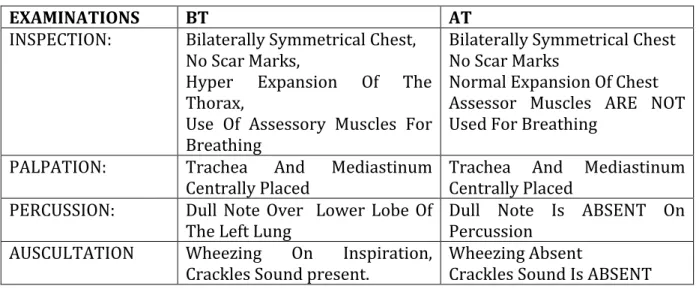
TABLE 1: Respiratory System Examination4 before and after treatment
EXAMINATIONS BT AT
INSPECTION: Bilaterally Symmetrical Chest, No Scar Marks,
Hyper Expansion Of The Thorax,
Use Of Assessory Muscles For Breathing
Bilaterally Symmetrical Chest No Scar Marks
Normal Expansion Of Chest Assessor Muscles ARE NOT Used For Breathing
PALPATION: Trachea And Mediastinum
Centrally Placed Trachea And Mediastinum Centrally Placed PERCUSSION: Dull Note Over Lower Lobe Of
The Left Lung Dull Note Is ABSENT On Percussion
AUSCULTATION Wheezing On Inspiration,
Crackles Sound present. Wheezing Absent Crackles Sound IsABSENT
INVESTIGATIONS
TABLE 2: INVESTIGATION RESULTS OF BEFORE AND AFTER TREATMENTS
TESTS BT AT
Haemoglobin 9.5 Gm % 11.5 Gm %
TOTAL WBC COUNT 5,800 Cells/Cu.Mm 5,400 Cells/Cu.Mm
NEUTROPHILS 58 % 63 %
LYMPHOCYTES 34 % 29 %
EOSNOPHILS 07 % 04 %
MONOCYTES 01 % 01 %
BASOPHILS 00 % 00 %
ESR 40% 66 Mm/1hr
FBS 332 Mg/Dl 90 Mg/Dl
FUS 00 % 00%
PPBS 376 Mg/Dl 201 Mg/Dl
TABLE 3: CT/MRI SCANNING REPORTS ON GIVEN DATE
DATES REPORTS
01/10/2018 (CT- THORAX)
Ground Glass Opacity With Cicatricial Bronchiectasis And Consolidation Noted Involving Entire Left Lower Lobe.
Small Focus Of Ground Glass Opacity With Cicatricial Bronchiectasis Noted Involving The Posterior Basal Segment Right Lower Lobe.
Few Parenchymal Nodules with Central Cavitations Noted In Bilateral Lung Fields(R>L)? Septic Emboli.
Paraceptal Emphysematous Changes Noted In the Bilateral Upper Lobes. 25/12/2018
(MRI OF CHEST)
Large Areas Of Consolidation With Air Bronchogram And Cavitation Involving The Entire Left Lower Lobe- Lobar Pneumonia
Small Nodular Lesions with Central Cavitations In Bilateral Upper Lobes, Likely Septic Emboli.
Hyper Inflated Lung Fields Showing Mixed Centriacinar And Panacinar Emphysema.
Minimal Left Sided Pleural Effusion. 27/05/2019
CT THORAX
(CONTRAST)
Paraseptal emphysematous changes noted in both lungs mainly visualised in right lower lobe.
Multiple patchy areas of air filled opacities and small cystic areas in bilateral upper lobes.
Near complete opacification of left lower lobe suggestive of atelectasis.
Multiple air filled cystic areas noted within the collapsed lung. TREATMENT SCHEDULE:
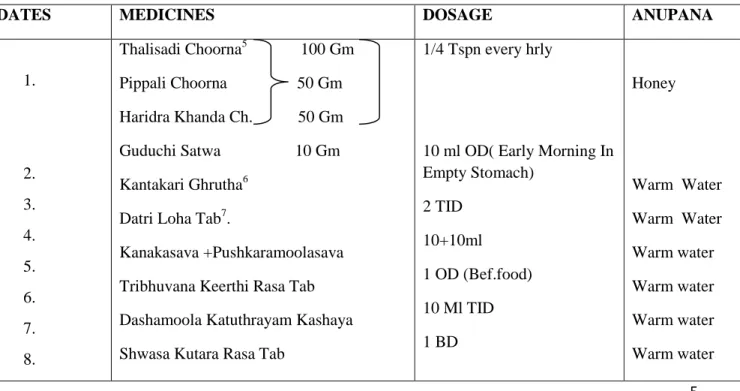
Table 4: Shows Internal Medications Given In OPD and IPD
DATES MEDICINES DOSAGE ANUPANA
1. 2. 3. 4. 5. 6. 7. 8.
Thalisadi Choorna5 100 Gm Pippali Choorna 50 Gm Haridra Khanda Ch. 50 Gm Guduchi Satwa 10 Gm Kantakari Ghrutha6
Datri Loha Tab7.
Kanakasava +Pushkaramoolasava Tribhuvana Keerthi Rasa Tab Dashamoola Katuthrayam Kashaya Shwasa Kutara Rasa Tab
1/4 Tspn every hrly
10 ml OD( Early Morning In Empty Stomach)
2 TID 10+10ml 1 OD (Bef.food) 10 Ml TID 1 BD
Honey
Warm Water Warm Water Warm water Warm water Warm water Warm water
*Dashamoola Niruha Basthi and Dhanwantharam Taila Sneha Basthi was given as yoga basthi pattern and brahut saindhavadi taila application followed by Nadisweda to back of the chest was carried out during admitted days. Four times admissions were done in alternate months.
RELIEF IN SYMPTOMS:-
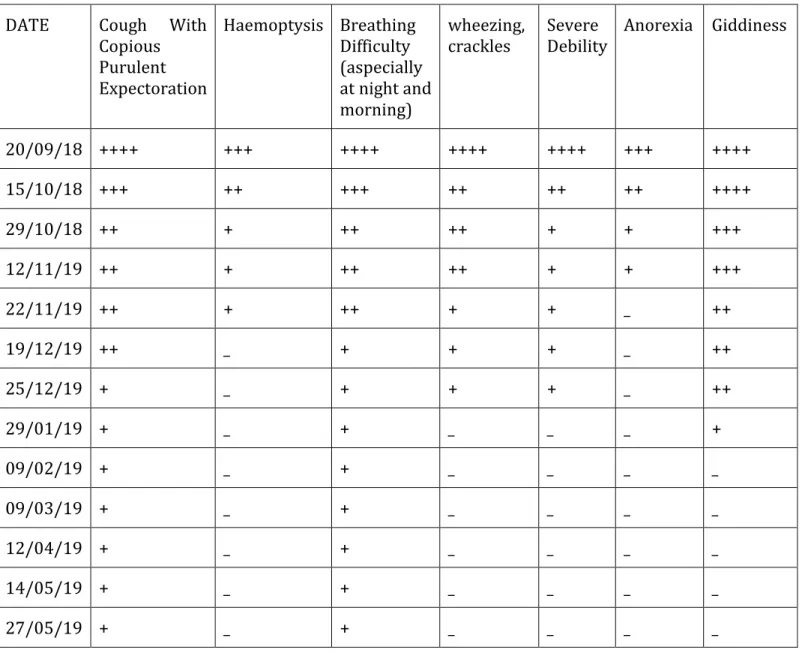
Table 5: RELIEF IN SYMPTOMS DURING AND AFTER TREATMENT
DATE Cough With
Copious Purulent Expectoration
Haemoptysis Breathing Difficulty (aspecially at night and morning)
wheezing,
crackles Severe Debility Anorexia Giddiness
20/09/18 ++++ +++ ++++ ++++ ++++ +++ ++++
15/10/18 +++ ++ +++ ++ ++ ++ ++++
29/10/18 ++ + ++ ++ + + +++
12/11/19 ++ + ++ ++ + + +++
22/11/19 ++ + ++ + + _ ++
19/12/19 ++ _ + + + _ ++
25/12/19 + _ + + + _ ++
29/01/19 + _ + _ _ _ +
09/02/19 + _ + _ _ _ _
09/03/19 + _ + _ _ _ _
12/04/19 + _ + _ _ _ _
14/05/19 + _ + _ _ _ _
MEDICATIONS AND MODE OF ACTIONS
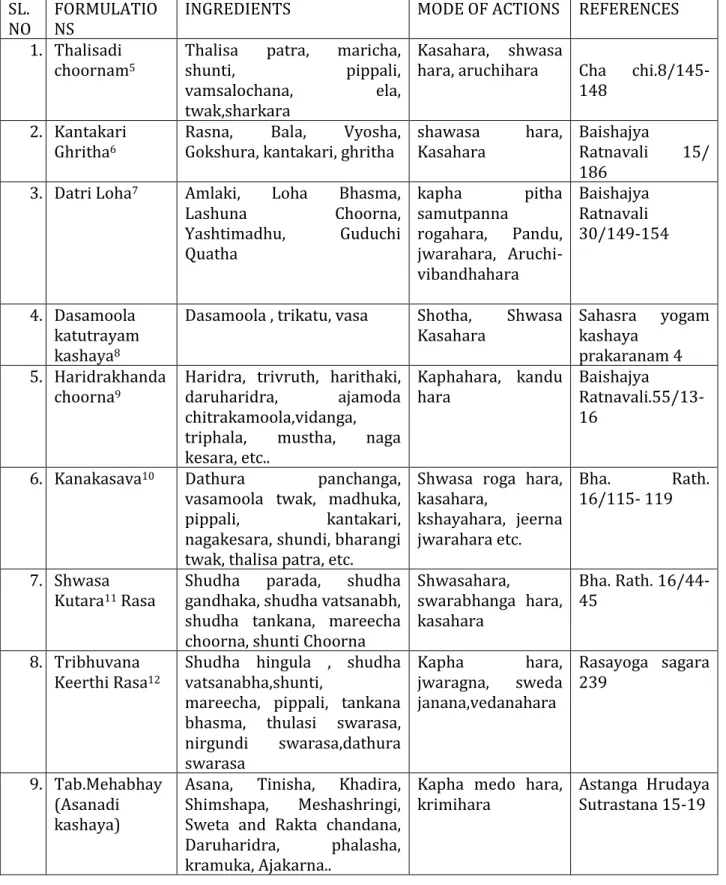
TABLE 6: MEDICATIONS AND MODE OF ACTIONS SL.
NO FORMULATIONS INGREDIENTS MODE OF ACTIONS REFERENCES
1. Thalisadi choornam5
Thalisa patra, maricha,
shunti, pippali,
vamsalochana, ela,
twak,sharkara
Kasahara, shwasa
hara, aruchihara Cha
chi.8/145-148 2. Kantakari
Ghritha6
Rasna, Bala, Vyosha,
Gokshura, kantakari, ghritha shawasa Kasahara hara, Baishajya Ratnavali 15/ 186
3. Datri Loha7 Amlaki, Loha Bhasma,
Lashuna Choorna,
Yashtimadhu, Guduchi
Quatha
kapha pitha
samutpanna
rogahara, Pandu,
jwarahara, Aruchi- vibandhahara
Baishajya Ratnavali 30/149-154
4. Dasamoola katutrayam kashaya8
Dasamoola , trikatu, vasa Shotha, Shwasa
Kasahara
Sahasra yogam kashaya
prakaranam 4
5. Haridrakhanda
choorna9
Haridra, trivruth, harithaki,
daruharidra, ajamoda
chitrakamoola,vidanga,
triphala, mustha, naga
kesara, etc..
Kaphahara, kandu
hara Baishajya
Ratnavali.55/13-16
6. Kanakasava10 Dathura panchanga,
vasamoola twak, madhuka,
pippali, kantakari,
nagakesara, shundi, bharangi twak, thalisa patra, etc.
Shwasa roga hara, kasahara,
kshayahara, jeerna jwarahara etc.
Bha. Rath.
16/115- 119
7. Shwasa Kutara11 Rasa
Shudha parada, shudha
gandhaka, shudha vatsanabh, shudha tankana, mareecha choorna, shunti Choorna
Shwasahara,
swarabhanga hara, kasahara
Bha. Rath. 16/44-45
8. Tribhuvana Keerthi Rasa12
Shudha hingula , shudha vatsanabha,shunti,
mareecha, pippali, tankana bhasma, thulasi swarasa,
nirgundi swarasa,dathura
swarasa
Kapha hara,
jwaragna, sweda
janana,vedanahara
Rasayoga sagara 239
9. Tab.Mehabhay
(Asanadi kashaya)
Asana, Tinisha, Khadira,
Shimshapa, Meshashringi,
Sweta and Rakta chandana,
Daruharidra, phalasha,
kramuka, Ajakarna..
Kapha medo hara, krimihara
Astanga Hrudaya Sutrastana 15-19
DISCUSSION:
Various pathological conditions of respiratory system including infectious as well as degenerative will come under the umbrella of Thamaka swasa. Ayurveda postulates various principles of treatments, combination of them will actively eradicate the ailments. Patient was treated with swasahara and kapha shamaka Dravya’s. The effect of Thalisadi choorna in copious expectoration in every bouts of cough, Pippali choorna in chest congestion and dyspnoea, Haridra khanda in inflamed bronchioles, Amrutha satva as immunomodulator against repeated infections, Datri loha in Anemia, Pushkaramoolasava in on and off raising symptoms like allergic bronchitis, kantakari ghritha as Rasayana to enhance the functional disabilities of bronchioles were much evident in this case. Dasamoola nirooha basthi is best in vata kapha roga chikitsa and Dhanwantharam taila basthi shows best result in age related severe debility. Here we used rasa preparations like Tribhuvana keerthi rasa and Swasa kutara rasa, which are highly effective in palliating the symptoms of Bronchiectiasis. Patient had been in allopathic medications in aggravated symptoms but after starting Ayurvedic medications he stopped taking allopathic medicines against medical advice. MRI result of December 2018 shows Entire Left Lower Lobe- Lobar Pneumonia and pleural effusion of the left lung. This health condition was demanding atmost medical care and was treated only with Ayurvedic medications. May 27th 2019 CT chest suggestive of senile septal emphysematous changes, air space opacities and atelectasis at bilateral lower lobes. Even though chronic chain smoking habit at his earlier age must have resulted in these irreversible anatomical changes, holistic approach of Ayurvedic medication provided promising quality health in both, body and mind.
RESULTS:
Patient has got significant improvements in the symptoms, as mentioned in table 5. Betterment in quality of health was evident with Fatigueness, giddiness, hemoptysis. And Table 2 shows improvements of blood investigation results before and after treatment. Hb % has increased from 9.5% to 11.5%, and there is significant reduction in Eosinophil count and fasting blood sugar. CT/ MRI reports (table 3) does not shows significant Improvement after treatment. But reduction in the sufferings was noticable.
CONCLUSION:
Ayurveda has more choices in treating the ailments. The knowledge and usage of these treasures still unrevealed in different aspects. So more Integrative clinical trials should be carried out to unwind the hidden knowledge and to utilise the same. Here a case is discussed in which noticeable changes in symptoms and health status was observed. So Ayurveda is not merely an alternative medicine but it’s a holistic approach and protector of human health. So we can conclude that, treatment modalities of Bronchiectasis should include Integrative modalities which evidently enhanced quality of life.
REFERENCES
1. Fauci, Braunwald, kasper, Hauser,. Harisson’s Principles of internal medicine, 17thedition, volume 2, chapter252,pageno-1629.
2. Yash Pal Munjal, Surendra K. Sharma, API Textbook of Medicine, Ninth edition, volume 2, chapter 8, pg no-1726
3. Agnivesha, Charaka sahita, Ayurveda deepika, Cakrapani, Chaukambha publications, edition reprint2017, chapter 17, pg no-533
4. Graham Douglas, Fiona Nicol, Colin Robertson, Macleod’s clinical examinations, 12th edition,2009, chapter 7,page no.168-174
5. K V Krishnan Vaidhyan, S Gopala Pillai,editors. Sahasrayogam, sujanapriya commentary, 32ndedition,October 2013, Vidhyarambham publishers, kashayayogas 4, page no- 63
6. Govinda das,Bhaishajya rathanavali, Kaviraj ShriAmbikadata Sathri, editor, Vidhyodhini hindi bhasha vimarsha parisishta samita,Choukambha sanskit samsthan,chapter15,shloka157.
7. Agnivesha , Charaka sahita, Ayurveda deepika, Cakrapani, Chaukambha publications, edition reprint2017, chapter8, shloka145-148, page no-466
8. Govinda das,Bhaishajya rathanavali, Kaviraj ShriAmbikadata Sathri, editor, Vidhyodhini hindi bhasha vimarsha parisishta samita,Choukambha sanskit samsthan,chapter 30, shloka 270, page no-466
9. Govinda das,Bhaishajya rathanavali, Kaviraj ShriAmbikadata Sathri, editor, Vidhyodhini hindi bhasha vimarsha parisishta samita,Choukambha sanskit samsthan,chapter55, shloka 13-16, page no-641.
10.Govinda das,Bhaishajya rathanavali, Kaviraj ShriAmbikadata Sathri, editor, Vidhyodhini hindi bhasha vimarsha parisishta samita,Choukambha sanskit samsthan,chapter16, shloka115- 119, page no-335.
11.Govinda das,Bhaishajya rathanavali, Kaviraj ShriAmbikadata Sathri, editor, Vidhyodhini hindi bhasha vimarsha parisishta samita,Choukambha sanskit samsthan,chapter16, shloka44-45, page no-333.
12.Vidya Hariprapannaji, Rasayoga sagara, Choukambha Krishnadas Academy, Varanasi, shloka no-239, page no-615