University of Windsor University of Windsor
Scholarship at UWindsor
Scholarship at UWindsor
Electronic Theses and Dissertations Theses, Dissertations, and Major Papers
2019
Evaluating the biogeochemistry and microbial function in the
Evaluating the biogeochemistry and microbial function in the
Athabasca Oil Sands region: Understanding natural baselines for
Athabasca Oil Sands region: Understanding natural baselines for
reclamation end-points
reclamation end-points
Thomas Reid
University of Windsor
Follow this and additional works at: https://scholar.uwindsor.ca/etd
Recommended Citation Recommended Citation
Reid, Thomas, "Evaluating the biogeochemistry and microbial function in the Athabasca Oil Sands region: Understanding natural baselines for reclamation end-points" (2019). Electronic Theses and Dissertations. 7732.
https://scholar.uwindsor.ca/etd/7732
This online database contains the full-text of PhD dissertations and Masters’ theses of University of Windsor students from 1954 forward. These documents are made available for personal study and research purposes only, in accordance with the Canadian Copyright Act and the Creative Commons license—CC BY-NC-ND (Attribution, Non-Commercial, No Derivative Works). Under this license, works must always be attributed to the copyright holder (original author), cannot be used for any commercial purposes, and may not be altered. Any other use would require the permission of the copyright holder. Students may inquire about withdrawing their dissertation and/or thesis from this database. For additional inquiries, please contact the repository administrator via email
Evaluating the biogeochemistry and microbial function in the Athabasca Oil Sands region: Understanding natural baselines for reclamation end-points
By
Thomas Reid
A Dissertation
Submitted to the Faculty of Graduate Studies
through the Great Lakes Institute for Environmental Research in Partial Fulfillment of the Requirements for
the Degree of Doctor of Philosophy at the University of Windsor
Windsor, Ontario, Canada
2019
Evaluating the biogeochemistry and microbial function in the Athabasca Oil Sands region: Understanding natural baselines for reclamation end-points
By
Thomas Reid
APPROVED BY:
______________________________________________ G. Ferris, External Examiner
University of Toronto
______________________________________________ J. Ciborowski
Department of Biological Sciences
______________________________________________ S.R. Chaganti
Great Lakes Institute for Environmental Research
______________________________________________ S. Mundle
Great Lakes Institute for Environmental Research
_______________________________________________ C. Weisener, Advisor
Great Lakes Institute for Environmental Research
______________________________________________ I.G. Droppo, Co-Advisor
Environment and Climate Change Canada
iii
DECLARATION OF CO-AUTHORSHIP / PREVIOUS PUBLICATION
I. Co-Authorship
I hereby declare that this thesis incorporates material that is result of joint research, as
follows:
Chapter 2 of the thesis was co-authored with S.R. Chaganti, I.G. Droppo, and C.G.
Weisener, under the supervision of both I.G. Droppo and C.G. Weisener. In all cases, the
key ideas, primary contributions, data analysis, interpretation, and writing were
performed by the author, and the contribution of co-authors was primarily through the
provision of grant funding alongside experimental design. All co-authors also provided
feedback for the purpose of editing and refining the manuscript.
Chapter 3 of the thesis was co-authored with S.R. Chaganti, I.G. Droppo, and C.G.
Weisener, under the supervision of both I.G. Droppo and C.G. Weisener. In all cases, the
key ideas, primary contributions, data analysis, interpretation, and writing were
performed by the author, and the contribution of co-authors was primarily through the
provision of grant funding alongside experimental design. All co-authors also provided
feedback for the purpose of editing and refining the manuscript.
Chapter 4 of the thesis was co-authored with S.R. Chaganti, I.G. Droppo, and C.G.
Weisener, under the supervision of both I.G. Droppo and C.G. Weisener. In all cases, the
key ideas, primary contributions, data analysis, interpretation, and writing were
performed by the author, and the contribution of co-authors was primarily through the
provision of grant funding alongside experimental design. All co-authors also provided
feedback for the purpose of editing and refining the manuscript.
I am aware of the University of Windsor Senate Policy on Authorship and I
iv
thesis, and have obtained written permission from each of the co-author(s) to include the
above material(s) in my thesis.
I certify that, with the above qualification, this thesis, and the research to which it
refers, is the product of my own work.
II. Previous Publication
This thesis includes 3 original papers that have been previously published/submitted for
publication in peer reviewed journals, as follows:
Thesis
Chapter
Publication title/full citation Publication status*
Chapter [2] Reid, T., Chaganti, S.R., Droppo, I.G., Weisener, C.G., 2018. Novel insights into freshwater hydrocarbon-rich sediments using
metatranscriptomics: Opening the black box. Water Res. 136, 1–11.
https://doi.org/10.1016/j.watres.2018.02.039
Published
Chapter [3] Reid, T., Droppo, I.G., Chaganti, S.R., Weisener, C.G., 2019. Microbial metabolic strategies for overcoming low-oxygen in naturalized
freshwater reservoirs surrounding the Athabasca Oil Sands: A proxy for End-Pit Lakes? Sci. Total Environ. 665, 113–124. https://doi.org/10.1016/j.scitotenv.2019.02.032
Published
Chapter [4] Reid, T., Droppo, I.G., Chaganti, S.R., Weisener, C.G., 2019. Tracking Functional Bacterial Biomarkers in Response to a Gradient of Contaminant Exposure within the Oil Sands River Sediment Continuums
Submitted by mid-May 2019
I certify that I have obtained a written permission from the copyright owner(s) to
include the above published material(s) in my thesis. I certify that the above material
describes work completed during my registration as a graduate student at the University
v
III. General
I declare that, to the best of my knowledge, my thesis does not infringe upon
anyone’s copyright nor violate any proprietary rights and that any ideas, techniques,
quotations, or any other material from the work of other people included in my thesis,
published or otherwise, are fully acknowledged in accordance with the standard
referencing practices. Furthermore, to the extent that I have included copyrighted
material that surpasses the bounds of fair dealing within the meaning of the Canada
Copyright Act, I certify that I have obtained a written permission from the copyright
owner(s) to include such material(s) in my thesis.
I declare that this is a true copy of my thesis, including any final revisions, as
approved by my thesis committee and the Graduate Studies office, and that this thesis has
vi
ABSTRACT
Understanding the biogeochemical processes governed by the complex metabolic
pathways of microbial communities is paramount in understanding overall ecosystem
services. Their ability to adapt to the world’s harshest environments allows them to thrive
in otherwise hostile environments. The Athabasca Oil Sands of Northern Alberta, Canada,
constitutes one of the largest oil sands deposits in the world. This uniquely
hydrocarbon-rich environment is a diverse and complex ecosystem governed by strong anthropogenic
(i.e. industrial mine sites) and natural environmental gradients (i.e. substantial bitumen
outcroppings). The economically significant oil sands deposit produces millions of barrels
of bitumen daily, with waste materials (i.e. sands, clays, residual bitumen etc.) pumped into
large settling basins called tailings ponds. The Government of Alberta requires oil sands
operators to return their mine sites to a reclaimed landscape after mining has completed,
thus leaving an enormous task of determining appropriate reclamation procedures, target
end-points and water quality targets. However, what remains unknown is an understanding
of the baseline biogeochemical fingerprint of the natural McMurray Formation (MF) – the
geological strata constituting the mineable bitumen ore. Additionally, there has yet to be
any studies focusing on the microbial function in the MF, a vital research gap that would
provide insight into how the indigenous microbial communities deal with this ubiquitous,
natural hydrocarbon presence.
The research comprising the chapters of this dissertation, are the first to reveal the
active, in-situ metabolism of the bacterial communities within the MF. Novel
vii
metabolic processes governing these ecosystems, to better understand what may constitute
viable ecosystem reclamation end-points. Functional characterizations are compared to
hydrocarbon signatures and redox state of the various study sites. Results indicate a unique
microbial consortium with both energy and xenobiotic metabolic pathways tailored to the
complex hydrocarbon substrate of the MF. Further, the sensitivity of this
metatranscriptomics approach was tested and validated as a means of tracking hydrocarbon
exposure down a river continuum. Clusters of closely related co-expressing genes revealed
patterns of expression indicative of exposure to the hydrocarbons of the MF, providing
interesting methodologies to track pollution exposure in a hydrodynamic context. Finally,
a field-scale mesocosm study was used to track the biogeochemical evolution of tailings
following a novel detoxification treatment and further compare back to the natural
reference sites also studied. Treatments caused the reduction of toxic organics and the
promotion of microbial taxa adept at metabolizing complex organics. These cumulative
insights into the natural and anthropogenically impacted ecosystems of the Athabasca Oil
Sands region provides much needed characterizations of reference/baseline environments
viii
DEDICATION
I dedicate this dissertation to my wonderful wife, kids, mom, dad, brothers and sisters
ix
ACKNOWLEDGEMENTS
I would like to sincerely thank Dr. Chris Weisener and Dr. Ian Droppo for their expertise, guidance, assistance and mentorship during the course of my PhD research. They have allowed me the freedom and flexibility to pursue my research in what has truly been an exciting adventure of scientific exploration and discovery. Their insights and leadership have sparked in me a true sense of excitement with respect to multidisciplinary research and exploratory science. They have provided me with invaluable knowledge and a skillset that goes beyond the research itself, and for that I am truly grateful!
I would like to thank my committee members, Dr. Subba Rao Chaganti, Dr. Scott Mundle and Dr. Jan Ciborowski for their expertise and guidance along the way. Dr. Chaganti has be a fundamental part of my microbial research, and his insight has made him an invaluable colleague and mentor. Dr. Scott Mundle has exemplified what it is to be an extremely effective researcher with a drive for scientific exploration. Dr. Jan Ciborowski has been a fundamental thread throughout by graduate studies, exemplifying the power of collaboration and what it is to be a truly remarkable researcher and colleague. His breadth of knowledge and expertise has been truly insightful through the years. I would also like to thank Dr. Rick Frank for his expertise, assistance, mentorship and friendship over the years, it has been very much appreciated!
Thank you to my friends and colleagues at GLIER and Earth and Environmental Sciences for the support and encouragement throughout my graduate studies and work as a graduate assistant. Specifically, Mary Lou Scratch, Christine Weisener, Kendra Thompson-Kumar, Sharon Lackie, and Marg Mayer. Thanks to everyone in the Weisener Lab for your lab and field assistance, discussions and laughs along the way, specifically Nick Falk, Danielle VanMensel, Adam Skoyles, and Sara Butler.
Thanks to my Mom and Dad for everything you’ve taught me through the years, and all of the love, laughs and memories we’ve shared along the way. Somewhere along the line, probably during one of our many travels, my interest in environmental sciences arose, and I wouldn’t have it any other way. Thanks to Bre, Luke and Mikkyla for watching the Discovery Channel with me when we were younger. I love you all!
x
TABLE OF CONTENTS
DECLARATION OF CO-AUTHORSHIP / PREVIOUS PUBLICATION ... iii
ABSTRACT ... vi
DEDICATION ... viii
ACKNOWLEDGEMENTS ... ix
LIST OF TABLES ... xiv
CHAPTER 2 ... xiv
CHAPTER 3 ... xiv
CHAPTER 5 ... xiv
LIST OF FIGURES ...xv
CHAPTER 2 ... xv
CHAPTER 3 ... xv
CHAPTER 4 ... xvi
CHAPTER 5 ... xvi
LIST OF APPENDICES ... xviii
LIST OF ABBREVIATIONS/SYMBOLS ... xix
CHAPTER 1 INTRODUCTION ...1
1.1 Research Introduction ... 1
1.2 Research Focus ... 6
1.2.1 Research Hypotheses and Objectives ... 7
References ... 9
CHAPTER 2: NOVEL INSIGHTS INTO FRESHWATER HYDROCARBON-RICH SEDIMENTS USING METATRANSCRIPTOMICS: OPENING THE BLACK BOX ...15
2.1 Introduction ... 17
2.2 Methodology ... 20
xi
2.2.2 Sediment Sample Collection ... 21
2.2.3 PAH Analyses ... 21
3.2.4 Sediment RNA Isolation and Quality Control ... 22
2.2.5 RNA Library Construction and Sequencing ... 23
2.2.6 Bioinformatic Analysis ... 23
2.3 Results and Discussion ... 24
2.3.1 Unsubstituted/Substituted PAH Concentrations ... 24
2.3.2 Sequencing Statistics & Functional Assignments ... 25
2.3.3 Differential Gene Expression ... 26
2.4 Conclusions ... 35
Figures & Tables ... 37
References ... 45
CHAPTER 3: MICROBIAL METABOLIC STRATEGIES FOR OVERCOMING LOW-OXYGEN IN NATURALIZED FRESHWATER RESERVOIRS SURROUNDING THE ATHABASCA OIL SANDS: A PROXY FOR END-PIT LAKES? ...56
3.1 Introduction ... 58
3.2 Methods ... 62
3.2.1 Study Systems and Location ... 62
3.2.2 In Situ Coring/Sediment Sampling ... 63
3.2.3 Sediment DNA/RNA Extractions ... 63
3.2.4 16S Community Structure Analysis ... 64
3.2.5 Metatranscriptomics Data Processing and Differential Expression Analysis ... 65
3.3 Results and Discussion ... 66
3.3.1 Geochemistry ... 66
3.3.2 Metatranscriptomics & Metataxonomics ... 68
3.3.3 Implications for EPL Reclamation Success ... 79
3.4 Conclusions ... 81
Figures and Tables ... 83
References ... 92
CHAPTER 4: TRACKING FUNCTIONAL BACTERIAL BIOMARKERS IN RESPONSE TO A GRADIENT OF CONTAMINANT EXPOSURE WITHIN THE OIL SANDS RIVER SEDIMENT CONTINUUMS ...103
xii
4.2 Methods ... 107
4.2.1 Sampling Site Descriptions ... 107
4.2.2 Sediment Collection ... 108
4.2.3 SEM Analysis ... 109
4.2.4 DNA/RNA Extractions & Library Preparation ... 109
4.2.5 16S Community Structure Analysis ... 110
4.2.6 Metatranscriptomics Data Processing and Differential Expression Analysis ... 111
4.3 Results and Discussion ... 111
4.3.1 Physicochemical Characteristics of SS and Bed Sediments ... 111
4.3.2 Microbial Community Structure & Functional Dynamics ... 113
4.4 Conclusions ... 125
Figures ... 127
References ... 136
CHAPTER 5: EVALUATING GAMMA IRRADIATION TREATMENTS FOR THE PROMOTION OF EARLY TAILINGS RECLAMATION...142
5.1 Introduction ... 143
5.2 Methods ... 145
5.2.1 Experimental Setup ... 145
5.2.2 Geochemical Monitoring/Sampling ... 146
5.2.3 Microbial Community Sampling and Extraction ... 147
5.2.4 16S rRNA Amplicon Sequencing Bioinformatics ... 148
5.3 Results and Discussion ... 149
5.3.1 Water Chemistry ... 149
5.3.2 Naphthenic Acid Concentrations ... 150
5.3.3 Sediment Characterization ... 152
5.3.4 Physico-chemical Gradient Analysis ... 153
5.3.5 Microbial Community Structure ... 159
5.3.6 Insights into Temporal Reclamation of Tailings ... 161
5.4 Conclusions ... 164
Figures and Tables ... 166
References ... 192
xiii
6.1 Summary ... 197
6.2 Significance ... 199
6.3 Recommendations and Future Directions ... 201
APPENDICES ...205
Appendix A (Chapter 2)... 205
Appendix B (Chapter 3) ... 208
Appendix C (Chapter 4) ... 225
Appendix D (Chapter 5)... 226
xiv
LIST OF TABLES
CHAPTER 2
Table 1: Historical chemical data for each sampled site (AEMERA 2016)………..43
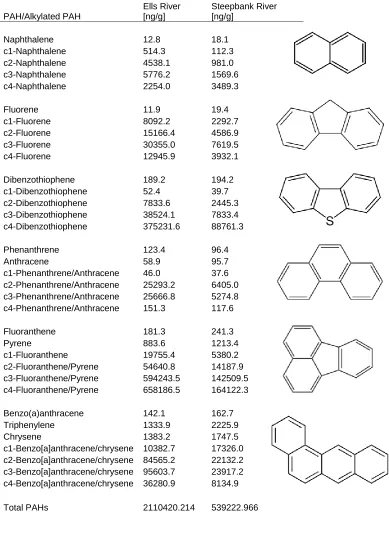
Table 2: PAH concentrations for the Ells River and Steepbank River sampling sites. Unsubstituted and substituted PAH concentrations are presented alongside their chemical structure……….44
CHAPTER 3
Table 1: Geochemical characteristics of both Poplar Creek Reservoir and Ruth Lake, showing average (n=2) Total Metals and Nutrient concentrations...90
Table 2: Water column measurements of DO (dissolved oxygen), Temperature,
Conductivity, pH and ORP (oxidation-reduction potential). Measurements were taken at the surface and just above the sediment-water interface...91
CHAPTER 5
Table 1: List of source materials and mesocosm configurations with treated (G+) vs untreated (G-) differentiated. Note: Condition “sterile” indicates not re-inoculated; “inoculated” indicates only tailings inoculate. All others represent sediment
amendments...185
xv
LIST OF FIGURES
CHAPTER 2
Figure 1: Sample collection locations along the Athabasca River tributaries. ER refers Ells River; GP is the groundwater plume on Poplar Creek; and STB is Steepbank
River………...38
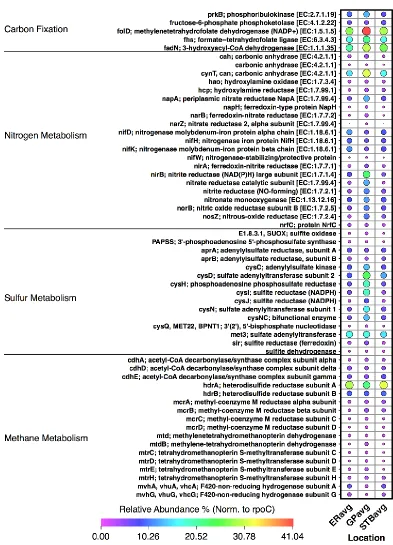
Figure 2: Functional annotations assigned to transcripts relating to methane, carbon fixation, sulfur and nitrogen metabolism. Ball plots are scaled and colorized to relative abundance % normalized to rpoC………..39
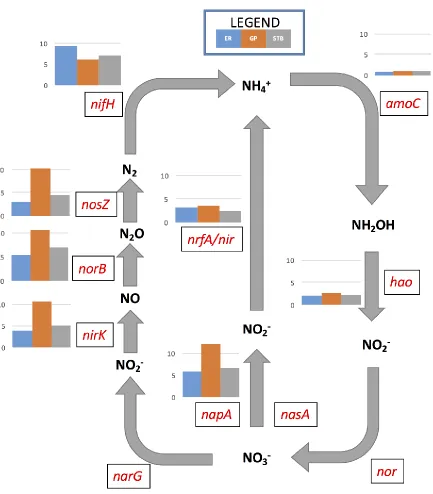
Figure 3: Nitrogen metabolic pathways of denitrification and nitrogen fixation expressed within the 3 sample locations. Differential expression between locations are expressed as bar plots next to gene expressed. From left to right on the x-axis: ER, GP, STB………40
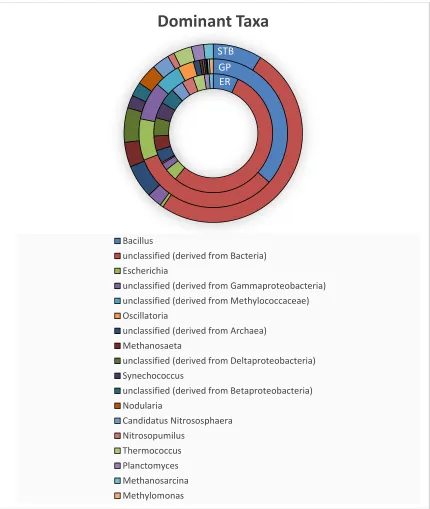
Figure 4: Top abundant taxonomy derived from RNAseq data, using the RDP
database………..41
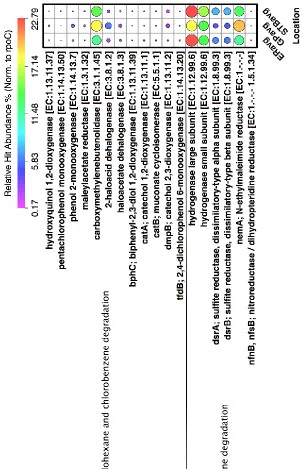
Figure 5: Functional annotations assigned to transcripts relating to chlorocyclohexane and chlorobenzene, as well as nitrotoluene biodegradation. Ball plots are scaled and colorized to relative abundance % normalized to rpoC……….42
CHAPTER 3
Figure 1: Map of Ruth Lake (North) and Poplar Creek Reservoir (South) located north of Fort McMurray, Alberta, Canada. Sampling locations marked as colored dots on each
lake, including RL (grey square), and PCRShallow (blue circle), and PCRDeep (orange
star)………....84
Figure 2: PAH distributions by family. Colors correspond to sample sites as detailed in Figure 1. Bell shaped distributions indicating petrogenic origin; depletion towards C4-C5 compounds indicating pyrogenic origin……….85
Figure 3: Doughnut plot comparing dominant expressed functional COG Categories between sampling sites. Values are normalized for comparison within DESeq2. Values
represent normalized hits averaged from RNAseq replicate samples. Outer: PCRDeep;
Middle: PCRShallow; Inner: RL………86
xvi
Figure 5: Phenylacetate degradation pathway with noted expression of PaaABCE and
PaaK in the reservoirs...88
Figure 6: Normalized taxonomic read abundances of major phyla identified by 16S rRNA amplicon sequencing, plotted using Circos software (Krzywinski et al. 2009)...89
CHAPTER 4
Figure 1: Map of Fort McMurray Region, bedrock formations constituting the bitumen deposit (McMurray Formation) and sampling sites along the Steepbank River...128
Figure 2: Total PAH loads in the SS of the STB River at each respective sampling site (www.ramp-alberta.org)...129
Figure 3: Scanning Electron Microscope images revealing hydrocarbon content in bed sediments of CF-Low (Left), MF-Med (Middle), and MF-High (Right). Associated EDAX analysis histograms reveal correspondingly high peaks of carbon indicative of a hydrocarbon signature. Note, the interstitial black seen in CF-Low (left) is the carbon backing tape on the SEM stub...130
Figure 4: Phylum level normalized abundances (DESeq2) for SS (left) and bed sediments (right). Inner data series represents CF-Low; Middle series Med; Outer series MF-High...131
Figure 5: Distribution of Proteobacteria classes within the SS and bed sediments of the STB...132
Figure 6: PCoA of Bray-Curtis similarity index of OTUs from both the bed and SS of CF-Low, MF-Med and MF-High...133
Figure 7: Scatter plots of gene expression fold changes between SS samples (left column) and bed samples (right column). Differential expression is evident especially in WSC, where there is a higher abundance of a diversified increase in expression (Note: Site 1: CF-Low; Site 2: MF-Med; Site 3: MF-High)...134
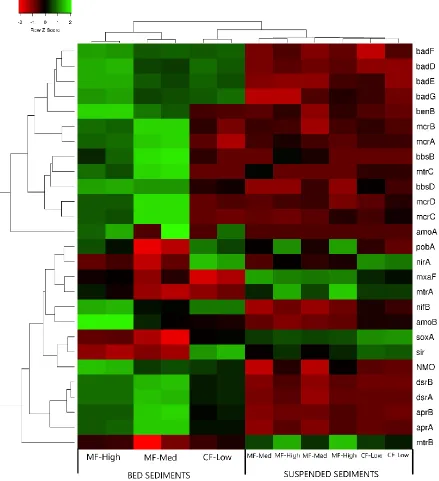
Figure 8: Expression heatmap with dendrograms from both genes and sample locations. Average linkage clustering was performed to identify clusters of genes that closely relate in terms of their expressional shifts down the STB River. Additionally, linkage clustering reveals spatial linkages between sample sites, as well as SS vs bed sediment locations...135
CHAPTER 5
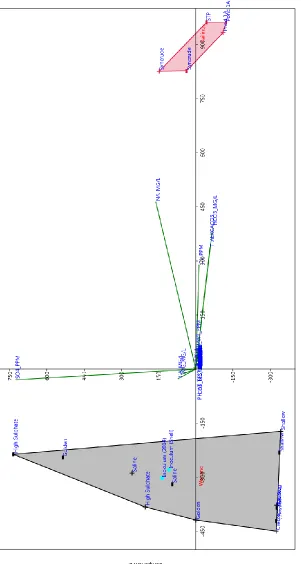
Figure 1: Principal Component Analysis (PCA) revealing dominant geochemical drivers differentiating the water chemistry of the natural wetlands from the tailings...167
xvii
between G- and G+ systems over the course of the study, noted by the shrinking and
darkening of the temporal ellipses...168
Figure 3: Distribution of naphthenic acid concentrations between G+ (blue) and G- (red) treatments over the course of the 32-week study period...169
Figure 4: PCA plot presenting the geochemical variation between sediments of natural wetlands and tailings systems...170
Figure 5: PCA plot of the grain size distribution between wetland sediments and tailings sediments...171
Figure 6: Dissolved Oxygen gradients at the 9-month sampling period...172
Figure 7: Dissolved Oxygen gradients at the 22-month sampling period...174
Figure 8: Dissolved Oxygen gradients at the 32-month sampling period...176
Figure 9: Hydrogen Sulfide gradients measured at the 9-month sampling period...178
Figure 10: Hydrogen Sulfide gradients measured at the 22-month sampling period....180
Figure 11: Hydrogen Sulfide gradients measured at the 32-month sampling period....182
xviii
LIST OF APPENDICES
APPENDIX A (CHAPTER 2)……….205
APPENDIX B (CHAPTER 3)……….208
APPENDIX C (CHAPTER 4)……….225
xix
LIST OF ABBREVIATIONS/SYMBOLS
DO Dissolved Oxygen
DE Differential Expression
EPL End-Pit Lake
ER Ells River
FFT Fluid Fine Tailings
GI Gamma Irradiation/Irradiated
GP Groundwater Plume
G+ Gamma treated
G- Untreated (no gamma irradiation)
H2S/HS- Hydrogen Sulfide
MF McMurray Formation
MFT Mature Fine Tailings
NA Naphthenic Acids
OSPM Oil sands process-affected material
OSPW Oil sands process-affected waters
P1A Pond 1A (Suncor)
PAH Polycyclic Aromatic Hydrocarbon
PCR Poplar Creek Reservoir
REDOX Reduction-oxidation
RL Ruth Lake
STB Steepbank River
1
CHAPTER 1 INTRODUCTION
1.1 Research Introduction
Aquatic environments, be it lake, river, wetland or ocean, experience dramatic
fluxes of nutrients and compounds through complex hydrodynamic processes, often
inducing spatiotemporally varied redox gradients leading to complex ecosystem alteration.
The microbial consortia that dominate the primary production in these ecosystems greatly
influence the cycling of elements, ecosystem homeostasis and simply its overall health.
The compounds are altered by complex processes as they cycle through the environment,
and multidisciplinary approaches are needed to unravel their intricacies. Understanding the
flow of xenobiotic substances and contaminants into and through various media is an issue
of global concern. However, too often we lack a frame of reference against which to
adequately assess the effects of major catastrophes, such is often the case in sudden,
catastrophic oil spills or tailings breaches where baseline ecosystem characteristics may be
scarce. The lack of knowledge about the natural biogeochemical nature of a site is troubling
and limits one’s ability to identify remediatory and/or reclamation goals after
contamination has occurred.
The ability for microbes to thrive and adapt to even the most extreme environments
is an impressive example of functional plasticity. Recent advancements in sequencing
technologies are providing researchers with greater opportunity to study these unique and
diverse organisms in a natural context, allowing for in-situ sampling, preservation and
sequencing of environmental samples (Jiang et al. 2016; Rabus et al. 2016). Studies have
expanded from single-culture approaches to in-situ studies in the most complex of
2
riverine sediments (Baker et al. 2013; Li et al. 2014; Reid et al. 2018, 2019). Amplicon
studies of single gene segments (targeted primer sequences for specific taxa or microbial
groups) and targeted gene expression surveys (specific gene primers) have given rise to
shotgun surveys identifying whole-community gene expression from our planet’s most
diverse ecosystems (Anantharaman et al. 2013; McKay et al. 2017), to our local
waste-water treatment facilities (Weisener et al. 2017). What has become evident in recent years,
is the immense phenotypic and functional plasticity of these microbes, in that their
metabolic capabilities go far beyond what was ever known through conventional culturing
approaches (Comte, Fauteux, and Giorgio 2013; Sabater et al. 2016). Microbes live and
adapt in harsh environments, and in the process are able to utilize xenobiotic compounds
that are typically harmful to other biota. Additionally, advancements with in-situ
approaches to sequencing natural microbial communities, has only advanced our ability to
understand how microbes can work in a cooperative framework at an interspecies level
(Reid et al. 2018; Schink 1997; Sieber, McInerney, and Gunsalus 2012). Microbes are
metabolically active in some of the most extreme and potentially thermodynamically
constrained systems. Unfortunately, contaminants often spill into natural environments
with extensive anthropogenic activity remaining an ongoing occurrence. As such,
xenobiotic infiltration into our local and regional ecosystems effects the natural metabolic
activities of indigenous microbial communities and therefore remains an extremely
important research area to date.
The impacts of xenobiotic substances on natural ecosystem biogeochemistry has
been studied for decades. Studies have characterized the effects of everything from sewage
3
Fernández et al. 2009; Pérez-Jiménez, Young, and Kerkhof 2001; Williams et al. 2007).
on the physical and chemical processes of freshwater and marine resources. The effects are
fairly well understood at a chemical level, but are understudied in a microbial context,
under in-situ conditions. Scientists have been able to understand how aquatic ecosystems
are impacted by (often inadvertent) enhancements to oxygen consuming processes, or those
that boost nutrient levels to unnatural levels (Rabouille et al. 2003; Sell and Morse 2006;
Weisener et al. 2017). However, it remains extremely difficult to understand
biogeochemical shifts as they pertain to aquatic sediments, as they are complicated by the
complexities of microbe-mineral interactions alongside biofilm governed microbe-microbe
cooperation. Northern Alberta, Canada, home to the Athabasca Oil Sands and its extensive
mining operations, these studies remain severely lacking, in that there is little to no
knowledge on the natural biogeochemical signature of the region, outside the influence of
industrial practices. Conventional and routine geochemical testing provides estimates of
time trends in concentrations of trace metals, PAH and nutrients. However, these
assessments provide little information about how these materials are cycled through this
uniquely hydrocarbon-rich ecosystem in terms of microbially mediated metabolic
processes.
Microbial degradation of hydrocarbons in natural environments worldwide is a
pressing topic, with global mining of fossil fuels and shipment through cross-continental
pipelines potentially posing unique environmental risks, not to mention simply the
ubiquitous presence of hydrocarbons worldwide. In Alberta, Canada, a unique ecosystem
exists as a part of the geologic McMurray Formation (MF), constituting the mineable
4
less than 75 m, constituting approximately 144 x 109 billion barrels of bitumen
(Chalaturnyk, Scott, and Özüm 2002), with a production rate of approximately 2.8 bbl/day
in 2017 (https://www.alberta.ca/oil-sands-facts-and-statistics.aspx). Caustic hot water
extraction procedures break apart the bonds holding the bituminous ore together, separating
sands and clays from the target bitumen. Waste tailings, a slurry of water, sands, clays and
residual bitumen are pumped into large settling basins called tailings ponds. Generally this
tailings slurry is comprised of approximately 55 wt% solids (82 wt% sands; 14 wt% fines
< 44 um), and 1 wt% bitumen (Chalaturnyk, Scott, and Özüm 2002). As of 2013, fluid fine
tailings volumes totaled approximately 976 Mm3, with tailings pond infrastructure
covering a land area of 220 km2 (AESRD, 2014). These ponds receive sands, silts, clays
and residual hydrocarbons leftover after the bitumen extraction process. Government
mandates that these mines and ponds must be reclaimed into a natural landscape following
mining activity, thus it is vital to accurately characterize these ponds prior to attempting
such reclamation. Recently studies have characterized the biotic and abiotic evolution of
different tailings materials (Chen et al. 2013a; Frank et al. 2016b; Frankel et al. 2016; Fru
et al. 2013; Reid et al. 2016), utilizing the latest geochemical techniques. These studies
have collectively revealed that these ponds are truly unique from one another in a
geochemical context. Additionally, studies evaluated the evolution of tailings treated with
gamma irradiation (GI) in both a geochemical and molecular framework (Boudens et al.
2016; VanMensel et al. 2017). This GI treatment approach was realized during a study by
Chen et al., 2014, where it was utilized to sterilize tailings slurries for chemical analyses.
At the same time, it was determined that the GI treatment had broken down the toxic
5
ozonation) have difficulty penetrating turbid fluids (Boudens et al. 2016). VanMensel et
al., 2018, determined that there was a microbial community response from this treatment,
boosting the relative abundance of complex organic degraders and increasing the rate
biodegradation within the tailings. Additional studies have further outlined the similarities
and differences between tailings ponds in a biogeochemical context, attributed to source
materials and extraction procedures (Frank et al. 2016a; Mahaffey and Dubé 2016; Xue et
al. 2018). Frank et al., 2016 for instance, were able to use high resolution mass
spectroscopy to spatially differentiate tailings sources, indicating measurable heterogeneity
with respect to the organic compounds within each pond.
However, given the immense volumes of tailings waste materials being produced
now and well into the future, effective and efficient reclamation strategies remain an
ongoing interest in the region. Current plans are aimed towards the development of end-pit
lake systems (EPL) – essentially filling open-pit mines with matured tailings and a mixture
of fresh and process-affected waters – though there are no proven end-points from which
to judge reclamation success. To effectively and efficiently proceed with reclamation
procedures, it is necessary to expand research beyond the focus of the contaminated sites
themselves and understand the natural biogeochemistry of the MF, from a baseline
reference perspective. In the Athabasca Oil Sands, few studies have truly characterized the
surrounding natural environment in a microbial context, particularly with respect to actual
metabolic activity. Yergeau et al., 2012, identified the microbial taxa at various natural
reference locations proximal to the industrial sites, though left a question mark as to the
true metabolic function of the microbes in those environments (Yergeau et al. 2012). This
6
(i.e. active gene expression) surveys of the MF, identifying dominant metabolic pathways
governing the regional biogeochemistry. Research presented within this dissertation
identifies dominant energy metabolism and hydrocarbon degradation genes from these
hydrocarbon-rich environments in Northern Alberta, Canada. Furthermore, novel in-situ
techniques allowed for the collection of suspended materials for tracking hydrocarbon
compounds down a river continuum using microbial biomarkers. Finally, research is
presented providing insights into the evolution of tailings materials as they progress
towards a remediated state. This collection of dissertation chapters outlines these baseline
biogeochemical characteristics governing both the natural and polluted environments
within the Athabasca Oil Sands region, expanding our understanding of not only the natural
ecology of these complex ecosystems, but also the best management practices for
mine-closures and remediation guidelines down the road.
1.2 Research Focus
The research incorporated into this dissertation, addresses the biogeochemical
processes governing natural, man-made and linking these end points to contaminated
tailings ecosystems. The research objectives for Ch.3-5 are the first to address established
end-points for microbial communities in the Athabasca Oil Sands region of Alberta,
Canada. Establishing these correlations between these tailings ponds (Ch.5) and the
adjacent natural environments (Ch.2-4), we can better understand how to proceed with
future reclamation procedures, since this research now highlights established microbial
end-points for the diverse range of environments within and outside the McMurray
7
The primary objective of the cumulative chapters comprising this dissertation is to
bridge the knowledge gap between the well-studied tailings environments and the regional
natural landscapes as reclamation becomes increasingly important. These natural
ecosystems have not been sufficiently studied, and this opportunity provides ideal insight
into potential reclamation end-points, indicative of how the indigenous ecology live and
evolve in such a unique, hydrocarbon-impacted environment. The primary research
objectives and subsequent hypotheses are broken down in the following sections.
1.2.1 Research Hypotheses and Objectives
The first hypothesis to be tested is that the baseline biogeochemical signature of naturally
hydrocarbon rich sediments will exhibit a clear signature of metabolic adaptation given the
long-term exposure to such unique conditions. To test this hypothesis, RNA is extracted
from sediments of the MF for shotgun metatranscriptomics analysis to observe the active
function of the bacterial communities. Here, we can characterize the natural, active, in-situ
biogeochemical cycles governed by the indigenous microbial consortia.
The second hypothesis to be tested is that the microbial communities will be actively
utilizing the hydrocarbons present, as they represent a large, viable carbon source. To test
this hypothesis, metatranscriptomics datasets were analyzed for differentially expressed
genes related to aromatic and/or alkane hydrocarbon degradation. Further, characterization
of genes related to secondary and tertiary breakdown pathways were characterized.
The third hypothesis tested is that the microbial genetic response to the MF may be difficult
8
suspended sediment communities), though will be clearly evident as exposure time within
the formation increases. Bed sediments will likely show a strong response inside the MF,
though a small or potentially insignificant response may be measured in the suspended
sediments. To test these hypotheses, again gene expression surveys of both suspended and
bed sediments along a river continuum were conducted, to determine if there is a microbial
genetic response to the McMurray Formation (i.e. increasing hydrocarbon content moving
into, and through the formation). If so, correlation of co-expressing genes in relation to
increasing exposure time are characterized to provide robust gene biomarkers for
compound tracking under hydrodynamic conditions.
The fourth research hypothesis is that the geochemical signature of tailings materials will
trend towards more naturalized systems over the course of the 3-year study, though there
will remain distinct differences primarily associated with salinity and elevated naphthenic
acid concentrations. This hypothesis will be tested by characterizing the geochemical
evolution of oil sands tailings materials from different operators, treated with gamma
irradiation to promote reclamation and compare to natural wetland maturation. Over a
three-year study period, early reclamation evolution can be observed from a controlled
9
References
Alberta Environment and Sustainable Resource Development. (2014). Reclamation
Information System, 2013. Annual Conservation and Reclamation Report
Submissions.
Anantharaman, K., Breier, J. A., Sheik, C. S., & Dick, G. J. (2013). Evidence for hydrogen
oxidation and metabolic plasticity in widespread deep-sea sulfur-oxidizing bacteria.
Proceedings of the National Academy of Sciences, 110(1), 330–335.
https://doi.org/10.1073/pnas.1215340110
Baker, B. J., Sheik, C. S., Taylor, C. a, Jain, S., Bhasi, A., Cavalcoli, J. D., & Dick, G. J.
(2013). Community transcriptomic assembly reveals microbes that contribute to
deep-sea carbon and nitrogen cycling. The ISME Journal, 7(10), 1962–1973.
https://doi.org/10.1038/ismej.2013.85
Boudens, R., Reid, T., VanMensel, D., Sabari Prakasan, M. R., Ciborowski, J. J. H., &
Weisener, C. G. (2016). Bio-physicochemical effects of gamma irradiation treatment
for naphthenic acids in oil sands fluid fine tailings. Science of the Total Environment,
539, 114–124. https://doi.org/10.1016/j.scitotenv.2015.08.125
Carmona, M., Zamarro, M. T., Blázquez, B., Durante-Rodríguez, G., Juárez, J. F.,
Valderrama, J. A., … Díaz, E. (2009). Anaerobic catabolism of aromatic compounds:
a genetic and genomic view. Microbiology and Molecular Biology Reviews :
10
Chalaturnyk, R. J., Scott, J. D., & Özüm, B. (2002). Management of oil sands tailings.
Petroleum Science and Technology, 20(9–10), 1025–1046.
https://doi.org/10.1081/LFT-120003695
Chen, M., Walshe, G., Chi Fru, E., Ciborowski, J. J. H., & Weisener, C. G. (2013).
Microcosm assessment of the biogeochemical development of sulfur and oxygen in
oil sands fluid fine tailings. Applied Geochemistry, 37(2010), 1–11.
https://doi.org/10.1016/j.apgeochem.2013.06.007
Comte, J., Fauteux, L., & Giorgio, P. A. (2013). Links between metabolic plasticity and
functional redundancy in freshwater bacterioplankton communities. Frontiers in
Microbiology, 4(MAY), 1–11. https://doi.org/10.3389/fmicb.2013.00112
Fernández, M., Duque, E., Pizarro-tobías, P., Dillewijn, P. Van, Wittich, R., & Ramos, J.
L. (2009). Brief report Microbial responses to xenobiotic compounds . Identification
of genes that allow Pseudomonas putida KT2440 to cope with 2 , 4 , 6-trinitrotoluene,
2, 287–294. https://doi.org/10.1111/j.1751-7915.2009.00085.x
Frank, R. A., Milestone, C. B., Rowland, S. J., Headley, J. V., Kavanagh, R. J., Lengger,
S. K., … Hewitt, L. M. (2016a). Assessing spatial and temporal variability of
acid-extractable organics in oil sands process-affected waters. Chemosphere, 160, 303–
313. https://doi.org/10.1016/j.chemosphere.2016.06.093
Frank, R. A., Milestone, C. B., Rowland, S. J., Headley, J. V., Kavanagh, R. J., Lengger,
acid-11
extractable organics in oil sands process-affected waters. Chemosphere, 160, 303–
313. https://doi.org/10.1016/j.chemosphere.2016.06.093
Frankel, M. L., Demeter, M. A., Lemire, J. A., & Turner, R. J. (2016). Evaluating the metal
tolerance capacity of microbial communities isolated from Alberta oil sands process
water. PLoS ONE, 11(2), 1–16. https://doi.org/10.1371/journal.pone.0148682
Fru, E. C., Chen, M., Walshe, G., Penner, T., Weisener, C., Chi Fru, E., … Weisener, C.
(2013). Bioreactor studies predict whole microbial population dynamics in oil sands
tailings ponds. Applied Microbiology and Biotechnology, 97(7), 3215–3224.
https://doi.org/10.1007/s00253-012-4137-6
Jiang, Y., Xiong, X., Danska, J., & Parkinson, J. (2016). Metatranscriptomic analysis of
diverse microbial communities reveals core metabolic pathways and microbiome-
specific functionality. Microbiome, 1–18.
https://doi.org/10.1186/s40168-015-0146-x
Li, M., Jain, S., Baker, B. J., Taylor, C., & Dick, G. J. (2014). Novel hydrocarbon
monooxygenase genes in the metatranscriptome of a natural deep-sea hydrocarbon
plume. Environmental Microbiology, 16(1), 60–71.
https://doi.org/10.1111/1462-2920.12182
Mahaffey, A., & Dubé, M. (2016). Review of the composition and toxicity of oil sands
process-affected water. Environmental Reviews, 25(1), 1–18.
12
McKay, L. J., Hatzenpichler, R., Inskeep, W. P., & Fields, M. W. (2017). Occurrence and
expression of novel methyl-coenzyme M reductase gene (mcrA) variants in hot
spring sediments. Scientific Reports, 7(1), 1–12.
https://doi.org/10.1038/s41598-017-07354-x
Pérez-Jiménez, J. R., Young, L. Y., & Kerkhof, L. J. (2001). Molecular characterization of
sulfate-reducing bacteria in anaerobic hydrocarbon-degrading consortia and pure
cultures using the dissimilatory sulfite reductase (dsrAB) genes. FEMS
Microbiology Ecology, 35(2), 145–150.
https://doi.org/10.1016/S0168-6496(00)00123-9
Rabouille, C., Denis, L., Dedieu, K., Stora, G., Lansard, B., & Grenz, C. (2003). Oxygen
demand in coastal marine sediments: Comparing in situ microelectrodes and
laboratory core incubations. Journal of Experimental Marine Biology and Ecology,
285–286, 49–69. https://doi.org/10.1016/S0022-0981(02)00519-1
Rabus, R., Boll, M., Heider, J., Meckenstock, R. U., Buckel, W., Einsle, O., … Wilkes, H.
(2016). Anaerobic microbial degradation of hydrocarbons: From enzymatic reactions
to the environment. Journal of Molecular Microbiology and Biotechnology, 26(1–3),
5–28. https://doi.org/10.1159/000443997
Reid, T., Boudens, R., Ciborowski, J. J. H., & Weisener, C. G. (2016). Physicochemical
gradients, diffusive flux, and sediment oxygen demand within oil sands tailings
materials from Alberta, Canada. Applied Geochemistry, 75, 90–99.
13
Reid, T., Chaganti, S. R., Droppo, I. G., & Weisener, C. G. (2018). Novel insights into
freshwater hydrocarbon-rich sediments using metatranscriptomics: Opening the
black box. Water Research, 136, 1–11. https://doi.org/10.1016/j.watres.2018.02.039
Reid, T., Droppo, I. G., Chaganti, S. R., & Weisener, C. G. (2019). Microbial metabolic
strategies for overcoming low-oxygen in naturalized freshwater reservoirs
surrounding the Athabasca Oil Sands: A proxy for End-Pit Lakes? Science of The
Total Environment, 665, 113–124. https://doi.org/10.1016/j.scitotenv.2019.02.032
Sabater, S., Timoner, X., Borrego, C., & Acuña, V. (2016). Stream Biofilm Responses to
Flow Intermittency: From Cells to Ecosystems. Frontiers in Environmental Science,
4(March), 1–10. https://doi.org/10.3389/fenvs.2016.00014
Schink, B. (1997). Energetics of syntrophic cooperation in methanogenic degradation.
Microbiology and Molecular Biology Reviews : MMBR, 61(2), 262–280.
https://doi.org/1092-2172/97/$04.0010
Sell, K. S., & Morse, J. W. (2006). Dissolved Fe2+ and ∑H2S Behavior in Sediments
Seasonally Overlain by Hypoxic-to-anoxic Waters as Determined by CSV
Microelectrodes. Aquatic Geochemistry, 12(2), 179–198.
https://doi.org/10.1007/s10498-005-4574-2
Sieber, J. R., McInerney, M. J., & Gunsalus, R. P. (2012). Genomic Insights into
Syntrophy: The Paradigm for Anaerobic Metabolic Cooperation. Annual Review of
Microbiology, 66(1), 429–452.
14
VanMensel, D., Chaganti, S. R., Boudens, R., Reid, T., Ciborowski, J., & Weisener, C.
(2017). Investigating the Microbial Degradation Potential in Oil Sands Fluid Fine
Tailings Using Gamma Irradiation: A Metagenomic Perspective. Microbial Ecology,
74(2), 362–372. https://doi.org/10.1007/s00248-017-0953-7
Weisener, C., Lee, J., Chaganti, S. R., Reid, T., Falk, N., & Drouillard, K. (2017).
Investigating sources and sinks of N2O expression from freshwater microbial
communities in urban watershed sediments. Chemosphere, 188, 697–705.
https://doi.org/10.1016/j.chemosphere.2017.09.036
Williams, A. P., Avery, L. M., Killham, K., & Jones, D. L. (2007). Persistence, dissipation,
and activity of Escherichia coli O157:H7 within sand and seawater environments.
FEMS Microbiology Ecology, 60(1), 24–32.
https://doi.org/10.1111/j.1574-6941.2006.00273.x
Xue, J., Huang, C., Zhang, Y., Liu, Y., & Gamal El-Din, M. (2018). Bioreactors for oil
sands process-affected water (OSPW) treatment: A critical review. Science of the
Total Environment, 627, 916–933. https://doi.org/10.1016/j.scitotenv.2018.01.292
Yergeau, E., Lawrence, J. R., Sanschagrin, S., Waiser, M. J., Darren, R., Korber, D. R., …
Darren, R. (2012). Next-generation sequencing of microbial communities in the
athabasca river and its tributaries in relation to oil sands mining activities. Applied
and Environmental Microbiology, 78(21), 7626–7637.
15
CHAPTER 2: NOVEL INSIGHTS INTO FRESHWATER HYDROCARBON-RICH
SEDIMENTS USING METATRANSCRIPTOMICS: OPENING THE BLACK
16
17
2.1 Introduction
Understanding the biogeochemical function within natural aquatic ecosystems is a
necessity given the inevitable impacts of climate change and broad ranging anthropogenic
stressors. Aquatic ecosystems respond readily to external inputs, altering entire
biogeochemical signatures with impacts on ecosystem health, possibly extending throughout
the entire food web. Microbes, the dominant driver of chemical cycling, will inevitably alter
their function to accommodate nutrient fluxes within their surrounding environment. When
subjected to increased levels of hydrocarbons, for example, utilization of these hydrocarbons
as an energy source is to their advantage. Given the global ubiquity of hydrocarbons in our
aquatic ecosystems, studying environments chronically exposed to naturally occurring
hydrocarbon sources (i.e. bitumen, coal deposits etc.) can provide great insight into how
microbes function in these complex environments. Several studies have characterized
microbial activity in hydrocarbon-rich, marine spill-sites, legacy contaminant sediments,
alongside natural hydrothermal vents (Boufadel and Michel 2008; Bragg et al. 1994; Kappell
et al. 2014; Kimes et al. 2014; Mason et al. 2012; Pritchard et al. 1992; Reid et al. 2018;
Zhang, Lo, and Yan 2015). However, microbial dynamics in association with freshwater
hydrocarbon-rich environments is still poorly studied.
In Northern Alberta, Canada, the McMurray formation is a bituminous sand layer
constituting the Athabasca Oil Sands. Rivers cut through this formation, providing a major
conduit of hydrocarbon expression into the natural environment (Figure 1). Erosion,
transportation and deposition of the bitumen has a profound effect on the natural chemistry
and overall health of these ecosystems. These unique, natural hydrocarbon outcrops provide
18
presence of hydrocarbons, between regional outcrop sites. If the microbes in these
ecosystems are naturally metabolizing these complex compounds, and their metabolic
pathways can be characterized, then reclamation efforts within the industrial oil sands mining
areas can utilize these baseline characterizations for optimizing reclamation strategies.
Furthermore, this environment gives a unique opportunity to study biodegradation in a
freshwater, boreal setting, unlike the many marine-based studies in recent years. Until now,
studies in this region have stopped at taxonomic assessments alongside geochemical surveys
(Yergeau et al. 2012). This can be attributed to not only logistical difficulties accessing these
sites, but also molecular difficulties in attempting to extract viable messenger RNA (that
which shows active gene transcription) from such complex sediments.
The McMurray Formation, is characterized by a complex hydrocarbon mixture of
both unsubstituted and substituted species, dominated by sulfur and nitrogen compounds.
Aromatic hydrocarbons, chlorinated hydrocarbons and linear and chained alkanes are widely
studied due to their persistence in the environment, and their complexity in terms of the
breadth of variation between chemical structures (Dabestani and Lvanov, Ilia N. 1999).
Polycyclic aromatic hydrocarbons (PAHs) are most difficult to degrade (as opposed to linear
alkanes) due to their complex ringed structure, and are found both naturally in these
hydrocarbon-rich environments, as well as in industrially influenced sites (Dabestani and
Lvanov, Ilia N. 1999; Haritash and Kaushik 2009). The atmospheric release can also
contribute to the spatial distribution of PAHs because of the combustion of various
compounds from industrial processes, including automotive emissions (Ravindra, Sokhi, and
Van Grieken 2008). Natural contributions can also occur as a result of the many forest fires
19
In the natural environment, the native microbial consortia will utilize these complex
molecules in their energy metabolism, as they are a readily available carbon source.
However, many studies involve potentially biased cultured microbial consortia, thus
studying environments containing naturally occurring hydrocarbon outcrops is a unique
opportunity for an unbiased functional analysis (Ghazali et al. 2004; Jaekel et al. 2015).
Furthermore, in a natural freshwater setting, it could be that microbial community
development has evolved to metabolize certain groups of hydrocarbons, though this remains
poorly understood. Identifying novel degradation pathways under various redox conditions
in natural reference systems could provide insight into the potential for enhanced microbial
reclamation strategies in existing contaminate environments, where bioremediation is a
potential option.
The importance of characterizing actual microbial gene expression in the natural
environment should not be overlooked, as conventional taxonomic assessments and
subsequent inferences are becoming a risky venture. High-throughput sequencing has further
emphasized the vastly complex microbial phylogenetic tree, with ongoing studies proving
this complexity is only growing (Hug et al. 2016; Long et al. 2016; Lynch and Neufeld 2015;
Pace 1997). Microbial species that differ by only fractions of a percent in terms of their
genetic code make the quest for taxonomic identification and subsequent functional
inferences a shot-in-the-dark in some cases (Hanage, Fraser, and Spratt 2006; Konstantinidis
and Tiedje 2005; Rosselli et al. 2016). Recent studies identifying microbes with single genes
(or perhaps closely related homologs) being responsible for multiple processes has further
emphasized the need for microbial characterization on an expression and activity level
20
hydrocarbon signatures and in-situ microbial function within 3 major freshwater tributaries
of the Lower Athabasca River which cut through the McMurray Formation, including a
unique groundwater bitumen seep. Functional processes relating to energy metabolism and
hydrocarbon degradation at these sites will be discussed, with inferences as to how these
findings can be utilized in actual contaminant environments for improving aquatic resource
management.
In the context of this dissertation, this chapter seeks to unravel the natural microbial
metabolism governing the MF as outline in RO1 and RH1, revealing how the unique
hydrocarbon-rich strata impact the energy and degradation metabolic processes of the
indigenous microbial community. Insights gathered here can begin to unravel how this
unique landscape shapes the natural biogeochemical signature of the region, providing
insight into reclamation end-points for the oil sands tailings systems. These natural baseline
signatures are unique to the MF and the Athabasca Oil Sands region, providing much needed
insight into the complex geochemical and microbiology of this hydrocarbon hotspot.
2.2 Methodology
2.2.1 Sampling Site Descriptions
In situ sampling sites (Figure 1) were chosen at natural locations known to contain
bitumen outcrops, outside direct mining sites. The site named “groundwater plume” (GP)
appeared the most (visually) untouched, though historical chemical data (Table 1 (AEMERA
2016)) suggests the highest polycyclic aromatic hydrocarbon (PAH) concentrations
compared to the other two sites. In 1974-1975, Syncrude Canada Ltd. performed a baseline
study of Ruth Lake and Poplar Creek before the commencement of hydrocarbon extraction
21
Obviously, this was before to advanced sequencing technologies, so baseline measurements
consisted of fairly standard chemical measurements, and benthic flora and fauna (Syncrude
1975; Wasmund et al. 2009). This site is truly a unique groundwater plume system, included
here as a novel baseline environment. Steepbank River (STB) is closest to the mining activity
in terms of proximity, and contained large volumes of bitumen outcropping on the riverbank.
STB water also was high in PAH content and overall humic substances. Environment and
Climate Change Canada has several long-term monitoring studies recording water quality
data from the chosen sample sites. Finally, Ells River (ER) sample site is located north of
industrial mining sites, though still had a large amount of bitumen outcropping from the
riverbank. Historical data suggested that that ER has relatively low PAH levels (both parent
and substituted) relative to GP, but only slightly less than STB.
2.2.2 Sediment Sample Collection
In situ sample collection and preservation took place on September 2, 2015, at the 3
sites explained in the previous section (Figure 1). Sediment samples from the river banks at
each site were taken in sterile, RNase and DNase free, 5 mL cryogenic vials and immediately
flash frozen in liquid nitrogen within the Molecular Dimensions Dry Shipper (CX100).
Riverbed sediments were collected in duplicate at the river’s edge, directly below the
hydrocarbon outcrops, consisting of surface sediments down to approximately 1-2 cm depth.
Samples remained in liquid nitrogen until returning to the lab in which they were stored at
-80 oC until extractions were performed.
2.2.3 PAH Analyses
Samples for polycyclic aromatic hydrocarbon (PAH) analysis were sent for analysis
22
Change Canada (ECCC). Dichloromethane (DCM) extractions were performed on bulk
solids samples after deuterated surrogate standards were added. Following shaking and
centrifugation, extracts were analyzed using gas chromatography/tandem triple quadrupole
mass spectrometry (GC/MS/MS) (Agilent Technologies Inc., Santa Clara, CA. USA). Two
standard calibration curves were used (high 0.01 – 2 μg/mL; and low 0.1 – 10 ng/mL) for
quantification in multiple reaction monitoring mode (MRM), in accordance with PAH and
substituted PAH concentrations. To cover the range of C1 – C4 carbon substitutions, an
appropriate range of retention times was used to integrate the substituted PAH homolog
groups and calculations based on authentic substituted PAH standard response factors.
Isomer pairs are reported in cases where compounds could not be isolated on the MS, given
equal masses (e.g. C1-Phenanthrene/Anthracene). Data is publicly accessible via the
Canada-Alberta Oil Sands Environmental Monitoring data portal
(http://donnees.ec.gc.ca/data/). The practical limit of quantification was 0.02 µg/g and 0.04
µg/g for unsubstituted and substituted PAHs respectively. The limit of detection was 0.01
µg/g and 0.02µg/g dry weight solids for unsubstituted and substituted PAHs respectively.
3.2.4 Sediment RNA Isolation and Quality Control
RNA was extracted from each sediment sample with the MoBio PowerSoil Total
RNA Isolation Kit (MO-BIO Laboratories, Inc., CA) with slightly modified protocols
concerning manufacturer guidelines. Samples were slowly thawed in their cryogenic vials
on ice, and immediately added to extraction tubes in a still semi-frozen state as to minimize
RNA degradation. All reagents and instruments (extraction tubes, pipet tips, strippettes etc.)
were kept chilled on ice before and during use when feasible. Further, 5 g of sediment was
23
additional volume. The precipitation of RNA was performed for 24 h at -20 oC to increase
RNA yield. Following final centrifugation, the pellet was dissolved in 30 µL RNase-free
water to concentrate the extracted RNA further. Aliquots of extracted RNA isolations were
kept at -80 oC until quality control and sequencing was performed.
2.2.5 RNA Library Construction and Sequencing
RNA extractions were sent for transcriptome analysis on the Illumina HiSeq 2000 at
the Genome Quebec Innovation Center at McGill University in Montreal, Quebec, Canada.
Extracted RNA was analyzed in house to assure sufficient quality for sequencing on the
Illumina HiSeq 2000. Samples with RNA Integrity Numbers (RIN) over 7 and
concentrations of at least 100 ng/ul were sent off for analysis, with additional QC checks
performed at Genome Quebec prior to sequencing. Depletion of rRNA was also performed
before sequencing using the Illumina Ribo-Zero rRNA Removal Kit for Bacteria, enhancing
mRNA quantity in each sample for improved functional assignments. Duplicate samples
were sequenced to ensure sample accuracy.
2.2.6 Bioinformatic Analysis
Paired end-reads obtained from Illumina HiSeq were uploaded to the MG-RAST
(Meta Genome Rapid Annotation using Subsystem Technology, v3.1) server at the Argonne
National Library (http://metagenomics.anl.gov/) (Meyer et al. 2008). This automated
bioanalysis pipeline is used for the analysis of large shotgun metagenomic datasets, targeted
amplicons, and metatranscriptome RNA-seq datasets. Functional assignments using KEGG
orthology within MGRAST assigned over 500 000 annotations for each of the Ells River
(ER) and Steepbank (STB) samples, with over 1.5 million assigned to the groundwater plume
24
similarity thresholds set to 60% for gene expression functional annotations. Phylogenetic
associations of residual 16S rRNA sequences were also annotated within MG-RAST,
annotated to the RDP Database at a 60% minimum sequence identity. All reads were
analyzed and compared within the MG-RAST analysis platform, before exportation of read
data for further normalization and data mining. Functional read annotations for presented
figures and tables were assigned using the KO (Kegg Orthology) database. Gene expression
pathways were explored/visualized using the KEGG mapper. Reads assigned to recognized
functional groups were normalized within each sample to rpoC (DNA-directed RNA
polymerase subunit beta’) (Berdygulova et al. 2011; Colston et al. 2014; Nieto et al. 2009;
Rivers et al. 2016). Duplicates for each sample were averaged for accuracy and then
compared between sample sites.
Analysis of functional hits was broken down into two categories for this publication:
energy metabolism and alkane/hydrocarbon biodegradation and metabolism. Results present
these level 3 functional annotations providing insight into where dominant expression was
observed. Functional assignments within these dominant categories are further interpreted
and plotted within Aabel 3 graphical software to present visual comparisons between specific
genes corresponding to active transcripts.
2.3 Results and Discussion
2.3.1 Unsubstituted/Substituted PAH Concentrations
PAH concentrations are included for the ER and STB sites, measured during sample
acquisition for this research (Table 2). Samples could not be attained for site GP. High
concentrations of C1-C4 substituted hydrocarbons we recorded for both ER and STB, which
25
dominant are C4-Dibenzothiophene, C2-C3-Phenanthrene/Anthracenes,
C1-C4-Fluoranthene/Pyrene and C1-C4-Benzo[a]anthracene/Chrysene. The consistently lower
PAH expression in STB (total PAHs ~26% that of ER) suggests a possible mechanism of
biodegradation controlling the PAH signature here compared to ER. Overall, ER has the
higher total PAH content, though interestingly, consistently measured lower parent PAH
concentrations than STB. This suggests that many of the PAHs in these sites are in fact a
result of diagenetic processes and are not a result of combustion sources. The PAH
characteristics measured in these sites closely match previous studies and reflect the
chemical characteristics of the bitumen deposit present at these outcrop sites. Historic water
PAH measurements at GP indicate high concentrations there, inviting future studies to
characterize this novel location as well. From here on in, the Ells River sample site is referred
to as “ER”, the groundwater plume on Poplar Creek as “GP” and the Steepbank River sample
as “STB”.
2.3.2 Sequencing Statistics & Functional Assignments
Sequencing stats are outlined in Appendix A (Table S1) for all sample sites. Briefly,
the Illumina HiSeq 2000 sequencing resulted in over 67 million, 53 million and 29 million
sequence counts for ER, GP and STB respectively. Identified functional categories (for use
in gene expression results to follow) all exceeded 500 000 reads for all three sites. Hereafter,
expression levels, where expressed in text and figures, are expressed as a percentage of the
26
2.3.3 Differential Gene Expression
2.3.3.1 Energy Metabolism
Gene expression data derived from the MG-RAST pipeline, utilizing the KEGG
annotations, and KO database annotations were normalized to the rpoC gene encoding the
DNA-directed RNA polymerase enzyme, to allow normalized comparisons between sites.
Initial characterizations of dominant level 3 functional assignments were compared for the
three sampling locations (Appendix A, Figure S1). Dominant transcripts are evident in level
3 categories of methane metabolism [ko00680], carbon fixation [ko00720], nitrogen
metabolism [ko00910], and sulfur metabolism [ko00920]. The most highly expressed
transcripts were annotated to carbon fixation, where GP transcripts dominated, followed by
similar transcripts expressed for both nitrogen and sulfur metabolism regardless of location.
Visualization of specific functional annotations (Figure 2) reveal the differential expression
for methane, carbon fixation, nitrogen and sulfur metabolisms concerning specific enzymatic
pathways.
2.3.3.1.1 Nitrogen
Dominant transcripts related to nitrogen metabolism were observed in all sample sites
(Figure 2 & Figure 3), indicating strong linkages between the degradation of hydrocarbons
and denitrification processes. Nitrogen is often associated with aromatic petroleum
hydrocarbons via increase in carbon-nitrogen bonding, making the cleaving of these bonds
extremely difficult (Scott et al. 2014). Results shown indicate a higher expression of nitrogen
metabolism genes in sites known to contain correspondingly high concentrations of
hydrocarbons (in this case GP), relating to other studies observing similar characteristics in