Post-qualification education and
professional identity in the contested
landscape of Complementary and
Alternative Medicine: a case of
transformative learning in an online
setting
ByHazel Ann Partington
A thesis submitted in partial fulfilment for the requirements for the degree of Professional Doctorate in Education at the University of
Central Lancashire
2
STUDENT DECLARATION FORM
Concurrent registration for two or more academic awardsI declare that while registered as a candidate for the research degree, I have not been a registered candidate or enrolled student for another award of the University or other academic or professional institution
Material submitted for another award
I declare that no material contained in the thesis has been used in any other submission for an academic award and is solely my own work
Collaboration
Where a candidate’s research programme is part of a collaborative project, the thesis must indicate in addition clearly the candidate’s individual contribution and the extent of the collaboration. Please state below:
Not applicable
Signature of Candidate
Type of Award: Doctorate in Education (EdD)
3
Abstract
The education of Complementary and Alternative Medicine (CAM) practitioners within Higher Education (HE) is controversial, and has attracted criticism from various
quarters, yet little is known about the impact of such courses upon CAM practitioners or upon the CAM profession. A programme of online MSc courses for CAM
practitioners delivered by the University of Central Lancashire (UCLan) offered an opportunity to explore this topic further. A case study approach using focus group and semi-structured interviews with teaching staff and graduates from the courses
facilitated the generation of rich, thick data describing how CAM practitioners’
professional lives were influenced by their studies, their experience of the course and achievement of a master’s degree. Three key aspects of professional lives were selected as analytic categories, namely: professional identity, practice, and the wider CAM community of practice.
This research contributes to an understanding of the impact of the dominant critical discourse relating to the use of CAM therapies and the provision of HE courses in CAM, in addition to providing valuable insights into qualified CAM practitioners’ negotiation of their professional identity in the contested CAM landscape. All participants had been affected by criticisms of CAM, leading in several cases to a devaluation and stigmatisation of their professional identity. Yet graduate participants perceived the influence of their studies and achievement of a recognised academic qualification as immensely beneficial leading to both personal and professional validation.
The overall finding from this research is that study and subsequent qualification at MSc level in international online cohorts may be seen to have had a profound
influence upon the CAM professionals participating in this study. There is evidence of an impact on MSc graduate participants’ frames of reference, identity, professional
4
identity, practice, and participation in their community of practice; in addition to the acquisition of knowledge and skills in critical thinking and research.
For the graduate participants in this research the experience of their MSc studies has been a transformative one. The concept of transformative learning (TL) was developed by Jack Mezirow in 1978 and has been further expanded upon by Knud Illeris.
Mezirow defines TL as learning which transforms the meaning perspectives or frames of reference by which we understand the world, while Illeris proposes that TL also has an impact on identity. A contribution to the pedagogy of TL may be found in the formulation and utilisation of the analytic categories of professional identity, practice, and community of practice, which offer a new approach for researching TL in
professional and/or vocational groups.
This study also demonstrates that e-learning programmes can offer opportunities for transformative learning and adds to the call for an appreciation of the potential of e-learning to deliver profound and meaningful e-learning experiences.
5
Contents
Student declaration... 2 Abstract ... 3 Contents ... 5 List of tables... 10List of illustrative material ... 10
Abbreviations ... 11
Dedication ... 13
Acknowledgements ... 13
Introduction ... 14
Structure of the thesis ... 14
Focus and research questions ... 16
Research process ... 17
Terminology ... 17
The potential contribution of my research... 17
Chapter One: Providing the context for my study ... 20
Complementary and Alternative Medicine: a contested profession ... 20
What’s in a name? Definitions of CAM and their implications ... 21
The evolution of CAM ... 22
The post-qualification education of CAM practitioners ... 27
CAM education at UCLan ... 29
E-learning ... 35
The pedagogy of E-learning ... 39
Pedagogy in master’s level education. ... 47
My story ... 50
6
Chapter summary ... 54
Chapter Two: Theoretical perspectives ... 55
Epistemology and ontology ... 55
Identity theory ... 58
Terms used ... 59
The foundations of identity theory ... 59
Contemporary identity theory ... 62
Cultural identity ... 68
Professional identity ... 69
The professional identity of CAM practitioners ... 70
CAM professional identity within HE ... 74
Transformative learning... 75
Transformative learning and identity ... 80
Communities of practice ... 86
Communities of practice in CAM ... 88
Communities of practice and identity ... 89
Chapter summary ... 90
Chapter Three: Methodology and methods ... 91
Methodology: Case study ... 91
The issue of generalisation and case study. ... 94
The research participants ... 96
Methods ... 98
Data collection ... 100
The pilot of the focus group schedule ... 100
The focus group ... 102
Interviews with graduates ... 105
Evaluation and adjustment of the methods ... 109
Interview follow-up phase ... 110
Ethical issues ... 110
Validity ... 113
Limitations ... 115
7
Chapter Four: Data analysis ... 116
Thematic analysis ... 117
Grounded theory ... 119
Data analysis using computer software ... 121
The construction of I-poems ... 123
My data analysis process ... 125
Reflection on the process ... 130
Chapter summary ... 131
Chapter Five: Setting the scene and introducing the graduates ... 132
The case study programmes: structure and pedagogical methods ... 132
Introducing the graduates ... 137
Olivia ... 138 Connie... 140 Fran ... 142 Sally ... 143 Dilip ... 145 Sonia ... 147 Yolanda ... 149 Lana ... 152 Aiman ... 153
Locating myself in relation to the graduate participants ... 156
Hazel ... 156
Chapter summary ... 158
Chapter Six: Findings ... 159
Overall finding: ... 162
E-learning ... 162
Sub-finding One: Motivations ... 165
Sub-finding Two: Impact on professional identity ... 171
Sub-finding Three: Transformative learning ... 181
Sub-finding Four: Impact on community of practice ... 187
Sub-finding Five: Impact on practice ... 190
8
Chapter summary ... 199
Chapter Seven: Discussion ... 201
Introduction ... 201
Discussion of analytic categories ... 203
Identity and professional identity ... 204
Practice ... 207
Communities of practice ... 210
Discrepant cases ... 212
Olivia ... 213
Dilip ... 216
Transformative learning – linking the findings to theory ... 220
Transformative learning in e-learning settings... 221
Significant aspects of the courses in the light of TL theories ... 222
Contributions to theory and practice ... 223
The contribution of this thesis to pedagogy ... 223
Contribution of this thesis to the CAM profession ... 224
Chapter summary ... 225
Chapter Eight: Conclusion and recommendations... 226
Conclusions ... 227
The professional lives of CAM practitioners ... 228
Transformative Learning ... 228
The potential of e-learning ... 229
Recommendations ... 229
For Higher Education Institutions ... 229
For Complementary and Alternative Medicine ... 231
Future directions for research: ... 232
Closing reflections ... 233
References ... 238
Appendices ... 1
9
1.1 Letter of ethical approval from BAHSS Ethics Committee ... 2
1.2 Participants’ information sheets ... 5
1.2.2 Interview participants’ information sheet and consent form ... 11
Appendix 2: Instrumentation... 17
2.1 Focus group schedule ... 17
2.2 Indicative interview schedule ... 19
2.3 Interview follow up template proforma ... 22
Appendix 3: Publications: ... 24
3.1 Abstract for poster presentation, Homeopathy Research Institute, Rome, 2015 ... 24
3.2 UKCGE 2015 Abstract for group presentation at UKCGE, Glasgow 2015... 25
3.3 Collaborative article published in International Journal of Doctoral Studies ... 27
Abstract ... 27
Introduction and Review of the Literature ... 28
Methodology ... 31
The Problem ... 32
The Intervention: Evolution of the Facebook Group ... 34
Academic Reflection and Professional Learning... 35
Discussion ... 47
Conclusion ... 50
References ... 51
3.4 UKCGE abstract presentation UKCGE conference Liverpool 2016 ... 54
Appendix 4: Staff ‘We-poems’ ... 55
We were so determined ... 55
When someone asks you ‘What do you do?’ ... 56
Appendix 5: List of student and graduate publications: ... 59
Appendix 6: MSc Integrated Healthcare Learning Outcomes ... 61
A. Knowledge and Understanding ... 61
B. Subject-specific skills ... 61
C. Thinking Skills ... 62
10
List of tables
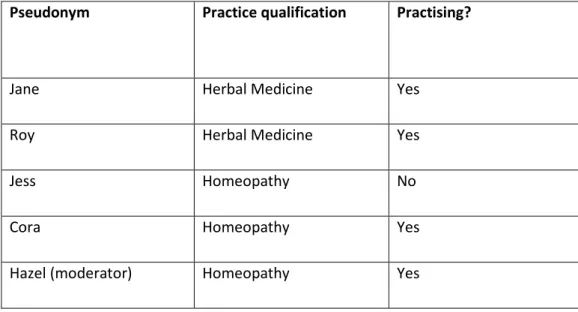
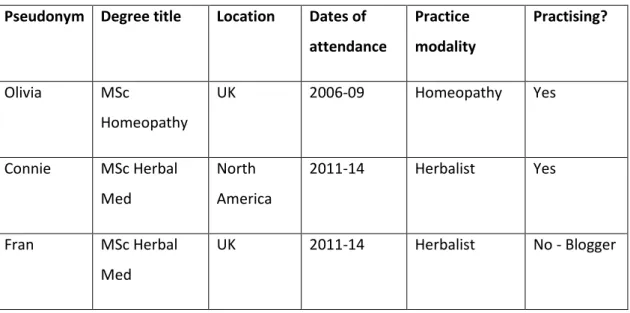
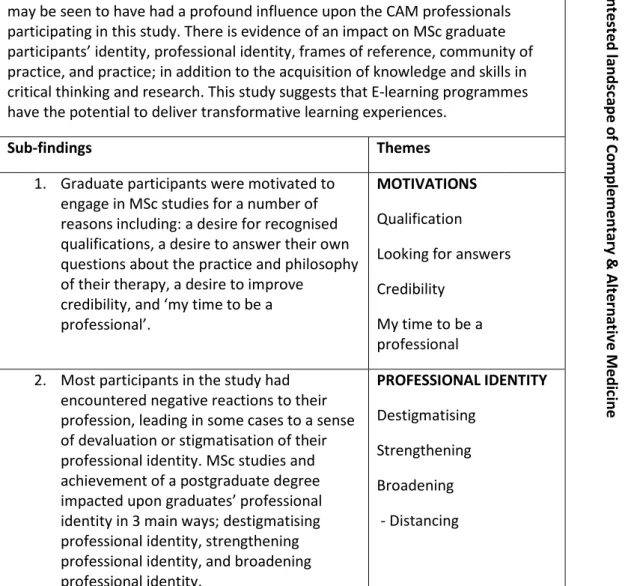
Table 1: Focus group participants ... 96 Table 2: Graduate participants ... 97 Table 3: A comparison of Braun and Clarke’s (2013) 7-stage data analysis process and my data analysis process ...128 Table 4: Findings and key themes ...160
List of illustrative material
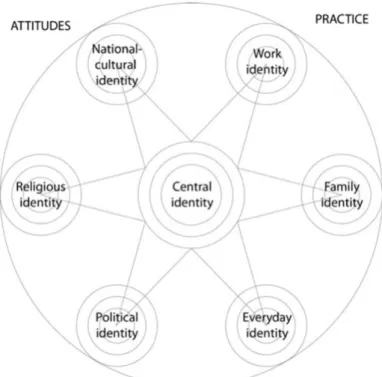
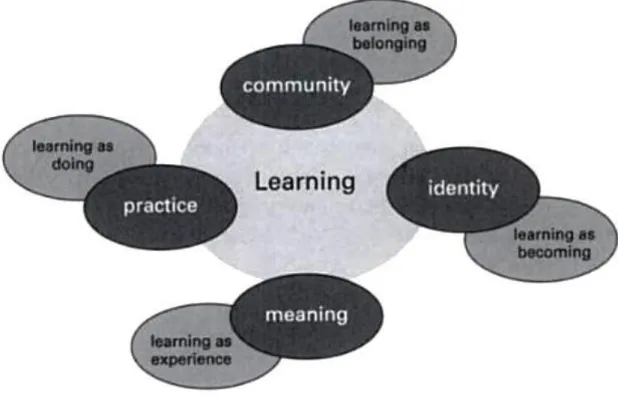
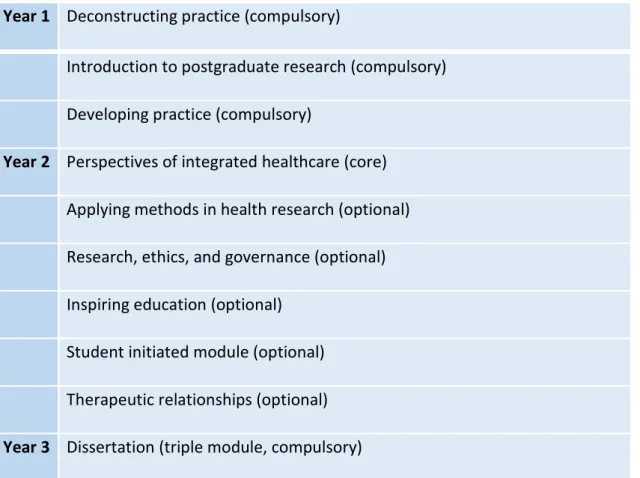
Figure 1 An illustration of my multiple situatedness ... 53 Figure 2: An example of central identity and part-identities (Illeris, 2014a:76) ... 82 Figure 3: Components of a social theory of learning – an initial inventory (Wenger, 1998:5) ... 87 Figure 4 MSc Integrated Healthcare modules ...134
11
Abbreviations
AYUSH Ayurveda, Yoga, Unani, Siddha, Homeopathy
BAHSS Business, Arts, Humanities, and Social Sciences ethics committee BERA British Educational Research Association
BPS British Psychological Society
CAM Complementary and Alternative Medicine
CAQDAS Computer-Aided Qualitative Data Analysis Software COP Community of Practice
CPD Continuing Professional Development DOH Department of Health
EBM Evidence Based Medicine
ENHE European Network of Homeopathy Educators FHW Faculty of Health and Wellbeing
FSM Friends of Science in Medicine FTE Full-time equivalent
GT Grounded Theory
HE Higher Education
HEI Higher Education Institution
HEFCE Higher Education Funding Council for England HOC The House of Commons
12 LDU Learning and Development Unit MSc Master of Science
NHS National Health Service
NMC Nursing and Midwifery Council PCA Person-Centred Approach
PGCE Post-graduate Certificate of Education PSA Professional Standards Authority
RCCM Research Council for Complementary Medicine SAS Sense About Science
SOH Society of Homeopaths
STC Science and Technology Committee TA Thematic Analysis
TL Transformative Learning
UCLan University of Central Lancashire
UK United Kingdom
13
Dedication
This thesis is dedicated with love to my parents Lucy and Len.
Acknowledgements
My sincere thanks to my director of studies Dr Paul Doherty for his advice, reassurance, and generous support. Thank you for your encouragement.
Huge thanks also to my second supervisor and EdD course leader Dr Candice Satchwell who leads the course with grace and kindness, as well as giving astute academic advice.
I could not have undertaken this research without the generosity of the participants who willingly gave of their time, and freely shared their thoughts and experiences. It has been my privilege to work with them, as indeed it has been to work with all past and current staff and students on the MSc programmes.
I have been very fortunate to study with a lively and mutually supportive cohort on the EdD programme. Jacqueline, Kathryn, Lynne, Riz, and Susan – my doctoral experience has been the richer for your company.
My dear friends and colleagues Kate, Jean, and Jacqui provided me with the impetus for my studies and patiently listened as I explored my ideas. I would also like to thank my oldest friends Linda, Pam and the two Rods, for putting up with me burying my head in my studies on high days and holidays. Much love and thanks to you all. Finally, but by no means least, I would like to thank my husband Alan, my daughters Amy and Laura, their partners Chris and James, my sisters Wendi, Philippa, and Jane, and my grand-children Hannah and Liam for their love, encouragement and
inspiration throughout my doctoral studies, the writing of this thesis, and in my life as a whole. You are my treasures and my dear delights.
14
Introduction
‘Your research is a long journey of surprises, blocks, problems, and revelations. Eventually you finish and you have been writing about
what you are doing all along...’ (Wisker, 2008:274)
Structure of the thesis
This thesis is divided into eight chapters, it is written in a contemporary style with some interweaving of findings and discussion (Wisker, 2008), and the use of two complementary forms of data analysis.
As a way to avoid repetition and provide the thesis with a sense of flow, I have categorised the relevant literatures broadly as either contextual or theoretical. I have placed contextual literature into Chapter One, while literature relating to the
theoretical perspectives that have informed my research is located in Chapter Two.
In Chapter One, I contextualise my research against the contested landscape of Complementary and Alternative Medicine (CAM) in addition to providing the local context in terms of the specific CAM courses which are the focus of this study, along with the context of their delivery via e-learning. Finally, I conclude the chapter with my own story as a CAM practitioner and educator within a Higher Education
Institution (HEI) and reflect upon my multiple situatedness within the research.
Chapter Two provides a discussion of the key theoretical perspectives which have impacted upon my research, and provides a bridge to understanding how I
15
and ontological stance, my explorations of identity theory, theories relating to transformative education, and communities of practice.
Chapter Three explores methodological considerations, including my use of a case study approach, data collection methods, my experience of conducting the fieldwork, ethical issues, validity and limitations of the study.
Chapter Four details data analysis procedures, including thematic analysis, the incorporation of some grounded theory analysis methods, and the use of Carol Gilligan’s voice-centred relational method of analysis to produce I-poems1.
Key findings from my research are presented in two chapters. Chapter Five opens with a ‘scene setting’ description of the structure and pedagogical methods employed on the case study courses, before introducing the graduate participants in this research via I-poem vignettes constructed from interview data. Chapter Six provides a more traditional thematic presentation, analysis and some discussion of my findings.
Chapter Seven offers an expanded discussion on identity and professional identity; practice; and community of practice. Two discrepant cases from the research participants are examined in relation to the general findings from the research. The links between findings and Transformative Learning Theory are also explored. The chapter closes by outlining the contributions of this thesis to theory and practice.
16
The final chapter presents conclusions and recommendations arising from the key findings of this study, and a reflection on how the doctoral journey has impacted on my own professional identity.
Focus and research questions
In recent years CAM practitioners have found themselves working within a contested professional landscape wherein the plausibility of and justification for their treatment modalities, has often been called into question along with their integrity as health professionals (Bivins, 2015). A feature of the general critique of CAM has been the strong criticisms of HEIs that offer courses to CAM practitioners (Colquhoun, 2007; Highfield, 2007; Chatfield et al., 2012; Brosnan, 2015), yet little is known about the impact of such courses upon the students or upon the CAM community.
As a CAM practitioner and senior lecturer teaching on three MSc courses (MSc Herbal Medicine, MSc Homeopathy, and MSc Integrated Healthcare) for CAM practitioners delivered wholly online by the University of Central Lancashire (UCLan) I wanted to explore how CAM practitioners’ professional lives were impacted by their studies. I identified three key aspects of professional lives and set out to answer the following question:
How does master’s level education in an international, online group impact upon CAM practitioners’ perceptions of their professional identity, their practice of their chosen therapy (e.g. homeopathy), and their role in their community of practice?
17
Research process
My research used a case study methodology (Stake, 1995; Bassey, 1999; Yin, 2003; Thomas, 2016) to facilitate the generation of rich, thick data (Geertz, 1973) describing how CAM practitioners’ professional lives had been influenced by their studies. Participants included former and current teaching staff, and nine graduates from the three courses. Teaching staff took part in a focus group discussion, and graduates participated in semi-structured interviews which were followed up with an email member-checking exercise. Data was primarily analysed using thematic analysis (Braun and Clarke, 2006; 2013) with the incorporation of some grounded theory techniques (Charmaz, 2006; 2012). An additional stage of analysis was the use of Gilligan’s Listening Guide (Brown and Gilligan, 1992; Gilligan, 2015) to produce I-Poem vignettes for each of the graduate participants (see Chapter Five). The combination of thematic analysis and I-poems provided a way to preserve the polyvocality of this research (Thody, 2006), while still presenting a thorough analysis of the data.
Terminology
All of the participants in this research were qualified to practice at least one CAM discipline, although not all were in practice at the time of their participation.
Throughout this thesis I use the terms: CAM practitioners, qualified CAM practitioners, or CAM professionals to describe those who are qualified in a CAM therapy and
working in some capacity in the CAM field. I use the word professional to indicate a person who has studied, achieved a ‘specific level of competence’ and qualified in a practice, in this case in a CAM discipline (McHale, 2015:43).
The potential contribution of my research
Embedding research in our own practice domains can result in a synergy between research and practice that positively affects both domains for practitioner researchers
18
(Fox et al., 2007). Practitioner-led research is held to be valuable to both the
community of practice and to the individual, offering improvement, empowerment, innovation and enhanced efficiency (Costley et al., 2010). As I planned and conducted my research I was inspired by Drake and Heath’s (2011) concept of a ‘unique
confluence’ arising from practitioner researchers’ generation of new knowledge from the relationship between their overlapping domains, from ‘combining understandings from professional practice, higher education practice and the researcher’s individual reflexive project’ (p2). Taking the professional doctorate route has enabled me to work within my own overlapping practice domains of CAM, higher education and research. As will become evident, my own experience as a CAM practitioner working within HE has brought a reflexive, autoethnographic flavour to the writing of this thesis (Brookfield, 1995; Adler and Adler, 2008; Costley et al, 2010; Ellis et al., 2011).
My research bridges gaps in the literature on CAM practitioners from both
professional and educational perspectives; it offers a contribution to the knowledge base and the further evolution of the CAM professional community of practice; and has allowed me to gain significant insights into my own practice. Encompassed within the microcosm of this case study is an illustration of the impact of the dominant critical discourse relating to the CAM profession and the provision of CAM courses in HEIs. This study provides valuable insights into qualified CAM practitioners’
negotiation of their professional identity in the contested CAM landscape. As the findings will show, all participants had been adversely affected by criticisms of CAM to various degrees. In several cases participants had experienced a sense of devaluation and a stigmatisation of their professional identity. Yet graduate participants perceived the influence of their studies and achievement of a recognised academic qualification as immensely beneficial, leading to personal and professional validation.
19
The overall finding from this research is that master’s level education and
achievement of a recognised academic qualification in international online cohorts may be seen to have had a profound influence upon the CAM professionals
participating in this study. There is strong evidence of an impact on MSc graduate participants’ frames of reference, identity, professional identity, practice, and role in their community of practice; in addition to the acquisition of knowledge and skills in critical thinking and research.
For the graduate participants in this research the experience of their MSc studies has been a transformative learning experience. The concept of transformative learning (TL) was developed by Jack Mezirow in 1978 and has been further expanded upon by Knud Illeris (2014a). Mezirow (2000) defines TL as learning which transforms the meaning perspectives or frames of reference by which we understand the world, while Illeris proposes that TL also has an impact on identity. A contribution to the pedagogy of TL may be found in the formulation and utilisation of the analytic
categories of professional identity, practice, and community of practice, which offer a new approach for researching TL in professional and/or vocational groups.
This study contributes insights into the pedagogy of e-learning at master’s level and demonstrates how the use of a student-centred, collaborative approach in
combination with an emphasis on critical thinking and reflection and the opportunity for rational discourse through encountering diverse experiences and opinions may engender TL. Thus the study demonstrates the possibility of TL experiences within learning programmes and adds to the call for an appreciation of the potential of e-learning to deliver profound and meaningful e-learning experiences. In addition, I suggest that my findings have the potential to inform pre- and post-qualification CAM education in HEIs and other establishments.
20
Chapter One: Providing the context for my study
‘We do not study a case primarily to understand other cases. Our first obligation is to understand this one case.’ (Stake, 1995:4)
This chapter is divided into three parts. In the first I provide the context for my study, describing the evolution and current state of the CAM profession in general, the status of CAM within HE, and the local context of the specific courses wherein my research is situated. The second part continues to set the scene for this thesis with a
consideration of the context of e-learning via which the MSc courses are wholly delivered; and pedagogy in relation to both e-learning and master’s level teaching and learning. The final part of the chapter details my own journey as a CAM professional working within HE, including the evolution of my overlapping professional identities and how they impact upon each other, and upon my research.
Complementary and Alternative Medicine: a contested profession
It is beyond the scope of this thesis to present a detailed history of the development of the linked therapeutic practices that have become known as CAM2, however, as the
backdrop of CAM forms an important context to my study this section presents a brief recent history and consideration of the current status of CAM, beginning with the implications of using CAM as a group noun.
2For more details of the history and evolution of CAM see for example: Sharma, 1991; Saks, 2002; 2005; 2015; and Bivins, 2015.
21
What’s in a name? Definitions of CAM and their implications
The term Complementary and Alternative Medicine has become a catch-all
designation to describe a varied and often loosely-connected collection of domains of health practice such as acupuncture, aromatherapy, chiropractic, herbal medicine, homeopathy, osteopathy, and reflexology among many other therapeutic modalities (Saks, 2015). As Clarke et al. (2004) point out, the designation CAM itself implies a ‘subservience to an unacknowledged and hegemonic orthodoxy, [and] connotes a false sense of unity.’ (p329).
The Cochrane Collaboration’s adopted definition of CAM establishes the fluidity of what may be included in the term, depending on the politically dominant health system, within particular cultures, at particular times:
‘Complementary and alternative medicine (CAM) is a broad domain of healing resources that encompasses all health systems,
modalities, and practices and their accompanying theories and beliefs, other than those intrinsic to the politically dominant health system of a particular society or culture in a given historical period. CAM includes all such practices and ideas self-defined by their users as preventing or treating illness or promoting health and well-being. Boundaries within CAM and between the CAM domain and that of the dominant system are not always sharp or fixed.’ (Zollman and Vickers, 1999:693, emphasis as added in: Gale and McHale, 2015:2)
Hence CAM practice is often defined by what it is not rather than what it is; as Gale (2014) points out the ‘absent presence’ in the term is biomedicine, against which CAM practices are deemed to be complementary or alternative (2014:806). Other terms used to describe CAM are: holistic medicine, alternative medicine, integrative medicine, and traditional medicine. Whilst recognising the inherent problems in treating the various therapeutic interventions which have come to be labeled as CAM
22
as a single entity (Stone, 2015), in this thesis I persist with this convention both for clarity, and as the use of this term reflects the outside-of-the-hegemony status of CAM practices and practitioners.
MacArtney and Wahlbergh (2014) suggest that broadly speaking there are three main standpoints on the use and provision of CAM; firstly endorsement as an alternative to perceived problems with western biomedicine; secondly the pragmatic view that as use of CAM is growing there is a need to make sure that delivery is safe and ethical; and thirdly a concern that patient safety is at risk and that people are not sufficiently well-informed or are being deceived (Dawkins 2007, cited in MacArteny and
Wahlberg, 2014; Bivins, 2015; Wahlberg 2015). The political situation of CAM is one of marginality in that CAM practices are not well supported by the state through
research funding, or inclusion in mainstream medical curricula (Saks, 2005). This potentially has profound implications for the status of CAM and how CAM
practitioners see themselves both individually (professional identity) and collectively (cultural identity). Saks (2002) suggests that rather than focusing on the polarities, it is useful to see CAM and orthodox medicine as being on a changeable continuum where different therapies can become integrated within the mainstream or indeed become marginalised outside it. Hence the designation of particular practices as CAM or mainstream may vary both geographically and historically (Gale and McHale, 2015). However, in terms of the rhetoric and discourse around CAM the perception of polarity currently seems to be firmly established (Singh and Ernst 2008).
The evolution of CAM
In order to delineate and contain the widely-sprawling CAM landscape my discussion of the evolution of CAM is predominantly centred in the western world as the most relevant context for my study. In terms of the impact of policy I have elected to focus upon the United Kingdom (UK) as the courses under discussion are delivered within a British university and therefore affected by UK policy and discourse. However, as the
23
courses are delivered by e-learning students may attend from anywhere in the world, and participants in this research hail from North America; South-East Asia; Central, Southern and Northern Europe; as well as the UK. Hence their experiences of how CAM is perceived in their own countries are varied.
CAM enjoyed a growth in popularity in the western world from the 1980s onwards (Heller et al., 2005). Literatures relating to CAM from the 1980s until the early 2000s spoke of optimism and exponential growth with expectations that as CAM
practitioners and registering bodies engaged with the professionalisation agenda, CAM therapies would be increasingly integrated within orthodox biomedicine (Cant and Sharma, 1996; Cant and Sharma, 1999; Saks, 2002; Heller et al., 2005)
In 2000 the House of Lords (HOL) Science and Technology Committee instituted an inquiry into CAM, their stated purpose was outlined thus:
‘The use of complementary and alternative medicine (CAM) is widespread and increasing across the developed world. This raises significant issues of public health policy such as whether good
structures of regulation to protect the public are in place; whether an evidence base has been accumulated and research is being carried out; whether there are adequate information sources on the subject; whether the practitioner's training is adequate and what the
prospects are for NHS provision of these treatments. It was the need to consider these issues that prompted this Inquiry.’ (House of Lords, 2000).
The inquiry and subsequent ‘field-breaking’ report was seen as a landmark in the CAM community in the UK (Saks, 2015:34). The main recommendation divided CAM
24
Group 1 – the most organised professions – The ‘big five’ –
Homeopathy, Acupuncture, Herbal Medicine, Osteopathy, Chiropractic
Group 2 – those therapies that most clearly complement conventional
care, e.g., aromatherapy, reflexology
Group 3 – therapies for which no evidence existed at the time of the
report.
Further recommendations from the report included the encouragement of research into CAM via pump prime funding to promote research leadership for the next 10 years. In terms of regulation the recommendation was for the development of a single professional body for Group 2 therapies, and the development of a new regulatory regime which respected diversity whilst assuring quality and safety in the delivery of Group 1 therapies (House of Lords, 2000).
The subsequent enactment of the House of Lords science and technology committee’s recommendations (2000) has been patchy in many respects3. Chiropractic and
osteopathy were already statutorily regulated and thereby had protection of title at the time of the HOL report in 2000; acupuncture, and homeopathy were denied statutory regulation and protection of title but registering bodies from both disciplines have now achieved voluntary self-regulation with Professional Standards Authority (PSA) for Health and Social Care. The herbal medicine profession was expecting to achieve statutory regulation with the Health Professions Council (HPC), however, the government has now decided against this, citing a lack of evidence for the therapy which made it impossible to set good standards of practice (Donnelly and Mendick, 2015). Robbins (2011) describes this policy or lack thereof as ‘regulating without regulating’; which leaves the majority of CAM professions in the UK without
3For a fuller picture of the legal and regulatory situation of CAM in the UK see McHale, 2015;
25
protection of title or the respectability and legitimacy associated with statutory regulation. Although the drive to regulate CAM has been primarily framed as necessary to protect the public, one outcome has been the voicing of concerns that the legitimacy conferred by regulation puts the public at further risk (Wahlberg, 2015). The facility for voluntary regulation has been welcomed by many (for example: Society of Homeopaths, n.d.). However, it is important to point out that not all CAM
professions or individual practitioners would welcome either voluntary or statutory regulation (McHale, 2015), and that the possibility of voluntary self-regulation does not necessarily apply to all domains of CAM practice (Wahlberg, 2015).
Saks (2015) interprets the marginalisation of CAM as a result of the elevation of the status of biomedicine which provides a ‘legally bounded exclusionary social closure’ for the medical profession (p31). From my own perspective as a CAM practitioner, educator and member of a registering body, during the time since the HOL report in 2000 it appeared that the push towards regulation whether statutory or voluntary, added momentum to the drive towards professionalisation within the CAM
community of practice. However, it also appeared that the move towards
professionalisation and thereby legitimacy seemed to generate a backlash of criticism towards CAM practices, leaving CAM professionals like myself working within a contested and somewhat diminishing landscape.
The issue of ‘scientific’ evidence for CAM therapies is a thorny one and beyond the scope of this thesis, other than to trace the impact that this issue has had upon changing perceptions of CAM therapies over recent years. This has been strongly influenced by the rise of the evidence based medicine (EBM) agenda (Sackett et al., 1996) within biomedicine, in parallel with which the growth and popularity of CAM began to stall. In part this was due to a lack of evidence that was acceptable to the scientific community, and the difficulty in explaining mechanisms of action in
26
therapies such as homeopathy and acupuncture. The organised criticism of CAM is by no means new (Bivins, 2015), groups such as the Campaign against Health Fraud, also referred to as Quackbusters were formed in the 1980s with the intention of
highlighting dubious practices in CAM (Sharma, 1991). More recently the increased use of social media has amplified the scale and dissemination of the sceptic discourse. Of the HOL designated Group 1 therapies, homeopathy has perhaps fared the worst in receiving criticism from scientists, academics, politicians and the media (Stone, 2015). A pivotal point was the House of Commons Science and Technology Committee (HOC STC) Fourth Report Evidence Check 2: Homeopathy (2010). The report has been criticised as flawed in terms of the make-up of the committee, the imbalance in those who were permitted to present evidence to the committee (only three homeopaths among twelve witnesses), and of selection bias in the studies which were examined (Baldwin, 2010); this is in contrast to the HOL report in 2000, which included a wider range of experts from both CAM and conventional medicine. The pronouncement of the HOC STC that they found no evidence that homeopathy works beyond the placebo effect has reached the status as a piece of evidence in and of itself although the procedures followed did not apply any scientific systematic method (Homeopathy Research Institute, n.d.). However, the evidence check has still had far-reaching consequences for registering bodies, educational establishments, and individual practitioners. Dr Helen Beaumont, chair of the registering body for medically qualified homeopaths, the Faculty of Homeopaths, has recently written of her own experience:
‘Quite frankly, I am amazed at the level of hostility homeopathy encounters, particularly from those people who seem unable to have an intelligent debate on the subject without resorting to puerile language and name calling.’ (Beaumont, 2016).
As I write now in 2016, the CAM landscape continues to be varied worldwide (Gale and McHale, 2015). In the UK, parts of Europe, Australia, the United States of America,
27
and Canada the picture remains one of contestation and sceptic activity; although some progress appears to have been made in the UK with the advent of voluntary registration for CAM registering bodies with the PSA. In India, the government continues to promote the use of CAM therapies and in 2014 the Ministry of AYUSH4
was established with a focus on development and research in the AYUSH therapies (Ministry of AYUSH, n.d.). In Switzerland the Swiss Interior Ministry has announced its intention to elevate acupuncture, herbal medicine, holistic medicine, homeopathy, and traditional Chinese medicine to the same status as conventional medicine (Swiss Info.ch, 2016).
The post-qualification education of CAM practitioners
The education of CAM practitioners in the UK, both pre and post-qualification, has largely been within private institutions. Post-qualification education within CAM has been traditionally based on improving techniques of practice. However, with the advent of university master’s and doctoral courses in CAM there was a shift of emphasis as practitioners were encouraged to develop skills in critical thinking and research.
In parallel to the rise in the popularity of CAM in the 1990s there was an increase in establishments offering training in the practice of CAM therapies, initially in private establishments and from 1998 onwards within universities in the UK. At a time when CAM therapies were flourishing the need for improved standards in education and training was clear and accepted by many (Fulder, 1996; Cant and Sharma, 1999). The recommendations from the 2000 HOL STC report had a positive impact upon the delivery of CAM education within HEIs in many ways and set an agenda for research and development that contributed to the instigation of degrees at undergraduate and
4AYUSH is the acronym chosen by the Indian government to designate the following therapies:
28
postgraduate levels in several UK HEIs. In a mapping exercise conducted in 2009 on behalf of the Research Council for Complementary Medicine (RCCM), Robinson and Lewith (2011) identified 80 research active postgraduates with an interest in the CAM field registered for MPhils/PhDs in 21 universities.
The development and progression of CAM courses in HEIs, after an initial growth period, is now vastly reduced. In 2007 a self-styled ‘skeptic’5 group in the UK began to
campaign against the delivery of CAM courses within universities, describing such qualifications as ‘anti-scientific’ and based on faith rather than on science (Colquhoun, 2007; Highfield, 2007; Chatfield et al., 2012). The sceptic campaign has not been limited to the UK, for example, ‘Friends of Science in Medicine’ (FSM) have lobbied Universities in Australia to cease delivery of CAM courses (Chatfield et al., 2012; Brosnan, 2015). FSM’s key message is premised on the differentiation between science and non-science, with CAM courses being firmly designated as non-science, and therefore damaging to universities’ reputations and claims to legitimacy (Brosnan, 2015). Referring to Bourdieusian notions of capital, Brosnan suggests that FSM’s invocation of ‘bioscientific knowledge as a form of capital that trumps academic credentials’ has led in turn to the devaluation of the status and perceived legitimacy of CAM academics (2015:1054). CAM academics often respond to accusations of offering non-scientific courses by pointing to the science content in their programmes. However, Brosnan suggests that doing so serves only to reinforce the symbolic capital of bioscientific knowledge as the yardstick against which all other healthcare
knowledge and practice should be measured (ibid.), although this seems to argue for a continuation of a polarised position from CAM rather than a willingness to move towards integration, which I suggest offers a way to preserve some provision for CAM within HEIs.
5The spelling of ‘skeptic’ with a ‘k’ is generally preferred in American and Canadian English, while in
most other English speaking countries ‘sceptic’ is used. However, some sceptic groups prefer to use ‘skeptic’ to imply a particular type of 21st-century scientific scepticism (Grammarist, 2016).
29
CAM education at UCLan
Turning to the local context of my research, the University of Central Lancashire (UCLan) was among those institutions who developed CAM courses beginning with BSc degrees in Homeopathy, Herbal Medicine and Complementary Medicine for Health Sciences. The courses were originated within what is now the Faculty of Health and Wellbeing (FHW), which has variously been known as the Faculty of Health, the School of Nursing, the School of Nursing and Caring Sciences, and the College of Health and Wellbeing. For the purposes of clarity and consistency within this thesis it will be referred to by its current name, the FHW.
The FHW is one of the larger faculties within UCLan and historically has had a primary focus on the training and education of nurses. According to Scott (2008) it is important when attempting to analyse an organisation to: ‘...ascertain what elements are at play in a given context and the extent to which they work to reinforce or undercut one another.’ (p429)
An examination of the drivers influencing the FHW shows a close alliance with the institution of nursing, as embodied and regulated by the Nursing and Midwifery Council (NMC); the Department of Health (DOH); and with the National Health Service (NHS) and of course UCLan’s own organisational culture. Managers and leaders within the FHW on the whole tend to have been nurses or have worked in an allied health profession under the auspices of the NHS. Over time, courses for other health
professions have been developed and incorporated within the college. However, with contracts with the NHS providing the largest income stream for FHW, it appears that the nursing agenda with all its associated institutional and cultural norms has the loudest voice (Scott, 2008).
30
It is apposite here to consider the pursuit of legitimacy as a driver in the development and growth upon the two nested organisations and associated institutions: UCLan, the FHW, the institution of nursing; and the more loosely-coupled institution of CAM (Meyer and Rowan, 1977). According to Oliver (1991), acquiring legitimacy is
important for organisations in order to demonstrate ‘social worthiness’ (p150) and to mobilise resources. In terms of academic legitimacy, UCLan in common with other post 1992 universities is perceived by some to suffer from comparison with the Russell Group Higher Education Institutions (HEIs).
Kok et al. (2010) suggest that commercial interests exert the greatest pressure upon ‘new’ universities, while more traditional universities continue to take an academic and research oriented focus. However, UCLan’s decision to create a new School of Medicine and Dentistry at UCLan (Else, 2014) offering a self-funded 5-year
undergraduate medical programme, encompasses issues of legitimacy, academic credibility and commercial viability.
The institution of nursing can be seen as aiming to leave behind a subservient past through a drive towards professionalisation (Krogstad et al., 2004) and is now a graduate only profession (Staines, 2008); this has inevitably had an impact on the culture within the FHW leading to an increasingly technical-rational approach. As previously shown, the institution of CAM over the last twenty years has suffered a loss of credibility and at times been the subject of savage criticism in an increasingly evidence-based medical discourse (Flatt, 2013). DiMaggio and Powell’s (1983) description of the various types of pressures leading to isomorphic organisational change is relevant to the development of UCLan as a ‘new’ university, and to the professionalisation agenda both of the institution of nursing and the much more loosely linked institution of CAM. Although in the case of nursing the pressures are normative in that the drive is to: ‘establish a cognitive base and legitimation for their
31
occupational autonomy’ (ibid:152). In the case of CAM, the pressure is mimetic in that the aspiration to imitate other accepted institutions appears to be a response to the uncertainty raised by adverse publicity and criticisms of the profession. Ironically the pursuit of legitimacy by both professions may have worked against the CAM agenda in that as nursing becomes increasingly professionalised and CAM increasingly criticised it has been strategic for nursing to distance itself from CAM.
The MSc programme of courses for CAM professionals arose out of a suite of bachelor’s level courses developed in the early 1990s. The initial development of a certificate course for health professionals followed by a BSc in Health Sciences for Complementary Medicine began with nurse educator Marjorie Curtis who had identified a need for health professionals, and in particular, nurses to become better informed about CAM practices that their patients were resorting to in order to manage their health (Curtis, 1996). In the process of development of the courses Curtis increasingly engaged with the CAM practitioner community of practice (Wenger, 2000) and was:
‘...astonished by the variety of training they had undergone. Compared to nurse education, it seemed very ad hoc and non-standardised’ (Curtis 1996: 126).
Viewed from the wider organisational level the development of the BSc course programme in CAM would appear to be ‘bottom-up’ change and not necessarily part of UCLan’s overall strategic plan; although this was a time of innovation and creativity in Higher Education (HE) with a willingness among post 1992 universities such as UCLan to consider the delivery of non-traditional courses within a University setting.
The establishment of BSc courses in homeopathic medicine and herbal medicine brought in a group of homeopathy and herbal medicine practitioners as lecturing and
32
clinical placement staff. In particular, the group of homeopaths had a history of working collaboratively in a peer supervision group. Post-qualification continuing professional development (CPD) in homeopathy and other CAM therapies tends to be predominantly informal practice-based training, leading to the development of close communities of practice (COPs) (Cant and Sharma, 1999; Wenger, 2000), as was the case with this group of practitioners. Wenger (2000) describes how pioneers from COPs may engage with other COPs and bring new knowledge and inspiration back to their home community. This situation occurred when two members of the
homeopathy lecturing staff joined the European Network of Homeopathy Educators (ENHE). Their interaction with this group led to the identification of a double bind situation (Engestrom, 2001), in that both groups strongly felt that the way forward for homeopathy to raise standards was to increase educational levels within the
community both in terms of education in practitioner qualifying colleges and in terms of equipping homeopaths to carry out good quality research (Partington and Foulkes, 2004). Plans were hatched for a master’s level course to be delivered via e-learning and a proposal was put forward to FHW by the homeopathy team, however the initial response from their immediate line manager was not encouraging. In this situation the loose coupling of the university organisation (Knight and Trowler, 2001) worked in favour of the team’s aspirations as they persisted in approaching various managers and departments for support until these ‘street level bureaucrats’ (Lipsky, 2010) found a way of working around the initial refusal.
The ultimate work-around strategy (Oliver, 1991) came in the shape of an alliance with another ‘academic tribe’ (Knight and Trowler, 2001) who held a strong commitment to the development of e-learning courses producing a £25,000 grant
33
from UCLan’s Learning Development Unit (LDU) which released staff time to develop the course. Delivery of MSc Homeopathy began in 20066.
The MSc course was designed with a modular framework within which students are able to explore their own areas of interest, for example: the historical development, philosophy, practical applications or inter-professional applications relating to their chosen mode of practice. As might be expected in a master’s level course the requirement for critical analysis, reflection and evaluation forms a strong thread running through all modules and students are encouraged to bring in perspectives from the wider health and social fields. A fuller picture of the structure and setting of the courses and the pedagogical methods utilised therein will be provided later in this chapter.
The design of the homeopathy course was replicated in MSc Herbal Medicine, and MSc Integrated Healthcare which were added to the programme in 2011 following the initial success of MSc Homeopathy which in 2009-10 met 60% of the SOH recruitment target for postgraduate courses (Duckworth, 2015). There has been a high degree of student and graduate satisfaction, with high retention rates on the courses.
Following the growth of the sceptic movement as discussed above, UCLan, along with other universities delivering CAM programmes, was criticised for offering such
courses. In parallel to this situation falling recruitment to the CAM undergraduate
6Appendix 4 presents two ‘We-poems’ constructed from data extracted from the staff focus group. The first of which reflects the determination and creativity of the team, as they battled to bring their vision for the MSc Homeopathy course to fruition.
34
courses was compounded by financial factors such as increases in tuition fees, the economic recession and the impact of the equivalent or lower qualifications ruling upon a predominantly mature and well-qualified student population (Chatfield et al., 2012). An internal review at UCLan, whilst recognizing good practice, concluded that it was inappropriate to deliver practitioner-qualifying courses in CAM therapies until individual therapies were statutorily regulated. The BSc courses in homeopathy, herbal medicine, and complementary therapies at UCLan were discontinued by 2008. The MSc courses were not impacted by this decision as students enrolling on these courses were already qualified to practitioner level.
However negative pronouncements about CAM and about CAM education within universities continued to be raised and to an extent acquired the status of ‘social facts’ (Oliver, 1991:148). This, along with the financial factors mentioned above impacted on recruitment across all three MSc courses which began to fall. Further, there was an increasing number of MSc Homeopathy students transferring to MSc Integrated Health as they perceived the title to have greater capital and
transferability. In 2015, in response to these factors the course team proposed to the FHW management that recruitment to MSc Homeopathy should cease and that homeopath applicants would be directed to enroll for MSc Integrated Healthcare. This was a strategic decision by the team, in recognition that MSc Homeopathy was the title that attracted the most external criticism (Colquhoun, 2007). It is still the case however, that homeopaths form the greater part of the student body.
Whilst I have been conducting my research and writing this thesis the trajectory of the MSc Integrated Healthcare course has shifted several times, most recently in July 2016 with the approval of a major change. From September 2017 the course will be known as MSc Transforming Integrated Health and Social Care, reflecting the adaptation of the course to be suitable for practitioners in conventional health and
35
social care settings. With the changes to the MSc Integrated Healthcare programme and recent cessation of recruitment to MSc Herbal Medicine, the overt foothold of CAM within UCLan is diminishing and becoming embedded within a more integrated model. Hence within the next few years it seems likely that there will be no CAM-specific courses remaining in the portfolio. However, the CAM/Integrated health teaching team continue to adapt to the prevailing climate, most recently with their involvement in the development of an MSc in Sustainability, Health and Wellbeing to be delivered via e-learning commencing in 2017. It is expected that this and the new iteration of MSc Transforming Integrated Health and Social Care course will attract a wide range of practitioners. This in turn will facilitate integration across the health and social care fields, allow the continuation of HE provision for CAM practitioners, and promote engagement in the vitally important integration and sustainability agendas.
E-learning
In this section of the chapter I will discuss the context and pedagogical underpinnings of e-learning or online learning, as this is the mode by which the case study MSc courses are delivered. As seen in the previous section of this chapter on the
development of the courses, the need for delivery via e-learning in order to address the logistical needs of a dispersed homeopathy community was identified at a very early stage of discussions within the European Network of Homeopathy Educators.
Definitions of what exactly is encompassed in the term ‘e-learning’ are difficult to pin down. In 2005 the authors of the Higher Education Funding Council for England (HEFCE) report on a strategy for e-learning, and in the subsequent revision of the strategy in 2009, chose not to define e-learning in recognition of the complexity of the task (HEFCE 2005; 2009). Garrison (2011) defines e-learning as ‘networked, on-line learning that takes place in a formal context and uses a range of multimedia technologies’ (p4). In practice, the term e-learning is used to describe a variety of
36
situations encompassing delivery by wholly online methods, or in combination with traditional face to face delivery although this is more usually described as blended learning (Bonk and Graham, 2006). As previously mentioned, the MSc courses under discussion are delivered wholly online, using online study materials, synchronous group tutorials in Adobe Connect Breezerooms, asynchronous discussion boards, and individual tutorials via Skype.
Two key advantages of e-learning for students are accessibility and flexibility (Bischel, 2013). Students are able to have a greater autonomy in deciding when and where to study. The main disadvantage of e-learning relates to difficulties in socialisation. Garrison (2011) and Preece (2000) emphasise the importance of socialisation in building learning communities, highlighting that this can be a crucial element in strengthening student retention and in increasing successful outcomes of their studies. Salmon (2003) concurs with the significance of socialisation as an important aspect in becoming an e-learner and points to the requirement for e-tutors to input considerable effort into encouraging learners to connect with each other. E-Tutors hold much more responsibility for social introductions and the development of socialisation between students than those in more traditional learning environments where students can get to know each other and chat outside of lectures (Hootstein, 2002; Conrad and Donaldson, 2005). However, with the increase in use of social media, once e-tutors have facilitated introductions it seems that e-learning students are now finding it easier to connect and collaborate with each other (Dabbagh and Kitsantas, 2011).Of course, it is still possible for students to be successful e-learners without social activity with their peers, but successful socialisation does seem to offer a distinct advantage (Anagnostopoulou et al., 2009). A further issue with online learning environments relates to technological difficulties; this can be due to equipment failure, or to students’ unfamiliarity with the media. To mitigate against these issues, the MSc teaching team include a protracted induction process wherein
37
students are assigned a series of tasks to introduce them to the various technologies, to facilitate familiarisation with their tutors, and socialisation with their peers.
Although forms of e-learning have been used within HE for some time now (Garrison, 2011), much of the provision is still a blend of face to face and computer mediated communication (CMC) (Moule et al., 2010). The advent of e-learning technologies was expected to revolutionise and disrupt HE (Laurillard, 2004) by widening access,
encouraging lifelong learning and contributing to the further democratisation of HE by ‘breaking down the elitist walls of the ivory tower’ (Carr-Chellman, 2005). Yet whilst e-learning technologies are being utilised to enhance traditionally delivered courses; the full potential of e-learning technology and delivery has still to be realised with a relatively small proportion of HE courses being offered wholly via e-learning.
Attitudes towards e-learning within HE vary considerably, from enthusiastic adoption to resistance and minimal utilisation (Nichols, 2008; Matthews, 2017). Petit dit Dariel et al.’s (2013) exploration of academics’ attitudes to the adoption of e-learning in nurse education suggests there are four broad positions taken by teaching staff: e-learning advocates who enthusiastically engage with online e-learning methods;
humanists, who fear that they will miss out on the personal interactions available in an attendance course; sceptics, who may have previously had a bad experience and are sceptical about the impact of online learning upon intended learning outcomes; and pragmatists, who mainly use the virtual learning environment (VLE) to post up
teaching materials such as PowerPoints after delivery in class. Herkis’s (2017) research into academic attitudes to innovative teaching methods, including online learning, showed that fear of appearing stupid was also a factor that held some lecturers back from engagement with technology-based learning (Herkis, 2017; Matthews, 2017). Serdyukov’s (2015) paper exemplifies several commonly-held assumptions about online learning which should be challenged. Such assumptions seem to stem from a standpoint of undergraduate education where students are predominantly but not
38
exclusively school-leavers and are thus characterised by Serdykov as technology-savvy, with a short attention-span; whilst instructors are described as mostly middle-aged and ‘not very friendly with new technologies’ (ibid: 62). I suggest that such limited thinking does a disservice to the wide and varied landscape of online learning, and to the teachers and learners engaged within it.
Boyer et al. (2006) also suggest that some educators question the depth of learning that can be possible via online delivery of teaching and learning. In a
phenomenological study of graduate students’ experience of a primarily online course, which used a content analysis of students’ reflective writings, Boyer et al. concluded that transformative learning involving changes in students’ previously held assumptions, habits or beliefs, was evident in the online course under investigation (ibid). As my findings will show, I concur with Boyer et al. as to the potential of e-learning courses to deliver transformative e-learning experiences, although I suggest that transformation may take place at an even deeper level (Illeris, 2014a). An in-depth exploration of the theories of Transformative Learning (TL) (Mezirow, 2000) follows in Chapter Two.
The development of a sense of community is seen as vital in the success of teaching and learning via e-learning delivery (Garrison, 2011). Wenger’s (1998) social
constructivist perspectives on the furtherance of learning suggests that collaboration and interaction with peers affords learners an opportunity to encounter alternative perspectives and that this in turn can promote optimum conditions for deep learning. Groves and O’Donoghue (2009) citing Kolb (1984) contend that collaborative models of learning, often found in online programmes, lead to ‘reflection, self-evaluation, and the initiation of new learning’ (Groves and O’Donoghue, 2009:143). This concurs with McKimm et al. (2003) who suggest that in addition to the enhancement of learning, and the provision of course materials, appropriate use of technology may encourage greater autonomy and proactivity in students. However, it is important that the
39
driving force is the suitability of pedagogical design rather than the technology (Downing, 2001).
The pedagogy of E-learning
Pedagogy is generally defined as: ‘the study and theory of the methods and principles of teaching’ (Collins English Dictionary Online, n.d.). Referencing the historical and etymological development of the term which was based on the ancient Greek practice of slaves leading children to school, Watkins and Mortimore (1999:3) emphasise the action inherent in the term preferring to define it as: ‘any conscious activity by one person designed to enhance learning in another’. Knowles (1996) famously disputes the use of the term pedagogy in connection with the teaching and learning of adults, and highlights differences in the learning processes between children and adults. Whilst in agreement with Knowles’ observations, for the purposes of this thesis I will persist with the convention of using the term pedagogy in connection with adult learning to reflect dominant usage (Beetham and Sharpe, 2013).
In this section of the chapter I present an overview of the pedagogy of e-learning, which is necessarily part of the theoretical context in which my study is situated. The primary focus of my research question is the outcome and impact of an MSc
programme on CAM practitioners’ professional lives, and therefore does not explicitly reference pedagogy. However, it is implicit in that any study which explores
graduates’ experiences of a programme has the capacity to identify learning with respect to the pedagogical implications. Further, as a professional doctorate this particular case study presented an opportunity to identify good practice and to extend and elaborate on the application of appropriate pedagogies within online learning settings. The contribution of this thesis to the practice and pedagogy of e-learning is explored in Chapter Seven: Discussion.
40
My interest in this case study was intrinsic, that is to say that I was interested in gaining a clear picture of the case itself and initially did not have a specific research question in mind (Stake, 1995) as will be discussed in Chapter Three: Methodology and Methods. As I sought to clarify my ideas and the direction of my research I considered focussing my attention on the phenomena of communities in online learning. Ultimately however, my overriding interest was in the impact of MSc studies on the professional lives of CAM practitioners and this is where I chose to focus my study and the development of my research question. Through identifying the key characteristics of professional life as professional identity, practice and community of practice I retained some consideration of community albeit in the terms of community of practice (Wenger, 1998) as will be discussed in Chapter Two: Theoretical
Perspectives. The pedagogical models of Community of Inquiry (Garrison), Communal Constructivism (Holmes and Gardner, 2006), or Connectivism (Siemens, 2005;
Anderson, 2011) are however still relevant in terms of identifying significant aspects of the case study courses, and in leading to recommendations for future research and practice. These community/collaborative pedagogies will be discussed later in this chapter. Firstly, however I will consider pedagogy in general with reference to online learning settings, followed by the potential application of three major pedagogic approaches.
It could be asserted that online learning is in itself a subdivision of learning in general (Anderson, 2004, citing Garrison and Shale, 1990), indeed much of the pedagogy of e-learning relates directly to existing educational theories. In addition to this obvious foundation, the conceptualization of e-learning also incorporates building-blocks from ‘psychology, computer science and sociology’ (Holmes and Gardner, 2006:77).
However, there is some debate as to the transferability of existing pedagogical theories to this relatively new learning environment and whether the advent of technology-enhanced learning necessitates the development of a new online
41
it is more appropriate to consider e-learning as a means of education rather than a mode of education, he points out that e-learning is not an education system in itself but a range of technological tools that can be used in a variety of educational
contexts. Nichols describes e-learning technology as ‘pedagogically neutral’ (2003:4), suggesting that e-learning can be used within various pedagogical models; and that it is the approach to teaching and learning that determines whether or not a learning activity is instructivist or constructivist rather than a particular technology or
technique being used. However, this view is contested, as Laurillard (2013) points out: although there is continuity within education in terms of the understanding of how students learn, the intertwining of pedagogy and technology within e-learning naturally has an impact:
‘Digital technologies trigger a different kind of relationship between the teacher, the learners, and what is being learned. Yes, we do need to keep rethinking the style and scope of pedagogy as the digital age continues to throw up new technology-driven challenges.’ (Laurillard, 2013: xvi)
Serdyukov (2015) declares that online education still lacks a dedicated pedagogy and raises concerns that pedagogy has become subsumed within a technology-driven learning environment. It is imperative that technologies should not be seen as an end in themselves, but rather as tools which mediate teaching and learning (Holmes and Gardner, 2006). In contrast to Nichols’ (2003) perception of e-learning’s pedagogic neutrality, Serdyukov (ibid.) offers a strong argument for the development of an ‘e-pedagogy’ which should:
‘…describe current educational theories and methodologies; identify the purpose of education and basic principles of online education built on research and understanding of the traditional and web-based learning together with current trends and future
42
developments; consider the processes of learner personal, cognitive and social development.’ (2015:70).
Holmes and Gardner (2006) identify three main theories which underpin the pedagogy of e-learning: Behaviourism, Cognitivism, and Socio-Constructivism. They suggest that, whether in the broader context of learning in general or in online learning in
particular, these major theoretical traditions are rarely employed in isolation: ‘Arguably all three perspectives occur to some extent in any learning context with much overlap in activity and their objective to increase a learner’s knowledge.’ (Holmes and Gardner, 2006:78).
I will now briefly examine the potential application of each of these theoretical traditions in the context of online learning, before going on to discuss the emergence of community/collaborative e-pedagogies.
Behaviourism
The underpinnings of the behaviourist pedagogy arise from the work of psychologists Pavlov, Skinner and Watson (Holmes and Gardner, 2006). Based on notions of the impact of consequences on behaviour, behaviourist techniques assume that specific behaviours can be taught with sufficient repetition and reinforcement with
appropriate stimuli (Holmes and Gardner, 2006; Aubrey and Riley, 2016). This emphasis on conditioning to instill automated responses is criticised as ignoring the place of the student’s own cognitive processes in learning (Holmes and Gardner, 2006). At first glance, there seems little place for behaviourism within Higher Education in general and within a master’s level course delivered by e-learning in particular. Although, one might discern traces of behaviourist approaches used in combination with elements of Vygotskyan scaffolding (Aubrey and Riley, 2016) within the induction processes necessary to facilitate students’ negotiation of the online
43
learning environment (e.g. in learning to navigate the Virtual Learning Environment (VLE) or to successfully participate in synchronous online tutorials). Holmes and Gardner (2006:81) suggest that the application of the ‘drill and practice’ behaviourist approaches within the online setting might be utilised in some aspects of the teaching of mathematics or in the use of multiple choice questionnaires; however, this
approach is not emphasised in the underpinning pedagogies of the case study MSc courses.
Cognitivism and Socio-constructivism
In contrast to behaviourism, cognitivism focuses on the mental processes by which individuals learn, including: perception, memory, the formation of concepts and the use of problem solving (as exemplified in problem-based learning techniques) as a way of demonstrating learning (Holmes and Gardner, 2006; Race, 2015; Aubrey and Riley, 2016). Cognitivism recognises that students are not passive receptors of knowledge but creators of their own meanings and understandings as they interact with bodies of knowledge and make adjustments to their existing meaning schemes (Rogers, 2002; Scales,