Concordia University St. Paul Concordia University St. Paul
DigitalCommons@CSP
DigitalCommons@CSP
CUP Ed.D. Dissertations Concordia University Portland Graduate Research
11-1-2019
Peer Tutoring in Middle School: How it Changes Student
Peer Tutoring in Middle School: How it Changes Student
Achievement and Attitudes
Achievement and Attitudes
Lois A. WrightConcordia University - Portland, [email protected]
Follow this and additional works at: https://digitalcommons.csp.edu/cup_commons_grad_edd Part of the Education Commons
Recommended Citation Recommended Citation
Wright, L. A. (2019). Peer Tutoring in Middle School: How it Changes Student Achievement and Attitudes (Thesis, Concordia University, St. Paul). Retrieved from
https://digitalcommons.csp.edu/cup_commons_grad_edd/406
Concordia University - Portland Concordia University - Portland
CU Commons
CU Commons
Ed.D. Dissertations Graduate Theses & Dissertations
11-2019
Peer Tutoring in Middle School: How it Changes Student
Peer Tutoring in Middle School: How it Changes Student
Achievement and Attitudes
Achievement and Attitudes
Lois A. WrightConcordia University - Portland
Follow this and additional works at: https://commons.cu-portland.edu/edudissertations Part of the Education Commons
CU Commons Citation CU Commons Citation
Wright, Lois A., "Peer Tutoring in Middle School: How it Changes Student Achievement and Attitudes" (2019). Ed.D. Dissertations. 467.
https://commons.cu-portland.edu/edudissertations/467
Concordia University–Portland College of Education Doctorate of Education Program
WE, THE UNDERSIGNED MEMBERS OF THE DISSERTATION COMMITTEE CERTIFY THAT WE HAVE READ AND APPROVE THE DISSERTATION OF
Lois A. Wright
CANDIDATE FOR THE DEGREE OF DOCTOR OF EDUCATION
Jillian Skelton, Ed.D., Faculty Chair Dissertation Committee Donna Graham, Ph.D., Content Specialist
Peer Tutoring in Middle School: How it Changes Student Achievement and Attitudes
Lois A. Wright
Concordia University–Portland College of Education
Dissertation submitted to the Faculty of the College of Education in partial fulfillment of the requirements for the degree of
Doctor of Education in Transformational Leadership
Jillian Skelton, Ed.D., Faculty Chair Dissertation Committee Donna Graham, Ph.D., Content Specialist
Nicholas Markette, Ed.D., Content Reader
Concordia University–Portland
Abstract
Research literature shows that mathematics is a gatekeeper to success. Providing alternative opportunities for students to strengthen mathematical reasoning over algorithmic computations while problem-solving in a collaborative environment helps to prepare students to compete locally and globally. The purpose of this qualitative case study was to investigate how an
afterschool Peer Tutoring Club (PTC) affected academic performances and attitudes of Grade 6, at-risk or “at-promise,” (Samuels, 2020), middle school mathematics students. The gap found in literature revealed a need for additional research involving rigorous multistep problem-solving within peer tutoring programs. This study collected data from 46, 1-hour, afterschool peer tutoring sessions between December 2017 and May 2018. Six PTC tutees were selected as participants. The participants received cross-age and same age peer tutoring while utilizing a district aligned curriculum that consisted of multistep problem-solving. This dissertation addressed the gap found in literature by collecting qualitative and quantitative data from four instruments: (a) district’s math pre/posttest, (b) Attitudes Toward Math Inventory (ATMI), (c) participants’ work, and (d) participants’ exit interviews. Descriptive statistics were used to analyze both qualitative and quantitative data. The data was triangulated to answer the two research questions. The findings from the PTC study supported theory and empirical study evidence that peer tutoring improved academic achievement and attitudes toward math.
Keywords: at-risk students, middle school mathematics discourse, peer tutoring, collaborative learning, metacognition, inclusive education, zone of proximal development (ZPD).
Dedication
This dissertation is dedicated in memory of my parents who passed on a legacy of hard work, resilience, and Faith. My mother’s stories surrounding her experiences with the one room schoolhouse concept are still relevant today. Many thanks to my siblings; you were conduits through which many blessings flowed. To my three sons and daughter, thank you for serving as motivators, each in your own special way. Lastly, thank you to all who provided divinely appointed words of encouragement and support.
Acknowledgements
I would like to first and foremost acknowledge Jesus Christ as my Lord and Savior. He has been my Waymaker and Comforter throughout this dissertation process. I would also like to
acknowledge and thank Dr. Jillian Skelton, my dissertation chair, and my dissertation committee members. Many thanks to the research site administrators, technology support staff, teachers, Peer Tutoring Club (PTC) facilitators and sponsor, PTC Guidance Counselor, tutors, tutees, and the parents of the PTC members who generously gave of their time and support.
With man this is impossible, but with God all things are possible. (Matthew 19:26)
Table of Contents
Abstract ... ii
Dedication ... iii
Acknowledgements ... iv
List of Tables ... …..ix
List of Figures ...….x
Chapter 1: Introduction ...1
Introduction to the Problem ...1
Background, Context, History, and Theoretical Framework for the Problem ...2
Research Propositions ...7
Statement of the Problem and Gap in Literature ...9
Purpose of Study ...10
Research Questions ...11
Rationale, Relevance, and Significance of the Study ...12
Definition of Terms...13
Assumptions, Delimitations, and Limitations of the Research Design…………..14
Summary and Organization of Subsequent Chapters in Study ...16
Chapter 2: Literature Review ...18
Introduction to Literature Review ...18
Theoretical Framework ...26
Review of Research Literature and Methodological Literature ...28
Review of Methodological Issues ...40
Critique of Previous Research ...43
Chapter 2 Summary ...45
Chapter 3: Methodology ...47
Introduction to Chapter ...47
Research Questions ...48
Purpose and Design of the Study ...49
Research Population and Sampling Method ...61
Instrumentation ...63
Data Collection Procedures ...66
Identification of Attributes ...69
Data Analysis Procedures ...70
Limitations of the Research Design ...74
Validation and Reliability ...74
Expected Findings ...75
Ethical Issues ...76
Chapter 3 Summary ...78
Chapter 4: Data Analysis and Results ...79
Introduction ...79
Facilitator Recruitment and Support ...82
PTC Recruitment, Orientation, and Training ...82
Description of the Sample ...83
Research Methodology and Analysis...84
Data Analysis Process ...86
Summary of the Findings ...92
Presentation of the Data and Results ...93
Summation of Results as they Relate to Research Questions ...103
Results Related to Research Questions 1 and 2 ...106
Triangulation of Data Sources ...112
Chapter 4 Summary ...114
Chapter 5: Discussion and Conclusion ...115
Introduction ...115
Summary of the Results ...116
Discussion of the Results ...117
Discussion of the Study Results in Relation to the Literature ...119
Discussion of the Study Results and Theory ...120
Limitations ...124
Implication of the Results for Practice, Policy, and Theory ...124
Recommendations for Further Research ...125
Conclusion ...126
References ...128
Appendix A: Informed Consent Form ...150
Appendix B: Participant Assent Form ...153
Appendix C: ATMI (Survey) and Author Permission ...154
Appendix D: Tutee Face-to-Face Interview ...156
Appendix F: PTC Handbook Outline ...161 Appendix G: Pre‒Post ATMI Results ...162 Appendix H: Statement of Original Work ...166
List of Tables
Table 1. Triangulation of Data Sources ...57
Table 2. Data Collection Time Table ...69
Table 3. Triangulation of Data Sources ...81
Table 4. Participant Data ...84
Table 5. Data Sources ...85
Table 6. Pattern Matching Comparative Data ...89
Table 7 Pretest/Posttest Descriptive Statistics………94
Table 8. Pre/Posttest Individual and Group Gains ...95
Table 9. ATMI Pre/Posttest Results ...97
Table 10. Sample Multistep Problems Completed by Participants ...100
List of Figures
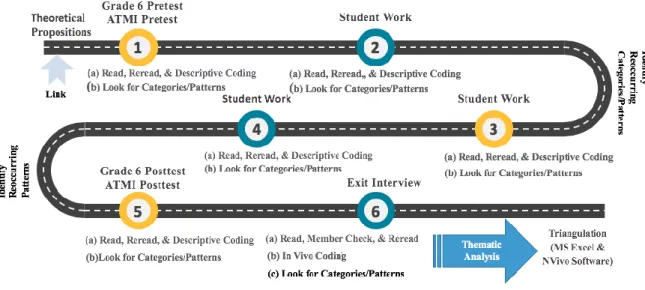
Figure 1. Data analysis process ...87
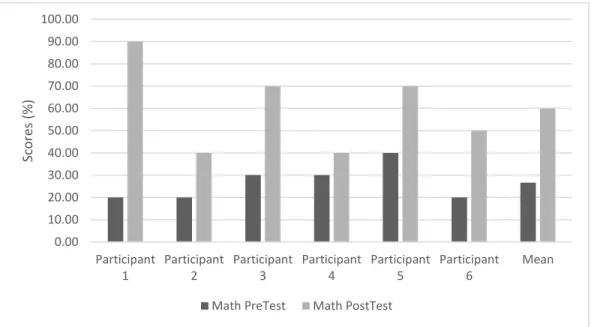
Figure 2. Tutees’ math pretest/posttest results ...93
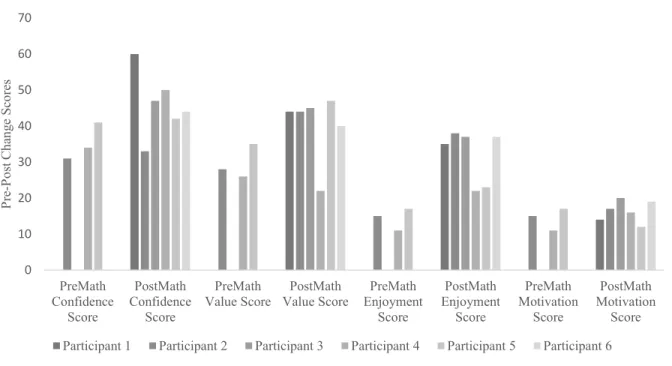
Figure 3. ATMI pre/post results ...96
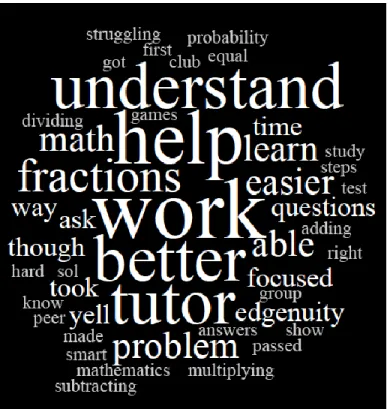
Figure 4. Academic word frequency cloud ...107
Chapter 1: Introduction Introduction to the Problem
The Council on Foreign Relations (2012) indicated that every child should have an equal opportunity to succeed. Mathematics, according to Hattie (2017), is the gateway to success, and mathematical literacy is a vital part of the equation that propels communication that leads to problem-solving. One of the five strands of mathematical literacy proficiency is strategic competence, which involves the student’s ability to solve mathematical problems (Kilpatrick, 2001). The National Research Committee’s (NRC) Mathematics Learning Study, which took place from January 1999 to June 2000, found that problem-solving provided a context that enabled all the strands of mathematical proficiency to be developed (Kilpatrick, 2001). Research provided in a study of 339 linguistically and socioeconomically diverse middle school students concluded that students with academic language deficits had difficulty keeping up with the pace of mainstream classrooms due to their academic language limitations (Townsend, Pilippini, Collins, & Bianca, 2012). These limitations in academic language, including the language of mathematics, can contribute to barriers to academic achievement, which may place the student at risk of failure. Research also showed that this at-risk population, which becomes more evident between sixth and ninth grade, is in jeopardy of dropping out of school (Legum & Hoare, 2004).
The mathematical literacy phenomenon is of state, national, and global concern because dropouts have increased rates of unemployment, high poverty, and incarcerations (Council on Foreign Relations, 2012). For example, 75% of the citizens between the ages of 17 and 24 do not qualify for military service due to criminal records, physical unfitness, or inadequate education levels; approximately 30% of high school graduates do not know enough mathematics, science, and English in order to pass the mandatory Armed Services Vocational Aptitude Battery
(Council on Foreign Relations, 2012). Additionally, 63% of life science and aerospace industries report that they are having difficulty finding Americans with the necessary skills (Council on Foreign Relations, 2012). Further, the U.S. State Department and intelligence agencies are facing critical shortages in language-designated positions, such as Chinese, Russian, Korean, and
Turkish (Council on Foreign Relations, 2012). Therefore, providing alternative resources for students who are at-risk of failing mathematics, the gatekeeper to success, will help to change a trajectory that may lead to an increase in the school dropout rate (Hattie, 2017). These alternative resources that have a positive impact on self-efficacy in mathematics will also help to prepare students to collaborate and compete locally and globally (Falco, 2019;Hattie, 2017).
Background, Context, History, and Theoretical Framework for the Problem
ABC Middle School is an educational institution that serves students in grades six through eight. The school offers a wide range of course offerings including foreign languages, computer applications, band, chorus, and art. It is one of seven middle schools located in a southeastern city of the United States. This diversely populated school district’s student population narrowly exceeds 20,000 according to a 2017 online national school rating organization. The 2016–2017, school-wide, PTC served approximately 20 heterogeneously mixed sixth-, seventh-, and eighth-grade tutees per week. On average, 10 teacher-recommended sixth-, seventh-, and eighth-grade students served as tutors during this afterschool peer tutoring program. Math teachers served as facilitators during the 2016–2017 school year for 1-hour sessions after school for 3 days per week.
ABC Middle School’s Standard of Learning (SOL) scores for Grade 6, Course 1 and Grade 7, Course 2 Mathematics had remained below a 65% pass rate from 2014–2015 to 2016– 2017 school years. The school has maintained accreditation status; however, the benchmark for
these mathematics courses were not achieved. The state accreditation standard since 1999 was a 70% SOL pass rate in all four content areas (Board of Education, 2013). The 2017–2018 goal for mathematics was 73% (Board of Education, 2013; State Department of Education, 2014). The SOL pass rate for Course 1 during the 2014–2015 school year at ABC Middle School was 64%; however, the 2015–2016 and 2016–2017 pass rates decreased to 48% and 54% respectively. The Course 2 pass rate at ABC Middle School remained at 43% from 2014–2017 school years (Virginia Department of Education, 2018). These results showed that significant progress was needed in order to reach a 73% pass rate by the end of 2017–2018. The students in Course 1 and Course 2 mathematics represent approximately 24% of the sixth-grade and seventh-grade
population of students at ABC Middle School. This population of students had consistently fallen below the state’s benchmark for mathematics since the more rigorous 2009 VA SOLs were implemented during the 2011–2012 school year.
The afterschool mathematics tutoring club continued to serve as an alternative math resource during the 2017–2018 school year at ABC Middle School. This PTC invited and served a diverse group of students in an individualized way. As a result of the investigator’s interest in exploring research-based interventions for students who struggled in mathematics, a case study proposal was submitted to the school district. The school district granted approval of the investigator’s research proposal in 2017, which led to the implementation of this case study.
Students at risk of academic failure are a phenomenon that has multiple implications. Implications relating to low achievement scores on high stakes tests as a result of achievement gaps, stereotype threat, lack of hope and resiliency, and/or student discouragement are indicators that additional scaffolding resources are needed (Flannery, 2018; Kramer, 2016; Sagor & Cox,
2004; Steele, 1997). Additional scaffolding resources, such as peer tutoring, help to increase a student’s self-efficacy and resilience (Hattie, 2012; Mark & Wells, 2019).
The early warning indicators for at-risk behaviors in middle school include an absentee rate of more than 80%, disruptive classroom behaviors, and a failing grade in mathematics or language arts (Mertens, Caskey, & Flowers, 2016). A longitudinal study that tracked 13,000, sixth grade students through high school graduation, was conducted by Robert Balfanz of Johns Hopkins University and his colleagues (Mertens, Caskey, & Flowers, 2016). They found that at-risk middle school students who demonstrated any of the four previously mentioned indicators had nearly a 75% chance of dropping out of high school (Mertens et al., 2016). The five essential emotional needs, according to Sagor and Cox (2004), are: (a) the need to feel competent, (b) the need to feel a sense of belonging, (c) the need to feel useful, (d) the need to feel potent, and (e) the need to feel optimistic. Learning environments that support the essential emotional needs and academic needs of all students will help to enable all students to be successful. Additionally, research-based interventions that encourage student collaboration, increased engagement, and peer tutoring on the secondary level in mathematics could also help to facilitate an environment that supports the needs of all students.
The gap found in research studies called for additional research pertaining to the solving of word problems and rigorous computation problems during peer tutoring sessions for middle school mathematics’ general education and special education students (Morano & Riccomini, 2017; Mulcahy, Maccini, Wright, & Miller, 2014; Tsuei, 2014). The research site selected for this study enabled the researcher to investigate which Grade 6, Course 1, math students were not successful problem solvers and provide opportunities to ask “why?” (Hattie, 2012).
Peer tutoring provides more opportunities for students to engage in math communication, receive and give feedback, and gain additional practice. According to Farber (2009), “the most effective way to learn and grow is to go out and actually do the very things we are trying to learn” (p. x). This cross-age and same-age approach to peer tutoring helps to motivate both special and general education students to review key concepts (Bond & Castagnera, 2006; Hott & Walker, 2012).
The academic and social impact of student collaboration as it relates to peer tutoring was evaluated in this single descriptive case study. The primary focus of the PTC at ABC Middle School was to provide peer tutoring for at-risk sixth- and seventh-grade, Course 1 and Course 2, mathematics students. An academic club consists of a school approved group of students whose intent is to generate enthusiasm for a subject or topic, encourage involvement, and enhance achievement (Chen, 2016). A club environment helps to create a sense of belonging, a club quality that can encourage a belonging mindset among students whose academic performance is low and may feel stigmatized and marginalized. Implementing a peer tutoring intervention comprised of volunteer tutors and volunteer tutees is a less controlling approach and does not “stigmatize students who are in need of help” (Yeager, Walton, & Cohen, 2013, p. 64).
Providing students more opportunities to participate in research-based interventions that promote academics and a sense of belonging supports student learning and achievement. The success of peer tutoring, according to research, refers to students working together in order to learn or practice academic tasks (NEA, 2015). Providing additional mathematics practice to a diverse population of middle school students required the implementation of a differentiated learning experience. Building trusting relationships between tutors and tutees, providing engaging tasks that incorporated iPad/Chromebook use, utilizing the research-based Edgenuity virtual tutoring
program, and encouraging student input into lesson planning and delivery allowed participants to gain exposure to their peers’ varied learning styles and multiple intelligences (Walsh, 1999). A student-centered, peer tutoring program helped to create a trusting environment that encouraged an acceptance of differences, challenged each student to work collaboratively, and stimulated an intrinsic desire to achieve.
Peer tutoring is not a new practice; it can be traced back to the ancient Greeks (Topping, 1997). Similarly, the “Little Red School House” concept of older children teaching younger children during 19th and early 20th century United States is reminiscent of the peer tutoring concept (Karst, 2003). The research from the 1960s, however, revealed a preponderance of data that indicated that a student’s ability to learn was determined by circumstances outside of the teacher’s control, such as social factors (Guskey, 1985). Social influences, especially at the middle school level, are significant (Guskey, 1985). Bloom’s perspective indicates that these social factors, though influential, could be altered by providing feedback to students and implementing formative assessments paired with corrective activities (Guskey, 1985). Peer tutoring experiences are embedded in collaborative interchanges that include feedback and formative assessment interactions. Peer assessment, as well as a student’s self-assessment and reflection, are forms of formative assessment (Spector et al., 2016). Enabling tutees to receive corrective feedback from peers and facilitators helped to create a collaborative environment that was conducive to active student engagement. Additionally, from the Vygotskian perspective, which has become more prominent in the past 20 years, student achievement is linked to the incorporating of tasks that encourage students to think, interact, and talk about their ideas (Brown, Solomon, & Williams, 2016).
Research Propositions
In order to maximize reliability and minimize errors and biases in case study, the use of research propositions in the case study protocol is recommended (Yin, 2014). Therefore, the researcher used two research propositions as guides to align data and to help facilitate theme development (Yin, 2014).
Proposition 1. Based on Vygotsky’s theory, peer tutoring enables participants to make academic improvements in mathematics by working collaboratively with a knowledgeable peer.
Proposition 2. Providing opportunities for student success through peer tutoring interactions improves participants’ attitudes towards mathematics.
The selection of this case serves as a reminder that more than 65 years ago the Supreme Court acknowledged education was not just a privilege but was a right of all American citizens (Blachett, Mumford, & Beachum, 2005). Providing learning opportunities through peer tutoring collaboration increases the rate of academic engagement, and as a result, improves academic achievement (Bowman-Perrott, Burke, Zhang, & Zaini, 2014). “Fundamental to Vygotsky’s theory is the idea that higher mental functions, such as thinking, logical memory, and human consciousness, have their origins in human social life” (Beliavsky, 2006, p. 2). Vygotsky’s Zone of Proximal Development (ZPD) supports the concept that teaching and learning is a
“collaborative effort between the child and a more knowledgeable partner” (Beliavsky, 2006, p. 2). That more knowledgeable partner could be a parent, teacher, or a peer. Vygotsky’s ZPD measures the difference between the child’s independent performance and aided performance which he believed was a more accurate way to measure development or potential (Beliavsky, 2006). Hence, based on Vygotsky’s theory, as the child profits from collaborative work, the child’s ZPD increases, which enables the child to do better in school (Beliavsky, 2006).
Gardner’s theory of multiple intelligences (MI) purports that the intelligent or
knowledgeable student “makes use of the intelligence distributed throughout his environment” (Beliavsky, 2006, p. 6). This contextualized view of intelligence suggests that there are various ways of acquiring and demonstrating knowledge (Beliavsky, 2006). The acquisition and demonstration of knowledge can be related to Gardner’s theory of multiple intelligences. Gardner indicated that there are seven intelligences: (a) logical-mathematical, (b) linguistic, (c) musical, (d) spatial, (e) bodily-kinesthetic, (f) interpersonal, and (g) intrapersonal (Gardner & Hatch, 1989). Gardner’s later works emphasized that intelligence is activated within cultural settings to solve problems or create products; therefore, certain intelligences may or may not be valuable (McGee & Hantla, 2012). Incorporating Vygotsky’s ZPD to increase mathematical rigor and Gardner’s MI theory to expand the ZPD helps to maximize the potential of each student.
Sagor and Cox (2004) described students who were at risk of failure as defeated and discouraged learners. Peer tutoring, however, is a resource that can be used to change attitudes towards mathematics and other subjects for the tutors and tutees (Hattie, 2017; Morano & Riccomini, 2017; Worley & Naresh, 2014). Additionally, a review of literature on peer and cross-age tutoring by Robinson, Schofield, and Steers-Wentzell (2005) suggested that peer tutoring in mathematics can produce positive changes in academic, attitude, and emotional behaviors for tutors and tutees. These changes may be the result of a peer tutoring environment that allows students from diverse educational and social backgrounds to collaborate and learn together (Worley & Naresh, 2014). Additionally, Hattie’s (2017) research findings showed that peer tutoring not only changes student attitudes towards being willing to try mathematics, but peer tutoring programs also have an effect on academic achievement.
Statement of the Problem and Gap in Literature
According to Mulcahy et al. (2014), previous literature reviews show a small number of documented studies involving K–12 mathematics interventions. For example, Lane (2004) studied K–12 students with Emotional or Behavioral Disorders (EBD) from 1990 to 2003 and determined that there were only 10 mathematics intervention studies conducted (Mulcahy et al., 2014). Of those studies, two were at the middle school level and none were conducted at the high school level (Mulcahy et al., 2014). Lane (2004), according to Mulcahy et al. (20l4), indicated that his study concluded that the mathematics focus areas for these studies were basic skills, which included minimal problem-solving. Additionally, Mulcahy et al. (2014), as a result of studying mathematics literature from 1975 to 2012, found a need and recommended more research involving a rigorous focus on math concepts and problems solving. An additional study conducted by Hawkins, Musti-Rao, Hughes, Berry, and McGuire (2009) revealed gains in student performance on multiplication facts; however, problem-solving—which will be a focus area for this study—was not evaluated. Tsuei (2014) similarly found during her research on the impact of a synchronous peer tutoring system that research showed that peer tutoring improved computational math skills for secondary school students with disabilities, but there was no significant change found in application math skills on state-wide tests. The majority of the studies targeted basic math skills; therefore, the effectiveness of peer tutoring for at-risk and students with disabilities still need to be investigated (Tsuei, 2014). Word problems are an integral part of high stakes testing for middle school mathematics students. The prevalence of this gap in the literature study calls for additional research pertaining to the solving of word problems and rigorous computation problems during peer tutoring sessions for middle school
mathematics’ general education and special education students (Jitendra et al., 2015; Morano, & Riccomini, 2017; Mulcahy, Maccini, Wright, & Miller, 2014; Tsuei, 2014).
Purpose of Study
The purpose of this qualitative case study was to investigate how an afterschool PTC affected academic performances and attitudes of at-risk, middle school mathematics students. In 2006, new SOL tests were introduced that met the No Child Left Behind (NCLB) requirement for annual testing in reading and mathematics and required students to demonstrate a deeper mastery of content (VA Board of Education, 2013). Additionally, in 2009, a SOL test more rigorous than the 2006 test was developed. The 2009 SOL test emphasized college and career-ready mathematics along with alignment with Common Core State Standards (Board of Education, 2013; VA Board of Education, 2013). The new SOLs consisted of multistep word problems and technology enhanced open-ended problems (VA Board of Education, 2013). The 2012 superintendent for public instruction in the investigator’s state emphasized teacher
collaboration on lesson plans as a best practice to aid in student success (Garrow, 2012). The state’s 2014 superintendent for public instruction indicated that the 2013–2014 gains in mathematics could be attributed to teachers focusing on problem-solving and real-world applications (Bogues, 2014). However, the pass rate in mathematics in the investigator’s study district from 2012–2013 to 2013–2014 increased from a 67% to 69%, respectively (Bogues, 2014). These SOL results showed that interventions, especially within the at-risk populations, were needed.
The significance of this study was rooted in its potential to provide empirical evidence that described how peer tutoring improved tutees’ academic achievement in mathematics, including multistep problem-solving, and improved tutees’ attitudes towards mathematics.
Additionally, the cognitive and social benefits of student collaboration through peer tutoring, and the student bonding that occurs during these interactions may serve as a conduit to positive student interactions.
Research Questions
Yin (2003, 2009, 2014) posited that the decision to use the case study method depends on the research question(s). These “how” questions will enable the investigator to gain an in-depth understanding of the participants’ experiences in order to answer the following research
questions:
RQ1. How did participants perceive the impact of the afterschool Peer Tutoring Club on their academic performances in mathematics?
RQ2. How did the participants perceive the afterschool Peer Tutoring Club’s influence on their attitudes toward mathematics?
Rationale, Relevance, and Significance of the Study
Using data to guide instruction and frequent teacher and student feedback is an effective instructional tool (Hattie & Yates, 2013; Katz, 2016). Allowing students to contribute to the instructional process and to provide feedback to peers will challenge students to raise their expectations of themselves and their peers. The National Forum to Accelerate Middle-Grades Reform has identified three interlocking priorities of successful schools: (a) academic
excellence—they challenge all students to use their minds, (b) developmental responsiveness— sensitive to developmental challenges and respectful of students’ needs and interests, and (c) social equity, democracy, and fairness—provide students with high-quality teachers, resources, and supports (Lipsitz & West, 2006). Being accountable to staff, students, and the community requires a transparency that is supported by understanding the strengths and weaknesses of staff
and students (Lipzitz & West, 2006). Part of that realization involves implementing improvement strategies that will increase student and teacher performance.
Peer tutoring is a research-based intervention that enables students to work together in order to learn or practice academic tasks (NEA, 2015). Research has shown that peer tutoring improves academic achievement and changes attitudes toward learning. There was a gap found in the peer tutoring research literature pertaining to middle school tutees solving word problems and solving rigorous computation problems. Jitendra et al. (2015) indicated that the low
performance in the United States of learning disabled and at-risk students in mathematics suggests the need for more effective problem-solving interventions. This study addressed this gap in literature by examining middle school tutees’ academic performance on multistep math problems, as well as, their changes in attitudes toward mathematics. The results of this study provide empirical evidence on the academic performance and attitude changes of a diverse group of at-risk middle school math students working within a PTC. The results of this qualitative case study may benefit school and district administrators, counselors, teachers, curriculum leaders, parents, and students.
Definition of Terms
Peer tutoring. Peer tutoring is a research-based activity whereby students work in pairs or small groups to help one another learn or practice academic tasks (Carter et al., 2015; Hattie, 2012; Morano & Riccomini, 2017). For the purposes of this study, students do not have to be the same age.
After-school mathematics PTC A volunteer-supported, student-run, and teacher-facilitated club where students meet after school between 4:00 pm and 5:00 pm in a safe, structured environment. This academic club is a school approved group consisting of students
and facilitators whose intent is to generate enthusiasm for a subject or topic, encourage
involvement, and enhance achievement (Chen, 2016). Club facilitators provide supervision while students work in pairs and small groups to help one another learn or practice academic tasks.
Students at risk/at promise inmathematics. Students who are in danger of failing their math course and/or not meeting local or state standards on high-stakes mathematics tests. “At-Promise,” according to Samuels (2020), has more of a positive connotation, however, the definition for at-promise remains the same as the definition for at-risk. California law, however, as of January 1, 2020, prohibits the use of the term “at-risk” in the state’s educational and penal codes (Samuels, 2020). Specific to this study, however, the participants selected either did not earn the minimum mathematics score of 400 on the fifth grade Standards of Learning (SOL) and/or did not receive a passing grade for their sixth grade first quarter marking period.
Attitudes toward mathematics. A student’s attitude towards mathematics is defined in terms of positive or negative feelings and beliefs as they relate to responses to confidence/self- concept, value, enjoyment, and motivation associated with performance in mathematics
(Ajisuksmo & Saputri, 2017; Tapia & Marsh, 2002). These feelings and beliefs can impact whether the student enjoys and values mathematics and is self-confident and motivated to learn mathematics.
Mathematics intervention. A targeted set of instructional techniques and tasks that are tailored to meet the needs of individual students (NEA, 2011). These mathematical strategies and tasks aredesigned to provide additional support to enable students to master grade level skills. Assumptions, Delimitations, and Limitations of the Research Design
Assumptions. An assumption is an assertion that the investigator believes to be true, or reasonable (Gay, Mills, & Airasian, 2011). It was assumed that participants (tutees) might have
felt apprehensive about giving candid responses to interview questions. Therefore, a focused interview protocol consisting of open-ended “nonthreatening” questions enabled the participants (tutees) to provide a fresh commentary in a conversational manner (Yin, 2009). In addition, the investigator elected to relinquish her roles as facilitator and sponsor of the PTC the year prior to the start of the research study. Of the 16 tutees in the PTC, six volunteered to participate in the study. None of the six participants (tutees) had been students of the investigator. This helped to minimize possible investigator and participant bias. The confidentiality policy, also, helped to alleviate fears of sharing and provided the participants with added assurance of confidentiality.
Delimitations. Delimitations are choices that the researcher makes pertaining to the guidelines that are implemented in order to bound or narrow the scope of the research (Creswell, 1994). This study confined itself to one PTC at a middle school in the southeastern part of the United States. Students enrolled in Grade 6, Course 1 math, and Grade 7, Course 2 math, who were recommended by their math teacher to participate as a tutee in the PTC were invited to participate in the research study. A small sample size of Grade 6, Course 1 math tutees met the requirements to participate in the study. Data was collected from each of the tutee participants within the PTC in order to determine the tutees’ perceptions within a single case design. This case study was, also, delimited to start and end dates. The collection of data started in December of 2017 and ended in May of 2018.
Limitations. A limitation is an aspect of the research study that the investigator cannot control but believes that this aspect of the research may negatively affect the results of the study (Gay et al., 2011). A purposive, nonrandom form of sampling, was used to select participants; therefore, bias could be introduced. Random sampling provides the best opportunity to obtain unbiased samples (Gay, 2011). Random sampling for the peer tutoring participants was not a
viable option because students were permitted to participate based on teacher recommendations and parental recommendations and permissions. Nonrandom sampling and small sample size will not provide support for generalizability of findings to all after-school peer tutoring programs. According to Yin (2009), “case studies, like experiments, are generalizable to theoretical propositions and not to populations or universes” (p. 15).
Lastly, even though participants worked on Virtual Tutor’s Edgenuity online assignments during the afternoon tutoring sessions, they were also able to work on these assignments outside of the peer tutoring setting anywhere there was Internet and Chromebook/computer availability. The investigator would not be able to control participants’ availability of computer/Chromebook access and internet access outside of the peer tutoring setting. Therefore, extrinsic factors
involving the completion of online assignments outside of the study site could influence the study findings.
Summary and Organization of Subsequent Chapters in Study
Knowledge sharing and trusting relationships are fundamental to building a collaborative culture. The sense of belonging that embodies a collaborative environment can increase
productivity. Providing additional support to a middle school population at risk in mathematics who, according to Legum and Hoare (2004), are in jeopardy of dropping out of school helps to ensure the success of every student. Vygotsky’s theory supports the collaborative principles that are embedded in the peer tutoring culture. These principles are also aligned with the
investigator’s district’s mission of doing whatever it takes to ensure the success of each student. While this research study focused on a purposive sampling of Grade 6, Course 1, PTC tutees who were at risk in mathematics, the gap in research was addressed by incorporating a
populated members the opportunity to transfer knowledge by communicating, interacting, and working together (Hislop, 2013) while engaging in multistep problem-solving activities. The interactions enabled students to share their strengths in innovative ways in order to help other students to be successful while purposefully sharing tacit and explicit knowledge (Rosen, 2013). Through collaboration, socially constructed and culturally embedded knowledge was shared which improved academic progress and attitudes towards learning mathematics (Hislop, 2013). In summary, this study was designed to provide additional empirical evidence as it relates to academic achievement and changes in tutees’ attitudes toward mathematics within a middle school mathematics’ PTC.
This dissertation consists of four additional chapters. Chapter 2 provides a review of literature which focuses on the attitudes and stigmas that are associated with students who struggle with mathematics and the literature pertaining to the importance of mathematics (gateway to success) for all students. The review explores theories surrounding social
interactions and collaboration and their influence on student achievement and attitude changes. Additionally, methodological issues in the historical and current peer tutoring studies are explored, described, and critiqued in order to identify gaps in literature and to determine the dissertation’s position within the framework of previous studies. Chapter 3 follows with a discussion of the study’s methodology, which includes the design choice, processes and procedures, and guidelines for data collection within the Peer Tutoring Club at ABC Middle School. This methodology chapter is supported by the literature, which includes seminal authors and the use of a thematic structure that is linked to the research questions. Chapter 4 includes a description of the research sample, an overview of support provided to PTC facilitators, a
tutees, a description of the data collection and data collection procedures, the data analysis process, and a summary of the research findings. Lastly, in Chapter 5, the researcher assessed how the findings in Chapter 4 addressed the study’s research questions. The summary and discussion of the results includes a synthesis of the findings as they related to the empirical literature. The limitations, implications, and recommendations for further study were also discussed.
Chapter 2: Literature Review Introduction to the Literature Review
Peer tutoring is not a new practice; it can be traced back to the ancient Greeks (Topping, 1997). The Little Red School House concept of older children teaching younger children during 19th and early 20th century America is reminiscent of the peer tutoring concept (Karst, 2003). Peers can influence learning by providing academic, social, and emotional support. This environment helps to create friendships and a sense of belonging (Hattie, 2012, 2017).
This chapter’s initial review of literature focused on the attitudes and stigmas that were associated with students who struggle with mathematics. I then transition to the importance of academic achievement for all students, especially in the area of mathematics. Hattie (2017) stated that mathematics is the gateway to success, and academic achievement influences an individual’s ability to obtain successful employment and adequate wages in adulthood (Fuchs et al., 2016; Phillips, 2013). The review explores theories that suggest social interactions and
collaboration and differentiated teaching strategies can raise the level of potential development in students (Alegre-Ansuategui et al., 2018; Beliavsky, 2006).
The review then examines the literature surrounding peer tutoring studies conducted in K–12 education and higher education. Qualitative, quantitative, and mixed method research designs found in the literature were used by the researcher to scrutinize and analyze the effectiveness of peer tutoring on academic, social, and behavioral improvements on the elementary, secondary, and higher educational levels. Within this literature surrounding peer tutoring, researchers focused on the key attributes of peer tutoring, types and organizational methods, and the advantages and benefits of providing this resource as a viable option to students (Hattie, 2017; Morano & Riccomini, 2017; Olson, Roberts, & Leko, 2015; Topping, 2015, 2003;
Topping & Ehly, 2001). Databases used in this research study were JSTOR, Taylor and Francis, Sage Journals, Wiley Online, Science Direct, ERIC (ProQuest), Education Database (ProQuest), and Google Scholar. Key words used in the search were at-risk students, mathematics discourse, peer tutoring, collaborative learning, metacognition, inclusive education, and zone of proximal development (ZPD).
Attitudes and stigmas. Stigmas, half-truths, and distortions have been, and continue to be, associated with special education and regular education students who are at-risk of low performance (Kauffman & Badar, 2013; Sagor & Cox, 2004). Stigmas may be attributed to a lack of understanding and fear of the unknown. Fear, according to Hallowell (2011), “is the only true learning disability” (p. 54). Confronting and overcoming issues surrounding diversity in students’ abilities will help to build the bridge towards acceptance of differences.
Due to the achievement gap in mathematics based on the National Assessment of Educational Progress (NAEP), several equity studies have been conducted, and, as a result, learning disabled (LD) and at-risk students have benefitted from standards-based mathematics instruction (Jitendra, 2013). The National Council of Teachers of Mathematics (NCTM) standards are strands of mathematics content which students should be able to understand and use as they progress from prekindergarten through Grade 12 (2017). These standards are descriptions of mathematics instruction in the following five content strands: (a) number and operations, (b) algebra, (c) geometry, (d) measurement, and (e) data analysis and probability (NCTM, 2017).
Word problems are in almost every strand of the mathematics curriculum from
kindergarten through high school (Fuchs et al., 2016). Unfortunately, high stakes test results and students of all ability levels identify math word problem-solving as an area in need of
improvement (Montague, Krawec, Enders, & Dietz, 2014). Performance on word problems, which according to Fuchs et al. (2016), is one of the best school-age predictors of achieving successful employment and wages in adulthood. However, the lack of empirical attention to the topic of multistep problem-solving raises questions as to how LD or at-risk students can fully access the content strands within the standards (Jitendra, 2013).
Jitendra et al. (2015) indicated that the “lackluster” performance in the United States of learning disabled and at-risk students in mathematics suggests the need for more effective problem-solving interventions. Access to the standards through research-based interventions that incorporate forms of learning recommended by the National Research Council (NRC) and NCTM, such as conceptual understanding, mathematical thinking, reasoning, and problem-solving will provide opportunities for student success (Jitendra, 2013; Montague et al., 2014; NCTM, 2017). More specifically, the NCTM Process Standards highlighted ways to acquire and apply content knowledge through problems solving, reasoning and proof, communication, connections, and representations (NCTM, 2017).
The use of mathematical communication, especially when solving word problems, provides opportunities for students to share ideas while using mathematical language to clarify their understanding through discussion and reflective practices (NCTM, 2017). Understanding and using the language of mathematics allows adolescents to increase their critical thinking abilities and move beyond number operations to more abstract problem-solving (Dunston & Tyminski, 2013). Collaborative learning provides more opportunities for student interactions and promotes mathematical literacy (NCTM, 2017). Common Core State Standards for Mathematical Practices (CCSSM) and NCTM Process Standards emphasize the importance of students being
able to communicate their ideas and clarify understandings through listening, discussion, refinement, and reflection (NCTM, 2017; Worley & Naresh, 2014).
A Heterogeneous Peer Tutoring (HPT) program creates an environment where students from diverse educational, cultural, and socio-economic backgrounds can work together on key mathematical concepts (Worley & Naresh, 2014). Worley and Naresh’s HPT study included 14, eighth grade, participants who worked on linear and nonlinear functions (2014). PreAlgebra tutees were paired with algebra tutors during a 4-month peer tutoring experience. This HPT model helped students to take ownership of their learning while improving math communication skills and developing positive attitudes toward math (Worley & Naresh, 2014). The findings from this study were not intended to be generalized; the intent was to share with other practitioners for future implementation (Worley & Naresh, 2014).
Peer tutoring interactions can not only raise academic achievement and change attitudes toward mathematics for the tutors and tutees, but these interactions can also help to remove stigmas associated with receiving tutoring (Daggett & Pedinotti, 2014; Robinson et al., 2005; Worley & Naresh, 2014). Inclusive practices inherent in student collaboration have helped to remove some of the stigmas associated with students with disabilities. The peer tutoring environment allows students from more diverse educational and social backgrounds to
collaborate and learn together (Worley & Naresh, 2014). Additionally, Hattie’s (2017) research findings showed that peer tutoring changes student’s attitudes towards being willing to try mathematics.
School accountability. Academic achievement can define to what degree a person can take part in higher education and attain a sustainable livelihood (Steinmayr, MelBner,
wealth and prosperity (Steinmayr et al., 2014). The importance of academic achievement for all students is reflected in changes in local, state, and national educational policy. With the passage of the Individuals with Disabilities Education Act (IDEA) of 1974, the No Child Left Behind Act of 2001 (NCLB), and the signing of its amended version the Individuals with Disabilities
Education Improvement Act (IDEIA) of 2004, placed national attention on holding schools accountable for ensuring that all students’ unique individual needs were met (Worley & Naresh, 2014). While the Every Student Succeeds Act (ESSA) of 2015 provided more flexibility as to how states increased the instructional rigor and provided comprehensive plans for closing the achievement gaps, the focus still remained on increased equity, improved instructional quality, and increased outcomes for all students (ESSA, 2014).
According to the National Center for Education Statistics (NCES), in 2013–2014, 13% of public school students—ages 3–21—received special education services (U.S. Department of Education, 2016b). Additionally, the 2015 and 2017 National Assessment of Education Progress (NAEP) reports indicated that 8 and 9%, respectively, of eighth grade students with disabilities achieved proficiency in math; whereby, 37% and 38%, respectively, of eighth grade students without disabilities achieved proficiency in math during 2015 and 2017 (Nation’s Report Card, 2015; Nation’s Report Card, 2017). Additionally, Black, Hispanic, Native Hawaiian/Other Pacific Islander, and American Indian/Alaska Native eighth graders achieved at or above proficiency ratings in mathematics between 18% and 29% during 2015 and 2017 (Nation’s Report Card, 2017). These findings and IDEA’s and ESSA’s requirement of research-based instructional models and highly qualified teachers further led to widespread attention being placed on the standards by which schools were being measured.
Background of peer tutoring. The practice of peer tutoring can be traced back as far as the ancient Greeks, and research studies continue to show findings of academic, behavioral, and social benefits to both the tutor and tutee (Bonner, Keiler, & Mills, 2013; Hattie, 2017; Topping, 1996, 2003, 2015). The Bell-Lancaster system of peer tutoring was developed and named for two British educators (Fuchs, Fuchs, Mathes, & Simmons, 1997). Even though in 1817 over 100,000 children in England and Wales participated in this tutoring system, by the middle of the 19th century interest in peer tutoring decreased (Fuchs et al., 1997). In the United States, peer tutoring in the 19th and early 20th centuries within a one-room schoolhouse was common. However, peer tutoring was not rediscovered on a large scale until the late 1960s when American educators became concerned about underachievement among many poor and minority students (Fuchs et al., 1997). By 1970, according to Gerber and Kauffman, some type of after-school tutoring program had been implemented in more than 200 school districts within the Philadelphia, Pennsylvania and Newark, New Jersey areas as a result of their Youth Teaching Youth tutoring program (Fuchs et al., 1997).
Classroom Wide Peer Tutoring (CWPT) was created by University of Kansas researchers and teachers in the early 1980s as a way of providing help to students with learning disabilities or students from minority or disadvantaged backgrounds who were struggling academically (Arreaga-Mayer, 1998). Most of the research on CWPT since the University of Kansas study in the early 1980s has focused primarily on the effectiveness of peer tutoring in elementary schools (Ayvazo & Aljadeff, 2014; Maheady, Mallette, & Harper, 2006). Later, Fantuzzo and his
colleagues developed the reciprocal peer tutoring (RPT) intervention as a cooperative strategy whereby students alternate between tutor and tutee roles and follow a structured format
sessions, study results revealed that better performance was achieved (Chu, Chen, & Tsai, 2017; Fantuzzo, King, & Heller, 1992). Chu et al.’s quasi-experimental designed study conducted in three elementary school classes in Taiwan consisted of 87 participants aged 10 to 11 years old (Chu et al., 2017). The experimental results from this study showed that the formative and conventional online peer tutoring methods improved academic achievement (Chu et al., 2017).
Increased curriculum rigor has led to more emphasis on higher order learning (HOL). Peer tutoring is an instructional strategy that can effectively target various types of learning objectives, including HOL objectives (Morano & Riccomini, 2017). One such HOL intervention called Peer Assisted Learning Strategies (PALS) originated in 1989 at Vanderbilt University. This intervention promoted both basic and higher order reading and mathematics skills (Fuchs & Fuchs, 2005;Fuchs, Fuchs, Mathes, & Simmons, 1997; Morano & Riccomini, 2017).
Peer-Led Team Learning (PLTL) which was revitalized in higher education in 1990 as a result of a dissertation written by Treisman in 1985 (Dreyfuss, 2013). Treisman’s findings showed
that calculus students were more successful in learning when they studied together than when they studied alone (Dreyfuss, 2013). As a result of these findings, City College of New York professor Gosser who was frustrated with the low numbers of students passing his General Chemistry courses applied for a grant with the National Science Foundation (NSF), and the first grant was awarded in 1991 (Dreyfuss, 2013). As a result of over 15 years of NSF funding, over 150 campuses in the United States have implemented PLTL workshops (Dreyfuss, 2013). The PLTL model continues to develop and has expanded to the high school level and continues to draw on the “untapped resource” of students as peer leaders (Dreyfuss, 2013).
The Peer Enabled Restructured Classroom (PERC), a PLTL model, is a National Science Foundation (NSF) funded partnership. PERC consists of high schools, higher education
institutions, district administrations, and school support organizations referred to as the Math and Science Partnership in New York City (Bonner et al., 2013). PERC is a research-based, peer-facilitated instructional project that supports STEM academic development among urban high school students (Bonner et al., 2013). The PERC model is comprised of teacher recommended, trained tutors called Teaching Assistant Scholars (TA Scholars) who passed the math or science course and associated Regents exam the prior year (Bonner et al., 2013). Seven to eight TA Scholars assist tutees for 30 minutes of every class period while the teacher facilitates (Bonner et al., 2013). In addition to serving as facilitators, the teachers are instrumental in identifying their professional development needs and are vital stakeholders in the professional development process (Bonner et al., 2013). This collaborative process among teachers, TA Scholars, and tutees helps to eliminate classroom management problems, increases student time on task, and deepens cognitive demands (Bonner et al., 2013).
A PERC pilot study between 2008 and 2010 showed that the impact of PERC on the performance of students enrolled in Integrated Algebra (IA) and Living Environment (LE) classes was significant. Results from five New York City schools revealed that the students’ pass rates on the Regents exams in PERC classes consistently surpassed the pass rates of non-PERC classes (Bonner et al., 2013). This in-class tutoring approach has proven to be successful in improving mathematics and science achievement for historically under-performing groups in urban high schools (Bonner et al., 2013).
For more than 40 years, various research studies of multiple types of peer tutoring interventions which included in class and after school arrangements have been applied in mathematics, reading, writing, social studies, science, and physical education for general education and special education students (Chu, Chen, & Tsai, 2017; Worley & Naresh, 2014).
These implementations have been successful with regular, special education, low achieving, and language minority students in kindergarten, elementary, middle school, high school, and college level environments (Arreaga-Mayer, 1998; Daggett & Pedinotti, 2014; Dietrichson, Bøg, Filges, & Jørgensen, 2017; Fuchs et al., 2016; Hattie, 2017).
Theoretical Framework
In this study, the theoretical framework was derived from Vygotsky’s ZPD theory and Gardner’s MI theory. Both theories emphasize the importance of social interactions and the exposure to multiple viewpoints as crucial factors to cognitive development (Beliavsky, 2006).
Vygotsky’s ZPD. The Vygotskian perspective, which has become more prominent in the past 20 years, links student achievement to tasks that encourage students to think, interact, and talk about their ideas (Brown, Solomon, & Williams, 2016). These group interactions, especially small group interactions within a peer tutoring environment, can produce significant results and proceed according to theory (Alegre-Ansuategui et al., 2018). Peer tutoring is reflective of Vygotsky’s theory that (a) supports social interactions as a catalyst for learning and (b) makes sense of solution strategies. According to Piaget, this learning from others or social transmission influences cognitive development (Woolfolk, Winne, & Perry, 2000).
“The role of instruction for enhancing cognitive development is a joint activity—a collaborative effort between the child and a more knowledgeable partner, such as an older sibling, a parent, a teacher, etc” (Beliavsky, 2006, p. 2). Vygotsky’s theory of cognitive
development supports the peer tutoring concept of providing a “knowledgeable” partner to raise the threshold or level of potential development of students (Beliavsky, 2006). The knowledge sharing that occurs during peer tutoring utilizes a student’s willingness and ability to convert tacit knowledge into explicit knowledge through social interactions.
Gardner’s MI theory. Gardner’s belief that people are not innately smart or dumb supports the mindset that all students—general and special education students—are capable of making progress (Winn, 1990). In “Profile: Howard Gardner,” during an interview with David Fernie, Gardner shared that he believed that there are many different kinds of intelligence (1992). Gardner’s MI theory suggests that each person has seven to eight intelligences (Beliavsky, 2006). The implications of the MI theory provide teachers with an understanding of the importance of using varied teaching strategies and styles in order to incorporate multiple viewpoints and in order for students to better understand their physical and social world (Beliavsky, 2006). Based on Gardner’s theory of MI, without the cultural and social opportunities, intelligence may not be realized (Beliavsky, 2006).
Summary. Vygotsky’s Zone of Proximal Development (ZPD) and Gardner’s Multiple Intelligence Theory (MI) suggest that cognitive development occurs as a result of social interactions (Beliavsky, 2006). Peer tutoring, not only results in positive academic and
behavioral gains, but the supportive peer tutoring environment also helps to eliminate the stigma that students feel toward needing help or asking for help (Daggett & Pedinotti, 2014; Robinson et al., 2005; Worley & Naresh, 2014). This untapped resource of peer leaders (Dreyfus, 2013) can be utilized in various peer tutoring approaches, such as, CWPT, PALS, RPT, cross-age tutoring, and PERC. These collaborative interactions can be in class or after school arrangements and can be applied in mathematics, reading, writing, social studies, science, and physical education for general education and special education students (Chu et al., 2017; Worley & Naresh, 2014). Because regular education, special education, low achieving, and language minority students in kindergarten, elementary, middle school, high school, and college can benefit from peer tutoring, this resource supports the culture of ensuring that each student has equitable access in order to
obtain mathematical proficiency (NCTM, 2000). Both Vygotsky's and Gardner's theories pertaining to the cognitive benefits of social interactions support peer tutoring as a viable intervention for academic achievement and positive changes in attitudes toward mathematics. Review of Research Literature and Methodological Literature
A review of literature pertaining to the attributes of peer tutoring, types of peer tutoring, methods of peer tutoring, and effectiveness of peer tutoring was systematically analyzed and described in order to provide an in-depth understanding of peer tutoring. The literature showed evidence that peer tutoring has been used successfully in K–12 through higher education in various content areas. The goal of this review was to determine how and why peer tutoring impacts academic and attitude changes in students.
Key attributes of peer tutoring. The National Education Association (NEA) described peer tutoring as a research-based activity whereby students work in pairs to help one another learn or practice academic tasks (2015). A peer tutoring intervention encourages student collaboration, promotes student engagement and positive attitudes toward mathematics, and helps to improve student academic achievement (Franca, Kerr, Reitz, & Lambert, 1990; Hott & Walker, 2012; Worley & Naresh, 2014). Both tutor and tutee show improvements in academic achievement and attitudes toward learning (Hott, Walker, & Sahni, 2012). Key attributes of peer tutoring are (a) frequent verbal interaction and feedback, (b) positive reinforcement, (c) teacher or facilitator monitoring, (d) structured higher level thinking activities, and (e) supportive learning environment (Hattie, 2017; IRIS Center, 2010; Worley & Naresh, 2014). These key attributes of peer tutoring are instrumental to a successful intervention for at-risk mathematics students.
Frequent verbal interaction and feedback. Learning takes place during social interactions, and peer-mediated activities require students to engage in discourse (Dobbins, Gagnon, & Ulrich, 2014). Frequent verbal interactions and feedback were found throughout the literature. Peer tutoring generates verbal interactions and frequent opportunities for feedback. This communication and scaffolding of concepts which occur between learners help to develop a zone of proximal development (Vygotsky, 1978) that enables the learner to process information more effectively. When processing information within a peer tutoring environment, students are able to talk about their thinking processes. A metacognitive approach is essential when
articulating the thought processes involved in solving word problems (Bernadowski, 2016). A study of 103 high school mathematics’ students in Indonesia reported that metacognitive knowledge and metacognitive regulation were important aspects of learning (Ajisuksmo & Saputri, 2017). During peer tutoring interactions, questions, such as, “what is this problem all about?” is an example of a metacognitive comprehension question that can be used to improve mathematical reasoning (Coles, 2013). The National Council of Teachers of Mathematics (NCTM) standards (2000) recommend the use of interactive groups, which include direct questioning, feedback, and reflective practices.
Using the language that applies to mathematical concepts during pair and group
discussions supports the acquisition of relatable math terminology (Topping, Campbell, Douglas, & Smith, 2003). This idea further supports peer tutoring as a venue that provides opportunities for students to explain and justify solution methods to one another, thus placing demands on communication skills (Topping, 2003, 2015; Topping et al., 2003). The non-threatening or relatively private environment that is created when working in pairs and small groups is an effective way for students to communicate mathematically (NCTM, 2000). The mathematical
engagement that comes as a result of these interactions during peer tutoring assists students who are having difficulties to self-monitor while engaging with partner (Dobbins et al., 2014).
The majority of the research surrounding peer tutoring has been conducted in elementary schools or on the undergraduate level (Thomas et al., 2015). However, the results of a two-year quasi-experimental study which used an instructional model called the Peer Enabled
Restructured Classroom (PERC) showed that peer tutoring had a positive effect on math achievement for a group of at-risk secondary students (Thomas, Bonner, Everson, & Somers, 2015). The PERC study included over two hundred Grade 9 and Grade 10 participants during each of the 2-year periods from six schools where 25% to 55% of students were failing the end of year examination in Integrated Algebra (Thomas et al., 2015). Frequent verbal
interaction/questioning and feedback were considered to be particularly important in PERC (Thomas et al., 2015).
Positive reinforcement. Interventions that provide positive reinforcement for students with or without special needs can change attitudes toward learning. Peer tutoring requires tutors to use their communication skills in order to praise successes, encourage possibilities of success, express concern for students, express sympathy and empathy, and to reinforce tutees’ feelings of ownership and control (Mackiewicz & Thompson, 2013). In this learning process of listening and communicating, both tutor and tutee are influential in developing cultural norms of helping and caring (Hattie, 2012; Topping, 2015).
Teacher or facilitator monitoring. “Educating our children is the most important task we face” (Ladson-Billings, 2013). Research suggests that special and general education teachers have difficulty interpreting and accessing the general education or core curriculum for all
peer assisted programs, are valuable resources for providing academic and social learning experiences for at risk, disabled, and nondisabled students (Dymond et al., 2007; Hattie, 2017). These interventions, however, are dependent on the monitoring and facilitation practices of teachers and paraprofessionals. Facilitating discourse during student collaboration without curtaining students’ initiative and ownership will help to strengthen engagement as it relates to the mathematical activity (Francisco, 2013).
In 2015, 94.8% of the 6,050,725 students ages 6 through 21 were served under IDEA while inside of the general education class for at least 80% of the school day (40th Annual Report, 2018). Peer assisted interventions can be implemented within the general education classrooms, as well as, within a supplemental morning or afterschool program. General
education teachers, special education teachers, and/or paraprofessionals who serve as facilitators can monitor and provide guidance (Carter et al., 2015).
Research findings in an article written by Carter et al. (2015) suggest that the
implementation and facilitation of peer support arrangements by teachers and paraprofessionals is one way of enabling the disabled and nondisabled students to benefit academically and
socially. The article provides evidence from the authors’ partnership with 21 high schools during a 4-year period across two states that tutors and tutees with the help of facilitators benefit from peer supported interactions (Carter et al., 2015). These findings, also, suggest that facilitators in secondary peer supported interventions can guide the peer interactions by (a) developing a peer support plan, (b) selecting and inviting peer partners, (c) orienting students to their roles, and (d) maintaining active monitoring during student interactions (Carter et al., 2015; Zambrano & Gisbert, 2015). One of the focal areas for the study conducted by Zambrano and Gisbert (2015) was to learn about the processes and management strategies used by the facilitators. This
quasi-experimental and qualitative study was conducted in Spain and consisted of 127 elementary students whereby both students and families received three 1-hour sessions of initial training that discussed pairings, methodology training, tutor and tutee roles, and tutor/tutee norms (Zambrano & Gisbert, 2015). Similarly, researchers conducted a 3-year Class Wide Peer Tutoring (CWPT) study at three urban middle schools and one suburban middle and observed 75 students who were nominated by their teachers as low performers (Kamps et al., 2008). The results for this middle school study were similar to the elementary and high school studies in that findings indicated that facilitator monitoring promoted safe, structured, and productive learning
environments where learning was accelerated for disabled and nondisabled students (Kamps et al., 2008)
Structured higher-level thinking activities. Vygotsky defined the Zone of Proximal Development (ZPD) as “the distance between the actual developmental level as determined by independent problem-solving and the level of potential development as determined through problem-solving under adult guidance or in collaboration with more capable peers” (Vygotsky, 1978). Vygotsky’s ZPD, according to Gredler (2012), requires the use of a child’s higher cognitive functions which are developed between ages seven and 12. Peer tutoring tasks can therefore include learning involving vertical relationships and conceptual understanding
(Gredler, 2012). Also, the Socratic dialog of questioning and analyzing which occurs during peer interactions (Eun, 2017) generates higher levels of thinking for tutors and tutees. The cognitive demands on both tutor and tutee are embedded in communication skills (Topping, 2015; Topping & Ehly, 2001). “A participant might never have truly grasped a concept until having to explain it to another, embodying and crystallizing thought into language—another Vygotskian idea” (Topping, 2015, p. 5). Listening, explaining, questioning, summarizing, speculating, and