ScholarWorks
Walden Dissertations and Doctoral Studies Walden Dissertations and Doctoral StudiesCollection
2017
Using an APN-Led Transitional Care Program to
Reduce 30-Day Hospital Readmissions
Miaozhen Li
Walden University
Follow this and additional works at:https://scholarworks.waldenu.edu/dissertations
Part of theNursing Commons, and thePublic Health Education and Promotion Commons
This Dissertation is brought to you for free and open access by the Walden Dissertations and Doctoral Studies Collection at ScholarWorks. It has been accepted for inclusion in Walden Dissertations and Doctoral Studies by an authorized administrator of ScholarWorks. For more information, please [email protected].
Walden University
College of Health Sciences
This is to certify that the doctoral study by
Miaozhen Li
has been found to be complete and satisfactory in all respects, and that any and all revisions required by
the review committee have been made.
Review Committee
Dr. Diane Whitehead, Committee Chairperson, Nursing Faculty Dr. Anna Valdez, Committee Member, Nursing Faculty Dr. Eric Anderson, University Reviewer, Nursing Faculty
Chief Academic Officer Eric Riedel, Ph.D.
Walden University 2017
Abstract
Using an APN-Led Transitional Care Program to Reduce 30-Day Hospital Readmissions by
Miaozhen Li
Project Submitted in Partial Fulfillment of the Requirements for the Degree of
Doctor of Nursing Practice
Walden University August 2017
Abstract
Heart failure (HF) is a serious public health problem associated with high mortality rates, hospital readmissions, and health care costs. Transitional care has emerged as a disease management model used to reduce readmissions for hospital-discharged patients with HF. However, the efficacy of an advanced practice nurse (APN)-led transitional care program (TCP) in readmission reduction is under debate. The practice question for this project examined the extent to which an APN-led TCP was effective in reducing 30-day all-cause readmissions for hospital-discharged HF patients. The logic model was the framework guiding this program evaluation. An analysis of quality improvement HF data from September 2015 to August 2016 was reviewed for one hospital in southern
California. The APN-led TCP included 47 patients and had 7 patients with 30-day readmissions. The physicians’ group included 298 patients and had 53 patients with 30-day readmissions. The results of chi-square analysis revealed a nonsignificant association
between 30-day readmissions and post-discharge care providers [χ 2 (1, N = 345) =
0.236, p = 0.627], and the HF 30-day readmission rates were the same between two
groups. The APN-led TCP served a large proportion of Medi-Cal patients (48.94%) who had less primary care access, while the majority of patients in the physicians’ group were Medicare (51%) who had primary care providers. This project highlights the positive social changes that advanced practice nurses affect via their critical leadership and clinical roles in increasing care access for the low-income population. Further studies on payer sources and readmissions are recommended on the efficacy of APN-led TCP in readmission reduction.
Using an APN-Led Transitional Care Program to Reduce 30-Day Hospital Readmissions by
Miaozhen Li
Project Submitted in Partial Fulfillment of the Requirements for the Degree of
Doctor of Nursing Practice
Walden University August 2017
Dedication
I dedicate this paper to my wonderful daughters, Kathryn and Elizabeth, and my husband, Richard Lin. To my daughters, thank you for giving up some of your mommy time so that I could finish my homework. To Elizabeth, thank you for spending many nights with me when I was working on this paper because you could not go to bed by yourself. To my husband, thank you for your understanding, patient, and support along this DNP journey.
Acknowledgments
I want to thank my preceptors Cindy and Pat for providing me a wonderful clinical experience and my supervisor Michael Millan for his support and
accommodating my schedule requests. I want to extend my gratitude to Dr. Brenda Hudson for her instructions on my writing skills and Dr. Sarah Inkpen for her assistance in my statistical analysis. I especially want to thank my DNP committee: Chair, Dr. Diane Whitehead; committee chair Dr. Anna Valdez; university research review, Dr. Eric Anderson, for their support, guidance, and feedback.
i
Table of Contents
List of Tables ... iii
List of Figures ... iv
Section 1: Nature of the Project ...1
Introduction ...1
Problem Statement ...4
Purpose Statement ...7
Nature of the Doctoral Project ...9
Significance...10
Summary ...11
Section 2: Background and Context ...12
Introduction ...12
Concepts, Models, and Theories ...12
Operational Definitions ...14
Relevance to Nursing Practice ...15
HF Regulations and Rules ... 16
HF Guidelines Supporting Disease Management Programs ... 17
Systematic Reviews Supporting TC Programs ... 20
Peer-Reviewed Publications Supporting TC Programs ... 21
Peer-Reviewed Publications Supporting Nurse-or APN-led TC Programs ... 25
Local Background and Context ...30
ii
Summary ...32
Section 3: Collection and Analysis of Evidence ...34
Introduction ...34
Practice-Focused Question...35
Source of Evidence ...37
Archival and Operational Data ... 39
Evidence Generated for the Doctoral Project ... 41
Analysis and Synthesis ...44
Summary ...45
Section 4: Findings and Recommendations ...46
Introduction ...46
Findings and Implications ...47
Recommendations ...57
Section 5: Dissemination Plan ...61
Dissemination Plan ...61
Analysis of Self ...61
Summary ...63
References ...64
iii List of Tables
Table1. Hierarchy of Evidence ... 30 Table 2. Sources of Evidence ... 38 Table 3. Explanation of the Basic Logic Model ... 43 Table 4.Cross Tabulations and Chi-Square Results for 30-Day Readmissions With
iv List of Figures
Figure 1. The basic logic model components. ...13
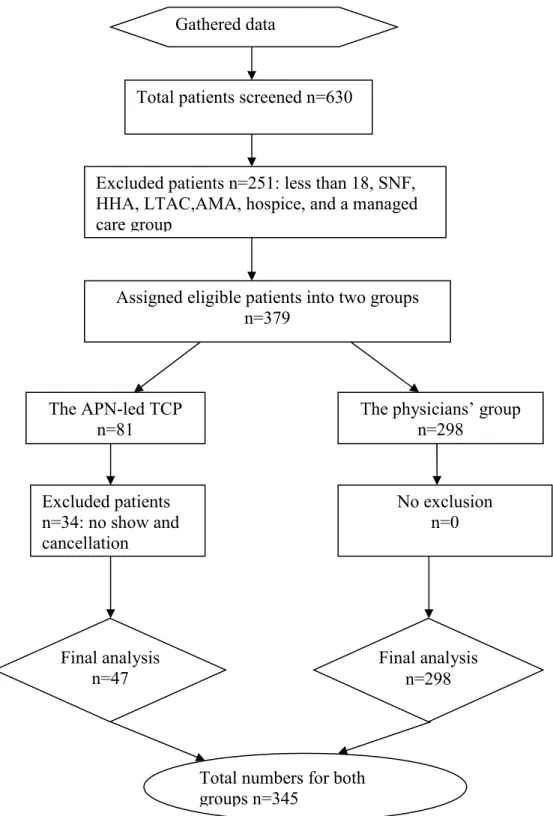
Figure 2. Flowchart for data collection process ... 48
Figure 3. Bar graph showing the sex distribution for each group. ... 50
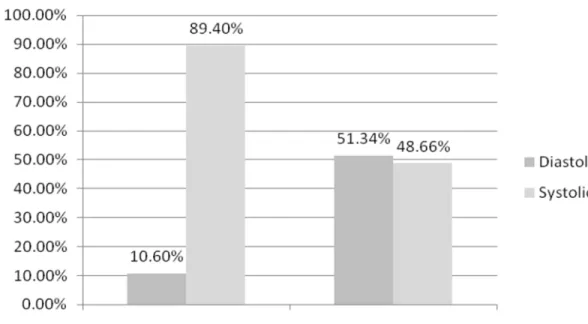
Figure 4. Bar graph showing HF types for each group ... 51
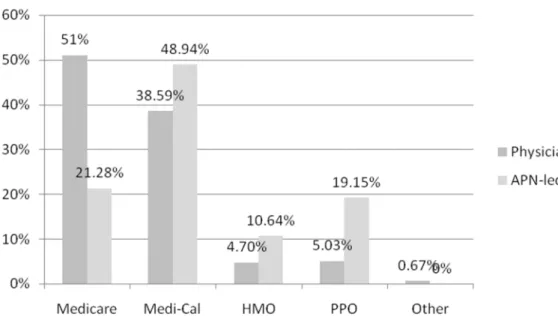
Figure 5. Bar graph showing insurance types for each group ... 52
Figure 6. Bar graph showing comparisons of 30-day all-cause readmission rates from home in Medicare patients with HF from Health Services Advisory Group’s reports ... 53
Section 1: Nature of the Project
Introduction
Heart failure (HF) is a serious medical condition and a pressing public health problem (Roger, 2013).Data from the 2009-2012 National Health and Nutrition
Examination Survey revealed that HF affected 5.7 million U.S. residents age 20 years old and over (Mozaffarian et al., 2016). The prevalence rate of HF has been projected to have a 46% increase by 2030, which means that more than 8 million individuals 18 years old and over would progress to having HF (Mozaffarian et al., 2016). Each year, 915,000 people are newly diagnosed with HF (Mozaffarian et al., 2016). HF resulted in one in nine deaths in 2013, and the 2000-2010 HF data from Olmsted County, Minnesota, indicated that nearly half of all individuals with HF would die in 5 years (Centers for Disease Control and Prevention [CDC], 2015a). HF management is one of the most costly medical conditions (Mozaffarian et al., 2016). The direct and nondirect cost for HF management has been estimated at $30.7 billion annually, with direct medical cost accounting for 68% of this amount (CDC, 2015a; Mozaffarian et al., 2016). HF
management costs continue to grow, and total costs are projected to increase by more than twice the current cost to$69.7 billion by 2030 (Mozaffarian et al., 2016).
HF has remained as the primary diagnosis of hospital discharge since 2000; however, HF hospitalizations are common in patients with HF, and the HF hospital readmission rates are higher in patients who were previously hospitalized (Mozaffarian et al., 2016). The overall admission rate in HF patients age 55 years and over is11.6 per 1000 patients annually, and the reoccurring hospitalization rate is 6.6 per 1000 patients
yearly (Mozaffarian et al., 2016). The HF mortality rate is associated with hospital admissions. The 28-day and 1-year mortality rates following hospital discharges in patients with HF are 10.4% and 29.5%, respectively (Mozaffarian et al., 2016). The Centers for Medicare and Medicaid services’ (CMS, 2015b) 30-day All-Cause Hospital Readmission measure includes data on Medicare patients who had an unplanned acute care hospitalization for any cause within 30-days of discharge from an acute care hospital. The CMS’s data demonstrated that the 30-day all-cause readmission rate for patients with HF was 25%, with the admitting diagnosis of HF contributing to 35% of those readmissions (Roger, 2013). For patients with HF, managing cardiac condition and no cardiac comorbidities after initial hospitalizations is a vital approach to reducing hospital readmissions (Roger, 2013).
Hospital readmissions in HF patients are preventable, and the Transitional Care Program (TCP) had evolved as a new model in HF management, with a goal to reduce 30-day hospital readmissions (Albert et al., 2015). According to the Medicare Payment Advisory Commission (2007) report, 30% of readmission costs were spent on seven medical conditions including HF, with 75% of readmissions being considered avoidable. The transition of care in HF management refers to “individual interventions and
programs with multiple activities that are designed to improve shifts or transitions from one setting to the next, most often from hospital to home” (Albert et al., 2015, p. 1). A TCP that is patient-centered and integrated with multidisciplinary collaboration is imperative to provide the care continuum and to reduce hospital readmissions (Albert et al., 2015). Nurses and Advanced Practice Nurses (APNs) often perform various
leadership roles in facilitating care transitions include those of case managers, communicators, liaisons, and coordinators (Albert et al., 2015). The concept of Transitional Care (TC) in HF was validated mostly by small observations or quasi-experimental study designs in a single center or a few centers. The studies excluded patients who were non-English speaking or in the end stage of renal disease (Albert et al., 2015). With these limitations, the findings are not broadly applicable, and Albert et al. (2015) have noted that further studies are needed to determine the efficiency and cost-savings of TC interventions in managing HF patients.
Nurse practitioners (NPs) have played crucial roles in managing HF patients. Echeverry, Lamb, and Miller (2015) examined the impact of NPs home visits in
improving quality measures of HF in homebound patients. In the project, NPs visited 40 patients with Class III or IV HF monthly for 3 months (Echeverry et al., 2015). The project findings demonstrated that hospitalizations, emergency room visits, and 30-day readmissions significantly decreased by64%, 85%, and 95%, respectively (Echeverry et al., 2015). The results indicated the vital roles of NPs in improving the patient outcome of HF management.
In this Doctor Nursing Practice (DNP) doctoral project, I analyzed the existing data to evaluate the effectiveness of using an APN-led TCP in reducing 30-day
readmissions for patients with HF. The positive social change implications of the DNP project potentially include decreased HF mortality rates, reduced medical costs,
improved physical functions and quality of life, and prolonged life expectancy in HF patients (see Albert et al., 2015; Echeverry et al., 2015).
Problem Statement
HF is an epidemic public health problem associated with high mortality rates and extensive heath care spending. The incidence of HF for people older than 65 is 10 per 1000 of the population, and the risk of HF development is 20% after age 40 for both men and women (Mozaffarian et al., 2016). The lifetime risk of HF is twice that number in patients with hypertension (Mozaffarian et al., 2016). The mortality of HF has remained high. The 1-year and 5-year mortality rates are 29.6% and 52.6% respectively, and HF caused 300,122 deaths in 2013 (Mozaffarian et al., 2016). HF hospitalizations are associated with the highest mortality rates and hospital readmissions in patients with a history of HF. HF impacted the health care cost crisis. In 2012, HF accounted for 1, 774,000 physician office visits, 553,000 ED visits, and 257,000 outpatient clinic visits (Mozaffarian et al., 2016). Under the Affordable Care Act (ACA), the CMS (2016) implemented the Hospital Readmissions Reduction Program (HRRP) in 2012 to reduce payments to hospitals with an excess amount of readmissions within 30 days of discharge on certain measured conditions, including HF.
Hospitalizations for HF have remained high and unchanged due to the aging population. According to the National Hospital Discharge Survey (NHDS) data from 2000 to 2010, 1 million HF hospitalizations occurred in 2000, and 2010 had the same number of HF hospitalizations (Hall, Levant, & DeFrances, 2012). The majority of hospitalized patients with HF are 65 years old and over; however, there were significantly increased hospitalizations from 23% in 2000, to 29% in 2010 for patients under 65 years of age (Hall et al., 2012).
After-discharge health services have increased, but the effect on reducing hospitalizations for HF have been minimal. Age plays a role in hospital discharge. Patients 65 years and over are commonly released to the long-term care facilities, while patients under 65 years are discharged to home (Hall et al., 2012). In the past 10 years, more than 80% of hospitalized HF patients under age 65 have been discharged to home, while 62% of hospitalized HF patients age 65 and over have been discharged to home (Hall et al., 2012). The discharge proportion for patients aged 65 and over who were discharged to long-term care facilities increased from 17% in 2000, to 21% in 2010 (Hall et al., 2012). The 30-day readmission rate for HF patients with home health agency care was as high as 26%, with 42% of them having hospital readmissions for cardiac issues (Madigan et al., 2012). With a significant proportion of discharged home patients with HF, there has been a great need for improving post-discharge care to reduce their hospital readmissions.
HF hospitalizations are associated with many factors including hospitals, health care providers, and patients. One national study on hospital strategies to reduce 30-day HF readmissions indicated that less than half of participating hospitals (537 hospitals) collaborated with community physicians to manage high-risk patients for
readmissions(Bradley et al., 2013). Only 28.9% of hospitals electronically linked their inpatient and outpatient prescriptions records, and only 25.5% of hospitals set up work process to send the discharge summary to patients’ primary care providers (PCPs) upon discharge (Bradley et al., 2013). HF patients had higher levels of unmet psychosocial needs than physiological needs after discharge (Davidson, Cockburn, &Newton, 2008).
The post-discharge care barriers and concerns include medication management (cost and medication reconciliation), follow-up appointment (lack of transportation and patient’s awareness), PCP communication (poor hand-off and insufficient patient education), and medication related signs and symptoms management including non-adherence to diet, activity, exercise, and fluid management(Albert et al., 2015). Albert et al. (2015) have noted that post-discharge disease management programs share some common features, which included telephone follow-up, patient education,
self-management, weight monitoring, sodium and fluid restriction or diet advice, exercise recommendations, medication review, and social and psychological support. Among post-discharge care programs, case management with telephone follow-up and home visits and multidisciplinary care programs with care coordination from admission to discharge have improved the HF mortality and hospital readmissions (Takeda, 2012). A patient-centered TCP with a multidisciplinary team approach could potentially prevent hospital
readmissions (Albert et al., 2015). HF specialist nurse-led programs have decreased the mortality and readmission rates of HF patients (Takeda, 2012). However, Price (2012) found that less than 50% of HF patients are referred to HF nurses.
The Institute of Medicine (IOM, 2001),has stated the need for a change of care coordination to include “coordination of care across patient-conditions, services, and sites of care over time” (p. 2). The IOM (2010) has emphasized nurses’ roles in redesigning the health care delivery system, claiming, “Nurses should be full partners, with
physicians and other healthcare professionals, in redesigning health care in the United States” (p. 1). In this DNP project, I analyzed existing archival data to seek the evidence
of the effectiveness of using an APN-led TCP to reduce 30-day readmission, and to validate APNs’ roles in leading TC interventions in HF management.
Purpose Statement
The gap in practice that I addressed in this DNP project was to adopt an evidence-based disease management model to improve after discharge care for hospital-discharged patients with HF. The purpose of this DNP project was to validate the efficacy of an APN-led TCP to reduce 30-day readmissions in patients with HF. Hospital-discharged patients are at high risk for hospital readmissions due to the lack of follow-up
appointments after discharge. In addition to this lack of follow-up appointments, there is a variety of other reasons that lead to high readmissions among hospital-discharged patients with HF. First, the lack of collaboration and communication from one setting to another setting is common among healthcare providers for patients with HF, especially in regard to medication reconciliation; hence. Such failures of communication are one of the primary reasons for hospitalizations in HF patients (Bradley et al., 2013). Second, the lack of adequate nurses’ knowledge in HF management contributes to hospital
readmissions in patients with HF. Nurses play pivotal roles in educating patients and improving patients’ self-management skills before patients are discharged to home. For example, Guirguis-Blake (2016) pointed out that nurses’ knowledge in HF management promote patients’ self-management behaviors, which is one of the critical strategies to prevent hospital readmissions. However, Mahramus et al., (2013) stated that overall nurses’ knowledge of HF is weak. As a result, patients are not adequately prepared to perform self-management at home before discharge. Third, patients’ unaddressed
post-discharge needs precipitate readmissions. Albert et al., (2015) reported that patients’ unmet needs (including psychosocial, physical, culture, and individual) contribute to HF hospitalizations. Post-discharge TC is an evolving disease management model in HF management and a guideline-recommended care approach in addressing post-discharge care needs (Yancy et al., 2013). Patient education and early post-discharge follow-up appointment are essential elements of TC programs (Yancy et al., 2013). However, the efficacy of TC programs to reduce readmissions has been disputed (Albert et. 2015; Kociol et al., 2012, 2016; Stamp et al., 2014), and it is not utilized widely. For instance, Nelson and Pulley (2015) stated that less than half of patients could follow up with their PCPs within 2weeks of discharge. The practice-focused question for this DNP project was:
For hospital-discharged HF patients, was an APN-led TCP effective in reducing hospital 30-day all-cause readmissions?
This DNP project had potential to address the lack of post-discharge care by evaluating the efficacy of an APN-led TCP in reducing 30-day readmissions in patients with HF, thereby strengthening the efficiency of APNs’ leadership roles in TC programs, and potentially prompting the adoption of an APN-led TCP at my practicum site. The TCP is emerging as a new disease management model used to address the lack of collaboration during a transition of care and prevent hospital readmissions in patients with HF. Researchers have demonstrated that the standards of a TCP include patient education, early telephone or clinic or office follow-ups, assessment, medication
designated person to assume the leadership role in collaborative interventions (Guirguis-Blake, 2016). The evidence-based practice (EBP) guidelines specify the timeframe for patient education and post-discharge follow-ups by phone and clinic or office visits. The American Heart Association’s (AHA, 2016) Get With The Guidelines- Heart Failure (GWTG-HF) showed that starting patient education in the hospital with a teach-back method, early telephone follow-up within 24 to 72 hours post-discharge to check patient status at home, and early follow-up appointments within the first week of post-discharge is the standard of post-discharge follow-up care. Furthermore, discharge assessment should be conducted at the beginning of the hospitalization. In particular, the first
discharge assessment should begin right after admissions (Guirguis-Blake, 2016). In this DNP project, I used program evaluation results to validate the efficacy of an APN-led TCP as a new disease management approach to prevent readmissions in patients with HF. Meanwhile, the program evaluation results also could assist hospital administrators in deciding whether to adopt the APN-led TCP hospital-wide for managing chronic diseases such as HF and stroke.
Nature of the Doctoral Project
I reviewed evidence from public and private agencies including the CDC, AHA, and the Heart Failure Society of America (HFSA). To search for scholarly and clinical literature, I used online databases including CINAHL and Medline, which I accessed via
the Walden University Library. In the searches, I used keywords such as heart failure,
transitional care program, 30-day readmissions, mortality, quality of life, patient education, cost reduction, and nurse- or Advanced Practice Nurse (APN) or Nurse
Practitioner (NP). I used the Melnyk and Fineout-Overholt’s hierarchy of evidence (2005) to critically evaluate studies (Burns, Rohrich, & Chung, 2011; Grove, Burns, & Gray, 2013), and the health literature review matrix to organize the research and studies.
The purpose of this DNP project was to evaluate the efficacy of an APN-led TCP in reducing 30-day all-cause hospital readmission rates in patients with HF. The practice-focused question was:
For hospital-discharged HF patients, was an APN-led TCP effective in reducing hospital 30-day all-cause readmissions?
Significance
The stakeholders of this DNP project were patients, caregivers, primary care providers, cardiologists, social workers, discharge planners, pharmacists, nurses including APNs, and administrators. All stakeholders worked collaboratively to provide a patient-centered continuum of care and reduce hospital readmissions in HF patients. Albert et al. (2015) and Guirguis-Blake (2016) stated that the TC model is effective in reducing hospital readmissions, mortality rates, and health care spending in patients with HF; however, there has been limited evidence supporting the broad application of the TC model and APNs’ leadership roles in a TCP (Albert et al., 2015).This DNP project highlighted the nurse leadership roles in redesigning the American health care delivery system. It also could inspire APNs to use their training to provide an effective and efficient method of care to improve population health (IOM, 2010; 2001). There was limited evidence supporting the wide use of TC model. This DNP project strengthened the evidence regarding the efficacy of APN-led TCP in reducing 30-day readmissions.
This DNP project could result in positive social change including lowering the mortality rates in HF patients, reducing costs of care, and improving quality of life (see Albert et al., 2015; Guirguis-Blake, 2016).
Summary
HF is a complex and costly clinical symptom and a severe population health problem in the United States. HF-related hospitalizations and hospital readmissions have remained high, and people diagnosed with HF often die within5 years. The poor
collaboration and communications among health care providers across all settings contributes to a higher rate of hospitalizations in HF patients.
Under the quality-driven renovated reimbursement system, a TC model is the recommended standard of post-discharge care model to reduce 30-day readmissions and mortality rates in patients with HF (Yancy et al., 2013). Nurses, especially APNs, have been taking leadership roles in directing transitional care interventions and programs (Albert et al., 2015; Mozaffarian et al., 2016). However, the evidence that using an APN-led TCP to reduce readmissions and mortalities in HF patients is limited. I designed this DNP project to assess the effect of using an APN-led TCP to reduce hospital
readmissions in patients with HF. The project findings could potentially validate evidence of the effectiveness of an APN-led TCP in reducing 30-day readmissions and highlight nurse leadership roles in directing the health care delivery system (see Albert et al., 2015; IOM, 2010; Mozaffarian et al., 2016).
Section 2: Background and Context
Introduction
In my practicum hospital, two HF nurse practitioners initiated the APN-led TCP as a quality improvement project to help improve post-discharge follow-up care and reduce 30-day hospital readmissions for patients with HF. In this DNP project, I
evaluated the efficacy of an APN-led TCP in reducing HF 30-day all-cause readmissions in patients who were discharged from the hospital with an index admission of HF (see Albert et al., 2015; Guirguis-Blake, 2016). The practice-focused question was:
For hospital-discharged HF patients, was an APN-led TCP effective in reducing hospital 30-day readmissions?
In this section, I discuss the study’s concepts, models, and theories; operational definitions; relevance to nurse practice; local background and context; and my role as DNP student.
Concepts, Models, and Theories
I selected the logic model (Hodges & Videto, 2011) to serve as a theoretical framework for this project examining the effectiveness of an APN-led TCP in reducing 30-day hospital readmission in patients with HF. The logic model offers “a picture of how your organization does its work—the theory and assumptions underlying the program” (W.K. Kellogg Foundation, 2004, p. 1). The logic model serves as a roadmap of a program, which systemically and visually demonstrates the relationships and sequences among program resources, activities, and intended results that included outputs, both short- and long-term outcomes, and impacts (W.K. Kellogg Foundation,
2004). The logic model is an instrumental tool for both program planning and evaluation, which helps program evaluators determine whether a project is implemented according to the plan and identify any barriers to the implementation of the project (Hodges & Videto, 2011; W.K. Kellogg Foundation, 2004).The components of the basic logic model were presented in Figure 1.
Figure 1.The basic logic model components. Reprinted from “The logic model
development guide,” by W.K. Kellogg Foundation, (2004). Reprinted with permission. The logic model has been widely applied to health care program evaluation. Ladd, Sitaker, Patanian, and Jernigan (2008) used the logic model to guide their evaluation of the Washington State Heart Disease and Stroke Prevention Program (WaHDSPP). Ladd et al. (2008) reported that the logic model was a useful program evaluation tool to help them develop evaluation questions and measurement indicators, monitor program progresses, and track activities and outcomes. Hodges and Videto (2011) reported that partnering with stakeholders was vital in using the logic model for program evaluation. The logic model serves as a program evaluation framework that holds stakeholders accountable for program operations and outcomes, demonstrates program results systematically, and can be used to develop a better program (CDC, 2010).
1. Resources /inputs 2. Activities 3. Outputs 4. Outcomes 5. Impact
Operational Definitions
Heart failure: A complex clinical symptom that involves an insufficient heart pumping of blood, and is commonly caused by structural and functional defects of ventricular filling and ejection (Yancy et al., 2013). HF patients typically experienced dyspnea, fatigue, exercise intolerance, and fluid overload (Yancy et al., 2013).
The 30-day readmission: According to the CMS (2016), 30-day readmission refers to “an admission to a subsection (d) hospital within 30 days of discharge from the same or another subsection (d) hospital” (para 2). The 30-day All-Cause Hospital Readmission quality measure applies to unplanned acute care hospital readmissions for any cause within 30 days following an acute care hospital discharge for Medicare patients (CMS, 2015b). Under the ACA, the CMS implemented the HRRP to penalize hospitals with poor performances on their 30-day readmissions for HF, pneumonia, and acute myocardial infarction (MI) in 2012 (Naylor, Aiken, Kurtzman, Olds, & Hirschman, 2011).
Transitional care (TC):In HF management, transitional care consists of multiple activities and or programs to provide safe and efficient care transfers from one setting to another, and the most frequent transitions took place from hospital to home (Albert et al., 2015).
Heart failure comprehensive disease management: The integration of the evidence-based practice, clinical improvement measures, and resources and tools for managing patients with HF to reduce health care costs and improve outcomes (Lindenfeld et al., 2010). Disease management interventions consist of inpatient and outpatient patient
education and self-care instruction, case management, multidisciplinary outpatient care, telephone support, telemedicine, and clinic visits (Feltner et al., 2014). TC is an emerging phrase describing disease management for patients transferred from one setting to another (Feltner et al., 2014). The AHA’s statement on the disease management domains
encompassed patient population, intervention recipient, intervention content, delivery personnel, communication method, intensity and complexity, environment, and clinical outcomes (Krumholz et al., 2006).
Relevance to Nursing Practice
For the literature review, I used databases available through Walden University Library. These databases included Cochrane Database of Systematic Reviews,
MEDLINE, and Cumulative Index of Nursing and Allied Health Literature (CINAHL) simultaneous search, Pub Med, and Walden University’s ScholarWorks. The
combinations of keywords I used to limit the search included transitional care and heart
failure, transition of care and heart failure, and readmission and nurse- or nurse
practitioner, or advanced practice nurse-led. The search criteria were also limited by age (adult population), year (from January 2011 to August 2016), and language (English). The majority of articles I used for the literature review were published within 5 years, and
only a few articles were published more than 5 years ago. I used the keyword heart
failure to guide searches of government websites (e.g. CDC, CMS AHRQ), and professional websites (AHA, AAHFN, ACC, HFSA, and TJC) provided rules and regulations on HF management, guidelines, and statistical data.
HF Regulations and Rules
The Medicare Payment Advisory Commission (2007) reported that HF was one of the 10 most common hospital diagnoses for Medicare patients, that HF patients have a high risk for hospital readmissions, and that HF significantly impacts the quality of life of patients with frequent hospitalizations. Hospital readmissions cost the Medicare program $15 billion annually, but$12 billion of these costs are potentially preventable (Medicare Payment Advisory Commission, 2007). According to the 2007-2009 Medicare fee-for-service claims data, the 30-day readmission rates for HF, pneumonia, and acute MI were 24.8%, 18.3%, and 19.9%, respectively (Dharmarajan et al., 2013). Among all HF readmissions, 35% of them were readmitted for the same index HF hospitalization (Dharmarajan et al., 2013).High percentages of hospital readmission rates reflected the poor communication among care providers and poor transition of care after discharge (Medicare Payment Advisory Commission, 2007).Therefore, The CMS and Hospital Quality Alliance (HQA) established a public reporting system (including 30-day all-cause readmissions) to help consumers make informed decisions, improve safe and quality care, improve population health, and reduce healthcare costs (CMS, 2015c).
The HF 30-day readmission was the government’s quality control measure, and the CMS used it to determine reimbursement rates for hospitals’ payments based on their readmission status. The HF 30-day risk-standardized mortality and HF 30-day risk standardized readmission are two required quality reporting measures for hospitals (CMS, 2015c). Under the CMS’s Reporting Hospital Quality Data for Annual Payment Update (RHQDAPU) program, hospitals receive higher payments for their compliances
of reporting quality measures (CMS, 2015 b). Under the ACA, the CMS implemented the HRRP to reduce payments to hospitals with excess readmissions for certain conditions in 2012, and the HF 30-day risk standardized readmission was one of the reimbursement measures (CMS, 2016; National Quality Measures Clearinghouse, 2015).HF is a severe and costly health condition. HF 30-day all-cause readmission is a quality measure that drives a value-based reimbursement for Medicare patients. In my practicum hospital, hospital leaders and clinicians have adopted HF 30-day all-cause readmission rates as the quality measures for HF management.
HF Guidelines Supporting Disease Management Programs
Several HF professional organizations have recommended disease management programs and transitional care programs as evidence-based practices in HF management. They have laid out detailed strategies and activities for disease management programs. The sources of HF evidence-based guidelines include the HFSA’s 2010 Comprehensive Heart Failure Practice Guideline, 2013 ACCF/AHA's guideline for the management of HF, the joint AHA and TJC advanced certification in HF, and AHA’s GWTG-HF.
Comprehensive disease management is a critical approach for patients with HF. According to the HFSA 2010 Comprehensive Heart Failure Practice Guideline, HF comprehensive disease management programs are recommended for patients with a recent hospitalization for an index admission of HF, or for patients at high risk for developing decompensated HF (Lindenfeld et al., 2010). Comprehensive HF disease management programs include patient and family education, counseling, self-care management (including medication titrations), close follow-up post hospital discharge,
care access to health care providers and care coordination, optimization of drug therapy, early detection of signs and symptoms of fluid overload, and addressing social and financial needs (Lindenfeld et al., 2010). Coordination of care between the primary care physicians and HF experts and between different facilities or settings is one of the essential components in HF disease management programs (Lindenfeld et al., 2010).
A patient-centered, multidisciplinary team approach is an essential element of HF disease management programs. The 2013 ACCF/AHA's guideline for the management of HF recommended that for patients at high risk for readmissions, disease management should include a patient-centered multidisciplinary team approach (Yancy et al., 2013). The benefits of a patient–centered multidisciplinary team approach include readmission reduction and the implementation of guideline-directed medical therapy (GDMT; Yancy et al., 2013).The development and implementation of effective systems of care
coordination and care transitions is essential for all HF patients to improve the quality of care (Yancy et al., 2013). Effective communications between healthcare providers, medication reconciliation, appropriate hand-off discharge summaries, and transition of care processes between settings are necessary safety practice when releasing HF patients from hospital to home (Yancy et al., 2013). In conclusion, TC is the core of disease management program. An adequate TC involves a patient-centered, multidisciplinary, and systematic approach. The evidence-based TC processes consist of care coordination and communication at all levels of care, medication reconciliations, and appropriate hand-off discharge summaries.
There is a great need for a well-planned transition of care for achieving a safe patient transition from one setting to another. According to the 2013 ACCF /AHA HF management guideline, the HF TC should consist of extensive patient education, medication reconciliation, hand-off updated care summary to follow-up providers, and early post-discharge follow-up arrangement (Yancy et al., 2013). Patient and family educational topics should include follow-up visits at the next care setting, recognizing worsening signs and symptoms of HF, medications, activity and diet (Yancy et al., 2013). A follow-up visit occurring within 7 to 14 days and a telephone follow-up made within three days of post-discharge were considered the optimal care for hospital- discharged patients with HF (Yancy et al., 2013). The guideline also stated that the standard of inpatient and outpatient HF management incorporated initiating the GDMT appropriately, addressing risk factors of HF and its comorbidities, identifying barriers for optimal care transitions and after discharge care support, assessing volume status, titrating HF drug therapy, assessing of renal function and electrolytes, reinforcing patient and family education, and considering palliative care or hospice care in specified patients (Yancy et al., 2013).However, the evidence of the guideline-recommended TC was limited, and the research was needed to support the efficacy of TC in HF management (Yancy et al., 2013). In summary, a well-planned TC is the guideline-directed medical therapy; and it is composed of comprehensive patient education, medication reconciliation and titration, disease management, post-discharge care follow-up within 2 weeks, phone call follow-up occurring within 3 days of discharge, and identifying and addressing barriers for care transitions.
TC is an evolving standard of care in HF management. The AHA and TJC established Advanced Certification in Heart Failure (ACHF) for acute care hospitals (TJC, 2016). The availability of inpatient and outpatient services and TC services for HF patients was one of the required certification criteria (TJC, 2016). Care coordination and care transition drove the GDMT in HF management (TJC, 2016). The GWTG-HF was the AHA’s (2016) quality improvement program. It has multiple features including data registry, real-time benchmarking on performance measures, and decision support. A follow-up visit or phone call within 72 hours of post-discharge, HF disease management referral, and HF 30-day readmission and mortality rates were the reporting measures of AHA (2016) GWTG-HF. Hence, the continuum of care in HF management covers
inpatient and outpatient services; TC ensures the continuity of care across all settings; and the 30-day all-cause readmission is the quality indicator in directing HF management.
Systematic Reviews Supporting TC Programs
I identified two systematic reviews on HF and nurse-led interventions in the Cochrane Database of Systematic Reviews. The 2012 Cochrane systematic review on disease management interventions for patients with HF to reduce readmission and mortality by comparing to usual care included twenty-five Randomized controlled trials (RCTs). The disease management interventions were grouped into three types that included case management interventions (phone call follow-ups and home visits), clinic interventions (HF clinic follow-up), and multidisciplinary interventions
(team-approached care from the hospital to home). The authors of the review concluded that among recently hospitalized HF patients, HF nurse-led case management interventions
reduced HF and all-cause readmissions and mortality; multidisciplinary interventions might have effects on the reduction of HF and all-cause readmissions; and clinic interventions had weak evidence to support its efficacy (Takeda, 2012). The 2016
Cochrane systematic review on evaluating Nurse-Led Titration (NLT) of beta-adrenergic blocking agents, Angiotensin Converting Enzyme Inhibitors (ACEIs), and Angiotensin Receptor Blockers (ARBs) in HF patients with Reduced Ejection Fraction (HFrEF) included seven RCTs with a total of 1684 participants (Driscoll, 2016). The RCTs
compared the titration and optimization of those evidence-based drug therapies by a nurse to the optimization by other practitioners in patients with HFrEF (Driscoll, 2016). The systematic review demonstrated that NLT of medication titrations reduced all-cause hospital readmissions and mortality in patients with HFrEF (Driscoll, 2016). Those two systematic reviews have demonstrated the importance of nurses’ leadership roles and significant clinical impact on HF management. Post-discharge home visiting and telephone follow-up, multidisciplinary team approach, and medication titration are effective measures to reduce readmissions.
Peer-Reviewed Publications Supporting TC Programs
A search of CINAHL and MEDLINE simultaneous search database using
combination phrases transitional care and heart failure and readmissions generated 75
peer-reviewed articles. Limiting the search to 5 years (January 2011 to August 2016) and English language yielded 58 peer-reviewed articles. After applying inclusion and
exclusion criteria as outlined below, there were 14 articles remained. Of these, seven were systematic reviews, two were retrospective data analysis, and five were
mixed-method studies.
Inclusion criteria were systematic reviews or original research studies in peer-reviewed journals that examined TC programs or interventions to reduce all-cause or HF-specific hospital readmissions in adult patients with HF in the United States (US). Non-US countries were not included because of difference in health care delivery and reimbursement system. Exclusion criteria were studies with a narrow focus on specific populations such as home health care, long-term care, surgery, military services,
dementia, and palliative care; studies had targeted interventions including telemonitoring. TC has improved quality of care and cost containment in HF management. Many peer-reviewed studies indicated that TC programs and interventions were effective to reduce all-cause and/or HF-specific readmissions and mortality, to improve quality of life, and to lower costs of care (Albert, 2015; Albert, 2016; Centeno & Kahveci, 2014; Feltner et al., 2014; Guirguis-Blake, 2016; Monza, Harris, & Shaw, 2015; Russell, Rosati, Sobolewski, Marren, & Rosenfeld, 2011;Stamp, Machado, & Allen, 2014; Stauffer et al., 2011; Vedel & Khanassov, 2015; White & Hill, 2014). In the systematic review of Feltner et al. (2014) with 47 RCTs, home-visiting programs and multidisciplinary HF clinic interventions reduced all-cause readmission and mortality; structure telephone support reduced HF-specific readmission and mortality. However, in the systematic review, only a few RCTs reported 30-day readmission rates (Feltner et al., 2014). Kociol et al. (2012) conducted a national data survey on hospital-based strategies of readmission reduction programs from 100 hospitals participating in AHA’s GWTG-HF. Kociol et al. (2012) categorized hospital strategies into three groups including inpatient care, TC, and
quality improvement. Among participated hospitals, their strategies varied in all three groups and the study findings demonstrated that only complete TC strategies were related to 30-day readmission reduction among three groups (Kociol et al., 2012).Thus, TC is an evidence-based practice to reduce the 30-day readmission.
The effective TC programs and strategies include a variety of interventions. The evidence-based TC interventions were home visiting programs with telephone follow-ups and multidisciplinary HF clinics (Albert, 2016; Feltner et al., 2014; Guirguis-Blake, 2016; Stamp et al., 2014; Vedel & Khanassov, 2015). Feltner et al. (2014) concluded that home-visiting programs and multidisciplinary HF clinics reduced all-cause readmissions and mortality and structured telephone support reduced HF-specific readmissions and mortality. Because the mean readmission timing was within 12 days of discharge for the majority hospitalized HF patients (Dharmarajan et al., 2013), early follow-up within 7 days of discharge was a necessary TC intervention (DeVore et al., 2016).Other TC interventions having effects on reduction of readmissions in patients with HF included care collaboration and coordination, patient education, improvement of self-management behaviors (Russell et al., 2011; White & Hill, 2014). Feltner et al. (2014) reported that effective interventions to reduce all-cause readmissions or mortality were delivered in person, high intensity, and multidisciplinary care approach (Albert, 2016; Centeno & Kahveci, 2014; Monza, Harris, & Shaw, 2015). Albert et al. (2016) summarized eight themes of TC programs that included discharge planning, multidisciplinary team-based collaboration and communication, timely and organized critical information; medication reconciliation and adherence, social and community services supports, patient education
including monitoring signs and symptoms of HF after discharge, outpatient clinic follow-up, palliative care and end of life care. In summary, the patient-centered TC programs are intensive and complex. The evidence-based TC interventions involve multidisciplinary care approach, care collaboration, care communication, home visiting, and phone follow-up.
Although many studies showed the effectiveness of TC in reducing readmissions, the evidence of TC has remained undetermined. The efficacy of TCP was disputed because of the inconsistency in TC interventions and study designs (Albert et. 2015; Kociol et al., 2012; Stamp et al., 2014). Kociol et al. (2012) reported that hospital-based readmission reduction strategies varied, and processes of care on inpatient and quality improvement measures had no effect on readmission reduction. Kansagara et al. (2016) conducted a systematic review on TC interventions to identify common strategies and themes. Ten studies revealed the evidence of discharge planning and hospital at home interventions to reduce readmissions and the TC interventions in general were
multifaceted and flexible to accommodate individual needs (Kansagara et al., 2016). However, the efficacy of TC interventions was weak because of a variety of study populations, study designs, and clinical settings (Kansagara et al., 2016). Albert et al. (2015) and Stamp et al. (2014) indicated the need for further research to generalize the
evidence of TC interventions in HF management. In summary, the standard of TC
interventions is not well defined, and the efficacy of TCP for readmission reduction is still under debate.
Peer-Reviewed Publications Supporting Nurse-orAPN-led TC Programs
A search of CINAL and MEDLINE simultaneous search database using
combination phrases nurse-led or advanced practice nurse-led or nurse practitioner–led
with heart failure and readmission generated 54 articles, limiting the search within 5
years yield 28 articles. After applying above inclusion and exclusion criteria, there were eight articles remaining. Of those, five were systematic reviews and meta-analysis, and three were mixed-method trials. Four out of five systematic reviewed were discussed in sections of the systematic review and peer-reviewed publications supporting TC
programs.
Nurses and APNs play leadership and clinician roles in TC programs for
readmission reduction and disease management. APN-, NP-, and nurse-led TC programs were effective to reduce all-cause readmissions and mortality in patients with HF (Monza et al., 2015; Takeda, 2012; Stauffer et al., 2011; Stamp et al., 2014).The 2012 Cochrane systematic review on disease management interventions for patients with HF indicated that HF nurse-led case management interventions (home care visits and telephone follow-up) after one year follow-up reduced HF-specific and cause readmissions and cause mortality; HF clinic interventions had no significant effects on HF-specific and all-cause readmissions and mortality; and multidisciplinary interventions were associated with reduction of HF-specific and all-cause readmissions (Takeda, 2012).The 2012 systematic review and meta-analysis included 19 RCTs evaluating the effect of nurse-led HF management programs (HF-MPs) before the discharge. The review revealed that the nurse-led HF-MPs were effective to reduce HF-specific and all-cause readmissions
(Lambrinou, Kalogirou, Lamnisos, &Sourtzi, 2012). An APN-led program designated the nurse practitioner as the program leader who assumed the primary responsibility for disease management of specified population such as patients with HF (Lowery et al., 2012). An APN-led clinic provided a holistic, patient-centered, and cost effective care and played a significant role in serving health care needs of low-income and uninsured population in the United States (Campbell, 2016). NPs at an APN-led clinic diagnosed and treated individual responses to health issues and promote population health
(Campbell, 2016). Hence, Nurses and APNs play important roles in leading and operating HF management programs to reduce readmissions.
Many studies have demonstrated the efficacy of nurse-led TC programs in reducing readmissions. For example, Stamp et al. (2014) conducted a systematic review on the effects of a nurse–led TC program with 20 studies, and the findings indicated that home visiting and telephone follow-up were effective in reduction of readmissions in HF patients. A nurse-led multidisciplinary team approach study improved care transitions, reduced 30-day readmissions, improved patient education and satisfaction (Thompson, 2014). Smith et al. (2015) conducted an RTC trial on nurse-led multidisciplinary HF group clinic appointments in comparison with usual care. The RTC included 198 HF patients and indicated that a nurse-led multidisciplinary HF group clinic appointments increased patient’s HF self-care knowledge and improved self-management behaviors that lead to a reduction in readmissions (Smith et al., 2015). Therefore, those studies had clearly identified the effectiveness of nurse-led HF TC programs for readmission
There are no consensuses on essential elements of a nurse or APN-led TC
programs in HF management. More research studies were needed to support the evidence of a nurse or APN-led TC programs for a broader application (Albert et al., 2015;
Lambrinou et al., 2012;).Researchers were not able to determine standardized strategies of a successful nurse-led HF-MPs from a systematic review of 19 RCTs on the effect of HF-MPs before discharge, and further studies were needed to standardize strategies of HF-MPs (Lambrinou et al., 2012).In the review of Feltner et al. (2014), telemonitoring and nurse-led clinic interventions had no effect on the readmission and mortality. However, Mikulich et al. (2013) had a controversial finding that an APN-led HF clinic reduced HF readmissions. The APN-led HF clinic consisted of patient education including disease process, medication, daily weight, diet and activity, sodium and fluid restriction, self-care instructions, titration of drugs and compliance (Mikulich et al., 2013). Accordingly, the efficacy of nurse-led HF clinics is also undetermined due to the lack of standardized interventions and conflicted study results of nurse-led clinics.
Despite the fact that many studies indicated that nurses commonly functioned as leadership roles in TC programs, it is unclear of the educational background of nurses leading HF management programs (see Albert et al., 2015).Furthermore, the evidence of APN-led TC programs in readmission reduction was also not well identified in the literature review (see Albert et al., 2015). For instance, the APN-led TCP program was not well recognized and utilized to reduce 30-day readmissions for patients with HF due to the weak evidence and application (Price, 2012).In the systematic review of Albert et al. (2015), nurses functioned as coordinator roles in TC programs; however, only a few
studies mentioned the APN-led TC programs, and the evidence of APN-led TC programs and interventions was weak because of a variety of study designs and strategies of TC programs (Albert et al., 2015). There was a great need for nurse researchers to conduct RCTs to address gaps in TC models and interventions (Albert et al., 2015; Stamp et al., 2014). In the final analysis, the efficacy of TC and an APN-led TCP in reducing
readmissions in patients with HF is not determined, and it remains as a practice gap in HF management.
Hospital strategies are vital for readmission reduction in patients with HF. Bradley et al. (2013) reported a cross-sectional web-based national survey on hospital strategies in reducing HF 30-day readmissions among hospitals participating in national quality initiatives. A total of 599 hospitals responded to the survey, and six strategies were significantly and individually related to lower 30-day HF readmissions (Bradley et al. 2013). Those hospital strategies included building partnerships with community physicians and physician groups, networking with local hospitals, medication
reconciliations by nurses, post-discharge appointments arrangement, communicating discharge summaries with a patient’s primary care provider, and test results follow-up (Bradley et al., 2013). The combination of strategies had a cumulative effect on reducing readmission rates (Bradley et al., 2013). However, only a few hospitals had implemented multiple strategies (Bradley et al., 2013). Hence, the findings highlighted the need for improvement in adopting those recommended hospital strategies cumulatively to reduce 30-day readmissions for patients at high risk for readmissions.
At my practicum site, two HF nurse practitioners evaluated their practice based on the study of Bradley et al. (2013). They added a discharge planner into the HF program who made phone follow-up call within 72 hours of discharge and assisted in arranging post-discharge follow-up appointments. They also implanted an APN-led TCP in August 2015 to offer an early post-discharge follow-up within one to two weeks of discharge for hospitalized patients with HF.
In this DNP project, I examined the effectiveness of an APN-led TC program in reducing 30-day readmissions in patients with HF. I evaluated HF existing archival data to determine if APN roles in leading a patient-centered TCP with a multidisciplinary team approach to provide care coordination and to promote care continuum for
hospitalized patients for HF were an effective method for reducing 30-day readmissions.
Literature Review Summary
Appendix A was a summary of the review of the literature related to this project.
Each article had a graded level of evidence identified using the Melnyk and Fineout-Overholt’s hierarchy of evidence recommended (2005). Table 1 demonstrated the Melnyk and Fineout-Overholt’s hierarchy of evidence (2005).
Table 1
Hierarchy of Evidence
Level Evidence
Level I Evidence from a systematic review or meta-analysis of RCTs or
clinical practice guidelines based on systematic reviews of RCTs
Level II Evidence from at least one well-designed RCT
Level III Evidence from well-designed controlled trials without randomization
Level IV Evidence from well-designed case-control and cohort studies
Level V Evidence from systematic reviews of descriptive or qualitative studies
Level VI Evidence from a single descriptive or qualitative study
Level VII Evidence from authority opinions/reports from experts
Note. From “Evidence-based practice in nursing and healthcare,” by Melynk, B. & Fineout-Overholt, E. 2005, p.10.Philadelphia, PA: Lippincott Williams & Wilkins.
Copyright 2005 by Lippincott Williams & Wilkins. Reprinted with permission.
The summary of the evidence was eleven summaries at Level 1, one summary at Level II, six summaries at Level IV, one summary at Level V, two summaries at Level VI, and one summary at Level VII.
Local Background and Context
The practicum site was a 420-bed acute care urban hospital located in Southern California. The hospital had two HF NPs who oversee inpatient and outpatient HF patients. Two APNs started a pilot TC program as a Quality Improvement (QI) project in August 2015 to reduce 30-day all-cause readmissions and to facilitate a safe transition from hospital to home for hospitalized patients with HF. The members of the APN-led TCP included two HFNPs, one discharge planner, and one licensed vocational nurse (LVN). The services of the APN-led TCP included HFNPs’ inpatient visits, patient and family education, outpatient HF clinic follow-up after discharge, prearranging follow-up appointments within 1 week of discharge, and follow-up phone with 72 hours of
discharge. During the HF clinic visits, HFNPs assessed patient’s signs and symptoms of HF including fluid status, weight, compliance; reinforced patient education on
medication, diet, activity, and fluid restriction; titrated medication to an optimal dose and collaborated with patients’ PCPs and cardiologists for continuing care. In the TCP program, the HFNPs assumed the leadership and clinical roles to oversee and operate the TC program. The discharge planner assisted making post-discharge follow-up phone calls, prearranging follow-up appointments with PCPs, cardiologists, and HFNPs in the TCP. The discharge planner also verified insurance and located a PCP for patients followed up in the HF clinic. The LVN assisted HFNPs performing clinical activities including gathering test results, medication reconciliation, and setting up clinic visits.
The hospital was not yet an HF certified center by The Joint Commission (TJC); however, the facility had been participating in the AHA GWTG-HF program for years. The two HF NPs were planning to apply for HF certification in the near future. The pilot TCP for HF patients was not formally funded by the hospital. It was imperative to
conduct an evaluation of the APN-led TCP to examine the effectiveness and efficiency of APN-led care coordination (Camicia et al., 2013).
Role of the DNP Student
I realized that chronic disease management is a challenge after working both primary and acute care settings. I had worked in the Intensive Care Unit (ICU) for many years. I had an internship in a cardiologist office near the practicum site as a post-MSN student. Through working in inpatient and outpatient settings, I had seen the challenges
of chronic disease management due to the fragmented health care delivery system and the lack of collaboration and corporation among health care providers across all settings.
The DNP project was designed to evaluate the efficacy of an APN-led TC program to reduce hospital readmissions in patients with HF at the practicum site. The two HF NPs provided me with a de-identified data of HF program after I obtained the
hospital’s permission for accessing the data. Then I organized the datainto Excel
spreadsheets to demonstrate the differences in readmissions and demographic
information between patients who followed up in the APN-led TCP and patients who followed up with their community physicians (including their PCPs and cardiologists). I would provide program evaluation findings to nursing leadership in the hospital.
Becausethe APN-led TCP in HF management was a first pilot program in the practicum hospital as a QI project, the program evaluation was essential to help administration and other stakeholders decide whether to adopt and extend an APN-led TC model into other chronic disease management programs such as stroke.
Summary
HF is a common and costly medical condition (Mozaffarian et al., 2016). Hospitalized patients with HF are at high risk for hospital readmissions that are
considered preventable by using a multidisciplinary care collaboration approach (Takeda, 2012). The TCP is a newly emerged care model to coordinate patient care safely and more efficiently across different settings and or various levels of care for a continuum of care (Albert et al., 2015). Under the ACA, hospital readmission rate is a quality outcome measure that drivesvalue-based quality care (CMS, 2016). The literature indicated that
nurses played leadership roles in TC programs (Naylor et al., 2011). However, the evidence regarding the efficacy of APN’s roles in the TCP is limited, and the
standardized strategies of TCP are also not well defined in the literature (see Albert et al., 2015).
The student practicum site had a piloting APN-led TCP to reduce 30-day readmissions in patients with HF. This DNP project was to evaluate the efficacy of the APN-led TCP in reducing hospital readmissions in patients with HF. The program evaluation results potentially helped management stakeholders decide whether to adopt the APN-led TCP as a standardized care model for chronic disease management in the organization and validated the APN -led TC program as a quality improvement approach in HF management.
Section 3: Collection and Analysis of Evidence
Introduction
HF is a costly medical condition and serious population health problem. HF affected 5.7 million American adults from 2009 to 2012, and the cost for HF management, including direct and nondirect expense, was $30.7 billion in 2012
(Mozaffarian et al., 2016). HF has remained the primary discharge diagnosis since 2000 (CDC, 2015a; Mozaffarian et al., 2016). The 28-day and 1-year mortality rates for hospitalized HF patients are10.4% and 29.5%, respectively (Chang et al., 2014), and the CMS’s 30-day all-cause hospital readmission rate for HF is 25% (Roger, 2013). Hospital readmissions for patients with HF are considered preventable (Medicare Payment
Advisory Commission, 2007). Under the ACA, the CMS (2016) implemented the HPPS in 2012 to penalize hospitals with excess 30-day readmissions on certain measured conditions including HF. A patient-centered and multidisciplinary collaboration care approach has emerged as a TC model that hospitals can use to reduce the 30-day
readmissions of patients with HF (Albert et al., 2015). The 2010 IOM report highlighted the importance of nurses in redesigning the American health care system. However, evidence of the effectiveness of an APN-led TC program in disease management is limited (Albert, et al., 2015). The purposes of the DNP project were to evaluate the efficacy of an APN-led TCP to reduce 30-day all-cause readmissions of patients with HF, and to validate the concept of TCP in HF management.
My practicum site was a 420-bed acute care urban hospital located in Southern California. Two HF APNs oversee inpatient and outpatient HF management. The 30-day
all-cause hospital readmission rate for HF patients was 28.2% in 2014 (HFNPs, personal communication, December 23, 2015). The HF APNs piloted a TCP as their QI project in August 2015, to reduce 30-day all-cause readmissions for HF and to facilitate a safe transition from hospital to home in patients with HF. The TCP consists of HF APNs’ inpatient visits and HF clinic follow-up after discharge. The APN-led TC program for HF patients was not formally funded by the hospital. The hospital HF program was not currently certified as an advanced HF center by TJC. However, the hospital has been participating in the AHA GWTG–HF program for years. It was vital to conduct an evaluation of the APN-led TCP to examine the effectiveness and efficiency of APN-led TCP in reducing 30-day readmissions in patients with HF. The logic model (Hodges &Videto, 2011) served as a theoretical framework to guide my evaluation of the APN-led TCP in HF management.
Practice-Focused Question
The HF all-cause-related readmission has been a dominant issue in California and for the practicum site hospital. The Health Services Advisory Group (HSAG, 2016), a CMS contracted quality improvement organization, found that the 30-day all-cause readmission rate was 18.5% in the State of California, compared with 18.6% nationwide. However, the region the hospital belonged to had the highest 30-day all-cause
readmission rate in the state, at 21% (HSAG, 2016). For the 30-day all-cause readmissions for HF, the average readmission rate for the state was 25.3%; this was above the national benchmark of around 22% (HSAG, 2016).
The HSAG (2016) indicated that most readmissions were occurring between 8 to 14 days post-discharge. Breaking these statistics down by the source of readmissions shows that skilled nurse facilities (SNF) had a 30-day HF all-cause readmission rate of 27.4%, followed by 26.4% for home health agencies (HHA), and 24.4% for home
(HSAG, 2016). The 2014 HSAG report showed that the 30-day HF all-cause readmission rate for the practicum site hospital was 27.5%, which was above the state level at 25.1%, and the national level of about 18% (HFNPs, personal communication, December 23, 2015). The 30-day HF all-cause readmission rate from home was 29%. This was similar to SNF, but slightly higher than HHA at 27.8% (HFNPs, December 23, 2015). The California Department Public Health (CDPH, 2016) data showed that heart disease was the leading cause of deaths in California in 2013. Heart disease has become a threat to population health; it was thus critical for me to identify barriers to HF management.
The primary barriers contributing to high readmission rates in HF patients are issues related to follow-up visits and communication about the discharge information with PCPs or cardiologists after hospital discharge (HFNPs, December 23, 2015; Yancy et al., 2013). Jongsma (2015), working in a nearby hospital, confirmed the challenge of arranging follow-up appointments with PCPs after discharge, and suggested the need to have a nurse-led outpatient clinic for facilitating timely follow-up and physician
collaboration after discharge for hospitalized HF patients.
The ACCF and the AHA have recommended the adoption of a TCP system-wide in managing HF patients to reduce readmissions and improve safe and quality care (Yancy et al., 2013).Nurses, including APNs, have assumed leadership roles in leading
TC interventions and programs. However, there was limited evidence supporting the efficacy of TC programs for hospital readmission reduction in patients with HF (Albert et al., 2015). Multiple researchers have used nurses to manage HF TC programs, but only a few have mentioned the use of APN, and the educational background of nurses has not been well defined in the literature (Albert et al., 2015).
The purposes of this DNP project were to evaluate the effectiveness of the APN-led TCP at my practicum site as a QI project to reduce 30-day all-cause readmissions in patients with HF who were discharged to home. I hoped that program evaluation results would help senior managers decide whether to adopt the APNs-led TCP as an emerging care model for chronic disease management in the organization. The practice-focused question was:
For hospital discharged HF patients, was an APN-led TCP effective in reducing hospital 30-day all-cause readmissions?
Source of Evidence
Table 2
Sources of Evidence
Source Evidence
Professional and
Government Organizations
American Heart Association(AHA):
Professional Heart Daily/Guideline and Statements, AHA/ Get with the Guideline-HF, Heart Failure Society of American (HFSA), American
Association of Heart Failure Nurses
(AAHFN),American College of Cardiology (ACC), Agency for Healthcare Research and Quality (AHRQ), Centers for Disease Control and Prevention (CDC), Centers of Medicare and Medicaid Services (CMS), The Joint Commission (TJC), Walden University Library Home.
Online Research Databases Cochrane Database of Systematic Reviews,
MEDLINE with full text, CINAHL plus with full text, Pub Med, Walden University’s Scholar Works.
Books Hodges, B. C., &Videto, D. M. (2011). Assessment
and planning in health programs. (2nd ed). Sudbury, MA: Jones & Bartlett Learning.
Expert Opinions Dr.Whitehead and Dr. Valdez
Cindy Peters RN, HFNP and Pat Long RN, HFNP
Practicum Site Data Hospital Archival Data from Quality Improvement
Records
The evidence-based HF guidelines recommended by AHA/ACC and HFSA served as guides to identify the practice gap at the practicum site. The CMS’s
reimbursement rules and regulations, AHA GWTG–HF recommendations, and AHA and the TJC joint advanced HF certification statements helped me evaluate organizational adherence to performance and quality measures related to HF management. The online research databases assisted in determining the strength and consistency of evidence-based HF practice. Hodges and Videto’s (2011) book provided steps on health care program evaluation. The expert opinions ensured my program evaluation project’s design and
method were appropriate for the targeted population. The practicum site data provided information on hospital quality improvement performance in HF management.
Hospital readmissions for patients with HF are costly and preventable. A patient-centered TC program has been a recommended disease management care model, but the evidence of the effectiveness of APN-led TCP in HF management has been limited (Albert et al., 2015; Feltner et al., 2014; Lindenfeld et al., 2010; Yancy et al., 2013). The project’s purpose was to evaluate the effectiveness of an APN-led TCP in reducing 30-day all-cause readmissions in patients with HF.
Archival and Operational Data
The practicum site had a variety of data sources for its HF program. The two HFNPs oversaw the HF data and initiated QI measures accordingly. Data were used for quality improvement, so patient consents were waived per hospital policy. Based on the Medicare claims, HSAG provided the hospital quarterly data on 30-day all-cause readmission rates for HF that compared the practicum site hospital levels with regional and state levels. The AHA’s GWTG-HF generated a monthly quality measures report on processes and outcomes of HF management such as patient education and hospital mortality. However, those reports from HSAG and GWTG-HF were not disseminated quarterly. The hospital manager of quality improvement and decision support generated monthly discharge lists of HF as the index admission and quarterly HF 30-day all-cause readmission patients’ records.